Delivery of temperature sensitive items including proteins and kits will be paused on 6/19 for the Juneteenth holiday. For urgent orders please contact customer service.
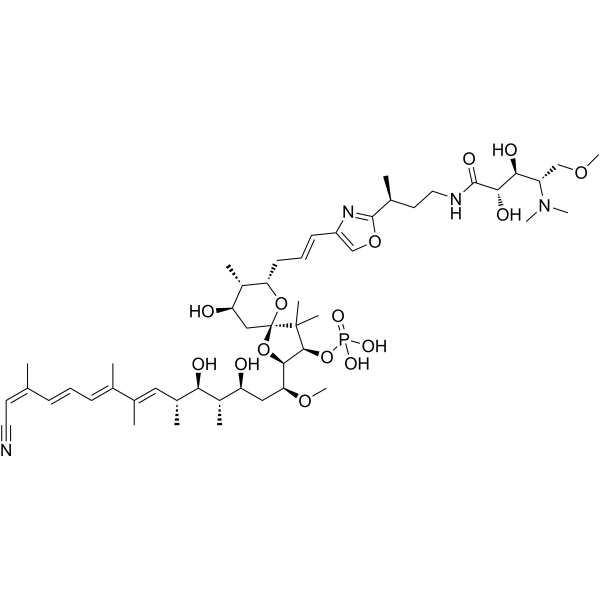
Calyculin A ((-)-Calyculin A) is a potent and cell-permeable proteinphosphatase 1 (PP1) and proteinphosphatase 2A (PP2A) inhibitor with IC50s of 2 nM and 0.5-1 nM, respectively .
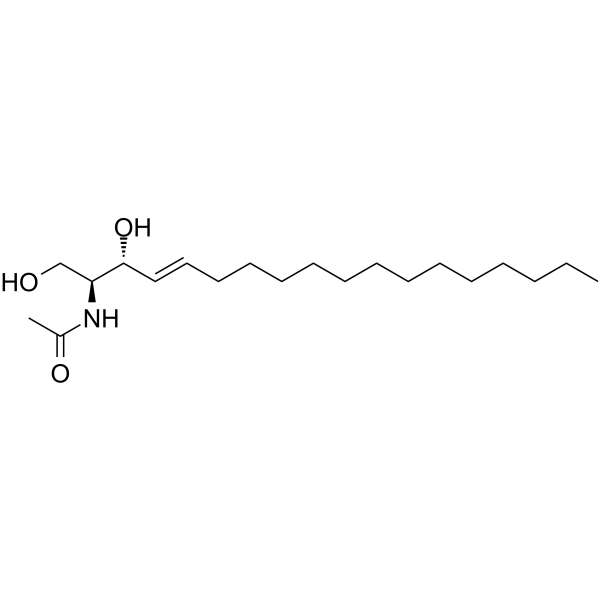
C2 Ceramide (Ceramide 2) is the main lipid of the stratum corneum and a proteinphosphatase 1 (PP1) activator. C2 Ceramide activates PP2A and ceramide-activated proteinphosphatase (CAPP). C2 Ceramide induces cells differentiation, autophagy and apoptosis, inhibits mitochondrial respiratory chain complex III. C2 Ceramide is also a skin conditioning agent that protects the epidermal barrier from water loss .
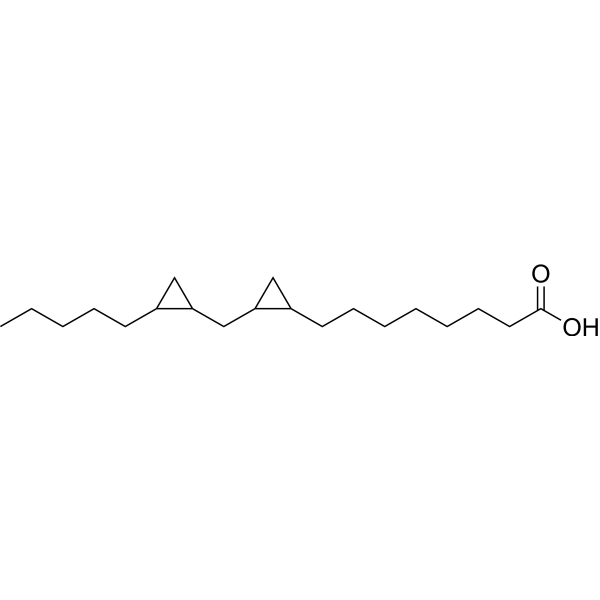
DCP-LA (FR236924), a linoleic acid derivative, selectively and directly activates PKCε. DCP-LA activates Ca( 2+)/calmodulin-dependent protein kinase II (CaMKII) and inhibits proteinphosphatase-1 (PP-1) to stimulate AMPA receptor exocytosis. DCP-LA inhibits activation of caspase-3/-9 and protects neurons at least in part from oxidative stress-induced apoptosis .
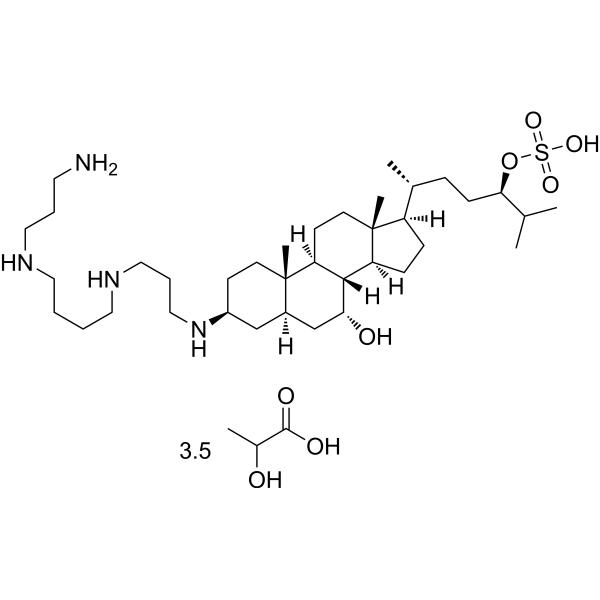
MSI-1436 lactate is a selective, non-competitive inhibitor of the enzyme protein-tyrosine phosphatase 1B (PTP1B), with an IC50 of 1 μM, 200-fold preference over TCPTP (IC50 of 224 μM).
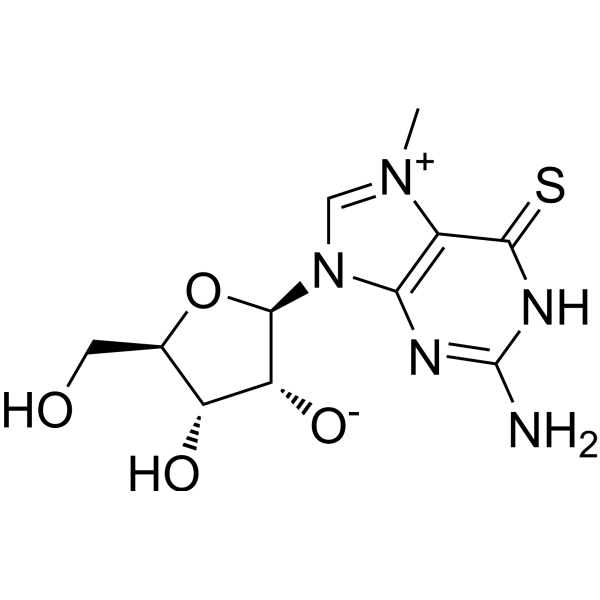
7-Methyl-6-thioguanosine (MESG) is a chromogenic substrate that can be converted to 7-methyl-6-thioguanine in the presence of purine nucleoside phosphorylase and inorganic phosphate. 7-Methyl-6-thioguanosine can be used to quantify inorganic phosphate. 7-Methyl-6-thioguanosine can also be used to determine the activities of purine nucleoside phosphorylase and proteinphosphatases .
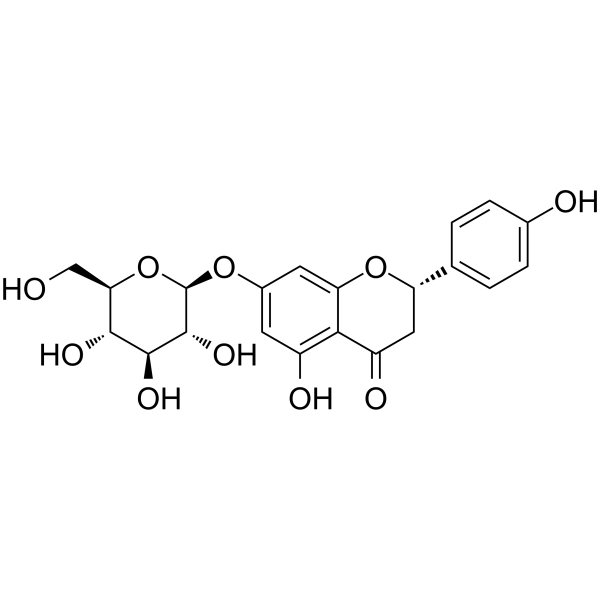
Prunin is a potent inhibitor of human enterovirus A71 (HEVA71). Prunin shows strong inhibitory activity against protein tyrosine phosphatase 1B (PTP1B), with an IC50 of 5.5 μM .
Licochalcone C could inhibit α-glucosidase, with IC50s of <100 nM and 92.43 μM for α-glucosidase and protein tyrosine phosphatase 1B (PTP1B), respectively.
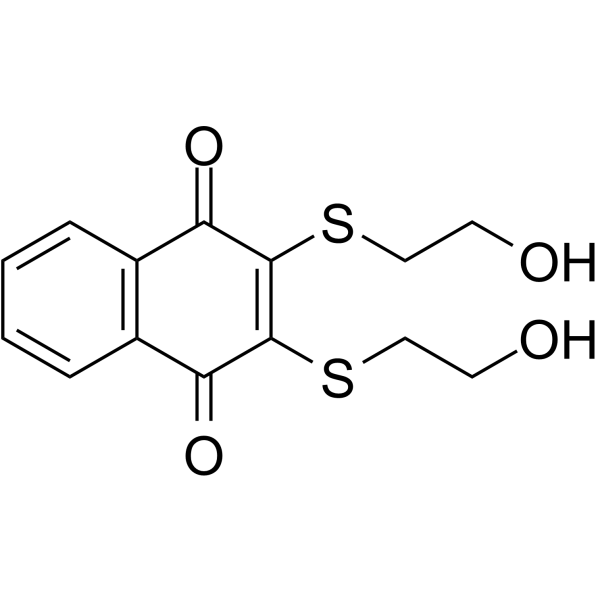
CCT007093 is an effective proteinphosphatase 1D (PPM1D Wip1) inhibitor. Wip1 inhibition can activate the mTORC1 pathway and enhance hepatocyte proliferation after hepatectomy .
MSI-1436 is a selective, non-competitive inhibitor of the enzyme protein-tyrosine phosphatase 1B (PTP1B), with an IC50 of appr 1 μM, 200-fold preference over TCPTP (IC50, 224 μM).
SMAPP1 is an activator of proteinphosphatase-1 (PP1). SMAPP1 increases phosphorylation of CDK9’s Ser90 and Thr186 residues, but not Ser175. SMAPP1 induces HIV-1 replication, upregulates HIV-1 transcription that led to the reactivation of latent HIV-1 provirus .
KY-226 is a potent, selective, orally active and allosteric protein tyrosine phosphatase 1B (PTP1B) inhibitor with an IC50 of 0.25 μM, and without PPARγ agonist activity. KY-226 exerts anti-diabetic and anti-obesity effects by enhancing insulin and leptin signaling, respectively. KY-226 also protects neurons from cerebral ischemic injury .
Licoflavone A is a flavonoid isolated from the roots of Glycyrrhiza uralensis, inhibits protein tyrosine phosphatase-1B (PTP1B), with an IC50 of 54.5 μM .
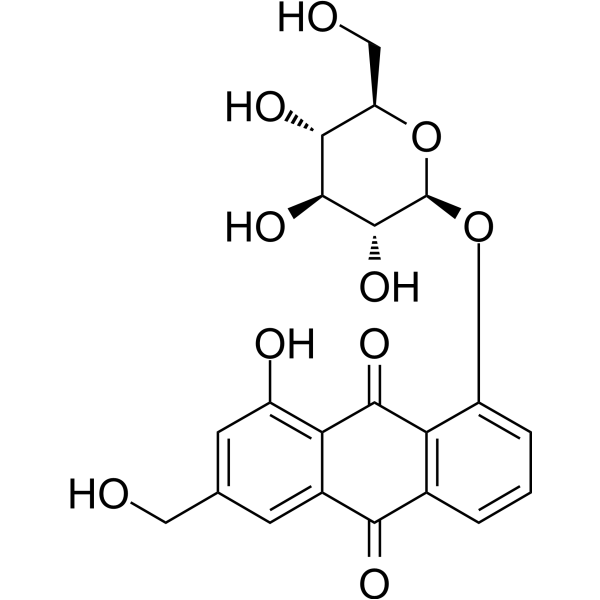
Aloe-emodin-8-O-β-D-glucopyranoside, a compound isolated from Saussrurea lappa, is a moderate inhibitor of human protein tyrosine phosphatase 1B (hPTP1B) with an IC50 of 26.6 μM .
SHP1 activator 1 (Compound 3n) is an activator for src homology-2 domain-containing protein tyrosine phosphatase 1(SHP1) with an EC50 of 17.66 μM. SHP1 activator 1 inhibits the proliferation of ABC-DLBCL cells, induces apoptosis by inhibiting STAT3 signaling pathway. SHP1 activator 1 emitts blue and green fluorescence signalis in MDA-MB-231 cell, and can be used as a cell imaging agent .
JTT 551 is selective a protein tyrosine phosphatase 1B (PTP1B) inhibitor, with Kis of 0.22 μM and 9.3 μM for PTP1B and TCPTP (T-cell protein tyrosine phosphatase), respectively; JTT 551 can be used in the research of type 2 diabetes mellitus.
Isotanshinone IIA, an abietane-type diterpene metabolite, could non-competitively inhibit Protein Tyrosine Phosphatase 1B (PTP1B) activity with an IC50 0f 11.4 μM.
Lobaric acid is a depsipeptide metabolite isolated from Stereocaulon lichen with antioxidant, antiproliferative, antiviral and enzyme inhibitory activities. Lobaric acid scavenges superoxide free radicals (IC50=97.9 μM) and inhibits cancer cell proliferation (EC50 of 15.2-63.9 μg/mL against leukemia, colorectal, gastric, breast, ovarian, prostate, pancreatic and lung cancer cell lines). Lobaric acid inhibits protein tyrosine phosphatase 1B (PTP1B; IC50=0.87 μM for human recombinant enzyme) and 12(S)-HETE produced by 12(S)-lipoxygenase (IC50=28.5 μM). Lobaric acid (250 μM) also reduced pathological changes in tobacco leaves infected with tobacco mosaic virus (TMV).
Cyanidin 3-arabinoside is a selective and reversible protein tyrosine phosphatase 1B (PTP1B) inhibitor, with an IC50 of 8.91 μM. Cyanidin 3-arabinoside is potential for the research of type 2 diabetes .
Sophoraisoflavone A (Allolicoisoflavone B) is a nature product that could be isolated from Glycyrrhiza inflate. Sophoraisoflavone A is a potent protein tyrosine phosphatase 1B (PTP1B) inhibitor with an IC50 value of 0.80 μM. Sophoraisoflavone A can be used in research of inflammation .
Ac-MBP (4-14) Peptide is an acetylated MBP (4-14) peptide. MBP (4-14) Peptide is a very selective (protein kinase C) PKC substrate. Ac-MBP (4-14) Peptide can be used for PKC assay in extracts without prior purification to eliminate interfering protein kinases or phosphatases .
Deoxyneocryptotanshinone, a natural tanshinone, is a high affinity BACE1 (Beta-secretase) inhibitor with an IC50 value of 11.53 μM. Deoxyneocryptotanshinone shows a promising dose-dependent inhibition of protein tyrosine phosphatase 1B (PTP1B) with an IC50 value of 133.5 μM. Deoxyneocryptotanshinone can be used for Alzheimer's disease research .
Cantharidic acid is a selective inhibitor for proteinphosphatase 2 (PP2A) and proteinphosphatase 1 (PP1). Cantharidic acid inhibits cell viability and arrest cell cycle at sub G1 phase, induces apoptosis in cells NPC-39 and HONE-1 through the upregulation of ERK1/2, p38, and JNK1/2 pathway .
Oscillamide C (Compound 2), a ureido-containing cyclic peptide, is a Proteinphosphatase 1 (PP1) and Proteinphosphatase 2A (PP2A) inhibitor with IC50s of 0.90 and 1.33 μM for PP1 and PP2A, respectively. Oscillamide C can be isolated from the cyanobacteria Planktothrix agardhii and P. rubescens. Oscillamide C can be used for cancers research .
cis-Emodin-physcion bianthrone is a potent inhibitor of protein tyrosine phosphatase 1B (PTP1B), with an IC50 value of 7.29 μM. cis-Emodin-physcion bianthrone can be used for research on type 2 diabetes .
Cassiaside B2 is a protein tyrosine phosphatase 1B (PTP1B) and human monoamine oxidase A (hMAO-A) inhibitor. Cassiaside B2 possesses antiallergic and is a 5-HT2C receptor agonist . ..
PTP1B-IN-15 is a potent and selective inhibitor of protein tyrosine phosphatase 1B (PTP1B). PTP1B-IN-15 has the potential for the research of type II diabetes and obesity .
IONIS PTP1BRx (ISIS 404173) is an antisense inhibitor of protein tyrosine phosphatase 1B (PTP-1B). IONIS PTP1BRx shows antidiabetic activity, and can be used for the study of insulin resistance and type 2 diabetes mellitus associated with obesity .
PTP1B-IN-22, a ZINC02765569 derivative, is a potent protein tyrosine phosphatase 1B (PTP1B) inhibitor. PTP1B-IN-22 has PTP1B inhibition and glucose uptake in skeletal muscle L6 myotubes .
Sydowimide A is a potent inhibitor of Src homology region 2 domain-containing phosphatase-1 (SHP1), T-cell protein tyrosine phosphatase (TCPTP) and leukocyte common antigen (CD45), with IC50 values of 1.5, 2.4 and 18.83 μM, respectively .
Bonannione A (6-Geranylnaringenin; Mimulone), a prenylflavonoid, is an orally active and potent protein tyrosine phosphatase 1B (PTP1B) inhibitor with an IC50 of 14 µM. Bonannione A triggers caspase-dependent apoptosis. Bonannione A induces autophagy through p53-mediated AMPK/mTOR pathway. Bonannione A shows anti-inflammatory, antiradical and anti-cancer activity .
DCP-LA (Standard) is the analytical standard of DCP-LA. This product is intended for research and analytical applications. DCP-LA (FR236924), a linoleic acid derivative, selectively and directly activates PKCε. DCP-LA activates Ca(2+)/calmodulin-dependent protein kinase II (CaMKII) and inhibits proteinphosphatase-1 (PP-1) to stimulate AMPA receptor exocytosis. DCP-LA inhibits activation of caspase-3/-9 and protects neurons at least in part from oxidative stress-induced apoptosis[1][2][3].
(Rac)-RK-682, a racemate of RK-682, is a protein tyrosine phosphatases (PTPases) inhibitor. (Rac)-RK-682 inhibits protein tyrosine phosphatase 1B (PTP-1B), low molecular weight protein tyrosine phosphatases (LMW-PTP), and cell division cycle 25B (CDC-25B) with IC50s of 8.6 μM, 12.4 μM, and 0.7 μM, respectively .
Dehydrodanshenol A is a non-competitive inhibitor of Protein tyrosine phosphatase 1B (PTP1B), with an IC50 value of 8.5 μM. Dehydrodanshenol A can be used in diabetes-related research .
Kanjone is a compound found in Millettia peguensis and can be used for the synthesis of protein tyrosine phosphatase 1B (PTP1B) inhibitors. Kanjone holds promise for research in the fields of diabetes and neurological disorders .
PTP1B-IN-20 is a selective inhibitor of protein tyrosine phosphatase 1B (PTP1B; IC50=1.05 μM) over the highly homologous T-cell protein tyrosine phosphatase (TCPTP; IC50=78.0 μM), which is a key target for type 2 diabetes inhibition .
Ficusonolide has significant antidiabetic activity with a possible mechanism of interaction with dipeptidyl peptidase-IV (DPP-IV), protein tyrosine phosphatase 1B (PTP-1B), α-glucosidase, and α-amylase.
Oscillamide C TFA (Compound 2), a ureido-containing cyclic peptide, is a Proteinphosphatase 1 (PP1) and Proteinphosphatase 2A (PP2A) inhibitor with IC50s of 0.90 and 1.33 μM for PP1 and PP2A, respectively. Oscillamide C TFA can be isolated from the cyanobacteria Planktothrix agardhii and P. rubescens. Oscillamide C TFA can be used for cancers research .
3-Hydroxyphloridzin (3-Hydroxyphlorizin) is a protein tyrosine phosphatase 1B (PTP1B) inhibitor. 3-Hydroxyphloridzin modulates insulin receptor phosphorylation levels. 3-Hydroxyphloridzin is promising for research of type 2 diabetes .
PTP1B-IN-29 (Compound A2B5) is an inhibitor for phosphatase, that inhibits protein tyrosine phosphatase 1B (PTP1B), TCPTP and λPPase with IC50s of 1.27 μM, 4.38 μM and 8.79 μM, respectively. PTP1B-IN-29 can be used in research of diabete and obesity .
Chrysophanol triglucoside is an anthraquinone isolated from Cassia obtusifolia, inhibits protein tyrosine phosphatases 1B (PTP1B) and α-glucosidase with IC50s of 80.17 and 197.06 µM, respectively. Chrysophanol triglucoside has the potential for diabetes research .
Rubrofusarin 6-O-β-D-glucopyranoside, the glycoside of Rubrofusarin, is a protein tyrosine phosphatase 1B (PTP1B) inhibitor with the IC50 of 87.36 μM. Rubrofusarin 6-O-β-D-glucopyranoside can be used for the research of comorbid diabetes and depression .
IONIS PTP1BRx (ISIS 404173) sodium is an antisense inhibitor of protein tyrosine phosphatase 1B (PTP-1B). IONIS PTP1BRx sodium shows antidiabetic activity, and can be used for the study of insulin resistance and type 2 diabetes mellitus associated with obesity .
PTP1B-IN-18 is an orally active complete mixed type protein tyrosine phosphatase 1B (PTP1B) inhibitor with a Ki of 35.2 μM. PTP1B-IN-18 can be used for type 2 diabetes research .
(+)-Crinatusin A1 (Compound (+)- 4) is a chalcone-monoterpene hybrid, which can be isolated from Cleistocalyx operculatus. (+)-Crinatusin A1 is an inhibitor for protein tyrosine phosphatase 1B (PTP1B) with IC50 of 0.9 μM. (+)-Crinatusin A1 exhibits potential as an antidiabetic agent .
(E/Z)-Raphin1 is an inhibitor of PPP1R15B, a regulatory subunit of proteinphosphatase 1. (E/Z)-Raphin1 is orally available and can cross the blood-brain barrier. (E/Z)-Raphin1 can be used in neurological research .
PTP1B-IN-17 (Compound 45), a potential selective benzimidazole derivative, acts as a protein tyrosine phosphatase 1B (PTP1B) inhibitor with a Ki of 30.2 μM. PTP1B-IN-17 can be used for the research of type 2 diabetes.
PTP1B-IN-16 (Compound 46), a potential selective benzimidazole derivative, acts as a protein tyrosine phosphatase 1B (PTP1B) inhibitor with a Ki of 12.6 μM. PTP1B-IN-16 can be used for the research of type 2 diabetes.
PTP1B-IN-19 (Compound 43), a potential selective benzimidazole derivative, acts as a protein tyrosine phosphatase 1B (PTP1B) inhibitor with a Ki of 23.3 μM. PTP1B-IN-19 can be used for the research of type 2 diabetes.
LXQ46 is an orally active inhibitor for protein tyrosine phosphatase 1B (PTP1B), with an IC50 of 0.190 μM. LXQ46 enhances insulin and leptin signaling pathways in insulin-resistant C2C12. LXQ46 ameliorates type 2 diabetes and increases insulin tolerance in mouse models .
Penpaxilloids A (Compound 1) is a non-competitive inhibitor of protein tyrosine phosphatase 1B (PTP1B) with an IC50 value of 8.60 μM. Penpaxilloids A can be isolated from the fungus Penicillium sp. ZYX-Z-143. Penpaxilloids A is also an α-glucosidase (α-glucosidase) inhibitor with anti-inflammatory activity .
PTP1B-IN-27 (Compound 7i) is an inhibitor of protein tyrosine phosphatase 1-B (PTP‐1B)(IC50=8.2 µM). PTP1B-IN-27 also inhibits α-Glucosidase (IC50=120 µM) and shows competitive inhibition (Ki=118 µM) .
Aloe-emodin-8-O-β-D-glucopyranoside (Standard) is the analytical standard of Aloe-emodin-8-O-β-D-glucopyranoside. This product is intended for research and analytical applications. Aloe-emodin-8-O-β-D-glucopyranoside, a compound isolated from Saussrurea lappa, is a moderate inhibitor of human protein tyrosine phosphatase 1B (hPTP1B) with an IC50 of 26.6 μM .
MY17 is an inhibitor of protein tyrosine phosphatase 1B (PTP1B) (IC50=0.41±0.05 μM). MY17 alleviates palmitic acid (PA) -induced insulin resistance by up-regulating the expression of phosphorylated insulin receptor substrate (IRS1) and protein kinase B (AKT). By binding with PTP1B, MY17 can inhibit the activity of PTP1B, thereby improving insulin signaling and having anti-diabetic activity. MY17 can be used in the study of type 2 diabetes .
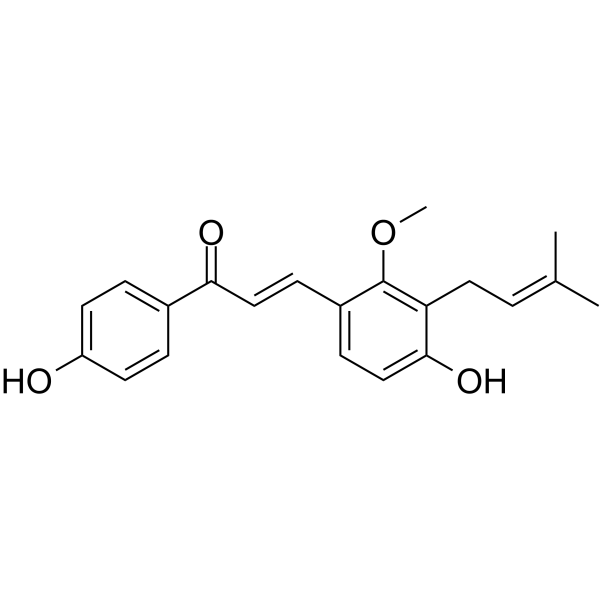
1-(4-Hydroxy-2-methoxyphenyl)-3-(4-hydroxy-3-prenylphenyl), isolated from Broussonetia kazinoki, shows in vitro inhibition of protein tyrosine phosphatase 1B (PTP1B) with an IC50 of 13.00 μM. PTP1B is a negative regulator of insulin action and an important mediator in the pathogenesis of insulinresistance and non-insulin dependent diabetes mellitus. PTP1B is regarded as a significant target for type 2 diabetes .
PTP1B-IN-26 (Compound 7a) is a derivative of phenylthiosemicarbazide‐phenoxy‐1,2,3‐triazole‐N‐phenylacetamide. PTP1B-IN-26 is an inhibitor of protein tyrosine phosphatase 1B (PTP-1B). PTP1B-IN-26 is a competitive inhibitor. PTP1B-IN-26 can be used to research in type 2 diabetes .
PPARα agonist 5 is an orally available, selective partial agonist of PPARα (EC50: 3 nM). PPARα agonist 5 reduces lipid accumulation and upregulates key PPARα target genes, exerting anti-fatty liver effects. PPARα agonist 5 also exhibits significant hypolipidemic and hypoglycemic effects through partial PPARγ agonist activity and mild inhibition of protein tyrosine phosphatase 1B (PTP1B) (IC50: 79.1 μM). PPARα agonist 5 has a good safety profile and can be used in the study of type 2 diabetes with dyslipidemia .
PTP1B/AKR1B1-IN-1 is a dual inhibitor of protein tyrosine phosphatase 1B (PTP1B) and aldose reductase (AKR1B1), with IC50s of 0.06 μM and 4.3 μM, respectively. PTP1B/AKR1B1-IN-1 also inhibits TC-PTP with an IC50 value of 9 μM. PTP1B/AKR1B1-IN-1 serves as an insulin-mimetic agent in murine myoblasts, and reduces AKR1B1-dependent sorbitol accumulation. PTP1B/AKR1B1-IN-1 inhibits development of type 2 diabetes mellitus (T2DM) to control blood glucose levels .
NSC 95397 (Standard) is the analytical standard of NSC 95397 (HY-108543). This product is intended for research and analytical applications. NSC 95397 is a potent, selective Cdc25 dual specificity phosphatase inhibitor (Ki=32 nM (Cdc25A), 96 nM (Cdc25B), 40 nM (Cdc25C); IC50=22.3 nM (human Cdc25A), 56.9 nM (human Cdc25C), 125 nM (Cdc25B)) . NSC 95397 inhibits mitogen-activated protein Kinase phosphatase-1 (MKP-1) and suppresses proliferation and induces apoptosis in colon cancer cells through MKP-1 and ERK1/2 pathway .
trans-Emodin-physcion bianthrone is a protein tyrosine phosphatase 1B (PTP1B) inhibitor with an IC50 of 2.77 μM. trans-Emodin-physcion bianthrone is applicable to research related to insulin resistance .
Mulberrofuran D is a protein tyrosine phosphatase 1B (PTP1B) inhibitor, with an IC50 of 11.61 μM and a Ki of 4.79 μM against human PTP1B. Mulberrofuran D can be used in research related to type 2 diabetes .
Ethyl-3,4-dephostatin is a Protein tyrosine phosphatase 1B (PTP1B) inhibitor with an IC50 of 0.58 μg/mL. Ethyl-3,4-dephostatin can be used in studies of PTP1B-related enzyme inhibition mechanisms .
EBOV-IN-11 is a proteinphosphatase 1 (PP1) inhibitor, with Kd values of 1.88 nM and 8.01 nM against wild-type and quadruple-mutant PP1, respectively. EBOV-IN-11 potently inhibits the replication and transcription of EBOV-eGFP virus. EBOV-IN-11 can be used in studies related to Ebola virus infection .
PTP1B-IN-2 (Standard) is the analytical standard of PTP1B-IN-2 (HY-100462). This product is intended for research and analytical applications. PTP1B-IN-2 is a potent protein tyrosine phosphatase 1B (PTP1B) inhibitor with an IC50 of 50 nM.
PTP1B-IN-15 (Standard) is the analytical standard of PTP1B-IN-15 (HY-108196). This product is intended for research and analytical applications. PTP1B-IN-15 is a potent and selective inhibitor of protein tyrosine phosphatase 1B (PTP1B). PTP1B-IN-15 has the potential for the research of type II diabetes and obesity .
Glycybridin C is a Protein tyrosine phosphatase 1B (PTP1B) inhibitor and pregnane X receptor (PXR) ligand. Glycybridin C inhibits insulin and leptin signaling pathway negative regulation, LPS (HY-D1056)-induced NF-κB transcriptional activity. Glycybridin C forms hydrophobic and π-π stacking interactions with Met243, Phe288, Tyr306, and His407 residues of PXR. Glycybridin C can be used for the research of hepatocellular carcinoma, colorectal adenocarcinoma, breast carcinoma .
HUHS2002 is a free fatty acid derivative with the ability to enhance α7 cholinergic receptor activity. HUHS2002 enhances whole-cell membrane currents of α7 ACh receptors expressed in Xenopus oocytes in a concentration-dependent manner. The effects of HUHS2002 were blocked in the presence of the Ca2 /calmodulin-dependent protein kinase II (CaMKII) inhibitor KN-93. HUHS2002 activated CaMKII in cultured rodent hippocampal neurons, and this activation was abolished by KN-93. HUHS2002 also partially inhibited the activity of proteinphosphatase 1 (PP1) in a cell-free PP1 activity assay .
7-Methyl-6-thioguanosine (MESG) is a chromogenic substrate that can be converted to 7-methyl-6-thioguanine in the presence of purine nucleoside phosphorylase and inorganic phosphate. 7-Methyl-6-thioguanosine can be used to quantify inorganic phosphate. 7-Methyl-6-thioguanosine can also be used to determine the activities of purine nucleoside phosphorylase and proteinphosphatases .
Ac-MBP (4-14) Peptide is an acetylated MBP (4-14) peptide. MBP (4-14) Peptide is a very selective (protein kinase C) PKC substrate. Ac-MBP (4-14) Peptide can be used for PKC assay in extracts without prior purification to eliminate interfering protein kinases or phosphatases .
Oscillamide C (Compound 2), a ureido-containing cyclic peptide, is a Proteinphosphatase 1 (PP1) and Proteinphosphatase 2A (PP2A) inhibitor with IC50s of 0.90 and 1.33 μM for PP1 and PP2A, respectively. Oscillamide C can be isolated from the cyanobacteria Planktothrix agardhii and P. rubescens. Oscillamide C can be used for cancers research .
Oscillamide C TFA (Compound 2), a ureido-containing cyclic peptide, is a Proteinphosphatase 1 (PP1) and Proteinphosphatase 2A (PP2A) inhibitor with IC50s of 0.90 and 1.33 μM for PP1 and PP2A, respectively. Oscillamide C TFA can be isolated from the cyanobacteria Planktothrix agardhii and P. rubescens. Oscillamide C TFA can be used for cancers research .
Prunin is a potent inhibitor of human enterovirus A71 (HEVA71). Prunin shows strong inhibitory activity against protein tyrosine phosphatase 1B (PTP1B), with an IC50 of 5.5 μM .
Licochalcone C could inhibit α-glucosidase, with IC50s of <100 nM and 92.43 μM for α-glucosidase and protein tyrosine phosphatase 1B (PTP1B), respectively.
Licoflavone A is a flavonoid isolated from the roots of Glycyrrhiza uralensis, inhibits protein tyrosine phosphatase-1B (PTP1B), with an IC50 of 54.5 μM .
Aloe-emodin-8-O-β-D-glucopyranoside, a compound isolated from Saussrurea lappa, is a moderate inhibitor of human protein tyrosine phosphatase 1B (hPTP1B) with an IC50 of 26.6 μM .
Isotanshinone IIA, an abietane-type diterpene metabolite, could non-competitively inhibit Protein Tyrosine Phosphatase 1B (PTP1B) activity with an IC50 0f 11.4 μM.
Cyanidin 3-arabinoside is a selective and reversible protein tyrosine phosphatase 1B (PTP1B) inhibitor, with an IC50 of 8.91 μM. Cyanidin 3-arabinoside is potential for the research of type 2 diabetes .
Sophoraisoflavone A (Allolicoisoflavone B) is a nature product that could be isolated from Glycyrrhiza inflate. Sophoraisoflavone A is a potent protein tyrosine phosphatase 1B (PTP1B) inhibitor with an IC50 value of 0.80 μM. Sophoraisoflavone A can be used in research of inflammation .
Deoxyneocryptotanshinone, a natural tanshinone, is a high affinity BACE1 (Beta-secretase) inhibitor with an IC50 value of 11.53 μM. Deoxyneocryptotanshinone shows a promising dose-dependent inhibition of protein tyrosine phosphatase 1B (PTP1B) with an IC50 value of 133.5 μM. Deoxyneocryptotanshinone can be used for Alzheimer's disease research .
cis-Emodin-physcion bianthrone is a potent inhibitor of protein tyrosine phosphatase 1B (PTP1B), with an IC50 value of 7.29 μM. cis-Emodin-physcion bianthrone can be used for research on type 2 diabetes .
Cassiaside B2 is a protein tyrosine phosphatase 1B (PTP1B) and human monoamine oxidase A (hMAO-A) inhibitor. Cassiaside B2 possesses antiallergic and is a 5-HT2C receptor agonist . ..
Sydowimide A is a potent inhibitor of Src homology region 2 domain-containing phosphatase-1 (SHP1), T-cell protein tyrosine phosphatase (TCPTP) and leukocyte common antigen (CD45), with IC50 values of 1.5, 2.4 and 18.83 μM, respectively .
Bonannione A (6-Geranylnaringenin; Mimulone), a prenylflavonoid, is an orally active and potent protein tyrosine phosphatase 1B (PTP1B) inhibitor with an IC50 of 14 µM. Bonannione A triggers caspase-dependent apoptosis. Bonannione A induces autophagy through p53-mediated AMPK/mTOR pathway. Bonannione A shows anti-inflammatory, antiradical and anti-cancer activity .
Dehydrodanshenol A is a non-competitive inhibitor of Protein tyrosine phosphatase 1B (PTP1B), with an IC50 value of 8.5 μM. Dehydrodanshenol A can be used in diabetes-related research .
Kanjone is a compound found in Millettia peguensis and can be used for the synthesis of protein tyrosine phosphatase 1B (PTP1B) inhibitors. Kanjone holds promise for research in the fields of diabetes and neurological disorders .
PTP1B-IN-20 is a selective inhibitor of protein tyrosine phosphatase 1B (PTP1B; IC50=1.05 μM) over the highly homologous T-cell protein tyrosine phosphatase (TCPTP; IC50=78.0 μM), which is a key target for type 2 diabetes inhibition .
Ficusonolide has significant antidiabetic activity with a possible mechanism of interaction with dipeptidyl peptidase-IV (DPP-IV), protein tyrosine phosphatase 1B (PTP-1B), α-glucosidase, and α-amylase.
3-Hydroxyphloridzin (3-Hydroxyphlorizin) is a protein tyrosine phosphatase 1B (PTP1B) inhibitor. 3-Hydroxyphloridzin modulates insulin receptor phosphorylation levels. 3-Hydroxyphloridzin is promising for research of type 2 diabetes .
Chrysophanol triglucoside is an anthraquinone isolated from Cassia obtusifolia, inhibits protein tyrosine phosphatases 1B (PTP1B) and α-glucosidase with IC50s of 80.17 and 197.06 µM, respectively. Chrysophanol triglucoside has the potential for diabetes research .
Rubrofusarin 6-O-β-D-glucopyranoside, the glycoside of Rubrofusarin, is a protein tyrosine phosphatase 1B (PTP1B) inhibitor with the IC50 of 87.36 μM. Rubrofusarin 6-O-β-D-glucopyranoside can be used for the research of comorbid diabetes and depression .
(+)-Crinatusin A1 (Compound (+)- 4) is a chalcone-monoterpene hybrid, which can be isolated from Cleistocalyx operculatus. (+)-Crinatusin A1 is an inhibitor for protein tyrosine phosphatase 1B (PTP1B) with IC50 of 0.9 μM. (+)-Crinatusin A1 exhibits potential as an antidiabetic agent .
Penpaxilloids A (Compound 1) is a non-competitive inhibitor of protein tyrosine phosphatase 1B (PTP1B) with an IC50 value of 8.60 μM. Penpaxilloids A can be isolated from the fungus Penicillium sp. ZYX-Z-143. Penpaxilloids A is also an α-glucosidase (α-glucosidase) inhibitor with anti-inflammatory activity .
Aloe-emodin-8-O-β-D-glucopyranoside (Standard) is the analytical standard of Aloe-emodin-8-O-β-D-glucopyranoside. This product is intended for research and analytical applications. Aloe-emodin-8-O-β-D-glucopyranoside, a compound isolated from Saussrurea lappa, is a moderate inhibitor of human protein tyrosine phosphatase 1B (hPTP1B) with an IC50 of 26.6 μM .
1-(4-Hydroxy-2-methoxyphenyl)-3-(4-hydroxy-3-prenylphenyl), isolated from Broussonetia kazinoki, shows in vitro inhibition of protein tyrosine phosphatase 1B (PTP1B) with an IC50 of 13.00 μM. PTP1B is a negative regulator of insulin action and an important mediator in the pathogenesis of insulinresistance and non-insulin dependent diabetes mellitus. PTP1B is regarded as a significant target for type 2 diabetes .
trans-Emodin-physcion bianthrone is a protein tyrosine phosphatase 1B (PTP1B) inhibitor with an IC50 of 2.77 μM. trans-Emodin-physcion bianthrone is applicable to research related to insulin resistance .
Mulberrofuran D is a protein tyrosine phosphatase 1B (PTP1B) inhibitor, with an IC50 of 11.61 μM and a Ki of 4.79 μM against human PTP1B. Mulberrofuran D can be used in research related to type 2 diabetes .
Glycybridin C is a Protein tyrosine phosphatase 1B (PTP1B) inhibitor and pregnane X receptor (PXR) ligand. Glycybridin C inhibits insulin and leptin signaling pathway negative regulation, LPS (HY-D1056)-induced NF-κB transcriptional activity. Glycybridin C forms hydrophobic and π-π stacking interactions with Met243, Phe288, Tyr306, and His407 residues of PXR. Glycybridin C can be used for the research of hepatocellular carcinoma, colorectal adenocarcinoma, breast carcinoma .
The PTPMT1 protein is a lipid phosphatase that critically regulates cellular lipid metabolism by dephosphorylating phosphatidylglycerolphosphate (PGP) to form phosphatidylglycerol (PG). This step is critical for the biosynthesis of cardiolipin, a key mitochondrial phospholipid that regulates membrane integrity and mitochondrial activity. PTPMT1 Protein, Human (His) is the recombinant human-derived PTPMT1 protein, expressed by E. coli , with N-His labeled tag.
The MINPP1 protein is a bifunctional phosphatase that regulates inositol pentaphosphate (InsP5) and phytate hexaphosphate (InsP6) levels through phosphoinositide 5- and phosphoinositide 6-phosphatase activities. It also acts as 2,3-bisphosphoglycerate 3-phosphatase, which is essential for bone development and chondrocyte transformation. MINPP1 Protein, Human (P.pastoris, His) is the recombinant human-derived MINPP1 protein, expressed by P. pastoris , with N-His labeled tag.
The ACPL2 protein plays a critical role in the regulation of glycosaminoglycan (GAG) chains by catalyzing the 2-O-dephosphorylation of xylose in proteoglycans. This step is critical for the synthesis of sulfated GAGs, including heparan sulfate and chondroitin sulfate. ACPL2 Protein, Human (HEK293, His) is the recombinant human-derived ACPL2 protein, expressed by HEK293 , with C-His labeled tag.
MDP1 Protein, a magnesium-dependent phosphatase, potentially functions as a tyrosine phosphatase. MDP1 Protein, Human (HEK293, His) is the recombinant human-derived MDP1 protein, expressed by HEK293 , with C-6*His labeled tag.
The PHPT1 protein acts as a phosphohistidine phosphatase, catalyzing the dephosphorylation of phosphohistidine residues. This unique enzymatic activity makes PHPT1 a regulator of histidine phosphorylation events, suggesting that it is involved in signaling pathways or cellular processes that are critical for phosphohistidine modification. PHPT1 Protein, Human (P.pastoris, His) is the recombinant human-derived PHPT1 protein, expressed by P. pastoris , with N-His labeled tag.
LMW-PTP/ACP1, a phosphatase, acts on tyrosine phosphorylated proteins, low-molecular-weight aryl phosphates, and natural and synthetic acyl phosphates. Notably, there are substrate specificity differences between isoform 1 and isoform 2, with isoform 2 lacking phosphatase activity. LMW-PTP/ACP1 Protein, Human (His) is the recombinant human-derived LMW-PTP/ACP1 protein, expressed by E. coli , with C-6*His labeled tag.
The MINPP1 protein is a bifunctional phosphatase that regulates inositol pentaphosphate (InsP5) and phytate hexaphosphate (InsP6) levels through phosphoinositide 5- and phosphoinositide 6-phosphatase activities. It also acts as 2,3-bisphosphoglycerate 3-phosphatase, which is essential for bone development and chondrocyte transformation. MINPP1 Protein, Human (HEK293, His) is the recombinant human-derived MINPP1 protein, expressed by HEK293 , with C-6*His labeled tag.
ProteinPhosphatase 1 Regulatory Subunit 14A; 17 kDa PKC-Potentiated Inhibitory Protein of PP1; Protein Kinase C-Potentiated Inhibitor Protein of 17 kDa; CPI-17; PPP1R14A; CPI17; PPP1INL
The PPP1R14A protein is a key cellular regulator that effectively inhibits PPP1CA and exhibits significant activity amplification upon phosphorylation. This phosphorylation-induced transformation turns PPP1R14A into a dynamic molecular switch adept at regulating PPP1CA substrate phosphorylation. PPP1R14A Protein, Human (His) is the recombinant human-derived PPP1R14A protein, expressed by E. coli , with C-6*His labeled tag.
FAK1 is a nonreceptor protein tyrosine kinase that coordinates multiple cellular processes. FAK1 Protein, Human (sf9, GST) is the recombinant human-derived FAK1 protein, expressed by sf9 insect cells , with N-GST labeled tag.
The HDAC6 protein coordinates multiple functions, deacetylating histones and proteins such as tubulin and CTTN. Its role in epigenetic repression affects transcription, cell cycle, and development. HDAC6 Protein, Human (His) is the recombinant human-derived HDAC6 protein, expressed by E. coli , with N-6*His labeled tag.
The HDAC6 protein coordinates multiple functions, deacetylating histones and proteins such as tubulin and CTTN. Its role in epigenetic repression affects transcription, cell cycle, and development. HDAC6 Protein, Human (sf9, His) is the recombinant human-derived HDAC6 protein, expressed by Sf9 insect cells, with C-8*His labeled tag.
PP1MG Protein, a member of PPM family of serine/threonine phosphatases, has an important role in controlling cell cycle progression. PP1MG Proteinregulates the phosphorylation of SRSF3 in hepatocellular carcinoma (HCC) and contributes to the proliferation, invasion, and metastasis of HCC. PP1MG Protein forms a distinct holoenzyme complex with the PP2A regulatory subunit B56δ. B56δ‐PPM1G dephosphorylates α‐catenin at serine 641, which is necessary for the appropriate assembly of adherens junctions and the prevention of aberrant cell migration. PP1MG Protein, Human (His) is the recombinant human-derived PP1MG protein, expressed by E. coli , with C-6*His labeled tag.
PPM1H, the enzyme subject, dephosphorylates CDKN1B at 'Thr-187,' critically regulating cellular processes. By preventing proteasomal degradation, PPM1H stabilizes CDKN1B, emphasizing its role in protein stabilization. This dephosphorylation event, orchestrated by PPM1H, intricately controls CDKN1B levels, showcasing its involvement in modulating cell cycle progression and regulating key cellular functions. PPM1H, Human (HEK293, His) is the recombinant human-derived PPM1H, expressed by HEK293 , with C-His labeled tag.
PPM1A is a multifunctional enzyme that negatively regulates multiple signaling pathways. It significantly attenuates TGF-β signaling by dephosphorylating SMAD2 and SMAD3, leading to their dissociation from SMAD4, nuclear export, and signal termination. PPM1A Protein, Human (His) is the recombinant human-derived PPM1A protein, expressed by E. coli , with C-6*His labeled tag.
PPM1A is a multifunctional enzyme whose enzymatic activity exhibits broad specificity. It acts as a negative regulator of TGF-β signaling by dephosphorylating SMAD2 and SMAD3, leading to their dissociation from SMAD4, nuclear export of SMAD, and termination of TGF-β-mediated signaling. PPM1A Protein, Mouse (His) is the recombinant mouse-derived PPM1A protein, expressed by E. coli , with C-His labeled tag.
SHP-1 Protein modulates signaling from tyrosine-phosphorylated cell surface receptors, including KIT and EGFR. It enhances the inhibition of mast cell activation via the Lilrb4a receptor. The SH2 regions interact with cellular components to regulate its phosphatase activity. In collaboration with MTUS1, it induces UBE2V2 expression upon angiotensin II stimulation. SHP-1 plays a crucial role in hematopoiesis. SHP-1 Protein, Human (His) is the recombinant human-derived SHP-1 protein, expressed by E. coli , with C-6*His labeled tag.
PPP1CC protein is a multifunctional phosphatase that forms a specific holoenzyme with more than 200 regulatory proteins to dephosphorylate various biological targets. PPP1CC is critical for cell division and regulates glycogen metabolism, muscle contractility, and protein synthesis. PPP1CC Protein, Human (His) is the recombinant human-derived PPP1CC protein, expressed by E. coli , with N-6*His, C-6*His labeled tag.
The SHP-2 protein is a key player downstream of the receptor and cytoplasmic protein tyrosine kinases, facilitating signal transduction from the cell surface to the nucleus. It actively regulates the MAPK pathway and dephosphorylates key substrates, including GAB1, ARHGAP35, EGFR, ROCK2 ("Tyr-722"), and CDC73. SHP-2 Protein, Human (T253M, Q257L, His) is the recombinant human-derived SHP-2 protein, expressed by E. coli , with N-6*His labeled tag and T253M, Q257L mutation.
Phospho-MYPT1 (Thr853) Antibody (YA9940) is a Rabbit-derived and non-conjugated IgG Recombinant, Monoclonal antibody, targeting to Phospho-MYPT1 (Thr853).
Phospho-MYPT1 (Thr696) Antibody (YA9941) is a Rabbit-derived and non-conjugated IgG Recombinant, Monoclonal antibody, targeting to Phospho-MYPT1 (Thr696).
Phospho-PPP1CA (Thr320) Antibody (YA9841) is a Rabbit-derived and non-conjugated IgG Recombinant, Monoclonal antibody, targeting to Phospho-PPP1CA (Thr320).
7-Methyl-6-thioguanosine (MESG) is a chromogenic substrate that can be converted to 7-methyl-6-thioguanine in the presence of purine nucleoside phosphorylase and inorganic phosphate. 7-Methyl-6-thioguanosine can be used to quantify inorganic phosphate. 7-Methyl-6-thioguanosine can also be used to determine the activities of purine nucleoside phosphorylase and proteinphosphatases .
IONIS PTP1BRx (ISIS 404173) is an antisense inhibitor of protein tyrosine phosphatase 1B (PTP-1B). IONIS PTP1BRx shows antidiabetic activity, and can be used for the study of insulin resistance and type 2 diabetes mellitus associated with obesity .
IONIS PTP1BRx (ISIS 404173) sodium is an antisense inhibitor of protein tyrosine phosphatase 1B (PTP-1B). IONIS PTP1BRx sodium shows antidiabetic activity, and can be used for the study of insulin resistance and type 2 diabetes mellitus associated with obesity .
Inquiry Online
Your information is safe with us. * Required Fields.
Western blot analysis of extracts from THP-1(lane 2(20μg), Jurkat (lane 3(20μg) and NIH3T3(lane 4(20μg) using FOXO1A (HY-P80132) Rabbit mAb. Proteins were transferred
to a PVDF membrane and blocked with 5% non-fat milk in TBST for 2 hour at room temperature. The primary antibody (1/1000) and Loading control antibody (Beta Actin, HY-P80438, 1/10000) was
used in 5% non-fat milk in TBST at 4°C overnight. Goat Anti-Mouse/Rabbit IgG-HRP Secondary Antibody (1/10000) was used for 1 hour at room temperature.
Western blot analysis of extracts from THP-1(lane 2(20μg), Jurkat (lane 3(20μg) and NIH3T3(lane 4(20μg) using FOXO1A (HY-P80132) Rabbit mAb. Proteins were transferred
to a PVDF membrane and blocked with 5% non-fat milk in TBST for 2 hour at room temperature. The primary antibody (1/1000) and Loading control antibody (Beta Actin, HY-P80438, 1/10000) was
used in 5% non-fat milk in TBST at 4°C overnight. Goat Anti-Mouse/Rabbit IgG-HRP Secondary Antibody (1/10000) was used for 1 hour at room temperature.
Western blot analysis of extracts from THP-1(lane 2(20μg), Jurkat (lane 3(20μg) and NIH3T3(lane 4(20μg) using FOXO1A (HY-P80132) Rabbit mAb. Proteins were transferred
to a PVDF membrane and blocked with 5% non-fat milk in TBST for 2 hour at room temperature. The primary antibody (1/1000) and Loading control antibody (Beta Actin, HY-P80438, 1/10000) was
used in 5% non-fat milk in TBST at 4°C overnight. Goat Anti-Mouse/Rabbit IgG-HRP Secondary Antibody (1/10000) was used for 1 hour at room temperature.
Western blot analysis of extracts from THP-1(lane 2(20μg), Jurkat (lane 3(20μg) and NIH3T3(lane 4(20μg) using FOXO1A (HY-P80132) Rabbit mAb. Proteins were transferred
to a PVDF membrane and blocked with 5% non-fat milk in TBST for 2 hour at room temperature. The primary antibody (1/1000) and Loading control antibody (Beta Actin, HY-P80438, 1/10000) was
MedchemExpress Validation 03
Western blot analysis of extracts from THP-1(lane 2(20μg), Jurkat (lane 3(20μg) and NIH3T3(lane 4(20μg) using FOXO1A (HY-P80132) Rabbit mAb. Proteins were transferred
MedchemExpress Validation 04
Western blot analysis of extracts from THP-1(lane 2(20μg), Jurkat (lane 3(20μg) and NIH3T3(lane 4(20μg) using FOXO1A (HY-P80132) Rabbit mAb. Proteins were transferred
to a PVDF membrane and blocked with 5% non-fat milk in TBST for 2 hour at room temperature. The primary antibody (1/1000) and Loading control antibody (Beta Actin, HY-P80438, 1/10000) was
used in 5% non-fat milk in TBST at 4°C overnight. Goat Anti-Mouse/Rabbit IgG-HRP Secondary Antibody (1/10000) was used for 1 hour at room temperature.
MedchemExpress Validation
Western blot analysis of extracts from THP-1(lane 2(20μg), Jurkat (lane 3(20μg) and NIH3T3(lane 4(20μg) using FOXO1A (HY-P80132) Rabbit mAb. Proteins were transferred
to a PVDF membrane and blocked with 5% non-fat milk in TBST for 2 hour at room temperature. The primary antibody (1/1000) and Loading control antibody (Beta Actin, HY-P80438, 1/10000) was
used in 5% non-fat milk in TBST at 4°C overnight. Goat Anti-Mouse/Rabbit IgG-HRP Secondary Antibody (1/10000) was used for 1 hour at room temperature.
Western blot analysis of extracts from THP-1(lane 2(20μg), Jurkat (lane 3(20μg) and NIH3T3(lane 4(20μg) using FOXO1A (HY-P80132) Rabbit mAb. Proteins were transferred
to a PVDF membrane and blocked with 5% non-fat milk in TBST for 2 hour at room temperature. The primary antibody (1/1000) and Loading control antibody (Beta Actin, HY-P80438, 1/10000) was
used in 5% non-fat milk in TBST at 4°C overnight. Goat Anti-Mouse/Rabbit IgG-HRP Secondary Antibody (1/10000) was used for 1 hour at room temperature.
MedchemExpress Validation
Western blot analysis of extracts from THP-1(lane 2(20μg), Jurkat (lane 3(20μg) and NIH3T3(lane 4(20μg) using FOXO1A (HY-P80132) Rabbit mAb. Proteins were transferred
to a PVDF membrane and blocked with 5% non-fat milk in TBST for 2 hour at room temperature. The primary antibody (1/1000) and Loading control antibody (Beta Actin, HY-P80438, 1/10000) was
used in 5% non-fat milk in TBST at 4°C overnight. Goat Anti-Mouse/Rabbit IgG-HRP Secondary Antibody (1/10000) was used for 1 hour at room temperature.
MedchemExpress Validation
Western blot analysis of extracts from THP-1(lane 2(20μg), Jurkat (lane 3(20μg) and NIH3T3(lane 4(20μg) using FOXO1A (HY-P80132) Rabbit mAb. Proteins were transferred
to a PVDF membrane and blocked with 5% non-fat milk in TBST for 2 hour at room temperature. The primary antibody (1/1000) and Loading control antibody (Beta Actin, HY-P80438, 1/10000) was
used in 5% non-fat milk in TBST at 4°C overnight. Goat Anti-Mouse/Rabbit IgG-HRP Secondary Antibody (1/10000) was used for 1 hour at room temperature.
MedchemExpress Validation
Western blot analysis of extracts from THP-1(lane 2(20μg), Jurkat (lane 3(20μg) and NIH3T3(lane 4(20μg) using FOXO1A (HY-P80132) Rabbit mAb. Proteins were transferred
to a PVDF membrane and blocked with 5% non-fat milk in TBST for 2 hour at room temperature. The primary antibody (1/1000) and Loading control antibody (Beta Actin, HY-P80438, 1/10000) was
used in 5% non-fat milk in TBST at 4°C overnight. Goat Anti-Mouse/Rabbit IgG-HRP Secondary Antibody (1/10000) was used for 1 hour at room temperature.
MedchemExpress Validation
Western blot analysis of extracts from THP-1(lane 2(20μg), Jurkat (lane 3(20μg) and NIH3T3(lane 4(20μg) using FOXO1A (HY-P80132) Rabbit mAb. Proteins were transferred
to a PVDF membrane and blocked with 5% non-fat milk in TBST for 2 hour at room temperature. The primary antibody (1/1000) and Loading control antibody (Beta Actin, HY-P80438, 1/10000) was
used in 5% non-fat milk in TBST at 4°C overnight. Goat Anti-Mouse/Rabbit IgG-HRP Secondary Antibody (1/10000) was used for 1 hour at room temperature.
MedchemExpress Validation
Western blot analysis of extracts from THP-1(lane 2(20μg), Jurkat (lane 3(20μg) and NIH3T3(lane 4(20μg) using FOXO1A (HY-P80132) Rabbit mAb. Proteins were transferred
to a PVDF membrane and blocked with 5% non-fat milk in TBST for 2 hour at room temperature. The primary antibody (1/1000) and Loading control antibody (Beta Actin, HY-P80438, 1/10000) was
used in 5% non-fat milk in TBST at 4°C overnight. Goat Anti-Mouse/Rabbit IgG-HRP Secondary Antibody (1/10000) was used for 1 hour at room temperature.
MedchemExpress Validation
Western blot analysis of extracts from THP-1(lane 2(20μg), Jurkat (lane 3(20μg) and NIH3T3(lane 4(20μg) using FOXO1A (HY-P80132) Rabbit mAb. Proteins were transferred
to a PVDF membrane and blocked with 5% non-fat milk in TBST for 2 hour at room temperature. The primary antibody (1/1000) and Loading control antibody (Beta Actin, HY-P80438, 1/10000) was
used in 5% non-fat milk in TBST at 4°C overnight. Goat Anti-Mouse/Rabbit IgG-HRP Secondary Antibody (1/10000) was used for 1 hour at room temperature.
MedChemExpress values your privacy and your trust is important to us. We use cookies to enhance your website experience. Some cookies are necessary to run the website.
Privacy and Cookie Policy

