



1. Search Result
Search Result
Results for "

Purification

" in MedChemExpress (MCE) Product Catalog:

126

Inhibitors & Agonists

2

Screening Libraries

5

Fluorescent Dyes

55

Biochemical Assay Reagents

21

Peptides

79

MCE Kits

6

Natural
Products

5

Isotope-Labeled Compounds

7

Click Chemistry

4

Oligonucleotides

Cat. No. Product Name Target Research Areas Chemical Structure
  • HY-P0223
    FLAG peptide
    Maximum Cited Publications
    26 Publications Verification

    Biochemical Assay Reagents Inflammation/Immunology
    FLAG peptide is a multifunctional fusion tag for the purification of recombinant proteins. FLAG peptide maintances the natural folding of its fusing proteins. FLAG peptide can be removed by enterokinase, and eluted under non-denaturing conditions .
    FLAG peptide
  • HY-P0319
    3X FLAG peptide
    20+ Cited Publications

    Biochemical Assay Reagents Others
    3X FLAG peptides are FLAG-tagged peptides containing three repeats of the Asp-Tyr-Lys-Xaa-Xaa-Asp motif. 3X FLAG peptide can be used for protein separation and purification, and competitive elution with target proteins.
    3X FLAG peptide
  • HY-Y0682
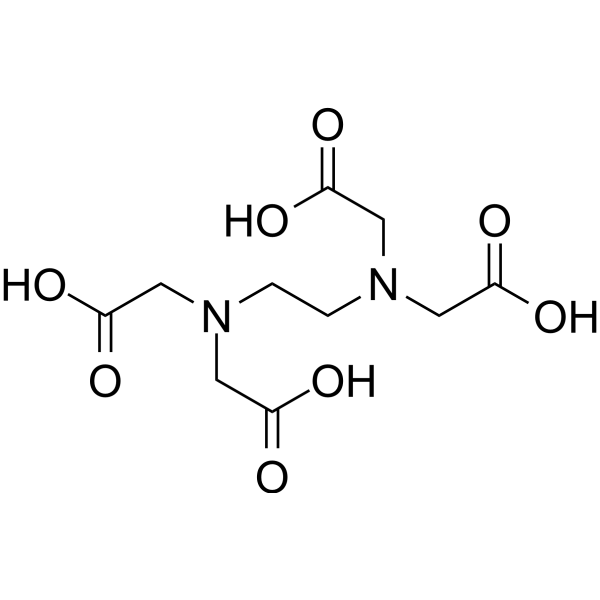
    Ethylenediaminetetraacetic acid
    Maximum Cited Publications
    29 Publications Verification

    EDTA

    Environmental Pollutants Biochemical Assay Reagents Bacterial SOD Cardiovascular Disease Neurological Disease Cancer
    Ethylenediaminetetraacetic acid (EDTA) is a kind of metal chelating agent (binds to bivalent and trivalent metal cations, including calcium). Ethylenediaminetetraacetic acid has antibacterial, anti-inflammatory, antioxidant, anti-hypercalcemia and anticoagulant activities. Ethylenediaminetetraacetic acid decreases the metal ion-catalyzed oxidative damage to proteins, and allows maintenance of reducing environment during protein purification. Ethylenediaminetetraacetic acid can alleviate the liver fibrosis. Ethylenediaminetetraacetic acid can be used for coronary artery disease and neural system disease research .
    Ethylenediaminetetraacetic acid
  • HY-Y0682A

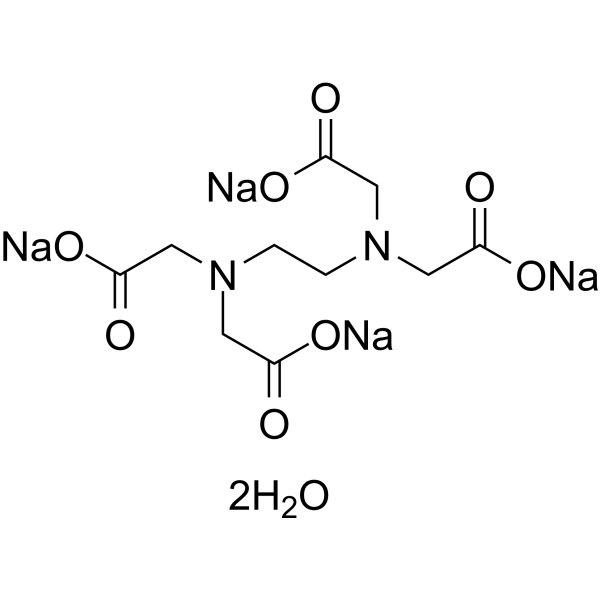
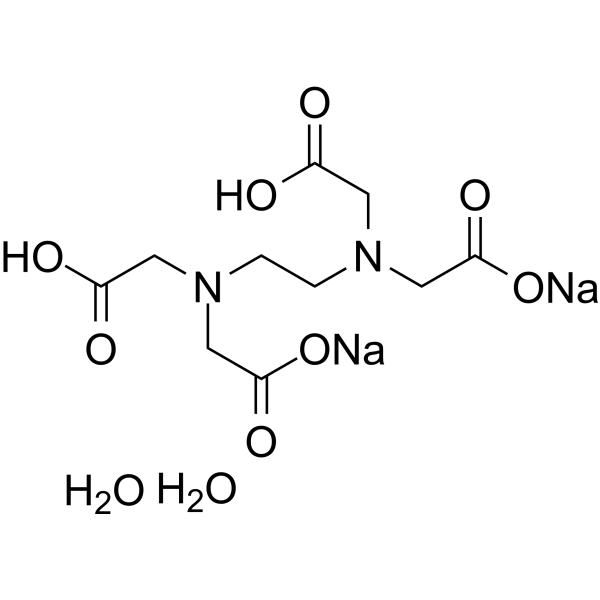
    EDTA disodium dihydrate

    Environmental Pollutants Biochemical Assay Reagents Bacterial SOD Cardiovascular Disease Neurological Disease Cancer
    Ethylenediaminetetraacetic acid (EDTA) disodium dehydrate is a kind of metal chelating agent (binds to bivalent and trivalent metal cations, including calcium). Ethylenediaminetetraacetic acid disodium dehydrate has antibacterial, anti-inflammatory, antioxidant, anti-hypercalcemia and anticoagulant activities. Ethylenediaminetetraacetic acid disodium dehydrate decreases the metal ion-catalyzed oxidative damage to proteins, and allows maintenance of reducing environment during protein purification. Ethylenediaminetetraacetic acid disodium dehydrate can alleviate the liver fibrosis. Ethylenediaminetetraacetic acid disodium dehydrate can be used for coronary artery disease and neural system disease research .
    Ethylenediaminetetraacetic acid disodium dihydrate
  • HY-103006
    NAI-N3
    5 Publications Verification

    Biochemical Assay Reagents Others
    NAI-N3 is a RNA acylation reagent that enables RNA purification. NAI-N3 is a dual-function SHAPE (selective 2-hydroxyl acylation and profiling experiment) probe (RNA structure probe and enrichment) . It contains an azide group and can undergo copper-catalyzed azide-alkyne cycloaddition (CuAAc) with molecules containing alkyne groups. It can also undergo ring strain-promoted alkyne-azide cycloaddition (SPAAC) with molecules containing DBCO or BCN groups.
    NAI-N3
  • HY-D0227F

    Tris HCl (≥99%, reagent grade); Tris hydrochloride (≥99%, reagent grade)

    Biochemical Assay Reagents Others
    THAM hydrochloride (≥99%, reagent grade), also known as Tris-HCl, is a buffer commonly used in various biochemical and molecular biology applications to maintain a stable pH environment. Tris-HCl has unique chemical properties that allow it to resist changes in pH when acidic or basic substances are added, which makes it useful for stabilizing biological samples or reagents. It is commonly used in electrophoresis and protein purification procedures.
    THAM hydrochloride (≥99%, reagent grade)
  • HY-P0294

    6X His Tag

    Biochemical Assay Reagents Others
    Hexa-His (6X His Tag) is a commonly used affinity tag made up of six histidine residues. HEXA-HIS can bind to affinity chromatography media containing transition metal ions like nickel (Ni 2+) or cobalt (Co 2+), making it useful for protein purification .
    Hexa-His
  • HY-108294

    Nonaoxyethylene monododecyl ether

    Biochemical Assay Reagents Others
    Nonaethylene glycol monododecyl ether (Nonaoxyethylene monododecyl ether) is a nonionic surfactant and polyethylene glycol (PEG) detergent that can be used to form initial coalesced O/W emulsion droplets, as well as for protein separation and purification .
    Nonaethylene glycol monododecyl ether
  • HY-15917A
    L-Dithiothreitol
    2 Publications Verification

    Biochemical Assay Reagents Others
    L-Dithiothreitol (DTT) is a reducing agent commonly used in various biochemical applications to break disulfide bonds in proteins, thereby denaturing proteins or preventing the formation of unwanted aggregates. DTT has a unique chemical property that cleaves the sulfur-sulfur bond in the disulfide bond to form a sulfhydryl group. This makes it a useful tool for protein purification, enzyme assays, and protein structure studies.
    L-Dithiothreitol
  • HY-W134327A

    Diethylaminoethyl dextran (MW 500000)

    Biochemical Assay Reagents Others
    DEAE-Dextran (MW 500000) is a complex carbohydrate polymer consisting of glucose molecules linked by glycosidic bonds and modified with diethylaminoethyl (DEAE) groups. DEAE-Dextran is a cationic molecule that can be used as a transfection reagent to deliver nucleic acids such as DNA or RNA into cells. Its positive charge interacts with negatively charged cell membranes, facilitating the uptake of nucleic acids. DEAE-Dextran can also be used as an ion-exchange chromatography resin, allowing the separation and purification of biomolecules based on their charge.
    DEAE-dextran (MW 500000)
  • HY-Y0319B
    Acetic acid (potassium 99%)
    1 Publications Verification

    Potassium acetate

    Environmental Pollutants Biochemical Assay Reagents Infection Cancer
    Acetic acid potassium 99% (Potassium acetate) is a potassium salt employed to replenish electrolytes, for restoration of water-electrolyte balance. Acetic acid potassium 99% can employ in DNA and protein purification. Acetic acid potassium 99% has been used to prepare neutralizing solution for alkaline lysis of bacteria and activated carbon .
    Acetic acid (potassium 99%)
  • HY-P2149A

    Mitosis Others Metabolic Disease
    Concanavalin A (agarose) is composed of Concanavalin A (HY-P2149) conjugated with agarose. Concanavalin A (ConA) is a selective competitive binder targeting the specific carbohydrate structures of glucose and mannose, inducing mitosis, and exhibiting certain cytotoxicity, hepatotoxicity, and teratogenicity. Concanav in A (agarose) can be used for in vivo blood glucose monitoring in diabetes, and for "fishing out" specific glycoproteins or removing sugar impurities from complex samples .
    Concanavalin A (agarose)
  • HY-P11307

    Proteasome Cancer
    Biotin-epoxomicin is a Proteasome subunit binder. Biotin-epoxomicin serves as an affinity reagent for identifying proteasomal catalytic subunits, and facilitates affinity purification of active proteasomal subunits for LC-MS identification. Biotin-epoxomicin can be used to study solid tumors derived from B16 melanoma .
    Biotin-epoxomicin
  • HY-Y0682S

    EDTA-d12

    Isotope-Labeled Compounds Neurological Disease
    Ethylenediaminetetraacetic acid-d12 is the deuterium labeled Ethylenediaminetetraacetic acid . Ethylenediaminetetraacetic acid (EDTA) is a metal chelators (binds to metal divalent and trivalent cations including calcium), which shows activities of anticoagulant and anti-hypercalcemic. Ethylenediaminetetraacetic acid decreases the metal ion-catalyzed oxidative damage to proteins, and allows maintenance of reducing environment during protein purification. Ethylenediaminetetraacetic acid can also decrease the formation of disulfide bonds .
    Ethylenediaminetetraacetic acid-d12
  • HY-B1009

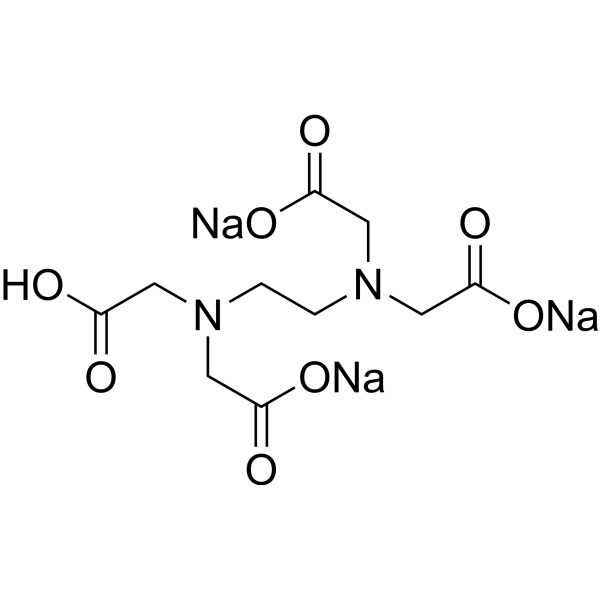
    EDTA trisodium salt; Trisodium EDTA

    Environmental Pollutants Bacterial SOD Ferroptosis Cardiovascular Disease Neurological Disease Cancer
    Ethylenediaminetetraacetic acid trisodium salt (EDTA trisodium salt; Trisodium EDTA) is a kind of metal chelating agent (binds to bivalent and trivalent metal cations, including calcium). Ethylenediaminetetraacetic acid trisodium salt has antibacterial, anti-inflammatory, antioxidant, anti-hypercalcemia and anticoagulant activities. Ethylenediaminetetraacetic acid trisodium salt decreases the metal ion-catalyzed oxidative damage to proteins, and allows maintenance of reducing environment during protein purification. Ethylenediaminetetraacetic acid trisodium salt can alleviate the liver fibrosis. Ethylenediaminetetraacetic acid can be used for coronary artery disease and neural system disease research .
    Ethylenediaminetetraacetic acid trisodium salt
  • HY-P2963
    Nuclease P1
    1 Publications Verification

    Endogenous Metabolite Others
    Nuclease P1 is a single-stranded specific endonuclease, it hydrolyzes nucleic acids into 5'-mononucleotides and cleaves the single-stranded region of a double-stranded nucleic acid. Nuclease P1 is one of the most well-known single stranded specific nucleases in the field of molecular biology, it is widely used in the pharmaceutical and food industries . Nuclease P1 can be obtained by fermentation of Penicillium citrinum: through extraction process, ultrafiltration concentration, drying and purification, etc.
    Nuclease P1
  • HY-P0325

    Biochemical Assay Reagents Others
    V5 Epitope Tag Peptide TFA is a tag peptide derived from a small epitope present on the P and V proteins of the paramyxovirus of simian virus 5. V5 Epitope Tag Peptide TFA can be used for protein separation and purification, and competitive elution with target proteins .
    V5 Epitope Tag Peptide TFA
  • HY-174892

    Biochemical Assay Reagents Others
    Biotin-PEG5-NHS ester is a heterobifunctional crosslinker as well as a polyethylene glycol-containing bioconjugation reagent. Biotin-PEG5-NHS ester is widely used in scientific research fields such as the construction of highly sensitive biosensors, the development of targeted drug delivery systems (e.g., liposome modification), immunofluorescence imaging, and protein affinity purification, and serves as an important tool for achieving precise labeling and functionalization of biomolecules .
    Biotin-PEG5-NHS ester
  • HY-141522

    Biochemical Assay Reagents Others
    Cross-linked dextran G 100 is a gel filtration medium that can be used for protein purification (Sphere protein separation range: 4K-150K Da; Polysaccharide separation range: 1K-100K Da) .
    Cross-linked dextran G 100
  • HY-W127774
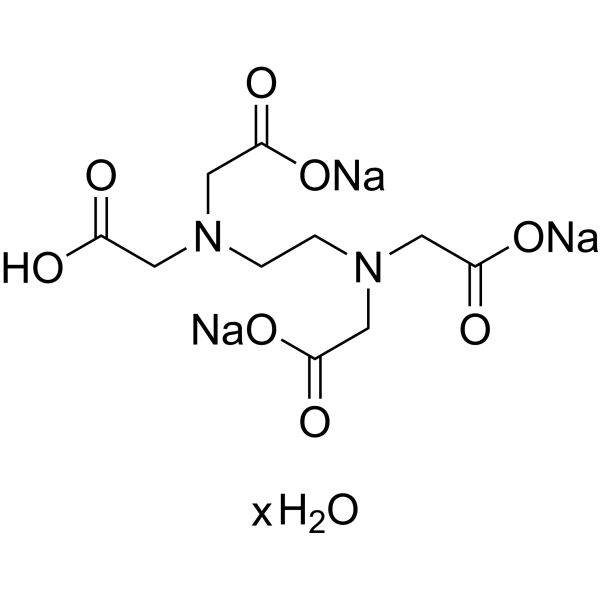
    EDTA hydrate sodium
    20+ Cited Publications

    Ethylenediaminetetraacetic acid hydrate sodium

    Biochemical Assay Reagents Bacterial SOD Cardiovascular Disease Neurological Disease Cancer
    EDTA (Ethylenediaminetetraacetic acid) hydrate sodium is a kind of metal chelating agent (binds to bivalent and trivalent metal cations, including calcium). EDTA hydrate sodium has antibacterial, anti-inflammatory, antioxidant, anti-hypercalcemia and anticoagulant activities. EDTA hydrate sodium decreases the metal ion-catalyzed oxidative damage to proteins, and allows maintenance of reducing environment during protein purification. EDTA hydrate sodium can alleviate the liver fibrosis. Ethylenediaminetetraacetic acid can be used for coronary artery disease and neural system disease research .
    EDTA hydrate sodium
  • HY-B2227F

    DL-Lactic acid, Biotin labeled; E-270, Biotin labeled

    Biochemical Assay Reagents Infection Metabolic Disease Inflammation/Immunology Cancer
    Lactic acid, Biotin labeled (DL-Lactic acid, Biotin labeled) is the biotin labeled Lactic acid (HY-B2227). Lactic acid-Biotin can be conjugated to streptavidin for purification .
    Lactic acid, Biotin labeled
  • HY-D0172

    AP 6G; Actiron 43-65; Aliquat 100

    Biochemical Assay Reagents Others
    Tetrabutylammonium bromide is an organic ammonium compound, which is often used in catalytic reactions and separation and purification processes. It has a significant catalytic effect in some organic synthesis reactions, and can be used as a surfactant, stabilizer and antibacterial agent, etc. In addition, in some laboratory studies, this compound has also been used as an ion exchanger, solvent extractant, etc.
    Tetrabutylammonium bromide
  • HY-138638

    Biochemical Assay Reagents Others
    Cross-linked dextran LH 20 could be used for the isolation and purification of natural compounds and foods, such as red wine, pigments, and flavonoids .
    Cross-linked dextran LH 20
  • HY-W134328E

    Dextran blue (MW 70000)

    Biochemical Assay Reagents Others
    Blue dextran (MW 70000) (Dextran blue (MW 70000)) is a conjugate of dextran and Cibacron Blue 3G-A ligand, mainly used for purification of human serum albumin .
    Blue dextran (MW 70000)
  • HY-W784557

    Phosphoramidites Biochemical Assay Reagents Others
    O-DMT-2,2-di(ethoxycarbonyl)propan-1,3-diol is a chemical phosphorylation reagent used for the synthesis of 5'-phosphorylated oligonucleotides. It contains the chemical protective group DMT in its structure, which allows for purification through C18 columns or reversed-phase chromatography .
    O-DMT-2,2-di(ethoxycarbonyl)propan-1,3-diol
  • HY-P5112A

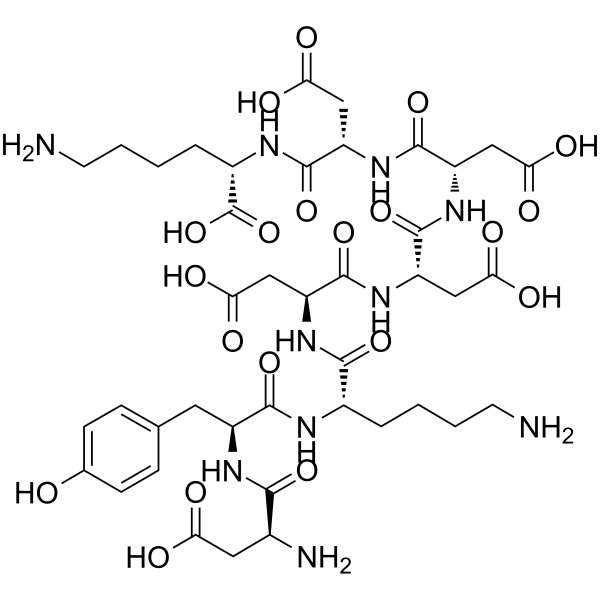
    Azido-PEG3-FLAG TFA

    Biochemical Assay Reagents Others
    Azido-PEG3-DYKDDDDK (azide-PEG3-FLAG) TFA is a multifunctional fusion tag for the purification of recombinant proteins. Azido-PEG3-DYKDDDDK TFA is a click chemistry reagent, it contains an Azide group and can undergo copper-catalyzed azide-alkyne cycloaddition reaction (CuAAc) with molecules containing Alkyne groups. It can also undergo strain-promoted alkyne-azide cycloaddition (SPAAC) reactions with molecules containing DBCO or BCN groups .
    Azido-PEG3-DYKDDDDK TFA
  • HY-NP002A

    Biochemical Assay Reagents Others
    Goat Serum Albumin is a plasma protein derived from goats. Goat Serum Albumin is a versatile protein commonly used in various life sciences research applications, including immunoassays and the production and purification of monoclonal antibodies .
    Goat Serum Albumin
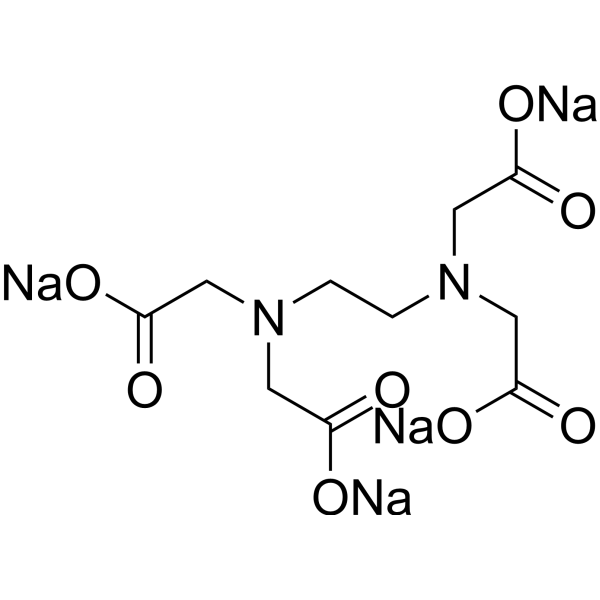
  • HY-Y0682B

    EDTA tetrasodium

    Environmental Pollutants Biochemical Assay Reagents Bacterial SOD Cardiovascular Disease Neurological Disease Cancer
    Ethylenediaminetetraacetic acid (EDTA) tetrasodium is a kind of metal chelating agent (binds to bivalent and trivalent metal cations, including calcium). Ethylenediaminetetraacetic acid tetrasodium has antibacterial, anti-inflammatory, antioxidant, anti-hypercalcemia and anticoagulant activities. Ethylenediaminetetraacetic acid tetrasodium decreases the metal ion-catalyzed oxidative damage to proteins, and allows maintenance of reducing environment during protein purification. Ethylenediaminetetraacetic acid tetrasodium can alleviate the liver fibrosis. Ethylenediaminetetraacetic acid tetrasodium can be used for coronary artery disease and neural system disease research .
    Ethylenediaminetetraacetic acid tetrasodium
  • HY-160113E

    Biochemical Assay Reagents Others
    Sodium phosphate buffer 0.1M, pH 8.0 is an aqueous sodium phosphate buffer with a concentration of 0.1M and a pH value of 8.0. Sodium phosphate buffer 0.1M, pH 8.0 can be used for the preparation of hydrated micellar membranes, the construction of pH-sensitive nanocarriers, and the maintenance of stable environmental conditions for pH-cleavable PEG-Hz-PE micelles. Sodium phosphate buffer 0.1M, pH 8.0 can also serve as a universal solvent, reaction medium and eluent, and is widely applied in experimental processes such as antibody thiolation, nanoparticle purification and cross-linking reactions .
    Sodium phosphate buffer 0.1M, pH 8.0
  • HY-W134328C

    Dextran blue (MW 20000)

    Biochemical Assay Reagents Others
    Blue dextran (MW 20000) (Dextran blue (MW 20000)) is a conjugate of dextran and Cibacron Blue 3G-A ligand, mainly used for purification of human serum albumin .
    Blue dextran (MW 20000)
  • HY-P0223A
    FLAG peptide TFA
    Maximum Cited Publications
    26 Publications Verification

    Biochemical Assay Reagents Others
    FLAG peptide TFA is the TFA salt form of FLAG peptide (HY-P0223). FLAG peptide TFA is a multifunctional fusion tag for the purification of recombinant proteins. FLAG peptide TFA maintances the natural folding of its fusing proteins. FLAG peptide TFA can be removed by enterokinase, and eluted under non-denaturing conditions .
    FLAG peptide TFA
  • HY-103703

    Anion Exchangers Metabolic Disease Inflammation/Immunology
    DEAE Cross-linked dextran A 25 is a weak anion exchange chromatography packing material. DEAE Cross-linked dextran A 25 can be used for the analysis of trace metal humic acid complexes in river water and the purification of biomacromolecules. DEAE Cross-linked dextran A 25 can also be used for research on diseases related to abnormal AVP levels .
    DEAE Cross-linked dextran A 25
  • HY-W1048661E

    Biochemical Assay Reagents Others
    Biotin-PEG2000-maleimide is a PEG derivative consisting of a linear PEG chain with biotin attached to one end and maleimide modified to the other end. Biotin-PEG2000-maleimide anchors drugs or targeting ligands to liposomes or polymer nanocarriers through the maleimide end, and the biotin end is used for in vitro purification or in vivo targeted release .
    Biotin-PEG2000-maleimide
  • HY-W099575

    Biochemical Assay Reagents Others
    3-(Hexadecyldimethylammonio)propane-1-sulfonate is an organic compound belonging to the class of sulfonates. It is a quaternary ammonium surfactant commonly used in various industrial and laboratory applications such as the production of detergents, personal care products and pharmaceuticals. 3-(Hexadecyldimethylammonio)propane-1-sulfonate is surface active and can be used as an emulsifier, foaming agent and wetting agent. In addition, it is used as a solubilizer in protein purification and as a surfactant in chromatography.
    Sulfobetaine-16
  • HY-W588717

    Biochemical Assay Reagents Others
    DBCO-Tetraacetyl mannosamine is an organic compound commonly used for chemical alteration and modification in biological research. It can be used to modify glycoproteins, cell surface molecules, and other biomolecules, and is widely used in biomarking and purification techniques. In addition, this compound is used as a carrier for drugs in certain drug controlled release systems. DBCO-Tetraacetyl mannosamine is a click chemistry reagent, it contains a DBCO group that can undergo strain-promoted alkyne-azide cycloaddition (SPAAC) with molecules containing Azide groups.
    DBCO-Tetraacetyl mannosamine
  • HY-W105699

    Ethylenediaminetetraacetic acid tetrasodium tetrahydrate

    Environmental Pollutants Biochemical Assay Reagents Others
    EDTA tetrasodium tetrahydrate is a metal chelator (binds to metal divalent and trivalent cations including calcium), which shows activities of anticoagulant and anti-hypercalcemic. EDTA tetrasodium tetrahydrate decreases the metal ion-catalyzed oxidative damage to proteins, and allows maintenance of reducing environment during protein purification. EDTA tetrasodium tetrahydrate can also decrease the formation of disulfide bonds .
    EDTA tetrasodium tetrahydrate
  • HY-W105700

    EDTA sodium hydrate

    Biochemical Assay Reagents Bacterial SOD Cardiovascular Disease Neurological Disease Cancer
    Ethylenediaminetetraacetic acid (EDTA) sodium hydrate is a kind of metal chelating agent (binds to bivalent and trivalent metal cations, including calcium). Ethylenediaminetetraacetic acid sodium hydrate has antibacterial, anti-inflammatory, antioxidant, anti-hypercalcemia and anticoagulant activities. Ethylenediaminetetraacetic acid sodium hydrate decreases the metal ion-catalyzed oxidative damage to proteins, and allows maintenance of reducing environment during protein purification. Ethylenediaminetetraacetic acid sodium hydrate can alleviate the liver fibrosis. Ethylenediaminetetraacetic acid sodium hydrate can be used for coronary artery disease and neural system disease research .
    Ethylenediaminetetraacetic acid sodium hydrate
  • HY-W087947
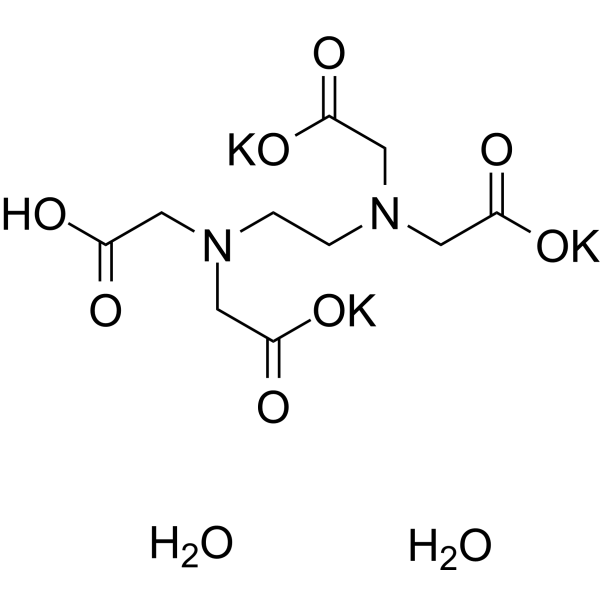
    EDTA dihydrate tripotassium
    20+ Cited Publications

    Ethylenediaminetetraacetic acid dihydrate tripotassium

    Bacterial SOD Cardiovascular Disease Neurological Disease Cancer
    EDTA dihydrate tripotassium (Ethylenediaminetetraacetic acid dihydrate tripotassium) is a kind of metal chelating agent (binds to bivalent and trivalent metal cations, including calcium). EDTA dihydrate tripotassium has antibacterial, anti-inflammatory, antioxidant, anti-hypercalcemia and anticoagulant activities. EDTA dihydrate tripotassium decreases the metal ion-catalyzed oxidative damage to proteins, and allows maintenance of reducing environment during protein purification. EDTA dihydrate tripotassium can alleviate the liver fibrosis. EDTA dihydrate tripotassium can be used for coronary artery disease and neural system disease research .
    EDTA dihydrate tripotassium
  • HY-W134328A

    Dextran blue (MW 5000)

    Biochemical Assay Reagents Others
    Blue dextran (MW 5000) (Dextran blue (MW 5000)) is a conjugate of dextran and Cibacron Blue 3G-A ligand, mainly used for purification of human serum albumin .
    Blue dextran (MW 5000)
  • HY-Y0682S1

    EDTA-d16

    Isotope-Labeled Compounds Neurological Disease
    Ethylenediaminetetraacetic acid-d16 is the deuterium labeled Ethylenediaminetetraacetic acid . Ethylenediaminetetraacetic acid (EDTA) is a metal chelators (binds to metal divalent and trivalent cations including calcium), which shows activities of anticoagulant and anti-hypercalcemic. Ethylenediaminetetraacetic acid decreases the metal ion-catalyzed oxidative damage to proteins, and allows maintenance of reducing environment during protein purification. Ethylenediaminetetraacetic acid can also decrease the formation of disulfide bonds .
    Ethylenediaminetetraacetic acid-d16
  • HY-W110146

    Biochemical Assay Reagents Others
    (3aS,4S,6aR)-Biotin-PEG4-Alkyne is an alkyne-activated biotinylation reagent. (3aS,4S,6aR)-Biotin-PEG4-Alkyne can be reacted with azides via a copper-catalyzed click reaction. Biotin-labeled biomolecules can be bound to avidin or streptavidin for further purification and detection .
    (3aS,4S,6aR)-Biotin-PEG4-Alkyne
  • HY-P2769A

    Biochemical Assay Reagents Others
    Thermostable β-Agarase is a hydrolase that can hydrolyze the β-1,4 linkages in agarose to produce neoagaro-oligosaccharides, and it can be used to extract DNA and RNA from gels. Compared to conventional β-Agarase, Thermostable β-Agarase exhibits higher heat resistance and stronger hydrolytic activity. The thermostable properties of Thermostable β-Agarase simplify experimental procedures and make it suitable for the rapid purification of intact large DNA molecules .
    Thermostable β-Agarase
  • HY-P5112

    Azido-PEG3-FLAG

    Biochemical Assay Reagents Others
    Azido-PEG3-DYKDDDDK (azide-PEG3-FLAG) is a multifunctional fusion tag for the purification of recombinant proteins. Azido-PEG3-DYKDDDDK is a click chemistry reagent, it contains an Azide group and can undergo copper-catalyzed azide-alkyne cycloaddition reaction (CuAAc) with molecules containing Alkyne groups. It can also undergo strain-promoted alkyne-azide cycloaddition (SPAAC) reactions with molecules containing DBCO or BCN groups .
    Azido-PEG3-DYKDDDDK
  • HY-NP155A

    Endogenous Metabolite Others
    Histone H1 (calf thymus) is a linker histone subtype found in the deoxyribonucleoprotein of calf thymus and can be obtained by separation and purification from total calf thymus histones .
    Histone H1 (calf thymus)
  • HY-P2996B

    Others Others
    Nitrate Reductase (NAD[P]H), Pichia pastoris (recombinant) is a simplified version of nitrate reductase S-NaR1 expressed and purified by Pichia pastoris. Nitrate Reductase (NAD[P]H), Pichia Pastoris (recombinant) contains sites binding molybdenum-molybdenopyridine (Mo-MPT) and nitrate reduction active sites and only contains two domains instead of the five domains of the complete NaR. This simplified form of nitrate reductase was expressed in high density in P. pastoris and purified to homogeneity in one step by fixed metal affinity chromatography (IMAC). Nitrate Reductase (NAD[P]H), Pichia Pastoris (recombinant) can be used in the development of biosensors and environmental monitoring .
    Nitrate Reductase (NAD[P]H), Pichia Pastoris (recombinant)
  • HY-121735

    Biochemical Assay Reagents Others
    2α-Mannobiose is a disaccharide composed of two mannose molecules linked by a 1-2 glycosidic bond. 2α-Mannobiose can be used for affinity purification of mannose-binding proteins by column chromatography .
    2α-Mannobiose
  • HY-P3940

    PKC Others
    Ac-MBP (4-14) Peptide is an acetylated MBP (4-14) peptide. MBP (4-14) Peptide is a very selective (protein kinase C) PKC substrate. Ac-MBP (4-14) Peptide can be used for PKC assay in extracts without prior purification to eliminate interfering protein kinases or phosphatases .
    Ac-MBP (4-14) Peptide
  • HY-W250181

    Octyl β-D-thiomaltopyranoside

    Biochemical Assay Reagents Others
    Octyl thiomaltoside (OTM) is a nonionic detergent commonly used in the purification and crystallization of membrane proteins. It belongs to the family of maltoside detergents and has a hydrophilic head group and a lipophilic tail group, enabling it to interact with water-soluble and membrane-bound proteins. OTMs are known for their ability to solubilize integral membrane proteins without disrupting their structure or function, making them an invaluable tool in biochemical and biophysical research. In addition to protein research, OTMs are used in a variety of other applications, including drug delivery systems, nanotechnology, and diagnostic analysis.
    Octyl thiomaltoside
  • HY-157233

    Biochemical Assay Reagents Cardiovascular Disease
    AC Antibody purification resin 1 is a nano agarose with a particle size of 69μm. AC Antibody purification resin 1 can be used in ADC purification. AC Antibody purification resin 1 contains a ligand: recombinant protein A.
    AC Antibody purification resin 1
  • HY-157236

    Biochemical Assay Reagents Others
    AEX Anion-exchange resin 1 is a strong anion exchange chromatography resin, based on monodisperse polystyrene/divinylbenzene (PS-DVB), with a particle size of 50 μm and an ionic ligand of –CH2N + (CH3)3. AEX Anion-exchange resin 1 can be used for the separation and purification of biological macromolecules such as proteins, antibodies, and viral vaccines.
    AEX Anion-exchange resin 1

Inquiry Online

Your information is safe with us. * Required Fields.

Salutation


Country or Region *

Applicant Name *


Organization Name *

Department *


Email Address *


Product Name *

Cat. No.


Requested quantity *

Phone Number *


Remarks

Inquiry Online

Inquiry Information

Product Name:
Cat. No.:
Quantity:
MCE Japan Authorized Agent:

