
1. Search Result
Search Result
Results for "

SK-BR-3

" in MedChemExpress (MCE) Product Catalog:

59

Inhibitors & Agonists

1

Fluorescent Dyes

1

Biochemical Assay Reagents

3

Peptides

3

Inhibitory Antibodies

8

Natural
Products

2

Isotope-Labeled Compounds

3

Click Chemistry

1

Oligonucleotides

Cat. No. Product Name Target Research Areas Chemical Structure
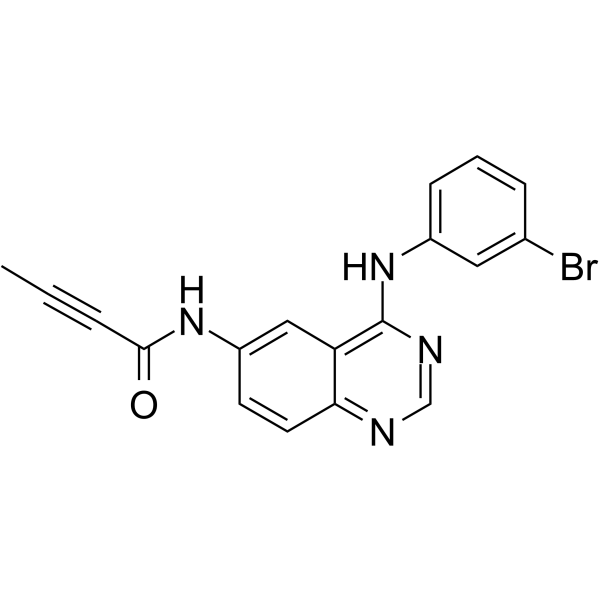
  • HY-10325
    CL-387785
    2 Publications Verification

    EKI-785; WAY-EKI 785

    EGFR Apoptosis Endocrinology Cancer
    CL-387785 (EKI-785; WAY-EKI 785) is an orally active EGFR inhibitor with an IC50 of 370 pM. CL-387785 inhibits EGF-stimulated EGFR autophosphorylation with an IC50 of approximately 5 nM. CL-387,785 exerts selective inhibition on cell lines overexpressing EGFR or c-erbB-2, whereas it shows weak inhibitory effects on cell lines with low expression of these two receptors. CL-387785 effectively induces cell cycle arrest and apoptosis. CL-387785 can be used for the research of non-small cell lung cancer and autosomal recessive polycystic kidney disease [3].
    CL-387785
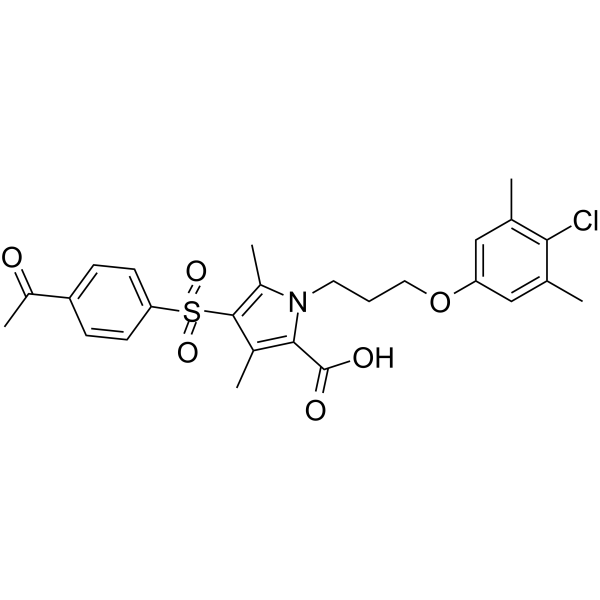
  • HY-132307

    Bcl-2 Family Apoptosis Cancer
    Mcl-1 inhibitor 6 is an orally active, selective myeloid cell leukemia 1 (Mcl-1) protein inhibitor with a Kd of 0.23 nM and a Ki of 0.02 μM. Mcl-1 inhibitor 6 possesses superior selectivity over other Bcl-2 family members (Bcl-2, Bcl2A1, Bcl-xL, and Bcl-w, Kd>10 μM). Mcl-1 inhibitor 6 is a potent antitumor agent .
    Mcl-1 inhibitor 6
  • HY-107367A

    S-22611 hydrochloride

    EGFR Cancer
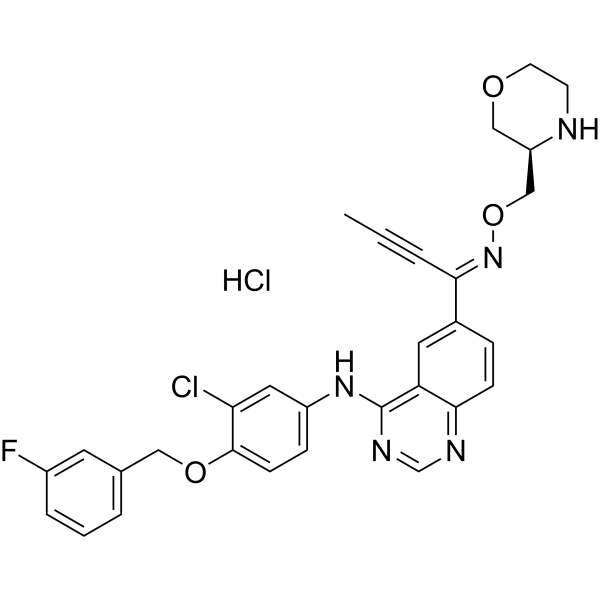
    Epertinib (S-22611) hydrochloride is a potent, orally active, reversible, and selective tyrosine kinase inhibitor of EGFR, HER4 and HER2, with IC50s of 1.48 nM, 2.49 nM and 7.15 nM, respectively. Epertinib hydrochloride shows potent antitumor activity . Epertinib (hydrochloride) is a click chemistry reagent, it contains an Alkyne group and can undergo copper-catalyzed azide-alkyne cycloaddition (CuAAc) with molecules containing Azide groups.
    Epertinib hydrochloride
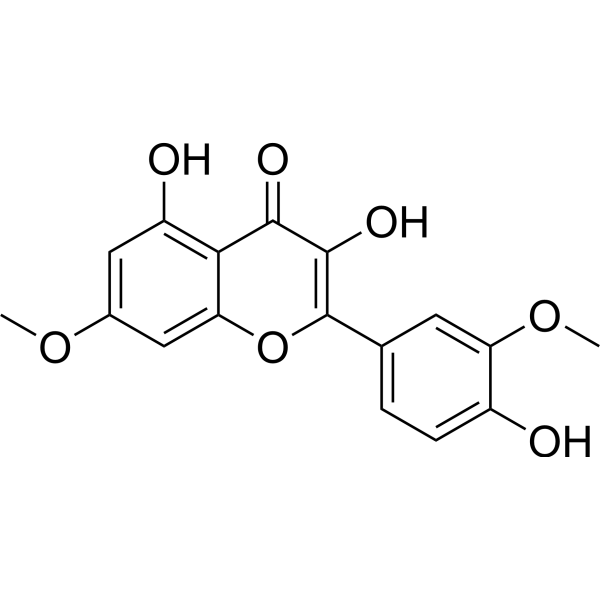
  • HY-N8342
    Rhamnazin
    1 Publications Verification

    VEGFR Inflammation/Immunology Cancer
    Rhamnazin is an orally active inhibitor of VEGFR2 signaling with an IC50 of 4.68 μM against VEGFR2 kinase. Rhamnazin shows potent antiangiogenic activity and antitumor efficacy . Rhamnazin shows antioxidant and anti-inflammatory properties .
    Rhamnazin
  • HY-122182

    Histone Methyltransferase Apoptosis Cancer
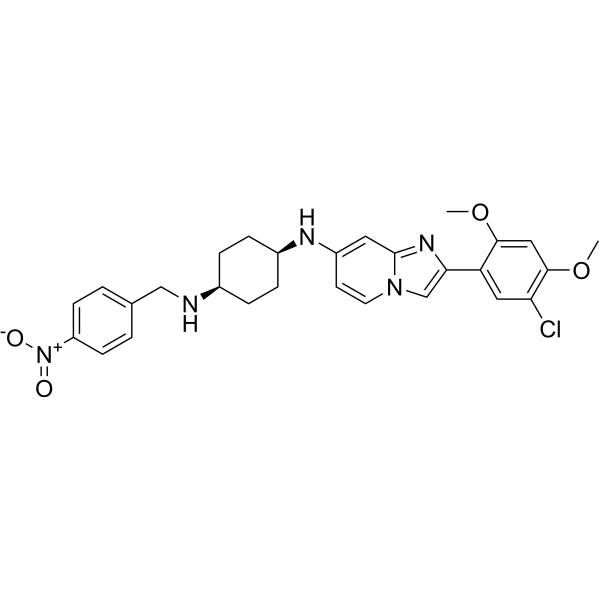
    OTS193320, a imidazo[1,2-a]pyridine compound, is a SUV39H2 methyltransferase activity inhibitor. OTS193320 decreases global histone H3 lysine 9 tri-methylation levels in breast cancer cells and triggers apoptotic cell death. Combination of OTS193320 with Doxorubicin (HY-15142A) results in reduction of γ-H2AX levels as well as cancer cell viability compared to a single agent OTS193320 or DOX .
    OTS193320
  • HY-156991

    NODA-GA-NHS ester

    EGFR Radionuclide-Drug Conjugates (RDCs) Cancer
    NODAGA-NHS (NODA-GA-NHS ester) is the activated ester form of the NODAGA chelator. NODAGA-NHS conjugates with Trastuzumab (HY-P9907) to form NODAGA-Trastuzumab, a conjugate that can chelate 64Cu for the preparation of radiotracers. NODAGA-NHS covalently binds to the amino group of lactosamine derivatives to form radiotracer precursors. [ 64Cu]NODAGA-trastuzumab enables PET imaging of tumors expressing HER2. NODAGA-NHS is used in studies of HER2-positive breast cancer and ovarian adenocarcinoma .
    NODAGA-NHS
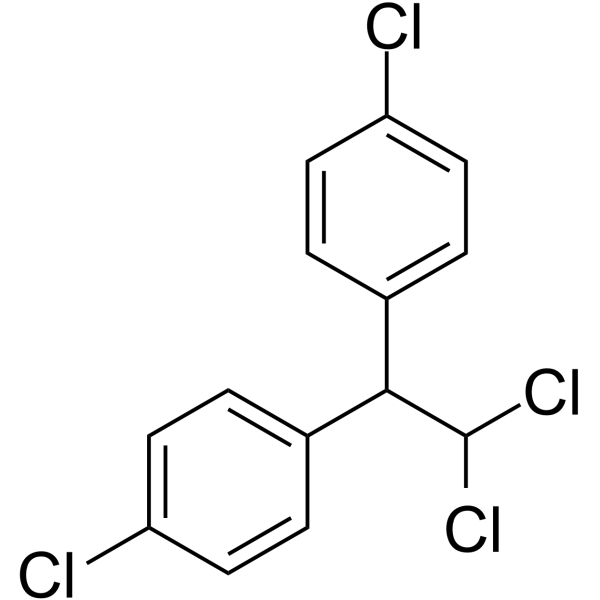
  • HY-B1984
    p,p'-DDD
    1 Publications Verification

    4,4'-DDD; p,p'-Dichlorodiphenyl dichloroethane

    Environmental Pollutants Drug Metabolite Apoptosis Insecticide Necroptosis Infection Neurological Disease Cancer
    p,p'-DDD (4,4’-DDD) is an organochlorine insecticide, a major metabolite of p,p'-DDT. p,p'-DDD is an agonist at estrogen receptor α(ERα) and ERβ. p,p'-DDD increases DNA damage, apoptosis and necrosis in peripheral blood. p,p'-DDD stimulates cell proliferation in SKBR3 cells. p,p'-DDD activates the AP-1 transcription factor. p,p'-DDD decreases sleep times of barbiturates and steroids in rats [3] .
    p,p'-DDD
  • HY-177008

    PROTACs EGFR Apoptosis Akt ERK Cancer
    PROTAC HER2 degrader-1 is a highly selective HER2 PROTAC degrader, with a DC50 of 69 nM and a Dmax of 96%. PROTAC HER2 degrader-1 inhibits HER2-positive cell proliferation and tumor growth through persistent HER2 degradation and potent inhibition of downstream pathways (AKT and ERK). PROTAC HER2 degrader-1 induces apoptosis in BT-474 cells. PROTAC HER2 degrader-1 can be used for research of HER2-positive cancers. (Pink: HER2 ligand: (HY-177009); Black: Linker; Blue: CRBN ligand: (HY-W023573) .
    PROTAC HER2 degrader-1
  • HY-150401

    ADC Payload Topoisomerase Cancer
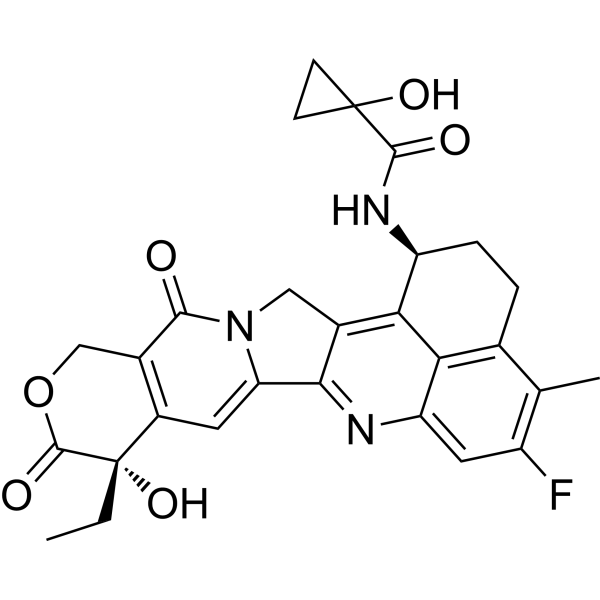
    Exatecan-amide-cyclopropanol (compound 1) is a anticancer agent. Exatecan-amide-cyclopropanol shows anti-proliferation activity against SK-BR-3 and U87 cells, with IC50 values of 0.12 and 0.23 nM, respectively .
    Exatecan-amide-cyclopropanol
  • HY-153588

    HSP Cancer
    HSP90-IN-22 (Compound 35) is an Hsp90 inhibitor with antiproliferative properties on cells with IC50 values of 3.65 μM for MCF7 breast cancer cells and 2.71 μM for SKBr3 breast cancer cells, respectively.
    HSP90-IN-22
  • HY-173155

    Akt Cancer
    AKT1-IN-9 (4) is a selective mutant AKT1(E17K) inhibitor, with EC50 values of 9 nM and 995 nM in LAPC4-CR and SkBr3 cells, respectively .
    AKT1-IN-9
  • HY-124386

    ADC Linker PROTAC Linkers Cancer
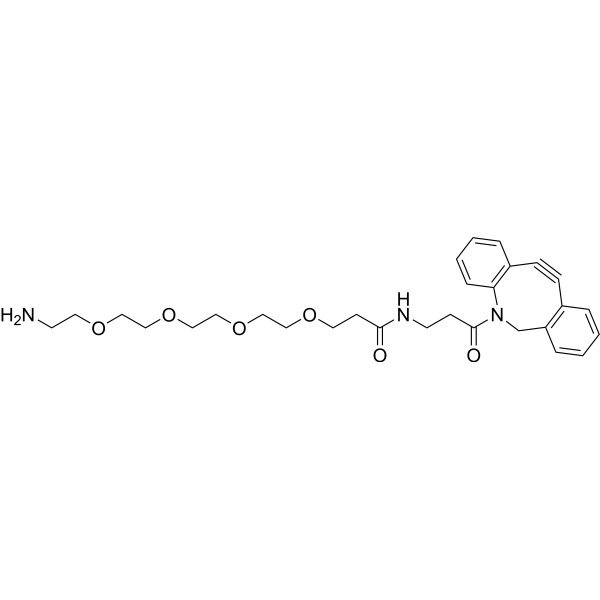
    DBCO-NHCO-PEG4-amine is a PEG-based PROTAC linker can be used in the synthesis of PROTACs. DBCO-NHCO-PEG4-amine is a cleavable ADC linker used to conjugate MMAE (HY-15162) and antibody (e.g., DBCO-VCpAB MMAE and DBCO-TRX MMAE with EC50s of 280 nM and 22 nM in SKBR3 cells, respectively) .
    DBCO-NHCO-PEG4-amine
  • HY-P2317

    Bacterial Endogenous Metabolite Infection
    Cecropin P1, porcine is an antibacterial peptide that can be isolated from the upper part of the small intestine of the pig. Cecropin P1, porcine shows antibacterial activity against Gram-negative bacteria. Cecropin P1, porcine shows antiviral activity and inhibits PRRSV infection .
    Cecropin P1, porcine
  • HY-151335

    HSP Cancer
    KU-177 is a potent inhibitor of Hsp90 ATPase homologue 1 (Aha1), ablates Aha1-driven enhancement of Hsp90-dependent tau aggregation. KU-177 also disrupts Aha1/Hsp90 interactions (IC50=4.08 μM) without inhibition of Hsp90’s ATPase activity. KU-177 can be used for tauopathies research .
    KU-177
  • HY-W591393

    Biochemical Assay Reagents Cancer
    Biotin Azide Plus is an oxazolidine reagent that integrates azide-biotin click chemistry and a photocleavable linker arm. Biotin Azide Plus not only reacts with biotin thioether to form stable sulfinimide products, but also enables bioconjugation of proteins and DNA through biotin redox-activated chemical labeling technology. Taking advantage of the streptavidin capture and photo-release properties, Biotin Azide Plus effectively facilitates the isolation of lipid-derived electrophile-protein adducts, thus finding wide application in scientific research related to fields such as SKBR3 cancer .
    Biotin Azide Plus
  • HY-NP131

    Discoidin Domain Receptor Apoptosis Autophagy Cancer
    Recombinant Humanized Type III Collagen 10.4kDa is a novel biomaterial that have anticancer effects. Recombinant Humanized Type III Collagen 10.4kDa activates discoidin domain receptor 1 (DDR1), and thus inhibits autophagy, proliferation, and migration of cancer cells, and induces apoptosis .
    Recombinant Humanized Type III Collagen (10.4kDa)
  • HY-174210

    PROTACs Epigenetic Reader Domain Cancer
    PROTAC BRD4 Degrader-31 is a BRD4 PROTAC degrader with DC50 s of 164 and 80 nM at 4 h and 24 h, respectively. PROTAC BRD4 Degrader-31 potently degrades BRD4 in cells with long acting degradation kinetics . Pink: BRD4 ligand (HY-78695); Blue: KLHDC2 ligand (HY-174218)
    PROTAC BRD4 Degrader-31
  • HY-122919

    Endogenous Metabolite Cancer
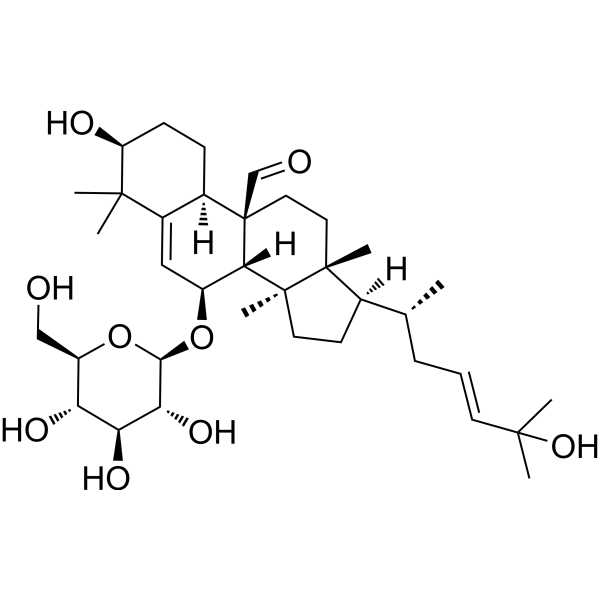
    Momordicoside L is a Cucurbitane Triterpenoid, that can be isolated from the leaves of Momordica charantia. Momordicoside L shows anticancer activity .
    Momordicoside L
  • HY-121605

    Apoptosis Cancer
    RL71 is a curcuminoid anticancer agent that exhibits potent cytotoxicity against a variety of ER-negative breast cancer cells. RL71 (1 μM) induces cell cycle arrest in the G2/M phase and induces apoptosis in SKBr3 cells. RL7 also decreases HER2/neu phosphorylation and increases p27. RL71 also significantly reduced the phosphorylation of Akt and transiently increased the stress kinases JNK1/2 and p38 MAPK. Furthermore, RL71 exhibited anti-angiogenic potential in vitro, inhibiting the migration of HUVEC cells and the ability of these cells to form tubular networks .
    RL71
  • HY-N1710

    Apoptosis Caspase Cancer
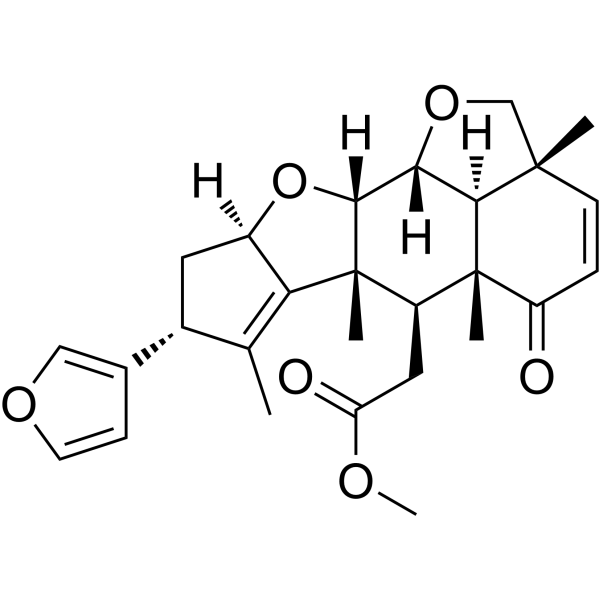
    28-Deoxonimbolide is a Nimbin (HY-N3187) type limonoid, that can be isolated from Azadirachta indica seed extracts. 28-Deoxonimbolide shows anticancer activity. 28-Deoxonimbolide induces apoptotic cell death in HL60 cells via both the mitochondrial- and the death receptor-mediated pathways .
    28-Deoxonimbolide
  • HY-10062

    EBP-921

    Akt Farnesyl Transferase Cancer
    AZD3409 is a prenyl inhibitor that exhibits inhibitory activity against both farnesyl transferase and geranylgeranyl transferase I. AZD3409 inhibits the growth of breast cancer cells, with IC50s of 220 nM (MDA-MB-468), 180 nM (MDA-MB-361), and 290 nM (SK-Br-3). AZD3409 significantly reduces the activation level of AKT in breast cancer cell lines. AZD3409 induces G0/G1 phase arrest in MDA-MB-468 cells, causes G2/M phase arrest in MDA-MB-361 cells. AZD3409 can be used for the study of breast cancer .
    AZD3409
  • HY-107367

    S-22611

    EGFR Cancer
    Epertinib (S-22611) is a potent, orally active, reversible, and selective tyrosine kinase inhibitor of EGFR, HER4 and HER2, with IC50s of 1.48 nM, 2.49 nM and 7.15 nM, respectively. Epertinib shows potent antitumor activity . Epertinib is a click chemistry reagent, it contains an Alkyne group and can undergo copper-catalyzed azide-alkyne cycloaddition (CuAAc) with molecules containing Azide groups.
    Epertinib
  • HY-172091

    EGFR Cancer
    CZY43 is a HER3 degrader. CZY43 can effectively induce HER3 degradation in a dose- and time-dependent manner in breast cancer SKBR3 cells. CZY43 potently inhibits HER3-dependent signaling and cancer cell growth and outperforms Bosutinib (HY-10158) .
    CZY43
  • HY-124386A

    ADC Linker PROTAC Linkers Cancer
    DBCO-NHCO-PEG4-amine TFA is a PEG-based PROTAC linker can be used in the synthesis of PROTACs. DBCO-NHCO-PEG4-amine TFA is a cleavable ADC linker used to conjugate MMAE (HY-15162) and antibody (e.g., DBCO-VCpAB MMAE and DBCO-TRX MMAE with EC50s of 280 nM and 22 nM in SKBR3 cells, respectively) .
    DBCO-NHCO-PEG4-amine TFA
  • HY-170910

    HSP Cancer
    Hsp90-IN-39 (Compound 16t) is a HSP90 inhibitor with notable selectivity for the HSP90α isoform. Hsp90-IN-39 demonstrates significant antiproliferative activity in various cancer cell lines, including MCF-7, HCT116, SKBr3, K562, and A549. Hsp90-IN-39 holds potential for cancer research .
    Hsp90-IN-39
  • HY-124007

    ISAHA

    HDAC Cancer
    4-Iodo-SAHA (1k) is an orally active class I and class II histone deacetylase (HDAC) inhibitor with EC50s of 1.1, 0.95, 0.12, 0.24, 0.85 and 1.3 μM for Skbr3, HT29, U937, JA16 and HL60 cell lines, respectively. 4-Iodo-SAHA (1k) can be used for the research of cancer .
    4-Iodo-SAHA
  • HY-170895

    HSP Na+/K+ ATPase Cancer
    Hsp90-IN-38 (compound 20m) is a HSP90 (heat shock protein) inhibitor. Hsp90-IN-38 exhibits strong HSP90 binding affinity with a Kd of 87 nM. Hsp90-IN-38 inhibits ATPase with an IC50 of 0.13 μM. Hsp90-IN-38 inhibits HCT116, MCF-7, SKBr3, K562 and A549 cells with IC50s of 0.187, 0.072, 0.105, 0.403 and 031 μM, respectively .
    Hsp90-IN-38
  • HY-N1265

    Others Cancer
    Scutebata A is a diterpenoid isolated from Scutellaria barbata that exhibits antitumor activity. Scutebata A is weakly cytotoxic against SK-BR-3 with an IC50 value of 15.2 μM .
    Scutebata A
  • HY-171755

    HSP Cancer
    Hsp90-IN-40 (Compound 15b) is a heat shock protein 90 (Hsp90) C-terminal inhibitor. Hsp90-IN-40 exhibits antiproliferative activity against SKBr3 and MCF-7 breast cancer cells (IC50 of 2.57 µM and 2.43 µM, respectively). Hsp90-IN-40 inhibits cancer cell growth by inhibiting the Hsp90 C-terminal function, leading to Hsp90-dependent protein degradation. Hsp90-IN-40 can be used in breast cancer research .
    Hsp90-IN-40
  • HY-B1984S

    4,4'-DDD-d8; p,p'-Dichlorodiphenyl dichloroethane-d8

    Drug Metabolite Apoptosis Necroptosis Insecticide Infection Neurological Disease Cancer
    p,p'-DDD-d8 is the deuterium labeled p,p'-DDD[1]. p,p'-DDD (4,4’-DDD) is an organochlorine insecticide, a major metabolite of p,p'-DDT. p,p'-DDD is an agonist at estrogen receptor α(ERα) and ERβ. p,p'-DDD increases DNA damage, apoptosis and necrosis in peripheral blood. p,p'-DDD stimulates cell proliferation in SKBR3 cells. p,p'-DDD activates the AP-1 transcription factor. p,p'-DDD decreases sleep times of barbiturates and steroids in rats [3] .
    p,p'-DDD-d8
  • HY-P10393

    ERα (295-311)

    Apoptosis Cancer
    ERα17p (ERα 295-311) is the epitope of the CaM binding site on the estrogen receptor α (ER), which interacts with calmodulin (CaM) in a calcium-dependent manner. ERα17p regulates the migration of cancer cells MCF-7, SK-BR-3, T47D, and MDA-MB-231 through Rho/ROCK and PI3K/Akt signaling pathways. ERα17p inhibits proliferations of breast cancer cells, induces apoptosis, and inhibits tumor growth in mouse models [3].
    ERα17p
  • HY-126566

    Fungal HDAC Apoptosis Infection Cancer
    Trichostatin C is an inhibitor for histone deacetylase (HDAC), induces apoptosis and arrests cell cycle at G2/M phase, and exhibits anticancer activity against lung cancer and urothelial bladder cancer . Trichostatin C induces differentation of Friend leukemic cells . Trichostatin C exhibits antifungal activity [3].
    Trichostatin C
  • HY-179003

    mTOR Glutaminase Reactive Oxygen Species (ROS) Autophagy Apoptosis Ferroptosis Glutathione Peroxidase Cancer
    mTOR/GLS1-IN-1 (Compoud 9d) is a potent dual targeted mTOR/GLS1 inhibitor. Has anti proliferative activity against various tumor cells. mTOR/GLS1-IN-1 dose dependently induces ROS accumulation, induces autophagosome formation, and induces apoptosis. mTOR/GLS1-IN-1 can increase Fe 2+, decrease GPX4, and induce ferroptosis. mTOR/GLS1-IN-1 can inhibit cell migration, invasion, and angiogenesis. mTOR/GLS1-IN-1 can be used in the research of cancer, such as breast cancer .
    mTOR/GLS1-IN-1
  • HY-176539

    PAK PERK Cancer
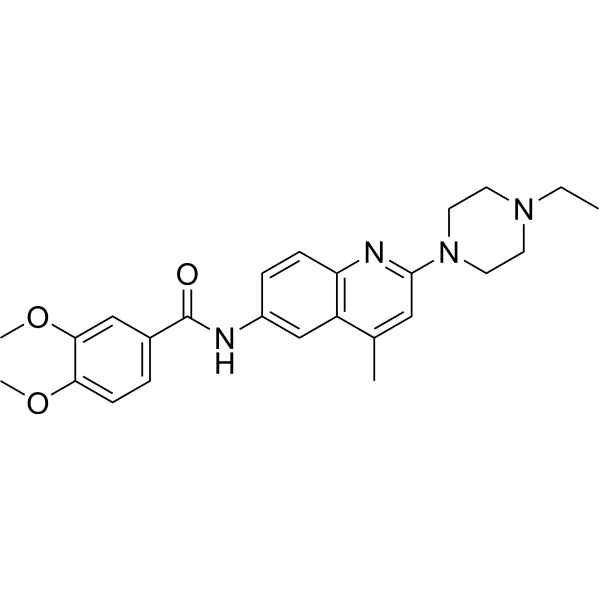
    PAK1-IN-2 (Compound 35) is a selective PAK1 inhibitor with a Ki of 7.3 nM. PAK1-IN-2 can inhibit MEK phosphorylation. PAK1-IN-2 has significant inhibitory effects on PAK1/4 amplified cancer cell lines. PAK1-IN-2 can be used in the study of cancer .
    PAK1-IN-2
  • HY-177787A

    Nucleoside Antimetabolite/Analog Others
    2'-Deoxy-N-methyl-AMP ammonium is an N6-substituted adenine nucleotide derivative and a glycosyl donor. On one hand, 2'-Deoxy-N-methyl-AMP ammonium acts as a specific substrate for N6-methyl-AMP aminohydrolase, and it is catalytically converted to dIMP to participate in the nucleotide metabolic cycle. On the other hand, 2'-Deoxy-N-methyl-AMP ammonium also serves as a guanosine diphosphate (GDP)-linked fucose derivative donor, driving site-specific glycoconjugation of proteins under the mediation of α-1,3-fucosyltransferase. 2'-Deoxy-N-methyl-AMP ammonium is an important molecular tool for investigating the mechanisms of nucleotide modification and protein glycosylation .
    2'-Deoxy-N-methyl-AMP ammonium
  • HY-159519

    Apoptosis EGFR Cancer
    EGFR/HER2-IN-16 (compound 12K) is an effective dual-target inhibitor of EGFR (IC50=6.15 nM) and HER-2 (IC50=9.78 nM) with anti-tumor activity. EGFR/HER2-IN-16 can inhibit the migration of SK-BR-3 cells, arrest the cell cycle in the G0/G1 phase, and induce apoptosis. EGFR/HER2-IN-16 exhibits good anti-proliferative activity against tumor cell models and has little damage to healthy cells. EGFR/HER2-IN-16 can be used in breast cancer research .
    EGFR/HER2-IN-16
  • HY-173640

    Androgen Receptor Phosphodiesterase (PDE) Cancer
    ID11916 is an orally active androgen receptor (AR) antagonist and a phosphodiesterase 5 (PDE5) inhibitor. ID11916 blocks androgen binding to AR, nuclear translocation, and androgen-dependent transcriptional activity of AR, while increasing intracellular cGMP levels and activating PKG via inhibition. ID11916 shows potent anti-cancer effect in prostate cancer cell lines VCaP and 22Rv1 and in AR-positive breast cancer cell lines SK-BR-3 .
    ID11916
  • HY-124454

    Drug Derivative Cancer
    JCC76 is the derivative of Nimesulide (HY-B0363). JCC76 inhibits the proliferation of Her2 positive breast cancer cell SKBR-3 with IC50 of 3.43 μM .
    JCC76
  • HY-160282

    PI3K Cancer
    PI3K-IN-49 is a potent PI3K inhibitor. PI3K-IN-49 shows antiproliferative activity for Avg T-47D and Avg SKBR3 cells (WO2023239710A1; example 29) .
    PI3K-IN-49
  • HY-159576

    O-Me B1939; O-Me E7389; O-Me ER-086526

    ADC Payload Cancer
    O-Me Eribulin is a derivative of Eribulin and is an ADC cytotoxin that can be used for ADC synthesis. O-Me Eribulin can inhibit the cell viability of SKBR3, MDA-MB-468, and A549 cells, with IC50 values of 0.2052, 0.1827, and 0.5151 nM, respectively. O-Me Eribulin can be used for tumor research .
    O-Me Eribulin
  • HY-144808

    Microtubule/Tubulin Cancer
    Anticancer agent 40 (compound 3e) is a potent anticancer agent. Anticancer agent 40 shows anticancer activities with IC50s of 0.94, 0.98, 0.96, 0.95, 2.13 nM for SKBR-3, SKOV-3, PC-3, U-87, HDF cells, respectively .
    Anticancer agent 40
  • HY-164489

    EGFR Akt ERK Apoptosis Cancer
    KU004 is a potent dual EGFR/HER2 inhibitor with anticancer effects. KU004 inhibits the proliferation of human breast cancer SKBR3 cells by inducing G1 phase arrest. KU004 blocks the activation of HER2, EGFR and downstream Akt and Erk pathways and induces cell Apoptosis mainly via the extrinsic pathway. KU004 is a quinazoline derivative .
    KU004
  • HY-162751

    HSP Apoptosis Cancer
    Anticancer agent 249 (Compound 89) is an inhibitor for Hsp90β with IC50 of 16.5 μM in PC3MM2 cell. Anticancer agent 249 inhibits proliferation of cancer cells MCF-7, T47D, MDA-MB-231, MDA-MB-468 and SKBr3 with IC50 of 1.8-5.3 μM. Anticancer agent 249 induces apoptosis in MDA-MB-231. Anticancer agent 249 exhibits antitumor efficacy in mice .
    Anticancer agent 249
  • HY-B1984R

    4,4'-DDD (Standard); p,p'-Dichlorodiphenyl dichloroethane (Standard)

    Reference Standards Drug Metabolite Apoptosis Necroptosis Insecticide Infection Neurological Disease Cancer
    p,p'-DDD (Standard) is the analytical standard of p,p'-DDD (HY-B1984) . This product is intended for research and analytical applications. p,p'-DDD (4,4’-DDD) is an organochlorine insecticide, a major metabolite of p,p'-DDT. p,p'-DDD is an agonist at estrogen receptor α(ERα) and ERβ. p,p'-DDD increases DNA damage, apoptosis and necrosis in peripheral blood. p,p'-DDD stimulates cell proliferation in SKBR3 cells. p,p'-DDD activates the AP-1 transcription factor. p,p'-DDD decreases sleep times of barbiturates and steroids in rats.
    p,p'-DDD (Standard)
  • HY-121605S

    Isotope-Labeled Compounds Apoptosis Cancer
    RL71-d6 is a deuterium labeled RL71 (HY-121605). RL71 is a curcuminoid anticancer agent that exhibits potent cytotoxicity against a variety of ER-negative breast cancer cells. RL71 (1 μM) induces cell cycle arrest in the G2/M phase and induces apoptosis in SKBr3 cells. RL7 also decreases HER2/neu phosphorylation and increases p27. RL71 also significantly reduced the phosphorylation of Akt and transiently increased the stress kinases JNK1/2 and p38 MAPK. Furthermore, RL71 exhibited anti-angiogenic potential in vitro, inhibiting the migration of HUVEC cells and the ability of these cells to form tubular networks .
    RL71-d6
  • HY-151120

    Others Cancer
    Anticancer agent 79 (compound 3d) shows good anti-breast cancer activity. Anticancer agent 79 shows good cytotoxic activity in T47-D cells, with an IC50 of 13.64 ± 0.26 μM .
    Anticancer agent 79
  • HY-151116

    Apoptosis Cancer
    HER2-IN-10 is a psoralen derivative. HER2-IN-10 has anti-breast cancer activity and light-activated cytotoxicity. HER2-IN-10 induces apoptosis .
    HER2-IN-10
  • HY-151118

    Apoptosis Cancer
    HER2-IN-11 is a psoralen derivative. HER2-IN-11 has anti-breast cancer activity and light-activated cytotoxicity. HER2-IN-11 induces apoptosis .
    HER2-IN-11
  • HY-186217

    Cancer
    Antiproliferative agent-78 (Compound 30) is an anticancer agent, with IC50 values of 37.14 μM and 16.91 μM against SKBR3 and MCF-7 cells, respectively. Antiproliferative agent-78 can be used for research on breast cancer .
    Antiproliferative agent-78
  • HY-P991977

    5G9

    EGFR Apoptosis PARP Akt ERK Cancer
    BSI-001 (5G9) is a HER2-targeting antibody. BSI-001 inhibits cell proliferation and migration, induces apoptosis and PARP cleavage, and suppresses HER2-mediated downstream signaling pathways (including the phosphorylation of EGFR, HER3, AKT and ERK) when combined with Trastuzumab (HY-P9907) in HER2-positive cancer cells. BSI-001 exhibits synergistic anti-tumor efficacy in animal models of gastric cancer and breast cancer when combined with Trastuzumab. BSI-001 can be used for the research of HER2-positive breast cancer and HER2-overexpressing gastric cancer .
    BSI-001

Inquiry Online

Your information is safe with us. * Required Fields.

Salutation


Country or Region *

Applicant Name *


Organization Name *

Department *


Email Address *


Product Name *

Cat. No.


Requested quantity *

Phone Number *


Remarks

Inquiry Online

Inquiry Information

Product Name:
Cat. No.:
Quantity:
MCE Japan Authorized Agent:

