

1. Search Result
Search Result
Results for "

acidic environments

" in MedChemExpress (MCE) Product Catalog:

33

Inhibitors & Agonists

3

Screening Libraries

3

Fluorescent Dyes

11

Biochemical Assay Reagents

4

Peptides

1

Natural
Products

3

Isotope-Labeled Compounds

1

Click Chemistry

5

Oligonucleotides

Cat. No. Product Name Target Research Areas Chemical Structure
  • HY-D0227F

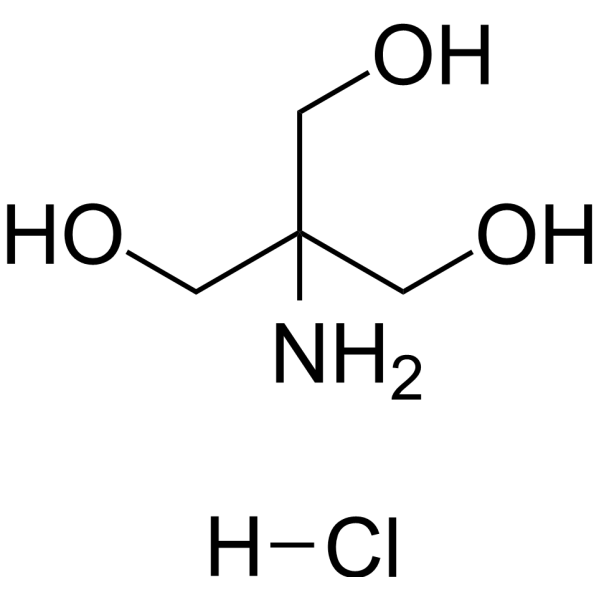
    Tris HCl (≥99%, reagent grade); Tris hydrochloride (≥99%, reagent grade)

    Biochemical Assay Reagents Others
    THAM hydrochloride (≥99%, reagent grade), also known as Tris-HCl, is a buffer commonly used in various biochemical and molecular biology applications to maintain a stable pH environment. Tris-HCl has unique chemical properties that allow it to resist changes in pH when acidic or basic substances are added, which makes it useful for stabilizing biological samples or reagents. It is commonly used in electrophoresis and protein purification procedures.
    THAM hydrochloride (≥99%, reagent grade)
  • HY-D0211
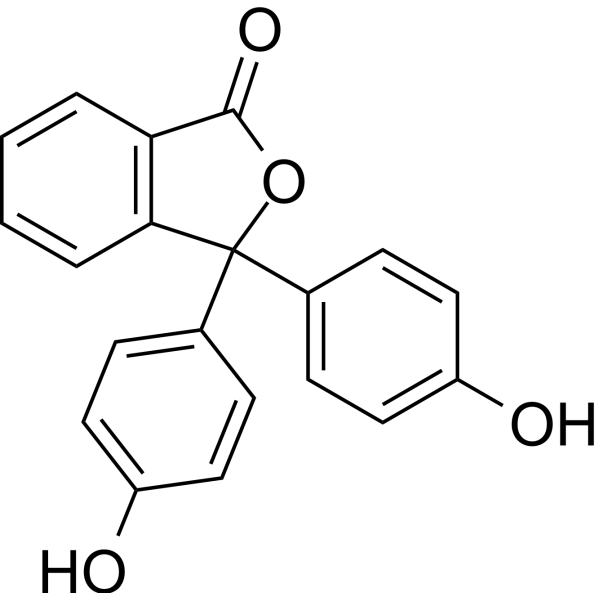
    Phenolphthalein
    1 Publications Verification

    Fluorescent Dye Cancer
    Phenolphthalein is an acid-base indicator that is colorless in an acidic environment and pink in an alkaline environment. Phenolphthalein is genotoxic and potentially carcinogenic to mice. In addition, phenolphthalein is also a blood indicator .
    Phenolphthalein
  • HY-14929A
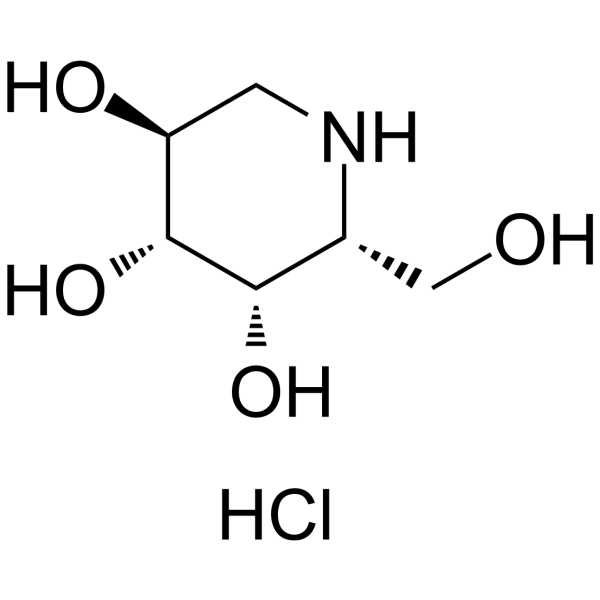
    Migalastat hydrochloride
    1 Publications Verification

    GR181413A

    Glycosidase Others
    Migalastat (GR181413A free base) hydrochloride is an orally active α-galactosidase A molecular chaperone, with an IC50 value of 0.04 μM for human α-Gal A. Migalastat binds to the active site of certain unstable mutant forms of α-galactosidase A, facilitating their transport to the lysosome. After dissociation in the acidic environment, Migalastat enables the mutant α-galactosidase A to exhibit biological activity .
    Migalastat hydrochloride
  • HY-W583868

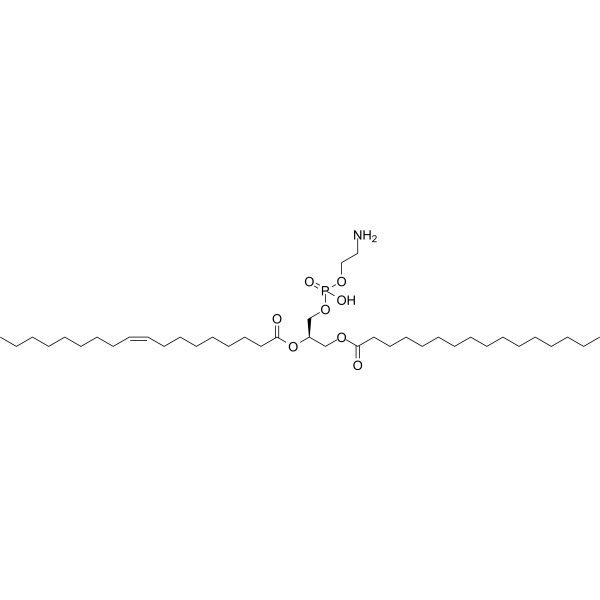
    1,2-POPE; 16:0-18:1 PE

    Liposome Others
    1-Palmitoyl-2-oleoyl-sn-glycero-3-PE (1,2-POPE; 16:0-18:1 PE) is a phosphatidylethanolamine (PE) lipid. 1-Palmitoyl-2-oleoyl-sn-glycero-3-PE can induce lipid bilayer to form a hexagonal phase (HII) structure in an acidic environment and promote membrane fusion. 1-Palmitoyl-2-oleoyl-sn-glycero-3-PE can enhance the endosomal escape ability of lipid nanoparticles (LNPs) and improve the cellular delivery efficiency of nucleic acid drugs such as mRNA. 1-Palmitoyl-2-oleoyl-sn-glycero-3-PE can be used for LNP carrier targeting of gene therapy and mRNA vaccines .
    1-Palmitoyl-2-oleoyl-sn-glycero-3-PE
  • HY-P5423

    Exosomes Liposome Cancer
    GALA is a pH-responsive amphipathic peptide consisting of 30 amino acids, which acts as a lung endothelium-targeting ligand. GALA undergoes a conformational transition from random coil to α-helix in an acidic environment at pH 5.0, thereby inducing endosomal membrane destabilization and fusion. GALA-modified liposomes traverse lung endothelial cells via clathrin-dependent endocytosis and transcytosis, and specifically accumulate in the lungs after intravenous injection. GALA significantly promotes the cytosolic release of cargos carried by exosomes, plasmids and liposomes, effectively enhances gene transfection efficiency, and drives gene knockdown of functional macromolecules (such as siRNA) in alveolar epithelial cells (with no significant cytotoxicity at effective concentrations). GALA serves as a critical tool for studies on lung cancer metastasis (e.g., melanoma lung metastasis) and lung-targeted drug delivery systems .
    GALA
  • HY-145795

    Liposome Others
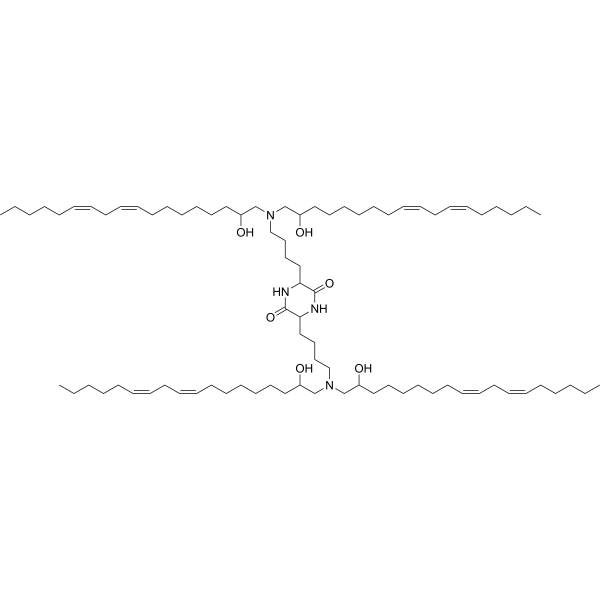
    OF-02 is an ionizable lipid for mRNA delivery and a key component of lipid nanoparticles (LNPs). OF-02 is protonated in the acidic endosomal environment to promote endosomal escape of mRNA and efficiently induce protein expression in target cells. OF-02 relies on the pH-responsive membrane fusion properties to form a complex with mRNA and destroy the endosomal membrane structure to achieve mRNA release in the cytoplasm. OF-02 is mainly used in the development of mRNA vaccines, gene editing, and protein replacement therapy[1][2][3].
    OF-02
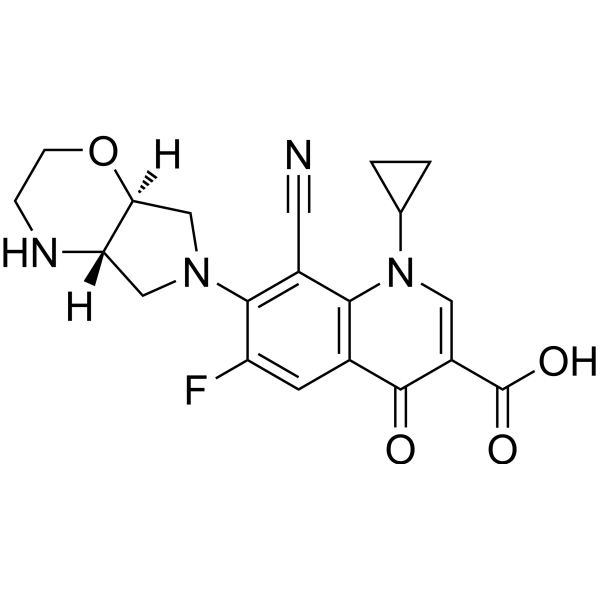
  • HY-13451
    Finafloxacin
    1 Publications Verification

    Antibiotic Bacterial Infection
    Finafloxacin is an orally active fourth-generation fluoroquinolone broad-spectrum antibiotic. Finafloxacin exhibits stronger antibacterial activity in acidic pH environments and is not easily affected by bacterial multidrug efflux transporters. Finafloxacin is effective against a variety of extracellular pathogenic bacteria, and can also accumulate in macrophages, showing excellent antibacterial activity against intracellular Staphylococcus aureus, Listeria monocytogenes, Legionella pneumophila, Burkholderia pseudomallei, and other pathogens. Finafloxacin has been approved by the U.S. FDA for research on acute otitis externa mediated by Pseudomonas aeruginosa. Finafloxacin is also used in studies related to diseases such as melioidosis, inhalational tularemia, and inhalational plague .
    Finafloxacin
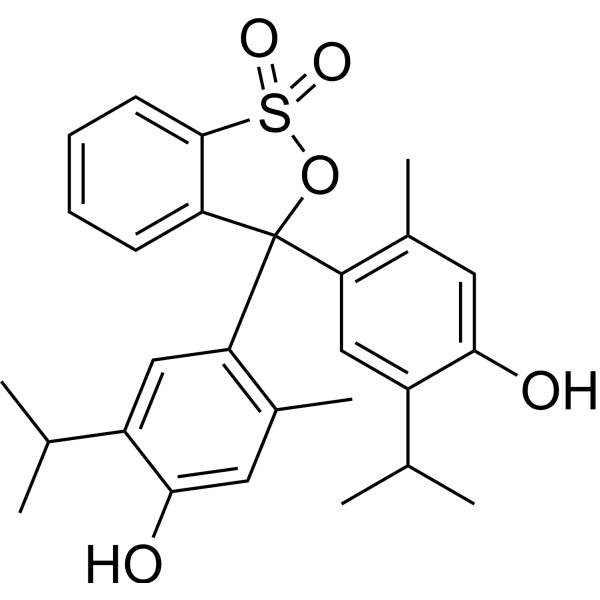
  • HY-D0219

    Thymolsulphonephthalein

    Fluorescent Dye Others
    Thymol blue is a reversible pH indicator that responds to the pH of the solution through structural changes of protonation and deprotonation. Thymol blue is red (HI - form) under acidic conditions and blue (I 2- form) under alkaline conditions. Quantitative detection is achieved through the absorption peak shift (435 nm/596 nm) of the UV-visible spectrum. Thymol blue selectively responds to pH changes, changing from red to yellow at pH 1.2-2.8 and from yellow to blue at pH 8.0-9.6. Thymol blue can be fixed in a silica gel matrix through sol-gel technology to form a solid-state sensor for in-situ pH measurement in the marine environment and acid-base monitoring in the biomedical field[1][2].
    Thymol blue
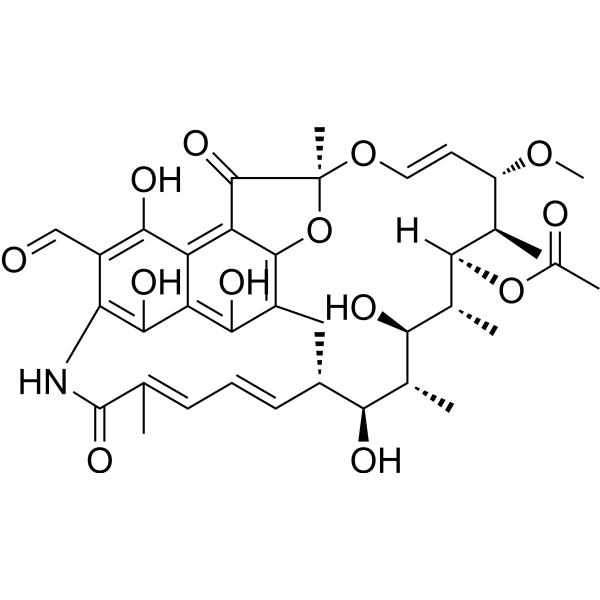
  • HY-129043

    Drug Metabolite Infection
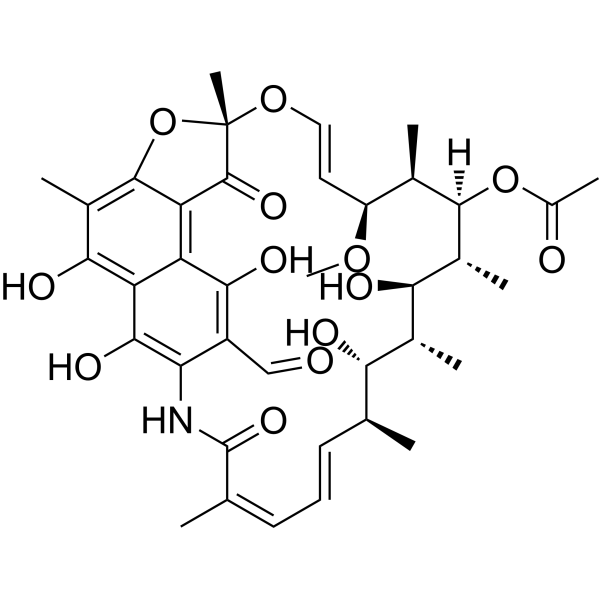
    3-Formyl rifamycin is an acid degradation product of the broad-spectrum antibiotic Rifampicin (HY-B0272). 3-Formyl rifamycin forms via acid hydrolysis of Rifampicin in an acidic environment .
    3-Formyl rifamycin
  • HY-120959

    Fluorescent Dye Parasite Others
    DAUDA (11-(dansylamino) undecanoic acid) is an environment-sensitive fluorescent fatty acid analogue. DAUDA alters its intensities and fluorescent emission spectra on entry into binding proteins. DAUDA is used to determine the relative affinity of natural fatty acids for polymorphs of the Schistosoma mansoni Sm14 fatty acid-binding protein[1].
    DAUDA
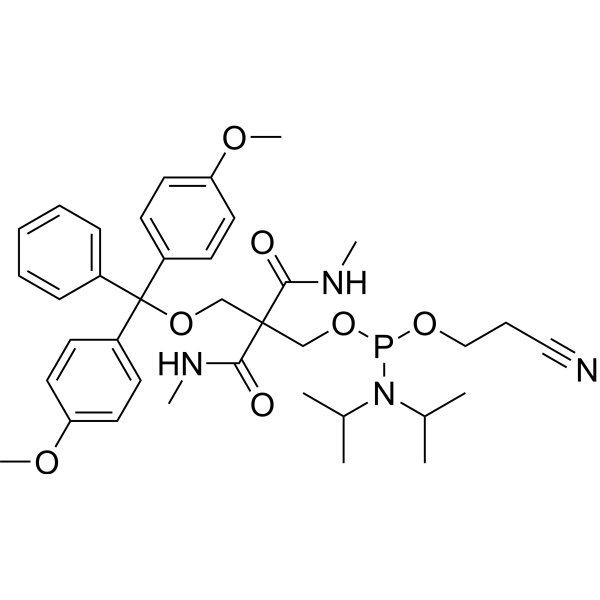
  • HY-151747

    ADC Linker Others
    Chemical phosphorylation amidite is a click chemical class ADC linker. Click chemistry has good biological orthogonality characteristics: biocompatible, fast and highly specific in the biological environment, and has great application potential in the binding between nucleic acids, lipids, proteins and other molecules .
    Chemical phosphorylation amidite
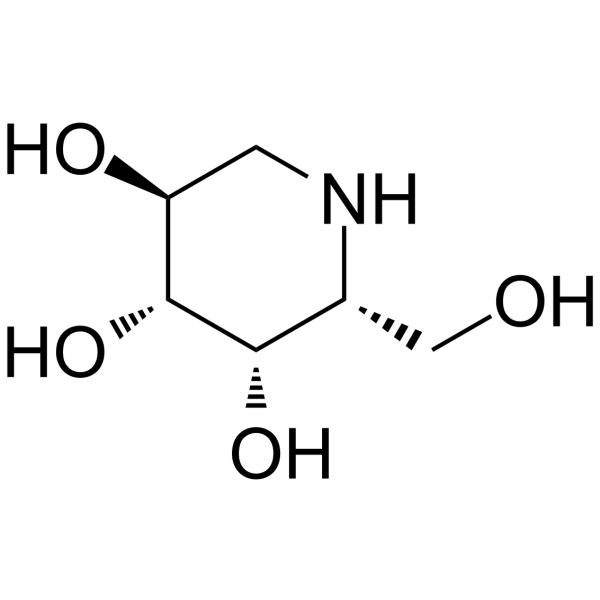
  • HY-14929

    GR181413A free base; 1-Deoxygalactonojirimycin

    Glycosidase Others
    Migalastat (GR181413A free base) is an orally active α-galactosidase A molecular chaperone, with an IC50 value of 0.04 μM for human α-Gal A. Migalastat binds to the active site of certain unstable mutant forms of α-galactosidase A, facilitating their transport to the lysosome. After dissociation in the acidic environment, Migalastat enables the mutant α-galactosidase A to exhibit biological activity .
    Migalastat
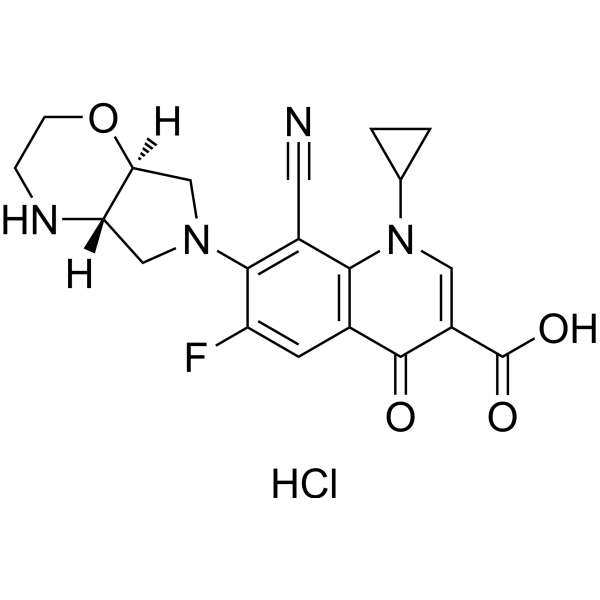
  • HY-13451A

    Bacterial Infection
    Finafloxacin is a fluoroquinolone antimicrobial agent that exhibits optimum efficacy in slightly acidic environments.
    Finafloxacin hydrochloride
  • HY-W127376

    Biochemical Assay Reagents Others
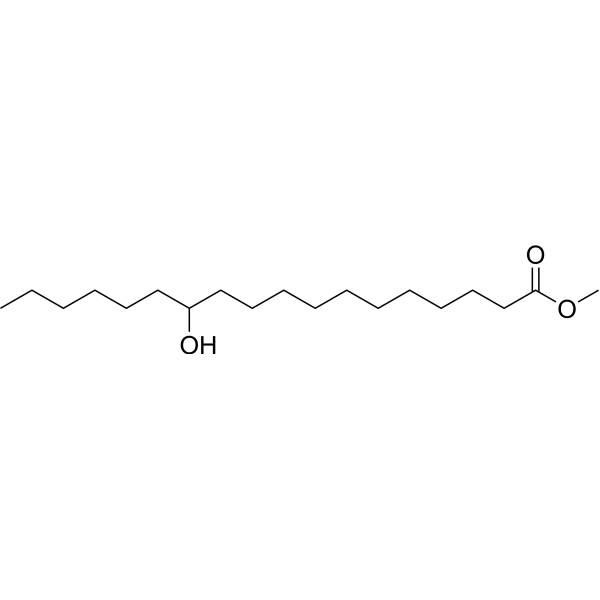
    Methyl 12-hydroxystearateIt is an organic compound belonging to esters, composed of methanol and 12-Formed by reaction between hydroxystearic acids. also, Methyl 12-hydroxystearateIt can also be used as a lubricant and surfactant in industrial environments.
    Methyl 12-hydroxystearate
  • HY-103300

    Endogenous Metabolite Infection
    NPE-caged-proton is a reagent that releases protons under UV light and has the activity of activating the fusion protein GP64 under weak acidic conditions. NPE-caged-proton can promote the binding of enveloped viruses to liposome membranes with acidic phospholipids in an environment of pH 4.0 to 5.5, thereby initiating membrane fusion. The ultraviolet unblocking effect of NPE-caged-proton can lower the environmental pH, thereby triggering the process of viral membrane fusion. When studying the interaction between viruses and cell membranes, NPE-caged-proton provides a valuable tool for revealing the subtle behaviors of viruses in different chemical and biochemical environments .
    NPE-caged-proton
  • HY-172692

    Liposome Cancer
    DSPE-PEG1000-TH is a PEG compound which composed of DSPE and a pH-responsive cell penetrating peptide (TH). TH is activated in an acidic environment (such as the tumor microenvironment) and can selectively carry small molecules, oligonucleotides, proteins, etc. into tumor cells .
    DSPE-PEG1000-TH
  • HY-172693

    Liposome Cancer
    DSPE-PEG2000-TH is a PEG compound which composed of DSPE and a pH-responsive cell penetrating peptide (TH). TH is activated in an acidic environment (such as the tumor microenvironment) and can selectively carry small molecules, oligonucleotides, proteins, etc. into tumor cells .
    DSPE-PEG2000-TH
  • HY-151739

    ADC Linker Others
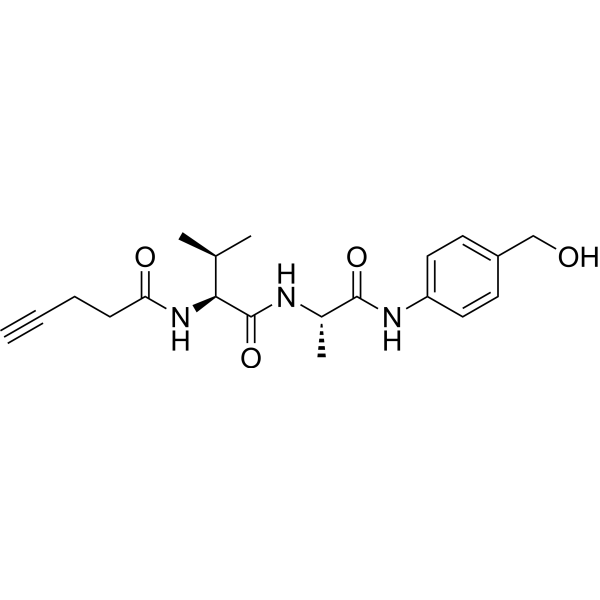
    4-Pentynoyl-Val-Ala-PAB is a click chemical class ADC linker. Click chemistry has good biological orthogonality characteristics: biocompatible, fast and highly specific in the biological environment, and has great application potential in the binding between nucleic acids, lipids, proteins and other molecules .
    4-Pentynoyl-Val-Ala-PAB
  • HY-129043R

    Reference Standards Drug Metabolite Infection
    3-Formyl rifamycin (Standard) is the analytical standard of 3-Formyl rifamycin (HY-129043). This product is intended for research and analytical applications. 3-Formyl rifamycin is an acid degradation product of the broad-spectrum antibiotic Rifampicin (HY-B0272). 3-Formyl rifamycin forms via acid hydrolysis of Rifampicin in an acidic environment .
    3-Formyl rifamycin (Standard)
  • HY-W127376R

    Biochemical Assay Reagents Reference Standards Others
    Methyl 12-hydroxystearate (Standard) is the analytical standard of Methyl 12-hydroxystearate. This product is intended for research and analytical applications. Methyl 12-hydroxystearateIt is an organic compound belonging to esters, composed of methanol and 12-Formed by reaction between hydroxystearic acids. also, Methyl 12-hydroxystearateIt can also be used as a lubricant and surfactant in industrial environments.
    Methyl 12-hydroxystearate (Standard)
  • HY-W740650

    GR181413A-15N

    Isotope-Labeled Compounds Glycosidase Others
    Migalastat hydrochloride- 15N (GR181413A- 15N) is the 15N-labeled Migalastat hydrochloride (HY-14929A). Migalastat (GR181413A free base) hydrochloride is an orally active α-galactosidase A molecular chaperone, with an IC50 value of 0.04 μM for human α-Gal A. Migalastat binds to the active site of certain unstable mutant forms of α-galactosidase A, facilitating their transport to the lysosome. After dissociation in the acidic environment, Migalastat enables the mutant α-galactosidase A to exhibit biological activity .
    Migalastat hydrochloride-15N
  • HY-W728096

    GR181413A-d5 free base

    Isotope-Labeled Compounds Glycosidase Others
    Migalastat-d5 (GR181413A-d5 (free base)) is deuterium labeled Migalastat. Migalastat (GR181413A free base) is an orally active α-galactosidase A molecular chaperone, with an IC50 value of 0.04 μM for human α-Gal A. Migalastat binds to the active site of certain unstable mutant forms of α-galactosidase A, facilitating their transport to the lysosome. After dissociation in the acidic environment, Migalastat enables the mutant α-galactosidase A to exhibit biological activity .
    Migalastat-d5
  • HY-172694

    Liposome Cancer
    DSPE-PEG5000-TH is a PEG compound which composed of DSPE and a pH-responsive cell penetrating peptide (TH). TH is activated in an acidic environment (such as the tumor microenvironment) and can selectively carry small molecules, oligonucleotides, proteins, etc. into tumor cells .
    DSPE-PEG5000-TH
  • HY-119417A

    Herbicide Others
    Chloramben sodium is a herbicide with anti-growth activity against plants. Chloramben sodium can be effectively removed by photo-Fenton reaction under natural pH conditions, showing good degradation performance. The removal rate of chloramben sodium is consistent with different electrodes, mainly due to the oxidation mediated by the hydroxyl ions formed in the Fenton reaction. Chloramben sodium is almost completely mineralized using IrO2-based electrodes at high current density, indicating that it can be effectively degraded under light. Chloramben sodium leads to the formation of persistent chlorine derivatives in chlorine-containing environments, so the removal rate and mineralization rate are slightly reduced. Chloramben sodium can form intermediates with a variety of aromatic compounds and organic acids, reflecting the complexity of its transformation in the environment .
    Chloramben sodium
  • HY-182098C

    Liposome Cancer
    DSPE-PEG5000-GALA is a PEG compound which composed of DSPE and a lung endothelium-targeting peptide GALA (HY-P5423). GALA is a pH-responsive amphipathic peptide consisting of 30 amino acids, which acts as a lung endothelium-targeting ligand. GALA undergoes a conformational transition from random coil to α-helix in an acidic environment at pH 5.0, thereby inducing endosomal membrane destabilization and fusion. GALA-modified liposomes traverse lung endothelial cells via clathrin-dependent endocytosis and transcytosis, and specifically accumulate in the lungs after intravenous injection. DSPE-PEG5000-GALA can be used for drug delivery .
    DSPE-PEG5000-GALA
  • HY-182098

    Liposome Cancer
    DSPE-PEG1000-GALA is a PEG compound which composed of DSPE and a lung endothelium-targeting peptide GALA (HY-P5423). GALA is a pH-responsive amphipathic peptide consisting of 30 amino acids, which acts as a lung endothelium-targeting ligand. GALA undergoes a conformational transition from random coil to α-helix in an acidic environment at pH 5.0, thereby inducing endosomal membrane destabilization and fusion. GALA-modified liposomes traverse lung endothelial cells via clathrin-dependent endocytosis and transcytosis, and specifically accumulate in the lungs after intravenous injection. DSPE-PEG1000-GALA can be used for drug delivery .
    DSPE-PEG1000-GALA
  • HY-182098A

    Liposome Cancer
    DSPE-PEG2000-GALA is a PEG compound which composed of DSPE and a lung endothelium-targeting peptide GALA (HY-P5423). GALA is a pH-responsive amphipathic peptide consisting of 30 amino acids, which acts as a lung endothelium-targeting ligand. GALA undergoes a conformational transition from random coil to α-helix in an acidic environment at pH 5.0, thereby inducing endosomal membrane destabilization and fusion. GALA-modified liposomes traverse lung endothelial cells via clathrin-dependent endocytosis and transcytosis, and specifically accumulate in the lungs after intravenous injection. DSPE-PEG2000-GALA can be used for drug delivery .
    DSPE-PEG2000-GALA
  • HY-182098B

    Liposome Cancer
    DSPE-PEG3400-GALA is a PEG compound which composed of DSPE and a lung endothelium-targeting peptide GALA (HY-P5423). GALA is a pH-responsive amphipathic peptide consisting of 30 amino acids, which acts as a lung endothelium-targeting ligand. GALA undergoes a conformational transition from random coil to α-helix in an acidic environment at pH 5.0, thereby inducing endosomal membrane destabilization and fusion. GALA-modified liposomes traverse lung endothelial cells via clathrin-dependent endocytosis and transcytosis, and specifically accumulate in the lungs after intravenous injection. DSPE-PEG3400-GALA can be used for drug delivery .
    DSPE-PEG3400-GALA
  • HY-P11766

    GALA-cholesterol

    Biochemical Assay Reagents Cancer
    GALA-chol is a cholesterol-conjugated pH-responsive fusion peptide that can serve as a delivery adjuvant. GALA-chol enhances the endocytosis of siRNA RET/PTC1-SQ nanoparticles, inhibits cell viability, and undergoes pH-responsive charge conversion in the acidic lysosomal environment, thereby promoting lysosomal escape of small extracellular vesicle (sEV) cargo. GALA-chol anchors to the sEV membrane and maintains the structural integrity and intrinsic homing activity of sEVs. GALA-chol can be used in studies related to adjuvant delivery .
    GALA-chol
  • HY-W133907

    Environmental Pollutants Biochemical Assay Reagents Others
    Tetrakis (hydroxymethyl) phosphonium sulfate is a protein crosslinker and hydrogel modifier. Tetrakis (hydroxymethyl) phosphonium sulfate covalently binds to primary and secondary amines of amino acids or proteins via a Mannich-type reaction, thereby constructing stable crosslinking bonds between protein molecules. Tetrakis (hydroxymethyl) phosphonium sulfate not only regulates the gelation time and storage modulus of recombinant elastin-like protein hydrogels, but also exhibits excellent cytocompatibility, and supports the differentiation and growth of embryonic stem cells and neural cells in a three-dimensional encapsulation environment. Tetrakis (hydroxymethyl) phosphonium sulfate is suitable for protein-based hydrogel systems, especially for applications related to cell encapsulation .
    Tetrakis(hydroxymethyl)phosphonium sulfate
  • HY-182885

    EPEMA

    Drug Intermediate Biochemical Assay Reagents Metabolic Disease
    2-(Ethyl (propyl) amino) ethyl methacrylate (EPEMA) is an acid-responsive reagent and chemical intermediate. 2-(Ethyl (propyl) amino) ethyl methacrylate can be used for the synthesis of pDMA-pEPEMA. The protonation of 2-(Ethyl (propyl) amino) ethyl methacrylate in pDMA-pEPEMA under acidic conditions triggers the responsive release of Cortistatin. 2-(Ethyl (propyl) amino) ethyl methacrylate can be used in the research of diabetic ulcers .
    2-(Ethyl(propyl)amino)ethyl methacrylate
  • HY-P11615

    Bacterial Infection
    FuK is a WK2-analog antimicrobial peptide modified with fluorinated unnatural amino acids. FuK has an LD50 of 72.34 mg/kg in mice, shows no hemolytic activity, with high stability against trypsin, chymotrypsin, and saline environments. FuK exerts bactericidal effects by enhancing the permeability of bacterial outer membranes, inducing depolarization of cytoplasmic membranes, and disrupting membrane potential balance against bacterias such as Staphylococcus aureus, Escherichia coli, Klebsiella pneumoniae, and MRSA. FuK exhibits synergistic antimicrobial activity with polymyxin B (HY-149179), vancomycin (HY-B0671), and ciprofloxacin (HY-B0356), and also inhibits Ciprofloxacin-induced bacterial drug resistance. FuK has in vivo safety, effectively reduces bacterial load and inflammatory cell infiltration in a mouse MRSA model, and promotes collagen fiber formation in skin wounds .
    FuK
  • HY-W583868S

    1,2-POPE-d62; 16:0-18:1 PE-d62

    Isotope-Labeled Compounds Others
    1-Palmitoyl-2-oleoyl-sn-glycero-3-PE-d62 (1,2-POPE-d62) is the deuterium labeled 1-Palmitoyl-2-oleoyl-sn-glycero-3-PE. 1-Palmitoyl-2-oleoyl-sn-glycero-3-PE (1,2-POPE; 16:0-18:1 PE) is a phosphatidylethanolamine (PE) lipid. 1-Palmitoyl-2-oleoyl-sn-glycero-3-PE can induce lipid bilayer to form a hexagonal phase (HII) structure in an acidic environment and promote membrane fusion. 1-Palmitoyl-2-oleoyl-sn-glycero-3-PE can enhance the endosomal escape ability of lipid nanoparticles (LNPs) and improve the cellular delivery efficiency of nucleic acid drugs such as mRNA. 1-Palmitoyl-2-oleoyl-sn-glycero-3-PE can be used for LNP carrier targeting of gene therapy and mRNA vaccines .
    1-Palmitoyl-2-oleoyl-sn-glycero-3-PE-d62

Inquiry Online

Your information is safe with us. * Required Fields.

Salutation


Country or Region *

Applicant Name *


Organization Name *

Department *


Email Address *


Product Name *

Cat. No.


Requested quantity *

Phone Number *


Remarks

Inquiry Online

Inquiry Information

Product Name:
Cat. No.:
Quantity:
MCE Japan Authorized Agent:

