1. Search Result
Search Result
Results for "

anti-proliferation activity

" in MedChemExpress (MCE) Product Catalog:

93

Inhibitors & Agonists

1

Peptides

14

Natural
Products

Cat. No. Product Name Target Research Areas Chemical Structure
  • HY-12708
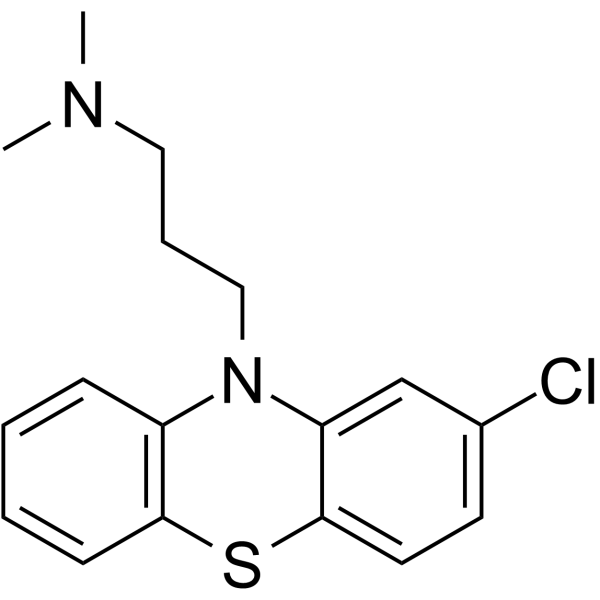
    Chlorpromazine
    Maximum Cited Publications
    128 Publications Verification

    Dopamine Receptor Cytochrome P450 Autophagy 5-HT Receptor Cardiovascular Disease Neurological Disease Cancer
    Chlorpromazine is an orally active, blood-brain barrier-transparent antipsychotic agent that effectively antagonises D2 dopamine receptors and 5-HT2A, which is widely used in schizophrenia and other psychiatric disorders. Chlorpromazine exerts anti-cancer activity through a variety of pathways, including anti-proliferation, induction of autophagy and cycle arrest (G2-M phase), inhibition of cytochrome c oxidase (CcO), inhibition of tumour growth and metastasis, and inhibition of tumour immune escape. Chlorpromazine also blocks hNav1.7 channels (IC50=25.9 μM; concentration-dependent) and HERG potassium channels (IC50=21.6 μM), which has potential for analgesic and cardiac arrhythmic studies. Chlorpromazine also can inhibit clathrin-mediated endocytosis .
    Chlorpromazine
  • HY-17502
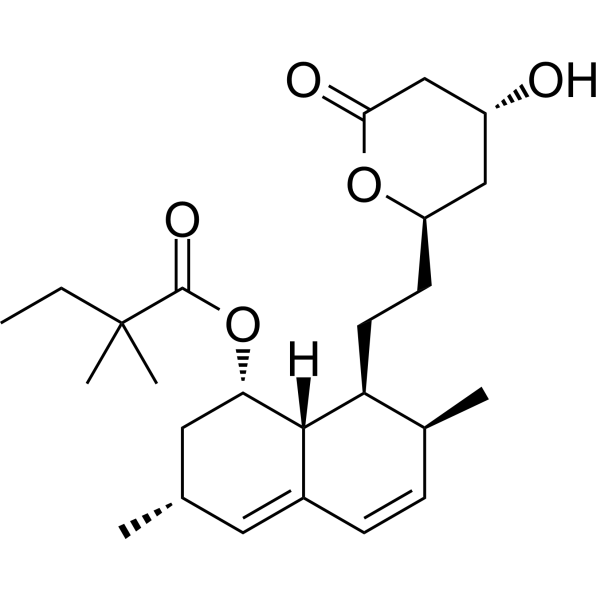
    Simvastatin
    80+ Cited Publications

    MK 733

    HMG-CoA Reductase (HMGCR) Autophagy Mitophagy Apoptosis Ferroptosis Cardiovascular Disease Infection Cancer
    Simvastatin (MK 733) is a competitive inhibitor of HMG-CoA reductase with a Ki of 0.2 nM.
    Simvastatin
  • HY-127103
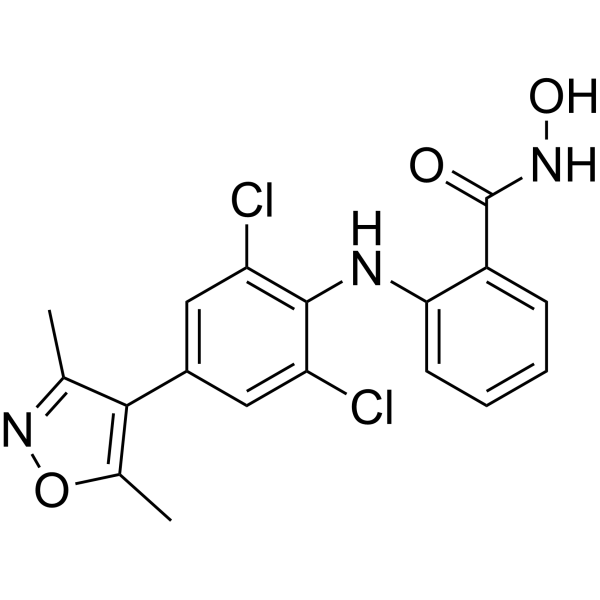
    FB23-2
    25+ Cited Publications

    Apoptosis Cancer
    FB23-2 is a potent and selective inhibitor of mRNA N 6-methyladenosine (m 6A) demethylase FTO, with an IC50 of 2.6 μM. FB23-2 has anti-proliferation activity. FB23-2 can be used for the research of acute myeloid leukemia (AML) .
    FB23-2
  • HY-B0407A
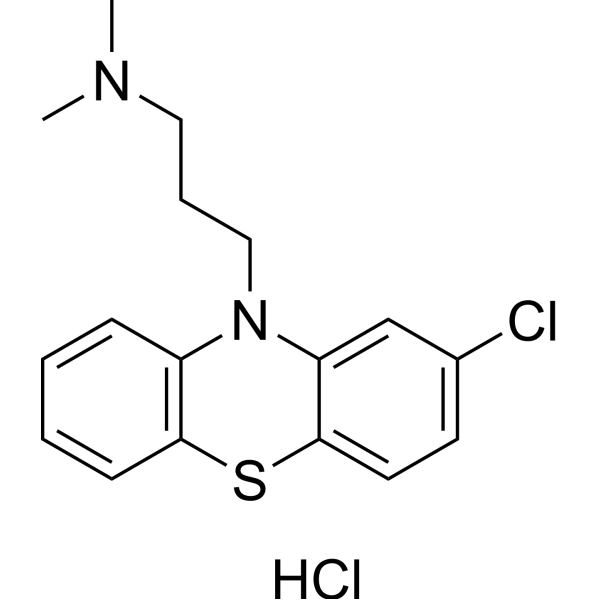
    Chlorpromazine hydrochloride
    Maximum Cited Publications
    128 Publications Verification

    Dopamine Receptor Autophagy Cytochrome P450 5-HT Receptor Cardiovascular Disease Neurological Disease Cancer
    Chlorpromazine hydrochloride is an orally active, blood-brain barrier-transparent antipsychotic agent that effectively antagonises D2 dopamine receptors and 5-HT2A, which is widely used in schizophrenia and other psychiatric disorders. Chlorpromazine hydrochloride exerts anti-cancer activity through a variety of pathways, including anti-proliferation, induction of autophagy and cycle arrest (G2-M phase), inhibition of cytochrome c oxidase (CcO), inhibition of tumour growth and metastasis, and inhibition of tumour immune escape. Chlorpromazine hydrochloride also blocks hNav1.7 channels (IC50=25.9 μM; concentration-dependent) and HERG potassium channels (IC50=21.6 μM), which has potential for analgesic and cardiac arrhythmic studies. Chlorpromazine hydrochloride also can inhibit clathrin-mediated endocytosis .
    Chlorpromazine hydrochloride
  • HY-N0189
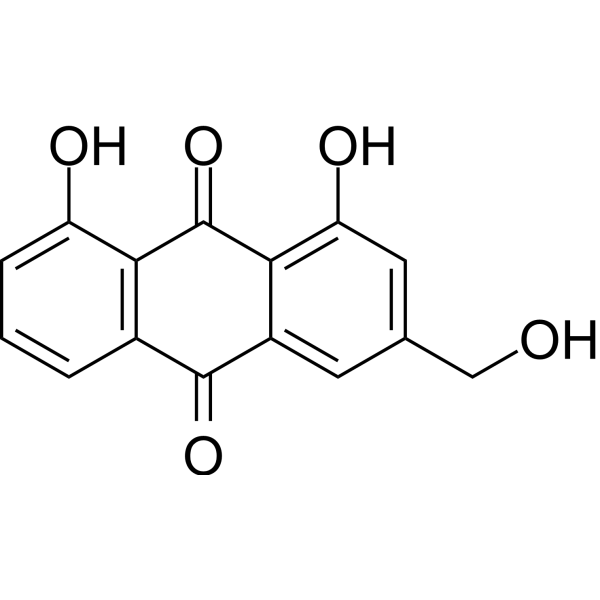
    Aloe emodin
    3 Publications Verification

    Rhabarberone; 3-Hydroxymethylchrysazine

    mTOR Influenza Virus Apoptosis Autophagy Cancer
    Aloe emodin (Rhabarberone) is a natural hydroxyanthraquinone with antitumor activities. aloe-emodin can bind with mTORC2 and inhibit its kinase activity. Aloe emodin exerts antiproliferation effects and induces cellular apoptosis . Aloe emodin also exhibits antiviral activity that against influenza A virus .
    Aloe emodin
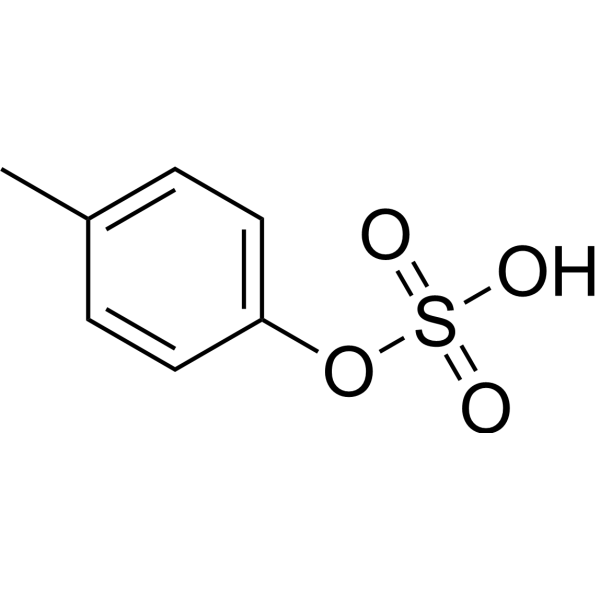
  • HY-111431
    p-Cresyl sulfate
    Maximum Cited Publications
    6 Publications Verification

    p-Tolyl sulfate

    JNK p38 MAPK Reactive Oxygen Species (ROS) Metabolic Disease
    p-Cresyl sulfate (p-Tolyl sulfate) is a uremic toxin, that can cause renal damage and dysfunction. p-Cresyl sulfate shows antiproliferation activity. p-Cresyl sulfate increases the protein expression of HIF-1α and VHL, decreases the protein expression of HIF-2α. p-Cresyl sulfate induces epithelial-mesenchymal transition (EMT). p-Cresyl sulfate activates the JNK and p38 MAPK signaling pathways .
    p-Cresyl sulfate
  • HY-109169
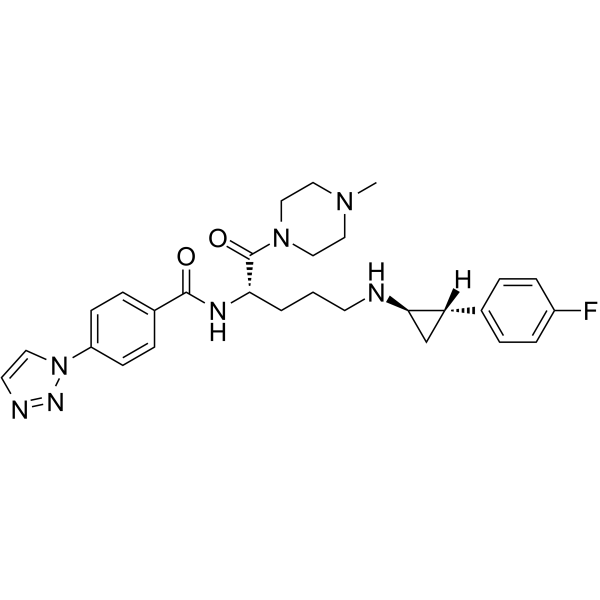
    Bomedemstat
    3 Publications Verification

    IMG-7289

    Histone Demethylase Apoptosis Cancer
    Bomedemstat (IMG-7289) is an orally active and irreversible lysine-specific demethylase 1 (LSD1) inhibitor. Bomedemstat can increase H3K4 and H3K9 methylation, and then alter gene expression. Bomedemstat shows anti-cancer activities, inhibits cancer cell proliferation and induces apoptosis .
    Bomedemstat
  • HY-B0735A
    Fenoldopam mesylate
    4 Publications Verification

    Fenoldopam methanesulfonate; SKF-82526 mesylate

    Dopamine Receptor Apoptosis Cardiovascular Disease Cancer
    Fenoldopam mesylate (SKF-82526) is a D1 receptor agonist and a novel lysine-specific demethylase 1 (LSD1) inhibitor (IC50=0.8974 μM). Fenoldopam mesylate shows anti-hypertensive effects, anti-cancer cell proliferation activity and can induce cells apoptosis .
    Fenoldopam mesylate
  • HY-13313
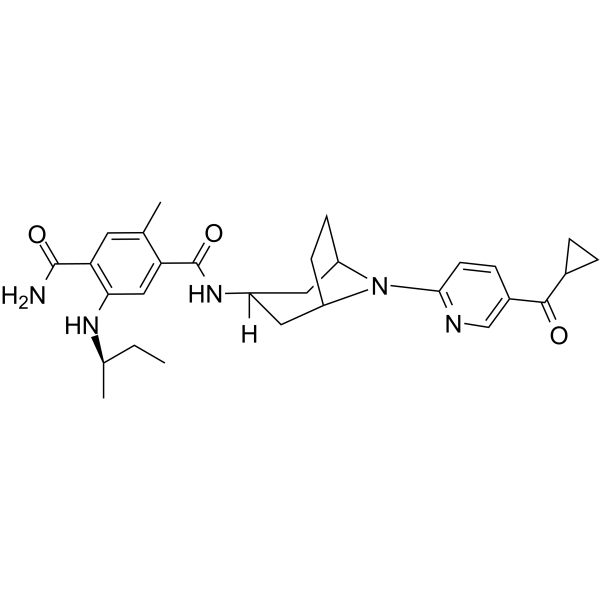
    XL888
    5 Publications Verification

    HSP Apoptosis Cancer
    XL888 is a potent and orally active HSP90 inhibitor with an IC50 value of 24 nM. XL888 shows anti-proliferation activity and induces Apoptosis. XL888 shows anti-tumor activity .
    XL888
  • HY-133618

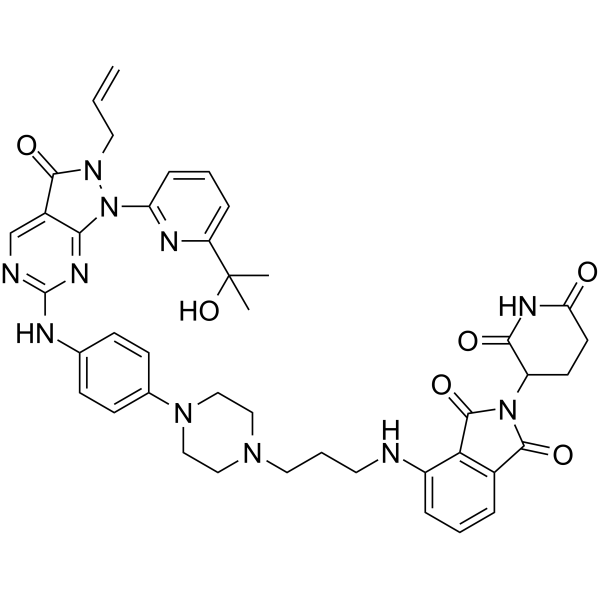
    Wee1 PROTACs Cancer
    Pomalidomide-C3-adavosertib is a rapid and selective PROTAC Wee1 degrader (IC50=3.58 nM). Pomalidomide-C3-adavosertib shows anti-cancer cell proliferation activity, and induces apoptosis .
    Pomalidomide-C3-adavosertib
  • HY-N0839
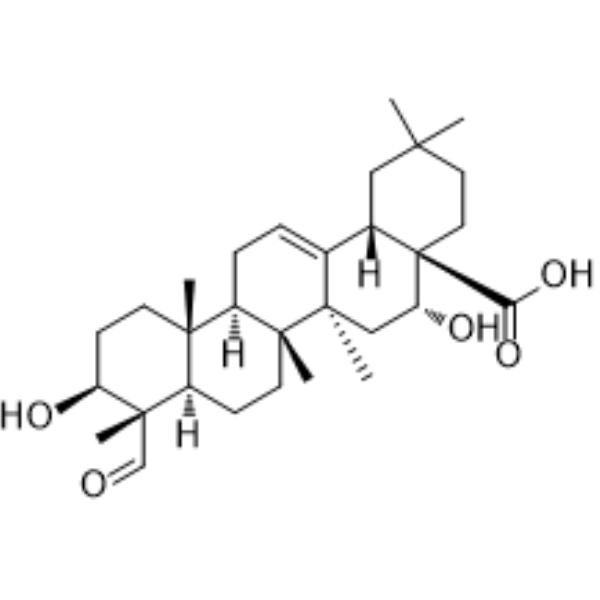
    Quillaic acid
    3 Publications Verification

    Quillaja sapogenin

    Apoptosis Neurological Disease Inflammation/Immunology Cancer
    Quillaic acid (Quillaja sapogenin)It is an anti-gastric cancer and anti-proliferation agent that can promote apoptosis of cancer cells. (apoptosis). Quillaic acidAlso has analgesic and local anti-inflammatory activity .
    Quillaic acid
  • HY-B1360
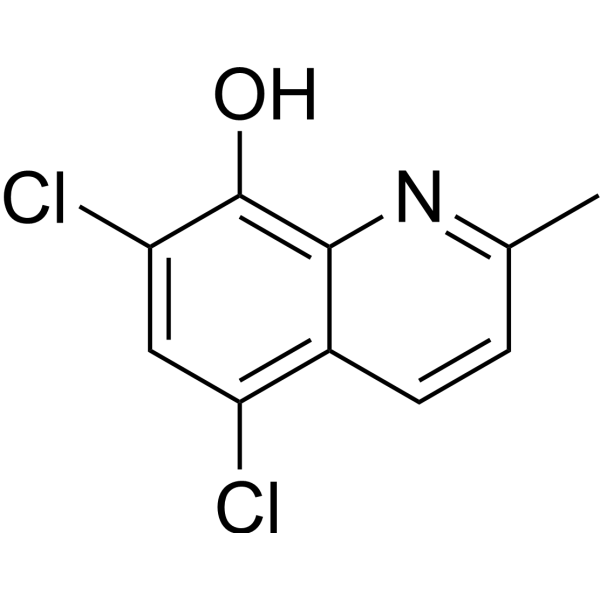
    Chlorquinaldol
    5+ Cited Publications

    Chloquinan

    Antibiotic Bacterial Fungal β-catenin Apoptosis Infection Cancer
    Chlorquinaldol (Chloquinan) is an antibacterial agent with the potential use in topical skin conditions and vaginal infections. Chlorquinaldol is a β-catenin/TCF4 inhibitor, showing anti-proliferation, anti-migration, and apoptosis-inducing activity in cancer cells .
    Chlorquinaldol
  • HY-14507
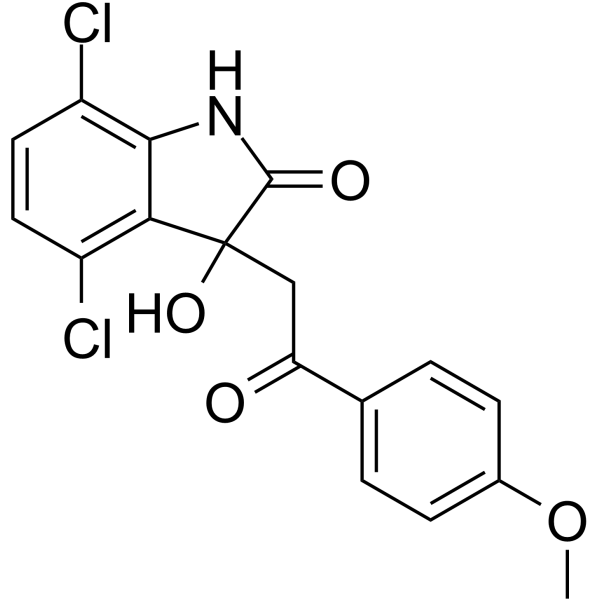
    YK-4-279
    5+ Cited Publications

    DNA/RNA Synthesis Apoptosis Cancer
    YK-4-279 blocks RNA Helicase A (RHA) binding with EWS-FLI1 (oncogenic protein). YK-4-279 induces apoptosis and shows anti-proliferation activities towards various cancer cells. YK-4-279 has a chiral center and it can be separated into two enantiomers. YK-4-279 can be used for the research of cancer .
    YK-4-279
  • HY-N10335
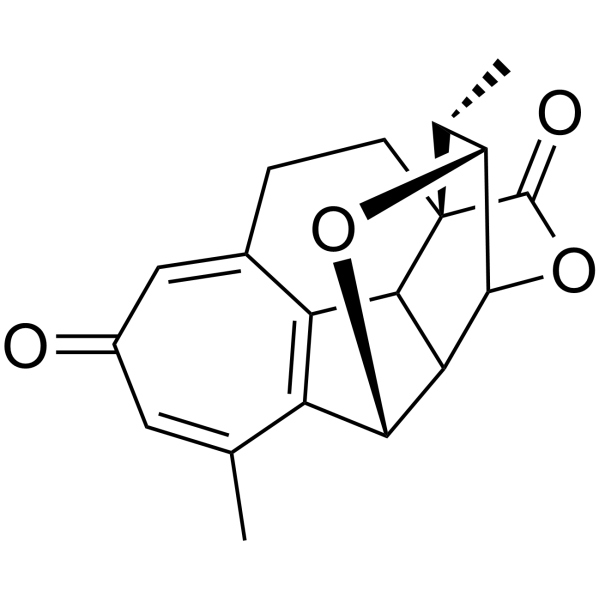
    Harringtonolide
    2 Publications Verification

    FAK Inflammation/Immunology Cancer
    Harringtonolide is a potent RACK1 inhibitor (IC50=39.66 μM in A375 cells). Harringtonolide inhibits the epithelial-mesenchymal transition (EMT) process and cell proliferation by affecting the interaction between FAK and RACK1. Harringtonolide has plant growth inhibitory, antiviral, anti-inflammatory, and antiproliferation activities .
    Harringtonolide
  • HY-114323

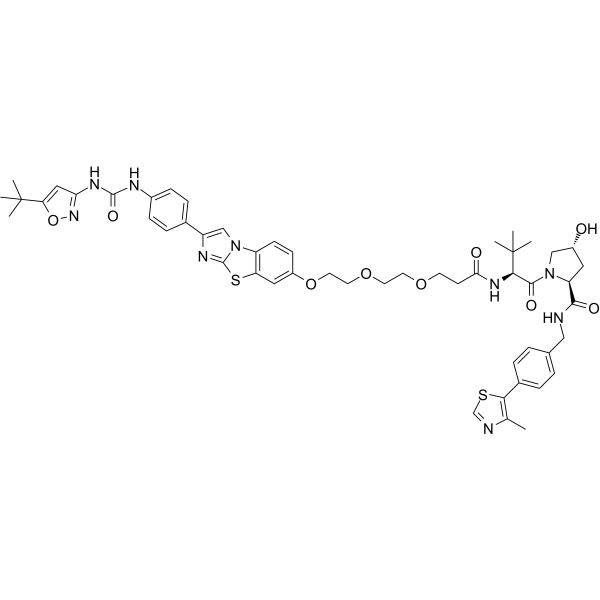
    PROTACs FLT3 Apoptosis STAT MEK ERK Cancer
    PROTAC FLT-3 degrader 1 is an effective and selective FLT-3 PROTAC degrader with an IC50 of 0.6 nM. PROTAC FLT-3 degrader 1 inhibits both FLT-3 and FLT-3 ITD mutants. PROTAC FLT-3 degrader 1 has the activity of anti-proliferation and induction of apoptosis, which can be used in the study of tumor. (Pink: FLT3 ligand (HY-168702); Black: Linker (HY-124380); Blue: VHL ligand (HY-125845)) .
    PROTAC FLT-3 degrader 1
  • HY-U00447

    MDM-2/p53 DNA Alkylator/Crosslinker Cancer
    PK11000 is an alkylating agent, and stabilizes the DNA-binding domain of both WT and mutant p53 proteins by covalent cysteine modification without compromising DNA binding. PK11000 has anti-tumor activities .
    PK11000
  • HY-109169A
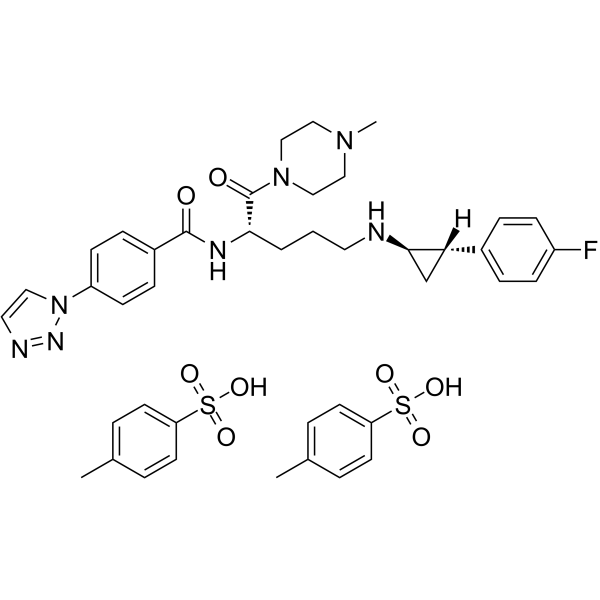
    Bomedemstat ditosylate
    3 Publications Verification

    IMG-7289 ditosylate

    Histone Demethylase Apoptosis Cancer
    Bomedemstat (IMG-7289) ditosylate is an orally active and irreversible lysine-specific demethylase 1 (LSD1) inhibitor. Bomedemstat ditosylate can increase H3K4 and H3K9 methylation, and then alter gene expression. Bomedemstat ditosylate shows anti-cancer activities, inhibits cancer cell proliferation and induces apoptosis .
    Bomedemstat ditosylate
  • HY-146208
    BRD4 Inhibitor-20
    1 Publications Verification

    Epigenetic Reader Domain Cancer
    BRD4 Inhibitor-20 is a potent orally active bromodomain protein 4 (BRD4) inhibitor. BRD4 Inhibitor-20 has inhibitory activity for BRD4 (BD1) and BRD4 (BD2) with IC50 values of 19 nM and 28 nM, respectively. BRD4 Inhibitor-20 also has anti-proliferation activities in cancer cell lines. BRD4 Inhibitor-20 can be used for the research of kinds of cancer, such as colon cancer .
    BRD4 Inhibitor-20
  • HY-109169B
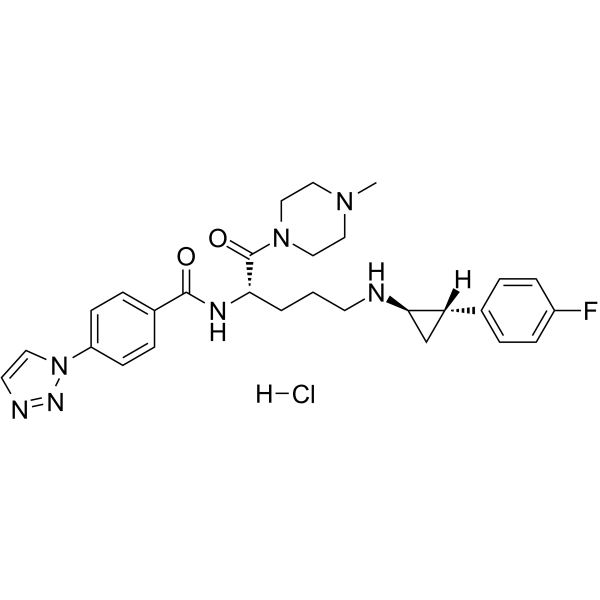
    Bomedemstat hydrochloride
    3 Publications Verification

    IMG-7289 hydrochloride

    Histone Demethylase Apoptosis Cancer
    Bomedemstat (IMG-7289) hydrochloride is an orally active and irreversible lysine-specific demethylase 1 (LSD1) inhibitor. Bomedemstat hydrochloride can increase H3K4 and H3K9 methylation, and then alter gene expression. Bomedemstat hydrochloride shows anti-cancer activities, inhibits cancer cell proliferation and induces apoptosis .
    Bomedemstat hydrochloride
  • HY-164995

    PROTACs Epigenetic Reader Domain Drug-Linker Conjugates for ADC Cancer
    L1BC8 (compound 13a) is a BRD4 PROTAC degrader with anticancer effects. L1BC8 is also a drug-linker conjugate for ADC that can be used for the synthesis of ADCs. The resulting BRD4-degrader antibody conjugates exhibit potent and antigen-dependent BRD4 degradation and antiproliferation activities in cell-based experiments. (Pink: BRD4 ligand (HY-129939); Blue: VHL ligand (HY-125845); Black: linker (HY-171663)) .
    L1BC8
  • HY-144627

    PROTACs TAM Receptor Cancer
    PROTAC Axl Degrader 2 is a potent and selective PROTAC Axl degrader with an IC50 of 1.61 μM. PROTAC Axl Degrader 2 shows anti-proliferation activity, anti-migration activity in vitro. PROTAC Axl Degrader 2 induces mehuosis .
    PROTAC Axl Degrader 2
  • HY-110329

    Nuclear Hormone Receptor 4A/NR4A Cancer
    ML179 (SR-1309) is a inverse LRH1/NR5A2 (Liver receptor homologue-1) agonist with IC50 of 320 nM. ML179 shows anti-proliferation activity in MDA-MB-231 cells. ML179 has the potential for the research of ER-negative breast cancer .
    ML179
  • HY-169946

    Wee1 Cancer
    WEE1/PKMYT1-IN-1 (compound 75) is a potent and orally active WEE1 and PKMYT1 inhibitor. WEE1/PKMYT1-IN-1 shows antiproliferation activity .
    WEE1/PKMYT1-IN-1
  • HY-145737A

    Ras PROTACs SOS1 Cancer
    PROTAC SOS1 degrader-1 (TFA) is a potent PROTAC SOS1 degrader with an DC50 of 98.4 nM. PROTAC SOS1 degrader-1 shows antiproliferation activity in cancer cells with various KRAS mutations. PROTAC SOS1 degrader-1 shows antitumor effect with low toxicity .
    PROTAC SOS1 degrader-1 TFA
  • HY-150510

    Histone Methyltransferase Neurological Disease Cancer
    MS8511 is a selective G9a/GLP covalent irreversible inhibitor by targeting a cysteine residue at the substrate binding site, with IC50 values of 100 nM (G9a) and 140 nM (GLP), and Kd values of 44 nM (G9a) and 46 nM (GLP). MS8511 reduces the cellular H3K9me2 level and enhances antiproliferation activity. MS8511 can be used for the research of several types of cancers including brain, breast, ovarian, lung, bladder, melanoma, colorectal cancer, and other disease such as Alzheimer’s disease (AD), sickle cell disease, Prader−Willi syndrome (PWS) .
    MS8511
  • HY-144624

    PROTACs TAM Receptor Cancer
    PROTAC Axl Degrader 1 is a potent and selective PROTAC Axl degrader with an IC50 of 0.92 μM. PROTAC Axl Degrader 1 shows anti-proliferation activity, anti-migration activity in vitro. PROTAC Axl Degrader 1 induces mehuosis .
    PROTAC Axl Degrader 1
  • HY-150401

    ADC Payload Topoisomerase Cancer
    Exatecan-amide-cyclopropanol (compound 1) is a anticancer agent. Exatecan-amide-cyclopropanol shows anti-proliferation activity against SK-BR-3 and U87 cells, with IC50 values of 0.12 and 0.23 nM, respectively .
    Exatecan-amide-cyclopropanol
  • HY-161268

    Apoptosis NEDD8-activating Enzyme Reactive Oxygen Species (ROS) Cancer
    NAE-IN-1 (compound X-10) is a potent NAE1 inhibitor. NAE-IN-1 induces apoptosis and cell cycle arrest at the G2/M phase. NAE-IN-1 increases ROS levels and prevents cell migration. NAE-IN-1 shows anti-proliferation activity .
    NAE-IN-1
  • HY-109169C
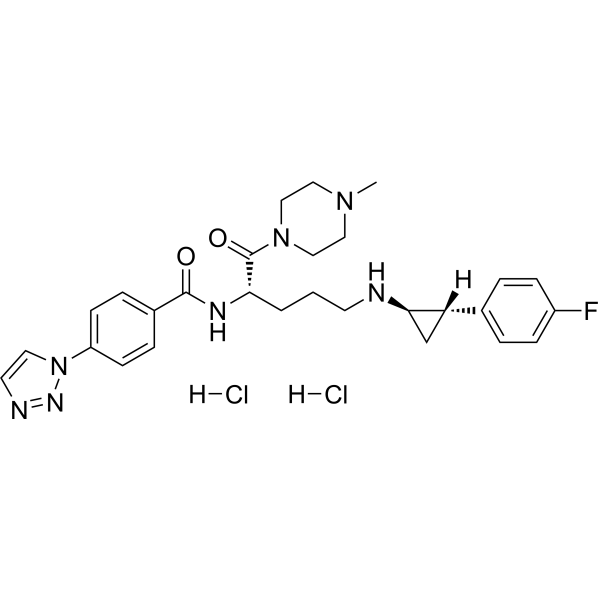
    Bomedemstat dihydrochloride
    3 Publications Verification

    IMG-7289 dihydrochloride

    Histone Demethylase Apoptosis Cancer
    Bomedemstat (IMG-7289) dihydrochloride is an orally active and irreversible lysine-specific demethylase 1 (LSD1) inhibitor. Bomedemstat dihydrochloride can increase H3K4 and H3K9 methylation, and then alter gene expression. Bomedemstat dihydrochloride shows anti-cancer activities, inhibits cancer cell proliferation and induces apoptosis .
    Bomedemstat dihydrochloride
  • HY-147932

    Acetyl-CoA Carboxylase Cancer
    ACC1/2-IN-2 (compound PF-3) is a potent ACC1/2 inhibitor with IC50 values of 22 and 48 nM for ACC1 and ACC2, respectively. ACC1/2-IN-2 has antiproliferation activity and can be used for cancer research .
    ACC1/2-IN-2
  • HY-155993

    PARP Cancer
    YCH1899 is an orally active PARP inhibitor, with an IC50< 0.001 nM for PARP1/2. YCH1899 exhibits distinct antiproliferation activity against Olaparib (HY-10162)-resistant and Talazoparib (HY-16106)-resistant Capan-1 cells (Capan-1/OP and Capan-1/TP cells) , with IC50 values of 0.89 and 1.13 nM, respectively. YCH1899 has acceptable pharmacokinetic properties in rats .
    YCH1899
  • HY-150510A

    Histone Methyltransferase Neurological Disease Cancer
    MS8511 (hydrochloride) is a selective G9a/GLP covalent irreversible inhibitor by targeting a cysteine residue at the substrate binding site, with IC50 values of 100 nM (G9a) and 140 nM (GLP), and Kd values of 44 nM (G9a) and 46 nM (GLP). MS8511 (hydrochloride) reduces the cellular H3K9me2 level and enhances antiproliferation activity. MS8511 (hydrochloride) can be used for the research of several types of cancers including brain, breast, ovarian, lung, bladder, melanoma, colorectal cancer, and other disease such as Alzheimer’s disease (AD), sickle cell disease, Prader−Willi syndrome (PWS) .
    MS8511 hydrochloride
  • HY-149726

    Histone Methyltransferase Cancer
    EZH2-IN-17 (compound 28) is a potent and orally active EZH2 inhibitor with an IC50 value of 0.95 nM. EZH2-IN-17 exhibits high anti-proliferation activity against different lymphoma cell lines including WSU-DLCL2, Pfeiffer and Karpas-422 (IC50 values of 2.36 nM, 1.73 nM, and 1.82 nM, respectively) .
    EZH2-IN-17
  • HY-162837

    Aurora Kinase Cancer
    AURKA against 1 is an inhibitor of AURKA (IC50 less than 0.5 nM), targeting endogenous lysine (K162) acetylation, and has anti-proliferation activity against tumor cells. AURKA against 1 induces K162 acetylation, and the kinase activity of AURKA is reversibly restored in HCT116 cells transfected with SIRT3 .
    AURKA against 1
  • HY-N3940

    Others Neurological Disease Cancer
    Gelsevirine is the major alkaloid in Gelsemium elegans with potent anxiolytic effects. The anxiolytic mechanism of Gelsevirine may be involved in the agonist action of the glycine receptor in the brain. Gelsevirine has anti-proliferation activity with IC50 values of 1.41 mM and 1.22 mM for SW480 cells and MGC80-3 cells, respectively .
    Gelsevirine
  • HY-178106

    Drug Intermediate Cancer
    SCN2 is a esterase-responsive prodrug-based amphiphile composed of SN38 (HY-13704) and di-(triazole-[12]aneN3, N) moiety through a 7‑carbon alkyl chains. SCN2 has excellent self-assembly and reversible siRNA condensation capabilities as well as anti-proliferation activity against cancer cells. SCN2 can be used for synthesis of nanoparticles for drug delivery of lung cancer .
    SCN2
  • HY-155727

    Sirtuin Apoptosis Cancer
    Sirt1/2-IN-2 (compound hsa55) is a dual inhibitor of SIRT1/2 with IC50s of 1.8 μM (SIRT1) and 2.4 μM (SIRT2), respsectivley. Sirt1/2-IN-2 completely blocks p53 deacetylation, and increase of p53 and α-tubulin acetylation. Sirt1/2-IN-2 induces apoptosis and shows anti-proliferation activity against human leukemia cell lines .
    Sirt1/2-IN-2
  • HY-151434

    Glutaminase Apoptosis Cancer
    GLS1 Inhibitor-6 (Compound 24y) is an orally active, potent and selective glutaminase 1 (GLS1) inhibitor (IC50=68 nM), shows 220-fold selectivity for GLS2. GLS1 Inhibitor-6 shows good anti-tumor activity, antitumor cell proliferation activity and induces apoptosis .
    GLS1 Inhibitor-6
  • HY-145737

    PROTACs SOS1 Ras Cancer
    PROTAC SOS1 degrader-1 is a potent PROTAC SOS1 degrader with an DC50 of 98.4 nM. PROTAC SOS1 degrader-1 shows antiproliferation activity in cancer cells with various KRAS mutations. PROTAC SOS1 degrader-1 shows antitumor effect with low toxicity .
    PROTAC SOS1 degrader-1
  • HY-111431AR

    p-Tolyl sulfate potassium (Standard)

    JNK p38 MAPK Reactive Oxygen Species (ROS) Reference Standards Metabolic Disease
    p-Cresyl sulfate (potassium) (Standard) is the analytical standard of p-Cresyl sulfate (potassium). This product is intended for research and analytical applications. p-Cresyl sulfate (p-Tolyl sulfate) potassium is a uremic toxin, that can cause renal damage and dysfunction. p-Cresyl sulfate potassium shows antiproliferation activity. p-Cresyl sulfate potassium increases the protein expression of HIF-1α and VHL, decreases the protein expression of HIF-2α. p-Cresyl sulfate potassium induces epithelial-mesenchymal transition (EMT). p-Cresyl sulfate potassium activates the JNK and p38 MAPK signaling pathways .
    p-Cresyl sulfate potassium (Standard)
  • HY-117376

    UAB30

    RAR/RXR Cancer
    (all-E)-UAB30 (UAB30) is an retinoid X receptor (RXR) selective agonist.(all-E)-UAB30 shows anti-proliferation activity for MyLa, HuT 78, and HH cells with the IC50 of 34.7, 5.1, and 22.4 μM respectively .
    (all-E)-UAB30
  • HY-142946

    Ras Cancer
    KRAS G12C inhibitor 44 (compound 54) is a potent and orally active KRAS G12C inhibitor. KRAS G12C inhibitor 44 shows anti-proliferation activities with IC50s of 0.016, 0.028 µM in MIA PaCA-2, H358 cells, respectively. KRAS G12C inhibitor 44 shows antitumor effects in vivo .
    KRAS G12C inhibitor 44
  • HY-171837

    Caspase Cancer
    c9,t11,c15-CLNA is a conjugated linolenic acid (CLNA) isomer produced by Lactobacillus plantarum ZS2058. c9,t11,c15-CLNA has significant anti-proliferation activity against colon cancer cells (IC50: 18.26 μM). c9,t11,c15-CLNA induces pyroptosis by activating the canonical pyroptosis pathway mediated by caspase-1. c9,t11,c15-CLNA can be used in the study of colon cancer .
    c9,t11,c15-CLNA
  • HY-146095

    MDM-2/p53 DNA/RNA Synthesis Apoptosis Cancer
    p53 Activator 2 (compound 10ah) intercalats into DNA and results in significant DNA double-strand break.p53 Activator 2 increases the expression of p53, p-p53, CDK4, p21 to cause cell cycle arrest at G2/M phase.p53 Activator 2 induce apoptosis and significantly down-regulates the anti-apoptosis proteins Bcl-2, Bcl-xL and the levels of cyclin B1.p53 Activator 2 has anti-proliferation activity against MGC-803 cells, with an IC50 of 1.73 µM. p53 Activator 2 displays potent anticancer efficiency against MGC-803 xenograft tumors models .
    p53 Activator 2
  • HY-169336

    PARP PSMA Cancer
    CQ-16 is an orally active small molecule drug conjugate (SMDC) targeting prostate-specific membrane antigen (PSMA). CQ-16 exhibits highly selective antiproliferative activity between PSMA-positive and PSMA-negative prostate cells. In addition, CQ-16 also has PARP inhibitory activity (IC50=1 nM). (Pink: PSMA Ligand (HY-139840); Black: Linker (HY-W037980); Blue: PARP Inhibitor (HY-10162))
    CQ-16
  • HY-B0407AR

    Reference Standards Dopamine Receptor Autophagy Cytochrome P450 5-HT Receptor Cardiovascular Disease Neurological Disease Cancer
    Chlorpromazine (hydrochloride) (Standard) is the analytical standard of Chlorpromazine (hydrochloride). This product is intended for research and analytical applications. Chlorpromazine hydrochloride is an orally active, blood-brain barrier-transparent antipsychotic agent that effectively antagonises D2 dopamine receptors and 5-HT2A, which is widely used in schizophrenia and other psychiatric disorders. Chlorpromazine hydrochloride exerts anti-cancer activity through a variety of pathways, including anti-proliferation, induction of autophagy and cycle arrest (G2-M phase), inhibition of cytochrome c oxidase (CcO), inhibition of tumour growth and metastasis, and inhibition of tumour immune escape. Chlorpromazine hydrochloride also blocks hNav1.7 channels (IC50=25.9 μM; concentration-dependent) and HERG potassium channels (IC50=21.6 μM), which has potential for analgesic and cardiac arrhythmic studies. Chlorpromazine hydrochloride also can inhibit clathrin-mediated endocytosis .
    Chlorpromazine hydrochloride (Standard)
  • HY-154973

    Oxidative Phosphorylation Mitochondrial Metabolism AMPK Metabolic Disease Cancer
    AMPK activator 11 is an AMP-activated protein kinase (AMPK) activator with nanomolelevel antiproliferation activities against several CRCs. AMPK activator 11 selectively inhibits the RKO xenograft growth along by activating AMPK and upregulating oxidative phosphorylation (OXPHOS) ( mitochondrial metabolism ) and can be used for anti-tumor and metabolic disease research .
    AMPK activator 11
  • HY-151533

    Epigenetic Reader Domain Cancer
    PBRM1-BD2-IN-6 is a potent PBRM1 bromodomain inhibitor with an IC50 value of 0.22 μM. PBRM1-BD2-IN-6 shows antiproliferation activity. PBRM1-BD2-IN-6 has the potential for the research of PBRM1-dependent cancer .
    PBRM1-BD2-IN-6
  • HY-169946A

    Wee1 Cancer
    WEE1/PKMYT1-IN-2 is the axial chiral P configuration of WEE1/PKMYT1-IN-1 (HY-169946). WEE1/PKMYT1-IN-1 is a potent and orally active WEE1 and PKMYT1 inhibitor. WEE1/PKMYT1-IN-1 shows antiproliferation activity .
    WEE1/PKMYT1-IN-2
  • HY-169946B

    Wee1 Cancer
    WEE1/PKMYT1-IN-3 is the axial chiral M configuration of WEE1/PKMYT1-IN-1 (HY-169946). WEE1/PKMYT1-IN-1 is a potent and orally active WEE1 and PKMYT1 inhibitor. WEE1/PKMYT1-IN-1 shows antiproliferation activity .
    WEE1/PKMYT1-IN-3

Inquiry Online

Your information is safe with us. * Required Fields.

Salutation


Country or Region *

Applicant Name *


Organization Name *

Department *


Email Address *


Product Name *

Cat. No.


Requested quantity *

Phone Number *


Remarks

Inquiry Online

Inquiry Information

Product Name:
Cat. No.:
Quantity:
MCE Japan Authorized Agent:

