


Search Result
Results for "
anticoagulant activities
" in MedChemExpress (MCE) Product Catalog:
13
Biochemical Assay Reagents
7
Isotope-Labeled Compounds
| Cat. No. |
Product Name |
Target |
Research Areas |
Chemical Structure |
-
- HY-132179
-
-
-
- HY-Y0682
-
|
EDTA
|
Environmental Pollutants
Biochemical Assay Reagents
Bacterial
SOD
|
Cardiovascular Disease
Neurological Disease
Cancer
|
|
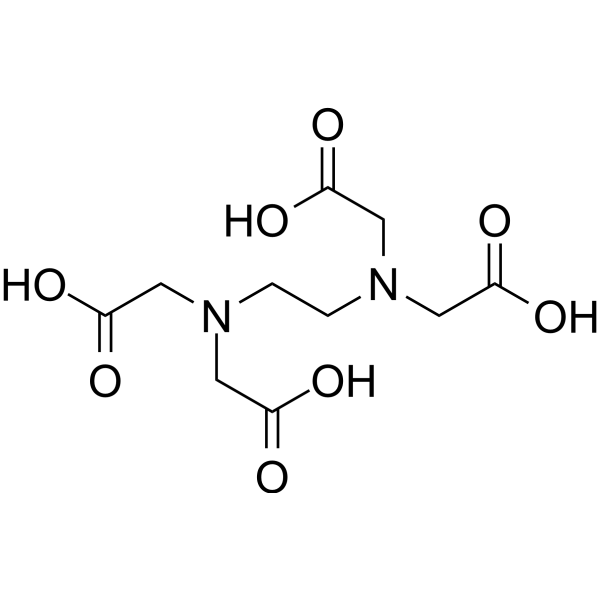
Ethylenediaminetetraacetic acid (EDTA) is a kind of metal chelating agent (binds to bivalent and trivalent metal cations, including calcium). Ethylenediaminetetraacetic acid has antibacterial, anti-inflammatory, antioxidant, anti-hypercalcemia and anticoagulant activities. Ethylenediaminetetraacetic acid decreases the metal ion-catalyzed oxidative damage to proteins, and allows maintenance of reducing environment during protein purification. Ethylenediaminetetraacetic acid can alleviate the liver fibrosis. Ethylenediaminetetraacetic acid can be used for coronary artery disease and neural system disease research .
|
-
-
- HY-116282
-
|
DSS (MW 5000); DXS (MW 5000)
|
HIV
Complement System
Apoptosis
|
Infection
Inflammation/Immunology
|
|
Dextran sulfate sodium salt (DSS) (MW 5000) is a polymer of dehydrated glucose with a molecular weight of approximately 5000. Dextran sulfate sodium salt (DSS) with different molecular weights exhibits different biological activities. Dextran sulfate sodium salt (MW 5000) is an inhibitor of complement and coagulation pathways, and belongs to the glycosaminoglycans (GAG) family. Dextran sulfate sodium salt (MW 5000) acts as an anticoagulant, antiviral, and anti-lipemic agent. Dextran sulfate sodium salt (DSS) stops HIV-1 virus adsorption to host cells. Dextran sulfate sodium salt (MW 5000) prevents NK cell-mediated cytotoxicity. Dextran sulfate sodium salt (MW 5000) inhibits instant blood-mediated inflammatory reaction (IBMIR) .
|
-
-
- HY-P1956
-
|
HSA
|
NF-κB
NO Synthase
|
Cardiovascular Disease
Inflammation/Immunology
Cancer
|
Human serum albumin (HSA) is the most abundant protein in plasma and is a major determinant of plasma oncotic pressure. Human serum albumin exhibits antioxidant, anticoagulant, anti-inflammatory, anti-platelet aggregation activities as well as colloid osmotic action. Human serum albumin can block the inhibitory effect of GML on human T cells, providing protective function for T cells. Human serum albumin is also associated with cardiovascular diseases and can partially prevent the LPS (HY-D1056) induced oxidative stress, as well as the upregulation of NF-κB, NF-κB, and peroxynitrite (ONOO −) in the vascular wall, contributing to the reduction of blood pressure . This product is recombinant Human Serum Albumin expressed in a microbial expression system.
|
-
-
- HY-109509
-
|
PK 10169; Enoxaparin sodium
|
Factor Xa
Thrombin
SARS-CoV
|
Infection
Cardiovascular Disease
Neurological Disease
Inflammation/Immunology
Cancer
|
|
Enoxaparin (PK 10169), a low-molecular-weight heparin (LMWH) derivative. Enoxaparin exerts anticoagulant activity through antithrombin III, an endogenous inhibitor of factor Xa and thrombin IIa. Enoxaparin protect the rat hippocampus against TBI (traumatic brain injury) via antioxidant and anti-inflammatory properties. Enoxaparin can be used for the research of deep vein thrombosis (DVT), pulmonary embolism, TBI and COVID-19 .
|
-
-
- HY-Y0682A
-
|
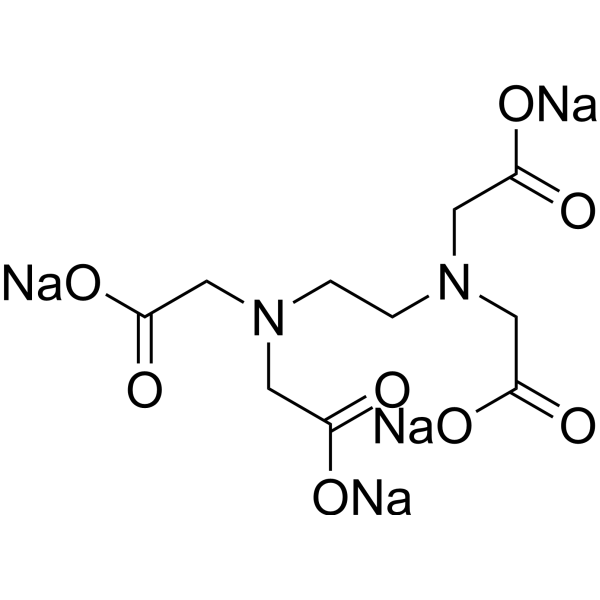
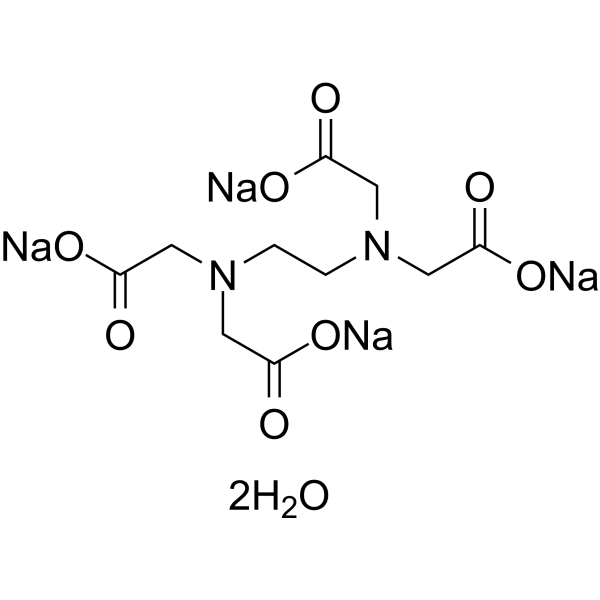
EDTA disodium dihydrate
|
Environmental Pollutants
Biochemical Assay Reagents
Bacterial
SOD
|
Cardiovascular Disease
Neurological Disease
Cancer
|
|
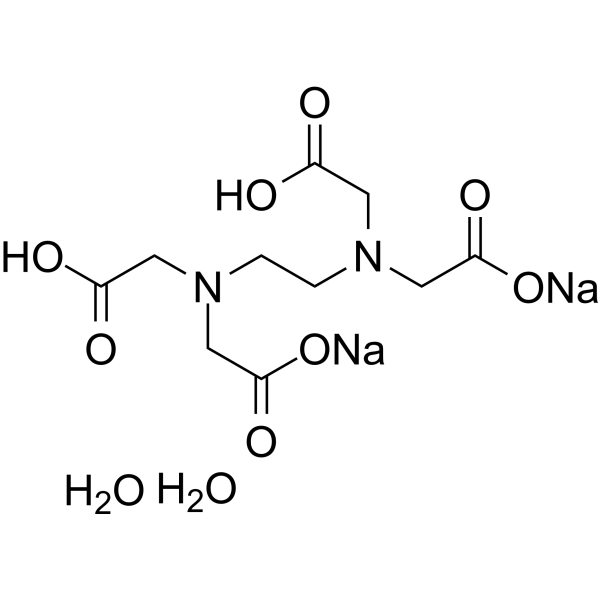
Ethylenediaminetetraacetic acid (EDTA) disodium dehydrate is a kind of metal chelating agent (binds to bivalent and trivalent metal cations, including calcium). Ethylenediaminetetraacetic acid disodium dehydrate has antibacterial, anti-inflammatory, antioxidant, anti-hypercalcemia and anticoagulant activities. Ethylenediaminetetraacetic acid disodium dehydrate decreases the metal ion-catalyzed oxidative damage to proteins, and allows maintenance of reducing environment during protein purification. Ethylenediaminetetraacetic acid disodium dehydrate can alleviate the liver fibrosis. Ethylenediaminetetraacetic acid disodium dehydrate can be used for coronary artery disease and neural system disease research .
|
-
-
- HY-P1956A
-
|
HSA (Cell culture grade, Endotoxin<0.125 EU/mg)
|
NF-κB
NO Synthase
|
Cardiovascular Disease
Inflammation/Immunology
|
Human serum albumin (Cell culture grade, Endotoxin<0.125 EU/mg) (HSA) is the most abundant protein in plasma and is a major determinant of plasma oncotic pressure. Human serum albumin (Cell culture grade, Endotoxin<0.125 EU/mg) exhibits antioxidant, anticoagulant, anti-inflammatory, anti-platelet aggregation activities as well as colloid osmotic action. Human serum albumin (Cell culture grade, Endotoxin<0.125 EU/mg) can block the inhibitory effect of GML on human T cells, providing protective function for T cells. Human serum albumin (Cell culture grade, Endotoxin<0.125 EU/mg) is also associated with cardiovascular diseases and can partially prevent the LPS (HY-D1056) induced oxidative stress, as well as the upregulation of NF-κB, iNOS, and peroxynitrite (ONOO −) in the vascular wall, contributing to the reduction of blood pressure. Human serum albumin (Cell culture grade, Endotoxin<0.125 EU/mg) can be used for in vitro cell culture . This product is human serum albumin recombinantly expressed in an Escherichia coli expression system.
|
-
-
- HY-116282A
-
|
DSS (MW 4500-5500); DXS (MW 4500-5500)
|
HIV
Apoptosis
Complement System
|
Infection
Inflammation/Immunology
|
|
Dextran sulfate sodium salt (DSS) (MW 4500-5500) is a polymer of dehydrated glucose with a molecular weight of approximately 4500-5500. Dextran sulfate sodium salt with different molecular weights exhibits different biological activities. Dextran sulfate sodium salt (MW 4500-5500) is an inhibitor of complement and coagulation pathways, and belongs to the glycosaminoglycans (GAG) family. Dextran sulfate sodium salt (MW 4500-5500) acts as an anticoagulant, antiviral, and anti-lipemic agent. Dextran sulfate sodium salt (MW 4500-5500) stops HIV-1 virus adsorption to host cells. Dextran sulfate sodium salt (MW 4500-5500) prevents NK cell-mediated cytotoxicity. Dextran sulfate sodium salt (MW 4500-5500) inhibits instant blood-mediated inflammatory reaction (IBMIR) .
|
-
-
- HY-B0385
-
|
FOY
|
Proteasome
Factor Xa
|
Inflammation/Immunology
|
|
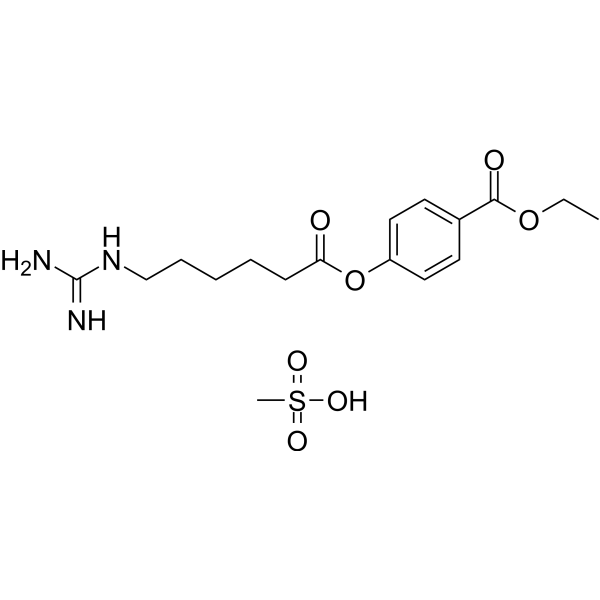
Gabexate mesylate (FOY) is is a competitive and non-antigenic synthetic inhibitor of trypsin-like serine proteinases. Gabexate mesylate inhibits human thrombin, urokinase, plasmin, and Factor Xa with Kis of 0.97, 1.3, 1.6, and 8.5 μM, respectively. Gabexate mesylate binds to human and bovine tryptase with Kis of 3.4 nM and 18 μM, respectively. Gabexate mesylate exerts an anticoagulant effect on the clotting activity of thrombin and has anti-inflammatory effect by viainhibition of NF-κB, proinflammatory cytokines, and nitric oxide. Gabexate mesylate is used for pancreatitis and disseminated intravascular coagulation .
|
-
-
- HY-Y0682S
-
|
EDTA-d12
|
Isotope-Labeled Compounds
|
Neurological Disease
|
|
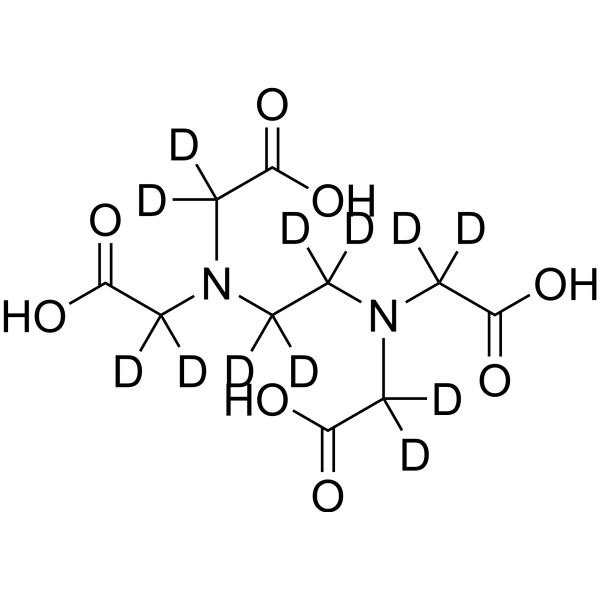
Ethylenediaminetetraacetic acid-d12 is the deuterium labeled Ethylenediaminetetraacetic acid . Ethylenediaminetetraacetic acid (EDTA) is a metal chelators (binds to metal divalent and trivalent cations including calcium), which shows activities of anticoagulant and anti-hypercalcemic. Ethylenediaminetetraacetic acid decreases the metal ion-catalyzed oxidative damage to proteins, and allows maintenance of reducing environment during protein purification. Ethylenediaminetetraacetic acid can also decrease the formation of disulfide bonds .
|
-
-
- HY-N0228
-
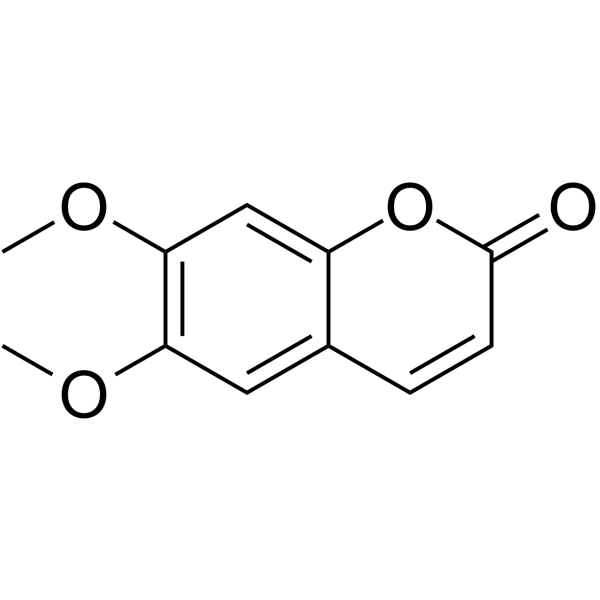
Scoparone
Maximum Cited Publications
7 Publications Verification
|
Others
|
Cardiovascular Disease
Cancer
|
|
Scoparone is isolated from Artemisia capillaris Thunb., has anticoagulant, vasorelaxant antioxidant, anti-inflammatory activities .
|
-
-
- HY-B1009
-
|
EDTA trisodium salt; Trisodium EDTA
|
Environmental Pollutants
Bacterial
SOD
Ferroptosis
|
Cardiovascular Disease
Neurological Disease
Cancer
|
|
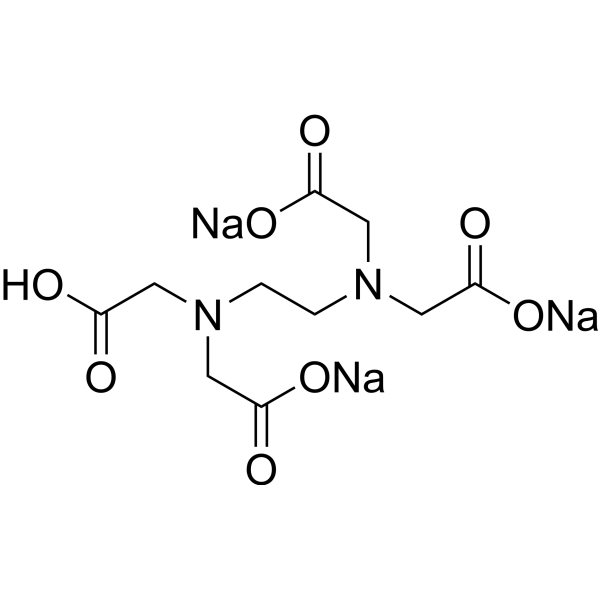
Ethylenediaminetetraacetic acid trisodium salt (EDTA trisodium salt; Trisodium EDTA) is a kind of metal chelating agent (binds to bivalent and trivalent metal cations, including calcium). Ethylenediaminetetraacetic acid trisodium salt has antibacterial, anti-inflammatory, antioxidant, anti-hypercalcemia and anticoagulant activities. Ethylenediaminetetraacetic acid trisodium salt decreases the metal ion-catalyzed oxidative damage to proteins, and allows maintenance of reducing environment during protein purification. Ethylenediaminetetraacetic acid trisodium salt can alleviate the liver fibrosis. Ethylenediaminetetraacetic acid can be used for coronary artery disease and neural system disease research .
|
-
-
- HY-119124
-
|
D21-2393
|
Factor Xa
|
Cardiovascular Disease
Inflammation/Immunology
|
|
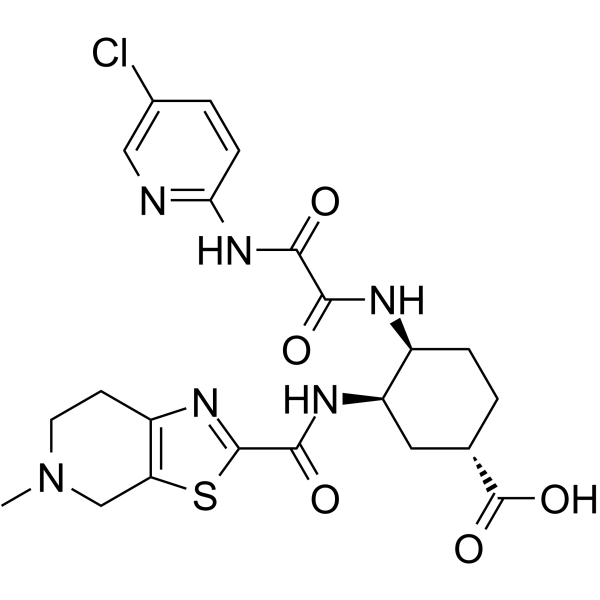
Edoxaban M4 (D21-2393) is an orally active and selective Factor Xa inhibitor with a human Factor Xa IC50 of 1.8 nM. Edoxaban M4 exhibits anticoagulant activity via Factor Xa inhibition. Edoxaban M4 can be used for the research of non-valvular atrial fibrillation, venous thromboembolisms, pulmonary embolism .
|
-
-
- HY-P1918
-
|
|
APC
|
Cardiovascular Disease
|
|
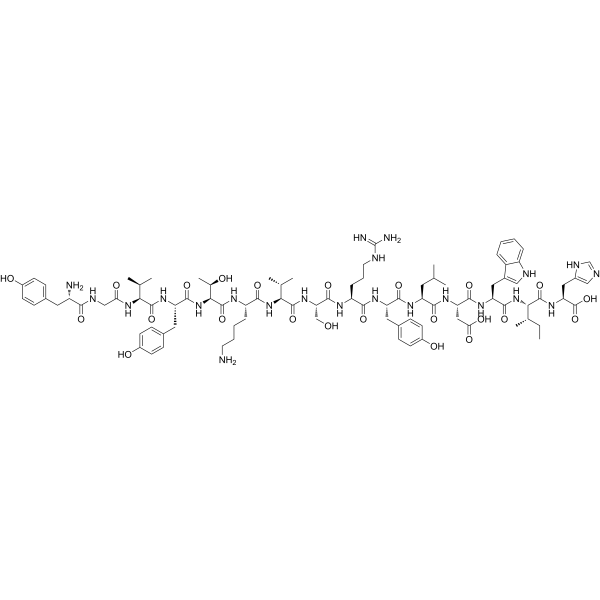
Activated Protein C (390-404), human is a polypeptide fragment of vitamin K-dependent serine protease activated protein C (APC), which inhibits the anticoagulant activity of APC. Activated Protein C (390-404), human inhibits APC-catalyzed inactivation of factor Va .
|
-
-
- HY-W127774
-
|
Ethylenediaminetetraacetic acid hydrate sodium
|
Biochemical Assay Reagents
Bacterial
SOD
|
Cardiovascular Disease
Neurological Disease
Cancer
|
|
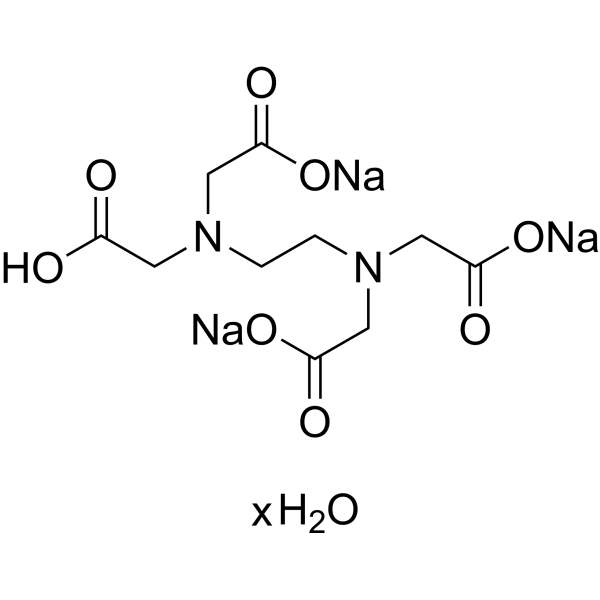
EDTA (Ethylenediaminetetraacetic acid) hydrate sodium is a kind of metal chelating agent (binds to bivalent and trivalent metal cations, including calcium). EDTA hydrate sodium has antibacterial, anti-inflammatory, antioxidant, anti-hypercalcemia and anticoagulant activities. EDTA hydrate sodium decreases the metal ion-catalyzed oxidative damage to proteins, and allows maintenance of reducing environment during protein purification. EDTA hydrate sodium can alleviate the liver fibrosis. Ethylenediaminetetraacetic acid can be used for coronary artery disease and neural system disease research .
|
-
-
- HY-N1745A
-
|
|
Influenza Virus
|
Infection
Inflammation/Immunology
Cancer
|
|
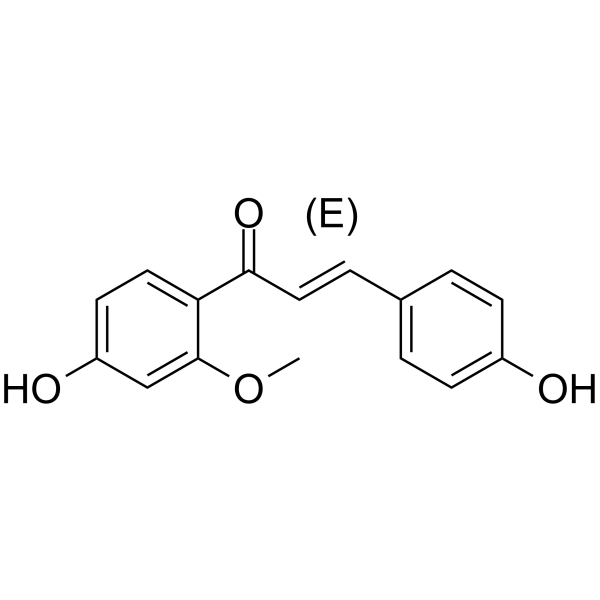
3-Deoxysappanchalcone is a kinase inhibitor and antiviral agent. 3-Deoxysappanchalcone directly targets MET, EGFR, AKT, mTOR, p38 MAPK, JNK, thrombin, FXa, and influenza virus neuraminidase, thereby regulating related signaling pathways. 3-Deoxysappanchalcone induces cell cycle arrest, ROS production, and apoptosis. 3-Deoxysappanchalcone exhibits anti-inflammatory, anti-allergic, anticoagulant, and antithrombotic activities. 3-Deoxysappanchalcone is applicable to research related to gefitinib-resistant lung cancer, esophageal squamous cell carcinoma, thrombosis, and influenza virus infection .
|
-
-
- HY-75625
-
|
4-Methoxysalicylic Acid
|
Monocarboxylate Transporter
Apoptosis
Mitochondrial Metabolism
|
Cardiovascular Disease
Metabolic Disease
Cancer
|
|
2-Hydroxy-4-methoxybenzoic acid is an orally active inhibitor of MCT-1 and MCT-4, as well as a plant biomarker. 2-Hydroxy-4-methoxybenzoic acid can be isolated from roots. 2-Hydroxy-4-methoxybenzoic acid induces Apoptosis and loss of mitochondrial membrane potential. 2-Hydroxy-4-methoxybenzoic acid exhibits anticancer activity against breast cancer. 2-Hydroxy-4-methoxybenzoic acid normalizes lactic acid levels. 2-Hydroxy-4-methoxybenzoic acid neutralizes viper venom and attenuates its lethal, hemorrhagic, coagulant and anticoagulant activities in male albino mice. 2-Hydroxy-4-methoxybenzoic acid possesses antihyperlipidemic, antidiabetic and hepatoprotective activities .
|
-
-
- HY-139167
-
|
Warfarin RC15
|
Drug Derivative
|
Others
|
|
7-Hydroxywarfarin is a Warfarin analog with anticoagulant activity .
|
-
-
- HY-P2920
-
-
-
- HY-N1196
-
|
|
NF-κB
|
Inflammation/Immunology
|
|
Suberosin, isolated from Plumbago zeylanica, exhibits anti-inflammatory and anticoagulant activity. Suberosin suppresses PHA-induced PBMC proliferation and arrested cell cycle progression from the G1 transition to the S phase through the modulation of the transcription factors NF-AT and NF-κB .
|
-
-
- HY-150682
-
|
|
Factor Xa
|
Cardiovascular Disease
|
|
FXIa-IN-9 (compound 3f) is a potent and selective FXIa inhibitor. FXIa-IN-9 can bind with FXIa and form hydrogen bond (human FXIa Ki: 0.17 nM, rabbit FXIa Ki: 0.5 nM). FXIa-IN-9 also has anticoagulant activity, and can be used in the research of thromboembolic diseases such as atrial fibrillation, stroke, myocardial infarction, deep vein thrombosis, and pulmonary embolism .
|
-
-
- HY-Y0682B
-
|
EDTA tetrasodium
|
Environmental Pollutants
Biochemical Assay Reagents
Bacterial
SOD
|
Cardiovascular Disease
Neurological Disease
Cancer
|
|
Ethylenediaminetetraacetic acid (EDTA) tetrasodium is a kind of metal chelating agent (binds to bivalent and trivalent metal cations, including calcium). Ethylenediaminetetraacetic acid tetrasodium has antibacterial, anti-inflammatory, antioxidant, anti-hypercalcemia and anticoagulant activities. Ethylenediaminetetraacetic acid tetrasodium decreases the metal ion-catalyzed oxidative damage to proteins, and allows maintenance of reducing environment during protein purification. Ethylenediaminetetraacetic acid tetrasodium can alleviate the liver fibrosis. Ethylenediaminetetraacetic acid tetrasodium can be used for coronary artery disease and neural system disease research .
|
-
-
- HY-NP192
-
|
|
Reactive Oxygen Species (ROS)
Bacterial
COX
NO Synthase
Toll-like Receptor (TLR)
p38 MAPK
NF-κB
Interleukin Related
Cholinesterase (ChE)
Bcl-2 Family
Tyrosinase
PI3K
Akt
|
Infection
Neurological Disease
Metabolic Disease
Inflammation/Immunology
Cancer
|
|
Sericin is an orally active globular protein produced by silkworm cocoons. Sericin inhibits the expression of COX2, iNOS, TLR4, MAPK and NF-κB; reduces the levels of IL-18, IL-1 and CCL2; antagonizes the activity of AChE; and downregulates the expression of Bcl-2. Sericin enhances the PI3K/AKT-mediated insulin signaling pathway. Sericin inhibits the activity of tyrosinase (Tyrosinase), scavenges ROS, chelates metal ions, and increases the levels of antioxidant enzymes. Sericin induces apoptosis and arrests the cell cycle. Sericin exhibits antibacterial, moisturizing, cardioprotective and anticoagulant properties. Sericin can be used in research related to type 2 diabetes, hyperlipidemia, obesity, Alzheimer's disease, colon cancer, peripheral nerve injury and ischemic myocardial infarction .
|
-
-
- HY-P5107
-
|
LMWP; TDSP5
|
VEGFR
|
Cancer
|
|
Low molecular weight protamine (LMWP;TDSP5) is a truncated arginine-rich protamine peptide, as well as a heparin/low-molecular-weight heparin antidote and a cell-penetrating delivery carrier. Low molecular weight protamine neutralizes heparin-induced anticoagulant activities, including aPTT, anti-Xa and anti-IIa activities, and also neutralizes anti-Xa activity of commercially available low-molecular-weight heparin preparations. Low molecular weight protamine translocates across mammalian cell membranes, delivers conjugated impermeable molecules across tumor tissues, enhances skin permeability of conjugated epidermal growth factor, and accelerates wound healing when conjugated with epidermal growth factor. Low molecular weight protamine retains the in vitro cell proliferation activity of conjugated EGF, and also enables site-specific conjugation with peptides or proteins via genetic recombination. Low molecular weight protamine can be used in studies related to colon adenocarcinoma, skin wounds and diabetic skin wounds .
|
-
-
- HY-N7671
-
-
-
- HY-W105699
-
|
Ethylenediaminetetraacetic acid tetrasodium tetrahydrate
|
Environmental Pollutants
Biochemical Assay Reagents
|
Others
|
|
EDTA tetrasodium tetrahydrate is a metal chelator (binds to metal divalent and trivalent cations including calcium), which shows activities of anticoagulant and anti-hypercalcemic. EDTA tetrasodium tetrahydrate decreases the metal ion-catalyzed oxidative damage to proteins, and allows maintenance of reducing environment during protein purification. EDTA tetrasodium tetrahydrate can also decrease the formation of disulfide bonds .
|
-
-
- HY-Y0682S1
-
|
EDTA-d16
|
Isotope-Labeled Compounds
|
Neurological Disease
|
|
Ethylenediaminetetraacetic acid-d16 is the deuterium labeled Ethylenediaminetetraacetic acid . Ethylenediaminetetraacetic acid (EDTA) is a metal chelators (binds to metal divalent and trivalent cations including calcium), which shows activities of anticoagulant and anti-hypercalcemic. Ethylenediaminetetraacetic acid decreases the metal ion-catalyzed oxidative damage to proteins, and allows maintenance of reducing environment during protein purification. Ethylenediaminetetraacetic acid can also decrease the formation of disulfide bonds .
|
-
-
- HY-W105700
-
|
EDTA sodium hydrate
|
Biochemical Assay Reagents
Bacterial
SOD
|
Cardiovascular Disease
Neurological Disease
Cancer
|
|
Ethylenediaminetetraacetic acid (EDTA) sodium hydrate is a kind of metal chelating agent (binds to bivalent and trivalent metal cations, including calcium). Ethylenediaminetetraacetic acid sodium hydrate has antibacterial, anti-inflammatory, antioxidant, anti-hypercalcemia and anticoagulant activities. Ethylenediaminetetraacetic acid sodium hydrate decreases the metal ion-catalyzed oxidative damage to proteins, and allows maintenance of reducing environment during protein purification. Ethylenediaminetetraacetic acid sodium hydrate can alleviate the liver fibrosis. Ethylenediaminetetraacetic acid sodium hydrate can be used for coronary artery disease and neural system disease research .
|
-
-
- HY-W087947
-
|
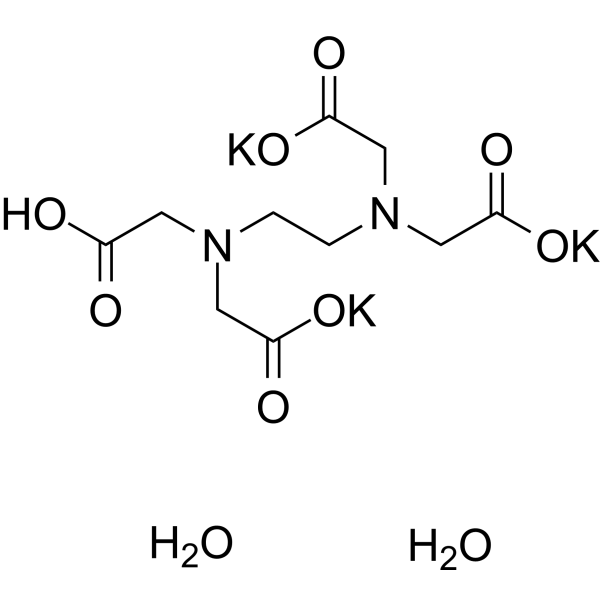
Ethylenediaminetetraacetic acid dihydrate tripotassium
|
Bacterial
SOD
|
Cardiovascular Disease
Neurological Disease
Cancer
|
|
EDTA dihydrate tripotassium (Ethylenediaminetetraacetic acid dihydrate tripotassium) is a kind of metal chelating agent (binds to bivalent and trivalent metal cations, including calcium). EDTA dihydrate tripotassium has antibacterial, anti-inflammatory, antioxidant, anti-hypercalcemia and anticoagulant activities. EDTA dihydrate tripotassium decreases the metal ion-catalyzed oxidative damage to proteins, and allows maintenance of reducing environment during protein purification. EDTA dihydrate tripotassium can alleviate the liver fibrosis. EDTA dihydrate tripotassium can be used for coronary artery disease and neural system disease research .
|
-
-
- HY-P5875A
-
|
|
Protease Activated Receptor (PAR)
|
Cardiovascular Disease
Inflammation/Immunology
|
|
P4pal10 TFA is the TFA salt form of P4pal10 (HY-P5875). P4pal10 TFA is an antagonist for protease-activated receptor 4 (PAR4). P4pal10 TFA inhibits the platelet aggregation, inhibits tissue factor (TF)-induced thrombin generation, and exhibits anticoagulant and antithrombotic activities. P4pal10 TFA reduces the oedema and the granulocyte infiltration induced by Carrageenan (HY-125474). P4pal10 TFA ameliorates the injury in rats myocardial ischemia/reperfusion (I/R) models .
|
-
-
- HY-W854549
-
|
Fondaparinux free acid
|
Factor Xa
|
Cardiovascular Disease
|
|
Heparin pentasaccharide (Fondaparinux) is a chemically synthesized selective factor Xa inhibitor with anticoagulant activity. Heparin pentasaccharide can be utilized in researches related to venous thromboembolic events .
|
-
-
- HY-172400
-
|
|
Factor XI
|
Cardiovascular Disease
|
|
FXIa-IN-16 (Compound 43) is an orally active and selective Factor XIa (FXIa) inhibitor with an IC50 of 0.19 nM. FXIa-IN-16 exhibits strong anticoagulant and antithrombotic activities and shows good safety in mice. FXIa-IN-16 can be used in the research related to the treatment of thrombosis .
|
-
-
- HY-P991124
-
|
REGN-7508
|
Factor XI
|
Cardiovascular Disease
|
|
Cenvacibart is a monoclonal antibody with anticoagulant activity, targeting human coagulation factor XI (F11). Cenvacibart blocks the role of coagulation factor XI in the coagulation cascade, reducing thrombus formation. Cenvacibart is promising for research of thrombotic diseases .
|
-
-
- HY-10594
-
|
TAK-442
|
Factor Xa
|
Cardiovascular Disease
Inflammation/Immunology
|
|
Letaxaban (TAK-442) is an orally active and selective direct FXa inhibitor. Letaxaban is a drug with dual anticoagulant and anti-inflammatory activity that works by directly inhibiting FXa and by intervening in the PAR1 signaling pathway. Letaxaban can be used in the study of thrombotic diseases, cardiovascular diseases and inflammation-related diseases .
|
-
-
- HY-177669A
-
|
|
Factor XI
|
Metabolic Disease
|
|
Vortosiran sodium, a siRNA, is a blood coagulation factor XI synthesis reducer with anticoagulant activity.
|
-
-
- HY-177669
-
-
-
- HY-10269
-
|
|
Factor Xa
|
Cardiovascular Disease
|
|
LY-517717 is a potent and orally active FXa inhibitor. LY-517717 shows antithrombotic and anticoagulant activity. LY-517717 has the potential for the research of venous thromboembolism after hip or knee replacement .
|
-
-
- HY-P3235
-
|
|
Factor VIIa
|
Others
|
|
E-76 is a peptide with anticoagulant activity. E-76 inhibits blood coagulation by specifically binding to exogenous coagulation factor VIIa (FVIIa). E-76 can be used to study blood coagulation-related diseases .
|
-
-
- HY-10722
-
|
|
Factor Xa
|
Cardiovascular Disease
|
|
DX-9065a is a selective, nonpeptidic, and orally active factor Xa (FXa) inhibitor with a Ki of 41 nM for human FXa. DX-9065a has low activity against other serine proteases. DX-9065a has strong anticoagulant actions .
|
-
-
- HY-113958
-
|
LM-2219
|
VD/VDR
|
Others
|
|
Difethialone (LM-2219) is an anticoagulant rodenticide. Difethialone shows high rodenticide activity in warfarin-sensitive and resistant strains of rats and mice. Difethialone interferes with the circulation of vitamin K in the liver, preventing the synthesis of coagulation factors, resulting in the inability of the blood to coagulate properly, ultimately causing internal bleeding and death. Difethialone can be used in studies of ecological impacts .
|
-
-
- HY-172316
-
|
|
Factor Xa
|
Cardiovascular Disease
|
|
BAY 3389934 is a selective dual inhibitor of factor IIa and factor Xa, with an IC50 of 4.9 nM for factor IIa and an IC50 of 0.66 nM for factor Xa. BAY 3389934 directly inhibits the activities of factor IIa and factor Xa and regulates the common coagulation pathway. BAY 3389934 exhibits anticoagulant and organ-protective effects. BAY 3389934 can be used in the research of sepsis and coagulopathy .
|
-
-
- HY-113958R
-
|
LM-2219 (Standard)
|
TrxR
Reference Standards
|
Others
|
|
Difethialone (Standard) is the analytical standard of Difethialone. This product is intended for research and analytical applications. Difethialone (LM-2219) is an anticoagulant rodenticide. Difethialone shows high rodenticide activity in warfarin-sensitive and resistant strains of rats and mice. Difethialone interferes with the circulation of vitamin K in the liver, preventing the synthesis of coagulation factors, resulting in the inability of the blood to coagulate properly, ultimately causing internal bleeding and death. Difethialone can be used in studies of ecological impacts .
|
-
-
- HY-B1009R
-
|
EDTA trisodium salt (Standard); Trisodium EDTA (Standard)
|
Ferroptosis
Bacterial
SOD
Reference Standards
|
Cardiovascular Disease
Neurological Disease
Cancer
|
|
Ethylenediaminetetraacetic acid (trisodium salt) (Standard) is the analytical standard of Ethylenediaminetetraacetic acid (trisodium salt). This product is intended for research and analytical applications. Ethylenediaminetetraacetic acid trisodium salt (EDTA trisodium salt; Trisodium EDTA) is a kind of metal chelating agent (binds to bivalent and trivalent metal cations, including calcium). Ethylenediaminetetraacetic acid trisodium salt has antibacterial, anti-inflammatory, antioxidant, anti-hypercalcemia and anticoagulant activities. Ethylenediaminetetraacetic acid trisodium salt decreases the metal ion-catalyzed oxidative damage to proteins, and allows maintenance of reducing environment during protein purification. Ethylenediaminetetraacetic acid trisodium salt can alleviate the liver fibrosis. Ethylenediaminetetraacetic acid can be used for coronary artery disease and neural system disease research .
|
-
-
- HY-P5107A
-
|
LMWP acetate; TDSP5 acetate
|
VEGFR
|
Cancer
|
|
Low molecular weight protamine acetate (LMWP acetate;TDSP5 acetate) is a truncated arginine-rich protamine peptide, which also acts as an antidote for heparin/low molecular weight heparin and a cell-penetrating delivery vector. Low molecular weight protamine acetate neutralizes heparin-induced anticoagulant activities, including aPTT, anti-Xa and anti-IIa activities. Low molecular weight protamine acetate translocates across mammalian cell membranes, delivers conjugated impermeable molecules through tumor tissues, enhances the skin permeability of conjugated epidermal growth factor, and accelerates wound healing when conjugated with epidermal growth factor. Low molecular weight protamine acetate retains the in vitro cell proliferation activity of conjugated EGF, and also enables site-specific conjugation with peptides or proteins via genetic recombination. Low molecular weight protamine acetate can be used in studies related to colon cancer, skin wounds and diabetic skin wounds .
|
-
-
- HY-10777
-
|
|
Factor Xa
|
Cardiovascular Disease
|
|
EMD 495235 is a potent and orally active coagulation factor Xa inhibitor with an IC50 of 5.5 nM and a Ki of 6.8 nM. EMD 495235 shows anticoagulant activities .
|
-
-
- HY-172231
-
|
|
Estrogen Receptor/ERR
|
Cardiovascular Disease
Cancer
|
|
Hexolame is an estrogen receptors agonist with dual anticoagulant and estrogenic properties. Hexolame binds to estrogen receptors to induce anticoagulant effects by modulating clotting factors or platelet activity. Hexolame is promising for research of prostatic cancer and prevention of thrombosis .
|
-
-
- HY-114603
-
|
LY 294468
|
Thrombin
|
Cardiovascular Disease
|
|
Efegatran (LY 294468) is an inhibitor for thrombin, which inhibits aggregation of platelets, and exhibits anticoagulant and antithrombotic activities .
|
-
-
- HY-114603B
-
|
LY 294468 dihydrochloride
|
Thrombin
|
Cardiovascular Disease
|
|
Efegatran (LY 294468) dihydrochloride is an inhibitor for thrombin, which inhibits aggregation of platelets, and exhibits anticoagulant and antithrombotic activities .
|
-
-
- HY-114603A
-
|
LY 294468 sulfate
|
Thrombin
|
Cardiovascular Disease
|
|
Efegatran (LY 294468) sulfate is an inhibitor for thrombin, which inhibits aggregation of platelets, and exhibits anticoagulant and antithrombotic activities .
|
-
-
- HY-P1918A
-
|
|
APC
|
Cardiovascular Disease
|
|
Activated Protein C (390-404), human TFA, a peptide of the activated protein C (a vitamin K-dependent serine protease), potently inhibits APC anticoagulant activity .
|
-
- HY-N2227
-
|
Luteoside
|
Others
|
Others
|
|
Isorhamnetin 3-glucoside-7-rhamnoside (Luteoside) is a flavonoid that can be isolated from the aerial parts of B. tripartita . It has weaker antitumor activity, and it also has antiplatelet and anticoagulant activity.
|
-
- HY-N0228R
-
|
|
Reference Standards
Others
|
Cardiovascular Disease
Cancer
|
|
Scoparone (Standard) is the analytical standard of Scoparone. This product is intended for research and analytical applications. Scoparone is isolated from Artemisia capillaris Thunb., has anticoagulant, vasorelaxant antioxidant, anti-inflammatory activities .
|
-
- HY-10725
-
|
|
Factor Xa
|
Cardiovascular Disease
|
|
Tanogitran is a dual inhibitor targeting Factor Xa and thrombin (thrombin), with Ki values of 26 and 2.7 nM, respectively. Tanogitran exhibits anticoagulant activity and can be used for research in thrombotic diseases .
|
-
- HY-170485
-
|
|
Thrombin
|
Cardiovascular Disease
|
|
Thrombin inhibitor 13 (Compound 13a) is a covalent and reversible inhibitor for thrombin (FIIa) with an IC50 of 0.7 nM. Thrombin inhibitor 13 prolongs the activated partial thromboplastin time (aPTT) and prothrombin time (PT), exhibits antithrombotic and anticoagulant activities .
|
-
- HY-10275A
-
|
AR-H067637 TFA
|
Thrombin
|
Cardiovascular Disease
|
|
Atecegatran TFA (AR-H067637 TFA) is an anticoagulant with selective direct thrombin inhibitory activity. Atecegatran TFA is commonly used to inhibit cardiovascular diseases. The biotransformation product of Atecegatran TFA, AR-H067637, is its active form and participates in the anticoagulation process .
|
-
- HY-162654
-
|
|
Factor VIII
|
Cardiovascular Disease
|
|
FXIIIa-IN-1 (Compound 16) is a potent and selective FXIIIa (Factor XIIIa) inhibitor with an IC50 value of 2.4 μM. FXIIIa-IN-1 inhibits FXIIIa by competing with the Gln-donor protein substrate (dimethylcasein). FXIIIa-IN-1 holds promise for the development of effective and safe novel anticoagulants .
|
-
- HY-B0190S1
-
|
|
Ser/Thr Protease
Apoptosis
SARS-CoV
|
Cardiovascular Disease
|
|
Nafamostat formate salt- 13C6 is the 13C labeled Nafamostat. Nafamostat, a synthetic serine protease inhibitor, is an anticoagulant. Nafamostat supresses T cell auto-reactivity by decreasing granzyme activity and CTL cytolysis. Nafamostat blocks activation of SARS-CoV-2 .
|
-
- HY-122792
-
|
|
Endogenous Metabolite
|
Cardiovascular Disease
|
|
Phenyramidol hydrochloride is an anticoagulant and analgesic with activity that increases detection sensitivity in biological samples. Phenyramidol hydrochloride can be oxidized in aqueous media by electrochemical methods to achieve its quantitative analysis. The detection of Phenyramidol hydrochloride using an amino-functionalized multi-walled carbon nanotube-modified glassy carbon electrode showed significant enhancement of the current peak .
|
-
- HY-149833
-
|
|
Estrogen Receptor/ERR
|
Infection
Metabolic Disease
|
|
ERRγ inverse agonist 2 (compound 19) is a potent and selective ERRγ inverse agonist with a Kd value of 6.5 μM. ERRγ inverse agonist 2 inhibits the expression of hepcidin, fibrinogen and gluconeogenic genes. ERRγ inverse agonist 2 has antimicrobial, anti-coagulant and antidiabetic activities .
|
-
- HY-10722A
-
|
|
Factor Xa
|
Cardiovascular Disease
|
|
DX-9065a free base is a selective, nonpeptidic, and orally active factor Xa (FXa) inhibitor with a Ki of 41 nM for human FXa. DX-9065a free base has low activity against other serine proteases. DX-9065a free base has strong anticoagulant actions .
|
-
- HY-103382R
-
|
|
Reference Standards
Fungal
|
Infection
|
|
Phenyramidol (Hydrochloride) (Standard) is the analytical standard of Phenyramidol (Hydrochloride). This product is intended for research and analytical applications. Phenyramidol hydrochloride is an anticoagulant and analgesic with activity that increases detection sensitivity in biological samples. Phenyramidol hydrochloride can be oxidized in aqueous media by electrochemical methods to achieve its quantitative analysis. The detection of Phenyramidol hydrochloride using an amino-functionalized multi-walled carbon nanotube-modified glassy carbon electrode showed significant enhancement of the current peak .
|
-
- HY-P5875
-
|
|
Protease Activated Receptor (PAR)
|
Cardiovascular Disease
Inflammation/Immunology
|
|
P4pal10 is an antagonist for protease-activated receptor 4 (PAR4). P4pal10 inhibits the platelet aggregation, inhibits tissue factor (TF)-induced thrombin generation, and exhibits anticoagulant and antithrombotic activities. P4pal10 reduces the oedema and the granulocyte infiltration induced by Carrageenan (HY-125474). P4pal10 ameliorates the injury in mice myocardial ischemia/reperfusion (I/R) models .
|
-
- HY-113958S
-
|
Baraki-d4; LM 2219-d4
|
Isotope-Labeled Compounds
VD/VDR
|
Others
|
|
Difethialone-d4 (Baraki-d4; LM 2219-d4) is the deuterium labeled Difethialone (HY-113958). Difethialone (LM-2219) is an anticoagulant rodenticide. Difethialone shows high rodenticide activity in warfarin-sensitive and resistant strains of rats and mice. Difethialone interferes with the circulation of vitamin K in the liver, preventing the synthesis of coagulation factors, resulting in the inability of the blood to coagulate properly, ultimately causing internal bleeding and death. Difethialone can be used in studies of ecological impacts .
|
-
- HY-14854A
-
|
ATI-5923 sodium
|
VKOR
|
Cardiovascular Disease
|
|
Tecarfarin (ATI-5923) sodium is an orally active VKOR inhibitor with an IC50 of 0.67 μM against VKORC1. Tecarfarin sodium blocks the post-translational modification of vitamin K-dependent coagulation factors II, VII, IX and X, reducing their levels and activities. Tecarfarin sodium prolongs prothrombin time, attenuates venous and arterial thrombosis, increases ear incision bleeding volume, and exerts reversible anticoagulant effects. Tecarfarin sodium is applicable to research related to arterial and venous thrombosis as well as other diseases requiring anticoagulation .
|
-
- HY-Y0682R
-
|
EDTA (Standard)
|
Biochemical Assay Reagents
Reference Standards
Bacterial
SOD
|
Cardiovascular Disease
Neurological Disease
Cancer
|
|
Ethylenediaminetetraacetic acid (Standard) is the analytical standard of Ethylenediaminetetraacetic acid. This product is intended for research and analytical applications. Ethylenediaminetetraacetic acid (EDTA) is a kind of metal chelating agent (binds to bivalent and trivalent metal cations, including calcium). Ethylenediaminetetraacetic acid has antibacterial, anti-inflammatory, antioxidant, anti-hypercalcemia and anticoagulant activities. Ethylenediaminetetraacetic acid decreases the metal ion-catalyzed oxidative damage to proteins, and allows maintenance of reducing environment during protein purification. Ethylenediaminetetraacetic acid can alleviate the liver fibrosis. Ethylenediaminetetraacetic acid can be used for coronary artery disease and neural system disease research [4] .
|
-
- HY-19674
-
|
SSR182289A free base
|
Thrombin
|
Cardiovascular Disease
|
|
SSR182289 (SSR182289A free base) is a selective and potent orally active thrombin inhibitor. SSR182289 competitively and selectivity inhibits human thrombin (Ki=0.031 μM). SSR182289 demonstrates anticoagulant activity in vitro (thrombin time EC100=96 nM) and inhibits tissue factor-induced thrombin generation (IC50=0.15 μM) in human plasma. SSR182289 inhibits thrombin-induced aggregation of human platelets (IC50=32 nM), but has no effect on aggregation induced by other platelet agonists .
|
-
- HY-14854R
-
|
ATI-5923 (Standard)
|
Reference Standards
VKOR
|
Cardiovascular Disease
|
|
Tecarfarin (ATI-5923) (Standard) is the analytical standard of Tecarfarin. This product is intended for research and analytical applications. Tecarfarin is an orally active VKOR inhibitor with an IC50 of 0.67 μM against VKORC1. Tecarfarin blocks the post-translational modification of vitamin K-dependent coagulation factors II, VII, IX and X, reducing their levels and activities. Tecarfarin prolongs prothrombin time, attenuates venous and arterial thrombosis, increases ear incision bleeding volume, and exerts reversible anticoagulant effects. Tecarfarin is applicable to research related to arterial and venous thrombosis as well as other diseases requiring anticoagulation .
|
-
- HY-W777365
-
|
EDTA-13C4
|
Isotope-Labeled Compounds
Bacterial
SOD
Biochemical Assay Reagents
|
Cardiovascular Disease
Neurological Disease
Cancer
|
|
Ethylenediaminetetraacetic acid- 13C4 (EDTA- 13C4) is the 13C-labeled Ethylenediaminetetraacetic acid (HY-Y0682). Ethylenediaminetetraacetic acid (EDTA) is a kind of metal chelating agent (binds to bivalent and trivalent metal cations, including calcium). Ethylenediaminetetraacetic acid has antibacterial, anti-inflammatory, antioxidant, anti-hypercalcemia and anticoagulant activities. Ethylenediaminetetraacetic acid decreases the metal ion-catalyzed oxidative damage to proteins, and allows maintenance of reducing environment during protein purification. Ethylenediaminetetraacetic acid can alleviate the liver fibrosis. Ethylenediaminetetraacetic acid can be used for coronary artery disease and neural system disease research .
|
-
- HY-B0385R
-
|
FOY (Standard)
|
Reference Standards
Proteasome
Factor Xa
|
Inflammation/Immunology
|
|
Gabexate (mesylate) (Standard) is the analytical standard of Gabexate (mesylate). This product is intended for research and analytical applications. Gabexate mesylate (FOY) is is a competitive and non-antigenic synthetic inhibitor of trypsin-like serine proteinases. Gabexate mesylate inhibits human thrombin, urokinase, plasmin, and Factor Xa with Kis of 0.97, 1.3, 1.6, and 8.5 μM, respectively. Gabexate mesylate binds to human and bovine tryptase with Kis of 3.4 nM and 18 μM, respectively. Gabexate mesylate exerts an anticoagulant effect on the clotting activity of thrombin and has anti-inflammatory effect by viainhibition of NF-κB, proinflammatory cytokines, and nitric oxide. Gabexate mesylate is used for pancreatitis and disseminated intravascular coagulation .
|
-
- HY-14854S
-
|
ATI-5923-13C,d3
|
Isotope-Labeled Compounds
VKOR
|
Cardiovascular Disease
|
|
Tecarfarin- 13C,d3 (ATI-5923- 13C,d3) is 13C labeled Tecarfarin. Tecarfarin is an orally active VKOR inhibitor with an IC50 of 0.67 μM against VKORC1. Tecarfarin blocks the post-translational modification of vitamin K-dependent coagulation factors II, VII, IX and X, reducing their levels and activities. Tecarfarin prolongs prothrombin time, attenuates venous and arterial thrombosis, increases ear incision bleeding volume, and exerts reversible anticoagulant effects. Tecarfarin is applicable to research related to arterial and venous thrombosis as well as other diseases requiring anticoagulation .
|
-
- HY-Y0682AR
-
|
EDTA disodium dihydrate (Standard)
|
Biochemical Assay Reagents
Reference Standards
Bacterial
SOD
|
Cardiovascular Disease
Neurological Disease
Cancer
|
|
Ethylenediaminetetraacetic acid (disodium dihydrate) (Standard) is the analytical standard of Ethylenediaminetetraacetic acid (disodium dihydrate). This product is intended for research and analytical applications. Ethylenediaminetetraacetic acid (EDTA) disodium dehydrate is a kind of metal chelating agent (binds to bivalent and trivalent metal cations, including calcium). Ethylenediaminetetraacetic acid disodium dehydrate has antibacterial, anti-inflammatory, antioxidant, anti-hypercalcemia and anticoagulant activities. Ethylenediaminetetraacetic acid disodium dehydrate decreases the metal ion-catalyzed oxidative damage to proteins, and allows maintenance of reducing environment during protein purification. Ethylenediaminetetraacetic acid disodium dehydrate can alleviate the liver fibrosis. Ethylenediaminetetraacetic acid disodium dehydrate can be used for coronary artery disease and neural system disease research [4] .
|
-
- HY-183649
-
|
|
Biochemical Assay Reagents
|
Cardiovascular Disease
|
|
BCN-PEG6-OH is a neutralizing agent and anticoagulant inhibitor containing strained alkyne. BCN-PEG6-OH undergoes strain-promoted alkyne-azide cycloaddition (SPAAC) click reaction with azido-Warfarin to generate an inactive product that can be rapidly cleared via the kidneys. In mice, BCN-PEG6-OH effectively reduces the anticoagulant activity of azido-Warfarin in a dose-dependent manner, normalizes prothrombin time, and exhibits no inherent anticoagulant or procoagulant effects when administered alone. BCN-PEG6-OH can be used for the research of drug-induced coagulopathy .
|
-
- HY-N17623
-
|
|
Thrombin
|
Cardiovascular Disease
|
|
Ainsliaeasin C, a 7-hydroxycoumarin derivative, is an orally active anticoagulant agent that can be found in Ainsliaea fragrans. Ainsliaeasin C exerts anticoagulant activity both in vitro and in vivo. Ainsliaeasin C can be used for the research on thrombotic disorders .
|
-
- HY-P11209
-
|
|
Thrombin
|
Cardiovascular Disease
|
|
Knob A peptide GPRPFPAC is a fibrin knob peptide. PEGylated Knob A peptide GPRPFPAC has enhanced anticoagulant activity .
|
-
- HY-139167R
-
|
|
Drug Derivative
|
Others
|
|
7-Hydroxywarfarin (Standard) is the analytical standard of 7-Hydroxywarfarin. This product is intended for research and analytical applications. 7-Hydroxywarfarin is a Warfarin analog with anticoagulant activity .
|
-
- HY-10780
-
|
|
Endogenous Metabolite
|
Cardiovascular Disease
|
|
JTV-803 mesylate is a human factor Xa inhibitor with oral anticoagulant activity. JTV-803 exhibits competitive inhibition of human factor Xa, with a Ki value of 0.019μM and IC50Value is 0.081μM. JTV-803 is 100 times more selective at inhibiting human factor Xa than its comparator. JTV-803 is an effective oral anticoagulant for the prevention of thrombosis .
|
-
- HY-116363
-
|
|
Thrombin
|
Cardiovascular Disease
|
|
(21R)-Argatroban is a diastereoisomer of Argatroban (HY-B0375). (21R)-Argatroban is also an inhibitor of thrombin with anticoagulant activity. (21R)-Argatroban can be used for research related to anticoagulation .
|
-
- HY-W750238
-
|
|
Isotope-Labeled Compounds
|
Cardiovascular Disease
|
|
Scoparone- 13C2,d6 is the deuterium and 13C labeled Scoparone (HY-N0228). Scoparone is isolated from Artemisia capillaris Thunb., has anticoagulant, vasorelaxant antioxidant, anti-inflammatory activities .
|
-
- HY-167743
-
|
|
Endogenous Metabolite
|
Cardiovascular Disease
|
|
Platelet aggregation-IN-2 is an anti-platelet aggregation agent with significant anticoagulant activity. Platelet aggregation-IN-2 can inhibit platelet aggregation reaction and reduce the risk of thrombosis. The application of Platelet aggregation-IN-2 can potentially be used for the prevention and suppression of cardiovascular diseases .
|
-
- HY-180988
-
|
|
Biochemical Assay Reagents
|
Cardiovascular Disease
|
|
Heparin reversal agent-1 (Compound QA-1) is a reversal agent for Heparin (HY-17567). Heparin reversal agent-1 shows neutralization activity. Heparin reversal agent-1 completely reverses the anticoagulant activity of both unfractionated heparin and low-molecular-weight heparins, including Dalte, Enoxa, and Nadro .
|
-
- HY-N7700B
-
|
|
Factor Xa
|
Cardiovascular Disease
|
|
L-Guluronic acid is a coagulation factor X inhibitor. L-Guluronic acid can replace L-Iduronic acid (HY-135197) in the anticoagulant pentasaccharide of heparin-like substances, while retaining the inhibitory activity against factor Xa. L-Guluronic acid can be used in the research of diseases with coagulation disorders such as deep vein thrombosis and pulmonary embolism .
|
-
- HY-19517
-
|
|
Endogenous Metabolite
|
Cardiovascular Disease
|
|
R1663 is a factor Xa inhibitor with anticoagulant activity. R1663 does not affect bleeding time. The pharmacodynamic effects (such as inhibition of thrombin generation) and plasma concentrations of R1663 are dose-dependent. R1663 prolongs clotting time in a concentration-dependent manner and inhibits the peak height of thrombin generation and endogenous thrombin potential .
|
-
- HY-122792R
-
|
|
Endogenous Metabolite
Reference Standards
|
Cardiovascular Disease
|
|
Phenyramidol (Hydrochloride) (Standard) is the analytical standard of Phenyramidol (Hydrochloride). This product is intended for research and analytical applications. Phenyramidol hydrochloride is an anticoagulant and analgesic with activity that increases detection sensitivity in biological samples. Phenyramidol hydrochloride can be oxidized in aqueous media by electrochemical methods to achieve its quantitative analysis. The detection of Phenyramidol hydrochloride using an amino-functionalized multi-walled carbon nanotube-modified glassy carbon electrode showed significant enhancement of the current peak .
|
-
- HY-W982689
-
|
|
Biochemical Assay Reagents
|
Metabolic Disease
|
|
Fluindarol is a phenylindandione derivative and an orally active anticoagulant. Fluindarol acts as a toxicant that induces organ and tissue haemorrhages and liver parenchymal necrosis in rats. Fluindarol exhibits acute and cumulative preclinical toxicity in rats, rabbits, and dogs, with higher toxicity in female rats than male rats. Fluindarol lacks analgesic action, produces only minor blood pressure effects, and does not alter circulation, respiration, CNS, or cardiac activity. Fluindarol is considered too toxic for clinical use based on preclinical data .
|
-
- HY-106830
-
|
|
Phosphodiesterase (PDE)
|
Cardiovascular Disease
|
|
Pelrinone is an orally active cardiotonic agent and PDE III inhibitor with an IC50 of 36 μM. Pelrinone elevates intracellular cAMP levels. The action of Pelrinone is independent of β-adrenergic receptors, and it does not inhibit Na +/K +-ATPase. Pelrinone exerts positive inotropic and vasodilatory effects. Pelrinone inhibits platelet aggregation, reduces thrombus formation, and exerts weak anticoagulant activity without altering hematocrit or circulating platelet counts. Pelrinone can be used in research related to congestive heart failure and coronary thrombosis .
|
-
- HY-P11467
-
|
|
Bacterial
p38 MAPK
NF-κB
PERK
JNK
|
Cardiovascular Disease
Infection
|
|
Gy-CATH is an anionic antimicrobial peptide. Gy-CATH activates MAPK and NF-κB signaling pathways (elevated levels of phospho-ERK, -p38, -JNK, -p65, and -IκBα). Gy-CATH upregulates the expression levels of three physiological anticoagulant pathways. Gy-CATH inhibits ADP-, Collagen-, and PMA-induced platelet aggregation. Gy-CATH has no direct antimicrobial activity, but shows significant preventive abilities against mice infected with Staphylococcus aureus, Escherichia coli, and Methicillin (HY-121544)-resistant Staphylococcus aureus. Gy-CATH exhibits potent immunomodulatory activity, enhancing macrophage-and neutrophil-mediated bactericidal functions. Gy-CATH significantly reduces the extent of pulmonary fibrin deposition and prevents thrombosis in mice .
|
-
| Cat. No. |
Product Name |
Type |
-
- HY-Y0682
-
|
EDTA
|
Biochemical Assay Reagents
|
|
Ethylenediaminetetraacetic acid (EDTA) is a kind of metal chelating agent (binds to bivalent and trivalent metal cations, including calcium). Ethylenediaminetetraacetic acid has antibacterial, anti-inflammatory, antioxidant, anti-hypercalcemia and anticoagulant activities. Ethylenediaminetetraacetic acid decreases the metal ion-catalyzed oxidative damage to proteins, and allows maintenance of reducing environment during protein purification. Ethylenediaminetetraacetic acid can alleviate the liver fibrosis. Ethylenediaminetetraacetic acid can be used for coronary artery disease and neural system disease research .
|
-
- HY-116282
-
|
DSS (MW 5000); DXS (MW 5000)
|
Biochemical Assay Reagents
|
|
Dextran sulfate sodium salt (DSS) (MW 5000) is a polymer of dehydrated glucose with a molecular weight of approximately 5000. Dextran sulfate sodium salt (DSS) with different molecular weights exhibits different biological activities. Dextran sulfate sodium salt (MW 5000) is an inhibitor of complement and coagulation pathways, and belongs to the glycosaminoglycans (GAG) family. Dextran sulfate sodium salt (MW 5000) acts as an anticoagulant, antiviral, and anti-lipemic agent. Dextran sulfate sodium salt (DSS) stops HIV-1 virus adsorption to host cells. Dextran sulfate sodium salt (MW 5000) prevents NK cell-mediated cytotoxicity. Dextran sulfate sodium salt (MW 5000) inhibits instant blood-mediated inflammatory reaction (IBMIR) .
|
-
- HY-P1956
-
|
HSA
|
Biochemical Assay Reagents
|
Human serum albumin (HSA) is the most abundant protein in plasma and is a major determinant of plasma oncotic pressure. Human serum albumin exhibits antioxidant, anticoagulant, anti-inflammatory, anti-platelet aggregation activities as well as colloid osmotic action. Human serum albumin can block the inhibitory effect of GML on human T cells, providing protective function for T cells. Human serum albumin is also associated with cardiovascular diseases and can partially prevent the LPS (HY-D1056) induced oxidative stress, as well as the upregulation of NF-κB, NF-κB, and peroxynitrite (ONOO −) in the vascular wall, contributing to the reduction of blood pressure . This product is recombinant Human Serum Albumin expressed in a microbial expression system.
|
-
- HY-Y0682A
-
|
EDTA disodium dihydrate
|
Biochemical Assay Reagents
|
|
Ethylenediaminetetraacetic acid (EDTA) disodium dehydrate is a kind of metal chelating agent (binds to bivalent and trivalent metal cations, including calcium). Ethylenediaminetetraacetic acid disodium dehydrate has antibacterial, anti-inflammatory, antioxidant, anti-hypercalcemia and anticoagulant activities. Ethylenediaminetetraacetic acid disodium dehydrate decreases the metal ion-catalyzed oxidative damage to proteins, and allows maintenance of reducing environment during protein purification. Ethylenediaminetetraacetic acid disodium dehydrate can alleviate the liver fibrosis. Ethylenediaminetetraacetic acid disodium dehydrate can be used for coronary artery disease and neural system disease research .
|
-
- HY-P1956A
-
|
HSA (Cell culture grade, Endotoxin<0.125 EU/mg)
|
Biochemical Assay Reagents
|
Human serum albumin (Cell culture grade, Endotoxin<0.125 EU/mg) (HSA) is the most abundant protein in plasma and is a major determinant of plasma oncotic pressure. Human serum albumin (Cell culture grade, Endotoxin<0.125 EU/mg) exhibits antioxidant, anticoagulant, anti-inflammatory, anti-platelet aggregation activities as well as colloid osmotic action. Human serum albumin (Cell culture grade, Endotoxin<0.125 EU/mg) can block the inhibitory effect of GML on human T cells, providing protective function for T cells. Human serum albumin (Cell culture grade, Endotoxin<0.125 EU/mg) is also associated with cardiovascular diseases and can partially prevent the LPS (HY-D1056) induced oxidative stress, as well as the upregulation of NF-κB, iNOS, and peroxynitrite (ONOO −) in the vascular wall, contributing to the reduction of blood pressure. Human serum albumin (Cell culture grade, Endotoxin<0.125 EU/mg) can be used for in vitro cell culture . This product is human serum albumin recombinantly expressed in an Escherichia coli expression system.
|
-
- HY-W127774
-
|
Ethylenediaminetetraacetic acid hydrate sodium
|
Biochemical Assay Reagents
|
|
EDTA (Ethylenediaminetetraacetic acid) hydrate sodium is a kind of metal chelating agent (binds to bivalent and trivalent metal cations, including calcium). EDTA hydrate sodium has antibacterial, anti-inflammatory, antioxidant, anti-hypercalcemia and anticoagulant activities. EDTA hydrate sodium decreases the metal ion-catalyzed oxidative damage to proteins, and allows maintenance of reducing environment during protein purification. EDTA hydrate sodium can alleviate the liver fibrosis. Ethylenediaminetetraacetic acid can be used for coronary artery disease and neural system disease research .
|
-
- HY-P2920
-
|
|
Biochemical Assay Reagents
|
|
Protamine from salmon is a biochemical agent with antioxidant, antiheparin and antimicrobial activities. Protamine from salmon neutralizes the anticoagulant effect of heparin, thereby preventing the formation of antithrombin complexes in canine samples pretreated with heparin in vitro .
|
-
- HY-NP192
-
|
|
Biochemical Assay Reagents
|
|
Sericin is an orally active globular protein produced by silkworm cocoons. Sericin inhibits the expression of COX2, iNOS, TLR4, MAPK and NF-κB; reduces the levels of IL-18, IL-1 and CCL2; antagonizes the activity of AChE; and downregulates the expression of Bcl-2. Sericin enhances the PI3K/AKT-mediated insulin signaling pathway. Sericin inhibits the activity of tyrosinase (Tyrosinase), scavenges ROS, chelates metal ions, and increases the levels of antioxidant enzymes. Sericin induces apoptosis and arrests the cell cycle. Sericin exhibits antibacterial, moisturizing, cardioprotective and anticoagulant properties. Sericin can be used in research related to type 2 diabetes, hyperlipidemia, obesity, Alzheimer's disease, colon cancer, peripheral nerve injury and ischemic myocardial infarction .
|
-
- HY-W105700
-
|
EDTA sodium hydrate
|
Biochemical Assay Reagents
|
|
Ethylenediaminetetraacetic acid (EDTA) sodium hydrate is a kind of metal chelating agent (binds to bivalent and trivalent metal cations, including calcium). Ethylenediaminetetraacetic acid sodium hydrate has antibacterial, anti-inflammatory, antioxidant, anti-hypercalcemia and anticoagulant activities. Ethylenediaminetetraacetic acid sodium hydrate decreases the metal ion-catalyzed oxidative damage to proteins, and allows maintenance of reducing environment during protein purification. Ethylenediaminetetraacetic acid sodium hydrate can alleviate the liver fibrosis. Ethylenediaminetetraacetic acid sodium hydrate can be used for coronary artery disease and neural system disease research .
|
-
- HY-W087947
-
|
Ethylenediaminetetraacetic acid dihydrate tripotassium
|
Biochemical Assay Reagents
|
|
EDTA dihydrate tripotassium (Ethylenediaminetetraacetic acid dihydrate tripotassium) is a kind of metal chelating agent (binds to bivalent and trivalent metal cations, including calcium). EDTA dihydrate tripotassium has antibacterial, anti-inflammatory, antioxidant, anti-hypercalcemia and anticoagulant activities. EDTA dihydrate tripotassium decreases the metal ion-catalyzed oxidative damage to proteins, and allows maintenance of reducing environment during protein purification. EDTA dihydrate tripotassium can alleviate the liver fibrosis. EDTA dihydrate tripotassium can be used for coronary artery disease and neural system disease research .
|
-
- HY-W854549
-
|
Fondaparinux free acid
|
Biochemical Assay Reagents
|
|
Heparin pentasaccharide (Fondaparinux) is a chemically synthesized selective factor Xa inhibitor with anticoagulant activity. Heparin pentasaccharide can be utilized in researches related to venous thromboembolic events .
|
-
- HY-Y0682R
-
|
EDTA (Standard)
|
Biochemical Assay Reagents
|
|
Ethylenediaminetetraacetic acid (Standard) is the analytical standard of Ethylenediaminetetraacetic acid. This product is intended for research and analytical applications. Ethylenediaminetetraacetic acid (EDTA) is a kind of metal chelating agent (binds to bivalent and trivalent metal cations, including calcium). Ethylenediaminetetraacetic acid has antibacterial, anti-inflammatory, antioxidant, anti-hypercalcemia and anticoagulant activities. Ethylenediaminetetraacetic acid decreases the metal ion-catalyzed oxidative damage to proteins, and allows maintenance of reducing environment during protein purification. Ethylenediaminetetraacetic acid can alleviate the liver fibrosis. Ethylenediaminetetraacetic acid can be used for coronary artery disease and neural system disease research [4] .
|
-
- HY-Y0682AR
-
|
EDTA disodium dihydrate (Standard)
|
Biochemical Assay Reagents
|
|
Ethylenediaminetetraacetic acid (disodium dihydrate) (Standard) is the analytical standard of Ethylenediaminetetraacetic acid (disodium dihydrate). This product is intended for research and analytical applications. Ethylenediaminetetraacetic acid (EDTA) disodium dehydrate is a kind of metal chelating agent (binds to bivalent and trivalent metal cations, including calcium). Ethylenediaminetetraacetic acid disodium dehydrate has antibacterial, anti-inflammatory, antioxidant, anti-hypercalcemia and anticoagulant activities. Ethylenediaminetetraacetic acid disodium dehydrate decreases the metal ion-catalyzed oxidative damage to proteins, and allows maintenance of reducing environment during protein purification. Ethylenediaminetetraacetic acid disodium dehydrate can alleviate the liver fibrosis. Ethylenediaminetetraacetic acid disodium dehydrate can be used for coronary artery disease and neural system disease research [4] .
|
| Cat. No. |
Product Name |
Target |
Research Area |
-
- HY-P1918
-
|
|
APC
|
Cardiovascular Disease
|
|
Activated Protein C (390-404), human is a polypeptide fragment of vitamin K-dependent serine protease activated protein C (APC), which inhibits the anticoagulant activity of APC. Activated Protein C (390-404), human inhibits APC-catalyzed inactivation of factor Va .
|
-
- HY-P5107
-
|
LMWP; TDSP5
|
VEGFR
|
Cancer
|
|
Low molecular weight protamine (LMWP;TDSP5) is a truncated arginine-rich protamine peptide, as well as a heparin/low-molecular-weight heparin antidote and a cell-penetrating delivery carrier. Low molecular weight protamine neutralizes heparin-induced anticoagulant activities, including aPTT, anti-Xa and anti-IIa activities, and also neutralizes anti-Xa activity of commercially available low-molecular-weight heparin preparations. Low molecular weight protamine translocates across mammalian cell membranes, delivers conjugated impermeable molecules across tumor tissues, enhances skin permeability of conjugated epidermal growth factor, and accelerates wound healing when conjugated with epidermal growth factor. Low molecular weight protamine retains the in vitro cell proliferation activity of conjugated EGF, and also enables site-specific conjugation with peptides or proteins via genetic recombination. Low molecular weight protamine can be used in studies related to colon adenocarcinoma, skin wounds and diabetic skin wounds .
|
-
- HY-P5875A
-
|
|
Protease Activated Receptor (PAR)
|
Cardiovascular Disease
Inflammation/Immunology
|
|
P4pal10 TFA is the TFA salt form of P4pal10 (HY-P5875). P4pal10 TFA is an antagonist for protease-activated receptor 4 (PAR4). P4pal10 TFA inhibits the platelet aggregation, inhibits tissue factor (TF)-induced thrombin generation, and exhibits anticoagulant and antithrombotic activities. P4pal10 TFA reduces the oedema and the granulocyte infiltration induced by Carrageenan (HY-125474). P4pal10 TFA ameliorates the injury in rats myocardial ischemia/reperfusion (I/R) models .
|
-
- HY-P3235
-
|
|
Factor VIIa
|
Others
|
|
E-76 is a peptide with anticoagulant activity. E-76 inhibits blood coagulation by specifically binding to exogenous coagulation factor VIIa (FVIIa). E-76 can be used to study blood coagulation-related diseases .
|
-
- HY-P5107A
-
|
LMWP acetate; TDSP5 acetate
|
VEGFR
|
Cancer
|
|
Low molecular weight protamine acetate (LMWP acetate;TDSP5 acetate) is a truncated arginine-rich protamine peptide, which also acts as an antidote for heparin/low molecular weight heparin and a cell-penetrating delivery vector. Low molecular weight protamine acetate neutralizes heparin-induced anticoagulant activities, including aPTT, anti-Xa and anti-IIa activities. Low molecular weight protamine acetate translocates across mammalian cell membranes, delivers conjugated impermeable molecules through tumor tissues, enhances the skin permeability of conjugated epidermal growth factor, and accelerates wound healing when conjugated with epidermal growth factor. Low molecular weight protamine acetate retains the in vitro cell proliferation activity of conjugated EGF, and also enables site-specific conjugation with peptides or proteins via genetic recombination. Low molecular weight protamine acetate can be used in studies related to colon cancer, skin wounds and diabetic skin wounds .
|
-
- HY-P1918A
-
|
|
APC
|
Cardiovascular Disease
|
|
Activated Protein C (390-404), human TFA, a peptide of the activated protein C (a vitamin K-dependent serine protease), potently inhibits APC anticoagulant activity .
|
-
- HY-P5875
-
|
|
Protease Activated Receptor (PAR)
|
Cardiovascular Disease
Inflammation/Immunology
|
|
P4pal10 is an antagonist for protease-activated receptor 4 (PAR4). P4pal10 inhibits the platelet aggregation, inhibits tissue factor (TF)-induced thrombin generation, and exhibits anticoagulant and antithrombotic activities. P4pal10 reduces the oedema and the granulocyte infiltration induced by Carrageenan (HY-125474). P4pal10 ameliorates the injury in mice myocardial ischemia/reperfusion (I/R) models .
|
-
- HY-P11209
-
|
|
Thrombin
|
Cardiovascular Disease
|
|
Knob A peptide GPRPFPAC is a fibrin knob peptide. PEGylated Knob A peptide GPRPFPAC has enhanced anticoagulant activity .
|
-
- HY-P11467
-
|
|
Bacterial
p38 MAPK
NF-κB
PERK
JNK
|
Cardiovascular Disease
Infection
|
|
Gy-CATH is an anionic antimicrobial peptide. Gy-CATH activates MAPK and NF-κB signaling pathways (elevated levels of phospho-ERK, -p38, -JNK, -p65, and -IκBα). Gy-CATH upregulates the expression levels of three physiological anticoagulant pathways. Gy-CATH inhibits ADP-, Collagen-, and PMA-induced platelet aggregation. Gy-CATH has no direct antimicrobial activity, but shows significant preventive abilities against mice infected with Staphylococcus aureus, Escherichia coli, and Methicillin (HY-121544)-resistant Staphylococcus aureus. Gy-CATH exhibits potent immunomodulatory activity, enhancing macrophage-and neutrophil-mediated bactericidal functions. Gy-CATH significantly reduces the extent of pulmonary fibrin deposition and prevents thrombosis in mice .
|
| Cat. No. |
Product Name |
Target |
Research Area |
Image |
-
- HY-P991124
-
|
REGN-7508
|
Factor XI
|
Cardiovascular Disease
|
|
Cenvacibart is a monoclonal antibody with anticoagulant activity, targeting human coagulation factor XI (F11). Cenvacibart blocks the role of coagulation factor XI in the coagulation cascade, reducing thrombus formation. Cenvacibart is promising for research of thrombotic diseases .
|
-
(5)
| Cat. No. |
Product Name |
Category |
Target |
Chemical Structure |
-
- HY-132179
-
-
-
- HY-N0228
-
-
-
- HY-N1745A
-
|
|
Structural Classification
Chalcones
Flavonoids
Classification of Application Fields
Leguminosae
Caesalpinia sappan L.
Phenols
Polyphenols
Plants
Inflammation/Immunology
Disease Research Fields
Source Classification
|
Influenza Virus
|
|
3-Deoxysappanchalcone is a kinase inhibitor and antiviral agent. 3-Deoxysappanchalcone directly targets MET, EGFR, AKT, mTOR, p38 MAPK, JNK, thrombin, FXa, and influenza virus neuraminidase, thereby regulating related signaling pathways. 3-Deoxysappanchalcone induces cell cycle arrest, ROS production, and apoptosis. 3-Deoxysappanchalcone exhibits anti-inflammatory, anti-allergic, anticoagulant, and antithrombotic activities. 3-Deoxysappanchalcone is applicable to research related to gefitinib-resistant lung cancer, esophageal squamous cell carcinoma, thrombosis, and influenza virus infection .
|
-
-
- HY-75625
-
-
-
- HY-N1196
-
-
-
- HY-N7671
-
-
-
- HY-N2227
-
-
-
- HY-N0228R
-
-
-
- HY-103382R
-
|
|
Alkaloids
Microorganisms
Indole Alkaloids
Source Classification
|
Reference Standards
Fungal
|
|
Phenyramidol (Hydrochloride) (Standard) is the analytical standard of Phenyramidol (Hydrochloride). This product is intended for research and analytical applications. Phenyramidol hydrochloride is an anticoagulant and analgesic with activity that increases detection sensitivity in biological samples. Phenyramidol hydrochloride can be oxidized in aqueous media by electrochemical methods to achieve its quantitative analysis. The detection of Phenyramidol hydrochloride using an amino-functionalized multi-walled carbon nanotube-modified glassy carbon electrode showed significant enhancement of the current peak .
|
-
-
- HY-N17623
-
-
-
- HY-N7700B
-
|
|
Structural Classification
Natural Products
Microorganisms
Source Classification
|
Factor Xa
|
|
L-Guluronic acid is a coagulation factor X inhibitor. L-Guluronic acid can replace L-Iduronic acid (HY-135197) in the anticoagulant pentasaccharide of heparin-like substances, while retaining the inhibitory activity against factor Xa. L-Guluronic acid can be used in the research of diseases with coagulation disorders such as deep vein thrombosis and pulmonary embolism .
|
-
| Cat. No. |
Product Name |
Chemical Structure |
-
- HY-Y0682S
-
|
|
|
Ethylenediaminetetraacetic acid-d12 is the deuterium labeled Ethylenediaminetetraacetic acid . Ethylenediaminetetraacetic acid (EDTA) is a metal chelators (binds to metal divalent and trivalent cations including calcium), which shows activities of anticoagulant and anti-hypercalcemic. Ethylenediaminetetraacetic acid decreases the metal ion-catalyzed oxidative damage to proteins, and allows maintenance of reducing environment during protein purification. Ethylenediaminetetraacetic acid can also decrease the formation of disulfide bonds .
|
-
-
- HY-Y0682S1
-
|
|
|
Ethylenediaminetetraacetic acid-d16 is the deuterium labeled Ethylenediaminetetraacetic acid . Ethylenediaminetetraacetic acid (EDTA) is a metal chelators (binds to metal divalent and trivalent cations including calcium), which shows activities of anticoagulant and anti-hypercalcemic. Ethylenediaminetetraacetic acid decreases the metal ion-catalyzed oxidative damage to proteins, and allows maintenance of reducing environment during protein purification. Ethylenediaminetetraacetic acid can also decrease the formation of disulfide bonds .
|
-
-
- HY-B0190S1
-
|
|
|
Nafamostat formate salt- 13C6 is the 13C labeled Nafamostat. Nafamostat, a synthetic serine protease inhibitor, is an anticoagulant. Nafamostat supresses T cell auto-reactivity by decreasing granzyme activity and CTL cytolysis. Nafamostat blocks activation of SARS-CoV-2 .
|
-
-
- HY-113958S
-
|
|
|
Difethialone-d4 (Baraki-d4; LM 2219-d4) is the deuterium labeled Difethialone (HY-113958). Difethialone (LM-2219) is an anticoagulant rodenticide. Difethialone shows high rodenticide activity in warfarin-sensitive and resistant strains of rats and mice. Difethialone interferes with the circulation of vitamin K in the liver, preventing the synthesis of coagulation factors, resulting in the inability of the blood to coagulate properly, ultimately causing internal bleeding and death. Difethialone can be used in studies of ecological impacts .
|
-
-
- HY-W777365
-
|
|
|
Ethylenediaminetetraacetic acid- 13C4 (EDTA- 13C4) is the 13C-labeled Ethylenediaminetetraacetic acid (HY-Y0682). Ethylenediaminetetraacetic acid (EDTA) is a kind of metal chelating agent (binds to bivalent and trivalent metal cations, including calcium). Ethylenediaminetetraacetic acid has antibacterial, anti-inflammatory, antioxidant, anti-hypercalcemia and anticoagulant activities. Ethylenediaminetetraacetic acid decreases the metal ion-catalyzed oxidative damage to proteins, and allows maintenance of reducing environment during protein purification. Ethylenediaminetetraacetic acid can alleviate the liver fibrosis. Ethylenediaminetetraacetic acid can be used for coronary artery disease and neural system disease research .
|
-
-
- HY-14854S
-
|
|
|
Tecarfarin- 13C,d3 (ATI-5923- 13C,d3) is 13C labeled Tecarfarin. Tecarfarin is an orally active VKOR inhibitor with an IC50 of 0.67 μM against VKORC1. Tecarfarin blocks the post-translational modification of vitamin K-dependent coagulation factors II, VII, IX and X, reducing their levels and activities. Tecarfarin prolongs prothrombin time, attenuates venous and arterial thrombosis, increases ear incision bleeding volume, and exerts reversible anticoagulant effects. Tecarfarin is applicable to research related to arterial and venous thrombosis as well as other diseases requiring anticoagulation .
|
-
-
- HY-W750238
-
|
|
|
Scoparone- 13C2,d6 is the deuterium and 13C labeled Scoparone (HY-N0228). Scoparone is isolated from Artemisia capillaris Thunb., has anticoagulant, vasorelaxant antioxidant, anti-inflammatory activities .
|
-
| Cat. No. |
Product Name |
|
Classification |
-
- HY-Y0682A
-
|
EDTA disodium dihydrate
|
|
Antioxidants
Chelating Agents
|
|
Ethylenediaminetetraacetic acid (EDTA) disodium dehydrate is a kind of metal chelating agent (binds to bivalent and trivalent metal cations, including calcium). Ethylenediaminetetraacetic acid disodium dehydrate has antibacterial, anti-inflammatory, antioxidant, anti-hypercalcemia and anticoagulant activities. Ethylenediaminetetraacetic acid disodium dehydrate decreases the metal ion-catalyzed oxidative damage to proteins, and allows maintenance of reducing environment during protein purification. Ethylenediaminetetraacetic acid disodium dehydrate can alleviate the liver fibrosis. Ethylenediaminetetraacetic acid disodium dehydrate can be used for coronary artery disease and neural system disease research .
|
-
- HY-177669A
-
|
|
|
siRNAs
siRNA drugs
|
|
Vortosiran sodium, a siRNA, is a blood coagulation factor XI synthesis reducer with anticoagulant activity.
|
-
- HY-177669
-
|
|
|
siRNAs
siRNA drugs
|
|
Vortosiran, a siRNA, is a blood coagulation factor XI synthesis reducer with anticoagulant activity.
|
-
- HY-160067
-
|
|
|
Aptamers
|
|
T18.3 aptamer sodium is an anticoagulant RNA aptamer targeting FV/Va and eliminates the interaction of FV/FVa with phospholipid membranes. T18.3 aptamer sodium exhibits clinically relevant anticoagulant activity in plasma and whole blood and acts synergistically with low molecular weight heparin. The anticoagulant activity of T18.3 aptamer sodium is effectively and rapidly reversed by protamine sulfate .
|
Your information is safe with us. * Required Fields.
Inquiry Information
- Product Name:
- Cat. No.:
- Quantity:
- MCE Japan Authorized Agent:

