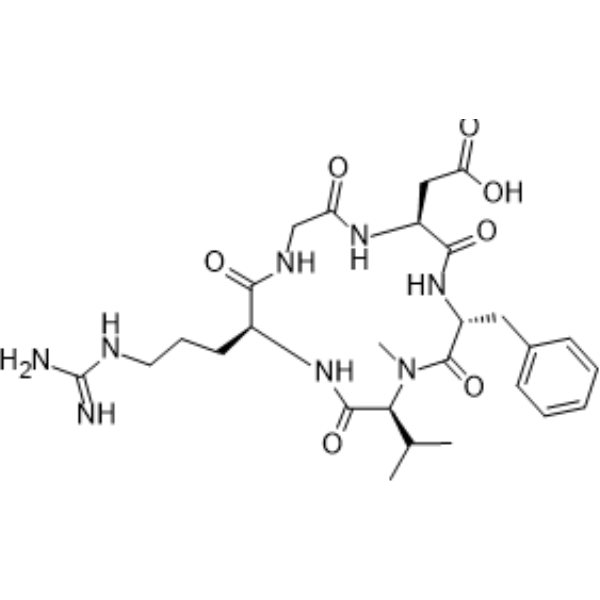
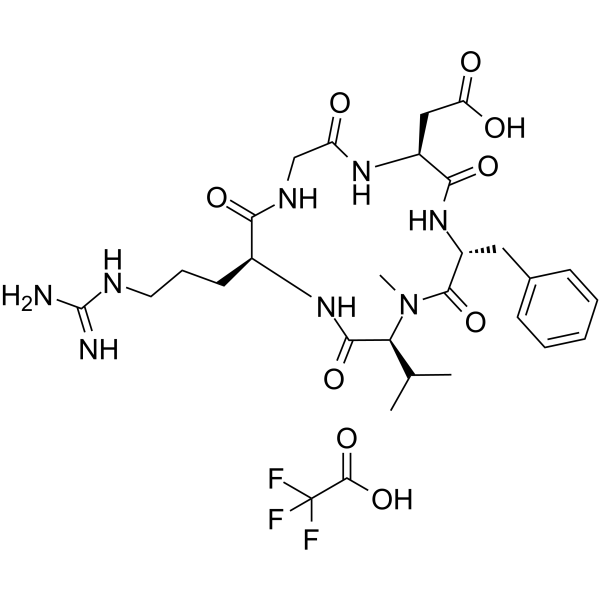
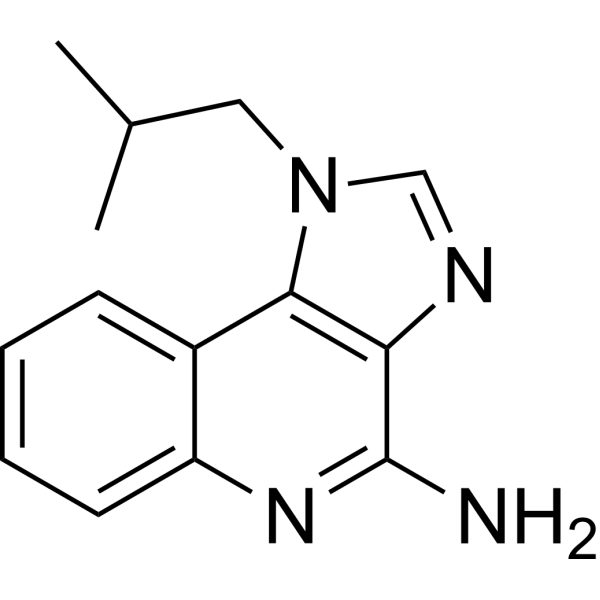
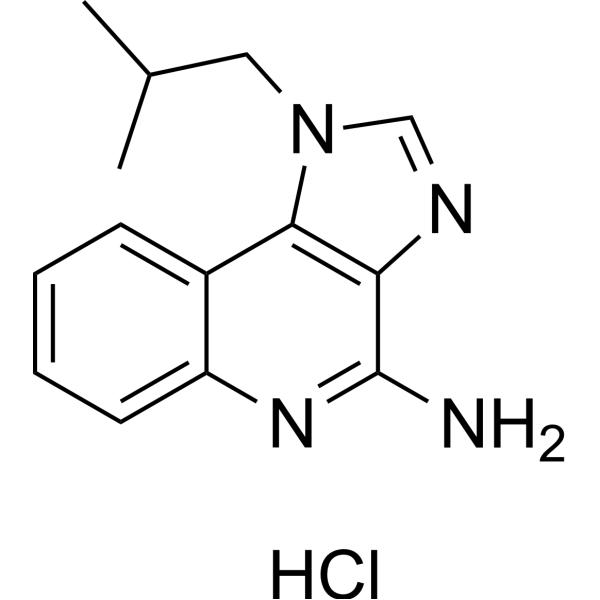


Search Result
Results for "
antitumor immune responses
" in MedChemExpress (MCE) Product Catalog:
1
Biochemical Assay Reagents
7
Isotope-Labeled Compounds
| Cat. No. |
Product Name |
Target |
Research Areas |
Chemical Structure |
-
- HY-B0180
-
-
-
- HY-B1204
-
-
-
- HY-B0180A
-
-
-
- HY-156677
-
STC-15
4 Publications Verification
|
METTL3
|
Cancer
|
|
STC-15 is an orally active RNA methyltransferase METTL3 inhibitor with the activity of activating anti-tumor immunity and reshaping the tumor microenvironment. STC-15 inhibits tumor growth by activating anti-cancer immune responses associated with increased interferon signaling and synergizes with T-cell checkpoint blockade. STC-15 can be used in the study of proliferative diseases such as cancer and autoimmune diseases .
|
-
-
- HY-N9470
-
|
|
Others
|
Inflammation/Immunology
Cancer
|
|
λ-Carrageenan is a seaweed polysaccharide which has been generally used as proinflammatory agent in the basic research. λ-Carrageenan is a potent antitumor agent .
|
-
-
- HY-B0722
-
-
-
- HY-109139
-
|
NIR178; PBF509
|
Adenosine Receptor
|
Neurological Disease
Cancer
|
|
Taminadenant (NIR178; PBF509) is a highly potent and orally active adenosine A2A receptor (A2AR) antagonist. Taminadenant can antagonize A2AR agonist-mediated cAMP accumulation and impedance responses with KB values of 72.8 nM and 8.2 nM, respectively. Taminadenant reverses motor impairments in several rat models of movement disorders, including catalepsy, tremor, and hemiparkinsonism. Taminadenant can also inhibit tumor growth when combined with Spartalizumab (HY-P9972). Taminadenant reactivate the antitumor immune response .
|
-
-
- HY-A0129
-
-
-
- HY-132832
-
|
DRP-104
|
Drug Intermediate
|
Cancer
|
|
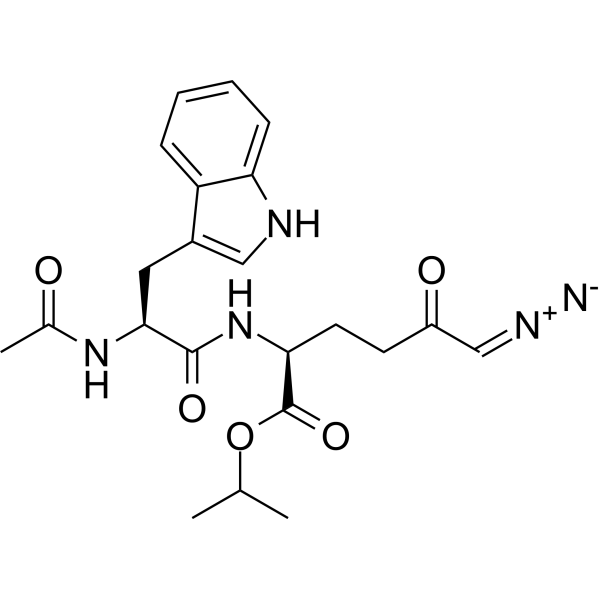
Sirpiglenastat (DRP-104) is a broad acting glutamine antagonist. Sirpiglenastat has anticancer effects by directly targeting tumor metabolism and simultaneously inducing a potent antitumor immune response .
|
-
-
- HY-125506
-
|
|
β-catenin
|
Cancer
|
|
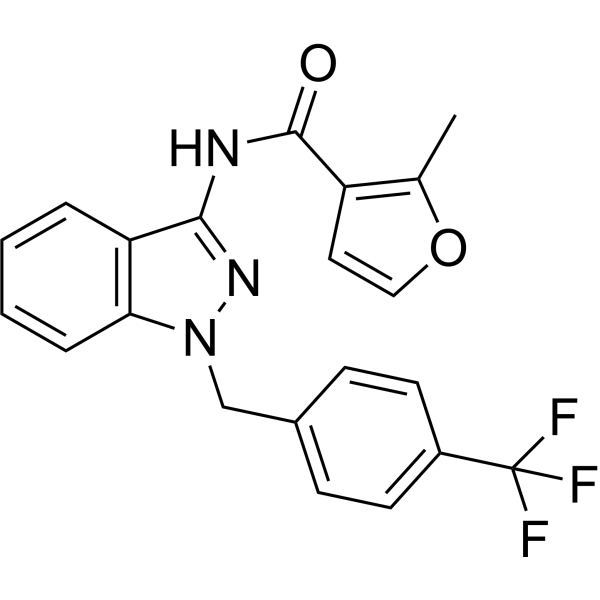
NP-G2-044 is a potent, orally active fascin inhibitor, with an IC50 of ~2 μM. NP-G2-044 blocks tumor metastasis and increases antitumor immune response .
|
-
-
- HY-139693
-
|
|
Phosphatase
|
Inflammation/Immunology
Cancer
|
|
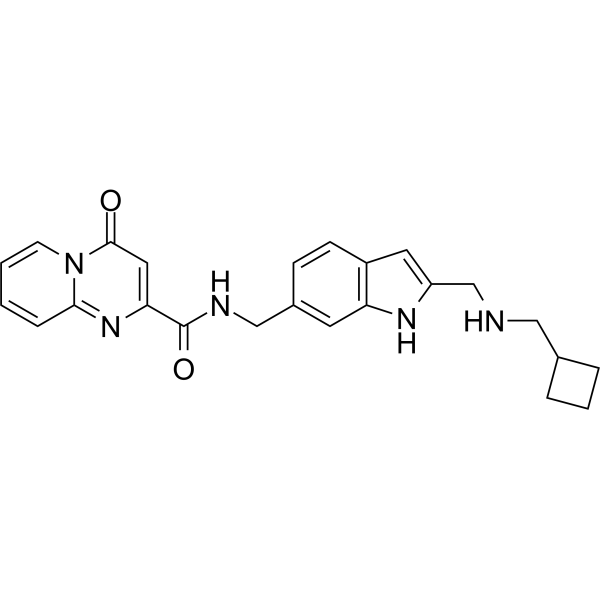
PTPN22-IN-1 is a potent PTPN22 inhibitor (IC50=1.4 µM; Ki=0.50 µM). PTPN22-IN-1 exhibits >7-10 fold selectivity for PTPN22 over similar phosphatases. PTPN22-IN-1 augments antitumor immune responses . From WO2021007491A1 compound L-1.
|
-
-
- HY-124700
-
|
|
Cyclic GMP-AMP Synthase
STING
PD-1/PD-L1
Epoxide Hydrolase
|
Metabolic Disease
|
|
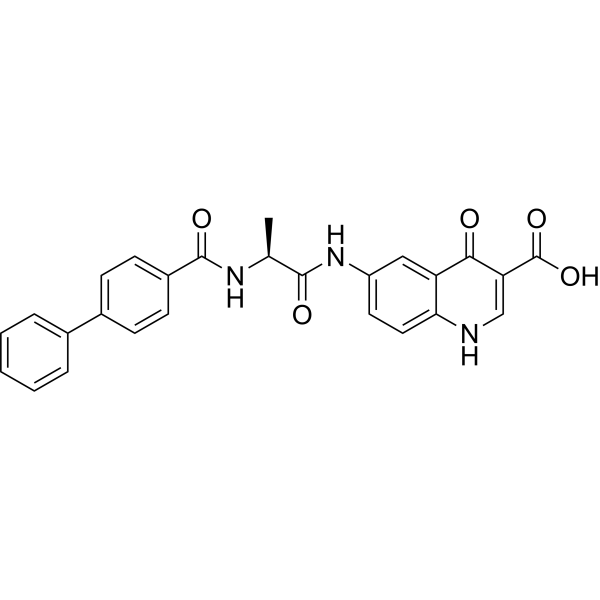
LYPLAL1-IN-1 (compound 11) is a selective, covalent, and irreversible inhibitor of the lysophospholipase-like enzyme LYPLAL1 (IC50 = 6 nM). LYPLAL1-IN-1 shows selectivity against other serine hydrolases such as carboxylesterase CES1 (IC50 > 50 μM for CES1). LYPLAL1-IN-1 inhibits the depalmitoylation function of LYPLAL1, blocking its depalmitoylation modification of cyclic GMP-AMP synthase (cGAS), thereby promoting cGAS dimerization and activation, and initiating the cGAS-STING pathway-mediated innate immune response. LYPLAL1-IN-1 can enhance DNA-induced type I interferon production, upregulate PD-L1 expression in tumor cells, and promote the accumulation of tumor-infiltrating CD8 + T cells, with the core function of strengthening the anti-tumor immune response. LYPLAL1-IN-1 is primarily used in tumor immunology research, especially in combination with PD-1/PD-L1 inhibitors .
|
-
-
- HY-152293
-
|
|
VEGFR
ERK
|
Cancer
|
|
EVT801 is an orally active and selective inhibitor of VEGFR-3 (IC50=11 nM), which has antitumor effects. EVT801 inhibits not only VEGF-C-induced human endothelial cell proliferation, but also tumor (lymphatic) angiogenesis in tumor mouse models. EVT801 can reduce tumor hypoxia, immunosuppressive cytokines (CCL4, CCL5) and myeloid derived suppressor cells (MDSC) production. EVT801 has synergistic effect with immune checkpoint therapy (ICT), which improves ICT response rate and has better inhibitory effect on cancer mouse models . EVT801 is a click chemistry reagent, it contains an Alkyne group and can undergo copper-catalyzed azide-alkyne cycloaddition (CuAAc) with molecules containing Azide groups.
|
-
-
- HY-128481
-
|
|
STING
|
Inflammation/Immunology
Cancer
|
|
SB24011 is a STING modulator and a TRIM29-STING protein-protein interaction inhibitor. SB24011 blocks TRIM29-induced K48-linked specific ubiquitination by binding to STING, thereby upregulating intracellular STING protein levels. SB24011 enhances inflammatory cytokine expression and STING-mediated immune responses, and exhibits abscopal antitumor activity that promotes tumor regression and activates T cell infiltration. When combined with STING agonists or anti-PD1 antibodies, SB24011 synergistically enhances antitumor responses. SB24011 is suitable for research related to colon cancer and melanoma .
|
-
-
- HY-P99259
-
|
FPA 008; Anti-Human CSF1R Recombinant Antibody
|
c-Fms
|
Inflammation/Immunology
Cancer
|
|
Cabiralizumab (FPA 008) is an anti-CSF1R monoclonal antibody (MAb). Cabiralizumab enhances T cell infiltration and antitumor T cell immune responses. Cabiralizumab inhibits the activation of osteoclasts and blocks bone destruction, and can be used in the research of rheumatoid arthritis (RA). Cabiralizumab can combine with Nivolumab (HY-P9903) for lung cancer research .
|
-
-
- HY-P11303
-
|
|
CD74
MHC
|
Neurological Disease
Cancer
|
|
PADRE peptide is a pan-HLA-DR binding epitope and immunostimulant. PADRE peptide binds to the peptide-binding groove of MHC class II molecules for presentation to CD4 + T cells, thereby effectively stimulating specific immune responses. PADRE peptide not only enhances anti-tumor immune responses, inhibits tumor growth and prolongs survival; it also significantly increases the frequency of E7-specific CD8 + T cells and improves therapeutic efficacy against TC-1 tumors when used in combination with E7 peptide-based vaccines and poly (I:C). The intensity of the immune response induced by PADRE peptide is lower than that of the Ii-PADRE DNA vaccine, and it fails to enhance the immune effect of CRT-E7 DNA. PADRE peptide is widely applicable to research on related tumors such as melanoma, glioblastoma and cervical cancer .
|
-
-
- HY-126147
-
|
|
HDAC
|
Cancer
|
|
J22352 is a PROTAC (proteolysis-targeting chimeras)-like and highly selective HDAC6 inhibitor with an IC50 value of 4.7 nM. J22352 promotes HDAC6 degradation and induces anticancer effects by inhibiting autophagy and eliciting the antitumor immune response in glioblastoma cancers, and leading to the restoration of host antitumor activity by reducing the immunosuppressive activity of PD-L1 .
|
-
-
- HY-P991480
-
|
|
Transmembrane Glycoprotein
Tau Protein
Amyloid-β
|
Neurological Disease
Cancer
|
|
ONC-841 is a blood-brain barrier-permeable, humanized monoclonal antibody targeting SIGLEC10. As an immune checkpoint inhibitor, ONC-841 restores the functions of immune effector cells such as T cells and enhances anti-tumor immune responses by blocking inhibitory signals mediated by SIGLEC10. ONC-841 restores the phagocytic and migratory activities of microglia, and promotes the phagocytosis of Amyloid-β and Tau protein aggregates by microglia. ONC-841 is applicable to research related to solid tumors and Alzheimer's disease .
|
-
-
- HY-13718
-
|
H-Glu-Trp-OH; L-Glutamyl-L-tryptophan
|
VEGFR
HCV
Endogenous Metabolite
|
Infection
Cardiovascular Disease
Inflammation/Immunology
Cancer
|
|
Oglufanide (H-Glu-Trp-OH) is a dipeptide immunomodulator isolated from calf thymus. Oglufanide inhibits vascular endothelial growth factor (VEGF). Oglufanide can stimulate the immune response to hepatitic C virus (HCV) and intracellular bacterial infections. Oglufanide shows antitumor and anti-angiogenesis activities .
|
-
-
- HY-N6714
-
|
|
Topoisomerase
Androgen Receptor
Estrogen Receptor/ERR
Apoptosis
|
Infection
Cancer
|
|
Alternariol is an orally ingested mycotoxin produced by Alternaria, capable of inhibiting the activity of topoisomerase I and II (topoisomerase I, topoisomerase II). Alternariol has weak estrogenic (Estrogen Receptor/ERR) and androgen/antiandrogen (Androgen Receptor) effects. Alternariol can induce apoptosis, trigger cell cycle arrest, suppress innate immune responses, and exhibit anti-tumor activity. Alternariol has genotoxic, mutagenic, and endocrine-disrupting effects .
|
-
-
- HY-177338
-
|
|
STING
Cyclic GMP-AMP Synthase
IFNAR
TNF Receptor
Interleukin Related
|
Inflammation/Immunology
Cancer
|
|
STING agonist-45 is a selective STING agonist (EC50 = 0.28 μM). STING agonist-45 activates the innate immune response through the cGAS-STING pathway, upregulating key markers such as p-TBK1 and IRF3. STING agonist-45 exhibits robust STING activation in human peripheral blood mononuclear cells (PBMCs), inducing the production of type I interferons (such as IFN-β) and downstream cytokines (such as TNF-α and IL-6). STING agonist-45 enhances anti-tumor immunity, inhibits tumor growth, and increases CD8 + T cell infiltration in mouse models. STING agonist-45 is promising for the study of STING-related diseases .
|
-
-
- HY-P99159
-
|
|
Interleukin Related
|
Cancer
|
|
Ivuxolimab is a fully human IgG2 agonist targeting OX40 (CD134), which selectively binds to the OX40 receptor on the surface of activated CD4 + and CD8 + T cells without inducing antibody-dependent cytotoxicity. Ivuxolimab can promote T cell proliferation, survival and cytokine (such as IFN-γ, IL-2) secretion, inhibit regulatory T cell function, and enhance anti-tumor immune response. Ivuxolimab can be used in the study of melanoma, hepatocellular carcinoma, head and neck squamous cell carcinoma, etc .
|
-
-
- HY-P99157
-
|
|
CD276/B7-H3
|
Cancer
|
|
Omburtamab is a humanized monoclonal antibody targeting B7-H3 (CD276). Omburtamab selectively binds to B7-H3 highly expressed on the surface of tumor cells and activates anti-tumor immune responses mediated by T cells and natural killer (NK) cells. Omburtamab can promote the specific infiltration of CAR-T cells into tumors, enhance the killing function of NK cells through the CD16 signaling pathway, and regulate tumor cell glucose metabolism (such as inhibiting the Warburg effect). Omburtamab has the potential to inhibit solid tumors such as non-small cell lung cancer (NSCLC) .
|
-
-
- HY-160406
-
|
|
STING
IFNAR
Interleukin Related
|
Inflammation/Immunology
Cancer
|
|
SNX281 is a selective STING agonist, with IC50 values of 4.1, 4.5, 10.7, and 3.7 μM against human, mouse, rat, and monkey STING, respectively. SNX281 undergoes homodimerization at the STING binding site, triggering a conformational shift of STING from an inactive open state to an active closed state, thereby driving downstream STING-dependent signaling pathways. SNX281 induces type I interferons, IFN-β, TNF-α, IL-6, cytokine release, T cell responses, and long-lasting immune memory. SNX281 exhibits anti-tumor activity and is applicable to research related to colorectal cancer, melanoma, advanced solid tumors, lymphoma, and ovarian cancer .
|
-
-
- HY-137442
-
|
EOS-850
|
Adenosine Receptor
|
Cancer
|
|
Inupadenant is an orally active, highly selective A2A receptor antagonist. Inupadenant can not cross BBB. Inupadenant can enhance the humoral immune response and has anti-tumor activity .
|
-
-
- HY-B0180B
-
-
-
- HY-P99057
-
|
CDX-1127
|
TNF Receptor
Transmembrane Glycoprotein
|
Inflammation/Immunology
Cancer
|
|
Varlilumab (CDX-1127) is an agonist anti-CD27 monoclonal antibody. Varlilumab can promote T cell expansion and activate the immune response. Varlilumab has anti-tumor activity and can be used in the research of hematological malignancies and solid tumors .
|
-
-
- HY-P990651
-
|
|
TREM receptor
|
Cancer
|
|
PY314 is a humanized antibody targeting TREM2. PY314 binds TREM2 on tumor-associated macrophages, depletes TREM2-high tumor-associated macrophages, reduces pro-tumorigenic M2 macrophage infiltration, increases CD8 + T cell, NK cell, and M1 macrophage infiltration, creates a proinflammatory tumor microenvironment, and promotes antitumor immune responseS. PY314 can be used for the research of platinum-resistant ovarian cancer, advanced solid tumors, breast cancer, and advanced refractory solid tumors .
|
-
-
- HY-P1181
-
|
|
Toll-like Receptor (TLR)
NO Synthase
IKK
Akt
PKC
NF-κB
p38 MAPK
Interleukin Related
|
Cardiovascular Disease
Infection
Inflammation/Immunology
Cancer
|
|
Pam2CSK4 is a TLR2 agonist. Pam2CSK4 induces the expression of iNOS and NO in macrophage cell lines via TBK1 and MyD88 molecules. Pam2CSK4 activates the NF-κB and Bruton's tyrosine kinase signaling pathways in platelets, and promotes platelet-endothelial cell interactions. TLR2 activation triggered by Pam2CSK4 expands myeloid-derived suppressor cells (MDSCs) and suppresses anti-tumor immune responses in the tumor microenvironment. Pam2CSK4 acts as a Th2-polarizing adjuvant in mouse vaccine models against Leishmania major and Brugia malayi. Pam2CSK4 can be used in the research of various diseases, including thromboinflammatory diseases, sepsis, atherosclerosis, heart failure, influenza, lymphoma, melanoma, cutaneous leishmaniasis and lymphatic filariasis .
|
-
-
- HY-N9517
-
|
QS 7 Api
|
Others
|
Inflammation/Immunology
Cancer
|
|
QS 7 (QS 7 Api) is a triterpene saponin found in the bark of Quillaja saponaria and immune adjuvant with immune response potentiator activity. QS 7 can be used as vaccine adjuvant for the research of antitumor and antiviral vaccine development .
|
-
-
- HY-P99431
-
|
Alomfilimab; SAR 445256
|
CD28
|
Inflammation/Immunology
Cancer
|
|
KY-1044 (Alomfilimab; SAR 445256) is a fully human IgG1 antibody targeting inducible costimulatory receptor (ICOS). KY-1044 depletes ICOS high cells via antibody-dependent cellular cytotoxicity (ADCC) through the engagement of FcgRIIIa. KY-1044 act as a costimulatory molecule on cells expressing lower ICOS levels, such as CD8 + TEff cells (through FcgR-dependent clustering). KY-1044 exploit the differential expression of ICOS on T-cell subtypes to improve the intratumoral immune contexture and restore an antitumor immune response .
|
-
-
- HY-P99687
-
|
AMG 256
|
PD-1/PD-L1
|
Cancer
|
|
Latikafusp (AMG 256) is a bifunctional fusion protein comprising a PD-1-targeting antibody and IL-21 mutein designed to deliver IL-21 pathway stimulation to PD-1+ cells. Latikafusp is designed to prime and extend the activity of cytotoxic and memory T cells and induce anti-tumor immunity. Latikafusp has the potential for solid tumors research .Latikafusp may lead to the development of immunogenicity-mediated responses .
|
-
-
- HY-159647B
-
|
|
Molecular Glues
IKZF Family
|
Cancer
|
|
(1S,2S,3R)-PLX-4545 is the (1S,2S,3R) enantiomer of PLX-4545 (HY-159647). PLX-4545 is an orally active and selective cereblon-based molecular glue degrader of IKZF2 (zinc finger transcription factor Helios). PLX-4545 can reprogram immunosuppressive regulatory T cells into pro-inflammatory effector T cells, thereby enhancing anti-tumor immune responses .
|
-
-
- HY-N0885
-
|
Telobufotoxin; Telocinobufogenin
|
JAK
STAT
mTOR
PI3K
Akt
Polo-like Kinase (PLK)
Na+/K+ ATPase
Apoptosis
Bacterial
|
Infection
Cardiovascular Disease
Neurological Disease
Inflammation/Immunology
Cancer
|
|
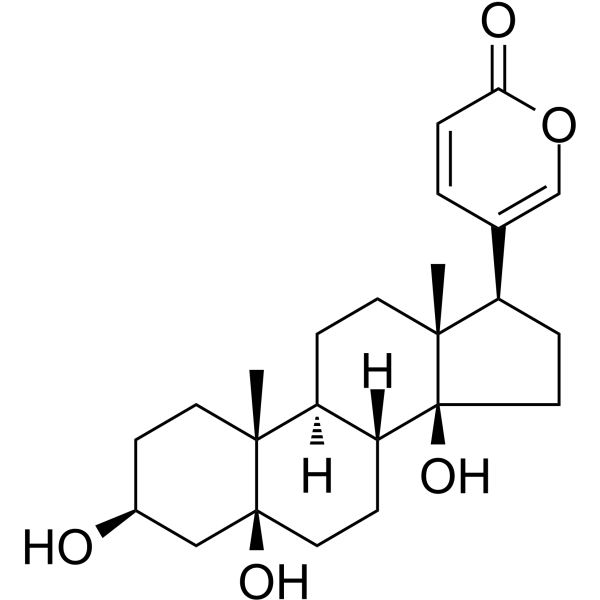
Telocinobufagin (Telobufotoxin; Telocinobufogenin) is an orally active bufadienolide with potential anti-tumor effects. Telocinobufagin exerts its anti-cancer effects on non-small cell carcinoma, osteosarcoma, thyroid cancer, breast cancer and head and neck squamous cell carcinoma by inhibiting the STAT3, JAK2/STAT3, LARP1-mTOR, PI3K/Akt/Snail and PLK1 pathways, and can also induce tumor cell apoptosis. Telocinobufagin enhances the Th1 immune response and protects against Salmonella typhimurium infection. Telocinobufagin has a strong cardiac-stimulating effect by inhibiting the activity of Na +/K +-ATPase, and it can promote renal fibrosis. Telocinobufagin demonstrates non-opioid analgesic effects in various acute pain models .
|
-
-
- HY-123291
-
-
-
- HY-176296
-
|
SR-8541A
|
Phosphodiesterase (PDE)
STING
|
Cancer
|
|
Vizenpistat (SR-8541A) is an orally active ENPP1 inhibitor. Vizenpistat increases cGAMP levels, blocks 2′3′-cGAMP hydrolysis, inhibits adenosine production, regulates innate immune signaling mediated by the STING pathway, and modulates anti-tumor immune responses. Vizenpistat is applicable to research related to breast cancer and metastatic microsatellite-stable colorectal cancer .
|
-
-
- HY-P10420
-
|
|
CD47
Interleukin Related
|
Cancer
|
|
RS17 is an anti-tumor peptide designed to bind specifically to the CD47 molecule and block the interaction between CD47 and its ligand, SIRPα, on the surface membrane of macrophages. The main regulatory mechanism of RS17 is to prevent CD47 from transmitting selective phagocytosis signals to SIRPα by binding to CD47, so that macrophages do not recognize tumor cells as their own tissue, but phagocytose them as foreign substances, thereby inhibiting immune escape of tumor cells. RS17 can be used to study the mechanism of anti-tumor response and immune escape .
|
-
-
- HY-159886
-
|
|
TNF Receptor
|
Inflammation/Immunology
|
|
MG-C-30 is an orally active agonist for CD27 with an EC50 of 0.84 μM. MG-C-30 activates NK cells and T cell co-stimulatory signals, and enhances immune response. MG-C-30 exhibits antitumor efficacy in mouse EG7-OVA model .
|
-
-
- HY-P990650
-
|
|
TREM receptor
|
Cancer
|
|
PY159 is a humanized antibody targeting TREM1/CD354. PY159 reprograms immunosuppressive intratumoral myeloid cells towards an inflammatory, anti-tumor phenotype, promotes anti-tumor immune responses, upregulates monocyte activation markers, and induces proinflammatory cytokines. PY159 can be used for the research of platinum-resistant ovarian cancer, advanced solid tumors, and advanced refractory solid tumors .
|
-
-
- HY-162382
-
|
|
PI3K
Akt
mTOR
|
Cancer
|
|
KTC1101 is an orally active pan-PI3K inhibitor. KTC1101 can inhibit the PI3K signaling pathway, reduce downstream AKT and mTOR phosphorylation, and reduces the expression of Ki67. The anti-tumor effect of KTC1101 has a dual mechanism of action: directly inhibiting tumor cell growth and dynamically enhancing immune response .
|
-
-
- HY-B1204R
-
-
-
- HY-B0722R
-
|
|
Reference Standards
Histamine Receptor
p38 MAPK
Akt
Reactive Oxygen Species (ROS)
Apoptosis
Endogenous Metabolite
|
Neurological Disease
Inflammation/Immunology
Endocrinology
Cancer
|
|
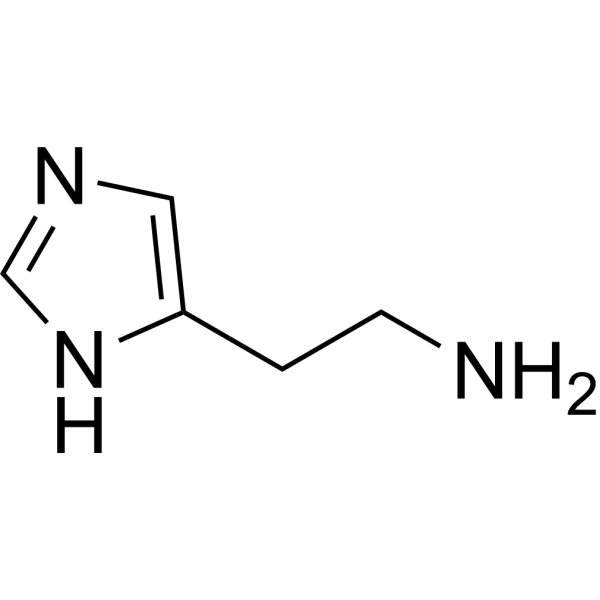
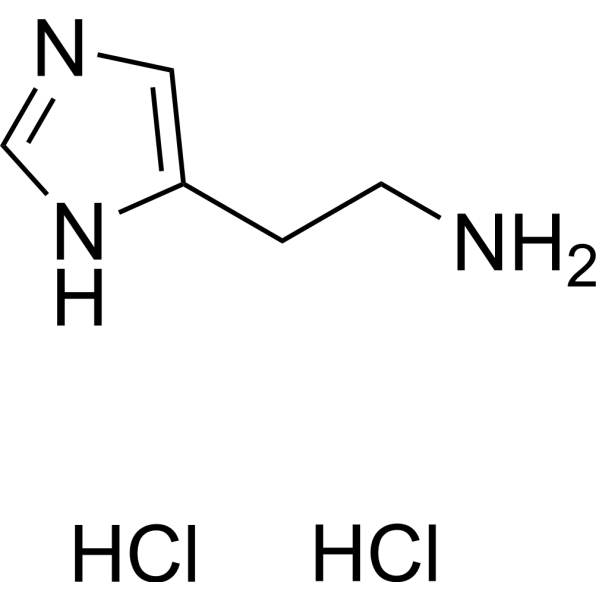
Histamine dihydrochloride (Standard) is the analytical standard of Histamine dihydrochloride (HY-B0722). This product is intended for research and analytical applications. Histamine dihydrochloride is the agonist for histamine receptor and a vasodilator. Histamine dihydrochloride is an organic nitrogen compound that participates in local immune responses, regulates intestinal physiological functions, and acts as a neurotransmitter. Histamine dihydrochloride affects p38 MAPK/Akt signaling pathway, exhibits antitumor, antioxidant and anti-inflammatory activities. Histamine dihydrochloride can be used in the research of acute myeloid leukemia, malignant melanoma, and renal cell carcinoma .
|
-
-
- HY-B0180R
-
|
R 837 (Standard)
|
Reference Standards
Toll-like Receptor (TLR)
Autophagy
SARS-CoV
HSV
|
Infection
Inflammation/Immunology
Cancer
|
|
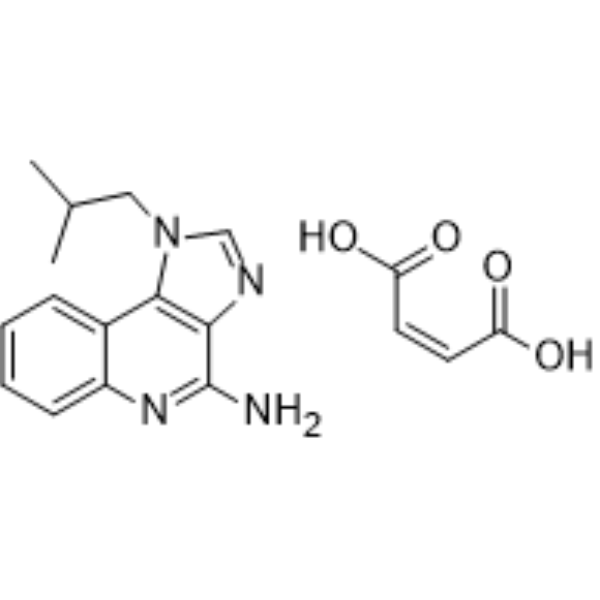
Imiquimod (Standard) is the analytical standard of Imiquimod. This product is intended for research and analytical applications. Imiquimod (R 837), an immune response modifier, is a selective toll like receptor 7 (TLR7) agonist. Imiquimod exhibits antiviral and antitumor effects in vivo. Imiquimod can be used for the research of external genital, perianal warts, cancer and COVID-19 .
|
-
-
- HY-175478
-
|
|
Phosphodiesterase (PDE)
STING
|
Inflammation/Immunology
Cancer
|
|
Enpp-1-IN-27 is a selective ENPP1 inhibitor with an IC50 of 14.68 nM, exhibiting approximately 410-fold selectivity against ENPP2 and 10-fold selectivity against ENPP3. Enpp-1-IN-27 stabilizes cGAMP levels and activates the STING pathway, promoting cytokine release and enhancing innate immune responses. Enpp-1-IN-27 induces ISRE activation and amplified cGAMP-mediated immune responses and shows the desired antitumor efficacy in the 4T1 and CT26 syngeneic mouse models. Enpp-1-IN-27 can used for the studies of breast cancer and colon cancer .
|
-
-
- HY-B1204S1
-
-
-
- HY-137442A
-
|
EOS-850 hydrochloride
|
Adenosine Receptor
|
Cancer
|
|
Inupadenant (EOS-850) hydrochloride is an orally active, highly selective A2A receptor antagonist. Inupadenant hydrochloride can not cross BBB. Inupadenant hydrochloride can enhance the humoral immune response and has anti-tumor activity .
|
-
-
- HY-P10610A
-
|
|
MDM-2/p53
|
Cancer
|
|
Peptide 234CM TFA is a peptide containing isoleucine at position 3, corresponding to the sequence of a point mutation in p53 codon 234. Peptide 234CM TFA induces potent cytotoxic T cell (CTL) and antitumor immune responses against mutant p53 .
|
-
-
- HY-144497
-
-
-
- HY-175288
-
|
|
Integrin
JNK
ERK
|
Inflammation/Immunology
Cancer
|
|
αMβ2 integrin agonist-1 (Compound 8) is a highly selective αMβ2 integrin agonist with anti-inflammatory activity (EC50=1.4 nM). αMβ2 integrin agonist-1 activates integrin-mediated cell adhesion and JNK/ERK signaling. αMβ2 integrin agonist-1 induces tumor-associated macrophage repolarization and enhances antitumor T-cell immune responses. αMβ2 integrin agonist-1 is promising for research of cancers and chronic inflammatory diseases (e.g., pancreatic cancer, rheumatoid arthritis) .
|
-
-
- HY-147215
-
|
|
Toll-like Receptor (TLR)
|
Inflammation/Immunology
|
|
UC-1V150 is a specific TLR7 (Toll-like receptor) agonist that stimulates cellular immune responses and has anti-tumor activity. UC-1V150 can be used to synthesize ISAC (Immune-Stimulating Antibody Conjugates) molecule .
|
-
- HY-P10610
-
|
|
MDM-2/p53
|
Cancer
|
|
Peptide 234CM is a peptide containing isoleucine at position 3, corresponding to the sequence of a point mutation in p53 codon 234. Peptide 234CM induces potent cytotoxic T cell (CTL) and antitumor immune responses against mutant p53 .
|
-
- HY-P991391
-
|
|
Transmembrane Glycoprotein
|
Cancer
|
|
COM902 is a human IgG4 monoclonal antibody (mAb) targeting TIGIT. COM902 enhances anti-tumor immune responses. COM902 can be used in Multiple myeloma, Solid tumours and Colorectal cancer research. Recommended isotype control: IgG4-lambda .
|
-
- HY-170453
-
|
|
Epigenetic Reader Domain
|
Cancer
|
|
iHAC is an inhibitor HSP90-anchoring chimera, that covalently binds BRD4 ligand (+)-JQ-1 to HSP90, and inhibits the proliferation of cancer cells. iHAC activates the anti-tumor immune response, inhibits the recurrence and metastasis of 4T1 breast cancer in mouse models .
|
-
- HY-P10652
-
|
|
Wnt
β-catenin
|
Cancer
|
|
hsBCL9CT-24 is a Wnt/β-catenin (b-cat) pathway inhibitor with potent anti-tumor effect. hsBCL9CT-24 reactivates anti-cancer immune response suppressed by the oncogenic Wnt pathway and can be utilized for cancer research .
|
-
- HY-B0180S1
-
-
- HY-B0180S
-
-
- HY-B0180BR
-
|
|
Toll-like Receptor (TLR)
Autophagy
SARS-CoV
HSV
Reference Standards
|
Infection
Inflammation/Immunology
Cancer
|
|
Imiquimod (maleate) (Standard) is the analytical standard of Imiquimod (maleate). This product is intended for research and analytical applications. Imiquimod maleate (R 837 maleate), an immune response modifier, is a selective toll like receptor 7 (TLR7) agonist. Imiquimod maleate exhibits antiviral and antitumor effects in vivo. Imiquimod maleate can be used for the research of external genital, perianal warts, cancer and COVID-19 .
|
-
- HY-B0180AR
-
|
R 837 hydrochloride (Standard)
|
Toll-like Receptor (TLR)
Autophagy
SARS-CoV
HSV
Reference Standards
|
Infection
Inflammation/Immunology
Cancer
|
|
Imiquimod (hydrochloride) (Standard) is the analytical standard of Imiquimod (hydrochloride). This product is intended for research and analytical applications. Imiquimod hydrochloride (R 837 hydrochloride), an immune response modifier, is a selective toll like receptor 7 (TLR7) agonist. Imiquimod hydrochloride exhibits antiviral and antitumor effects in vivo. Imiquimod hydrochloride can be used for the research of external genital, perianal warts, cancer and COVID-19 .
|
-
- HY-121496
-
|
|
Toll-like Receptor (TLR)
Influenza Virus
|
Infection
Inflammation/Immunology
Cancer
|
|
3M-011 is a potent dual toll-like receptor TLR7/8 agonist and a cytokine inducer. 3M-011 significantly inhibits H3N2 influenza viral replication in the nasal cavity. 3M-011 is also a potent adjuvant to radiotherapy that induces local and profound systemic immune responses during radiotherapy. 3M-011 strongly has antitumor action .
|
-
- HY-W653896
-
|
|
Isotope-Labeled Compounds
Androgen Receptor
Apoptosis
Topoisomerase
Estrogen Receptor/ERR
|
Infection
|
|
Alternariol-d2 is deuterium labeled Alternariol. Alternariol is an orally ingested mycotoxin produced by Alternaria, capable of inhibiting the activity of topoisomerase I and II (topoisomerase I, topoisomerase II). Alternariol has weak estrogenic (Estrogen Receptor/ERR) and androgen/antiandrogen (Androgen Receptor) effects. Alternariol can induce apoptosis, trigger cell cycle arrest, suppress innate immune responses, and exhibit anti-tumor activity. Alternariol has genotoxic, mutagenic, and endocrine-disrupting effects .
|
-
- HY-176256
-
|
|
STING
|
Cancer
|
|
endo-S-cGAFMP (Compound 3) is a STING agonist. endo-S-cGAFMP induces the production of interferon regulatory factors and proinflammatory cytokines by activating the cGAS-STING pathway, thereby enhancing innate and adaptive immune responses. endo-S-cGAFMP has potent immunostimulatory capacity in THP1 monocytes and RAW macrophages (EC50 values of 2.45 μM and 5.54 μM, respectively). endo-S-cGAFMP has significant antitumor activity. endo-S-cGAFMP can be used as a potential cancer immunotherapeutic agent, especially for studies of systemic administration .
|
-
- HY-B1204S2
-
-
- HY-164476
-
|
|
EGFR
GSK-3
PD-1/PD-L1
|
Cancer
|
|
ES-072 is an orally effective selective EGFR mutant (EGFR-T790M) inhibitor. ES-072 activates GSK3α by inhibiting EGFR-T790M activity, which promotes phosphorylation of PD-L1 at Ser279 and Ser283. The phosphorylated PD-L1 recruits the E3 ubiquitin ligase ARIH1, leading to ubiquitination and proteasomal degradation of PD-L1. This mechanism not only reduces cancer cell growth but also enhances anti-tumor immune response by lowering PD-L1 levels. ES-072 can be used to inhibit proliferation in non-small cell lung cancer (NSCLC) cells .
|
-
- HY-E70302
-
|
ST8SIA6
|
Endogenous Metabolite
|
Inflammation/Immunology
Cancer
|
|
ST8 alpha-2,8-Sialyltransferase 6 (ST8SIA6) is a sialyltransferase that generates α2,8-linked disialic acids, which bind to mouse Siglec-E and human Siglec-7 and -9, and accelerates tumor growth by suppressing anti-tumor immune responses .
|
-
- HY-162348
-
|
|
Necroptosis
|
Cancer
|
|
Antitumor agent-145 (Compound Ir5) is a tumor inhibitor with remarkable fluorescence and mitochondrial targeting, which exerts anti-cancer effects by inducing necroptosis and activating the necroptosis-related immune response .
|
-
- HY-B0180C
-
-
- HY-163704
-
|
|
IFNAR
Interleukin Related
|
Inflammation/Immunology
Cancer
|
|
KRN7000 analog 1 exhibits good Th1-biased immune response through induction of interferon-γ (IFN-γ) and reduction of interleukin-4 (IL-4). KRN7000 analog 1 is potential as an antitumor agent and vaccine adjuvant .
|
-
- HY-143869
-
|
|
MAP4K
|
Cancer
|
|
HPK1-IN-28 is a potent inhibitor of HPK1. Hematopoietic progenitor kinase 1 (HPK1) is a negative regulator of the activation response of dendritic cells (DCs), T cells and B cells. HPK1-IN-28 enhances the body's anti-tumor immunity. HPK1-IN-28 has the potential for the research of immune-related diseases, especially tumor (extracted from patent WO2021175270A1, compound 1) .
|
-
- HY-143870
-
|
|
MAP4K
|
Cancer
|
|
HPK1-IN-29 is a potent inhibitor of HPK1. Hematopoietic progenitor kinase 1 (HPK1) is a negative regulator of the activation response of dendritic cells (DCs), T cells and B cells. HPK1-IN-29 enhances the body's anti-tumor immunity. HPK1-IN-29 has the potential for the research of immune-related diseases, especially tumor (extracted from patent WO2021175270A1, compound 38) .
|
-
- HY-13718A
-
|
H-Glu-Trp-OH disodium; L-Glutamyl-L-tryptophan disodium
|
VEGFR
HCV
Endogenous Metabolite
|
Infection
Cardiovascular Disease
Inflammation/Immunology
Cancer
|
|
Oglufanide (H-Glu-Trp-OH) disodium is a dipeptide immunomodulator isolated from calf thymus. Oglufanide disodium inhibits vascular endothelial growth factor (VEGF). Oglufanide disodium can stimulate the immune response to hepatitic C virus (HCV) and intracellular bacterial infections. Oglufanide disodium shows antitumor and anti-angiogenesis activities .
|
-
- HY-P99057A
-
|
CDX-1127 (anti-CD27)
|
TNF Receptor
Transmembrane Glycoprotein
|
Inflammation/Immunology
Cancer
|
|
Varlilumab (CDX-1127) (anti-CD27) is an agonist anti-CD27 monoclonal antibody. Varlilumab (anti-CD27) can promote T cell expansion and activate the immune response. Varlilumab (anti-CD27) has anti-tumor activity and can be used in the research of hematological malignancies and solid tumors .
|
-
- HY-B0180S2
-
-
- HY-145289
-
|
|
Apoptosis
|
Cancer
|
|
Antitumor agent-37 possesses potent anti-proliferative and anti-metastasis activities. Antitumor agent-37 induces serious DNA damage and further leads to high expression of γ-H2AX and p53. Antitumor agent-37 promotes apoptosis of tumor cells through mitochondrial apoptotic pathway Bcl-2/Bax/caspase3. Antitumor agent-37 significantly improves immune response through restraining the expression of PD-L1 to increase CD3+ and CD8+ T infiltrating cells in tumor tissues .
|
-
- HY-145288
-
|
|
Apoptosis
|
Cancer
|
|
Antitumor agent-36 possesses potent anti-proliferative and anti-metastasis activities. Antitumor agent-36 induces serious DNA damage and further leads to high expression of γ-H2AX and p53. Antitumor agent-36 promotes apoptosis of tumor cells through mitochondrial apoptotic pathway Bcl-2/Bax/caspase3. Antitumor agent-36 significantly improves immune response through restraining the expression of PD-L1 to increase CD3+ and CD8+ T infiltrating cells in tumor tissues .
|
-
- HY-P990716
-
|
AZD7789
|
PD-1/PD-L1
Tim3
|
Inflammation/Immunology
|
|
Sabestomig (AZD7789) is a monovalent bispecific antibody targeting PD-1 and TIM-3. Sabestomig binds to PD-1 and an epitope in the TIM-3 IgV domain outside the phosphatidylserine-binding cleft, thereby precisely regulating immune responses. Sabestomig promotes IL-2 production, efferocytosis and cross-presentation of tumor antigens, and enhances the release of anti-tumor T cell cytokines, cytotoxicity, and secretion of IFN-γ. Sabestomig inhibits the growth of solid tumors, prolongs the duration of tumor suppression, and significantly enhances anti-tumor responses following anti-PD-1 therapy. Sabestomig has been used in studies related to non-small cell lung cancer and classical Hodgkin lymphoma .
|
-
- HY-172225
-
|
|
Apoptosis
Autophagy
Ferroptosis
|
Cancer
|
|
[Ru(phen)2(HMPIP)](PF6)2 (Compound 6A) is an anti-tumor agent. [Ru(phen)2(HMPIP)](PF6)2 can inhibit the proliferation and migration of HepG2 liver cancer cells, and induce apoptosis, autophagy, cell cycle arrest and ferroptosis of HepG2 liver cancer cells. [Ru(phen)2(HMPIP)](PF6)2 exerts its anti-tumor activity by stimulating immune response to increase CD8+ T cells .
|
-
- HY-P991354
-
|
|
PD-1/PD-L1
|
Cancer
|
|
GR-1405 is a human monoclonal antibody (mAb) targeting B7-H1/PD-L1/CD274. GR-1405 enhances cytotoxic T lymphocyte (CTL)-mediated antitumor immune responses against PD-L1-expressing tumor cells. GR-1405 can be used in Lymphoma and Solid tumours research .
|
-
- HY-109139A
-
|
NIR178 mesylate; PBF509 mesylate
|
Adenosine Receptor
|
Cancer
|
|
Taminadenant mesylate (NIR178 mesylate) is a potent adenosine A2A receptor antagonist with potential anti-tumor activity. Taminadenant mesylate can selectively bind and inhibit A2AR on T lymphocytes, thereby releasing adenosine/A2AR-mediated inhibition of T lymphocytes and activating T cell-mediated immune responses against tumor cells. Taminadenant mesylate works by reducing the proliferation of susceptible tumor cells. Taminadenant mesylate also showed effectiveness in reversing dyskinesias in Parkinson's disease models and was able to inhibit dyskinesias caused by L-DOPA .
|
-
- HY-168491
-
|
|
Phosphodiesterase (PDE)
STING
PD-1/PD-L1
|
Cancer
|
|
Enpp-1-IN-25 (Compound 30) is an ENPP1 inhibitor with an IC50 of 8.05 nM and low oral bioavailability. Enpp-1-IN-25 can effectively activate the intracellular STING pathway by inhibiting cGAMP degradation. Enpp-1-IN-25 can enhance immune cell infiltration in the tumor microenvironment and type I interferon responses, and potentiate the antitumor efficacy of the anti-PD-L1 antibody. Enpp-1-IN-25 can be used in the research of cancer immunotherapy .
|
-
- HY-157157
-
|
|
Protein Arginine Deiminase
|
Cancer
|
|
PAD4-IN-3 (compound 4B) is a PAD4 inhibitor with antitumor activity in vitro and in vivo. PAD4-IN-3 was covalently linked to RGD sequence peptide-modified chitosan (K-CRGDV), resulting in an enhanced oxidative stress-responsive nanoagent. K-CRGDV-PAD4-IN-3 can actively target tumors, inhibit PAD4 activity, block the formation of neutrophil extracellular traps (NETs), and improve the tumor immune microenvironment in response to the tumor microenvironment .
|
-
- HY-A0129R
-
|
Histamine diphosphate (Standard)
|
Reference Standards
Histamine Receptor
p38 MAPK
Akt
Reactive Oxygen Species (ROS)
Apoptosis
Endogenous Metabolite
|
Neurological Disease
Inflammation/Immunology
Endocrinology
Cancer
|
|
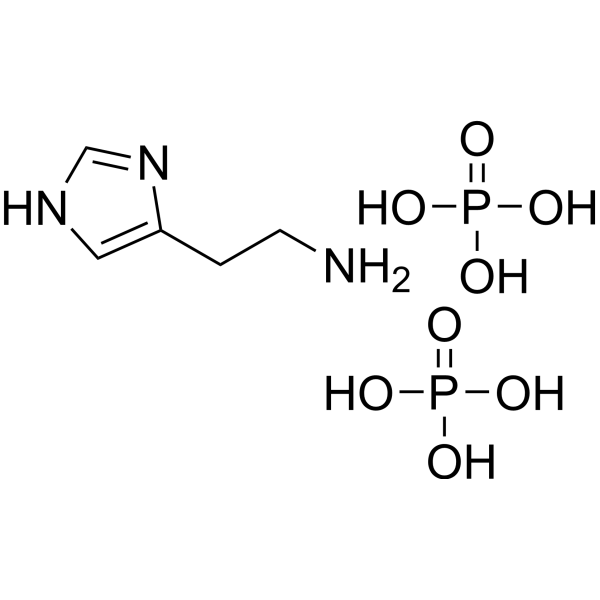
Histamine phosphate (Standard) is the analytical standard of Histamine phosphate (HY-A0129). This product is intended for research and analytical applications. Histamine phosphate is the agonist for histamine receptor and a vasodilator. Histamine phosphate is an organic nitrogen compound that participates in local immune responses, regulates intestinal physiological functions, and acts as a neurotransmitter. Histamine phosphate affects p38 MAPK/Akt signaling pathway, exhibits antitumor, antioxidant and anti-inflammatory activities. Histamine phosphate can be used in the research of acute myeloid leukemia, malignant melanoma, and renal cell carcinoma .
|
-
- HY-N6714R
-
|
|
Reference Standards
Topoisomerase
Androgen Receptor
Estrogen Receptor/ERR
Apoptosis
|
Infection
Cancer
|
|
Alternariol (Standard) is the analytical standard of Alternariol. This product is intended for research and analytical applications. Alternariol is an orally ingested mycotoxin produced by Alternaria, capable of inhibiting the activity of topoisomerase I and II (topoisomerase I, topoisomerase II). Alternariol has weak estrogenic (Estrogen Receptor/ERR) and androgen/antiandrogen (Androgen Receptor) effects. Alternariol can induce apoptosis, trigger cell cycle arrest, suppress innate immune responses, and exhibit anti-tumor activity. Alternariol has genotoxic, mutagenic, and endocrine-disrupting effects .
|
-
- HY-B1204S4
-
-
- HY-175290
-
|
|
Arf Family GTPase
|
Cancer
|
|
Arf1-GEFs-IN-1 is a potent and orally active ADP-ribosylation factor 1- guanine nucleotide exchange factors (Arf1-GEFs) inhibitor with an IC50 value of 40.85 μM against CT26 cells. Arf1-GEFs-IN-1 primarily mediates tumor regression by triggering anti-tumor immune responses, rather than through direct cytotoxicity. Arf1-GEFs-IN-1 effectively promotes CCL5 expression, demonstrates excellent in vivo efficacy. Arf1-GEFs-IN-1 can be used for the study of colon cancer .
|
-
- HY-162415
-
|
|
c-Fms
Apoptosis
|
Cancer
|
|
CSF1R-IN-22 (Compound C19) is an orally effective CSF-1R selective inhibitor (IC50<6 nM). CSF1R-IN-22 enhances the secretion of CXCL9 from M2 macrophages, increases CD8 + T cell infiltration. CSF1R-IN-22 boosts anti-tumor immune responses of anti-PD-1, and induces apoptosis in tumor cells. CSF1R-IN-22 can effectively reprogram M2-like TAMs (tumor-associated macrophages) to the M1 phenotype and reshape the TME by inducing the recruitment of CD8 + T cells into tumors and reducing the infiltration of immunosuppressive Tregs and MDSCs .
|
-
- HY-N0699R
-
|
Dephnoretin (Standard); Thymelol (Standard)
|
Reference Standards
PKC
NOD-like Receptor (NLR)
Apoptosis
HBV
Caspase
Akt
JNK
PI3K
CDK
Influenza Virus
Bcl-2 Family
|
Infection
Inflammation/Immunology
Cancer
|
|
Daphnoretin (Dephnoretin; Thymelol) (Standard) is the analytical standard of Daphnoretin (HY-N0699). This product is used for research and analytical applications. Daphnoretin is a protein kinase C (PKC) activator that can inhibit the expression of hepatitis B virus (HBV) surface antigen (HBsAg) and has antiviral activity. Daphnoretin exerts its anti-tumor effect by inhibiting the activation of the PI3K/AKT signaling pathway, triggering the mitochondrial apoptosis pathway. Daphnoretin alleviates chondrocyte apoptosis and inflammatory responses by inhibiting endoplasmic reticulum stress and the activation of the NLRP3 inflammasome. Daphnoretin can regulate the differentiation and maturation of dendritic cells, by down-regulating the phosphorylation level of JNK, inhibiting its immune stimulating function, thereby playing a protective role in skin transplant rejection reactions.
|
-
- HY-P2674
-
|
|
MHC
|
Inflammation/Immunology
Cancer
|
|
KDEL is a tetrapeptide serving as an endoplasmic reticulum (ER) retrieval/retention signal. KDEL can target and deliver exogenous antigen peptides to the ER, significantly enhance and prolong MHC class I molecule presentation, and effectively boost anti-tumor immune responses .
|
-
- HY-P992029
-
|
|
Interleukin Related
|
Inflammation/Immunology
Cancer
|
|
RTX-003 is a monoclonal antibody targeting CD25. RTX-003 induces the death of regulatory T cells (Tregs) by targeting the IL-2 receptor α chain (CD25), and can enhance anti-tumor immune responses.
|
-
- HY-P992446
-
|
|
NTPDase
|
Cancer
|
|
PUR001 is a monoclonal antibody targeting NTPDase 1 (CD39). PUR001 blocks the hydrolysis of extracellular ATP and ADP into AMP by inhibiting CD39, reduces the production of immunosuppressive adenosine, and increases extracellular ATP concentration to activate anti-tumor immune responses. PUR001 can be used in studies related to solid tumors .
|
-
- HY-181027
-
|
|
PARP
IFNAR
|
Cancer
|
|
TIPARP-IN-1 (Compound 15) is a selective PARP7 (TIPARP) (2,3,7,8-Tetrachlorodiben-zo-p-dioxin(TCDD)-inducible PARP) inhibitor with an IC50 of 2.15 nM. TIPARP-IN-1 can restore IFN signaling pathway in tumors by inhibiting TIPARP. TIPARP-IN-1 selectively activates the anti-tumor immune response in the tumor microenvironment and avoids the production of systemic cytokines. TIPARP-IN-1 can be used for research of head and neck squamous cell carcinoma .
|
-
- HY-181667
-
|
|
Phosphodiesterase (PDE)
|
Cancer
|
|
Enpp-1-IN-30 (compound 44a) is an orally active ENPP1 inhibitor with a human IC50 of 13.1 nM. Enpp-1-IN-30 prevents cGAMP degradation, activates the STING pathway. Enpp-1-IN-30 induces cytokine release to enhance innate immune response. Enpp-1-IN-30 exerts antitumor efficacy in syngeneic mouse models. Enpp-1-IN-30 can be used for the research of colon carcinoma .
|
-
- HY-P992448
-
|
|
PD-1/PD-L1
|
Cancer
|
|
RC98 is a monoclonal antibody targeting programmed cell death ligand 1 (PD-L1) and acts as a selective PD-L1 inhibitor. RC98 binds specifically to human and cynomolgus monkey PD-L1. RC98 blocks the interaction between PD-L1 and its receptor PD-1 to reverse T-cell inactivation mediated by PD-1/PD-L1 signaling. RC98 enhances the cytotoxic T-lymphocyte-mediated anti-tumor immune response against PD-L1-expressing tumor cells. RC98 can be used for the research of tumor immunity and solid tumors .
|
-
- HY-179630
-
|
|
Deubiquitinase
SARS-CoV
VISTA
|
Infection
Cancer
|
|
MS102 is an orally active ubiquitin specific peptidase 2 (USP2) inhibitor with an IC50 of 5.46 μM. MS102 has viable antiviral activity against ACE2-dependent coronaviruses. MS102 significantly reduces V-domain Ig suppressor of T cell activation (VISTA) protein abundance in vitro and in vivo. MS102 can be used for the study of SARS-CoV-2. MS102 can be used in combination with anti-PD-1 immunotherapy to enhance the anti-tumor immune response .
|
-
- HY-181739
-
|
|
CD1
|
Cancer
|
|
GCB-27a is a CD1d-binding immunostimulant and antitumor agent. GCB-27a binds to CD1d to form a stable complex and presents it to NKT cells, enhancing hydrophobic interactions within the A' pocket of CD1d through branched-chain conformation restriction. GCB-27a induces a Th1-biased immune response, drives IFN?γ production and limits IL-4 levels. GCB-27a is applicable to research related to melanoma lung metastasis .
|
-
- HY-180898
-
|
|
DGK
ERK
IFNAR
Interleukin Related
Molecular Glues
|
Inflammation/Immunology
|
|
AHL-7160 is a covalent DGKα inhibitor that possesses dual functions of enzyme activity inhibition (IC₅₀ ≈ 12 nM) and molecular gel-mediated degradation. AHL-7160 can rapidly recruit endogenous DGKα to the cell membrane (EC₅₀ = 39 nM), and this effect has isozyme selectivity. AHL-7160 can stereospecifically block phosphatidylcholine acid (PA) production mediated by DGKα (IC₅₀ = 340 nM). AHL-7160 enhances T cell activation and promotes anti-tumor immune responses. AHL-7160 can be used for research on immunotherapy .
|
-
- HY-182802
-
|
|
Ferroptosis
Glutathione Peroxidase
Reactive Oxygen Species (ROS)
Mitochondrial Metabolism
|
Cancer
|
|
Ferroptosis inducer-15 is a ferroptosis inducer. Ferroptosis inducer-15 downregulates GPX4 expression, triggers lipid peroxidation via ROS accumulation, and disrupts mitochondrial membrane potential to drive ferroptosis. Ferroptosis inducer-15 increases splenic CD4 + T cell proportion, promotes CD8 + cytotoxic T cell tumor infiltration, and activates antitumor immune responses. Ferroptosis inducer-15 exerts antiproliferative activity against colorectal cancer cells and inhibits tumor growth in xenograft mice models without significant body weight loss. Ferroptosis inducer-15 can be used for the research of cancer, such as colorectal cancer .
|
-
- HY-179570
-
|
|
E1/E2/E3 Enzyme
|
Cancer
|
|
XMU-MP-10 is a selective NEDD4 inhibitor with a KD of 43.92 nM. XMU-MP-10 selectively inhibits NEDD4 auto-ubiquitination without affecting other ubiquitination activity, upregulates of β-TrCP and results YAP degradation without affecting NEDD4 protein expression. XMU-MP-10 exhibits significant in vivo efficacy in inhibiting TNBC tumor growth by enhancing CD8 + T cell infiltration. XMU-MP-10 enhances antitumor immune responses through the β-TrCP/YAP/ECM axis. XMU-MP-10 can be used for Triple-Negative Breast Cancer (TNBC) research .
|
-
- HY-182926
-
|
|
DNA/RNA Synthesis
Topoisomerase
|
Cancer
|
|
Topoisomerase I/II-IN-9 is a topoisomerase I/II inhibitor (IC50<10 μM) and a DNA damage inducer. Topoisomerase I/II-IN-9 blocks the interaction between the enzyme and DNA by binding to the DNA-binding pocket of the enzyme. Topoisomerase I/II-IN-9 activates the cGAS-STING pathway and promotes the accumulation of cytoplasmic double-stranded DNA. This further drives the production of type I interferons, CCL5, CXCL10 and interferon-stimulated genes, and induces anti-tumor immune responses in vivo. Topoisomerase I/II-IN-9 can be applied to the research of related diseases such as triple-negative breast cancer, colorectal cancer and gastric cancer .
|
-
- HY-P992395
-
|
JNJ-711
|
TNF Receptor
NF-κB
|
Cancer
|
|
JNJ-64164711 (JNJ-711) is a bifunctional antibody that simultaneously targets human GITR/TNFRSF18 and FcγRIIIa. JNJ-64164711 binds to the GITR domain to activate the NF-κB signaling pathway, while binding to FcγRIIIa to support antibody-dependent cellular cytotoxicity (ADCC). JNJ-64164711 can specifically eliminate GITR-positive hematological tumor cells, activated T cells and intratumoral regulatory T cells through the ADCC mechanism, thereby significantly enhancing the body's anti-tumor immune response. JNJ-64164711 can be used in research related to non-small cell lung cancer, colorectal cancer, prostate cancer, renal cell carcinoma and hematological tumors .
|
-
- HY-186158
-
|
|
Drug Intermediate
|
Cancer
|
|
HOOC-OXA-COOH is an anionic prodrug of Oxaliplatin (HY-17371). HOOC-OXA-COOH can be loaded onto nanomotors via electrostatic interaction, and undergoes cascade activation by H2S and endogenous glutathione in the tumor microenvironment to release cytotoxic Pt 2+. HOOC-OXA-COOH can be used in the research of colon cancer .
|
-
- HY-P1181A
-
|
|
Toll-like Receptor (TLR)
NO Synthase
IKK
Akt
PKC
NF-κB
p38 MAPK
Interleukin Related
|
Cardiovascular Disease
Infection
Inflammation/Immunology
Cancer
|
|
Pam2CSK4 TFA is a TLR2 agonist. Pam2CSK4 TFA induces the expression of iNOS and NO in macrophage cell lines via TBK1 and MyD88 molecules. Pam2CSK4 TFA activates the NF-κB and Bruton's tyrosine kinase signaling pathways in platelets, and promotes platelet-endothelial cell interactions. TLR2 activation triggered by Pam2CSK4 TFA expands myeloid-derived suppressor cells (MDSCs) and suppresses anti-tumor immune responses in the tumor microenvironment. Pam2CSK4 TFA acts as a Th2-polarizing adjuvant in mouse vaccine models against Leishmania major and Brugia malayi. Pam2CSK4 TFA can be used in the research of various diseases, including thromboinflammatory diseases, sepsis, atherosclerosis, heart failure, influenza, lymphoma, melanoma, cutaneous leishmaniasis and lymphatic filariasis .
|
-
- HY-P990279
-
|
|
CD276/B7-H3
Apoptosis
STAT
|
Inflammation/Immunology
Cancer
|
|
Anti-Mouse CD276/B7-H3 Antibody (MJ18) is a rat-derived anti-mouse CD276/B7-H3 IgG1 monoclonal antibody. Anti-Mouse CD276/B7-H3 Antibody (MJ18) can inhibit CD276/B7-H3 and induce tumor cell apoptosis. Anti-Mouse CD276/B7-H3 Antibody (MJ18) enhances anti-tumor immune response by reducing immunosuppressive cells and promoting T cell activation. Anti-Mouse CD276/B7-H3 Antibody (MJ18) can be used for research on cancer such as breast cancer and prostate cancer .
|
-
- HY-W020780
-
|
mPEG5000-Maleimide
|
Biochemical Assay Reagents
|
Cancer
|
|
mPEG5000-Mal (mPEG5000-Maleimide) is a PEG-derived selective covalent binding agent for sulfhydryl groups (RSGs), which can form irreversible thioether bonds with sulfhydryl groups under near-neutral conditions via the maleimide group. The mechanism of action of mPEG5000-Mal can be divided into two categories: firstly, as an enzyme modifier, it binds to target proteins through hydrophobic interactions, hydrogen bonds, and van der Waals forces, altering the protein's secondary structure; secondly, as a nanoparticle surface modifier, it covalently binds to sulfhydryl groups on the surface of red blood cells, changing the surface properties and morphology of the red blood cells, leading to their phagocytosis by macrophages of the reticuloendothelial system. mPEG5000-Mal can react with free cysteine in proteins, increasing the apparent molecular weight of the modified protein by 10-15 kDa for detection purposes. mPEG5000-Mal can enhance the thermal stability and catalytic activity of enzymes, and improve the macrophage targeting of nanoparticles, enabling targeted drug delivery. mPEG5000-Mal can be applied in enzyme engineering research in the food industry and in oncology, assisting radiotherapy by inhibiting tumor-associated macrophage infiltration and enhancing anti-tumor immune responses .
|
-
-
-
HY-L031
-
|
|
783 compounds
|
|
Immuno-Oncology is a type of immunotherapy that has the specific purpose of treating cancer. It works by stimulating our immune system to fight back. Normally, our immune system is able to destroy cancer cells in our body, however sometimes cancer cells can adapt and mutate, effectively hiding from our immune system. This is when tumors can develop and become a threat to our health. Immuno-oncology involves mobilizing lymphocytes to recognize and eliminate cancer cells using the body’s immune system. There are several immuno-oncology treatments available, including Immune cell therapy (CAR-T), monoclonal antibodies (mABs) and checkpoint inhibitors, cytokines and cancer vaccines.
MCE Small Molecule Immuno-Oncology Compound Library offers 783 bioactive tumor immunology compounds that target some important checkpoints such as PD1/PD-L1, CXCR, Sting, IDO, TLR, etc. This library is a useful tool for Immuno-oncology research.
|
| Cat. No. |
Product Name |
Type |
-
- HY-W020780
-
|
mPEG5000-Maleimide
|
Biochemical Assay Reagents
|
|
mPEG5000-Mal (mPEG5000-Maleimide) is a PEG-derived selective covalent binding agent for sulfhydryl groups (RSGs), which can form irreversible thioether bonds with sulfhydryl groups under near-neutral conditions via the maleimide group. The mechanism of action of mPEG5000-Mal can be divided into two categories: firstly, as an enzyme modifier, it binds to target proteins through hydrophobic interactions, hydrogen bonds, and van der Waals forces, altering the protein's secondary structure; secondly, as a nanoparticle surface modifier, it covalently binds to sulfhydryl groups on the surface of red blood cells, changing the surface properties and morphology of the red blood cells, leading to their phagocytosis by macrophages of the reticuloendothelial system. mPEG5000-Mal can react with free cysteine in proteins, increasing the apparent molecular weight of the modified protein by 10-15 kDa for detection purposes. mPEG5000-Mal can enhance the thermal stability and catalytic activity of enzymes, and improve the macrophage targeting of nanoparticles, enabling targeted drug delivery. mPEG5000-Mal can be applied in enzyme engineering research in the food industry and in oncology, assisting radiotherapy by inhibiting tumor-associated macrophage infiltration and enhancing anti-tumor immune responses .
|
| Cat. No. |
Product Name |
Target |
Research Area |
-
- HY-P11303
-
|
|
CD74
MHC
|
Neurological Disease
Cancer
|
|
PADRE peptide is a pan-HLA-DR binding epitope and immunostimulant. PADRE peptide binds to the peptide-binding groove of MHC class II molecules for presentation to CD4 + T cells, thereby effectively stimulating specific immune responses. PADRE peptide not only enhances anti-tumor immune responses, inhibits tumor growth and prolongs survival; it also significantly increases the frequency of E7-specific CD8 + T cells and improves therapeutic efficacy against TC-1 tumors when used in combination with E7 peptide-based vaccines and poly (I:C). The intensity of the immune response induced by PADRE peptide is lower than that of the Ii-PADRE DNA vaccine, and it fails to enhance the immune effect of CRT-E7 DNA. PADRE peptide is widely applicable to research on related tumors such as melanoma, glioblastoma and cervical cancer .
|
-
- HY-13718
-
|
H-Glu-Trp-OH; L-Glutamyl-L-tryptophan
|
VEGFR
HCV
Endogenous Metabolite
|
Infection
Cardiovascular Disease
Inflammation/Immunology
Cancer
|
|
Oglufanide (H-Glu-Trp-OH) is a dipeptide immunomodulator isolated from calf thymus. Oglufanide inhibits vascular endothelial growth factor (VEGF). Oglufanide can stimulate the immune response to hepatitic C virus (HCV) and intracellular bacterial infections. Oglufanide shows antitumor and anti-angiogenesis activities .
|
-
- HY-P1181A
-
|
|
Toll-like Receptor (TLR)
NO Synthase
IKK
Akt
PKC
NF-κB
p38 MAPK
Interleukin Related
|
Cardiovascular Disease
Infection
Inflammation/Immunology
Cancer
|
|
Pam2CSK4 TFA is a TLR2 agonist. Pam2CSK4 TFA induces the expression of iNOS and NO in macrophage cell lines via TBK1 and MyD88 molecules. Pam2CSK4 TFA activates the NF-κB and Bruton's tyrosine kinase signaling pathways in platelets, and promotes platelet-endothelial cell interactions. TLR2 activation triggered by Pam2CSK4 TFA expands myeloid-derived suppressor cells (MDSCs) and suppresses anti-tumor immune responses in the tumor microenvironment. Pam2CSK4 TFA acts as a Th2-polarizing adjuvant in mouse vaccine models against Leishmania major and Brugia malayi. Pam2CSK4 TFA can be used in the research of various diseases, including thromboinflammatory diseases, sepsis, atherosclerosis, heart failure, influenza, lymphoma, melanoma, cutaneous leishmaniasis and lymphatic filariasis .
|
-
- HY-P10449
-
|
|
Peptides
|
Inflammation/Immunology
Cancer
|
|
M2 Peptide is a peptide targeting M2-like tumor-associated macrophages (TAMs). M2 Peptide is used to carry drugs or small interfering RNA (siRNA) to promote the repolarization of M2-like macrophages to M1-like macrophages, thereby altering the immunosuppressive state in the tumor microenvironment and enhancing the anti-tumor immune response. M2 Peptide can be used to study the effect of macrophage polarization and how this polarization change affects tumor growth and metastasis .
|
-
- HY-P1181
-
|
|
Toll-like Receptor (TLR)
NO Synthase
IKK
Akt
PKC
NF-κB
p38 MAPK
Interleukin Related
|
Cardiovascular Disease
Infection
Inflammation/Immunology
Cancer
|
|
Pam2CSK4 is a TLR2 agonist. Pam2CSK4 induces the expression of iNOS and NO in macrophage cell lines via TBK1 and MyD88 molecules. Pam2CSK4 activates the NF-κB and Bruton's tyrosine kinase signaling pathways in platelets, and promotes platelet-endothelial cell interactions. TLR2 activation triggered by Pam2CSK4 expands myeloid-derived suppressor cells (MDSCs) and suppresses anti-tumor immune responses in the tumor microenvironment. Pam2CSK4 acts as a Th2-polarizing adjuvant in mouse vaccine models against Leishmania major and Brugia malayi. Pam2CSK4 can be used in the research of various diseases, including thromboinflammatory diseases, sepsis, atherosclerosis, heart failure, influenza, lymphoma, melanoma, cutaneous leishmaniasis and lymphatic filariasis .
|
-
- HY-P10420
-
|
|
CD47
Interleukin Related
|
Cancer
|
|
RS17 is an anti-tumor peptide designed to bind specifically to the CD47 molecule and block the interaction between CD47 and its ligand, SIRPα, on the surface membrane of macrophages. The main regulatory mechanism of RS17 is to prevent CD47 from transmitting selective phagocytosis signals to SIRPα by binding to CD47, so that macrophages do not recognize tumor cells as their own tissue, but phagocytose them as foreign substances, thereby inhibiting immune escape of tumor cells. RS17 can be used to study the mechanism of anti-tumor response and immune escape .
|
-
- HY-P10610A
-
|
|
MDM-2/p53
|
Cancer
|
|
Peptide 234CM TFA is a peptide containing isoleucine at position 3, corresponding to the sequence of a point mutation in p53 codon 234. Peptide 234CM TFA induces potent cytotoxic T cell (CTL) and antitumor immune responses against mutant p53 .
|
-
- HY-P10610
-
|
|
MDM-2/p53
|
Cancer
|
|
Peptide 234CM is a peptide containing isoleucine at position 3, corresponding to the sequence of a point mutation in p53 codon 234. Peptide 234CM induces potent cytotoxic T cell (CTL) and antitumor immune responses against mutant p53 .
|
-
- HY-P10652
-
|
|
Wnt
β-catenin
|
Cancer
|
|
hsBCL9CT-24 is a Wnt/β-catenin (b-cat) pathway inhibitor with potent anti-tumor effect. hsBCL9CT-24 reactivates anti-cancer immune response suppressed by the oncogenic Wnt pathway and can be utilized for cancer research .
|
-
- HY-P2674
-
|
|
MHC
|
Inflammation/Immunology
Cancer
|
|
KDEL is a tetrapeptide serving as an endoplasmic reticulum (ER) retrieval/retention signal. KDEL can target and deliver exogenous antigen peptides to the ER, significantly enhance and prolong MHC class I molecule presentation, and effectively boost anti-tumor immune responses .
|
| Cat. No. |
Product Name |
Target |
Research Area |
Image |
-
- HY-P99259
-
|
FPA 008; Anti-Human CSF1R Recombinant Antibody
|
c-Fms
|
Inflammation/Immunology
Cancer
|
|
Cabiralizumab (FPA 008) is an anti-CSF1R monoclonal antibody (MAb). Cabiralizumab enhances T cell infiltration and antitumor T cell immune responses. Cabiralizumab inhibits the activation of osteoclasts and blocks bone destruction, and can be used in the research of rheumatoid arthritis (RA). Cabiralizumab can combine with Nivolumab (HY-P9903) for lung cancer research .
|
-
(5)
-
- HY-P991480
-
|
|
Transmembrane Glycoprotein
Tau Protein
Amyloid-β
|
Neurological Disease
Cancer
|
|
ONC-841 is a blood-brain barrier-permeable, humanized monoclonal antibody targeting SIGLEC10. As an immune checkpoint inhibitor, ONC-841 restores the functions of immune effector cells such as T cells and enhances anti-tumor immune responses by blocking inhibitory signals mediated by SIGLEC10. ONC-841 restores the phagocytic and migratory activities of microglia, and promotes the phagocytosis of Amyloid-β and Tau protein aggregates by microglia. ONC-841 is applicable to research related to solid tumors and Alzheimer's disease .
|
-
(5)
-
- HY-P99382
-
|
JTX 2011; 37A10
|
Inhibitory Antibodies
|
Inflammation/Immunology
Cancer
|
|
Vopratelimab (JTX-2011) is a humanized immunoglobulin G1-kappa agonist monoclonal antibody that pecifically binds to the Inducible CO-Stimulator of T cells (ICOS). Vopratelimab retains species cross-reactivity with affinities of 0.93 nM to hICOS, 0.46 nM to cynomolgus ICOS, 3.7 nM to rat ICOS, and 0.64 nM to mICOS. Vopratelimab has antitumor immune response .
|
-
(5)
-
- HY-P99159
-
|
|
Interleukin Related
|
Cancer
|
|
Ivuxolimab is a fully human IgG2 agonist targeting OX40 (CD134), which selectively binds to the OX40 receptor on the surface of activated CD4 + and CD8 + T cells without inducing antibody-dependent cytotoxicity. Ivuxolimab can promote T cell proliferation, survival and cytokine (such as IFN-γ, IL-2) secretion, inhibit regulatory T cell function, and enhance anti-tumor immune response. Ivuxolimab can be used in the study of melanoma, hepatocellular carcinoma, head and neck squamous cell carcinoma, etc .
|
-
(5)
-
- HY-P99157
-
|
|
CD276/B7-H3
|
Cancer
|
|
Omburtamab is a humanized monoclonal antibody targeting B7-H3 (CD276). Omburtamab selectively binds to B7-H3 highly expressed on the surface of tumor cells and activates anti-tumor immune responses mediated by T cells and natural killer (NK) cells. Omburtamab can promote the specific infiltration of CAR-T cells into tumors, enhance the killing function of NK cells through the CD16 signaling pathway, and regulate tumor cell glucose metabolism (such as inhibiting the Warburg effect). Omburtamab has the potential to inhibit solid tumors such as non-small cell lung cancer (NSCLC) .
|
-
(5)
-
- HY-P99057
-
|
CDX-1127
|
TNF Receptor
Transmembrane Glycoprotein
|
Inflammation/Immunology
Cancer
|
|
Varlilumab (CDX-1127) is an agonist anti-CD27 monoclonal antibody. Varlilumab can promote T cell expansion and activate the immune response. Varlilumab has anti-tumor activity and can be used in the research of hematological malignancies and solid tumors .
|
-
(5)
-
- HY-P990651
-
|
|
TREM receptor
|
Cancer
|
|
PY314 is a humanized antibody targeting TREM2. PY314 binds TREM2 on tumor-associated macrophages, depletes TREM2-high tumor-associated macrophages, reduces pro-tumorigenic M2 macrophage infiltration, increases CD8 + T cell, NK cell, and M1 macrophage infiltration, creates a proinflammatory tumor microenvironment, and promotes antitumor immune responseS. PY314 can be used for the research of platinum-resistant ovarian cancer, advanced solid tumors, breast cancer, and advanced refractory solid tumors .
|
-
(5)
-
- HY-P99431
-
|
Alomfilimab; SAR 445256
|
CD28
|
Inflammation/Immunology
Cancer
|
|
KY-1044 (Alomfilimab; SAR 445256) is a fully human IgG1 antibody targeting inducible costimulatory receptor (ICOS). KY-1044 depletes ICOS high cells via antibody-dependent cellular cytotoxicity (ADCC) through the engagement of FcgRIIIa. KY-1044 act as a costimulatory molecule on cells expressing lower ICOS levels, such as CD8 + TEff cells (through FcgR-dependent clustering). KY-1044 exploit the differential expression of ICOS on T-cell subtypes to improve the intratumoral immune contexture and restore an antitumor immune response .
|
-
(5)
-
- HY-P99687
-
|
AMG 256
|
PD-1/PD-L1
|
Cancer
|
|
Latikafusp (AMG 256) is a bifunctional fusion protein comprising a PD-1-targeting antibody and IL-21 mutein designed to deliver IL-21 pathway stimulation to PD-1+ cells. Latikafusp is designed to prime and extend the activity of cytotoxic and memory T cells and induce anti-tumor immunity. Latikafusp has the potential for solid tumors research .Latikafusp may lead to the development of immunogenicity-mediated responses .
|
-
(5)
-
- HY-P990650
-
|
|
TREM receptor
|
Cancer
|
|
PY159 is a humanized antibody targeting TREM1/CD354. PY159 reprograms immunosuppressive intratumoral myeloid cells towards an inflammatory, anti-tumor phenotype, promotes anti-tumor immune responses, upregulates monocyte activation markers, and induces proinflammatory cytokines. PY159 can be used for the research of platinum-resistant ovarian cancer, advanced solid tumors, and advanced refractory solid tumors .
|
-
(5)
-
- HY-P99382A
-
|
|
Inhibitory Antibodies
|
Cancer
|
|
Vopratelimab (Mouse IgG2a) is a agonist monoclonal antibody that selectively targets Inducible CO-Stimulator of T cells (ICOS). The variable region of Vopratelimab (Mouse IgG2a) is consistent with that of Vopratelimab (HY-P99382), while the constant region is of Mouse IgG2a sequence. Vopratelimab (Mouse IgG2a) has antitumor immune response and enhances combinatorial efficacy with anti-PD-1 (HY-P9902A) therapy .
|
-
(5)
-
- HY-P990279
-
|
|
CD276/B7-H3
Apoptosis
STAT
|
Inflammation/Immunology
Cancer
|
|
Anti-Mouse CD276/B7-H3 Antibody (MJ18) is a rat-derived anti-mouse CD276/B7-H3 IgG1 monoclonal antibody. Anti-Mouse CD276/B7-H3 Antibody (MJ18) can inhibit CD276/B7-H3 and induce tumor cell apoptosis. Anti-Mouse CD276/B7-H3 Antibody (MJ18) enhances anti-tumor immune response by reducing immunosuppressive cells and promoting T cell activation. Anti-Mouse CD276/B7-H3 Antibody (MJ18) can be used for research on cancer such as breast cancer and prostate cancer .
|
-
(5)
-
- HY-P991391
-
|
|
Transmembrane Glycoprotein
|
Cancer
|
|
COM902 is a human IgG4 monoclonal antibody (mAb) targeting TIGIT. COM902 enhances anti-tumor immune responses. COM902 can be used in Multiple myeloma, Solid tumours and Colorectal cancer research. Recommended isotype control: IgG4-lambda .
|
-
(5)
-
- HY-P99057A
-
|
CDX-1127 (anti-CD27)
|
TNF Receptor
Transmembrane Glycoprotein
|
Inflammation/Immunology
Cancer
|
|
Varlilumab (CDX-1127) (anti-CD27) is an agonist anti-CD27 monoclonal antibody. Varlilumab (anti-CD27) can promote T cell expansion and activate the immune response. Varlilumab (anti-CD27) has anti-tumor activity and can be used in the research of hematological malignancies and solid tumors .
|
-
(5)
-
- HY-P990716
-
|
AZD7789
|
PD-1/PD-L1
Tim3
|
Inflammation/Immunology
|
|
Sabestomig (AZD7789) is a monovalent bispecific antibody targeting PD-1 and TIM-3. Sabestomig binds to PD-1 and an epitope in the TIM-3 IgV domain outside the phosphatidylserine-binding cleft, thereby precisely regulating immune responses. Sabestomig promotes IL-2 production, efferocytosis and cross-presentation of tumor antigens, and enhances the release of anti-tumor T cell cytokines, cytotoxicity, and secretion of IFN-γ. Sabestomig inhibits the growth of solid tumors, prolongs the duration of tumor suppression, and significantly enhances anti-tumor responses following anti-PD-1 therapy. Sabestomig has been used in studies related to non-small cell lung cancer and classical Hodgkin lymphoma .
|
-
(5)
-
- HY-P991354
-
|
|
PD-1/PD-L1
|
Cancer
|
|
GR-1405 is a human monoclonal antibody (mAb) targeting B7-H1/PD-L1/CD274. GR-1405 enhances cytotoxic T lymphocyte (CTL)-mediated antitumor immune responses against PD-L1-expressing tumor cells. GR-1405 can be used in Lymphoma and Solid tumours research .
|
-
(5)
-
- HY-P992029
-
|
|
Interleukin Related
|
Inflammation/Immunology
Cancer
|
|
RTX-003 is a monoclonal antibody targeting CD25. RTX-003 induces the death of regulatory T cells (Tregs) by targeting the IL-2 receptor α chain (CD25), and can enhance anti-tumor immune responses.
|
-
(5)
-
- HY-P992446
-
|
|
NTPDase
|
Cancer
|
|
PUR001 is a monoclonal antibody targeting NTPDase 1 (CD39). PUR001 blocks the hydrolysis of extracellular ATP and ADP into AMP by inhibiting CD39, reduces the production of immunosuppressive adenosine, and increases extracellular ATP concentration to activate anti-tumor immune responses. PUR001 can be used in studies related to solid tumors .
|
-
(5)
-
- HY-P992351
-
|
|
Inhibitory Antibodies
|
Infection
Cancer
|
|
ELB021 is an antibody inhibitor targeting the CD160 checkpoint. ELB021 specifically binds to CD160 on the cell surface and blocks its immune checkpoint pathway, thereby stimulating innate and adaptive anti-tumor immune responses. ELB021 effectively eliminates CD160-expressing cancer cells by enhancing T cell proliferation and CD8 + T cell-mediated cytotoxicity. Independent of PD-1 regulation, ELB021 is applicable to research related to B-cell leukemia and HIV-1 infection .
|
-
(5)
-
- HY-P992448
-
|
|
PD-1/PD-L1
|
Cancer
|
|
RC98 is a monoclonal antibody targeting programmed cell death ligand 1 (PD-L1) and acts as a selective PD-L1 inhibitor. RC98 binds specifically to human and cynomolgus monkey PD-L1. RC98 blocks the interaction between PD-L1 and its receptor PD-1 to reverse T-cell inactivation mediated by PD-1/PD-L1 signaling. RC98 enhances the cytotoxic T-lymphocyte-mediated anti-tumor immune response against PD-L1-expressing tumor cells. RC98 can be used for the research of tumor immunity and solid tumors .
|
-
(5)
-
- HY-P992395
-
|
JNJ-711
|
TNF Receptor
NF-κB
|
Cancer
|
|
JNJ-64164711 (JNJ-711) is a bifunctional antibody that simultaneously targets human GITR/TNFRSF18 and FcγRIIIa. JNJ-64164711 binds to the GITR domain to activate the NF-κB signaling pathway, while binding to FcγRIIIa to support antibody-dependent cellular cytotoxicity (ADCC). JNJ-64164711 can specifically eliminate GITR-positive hematological tumor cells, activated T cells and intratumoral regulatory T cells through the ADCC mechanism, thereby significantly enhancing the body's anti-tumor immune response. JNJ-64164711 can be used in research related to non-small cell lung cancer, colorectal cancer, prostate cancer, renal cell carcinoma and hematological tumors .
|
-
(5)
| Cat. No. |
Product Name |
Category |
Target |
Chemical Structure |
| Cat. No. |
Product Name |
Chemical Structure |
-
- HY-B1204S1
-
|
|
|
Histamine-d4 (Ergamine-d4) is deuterium labeled Histamine (HY-B1204). Histamine is the agonist for histamine receptor and a vasodilator. Histamine is an organic nitrogen compound that participates in local immune responses, regulates intestinal physiological functions, and acts as a neurotransmitter. Histamine affects p38 MAPK/Akt signaling pathway, exhibits antitumor, antioxidant and anti-inflammatory activities. Histamine can be used in the research of acute myeloid leukemia, malignant melanoma, and renal cell carcinoma .
|
-
-
- HY-B0180S1
-
|
|
|
Imiquimod-d9 is deuterium labeled Imiquimod. Imiquimod (R 837), an immune response modifier, is a selective toll like receptor 7 (TLR7) agonist. Imiquimod exhibits antiviral and antitumor effects in vivo. Imiquimod can be used for the research of external genital, perianal warts, cancer and COVID-19 .
|
-
-
- HY-B0180S
-
|
|
|
Imiquimod-d6 is the deuterium labeled Imiquimod. Imiquimod (R 837), an immune response modifier, is a selective toll like receptor 7 (TLR7) agonist. Imiquimod exhibits antiviral and antitumor effects in vivo. Imiquimod can be used for the research of external genital, perianal warts, cancer and COVID-19 .
|
-
-
- HY-W653896
-
|
|
|
Alternariol-d2 is deuterium labeled Alternariol. Alternariol is an orally ingested mycotoxin produced by Alternaria, capable of inhibiting the activity of topoisomerase I and II (topoisomerase I, topoisomerase II). Alternariol has weak estrogenic (Estrogen Receptor/ERR) and androgen/antiandrogen (Androgen Receptor) effects. Alternariol can induce apoptosis, trigger cell cycle arrest, suppress innate immune responses, and exhibit anti-tumor activity. Alternariol has genotoxic, mutagenic, and endocrine-disrupting effects .
|
-
-
- HY-B1204S2
-
|
|
|
Histamine- 13C5, 15N3 (Ergamine- 13C5, 15N3) is the 13C and 15N labeled isotope of Histamine (HY-B1204). Histamine is the agonist for histamine receptor and a vasodilator. Histamine is an organic nitrogen compound that participates in local immune responses, regulates intestinal physiological functions, and acts as a neurotransmitter. Histamine affects p38 MAPK/Akt signaling pathway, exhibits antitumor, antioxidant and anti-inflammatory activities. Histamine can be used in the research of acute myeloid leukemia, malignant melanoma, and renal cell carcinoma .
|
-
-
- HY-B0180S2
-
|
|
|
Imiquimod-d7 (R 837-d7) is deuterium labeled Imiquimod. Imiquimod (R 837), an immune response modifier, is a selective toll like receptor 7 (TLR7) agonist. Imiquimod exhibits antiviral and antitumor effects in vivo. Imiquimod can be used for the research of external genital, perianal warts, cancer and COVID-19 .
|
-
-
- HY-B1204S4
-
|
|
|
Histamine- 15N3 is the 15N3-labeled Histamine (HY-B1204). Histamine is the agonist for histamine receptor and a vasodilator. Histamine is an organic nitrogen compound that participates in local immune responses, regulates intestinal physiological functions, and acts as a neurotransmitter. Histamine affects p38 MAPK/Akt signaling pathway, exhibits antitumor, antioxidant and anti-inflammatory activities. Histamine can be used in the research of acute myeloid leukemia, malignant melanoma, and renal cell carcinoma .
|
-
Your information is safe with us. * Required Fields.
Inquiry Information
- Product Name:
- Cat. No.:
- Quantity:
- MCE Japan Authorized Agent:

