


1. Search Result
Search Result
Results for "

arterial hypertension

" in MedChemExpress (MCE) Product Catalog:

120

阻害剤およびアゴニスト

2

スクリーニングライブラリ

1

生化学アッセイ試薬

7

ペプチド

2

阻害性抗体

6

天然物

6

同位体標識化合物

製品番号 製品名 Target 研究分野 構造式
  • HY-N0750
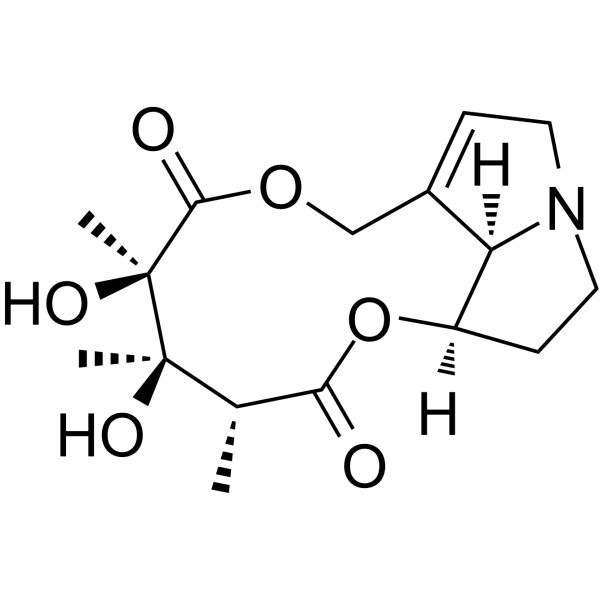
    Monocrotaline
    Maximum Cited Publications
    44 Publications Verification

    Crotaline

    Others Infection Metabolic Disease Cancer
    Monocrotaline is an 11-membered macrocyclic pyrrolizidine alkaloid. Monocrotaline inhibits OCT-1 and OCT-2 with IC50s of 36.8 µM and 1.8 mM, respectively. Monocrotaline has antitumor activity and is cytotoxic to hepatocellular carcinoma cells. Monocrotaline is used to induce a model of pulmonary hypertension in rodents. [2][6][8].
    Monocrotaline
  • HY-14184
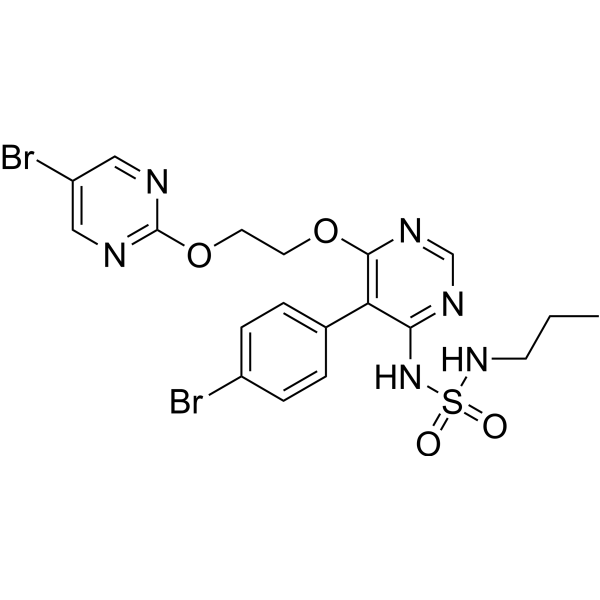
    Macitentan
    10+ Cited Publications

    ACT-064992

    Endothelin Receptor Apoptosis Cardiovascular Disease Endocrinology Cancer
    Macitentan (ACT-064992) is an orally active, non-peptide dual ETA and ETB (endothelin receptor) antagonist. Macitentan has the potential for idiopathic pulmonary fibrosis (IPF) and pulmonary arterial hypertension (PAH) .
    Macitentan
  • HY-P99590
    Sotatercept
    2 Publications Verification

    ACE-011; MK-7962

    TGF-β Receptor Cardiovascular Disease Inflammation/Immunology Cancer
    Sotatercept (ACE-011) is a soluble activin receptor 2A (ACVR2A) type IgG Fc fusion protein. Sotatercept combines activin and growth differentiation factor to try to restore the balance between growth promotion and growth inhibition signal pathways. Sotatercept has potential application in pulmonary arterial hypertension, anemia, bone loss, erythropoiesis, multiple myeloma (MM) osteolytic lesions .
    Sotatercept
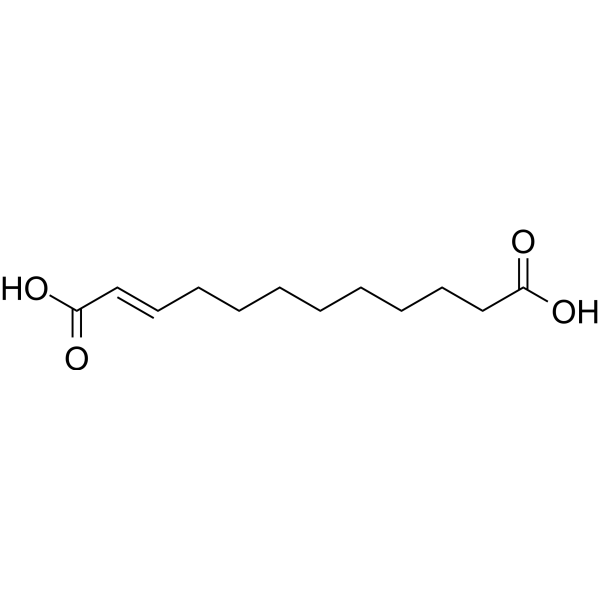
  • HY-119358
    Traumatic Acid
    3 Publications Verification

    Reactive Oxygen Species (ROS) Apoptosis Cardiovascular Disease Inflammation/Immunology
    Traumatic Acid is a wound healing agent and a cytokinin (phytohormone). Traumatic Acid enhances the biosynthesis of collagen in cultured human skin fibroblasts. Traumatic Acid inhibits MCF-7 breast cancer cells viability and enhances apoptosis and oxidative stress. Traumatic Acid can be used in studies of cancer, circulatory disorders (including arterial hypertension), and skin diseases associated with oxidative stress and impaired collagen biosynthesis .
    Traumatic Acid
  • HY-A0126A
    Epoprostenol sodium
    1 Publications Verification

    Prostaglandin I2 sodium salt; Prostacyclin sodium salt; Flolan

    Endogenous Metabolite Apoptosis Cardiovascular Disease
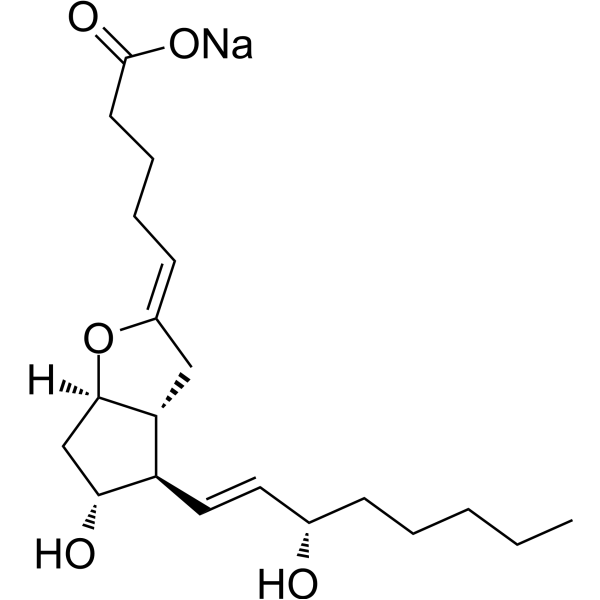
    Epoprostenol sodium (Prostaglandin I2) sodium salt, the synthetic form of the natural prostaglandin derivative prostacyclin (prostaglandin I2), is registered worldwide for the treatment of Pulmonary arterial hypertension (PAH). Epoprostenol sodium is used in pulmonary hypertension and transplantation as a potent inhibitor of platelet aggregation .
    Epoprostenol sodium
  • HY-11103
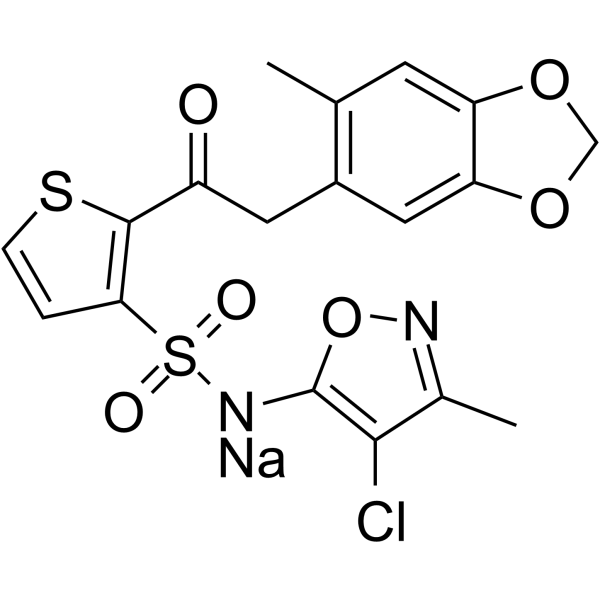
    Sitaxsentan sodium
    2 Publications Verification

    IPI 1040 sodium; TBC11251 sodium

    Endothelin Receptor TGF-β Receptor Cardiovascular Disease Metabolic Disease
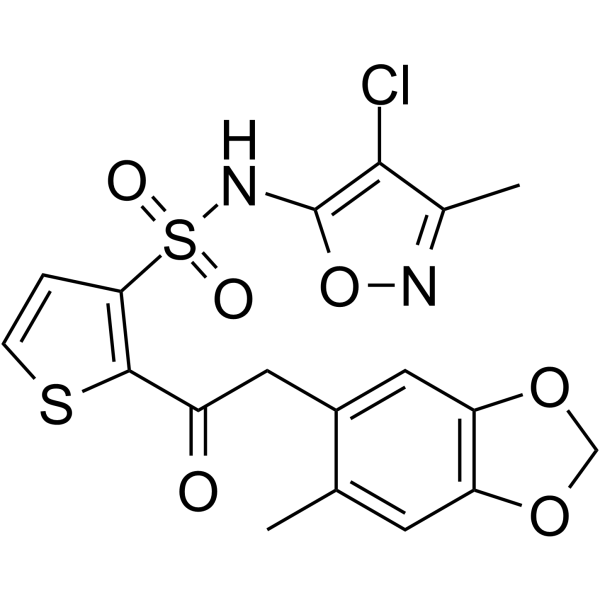
    Sitaxsentan sodium (IPI 1040 sodium; TBC11251 sodium) is a potent, selective and orally active endothelin A receptor (ETA) antagonist with an IC50 of 1.4 nM and a Ki of 0.43 nM. Sitaxsentan sodium exhibits an IC50 for the ETB receptor of as high as 9800 nM. Sitaxsentan sodium is metabolized by CYP2C9 and CYP3A4, normalizes shunt-induced endothelial abnormalities, restores BMPR signaling, and suppresses pulmonary vascular remodeling and hemodynamic deterioration. Sitaxsentan sodium can be applied in the research of pulmonary arterial hypertension and portopulmonary hypertension .
    Sitaxsentan sodium
  • HY-P0012
    Aviptadil
    2 Publications Verification

    Vasoactive Intestinal Peptide (human, rat, mouse, rabbit, canine, porcine)

    SARS-CoV Infection Inflammation/Immunology
    Aviptadil is an analog vasoactive intestinal polypeptide (VIP) with potent vasodilatory effects. Aviptadil induces pulmonary vasodilation and inhibits vascular SMCs proliferation, platelet aggregation. Aviptadil can be used for the research of pulmonary fibrosis, pulmonary arterial hypertension (PAH) and SARS-CoV-2 caused respiratory failure, et al .
    Aviptadil
  • HY-10447

    EM-1421

    Survivin COX TNF Receptor Apoptosis Infection Inflammation/Immunology Cancer
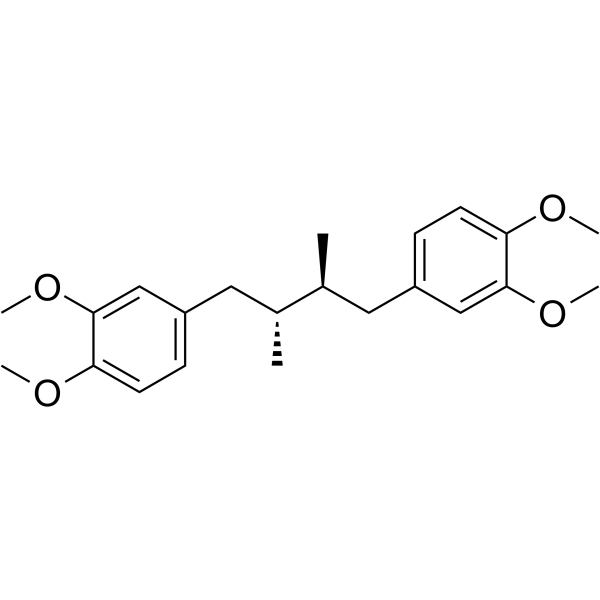
    Terameprocol is an inhibitor targeting the Sp1 transcription factor, which can selectively inhibit the transcription of Sp1-dependent genes. Terameprocol exerts its effects by inhibiting Sp1-mediated gene transcription, such as reducing the expression of genes like CDC2, survivin and HMGB1, thereby arresting the cell cycle, inducing apoptosis, and suppressing the inflammatory response. Terameprocol exhibits anti-proliferative, pro-apoptotic, and anti-inflammatory activities and is currently mainly used in the research of diseases such as cancer and pulmonary arterial hypertension[1][2][3].
    Terameprocol
  • HY-109190
    Seralutinib
    2 Publications Verification

    GB002; PK10571

    PDGFR c-Fms c-Kit Cardiovascular Disease
    Seralutinib (GB002) is an inhaled PDGFRα and PDGFRβ inhibitor. Seralutinib also targets to CSF1R and c-KIT with IC50s of 8 nM and 14 nM, respectively. Seralutinib (GB002) is used in the study for pulmonary arterial hypertension .
    Seralutinib
  • HY-13569A

    TRK-100; ML 1129 sodium

    Prostaglandin Receptor Cardiovascular Disease Inflammation/Immunology
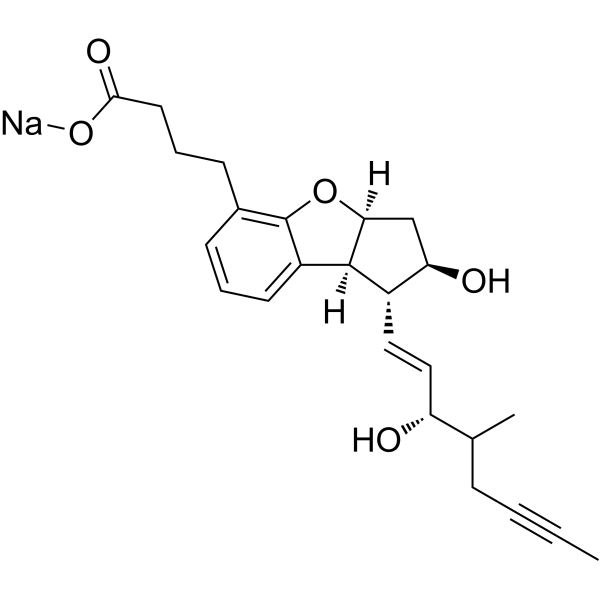
    Beraprost sodium (TRK-100), a prostacyclin analog, is a stable and orally active proagent of PGI2. Beraprost sodium (TRK-100) is a potent vasodilator, has the potential for pulmonary arterial hypertension treatment through expanding renal vessels, improving microcirculation . Beraprost sodium (TRK-100) is a click chemistry reagent, it contains an Alkyne group and can undergo copper-catalyzed azide-alkyne cycloaddition (CuAAc) with molecules containing Azide groups.
    Beraprost sodium
  • HY-109163

    INS-1009

    Prostaglandin Receptor Inflammation/Immunology Endocrinology
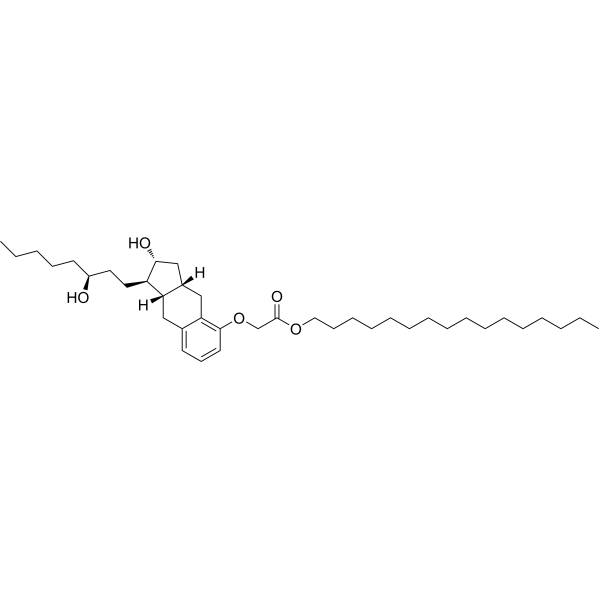
    Treprostinil palmitil is a long-acting inhaled pulmonary vasodilator prodrug of Treprostinil (HY-100441), formulated in a lipid nanoparticle (LNP). Treprostinil palmitil can inhibit pulmonary vascular remodeling induced by Su/Hx challenge in rats. Treprostinil palmitil can induce cough. Treprostinil palmitil demonstrates a sustained presence in the lungs with reduced systemic exposure and prolonged inhibition of hypoxia-induced pulmonary vasoconstriction in vivo. Treprostinil palmitil can be studied in research for pulmonary arterial hypertension and interstitial lung disease .
    Treprostinil palmitil
  • HY-175416

    KC289

    Piezo Channel Calcium Channel Cardiovascular Disease Metabolic Disease
    Yoda2 (KC289), the potassium salt of Yoda1 (HY-18723), is a PIEZO1 agonist with an EC50 of 150 nM. Yoda2 evokes Ca 2+ elevation and NO-dependent relaxation. Yoda2 induces relaxation in mouse arterial and cavernous tissues. Yoda2 inhibits glucocorticoid-induced osteoclast formation and bone resorptive activity, reverses glucocorticoid-induced bone density loss and architectural deterioration, and does not induce medication-related osteonecrosis of the jaw in mice. Yoda2 can be used for the researches of hypertension and osteoporosis .
    Yoda2
  • HY-154970A

    TGF-β Receptor GSK-3 Cardiovascular Disease Neurological Disease Cancer
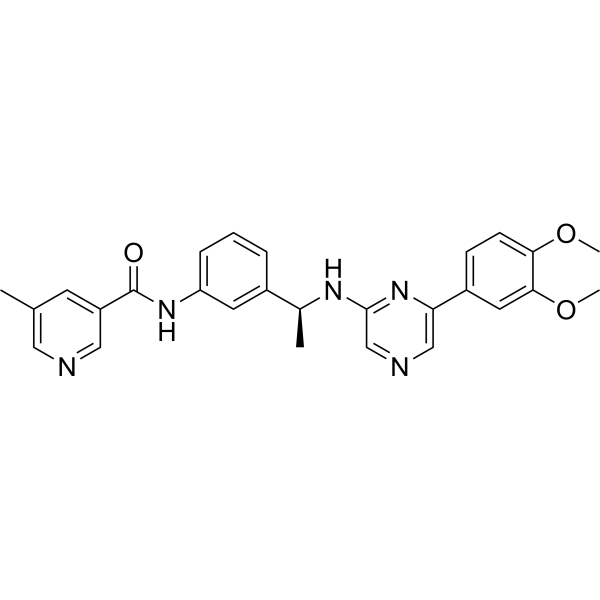
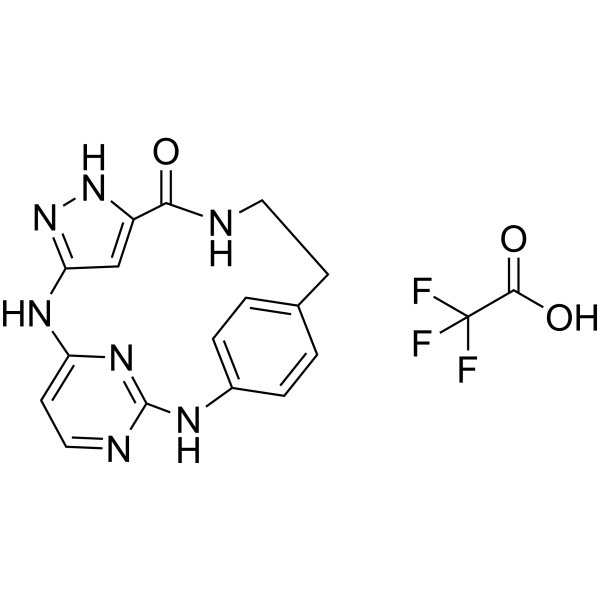
    BMPR2-IN-1 TFA is a selective BMPR2 inhibitor with a human BMPR2 IC50 of 506 nM and a Kd of 83.5 nM. BMPR2-IN-1 TFA functions as an ATP mimetic, forming hydrogen bonds with the BMPR2 kinase domain backbone and hydrophobic interactions with specific residues, and demonstrates high selectivity for BMPR2 over other kinases.BMPR2-IN-1 TFA can be used for the researches of cancer, pulmonary arterial hypertension and Alzheimer’s disease .
    BMPR2-IN-1 TFA
  • HY-103080

    Apelin Receptor (APJ) Cardiovascular Disease
    CMF019 is an orally active, potent and small molecule agonist at Apelin receptor (APJ) with G protein bias. CMF019 binds to APJ with pKi values of 8.58, 8.49 and 8.71 for human, rat, and mouse, respectively. CMF019 mimics the beneficial cardiovascular actions of apelin in rodents . Apelin receptor (APJ) is a G protein-coupled receptor (GPCR) activated by the endogenous peptide apelin. CMF019 is promising for research of chronic diseases, such as, pulmonary arterial hypertension .
    CMF019
  • HY-B0464A
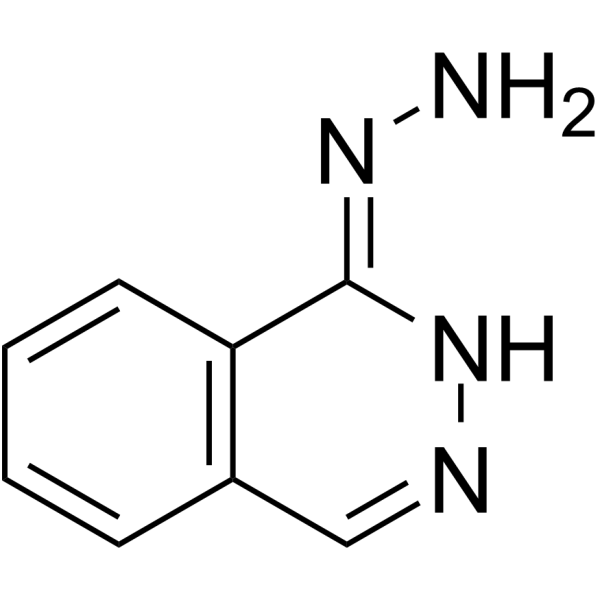
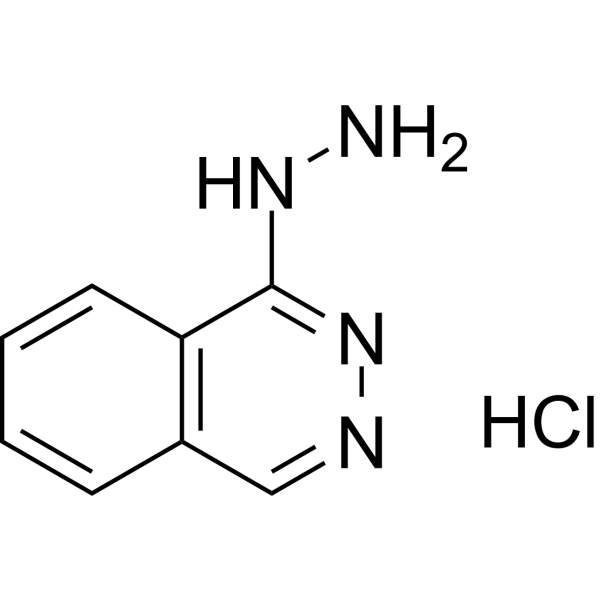
    Hydralazine
    3 Publications Verification

    DNA Methyltransferase Reactive Oxygen Species (ROS) COX NO Synthase PGE synthase Cardiovascular Disease Neurological Disease Inflammation/Immunology Cancer
    Hydralazine is an orally active, blood-brain barrier-permeable DNA methyltransferase inhibitor with vasodilatory, arterial smooth muscle relaxant and hypotensive activities. Hydralazine reactivates silenced tumor suppressor genes via mediating DNA demethylation, while exerting neuroprotective and anti-inflammatory properties. Hydralazine inhibits NOS-2 (iNOS) and COX-2, and reduces the production of NO and PGEE2; meanwhile, Hydralazine scavenges reactive oxygen species and inhibits macrophage activation. Hydralazine alleviates motor dysfunction, neuropathic inflammatory pain, and formalin-induced somatic and emotional pain responses. In addition, Hydralazine directly induces DNA strand breaks and sister chromatid exchange, exhibiting certain mutagenic characteristics. Hydralazine has been widely used in studies on hypertension, various cancers (such as cervical cancer, leukemia), spinal cord injury and the mechanisms of inflammatory pain .
    Hydralazine
  • HY-101124

    KAR5585

    Tryptophan Hydroxylase 5-HT Receptor Cardiovascular Disease
    Rodatristat ethyl (KAR5585) is a first-in-class oral tryptophan hydroxylase 1 (TPH1) Inhibitor with nanomolar in vitro potency. Rodatristat ethyl reduces the level of 5-HT and significantly reduces pulmonary arterial hypertension (PAH) .
    Rodatristat ethyl
  • HY-170419

    Apelin Receptor (APJ) Cardiovascular Disease
    APJ receptor agonist 10 is an agonist of the APJ Receptor. APJ receptor agonist 10 can be used for research on pulmonary arterial hypertension .
    APJ receptor agonist 10
  • HY-150793

    TGF-β Receptor Cardiovascular Disease Neurological Disease
    SY-LB-57 is a highly potent bone morphogenetic protein (BMP) receptor signaling agonist. SY-LB-57 can be used in studies of diseases such as fractures and pulmonary arterial hypertension .
    SY-LB-57
  • HY-129851

    Prostaglandin Receptor Cardiovascular Disease
    NTP42 is a thromboxane A2 (TXA2) receptor antagonist with an IC50 of 3.278 nM for antagonizing T prostanoid receptor (TP)- mediated [Ca 2+] mobilization following stimulation of cells with the alternative TP agonist U46619 . NTP42 can be used for the treatment of pulmonary arterial hypertension (PAH) .
    NTP42
  • HY-107915

    (-)-Cobefrin; (-)-α-Methylnoradrenaline; (-)-Nordefrin

    Adrenergic Receptor Cardiovascular Disease
    Levonordefrin ((-)-Cobefrin; (-)-α-Methylnoradrenaline; (-)-Nordefrin) is an α-adrenergic receptor agonist with blood pressure regulatory properties. Levonordefrin is a key metabolite responsible for the hypotensive effect of α-methyldopa. By stimulating central α-adrenergic receptors in the nucleus tractus solitarius region of the medulla oblongata, Levonordefrin induces centrally mediated hypotension and bradycardia. When administered intravenously, Levonordefrin increases mean arterial blood pressure in a dose-dependent manner. Levonordefrin is applicable for research on the pathophysiology of hypertension and drug metabolism .
    Levonordefrin
  • HY-P0012A
    Aviptadil acetate
    2 Publications Verification

    Vasoactive Intestinal Peptide acetate salt (human, rat, mouse, rabbit, canine, porcine)

    SARS-CoV Infection Inflammation/Immunology
    Aviptadil acetate is an analog vasoactive intestinal polypeptide (VIP) with potent vasodilatory effects. Aviptadil acetate induces pulmonary vasodilation and inhibits vascular SMCs proliferation, platelet aggregation. Aviptadil acetate can be used for the research of pulmonary fibrosis, pulmonary arterial hypertension (PAH) and SARS-CoV-2 caused respiratory failure, et al .
    Aviptadil acetate
  • HY-128932
    Cefminox sodium
    1 Publications Verification

    MT-141

    Antibiotic Bacterial PPAR Prostaglandin Receptor PTEN Akt mTOR Infection Cardiovascular Disease Endocrinology
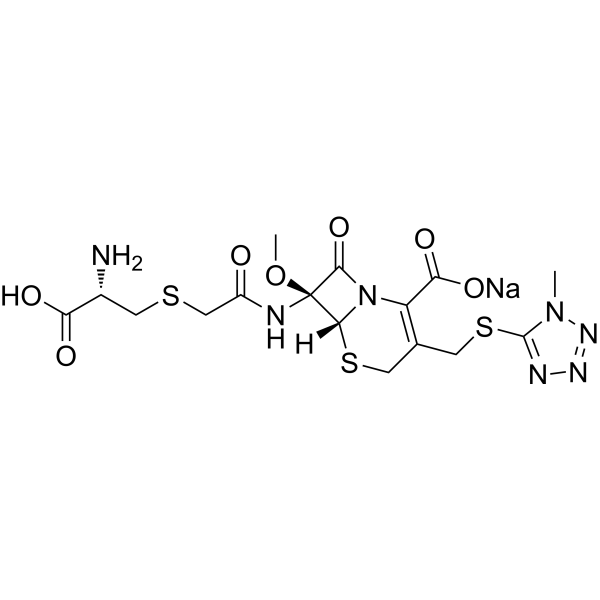
    Cefminox sodium (MT-141) is a semisynthetic cephamycin, which exhibits antibacterial activity. Cefminox sodium is a broad-spectrum, bactericidal cephalosporin antibiotic. Cefminox sodium also acts as a dual agonist of prostacyclin receptor (IP) and PPARγ. Cefminox sodium upregulates cAMP production and PTEN expression and inhibits Akt/mTOR signaling. Cefminox sodium also prevents pulmonary arterial hypertension in rat model .
    Cefminox sodium
  • HY-90009S

    IC-351-d3

    Phosphodiesterase (PDE) Cardiovascular Disease
    Tadalafil-d3 is the deuterium labeled Nortadalafil. Nortadalafil is demethyl Tadalafil, which is a PDE5 inhibitor, currently marketed in pill form for treating erectile dysfunction (ED) under the name Cialis; and under the name Adcirca for the treatment of pulmonary arterial hypertension.
    Tadalafil-d3
  • HY-14184S

    ACT-064992-d4

    Isotope-Labeled Compounds Endothelin Receptor Apoptosis Cardiovascular Disease
    Macitentan-d4 is a deuterium labeled Sulfamethoxazole. Macitentan is an orally active, non-peptide dual ETA and ETB (endothelin) receptor antagonist. Macitentan has the potential for idiopathic pulmonary fibrosis (IPF) and pulmonary arterial hypertension (PAH) .
    Macitentan-d4
  • HY-14184R

    ACT-064992 (Standard)

    Reference Standards Endothelin Receptor Apoptosis Cardiovascular Disease Endocrinology Cancer
    Macitentan (Standard) is the analytical standard of Macitentan. This product is intended for research and analytical applications. Macitentan (ACT-064992) is an orally active, non-peptide dual ETA and ETB (endothelin receptor) antagonist. Macitentan has the potential for idiopathic pulmonary fibrosis (IPF) and pulmonary arterial hypertension (PAH) .
    Macitentan (Standard)
  • HY-128593

    Phosphodiesterase (PDE) Cardiovascular Disease
    TPN171 is a potent, selective and oral bioavailable inhibitor of phosphodiesterase type 5 (PDE5) with an IC50 of 0.62 nM, being developed for the treatment of pulmonary arterial hypertension (PAH) .
    TPN171
  • HY-174416

    E1/E2/E3 Enzyme Cardiovascular Disease
    Smurf1-IN-5 (Compound cpd-6) is an allosteric SMAD ubiquitin regulatory factor 1 (SMURF1) inhibitor. Smurf1-IN-5 leads to a reduction in the ubiquitylation of substrates such as BMPR2 (bone morphogenetic protein receptor 2) and SMAD1, enhancing the BMP (bone morphogenetic protein) signaling pathway. Smurf1-IN-5 is promising for research of pulmonary arterial hypertension (PAH) .
    Smurf1-IN-5
  • HY-149316

    E1/E2/E3 Enzyme Cardiovascular Disease
    Smurf1-IN-1 is an orally active and selective inhibitor of specific E3 ubiquitin protein ligase 1 (SMURF1) with an IC50 of 92 nM. Smurf1-IN-1 has significant efficacy in rats model of pulmonary hypertension .
    Smurf1-IN-1
  • HY-W414915

    CGP 48933 methyl ester

    Drug Derivative Angiotensin Receptor Cardiovascular Disease Cancer
    Valsartan (CGP 48933) methyl ester is the methyl ester derivative of Valsartan (HY-18204). Valsartan is a selective and orally active angiotensin II type 1 (AT1) receptor blocker (ARB) with potent antihypertensive and cardioprotective effects. Valsartan competitively binds to AT1 receptors, inhibiting the binding of angiotensin II to AT1 receptors, thereby blocking angiotensin II-mediated vasoconstriction, sodium retention, and myocardial hypertrophy signaling pathways. Valsartan reduces systolic blood pressure in L-NAME-induced hypertensive rats. Valsartan can be used for the study and treatment of arterial hypertension, hypertensive heart disease, and heart failure .
    Valsartan methyl ester
  • HY-162888

    PDGFR ERK Cardiovascular Disease
    WQ-C-401 is an orally active platelet-derived growth factor receptor (PDGFR) inhibitor. WQ-C-401 inhibits cell proliferation by blocking PDGFR autophosphorylation in a concentration-dependent manner, with EC50 values of 3.5 nM for PDGFRα Y849 and 5.8 nM for PDGFRβ Y1021. Additionally, WQ-C-401 can inhibit PASMCs proliferation and migration by blocking PDGF-BB-induced ERK1/2 phosphorylation, reducing collagen I synthesis, and increasing α-SMA expression, thereby preventing pulmonary vascular remodeling. WQ-C-401 holds promise for research in the field of pulmonary arterial hypertension .
    WQ-C-401
  • HY-76520

    IPI 1040; TBC-11251

    Endothelin Receptor TGF-β Receptor Cardiovascular Disease Metabolic Disease
    Sitaxsentan (IPI 1040 sodium; TBC11251 sodium) is a potent, selective and orally active endothelin A receptor (ETA) antagonist with an IC50 of 1.4 nM and a Ki of 0.43 nM. Sitaxsentan exhibits an IC50 for the ETB receptor of as high as 9800 nM. Sitaxsentan is metabolized by CYP2C9 and CYP3A4, normalizes shunt-induced endothelial abnormalities, restores BMPR signaling, and suppresses pulmonary vascular remodeling and hemodynamic deterioration. Sitaxsentan can be applied in the research of pulmonary arterial hypertension and portopulmonary hypertension .
    Sitaxsentan
  • HY-119358R

    Reference Standards Reactive Oxygen Species (ROS) Apoptosis Cardiovascular Disease Inflammation/Immunology
    Traumatic Acid (Standard) is the analytical standard of Traumatic Acid. This product is intended for research and analytical applications. Traumatic Acid is a wound healing agent and a cytokinin (phytohormone). Traumatic Acid enhances the biosynthesis of collagen in cultured human skin fibroblasts. Traumatic Acid inhibits MCF-7 breast cancer cells viability and enhances apoptosis and oxidative stress. Traumatic Acid can be used in studies of cancer, circulatory disorders (including arterial hypertension), and skin diseases associated with oxidative stress and impaired collagen biosynthesis[1][2].
    Traumatic Acid (Standard)
  • HY-167906

    Bacterial Phosphodiesterase (PDE) Metabolic Disease
    Lunamarine is a inhibitor of PDE5 with BBB permeability. Lunamarine can be used in the reseach of Pulmonary Arterial Hypertension (PAH) and Erectile Dysfunction (ED) .
    Lunamarine
  • HY-154970

    TGF-β Receptor Cancer
    BMPR2-IN-1 (Compound 8a) is a BMPR2 inhibitor with an IC50 of 506 nM and a KD of 83.5 nM. BMPR2-IN-1 can be used for research of pulmonary arterial hypertension, Alzheimer’s disease and cancer .
    BMPR2-IN-1
  • HY-148670

    Drug Intermediate Prostaglandin Receptor Cardiovascular Disease
    Pulmonary arterial hypertension agent-1 (example 15) is a pulmonary arterial hypertension agent . Pulmonary arterial hypertension agent-1 is a click chemistry reagent, it contains an Alkyne group and can undergo copper-catalyzed azide-alkyne cycloaddition (CuAAc) with molecules containing Azide groups.
    Pulmonary arterial hypertension agent-1
  • HY-172234

    CDK Cardiovascular Disease Cancer
    PF-06842874 is a CDK4/Cyclin D1 and CDK6/Cyclin D3 inhibitor (Ki values are 62 and 130 nM, respectively). PF-06842874 can be used in the research of pulmonary arterial hypertension and cancer .
    PF-06842874
  • HY-P3227

    XJ735

    Integrin Inflammation/Immunology
    Cyclo(Ala-Arg-Gly-Asp-Mamb) is a selective RGD peptide antagonist and has the potential for Pulmonary arterial hypertension research .
    Cyclo(Ala-Arg-Gly-Asp-Mamb)
  • HY-13569AR

    TRK-100 (Standard); ML 1129 sodium (Standard)

    Reference Standards Prostaglandin Receptor Cardiovascular Disease Inflammation/Immunology
    Beraprost (sodium) (Standard) is the analytical standard of Beraprost (sodium). This product is intended for research and analytical applications. Beraprost sodium, a prostacyclin analog, is a stable and orally active proagent of PGI2. Beraprost sodium is a potent vasodilator, has the potential for pulmonary arterial hypertension treatment through expanding renal vessels, improving microcirculation . Beraprost (sodium) is a click chemistry reagent, it contains an Alkyne group and can undergo copper-catalyzed azide-alkyne cycloaddition (CuAAc) with molecules containing Azide groups.
    Beraprost sodium (Standard)
  • HY-P10092

    Akt NO Synthase PI3K Cardiovascular Disease
    SP6 exertes an antihypertensive effect through vascular NO regulation .
    SP6
  • HY-14184A

    Endothelin Receptor Cardiovascular Disease Endocrinology
    Macitentan n-butyl analogue is a n-butyl analogue of Macitentan. Macitentan is an orally active, non-peptide dual endothelin ETA and ETB receptor antagonist for the potential treatment of idiopathic pulmonary fibrosis (IPF) and pulmonary arterial hypertension (PAH).
    Macitentan n-butyl analogue
  • HY-119081

    Guanylate Cyclase Cardiovascular Disease
    GSK2181236A is a NO-insensitive soluble guanylate cyclase (sGC) activator. GSK2181236A can dilate blood vessels, decrease mean arterial pressure and attenuate the development of cardiac hypertrophy. GSK2181236A can be used for the research of cardiovascular disease, such as hypertension .
    GSK2181236A
  • HY-172094

    AMPK Apoptosis Autophagy Cardiovascular Disease
    AMPK-IN-6 (compound 13a) is potent AMPK inhibitor with an IC50 value of 0.093 µM. AMPK-IN-6 induces apoptosis and inhibits autophagy. AMPK-IN-6 shows antiproliferative activity. AMPK-IN-6 has the potential for the research of pulmonary arterial hypertension .
    AMPK-IN-6
  • HY-118497

    Endothelin Receptor Cardiovascular Disease Metabolic Disease
    BMS 182874 is an orallyactive, highly selective endothelin receptor (ETA receptor) antagonist, with IC50 value of 0.150 μM, Ki of 0.055 μM. BMS 182874 reduces the arterial pressure of Deoxycorticosterone acetate (HY-B1472) induced hypertension model in rats, and can be used for cardiovascular disease research .
    BMS 182874
  • HY-117109R

    Reference Standards Drug Derivative Others
    Amino Tadalafil (Standard) is the analytical standard of Amino Tadalafil. This product is intended for research and analytical applications. Amino Tadalafil is a structural analogue of Tadalafil (HY-90009A). Tadalafil is a potent inhibitor of PDE5 with applications in several conditions, including erectile dysfunction, pulmonary arterial hypertension, and lower urinary tract dysfunction .
    Amino Tadalafil (Standard)
  • HY-A0184

    Ro 42-5892; Ro 42-5892/001

    Renin Cardiovascular Disease
    Remikiren (Ro 42-5892) is an orally active and highly specific renin inhibitor. Remikiren specifically inhibits human reninand human plasma renin with IC50 values of 0.7 and 0.8 nM, respectively. Remikiren also reduces mean arterial blood pressure in sodium-depleted marmosets and squirrel monkeys. Remikiren can be used in study of hypertension .
    Remikiren
  • HY-112704

    Phosphodiesterase (PDE) Cardiovascular Disease
    PDE5-IN-2 is a potent, highly selective, and orally active PDE5 inhibitor, with an IC50 of 0.31 nM, less potently inhibits PDE2A, PDE10A, PDE4D2, and PDE6C, with IC50s of 106, 46, 43, 1.2 nM, respectively. Anti-pulmonary arterial hypertension activity .
    PDE5-IN-2
  • HY-124051

    Elastase Cardiovascular Disease Inflammation/Immunology
    BAY-8040 is a pyrimidopyridazine derivative which has inhibitory activity against human neutrophil elastase (HNE). BAY-8040 decreases cardiac remodeling and ameliorates cardiac function in a Monocrotaline (HY-N0750)-induced rat model for pulmonary arterial hypertension. BAY-8040 is promising for research of inflammatory pathologies and cardiopulmonary pathologies .
    BAY-8040
  • HY-A0114

    RS 10029

    Angiotensin-converting Enzyme (ACE) Cardiovascular Disease
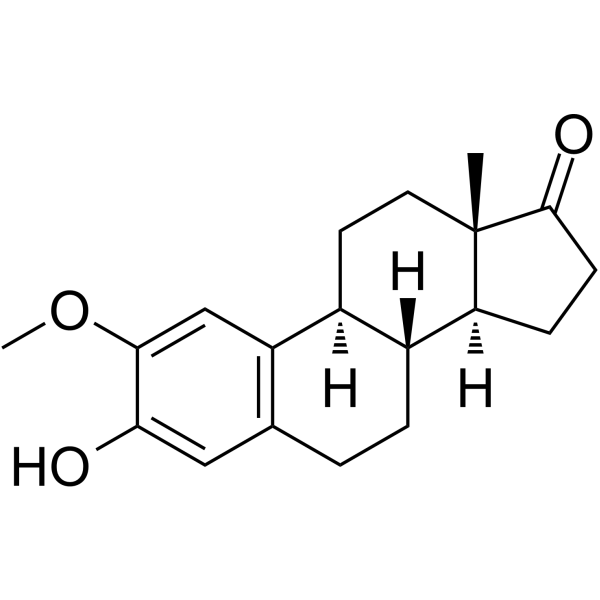
    Moexiprilat is an inhibitor of angiotensin-converting enzyme (ACE; IC50=2.1 nM) and an active metabolite of the prodrug Moexipril (HY-117281). It is formed from moexipril in vivo by side chain ester hydrolysis. Moexiprilat (10 nM) prevents the estrone- or angiotensin II-stimulated proliferation of primary neonatal rat cardiac fibroblasts. It reduces mean arterial blood pressure and increases the levels of atrial natriuretic peptide, a marker of hypertension, in ovariectomized mice when administered at a dose of 50 mg/kg per day.
    Moexiprilat
  • HY-101554

    Guancidine

    Adrenergic Receptor Cardiovascular Disease
    Guancydine (Guancidine) is an orally active antihypertensive agent and vasodilator. Guancydine antagonizes the pressor effects of Angiotensin and Norepinephrine (HY-13715). Guancydine induces vasodilation in renal, mesenteric and cranial vascular beds, reduces peripheral resistance, increases cardiac output and lowers arterial blood pressure. Guancydine increases renal and forearm blood flow, reduces renal and forearm vascular resistance, alters cardiac systolic time, and reverses myocardial hypertrophy in hypertensive rats. Guancydine is applicable for research related to hypertension .
    Guancydine
  • HY-170419A

    Apelin Receptor (APJ) Cardiovascular Disease
    APJ receptor agonist 10 free base is an agonist of the APJ Receptor. APJ receptor agonist 10 free base can be used for research on pulmonary arterial hypertension .
    APJ receptor agonist 10 free base

オンラインお問い合わせ

入力情報は安全に管理されます. 必須入力項目.

タイトル


国或いは地域 *

お名前 *


組纖名 *

デパートメント *


メールアドレス *


製品名 *

製品番号


カスタマ需要量 *

電話番号 *


必ず会社名を記載ください。個人への返信は行いません。

備考

バルクお問い合わせ

Inquiry Information

製品名:
製品番号:
数量:
MCE 日本正規代理店:

