1. Search Result
Search Result
Results for "

biocide

" in MedChemExpress (MCE) Product Catalog:

28

Inhibitors & Agonists

3

Natural
Products

3

Isotope-Labeled Compounds

Cat. No. Product Name Target Research Areas Chemical Structure
  • HY-W010629
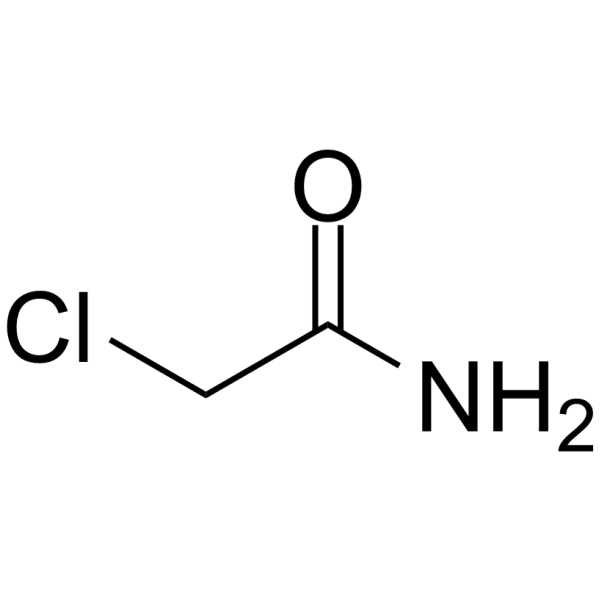
    2-Chloroacetamide
    2 Publications Verification

    Bacterial Infection
    2-Chloroacetamide is a preservative and is a herbicide for both uplands and paddy fields. 2-Chloroacetamide is a biocide in agriculture, glues, paints and coatings. 2-Chloroacetamide inhibits very-long-chain fatty acid elongase .
    2-Chloroacetamide
  • HY-W017982

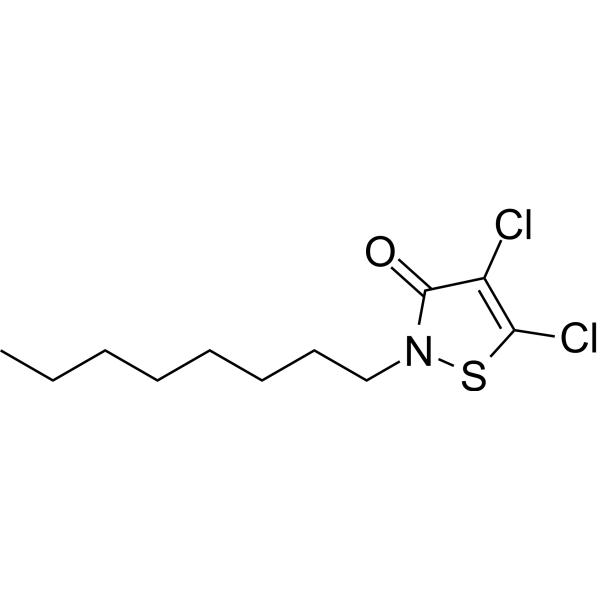
    CMI/MI

    Environmental Pollutants Bacterial Reactive Oxygen Species (ROS) p38 MAPK Mitochondrial Metabolism Infection Neurological Disease Inflammation/Immunology
    CMIT/MIT is a CMIT and MIT mixture. CMIT and MIT are powerful synthetic biocidal substances. CMIT and MIT are used as preservatives in various cosmetics and industrial products. CMIT and MIT are present in many water-soluble consumer products, such as shampoos, toothpastes. CMIT/MIT (3:1 mixture of CMIT and MIT) produces mitochondrial ROS via inhibiting mitochondrial complex I and II. CMIT/MIT (in 3:1 ratio) induces neurotoxicity through the upregulation of the MAPKs signaling pathways. CMIT/MIT can be used in the research of respiratory diseases and neuroblastoma .
    CMIT/MIT (14.5% in water)
  • HY-B0863
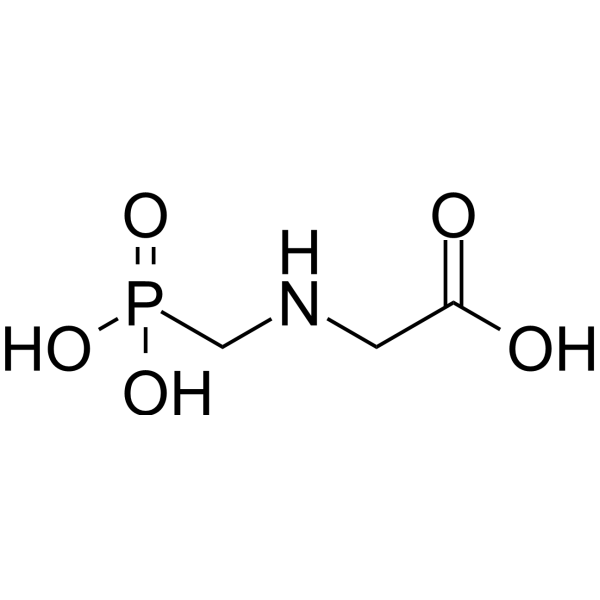
    Glyphosate
    1 Publications Verification

    Environmental Pollutants Necroptosis Apoptosis Autophagy Neurological Disease
    Glyphosate, a non-selective systemic biocide with broad-spectrum activity, is an herbicidal derivative of the amino acid glycine. Glyphosate inhibits the enzymatic activity of the 5-endopyruvylshikimate 3-phosphate synthase (EPSPS) in the shikimic acid pathway, preventing the synthesis of the aromatic amino acids tyrosine, phenylalanine, and tryptophan. Glyphosate induces oxidative stress, neuroinflammation, and mitochondrial dysfunction, processes that lead to neuronal death by autophagia, necrosis, or apoptosis, as well as the appearance of behavioral and motor disorders .
    Glyphosate
  • HY-B0959

    Environmental Pollutants Bacterial Infection
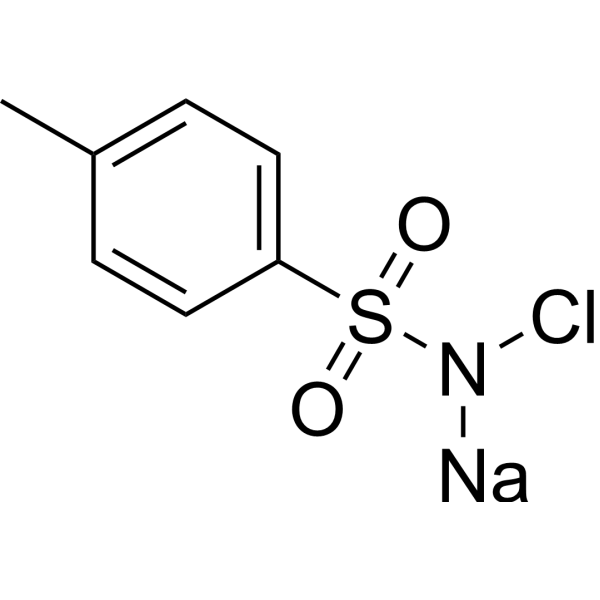
    Chloramine-T is a titrimetric reagent, and an oxidizing agent. Chloramine-T is an oxidizing biocide .
    Chloramine-T
  • HY-12396
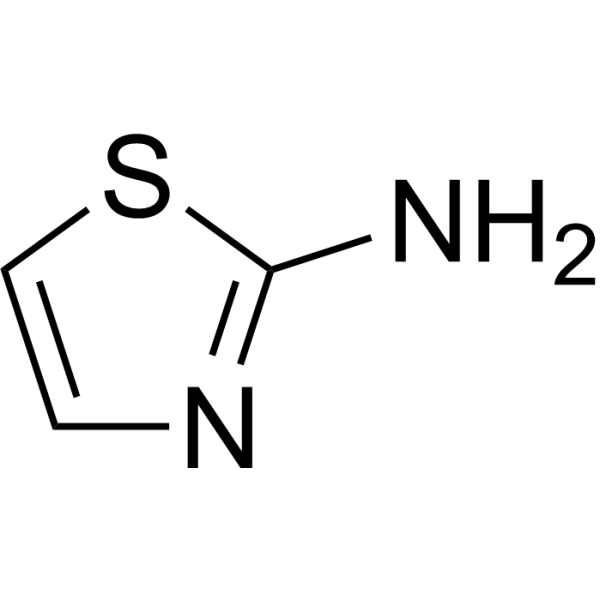
    Aminothiazole
    2 Publications Verification

    2-Aminothiazole; 2-Thiazolylamine

    Bacterial Fungal Virus Protease Infection
    Aminothiazole (2-Aminothiazole), a typical heterocyclic amine, is a precursor for the synthesis of biologically active molecules including sulfur agents, biocides, fungicides, antibiotics, dyes and chemical reaction accelerators .
    Aminothiazole
  • HY-N2036
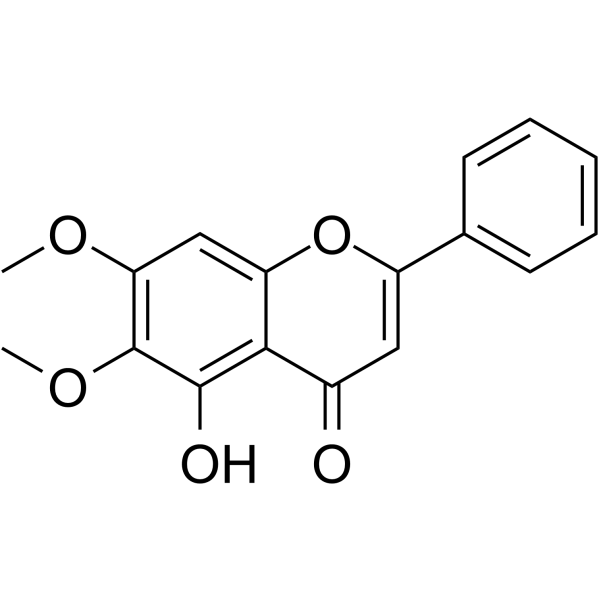
    Mosloflavone
    1 Publications Verification

    TNF Receptor Enterovirus Bacterial Infection
    Mosloflavone is a flavonoid isolated from Scutellaria baicalensis Georgi with ?anti-EV71 activity. Mosloflavone? inhibits VP2 virus replication and protein expression during the initial stage of virus infection and inhibits viral VP2 capsid protein synthesis. Mosloflavone is a promising biocide and inhibits P. aeruginosa virulence and biofilm formation.
    Mosloflavone
  • HY-U00087

    Bacterial Infection
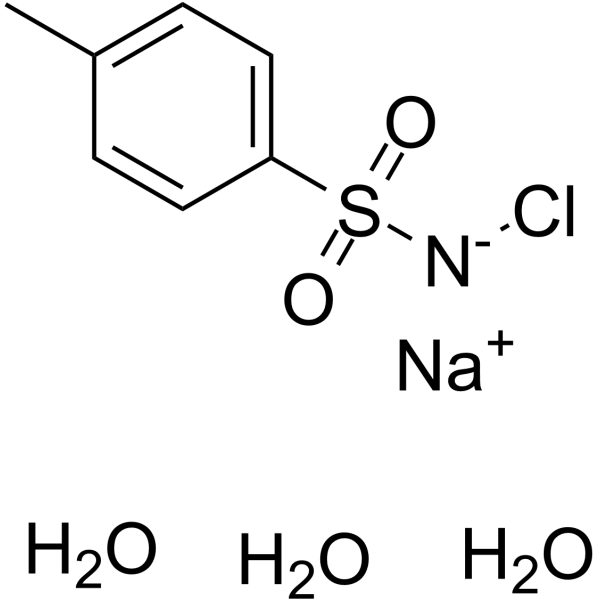
    Tosylchloramide sodium trihydrate (Chloramine T sodium trihydrate) is a disinfectant agent widely used in laboratories, kitchens and hospitals. It is also used as a biocide in air fresheners and deodorants.
    Tosylchloramide sodium trihydrate
  • HY-W042181

    Didecyldimethylammonium chloride; DDAC

    Environmental Pollutants Fungal Bacterial Infection
    N-Decyl-N,N-dimethyldecan-1-aminium chloride (Didecyldimethylammonium chloride) is a dialkyl-quaternary ammonium compound that is used in numerous products for its bactericidal, virucidal and fungicidal properties .
    N-Decyl-N,N-dimethyldecan-1-aminium chloride
  • HY-B1211

    biocide 470F

    Environmental Pollutants Bacterial Fungal Infection
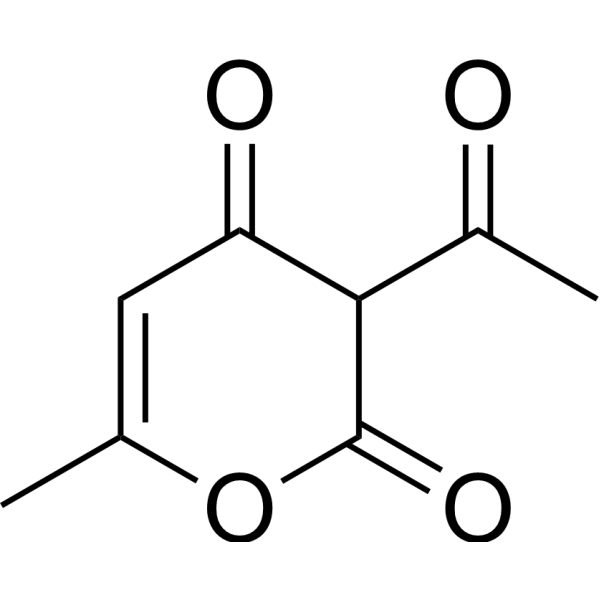
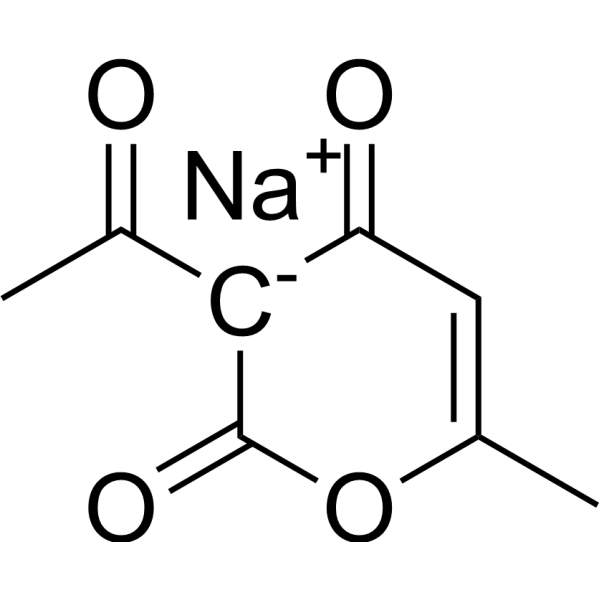
    Dehydroacetic acid (Biocide 470F) is a pyrone derivative. Dehydroacetic acid has antibacterial, antifungal and phytotoxic activities. Dehydroacetic acid can be added to cosmetics, food and beverages for preservation and other purposes. Dehydroacetic acid can also be used to synthesize various heterocycles and cycloaddition products .
    Dehydroacetic acid
  • HY-W017401
    Benzisothiazolone
    1 Publications Verification

    BIT

    Environmental Pollutants Bacterial Infection Cancer
    Benzisothiazolone is an isothiazolone fungicide. Benzisothiazolone has growth inhibiting activity against E. coli ATCC 8739 and saccharornyces pombe NCYC 1354. Benzisothiazolone can be used in the study of growth inhibition model .
    Benzisothiazolone
  • HY-B1386

    Environmental Pollutants Bacterial Sodium Channel Carbonic Anhydrase Infection
    Halazone is an atypical antimicrobial sulfonamide derivative and a carbonic anhydrase II inhibitor with a Kd value of 1.45 μM. Halazone protects sodium channels from inactivation. Halazone is widely used for disinfection of drinking water .
    Halazone
  • HY-W747676

    Isotope-Labeled Compounds Apoptosis Autophagy Necroptosis Neurological Disease
    Glyphosate- 13C is the 13C-labeled Glyphosate (HY-B0863). Glyphosate, a non-selective systemic biocide with broad-spectrum activity, is an herbicidal derivative of the amino acid glycine. Glyphosate inhibits the enzymatic activity of the 5-endopyruvylshikimate 3-phosphate synthase (EPSPS) in the shikimic acid pathway, preventing the synthesis of the aromatic amino acids tyrosine, phenylalanine, and tryptophan. Glyphosate induces oxidative stress, neuroinflammation, and mitochondrial dysfunction, processes that lead to neuronal death by autophagia, necrosis, or apoptosis, as well as the appearance of behavioral and motor disorders .
    Glyphosate-13C
  • HY-117451

    Bacterial Infection
    Dodine is a fungicide with plant disease suppressive activity. Dodine is used to control black spot on apples, pears and pecans, brown rot on peaches, and a variety of foliar diseases of peaches, strawberries, cherries, jacaranda and black walnuts. Dodine is also used as an industrial biocide and preservative .
    Dodine
  • HY-128384

    Bacterial Infection
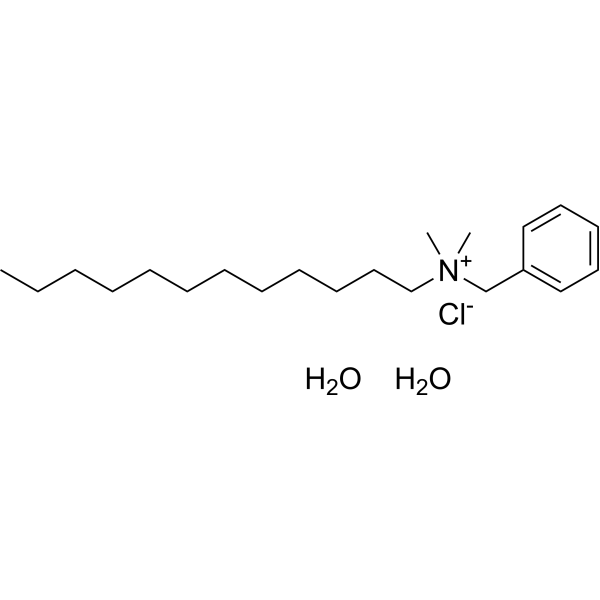
    Benzyldodecyldimethylammonium chloride dihydrate is a quaternary ammonium compound (QAC) and can be used as a biocide to target antibiotic-resistant bacteria, such as methicillin-resistant Staphylococcus aureus (MRSA), multidrug-resistant (MDR) P. aeruginosa et. al. Benzyldodecyldimethylammonium chloride dihydrate, an antimicrobial agent, bacteriostatic or bactericidal properties depending on the concentration.
    Benzyldodecyldimethylammonium chloride dihydrate
  • HY-B2055

    Insecticide Others
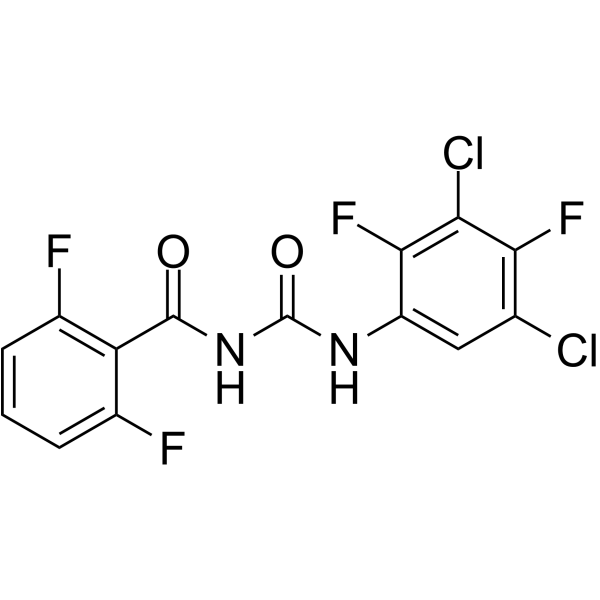
    Teflubenzuron is a chitin synthesis inhibitor used as a biocide. Teflubenzuron is toxic for F. candida .
    Teflubenzuron
  • HY-N15688

    Endogenous Metabolite Others
    Diatoxanthin is a cytochrome and phycoxanthin byproduct that can be extracted from the algae F. pinnata cells. Diatoxanthin can be used as a biomarker to evaluate the inhibitory effects of biocides on diatom photosystem II (PSII) .
    Diatoxanthin
  • HY-B0863B

    Apoptosis Autophagy Necroptosis Neurological Disease
    Glyphosate isopropylammonium, a non-selective systemic biocide with broad-spectrum activity, is an herbicidal derivative of the amino acid glycine. Glyphosate isopropylammonium inhibits the enzymatic activity of the 5-endopyruvylshikimate 3-phosphate synthase (EPSPS) in the shikimic acid pathway, preventing the synthesis of the aromatic amino acids tyrosine, phenylalanine, and tryptophan. Glyphosate isopropylammonium induces oxidative stress, neuroinflammation, and mitochondrial dysfunction, processes that lead to neuronal death by autophagia, necrosis, or apoptosis, as well as the appearance of behavioral and motor disorders .
    Glyphosate isopropylammonium
  • HY-B1211R

    biocide 470F (Standard)

    Reference Standards Bacterial Fungal Infection
    Dehydroacetic acid (Standard) (Biocide 470F (Standard)) is the analytical standard of Dehydroacetic acid (HY-B1211). This product is intended for research and analytical applications. Dehydroacetic acid (Biocide 470F) is a pyrone derivative. Dehydroacetic acid has antibacterial, antifungal and phytotoxic activities. Dehydroacetic acid can be added to cosmetics, food and beverages for preservation and other purposes. Dehydroacetic acid can also be used to synthesize various heterocycles and cycloaddition products .
    Dehydroacetic acid (Standard)
  • HY-B2055R

    Insecticide Reference Standards Others
    Teflubenzuron (Standard) is the analytical standard of Teflubenzuron. This product is intended for research and analytical applications. Teflubenzuron is a chitin synthesis inhibitor used as a biocide. Teflubenzuron is toxic for F. candida .
    Teflubenzuron (Standard)
  • HY-12396R

    Bacterial Fungal Virus Protease Reference Standards Infection
    Aminothiazole (Standard) is the analytical standard of Aminothiazole. This product is intended for research and analytical applications. Aminothiazole (2-Aminothiazole), a typical heterocyclic amine, is a precursor for the synthesis of biologically active molecules including sulfur agents, biocides, fungicides, antibiotics, dyes and chemical reaction accelerators .
    Aminothiazole (Standard)
  • HY-W010629R

    Reference Standards Bacterial Infection
    2-Chloroacetamide (Standard) is the analytical standard of 2-Chloroacetamide. This product is intended for research and analytical applications. 2-Chloroacetamide is a preservative and is a herbicide for both uplands and paddy fields. 2-Chloroacetamide is a biocide in agriculture, glues, paints and coatings. 2-Chloroacetamide inhibits very-long-chain fatty acid elongase .
    2-Chloroacetamide (Standard)
  • HY-124879

    Bacterial Infection
    MF 961 is a quinolone biocide. The MIC50 values ​of MF 961 against E. coli, Klebsiella sp., Enterobacter sp., Citrobacter sp., Citrobacter sp., and Shlgella sp. are all in the range of 0-25 mg/L .
    MF 961
  • HY-W042181R

    Didecyldimethylammonium chloride (Standard); DDAC (Standard)

    Reference Standards Bacterial Fungal Infection
    N-Decyl-N,N-dimethyldecan-1-aminium (chloride) (Standard) is the analytical standard of N-Decyl-N,N-dimethyldecan-1-aminium (chloride). This product is intended for research and analytical applications. N-Decyl-N,N-dimethyldecan-1-aminium chloride (Didecyldimethylammonium chloride) is a dialkyl-quaternary ammonium compound that is used in numerous products for its bactericidal, virucidal and fungicidal properties .
    N-Decyl-N,N-dimethyldecan-1-aminium chloride (Standard)
  • HY-W017401R

    BIT (Standard)

    Bacterial Reference Standards Infection Cancer
    Benzisothiazolone (Standard) is the analytical standard of Benzisothiazolone. This product is intended for research and analytical applications. Benzisothiazolone is an isothiazolone fungicide. Benzisothiazolone has growth inhibiting activity against E. coli ATCC 8739 and saccharornyces pombe NCYC 1354. Benzisothiazolone can be used in the study of growth inhibition model .
    Benzisothiazolone (Standard)
  • HY-W010629S

    Bacterial Infection
    2-Chloroacetamide-d4 is the deuterium labeled 2-Chloroacetamide . 2-Chloroacetamide is a preservative and is a herbicide for both uplands and paddy fields. 2-Chloroacetamide is a biocide in agriculture, glues, paints and coatings. 2-Chloroacetamide inhibits very-long-chain fatty acid elongase .
    2-Chloroacetamide-d4
  • HY-B0863S5

    Isotope-Labeled Compounds Apoptosis Autophagy Necroptosis Neurological Disease
    Glyphosate- 13C, 15N-1 is the 13C- and 15N-labeled Glyphosate (HY-B0863). Glyphosate, a non-selective systemic biocide with broad-spectrum activity, is an herbicidal derivative of the amino acid glycine. Glyphosate inhibits the enzymatic activity of the 5-endopyruvylshikimate 3-phosphate synthase (EPSPS) in the shikimic acid pathway, preventing the synthesis of the aromatic amino acids tyrosine, phenylalanine, and tryptophan. Glyphosate induces oxidative stress, neuroinflammation, and mitochondrial dysfunction, processes that lead to neuronal death by autophagia, necrosis, or apoptosis, as well as the appearance of behavioral and motor disorders .
    Glyphosate-13C,15N-1
  • HY-B2180

    Environmental Pollutants Bacterial Insecticide Infection
    Dichloroisocyanurate sodium is a synthetic organochlorine compound belonging to triazine derivatives, and is commonly used as a disinfectant and biocide. Dichloroisocyanurate sodium can release hypochlorous acid to inactivate waterborne bacteria, viruses, helminths and protozoa, and can act as a hypochlorous acid reservoir to provide sustained biocidal protection .
    Dichloroisocyanurate sodium
  • HY-115894

    Herbicide Infection
    DapL-IN-1 is an inhibitor of L,L-diaminoheptanoic acid aminotransferase (DapL) with the characteristics of inhibiting DapL activity in bacteria and plants. DapL-IN-1 can be used to design and discover new biocides such as antibiotics, herbicides or algaecides with the potential to be non-toxic to animals. DapL-IN-1 shows differential sensitivity in inhibiting different DapL homologues, which can provide important information for further drug development. DapL-IN-1 may affect its biological activity by affecting the interaction with residues adjacent to the active site, which may lead to different binding modes .
    DapL-IN-1

Inquiry Online

Your information is safe with us. * Required Fields.

Salutation


Country or Region *

Applicant Name *


Organization Name *

Department *


Email Address *


Product Name *

Cat. No.


Requested quantity *

Phone Number *


Remarks

Inquiry Online

Inquiry Information

Product Name:
Cat. No.:
Quantity:
MCE Japan Authorized Agent:

