
1. Search Result
Search Result
Results for "

capsaicin receptors

" in MedChemExpress (MCE) Product Catalog:

35

Inhibitors & Agonists

1

Screening Libraries

1

Peptides

8

Natural
Products

3

Isotope-Labeled Compounds

Cat. No. 상품명 Target 연구분야 Chemical Structure
  • HY-10448
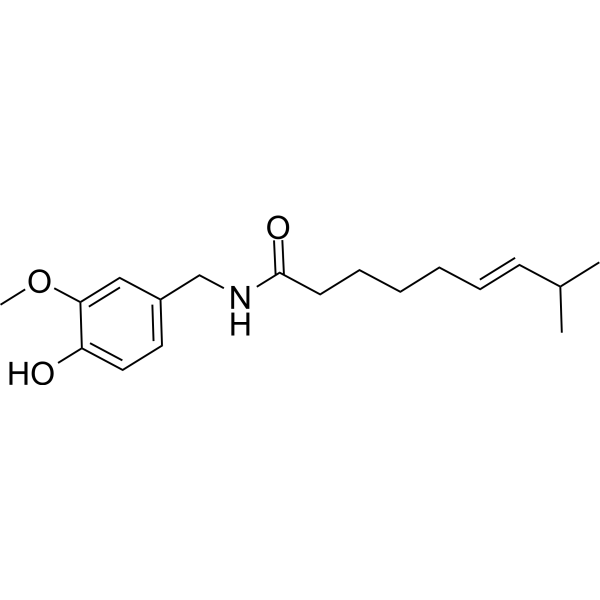
    Capsaicin
    Maximum Cited Publications
    81 Publications Verification

    (E)-capsaicin

    Environmental Pollutants TRP Channel Autophagy Endogenous Metabolite Apoptosis Infection Neurological Disease Inflammation/Immunology Cancer
    Capsaicin ((E)-Capsaicin), an active component of chili peppers, is a TRPV1 agonist. Capsaicin induces a nociceptive response by binding to its receptors. Capsaicin has analgesic effects on neurological disorders. Capsaicin has antioxidant, anti-inflammatory, anti-cancer effects .
    Capsaicin
  • HY-10448A
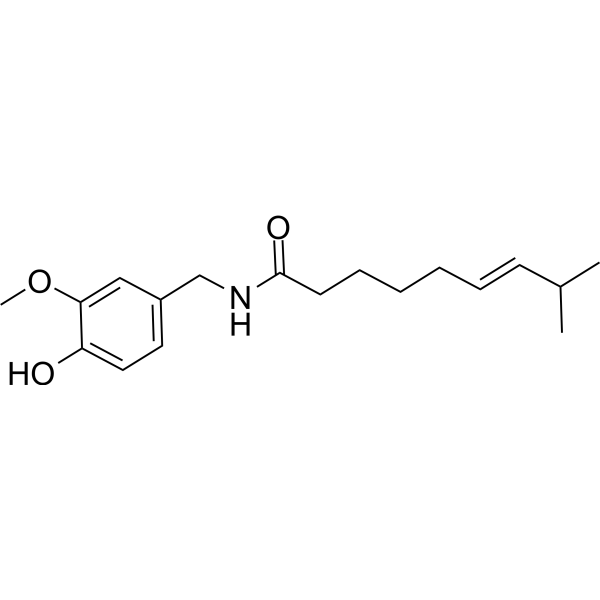
    Capsaicin (Purity 65%)
    20+ Cited Publications

    TRP Channel Autophagy Apoptosis Endogenous Metabolite Neurological Disease Inflammation/Immunology Cancer
    Capsaicin (Purity 65%) is a mixture of Capsaicin and Dihydrocapsaicin (Ratio >2:1). Capsaicin (Purity 65%) is an orally active capsaicin receptor (TRPV1) agonist .
    Capsaicin (Purity 65%)
  • HY-10448R
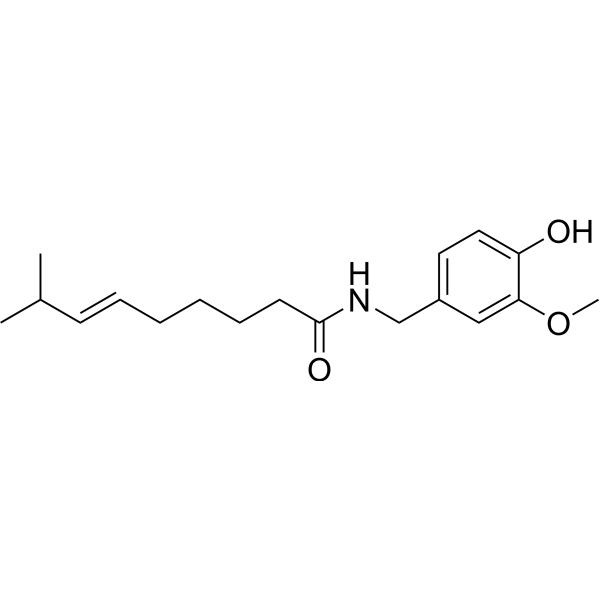
    Capsaicin (Standard)
    Maximum Cited Publications
    81 Publications Verification

    (E)-capsaicin (Standard)

    Reference Standards TRP Channel Autophagy Apoptosis Endogenous Metabolite Cancer
    Capsaicin (Standard) is the analytical standard of Capsaicin. This product is intended for research and analytical applications. Capsaicin ((E)-Capsaicin), an active component of chili peppers, is a TRPV1 agonist. Capsaicin induces a nociceptive response by binding to its receptors. Capsaicin has analgesic effects on neurological disorders. Capsaicin has antioxidant, anti-inflammatory, anti-cancer effects .
    Capsaicin (Standard)
  • HY-N0361
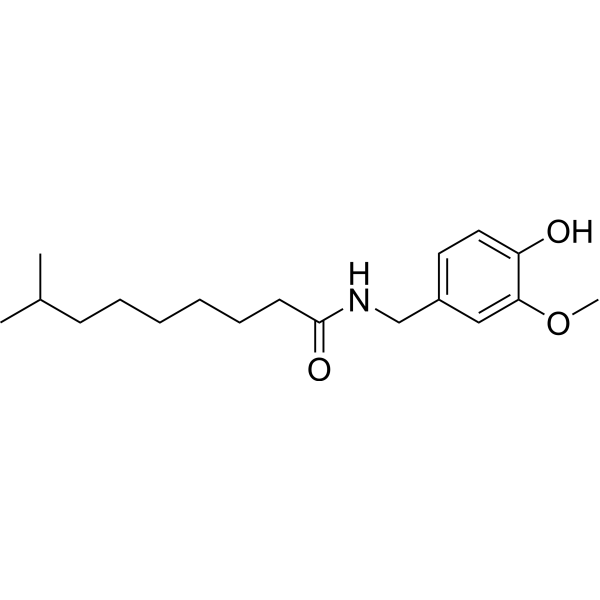
    Dihydrocapsaicin
    4 Publications Verification

    Environmental Pollutants Caspase Akt Apoptosis Reactive Oxygen Species (ROS) TRP Channel Bcl-2 Family PI3K Cardiovascular Disease Neurological Disease
    Dihydrocapsaicin, a capsaicin, is a potent and selective TRPV1 (transient receptor potential vanilloid channel 1) agonist. Dihydrocapsaicin reduces AIF, Bax, and Caspase-3 expressions, and increased Bcl-2, Bcl-xL and p-Akt levels. Dihydrocapsaicin enhances the hypothermia-induced neuroprotection following ischemic stroke via PI3K/Akt regulation in rat .
    Dihydrocapsaicin
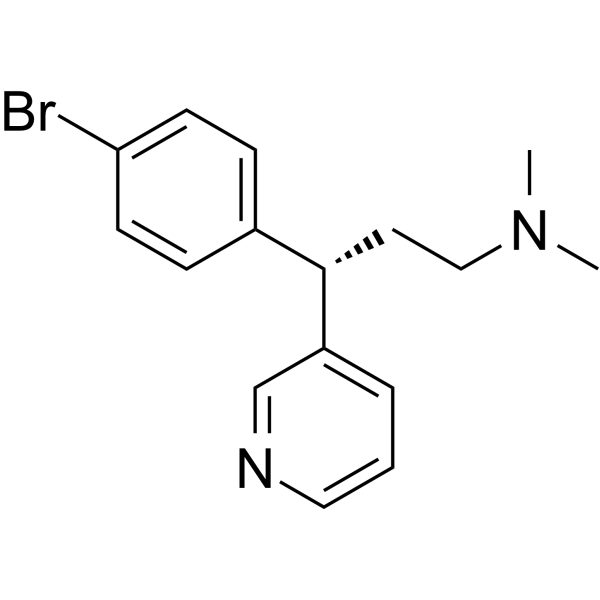
  • HY-A0191

    (+)-Brompheniramine; (S)-Brompheniramine

    Endogenous Metabolite Histamine Receptor TRP Channel Neurological Disease Metabolic Disease Inflammation/Immunology
    Dexbrompheniramine ((+)-Brompheniramine; (S)-Brompheniramine) is a dual inhibitor of histamine H1 receptor and TRPV1 receptor that can cross the blood-brain barrier. Dexbrompheniramine exerts its effects by functionally blocking H1 receptor activity and dose-dependently inhibiting TRPV1-mediated calcium responses, including Capsaicin (HY-10448)-induced responses. The combination of Dexbrompheniramine with Cimetidine (HY-14289) eliminates histamine-induced and sham-feeding-induced drinking behavior, whereas Dexbrompheniramine alone does not induce thirst or alter sham-feeding behavior in rats. Dexbrompheniramine can be used in the research of chronic cough and related pathological mechanisms .
    Dexbrompheniramine
  • HY-P1014
    HCGRP-(8-37)
    2 Publications Verification

    Human α-CGRP (8-37)

    CGRP Receptor Cardiovascular Disease
    HCGRP-(8-37) (Human α-CGRP (8-37)) is a fragment of human calcitonin gene-related peptide (hCGRP) and an antagonist of the CGRP receptor, with an IC50 of 32.1 pM against the CGRP receptor. HCGRP-(8-37) blocks adenylate cyclase activation induced by CGRP receptor ligands and attenuates vascular responses triggered by CGRP. HCGRP-(8-37) reduces capsaicin-induced vasodilation in porcine nasal mucosa and superficial skin. HCGRP-(8-37) serves as a research tool to distinguish effects mediated by CGRP or calcitonin receptors, and to investigate CGRP-induced vascular effects .
    HCGRP-(8-37)
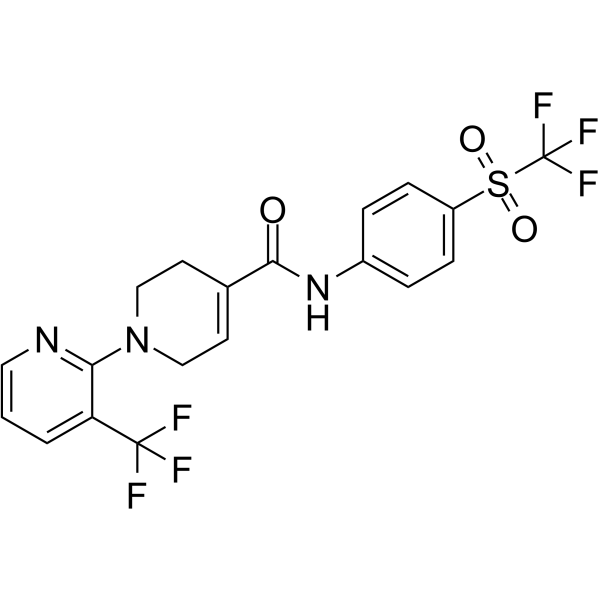
  • HY-110292

    TRP Channel Calcium Channel Inflammation/Immunology
    A-425619 is an orally active and selective transient receptor potential type V1 (TRPV1) antagonist. A-425619 blocks Capsaicin (HY-10448)- and N-arachidonoyl-dopamine (NADA)-induced Ca 2+ influx in dorsal root ganglia and trigeminal ganglia. A-425619 relieves pathophysiological pain associated with inflammation and tissue injury in rats. A-425619 can be used for the study of pain related to inflammation and tissue injury .
    A-425619
  • HY-158110

    TRP Channel Inflammation/Immunology
    Phenylcapsaicin is an analogue of Capsaicin (HY-10448). Phenylcapsaicin is a TRPV1 receptor activator. Phenylcapsaicin enhances fat oxidation during aerobic exercise .
    Phenylcapsaicin
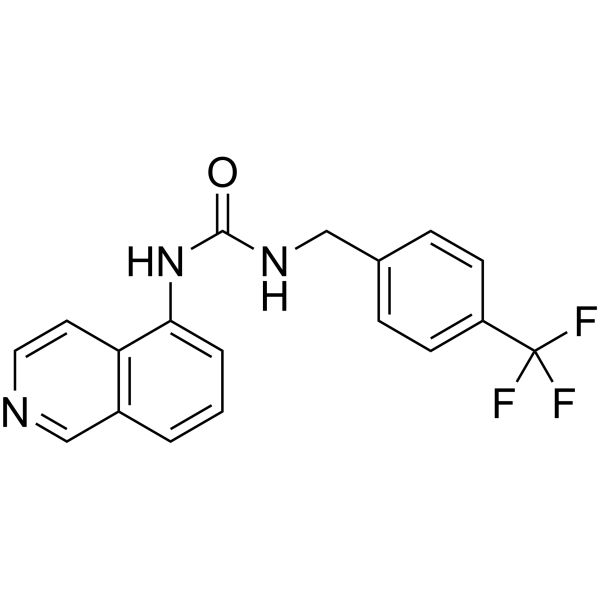
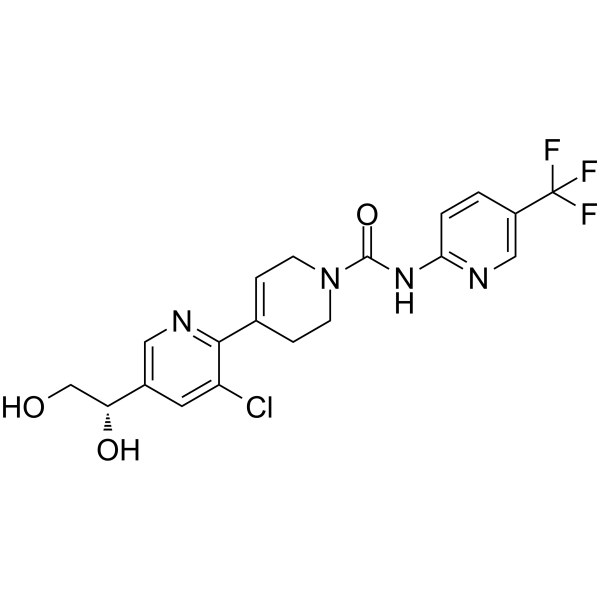
  • HY-108460

    TRP Channel Neurological Disease
    A-784168 is a potent and orally active inhibitor of vanilloid receptor type 1 (TRPV1). Vanilloid receptor type 1 (TRPV1) is a ligand-gated nonselective cation channel that is considered to be an important integrator of various pain stimuli such as endogenous lipids, capsaicin, heat, and low pH. A-784168 has good CNS penetration .
    A-784168
  • HY-113654

    TRP Channel Others
    AMG 7905 is a hypothermia-inducing transient receptor potential vanilloid type 1 (TRPV1) antagonist. AMG 7905 potentiates TRPV1 channels activation by protons and drives the reflectory inhibition of thermogenesis and tail-skin vasoconstriction, while potently blocking channel activation by capsaicin .
    AMG 7905
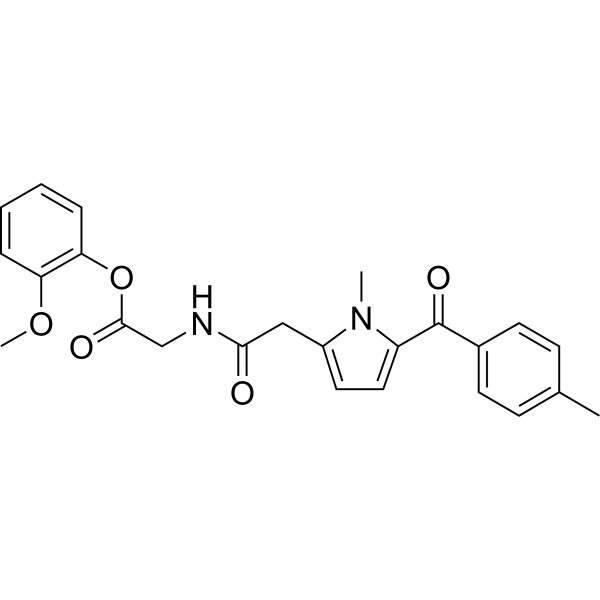
  • HY-107320

    Prostaglandin Receptor COX NO Synthase Inflammation/Immunology
    Amtolmetin guacil is an effective nonsteroidal anti-Inflammatory agent with pain-relieving effects. Amtolmetin guacil inhibits prostaglandin synthesis and cyclooxygenase (COX). Amtolmetin guacil can stimulate capsaicin receptors present on the gastrointestinal wall and also releases gastroprotective nitric oxide (NO). Amtolmetin guacil can be used to research knee osteoarthritis .
    Amtolmetin guacil
  • HY-16979

    Opioid Receptor Neurological Disease
    RK-851 is a highly selective and orally active δ-opioid receptor antagonist, with a negative logarithm of the antagonist concentration (pA2) of 8.84. TRK-851 exhibits the selectivity for the δ receptor of more than 100 times higher than that for the μ or κ receptors. TRK-851 exhibits a potent antitussive effect in a rat model of capsaicin-induced cough. TRK-851 can be used for research on antitussive effects .
    TRK-851
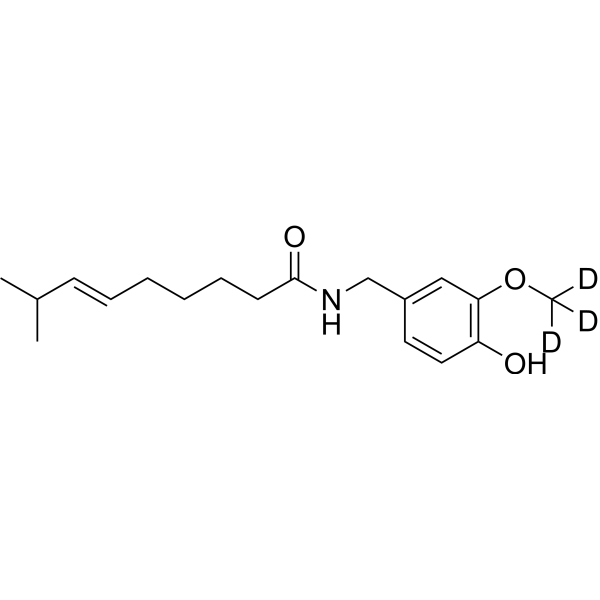
  • HY-10448S1

    (E)-capsaicin-d3

    Isotope-Labeled Compounds TRP Channel Autophagy Apoptosis Endogenous Metabolite Cancer
    Capsaicin-d3 is the deuterium labeled Capsaicin. Capsaicin ((E)-Capsaicin), an active component of chili peppers, is a TRPV1 agonist. Capsaicin induces a nociceptive response by binding to its receptors. Capsaicin has analgesic effects on neurological disorders. Capsaicin has antioxidant, anti-inflammatory, anti-cancer effects .
    Capsaicin-d3
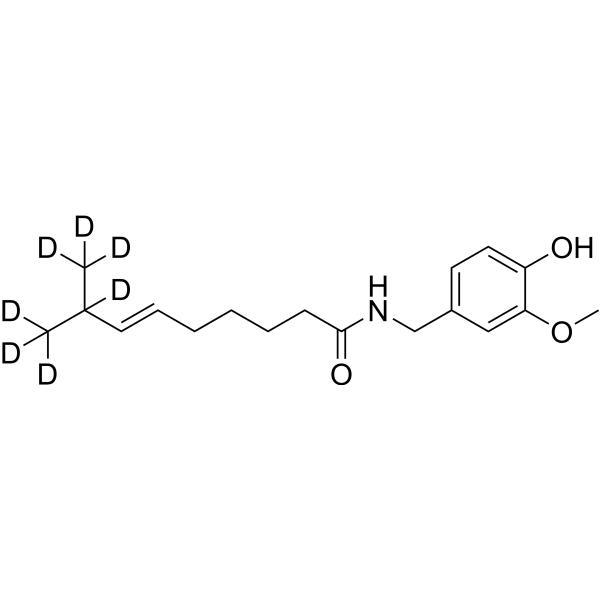
  • HY-10448S4

    (E)-capsaicin-d7

    TRP Channel Autophagy Endogenous Metabolite Apoptosis Isotope-Labeled Compounds Cancer
    Capsaicin-d7 is deuterated labeled Capsaicin (HY-10448). Capsaicin ((E)-Capsaicin), an active component of chili peppers, is a TRPV1 agonist. Capsaicin induces a nociceptive response by binding to its receptors. Capsaicin has analgesic effects on neurological disorders. Capsaicin has antioxidant, anti-inflammatory, anti-cancer effects .
    Capsaicin-d7
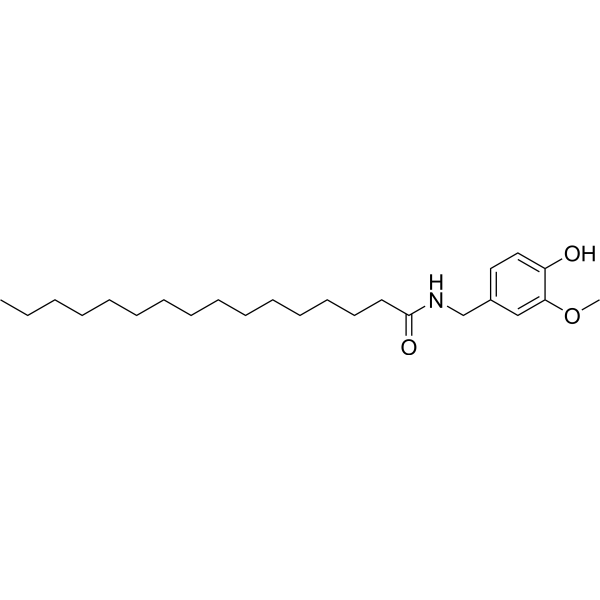
  • HY-137988

    TRP Channel Neurological Disease Inflammation/Immunology
    Palvanil is a Capsaicin (HY-10448) analogue, shows strong desensitizing capability against the TRPV1 receptor. Palvanil shows anti-nociceptive and anti-inflammation effects .
    Palvanil
  • HY-113866

    5-HT Receptor Neurological Disease
    E-55888 is a selective and potent agonist of 5-HT7 receptor and 5-HT1A receptor with Ki values of 2.5 nM and 700 nM, respectively, which has analgesic and antinociceptive effects. E-55888 reduces the nociceptive response of Capsaicin (HY-10448) sensitized mice .
    E-55888
  • HY-12914

    TRP Channel Neurological Disease Inflammation/Immunology
    V116517 is a potent, orally active transient receptor potential vanilloid (TRPV1) antagonist. V116517 shows potent activity in inhibiting both capsaicin (CAP)- and acid (pH 5)-induced currents in rat DRG neurons expressing native TRPV (IC50=423.2 nM for CAP; IC50=180.3 nM for acid). V116517 can be used for the research of pain .
    V116517
  • HY-A0191A

    (+)-Brompheniramine maleate; (S)-Brompheniramine maleate

    TRP Channel Histamine Receptor Inflammation/Immunology
    Dexbrompheniramine ((+)-Brompheniramine; (S)-Brompheniramine) maleate is a dual inhibitor of histamine H1 receptor and TRPV1 receptor that can cross the blood-brain barrier. Dexbrompheniramine maleate exerts its effects by functionally blocking H1 receptor activity and dose-dependently inhibiting TRPV1-mediated calcium responses, including Capsaicin (HY-10448)-induced responses. The combination of Dexbrompheniramine maleate with Cimetidine (HY-14289) eliminates histamine-induced and sham-feeding-induced drinking behavior, whereas Dexbrompheniramine maleate alone does not induce thirst or alter sham-feeding behavior in rats. Dexbrompheniramine maleate can be used in the research of chronic cough and related pathological mechanisms .
    Dexbrompheniramine maleate
  • HY-N0361R

    Reference Standards TRP Channel Reactive Oxygen Species (ROS) Apoptosis Caspase Bcl-2 Family Akt PI3K Cardiovascular Disease Neurological Disease
    Dihydrocapsaicin (Standard) is the analytical standard of Dihydrocapsaicin. This product is intended for research and analytical applications. Dihydrocapsaicin, a capsaicin, is a potent and selective TRPV1 (transient receptor potential vanilloid channel 1) agonist. Dihydrocapsaicin reduces AIF, Bax, and Caspase-3 expressions, and increased Bcl-2, Bcl-xL and p-Akt levels. Dihydrocapsaicin enhances the hypothermia-induced neuroprotection following ischemic stroke via PI3K/Akt regulation in rat .
    Dihydrocapsaicin (Standard)
  • HY-161273

    TRP Channel Neurological Disease
    TRPV1 antagonist 6 (compound 51) is a mode-selective antagonist for transient receptor potential vanilloid member 1 (TRPV1), which shows antagonism with IC50 of 2.85 nM to capsaicin activation and 28.48 % inhibition against proton activation at a 3 µM concentration .
    TRPV1 antagonist 6
  • HY-10448AR

    Reference Standards TRP Channel Autophagy Apoptosis Endogenous Metabolite Neurological Disease Inflammation/Immunology Cancer
    Capsaicin (Purity 65%) (Standard) is the analytical standard of Capsaicin (Purity 65%). This product is intended for research and analytical applications. Capsaicin (Purity 65%) is a mixture of Capsaicin and Dihydrocapsaicin (Ratio >2:1).Capsaicin (Purity 65%) is an orally active capsaicin receptor (TRPV1) agonist .
    Capsaicin (Purity 65%) (Standard)
  • HY-108576

    DuP 996 dihydrochloride

    TRP Channel Neurological Disease
    Linopirdine dihydrochloride is a agonist of capsaicin receptor TRPV1. Linopirdine increases the intracellular calcium concentration in HEK293 cells. Linopirdine dihydrochloride exerts an excitatory action on mammalian nociceptors .
    Linopirdine dihydrochloride
  • HY-111036

    TRP Channel Others
    AMG0347 is a transient receptor potential type V1 receptor antagonist. AMG0347 inhibits activation of the rat TRPV1 channel by heat (IC50 = 0.2 nm), protons (IC50= 0.8 nm), or capsaicin (IC50 = 0.7 nm) .
    AMG0347
  • HY-110091

    TRP Channel Neurological Disease
    TRPV1 antagonist 9 (compound 13c) is an orally active transient receptor potential vanilloid 1 (TRPV1) channel antagonist. TRPV1 antagonist 9 blocks Ca 2+ uptake by CHO cells expressing TRPV1 receptors with IC50 values are 0.6 and 0.8 nM for Capsaicin (HY-10448) and acid-induced Ca 2+ uptake, respectively. TRPV1 antagonist 9 blocks Capsaicin (HY-10448)-induced flinch response and causes hyperthermia in rats .
    TRPV1 antagonist 9
  • HY-121122

    TRP Channel Others
    A778317 is a TRPV1 antagonists. A778317 can block changes in intracellular calcium levels mediated by TRPV1 receptors, with a pIC50 value of 8.31. A-778317 can also block the activation of natural rat TRPV1 receptors in dorsal root ganglion neurons by capsaicin and acid .
    A778317
  • HY-113654A

    TRP Channel Cardiovascular Disease
    AMG 7905 TFA is a hypothermia-inducing transient receptor potential vanilloid type 1 (TRPV1) antagonist. AMG 7905 TFA potentiates TRPV1 channels activation by protons and drives the reflectory inhibition of thermogenesis and tail-skin vasoconstriction, while potently blocking channel activation by capsaicin .
    AMG 7905 TFA
  • HY-170444

    Histamine Receptor mAChR Neurological Disease
    ADS1017 is the antagonist for histamine receptor and muscarinic receptor, that exhibits good affinities to hH3R, hH4R, hM2R and hM4R with pKi of 6.8, 5.5, 7.4 and 7.2. ADS1017 exhibits analgesic and anti-allodynic efficacy in mice Capsaicin (HY-10448)-or Oxaliplatin (HY-17371)-induced pain models .
    ADS1017
  • HY-159997

    Sigma Receptor Neurological Disease
    AD353 is a selective sigma-1 receptor ligand with antiallodynic activity. AD353 exhibits high potency both in a model of Capsaicin (HY-10448)-induced allodynia and in PGE2-induced mechanical hyperalgesia. AD353 exhibits a favorable pharmacokinetic profile .
    AD353
  • HY-149335

    Sigma Receptor Histamine Receptor Neurological Disease
    Sigma-1 receptor antagonist 5 (compound 12),a 4-pyridylpiperidine derivative with analgesic activity,is an antagonist of sigma receptor (Ki=4.5 nM (σ1R),10 nM (σ2R)) and histamine H3 (hH3R,Ki=7.7 nM,IC50=215 nM). Sigma-1 receptor antagonist 5 suppresses Capsaicin-induced nociception with antinociceptive activity and shows potent efficacy in nociceptive and neuropathic pain models .
    Sigma-1 receptor antagonist 5
  • HY-N0361S

    Isotope-Labeled Compounds Apoptosis Bcl-2 Family Reactive Oxygen Species (ROS) TRP Channel Caspase PI3K Akt Others
    Dihydrocapsaicin-d3 is the deuterium labeled Dihydrocapsaicin (HY-N0361) . Dihydrocapsaicin, a capsaicin, is a potent and selective TRPV1 (transient receptor potential vanilloid channel 1) agonist. Dihydrocapsaicin reduces AIF, Bax, and Caspase-3 expressions, and increased Bcl-2, Bcl-xL and p-Akt levels. Dihydrocapsaicin enhances the hypothermia-induced neuroprotection following ischemic stroke via PI3K/Akt regulation in rat .
    Dihydrocapsaicin-d3
  • HY-120476

    TRP Channel Neurological Disease Inflammation/Immunology
    JNJ-39729209 is an antagonist for transient receptor potential vanilloid 1 (TRPV1) with pIC50 of 7.9, 8.5, 7.9 and 7.7 for TRPV1 from human, rat, canine and guinea pig. JNJ-39729209 inhibits Capsaicin (HY-10448)-induced hypotension and inhibit thereby hypothermia. JNJ-39729209 exhibits anti-inflammatory and analgesic activities in Carrageenan (HY-125474)- and CFA (HY-153808)-induced thermal hyperalgesia rat models. JNJ-39729209 exhibits anti-cough effects in guinea pigs .
    JNJ-39729209
  • HY-121465

    Endogenous Metabolite Metabolic Disease
    Stearoyl serotonin is a hybrid molecule patterned after arachidonoyl serotonin. Arachidonoyl serotonin is a dual antagonist of fatty acid amide hydrolase (FAAH) and the transient receptor potential vanilloid-type 1 (TRPV1) channel, reducing both acute and chronic peripheral pain. The effects of replacing the arachidonoyl portion with the saturated 18-carbon stearoyl moiety have not been studied. However, replacement of arachidonate with saturated 11- or 12-carbon fatty acids produces compounds that potently inhibit capsaicin-induced TRPV1 channel activation (IC50=0.76 μM) without blocking FAAH-mediated hydrolysis of arachidonoyl ethanolamine (IC50 > 50 μM).
    Stearoyl Serotonin
  • HY-165459

    MK-056

    TRP Channel Infection Inflammation/Immunology
    KJM429 (MK-056) is a high-affinity ligand for the rat vanilloid receptor rTRPV1 (Ki=30-63 nM) with a unique dual regulatory function. KJM429 acts as a competitive antagonist to inhibit TRPV1 receptor activation induced by Capsaicin (HY-10448), resiniferatoxin, thermal stimulation and weak acid (pH 6.0), and switches to a TRPV1 agonist under strong acid conditions (pH<5.5). KJM429 effectively blocks calcium influx induced by Capsaicin and partial thermal stimulation, and triggers calcium uptake under low pH conditions, with minimal effects on non-TRPV1-mediated calcium signaling. KJM429 can be used for research on the mechanisms of pain-related diseases such as postherpetic neuralgia, diabetic neuropathy, cluster headache, osteoarthritis and pruritus .
    KJM429
  • HY-108460R

    Reference Standards TRP Channel Neurological Disease
    A-784168 (Standard) is the analytical standard of A-784168 (HY-108460). This product is intended for research and analytical applications. A-784168 is a potent and orally active inhibitor of vanilloid receptor type 1 (TRPV1). Vanilloid receptor type 1 (TRPV1) is a ligand-gated nonselective cation channel that is considered to be an important integrator of various pain stimuli such as endogenous lipids, capsaicin, heat, and low pH. A-784168 has good CNS penetration .
    A-784168 (Standard)
  • HY-183857

    TRP Channel Neurological Disease
    DD-161515 is a TRPV1/VR1 inhibitor with an IC50 of 0.7 μM in rats. DD-161515 binds to an allosteric site of TRPV1 distinct from that of capsaicin, blocks channel opening, inhibits receptor-mediated calcium ion influx, reduces the excitability of peripheral sensory nerve fibers, and thereby inhibits nociception induced by heat and transmission of chemically induced pain signals. DD-161515 can be used in studies related to inflammatory pain .
    DD-161515

온라인 문의

Your information is safe with us. * Required Fields.

호칭


Country or Region *

고객명 *


회사명 *

Department *


메일주소 *


상품명 *

Cat. No.


Requested quantity *

전화번호 *


비고

온라인 문의

Inquiry Information

상품명:
Cat. No.:
수량:
MCE Japan Authorized Agent:

