

Search Result
Results for "
cell extracts
" in MedChemExpress (MCE) Product Catalog:
13
Biochemical Assay Reagents
7
Isotope-Labeled Compounds
| Cat. No. |
Product Name |
Target |
Research Areas |
Chemical Structure |
-
- HY-B0496
-
|
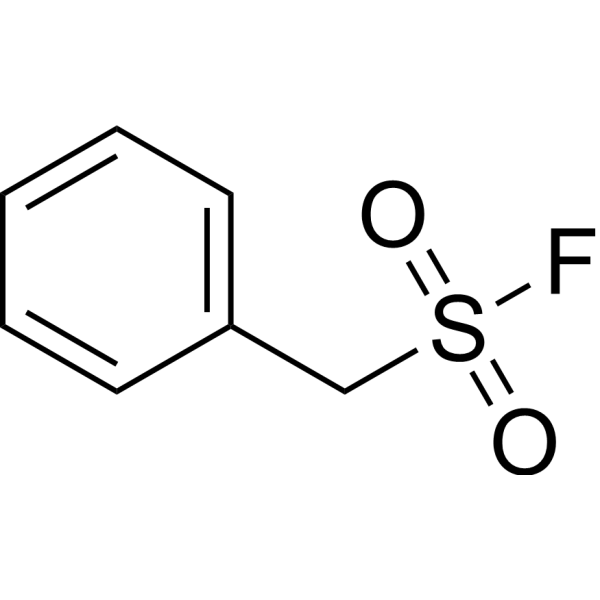
Phenylmethylsulfonyl fluoride; Benzylsulfonyl fluoride
|
Cathepsin
Ser/Thr Protease
|
Neurological Disease
|
|
PMSF (Phenylmethylsulfonyl fluoride) is a nonspecific and irreversible serine proteases inhibitor. PMSF inhibits some thiol proteases, non-protease enzymes, and acetylcholinesterase. PMSF can be used to prepare protein extracts from tissue and cell lysates .
|
-
-
- HY-10225
-
|
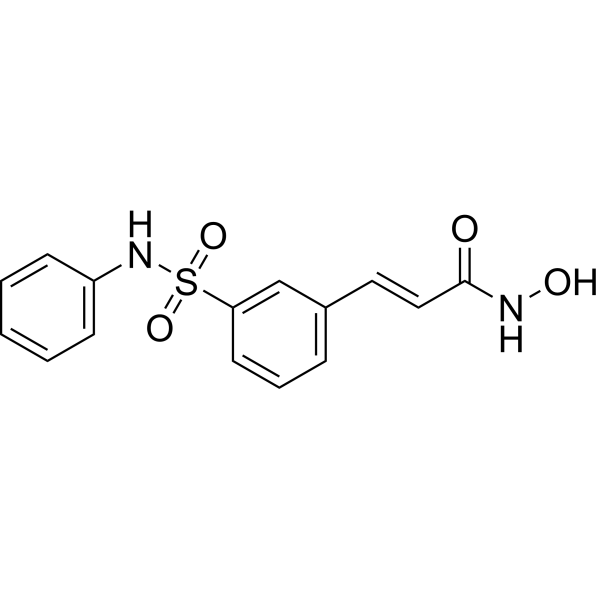
PXD101; PX105684
|
HDAC
Autophagy
|
Cancer
|
|
Belinostat (PXD101; PX105684) is a potent HDAC inhibitor with an IC50 of 27 nM in HeLa cell extracts.
|
-
-
- HY-NP010
-
|
|
MMP
|
Others
|
|
Collagen, rat tail is a kind of collagen extracted from rat tail tendon tissue. Collagen, rat tail stimulates cell growth. Collagen, rat tail is often used as an attachment substrate for cell culture .
|
-
-
- HY-N0706
-
|
|
Apoptosis
Autophagy
|
Cancer
|
|
Gracillin is a steroidal saponin that can be extracted from the roots of the plant and has anti-tumor properties. Gracillin can induce cancer cell apoptosis and autophagy .
|
-
-
- HY-N7072
-
|
|
Apoptosis
|
Metabolic Disease
Inflammation/Immunology
Cancer
|
|
Grape seed extract is a natural product, with anti-inflammatory and anti-proliferative effects. Grape seed extract shows inhibitory activity on the fat-metabolizing enzymes pancreatic lipase and lipoprotein lipase. Grape seed extract induces apoptotic in human colorectal cancer cells .
|
-
-
- HY-113332
-
-
-
- HY-N0800
-
|
(-)-Protosappanin B
|
Apoptosis
|
Cancer
|
|
Protosappanin B is a phenolic compound extracted from Caesalpinia sappan. Anti-cancer activity . Protosappanin B induces apoptosis and causes G1 cell cycle arrest in human bladder cancer cells .
|
-
-
- HY-N0770
-
|
|
Apoptosis
|
Inflammation/Immunology
Cancer
|
|
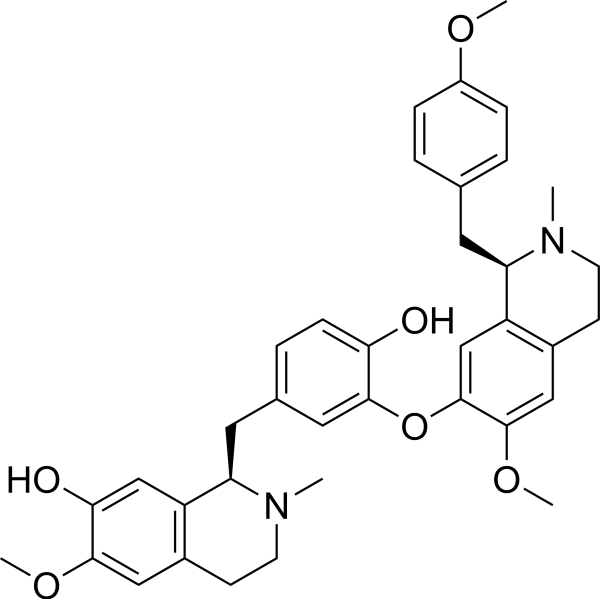
Isoliensinine is a bisbenzylisoquinoline alkaloid extracted from the seed embryo of Nelumbo nucifera, with anti-oxidant and anti-inflammatory and anti-cancer activities. Isoliensinine induces apoptosis in triple-negative human breast cancer cells .
|
-
-
- HY-111588
-
-
-
- HY-NP199
-
|
|
Reactive Oxygen Species (ROS)
|
Inflammation/Immunology
|
|
Bovine pituitary extract is a bovine pituitary extract that can be used as a mitogenic supplement in serum-free growth media. Bovine pituitary extract is rich in growth factors. Bovine pituitary extract not only promotes the proliferation of corneal keratinocytes and maintains their phenotype, but also exerts significant antioxidant stress protective effects on human prostate epithelial cells .
|
-
-
- HY-N6016
-
|
|
Apoptosis
Aquaporin
|
Cancer
|
|
Bacopaside II, an extract from the medicinal herb Bacopa monnieri. Bacopaside II is the inhibitor for AQP1 that exhibits anti-angiogenesis activity. Bacopaside II exhibits cytotoxicity and induces apoptosis in cancer cells .
|
-
-
- HY-113471A
-
|
|
Apoptosis
Bacterial
|
Infection
Cancer
|
|
(S)-(-)-Perillic acid is a terpenoid plant extract with antimicrobial and anticancer activities. (S)-(-)-Perillic acid induces cell apoptosis and cell cycle arrest, and increases the levell of Bax, Bcl2, p21 and caspase-3 proteins. (S)-(-)-Perillic acid can be used for cancer and infection research .
|
-
-
- HY-N13250
-
|
|
Apoptosis
AMPK
Elastase
Bcl-2 Family
Interleukin Related
Caspase
PI3K
Akt
SOD
|
Cardiovascular Disease
|
|
Hawthorn Extract is an orally active hawthorn extract. Hawthorn Extract decreases Bax expression and increases Bcl-2 expression in the aorta. Hawthorn Extract regulates the AMPK signaling pathway, induces apoptosis, enhances the hepatic antioxidant system, and ameliorates symptoms of liver injury, inflammation and cancer. Hawthorn Extract reduces plasma levels of pro-inflammatory factors, increases plasma levels of anti-inflammatory adiponectin, and alleviates atherosclerotic plaque lesions in the aorta. Hawthorn Extract improves symptoms associated with chronic heart failure . Hawthorn Extract inhibits FMLP-induced superoxide anion production, Elastase release, ILB4 generation and calcium signaling in neutrophils, and also reduces LPS-induced cytokine production in neutrophils. Hawthorn Extract induces autophagy and inhibits the proliferation of intestinal stem cells. Hawthorn Extract can be used in research related to atherosclerosis, hepatitis, alcoholic liver disease, non-alcoholic fatty liver disease, hepatocellular carcinoma, chronic heart failure and hypotension .
|
-
-
- HY-N6010
-
|
|
Others
|
Others
|
|
8-hydroxybergapten is O-methylated by cell-free extracts of Ruta cells to isopimpinellin, in reactions mediated by discrete O-methyltransferases. 8-hydroxybergapten has excellent anti-wrinkle effect .
|
-
-
- HY-13057
-
|
Glucose-conjugated MGMT inhibitor
|
DNA Methyltransferase
|
Cancer
|
|
O6BTG-octylglucoside is a potent O 6-methylguanine-DNAmethyl-transferase (MGMT) inhibitor, with IC50s of 32 nM in vitro (cell extracts) and 10 nM in HeLa S3 cells.
|
-
-
- HY-N7761
-
|
Tetrahydro tanshinone I
|
Endonuclease
NADPH Oxidase
Pyroptosis
NF-κB
|
Cancer
|
|
Trijuganone B (Tetrahydro tanshinone I) can be extracted from from the roots of Salvia miltiorrhiza f. alba. Trijuganone B inhibits the proliferation of leukemia cells .
|
-
-
- HY-N0746
-
|
|
Others
|
Cancer
|
|
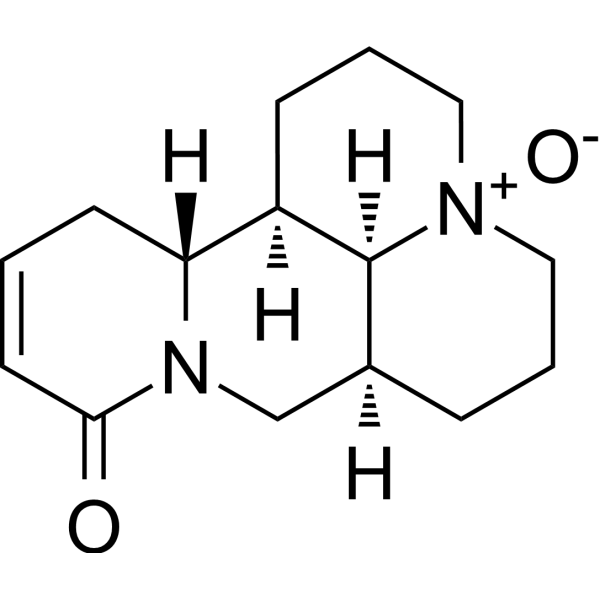
Oxysophocarpine is an alkaloid extracted from Sophora alopecuroides.?Oxysophocarpine has neuroprotective and anti-nociceptive effects on the central and peripheral nervous systems . Oxysophocarpine inhibits the?growth?and?metastasis?of ?oral?squamous?cell?carcinoma?(OSCC) .
|
-
-
- HY-101097
-
|
|
PD-1/PD-L1
|
Cancer
|
|
PD-1-IN-17 is a programmed cell death-1 (PD-1) inhibitor extracted from patent WO2015033301A1, Compound 12, inhibits 92% splenocyte proliferation at 100 nM .
|
-
-
- HY-N1516
-
|
|
Apoptosis
|
Cancer
|
|
Ganoderenic acid D is a triterpene identified from the effective compounds of Ganoderma lucidum extract (GLE). Ganoderenic acid D inhibits the proliferation of cancer cells by inducing cell cycle arrest and apoptosis .
|
-
-
- HY-108277
-
|
|
Apoptosis
|
Cancer
|
|
Ginsenoside F5, from crude extracts of flower buds of Panax ginseng, remarkably inhibits the growth of HL-60 cells by the apoptosis pathway .
|
-
-
- HY-N5106
-
|
|
Apoptosis
|
Cancer
|
|
(E)-Flavokawain A, a chalcone extracted from Kava, has anticarcinogenic effect. (E)-Flavokawain A induces apoptosis in bladder cancer cells by involvement of bax protein-dependent and mitochondria-dependent apoptotic pathway and suppresses tumor growth in mice .
|
-
-
- HY-N13239
-
|
|
Apoptosis
|
Inflammation/Immunology
|
|
Dandelion Extract is a dandelion extract, and its ingredients include: Flavone. Dandelion Extract can reduce LPS-induced inflammatory responses in RAW264.7 cells by regulating cell polarization and apoptosis. Dandelion Extract can also reduce CuSO4-induced inflammatory response in zebrafish larvae. .
|
-
-
- HY-N10131
-
|
(+)-Biatractylolide
|
Apoptosis
|
Neurological Disease
Cancer
|
|
Biatractylolide is a compound isolated from the ethyl acetate extract of Atractylodes macrocephala. Biatractylolide has antitumor and antioxidant activities. Biatractylolide improves cell viability, inhibits the apoptosis of cells induced by glutamate, and reduces the activity of LDH. Biatractylolide has neuroprotective effects .
|
-
-
- HY-N3619
-
|
|
Apoptosis
|
Neurological Disease
Endocrinology
|
|
Conophylline is a vinca alkaloid extracted from leaves of a tropical plant Ervatamia microphylla. Conophylline is a differentiation inducer of for pancreatic cells. Conophylline suppresses HSC and induces apoptosis .
|
-
-
- HY-N7029
-
|
|
Others
|
Cancer
|
|
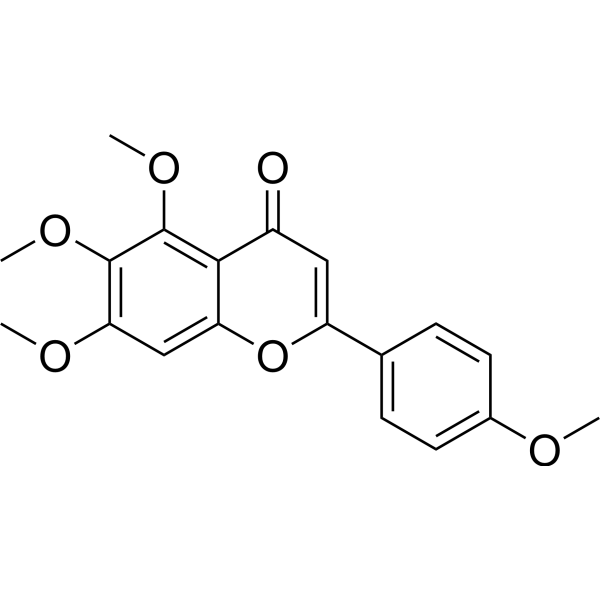
3',4',5',5,7-Pentamethoxyflavone, a natural flavonoid extracted from Rutaceae plants, sensitizes chemoresistant cancer cells to chemotherapeutic agents by inhibition of Nrf2 pathway .
|
-
-
- HY-N7496
-
|
|
Apoptosis
|
Cancer
|
|
Odoroside A is an active ingredient extracted from the leaves of Nerium oleander Linn. Odoroside A has anti-cancer activity. Odoroside A could induce apoptosis and cell cycle arrest through ROS/p53 signaling pathway, leading to the tumor cell death .
|
-
-
- HY-157901
-
|
2,3-Dihydroxybutyric acid
|
Drug Derivative
|
Cancer
|
|
2,3-Dihydroxybutanoic acid is an anticancer agent that can be extracted from the leaves of Corydalis. 2,3-Dihydroxybutanoic acid has anticancer activity both in vitro and in vivo and is lethal to Ehrlich ascites tumor cells .
|
-
-
- HY-N7321
-
|
|
Others
|
Cancer
|
|
Eucomol has potent cytotoxicity against KKU-M156 and HepG2 cells with the IC50 values of 7.12 and 25.76? μg/mL, respectively. Eucomol can be isolated from an ethanolic extract of D. cochinchinensis .
|
-
-
- HY-107101
-
-
-
- HY-13749C
-
|
(S)-MK-0431 phosphate
|
Dipeptidyl Peptidase
Autophagy
|
Metabolic Disease
|
|
(S)-Sitagliptin phosphate is the less active S-enantiomer of Sitagliptin phosphate. Sitagliptin phosphate (MK-0431 phosphate) is a potent inhibitor of DPP4 with an IC50 of 19 nM in Caco-2 cell extracts .
|
-
-
- HY-126378
-
|
|
Kallikrein
|
Inflammation/Immunology
|
|
LSP-249 (example 35), extracted from patent WO2016011209A1, is a plasma kallikrein inhibitor under the study for angioedema, with an EC50 less than 100 nM in cell .
|
-
-
- HY-W007704
-
|
|
Fungal
|
Infection
|
|
Methyl cyclohexanecarboxylate is a compound related to 2-cyclohexenylcarbonyl CoA. Methyl cyclohexanecarboxylate is produced during the incubation of 2-cyclohexenylcarbonyl CoA with cell-free extracts of Streptomyces collinus .
|
-
-
- HY-N10890
-
|
|
Others
|
Cancer
|
|
Alpinoid D, a diarylheptanoid, can be isolated from the MeOH extract from the rhizomes of Alpinia officinarum Hance. Alpinoid D shows cytotoxic effect against IMR-32 human neuroblastoma cell line .
|
-
-
- HY-N1710
-
|
|
Apoptosis
Caspase
|
Cancer
|
|
28-Deoxonimbolide is a Nimbin (HY-N3187) type limonoid, that can be isolated from Azadirachta indica seed extracts. 28-Deoxonimbolide shows anticancer activity. 28-Deoxonimbolide induces apoptotic cell death in HL60 cells via both the mitochondrial- and the death receptor-mediated pathways .
|
-
-
- HY-N16172
-
|
Sanggenone B
|
Others
|
Inflammation/Immunology
|
|
Sanggenon B (Sanggenone B) is a compound that can be extracted from mulberry trees and has an inhibitory effect on NO production in RAW264.7 cells stimulated by LPS (HY-D1056). Sanggenon B has anti-inflammatory activity .
|
-
-
- HY-N13232
-
|
|
Amyloid-β
|
Neurological Disease
|
|
Grape Skin Extract is a grape skin extract, and its ingredients include: Polyphenols. Grape Skin Extract has neuroprotective effects and can improve Aβ-induced cytotoxicity to SH-SY5Y cells. Grape Skin Extract can increase the proliferation and memory of neurogenic areas, but reduce the oxidative stress associated with proinflammatory cytokines during aging, thereby protecting neurons. .
|
-
-
- HY-127067
-
|
|
Akt
EGFR
mTOR
|
Inflammation/Immunology
Cancer
|
|
Yuanhuadin, extracted from Genkwa Flos Daphne genkwa, has antitumor activity through inhibiting Akt/mTOR and EGFR pathways, induce cell-cycle arrest and abortion .
|
-
-
- HY-N15407
-
|
|
Others
|
Cancer
|
|
Asparagoside A is a steroidal compound that can be isolated and extracted from the roots of Asparagus officinalis. Asparagoside A has certain cytotoxicity against tumor cells and can be used in the study of cancer .
|
-
-
- HY-N9507
-
|
|
Apoptosis
FGFR
|
Cancer
|
|
Picrasidine Q, an alkaloid component extracted from Angelica keiskei species, has the capacity of anti-cell transformation and anti-cancer. Picrasidine Q induces cell apoptosis and G1 phase arrest in human esophageal cancer cell lines, and directly inhibits FGFR2 kinase activity .
|
-
-
- HY-N15688
-
|
|
Endogenous Metabolite
|
Others
|
|
Diatoxanthin is a cytochrome and phycoxanthin byproduct that can be extracted from the algae F. pinnata cells. Diatoxanthin can be used as a biomarker to evaluate the inhibitory effects of biocides on diatom photosystem II (PSII) .
|
-
-
- HY-N3642
-
|
Erythrabyssin I; Erythrabissin I
|
Others
|
Cancer
|
|
Cristacarpin can be extracted from the stem bark of Erythrina suberosa, promotes endoplasmic reticulum (ER) stress, leading to sublethal reactive oxygen species (ROS) production and ultimately cell death through senescence .
|
-
-
- HY-N1251
-
|
|
Others
|
Others
|
|
Scholaricine (compound 13 ) is an alkaloid isolated from the leaf and stem-bark extracts of Alstonia spatulata. Scholaricine reverse multidrug resistance in vincristine-resistant KB cells with an IC50 value of 13.35 μM .
|
-
-
- HY-N9966
-
|
|
Others
|
Others
|
|
Sanggenol O? is an active product that can be extracted from Morus alba. Sanggenol O? has hepatoprotective and neuroprotective activities with EC50s more than 80 μM in HepG2 and HT22 cells .
|
-
-
- HY-142931
-
|
|
ATM/ATR
|
Neurological Disease
Cancer
|
|
ATM-IN-1 is a potent inhibitor of ATM. ATM is located mainly in the nucleus and microsomes and is involved in cell cycle progression and in the cell cycle checkpoint response to DNA damage. ATM-IN-1 has the potential for the research of cancer and neurology diseases (extracted from patent WO2021139814A1, compound 3) .
|
-
-
- HY-N9172
-
|
|
Others
|
Cancer
|
|
Eupaglehnin C is a germacrane-type sesquiterpenoi. Eupaglehnin C can be isolated from the MeOH extract of Eupatorium glehni (Compositae). Eupaglehnin C has cytotoxic activity against HeLa-S3 cancer cell lines .
|
-
-
- HY-147584
-
|
|
Btk
|
Inflammation/Immunology
Cancer
|
|
BTK-IN-14 is a potent inhibitor of BTK. BTK plays an important role in signaling mediated by B cell antigen receptor (BCR) and Fcγreceptor (FcγR) in B cells and myeloid cells, respectively. BTK-IN-14 has the potential for the research of related diseases, especially autoimmune diseases, inflammatory diseases or cancer (extracted from patent WO2022057894A1, compound 1) .
|
-
-
- HY-N6016R
-
|
|
Reference Standards
Apoptosis
Aquaporin
|
Cancer
|
|
Bacopaside II (Standard) is the analytical standard of Bacopaside II. This product is intended for research and analytical applications. Bacopaside II, an extract from the medicinal herb Bacopa monnieri, blocks the Aquaporin-1 (AQP1) water channel and impairs migration of cells that express AQP1. Bacopaside II induces cell cycle arrest and apoptosis .
|
-
-
- HY-N13213
-
|
|
Others
|
Cancer
|
|
Fenugreek Seed Extract is a fenugreek extract. Fenugreek Seed Extract has potential antibacterial and anticancer activities, can inhibit Staphylococcus aureus and Pseudomonas aeruginosa, and inhibit the proliferation of MCF-7 breast cancer cells (no significant effect on liver cancer cells). .
|
-
-
- HY-N13224
-
|
|
Apoptosis
|
Cancer
|
|
Siberian Ginseng Extract is an Acanthopanax senticosus extract, and its components include: Eleutheroside B&E. Siberian Ginseng Extract may induce apoptosis of melanoma cells and has anticancer potential. .
|
-
-
- HY-N16399
-
|
|
Reactive Oxygen Species (ROS)
Cadherin
|
Cancer
|
|
Black tea extract is the extract of Black tea. Black tea extract prevents inorganic arsenic (iAs) induced ROS generation, inhibiting uncontrolled proliferation, epithelial to mesenchymal transition (EMT) and metastasis in HaCaT cells. Black tea extract has an anti-fibrotic activity. Black tea extract can be used for skin cancers research .
|
-
- HY-N13236
-
|
|
Others
|
Inflammation/Immunology
|
|
Echinacea Purpurea Extract is an echinacea extract, and its ingredients include: Polyphenols. Echinacea Purpurea Extract is a potential anti-inflammatory agent that can inhibit LPS-induced inflammatory responses in yak peripheral blood mononuclear cells (PBMCs). .
|
-
- HY-N13202
-
|
|
Others
|
Inflammation/Immunology
|
|
Black Currant Extract is a black currant extract, and its components include: Anthocyanidins. Black Currant Extract is an anti-inflammatory agent that can neutralize the cytotoxic effects of nicotine on epithelial cells and fibroblasts in a dose-dependent manner. Black Currant Extract can also inhibit LPS-induced IL-6 secretion by human macrophages. .
|
-
- HY-N13214
-
|
|
Others
|
Metabolic Disease
|
|
Maca Extract is a maca extract. Maca Extract has the potential to improve fertility and sexual function, and can improve non-obstructive azoospermia. The polysaccharide part is its active ingredient. Maca Extract can alleviate seminiferous tubule vacuolation and testicular lesions. It improves sperm quantity and quality by promoting the recovery of seminiferous epithelium, inhibiting stromal cell proliferation, and increasing serum testosterone levels. .
|
-
- HY-N14021
-
|
|
DNA/RNA Synthesis
|
Neurological Disease
Inflammation/Immunology
Cancer
|
|
Petasites japonicus extract is the extract from Petasites japonicus with antioxidant, anti-inflammatory, anti-obesity, neuroprotective and anti-cancer effects. Petasites japonicus extract promotes osteoblast differentiation via up-regulation of Runx2 and Osterix in MC3T3-E1 cells .
|
-
- HY-166113
-
-
- HY-113332R
-
|
|
Reference Standards
Apoptosis
Endogenous Metabolite
|
Inflammation/Immunology
|
|
Myristoleic acid (Standard) is the analytical standard of Myristoleic acid. This product is intended for research and analytical applications. Myristoleic acid, a cytotoxic component in the extract from Serenoa repens, induces apoptosis and necrosis in human prostatic LNCaP cells[1].
|
-
- HY-133223
-
|
|
Others
|
Cancer
|
|
Hispidanin B is a natural product that can be extracted from the rhizomes of Isodon hispida. Hispidanin B has cytotoxic activities against cancer cells .
|
-
- HY-P10825
-
|
|
DNA/RNA Synthesis
|
Cancer
|
|
p21PBP, a 20 amino-acid peptide, is an inhibitor of DNA replication. p21PBP specifically binds to purified proliferating cell nuclear antigen (PCNA) in tumour cell extracts. p21PBP is promising for research of cancers .
|
-
- HY-N12525
-
|
|
Others
|
Inflammation/Immunology
|
|
Bartsioside is an anti-inflammatory agent which can be extracted from C. deserticola. Bartsioside exerts no significant cytotoxicity under 40 μM to BV-2 cells .
|
-
- HY-N12431
-
|
|
Others
|
Cancer
|
|
Machilin A is a lignan isolated from the methanolic extract of Phoebe bark. Machilin A inhibits melanin biosynthesis in B-16 mouse melanoma cells with an IC50 of 39.9 μM.
|
-
- HY-13749D
-
-
- HY-N1713
-
|
|
Others
|
Neurological Disease
|
|
29-Nor-20-oxolupeol, extracted from Impatiens basamina, reduces NO levels in LPS-activated murine microglial cells with an IC50 of 44.21 µM .
|
-
- HY-N12001
-
|
|
Others
|
Neurological Disease
|
|
6-Epiagarotetrol is a neuroprotective agent can be extracted from Aquilaria sinensis. 6-Epiagarotetrol has a protective effect on corticosterone-induced PC12 cell damage .
|
-
- HY-N2140
-
|
|
Others
|
Infection
|
|
Herpetone, the ethylacetate extract, is a lignan compound. Herpetone can be isolated from the seeds of Herpetospermum caudigerum. Herpetone significantly improved the cell viability, and has a protective effect on hepatocytes in vitro .
|
-
- HY-N13164
-
|
|
PI3K
Akt
Apoptosis
|
Cancer
|
Polygalacin D3 is a triterpenoid saponin compound that can be extracted from the roots of the balloon flower. Polygalacin D3 can inhibit the proliferation of non-small cell lung cancer (NSCLC) cell lines by blocking the PI3K/Akt pathway, and it induces cell cycle arrest and cell apoptosis .
|
-
- HY-159061
-
|
|
Biochemical Assay Reagents
|
Cancer
|
|
Antrodia Camphorata Extract can be isolated from Antrodia camphorata. Antrodia camphorata is a well-known traditional Chinese medicine that has been shown to inhibit proliferation and migration of cancer cells .
|
-
- HY-W411439
-
|
|
GLUT
|
Metabolic Disease
|
|
1-O-p-Coumaroyl-β-D-glucose can promote glucose uptake in HuH7 cells, and be be extracted from Luffa cylindrica (L.) Roem (sponge gourds) .
|
-
- HY-W012088
-
|
Myristoleic acid methyl ester; Methyl myristoleate; cis-9-Tetradecenoate methyl ester
|
Bacterial
Apoptosis
|
Infection
|
|
(Z)-Methyl tetradec-9-enoate (Myristoleic acid methyl ester; Methyl myristoleate) is a cytotoxic component extracted from S. repens fruit extract. It induces apoptosis and necrosis in human prostate cancer LNCaP cells. In addition, (Z)-Methyl tetradec-9-enoate found in cheese-making byproducts inhibits Candida albicans germination with a minimum inhibitory concentration (MIC) of 9 μM in vivo.
|
-
- HY-129236
-
|
|
Na+/K+ ATPase
Apoptosis
|
Cancer
|
|
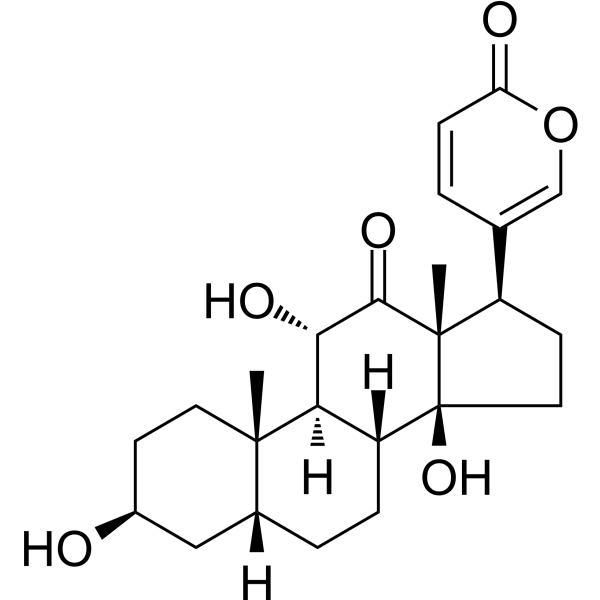
Hellebrin is a bufadienolide compound extracted from plants that can inhibit tumor cell growth. Hellebrigenin shows potential in overcoming cancer cells' resistance to apoptosis stimuli and has also demonstrated anti-proliferation effects in multidrug-resistant (MDR) cancer cell models. Hellebrin can act on Na+/K+-ATPase to regulate intracellular signaling pathways .
|
-
- HY-N0770R
-
|
|
Reference Standards
Apoptosis
|
Inflammation/Immunology
Cancer
|
|
Isoliensinine is a bisbenzylisoquinoline alkaloid extracted from the seed embryo of Nelumbo nucifera, with anti-oxidant and anti-inflammatory and anti-cancer activities. Isoliensinine induces apoptosis in triple-negative human breast cancer cells .
|
-
- HY-N12349
-
|
|
Others
|
Others
|
|
Glucozaluzanin C is a lignan isolated from the MeOH extract of the roots of Ainsliaea acerifolia (Compositae). Glucozaluzanin C has ED50 value of 2.45 μg/mL, 1.37μg/mL, 0.40 μg/mL, 1.41 μg/mL, 1.43 μg/mL for A549 cells, SK-OV-3 cells, SK-MEL-2 cells, XF498 cells, HCT15 cells, respectively .
|
-
- HY-155988
-
-
- HY-N8859
-
|
16-Hydroxyiridal
|
Others
|
Others
|
|
Isoiridogermanal can be isolated from the extract of rhizomes of Iris tectorum Maxim. Isoiridogermanal is cytotoxic with IC50 values of 11 μM and 23 μM against MCF-7 and C32 cell lines.
|
-
- HY-N1516A
-
|
|
Apoptosis
|
Cancer
|
|
(Z)-Ganoderenic acid D is the z-isomer of Ganoderenic acid D (HY-N1516). (Z)-Ganoderenic acid D is the triterpene that can be isolated from Ganoderma, and contributes to the bitter taste of the basidiocarps and extracts of Ganoderma species. Ganoderenic acid D inhibits the proliferation of cancer cells by inducing cell cycle arrest and apoptosis .
|
-
- HY-N0800R
-
|
(-)-Protosappanin B (Standard)
|
Reference Standards
Apoptosis
|
Cancer
|
|
Protosappanin B (Standard) is the analytical standard of Protosappanin B. This product is intended for research and analytical applications. Protosappanin B is a phenolic compound extracted from Caesalpinia sappan. Anti-cancer activity . Protosappanin B induces apoptosis and causes G1 cell cycle arrest in human bladder cancer cells .
|
-
- HY-101097A
-
|
|
PD-1/PD-L1
|
Cancer
|
|
PD-1-IN-17 TFA is a programmed cell death-1 (PD-1) inhibitor extracted from patent WO2015033301A1, Compound 12, inhibits 92% splenocyte proliferation at 100 nM .
|
-
- HY-N7486
-
|
|
Others
|
Cancer
|
|
Chamaejasmenin B can be extracted from Stellera chamaejasme L. Chamaejasmenin B suppresses cancer cells migration and invasion. Chamaejasmenin B inhibits tumor metastasis. Chamaejasmenin B can be used in the research of cancers, such as breast cancers .
|
-
- HY-N7699A
-
|
|
TNF Receptor
|
Neurological Disease
Inflammation/Immunology
|
|
D-Trimannuronic acid, an alginate oligomer is extracted from seaweed. D-Trimannuronic acid can induce TNF‐α secretion by mouse macrophage cell lines. D-Trimannuronic acid can be used for the research of pain and vascular dementia .
|
-
- HY-N3974
-
|
(+)-Griffipavixanthone
|
Apoptosis
|
Cancer
|
|
Griffipavixanthone can be extracted from Garcinia schomburgkiana. Griffipavixanthone induces cell apoptosis through mitochondrial apoptotic pathway accompanying with ROS production. Griffipavixanthone is an anti-cancer agent. Griffipavixanthone is a weak sucrase inhibitor (IC50: 4.58 mM) .
|
-
- HY-N0706R
-
|
|
Reference Standards
Apoptosis
Autophagy
|
Cancer
|
|
Gracillin (Standard) is the analytical standard of Gracillin. This product is intended for research and analytical applications. Gracillin is a steroidal saponin that can be extracted from the roots of the plant and has anti-tumor properties. Gracillin can induce cancer cell apoptosis and autophagy .
|
-
- HY-N10079
-
|
Jatrophan
|
SHP2
|
Cancer
|
|
Suchilactone (Jatrophan) is a lignan extracted from Monsonia angustifolia E.Mey. Suchilactone binds to SHP2 and inhibits SHP2 activation, thereby inhibiting ERK-mediated cell proliferation. Suchilactone can be ued in acute myeloid leukaemia (AML) .
|
-
- HY-147581
-
|
|
Btk
|
Inflammation/Immunology
Cancer
|
|
BTK-IN-11 is a potent inhibitor of BTK. BTK plays an important role in signaling mediated by B cell antigen receptor (BCR) and Fcγreceptor (FcγR) in B cells and myeloid cells, respectively. BTK-IN-11 has the potential for the research of related diseases, especially autoimmune diseases, inflammatory diseases or cancer (extracted from patent WO2022063101A1, compound Z2) .
|
-
- HY-110387
-
|
|
Indoleamine 2,3-Dioxygenase (IDO)
|
Cancer
|
|
IDO-IN-9 is an indoleamine-2,3-dioxygenase (IDO) inhibitor with IC50s of 0.011 μM (Kinase) and 0.0018 μM (Hela Cell), extracted from patent WO 2016041489 A1, compound 6.
|
-
- HY-111234
-
|
|
Indoleamine 2,3-Dioxygenase (IDO)
|
Cancer
|
|
IDO-IN-11 is an indoleamine-2,3-dioxygenase (IDO) inhibitor with IC50s of 0.18 μM (Kinase) and 0.014 μM (Hela Cell), extracted from patent WO 2016041489 A1, compound 13.
|
-
- HY-153567
-
|
|
Biochemical Assay Reagents
|
Inflammation/Immunology
|
|
Immune cell migration-IN-2 is a potent immune cell migration inhibitor with an EC50 of 13.5 nM in a T-cell adhesion assay. Immune cell migration-IN-2 is extracted from patent WO2019001171, example 11, can be used for dry-eye and other retinal diseases research . Immune cell migration-IN-2 is a click chemistry reagent, it contains an Alkyne group and can undergo copper-catalyzed azide-alkyne cycloaddition (CuAAc) with molecules containing Azide groups.
|
-
- HY-145424
-
|
|
CDK
|
Others
|
|
CDK7-IN-10 is a CDK7 inhibitor with an IC50 of less than 100 nM, extracted from patent WO2021016388A1, compound I-1. CDK7-IN-10 is useful in inhibiting the activity of a kinase. CDK7-IN-10 has the potential of inhibiting cell growth and inducing cell apoptosis .
|
-
- HY-N9885
-
|
|
Others
|
Cancer
|
|
Xuedanencins D is a cucurbitane-type triterpenoid natural product without significant cytotoxicity against human cervical cancer HeLa cells (IC50 >100 μM). Xuedanencins D can be naturally extracted from the 95% ethanol extract of the tubers of Hemsleya penxianensis (a plant of the Hemsleya genus in the Cucurbitaceae family) .
|
-
- HY-N15277
-
|
|
Endogenous Metabolite
|
Others
|
|
Deoxyshikonofuran is a shikonofuran derivative that can be extracted from the shikonin-producing cell cultures of Lithospermum erythrorhizon. Deoxyshikonofuran can be used for the study of the shikonin biosynthetic pathway .
|
-
- HY-108975
-
|
|
DNA-PK
|
Others
|
|
OK-1035 is a selective DNA-dependent protein kinase (DNA-PK) inhibitor with an IC50 of 100 μM .
|
-
- HY-N16759
-
|
|
Others
|
Cancer
|
|
Apparicine is a monoterpene indole alkaloid that can be naturally extracted from the stems of Tabernaemontana divaricata. Apparicine shows no cytotoxicity against MCF-7 human breast cancer cells and A-549 human lung cancer cells .
|
-
- HY-119736
-
|
|
Others
|
Others
|
|
Leptolstatin is an inhibitor of the progression of G1 and G2 phases of the mammalian cell cycle. Leptolstatin can be extracted from the fermentation broth of Streptomyces sp. SAM1595 .
|
-
- HY-N13749
-
|
|
Others
|
Cancer
|
|
Juncatrin A is a dihydrophenanthrene compound that can be naturally extracted from the whole plant methanol extract of Juncus atratus Krock. (a plant of the Juncaceae family, Juncus genus). Juncatrin A exhibits only weak antiproliferative activity against HeLa human cervical cancer cells (55.60% inhibition at 30 μM). Juncatrin A can be used in the research of anticancer natural drug precursors and active components of Juncus plants .
|
-
- HY-N18649
-
|
|
Others
|
Inflammation/Immunology
|
|
Rosa canina extract, derived from the wild rose (often known as rose hip), is rich in vitamin C, flavonoids, carotenoids, and essential fatty acids, contributing to its numerous health benefits. The extract is primarily known for its anti-inflammatory, antioxidant, and immune-boosting properties. Rosa canina extract is commonly used to boost the immune system, particularly during cold and flu seasons, due to its high vitamin C content. It also has joint health benefits, as it helps reduce inflammation and pain in conditions like arthritis. The extract's antioxidant properties help protect cells from oxidative stress and may contribute to skin health by promoting collagen synthesis, reducing the appearance of wrinkles, and supporting overall skin elasticity.
|
-
- HY-10225R
-
|
PXD101 (Standard); PX105684 (Standard)
|
Reference Standards
HDAC
Autophagy
|
Cancer
|
|
Belinostat (Standard) is the analytical standard of Belinostat (HY-10225). This product is intended for research and analytical applications. Belinostat (PXD101; PX105684) is a potent HDAC inhibitor with an IC50 of 27 nM in HeLa cell extracts.
|
-
- HY-E71042
-
|
|
Biochemical Assay Reagents
|
Others
|
|
Cytosolic 5'-nucleotidase II, Huamn (EC 3.1.3.5) is a pure and active protein cloned by RT-PCR amplification of mRNA extracted from human hepatoma cells and expressed in E.coli.
|
-
- HY-N17650
-
|
|
TGF-β Receptor
Collagen
Cadherin
|
Inflammation/Immunology
|
|
Salviamarinic acid A is a water-soluble phenolic acid that can be extracted from Salvia miltiorrhiza with potent anti-pulmonary fibrosis activity. Salviamarinic acid A significantly increases cell viability, cell index, cell motility and E-cadherin expression, and reduces TGF-β1, α-SMA and Collagen I levels. Salviamarinic acid A can be used for pulmonary fibrosis research .
|
-
- HY-W505108
-
|
|
Drug Metabolite
|
Metabolic Disease
|
|
2,3-Dihydroxypropyl pentadecanoate is a monoacylglycerol that is found in wheat bran extracts. 2,3-Dihydroxypropyl pentadecanoate levels are increased in a HepaRG cell-based model of hepatic steatosis induced by BSA-conjugated palmitate .
|
-
- HY-10225S
-
|
PXD101-d5; PX105684-d5
|
Isotope-Labeled Compounds
Autophagy
HDAC
|
Cancer
|
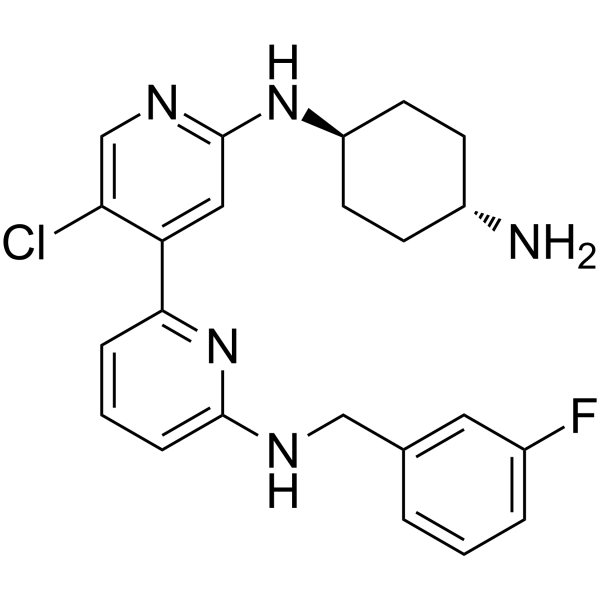
|
Belinostat-d5 (PXD101-d5) is the deuterium labeled Belinostat (HY-10225). Belinostat (PXD101; PX105684) is a potent HDAC inhibitor with an IC50 of 27 nM in HeLa cell extracts.
|
-
- HY-N19295
-
|
|
PI4K
|
Cancer
|
|
Echiguanine A is a phosphatidylinositol 4-kinase (PI4KIIα) inhibitor with an IC50 of 0.04 μg/mL. Echiguanine A inhibits phosphatidylinositol 4-kinase activity in cell membrane extracts. Echiguanine A is applicable for cancer research .
|
-
- HY-179538
-
|
|
Biochemical Assay Reagents
Pim
DYRK
|
Cancer
|
|
CSH-4044 can be isolated from fermented wheat germ extract. CSH-4044 is a unique benzothiazole compound. CSH-4044 can inhibit PIM3-driven BAD phosphorylation in pancreatic cancer cell lines as well as reducing DYRK1A-induced Tau phosphorylation in neuronal cells .
|
-
- HY-16462
-
|
|
CDK
|
Cancer
|
|
CDK9-IN-2 is a special cyclin-dependent kinase 9 (CDK9) inhibitor, extracted from patent WO/2012131594A1, compound CDKI(8), has an IC50 of 5 nM and 7 nM in H929 multiple myeloma(MM) cell line (72 hours) and A2058 skin cell line (72 hours), respectively.
|
-
- HY-N0530
-
|
Dryocrassin
|
Apoptosis
Influenza Virus
|
Cancer
|
|
Dryocrassin ABBA (Dryocrassin) is an orally active phloroglucinol derivative that can be extracted from Phyllopteris officinalis. Dryocrassin ABBA has antitumor and antiviral activity. Dryocrassin ABBA induced apoptosis of human hepatocellular carcinoma cells through mitochondrial pathway mediated by Caspase .
|
-
- HY-160000
-
|
|
NF-κB
Drug Intermediate
|
Infection
Inflammation/Immunology
Cancer
|
|
Coumaperine is an amide alkaloid. Coumaperine can be extracted from white piper. Coumaperine inhibits NF-κB. Coumaperine derivatives exhibit anticancer activity against non-small cell lung cancer and Hodgkin's lymphoma. Coumaperine derivatives have antibacterial activity .
|
-
- HY-13749CR
-
|
(S)-MK-0431 phosphate (Standard)
|
Reference Standards
Dipeptidyl Peptidase
Autophagy
|
Metabolic Disease
|
|
(S)-Sitagliptin (phosphate) (Standard) is the analytical standard of (S)-Sitagliptin (phosphate). This product is intended for research and analytical applications. (S)-Sitagliptin phosphate is the less active S-enantiomer of Sitagliptin phosphate. Sitagliptin phosphate (MK-0431 phosphate) is a potent inhibitor of DPP4 with an IC50 of 19 nM in Caco-2 cell extracts .
|
-
- HY-N8228
-
|
|
Bacterial
|
Infection
Inflammation/Immunology
Cancer
|
|
17-Hydroxyneomatrine, extracted from Sophora flavescens, can well inhibit the growth of human cervical carcinoma Hela cells, has the wide-range antibacterial, anti-allergy, anti-tumor, anti-arrhythmia, swelling-subsiding diuresis, immunizing, and biological regulation functions .
|
-
- HY-N17005
-
|
|
Others
|
Cancer
|
|
3-O-(p-Hydroxybenzoyl)serratriol is a serratene-type triterpenoid compound with low cytotoxicity against cancer cells (IC50 >100 μg/mL against three human cancer cell lines: K562, SMMC-7721, and SGC7901). 3-O-(p-Hydroxybenzoyl)serratriol can be naturally extracted from the whole plant of Palhinhaea cernua .
|
-
- HY-Y1832
-
|
3-Methoxysalicylaldehyde
|
Fungal
|
Infection
Cancer
|
|
o-Vanillin (2-Vanillin) is a nature product, could be extracted from Vanilla planifolia, Pinus koraiensis fruit. o-Vanillin is a potent antifungal agent. o-Vanillin inhibits the growth of mycelia by disrupting the integrity of cell walls and cell membranes. o-Vanillin inhibits Doxorubicin (HY-15142A)- and 4-hydroperoxycyclophosphamide-induced NF-κB activation .
|
-
- HY-142926
-
|
|
Estrogen Receptor/ERR
|
Cancer
|
|
ER degrader 2 is a potent degrader of estrogen receptor (ER). The estrogen signaling system plays an important role in regulating cell growth, differentiation and apoptosis. ER degrader 2 has the potential for the research of cancer diseases (extracted from patent CN112830919A, compound 1) .
|
-
- HY-N1778
-
|
O-Methylferulic acid
|
Reactive Oxygen Species (ROS)
Virus Protease
|
Infection
Cancer
|
|
3,4-Dimethoxycinnamic acid (O-Methylferulic acid) is a monomer extracted and purified from Securidaca inappendiculata Hassk. 3,4-Dimethoxycinnamic acid exerts anti-apoptotic effects on L-02 cells via the ROS-mediated signaling pathway . Anti-apoptotic effects .
|
-
- HY-145686
-
|
|
Wnt
Nuclear Factor of activated T Cells (NFAT)
|
Inflammation/Immunology
|
|
AV023 is a potent inhibitor of ANKRD22. AV023 promotes the expansion of gastrointestinal mucosal epithelial stem cells and indirectly activates the Wnt classical pathway, which helps the recovery of damaged gastrointestinal mucosal tissues in the body (extracted from patent CN111205231B) .
|
-
- HY-163113
-
|
|
Endogenous Metabolite
|
Cancer
|
|
Anticancer agent 180 (compound 4) is a secondary metabolite present in fungal strains and extracted through physical interaction with Streptomyces sp. Anticancer agent 180 has potential anti-tumor activity and can inhibit the migration of MDA-MB-231 breast cancer cells .
|
-
- HY-142697
-
|
|
Guanylate Cyclase
|
Cardiovascular Disease
|
|
SGC agonist 1 is a potent agonist of soluble guanylate cyclase (SGC). SGC agonist 1 improves solubility combined with high cell permeability. SGC agonist 1 has the potential for the research of cardiovascular disease (extracted from patent WO2016030354A1, compound 18A) .
|
-
- HY-143869
-
|
|
MAP4K
|
Cancer
|
|
HPK1-IN-28 is a potent inhibitor of HPK1. Hematopoietic progenitor kinase 1 (HPK1) is a negative regulator of the activation response of dendritic cells (DCs), T cells and B cells. HPK1-IN-28 enhances the body's anti-tumor immunity. HPK1-IN-28 has the potential for the research of immune-related diseases, especially tumor (extracted from patent WO2021175270A1, compound 1) .
|
-
- HY-143870
-
|
|
MAP4K
|
Cancer
|
|
HPK1-IN-29 is a potent inhibitor of HPK1. Hematopoietic progenitor kinase 1 (HPK1) is a negative regulator of the activation response of dendritic cells (DCs), T cells and B cells. HPK1-IN-29 enhances the body's anti-tumor immunity. HPK1-IN-29 has the potential for the research of immune-related diseases, especially tumor (extracted from patent WO2021175270A1, compound 38) .
|
-
- HY-N3764
-
|
|
Akt
Dihydrofolate reductase (DHFR)
Endogenous Metabolite
|
Others
|
|
Diosbulbin C is a diterpene lactone component, which can be extracted from traditional Chinese medicine Dioscorea bulbifera L.. Diosbulbin C possesses high anticancer activity in non-small cell lung cancer (NSCLC). Diosbulbin C could induce cell cycle arrest at G0/G1 phase in NSCLC. Diosbulbin C also inhibits the proliferation of NSCLC cells, possibly by downregulating the expression/activation of AKT, DHFR, and TYMS .
|
-
- HY-W074648
-
|
|
MOFs
Bacterial
|
Infection
|
|
Antibacterial agent 18 is a multi-arm AIE molecule extracted from patent CN110123801A, compound 23. Antibacterial agent 18 can be used for resisting Gram-positive and Gram-negative bacteria. Antibacterial agent 18 can be conjugated in the cell wall of rigid arm configuration insertion bacterium, and block cell wall turns sugar and turns peptide process, to inhibit or kill bacterium .
|
-
- HY-142937
-
|
|
ROR
|
Inflammation/Immunology
|
|
RORγt agonist 2 is a potent agonist of RORγt. RORγt agonist 2 promotes the differentiation of Th17 cells and enhances the levels of pro-inflammatory cytokines, thereby increasing the cytotoxicity of lymphocytes. RORγt agonist 2 inhibits the production of regulatory T cells, which suppresses the immune response (extracted from patent WO2021136339A1, compound 17) .
|
-
- HY-142938
-
|
|
ROR
|
Inflammation/Immunology
|
|
RORγt agonist 3 is a potent agonist of RORγt. RORγt agonist 3 promotes the differentiation of Th17 cells and enhances the levels of pro-inflammatory cytokines, thereby increasing the cytotoxicity of lymphocytes. RORγt agonist 3 inhibits the production of regulatory T cells, which suppresses the immune response (extracted from patent WO2021136326A1, compound 23) .
|
-
- HY-143432A
-
|
|
CDK
|
Cancer
|
|
(S)-Cdc7-IN-18 is a potent inhibitor of CDC7. Overexpression of huCdc7 promotes overactivation of MCM2, an important marker of tumor cells, and thus promotes aberrant proliferation of tumor cells. (S)-Cdc7-IN-18 has the potential for the research of cancer diseases (extracted from patent WO2020239107A1, compound 1-1) .
|
-
- HY-P2044
-
|
|
HDAC
|
Cancer
|
|
Azumamide E is a HDAC inhibitor, with an IC50 of 0.064 μM against HDAC, 1.22 μM against HDAC1, and 2.28 μM against HDAC4. Azumamide E inhibits HDAC activity in nuclear extracts of leukemia cells and cervical adenocarcinoma cells. Azumamide E suppresses angiogenesis. Azumamide E is applicable for research on leukemia, cervical adenocarcinoma, and anti-angiogenesis .
|
-
- HY-142925
-
|
|
Estrogen Receptor/ERR
|
Cancer
|
|
ER degrader 1 is a potent degrader of estrogen receptor (ER). The estrogen signaling system plays an important role in regulating cell growth, differentiation and apoptosis. ER degrader 1 has the potential for the research of cancer diseases (extracted from patent WO2021139756A1, compound 11) .
|
-
- HY-130515
-
|
|
CDK
|
Cancer
|
|
Cdc7-IN-3 (compound I-A) is a potent Cdc7 kinase inhibitor extracted from patent WO2019165473A1, compound I-B. Cdc7 is a serine-threonine protein kinase enzyme which is essential for the initiation of DNA replication in the cell cycle .
|
-
- HY-142927
-
|
|
Estrogen Receptor/ERR
|
Cancer
|
|
ER degrader 3 is a potent degrader of estrogen receptor (ER). The estrogen signaling system plays an important role in regulating cell growth, differentiation and apoptosis. ER degrader 3 has the potential for the research of cancer diseases (extracted from patent WO2018233591A1, compound 1) .
|
-
- HY-119767
-
|
|
VEGFR
Apoptosis
|
Cancer
|
|
Jolkinolide A is a diterpenoid, can be extracted from the roots of Euphorbia fischeriana Steud. Jolkinolide A exhibits anti-tumor activity, by affecting on angiogenesis of tumor tissues. Jolkinolide A significantly inhibits the Akt-STAT3-mTOR signaling pathway and reduces the expression of VEGF in A549 cells .
|
-
- HY-130516
-
|
|
CDK
|
Cancer
|
|
Cdc7-IN-4 (compound I-C) is a potent Cdc7 kinase inhibitor extracted from patent WO2019165473A1, compound I-C. Cdc7 is a serine-threonine protein kinase enzyme which is essential for the initiation of DNA replication in the cell cycle .
|
-
- HY-130517
-
|
|
CDK
|
Cancer
|
|
Cdc7-IN-5 (compound I-B) is a potent Cdc7 kinase inhibitor extracted from patent WO2019165473A1, compound I-B. Cdc7 is a serine-threonine protein kinase enzyme which is essential for the initiation of DNA replication in the cell cycle .
|
-
- HY-N15714
-
|
|
Drug Derivative
|
Cancer
|
|
Acoraminol A is one of the stereoisomers of phenylpropanoids, the other of which is Acoraminol B (HY-N15715), which can be isolated from the methanol extract of the rhizome of Acorus tatarinowii. Acoraminol A has weak cytotoxic effects on several human tumor cell lines (IC50>30 μM) .
|
-
- HY-130519
-
|
|
CDK
|
Cancer
|
|
Cdc7-IN-7 (compound I-E) is a potent Cdc7 kinase inhibitor extracted from patent WO2019165473A1, compound I-E. Cdc7 is a serine-threonine protein kinase enzyme which is essential for the initiation of DNA replication in the cell cycle .
|
-
- HY-101093B
-
|
|
PD-1/PD-L1
|
Cancer
|
|
PD-1-IN-20 is the less active enantiomer of PD-1-IN-1. PD-1-IN-1 is an inhibitor of programmed cell dealth-1 (PD-1) extracted from patent WO 2015033299 A1, compound example 4 .
|
-
- HY-N0746R
-
|
|
Reference Standards
Others
|
Cancer
|
|
Oxysophocarpine (Standard) is the analytical standard of Oxysophocarpine. This product is intended for research and analytical applications. Oxysophocarpine is an alkaloid extracted from Sophora alopecuroides. Oxysophocarpine has neuroprotective and anti-nociceptive effects on the central and peripheral nervous systems . Oxysophocarpine inhibits the growth and metastasis of oral squamous cell carcinoma (OSCC) .
|
-
- HY-144060
-
|
|
Akt
|
Cancer
|
|
AKT-IN-10 is a potent inhibitor of AKT. Protein kinase B (PKB, also known as AKT) is central to PI3K/AKT/mTOR signaling in cells, and its function is important for cell growth, survival, differentiation and metabolism. AKT-IN-10 has the potential for the research of breast and prostate cancer (extracted from patent WO2021185238A1, compound 4) .
|
-
- HY-143582
-
|
|
Phosphodiesterase (PDE)
|
Cancer
|
|
ATX inhibitor 9 is a potent inhibitor of ATX. ATX inhibitor 9 is a thickened heteroaryl derivatives compound. Autotaxin (ATX), also known as ENPP2, is a secreted enzyme that is highly expressed mainly in cancer cells, bronchial epithelial cells and alveolar macrophages in the lung. ATX inhibitor 9 has the potential for the research of cancer or fibrous degenerative disease (extracted from patent WO2021078227A1, compound 3) .
|
-
- HY-N3210
-
|
|
Others
|
Cancer
|
|
Nb-Demethylechitamine is an alkaloid isolated from the methanol extract of Alstonia rostrata twigs. Nb-Demethylechitamine has in vitro cytotoxic activity against several human cancer cell lines, including human myeloid leukemia HL-60, liver cancer SMMC-7721, lung cancer A-549, breast cancer MCF-7, and colon cancer SW480 cells .
|
-
- HY-144059
-
|
|
Akt
|
Cancer
|
|
AKT-IN-9 is a potent inhibitor of AKT. Protein kinase B (PKB, also known as AKT) is central to PI3K/AKT/mTOR signaling in cells, and its function is important for cell growth, survival, differentiation and metabolism. AKT-IN-9 has the potential for the research of breast and prostate cancer (extracted from patent WO2021185238A1, compound 1) .
|
-
- HY-144139
-
|
|
Estrogen Receptor/ERR
|
Cancer
|
|
Estrogen receptor antagonist 3 is a potent antagonist of estrogen receptor (ER). The estrogen signaling system plays an important role in regulating cell growth, differentiation and apoptosis. Estrogen receptor antagonist 3 has the potential for the research of cancer diseases (extracted from patent WO2021213358A1, compound 7) .
|
-
- HY-137246
-
|
|
CD73
|
Cancer
|
|
CD73-IN-3 is a potent CD73 inhibitor (IC50=7.3 nM in Calu6 human cell assay). CD73-IN-3, example 2 extracted from patent WO2019168744 A1, has the potential for cancer research .
|
-
- HY-144202
-
|
|
Estrogen Receptor/ERR
|
Cancer
|
|
Estrogen receptor antagonist 4 is a potent antagonist of estrogen receptor (ER). The estrogen signaling system plays an important role in regulating cell growth, differentiation and apoptosis. Estrogen receptor antagonist 4 has the potential for the research of cancer diseases (extracted from patent WO2021213358A1, compound 1) .
|
-
- HY-N15715
-
|
|
Drug Derivative
|
Cancer
|
|
Acoraminol B is one of the stereoisomers of phenylpropanoids, the other of which is Acoraminol A (HY-N15714), which can be isolated from the methanol extract of the rhizome of Acorus tatarinowii. Acoraminol B has weak cytotoxic effects on several human tumor cell lines (IC50>30 μM) .
|
-
- HY-N13174
-
|
|
Reactive Oxygen Species (ROS)
Apoptosis
|
Inflammation/Immunology
|
Peanut procyanidin A is a type of A-type procyanidin that can be extracted from peanut skins. Peanut procyanidin A can protect prostate DU145 cells from H2O2-induced oxidative stress damage through the MAPKs signaling pathway, alleviate cell cycle arrest, and reduce cell apoptosis. Peanut procyanidin A can also regulate gut microbiota and metabolism in mice with DSS (HY-116282)-induced ulcerative colitis .
|
-
- HY-N1691
-
|
3-Epilycoclavanol
|
Others
|
Cancer
|
|
3-Epilycoclavanol (3-Epilycoclavanol) is a triterpenoid antitumor agent that can be extracted from the dried whole plant of Lycopodium japonicum (a plant of the Lycopodium genus in the Lycopodiaceae family). 3-Epilycoclavanol inhibits human tumor A549 and K562 cell lines at concentrations of 10-100 μg/mL .
|
-
- HY-P2032
-
|
|
Endogenous Metabolite
|
Infection
Cancer
|
|
Cyclochlorotine is a mycotoxin that can be extracted from the yellow rice infectant Penicillium islandicum Sopp. Cyclochlorotine promotes glycogenolysis, inhibits glycogen synthesis, affects fat synthesis and protein synthesis in liver cells. Cyclochlorotine exhibits chronic toxicity in liver that induces liver fibrosis and cirrhosis in mouse models. Cyclochlorotine exhibits carcinogenicity .
|
-
- HY-N8537
-
|
|
Fungal
|
Infection
|
|
Enfumafungin, a triterpene glycoside, is isolated from extracts derived from fungus Hormonema carpetanum. Enfumafungin is an antifungal compound that is acting on the fungal cell wall, as the (1,3)-beta-D-glucan synthase inhibitor. Enfumafungin is specific for yeasts and fungi (excluding Cryptococcus) and does not inhibit the growth of Bacillus subtilis .
|
-
- HY-132489S
-
-
- HY-N0510A
-
|
Aristolochic acid I sodium; TR 1736 sodium
|
NF-κB
|
Neurological Disease
Metabolic Disease
Inflammation/Immunology
Cancer
|
|
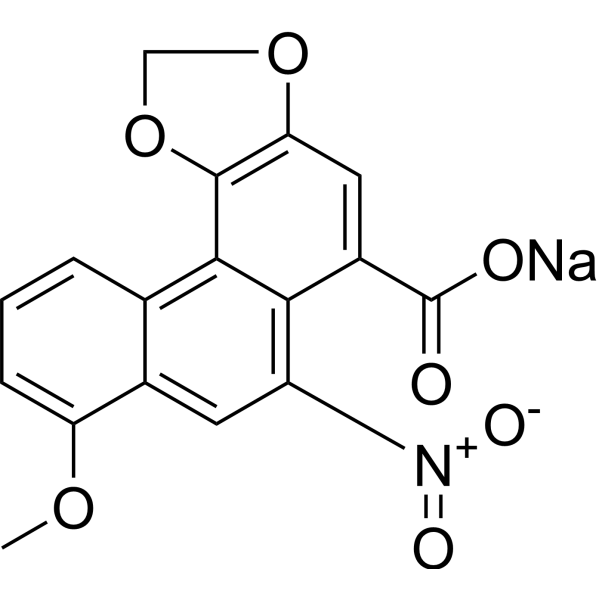
Aristolochic acid A (Aristolochic acid I) sodium is the main component of plant extract Aristolochic acids, which are found in various herbal plants of genus Aristolochia and Asarum. Aristolochic acid A sodium significantly reduces both activator protein 1 (AP-1) and NF-κB activities. Aristolochic acid A sodium reduces BLCAP gene expression in human cell lines .
|
-
- HY-W800105
-
|
|
Apoptosis
Reactive Oxygen Species (ROS)
|
Cancer
|
|
Geranyl isovalerate is a chemical component that can be extracted from Argyreia Nervosa. Geranyl isovalerate inhibits cancer cell proliferation in a dose-dependent and time-dependent manner. Geranyl isovalerate activates the apoptotic pathway by inducing mitochondrial membrane potential loss and ROS accumulation. Geranyl isovalerate can be used for cancer research .
|
-
- HY-N19083
-
|
|
Bacterial
|
Inflammation/Immunology
|
|
Tecomella undulata Extract, also known as Rohida extract, is a valuable botanical extract derived from the bark and leaves of the Tecomella undulata plant native to the Indian Thar Desert and is rich in bioactive compounds such as flavonoids, quinones, triterpenoids, and other phytochemicals that contribute to its diverse therapeutic properties. This extract is widely recognized for its hepatoprotective effects demonstrated through its ability to protect against liver damage induced by toxins such as paracetamol and carbon tetrachloride by normalizing elevated liver enzyme levels reducing oxidative stress and improving liver function. Additionally, it exhibits significant anti-inflammatory activity comparable to standard drugs like indomethacin and has been used to treat conditions like ascites and hepatosplenomegaly while also showing immunomodulatory effects by enhancing both humoral and cell-mediated immune responses and possessing antimicrobial properties that make it effective against various pathogens. Recent research suggests that Tecomella undulata may have potential in managing nonalcoholic steatohepatitis (NASH) by reducing body weight insulin resistance and improving liver function markers making it a versatile natural remedy with significant applications in hepatoprotection anti-inflammation and immune support.
|
-
- HY-142074
-
|
(+)-Inophyllum B
|
Reverse Transcriptase
HIV
|
Infection
|
|
Inophyllum B ((+)-Inophyllum B) is a potent HIV Reverse Transcriptase inhibitor with an IC50 value of 38 nM. Inophyllum B inhibits HIV-1 (IC50=1.4 μM) in vitro cell culture. Inophyllum B can be isolated from the acetone extract of the giant African snail, Achatina fulica .
|
-
- HY-N5106R
-
|
|
Reference Standards
Apoptosis
|
Cancer
|
|
(E)-Flavokawain A (Standard) is the analytical standard of (E)-Flavokawain A. This product is intended for research and analytical applications. (E)-Flavokawain A, a chalcone extracted from Kava, has anticarcinogenic effect. (E)-Flavokawain A induces apoptosis in bladder cancer cells by involvement of bax protein-dependent and mitochondria-dependent apoptotic pathway and suppresses tumor growth in mice .
|
-
- HY-W719977
-
|
|
Drug Derivative
|
Others
|
|
Astacene is a major secondary carotenoid that can be extracted from the skin of the goldfish and other species. Astacene is an oxidative artifact of Astaxanthin (HY-B2163). Carotenoids are important biological active, and may regulate cellular differentiation, growth control, photooxidative protection, cell membrane stability, photosynthesis, vision process and nutrition .
|
-
- HY-147202
-
|
|
Epigenetic Reader Domain
|
Cancer
|
|
BRD4 Inhibitor-24 (compound 3U) is a potent BRD4 inhibitor, BRD4 Inhibitor-24 shows antitumor activity against MCF7 and K652 cells, with IC50 values of 33.7 and 45.9 μM, respectively (extracted from patent CN107721975A) .
|
-
- HY-N0510
-
|
Aristolochic acid I; TR 1736
|
NF-κB
|
Neurological Disease
Metabolic Disease
Inflammation/Immunology
Cancer
|
|
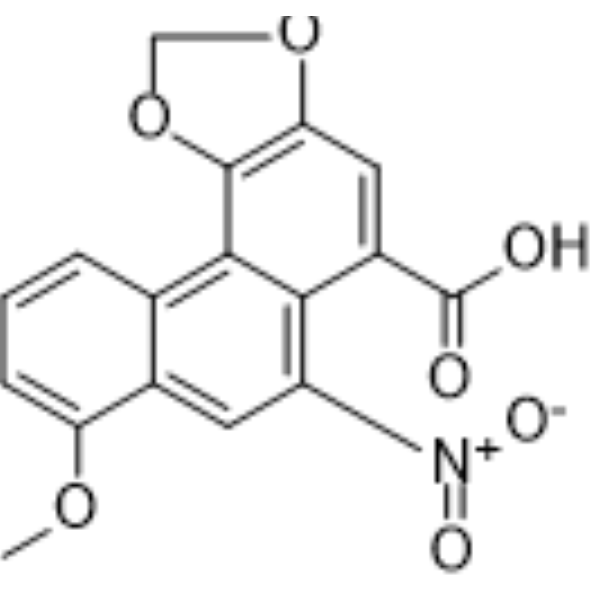
Aristolochic acid A (Aristolochic acid I; TR 1736) is the main component of plant extract Aristolochic acids, which are found in various herbal plants of genus Aristolochia and Asarum. Aristolochic acid A significantly reduces both activator protein 1 (AP-1) and NF-κB activities. Aristolochic acid A reduces BLCAP gene expression in human cell lines .
|
-
- HY-110082
-
|
|
Flavivirus
Dengue Virus
Parasite
Potassium Channel
|
Cardiovascular Disease
Infection
Cancer
|
|
Quinine hydrochloride is an alkaloid extracted from cinchona bark and exhibits oral activity, acting as a potassium channel inhibitor. Quinine hydrochloride modulates the tolerance of red blood cells and presents dose-dependent toxicity and embryonic effects. Quinine hydrochloride is a typical hemolysin that directly lyses red blood cells, with cellular components of red blood cell membranes as its action targets. Quinine hydrochloride disrupts red blood cell membranes and induces hemolysis at high concentrations, while merely weakening the anti-hemolytic capacity of red blood cells at low concentrations. Quinine hydrochloride continuously reduces red blood cell tolerance after in vivo administration, and high doses can also alter blood cell counts. Quinine hydrochloride can be applied to researches related to red blood cell hemolysis, cancer and malaria .
|
-
- HY-N11957
-
|
|
Others
|
Inflammation/Immunology
|
|
Angeloylbinankadsurin A (compound 7) is an anti-rheumatoid arthritis (RA) agent that can be isolated from EtOAc and CH2Cl2 extracts of Black Tiger Beard. Angeloylbinankadsurin A exhibits inhibitory activity on RA-FLS cells (IC50=11.70 μM). Angeloylbinankadsurin A is slightly toxic to human cancer cell lines (Hela and BGC-823) (IC50=19.9 μM, 21.93 μM) .
|
-
- HY-N0876R
-
|
|
Reference Standards
Apoptosis
Autophagy
PI3K
Akt
mTOR
PARP
Caspase
Atg8/LC3
|
Cancer
|
|
Arenobufagin is a natural bufadienolide that can be extracted from toad venom. Arenobufagin can induce apoptosis and autophagy in human hepatocellular carcinoma cells through inhibition of PI3K/Akt/mTOR pathway. Arenobufagin has potent antineoplastic activity against HCC HepG2 cells as well as corresponding multidrug-resistant HepG2/ADM cells. Arenobufagin can inhibit VEGF-mediated angiogenesis through suppression of VEGFR-2 signaling pathway .
|
-
- HY-N0876
-
|
|
Apoptosis
Autophagy
PI3K
Akt
mTOR
PARP
Caspase
Atg8/LC3
|
Cancer
|
|
Arenobufagin is a natural bufadienolide that can be extracted from toad venom. Arenobufagin can induce apoptosis and autophagy in human hepatocellular carcinoma cells through inhibition of PI3K/Akt/mTOR pathway. Arenobufagin has potent antineoplastic activity against HCC HepG2 cells as well as corresponding multidrug-resistant HepG2/ADM cells. Arenobufagin can inhibit VEGF-mediated angiogenesis through suppression of VEGFR-2 signaling pathway .
|
-
- HY-146521
-
|
|
Trk Receptor
|
Cancer
|
|
TRK-IN-15 is a potent inhibitor of TRK. Protein kinases play a critical role in the control of cell growth and differentiation and are responsible for the control of a wide variety of cellular signal transduction processes. TRK-IN-15 has the potential for the research of TRK-related diseases (extracted from patent WO2012034091A1, compound X-55) .
|
-
- HY-N2203A
-
|
|
Others
|
Others
|
|
Vitexin2''-O-p-trans-coumarate is a flavonoid, can be isolated from the Et acetate-soluble fraction of the ethanolic extract of the seeds of Trigonella foenum-graecum. Vitexin2''-O-p-trans-coumarate strongly promotes 2BS cell proliferation induced by H2O2 .
|
-
- HY-146522
-
|
|
Trk Receptor
|
Cancer
|
|
TRK-IN-16 is a potent inhibitor of TRK. Protein kinases play a critical role in the control of cell growth and differentiation and are responsible for the control of a wide variety of cellular signal transduction processes. TRK-IN-16 has the potential for the research of TRK-related diseases (extracted from patent WO2012034091A1, compound X-21) .
|
-
- HY-129189
-
|
|
Ras
|
Cancer
|
|
RAS GTPase inhibitor 1 (example 51) is a RAS GTPase inhibitor with anti-tumor activity, extracted from patent WO2018212774A1. RAS GTPase inhibitor 1 (example 51) exhibits an EC50 less than 1 μM for at least one nucleotide exchange and an IC50 less than 1 μM in H727 cells .
|
-
- HY-132489S1
-
|
(Rac)-MK-0431-d4-1 hydrochloride
|
Isotope-Labeled Compounds
Dipeptidyl Peptidase
Autophagy
|
Metabolic Disease
|
|
(Rac)-Sitagliptin-d4-1 hydrochloride ((Rac)-MK-0431-d4-1 hydrochloride) is the deuterium labeled (Rac)-Sitagliptin-1 hydrochloride. (Rac)-Sitagliptin is an isoform of Sitagliptin (HY-13749), which is a potent and orally active inhibitor of DPP4 with an IC50 of 19 nM in Caco-2 cell extracts .
|
-
- HY-N0284
-
|
|
PI3K
Akt
|
Inflammation/Immunology
Cancer
|
|
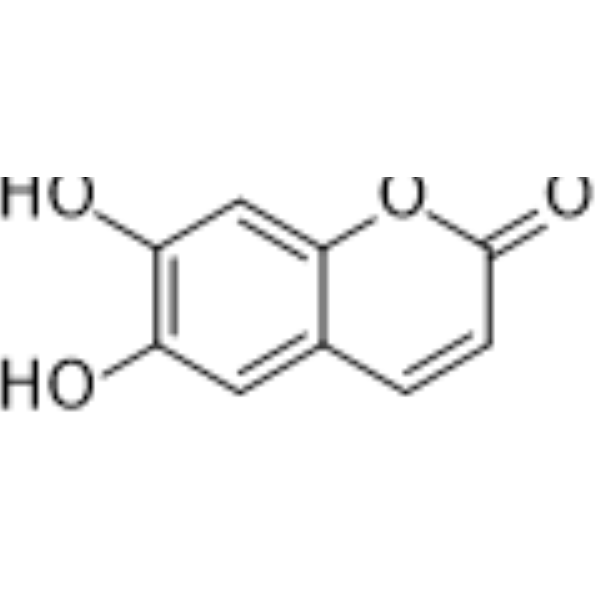
Esculetin is an active ingredient extracted mainly from the bark of Fraxinus rhynchophylla. Esculetin inhibits platelet-derived growth factor (PDGF)-induced airway smooth muscle cells (ASMCs) phenotype switching through inhibition of PI3K/Akt pathway. Esculetin has antioxidant, antiinflammatory, and antitumor activities .
|
-
- HY-146519
-
|
|
Trk Receptor
|
Cancer
|
|
TRK-IN-14 is a potent inhibitor of TRK. Protein kinases play a critical role in the control of cell growth and differentiation and are responsible for the control of a wide variety of cellular signal transduction processes. TRK-IN-14 has the potential for the research of TRK-related diseases (extracted from patent WO2012034091A1, compound X-47) .
|
-
- HY-N0041
-
|
Gypenoside IV
|
NF-κB
COX
NO Synthase
|
Inflammation/Immunology
Cancer
|
|
Ginsenoside Rb3 is extracted from steamed Panax ginseng C. A. Meyer. Ginsenoside Rb3 exhibits inhibitory effect on TNFα-induced NF-κB transcriptional activity with an IC50 of 8.2 μM in 293T cell lines. Ginsenoside Rb3 also inhibits the induction of COX-2 and iNOS mRNA.
|
-
- HY-146518
-
|
|
Trk Receptor
|
Cancer
|
|
TRK-IN-13 is a potent inhibitor of TRK. Protein kinases play a critical role in the control of cell growth and differentiation and are responsible for the control of a wide variety of cellular signal transduction processes. TRK-IN-13 has the potential for the research of TRK-related diseases (extracted from patent WO2012034091A1, compound X-24) .
|
-
- HY-118129
-
|
Ganwuweizic acid
|
PARP
Apoptosis
|
Cancer
|
|
Schisandronic acid is a triterpenoid antioxidant and anticancer agent extracted from Schisandra chinensis, which has potent cytotoxicity against human breast cancer cells, especially MCF-7. Schisandronic acid induces apoptosis and reduces cell viability in a time-dependent manner (MCF-7, IC50=8.06 μM). Schisandronic acid can upregulate active caspase-3 expression and cleave PARP, reduce the generation of reactive oxygen species and exhibit antioxidant effects .
|
-
- HY-B1021
-
|
|
Free Fatty Acid Receptor
|
Cardiovascular Disease
Metabolic Disease
|
|
Vincamine is a monoterpenoid indole alkaloid extracted from the Madagascar periwinkle. Vincamine is a peripheral vasodilator and exerts a selective vasoregulator action on the brain microcapilar circulation . Vincamine is a GPR40 agonist and acts as a β-cell protector by ameliorating β-cell dysfunction and promoting glucose-stimulated insulin secretion (GSIS). Vincamine improves glucose homeostasis in vivo, and has the potential for the type 2 diabetes mellitus (T2DM) research .
|
-
- HY-142932
-
|
|
Btk
|
Neurological Disease
Inflammation/Immunology
Cancer
|
|
BTK-IN-6 is a potent inhibitor of Bruton's Tyrosine Kinase (BTK). BTK is a member of the Tec family of tyrosine kinases and plays an important role in the regulation of early B-cell development and mature B-cell activation and survival. BTK-IN-6 has the potential for the research of immune disorders, cancer, cardiovascular diseases, viral infections, inflammation, metabolism/endocrine function disorders, and neurological disorders (extracted from patent WO2021136219A1, compound 8) .
|
-
- HY-N3007A
-
|
|
Others
|
Inflammation/Immunology
|
|
(E)-Naringenin chalcone is an orally active anti-allergic agent. (E)-Naringenin chalcone also has antioxidant, anti-inflammatory activities. (E)-Naringenin chalcone can improve adipocyte functions. (E)-Naringenin chalcone inhibits histamine release from rat peritoneal mast cell .
|
-
- HY-N6954
-
|
|
ATM/ATR
STAT
CDK
Hedgehog
|
Inflammation/Immunology
Cancer
|
|
Garcinone C, a xanthone derivative, is a natural compound extracted from Garcinia oblongifolia that is used as an anti-inflammatory, astringency and granulation-promoting medicine, and has potential cytotoxic effects on certain cancers. Garcinone C stimulates the expression levels of ATR and 4E-BP1, arrests the cell cycle, inhibits cell viability of the human Nasopharyngeal carcinoma (NPC) cell lines CNE1, CNE2, HK1 and HONE1 in a time‑ and dose‑dependent manner through inhibition of Hedgehog signaling pathway. Garcinone C is orally active .
|
-
- HY-139504
-
|
CC-99677
|
MAPKAPK2 (MK2)
|
Inflammation/Immunology
|
|
Gamcemetinib (CC-99677) is a potent, covalent, and irreversible inhibitor of the mitogen-activated protein (MAP) kinase-activated protein kinase-2 (MK2) pathway in both biochemical (IC50=156.3 nM) and cell based assays (EC50=89 nM). Gamcemetinib is extracted from patent WO2020236636, compound 1 .
|
-
- HY-142703
-
|
|
ROR
|
Inflammation/Immunology
|
|
RORγt inverse agonist 28 is a potent reverse agonist of RORγt. RORγt inverse agonist 28 regulates the differentiation of Th17 cells and inhibits the production of IL-17. RORγt inverse agonist 28 has the potential for the research of inflammation and autoimmune diseases (extracted from patent WO2021228215A1, compound 6) .
|
-
- HY-W099641
-
|
|
Biochemical Assay Reagents
|
Others
|
|
Methyltrioctylammonium hydrogen sulfate is a quaternary ammonium salt that is mainly used as an extraction solvent and a phase transfer catalyst in various chemical reactions. It is also used as an electrolyte in electrochemical devices such as batteries and fuel cells, and as a building block for the synthesis of pharmaceuticals and agrochemicals. MTOAHS are multifunctional compounds with many potential industrial applications due to their reactivity, stability, and ability to selectively extract certain compounds from mixtures.
|
-
- HY-N7073
-
|
|
SARS-CoV
|
Infection
Neurological Disease
Inflammation/Immunology
Cancer
|
|
Silymarin is an extract of the milk thistle (Silybum marianum). Silymarin is an effective SARS-CoV-2 main protease (M pro) inhibitor. Silymarin can significantly reduce tumor cell proliferation, angiogenesis as well as insulin resistance. Silymarin has the chemopreventive effect on hepatocellular carcinoma (HCC). Silymarin has the potential for COVID-19 research .
|
-
- HY-N2939
-
|
|
Others
|
Others
|
|
Bis-5,5-Nortrachelogenin is isolated from active extract of root of Wikstroemia indica. Bis-5,5-Nortrachelogenin inhibits nitric oxide (NO) production in a lipopolysaccharide (LPS) and recombinant mouse interferon-γ(IFN-γ) activated murine macrophage-like cell line, RAW 264.7 with an IC50 value of 48.6 mM .
|
-
- HY-142806
-
|
|
ROR
|
Inflammation/Immunology
|
|
RORγt inverse agonist 26 is a potent reverse agonist of RORγt. RORγt inverse agonist 26 regulates the differentiation of Th17 cells and inhibits the production of IL-17. RORγt inverse agonist 26 has the potential for the research of inflammation and autoimmune diseases (extracted from patent WO2021228215A1, compound 1) .
|
-
- HY-N8230
-
|
|
HIV
HIV Protease
|
Infection
Inflammation/Immunology
Cancer
|
|
Ganosinensic acid C is a triterpenoid compound that can be extracted from Ganoderma lucidum. Ganosinensic acid C has important biological activities such as anti-tumor, anti-prostate cancer, anti-inflammatory, and inhibition of HIV-I protease. Ganosinensic acid C has an IC50 value of 10.5 μM against human highly metastatic lung cancer cell line 95D. Ganosinensic acid C has an IC50 value of Ganosinensic acid C against cervical cancer cell line Hela is 13.2 μM .
|
-
- HY-W670700
-
|
|
MMP
|
Others
|
|
2,5-Dihydroxy-4-methoxyacetophenone (compounds 3) can be isolated from the 80% methanol extract of roots of Cynanchum paniculatum Kitagawa. 2,5-Dihydroxy-4-methoxyacetophenone inhibits glutamate-induced cytotoxicity in hippocampal HT22 cell line . 2,5-Dihydroxy-4-methoxyacetophenone significantly inhibites MMP-13 expression in SW1353 cells, and have the potential for alleviating cartilage degradation .
|
-
- HY-N2132R
-
|
Flavokavain B (Standard)
|
Reference Standards
Apoptosis
|
Cancer
|
|
Flavokawain B (Standard) is the analytical standard of Flavokawain B. This product is intended for research and analytical applications. Flavokawain B (Flavokavain B) is a chalcone isolated from the root extracts of kava-kava plant and a potent apoptosis inducer for inhibiting the growth of various cancer cell lines. Flavokawain B (Flavokavain B) shows strong antiangiogenic activity. Flavokawain B (Flavokavain B) inhibits human brain endothelial cell (HUVEC) migration and tube formation with very low and non-toxic concentrations .
|
-
- HY-P5156
-
|
|
Potassium Channel
|
Neurological Disease
|
|
BDS-I known as blood depressing substance, is a marine toxin which can be extracted from Anemonia sulcata. BDS-I is a specific inhibitor of Potassium Channel, targeting to Kv3.4. BDS-I inhibits Aβ1-42-induced enhancement of KV3.4 activity, caspase-3 activation, and abnormal nuclear morphology of NGF-differentiated PC-12 cells. BDS-I reverts the Aβ peptide-induced cell death .
|
-
- HY-B0688
-
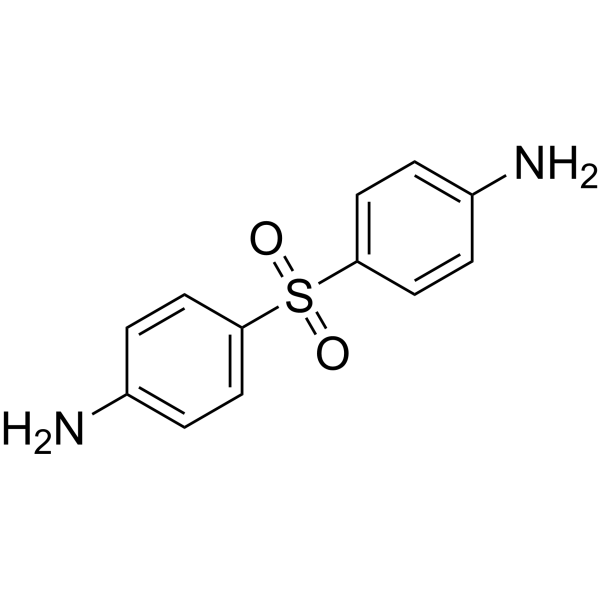
Dapsone
4 Publications Verification
4,4′-Diaminodiphenyl sulfone; DDS
|
Antibiotic
Parasite
Bacterial
Reactive Oxygen Species (ROS)
|
Infection
Inflammation/Immunology
|
|
Dapsone (4,4′-Diaminodiphenyl sulfone) is an orally active and blood-brain penetrant sulfonamide antibiotic with bacteriostatic, antimycobacterial and antiprotozoal activities . Dapsone?exerts effective antileprosy activity?and inhibits folate synthesis in cell extracts of?M. leprae. Dapsone is used for dermatologic disorder research, including leprosy, dermatitis herpetiformis, acne vulgaris et al .
|
-
- HY-N7510
-
|
12-Methoxycarnosic acid
|
5 alpha Reductase
|
Infection
Cancer
|
|
12-O-Methylcarnosic acid (12-Methoxycarnosic acid), a diterpene carnosic acid isolated from the acetone extract of Salvia microphylla, is an active constituent of 5α-reductase inhibition with an IC50 value of 61.7 μM. 12-O-Methylcarnosic acid inhibits proliferation in LNCaP cells. 12-O-Methylcarnosic acid has antioxidant, anti-cancer and antimicrobial activity .
|
-
- HY-N7018
-
|
|
Others
|
Inflammation/Immunology
|
|
20-Hydroxyganoderic Acid G is a lanostane triterpenoid obtained from the EtOH extract of fruiting bodies of the Ganoderma curtisii. 20-Hydroxyganoderic Acid G inhibits BV-2 microglia cells activated by LPS with an IC50 of 21.33 μM. 20-Hydroxyganoderic Acid G has therapeutic potential in the agent discovery of nerve inflammation diseases associated with microglia activated by LPS .
|
-
- HY-144048
-
|
|
EGFR
|
Cancer
|
|
EGFR-IN-31 is a potent inhibitor of EGFR. Overexpression and mutation of the epidermal growth factor receptor (EGFR) has been clearly demonstrated to lead to uncontrollable cell growth and is associated with the progression of most cancer diseases, especially NSCLC. EGFR-IN-31 has the potential for the research of diseases associated with EGFR mutations (extracted from patent WO2021185298A1, compound 2) .
|
-
- HY-156571
-
|
|
DGK
|
Cancer
|
|
DGKα-IN-4 (example 432) is a DGKα inhibitor with the IC50 of 0.1 nM, extracted from patent WO2021105117. DGKα-IN-2 significantly enhances the anti-tumor effect of anti-PD-1 by increasing the proliferation and function of T cells. DGKα-IN-3 has the potential for cancer and immunology study.
|
-
- HY-N0712R
-
|
|
Reference Standards
Autophagy
|
Cardiovascular Disease
Inflammation/Immunology
|
|
Typhaneoside (Standard) is the analytical standard of Typhaneoside. This product is intended for research and analytical applications. Typhaneoside, extracted from Typha angustifolia L., Typhaneoside can inhibit the excessive autophagy of hypoxia/reoxygenation cells and increase the phosphorylation of Akt and mTOR. Typhaneoside has certain effects on the cardiovascular system, including lowering blood lipid levels, promoting antiatherosclerosis activities, as well as improving immune and coagulation function .
|
-
- HY-156569
-
|
|
DGK
Anaplastic lymphoma kinase (ALK)
|
Inflammation/Immunology
Cancer
|
|
DGKα-IN-2 (example 48) is a DGKα inhibitor with the IC50 of 0.9 nM, extracted from patent WO2021105115. DGKα-IN-2 significantly enhances the anti-tumor effect of anti-PD-1 by increasing the proliferation and function of T cells. DGKα-IN-2 has the potential for cancer and immunology study.
|
-
- HY-156570
-
|
|
DGK
|
Inflammation/Immunology
Cancer
|
|
DGKα-IN-3 (example 25) is a DGKα inhibitor with the IC50 of 283 nM, extracted from patent WO2021105115. DGKα-IN-2 significantly enhances the anti-tumor effect of anti-PD-1 by increasing the proliferation and function of T cells. DGKα-IN-2 has the potential for cancer and immunology study.
|
-
- HY-N4299
-
|
|
HSV
HSP
|
Metabolic Disease
|
|
Caesappanin C, a biphenyl dimer from the ethanolic extract of the heartwood of Indonesian Caesalpinia sappan L., shows strong proliferation stimulating activity against the primary osteoblastic cells in vitro. Caesappanin C has the potential to stimulate bone formation and regeneration . Caesappanin C can effectively deactivate HSV particles and bind HSV surface glycoprotein B (gB) to inhibit membrane fusion .
|
-
- HY-144049
-
|
|
EGFR
|
Cancer
|
|
EGFR-IN-32 is a potent inhibitor of EGFR. Overexpression and mutation of the epidermal growth factor receptor (EGFR) has been clearly demonstrated to lead to uncontrollable cell growth and is associated with the progression of most cancer diseases, especially NSCLC. EGFR-IN-32 has the potential for the research of diseases associated with EGFR mutations (extracted from patent WO2021185297A1, compound 2) .
|
-
- HY-143874
-
|
|
EGFR
|
Cancer
|
|
HER2-IN-7 is a potent inhibitor of HER2. Deregulation of ErbB family signalling modulates proliferation, invasion, metastasis, angiogenesis, and tumour cell survival. HER2-IN-7 has the potential for the research of diseases associated ErbBs (especially HER2), including cancer (extracted from patent WO2019214634A1, compound 23) .
|
-
- HY-N7160
-
|
|
Src
Apoptosis
|
Cancer
|
|
2-Hydroxy-3-methylanthraquinone (compound 1) is a natural compound isolated from a water extract of Hedyotis diffusa WILLD. 2-Hydroxy-3-methylanthraquinone shows inhibitory activity against protein tyrosine kinases v-src and pp60src, and induces growth arrest and apoptosis in the HepG2 cancer cells .
|
-
- HY-B0688S
-
|
4,4′-Diaminodiphenyl sulfone-d8; DDS-d8
|
Antibiotic
Parasite
Bacterial
Reactive Oxygen Species (ROS)
|
Infection
Inflammation/Immunology
Cancer
|
|
Dapsone-d8 is a deuterium labeled Dapsone. Dapsone is an orally active and blood-brain penetrant sulfonamide antibiotic with antibacterial, antigenic and anti-inflammatory activities . Dapsone?exerts effective antileprosy activity?and inhibits folate synthesis in cell extracts of?M. leprae. Dapsone can be used as an anticonvulsant and also in the research of skin and glioblastoma diseases .
|
-
- HY-N12231
-
|
|
Antibiotic
Bacterial
Lipoxygenase
|
Infection
Cancer
|
|
Carbazomycin B is a bacterial metabolite and can be isolated from Streptomyces. Carbazomycin B is an antifungal and antibacterial agent. Carbazomycin B inhibits 5-lipoxygenase (5-LO) activity in extract from RBL-1 cell with the IC50 Of 1.5 µM sup>[2]sup>[3]sup>[4].
|
-
- HY-N9228
-
|
|
Others
|
Cancer
|
|
5,7,3',4'-Tetrahydroxy-3-methoxy-8-geranylflavone is a prenylflavone with anti-proliferation effect on breast cancer cells. 5,7,3',4'-Tetrahydroxy-3-methoxy-8-geranylflavone can be isolated from an ethyl acetate-soluble extract of the barks of Broussonetia papyrifera .
|
-
- HY-117733
-
|
|
Tie
VEGFR
|
Cancer
|
|
Zerumin A is an anti-angiogenic agent that acts on multiple molecular targets related to angiogenesis (including kdr/VEGFR2, angpt1, angpt2, tie1, and tie2). Zerumin A specifically inhibits the proliferation and migration of human umbilical vein endothelial cells (HUVECs) by regulating the VEGF-VEGFR and ANGPT-TIE signaling pathways, and dose-dependently inhibits angiogenesis (10-20 μM significantly inhibits zebrafish embryo angiogenesis). Zerumin A can be used in the research of cancer and angiogenesis-related inflammatory diseases. Zerumin A can be naturally extracted from the 95% ethanol extract of the fruits, seeds, and pericarp of Alpinia caerulea (R.Br.) Bentham (a plant of the Alpinia genus in the Zingiberaceae family) .
|
-
- HY-128738
-
|
TMP disodium salt
|
Endogenous Metabolite
DNA/RNA Synthesis
|
Metabolic Disease
|
|
Thymidine-5'-monophosphate (TMP) disodium salt is a key nucleotide in pyrimidine metabolism, and its kinase activity can be competitively inhibited by 5'-fluorothymidine. The level of Thymidine-5'-monophosphate disodium salt is closely associated with acute kidney injury .
|
-
- HY-114567
-
-
- HY-125665
-
|
|
Apoptosis
|
Cardiovascular Disease
Cancer
|
|
Pheophorbide A is an intermediate product in the chlorophyll degradation pathway. Pheophorbide A can be used as a photosensitizer. Pheophorbide A is a lymphatic vascular activator. Pheophorbide A has antitumor activity. Pheophorbide A can be used for human lymphatic vascular insufficiencies research .
|
-
- HY-133865
-
|
|
Interleukin Related
|
Metabolic Disease
Inflammation/Immunology
|
|
Diacetoxy-6-gingerdiol is a gingerol isolated with anti-inflammatory and antioxidant effects, which is found in the dichloromethane extract of rhizomes of ginger (Zingiber officinale Roscoe). Diacetoxy-6-gingerdiol protects the extracellular matrix of nucleus pulposus cells and ameliorates intervertebral disc degeneration by inhibiting the IL-1β-mediated NLRP3 pathway .
|
-
- HY-142452
-
|
|
Raf
|
Cancer
|
|
Pan-RAF kinase inhibitor 1 is a potent inhibitor of Pan-RAF kinase. Pan-RAF kinase inhibitor 1 regulates MAPK signaling by inhibiting RAF kinase, thereby exerting an effect on the proliferation of RAS-mutant tumor cells. Pan-RAF kinase inhibitor 1 has the potential for the research of cancer diseases (extracted from patent WO2021110141A1, compound 16B) .
|
-
- HY-110028
-
|
|
Cannabinoid Receptor
Fatty Acid Synthase (FASN)
Androgen Receptor
|
Endocrinology
Cancer
|
|
Leelamine hydrochloride is a tricyclic diterpene molecule that is extracted from the bark of pine trees . Leelamine hydrochloride is a cannabinoid receptor type 1 (CB1) agonist and a inhibitor of SREBP1-regulated fatty acid/lipid synthesis in prostate cancer cells that is not affected by androgen receptor status. Leelamine hydrochloride suppresses transcriptional activity of androgen receptor, which is known to regulate fatty acid synthesis [2,3].
|
-
- HY-128868J
-
|
|
Biochemical Assay Reagents
|
Others
|
|
FITC-Dextran (MW 1000) is a compound that belongs to the class of fluorescent dyes. It is often used as a tracer molecule in biomedical research to label and track cells or other biological substances. FITC-Dextran consists of fluorescein isothiocyanate (FITC) and dextran, a complex carbohydrate extracted from starch. The combination of the two creates a stable fluorescent tracer that can be observed under a microscope or quantified using specialized detection instruments.
|
-
- HY-N16691
-
|
|
Others
|
Inflammation/Immunology
Cancer
|
|
Acrovestone (compound 4) is an Acronychia-type acetophenone dimer and a selective anticancer agent. Acrovestone has IC50 values ??of 0.38 μM and 0.93 μM against A2058 melanoma cells and DU145 prostate cancer cells, respectively. Acrovestone shows low inhibitory activity against normal human dermal fibroblasts (NHDF), with an IC50 >5 μM. Acrovestone can be used in anticancer research related to prostate cancer and melanoma. Acrovestone can be naturally extracted from the trunk bark of Acronychia pedunculata .
|
-
- HY-142949
-
|
|
TGF-β Receptor
|
Inflammation/Immunology
Cancer
|
|
ALK5-IN-7 is a potent inhibitor of ALK5. Transforming growth factor beta (TGF-β) is a multifunctional cytokine that is involved in regulating cell proliferation, differentiation and apoptosis through complex receptor signaling pathways on the cell surface in an autocrine, paracrine and endocrine manner. ALK5-IN-7 has the potential for the research of TGF-β-related diseases and conditions, including but not limited to tumors, fibrotic diseases, inflammatory diseases, autoimmune diseases, etc (extracted from patent WO2021129621A1, compound 4) .
|
-
- HY-142950
-
|
|
TGF-β Receptor
|
Inflammation/Immunology
Cancer
|
|
ALK5-IN-6 is a potent inhibitor of ALK5. Transforming growth factor beta (TGF-β) is a multifunctional cytokine that is involved in regulating cell proliferation, differentiation and apoptosis through complex receptor signaling pathways on the cell surface in an autocrine, paracrine and endocrine manner. ALK5-IN-6 has the potential for the research of TGF-β-related diseases and conditions, including but not limited to tumors, fibrotic diseases, inflammatory diseases, autoimmune diseases, etc (extracted from patent WO2021129621A1, compound 1) .
|
-
- HY-N16817
-
|
|
NO Synthase
|
Inflammation/Immunology
Cancer
|
|
Rabdoternin E is a potential anti-inflammatory and antitumor agent. 2α-Acetoxy-14,15-cyclopimara-7β,16-diol only inhibits nitric oxide (NO) production in lipopolysaccharide (LPS)-induced RAW264.7 macrophages (IC50=2.3 μM) and exhibits cytotoxicity against human tumor cells such as HL-60 and SW-480 (IC50 values ??of 2.6 μM and 4.1 μM, respectively). Rabdoternin E is an ent-kaurane-type diterpenoid compound that can be naturally extracted from the 70% acetone aqueous extract of the aerial parts of Isodon rosthornii (Diels) Hara (a plant of the Lamiaceae family, Isodon genus) .
|
-
- HY-142444
-
|
|
VAP-1
|
Metabolic Disease
|
|
SSAO/VAP-1 inhibitor 1 is a potent inhibitor of SSAO/VAP-1. SSAO/VAP-1 promotes the transfer of Glucose transport 4 (GLUT 4) from adipocytes to the cell membrane, thereby regulating glucose transport. In endothelial cells, SSAO/VAP-1 can mediate the adhesion and exudation of leukocytes and endothelial cells, and participate in inflammatory responses. SSAO/VAP-1 inhibitor 1 has the potential for the research of inflammation and/or inflammation-related disease or diabetes and/or diabetes-related disease (extracted from patent WO2021102774A1, compound E3) .
|
-
- HY-N8537R
-
|
|
Reference Standards
Fungal
|
Infection
|
|
Enfumafungin (Standard) is the analytical standard of Enfumafungin. This product is intended for research and analytical applications. Enfumafungin, a triterpene glycoside, is isolated from extracts derived from fungus Hormonema carpetanum. Enfumafungin is an antifungal compound that is acting on the fungal cell wall, as the (1,3)-beta-D-glucan synthase inhibitor. Enfumafungin is specific for yeasts and fungi (excluding Cryptococcus) and does not inhibit the growth of Bacillus subtilis[1][2].
|
-
- HY-N0510R
-
|
Aristolochic acid I (Standard); TR 1736 (Standard)
|
Reference Standards
NF-κB
|
Cancer
|
|
Aristolochic acid A (Standard) is the analytical standard of Aristolochic acid A. This product is intended for research and analytical applications. Aristolochic acid A (Aristolochic acid I; TR 1736) is the main component of plant extract Aristolochic acids, which are found in various herbal plants of genus Aristolochia and Asarum. Aristolochic acid A significantly reduces both activator protein 1 (AP-1) and NF-κB activities. Aristolochic acid A reduces BLCAP gene expression in human cell lines .
|
-
- HY-N16714
-
|
|
Others
|
Cancer
|
|
Clausine K is a carbazole alkaloid anticancer agent. Clausine K exhibits strong cytotoxicity against human hepatoma HepG2 cells (IC50 = 1.05 μg/mL), superior to the standard drug Etoposide (HY-13629) (IC50 13.40 μg/mL). Clausine K can be naturally extracted from the dried stems of Clausena excavata (a plant of the Rutaceae family) through chromatographic separation and other methods .
|
-
- HY-B1021R
-
|
|
Reference Standards
Free Fatty Acid Receptor
|
Cardiovascular Disease
Metabolic Disease
|
|
Vincamine (Standard) is the analytical standard of Vincamine. This product is intended for research and analytical applications. Vincamine is a monoterpenoid indole alkaloid extracted from the Madagascar periwinkle. Vincamine is a peripheral vasodilator and exerts a selective vasoregulator action on the brain microcapilar circulation . Vincamine is a GPR40 agonist and acts as a β-cell protector by ameliorating β-cell dysfunction and promoting glucose-stimulated insulin secretion (GSIS). Vincamine improves glucose homeostasis in vivo, and has the potential for the type 2 diabetes mellitus (T2DM) research .
|
-
- HY-143423A
-
|
|
MALT1
|
Inflammation/Immunology
Cancer
|
|
(S)-MALT1-IN-5 is a potent inhibitor of MALT1 protease. (S)-MALT1-IN-5 inhibits the activity of MALT1 is expected to be able to correct the enhancement of MALT1 activity due to abnormality of T cell receptor signal or B cell receptor signal, and cancer or inflammatory disease caused by MALT1 activity is expected. (S)-MALT1-IN-5 has the potential for the research of MALT1-related diseases (extracted from patent WO2020111087A1, compound 1) .
|
-
- HY-111648
-
|
|
Nucleoside Antimetabolite/Analog
|
Others
|
|
6-O-Methyl Guanosine is a Ribonucleoside. Replacement of the conserved G5, G8 or G12 residues in hammerhead ribozymes with 6-O-Methyl Guanosine reduces kcat without altering Km. 6-O-Methyl Guanosine exerts position-dependent regulatory effects on ribosomal velocity and fidelity. When 6-O-Methyl Guanosine is located at the first or third position of a codon, it decreases the accuracy of tRNA selection. When 6-O-Methyl Guanosine is located at the second position of a codon, it slows down the peptide bond formation rate of cognate aminoacyl-tRNA but does not change the reaction rate of near-cognate aminoacyl-tRNA .
|
-
- HY-N6954R
-
|
|
Reference Standards
ATM/ATR
STAT
CDK
Hedgehog
|
Inflammation/Immunology
Cancer
|
|
Garcinone C (Standard) is the analytical standard of Garcinone C. This product is intended for research and analytical applications. Garcinone C, a xanthone derivative, is a natural compound extracted from Garcinia oblongifolia that is used as an anti-inflammatory, astringency and granulation-promoting medicine, and has potential cytotoxic effects on certain cancers. Garcinone C stimulates the expression levels of ATR and 4E-BP1, arrests the cell cycle, inhibits cell viability of the human Nasopharyngeal carcinoma (NPC) cell lines CNE1, CNE2, HK1 and HONE1 in a time‑ and dose‑dependent manner through inhibition of Hedgehog signaling pathway. Garcinone C is orally active .
|
-
- HY-N16929
-
-
- HY-143862
-
|
|
PPAR
|
Metabolic Disease
|
|
Pparδ agonist 7 is a potent agonist of Pparδ. The peroxisome proliferator-activated receptor (PPAR) is a member of the intranuclear receptor transcription factor superfamily that plays a key role in the regulation of metabolic homeostasis, inflammation, cell growth and differentiation in vivo. Pparδ agonist 7 has the potential for the research of non-alcoholic fatty liver disease (NAFLD) (extracted from patent WO2019105234A1, compound TM4) .
|
-
- HY-143863
-
|
|
PPAR
|
Metabolic Disease
|
|
Pparδ agonist 8 is a potent agonist of Pparδ. The peroxisome proliferator-activated receptor (PPAR) is a member of the intranuclear receptor transcription factor superfamily that plays a key role in the regulation of metabolic homeostasis, inflammation, cell growth and differentiation in vivo. Pparδ agonist 8 has the potential for the research of non-alcoholic fatty liver disease (NAFLD) (extracted from patent WO2021169769A1, compound TM2) .
|
-
- HY-N0551
-
|
|
Caspase
Lipoxygenase
Apoptosis
|
Inflammation/Immunology
Cancer
|
|
Wedelolactone suppresses LPS-induced caspase-11 expression by directly inhibits the IKK Complex. Wedelolactone also inhibits 5-lipoxygenase (5-Lox) with an IC50 of 2.5 μM. Wedelolactone induces caspase-dependent apoptosis in prostate cancer cells via downregulation of PKCε without inhibiting Akt. Wedelolactone can extract from Eclipta alba, and it can be used for the research of cancer .
|
-
- HY-144175
-
|
|
CDK
|
Cancer
|
|
CDK7-IN-12 is a potent inhibitor of CDK7. CDK7-IN-12 plays a key role in transcriptional regulation and cell cycle regulation. CDK7-IN-12 effectively inhibit malignant tumor proliferation in vitro and in vivo. CDK7-IN-12 has the potential for the research of cancer disease (extracted from patent WO2021249417A1, compound 43) .
|
-
- HY-144036
-
|
|
DNA-PK
|
Cancer
|
|
DNA-PK-IN-3 is a potent inhibitor of DNA-PK. DNA-PK-IN-3 synergistically enhances the effect of radiotherapy and chemotherapy and effectively inhibits tumor growth. DNA-PK-IN-3 also effectively reduces the damage to normal cells and reducing side effects. DNA-PK-IN-3 has the potential for the research of cancer disease (extracted from patent WO2021213460A1, compound 4) .
|
-
- HY-B0688S1
-
|
4,4′-Diaminodiphenyl sulfone-d4; DDS-d4
|
Isotope-Labeled Compounds
Antibiotic
Parasite
Bacterial
Reactive Oxygen Species (ROS)
|
Infection
Inflammation/Immunology
|
|
Dapsone-d4 is the deuterium labeled Dapsone. Dapsone (4,4′-Diaminodiphenyl sulfone) is an orally active and blood-brain penetrant sulfonamide antibiotic with bacteriostatic, antimycobacterial and antiprotozoal activities . Dapsone?exerts effective antileprosy activity?and inhibits folate synthesis in cell extracts of?M. leprae. Dapsone is used for dermatologic disorder research, including leprosy, dermatitis herpetiformis, acne vulgaris et al .
|
-
- HY-N2205
-
|
|
NF-κB
JNK
|
Cancer
|
|
Esculentoside H (EsH) is a saponin isolated from the root extract of perennial plant Phytolacca esculenta .
Esculentoside H (EH) has anti-tumor activity, the mechanism is related to the capacity for TNFrelease .
Esculentoside H (EsH) suppresses colon cancer cell migration through blockage of the JNK1/2 and NF-κB signaling-mediated matrix metalloproteinases-9 (MMP-9) expression .
|
-
- HY-B1331
-
|
Cyromazin; CGA-72662
|
Environmental Pollutants
Endogenous Metabolite
Parasite
|
Neurological Disease
Metabolic Disease
|
|
Cyromazine (CGA-72662) is a triazine insect growth regulator used as an insecticide and an acaricide. It is a cyclopropyl derivative of melamine. Cyromazine works by affecting the nervous system of the immature larval stages of certain insects. Cyromazine reduced the number of germ cells by interfering with the Ecdysone (HY-N0179) signaling pathway. Cyromazine induces renal toxicity attenuated and restored by green tea extract in rats .
|
-
- HY-144037
-
|
|
DNA-PK
|
Cancer
|
|
DNA-PK-IN-4 is a potent inhibitor of DNA-PK. DNA-PK-IN-4 is a imidazolinone derivative compound. DNA-PK-IN-4 inhibits DNA-PKcs activity, thus greatly reducing tumor DNA repair and inducing cells to enter the apoptotic program. DNA-PK-IN-4 has the potential for the research of cancer disease (extracted from patent WO2021209055A1, compound 27) .
|
-
- HY-N0284R
-
|
|
Reference Standards
PI3K
Akt
|
Inflammation/Immunology
Cancer
|
|
Esculetin (Standard) is the analytical standard of Esculetin. This product is intended for research and analytical applications. Esculetin is an active ingredient extracted mainly from the bark of Fraxinus rhynchophylla. Esculetin inhibits platelet-derived growth factor (PDGF)-induced airway smooth muscle cells (ASMCs) phenotype switching through inhibition of PI3K/Akt pathway. Esculetin has antioxidant, antiinflammatory, and antitumor activities .
|
-
- HY-145532
-
|
|
Apoptosis
NF-κB
Keap1-Nrf2
|
Inflammation/Immunology
Cancer
|
|
S-allylmercaptocysteine, an organic sulfur compound extracted from garlic, has anti-inflammatory and anti-oxidative effects for various pulmonary diseases. S-allylmercaptocysteine achieves its anti-cancer effect through a variety of pathways such as inducing the apoptosis of cancer cells through the TGF-β signaling pathway, or reducing the NF-κB activity and up-regulating Nrf2 to achieve the effects of anti-inflammation and anti-oxidation .
|
-
- HY-143587
-
|
|
CDK
|
Cancer
|
|
CDK7-IN-2 is a potent inhibitor of CDK7. CDK7 is implicated in both temporal control of the cell cycle and transcriptional activity. CDK7 is implicated in the transcriptional initiation process by phosphorylation of Rbpl subunit of RNA Polymerase II (RNAPII). CDK7 has the potential for the research of cancer disease, in particular aggressive and hard- to-treat cancers (extracted from patent WO2019099298A1, compound 1) .
|
-
- HY-N10985
-
|
|
Drug Derivative
|
Cancer
|
|
Xanthone V1a, a derivative of Xanthone (HY-N0126), is an antioxidant that can be found in the roots of Cudrania tricuspidata and twig extracts of Maclura fruticosa. Xanthone V1a exerts cytotoxic effects against colon, hepatocellular, and gastric carcinoma cells. Xanthone V1a exhibits scavenging activitys against DPPH and ABTS. Xanthone V1a can be used for the research of colon carcinoma, hepatocellular carcinoma, and gastric carcinoma .
|
-
- HY-N9674
-
|
|
Others
|
Cancer
|
|
Epimedonin H is a selective prenylated 2-phenoxychromone compound with no significant cytotoxicity against five human cancer cell lines, including HL-60 and SMMC-7721 (IC50 > 10 μM). Epimedonin H can be used in potential activity screening studies in the field of natural product chemistry. Epimedonin H can be extracted from the dried aerial parts of Epimedium brevicornum (a plant of the genus Epimedium in the Berberidaceae family) .
|
-
- HY-145039
-
|
|
MAP4K
|
Inflammation/Immunology
Cancer
|
|
HPK1-IN-13 is potent inhibitor of HPK1. HPK1 is a serine/threonine protein kinase cloned from hematopoietic progenitor cells and belongs to the MAP4K family of mammalian Ste-20-related protein kinases. HPK1-IN-13 has the potential for the research of HPK1 related diseases (extracted from patent WO2021213317A1, compound 64) .
|
-
- HY-145038
-
|
|
MAP4K
|
Inflammation/Immunology
Cancer
|
|
HPK1-IN-12 is potent inhibitor of HPK1. HPK1 is a serine/threonine protein kinase cloned from hematopoietic progenitor cells and belongs to the MAP4K family of mammalian Ste-20-related protein kinases. HPK1-IN-12 has the potential for the research of HPK1 related diseases (extracted from patent WO2021213317A1, compound 85) .
|
-
- HY-W181102
-
|
|
Calcineurin
|
Cardiovascular Disease
Neurological Disease
Inflammation/Immunology
|
|
NFAT Inhibitor-2 is a potent inhibitor of calcineurin NFAT signalling. Calcineurin is a serine/threonine protein phosphatase regulated by Ca2+ and calmodulin. NFAT Inhibitor-2 has the potential for the research of inflammatory disease, an autoimmune disorder, a cardiovascular disease, a neurodegenerative disease, a disease occurring with uncontrolled cell proliferation and/or differentiation, an angiogenesis-related disease, an allergy, anaphylaxis and alopecia (extracted from patent WO2016207212A1, compound 17) .
|
-
- HY-N0926
-
|
Columbamin; Dehydroisocorypalmine
|
Cytochrome P450
Apoptosis
Parasite
|
Infection
Neurological Disease
Inflammation/Immunology
Cancer
|
|
Columbamine (Columbamin; Dehydroisocorypalmine) is an organic heterotetracyclic alkaloid extracted from plants. Columbamine is a metabolite of Berberine (HY-N0716). Columbamine inhibits the cytochrome P450 (CYP) isoform CYP3A4 (IC50 = 30.6 µM). Columbamine induces apoptosis in cancer cells. Columbamine can be used for antioxidant, anti-inflammatory, antitumor, antifungal, antiparasite, hepatoprotective, neuroprotective, hypolipidemic and hypoglycemic study .
|
-
- HY-145040
-
|
|
MAP4K
|
Inflammation/Immunology
Cancer
|
|
HPK1-IN-14 is potent inhibitor of HPK1. HPK1 is a serine/threonine protein kinase cloned from hematopoietic progenitor cells and belongs to the MAP4K family of mammalian Ste-20-related protein kinases. HPK1-IN-14 has the potential for the research of HPK1 related diseases (extracted from patent WO2021213317A1, compound 79) .
|
-
- HY-N12641
-
|
|
Apoptosis
Pyroptosis
|
Cancer
|
|
Ardisianone is a component with an alkyl benzoquinone structure that can be isolated from Ardisia virens Kurz and Ardisia compressa tea extract. Ardisianone exhibits potent antileukemic activity, particularly against HL-60 cells, with IC50 values of 1.87 μM (24 h) and 1.67 μM (48 h). Ardisianone induces caspase-dependent apoptosis and triggers pyroptosis. Ardisianone can be used for the study of acute myeloid leukemia (AML) .
|
-
- HY-N0926A
-
|
Columbamin chloride; Dehydroisocorypalmine chloride
|
Cytochrome P450
Apoptosis
Parasite
|
Infection
Neurological Disease
Inflammation/Immunology
Cancer
|
|
Columbamine (Columbamin; Dehydroisocorypalmine) chloride is an organic heterotetracyclic alkaloid extracted from plants. Columbamine chloride is a metabolite of Berberine (HY-N0716). Columbamine chloride inhibits the cytochrome P450 (CYP) isoform CYP3A4 (IC50 = 30.6 µM). Columbamine chloride induces apoptosis in cancer cells. Columbamine chloride can be used for antioxidant, anti-inflammatory, antitumor, antifungal, antiparasite, hepatoprotective, neuroprotective, hypolipidemic and hypoglycemic study .
|
-
- HY-145035
-
|
|
MAP4K
|
Inflammation/Immunology
Cancer
|
|
HPK1-IN-9 is potent inhibitor of HPK1. HPK1 is a serine/threonine protein kinase cloned from hematopoietic progenitor cells and belongs to the MAP4K family of mammalian Ste-20-related protein kinases. HPK1-IN-9 has the potential for the research of HPK1 related diseases (extracted from patent WO2021213317A1, compound 112) .
|
-
- HY-145037
-
|
|
MAP4K
|
Inflammation/Immunology
Cancer
|
|
HPK1-IN-11 is potent inhibitor of HPK1. HPK1 is a serine/threonine protein kinase cloned from hematopoietic progenitor cells and belongs to the MAP4K family of mammalian Ste-20-related protein kinases. HPK1-IN-11 has the potential for the research of HPK1 related diseases (extracted from patent WO2021213317A1, compound 2) .
|
-
- HY-125854
-
|
|
Liposome
Cholinesterase (ChE)
Monoamine Oxidase
Apoptosis
|
Neurological Disease
Metabolic Disease
Inflammation/Immunology
|
|
Phosphatidylcholines, egg are a type of phosphatidylcholine that can be isolated and extracted from eggs, primarily present in egg yolks. As a major phospholipid component of cell membranes, Phosphatidylcholines, egg play a key role in providing nutrition and protection to the body. Phosphatidylcholines, egg can inhibit oxidative stress and neurotoxicity, exerting neuroprotective effects. Additionally, Phosphatidylcholines, egg can suppress the lymphatic absorption of cholesterol in the intestine and are also used in research on intestinal lipid absorption .
|
-
- HY-145036
-
|
|
MAP4K
|
Inflammation/Immunology
Cancer
|
|
HPK1-IN-10 is potent inhibitor of HPK1. HPK1 is a serine/threonine protein kinase cloned from hematopoietic progenitor cells and belongs to the MAP4K family of mammalian Ste-20-related protein kinases. HPK1-IN-10 has the potential for the research of HPK1 related diseases (extracted from patent WO2021213317A1, compound 103) .
|
-
- HY-N0600
-
|
|
Interleukin Related
IFNAR
NF-κB
|
Inflammation/Immunology
|
|
Ginsenoside F3 is a saponin extracted from the leaves of Panax ginseng with immunoenhancing and antitumor immunostimulatory activities. Ginsenoside F3 upregulates RIPOR2 with a Kd value of 3.77 μM. Ginsenoside F3 enhances NF‑κB activation, upregulates T‑bet and downregulates GATA‑3, increases the production of IL‑2 and IFN‑γ, decreases the production of IL‑4 and IL‑10, reverses CD8⁺ T‑cell exhaustion, restores cytokine secretion, and enhances antitumor immunity in a mouse non‑small cell lung cancer model. Ginsenoside F3 can be used for the research of non-small cell lung cancer .
|
-
- HY-N16764
-
|
|
Necroptosis
NO Synthase
|
Neurological Disease
Inflammation/Immunology
Endocrinology
Cancer
|
|
(rel)-Salcolin A is a flavonoid lignan compound with anticancer, anti-inflammatory, and neuroprotective activities. (rel)-Salcolin A has IC50 values ??of 66.69 μM and 56.12 μM against anaplastic thyroid carcinoma cells (HTH83) and papillary thyroid carcinoma cells (TPC1), respectively. (rel)-Salcolin A also inhibits LPS-induced NO production with an IC50 of 14.65 μM. (rel)-Salcolin A exerts its effects by inducing necroptosis in thyroid cancer cells, inhibiting the production of the inflammatory factor NO, and protecting against glutamate-induced neuronal cell damage, with a neuroprotective E50 of 47.44 μM. (rel)-Salcolin A can be used in research related to thyroid cancer, anti-inflammation, and neuroprotection. (rel)-Salcolin A can be naturally extracted from the leaves of Casearia arborea and the stems of Zea mays (corn) .
|
-
- HY-N13115A
-
|
(E)-21-Angeloyl-protoaescigenin
|
Others
|
Cancer
|
|
Protoescigenin 21-tiglate (compound 10) is a glycosidic oleanane-type triterpenoid (BAT) that can be isolated from the acid hydrolysis product (AHP) of the crude extract of Aesculus chinensis seeds. Aesculus-derived triterpenoids (BAT) generally exhibit good antitumor, anti-inflammatory, and anti-Alzheimer's activities. However, the antitumor activity of Protoescigenin 21-tiglate is relatively weak, with IC50 values of >80 μM and 80 μM against MCF-7 and HeLa cells, respectively .
|
-
- HY-N13115
-
|
(Z)-Protoescigenin 21-tiglate
|
Others
|
Cancer
|
|
21-Angeloyl-protoaescigenin (compound 11) is a glycosidic oleanane-type triterpenoid (BAT) that can be isolated from the acid hydrolysis product (AHP) of the crude extract of Aesculus chinensis seeds. Aesculus-derived triterpenoids (BAT) generally exhibit good antitumor, anti-inflammatory, and anti-Alzheimer's activities. Protoescigenin 21-tiglate has antitumor activity, with IC50 values of 38.2 μM and 33 μM against MCF-7 and HeLa cells, respectively .
|
-
- HY-145041
-
|
|
MAP4K
|
Inflammation/Immunology
Cancer
|
|
HPK1-IN-15 is a potent and selective inhibitor of HPK1. Hematopoietic progenitor kinase 1 (HPKl) originally cloned from hematopoietic progenitor cells is a member of MAP kinase kinase kinase kinases (MAP4Ks) family. HPK1-IN-15 is useful in researching, preventing or ameliorating diseases or disorders associated with HPK1 activity such as cancer (extracted from patent WO2018049200A1, compound 50) .
|
-
- HY-N0041R
-
|
Gypenoside IV (Standard)
|
Reference Standards
NF-κB
COX
NO Synthase
|
Inflammation/Immunology
Cancer
|
|
Ginsenoside Rb3 (Standard) is the analytical standard of Ginsenoside Rb3. This product is intended for research and analytical applications. Ginsenoside Rb3 is extracted from steamed Panax ginseng C. A. Meyer. Ginsenoside Rb3 exhibits inhibitory effect on TNFα-induced NF-κB transcriptional activity with an IC50 of 8.2 μM in 293T cell lines. Ginsenoside Rb3 also inhibits the induction of COX-2 and iNOS mRNA.
|
-
- HY-144184
-
|
|
Methionine Adenosyltransferase (MAT)
|
Cancer
|
|
MAT2A-IN-6 is a potent inhibitor of MAT2A. The expression level of MAT2A is abnormally elevated in several types of tumors, including gastric, colon, liver and pancreatic cancers. MAT2A-IN-6 reduces the proliferative activity of MTAP-deficient cancer cells. MAT2A-IN-6 has the potential for the potential for the research of cancer diseases (extracted from patent WO2021254529A1, compound 18) .
|
-
- HY-145042
-
|
|
MAP4K
|
Inflammation/Immunology
Cancer
|
|
HPK1-IN-16 is a potent and selective inhibitor of HPK1. Hematopoietic progenitor kinase 1 (HPKl) originally cloned from hematopoietic progenitor cells is a member of MAP kinase kinase kinase kinases (MAP4Ks) family. HPK1-IN-16 is useful in researching, preventing or ameliorating diseases or disorders associated with HPK1 activity such as cancer (extracted from patent WO2019051199A1, compound 39) .
|
-
- HY-144038
-
|
|
DNA-PK
|
Cancer
|
|
DNA-PK-IN-5 is a potent inhibitor of DNA-PK. DNA-PK-IN-5 inhibits DNA-PKcs activity, thus greatly reducing tumor DNA repair and inducing cells to enter the apoptotic program. DNA-PK-IN-5 enhances the sensitivity of tumor tissues to radiotherapy, overcomes the problem of agent resistance, and enhances the inhibitory effect on a variety of solid tumors and hematological tumors (extracted from patent WO2021204111A1, compound 2) .
|
-
- HY-144185
-
|
|
Methionine Adenosyltransferase (MAT)
|
Cancer
|
|
MAT2A-IN-7 is a potent inhibitor of MAT2A. The expression level of MAT2A is abnormally elevated in several types of tumors, including gastric, colon, liver and pancreatic cancers. MAT2A-IN-7 reduces the proliferative activity of MTAP-deficient cancer cells. MAT2A-IN-7 has the potential for the potential for the research of cancer diseases (extracted from patent WO2021254529A1, compound 24) .
|
-
- HY-147616
-
|
|
c-Fms
|
Cancer
|
|
CSF1R-IN-13 is a potent inhibitor of CSF1R. Colony stimulating factor 1 (CSF-1, also known as macrophage colony stimulating factor, M-CSF) is an important growth factor that controls bone marrow progenitor cells, monocytes, macrophages, and giants. CSF1R-IN-13 has the potential for the research of cancer diseases (extracted from patent WO2019134661A1, compound 32) .
|
-
- HY-144181
-
|
|
Methionine Adenosyltransferase (MAT)
|
Cancer
|
|
MAT2A-IN-5 is a potent inhibitor of MAT2A. The expression level of MAT2A is abnormally elevated in several types of tumors, including gastric, colon, liver and pancreatic cancers. MAT2A-IN-5 reduces the proliferative activity of MTAP-deficient cancer cells. MAT2A-IN-5 has the potential for the potential for the research of cancer diseases (extracted from patent WO2021254529A1, compound 1) .
|
-
- HY-143546
-
|
|
RET
|
Cancer
|
|
RET-IN-9 is a potent inhibitor of RET. RET kinase is a single-pass transmembrane receptor tyrosine kinase that plays an important role in the development of the kidney and enteric nervous system, and the maintenance of homeostasis in the nervous, endocrine, hematopoietic, and male reproductive systems. RET-IN-9 has the potential for the research of RET-related disease including non-small cell lung cancer and medullary thyroid cancer (extracted from patent WO2021115457A1, compound 29) .
|
-
- HY-145044
-
|
|
MAP4K
|
Inflammation/Immunology
Cancer
|
|
HPK1-IN-17 is a potent and selective inhibitor of HPK1. Hematopoietic progenitor kinase 1 (HPKl) originally cloned from hematopoietic progenitor cells is a member of MAP kinase kinase kinase kinases (MAP4Ks) family. HPK1-IN-17 is useful in researching, preventing or ameliorating diseases or disorders associated with HPK1 activity such as cancer (extracted from patent WO2019238067A1, compound 73) .
|
-
- HY-N6973
-
Boldine
1 Publications Verification
|
RANKL/RANK
Apoptosis
|
Inflammation/Immunology
Cancer
|
|
Boldine is an apomorphine isoquinoline alkaloid extracted from the root of the pheasant pepper (Litsea cubeba). Boldine is an oral effective antioxidant, anti-inflammatory, antitumor agent, and can inhibit osteoclast formation. Boldine induces apoptosis of human bladder cancer cells by regulating ERK, AKT and GSK-3β. Boldine ameliorates bone destruction by down-regulating the OPG/RANKL/RANK signaling pathway. It can be used in rheumatoid arthritis research .
|
-
- HY-142929
-
|
|
Somatostatin Receptor
|
Cancer
|
|
MAT2A-IN-2 is a potent inhibitor of MAT2A. The expression level of MAT2A is abnormally high in several types of tumors, including gastric, colon, liver and pancreatic cancers. MAT2A-IN-2 reduces the proliferative activity of MTAP-deficient cancer cells. MAT2A-IN-2 has the potential for the research of cancer diseases (extracted from patent WO2020243376A1, compound 172) .
|
-
- HY-142928
-
|
|
Somatostatin Receptor
|
Cancer
|
|
MAT2A-IN-1 is a potent inhibitor of MAT2A. The expression level of MAT2A is abnormally high in several types of tumors, including gastric, colon, liver and pancreatic cancers. MAT2A-IN-1 reduces the proliferative activity of MTAP-deficient cancer cells. MAT2A-IN-1 has the potential for the research of cancer diseases (extracted from patent WO2021139775A1, compound 64) .
|
-
- HY-142930
-
|
|
Somatostatin Receptor
|
Cancer
|
|
MAT2A-IN-3 is a potent inhibitor of MAT2A. The expression level of MAT2A is abnormally high in several types of tumors, including gastric, colon, liver and pancreatic cancers. MAT2A-IN-3 reduces the proliferative activity of MTAP-deficient cancer cells. MAT2A-IN-3 has the potential for the research of cancer diseases (extracted from patent WO2019191470A1, compound 265) .
|
-
- HY-144039
-
|
|
DNA-PK
|
Cancer
|
|
DNA-PK-IN-6 is a potent inhibitor of DNA-PK. DNA-PK-IN-6 inhibits DNA-PKcs activity, thus greatly reducing tumor DNA repair and inducing cells to enter the apoptotic program. DNA-PK-IN-6 enhances the sensitivity of tumor tissues to radiotherapy, overcomes the problem of agent resistance, and enhances the inhibitory effect on a variety of solid tumors and hematological tumors (extracted from patent WO2021197159A1, compound 6) .
|
-
- HY-B0688R
-
|
4,4′-Diaminodiphenyl sulfone (Standard); DDS (Standard)
|
Reference Standards
Antibiotic
Parasite
Bacterial
Reactive Oxygen Species (ROS)
|
Infection
Inflammation/Immunology
|
|
Dapsone (Standard) is the analytical standard of Dapsone. This product is intended for research and analytical applications. Dapsone (4,4′-Diaminodiphenyl sulfone) is an orally active and blood-brain penetrant sulfonamide antibiotic with bacteriostatic, antimycobacterial and antiprotozoal activities . Dapsone exerts effective antileprosy activity and inhibits folate synthesis in cell extracts of M. leprae. Dapsone is used for dermatologic disorder research, including leprosy, dermatitis herpetiformis, acne vulgaris et al .
|
-
- HY-145045
-
|
|
MAP4K
|
Inflammation/Immunology
Cancer
|
|
HPK1-IN-18 is a potent and selective inhibitor of HPK1. Hematopoietic progenitor kinase 1 (HPKl) originally cloned from hematopoietic progenitor cells is a member of MAP kinase kinase kinase kinases (MAP4Ks) family. HPK1-IN-18 is useful in researching, preventing or ameliorating diseases or disorders associated with HPK1 activity such as cancer (extracted from patent WO2019238067A1, compound 1) .
|
-
- HY-143864
-
|
|
LPL Receptor
|
Inflammation/Immunology
|
|
S1PR1 agonist 1 is a potent agonist of S1PR1. Sphingosine-1-phosphate (S1P) is a cell membrane-derived lysophospholipid signalling molecule that exerts its physiological functions mainly by stimulating some members of the G protein-coupled receptor family. S1PR1 agonist 1 has the potential for the research of autoimmune diseases (extracted from patent WO2021175223A1, compound 22) .
|
-
- HY-143865
-
|
|
LPL Receptor
|
Inflammation/Immunology
|
|
S1PR1 agonist 2 is a potent agonist of S1PR1. Sphingosine-1-phosphate (S1P) is a cell membrane-derived lysophospholipid signalling molecule that exerts its physiological functions mainly by stimulating some members of the G protein-coupled receptor family. S1PR1 agonist 2 has the potential for the research of autoimmune diseases (extracted from patent WO2021175225A1, compound 1) .
|
-
- HY-W787758
-
|
4-yn-VPA
|
HDAC
P-glycoprotein
|
Neurological Disease
Cancer
|
|
2-Propylpent-4-ynoic acid (4-yn-VPA) is a HDAC inhibitor (with an IC50 of 0.5 mM against human HDAC). 2-Propylpent-4-ynoic acid also induces P-glycoprotein function, and exhibits teratogenicity, fetal growth inhibition and neurotoxicity. 2-Propylpent-4-ynoic acid shows significant stereospecific teratogenic effects, with the S-enantiomer being more teratogenic than the R-enantiomer and other analogs. The neurotoxicity of 2-Propylpent-4-ynoic acid is independent of its stereochemical structure. 2-Propylpent-4-ynoic acid has been used in studies related to the pathogenesis of colon cancer and neural tube defects such as exencephaly .
|
-
- HY-W653841
-
|
|
Endogenous Metabolite
Parasite
|
Infection
Inflammation/Immunology
Cancer
|
|
Chondroitin sulfate A disodium is a mucopolysaccharide extracted from animal cartilages such as porcine nasal cartilage, and serves as a major structural component of cartilage. Chondroitin sulfate A disodium is one of the specific receptors for the adhesion of Plasmodium falciparum-infected red blood cells in the microcirculation. Chondroitin sulfate A disodium can be used together with selenium to prepare nanoparticles for protecting cartilage against T‑2 toxin-induced damage. Chondroitin sulfate A disodium is abnormally highly expressed in ameloblastoma, and is particularly enriched in stellate reticulum-like tumor cells. Chondroitin sulfate A disodium can be applied to studies on Plasmodium infection mechanisms, cartilage protection and oral tumors .
|
-
- HY-N7510R
-
|
12-Methoxycarnosic acid (Standard)
|
Reference Standards
5 alpha Reductase
|
Infection
Cancer
|
|
12-O-Methylcarnosic acid (Standard) is the analytical standard of 12-O-Methylcarnosic acid. This product is intended for research and analytical applications. 12-O-Methylcarnosic acid (12-Methoxycarnosic acid), a diterpene carnosic acid isolated from the acetone extract of Salvia microphylla, is an active constituent of 5α-reductase inhibition with an IC50 value of 61.7 μM. 12-O-Methylcarnosic acid inhibits proliferation in LNCaP cells. 12-O-Methylcarnosic acid has antioxidant, anti-cancer and antimicrobial activity .
|
-
- HY-N17783A
-
|
|
Endogenous Metabolite
|
Inflammation/Immunology
|
|
Sanleng acid is an unsaturated fatty acid compound that can be isolated from the hexane extract of Magnolia sieboldii (MsHE). MsHE can inhibit the expression of inflammatory mediators (such as COX-2) and pro-inflammatory cytokines (such as TNF-α, IL-1β), and increase the expression of tight junction proteins (claudin-4, claudin-5) to protect epithelial cell barrier function, thus exerting anti-inflammatory activity. Related compounds may be used in research related to reflux esophagitis (RE).
|
-
- HY-N16483
-
|
|
Apoptosis
Caspase
Bcl-2 Family
PARP
Androgen Receptor
|
Cancer
|
|
Procyanidin B2-3'-O-gallate is a mono-gallate ester that can be isolated from grape seed extract. Procyanidin B2-3'-O-gallate has anti-cancer efficacy and reduces the viability of prostate carcinoma LNCaP cells. Furthermore, Procyanidin B2-3'-O-gallate induces apoptosis, and causes caspases-9 and -3 and PARP cleavage, and down-regulates Bcl-2, Bcl-Xl and androgen receptor levels .
|
-
- HY-N0551R
-
|
|
Reference Standards
Caspase
Lipoxygenase
Apoptosis
|
Inflammation/Immunology
Cancer
|
|
Wedelolactone (Standard) is the analytical standard of Wedelolactone. This product is intended for research and analytical applications. Wedelolactone suppresses LPS-induced caspase-11 expression by directly inhibits the IKK Complex. Wedelolactone also inhibits 5-lipoxygenase (5-Lox) with an IC50 of 2.5 μM. Wedelolactone induces caspase-dependent apoptosis in prostate cancer cells via downregulation of PKCε without inhibiting Akt. Wedelolactone can extract from Eclipta alba, and it can be used for the research of cancer .
|
-
- HY-144050
-
|
|
EGFR
|
Cancer
|
|
EGFR-IN-33 is a potent inhibitor of EGFR. EGFR-IN-33 is an anti-tumor agent with low toxic side effects. EGFR-IN-33 is an acrylamide derivative compound. Overexpression and mutation of the epidermal growth factor receptor (EGFR) has been clearly demonstrated to lead to uncontrollable cell growth and is associated with the progression of most cancer diseases, especially NSCLC. EGFR-IN-33 has the potential for the research of diseases associated with EGFR mutations (extracted from patent WO2021185348A1, compound 13) .
|
-
- HY-144034
-
|
|
GLP Receptor
|
Metabolic Disease
|
|
GLP-1R agonist 3 is a potent agonist of GLP-1R. GLP-1R agonist 3 is a thickened imidazole derivative compound. Glucagon-like peptide-1 (GLP-1) is an intestinal hypoglycemic hormone secreted by L-cells in the lower gastrointestinal tract. GLP-1R agonist 3 has the potential for the research of diabetes (extracted from patent WO2021197464A1, compound 1) .
|
-
- HY-B1331R
-
|
Cyromazin (Standard); CGA-72662 (Standard)
|
Reference Standards
Endogenous Metabolite
Parasite
|
Neurological Disease
Metabolic Disease
|
|
Cyromazine (Standard) is the analytical standard of Cyromazine. This product is intended for research and analytical applications. Cyromazine (CGA-72662) is a triazine insect growth regulator used as an insecticide and an acaricide. It is a cyclopropyl derivative of melamine. Cyromazine works by affecting the nervous system of the immature larval stages of certain insects. Cyromazine reduced the number of germ cells by interfering with the Ecdysone (HY-N0179) signaling pathway. Cyromazine induces renal toxicity attenuated and restored by green tea extract in rats .
|
-
- HY-144052
-
|
|
EGFR
|
Cancer
|
|
EGFR-IN-35 is a potent inhibitor of EGFR. EGFR-IN-35 is an anti-tumor agent with low toxic side effects. EGFR-IN-35 is an acrylamide derivative compound. Overexpression and mutation of the epidermal growth factor receptor (EGFR) has been clearly demonstrated to lead to uncontrollable cell growth and is associated with the progression of most cancer diseases, especially NSCLC. EGFR-IN-35 has the potential for the research of diseases associated with EGFR mutations (extracted from patent WO2021185348A1, compound 11) .
|
-
- HY-N16684
-
|
|
P-glycoprotein
|
Cancer
|
|
Clausarin is a selective inhibitor of P-glycoprotein (P-gp), inhibiting P-gp-mediated drug efflux. Clausarin significantly inhibits Daunorubicin (HY-13062A) efflux in K562/R7 human leukemia cells overexpressing P-gp (with Cyclosporin A (HY-B0579) as a positive control). Clausarin can be naturally extracted from the roots of Citrus sinensis (sweet orange) and can be used in research related to overcoming multidrug resistance (MDR) in tumors .
|
-
- HY-144051
-
|
|
EGFR
|
Cancer
|
|
EGFR-IN-34 is a potent inhibitor of EGFR. EGFR-IN-34 is an anti-tumor agent with low toxic side effects. EGFR-IN-35 is an acrylamide derivative compound. Overexpression and mutation of the epidermal growth factor receptor (EGFR) has been clearly demonstrated to lead to uncontrollable cell growth and is associated with the progression of most cancer diseases, especially NSCLC. EGFR-IN-34 has the potential for the research of diseases associated with EGFR mutations (extracted from patent WO2021185348A1, compound 12) .
|
-
- HY-144056
-
|
|
EGFR
|
Cancer
|
|
EGFR-IN-39 is a potent inhibitor of EGFR. EGFR-IN-39 is an anti-tumor agent with low toxic side effects. EGFR-IN-39 is an acrylamide derivative compound. Overexpression and mutation of the epidermal growth factor receptor (EGFR) has been clearly demonstrated to lead to uncontrollable cell growth and is associated with the progression of most cancer diseases, especially NSCLC. EGFR-IN-39 has the potential for the research of diseases associated with EGFR mutations (extracted from patent WO2021185348A1, compound 2) .
|
-
- HY-144054
-
|
|
EGFR
|
Cancer
|
|
EGFR-IN-37 is a potent inhibitor of EGFR. EGFR-IN-37 is an anti-tumor agent with low toxic side effects. EGFR-IN-39 is an acrylamide derivative compound. Overexpression and mutation of the epidermal growth factor receptor (EGFR) has been clearly demonstrated to lead to uncontrollable cell growth and is associated with the progression of most cancer diseases, especially NSCLC. EGFR-IN-37 has the potential for the research of diseases associated with EGFR mutations (extracted from patent WO2021185348A1, compound 7) .
|
-
- HY-144055
-
|
|
EGFR
|
Cancer
|
|
EGFR-IN-38 is a potent inhibitor of EGFR. EGFR-IN-38 is an anti-tumor agent with low toxic side effects. EGFR-IN-33 is an acrylamide derivative compound. Overexpression and mutation of the epidermal growth factor receptor (EGFR) has been clearly demonstrated to lead to uncontrollable cell growth and is associated with the progression of most cancer diseases, especially NSCLC. EGFR-IN-38 has the potential for the research of diseases associated with EGFR mutations (extracted from patent WO2021185348A1, compound 4) .
|
-
- HY-144033
-
|
|
GCGR
|
Metabolic Disease
|
|
GLP-1R agonist 1 is a potent agonist of GLP-1R. GLP-1R agonist 1 is a thickened imidazole derivative compound. Glucagon-like peptide-1 (GLP-1) is an intestinal hypoglycemic hormone secreted by L-cells in the lower gastrointestinal tract. GLP-1R agonist 1 has the potential for the research of diabetes (extracted from patent WO2021197464A1, compound 4) .
|
-
- HY-N16448
-
|
|
Bacterial
|
Infection
|
|
Xanthoascin (Compound 1) is a natural phenolic metabolite with strong anti plant pathogen activity. Xanthoascin can be extracted from the solid fermentation product of endophytic fungus Aspergillus sp. IFB-YXS isolated from Ginkgo biloba leaves. Xanthoascin has a MIC of 0.3125 µg/mL against Clavibacter michiganense subsp. Sepedonicus and moderate inhibitory activity against other pathogens (MIC = 5-20 µg/mL). Xanthoascin can disrupt the permeability of bacterial cell membranes, leading to nucleic acid leakage .
|
-
- HY-B0688S2
-
|
4,4′-Diaminodiphenyl sulfone-13C12; DDS-13C12
|
Isotope-Labeled Compounds
Antibiotic
Parasite
Bacterial
Reactive Oxygen Species (ROS)
|
Infection
Inflammation/Immunology
|
|
Dapsone- 13C12 is the 13C12 labeled Dapsone (HY-B0688). Dapsone (4,4′-Diaminodiphenyl sulfone) is an orally active and blood-brain penetrant sulfonamide antibiotic with bacteriostatic, antimycobacterial and antiprotozoal activities. Dapsone exerts effective antileprosy activity and inhibits folate synthesis in cell extracts of M. leprae. Dapsone is used for dermatologic disorder research, including leprosy, dermatitis herpetiformis, acne vulgaris et al .
|
-
- HY-N16050
-
|
Ethyl salvionolate A
|
HIV
Reverse Transcriptase
HIV Integrase
HIV Protease
|
Infection
|
|
Ethyl salvianolate A (Ethyl salvionolate A) is an anti-HIV-1 compound that can be extracted from the roots of Salvia yunnanensis. Ethyl salvianolate A inhibits P24 antigen in HIV-1 infected MT-4 cell cultures (EC50: 1.44 μg/mL). Ethyl salvianolate A inhibits HIV-1 replicative enzymes, with IC50s of 56.38 μM (Reverse transcriptase), 12.03 μM (Protease), 14.54 μM (Integrase), respectively .
|
-
- HY-N12959
-
|
DDR
|
PI3K
Akt
NF-κB
|
Cancer
|
|
5,4'-Dihydroxy-6,8-dimethoxy-7-O-rhamnosyl flavone (DDR) is an anticancer agent that can be extracted from Indigofera ovata. 5,4'-Dihydroxy-6,8-dimethoxy-7-O-rhamnosyl flavone can inhibit the PI3K/AKT and NF-кB pathways, inhibit the invasion and migration of cancer cells, and has anticancer activity .
|
-
- HY-N2447
-
|
|
AMPK
Apoptosis
|
Metabolic Disease
Cancer
|
|
Amarogentin is a secoiridoid glycoside that is mainly extracted from Swertia and Gentiana roots. Amarogentin exhibits many biological effects, including anti-oxidative, anti-tumour, and anti-diabetic activities. Amarogentin exerts hepatoprotective and immunomodulatory effects. Amarogentin promotes apoptosis, arrests G2/M cell cycle and downregulates of PI3K/Akt/mTOR signalling pathways. Amarogentin exerts beneficial vasculo-metabolic effect by activating AMPK .
|
-
- HY-B0688S3
-
|
4,4′-Diaminodiphenyl sulfone-15N2; DDS-15N2
|
Isotope-Labeled Compounds
Antibiotic
Reactive Oxygen Species (ROS)
Bacterial
Parasite
|
Infection
Inflammation/Immunology
|
|
Dapsone- 15N2 (4,4′-Diaminodiphenyl sulfone- 15N2) is 15N labeled Dapsone. Dapsone (4,4′-Diaminodiphenyl sulfone) is an orally active and blood-brain penetrant sulfonamide antibiotic with bacteriostatic, antimycobacterial and antiprotozoal activities . Dapsone?exerts effective antileprosy activity?and inhibits folate synthesis in cell extracts of?M. leprae. Dapsone is used for dermatologic disorder research, including leprosy, dermatitis herpetiformis, acne vulgaris et al .
|
-
- HY-183723
-
|
|
Dihydroceramide Desaturase 1 (DES1)
|
Metabolic Disease
|
|
GAA-4OH is a potent and irreversible dihydroceramide desaturase-1 (DES1) inhibitor with an IC50 of 0.6 μM and a Ki of 139.5 nM. GAA-4OH undergoes oxidation to form a reactive iminoquinone that covalently blocks DES1’s catalytic cavity, causing permanent enzyme inactivation. GAA-4OH modulates sphingolipid balance by reducing ceramide-to-dihydroceramide ratios in liver tissue. GAA-4OH improves liver steatosis, inflammation, fibrosis, and reduces pro-inflammatory and pro-fibrogenic gene expression. GAA-4OH can be used for the research of metabolic dysfunction-associated steatotic liver disease (MASLD) .
|
-
- HY-166113A
-
-
- HY-N9174
-
|
|
Others
|
Cancer
|
|
5,7,3',4'-Tetrahydroxy-3-methoxy-8,5'-diprenylflavone is a natural product that can be extracted from B. papyrifera. 5,7,3',4'-Tetrahydroxy-3-methoxy-8,5'-diprenylflavone has potent anti-proliferation effects on ER-positive breast cancer cells, with an IC50 value of 4.41 μM for MCF-7 cells. 5,7,3',4'-Tetrahydroxy-3-methoxy-8,5'-diprenylflavone also reduces the tumor growth in the BCAP-37 xenograft .
|
-
- HY-N0711
-
|
Cymophenol
|
Environmental Pollutants
Apoptosis
Endogenous Metabolite
Notch
Fungal
Bacterial
|
Infection
Neurological Disease
Inflammation/Immunology
Cancer
|
|
Carvacrol is an orally active and blood-brain barrier-permeable monoterpenic phenol that can be extract from an abundant number of aromatic plants, including thyme and oregano, possessing antioxidant, antibacterial, antifungal, anticancer, anti-inflammatory, hepatoprotective, spasmolytic, and vasorelaxant properties. Carvacrol also causes cell cycle arrest in G0/G1, downregulates Notch-1, and Jagged-1, and induces apoptosis. Carvacrol is used in low concentrations as a food flavoring ingredient and preservative, as well as a fragrance ingredient in cosmetic formulations .
|
-
- HY-142677
-
|
|
PI3K
|
Inflammation/Immunology
Cancer
|
|
PI3K-IN-27 is a potent inhibitor of PI3K. PI3K belongs to a large family of lipid signaling kinase that plays key role in cellular process including cell growth, differentiation, migration and apoptosis. PI3K-IN-27 has the potential for the research of hyper-proliferative diseases like cancer and inflammation, or immune and autoimmune diseases (extracted from patent WO2021233227A1, compound 1) .
|
-
- HY-N17421
-
|
|
Others
|
Cancer
|
|
(7β,22E)-7,8-Epoxyergosta-4,22-diene-3,6-dione (Compound 1) is a steroidal compound. It can be extracted from Ganoderma lingzhi. (7β,22E)-7,8-Epoxyergosta-4,22-diene-3,6-dione exhibits anticancer activity against non-small cell lung cancer and breast cancer .
|
-
- HY-N9784
-
|
|
Others
|
Cancer
|
|
2′′,3′′-Dihydroochnaflavone is a flavonoid/flavanone-type ether-linked biflavonoid anti-leukemic compound. 2′′,3′′-Dihydroochnaflavone exhibits significant cytotoxicity against P388 murine lymphocytic leukemia cells (IC50 = 3.1 μg/mL). It can be naturally extracted from the dried leaves of Quintinia acutifolia and has also been previously isolated and identified from Ochna interrima and Luxemburgia nobilis (both Ochnaceae plants). 2′′,3′′-Dihydroochnaflavone can be used in research related to anti-tumor (especially leukemia) applications .
|
-
- HY-N0475
-
|
Hypolide; (+)-Triptophenolide
|
Androgen Receptor
Pyroptosis
Caspase
Bcl-2 Family
Apoptosis
|
Inflammation/Immunology
Cancer
|
|
Triptophenolide (Hypolide) is a colorless crystal isolated from the ethyl acetate extract of Tripterygium wilfordii. Triptophenolide is an orally active pan‑antagonist of the androgen receptor (AR) with an IC50 of 467 nM against human wild‑type AR. Triptophenolide reduces AR expression, inhibits AR nuclear translocation, downregulates prostate‑specific antigen mRNA levels, and suppresses the growth of AR‑positive prostate cancer cells. Triptophenolide shows anti-tumor effects against breast cancer by inhibiting cell proliferation and migration, inducing G1-phase arrest and apoptosis, repressing xenograft tumor growth. Triptophenolide inhibits pyroptosis, alleviates tissue inflammation, and ameliorates synovial injury. Triptophenolide can be used for the study of prostate cancer, rheumatoid arthritis and breast cancer .
|
-
- HY-144041
-
|
|
c-Fms
|
Cancer
|
|
CSF1R-IN-5 is a potent inhibitor of CSF1R. CSF-1R is expressed in macrophages, and the survival and differentiation of macrophages depends on the CSF-1/CSF-1R signaling pathway. CSF1R-IN-5 affects the exchange of inflammatory factors between TAMs and glioma cells. CSF1R-IN-5 has the potential for the research of cancer disease (extracted from patent WO2021197276A1, compound 11) .
|
-
- HY-N2447R
-
|
|
Reference Standards
AMPK
Apoptosis
|
Metabolic Disease
Cancer
|
|
Amarogentin (Standard) is the analytical standard of Amarogentin. This product is intended for research and analytical applications. Amarogentin is a secoiridoid glycoside that is mainly extracted from Swertia and Gentiana roots. Amarogentin exhibits many biological effects, including anti-oxidative, anti-tumour, and anti-diabetic activities. Amarogentin exerts hepatoprotective and immunomodulatory effects. Amarogentin promotes apoptosis, arrests G2/M cell cycle and downregulates of PI3K/Akt/mTOR signalling pathways. Amarogentin exerts beneficial vasculo-metabolic effect by activating AMPK .
|
-
- HY-147617
-
|
|
c-Fms
|
Cancer
|
|
CSF1R-IN-14 is an isoindolinone derivative compound. CSF1R-IN-14 is a potent inhibitor of CSF1R. Colony stimulating factor 1 (CSF-1, also known as macrophage colony stimulating factor, M-CSF) is an important growth factor that controls bone marrow progenitor cells, monocytes, macrophages, and giants. CSF1R-IN-14 has the potential for the research of cancer diseases (extracted from patent WO2019134662A1, compound 1) .
|
-
- HY-144040
-
|
|
c-Fms
|
Cancer
|
|
CSF1R-IN-4 is a potent inhibitor of CSF1R. CSF-1R is expressed in macrophages, and the survival and differentiation of macrophages depends on the CSF-1/CSF-1R signaling pathway. CSF1R-IN-4 affects the exchange of inflammatory factors between TAMs and glioma cells. CSF1R-IN-4 has the potential for the research of cancer disease (extracted from patent WO2021197276A1, compound 104) .
|
-
- HY-125990
-
|
|
Sodium Channel
|
Cardiovascular Disease
Metabolic Disease
|
|
SLC13A5-IN-1 is a selective sodium-citrate co-transporter (SLC13A5) inhibitor. SLC13A5-IN-1 completely blocks the uptake of 14C-citrate with an IC50 value of 0.022 μM in HepG2 cells. SLC13A5-IN-1 has the potential for the treatment of metabolic and/or cardiovascular diseases. SLC13A5-IN-1 is extracted from patent WO2018104220A1, Compound I-5 .
|
-
- HY-144042
-
|
|
c-Fms
|
Cancer
|
|
CSF1R-IN-6 is a potent inhibitor of CSF1R. CSF-1R is expressed in macrophages, and the survival and differentiation of macrophages depends on the CSF-1/CSF-1R signaling pathway. CSF1R-IN-6 affects the exchange of inflammatory factors between TAMs and glioma cells. CSF1R-IN-6 has the potential for the research of cancer disease (extracted from patent WO2021197276A1, compound 5) .
|
-
- HY-N2360
-
|
|
E1/E2/E3 Enzyme
Apoptosis
MMP
ClpP
|
Infection
Inflammation/Immunology
Cancer
|
|
Hinokiflavone is a novel modulator of pre-mRNA splicing activity extracted from plants with anti-inflammatory, anti-tumor and antiviral activities. Hinokiflavone is also a potent inhibitor for matrix metalloproteinases (MMPs). Hinokiflavone attenuates the virulence of Methicillin (HY-121544)-resistant staphylococcus aureus by inhibiting caseinolytic protease P (ClpP) with an IC50 value of 34.36 mg/mL. Hinokiflavone induces apoptosis via the reactive oxygen species-mitochondria-mediated apoptotic pathway and inhibits tumor cell migration and invasion. Hinokiflavone is a SUMO protease inhibitor against sentrin-specific protease 1 (SENP1) activity .
|
-
- HY-115407
-
|
|
Bacterial
|
Infection
Cancer
|
|
Cochliodone A is an active compound extracted from cultures of the deep-sea derived fungus Chaetomium sp. and has antibacterial and anticancer activity. Cochliodone A is toxic to a variety of bacteria, with MICs of 15.3 μg/mL (V. vulnificus), 32.7 μg/mL (V. rotiferianus), 15.9 μg/mL (S. aureus ATCC 43300), and 16.3 μg/mL (S . aureus CGMCC 1.12409). Cochliodone A also inhibits a variety of cancer cell lines, with IC50s of 28.1 μM (A549), 20.7 μM (HeLa), and 23.2 μM (Hep G2) .
|
-
- HY-N2360R
-
|
|
Reference Standards
E1/E2/E3 Enzyme
Apoptosis
MMP
ClpP
|
Infection
Inflammation/Immunology
Cancer
|
|
Hinokiflavone is a novel modulator of pre-mRNA splicing activity extracted from plants with anti-inflammatory, anti-tumor and antiviral activities. Hinokiflavone is also a potent inhibitor for matrix metalloproteinases (MMPs). Hinokiflavone attenuates the virulence of Methicillin (HY-121544)-resistant staphylococcus aureus by inhibiting caseinolytic protease P (ClpP) with an IC50 value of 34.36 mg/mL. Hinokiflavone induces apoptosis via the reactive oxygen species-mitochondria-mediated apoptotic pathway and inhibits tumor cell migration and invasion. Hinokiflavone is a SUMO protease inhibitor against sentrin-specific protease 1 (SENP1) activity .
|
-
- HY-N8788
-
|
|
Others
|
Inflammation/Immunology
Cancer
|
|
Baicalein 7-O-β-D-ethylglucuronide is a natural flavone glycoside that can be extracted from Scutellaria baicalensis Georgi. Baicalein 7-O-β-D-ethylglucuronide has antioxidant activity. Baicalein 7-O-β-D-ethylglucuronide inhibits FeSO4-Cys-induced lipid peroxidation of liver homogenate. Baicalein 7-O-β-D-ethylglucuronide also shows strong cytoprotective effect on H2O2-induced oxidative damage of human umbilical vein endothelial cells .
|
-
- HY-138098
-
|
|
Endogenous Metabolite
|
Cancer
|
|
Sartorypyrone B is a 2β-acetoxyl analogue of chevalone C. Sartorypyrone B is yielded from the ethyl acetate extract of the culture of the marine sponge-associated fungus Neosartorya tsunodae (KUFC 9213). Sartorypyrone B exhibits strong growth inhibitory activity, having GI50s of 17.8, 20.5, and 25.0 μM, respectively, for MCF-7, NCI-H460, and A375-C5. Sartorypyrone B has the potential for the research of breast adenocarcinoma, non-small cell lung cancer, and melanoma diseases .
|
-
- HY-117219
-
|
|
Cytochrome P450
HMG-CoA Reductase (HMGCR)
Endogenous Metabolite
|
Metabolic Disease
|
|
SKF 104976 is a 3,2-carboxylic acid derivative with potent 14-alpha-demethylase (14 alpha DM) inhibitory activity. SKF 104976 inhibited 14 alpha DM activity by 50% at 2 nM in Hep G2 cell extracts. SKF 104976 inhibited the incorporation of [14C]acetate into cholesterol in intact cells at similar concentrations, accompanied by accumulation of lanosterol, and resulted in a 40-70% decrease in 3-hydroxy-3-methylglutaryl-CoA reductase (HMGR) activity. SKF 104976 did not affect the uptake and degradation of low-density lipoprotein in Hep G2 cells, indicating that HMGR and low-density lipoprotein receptor activities are not coordinately regulated under these conditions. The inhibitory effect of SKF 104976 on HMGR activity remained unchanged even when the flux of carbon units in the sterol synthesis pathway was reduced by 80%. SKF 104976 did not inhibit HMGR activity under conditions where sterol synthesis was almost completely blocked by lovastatin .
|
-
- HY-150145
-
|
|
Nucleoside Antimetabolite/Analog
Fluorescent Dye
|
Others
|
|
Cy5-UTP is a fluorescently labeled ribonucleotide triphosphate that can be used as a substrate for terminal deoxynucleotidyl transferase (TdT). Cy5-UTP can be employed to label RNA probes generated in vitro (Ex/Em: 650/665 nm). Cy5-UTP can be applied in FISH, multi-color fluorescence analysis, especially in dual-color expression arrays that combine with Cy5-UTP .
|
-
- HY-N0711R
-
|
Cymophenol (Standard)
|
Reference Standards
Notch
Apoptosis
Fungal
Endogenous Metabolite
Bacterial
|
Infection
Inflammation/Immunology
Cancer
|
|
Carvacrol (Standard) is the analytical standard of Carvacrol. This product is intended for research and analytical applications. Carvacrol is an orally active and blood-brain barrier-permeable monoterpenic phenol that can be extract from an abundant number of aromatic plants, including thyme and oregano, possessing antioxidant, antibacterial, antifungal, anticancer, anti-inflammatory, hepatoprotective, spasmolytic, and vasorelaxant properties. Carvacrol also causes cell cycle arrest in G0/G1, downregulates Notch-1, and Jagged-1, and induces apoptosis. Carvacrol is used in low concentrations as a food flavoring ingredient and preservative, as well as a fragrance ingredient in cosmetic formulations .
|
-
- HY-N0373
-
|
|
Amyloid-β
Apoptosis
NOD-like Receptor (NLR)
|
Neurological Disease
|
|
Licochalcone B is an extract from the root of Glycyrrhiza uralensis. Licochalcone B inhibits amyloid β (42) self-aggregation (IC50=2.16 μM) and disaggregate pre-formed Aβ42 fibrils, reduce metal-induced Aβ42 aggregation through chelating metal ionsLicochalcone B inhibits phosphorylation of NF-κB p65 in LPS signaling pathway. Licochalcone B inhibits growth and induces apoptosis of NSCLC cells. Licochalcone B specifically inhibits the NLRP3 inflammasome by disrupting NEK7‐NLRP3 interaction .
|
-
- HY-W419589
-
|
|
COX
NO Synthase
Interleukin Related
Reactive Oxygen Species (ROS)
|
Inflammation/Immunology
Cancer
|
|
Xanthomicrol is extracted from the resin of the plant called Chinese bellflower (a member of the Scrophulariaceae family) and is a monoamine oxidase (MAOs) inhibitor. Xanthomicrol has anti-tumor and anti-inflammatory properties, with IC50 values of 0.88 and 1.69 μg/mL in HL60 and K562 cells. Xanthomicrol's the main metabolite of 5DT in mouse colon, and it can reduce levels of iNOS protein and mRNA, as well as COX-2 protein levels. Additionally, Xanthomicrol decreases the production of the pro-inflammatory cytokine IL-1β and induces the expression of the antioxidant enzyme HO-1 .
|
-
- HY-W011548
-
|
|
Nucleoside Antimetabolite/Analog
|
Others
|
|
2-Aminoadenosine is a modified adenine base and adenosine analog that stabilizes RNA duplexes and enhances template-directed nucleotide condensation reactions. 2-Aminoadenosine forms three hydrogen bonds with uracil to increase the melting temperature of hybrid strands, thereby stabilizing uracil-containing RNA duplexes .
|
-
- HY-NP175
-
|
|
Biochemical Assay Reagents
Integrin
Discoidin Domain Receptor
|
Others
|
|
Collagen (bovine skin) is a three-dimensional cell culture matrix and morphoregulator extracted from bovine skin, which binds to integrins (such as α1β1, α2β1, α11β1) and discoidin domain receptors (DDR1 and DDR2). Collagen (bovine skin) can be reconstituted into a three-dimensional fibrous network to mimic the in vivo tissue environment. It can not only be modified through cross-linking or concentration adjustment, but also interact with fibronectin to enhance matrix-associated cellular activities. Collagen (bovine skin) mediates the proliferation, aggregation, durotactic migration and differentiation of fibroblasts, regulates the synthesis, remodeling and contraction of extracellular matrix, and modulates the expression, activation of MMP as well as cell apoptosis, etc. Collagen (bovine skin) can be used in studies related to the mechanisms of cancer occurrence and development .
|
-
- HY-N0475R
-
|
Hypolide (Standard); (+)-Triptophenolide (Standard)
|
Reference Standards
Androgen Receptor
Pyroptosis
Caspase
Bcl-2 Family
Apoptosis
|
Inflammation/Immunology
Cancer
|
|
Triptophenolide (Standard) (Hypolide) is the analytical standard of Triptophenolide (HY-N0475). This product is intended for research and analytical applications. Triptophenolide is a colorless crystal isolated from the ethyl acetate extract of Tripterygium wilfordii. Triptophenolide is an orally active pan‑antagonist of the androgen receptor (AR) with an IC50 of 467 nM against human wild‑type AR. Triptophenolide reduces AR expression, inhibits AR nuclear translocation, downregulates prostate‑specific antigen mRNA levels, and suppresses the growth of AR‑positive prostate cancer cells. Triptophenolide shows anti-tumor effects against breast cancer by inhibiting cell proliferation and migration, inducing G1-phase arrest and apoptosis, repressing xenograft tumor growth. Triptophenolide inhibits pyroptosis, alleviates tissue inflammation, and ameliorates synovial injury. Triptophenolide can be used for the study of prostate cancer, rheumatoid arthritis and breast cancer .
|
-
- HY-N4314
-
|
4',5,6,7-Tetramethoxyflavone
|
Bacterial
COX
NO Synthase
NF-κB
|
Infection
Inflammation/Immunology
Cancer
|
|
Scutellarein tetramethyl ether (4',5,6,7-Tetramethoxyflavone) is a bioactive compound extracted from Eupatorium odoratum. Scutellarein tetramethyl ether exhibits anti-inflammatory, antibacterial, pro-coagulant, and anti-tumor activities. Scutellarein tetramethyl ether exerts its anti-inflammatory effects by modulating the NF-κB pathway and regulates bacterial resistance through the inhibition of efflux pumps. Additionally, Scutellarein tetramethyl ether accelerates coagulation time via the endogenous coagulation pathway. Studies have shown that Scutellarein tetramethyl ether can effectively inhibit the growth of the liver cancer cell line HepG2 (IC50= 20.08 μg/mL) .
|
-
- HY-N17139
-
|
|
Others
|
Inflammation/Immunology
|
|
6'-O-Glucopyranosylalbiflorin is a monoterpene glycoside compound containing two β-D-glucose units, which has bone formation-promoting effects. 0.01-10 μM 6'-O-Glucopyranosylalbiflorin shows significant activity against osteoblast MC3T3-E1 cells, promoting alkaline phosphatase activity and calcium deposition to stimulate osteoblast differentiation. 6'-O-Glucopyranosylalbiflorin can be used in research of osteoporosis. 6'-O-Glucopyranosylalbiflorin can be naturally extracted from the dried roots of Paeonia lactiflora Pall. (peony) from Vinh Phuc province, Vietnam .
|
-
- HY-N2423B
-
|
(E/Z)-Allyl-glucosinolate free base; (E/Z)-2-Propenyl-glucosinolate free base
|
NF-κB
p38 MAPK
Apoptosis
|
Cardiovascular Disease
Infection
Inflammation/Immunology
Cancer
|
|
(E/Z)-Sinigrin ((E/Z)-Allyl-glucosinolate; (E/Z)-2-Propenyl-glucosinolate) free base is an orally active aliphatic thioglucoside anti-leukemia compound. Allyl isothiocyanate, produced by the hydrolysis of (E/Z)-sinigrin free base by myrosinase, has an IC50 of 2.71 μM against HL60 leukemia cells. The hydrolysis products of (E/Z)-sinigrin free base can further activate apoptosis pathways, inhibit NF-κB and MAPK signaling pathways, and induce phase II metabolic enzyme activity, thus exhibiting anti-cancer, anti-inflammatory, antibacterial, antioxidant, and wound healing activities. (E/Z)-Sinigrin free base can be used in research on cancer, inflammation-related diseases (such as atherosclerosis), and infectious diseases. (E/Z)-Sinigrin free base can be naturally extracted from the seeds of Brassica nigra, Brassica juncea, and other Brassicaceae plants such as broccoli and Brussels sprouts. Methyl pechueloate is a guaiane-type sesquiterpene ester compound and a potential precursor of xerantholide. It is useful in the structural elucidation and biosynthetic pathway studies of sesquiterpenoids. Methyl pechueloate can be naturally extracted from the aerial parts of Pechuel-Loeschea leibnitziae (Kuntze) O. Hoffm .
|
-
- HY-N10133
-
|
3′-Prenylnaringenin
|
Bacterial
mTOR
Akt
PI3K
NF-κB
Caspase
JNK
ERK
COX
NO Synthase
Apoptosis
|
Others
|
Licoflavanone (3′-Prenylnaringenin) is a flavanone with antioxidant, anti-inflammatory and anticancer activities. Licoflavanone can be isolated from the leaf extract of Glycyrrhiza glabra. Licoflavanone downregulates the mTOR/PI3K/AKT signaling pathway to inhibit the proliferation, migration and invasion of cancer cells, while activates Bax, Bad and multiple caspase enzymes to induce apoptosis. Its anti-inflammatory effect is manifested by reducing the nuclear translocation of NF-κB, decreasing the phosphorylation levels of p38, JNK and ERK1/2, thereby inhibiting the expression of nitric oxide, proinflammatory cytokines, COX-2 and iNOS. Licoflavanone is used in studies on nasopharyngeal carcinoma and related mechanisms .
|
-
- HY-N9790
-
|
|
Notch
|
Others
|
|
Procyanidin B2, 3,3'-di-O-gallate is an active constituent. Procyanidin B2, 3,3'-di-O-gallate can be isolated from grape seed extract (GSE) procyanidin mix. Procyanidin B2, 3,3' -di-o-gallate target cancer stem cells (CSCs) in prostate cancer (PCa). Procyanidin B2, 3,3'-di-O-gallate targets both unsorted and sorted CSCs at lower doses. Procyanidin B2, 3,3'-di-O-gallate strongly suppresses the constitutive as well as Jagged1 (Notch1 ligand)-induced activated Notch1 pathway .
|
-
- HY-N10091
-
|
|
Apoptosis
|
Others
|
|
2,3-Dihydro-3α-methoxynimbolide is a limonoid compound isolated from the extracts of bark, leaves, roots, and seeds of Azadirachta indica A. Juss. var. siamensis Valeton. 2,3-Dihydro-3α-methoxynimbolide exhibits potent cyto-toxicities against one or more cell lines. 2,3-Dihydro-3α-methoxynimbolide activates caspases-3, -8, and -9, while increases the ratio of Bax/Bcl-2. 2,3-Dihydro-3α-methoxynimbolide induces apoptosis via both mitochondrial and death receptor pathways in AZ521 .
|
-
- HY-N3945
-
|
O,O-Dimethylisoboldine; S-(+)-Glaucine; NSC 34396
|
Phosphodiesterase (PDE)
Calcium Channel
MMP
NF-κB
|
Inflammation/Immunology
Cancer
|
|
Glaucine (O,O-Dimethylisoboldine) is an alkaloid extracted from Glaucium flavum that possesses various activities, including cough relief, bronchodilation, anti-inflammatory effects, analgesia, antipyretic properties, and anticancer effects. Glaucine acts as a selective and orally active inhibitor of phosphodiesterase 4 (PDE4), with a Ki of 3.4 µM in human bronchial tissues and polymorphonuclear leukocytes. Glaucine induces relaxation of human isolated bronchi by antagonizing calcium channels. Additionally, Glaucine inhibits the activation of NF-κB, leading to a reduction in the expression of the MMP-9 gene, thereby suppressing the migration and invasion of breast cancer cells. Therefore, Glaucine holds potential for research in asthma and breast cancer .
|
-
- HY-P3722
-
|
|
Fluorescent Dye
MMP
|
Others
|
|
Mca-PLAQAV-Dpa-RSSSR-NH2 is a fluorescent substrate peptide that can be used to detect ADAM9, ADAM10, and tumor necrosis factor-α converting enzyme (TACE/ADAM17). Mca-PLAQAV-Dpa-RSSSR-NH2 is a fluorescence resonance energy transfer-based substrate, and its activity can be determined by changes in fluorescence intensity upon cleavage (Ex = 320 nm
; Em = 405 nm) .
|
-
- HY-108052
-
|
Delphinidin 3-O-glucoside chloride; Delphinidin 3-O-β-glucoside chloride
|
EGFR
Apoptosis
Akt
|
Cardiovascular Disease
Cancer
|
|
Delphinidin 3-glucoside chloride (Delphinidin 3-O-glucoside chloride) is an active anthocyanin found in Hibiscus sabdariffa extract. Delphinidin 3-glucoside chloride induces a pro-apoptotic effect in B cell chronic lymphocytic leukaemia (B CLL) . Delphinidin 3-glucoside chloride exerts phytoestrogen activity by binding to ERβ, with an IC50 of 9.7 μM . Delphinidin-3-O-glucoside chloride inhibits EGFR with an IC50 of 2.37 µM . Delphinidin 3-glucoside chloride exhibits antitumor effects through pAKT/IRF1/HOTAIR pathway. Delphinidin 3-glucoside chloride exhibits efficacy against oxidative stress, inhibits platelet activation and endothelial dysfunction .
|
-
- HY-N0373R
-
|
|
Reference Standards
Amyloid-β
Apoptosis
NOD-like Receptor (NLR)
|
Neurological Disease
|
|
Licochalcone B (Standard) is the analytical standard of Licochalcone B. This product is intended for research and analytical applications. Licochalcone B is an extract from the root of Glycyrrhiza uralensis. Licochalcone B inhibits amyloid β (42) self-aggregation (IC50=2.16 μM) and disaggregate pre-formed Aβ42 fibrils, reduce metal-induced Aβ42 aggregation through chelating metal ionsLicochalcone B inhibits phosphorylation of NF-κB p65 in LPS signaling pathway. Licochalcone B inhibits growth and induces apoptosis of NSCLC cells. Licochalcone B specifically inhibits the NLRP3 inflammasome by disrupting NEK7‐NLRP3 interaction .
|
-
- HY-N4314R
-
|
4',5,6,7-Tetramethoxyflavone (Standard)
|
Reference Standards
Bacterial
COX
NO Synthase
NF-κB
|
Infection
Inflammation/Immunology
Cancer
|
|
Scutellarein tetramethyl ether (Standard) is the analytical standard of Scutellarein tetramethyl ether. This product is intended for research and analytical applications. Scutellarein tetramethyl ether (4',5,6,7-Tetramethoxyflavone) is a bioactive compound extracted from Eupatorium odoratum. Scutellarein tetramethyl ether exhibits anti-inflammatory, antibacterial, pro-coagulant, and anti-tumor activities. Scutellarein tetramethyl ether exerts its anti-inflammatory effects by modulating the NF-κB pathway and regulates bacterial resistance through the inhibition of efflux pumps. Additionally, Scutellarein tetramethyl ether accelerates coagulation time via the endogenous coagulation pathway. Studies have shown that Scutellarein tetramethyl ether can effectively inhibit the growth of the liver cancer cell line HepG2 (IC50= 20.08 μg/mL) .
|
-
- HY-19772
-
|
ESM-HDAC391; CHR-5154; HDAC-IN-3
|
HDAC
c-Fms
|
Inflammation/Immunology
|
|
GSK3117391 (ESM-HDAC391; CHR-5154; HDAC-IN-3) is an orally active HDAC inhibitor with a IC50 of 55 nM. Using esterase-sensitive motif technology, GSK3117391 is selectively converted into its active acid metabolite HDAC189 in cells expressing carboxylesterase-1. GSK3117391 induces sustained global protein acetylation in monocytes, inhibits the production of proinflammatory cytokines, depletes circulating monocytes, downregulates the expression of CSF1R, and inhibits monocyte adhesion and differentiation. GSK3117391 can be used in the research of chronic inflammatory diseases .
|
-
- HY-W100287
-
|
|
NF-κB
p38 MAPK
Interleukin Related
IKK
JNK
β-catenin
Wnt
|
Neurological Disease
Inflammation/Immunology
Cancer
|
|
Murrayafoline A is a carbazole alkaloid that can be extracted from Murraya tetramera. Murrayafoline A directly targets Specificity protein 1 (Sp1), thereby inhibiting NF-κB and MAPK signaling pathways. Murrayafoline a induces a G0/G1-phase arrest in platelet-derived growth factor (PDGF)-stimulated vascular smooth muscle cells. Murrayafoline A attenuates the Wnt/β-catenin pathway by promoting the degradation of intracellular β-catenin proteins. Murrayafoline A enhances the contraction of rat ventricular myocytes and L-type calcium current by activating protein kinase C. Murrayafoline A inhibits LPS (HY-D1056)-induced neuroinflammation in vivo. Murrayafoline A can be used for the study of inflammation, vascular complications and colon cancer .
|
-
- HY-D1056D
-
|
LPS, from Porphyromonas gingivalis
|
Toll-like Receptor (TLR)
|
Inflammation/Immunology
|
Lipopolysaccharides, from P. gingivalis (LPS, from Porphyromonas gingivalis) are endotoxins and TLR4 activators extracted from Porphyromonas gingivalis (P. gingivalis) and are classified as S (smooth) type LPS. Lipopolysaccharides, from P. gingivalis possess the typical three-part structure: O-antigen, core oligosaccharide, and lipid A. Lipopolysaccharides, from P. gingivalis activate TLR-4 in immune cells and are important virulence factors in the mechanism of periodontal disease. Lipopolysaccharides, from P. gingivalis can be used in research related to periodontitis .
It is recommended to prepare a solution with concentration ≥2 mg/mL. Vortex thoroughly for more than 10 minutes. Due to the adsorption characteristics of LPS, silanized container or low adsorption centrifuge tubes should be used for aliquoting and storage, and mix thoroughly before use.
|
-
- HY-108052R
-
|
Delphinidin 3-O-glucoside chloride (Standard); Delphinidin 3-O-β-glucoside chloride (Standard)
|
Reference Standards
EGFR
Apoptosis
Akt
|
Cardiovascular Disease
Cancer
|
|
Delphinidin 3-glucoside (chloride) (Standard) is the analytical standard of Delphinidin 3-glucoside (chloride). This product is intended for research and analytical applications. Delphinidin 3-glucoside chloride (Delphinidin 3-O-glucoside chloride) is an active anthocyanin found in Hibiscus sabdariffa extract. Delphinidin 3-glucoside chloride induces a pro-apoptotic effect in B cell chronic lymphocytic leukaemia (B CLL) . Delphinidin 3-glucoside chloride exerts phytoestrogen activity by binding to ERβ, with an IC50 of 9.7 μM . Delphinidin-3-O-glucoside chloride inhibits EGFR with an IC50 of 2.37 µM . Delphinidin 3-glucoside chloride exhibits antitumor effects through pAKT/IRF1/HOTAIR pathway. Delphinidin 3-glucoside chloride exhibits efficacy against oxidative stress, inhibits platelet activation and endothelial dysfunction .
|
-
- HY-113382R
-
|
1-Methylhydantoin (Standard)
|
Reference Standards
Endogenous Metabolite
|
Others
|
|
Delphinidin 3-glucoside (chloride) (Standard) is the analytical standard of Delphinidin 3-glucoside (chloride). This product is intended for research and analytical applications. Delphinidin 3-glucoside chloride (Delphinidin 3-O-glucoside chloride) is an active anthocyanin found in Hibiscus sabdariffa extract. Delphinidin 3-glucoside chloride induces a pro-apoptotic effect in B cell chronic lymphocytic leukaemia (B CLL) . Delphinidin 3-glucoside chloride exerts phytoestrogen activity by binding to ERβ, with an IC50 of 9.7 μM . Delphinidin-3-O-glucoside chloride inhibits EGFR with an IC50 of 2.37 µM . Delphinidin 3-glucoside chloride exhibits antitumor effects through pAKT/IRF1/HOTAIR pathway. Delphinidin 3-glucoside chloride exhibits efficacy against oxidative stress, inhibits platelet activation and endothelial dysfunction .
|
-
- HY-W100287R
-
|
|
NF-κB
Reference Standards
p38 MAPK
Interleukin Related
IKK
JNK
β-catenin
Wnt
|
Neurological Disease
Inflammation/Immunology
Cancer
|
|
Murrayafoline A (Standard) is the analytical standard of Murrayafoline A (HY-W100287). This product is intended for research and analytical applications. Murrayafoline A is a carbazole alkaloid that can be extracted from Murraya tetramera. Murrayafoline A directly targets Specificity protein 1 (Sp1), thereby inhibiting NF-κB and MAPK signaling pathways. Murrayafoline a induces a G0/G1-phase arrest in platelet-derived growth factor (PDGF)-stimulated vascular smooth muscle cells. Murrayafoline A attenuates the Wnt/β-catenin pathway by promoting the degradation of intracellular β-catenin proteins. Murrayafoline A enhances the contraction of rat ventricular myocytes and L-type calcium current by activating protein kinase C. Murrayafoline A inhibits LPS (HY-D1056)-induced neuroinflammation in vivo. Murrayafoline A can be used for the study of inflammation, vascular complications and colon cancer .
|
-
- HY-D1056A4
-
|
LPS, from Escherichia coli (O128:B12)
|
Toll-like Receptor (TLR)
|
Inflammation/Immunology
|
Lipopolysaccharides, from E. coli O128:B12 (LPS, from Escherichia coli (O128:B12)) are endotoxins and TLR4 activators extracted from Escherichia coli (E. coli O128:B12) and are classified as S (smooth) type LPS. Lipopolysaccharides, from E. coli O128:B12 possess the typical three-part structure: O-antigen, R3-type core oligosaccharide, and lipid A. Lipopolysaccharides, from E. coli O128:B12 activate TLR-4 in immune cells, can be used to construct animal models of neonatal brain inflammation, and may influence preterm birth in neonates .
It is recommended to prepare a solution with concentration ≥2 mg/mL. Vortex thoroughly for more than 10 minutes. Due to the adsorption characteristics of LPS, silanized container or low adsorption centrifuge tubes should be used for aliquoting and storage, and mix thoroughly before use.
|
-
- HY-D1056A2
-
|
LPS, from Escherichia coli (O127:B8)
|
Toll-like Receptor (TLR)
|
Inflammation/Immunology
|
Lipopolysaccharides, from E. coli O127:B8 (LPS, from Escherichia coli (O127:B8)) are endotoxins and TLR4 activators extracted from Escherichia coli (E. coli O127:B8) and are classified as S (smooth) type LPS. Lipopolysaccharides, from E. coli O127:B8 possess the typical three-part structure: O-antigen, R3-type core oligosaccharide, and lipid A. Lipopolysaccharides, from E. coli O127:B8 activate TLR-4 in immune cells, can induce inflammatory responses and ileal contractility, and can be used to construct intestinal inflammation models .
It is recommended to prepare a solution with concentration ≥2 mg/mL. Vortex thoroughly for more than 10 minutes. Due to the adsorption characteristics of LPS, silanized container or low adsorption centrifuge tubes should be used for aliquoting and storage, and mix thoroughly before use.
|
-
- HY-N16980
-
|
|
TGF-beta/Smad
|
Inflammation/Immunology
|
|
(7'E,8S)-2',4,8-Trihydroxy-3-methoxy-2,4'-epoxy-8,5'-neolign-7'-en-7-one (compound 4) is a novel neolignan anti-inflammatory agent. (7'E,8S)-2',4,8-Trihydroxy-3-methoxy-2,4'-epoxy-8,5'-neolign-7'-en-7-one has an IC50 of 25.2 μM against TGF-β-induced hepatic stellate cells (HSC-T6). (7'E,8S)-2',4,8-Trihydroxy-3-methoxy-2,4'-epoxy-8,5'-neolign-7'-en-7-one may be related to blocking excessive cell proliferation in the process of liver fibrosis and can be used in the study of liver fibrosis-related diseases. (7'E,8S)-2',4,8-Trihydroxy-3-methoxy-2,4'-epoxy-8,5'-neolign-7'-en-7-one can be naturally extracted from the dried aerial parts of Penthorum chinense Pursh .
|
-
- HY-D1056
-
|
LPS, from Escherichia coli (O55:B5)
|
Toll-like Receptor (TLR)
|
Infection
Neurological Disease
Inflammation/Immunology
Cancer
|
Lipopolysaccharides, from E. coli O55:B5 (LPS, from Escherichia coli (O55:B5)) are endotoxins and TLR4 activators extracted from Escherichia coli (E. coli O55:B5) and are classified as S (smooth) type LPS. Lipopolysaccharides, from E. coli O55:B5 possess the typical three-part structure: O-antigen, core oligosaccharide, and lipid A. Lipopolysaccharides, from E. coli O55:B5 activate TLR-4 in immune cells, exhibit high pyrogenicity, and demonstrate dose and serotype specificity. Lipopolysaccharides, from E. coli O55:B5 can be widely used to induce cellular inflammation and establish animal models related to inflammation .
It is recommended to prepare a solution with concentration ≥2 mg/mL. Vortex thoroughly for more than 10 minutes. Due to the adsorption characteristics of LPS, silanized container or low adsorption centrifuge tubes should be used for aliquoting and storage, and mix thoroughly before use.
|
-
- HY-D1056A1
-
|
LPS, from Escherichia coli (O111:B4)
|
Toll-like Receptor (TLR)
|
Infection
Cancer
|
Lipopolysaccharides, from E. coli O111:B4 (LPS, from Escherichia coli (O111:B4)) are endotoxins and TLR4 activators extracted from Escherichia coli (E. coli O111:B4) and are classified as S (smooth) type LPS. Lipopolysaccharides (LPS), from E. coli O111:B4 possess the typical three-part structure: O-antigen, R3-type core oligosaccharide, and lipid A. Lipopolysaccharides (LPS), from E. coli O111:B4 activate TLR-4 in immune cells and can cause significant gastric diseases. Lipopolysaccharides (LPS), from E. coli O111:B4 can be used to induce cellular inflammation and establish animal models related to inflammation .
It is recommended to prepare a solution with concentration ≥2 mg/mL. Vortex thoroughly for more than 10 minutes. Due to the adsorption characteristics of LPS, silanized container or low adsorption centrifuge tubes should be used for aliquoting and storage, and mix thoroughly before use.
|
-
- HY-D1056F
-
|
Biotin-LPS, from Escherichia coli (O111:B4)
|
Biochemical Assay Reagents
|
Inflammation/Immunology
|
Biotin-Lipopolysaccharide, from E.coli O111:B4 (Biotin-LPS, from Escherichia coli (O111:B4)) is a biotin-conjugated Lipopolysaccharide (LPS) (HY-D1056A1) that can be coupled with streptavidin protein. Biotin-Lipopolysaccharide, from E.coli O111:B4 can be used to identify Lipopolysaccharide ligands. Lipopolysaccharides, from E. coli O111:B4 (LPS, from Escherichia coli (O111:B4)) are endotoxins and TLR4 activators extracted from Escherichia coli (E. coli O111:B4) and are classified as S (smooth) type LPS. Lipopolysaccharides, from E. coli O111:B4 possess the typical three-part structure: O-antigen, R3-type core oligosaccharide, and lipid A. Lipopolysaccharides, from E. coli O111:B4 activate TLR-4 in immune cells and can cause significant gastric diseases. Lipopolysaccharides, from E. coli O111:B4 can also induce M1-type polarization in mouse macrophages .
It is recommended to prepare a solution with concentration ≥2 mg/mL. Vortex thoroughly for more than 10 minutes. Due to the adsorption characteristics of LPS, silanized container or low adsorption centrifuge tubes should be used for aliquoting and storage, and mix thoroughly before use.
|
-
| Cat. No. |
Product Name |
Type |
-
- HY-128868J
-
|
|
Fluorescent Dyes
|
|
FITC-Dextran (MW 1000) is a compound that belongs to the class of fluorescent dyes. It is often used as a tracer molecule in biomedical research to label and track cells or other biological substances. FITC-Dextran consists of fluorescein isothiocyanate (FITC) and dextran, a complex carbohydrate extracted from starch. The combination of the two creates a stable fluorescent tracer that can be observed under a microscope or quantified using specialized detection instruments.
|
| Cat. No. |
Product Name |
Type |
-
- HY-D1056
-
|
LPS, from Escherichia coli (O55:B5)
|
Biochemical Assay Reagents
|
Lipopolysaccharides, from E. coli O55:B5 (LPS, from Escherichia coli (O55:B5)) are endotoxins and TLR4 activators extracted from Escherichia coli (E. coli O55:B5) and are classified as S (smooth) type LPS. Lipopolysaccharides, from E. coli O55:B5 possess the typical three-part structure: O-antigen, core oligosaccharide, and lipid A. Lipopolysaccharides, from E. coli O55:B5 activate TLR-4 in immune cells, exhibit high pyrogenicity, and demonstrate dose and serotype specificity. Lipopolysaccharides, from E. coli O55:B5 can be widely used to induce cellular inflammation and establish animal models related to inflammation .
It is recommended to prepare a solution with concentration ≥2 mg/mL. Vortex thoroughly for more than 10 minutes. Due to the adsorption characteristics of LPS, silanized container or low adsorption centrifuge tubes should be used for aliquoting and storage, and mix thoroughly before use.
|
-
- HY-NP010
-
|
|
Biochemical Assay Reagents
|
|
Collagen, rat tail is a kind of collagen extracted from rat tail tendon tissue. Collagen, rat tail stimulates cell growth. Collagen, rat tail is often used as an attachment substrate for cell culture .
|
-
- HY-D1056A1
-
|
LPS, from Escherichia coli (O111:B4)
|
Biochemical Assay Reagents
|
Lipopolysaccharides, from E. coli O111:B4 (LPS, from Escherichia coli (O111:B4)) are endotoxins and TLR4 activators extracted from Escherichia coli (E. coli O111:B4) and are classified as S (smooth) type LPS. Lipopolysaccharides (LPS), from E. coli O111:B4 possess the typical three-part structure: O-antigen, R3-type core oligosaccharide, and lipid A. Lipopolysaccharides (LPS), from E. coli O111:B4 activate TLR-4 in immune cells and can cause significant gastric diseases. Lipopolysaccharides (LPS), from E. coli O111:B4 can be used to induce cellular inflammation and establish animal models related to inflammation .
It is recommended to prepare a solution with concentration ≥2 mg/mL. Vortex thoroughly for more than 10 minutes. Due to the adsorption characteristics of LPS, silanized container or low adsorption centrifuge tubes should be used for aliquoting and storage, and mix thoroughly before use.
|
-
- HY-D1056D
-
|
LPS, from Porphyromonas gingivalis
|
Biochemical Assay Reagents
|
Lipopolysaccharides, from P. gingivalis (LPS, from Porphyromonas gingivalis) are endotoxins and TLR4 activators extracted from Porphyromonas gingivalis (P. gingivalis) and are classified as S (smooth) type LPS. Lipopolysaccharides, from P. gingivalis possess the typical three-part structure: O-antigen, core oligosaccharide, and lipid A. Lipopolysaccharides, from P. gingivalis activate TLR-4 in immune cells and are important virulence factors in the mechanism of periodontal disease. Lipopolysaccharides, from P. gingivalis can be used in research related to periodontitis .
It is recommended to prepare a solution with concentration ≥2 mg/mL. Vortex thoroughly for more than 10 minutes. Due to the adsorption characteristics of LPS, silanized container or low adsorption centrifuge tubes should be used for aliquoting and storage, and mix thoroughly before use.
|
-
- HY-D1056A2
-
|
LPS, from Escherichia coli (O127:B8)
|
Biochemical Assay Reagents
|
Lipopolysaccharides, from E. coli O127:B8 (LPS, from Escherichia coli (O127:B8)) are endotoxins and TLR4 activators extracted from Escherichia coli (E. coli O127:B8) and are classified as S (smooth) type LPS. Lipopolysaccharides, from E. coli O127:B8 possess the typical three-part structure: O-antigen, R3-type core oligosaccharide, and lipid A. Lipopolysaccharides, from E. coli O127:B8 activate TLR-4 in immune cells, can induce inflammatory responses and ileal contractility, and can be used to construct intestinal inflammation models .
It is recommended to prepare a solution with concentration ≥2 mg/mL. Vortex thoroughly for more than 10 minutes. Due to the adsorption characteristics of LPS, silanized container or low adsorption centrifuge tubes should be used for aliquoting and storage, and mix thoroughly before use.
|
-
- HY-NP199
-
|
|
Biochemical Assay Reagents
|
|
Bovine pituitary extract is a bovine pituitary extract that can be used as a mitogenic supplement in serum-free growth media. Bovine pituitary extract is rich in growth factors. Bovine pituitary extract not only promotes the proliferation of corneal keratinocytes and maintains their phenotype, but also exerts significant antioxidant stress protective effects on human prostate epithelial cells .
|
-
- HY-NP175
-
|
|
Biochemical Assay Reagents
|
|
Collagen (bovine skin) is a three-dimensional cell culture matrix and morphoregulator extracted from bovine skin, which binds to integrins (such as α1β1, α2β1, α11β1) and discoidin domain receptors (DDR1 and DDR2). Collagen (bovine skin) can be reconstituted into a three-dimensional fibrous network to mimic the in vivo tissue environment. It can not only be modified through cross-linking or concentration adjustment, but also interact with fibronectin to enhance matrix-associated cellular activities. Collagen (bovine skin) mediates the proliferation, aggregation, durotactic migration and differentiation of fibroblasts, regulates the synthesis, remodeling and contraction of extracellular matrix, and modulates the expression, activation of MMP as well as cell apoptosis, etc. Collagen (bovine skin) can be used in studies related to the mechanisms of cancer occurrence and development .
|
-
- HY-D1056A4
-
|
LPS, from Escherichia coli (O128:B12)
|
Biochemical Assay Reagents
|
Lipopolysaccharides, from E. coli O128:B12 (LPS, from Escherichia coli (O128:B12)) are endotoxins and TLR4 activators extracted from Escherichia coli (E. coli O128:B12) and are classified as S (smooth) type LPS. Lipopolysaccharides, from E. coli O128:B12 possess the typical three-part structure: O-antigen, R3-type core oligosaccharide, and lipid A. Lipopolysaccharides, from E. coli O128:B12 activate TLR-4 in immune cells, can be used to construct animal models of neonatal brain inflammation, and may influence preterm birth in neonates .
It is recommended to prepare a solution with concentration ≥2 mg/mL. Vortex thoroughly for more than 10 minutes. Due to the adsorption characteristics of LPS, silanized container or low adsorption centrifuge tubes should be used for aliquoting and storage, and mix thoroughly before use.
|
-
- HY-D1056F
-
|
Biotin-LPS, from Escherichia coli (O111:B4)
|
Biochemical Assay Reagents
|
Biotin-Lipopolysaccharide, from E.coli O111:B4 (Biotin-LPS, from Escherichia coli (O111:B4)) is a biotin-conjugated Lipopolysaccharide (LPS) (HY-D1056A1) that can be coupled with streptavidin protein. Biotin-Lipopolysaccharide, from E.coli O111:B4 can be used to identify Lipopolysaccharide ligands. Lipopolysaccharides, from E. coli O111:B4 (LPS, from Escherichia coli (O111:B4)) are endotoxins and TLR4 activators extracted from Escherichia coli (E. coli O111:B4) and are classified as S (smooth) type LPS. Lipopolysaccharides, from E. coli O111:B4 possess the typical three-part structure: O-antigen, R3-type core oligosaccharide, and lipid A. Lipopolysaccharides, from E. coli O111:B4 activate TLR-4 in immune cells and can cause significant gastric diseases. Lipopolysaccharides, from E. coli O111:B4 can also induce M1-type polarization in mouse macrophages .
It is recommended to prepare a solution with concentration ≥2 mg/mL. Vortex thoroughly for more than 10 minutes. Due to the adsorption characteristics of LPS, silanized container or low adsorption centrifuge tubes should be used for aliquoting and storage, and mix thoroughly before use.
|
-
- HY-150145
-
|
|
Biochemical Assay Reagents
|
|
Cy5-UTP is a fluorescently labeled ribonucleotide triphosphate that can be used as a substrate for terminal deoxynucleotidyl transferase (TdT). Cy5-UTP can be employed to label RNA probes generated in vitro (Ex/Em: 650/665 nm). Cy5-UTP can be applied in FISH, multi-color fluorescence analysis, especially in dual-color expression arrays that combine with Cy5-UTP .
|
-
- HY-N0510A
-
|
Aristolochic acid I sodium; TR 1736 sodium
|
Biochemical Assay Reagents
|
|
Aristolochic acid A (Aristolochic acid I) sodium is the main component of plant extract Aristolochic acids, which are found in various herbal plants of genus Aristolochia and Asarum. Aristolochic acid A sodium significantly reduces both activator protein 1 (AP-1) and NF-κB activities. Aristolochic acid A sodium reduces BLCAP gene expression in human cell lines .
|
-
- HY-W099641
-
|
|
Biochemical Assay Reagents
|
|
Methyltrioctylammonium hydrogen sulfate is a quaternary ammonium salt that is mainly used as an extraction solvent and a phase transfer catalyst in various chemical reactions. It is also used as an electrolyte in electrochemical devices such as batteries and fuel cells, and as a building block for the synthesis of pharmaceuticals and agrochemicals. MTOAHS are multifunctional compounds with many potential industrial applications due to their reactivity, stability, and ability to selectively extract certain compounds from mixtures.
|
-
- HY-159061
-
|
|
Biochemical Assay Reagents
|
|
Antrodia Camphorata Extract can be isolated from Antrodia camphorata. Antrodia camphorata is a well-known traditional Chinese medicine that has been shown to inhibit proliferation and migration of cancer cells .
|
| Cat. No. |
Product Name |
Target |
Research Area |
-
- HY-P3722
-
|
|
Fluorescent Dye
MMP
|
Others
|
|
Mca-PLAQAV-Dpa-RSSSR-NH2 is a fluorescent substrate peptide that can be used to detect ADAM9, ADAM10, and tumor necrosis factor-α converting enzyme (TACE/ADAM17). Mca-PLAQAV-Dpa-RSSSR-NH2 is a fluorescence resonance energy transfer-based substrate, and its activity can be determined by changes in fluorescence intensity upon cleavage (Ex = 320 nm
; Em = 405 nm) .
|
-
- HY-P5156
-
|
|
Potassium Channel
|
Neurological Disease
|
|
BDS-I known as blood depressing substance, is a marine toxin which can be extracted from Anemonia sulcata. BDS-I is a specific inhibitor of Potassium Channel, targeting to Kv3.4. BDS-I inhibits Aβ1-42-induced enhancement of KV3.4 activity, caspase-3 activation, and abnormal nuclear morphology of NGF-differentiated PC-12 cells. BDS-I reverts the Aβ peptide-induced cell death .
|
-
- HY-P10825
-
|
|
DNA/RNA Synthesis
|
Cancer
|
|
p21PBP, a 20 amino-acid peptide, is an inhibitor of DNA replication. p21PBP specifically binds to purified proliferating cell nuclear antigen (PCNA) in tumour cell extracts. p21PBP is promising for research of cancers .
|
-
- HY-P2044
-
|
|
HDAC
|
Cancer
|
|
Azumamide E is a HDAC inhibitor, with an IC50 of 0.064 μM against HDAC, 1.22 μM against HDAC1, and 2.28 μM against HDAC4. Azumamide E inhibits HDAC activity in nuclear extracts of leukemia cells and cervical adenocarcinoma cells. Azumamide E suppresses angiogenesis. Azumamide E is applicable for research on leukemia, cervical adenocarcinoma, and anti-angiogenesis .
|
-
- HY-P2032
-
|
|
Endogenous Metabolite
|
Infection
Cancer
|
|
Cyclochlorotine is a mycotoxin that can be extracted from the yellow rice infectant Penicillium islandicum Sopp. Cyclochlorotine promotes glycogenolysis, inhibits glycogen synthesis, affects fat synthesis and protein synthesis in liver cells. Cyclochlorotine exhibits chronic toxicity in liver that induces liver fibrosis and cirrhosis in mouse models. Cyclochlorotine exhibits carcinogenicity .
|
-
- HY-K0311
-
|
|
|
MCE GSH/GSSG Assay Kit is suitable for the quantitative determination of reduced and oxidized glutathione (GSH/GSSG) in whole blood, plasma, serum, urine, and tissue and cell extracts.
|
-
- HY-K6006
-
|
|
|
MCE Basement Membrane Matrix IPSC-qualified is primarily composed of natural basement membrane matrix extracted from mouse tumors. This product is mainly used for stem cells culture.
|
-
- HY-K0247
-
|
|
|
MCE ConA Magnetic Beads can be used to isolate cells or purify glycoproteins from serum and cell extracts. It is also employed in experiments such as collecting and immobilizing cell nuclei, CUT & Run, and CUT & Tag. The 1 mL is defined as the base specification. All larger sizes correspond to incremental volumes of this base.
|
-
- HY-K6009
-
|
|
|
MCE Basement Membrane Matrix GFR&HC (Growth Factor Reduced, High Concentration) is primarily composed of natural basement membrane matrix extracted from mouse tumors, is suitable for cell cultures that need to reduce growth factor induction and studies related to growth factors, signaling pathways, etc.
|
-
- HY-K0228
-
|
|
|
MCE Oligo (dT)30 Magnetic Beads are designed for the rapid isolation of highly purified, intact mRNA from eukaryotic total RNA or directly from crude extracts of cells, plant and animal tissues. The 1 mL volume is defined as the base specification. All larger sizes correspond to incremental volumes of this base.
|
-
- HY-K0324
-
|
|
|
MCE MCE Total Superoxide Dismutase (SOD) Activity Colorimetric Assay Kit (Xanthine Oxidase-NBT Method) is based on the xanthine oxidase–NBT chromogenic system and quantitatively determines total SOD activity in various biological samples by measuring the inhibition of NBT reduction to formazan in the xanthine/xanthine oxidase–generated superoxide system at 560 nm. It is suitable for the determination of SOD activity in cell or tissue homogenate supernatants, whole blood, erythrocyte extracts, serum, and other biological samples.
|
| Cat. No. |
Product Name |
Target |
Research Area |
Image |
-
- HY-N9415
-
|
|
Inhibitory Antibodies
|
Cancer
|
|
Sitoindoside II is a chemopreventive agent that induces HL-60 cell differentiation (ED50: 69 nM). Sitoindoside II can be isolated from the ethanol extract of whole plants of Munronia delavayi .
|
-
(5)
| Cat. No. |
Product Name |
Category |
Target |
Chemical Structure |
-
- HY-N0510
-
-
-
- HY-N7073
-
-
-
- HY-N0706
-
-
-
- HY-N0284
-
-
-
- HY-N0041
-
-
-
- HY-N0876
-
-
-
- HY-N7072
-
-
-
- HY-113332
-
-
-
- HY-N0800
-
-
-
- HY-N0770
-
-
-
- HY-111588
-
-
-
- HY-N6016
-
-
-
- HY-N8537
-
-
-
- HY-B1021
-
-
-
- HY-N13250
-
|
|
Cardiovascular Disease
Classification of Application Fields
Rosaceae
Plants
Disease Research Fields
Source Classification
|
Apoptosis
AMPK
Elastase
Bcl-2 Family
Interleukin Related
Caspase
PI3K
Akt
SOD
|
|
Hawthorn Extract is an orally active hawthorn extract. Hawthorn Extract decreases Bax expression and increases Bcl-2 expression in the aorta. Hawthorn Extract regulates the AMPK signaling pathway, induces apoptosis, enhances the hepatic antioxidant system, and ameliorates symptoms of liver injury, inflammation and cancer. Hawthorn Extract reduces plasma levels of pro-inflammatory factors, increases plasma levels of anti-inflammatory adiponectin, and alleviates atherosclerotic plaque lesions in the aorta. Hawthorn Extract improves symptoms associated with chronic heart failure . Hawthorn Extract inhibits FMLP-induced superoxide anion production, Elastase release, ILB4 generation and calcium signaling in neutrophils, and also reduces LPS-induced cytokine production in neutrophils. Hawthorn Extract induces autophagy and inhibits the proliferation of intestinal stem cells. Hawthorn Extract can be used in research related to atherosclerosis, hepatitis, alcoholic liver disease, non-alcoholic fatty liver disease, hepatocellular carcinoma, chronic heart failure and hypotension .
|
-
-
- HY-N6010
-
-
-
- HY-N1778
-
-
-
- HY-N6954
-
-
-
- HY-N0746
-
-
-
- HY-N7510
-
-
-
- HY-N1516
-
-
-
- HY-108277
-
-
-
- HY-N5106
-
-
-
- HY-N3007A
-
|
|
Phenols
Polyphenols
Solanum lycopersicum L.
Solanaceae
Plants
|
Others
|
|
(E)-Naringenin chalcone is an orally active anti-allergic agent. (E)-Naringenin chalcone also has antioxidant, anti-inflammatory activities. (E)-Naringenin chalcone can improve adipocyte functions. (E)-Naringenin chalcone inhibits histamine release from rat peritoneal mast cell .
|
-
-
- HY-N3619
-
-
-
- HY-N7029
-
-
-
- HY-N7496
-
-
-
- HY-N7321
-
-
-
- HY-N8228
-
-
-
- HY-W007704
-
-
-
- HY-N10890
-
-
-
- HY-N1710
-
-
-
- HY-N16172
-
-
-
- HY-N0530
-
-
-
- HY-119767
-
-
-
- HY-N2203A
-
-
-
- HY-127067
-
-
-
- HY-N15407
-
-
-
- HY-N9507
-
-
-
- HY-N15688
-
-
-
- HY-N3642
-
-
-
- HY-N1251
-
-
-
- HY-N9966
-
-
-
- HY-N9172
-
-
-
- HY-N6016R
-
-
-
- HY-N0746R
-
-
-
- HY-142074
-
-
-
- HY-N16399
-
-
-
- HY-N13236
-
-
-
- HY-N14021
-
-
- HY-113332R
-
-
- HY-133223
-
-
- HY-N12525
-
-
- HY-N12431
-
-
- HY-N1713
-
-
- HY-N12001
-
-
- HY-N2140
-
-
- HY-N13164
-
-
- HY-W411439
-
-
- HY-N9415
-
|
|
Lipid
|
Others
|
|
Sitoindoside II is a chemopreventive agent that induces HL-60 cell differentiation (ED50: 69 nM). Sitoindoside II can be isolated from the ethanol extract of whole plants of Munronia delavayi .
|
-
- HY-N0770R
-
-
- HY-N12349
-
-
- HY-N8859
-
-
- HY-N1516A
-
|
|
Triterpenes
Microorganisms
Terpenoids
Source Classification
|
Apoptosis
|
|
(Z)-Ganoderenic acid D is the z-isomer of Ganoderenic acid D (HY-N1516). (Z)-Ganoderenic acid D is the triterpene that can be isolated from Ganoderma, and contributes to the bitter taste of the basidiocarps and extracts of Ganoderma species. Ganoderenic acid D inhibits the proliferation of cancer cells by inducing cell cycle arrest and apoptosis .
|
-
- HY-N0800R
-
-
- HY-N7486
-
-
- HY-N7699A
-
-
- HY-N3974
-
-
- HY-N0706R
-
-
- HY-N10079
-
-
- HY-N3764
-
-
- HY-N15714
-
-
- HY-N3210
-
-
- HY-N13174
-
-
- HY-N5106R
-
-
- HY-W719977
-
|
|
Natural Products
Animals
Source Classification
|
Drug Derivative
|
|
Astacene is a major secondary carotenoid that can be extracted from the skin of the goldfish and other species. Astacene is an oxidative artifact of Astaxanthin (HY-B2163). Carotenoids are important biological active, and may regulate cellular differentiation, growth control, photooxidative protection, cell membrane stability, photosynthesis, vision process and nutrition .
|
-
- HY-N11957
-
-
- HY-N0876R
-
-
- HY-N2939
-
-
- HY-W670700
-
-
- HY-N8230
-
|
|
Microorganisms
Ketones, Aldehydes, Acids
Source Classification
|
HIV
HIV Protease
|
|
Ganosinensic acid C is a triterpenoid compound that can be extracted from Ganoderma lucidum. Ganosinensic acid C has important biological activities such as anti-tumor, anti-prostate cancer, anti-inflammatory, and inhibition of HIV-I protease. Ganosinensic acid C has an IC50 value of 10.5 μM against human highly metastatic lung cancer cell line 95D. Ganosinensic acid C has an IC50 value of Ganosinensic acid C against cervical cancer cell line Hela is 13.2 μM .
|
-
- HY-N2132R
-
|
Flavokavain B (Standard)
|
Structural Classification
Chalcones
Monophenols
Flavonoids
other families
Phenols
Plants
Source Classification
|
Reference Standards
Apoptosis
|
|
Flavokawain B (Standard) is the analytical standard of Flavokawain B. This product is intended for research and analytical applications. Flavokawain B (Flavokavain B) is a chalcone isolated from the root extracts of kava-kava plant and a potent apoptosis inducer for inhibiting the growth of various cancer cell lines. Flavokawain B (Flavokavain B) shows strong antiangiogenic activity. Flavokawain B (Flavokavain B) inhibits human brain endothelial cell (HUVEC) migration and tube formation with very low and non-toxic concentrations .
|
-
- HY-N7018
-
-
- HY-N9885
-
-
- HY-N15277
-
-
- HY-N16759
-
-
- HY-119736
-
-
- HY-N13749
-
|
|
Structural Classification
Juncaceae
Phenols
Polyphenols
Juncus atratus Krocker
Plants
Source Classification
|
Others
|
|
Juncatrin A is a dihydrophenanthrene compound that can be naturally extracted from the whole plant methanol extract of Juncus atratus Krock. (a plant of the Juncaceae family, Juncus genus). Juncatrin A exhibits only weak antiproliferative activity against HeLa human cervical cancer cells (55.60% inhibition at 30 μM). Juncatrin A can be used in the research of anticancer natural drug precursors and active components of Juncus plants .
|
-
- HY-N18649
-
|
|
Structural Classification
Extract
|
Others
|
|
Rosa canina extract, derived from the wild rose (often known as rose hip), is rich in vitamin C, flavonoids, carotenoids, and essential fatty acids, contributing to its numerous health benefits. The extract is primarily known for its anti-inflammatory, antioxidant, and immune-boosting properties. Rosa canina extract is commonly used to boost the immune system, particularly during cold and flu seasons, due to its high vitamin C content. It also has joint health benefits, as it helps reduce inflammation and pain in conditions like arthritis. The extract's antioxidant properties help protect cells from oxidative stress and may contribute to skin health by promoting collagen synthesis, reducing the appearance of wrinkles, and supporting overall skin elasticity.
|
-
- HY-N17650
-
-
- HY-N19295
-
-
- HY-160000
-
-
- HY-N17005
-
-
- HY-163113
-
|
|
Microorganisms
Phenols
Source Classification
|
Endogenous Metabolite
|
|
Anticancer agent 180 (compound 4) is a secondary metabolite present in fungal strains and extracted through physical interaction with Streptomyces sp. Anticancer agent 180 has potential anti-tumor activity and can inhibit the migration of MDA-MB-231 breast cancer cells .
|
-
- HY-P2044
-
-
- HY-N15715
-
-
- HY-N1691
-
-
- HY-P2032
-
|
|
Microorganisms
Cyclopeptides
Source Classification
|
Endogenous Metabolite
|
|
Cyclochlorotine is a mycotoxin that can be extracted from the yellow rice infectant Penicillium islandicum Sopp. Cyclochlorotine promotes glycogenolysis, inhibits glycogen synthesis, affects fat synthesis and protein synthesis in liver cells. Cyclochlorotine exhibits chronic toxicity in liver that induces liver fibrosis and cirrhosis in mouse models. Cyclochlorotine exhibits carcinogenicity .
|
-
- HY-W800105
-
-
- HY-N19083
-
|
|
Structural Classification
Extract
|
Bacterial
|
|
Tecomella undulata Extract, also known as Rohida extract, is a valuable botanical extract derived from the bark and leaves of the Tecomella undulata plant native to the Indian Thar Desert and is rich in bioactive compounds such as flavonoids, quinones, triterpenoids, and other phytochemicals that contribute to its diverse therapeutic properties. This extract is widely recognized for its hepatoprotective effects demonstrated through its ability to protect against liver damage induced by toxins such as paracetamol and carbon tetrachloride by normalizing elevated liver enzyme levels reducing oxidative stress and improving liver function. Additionally, it exhibits significant anti-inflammatory activity comparable to standard drugs like indomethacin and has been used to treat conditions like ascites and hepatosplenomegaly while also showing immunomodulatory effects by enhancing both humoral and cell-mediated immune responses and possessing antimicrobial properties that make it effective against various pathogens. Recent research suggests that Tecomella undulata may have potential in managing nonalcoholic steatohepatitis (NASH) by reducing body weight insulin resistance and improving liver function markers making it a versatile natural remedy with significant applications in hepatoprotection anti-inflammation and immune support.
|
-
- HY-N0712R
-
-
- HY-N4299
-
-
- HY-N7160
-
-
- HY-N12231
-
-
- HY-N9228
-
-
- HY-117733
-
|
|
Structural Classification
Arecaceae Bercht. & J. Presl
Ketones, Aldehydes, Acids
Terpenoids
Arecaceae
Diterpenoids
Plants
Source Classification
Zingiberaceae
|
Tie
VEGFR
|
|
Zerumin A is an anti-angiogenic agent that acts on multiple molecular targets related to angiogenesis (including kdr/VEGFR2, angpt1, angpt2, tie1, and tie2). Zerumin A specifically inhibits the proliferation and migration of human umbilical vein endothelial cells (HUVECs) by regulating the VEGF-VEGFR and ANGPT-TIE signaling pathways, and dose-dependently inhibits angiogenesis (10-20 μM significantly inhibits zebrafish embryo angiogenesis). Zerumin A can be used in the research of cancer and angiogenesis-related inflammatory diseases. Zerumin A can be naturally extracted from the 95% ethanol extract of the fruits, seeds, and pericarp of Alpinia caerulea (R.Br.) Bentham (a plant of the Alpinia genus in the Zingiberaceae family) .
|
-
- HY-128738
-
-
- HY-125665
-
|
|
Microorganisms
Ketones, Aldehydes, Acids
Source Classification
|
Apoptosis
|
|
Pheophorbide A is an intermediate product in the chlorophyll degradation pathway. Pheophorbide A can be used as a photosensitizer. Pheophorbide A is a lymphatic vascular activator. Pheophorbide A has antitumor activity. Pheophorbide A can be used for human lymphatic vascular insufficiencies research .
|
-
- HY-133865
-
-
- HY-110028
-
-
- HY-N16691
-
|
|
Structural Classification
Ketones, Aldehydes, Acids
Rutaceae
Phenols
Plants
Acronychia pedunculata (L.) Miq.
Source Classification
|
Others
|
|
Acrovestone (compound 4) is an Acronychia-type acetophenone dimer and a selective anticancer agent. Acrovestone has IC50 values ??of 0.38 μM and 0.93 μM against A2058 melanoma cells and DU145 prostate cancer cells, respectively. Acrovestone shows low inhibitory activity against normal human dermal fibroblasts (NHDF), with an IC50 >5 μM. Acrovestone can be used in anticancer research related to prostate cancer and melanoma. Acrovestone can be naturally extracted from the trunk bark of Acronychia pedunculata .
|
-
- HY-N16817
-
|
|
Structural Classification
Terpenoids
Labiatae
Erythrina arborescensRoxb.
Diterpenoids
Plants
Source Classification
|
NO Synthase
|
|
Rabdoternin E is a potential anti-inflammatory and antitumor agent. 2α-Acetoxy-14,15-cyclopimara-7β,16-diol only inhibits nitric oxide (NO) production in lipopolysaccharide (LPS)-induced RAW264.7 macrophages (IC50=2.3 μM) and exhibits cytotoxicity against human tumor cells such as HL-60 and SW-480 (IC50 values ??of 2.6 μM and 4.1 μM, respectively). Rabdoternin E is an ent-kaurane-type diterpenoid compound that can be naturally extracted from the 70% acetone aqueous extract of the aerial parts of Isodon rosthornii (Diels) Hara (a plant of the Lamiaceae family, Isodon genus) .
|
-
- HY-N8537R
-
|
|
Triterpenes
Microorganisms
Terpenoids
Source Classification
|
Reference Standards
Fungal
|
|
Enfumafungin (Standard) is the analytical standard of Enfumafungin. This product is intended for research and analytical applications. Enfumafungin, a triterpene glycoside, is isolated from extracts derived from fungus Hormonema carpetanum. Enfumafungin is an antifungal compound that is acting on the fungal cell wall, as the (1,3)-beta-D-glucan synthase inhibitor. Enfumafungin is specific for yeasts and fungi (excluding Cryptococcus) and does not inhibit the growth of Bacillus subtilis[1][2].
|
-
- HY-N0510R
-
-
- HY-N16714
-
-
- HY-B1021R
-
-
- HY-N6954R
-
-
- HY-N16929
-
-
- HY-N0551
-
-
- HY-N2205
-
-
- HY-B1331
-
-
- HY-N0284R
-
-
- HY-N10985
-
-
- HY-N9674
-
-
- HY-N0926
-
-
- HY-N12641
-
|
|
Quinones
Benzene Quinones
Plants
Primulaceae
Source Classification
|
Apoptosis
Pyroptosis
|
|
Ardisianone is a component with an alkyl benzoquinone structure that can be isolated from Ardisia virens Kurz and Ardisia compressa tea extract. Ardisianone exhibits potent antileukemic activity, particularly against HL-60 cells, with IC50 values of 1.87 μM (24 h) and 1.67 μM (48 h). Ardisianone induces caspase-dependent apoptosis and triggers pyroptosis. Ardisianone can be used for the study of acute myeloid leukemia (AML) .
|
-
- HY-N0926A
-
|
Columbamin chloride; Dehydroisocorypalmine chloride
|
Alkaloids
Mahonia bealei (Fort.) Carr.
Quinoline Alkaloids
Plants
Berberidaceae
Source Classification
|
Cytochrome P450
Apoptosis
Parasite
|
|
Columbamine (Columbamin; Dehydroisocorypalmine) chloride is an organic heterotetracyclic alkaloid extracted from plants. Columbamine chloride is a metabolite of Berberine (HY-N0716). Columbamine chloride inhibits the cytochrome P450 (CYP) isoform CYP3A4 (IC50 = 30.6 µM). Columbamine chloride induces apoptosis in cancer cells. Columbamine chloride can be used for antioxidant, anti-inflammatory, antitumor, antifungal, antiparasite, hepatoprotective, neuroprotective, hypolipidemic and hypoglycemic study .
|
-
- HY-N0600
-
-
- HY-N16764
-
|
|
Structural Classification
Flavonoids
Flavones
Asteraceae
Phenols
Taraxacum officinale F. H. Wigg.
Plants
Source Classification
|
Necroptosis
NO Synthase
|
|
(rel)-Salcolin A is a flavonoid lignan compound with anticancer, anti-inflammatory, and neuroprotective activities. (rel)-Salcolin A has IC50 values ??of 66.69 μM and 56.12 μM against anaplastic thyroid carcinoma cells (HTH83) and papillary thyroid carcinoma cells (TPC1), respectively. (rel)-Salcolin A also inhibits LPS-induced NO production with an IC50 of 14.65 μM. (rel)-Salcolin A exerts its effects by inducing necroptosis in thyroid cancer cells, inhibiting the production of the inflammatory factor NO, and protecting against glutamate-induced neuronal cell damage, with a neuroprotective E50 of 47.44 μM. (rel)-Salcolin A can be used in research related to thyroid cancer, anti-inflammation, and neuroprotection. (rel)-Salcolin A can be naturally extracted from the leaves of Casearia arborea and the stems of Zea mays (corn) .
|
-
- HY-N13115A
-
|
(E)-21-Angeloyl-protoaescigenin
|
Aesculus chinensis Bunge
Triterpenes
Terpenoids
Hippocastanaceae
Plants
Source Classification
|
Others
|
|
Protoescigenin 21-tiglate (compound 10) is a glycosidic oleanane-type triterpenoid (BAT) that can be isolated from the acid hydrolysis product (AHP) of the crude extract of Aesculus chinensis seeds. Aesculus-derived triterpenoids (BAT) generally exhibit good antitumor, anti-inflammatory, and anti-Alzheimer's activities. However, the antitumor activity of Protoescigenin 21-tiglate is relatively weak, with IC50 values of >80 μM and 80 μM against MCF-7 and HeLa cells, respectively .
|
-
- HY-N13115
-
|
(Z)-Protoescigenin 21-tiglate
|
Aesculus chinensis Bunge
Triterpenes
Terpenoids
Hippocastanaceae
Plants
Source Classification
|
Others
|
|
21-Angeloyl-protoaescigenin (compound 11) is a glycosidic oleanane-type triterpenoid (BAT) that can be isolated from the acid hydrolysis product (AHP) of the crude extract of Aesculus chinensis seeds. Aesculus-derived triterpenoids (BAT) generally exhibit good antitumor, anti-inflammatory, and anti-Alzheimer's activities. Protoescigenin 21-tiglate has antitumor activity, with IC50 values of 38.2 μM and 33 μM against MCF-7 and HeLa cells, respectively .
|
-
- HY-N0041R
-
-
- HY-N6973
-
-
- HY-N7510R
-
-
- HY-N17783A
-
-
- HY-N16483
-
-
- HY-N0551R
-
-
- HY-B1331R
-
|
Cyromazin (Standard); CGA-72662 (Standard)
|
Structural Classification
Natural Products
Endogenous metabolite
Source Classification
|
Reference Standards
Endogenous Metabolite
Parasite
|
|
Cyromazine (Standard) is the analytical standard of Cyromazine. This product is intended for research and analytical applications. Cyromazine (CGA-72662) is a triazine insect growth regulator used as an insecticide and an acaricide. It is a cyclopropyl derivative of melamine. Cyromazine works by affecting the nervous system of the immature larval stages of certain insects. Cyromazine reduced the number of germ cells by interfering with the Ecdysone (HY-N0179) signaling pathway. Cyromazine induces renal toxicity attenuated and restored by green tea extract in rats .
|
-
- HY-N16684
-
-
- HY-N16448
-
|
|
Monophenols
Microorganisms
Phenols
Source Classification
|
Bacterial
|
|
Xanthoascin (Compound 1) is a natural phenolic metabolite with strong anti plant pathogen activity. Xanthoascin can be extracted from the solid fermentation product of endophytic fungus Aspergillus sp. IFB-YXS isolated from Ginkgo biloba leaves. Xanthoascin has a MIC of 0.3125 µg/mL against Clavibacter michiganense subsp. Sepedonicus and moderate inhibitory activity against other pathogens (MIC = 5-20 µg/mL). Xanthoascin can disrupt the permeability of bacterial cell membranes, leading to nucleic acid leakage .
|
-
- HY-N16050
-
-
- HY-N12959
-
-
- HY-N2447
-
-
- HY-N9174
-
|
|
Flavonoids
Flavones
Plants
Moraceae
Broussonetia papyrifera (Linnaeus) L'Heritier ex Ventenat
Source Classification
|
Others
|
|
5,7,3',4'-Tetrahydroxy-3-methoxy-8,5'-diprenylflavone is a natural product that can be extracted from B. papyrifera. 5,7,3',4'-Tetrahydroxy-3-methoxy-8,5'-diprenylflavone has potent anti-proliferation effects on ER-positive breast cancer cells, with an IC50 value of 4.41 μM for MCF-7 cells. 5,7,3',4'-Tetrahydroxy-3-methoxy-8,5'-diprenylflavone also reduces the tumor growth in the BCAP-37 xenograft .
|
-
- HY-N0711
-
|
Cymophenol
|
Structural Classification
Monophenols
Preservatives
Classification of Application Fields
Labiatae
Phenols
Derris elliptica (Roxb.) Benth.
Plants
Inflammation/Immunology
Disease Research Fields
Food Research
|
Environmental Pollutants
Apoptosis
Endogenous Metabolite
Notch
Fungal
Bacterial
|
|
Carvacrol is an orally active and blood-brain barrier-permeable monoterpenic phenol that can be extract from an abundant number of aromatic plants, including thyme and oregano, possessing antioxidant, antibacterial, antifungal, anticancer, anti-inflammatory, hepatoprotective, spasmolytic, and vasorelaxant properties. Carvacrol also causes cell cycle arrest in G0/G1, downregulates Notch-1, and Jagged-1, and induces apoptosis. Carvacrol is used in low concentrations as a food flavoring ingredient and preservative, as well as a fragrance ingredient in cosmetic formulations .
|
-
- HY-N17421
-
-
- HY-N9784
-
-
- HY-N0475
-
-
- HY-N2447R
-
-
- HY-N2360
-
-
- HY-115407
-
|
|
Natural Products
Microorganisms
Source Classification
|
Bacterial
|
|
Cochliodone A is an active compound extracted from cultures of the deep-sea derived fungus Chaetomium sp. and has antibacterial and anticancer activity. Cochliodone A is toxic to a variety of bacteria, with MICs of 15.3 μg/mL (V. vulnificus), 32.7 μg/mL (V. rotiferianus), 15.9 μg/mL (S. aureus ATCC 43300), and 16.3 μg/mL (S . aureus CGMCC 1.12409). Cochliodone A also inhibits a variety of cancer cell lines, with IC50s of 28.1 μM (A549), 20.7 μM (HeLa), and 23.2 μM (Hep G2) .
|
-
- HY-N2360R
-
-
- HY-N8788
-
|
|
Flavonoids
Flavones
Labiatae
Plants
Medicago truncatula Gaertn.
Source Classification
|
Others
|
|
Baicalein 7-O-β-D-ethylglucuronide is a natural flavone glycoside that can be extracted from Scutellaria baicalensis Georgi. Baicalein 7-O-β-D-ethylglucuronide has antioxidant activity. Baicalein 7-O-β-D-ethylglucuronide inhibits FeSO4-Cys-induced lipid peroxidation of liver homogenate. Baicalein 7-O-β-D-ethylglucuronide also shows strong cytoprotective effect on H2O2-induced oxidative damage of human umbilical vein endothelial cells .
|
-
- HY-138098
-
-
- HY-N0711R
-
|
Cymophenol (Standard)
|
Structural Classification
Monophenols
Labiatae
Phenols
Derris elliptica (Roxb.) Benth.
Plants
|
Reference Standards
Notch
Apoptosis
Fungal
Endogenous Metabolite
Bacterial
|
|
Carvacrol (Standard) is the analytical standard of Carvacrol. This product is intended for research and analytical applications. Carvacrol is an orally active and blood-brain barrier-permeable monoterpenic phenol that can be extract from an abundant number of aromatic plants, including thyme and oregano, possessing antioxidant, antibacterial, antifungal, anticancer, anti-inflammatory, hepatoprotective, spasmolytic, and vasorelaxant properties. Carvacrol also causes cell cycle arrest in G0/G1, downregulates Notch-1, and Jagged-1, and induces apoptosis. Carvacrol is used in low concentrations as a food flavoring ingredient and preservative, as well as a fragrance ingredient in cosmetic formulations .
|
-
- HY-N0373
-
-
- HY-N0475R
-
|
Hypolide (Standard); (+)-Triptophenolide (Standard)
|
Structural Classification
Monophenols
Terpenoids
Celastraceae
Phenols
Diterpenoids
Tripterygium wilfordii Hook. f.
Plants
Source Classification
|
Reference Standards
Androgen Receptor
Pyroptosis
Caspase
Bcl-2 Family
Apoptosis
|
|
Triptophenolide (Standard) (Hypolide) is the analytical standard of Triptophenolide (HY-N0475). This product is intended for research and analytical applications. Triptophenolide is a colorless crystal isolated from the ethyl acetate extract of Tripterygium wilfordii. Triptophenolide is an orally active pan‑antagonist of the androgen receptor (AR) with an IC50 of 467 nM against human wild‑type AR. Triptophenolide reduces AR expression, inhibits AR nuclear translocation, downregulates prostate‑specific antigen mRNA levels, and suppresses the growth of AR‑positive prostate cancer cells. Triptophenolide shows anti-tumor effects against breast cancer by inhibiting cell proliferation and migration, inducing G1-phase arrest and apoptosis, repressing xenograft tumor growth. Triptophenolide inhibits pyroptosis, alleviates tissue inflammation, and ameliorates synovial injury. Triptophenolide can be used for the study of prostate cancer, rheumatoid arthritis and breast cancer .
|
-
- HY-N4314
-
|
4',5,6,7-Tetramethoxyflavone
|
Infection
Flavonoids
Classification of Application Fields
Flavones
Plants
Compositae
Genista maderensis (Webb & Berthel.) Lowe
Inflammation/Immunology
Disease Research Fields
|
Bacterial
COX
NO Synthase
NF-κB
|
|
Scutellarein tetramethyl ether (4',5,6,7-Tetramethoxyflavone) is a bioactive compound extracted from Eupatorium odoratum. Scutellarein tetramethyl ether exhibits anti-inflammatory, antibacterial, pro-coagulant, and anti-tumor activities. Scutellarein tetramethyl ether exerts its anti-inflammatory effects by modulating the NF-κB pathway and regulates bacterial resistance through the inhibition of efflux pumps. Additionally, Scutellarein tetramethyl ether accelerates coagulation time via the endogenous coagulation pathway. Studies have shown that Scutellarein tetramethyl ether can effectively inhibit the growth of the liver cancer cell line HepG2 (IC50= 20.08 μg/mL) .
|
-
- HY-N17139
-
|
|
Structural Classification
Flavonoids
Paeonia lactiflora Pall.
Flavones
Plants
Paeoniaceae
Source Classification
|
Others
|
|
6'-O-Glucopyranosylalbiflorin is a monoterpene glycoside compound containing two β-D-glucose units, which has bone formation-promoting effects. 0.01-10 μM 6'-O-Glucopyranosylalbiflorin shows significant activity against osteoblast MC3T3-E1 cells, promoting alkaline phosphatase activity and calcium deposition to stimulate osteoblast differentiation. 6'-O-Glucopyranosylalbiflorin can be used in research of osteoporosis. 6'-O-Glucopyranosylalbiflorin can be naturally extracted from the dried roots of Paeonia lactiflora Pall. (peony) from Vinh Phuc province, Vietnam .
|
-
- HY-N2423B
-
|
(E/Z)-Allyl-glucosinolate free base; (E/Z)-2-Propenyl-glucosinolate free base
|
Structural Classification
Glucosinolates
Plants
Brassicaceae
Source Classification
Mutarda nigra (L.) Bernh.
|
NF-κB
p38 MAPK
Apoptosis
|
|
(E/Z)-Sinigrin ((E/Z)-Allyl-glucosinolate; (E/Z)-2-Propenyl-glucosinolate) free base is an orally active aliphatic thioglucoside anti-leukemia compound. Allyl isothiocyanate, produced by the hydrolysis of (E/Z)-sinigrin free base by myrosinase, has an IC50 of 2.71 μM against HL60 leukemia cells. The hydrolysis products of (E/Z)-sinigrin free base can further activate apoptosis pathways, inhibit NF-κB and MAPK signaling pathways, and induce phase II metabolic enzyme activity, thus exhibiting anti-cancer, anti-inflammatory, antibacterial, antioxidant, and wound healing activities. (E/Z)-Sinigrin free base can be used in research on cancer, inflammation-related diseases (such as atherosclerosis), and infectious diseases. (E/Z)-Sinigrin free base can be naturally extracted from the seeds of Brassica nigra, Brassica juncea, and other Brassicaceae plants such as broccoli and Brussels sprouts. Methyl pechueloate is a guaiane-type sesquiterpene ester compound and a potential precursor of xerantholide. It is useful in the structural elucidation and biosynthetic pathway studies of sesquiterpenoids. Methyl pechueloate can be naturally extracted from the aerial parts of Pechuel-Loeschea leibnitziae (Kuntze) O. Hoffm .
|
-
- HY-N10133
-
|
3′-Prenylnaringenin
|
Structural Classification
Glycyrrhiza glabra Linn.
Flavonoids
Leguminosae
Flavonones
Plants
Source Classification
|
Bacterial
mTOR
Akt
PI3K
NF-κB
Caspase
JNK
ERK
COX
NO Synthase
Apoptosis
|
Licoflavanone (3′-Prenylnaringenin) is a flavanone with antioxidant, anti-inflammatory and anticancer activities. Licoflavanone can be isolated from the leaf extract of Glycyrrhiza glabra. Licoflavanone downregulates the mTOR/PI3K/AKT signaling pathway to inhibit the proliferation, migration and invasion of cancer cells, while activates Bax, Bad and multiple caspase enzymes to induce apoptosis. Its anti-inflammatory effect is manifested by reducing the nuclear translocation of NF-κB, decreasing the phosphorylation levels of p38, JNK and ERK1/2, thereby inhibiting the expression of nitric oxide, proinflammatory cytokines, COX-2 and iNOS. Licoflavanone is used in studies on nasopharyngeal carcinoma and related mechanisms .
|
-
- HY-N9790
-
|
|
Vitis vinifera cv. Zalema
Phenols
Polyphenols
Plants
Vitaceae
Source Classification
|
Notch
|
|
Procyanidin B2, 3,3'-di-O-gallate is an active constituent. Procyanidin B2, 3,3'-di-O-gallate can be isolated from grape seed extract (GSE) procyanidin mix. Procyanidin B2, 3,3' -di-o-gallate target cancer stem cells (CSCs) in prostate cancer (PCa). Procyanidin B2, 3,3'-di-O-gallate targets both unsorted and sorted CSCs at lower doses. Procyanidin B2, 3,3'-di-O-gallate strongly suppresses the constitutive as well as Jagged1 (Notch1 ligand)-induced activated Notch1 pathway .
|
-
- HY-N3945
-
|
O,O-Dimethylisoboldine; S-(+)-Glaucine; NSC 34396
|
Infection
Alkaloids
other families
Classification of Application Fields
Plants
Isoquinoline Alkaloids
Glaucium flavum
Inflammation/Immunology
Disease Research Fields
Papaveraceae
Source Classification
|
Phosphodiesterase (PDE)
Calcium Channel
MMP
NF-κB
|
|
Glaucine (O,O-Dimethylisoboldine) is an alkaloid extracted from Glaucium flavum that possesses various activities, including cough relief, bronchodilation, anti-inflammatory effects, analgesia, antipyretic properties, and anticancer effects. Glaucine acts as a selective and orally active inhibitor of phosphodiesterase 4 (PDE4), with a Ki of 3.4 µM in human bronchial tissues and polymorphonuclear leukocytes. Glaucine induces relaxation of human isolated bronchi by antagonizing calcium channels. Additionally, Glaucine inhibits the activation of NF-κB, leading to a reduction in the expression of the MMP-9 gene, thereby suppressing the migration and invasion of breast cancer cells. Therefore, Glaucine holds potential for research in asthma and breast cancer .
|
-
- HY-108052
-
|
Delphinidin 3-O-glucoside chloride; Delphinidin 3-O-β-glucoside chloride
|
Malvaceae
Anthocyans
Flavonoids
Microorganisms
Classification of Application Fields
Hibiscus sabdariffa Linn.
Plants
Disease Research Fields
Source Classification
Cancer
|
EGFR
Apoptosis
Akt
|
|
Delphinidin 3-glucoside chloride (Delphinidin 3-O-glucoside chloride) is an active anthocyanin found in Hibiscus sabdariffa extract. Delphinidin 3-glucoside chloride induces a pro-apoptotic effect in B cell chronic lymphocytic leukaemia (B CLL) . Delphinidin 3-glucoside chloride exerts phytoestrogen activity by binding to ERβ, with an IC50 of 9.7 μM . Delphinidin-3-O-glucoside chloride inhibits EGFR with an IC50 of 2.37 µM . Delphinidin 3-glucoside chloride exhibits antitumor effects through pAKT/IRF1/HOTAIR pathway. Delphinidin 3-glucoside chloride exhibits efficacy against oxidative stress, inhibits platelet activation and endothelial dysfunction .
|
-
- HY-N0373R
-
-
- HY-N4314R
-
|
4',5,6,7-Tetramethoxyflavone (Standard)
|
Structural Classification
Flavonoids
Flavones
Plants
Compositae
Genista maderensis (Webb & Berthel.) Lowe
|
Reference Standards
Bacterial
COX
NO Synthase
NF-κB
|
|
Scutellarein tetramethyl ether (Standard) is the analytical standard of Scutellarein tetramethyl ether. This product is intended for research and analytical applications. Scutellarein tetramethyl ether (4',5,6,7-Tetramethoxyflavone) is a bioactive compound extracted from Eupatorium odoratum. Scutellarein tetramethyl ether exhibits anti-inflammatory, antibacterial, pro-coagulant, and anti-tumor activities. Scutellarein tetramethyl ether exerts its anti-inflammatory effects by modulating the NF-κB pathway and regulates bacterial resistance through the inhibition of efflux pumps. Additionally, Scutellarein tetramethyl ether accelerates coagulation time via the endogenous coagulation pathway. Studies have shown that Scutellarein tetramethyl ether can effectively inhibit the growth of the liver cancer cell line HepG2 (IC50= 20.08 μg/mL) .
|
-
- HY-W100287
-
|
|
Alkaloids
Murraya tetramera C. C. Huang
Rutaceae
Carbazole Alkaloids
Plants
Source Classification
|
NF-κB
p38 MAPK
Interleukin Related
IKK
JNK
β-catenin
Wnt
|
|
Murrayafoline A is a carbazole alkaloid that can be extracted from Murraya tetramera. Murrayafoline A directly targets Specificity protein 1 (Sp1), thereby inhibiting NF-κB and MAPK signaling pathways. Murrayafoline a induces a G0/G1-phase arrest in platelet-derived growth factor (PDGF)-stimulated vascular smooth muscle cells. Murrayafoline A attenuates the Wnt/β-catenin pathway by promoting the degradation of intracellular β-catenin proteins. Murrayafoline A enhances the contraction of rat ventricular myocytes and L-type calcium current by activating protein kinase C. Murrayafoline A inhibits LPS (HY-D1056)-induced neuroinflammation in vivo. Murrayafoline A can be used for the study of inflammation, vascular complications and colon cancer .
|
-
- HY-108052R
-
|
Delphinidin 3-O-glucoside chloride (Standard); Delphinidin 3-O-β-glucoside chloride (Standard)
|
Malvaceae
Structural Classification
Anthocyans
Flavonoids
Microorganisms
Hibiscus sabdariffa Linn.
Plants
Source Classification
|
Reference Standards
EGFR
Apoptosis
Akt
|
|
Delphinidin 3-glucoside (chloride) (Standard) is the analytical standard of Delphinidin 3-glucoside (chloride). This product is intended for research and analytical applications. Delphinidin 3-glucoside chloride (Delphinidin 3-O-glucoside chloride) is an active anthocyanin found in Hibiscus sabdariffa extract. Delphinidin 3-glucoside chloride induces a pro-apoptotic effect in B cell chronic lymphocytic leukaemia (B CLL) . Delphinidin 3-glucoside chloride exerts phytoestrogen activity by binding to ERβ, with an IC50 of 9.7 μM . Delphinidin-3-O-glucoside chloride inhibits EGFR with an IC50 of 2.37 µM . Delphinidin 3-glucoside chloride exhibits antitumor effects through pAKT/IRF1/HOTAIR pathway. Delphinidin 3-glucoside chloride exhibits efficacy against oxidative stress, inhibits platelet activation and endothelial dysfunction .
|
-
- HY-113382R
-
|
1-Methylhydantoin (Standard)
|
Alkaloids
Structural Classification
Other Alkaloids
Endogenous metabolite
Source Classification
|
Reference Standards
Endogenous Metabolite
|
|
Delphinidin 3-glucoside (chloride) (Standard) is the analytical standard of Delphinidin 3-glucoside (chloride). This product is intended for research and analytical applications. Delphinidin 3-glucoside chloride (Delphinidin 3-O-glucoside chloride) is an active anthocyanin found in Hibiscus sabdariffa extract. Delphinidin 3-glucoside chloride induces a pro-apoptotic effect in B cell chronic lymphocytic leukaemia (B CLL) . Delphinidin 3-glucoside chloride exerts phytoestrogen activity by binding to ERβ, with an IC50 of 9.7 μM . Delphinidin-3-O-glucoside chloride inhibits EGFR with an IC50 of 2.37 µM . Delphinidin 3-glucoside chloride exhibits antitumor effects through pAKT/IRF1/HOTAIR pathway. Delphinidin 3-glucoside chloride exhibits efficacy against oxidative stress, inhibits platelet activation and endothelial dysfunction .
|
-
- HY-W100287R
-
|
|
Structural Classification
Alkaloids
Murraya tetramera C. C. Huang
Rutaceae
Carbazole Alkaloids
Plants
Source Classification
|
NF-κB
Reference Standards
p38 MAPK
Interleukin Related
IKK
JNK
β-catenin
Wnt
|
|
Murrayafoline A (Standard) is the analytical standard of Murrayafoline A (HY-W100287). This product is intended for research and analytical applications. Murrayafoline A is a carbazole alkaloid that can be extracted from Murraya tetramera. Murrayafoline A directly targets Specificity protein 1 (Sp1), thereby inhibiting NF-κB and MAPK signaling pathways. Murrayafoline a induces a G0/G1-phase arrest in platelet-derived growth factor (PDGF)-stimulated vascular smooth muscle cells. Murrayafoline A attenuates the Wnt/β-catenin pathway by promoting the degradation of intracellular β-catenin proteins. Murrayafoline A enhances the contraction of rat ventricular myocytes and L-type calcium current by activating protein kinase C. Murrayafoline A inhibits LPS (HY-D1056)-induced neuroinflammation in vivo. Murrayafoline A can be used for the study of inflammation, vascular complications and colon cancer .
|
-
- HY-N16980
-
|
|
Structural Classification
Phenols
Polyphenols
Saxifragaceae
Plants
Penthorum chinense Pursh
Source Classification
|
TGF-beta/Smad
|
|
(7'E,8S)-2',4,8-Trihydroxy-3-methoxy-2,4'-epoxy-8,5'-neolign-7'-en-7-one (compound 4) is a novel neolignan anti-inflammatory agent. (7'E,8S)-2',4,8-Trihydroxy-3-methoxy-2,4'-epoxy-8,5'-neolign-7'-en-7-one has an IC50 of 25.2 μM against TGF-β-induced hepatic stellate cells (HSC-T6). (7'E,8S)-2',4,8-Trihydroxy-3-methoxy-2,4'-epoxy-8,5'-neolign-7'-en-7-one may be related to blocking excessive cell proliferation in the process of liver fibrosis and can be used in the study of liver fibrosis-related diseases. (7'E,8S)-2',4,8-Trihydroxy-3-methoxy-2,4'-epoxy-8,5'-neolign-7'-en-7-one can be naturally extracted from the dried aerial parts of Penthorum chinense Pursh .
|
-
- HY-D1056
-
|
LPS, from Escherichia coli (O55:B5)
|
Structural Classification
Natural Products
Microorganisms
Classification of Application Fields
Inflammation/Immunology
Disease Research Fields
Source Classification
|
Toll-like Receptor (TLR)
|
Lipopolysaccharides, from E. coli O55:B5 (LPS, from Escherichia coli (O55:B5)) are endotoxins and TLR4 activators extracted from Escherichia coli (E. coli O55:B5) and are classified as S (smooth) type LPS. Lipopolysaccharides, from E. coli O55:B5 possess the typical three-part structure: O-antigen, core oligosaccharide, and lipid A. Lipopolysaccharides, from E. coli O55:B5 activate TLR-4 in immune cells, exhibit high pyrogenicity, and demonstrate dose and serotype specificity. Lipopolysaccharides, from E. coli O55:B5 can be widely used to induce cellular inflammation and establish animal models related to inflammation .
It is recommended to prepare a solution with concentration ≥2 mg/mL. Vortex thoroughly for more than 10 minutes. Due to the adsorption characteristics of LPS, silanized container or low adsorption centrifuge tubes should be used for aliquoting and storage, and mix thoroughly before use.
|
-
| Cat. No. |
Product Name |
Chemical Structure |
-
- HY-B0688S2
-
|
|
|
Dapsone- 13C12 is the 13C12 labeled Dapsone (HY-B0688). Dapsone (4,4′-Diaminodiphenyl sulfone) is an orally active and blood-brain penetrant sulfonamide antibiotic with bacteriostatic, antimycobacterial and antiprotozoal activities. Dapsone exerts effective antileprosy activity and inhibits folate synthesis in cell extracts of M. leprae. Dapsone is used for dermatologic disorder research, including leprosy, dermatitis herpetiformis, acne vulgaris et al .
|
-
-
- HY-B0688S
-
|
|
|
Dapsone-d8 is a deuterium labeled Dapsone. Dapsone is an orally active and blood-brain penetrant sulfonamide antibiotic with antibacterial, antigenic and anti-inflammatory activities . Dapsone?exerts effective antileprosy activity?and inhibits folate synthesis in cell extracts of?M. leprae. Dapsone can be used as an anticonvulsant and also in the research of skin and glioblastoma diseases .
|
-
-
- HY-B0688S1
-
|
|
|
Dapsone-d4 is the deuterium labeled Dapsone. Dapsone (4,4′-Diaminodiphenyl sulfone) is an orally active and blood-brain penetrant sulfonamide antibiotic with bacteriostatic, antimycobacterial and antiprotozoal activities . Dapsone?exerts effective antileprosy activity?and inhibits folate synthesis in cell extracts of?M. leprae. Dapsone is used for dermatologic disorder research, including leprosy, dermatitis herpetiformis, acne vulgaris et al .
|
-
-
- HY-B0688S3
-
|
|
|
Dapsone- 15N2 (4,4′-Diaminodiphenyl sulfone- 15N2) is 15N labeled Dapsone. Dapsone (4,4′-Diaminodiphenyl sulfone) is an orally active and blood-brain penetrant sulfonamide antibiotic with bacteriostatic, antimycobacterial and antiprotozoal activities . Dapsone?exerts effective antileprosy activity?and inhibits folate synthesis in cell extracts of?M. leprae. Dapsone is used for dermatologic disorder research, including leprosy, dermatitis herpetiformis, acne vulgaris et al .
|
-
-
- HY-10225S
-
|
|
|
Belinostat-d5 (PXD101-d5) is the deuterium labeled Belinostat (HY-10225). Belinostat (PXD101; PX105684) is a potent HDAC inhibitor with an IC50 of 27 nM in HeLa cell extracts.
|
-
-
- HY-132489S
-
|
|
|
(Rac)-Sitagliptin-d4 ((Rac)-MK-0431-d4) is the deuterium labeled (Rac)-Sitagliptin. (Rac)-Sitagliptin is an isoform of Sitagliptin (HY-13749), which is a potent and orally active inhibitor of DPP4 with an IC50 of 19 nM in Caco-2 cell extracts .
|
-
-
- HY-132489S1
-
|
|
|
(Rac)-Sitagliptin-d4-1 hydrochloride ((Rac)-MK-0431-d4-1 hydrochloride) is the deuterium labeled (Rac)-Sitagliptin-1 hydrochloride. (Rac)-Sitagliptin is an isoform of Sitagliptin (HY-13749), which is a potent and orally active inhibitor of DPP4 with an IC50 of 19 nM in Caco-2 cell extracts .
|
-
| Cat. No. |
Product Name |
|
Classification |
-
- HY-125854
-
|
|
|
Phospholipids
|
|
Phosphatidylcholines, egg are a type of phosphatidylcholine that can be isolated and extracted from eggs, primarily present in egg yolks. As a major phospholipid component of cell membranes, Phosphatidylcholines, egg play a key role in providing nutrition and protection to the body. Phosphatidylcholines, egg can inhibit oxidative stress and neurotoxicity, exerting neuroprotective effects. Additionally, Phosphatidylcholines, egg can suppress the lymphatic absorption of cholesterol in the intestine and are also used in research on intestinal lipid absorption .
|
-
- HY-128738
-
|
TMP disodium salt
|
|
Nucleotide Analogs
|
|
Thymidine-5'-monophosphate (TMP) disodium salt is a key nucleotide in pyrimidine metabolism, and its kinase activity can be competitively inhibited by 5'-fluorothymidine. The level of Thymidine-5'-monophosphate disodium salt is closely associated with acute kidney injury .
|
-
- HY-111648
-
|
|
|
Nucleoside Analogs
Guanosine
|
|
6-O-Methyl Guanosine is a Ribonucleoside. Replacement of the conserved G5, G8 or G12 residues in hammerhead ribozymes with 6-O-Methyl Guanosine reduces kcat without altering Km. 6-O-Methyl Guanosine exerts position-dependent regulatory effects on ribosomal velocity and fidelity. When 6-O-Methyl Guanosine is located at the first or third position of a codon, it decreases the accuracy of tRNA selection. When 6-O-Methyl Guanosine is located at the second position of a codon, it slows down the peptide bond formation rate of cognate aminoacyl-tRNA but does not change the reaction rate of near-cognate aminoacyl-tRNA .
|
-
- HY-W011548
-
|
|
|
Nucleoside Analogs
Adenosine
|
|
2-Aminoadenosine is a modified adenine base and adenosine analog that stabilizes RNA duplexes and enhances template-directed nucleotide condensation reactions. 2-Aminoadenosine forms three hydrogen bonds with uracil to increase the melting temperature of hybrid strands, thereby stabilizing uracil-containing RNA duplexes .
|
Your information is safe with us. * Required Fields.
Inquiry Information
- Product Name:
- Cat. No.:
- Quantity:
- MCE Japan Authorized Agent:

