Search Result
Results for "
chick
" in MedChemExpress (MCE) Product Catalog:
13
Biochemical Assay Reagents
1
Isotope-Labeled Compounds
| Cat. No. |
Product Name |
Target |
Research Areas |
Chemical Structure |
-
- HY-B0510
-
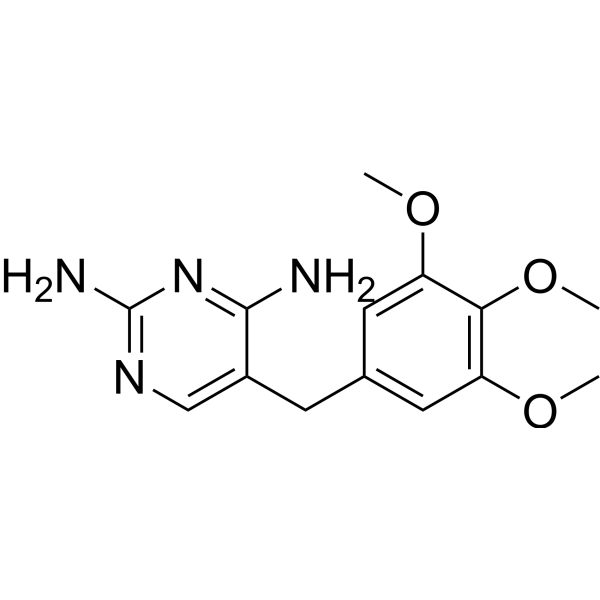
Trimethoprim
Maximum Cited Publications
11 Publications Verification
|
Antifolate
Bacterial
Antibiotic
Influenza Virus
|
Infection
Cancer
|
|
Trimethoprim is a bacteriostatic antibiotic and an orally active dihydrofolate reductase inhibitor. Trimethoprim is active against a wide range of Gram-positive and Gram-negative aerobic bacteria. Trimethoprim has the potential for the research of urinary tract infections, Shigellosis and Pneumocystis pneumonia. Trimethoprim can inhibit infection of Influenza A virus in chick embryo when combinated with zinc .
|
-
-
- HY-W021448
-
|
Guanidinoacetic acid
|
Endogenous Metabolite
|
Metabolic Disease
|
|
Glycocyamine (Guanidinoacetic acid) is a direct precursor of creatine and an orally active energy metabolism regulator and myogenic differentiation inducer. Glycocyamine can activate the Akt/mTOR/S6K signaling pathway via miR-133a-3p and miR-1a-3p, and stimulate the mRNA expression of myogenic differentiation factor 1 (MyoD) and myopoietin (MyoG). Glycocyamine can increase muscle creatine concentration and maintain ATP homeostasis through the creatine phosphate/creatine kinase system. Glycocyamine can be used in research on feed additives for poultry farming .
|
-
-
- HY-P2232
-
-
-
- HY-B0510C
-
|
|
Antifolate
Bacterial
Antibiotic
|
Infection
Cancer
|
|
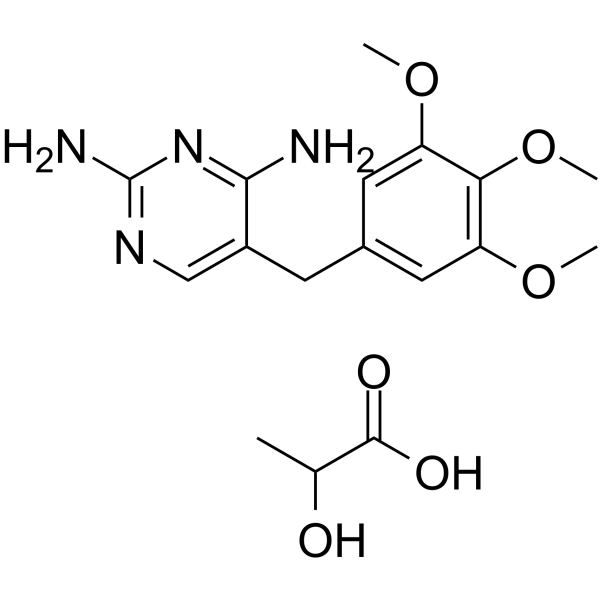
Trimethoprim lactate is a bacteriostatic antibiotic and an orally active dihydrofolate reductase inhibitor. Trimethoprim lactate is active against a wide range of Gram-positive and Gram-negative aerobic bacteria. Trimethoprim lactate has the potential for the research of urinary tract infections, Shigellosis and Pneumocystis pneumonia. Trimethoprim lactate can inhibit infection of Influenza A virus in chick embryo when combinated with zinc .
|
-
-
- HY-119443
-
|
|
Phosphatase
|
Metabolic Disease
|
|
Neridronate is an aminobisphosphonate. Neridronate induces osteoblast differentiation, enhances alkaline phosphatase activity and mineralized nodule formation. Neridronate inhibits endothelial cell proliferation, fibroblast growth factor-2-induced capillary-like tube formation, and angiogenesis. Neridronate can be used for osteogenesis imperfecta and Paget’s disease of bone .
|
-
-
- HY-113285
-
|
3-Ureidopropionic acid
|
Oxidative Phosphorylation
|
Metabolic Disease
|
|
Ureidopropionic acid is a mitochondrial respiratory chain complex V inhibitor that selectively inhibits the activity of mitochondrial respiratory chain complex V, with no effect on respiratory chain complexes I-IV or mitochondrial fatty acid β-oxidation. Ureidopropionic acid induces the production of reactive oxygen species, delayed elevation of intracellular calcium concentration, secondary energy-dependent excitotoxicity and neurodegeneration in neurons. Ureidopropionic acid promotes neuropathological changes by impairing mitochondrial energy metabolism, oxidative stress and excitotoxicity pathways. Ureidopropionic acid can be used in studies related to 3-ureidopropionase deficiency and severe propionic aciduria .
|
-
-
- HY-18684
-
|
5'-Isobutylthioadenosine; 5'-Deoxy-5'-isobutylthioadenosine
|
Nucleoside Antimetabolite/Analog
HSV
Parasite
|
Infection
Metabolic Disease
Cancer
|
|
SIBA (5'-Isobutylthioadenosine) is a transmethylation inhibitor (SAH (HY-19528) analogue), with potent anti-proliferative activity. SIBA reversibly inhibits the production of HSV-1 by blocking methylation, specifically by blocking the 5' end-capping of viral mRNA. SIBA also inhibits the growth of tumour cells in vitro and metastatic spread in vivo. SIBA can be used in cancer, HSV-1 infection and anti-malaria studies .
|
-
-
- HY-B0570
-
|
|
nAChR
|
Neurological Disease
|
Decamethonium Bromide is an acetylcholine receptor inhibitor and muscle relaxant. Decamethonium Bromide first induces depolarization of skeletal muscles, and then binds to postsynaptic acetylcholine receptors to induce persistent paralysis .\n
|
-
-
- HY-P3138
-
|
|
Angiotensin Receptor
|
Cardiovascular Disease
|
|
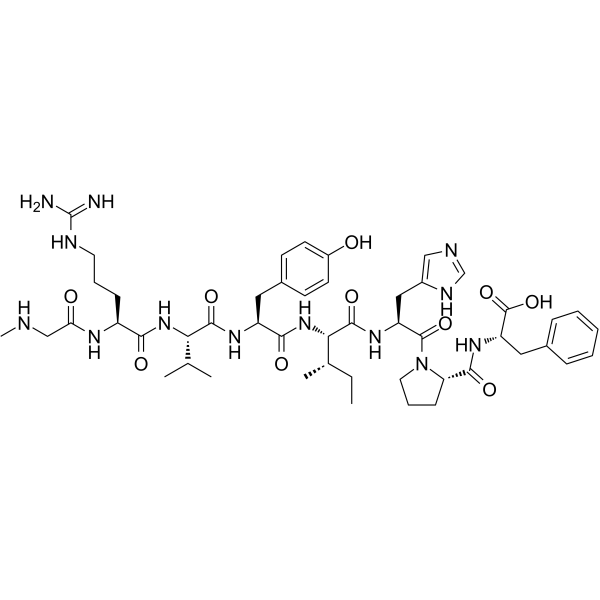
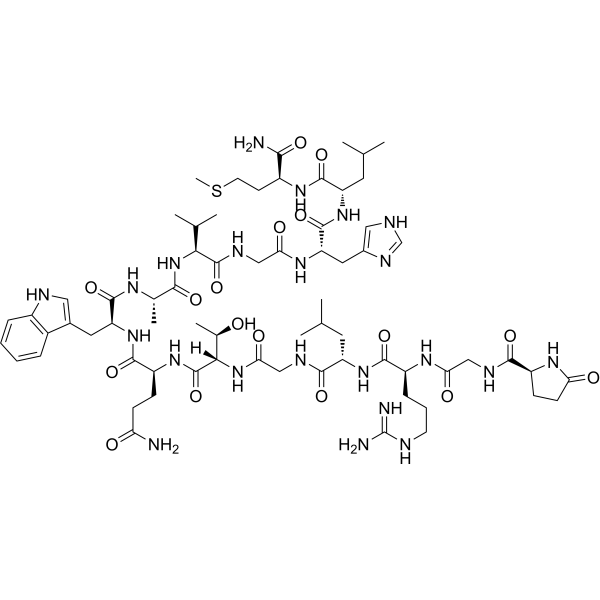
(Sar1)-Angiotensin II, an analogue of Angiotensin II, is a specific agonist of angiotensin AT1 receptor. (Sar1)-Angiotensin II binds to brain membrane-rich particles, with a Kd of 2.7 nM. (Sar1)-Angiotensin II can stimulate protein synthesis and cell growth in embryonic chick myocytes .
|
-
-
- HY-117133
-
|
SF0166
|
Integrin
|
Metabolic Disease
|
|
Nesvategrast (SF0166) is a potent and selective αvβ3 antagonist with IC50 values of 0.6 nM, 8 nM, and 13 nM for αvβ3, αvβ6, and αvβ8, respectively. Nesvategrast inhibits cellular adhesion to vitronectin across human, rat, rabbit, and dog cell lines with IC50 values of 7.6 pM to 76 nM. Nesvategrast decreases neovascularization in the oxygen-induced retinopathy mouse model .
|
-
-
- HY-B0510R
-
|
|
Reference Standards
Antifolate
Bacterial
Antibiotic
Influenza Virus
|
Infection
|
|
Trimethoprim (Standard) is the analytical standard of Trimethoprim. This product is intended for research and analytical applications. Trimethoprim is a bacteriostatic antibiotic and an orally active dihydrofolate reductase inhibitor. Trimethoprim is active against a wide range of Gram-positive and Gram-negative aerobic bacteria. Trimethoprim has the potential for the research of urinary tract infections, Shigellosis and Pneumocystis pneumonia. Trimethoprim can inhibit infection of Influenza A virus in chick embryo when combinated with zinc .
|
-
-
- HY-NP113
-
|
chick Type II collagen, immunization grade
|
MMP
|
Inflammation/Immunology
|
|
Highly purified Type II collagen, from chick sternal cartilage (Chick Type II collagen, immunization grade) is an immune grade collagen derived from chick sternal cartilage, which can stimulate the animal's immune system to produce specific antibodies against this collagen. Collagen is also a substrate for hydrolysis by MMPs .
|
-
-
- HY-B0510B
-
|
|
Antifolate
Bacterial
Antibiotic
Influenza Virus
|
Infection
Cancer
|
|
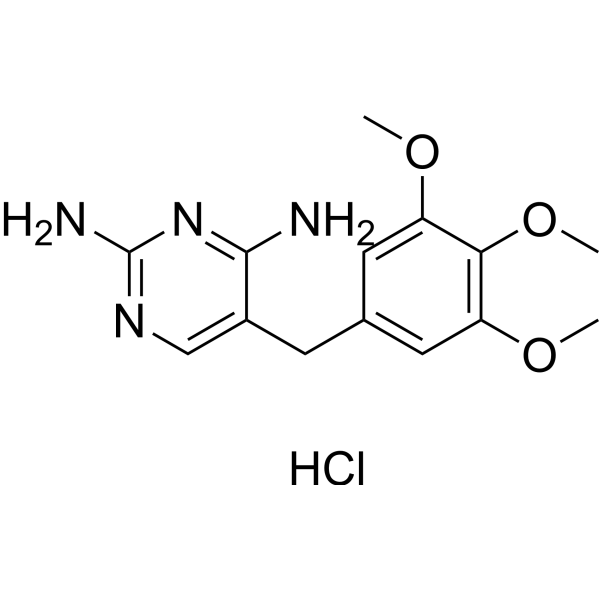
Trimethoprim hydrochloride is a bacteriostatic antibiotic and an orally active dihydrofolate reductase inhibitor. Trimethoprim hydrochloride is active against a wide range of Gram-positive and Gram-negative aerobic bacteria. Trimethoprim hydrochloride has the potential for the research of urinary tract infections, Shigellosis and Pneumocystis pneumonia. Trimethoprim hydrochloride can inhibit infection of Influenza A virus in chick embryo when combinated with zinc .
|
-
-
- HY-NP158A
-
|
|
Biochemical Assay Reagents
|
Others
|
|
Type II Collagen, T Cell Grade, from Chick is a T-cell dependent antigen with unique immunological features. Type II Collagen, T Cell Chick, from Bovine can be used as a stimulating antigen for T-cells in in vitro culture systems .
|
-
-
- HY-W854721
-
|
Manganese(III) Protoporphyrin IX Chloride
|
Heme Oxygenase (HO)
|
Metabolic Disease
|
|
Mn(III) protoporphyrin IX chloride is a metalloporphyrin. It induces mRNA expression of the genes encoding δ-aminolevulinate synthase and heme oxygenase (HO), enzymes that catalyze the rate-limiting steps of heme biosynthesis and degradation, respectively, in chick embryo liver cells when used at a concentration of 10 μM. Mn(III) protoporphyrin IX chloride-containing nanobialys have been used in magnetic resonance imaging (MRI) of fibrin clots in vitro. It has also been used in the synthesis of Mn(III) protoporphyrin IX-6(7)-glycyl-glycyl-L-histidine methyl ester (MnGGH), a metalloporphyrin conjugate with microperoxidase activity.
|
-
-
- HY-N14827
-
|
SM-216289
|
Drug Derivative
|
Neurological Disease
|
|
Xanthofulvin (SM-216289) is an inhibitor of semaphorin 3A. Xanthofulvin blocks its binding to receptors, inhibits growth cone collapse, and accelerates olfactory nerve regeneration in rats in vivo. Xanthofulvin can be used in studies related to traumatic neuronal injury .
|
-
-
- HY-W392925
-
|
d-Aminoglutethimide
|
Cytochrome P450
|
Cancer
|
|
(R)-(+)-Aminoglutethimide is a potent and orally active aromatase inhibitor. (R)-(+)-Aminoglutethimide has the potential for the research of breast cancer .
|
-
-
- HY-N12201
-
|
|
Antibiotic
Fungal
|
Infection
|
|
Funiculosin is a neutral lipophilic antibiotic that inhibits DNA and RNA viruses. Funiculosin also has antifungal activity. Funiculosin inhibits infections caused by pathogenic fungi in primary chicken embryo fibroblasts .
|
-
-
- HY-P4356
-
-
-
- HY-N12877
-
|
|
Bacterial
|
Infection
|
|
Ophiobolin H is a fungal metabolite that can be isolated from Aspergillus ustus. Ophiobolin H inhibits growth of Bacillus subtilis cultures. Ophiobolin H induces hyperacusia in day-old chicks at rates up to 375 mg/kg .
|
-
-
- HY-W025062
-
|
|
Drug Intermediate
|
Others
|
|
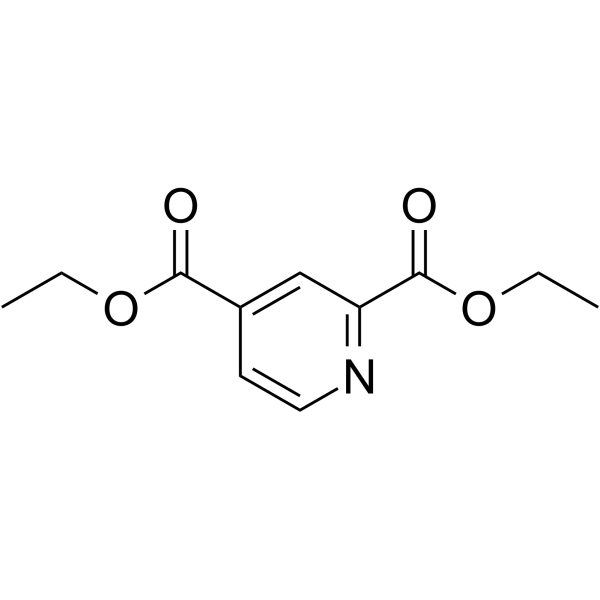
Diethyl pyridine-2,4-dicarb is a potent prolyl 4-hydroxylase-directed proinhibitor. Diethyl pyridine-2,4-dicarb inhibits prolyl hydroxylation and procollagen processing in chick-embryo calvaria .
|
-
-
- HY-B0510A
-
|
|
Antifolate
Bacterial
Antibiotic
Influenza Virus
|
Infection
Cancer
|
|
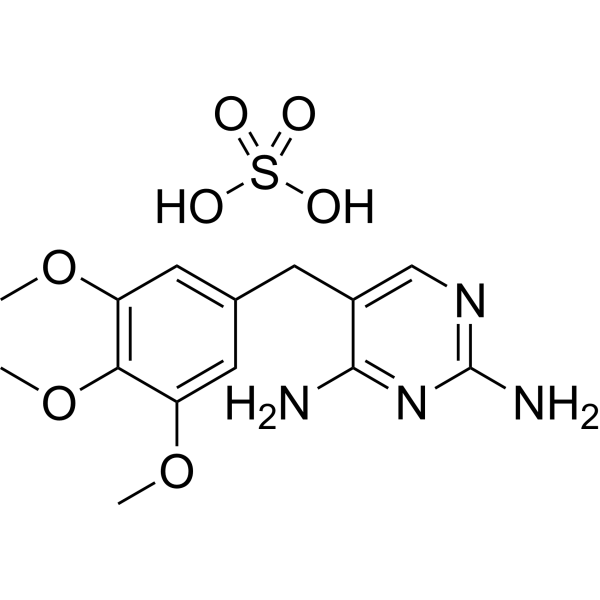
Trimethoprim sulfate is a bacteriostatic antibiotic and an orally active dihydrofolate reductase inhibitor. Trimethoprim sulfate is active against a wide range of Gram-positive and Gram-negative aerobic bacteria. Trimethoprim sulfate has the potential for the research of urinary tract infections, Shigellosis and Pneumocystis pneumonia. Trimethoprim sulfate can inhibit infection of Influenza A virus in chick embryo when combinated with zinc .
|
-
-
- HY-B0510S3
-
|
|
Isotope-Labeled Compounds
Antibiotic
Bacterial
Antifolate
Influenza Virus
|
Others
|
|
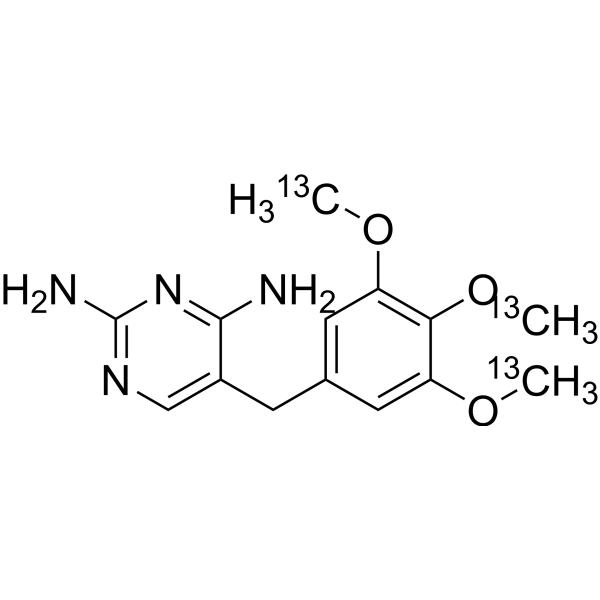
Trimethoprim- 13C3 is the deuterium labeled Trimethoprim (HY-B0510) . Trimethoprim is a bacteriostatic antibiotic and an orally active dihydrofolate reductase inhibitor. Trimethoprim is active against a wide range of Gram-positive and Gram-negative aerobic bacteria. Trimethoprim has the potential for the research of urinary tract infections, Shigellosis and Pneumocystis pneumonia. Trimethoprim can inhibit infection of Influenza A virus in chick embryo when combinated with zinc .
|
-
-
- HY-116030
-
|
|
Integrin
|
Metabolic Disease
|
|
JNJ-26076713 is a potent and orally active alpha V integrin antagonist with IC50 values of 2.3 nM and 6.3 nM for alpha(V)beta(3) and alpha(V)beta(5), respectively. JNJ-26076713 inhibits retinal neovascularization .
|
-
-
- HY-175857
-
|
|
HDAC
Apoptosis
|
Cancer
|
|
HDAC-IN-92 is a pan-HDAC inhibitor with an IC50 of 12.58 µM in A2780 cells. HDAC-IN-92 demonstrates broad-spectrum, notable cytotoxic activity against a range of human cancer cell lines, including ovarian, liver, and breast carcinomas. HDAC-IN-92 causes apoptosis and demonstrates a notable decrease in tumor cell colony formation. HDAC-IN-92 inhibits the formation of blood vessels in the chick chorioallantoic membrane (CAM). HDAC-IN-92 exhibits anti-tumor effect in a 4T1 tumor-bearing mouse model. HDAC-IN-92 can be used for research targeting solid tumor .
|
-
-
- HY-NP0241D
-
|
chick cyanogen bromide digested peptide 12
|
Biochemical Assay Reagents
|
Inflammation/Immunology
|
|
Chick CB12 of type II collagen (Chick cyanogen bromide digested peptide 12) is a cyanobromide digested peptide (CB-peptide) fragment of type II collagen, which can be used to study B cell and T cell epitopes of type II collagen. This product is pepsin-free, making it ideal for studying T cell epitope specificity through proliferation assays. Chick CB12 of type II collagen can also be used as an antigen for analyzing antibody epitope specificity via ELISA .
|
-
-
- HY-170591
-
|
|
MDM-2/p53
Apoptosis
|
Cancer
|
|
p53 Activator 14 (Compound 7A) is a derivative of Neratinib (HY-32721), that induces DNA damage, activates p53, and inhibits the proliferation of multi cancer cells (IC50=7.21 μM for HCT116 cell). p53 Activator 14 inhibits the adhesion, migration and invasion of HCT116, arrests the cell cycle, and induces apoptosis. p53 Activator 14 inhibits angiogenesis and exhibits antitumor efficacy in chick chorioallantoic membrane (CAM) model .
|
-
-
- HY-171985
-
|
|
Biochemical Assay Reagents
|
Others
|
|
DCPD is an amine compound. DCPD has significant embryotoxicity with an ED50 of 0.6 μmol per egg for chick embryos, and it induces embryos deaths and malformations. DCPD can be used for human teratogenesis research .
|
-
-
- HY-103276
-
-
-
- HY-162985
-
|
|
CDK
|
Cancer
|
|
JHD205 is a CDK4/6 inhibitor that induces apoptosis and DNA damage. JHD205 inhibits DNA repair by upregulating Caspase3 and p-H2AX. JHD205 has superior potency to Abemaciclib (HY-16297A) in a xenograft chick embryo breast cancer model. .
|
-
-
- HY-W746269
-
|
|
Drug Derivative
|
Metabolic Disease
|
|
KCA 098 is an orally active benzofuroquinoline derivative. KCA 098 can inhibit bone resorption and stimulat bone formation of chick embryo. KCA 098 can increase calcium and phosphorus content as well as the amount of force required to break the femur from ovariectomized rats. KCA 098 can be used for the research of bone diseases .
|
-
-
- HY-163841
-
|
|
Drug Derivative
|
Cancer
|
|
Antitumor agent-181 (HJ1) is an anticancer agent. Antitumor agent-181 inhibits tumor cell growth in vivo and in vitro .
|
-
-
- HY-P10250
-
|
|
HIV
|
Inflammation/Immunology
|
|
HIV gp120 308-331 is HIV antigen fragments, that conjugates with keyhole limpet hemocyanin (KLH) and generates specific anti-HIV antibody .
|
-
-
- HY-P10252
-
|
|
HIV
|
Inflammation/Immunology
|
|
HIV gp120 421-438 is HIV antigen fragments, that conjugates with keyhole limpet hemocyanin (KLH) and generates specific anti-HIV antibody .
|
-
-
- HY-P3593
-
-
-
- HY-148592
-
|
|
Cytochrome P450
|
Cancer
|
|
Antitumor agent-87 is a potent antitumor agent. Antitumor agent-87 shows a high affinity for CYP1A1 with a Ki value of 0.23 µM. Antitumor agent-87 shows antiproliferative activity. Antitumor agent-87 induces cell cycle arrest at the G2/M phase. Antitumor agent-87 show antitumoral activity .
|
-
-
- HY-117991
-
|
|
VEGFR
|
Cancer
|
|
DW10075 is a highly selective and orally active VEGFR inhibitor targeting the VEGF/VEGFR pathway. DW10075 selectively inhibits VEGFR-1, VEGFR-2, and VEGFR-3, but has no effect on FGFR and PDGFR. DW10075 inhibits VEGF-induced HUVEC proliferation, migration, and tube formation. And DW10075 inhibits angiogenesis in both the rat aortic ring model and the chick chorionic membrane model. DW10075 also exhibits antiproliferative activity against human cancer cell lines, with IC50s of 2.2 μM and 22.2 μM against U87-MG human glioblastoma cells and A375 melanoma cells, respectively. In the nude mouse U87-MG xenograft tumor model, DW10075 (po) significantly inhibits tumor growth and reduces the expression of CD31 and Ki67 in tumor tissues.
|
-
-
- HY-NP112
-
|
chick type I collagen, immunization grade
|
MMP
|
Inflammation/Immunology
|
|
Highly purified Type I collagen, from chick skin (Chick type I collagen, immunization grade) is an immune grade collagen derived from chick skin, which can stimulate the animal's immune system to produce specific antibodies against this collagen. Collagen is also a substrate for hydrolysis by MMPs .
|
-
-
- HY-NP114
-
|
chick Type IX collagen, immunization grade
|
MMP
|
Inflammation/Immunology
|
|
Highly purified Type IX collagen, from chick articular cartilage (Chick Type IX collagen, immunization grade) is an immune grade collagen derived from chick articular cartilage, which can stimulate the animal's immune system to produce specific antibodies against this collagen. Collagen is also a substrate for hydrolysis by MMPs .
|
-
-
- HY-NP115
-
|
chick Type XI collagen, immunization grade
|
MMP
|
Inflammation/Immunology
|
|
Highly purified Type XI collagen, from chick articular cartilage (Chick Type XI collagen, immunization grade) is an immune grade collagen derived from chick articular cartilage, which can stimulate the animal's immune system to produce specific antibodies against this collagen. Collagen is also a substrate for hydrolysis by MMPs .
|
-
-
- HY-NP0241
-
|
chick cyanogen bromide digested peptide 8
|
Biochemical Assay Reagents
|
Inflammation/Immunology
|
|
Chick CB8 of type II collagen (Chick cyanogen bromide digested peptide 8) is a cyanobromide digested peptide (CB-peptide) fragment of type II collagen, which can be used to study B cell and T cell epitopes of type II collagen. This product is pepsin-free, making it ideal for studying T cell epitope specificity through proliferation assays. Chick CB8 of type II collagen can also be used as an antigen for analyzing antibody epitope specificity via ELISA .
|
-
-
- HY-NP0241B
-
|
chick cyanogen bromide digested peptide 10
|
Biochemical Assay Reagents
|
Inflammation/Immunology
|
|
Chick CB10 of type II collagen (Chick cyanogen bromide digested peptide 10) is a cyanobromide digested peptide (CB-peptide) fragment of type II collagen, which can be used to study B cell and T cell epitopes of type II collagen. This product is pepsin-free, making it ideal for studying T cell epitope specificity through proliferation assays. Chick CB10 of type II collagen can also be used as an antigen for analyzing antibody epitope specificity via ELISA .
|
-
-
- HY-NP0241C
-
|
chick Cyanogen bromide digested peptide 11
|
Biochemical Assay Reagents
|
Inflammation/Immunology
|
|
Chick CB11 of type II collagen (Chick cyanogen bromide digested peptide 11) is a cyanobromide digested peptide (CB-peptide) fragment of type II collagen, which can be used to study B cell and T cell epitopes of type II collagen. This product is pepsin-free, making it ideal for studying T cell epitope specificity through proliferation assays. Chick CB11 of type II collagen can also be used as an antigen for analyzing antibody epitope specificity via ELISA .
|
-
-
- HY-NP0241A
-
|
chick cyanogen bromide digested peptide 9
|
Biochemical Assay Reagents
|
Inflammation/Immunology
|
|
Chick CB9 of type II collagen (Chick cyanogen bromide digested peptide 9) is a cyanobromide digested peptide (CB-peptide) fragment of type II collagen, which can be used to study B cell and T cell epitopes of type II collagen. This product is pepsin-free, making it ideal for studying T cell epitope specificity through proliferation assays. Chick CB9 of type II collagen can also be used as an antigen for analyzing antibody epitope specificity via ELISA .
|
-
-
- HY-NP157A
-
|
|
Biochemical Assay Reagents
|
Others
|
|
Type I Collagen, T Cell Grade, from Chick has unique immunological features and plays an important role in the structure and function of skin, bones, tendons, etc. Type I Collagen, T Cell Chick, from Bovine can be used as a stimulating antigen for T-cells in in vitro culture systems .
|
-
-
- HY-NP158C
-
|
|
Biochemical Assay Reagents
|
Others
|
|
Type II Collagen, T Cell Grade, from Monkey is a T-cell dependent antigen with unique immunological features. Type II Collagen, T Cell Chick, from Monkey can be used as a stimulating antigen for T-cells in in vitro culture systems .
|
-
-
- HY-N15207
-
|
|
Others
|
Others
|
|
(3R,5R)-1-(4-Hydroxyphenyl)-7-phenyl-3,5-heptanediol is an antiemetic found in Alpinia officinarum that significantly inhibits copper sulfate-induced emesis in young chicks (with an inhibition rate of 50.9% at a dose of 20 mg/kg and 37.7% at a dose of 50 mg/kg) .
|
-
-
- HY-181775
-
|
|
VEGFR
c-Met/HGFR
EGFR
|
Cardiovascular Disease
|
|
VEGFR-2/c-Met/EGFR-IN-1 is a VEGFR-2/c-Met/EGFR inhibitor with IC50 values of 0.014 μM, 0.072 μM, and 0.94 μM, respectively. c-Met-IN-27 inhibits neovascularization in the chick chorioallantoic membrane (CAM) assay and exhibits in vivo anti-angiogenic activity. c-Met-IN-27 can be used in angiogenesis-related research .
|
-
-
- HY-181776
-
|
|
c-Met/HGFR
VEGFR
EGFR
|
|
|
VEGFR-2/c-Met/EGFR-IN-2 is a VEGFR-2/c-Met/EGFR inhibitor with IC50 values of 0.32 μM, 0.021 μM, and 9.3 μM, respectively. c-Met-IN-27 inhibits cancer cell proliferation. c-Met-IN-27 suppresses neovascularization in the chick chorioallantoic membrane (CAM) assay, exhibiting in vivo anti-angiogenic activity. c-Met-IN-27 can be used in research related to breast cancer and lung cancer .
|
-
-
- HY-P992372
-
|
|
Drug Derivative
Transmembrane Glycoprotein
|
Cancer
|
|
huAA98 is a humanized monoclonal antibody and also a CD146 inhibitor. huAA98 binds to human CD146, regulates its activity and inhibits cancer-related angiogenesis, as well as tube formation, motility, proliferation and migration of endothelial cells. huAA98 inhibits angiogenesis in the chick chorioallantoic membrane assay and reduces microvessel density in human tumor xenograft models. huAA98 shows immunoreactivity only to neovascular vessels within tumors and inhibits the growth of tumor xenograft models. huAA98 can be used in studies related to cancer-related angiogenesis, liver cancer, leiomyosarcoma and pancreatic cancer .
|
-
- HY-175018
-
|
|
VEGFR
Microtubule/Tubulin
Apoptosis
|
Cardiovascular Disease
Cancer
|
|
VEGFR-2-IN-71 is a dual VEGFR2/tubulin inhibitor. VEGFR-2-IN-71 inhibits tumor cell proliferation and induces apoptosis and cell cycle arrest. VEGFR-2-IN-71 inhibits angiogenesis in the chick chorioallantoic membrane (CAM) model. VEGFR-2-IN-71 inhibits tumor growth in the HGC-27 xenograft model by inhibiting VEGFR2 and tubulin. VEGFR-2-IN-71 has low oral bioavailability in rats. VEGFR-2-IN-71 can be used in cancer research .
|
-
- HY-D3376
-
|
6-Carboxy-2',7'-dichlorodihydrofluorescein
|
Fluorescent Dye
Reactive Oxygen Species (ROS)
|
Others
|
|
6-Carboxy-H2DCFDA (6-Carboxy-2',7'-dichlorodihydrofluorescein) is a non-fluorescent, cell-permeable intracellular ROS indicator. 6-Carboxy-H2DCFDA undergoes oxidation to highly fluorescent carboxy-dichlorofluorescein (Ex/Em = 488/520 nm) .
|
-
- HY-181272
-
|
|
MMP
Caspase
Apoptosis
|
Cancer
|
|
MMP-9-IN-14 is a MMP-9 inhibitor (IC50 = 34.46 μM). MMP-9-IN-14 induces G1-phase cell cycle arrest and caspase-dependent apoptosis in cancer cells. MMP-9-IN-14 promotes the accumulation of phosphorylated γH2AX. MMP-9-IN-14 inhibits the migration and invasion of cancer cells, and downregulates the expressions of MMP-2, MMP-9 and hTERT in cancer cells. MMP-9-IN-14 inhibits tumor growth and angiogenic spread in animal models. MMP-9-IN-14 can be used for the research of cancers such as lung adenocarcinoma, cervical cancer and colorectal cancer .
|
-
- HY-P11775A
-
|
|
VEGFR
|
Cardiovascular Disease
|
|
Peptide HRH acetate is a polypeptide that specifically binds to VEGF receptors. Peptide HRH acetate inhibits VEGF-stimulated endothelial cell proliferation. Peptide HRH acetate inhibits angiogenesis and suppresses corneal neovascularization. Peptide HRH acetate can be used in anti-angiogenesis related studies .
|
-
- HY-P11775
-
|
|
VEGFR
|
Cardiovascular Disease
|
|
Peptide HRH is a polypeptide that specifically binds to VEGF receptors. Peptide HRH inhibits VEGF-stimulated endothelial cell proliferation. Peptide HRH inhibits angiogenesis and suppresses corneal neovascularization. Peptide HRH can be used in anti-angiogenesis related studies .
|
-
- HY-123795
-
|
|
Ras
Akt
ERK
VEGFR
|
Cancer
|
|
NY0123 is a EPAC1 inhibitor. NY0123 significantly inhibits the expression of EPAC1, phosphorylated AKT, phosphorylated ERK1/2 and phosphorylated VEGFR2. NY0123 inhibits angiogenesis and tumor growth of triple-negative breast cancer. NY0123 is applicable to relevant research on triple-negative breast cancer .
|
-
- HY-P11777
-
|
|
MMP
SDCBP
|
Cardiovascular Disease
Neurological Disease
Cancer
|
|
AG73 is a polypeptide. AG73 is derived from the G domain of the Laminin α1 chain. AG73 binds heparin, Syndecan-1 and Syndecan-4. AG73 promotes the adhesion of various cells, induces the differentiation of salivary gland acinar cells, stimulates neurite outgrowth, secretion of matrix metalloproteinases and angiogenesis. AG73 retains its angiogenic activity when conjugated to chitosan membranes. AG73 can be used in the research of melanoma and ischemic injury .
|
-
- HY-159201
-
|
|
Calcium Channel
|
Metabolic Disease
|
|
24-Oxo-25-hydroxyvitamin D3 is a vitamin D3 metabolite and an intermediate in the renal mitochondrial side-chain oxidation pathway. 24-Oxo-25-hydroxyvitamin D3 enhances intestinal calcium transport in rats . 24-Oxo-25-hydroxyvitamin D3 can be used in studies related to X-linked hypophosphatemic rickets .
|
-
| Cat. No. |
Product Name |
Type |
-
- HY-D3376
-
|
6-Carboxy-2',7'-dichlorodihydrofluorescein
|
Fluorescent Dye
|
|
6-Carboxy-H2DCFDA (6-Carboxy-2',7'-dichlorodihydrofluorescein) is a non-fluorescent, cell-permeable intracellular ROS indicator. 6-Carboxy-H2DCFDA undergoes oxidation to highly fluorescent carboxy-dichlorofluorescein (Ex/Em = 488/520 nm) .
|
| Cat. No. |
Product Name |
Type |
-
- HY-P2232
-
|
Ovotransferrin
|
Biochemical Assay Reagents
|
|
Conalbumin (Ovotransferrin) is an iron-binding protein present in egg white with antibacterial activity. Conalbumin can also be used to induce bronchial asthma. Conalbumin exhibits induced mRNA accumulation in chicken oviduct cells by estrogen and progesterone .
|
-
- HY-NP113
-
|
chick Type II collagen, immunization grade
|
Biochemical Assay Reagents
|
|
Highly purified Type II collagen, from chick sternal cartilage (Chick Type II collagen, immunization grade) is an immune grade collagen derived from chick sternal cartilage, which can stimulate the animal's immune system to produce specific antibodies against this collagen. Collagen is also a substrate for hydrolysis by MMPs .
|
-
- HY-NP158A
-
|
|
Biochemical Assay Reagents
|
|
Type II Collagen, T Cell Grade, from Chick is a T-cell dependent antigen with unique immunological features. Type II Collagen, T Cell Chick, from Bovine can be used as a stimulating antigen for T-cells in in vitro culture systems .
|
-
- HY-NP0241D
-
|
chick cyanogen bromide digested peptide 12
|
Biochemical Assay Reagents
|
|
Chick CB12 of type II collagen (Chick cyanogen bromide digested peptide 12) is a cyanobromide digested peptide (CB-peptide) fragment of type II collagen, which can be used to study B cell and T cell epitopes of type II collagen. This product is pepsin-free, making it ideal for studying T cell epitope specificity through proliferation assays. Chick CB12 of type II collagen can also be used as an antigen for analyzing antibody epitope specificity via ELISA .
|
-
- HY-NP112
-
|
chick type I collagen, immunization grade
|
Biochemical Assay Reagents
|
|
Highly purified Type I collagen, from chick skin (Chick type I collagen, immunization grade) is an immune grade collagen derived from chick skin, which can stimulate the animal's immune system to produce specific antibodies against this collagen. Collagen is also a substrate for hydrolysis by MMPs .
|
-
- HY-NP114
-
|
chick Type IX collagen, immunization grade
|
Biochemical Assay Reagents
|
|
Highly purified Type IX collagen, from chick articular cartilage (Chick Type IX collagen, immunization grade) is an immune grade collagen derived from chick articular cartilage, which can stimulate the animal's immune system to produce specific antibodies against this collagen. Collagen is also a substrate for hydrolysis by MMPs .
|
-
- HY-NP115
-
|
chick Type XI collagen, immunization grade
|
Biochemical Assay Reagents
|
|
Highly purified Type XI collagen, from chick articular cartilage (Chick Type XI collagen, immunization grade) is an immune grade collagen derived from chick articular cartilage, which can stimulate the animal's immune system to produce specific antibodies against this collagen. Collagen is also a substrate for hydrolysis by MMPs .
|
-
- HY-NP0241
-
|
chick cyanogen bromide digested peptide 8
|
Biochemical Assay Reagents
|
|
Chick CB8 of type II collagen (Chick cyanogen bromide digested peptide 8) is a cyanobromide digested peptide (CB-peptide) fragment of type II collagen, which can be used to study B cell and T cell epitopes of type II collagen. This product is pepsin-free, making it ideal for studying T cell epitope specificity through proliferation assays. Chick CB8 of type II collagen can also be used as an antigen for analyzing antibody epitope specificity via ELISA .
|
-
- HY-NP0241B
-
|
chick cyanogen bromide digested peptide 10
|
Biochemical Assay Reagents
|
|
Chick CB10 of type II collagen (Chick cyanogen bromide digested peptide 10) is a cyanobromide digested peptide (CB-peptide) fragment of type II collagen, which can be used to study B cell and T cell epitopes of type II collagen. This product is pepsin-free, making it ideal for studying T cell epitope specificity through proliferation assays. Chick CB10 of type II collagen can also be used as an antigen for analyzing antibody epitope specificity via ELISA .
|
-
- HY-NP0241C
-
|
chick Cyanogen bromide digested peptide 11
|
Biochemical Assay Reagents
|
|
Chick CB11 of type II collagen (Chick cyanogen bromide digested peptide 11) is a cyanobromide digested peptide (CB-peptide) fragment of type II collagen, which can be used to study B cell and T cell epitopes of type II collagen. This product is pepsin-free, making it ideal for studying T cell epitope specificity through proliferation assays. Chick CB11 of type II collagen can also be used as an antigen for analyzing antibody epitope specificity via ELISA .
|
-
- HY-NP0241A
-
|
chick cyanogen bromide digested peptide 9
|
Biochemical Assay Reagents
|
|
Chick CB9 of type II collagen (Chick cyanogen bromide digested peptide 9) is a cyanobromide digested peptide (CB-peptide) fragment of type II collagen, which can be used to study B cell and T cell epitopes of type II collagen. This product is pepsin-free, making it ideal for studying T cell epitope specificity through proliferation assays. Chick CB9 of type II collagen can also be used as an antigen for analyzing antibody epitope specificity via ELISA .
|
-
- HY-NP157A
-
|
|
Biochemical Assay Reagents
|
|
Type I Collagen, T Cell Grade, from Chick has unique immunological features and plays an important role in the structure and function of skin, bones, tendons, etc. Type I Collagen, T Cell Chick, from Bovine can be used as a stimulating antigen for T-cells in in vitro culture systems .
|
-
- HY-NP158C
-
|
|
Biochemical Assay Reagents
|
|
Type II Collagen, T Cell Grade, from Monkey is a T-cell dependent antigen with unique immunological features. Type II Collagen, T Cell Chick, from Monkey can be used as a stimulating antigen for T-cells in in vitro culture systems .
|
| Cat. No. |
Product Name |
Target |
Research Area |
-
- HY-P0131A
-
|
Laminin (925-933) TFA
|
Peptides
|
Cancer
|
|
Laminin peptide CDPGYIGSR (Laminin (925-933)) TFA is a 67 kDa laminin receptor ligand and selective cell adhesion inducer. Laminin peptide CDPGYIGSR TFA not only promotes cell adhesion and mediates directed neurite outgrowth via matrix coating or covalent immobilization, but also inhibits neural crest cell migration under specific conditions. Laminin peptide CDPGYIGSR TFA inhibits lung colonization of melanoma cells, and suppresses the growth of Sarcoma 180 solid tumors and Lewis lung carcinoma (3LL) in mice. Laminin peptide CDPGYIGSR TFA also exerts significant anti-angiogenic effects by inhibiting embryonic angiogenesis in the chick chorioallantoic membrane and vascular endothelial cell migration induced by tumor-conditioned medium. Laminin peptide CDPGYIGSR TFA can be widely used in studies related to melanoma, Sarcoma 180, Lewis lung carcinoma (3LL), and other relevant areas .
|
-
- HY-P3138
-
|
|
Angiotensin Receptor
|
Cardiovascular Disease
|
|
(Sar1)-Angiotensin II, an analogue of Angiotensin II, is a specific agonist of angiotensin AT1 receptor. (Sar1)-Angiotensin II binds to brain membrane-rich particles, with a Kd of 2.7 nM. (Sar1)-Angiotensin II can stimulate protein synthesis and cell growth in embryonic chick myocytes .
|
-
- HY-P4356
-
-
- HY-103276
-
-
- HY-P10250
-
|
|
HIV
|
Inflammation/Immunology
|
|
HIV gp120 308-331 is HIV antigen fragments, that conjugates with keyhole limpet hemocyanin (KLH) and generates specific anti-HIV antibody .
|
-
- HY-P10252
-
|
|
HIV
|
Inflammation/Immunology
|
|
HIV gp120 421-438 is HIV antigen fragments, that conjugates with keyhole limpet hemocyanin (KLH) and generates specific anti-HIV antibody .
|
-
- HY-P3593
-
-
- HY-P11775A
-
|
|
VEGFR
|
Cardiovascular Disease
|
|
Peptide HRH acetate is a polypeptide that specifically binds to VEGF receptors. Peptide HRH acetate inhibits VEGF-stimulated endothelial cell proliferation. Peptide HRH acetate inhibits angiogenesis and suppresses corneal neovascularization. Peptide HRH acetate can be used in anti-angiogenesis related studies .
|
-
- HY-P11775
-
|
|
VEGFR
|
Cardiovascular Disease
|
|
Peptide HRH is a polypeptide that specifically binds to VEGF receptors. Peptide HRH inhibits VEGF-stimulated endothelial cell proliferation. Peptide HRH inhibits angiogenesis and suppresses corneal neovascularization. Peptide HRH can be used in anti-angiogenesis related studies .
|
-
- HY-P11777
-
|
|
MMP
SDCBP
|
Cardiovascular Disease
Neurological Disease
Cancer
|
|
AG73 is a polypeptide. AG73 is derived from the G domain of the Laminin α1 chain. AG73 binds heparin, Syndecan-1 and Syndecan-4. AG73 promotes the adhesion of various cells, induces the differentiation of salivary gland acinar cells, stimulates neurite outgrowth, secretion of matrix metalloproteinases and angiogenesis. AG73 retains its angiogenic activity when conjugated to chitosan membranes. AG73 can be used in the research of melanoma and ischemic injury .
|
| Cat. No. |
Product Name |
Target |
Research Area |
Image |
-
- HY-P992372
-
|
|
Drug Derivative
Transmembrane Glycoprotein
|
Cancer
|
|
huAA98 is a humanized monoclonal antibody and also a CD146 inhibitor. huAA98 binds to human CD146, regulates its activity and inhibits cancer-related angiogenesis, as well as tube formation, motility, proliferation and migration of endothelial cells. huAA98 inhibits angiogenesis in the chick chorioallantoic membrane assay and reduces microvessel density in human tumor xenograft models. huAA98 shows immunoreactivity only to neovascular vessels within tumors and inhibits the growth of tumor xenograft models. huAA98 can be used in studies related to cancer-related angiogenesis, liver cancer, leiomyosarcoma and pancreatic cancer .
|
-
(5)
| Cat. No. |
Product Name |
Category |
Target |
Chemical Structure |
| Cat. No. |
Product Name |
Chemical Structure |
-
- HY-B0510S3
-
|
|
|
Trimethoprim- 13C3 is the deuterium labeled Trimethoprim (HY-B0510) . Trimethoprim is a bacteriostatic antibiotic and an orally active dihydrofolate reductase inhibitor. Trimethoprim is active against a wide range of Gram-positive and Gram-negative aerobic bacteria. Trimethoprim has the potential for the research of urinary tract infections, Shigellosis and Pneumocystis pneumonia. Trimethoprim can inhibit infection of Influenza A virus in chick embryo when combinated with zinc .
|
-
Your information is safe with us. * Required Fields.
Inquiry Information
- Product Name:
- Cat. No.:
- Quantity:
- MCE Japan Authorized Agent:

