1. Search Result
Search Result
Results for "

cleft

" in MedChemExpress (MCE) Product Catalog:

34

Inhibitors & Agonists

1

Screening Libraries

2

Peptides

1

Inhibitory Antibodies

1

Natural
Products

3

Isotope-Labeled Compounds

2

Antibodies

Cat. No. Product Name Target Research Areas Chemical Structure
  • HY-B0527A
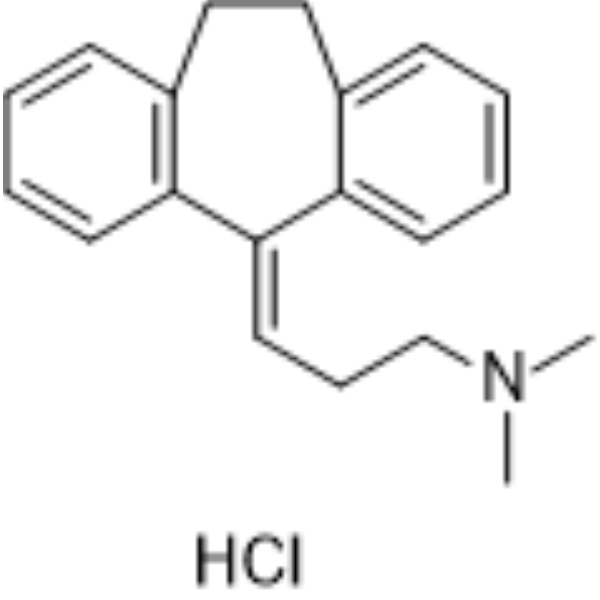
    Amitriptyline hydrochloride
    5+ Cited Publications

    Serotonin Transporter 5-HT Receptor mAChR Histamine Receptor Adrenergic Receptor Trk Receptor Sodium Channel Potassium Channel Dopamine Transporter Apoptosis Neurological Disease Inflammation/Immunology Endocrinology
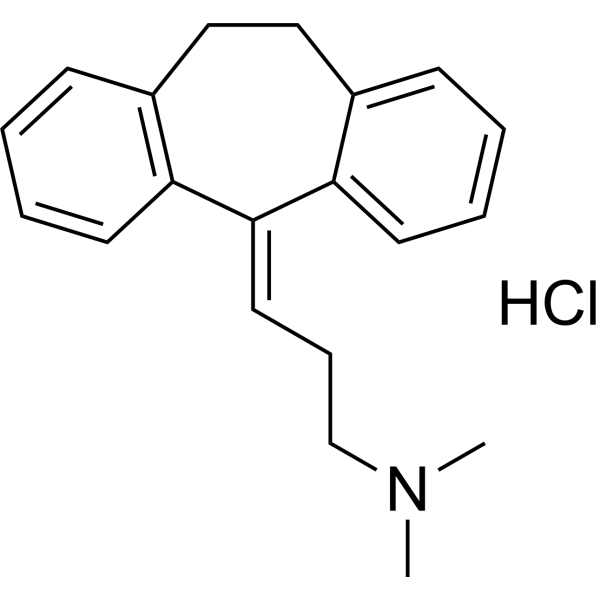
    Amitriptyline hydrochloride is an orally active tricyclic antidepressant (TCA). Amitriptyline hydrochloride mainly exerts its antidepressant effect by blocking SERT (Ki = 3.45 nM) and NET (Ki = 13.3 nM), thereby increasing the concentrations of 5-hydroxytryptamine (5-HT) and norepinephrine (NE) in the synaptic cleft. Amitriptyline hydrochloride is also an agonist at α2A and TrkA/TrkB receptors, thereby exerting analgesic and neurotrophic activities (inhibiting cell apoptosis). Amitriptyline hydrochloride can reduce inflammation, angiogenesis and fibrosis. Amitriptyline hydrochloride binds to DAT (with Ki = 2.58 μM). Amitriptyline hydrochloride has high affinity for a series of receptors and can antagonize muscarinic cholinergic receptors (M1/M2/M3/M4/M5 receptors) (Ki = 11-24 nM), H1 receptors (Ki = 0.5-1.1 nM), adrenergic α1 receptors (Ki = 4.4 nM), etc., resulting in a series of side effects. Amitriptyline hydrochloride can block sodium channels and hERG potassium channel (IC50 = 4.78 μM) and it has cardiotoxicity .
    Amitriptyline hydrochloride
  • HY-B0527
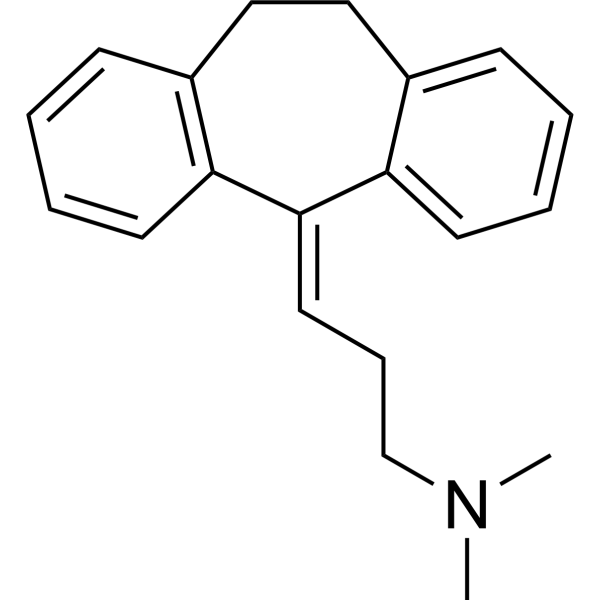
    Amitriptyline
    5+ Cited Publications

    Serotonin Transporter Trk Receptor Sodium Channel 5-HT Receptor Histamine Receptor Adrenergic Receptor mAChR Potassium Channel Dopamine Transporter Apoptosis Neurological Disease Inflammation/Immunology Endocrinology
    Amitriptyline is an orally active tricyclic antidepressant (TCA). Amitriptyline mainly exerts its antidepressant effect by blocking SERT (Ki = 3.45 nM) and NET (Ki = 13.3 nM), thereby increasing the concentrations of 5-hydroxytryptamine (5-HT) and norepinephrine (NE) in the synaptic cleft. Amitriptyline is also an agonist at α2A and TrkA/TrkB receptors, thereby exerting analgesic and neurotrophic activities (inhibiting cell apoptosis). Amitriptyline can reduce inflammation, angiogenesis and fibrosis. Amitriptyline binds to DAT (with Ki = 2.58 μM). Amitriptyline has high affinity for a series of receptors and can antagonize muscarinic cholinergic receptors (M1/M2/M3/M4/M5 receptors) (Ki = 11-24 nM), H1 receptors (Ki = 0.5-1.1 nM), adrenergic α1 receptors (Ki = 4.4 nM), etc., resulting in a series of side effects. Amitriptyline can block sodium channels and hERG potassium channel (IC50 = 4.78 μM) and it has cardiotoxicity .
    Amitriptyline
  • HY-13817
    IU1
    Maximum Cited Publications
    25 Publications Verification

    Deubiquitinase Autophagy Apoptosis Cardiovascular Disease Neurological Disease Endocrinology Cancer
    IU1 is a selective, reversible USP14 inhibitor with an IC50 of 4-5 μM. IU1 binds USP14’s catalytic cleft to block deubiquitinase activity. IU1 induces calpain-dependent Tau cleavage, causes ATP deficits, reduces E1~Ub thioester levels and 26S proteasome assembly. IU1 enhances 26S proteasome chymotrypsin-like activity, modulates LC3B-dependent autophagy flux, reduces cancer cell proliferation and migration, and blocks G0/G1 to S phase cell cycle transition in follicular thyroid cancer cells. IU1 activates autophagy-lysosomal and ubiquitin-proteasome pathways, triggers apoptosis, and reduces cervical cancer cell growth. IU1 enhances degradation of proteasome substrates linked to neurodegenerative disease, accelerates oxidized protein degradation, and increases oxidative stress resistance. IU1 can be used for the research of Alzheimer’s disease, follicular thyroid cancer, ischemic stroke, cervical cancer, and neurodegenerative disease .
    IU1
  • HY-14472

    NS-2330

    Dopamine Transporter Serotonin Transporter Metabolic Disease
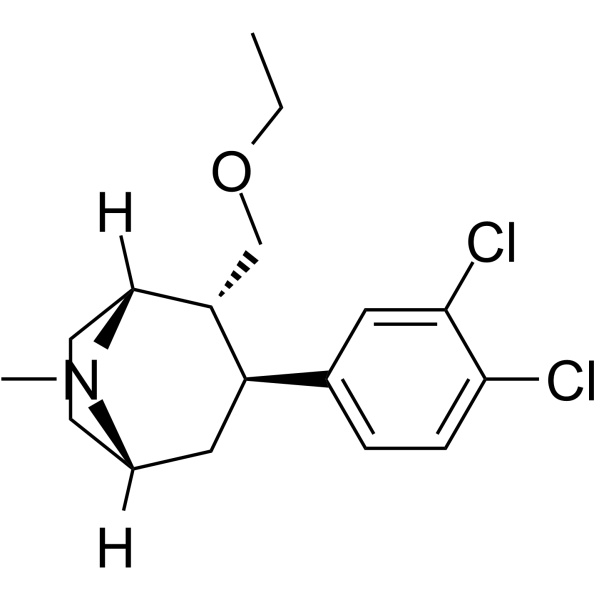
    Tesofensine (NS-2330) is a triple monoamine reuptake inhibitor inducing a potent inhibition of the re-uptake process in the synaptic cleft of the neurotransmitters dopamine (DA; IC50=6.5 nM), norepinephrine (NE;IC50=1.7 nM), and serotonin (5-HT;IC50=11 nM), and with potentials as an anti-obesity agent . Tesofensine is a CNS acting anti-obesity agent .
    Tesofensine
  • HY-B1315

    Environmental Pollutants Apoptosis Insecticide Cholinesterase (ChE) Reactive Oxygen Species (ROS) Neurological Disease Inflammation/Immunology
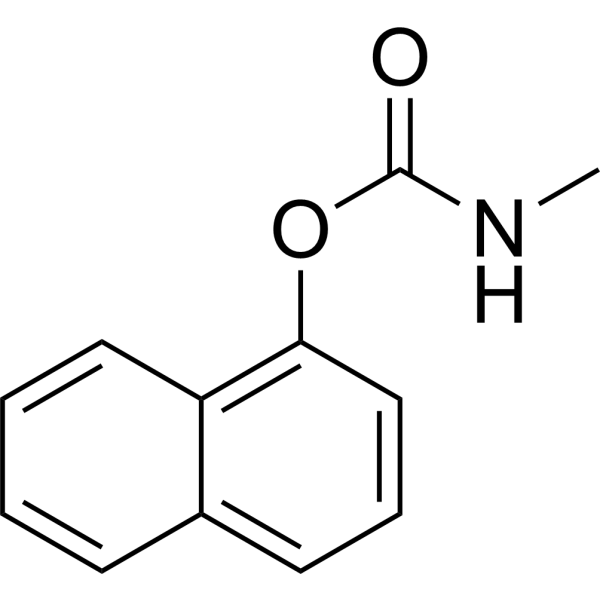
    Carbaryl is the inhibitor for acetylcholinesterase that inhibits the degradation of acetylcholine in the synaptic cleft, leads to the accumulation of acetylcholine and causes neurotoxicity. Carbaryl can be used as an insecticide .
    Carbaryl
  • HY-B1794
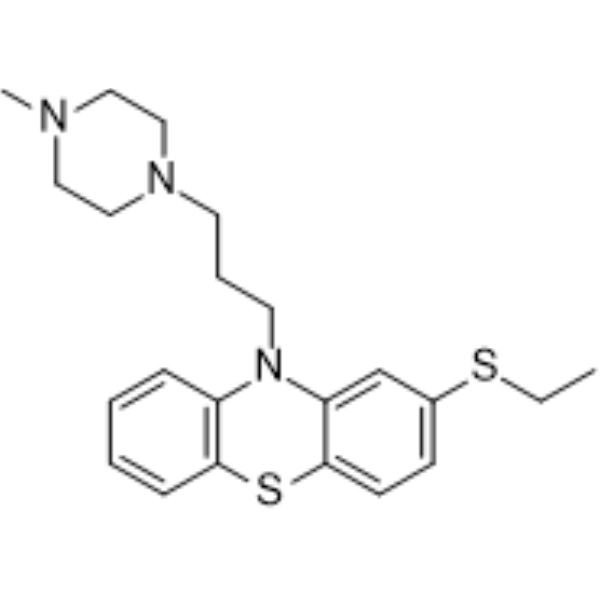
    Thiethylperazine
    3 Publications Verification

    Dopamine Receptor Histamine Receptor Bacterial Amyloid-β Infection Neurological Disease
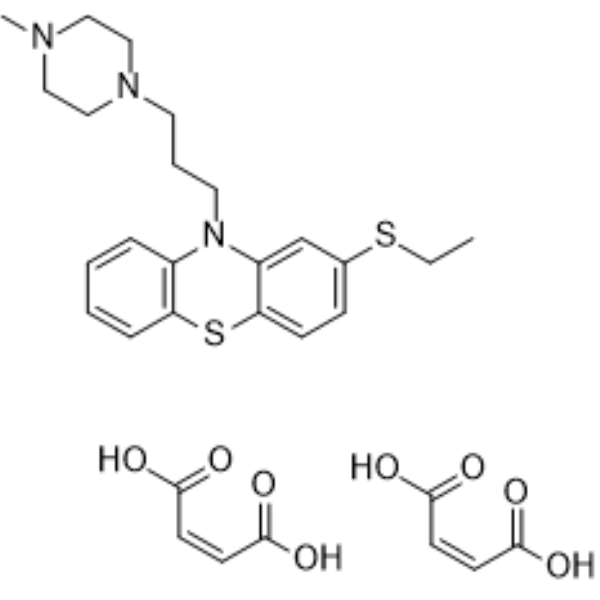
    Thiethylperazine, a phenothiazine derivate, is an orally active and potent dopamine D2-receptor and histamine H1-receptor antagonist. Thiethylperazine is also a selective ABCC1activator that reduces amyloid-β (Aβ) load in mice. Thiethylperazine has anti-emetic, antipsychotic and antimicrobial effects .
    Thiethylperazine
  • HY-W380450

    Viloxazin; Emovit

    5-HT Receptor Neurological Disease
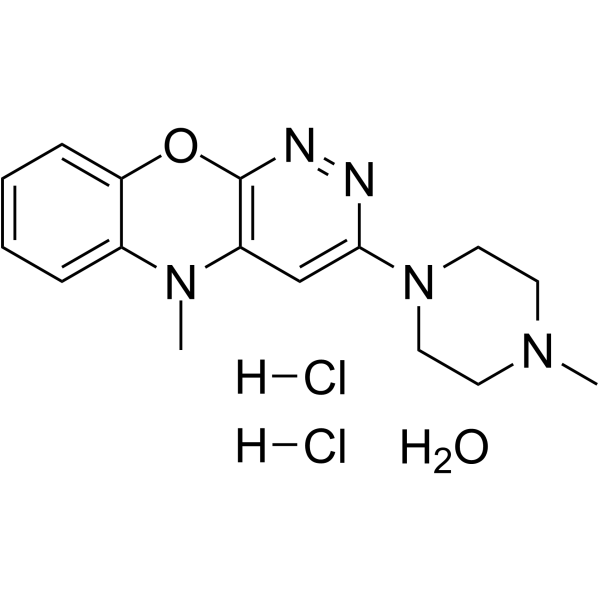
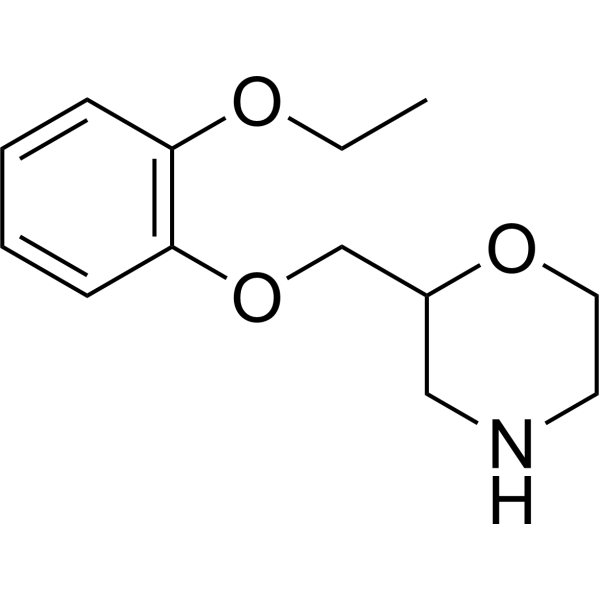
    Viloxazine is a non-brain-penetrant, selective norepinephrine transporter (NET) inhibitor (IC50= 0.26 μM) and 5-HT receptor modulator. Viloxazine antagonizes 5-HT2B receptors (Ki=4.2 μM) and agonizes 5-HT2C receptors (EC50= 32 μM), respectively, and enhances 5-HT neurotransmission by modulating 5-HT2B/C receptors. Viloxazine also competitively inhibits NET from increasing NE and DA levels in the synaptic cleft, and can be used in the study of attention deficit hyperactivity disorder (ADHD) .
    Viloxazine
  • HY-125784

    Viloxazin hydrochloride; Emovit hydrochloride

    5-HT Receptor Neurological Disease
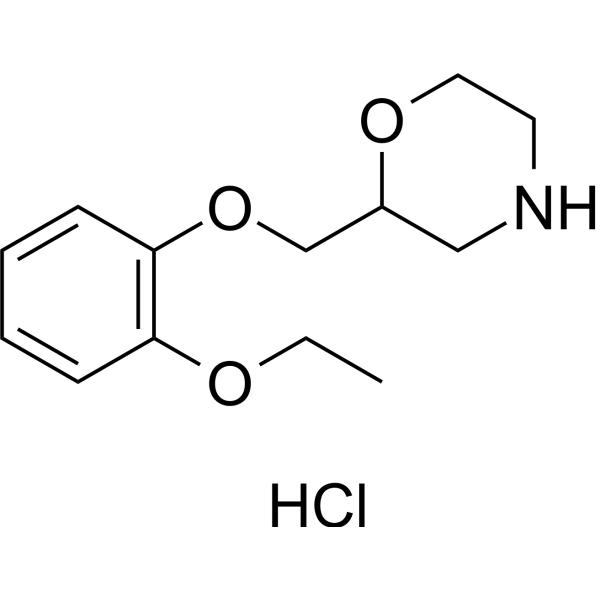
    Viloxazine hydrochloride is a non-brain-penetrant, selective norepinephrine transporter (NET) inhibitor (IC50=0.26 μM) and 5-HT receptor modulator. Viloxazine antagonizes 5-HT2B receptors (Ki=4.2 μM) and agonizes 5-HT2C receptors (EC50=32 μM), respectively, and enhances 5-HT neurotransmission by modulating 5-HT2B/C receptors. Viloxazine also competitively inhibits NET from increasing NE and DA levels in the synaptic cleft, and can be used in the study of attention deficit hyperactivity disorder (ADHD) .
    Viloxazine hydrochloride
  • HY-N2923

    HMG-CoA Reductase (HMGCR) Fungal Infection Cardiovascular Disease Metabolic Disease Inflammation/Immunology
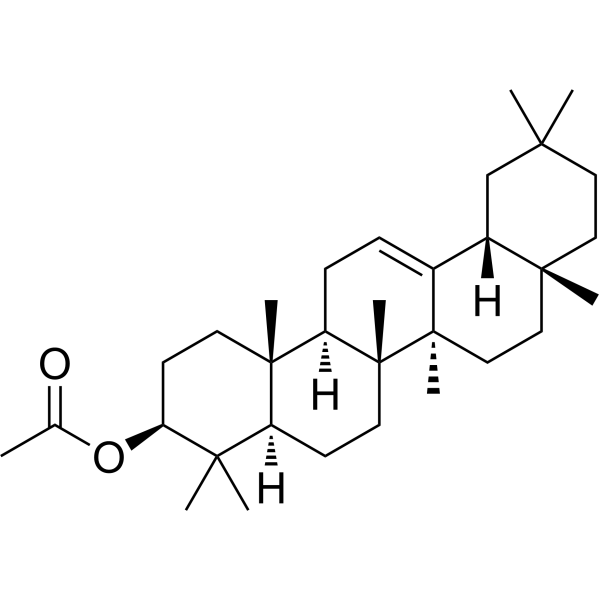
    β-Amyrin acetate is a triterpenoid with potent anti-inflammatory, antifungal, anti-diabetic, anti-hyperlipidemic activities. β-Amyrin acetate can inhibit HMG-CoA reductase activity by locating in the hydrophobic binding cleft of HMG CoA reductase .
    β-Amyrin acetate
  • HY-B0527AR
    Amitriptyline hydrochloride (Standard)
    4 Publications Verification

    Reference Standards Serotonin Transporter 5-HT Receptor Histamine Receptor mAChR Adrenergic Receptor Trk Receptor Sodium Channel Potassium Channel Dopamine Transporter Apoptosis Neurological Disease Inflammation/Immunology Endocrinology
    Amitriptyline hydrochloride (Standard) is the analytical standard of Amitriptyline hydrochloride (HY-B0527A). This product is intended for research and analytical applications. Amitriptyline hydrochloride is an orally active tricyclic antidepressant (TCA). Amitriptyline hydrochloride mainly exerts its antidepressant effect by blocking SERT (Ki = 3.45 nM) and NET (Ki = 13.3 nM), thereby increasing the concentrations of 5-hydroxytryptamine (5-HT) and norepinephrine (NE) in the synaptic cleft. Amitriptyline hydrochloride is also an agonist at α2A and TrkA/TrkB receptors, thereby exerting analgesic and neurotrophic activities (inhibiting cell apoptosis). Amitriptyline hydrochloride can reduce inflammation, angiogenesis and fibrosis. Amitriptyline hydrochloride binds to DAT (with Ki = 2.58 μM). Amitriptyline hydrochloride has high affinity for a series of receptors and can antagonize muscarinic cholinergic receptors (M1/M2/M3/M4/M5 receptors) (Ki = 11-24 nM), H1 receptors (Ki = 0.5-1.1 nM), adrenergic α1 receptors (Ki = 4.4 nM), etc., resulting in a series of side effects. Amitriptyline hydrochloride can block sodium channels and hERG potassium channel (IC50 = 4.78 μM) and it has cardiotoxicity.
    Amitriptyline hydrochloride (Standard)
  • HY-113499B

    Drug Metabolite Others
    cis-Malonylcarnitine lithium is an ester compound and a metabolite of Malonyl CoA (HY-115899). The level of cis-Malonylcarnitine lithium is closely related to some diseases, such as malonic aciduria, non-syndromic cleft lip with or without cleft palate, etc .
    cis-Malonylcarnitine lithium
  • HY-B1315R

    Reference Standards Insecticide Cholinesterase (ChE) Reactive Oxygen Species (ROS) Apoptosis Neurological Disease Inflammation/Immunology
    Carbaryl (Standard) is the analytical standard of Carbaryl (HY-B1315). This product is intended for research and analytical applications. Carbaryl is the inhibitor for acetylcholinesterase that inhibits the degradation of acetylcholine in the synaptic cleft, leads to the accumulation of acetylcholine and causes neurotoxicity. Carbaryl can be used as an insecticide.
    Carbaryl (Standard)
  • HY-B0527AS

    Isotope-Labeled Compounds Serotonin Transporter 5-HT Receptor Histamine Receptor mAChR Adrenergic Receptor Trk Receptor Sodium Channel Potassium Channel Dopamine Transporter Apoptosis Neurological Disease Inflammation/Immunology Endocrinology
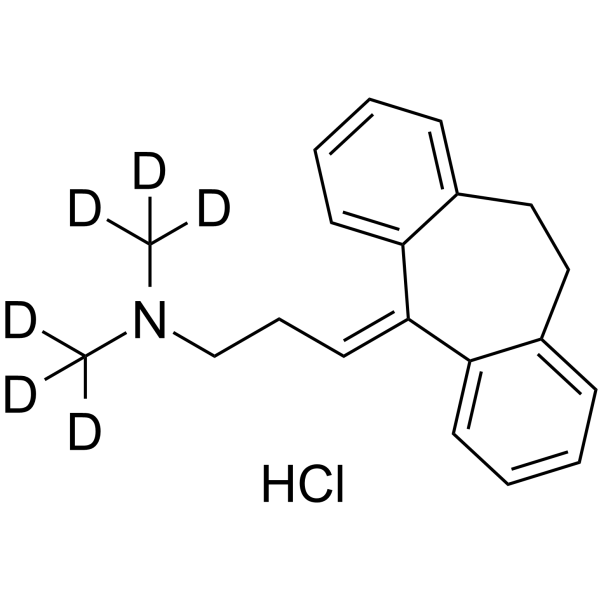
    Amitriptyline-d6 hydrochloride is the deuterium labeled Amitriptyline hydrochloride (HY-B0527A). Amitriptyline hydrochloride is an orally active tricyclic antidepressant (TCA). Amitriptyline hydrochloride mainly exerts its antidepressant effect by blocking SERT (Ki = 3.45 nM) and NET (Ki = 13.3 nM), thereby increasing the concentrations of 5-hydroxytryptamine (5-HT) and norepinephrine (NE) in the synaptic cleft. Amitriptyline hydrochloride is also an agonist at α2A and TrkA/TrkB receptors, thereby exerting analgesic and neurotrophic activities (inhibiting cell apoptosis). Amitriptyline hydrochloride can reduce inflammation, angiogenesis and fibrosis. Amitriptyline hydrochloride binds to DAT (with Ki = 2.58 μM). Amitriptyline hydrochloride has high affinity for a series of receptors and can antagonize muscarinic cholinergic receptors (M1/M2/M3/M4/M5 receptors) (Ki = 11-24 nM), H1 receptors (Ki = 0.5-1.1 nM), adrenergic α1 receptors (Ki = 4.4 nM), etc., resulting in a series of side effects. Amitriptyline hydrochloride can block sodium channels and hERG potassium channel (IC50 = 4.78 μM) and it has cardiotoxicity.
    Amitriptyline-d6 hydrochloride
  • HY-B1315S1

    Isotope-Labeled Compounds Insecticide Cholinesterase (ChE) Reactive Oxygen Species (ROS) Apoptosis Neurological Disease Inflammation/Immunology
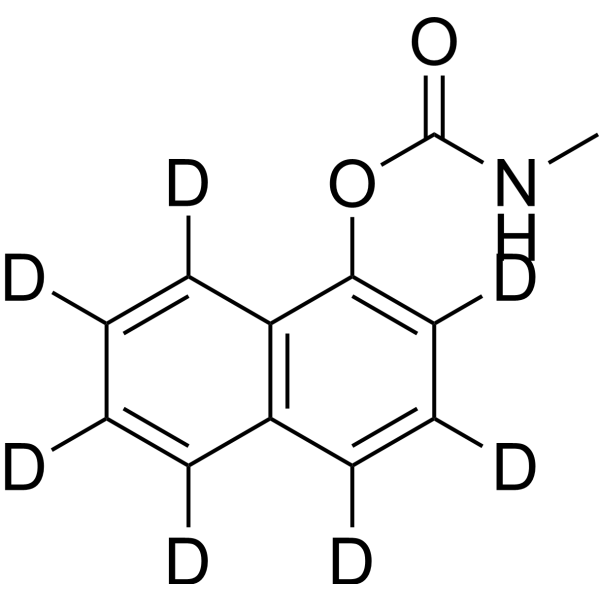
    Carbaryl-d7 is the deuterium labeled Carbaryl (HY-B1315). Carbaryl is the inhibitor for acetylcholinesterase that inhibits the degradation of acetylcholine in the synaptic cleft, leads to the accumulation of acetylcholine and causes neurotoxicity. Carbaryl can be used as an insecticide .
    Carbaryl-d7
  • HY-14472R

    NS-2330 (Standard)

    Dopamine Transporter Serotonin Transporter Reference Standards Metabolic Disease
    Tesofensine (Standard) is the analytical standard of Tesofensine. This product is intended for research and analytical applications. Tesofensine (NS-2330) is a triple monoamine reuptake inhibitor inducing a potent inhibition of the re-uptake process in the synaptic cleft of the neurotransmitters dopamine (DA; IC50=6.5 nM), norepinephrine (NE;IC50=1.7 nM), and serotonin (5-HT;IC50=11 nM), and with potentials as an anti-obesity agent . Tesofensine is a CNS acting anti-obesity agent .
    Tesofensine (Standard)
  • HY-N7698

    Biochemical Assay Reagents Others
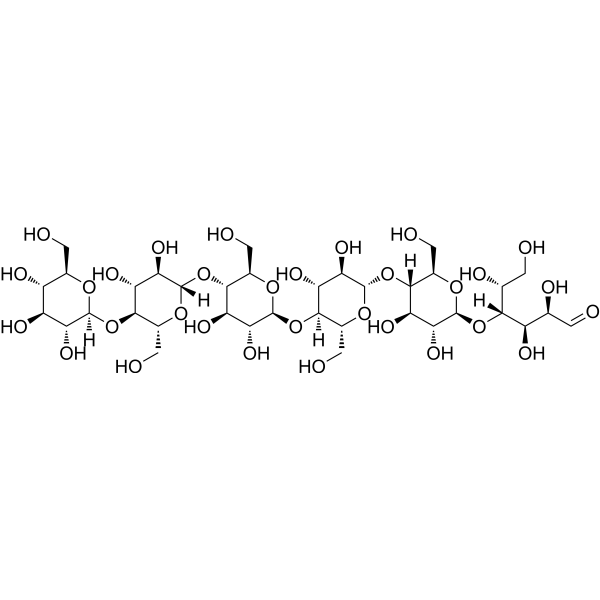
    Tetra-N-acetylchitotetraose is a linear chitosan oligosaccharide. Tetra-N-acetylchitotetraose is a component of the hpo-chitoo gosacchaπdes (LCOs) secreted from Rhizobia. Tetra-N-acetylchitotetraose is also a substrate for the Rhizobium leguminosarum nodulation protein NodB, a CO deacetylase .
    Tetra-N-acetylchitotetraose
  • HY-W012735

    (+)-β-Homoproline; (+)-Hexahydronicotinic acid; (+)-3-Carboxypiperidine

    GABA Receptor Neurological Disease
    (+)-Nipecotic acid ((+)-β-Homoproline) is a GABA transport inhibitor with potential antidepressant and anxiolytic activities. (+)-Nipecotic acid can increase the concentration of GABA in the synaptic cleft, thereby enhancing inhibitory neurotransmission. The research on (+)-Nipecotic acid provides a possible direction for the development of new inhibitory compounds for psychiatric diseases .
    (+)-Nipecotic acid
  • HY-16525

    Monoamine Transporter Adrenergic Receptor Neurological Disease
    XEN-2174 is a noradrenaline transporter (NET) inhibitor. XEN-2174 inhibits the reuptake of noradrenaline through non-competitive inhibition, increasing the concentration of noradrenaline in the synaptic cleft, thereby activating α2-adrenergic receptor at the spinal level and exerting analgesic effects. XEN-2174 exhibits long-lasting analgesic effects in models of neuropathic pain and postoperative pain in rats. XEN-2174 can be used in pain research .
    XEN-2174
  • HY-B1794A
    Thiethylperazine dimaleate
    3 Publications Verification

    Dopamine Receptor Histamine Receptor Bacterial Amyloid-β Infection Neurological Disease
    Thiethylperazine dimaleate, a phenothiazine derivate, is an orally active and potent dopamine D2-receptor and histamine H1-receptor antagonist. Thiethylperazine dimaleate is also a selective ABCC1activator that reduces amyloid-β (Aβ) load in mice. Thiethylperazine dimaleate has anti-emetic, antipsychotic and antimicrobial effects .
    Thiethylperazine dimaleate
  • HY-P990716

    AZD7789

    PD-1/PD-L1 Tim3 Inflammation/Immunology
    Sabestomig (AZD7789) is a monovalent bispecific antibody targeting PD-1 and TIM-3. Sabestomig binds to PD-1 and an epitope in the TIM-3 IgV domain outside the phosphatidylserine-binding cleft, thereby precisely regulating immune responses. Sabestomig promotes IL-2 production, efferocytosis and cross-presentation of tumor antigens, and enhances the release of anti-tumor T cell cytokines, cytotoxicity, and secretion of IFN-γ. Sabestomig inhibits the growth of solid tumors, prolongs the duration of tumor suppression, and significantly enhances anti-tumor responses following anti-PD-1 therapy. Sabestomig has been used in studies related to non-small cell lung cancer and classical Hodgkin lymphoma .
    Sabestomig
  • HY-B1315S

    Isotope-Labeled Compounds Insecticide Cholinesterase (ChE) Reactive Oxygen Species (ROS) Apoptosis Neurological Disease Inflammation/Immunology
    Carbaryl-d3 is the deuterium labeled Carbaryl (HY-B1315). Carbaryl is the inhibitor for acetylcholinesterase that inhibits the degradation of acetylcholine in the synaptic cleft, leads to the accumulation of acetylcholine and causes neurotoxicity. Carbaryl can be used as an insecticide . X
    Carbaryl-d3
  • HY-174462

    Cholinesterase (ChE) Neurological Disease
    AChE-IN-90 (Compound 5b) is an orally active, brain-penetrant and potent acetylcholinesterase (AChE) inhibitor with an IC50 value of 0.023 μM against human AChE and lower selectivity for butyrylcholinesterase (BuChE) (IC50 1.8 μM). AChE-IN-90 increases acetylcholine levels in the synaptic cleft. AChE-IN-90 is promising for research of neurodegenerative diseases such as Alzheimer's disease .
    AChE-IN-90
  • HY-B1794AR

    Dopamine Receptor Histamine Receptor Bacterial Amyloid-β Reference Standards Infection Neurological Disease
    Thiethylperazine (dimaleate) (Standard) is the analytical standard of Thiethylperazine (dimaleate). This product is intended for research and analytical applications. Thiethylperazine dimaleate, a phenothiazine derivate, is an orally active and potent dopamine D2-receptor and histamine H1-receptor antagonist. Thiethylperazine dimaleate is also a selective ABCC1activator that reduces amyloid-β (Aβ) load in mice. Thiethylperazine dimaleate has anti-emetic, antipsychotic and antimicrobial effects .
    Thiethylperazine dimaleate (Standard)
  • HY-151439

    Fungal Infection
    Antifungal agent 41 (compound B01) is an antifungal agent. Antifungal agent 41 shows inhibitory effect on Candida albicans in virto and vivo. Antifungal agent 41 can be used for the research of invasive fungal infections .
    Antifungal agent 41
  • HY-B1794R

    Dopamine Receptor Histamine Receptor Bacterial Amyloid-β Reference Standards Infection Neurological Disease
    Thiethylperazine (Standard) is the analytical standard of Thiethylperazine. This product is intended for research and analytical applications. Thiethylperazine, a phenothiazine derivate, is an orally active and potent dopamine D2-receptor and histamine H1-receptor antagonist. Thiethylperazine is also a selective ABCC1activator that reduces amyloid-β (Aβ) load in mice. Thiethylperazine has anti-emetic, antipsychotic and antimicrobial effects .
    Thiethylperazine (Standard)
  • HY-W380450R

    Viloxazin (Standard); Emovit (Standard)

    Reference Standards 5-HT Receptor Neurological Disease
    Viloxazine is a non-brain-penetrant, selective norepinephrine transporter (NET) inhibitor (IC50= 0.26 μM) and 5-HT receptor modulator. Viloxazine antagonizes 5-HT2B receptors (Ki=4.2 μM) and agonizes 5-HT2C receptors (EC50= 32 μM), respectively, and enhances 5-HT neurotransmission by modulating 5-HT2B/C receptors. Viloxazine also competitively inhibits NET from increasing NE and DA levels in the synaptic cleft, and can be used in the study of attention deficit hyperactivity disorder (ADHD) .
    Viloxazine (Standard)
  • HY-P1609

    Renin Enteropeptidase Cardiovascular Disease
    CP-69799 is an azahomostatine-containing oligopeptide transition-state analogue inhibitor with a hog renin IC50 of 6e-9 M, human plasma renin IC50 of 3e-7 M and Ki of 0.310 μM, and endothiapepsin Ki of 0.27 μM. CP-69799 binds endothiapepsin’s active site cleft in extended conformation, fills S4 to S3' pockets, displaces native solvent molecules, induces domain rotation, and reduces thermal mobility of endothiapepsin’s flap and helix regions. CP-69799 acts as a transition-state analogue inhibitor of hog renin and human plasma renin. CP-69799 contains a polar lysine residue at the P2' position, with a nitrogen atom replacing the P1' Cα atom of the hydroxyethylene dipeptide isostere. CP-69799 can be used for the research of hypertension .
    CP-69799
  • HY-W471288

    AP-1 Neurological Disease
    JPC0661 is a direct and allosteric ΔFOSB inhibitor. JPC0661 inhibits the binding of ΔFOSB/JUND and ΔFOsB to DNA with IC50 values in the micromolar range (9-52 uM), directly inhibits ΔFOSB-mediated transcription with IC50 of 0.82 μM in vitro. JPC0661 significantly reduces ΔFOSB occupancy at genomic AP1 sites in vivo. JPC0661 binds to a novel groove outside the DNA-binding cleft of ΔFOSB and disrupt the formation of the ΔFOSB/JUND-DNA complex. JPC0661 can be used for Alzheimer's disease research .
    JPC0661
  • HY-A0188

    Thiethylperazine dimalate

    Dopamine Receptor Histamine Receptor Bacterial Amyloid-β Drug Derivative Infection Neurological Disease
    Norzine dimalate (Thiethylperazine dimalate), a Phenothiazine (HY-Y0055) derivate, is an orally active and potent dopamine D2-receptor and histamine H1-receptor antagonist. Norzine dimalate is also a selective ABCC1activator that reduces amyloid-β load in mice. Norzine dimalate has anti-emetic, antipsychotic and antimicrobial effects .
    Norzine dimalate
  • HY-182927

    Others Cancer
    KLHL12 ligand-1 is a KLHL12 Kelch domain ligand with a Ki of 0.33 μM, Ka of 0.33 μM, submicromolar binding affinity, and selective binding over KEAP1/KLHL19. KLHL12 ligand-1 binds in the substrate cleft of KLHL12, with its 4-methyl group forming a CH-π interaction with Tyr334. KLHL12 ligand-1 binds to cellular KLHL12 in permeabilized and intact cells, and has solvent-exposed positions suitable for modification to create PROTACs. KLHL12 ligand-1 can be used for the research of cancer .
    KLHL12 ligand-1
  • HY-182372

    Epoxide Hydrolase Neurological Disease
    SH-11037 is a potent inhibitor of soluble epoxide hydrolase (sEH) and docks to the substrate binding cleft in the sEH hydrolase domain. SH-11037 dose-dependently suppresses angiogenesis in the choroidal sprouting assay ex vivo and inhibited ocular developmental angiogenesis in zebrafish larvae. SH-11037 reduces choroidal neovascularisation lesion volume in the laser-induced CNV mouse model. SH-11037 synergises with anti-VEGF treatments in vitro and in vivo. SH-11037 induces G2/M phase blockade and retains retinal endothelial cell viability at active concentrations without overt toxicity. SH-11037 can be used for the research of retinal neovascularization and ocular neovascularization .
    SH-11037
  • HY-182565

    Plasminogen/Plasmin Cancer
    PSI-112 is a YO-class μPlm inhibitor, with IC50 values of 0.38 μM, 1.48 μM and 0.37 μM against the wild-type, F587A mutant and K607A mutant, respectively. PSI-112 shows low affinity for uPA. PSI-112 can be used in cancer research .
    PSI-112
  • HY-181078

    c-Myc Apoptosis Bcl-2 Family Cancer
    Cephalotaxine-ester-(R)-1-ethoxy-3-mercaptopropan-2-ol-Ph (3,4OMe) is an anti-leukemic agent with potent ribosome-targeting protein synthesis inhibition. Cephalotaxine-ester-(R)-1-ethoxy-3-mercaptopropan-2-ol-Ph (3,4OMe) downregulates short-lived oncoproteins, including c-Myc and Mcl-1, by inhibiting protein synthesis. Cephalotaxine-ester-(R)-1-ethoxy-3-mercaptopropan-2-ol-Ph (3,4OMe) induces cell cycle arrest at the G0/G1 phase and triggers mitochondrial pathway-mediated apoptosis in acute myeloid leukemia (AML) cells. Cephalotaxine-ester-(R)-1-ethoxy-3-mercaptopropan-2-ol-Ph (3,4OMe) is applicable for research on leukemia .
    Cephalotaxine-ester-(R)-1-ethoxy-3-mercaptopropan-2-ol-Ph(3,4OMe)
  • HY-181874

    Potassium Channel Neurological Disease
    E0714 is a blood-brain barrier-permeable, selective Kv7.2 potassium channel activator, with EC50 values of 1.90 μM and 0.021 μM for homotetrameric Kv7.2 channels and heterotetrameric Kv7.2/7.3 channels, respectively. E0714 exhibits anticonvulsant activity. E0714 can be used in research related to epilepsy .
    E0714

Inquiry Online

Your information is safe with us. * Required Fields.

Salutation


Country or Region *

Applicant Name *


Organization Name *

Department *


Email Address *


Product Name *

Cat. No.


Requested quantity *

Phone Number *


Remarks

Inquiry Online

Inquiry Information

Product Name:
Cat. No.:
Quantity:
MCE Japan Authorized Agent:

