
Search Result
Results for "
eye disease
" in MedChemExpress (MCE) Product Catalog:
3
Biochemical Assay Reagents
3
Isotope-Labeled Compounds
| Cat. No. |
Product Name |
Target |
Research Areas |
Chemical Structure |
-
- HY-19344
-
|
SAR 1118; SHP-606
|
Integrin
|
Inflammation/Immunology
|
|
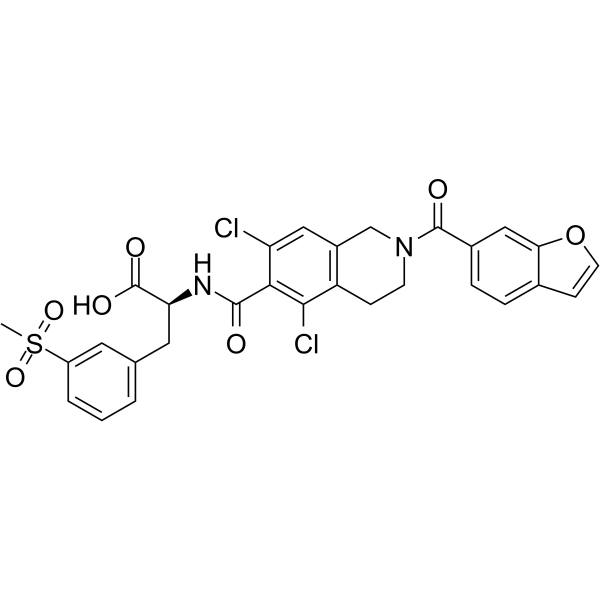
Lifitegrast (SAR 1118) is a potent integrin antagonist. Lifitegrast blocks the binding of intercellular adhesion molecule 1 (ICAM-1) to lymphocyte function-associated antigen 1 (LFA-1), interrupting the T cell-mediated inflammatory cycle. Lifitegrast inhibits Jurkat T cell attachment to ICAM-1 with an IC50 of 2.98 nM. Lifitegrast can be used for researching dry eye disease .
|
-
-
- HY-N0188
-
Esculin
5 Publications Verification
|
p38 MAPK
|
Inflammation/Immunology
Cancer
|
|
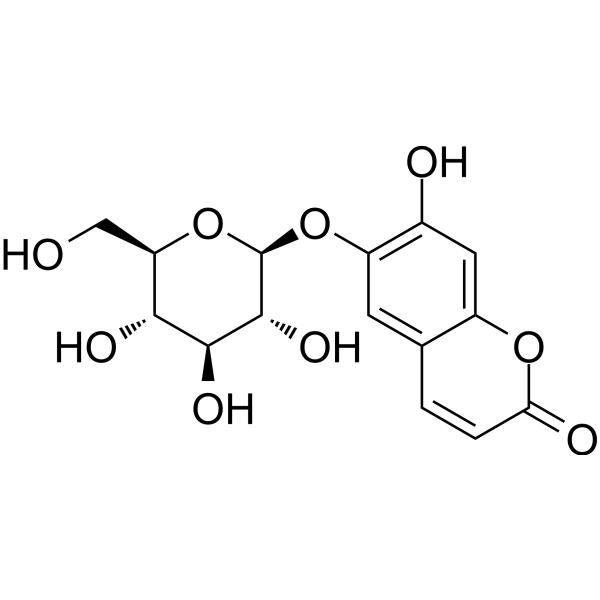
Esculin is a fluorescent coumarin glucoside, the active ingredient in ash bark. Esculin has antidiabetic effects, improves cognitive impairment in experimental diabetic nephropathy (DN) via the MAPK signaling pathway, and exerts antioxidant stress and anti-inflammatory effects. Esculin also has anticancer, antibacterial, antiviral, neuroprotective, antithrombotic, and therapeutic properties for eye diseases .
|
-
-
- HY-32067
-
|
Quinuclidin-3-yl acetate
|
mAChR
|
Cardiovascular Disease
Neurological Disease
|
|
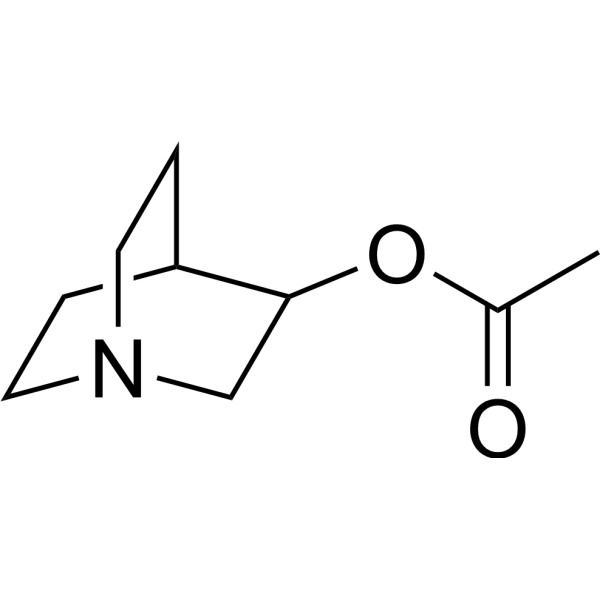
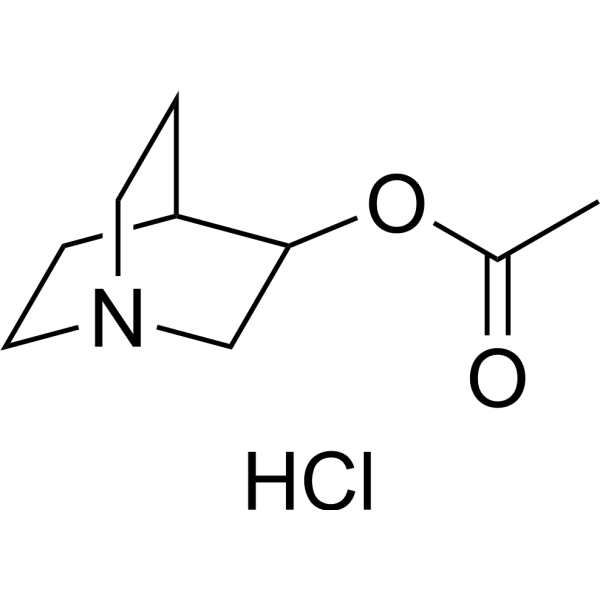
Aceclidine (Quinuclidin-3-yl acetate) is a modulator of M3 muscarinic acetylcholine receptor and a M1 receptor agonist (EC50: 40 μM). Aceclidine is a cycloplegic agent, a surfactant, a tonicity adjustor and optionally a viscosity enhancer and an antioxidant. Aceclidine has the potential for the research of disorders such as refractive errors of the eye, xerostomia, Sjogren's syndrome, glaucoma, conjunctivitis, lacrimal gland disease, and esotropia .
|
-
-
- HY-P99009
-
|
RVT-1401; HBM9161; IMVT-1401
|
Fc Receptor (FcR)
|
Inflammation/Immunology
|
|
Batoclimab (RVT-1401) is a fully humanized IgG1 monoclonal antibody targeting FcRn. Batoclimab has high affinity for the IgG-binding site on FcRn. By competitively binding to the IgG binding site on FcRn, Batoclimab blocks FcRn-mediated recycling of IgG, resulting in enhanced degradation and subsequent reductions in IgG levels. Batoclimab can be used in the research of autoimmune diseases such as myasthenia gravis and thyroid eye disease .
|
-
-
- HY-117661
-
SPHINX31
Maximum Cited Publications
13 Publications Verification
|
SRPK
VEGFR
|
Cardiovascular Disease
Cancer
|
|
SPHINX31 is a potent and selective SRPK1 inhibitor, with an IC50 of 5.9 nM. SPHINX31 inhibits phosphorylation of serine/arginine-rich splicing factor 1 (SRSF1). SPHINX31 also decreases the mRNA expression of pro-angiogenic VEGF-A165a isoform. SPHINX31 can be used to research neovascular eye disease .
|
-
-
- HY-N0526
-
|
|
Sirtuin
Keap1-Nrf2
NF-κB
ERK
p38 MAPK
JNK
TSH Receptor
Reactive Oxygen Species (ROS)
SOD
|
Neurological Disease
Inflammation/Immunology
|
|
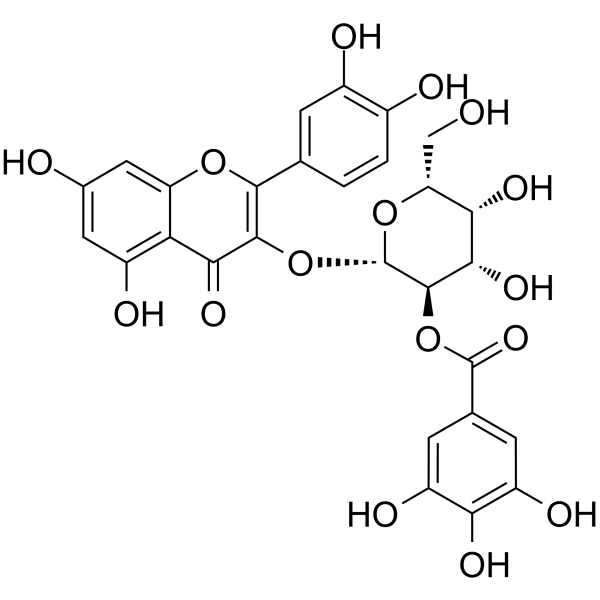
2''-O-Galloylhyperin is an active natural compound with anti‑inflammatory, antioxidant, anti‑adipogenic, antifibrotic, and cytostatic activities. 2''-O-Galloylhyperin upregulates SIRT1/Nrf2 signaling, inhibits NF-κB and MAPK (ERK1/2, p38, JNK) phosphorylation, suppresses TSHR activation, reduces ROS accumulation, and enhances SOD and GSH-Px activities. 2''-O-Galloylhyperin protects against LPS-induced tissue injury, enhances survival, and inhibits adipogenesis and fibrosis. 2"-O-Galloylhyperin can be used for the research of sepsis, acute lung injury, and thyroid eye disease .
|
-
-
- HY-19344A
-
|
SAR 1118 sodium; SHP-606 sodium
|
Integrin
|
Inflammation/Immunology
|
|
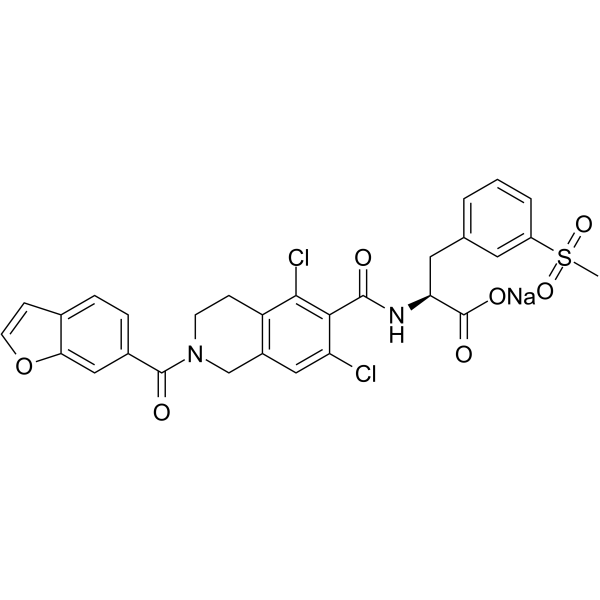
Lifitegrast (SAR 1118) sodium is a potent integrin antagonist. Lifitegrast sodium blocks the binding of intercellular adhesion molecule 1 (ICAM-1) to lymphocyte function-associated antigen 1 (LFA-1), interrupting the T cell-mediated inflammatory cycle. Lifitegrast sodium inhibits Jurkat T cell attachment to ICAM-1 with an IC50 of 2.98 nM. Lifitegrast sodium can be used for researching dry eye disease .
|
-
-
- HY-131686
-
|
|
Akt
mTOR
EGFR
ERK
|
Infection
Neurological Disease
Metabolic Disease
Inflammation/Immunology
Cancer
|
|
Ganglioside GT1b (bovine) ammonium is a member of the ganglioside family. Ganglioside GT1b (bovine) ammonium acts as a protective signal against nerve injury-induced spinal synapse elimination. Ganglioside GT1b (bovine) ammonium induces HA synthesis and the phosphorylation of Akt/mTOR in orbital fibroblasts. Ganglioside GT1b (bovine) ammonium enhances porcine oocyte maturation and induce activation of EGFR and ERK1/2 signaling. Ganglioside GT1b (bovine) ammonium is a putative host cell receptor for the Merkel cell polyomavirus. Ganglioside GT1b (bovine) ammonium can be used for the researches of cancer, infection, immunology, endocrinology and neurological disease, such as Thyroid eye disease .
|
-
-
- HY-B0606
-
|
INS365
|
P2Y Receptor
|
Inflammation/Immunology
|
|
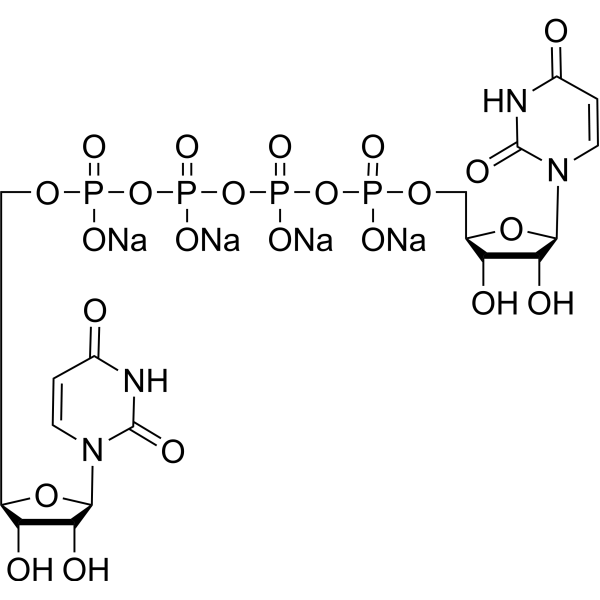
Diquafosol tetrasodium is a P2Y2 receptor agonist that stimulates fluid and mucin secretion on the ocular surface, as a topical treatment of dry eye disease.
|
-
-
- HY-150069
-
|
|
Bcl-2 Family
Apoptosis
|
Metabolic Disease
|
|
UBX1325 is an Bcl-xL inhibitor that promotes apoptosis in senescent cells. UBX1325 is a potent anti-aging agent that can be used in studies of age-related eye diseases such as diabetic macular oedema (DME), age-related macular degeneration (AMD) and diabetic retinopathy (DR) .
|
-
-
- HY-172435
-
|
AGN-232411; AG-80308; AGN-411
|
Formyl Peptide Receptor (FPR)
|
Neurological Disease
|
|
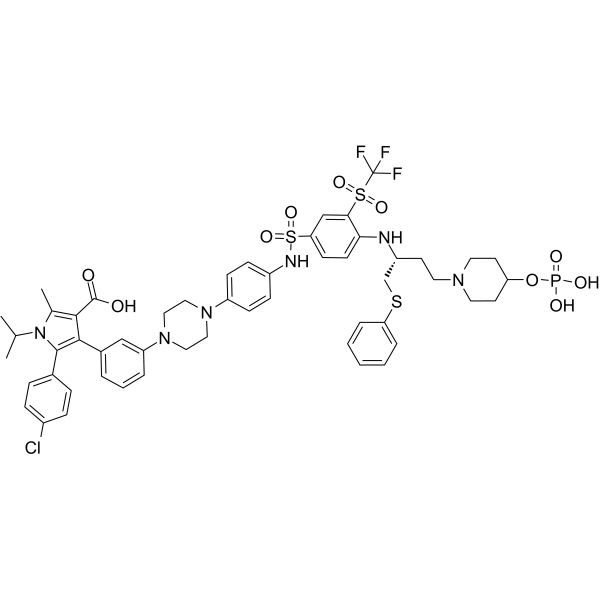
Rezuforimod (AGN-232411; AG-80308) is an ophthalmic solution targeting the formyl peptide receptor (FPR) pathway. Rezuforimod exerts anti-inflammatory effects by targeting the formyl peptide receptor pathway. Administered topically, Rezuforimod significantly reduces the corneal conjunctival staining score and improves ocular discomfort symptoms, with no serious adverse events reported and favorable overall safety profile. Rezuforimod shows remarkable potential to serve as a novel therapeutic option for dry eye disease .
|
-
-
- HY-B0321
-
|
Ro 1-7683
|
mAChR
|
Neurological Disease
|
|
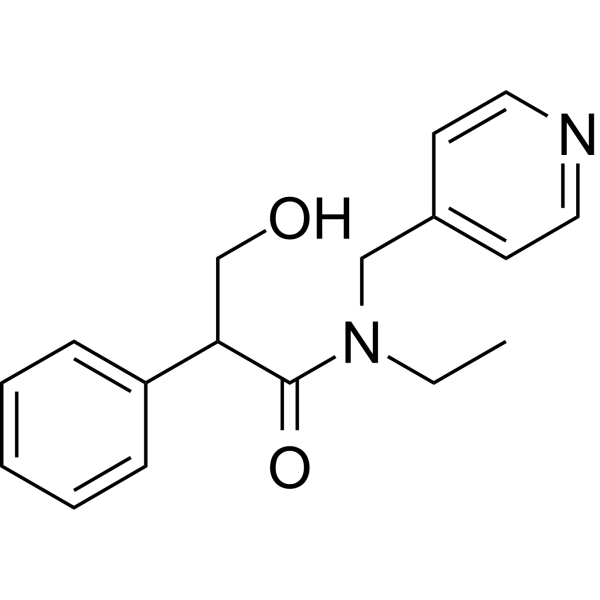
Tropicamide (Ro 1-7683) is a selective M4 muscarinic acetylcholine receptor antagonist. When used as an eye drop, Tropicamide causes short-term mydriasis (pupil dilation) and cycloplegia. Tropicamide can be used in the research of neurological diseases, such as epilepsy .
|
-
-
- HY-P991487
-
|
|
Interleukin Related
|
Inflammation/Immunology
|
|
LASN01 is a human IgG1 monoclonal antibody (mAb) targeting IL-11RA. LASN01 inhibits IGF-1 and IL-11-induced hyaluronic acid (HA) release and TGFβ-stimulated procollagen in orbital fibroblasts. LASN01 can be used in thyroid eye disease (TED) research. Recommended isotype control: Human IgG1 kappa, Isotype Control (HY-P99001) .
|
-
-
- HY-132596A
-
|
SYL1001 sodium
|
Small Interfering RNA (siRNA)
TRP Channel
|
Neurological Disease
|
|
Tivanisiran sodium (SYL1001 sodium) is a small interfering RNA (siRNA) targeting TRPV1 . Tivanisiran sodium induces the degradation of TRPV1 mRNA, thereby inhibiting protein synthesis. Tivanisiran sodium alleviates ocular discomfort and pain, and improves ocular hyperemia and tear quality. Tivanisiran sodium is applicable to research related to dry eye disease .
|
-
-
- HY-106449
-
|
DA-6034 free acid
|
NF-κB
COX
Apoptosis
ERK
Calcium Channel
|
Inflammation/Immunology
Cancer
|
|
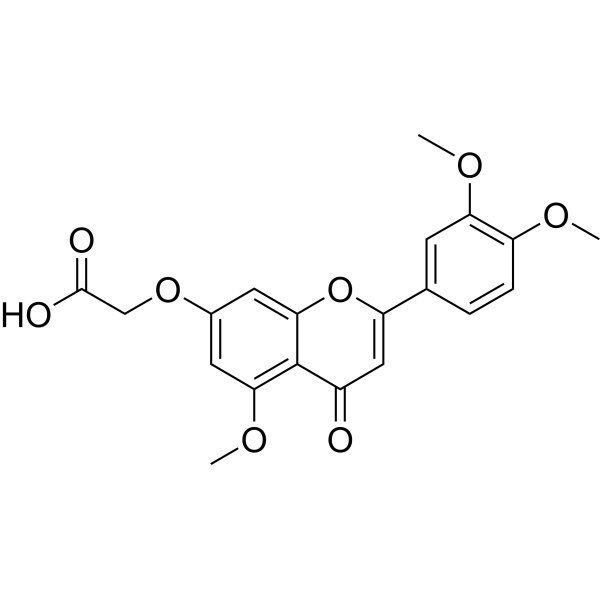
Recoflavone (DA-6034 (free acid)), a synthetic derivative of the flavonoid Eupatilin (HY-N0783), is orally active. Recoflavone can inhibit the NF-κB pathway and induce [Ca( 2+)]i increase in epithelial cells. Recoflavone exhibits activities such as anti-inflammation, anti-tumor effects, protection of gastric and intestinal mucosa, and promotion of secretion in the ocular surface and salivary glands. Recoflavone can be used for the research of diseases such as dry eye, gastric injury, and intestinal injury .
|
-
-
- HY-32067A
-
|
Quinuclidin-3-yl acetate hydrochloride
|
mAChR
|
Neurological Disease
|
|
Aceclidine (Quinuclidin-3-yl acetate) hydrochloride is a modulator of M3 muscarinic acetylcholine receptor and a M1 receptor agonist (EC50: 40 μM). Aceclidine hydrochloride is a cycloplegic agent, a surfactant, a tonicity adjustor and optionally a viscosity enhancer and an antioxidant. Aceclidine hydrochloride has the potential for the research of disorders such as refractive errors of the eye, xerostomia, Sjogren's syndrome, glaucoma, conjunctivitis, lacrimal gland disease, and esotropia .
|
-
-
- HY-W143531
-
|
NOV03; SHR8058
|
Biochemical Assay Reagents
|
Inflammation/Immunology
|
|
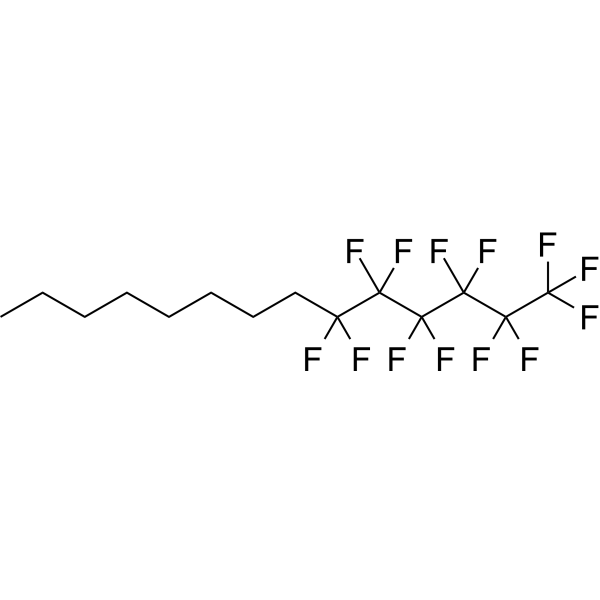
Perfluorohexyloctane (NOV03), a semifluorinated alkane, reduces tear film instability in Meibomian gland dysfunction and evaporative dry eye disease. Perfluorohexyloctane is a long-term tamponade agent. Perfluorohexyloctane increases tear film breakup time and lipid layer thickness .
|
-
-
- HY-P10904
-
|
ST-100
|
Collagen
|
Others
|
|
Vezocolmitide (ST-100) is a collagen mimetic peptide. Vezocolmitide can rapidly repair damaged collagen triple helix structures, thereby quickly reversing damage to the ocular surface and extracellular matrix, and restoring corneal nerve function while repairing the epithelium. Vezocolmitide can be used for research of dry eye disease (DED) .
|
-
-
- HY-A0079
-
|
Amethocaine
|
Sodium Channel
Calcium Channel
|
Neurological Disease
|
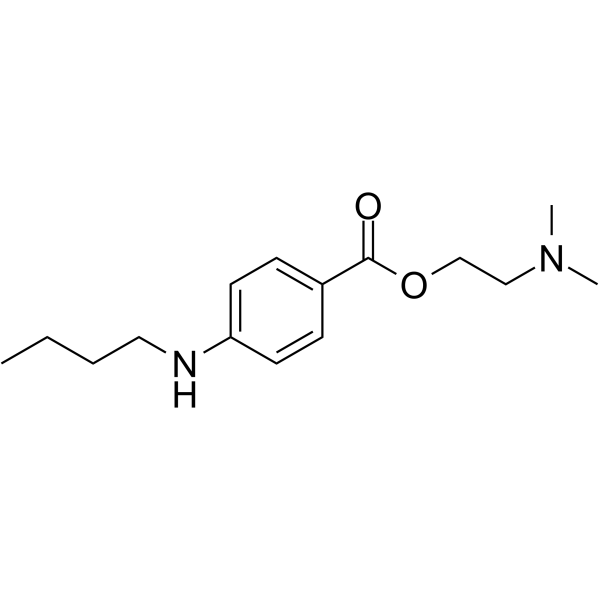
Tetracaine (Amethocaine) is a sodium channel inhibitor and ryanodine receptor (RyR) inhibitor. Tetracaine blocks sodium conduction across nerve cell membranes, preventing rapid sodium ion influx and depolarization. Tetracaine exhibits biphasic effects on spontaneous sarcoplasmic reticulum Ca 2+ release in Ca 2+-overloaded ventricular myocytes, and increases sarcoplasmic reticulum Ca 2+ load. Tetracaine can be used in research related to eye diseases .
|
-
-
- HY-NP0147
-
|
WGA (Fluorescein)
|
Fluorescent Dye
|
Infection
Neurological Disease
|
|
Wheat Germ Agglutinin (WGA) Fluorescein is a classic fluorescent label that specifically binds to sugar residues such as N-acetylglucosamine, N-acetylneuraminic acid and sialic acid. Wheat Germ Agglutinin Fluorescein performs regionally differential fluorescent staining of the ocular surface epithelial glycocalyx to assess its integrity, and causes no damage to the eye at safe concentrations. Wheat Germ Agglutinin Fluorescein is also used for staining structures including red blood cells, cultured cells, bacteria and pine wood nematodes, and facilitates the isolation of wheat-associated plant-growth-promoting rhizobacterial strains. Wheat Germ Agglutinin Fluorescein can be applied to the detection of ocular glycocalyx integrity and the research of related diseases such as pine wilt disease .
|
-
-
- HY-152264
-
|
|
CFTR
|
Inflammation/Immunology
|
|
CFTR activator 1 is a potent and selective CFTR activator, with an EC50 of 23 nM. CFTR activator 1 can be used to ameliorate dry eye disease .
|
-
-
- HY-120417
-
|
|
Src
FAK
|
Cardiovascular Disease
|
|
JP-153 is the Src-FAK-Paxillin signaling inhibitor. JP-153 inhibits Src-dependent phosphorylation of paxillin (Y118) and downstream activation of Akt (S473). JP-153 reduces VEGF-induced migration and proliferation in retinal endothelial cells. JP-153 can be uesd for the study of neovascular eye disease .
|
-
-
- HY-P990084
-
|
AVE1642; VRDN-001
|
IGF-1R
Akt
|
Neurological Disease
Endocrinology
|
|
Veligrotug (AVE1642) is a selective, fully human IGF-1R antagonist antibody with a Kd value of 0.55 nM for hIGF-1R. Veligrotug blocks the phosphorylation of downstream AKT. Veligrotug is applicable to research related to thyroid eye disease .
|
-
-
- HY-147240
-
|
ADX-629
|
Drug Derivative
|
Infection
Cardiovascular Disease
Inflammation/Immunology
|
|
Acloproxalap is a quinoline-based aldehyde scavenger that can be used in studies of diseases with toxic aldehyde accumulation, such as inflammatory diseases of the eye and skin, respiratory diseases such as pneumonia, organ diseases, and viral infection-related syndromes .
|
-
-
- HY-P99830
-
|
KH902
|
VEGFR
TNF Receptor
Interleukin Related
|
Cardiovascular Disease
Inflammation/Immunology
Cancer
|
|
Conbercept (KH902) is a recombinant fusion protein composed of VEGFR-1 (second domain) and VEGFR-2 (third and fourth domains) regions fused to human IgG1 Fc. Conbercept is a VEGF inhibitor (IC50 = 8.8 pM) and is a soluble receptor decoy that blocks all isoforms of VEGF-A (Kd = 0.5 pM), VEGF-B (Kd = 8 pM), VEGF-C, and PlGF (Kd = 5 pM). Conbercept has anti-inflammatory effects, can lower the levels of VEGF, TNF-α and IL-6, and reduce the infiltration of inflammatory cells. Conbercept decreases tumor growth in several oncology studies. Conbercept can be used for various eye diseases such as polypoidal choroidal vasculopathy (PCV), diabetic macular edema (DME) and pathologic myopia choroidal neovascularization (pmCNV) .
|
-
-
- HY-132596
-
-
-
- HY-P99712
-
|
hz208F2-4
|
IGF-1R
Apoptosis
ADC Antibody
|
Cancer
|
|
Lonigutamab (hz208F2-4) is a humanized anti-IGF-1R monoclonal antibody, serveing as a targeting vector for antibody-drug conjugates (ADCs). Lonigutamab causes G2-M phase cell cycle arrest and increases apoptosis in IGF-1R-overexpressing tumor cells. Lonigutamab demonstrates potent antitumor efficacy in IGF-1R-overexpressing xenograft models. Lonigutamab can be used for the study of Solid tumors with overexpression of IGF-1R and thyroid eye
diseases .
|
-
-
- HY-124404
-
|
|
Aryl Hydrocarbon Receptor
Na+/K+ ATPase
Prostaglandin Receptor
|
Inflammation/Immunology
|
|
12(R)-HETE is a CYP-dependent arachidonic acid metabolite that acts as a proinflammatory lipid mediator. 12 (R)-HETE widely exists in various tissues including the eye, skin and liver. In the cornea, 12(R)-HETE is metabolized via pathways such as β-oxidation into the precursor of 12(R)-HETrE. Without direct receptor binding, 12(R)-HETE indirectly activates AHR-mediated target gene transcription, while inhibiting the enzymatic activity of Na+,K+-ATPase and the intracellular calcium elevation induced by TP agonists. 12(R)-HETE also possesses multiple physiological effects such as chemotaxis, proangiogenesis, vasodilation, natriuresis, diuresis and intraocular pressure reduction, and can be widely used in studies related to psoriasis, inflammatory skin diseases and ocular inflammation .
|
-
-
- HY-109026
-
-
-
- HY-101990
-
|
|
VEGFR
|
Others
|
|
IMS2186 is an anti-choroidal neovascularization (CNV) agent that inhibits angiogenesis upstream of VEGF. IMS2186 can arrest cancer cell cycle in G2/M phase, thus exerting anti-proliferation and anti-angiogenesis effects. IMS2186 has no intraocular toxicity and reduces the amount of eye leakage and diseased cells .
|
-
-
- HY-N0188R
-
|
|
Reference Standards
p38 MAPK
|
Inflammation/Immunology
Cancer
|
|
Esculin (Standard) is the analytical standard of Esculin. This product is intended for research and analytical applications. Esculin is a fluorescent coumarin glucoside, the active ingredient in ash bark. Esculin has antidiabetic effects, improves cognitive impairment in experimental diabetic nephropathy (DN) via the MAPK signaling pathway, and exerts antioxidant stress and anti-inflammatory effects. Esculin also has anticancer, antibacterial, antiviral, neuroprotective, antithrombotic, and therapeutic properties for eye diseases .
|
-
-
- HY-P991134
-
|
|
IGF-1R
|
Inflammation/Immunology
|
|
Elegrobart is an immunoglobulin G1-κ monoclonal antibody targeting the human insulin-like growth factor 1 receptor (IGF1R). Elegrobart is promising for research of diseases associated with abnormal IGF1R signaling, especially thyroid eye disease .
|
-
-
- HY-19344R
-
|
SAR 1118 (Standard); SHP-606 (Standard)
|
Reference Standards
Integrin
|
Inflammation/Immunology
|
|
Lifitegrast (Standard) is the analytical standard of Lifitegrast. This product is intended for research and analytical applications. Lifitegrast (SAR 1118) is a potent integrin antagonist. Lifitegrast blocks the binding of intercellular adhesion molecule 1 (ICAM-1) to lymphocyte function-associated antigen 1 (LFA-1), interrupting the T cell-mediated inflammatory cycle. Lifitegrast inhibits Jurkat T cell attachment to ICAM-1 with an IC50 of 2.98 nM. Lifitegrast can be used for researching dry eye disease .
|
-
-
- HY-175663
-
|
|
RPE65
|
Metabolic Disease
|
|
EYE-002 is a RPE65 inhibitor with an IC50 of 69 nM. EYE-002 promotes recovery of scotopic ERG a-/b-wave amplitudes. EYE-002 regulates the visual cycle in mice by reducing 11-cis-retinal (11cRAL) (HY-116711) synthesis and increasing all-trans-retinyl esters (atREs). EYE-002 exerts protective effects against photic retinal damage in mice. EYE-002 can be used for the study of visual cycle-associated retinopathies, such as Stargardt disease type 1 (STGD1) .
|
-
-
- HY-131686A
-
|
|
Akt
mTOR
EGFR
ERK
|
Infection
Neurological Disease
Metabolic Disease
Inflammation/Immunology
Cancer
|
|
Ganglioside GT1b (porcine) ammonium is a member of the ganglioside family. Ganglioside GT1b (porcine) ammonium acts as a protective signal against nerve injury-induced spinal synapse elimination. Ganglioside GT1b (porcine) ammonium induces HA synthesis and the phosphorylation of Akt/mTOR in orbital fibroblasts. Ganglioside GT1b (porcine) ammonium enhances porcine oocyte maturation and induces activation of EGFR and ERK1/2 signaling. Ganglioside GT1b (porcine) ammonium is a putative host cell receptor for the Merkel cell polyomavirus. Ganglioside GT1b (porcine) ammonium can be used for the researches of cancer, infection, immunology, endocrinology and neurological disease, such as Thyroid eye disease .
|
-
-
- HY-175664
-
|
|
RPE65
|
Metabolic Disease
|
|
EYE-003 is an orally active RPE65 inhibitor with an IC50 of 102 nM. EYE-003 regulates the visual cycle in mice by reducing 11-cis-retinal (11cRAL) (HY-116711) synthesis and increasing all-trans-retinyl esters (atREs). EYE-003 suppresses scotopic ERG b-wave amplitude and exerts protective effects against retinal degeneration in Abca4 ⁻/⁻ Rdh8 ⁻/⁻ mice (a STGD1 model) by reducing retinal autofluorescent puncta and preserving outer nuclear layer (ONL) thickness in a dose-dependent manner. EYE-003 can be used for the study of visual cycle-associated retinopathies, such as Stargardt disease type 1 (STGD1) .
|
-
-
- HY-P991255
-
|
|
IGF-1R
|
Inflammation/Immunology
|
|
VRDN-002 is a human monoclonal antibody (mAb) targeting IGF1R/CD221. VRDN-002 reduces inflammation and proptosis in thyroid eye disease (TED). VPI-2690B can be used in Graves ophthalmopathy research .
|
-
-
- HY-W281862
-
-
-
- HY-153565
-
|
|
Others
|
Inflammation/Immunology
|
|
Immune cell migration-IN-1 (compound 2) is a potent agent to inhibit immune cell migration. Immune cell migration-IN-1 can be used for research in alleviating dry eye diseases, eczema dermatitis and psoriasis .
|
-
-
- HY-W751874
-
|
|
Mitochondrial Metabolism
|
Neurological Disease
|
|
Acetyl methylene blue can be used to synthesize mitochondrial development stimulators, which can be used for eye diseases related to insufficient mitochondrial function in nerve cells .
|
-
-
- HY-W354753
-
|
|
mAChR
|
Others
|
|
Homatropine hydrochloride is an orally active anticholinergic agent that rapidly dilates pupils and has cycloplegic effects. Homatropine hydrochloride also has antitussive activity. Homatropine hydrochloride can be used in research on eye diseases and coughs .
|
-
-
- HY-B0535R
-
|
|
Reference Standards
Bacterial
Antibiotic
|
Infection
|
|
Homatropine (hydrochloride) (Standard) is the analytical standard of Homatropine (hydrochloride). This product is intended for research and analytical applications. Homatropine hydrochloride is an orally active anticholinergic agent that rapidly dilates pupils and has cycloplegic effects. Homatropine hydrochloride also has antitussive activity. Homatropine hydrochloride can be used in research on eye diseases and coughs .
|
-
-
- HY-W354753R
-
|
|
mAChR
Reference Standards
|
Others
|
|
Homatropine (hydrochloride) (Standard) is the analytical standard of Homatropine (hydrochloride). This product is intended for research and analytical applications. Homatropine hydrochloride is an orally active anticholinergic agent that rapidly dilates pupils and has cycloplegic effects. Homatropine hydrochloride also has antitussive activity. Homatropine hydrochloride can be used in research on eye diseases and coughs .
|
-
-
- HY-154994
-
|
|
JAK
|
Inflammation/Immunology
|
|
JAK-IN-30 (compound 31) is a water-soluble JAK inhibitor with IC50 values of 2, 15, 18 and 2 nM for JAK2, JAK1, JAK3 and TYK2, respectively. JAK-IN-30 has research potential for dry eye disease (DED) .
|
-
-
- HY-B1035C
-
|
(R)-Bunolol hydrochloride
|
Adrenergic Receptor
|
Cardiovascular Disease
|
|
ent-Levobunolol ((R)-Bunolol) hydrochloride is a competitive β-adrenergic receptor blocker. ent-Levobunolol hydrochloride inhibits the transmission of sympathetic nerve impulses, reduces the production of aqueous humor, and constricts blood vessels in the eye, thereby reducing intraocular pressure. ent-Levobunolol hydrochloride is promising for research of ocular hypertension diseases such as glaucoma .
|
-
-
- HY-112352
-
|
|
Endogenous Metabolite
|
Others
|
|
SU9518 is a tyrosine kinase inhibitor with specific activity against PDGFRα. SU9518 can inhibit the development of proliferative vitreoretinopathy (PVR) in fibroblast and Muller cell rabbit models. SU9518 showed effective inhibitory effects in these models without toxic effects. Therefore, SU9518 has the potential to be used to inhibit PVR in humans and other proliferative eye diseases involving fibrosis and gliosis .
|
-
-
- HY-19344S2
-
|
|
Isotope-Labeled Compounds
Integrin
|
Inflammation/Immunology
|
|
Lifitegrast-d4-1 is deuterium labeled Lifitegrast. Lifitegrast (SAR 1118) is a potent integrin antagonist. Lifitegrast blocks the binding of intercellular adhesion molecule 1 (ICAM-1) to lymphocyte function-associated antigen 1 (LFA-1), interrupting the T cell-mediated inflammatory cycle. Lifitegrast inhibits Jurkat T cell attachment to ICAM-1 with an IC50 of 2.98 nM. Lifitegrast can be used for researching dry eye disease .
|
-
-
- HY-153567
-
|
|
Biochemical Assay Reagents
|
Inflammation/Immunology
|
|
Immune cell migration-IN-2 is a potent immune cell migration inhibitor with an EC50 of 13.5 nM in a T-cell adhesion assay. Immune cell migration-IN-2 is extracted from patent WO2019001171, example 11, can be used for dry-eye and other retinal diseases research . Immune cell migration-IN-2 is a click chemistry reagent, it contains an Alkyne group and can undergo copper-catalyzed azide-alkyne cycloaddition (CuAAc) with molecules containing Azide groups.
|
-
-
- HY-N0526R
-
|
|
Reference Standards
Sirtuin
Keap1-Nrf2
NF-κB
ERK
p38 MAPK
JNK
TSH Receptor
Reactive Oxygen Species (ROS)
SOD
|
Neurological Disease
Inflammation/Immunology
|
|
2"-O-Galloylhyperin (Standard) is the analytical standard of 2"-O-Galloylhyperin (HY-N0526). This product is intended for research and analytical applications. 2''-O-Galloylhyperin is an active natural compound with anti‑inflammatory, antioxidant, anti‑adipogenic, antifibrotic, and cytostatic activities. 2''-O-Galloylhyperin upregulates SIRT1/Nrf2 signaling, inhibits NF-κB and MAPK (ERK1/2, p38, JNK) phosphorylation, suppresses TSHR activation, reduces ROS accumulation, and enhances SOD and GSH-Px activities. 2''-O-Galloylhyperin protects against LPS-induced tissue injury, enhances survival, and inhibits adipogenesis and fibrosis. 2"-O-Galloylhyperin can be used for the research of sepsis, acute lung injury, and thyroid eye disease .
|
-
-
- HY-160637
-
-
- HY-180939
-
|
|
Integrin
|
Neurological Disease
Inflammation/Immunology
|
|
LFA-1-IN-2 (Compound 25) is a potent LFA-1 inhibitor with a Kd of 21.46 μM. LFA-1-IN-2 inhibits ICAM-1-mediated cell adhesion. LFA-1-IN-2 protects cells from inflammatory hyperosmotic stress. LFA-1-IN-2 improves dry eye disease .
|
-
- HY-109141
-
-
- HY-106449R
-
|
DA-6034 free acid (Standard)
|
Reference Standards
NF-κB
COX
Apoptosis
ERK
Calcium Channel
|
Inflammation/Immunology
Cancer
|
|
Recoflavone (Standard) is the analytical standard of Recoflavone (HY-106449). This product is intended for research and analytical applications. Recoflavone (DA-6034 (free acid)), a synthetic derivative of the flavonoid Eupatilin (HY-N0783), is orally active. Recoflavone can inhibit the NF-κB pathway and induce [Ca(2+)]i increase in epithelial cells. Recoflavone exhibits activities such as anti-inflammation, anti-tumor effects, protection of gastric and intestinal mucosa, and promotion of secretion in the ocular surface and salivary glands. Recoflavone can be used for the research of diseases such as dry eye, gastric injury, and intestinal injury .
|
-
- HY-171925
-
|
|
Cathepsin
|
Neurological Disease
|
|
BI-1124 is a cathepsin S inhibitor that exhibits simulated sufficient ocular pharmacokinetic-pharmacodynamic coverage in rabbit models via topical ocular administration. BI-1124 can be used for the research of age-related dry eye disease .
|
-
- HY-N17566
-
|
|
Bacterial
Histamine Receptor
|
Infection
Inflammation/Immunology
|
|
Eukovoside is a cinnamic acid derivative found in Euphrasia regelii with anti-inflammatory, antioxidant, antibacterial, antiallergic, and antihistamine activity. Eukovoside can be used for the research of hyperglycemic diseases, eye inflammation, upper respiratory passages inflammation, hay fever, conjunctivitis, colds, influenza, sinusitis .
|
-
- HY-108010
-
|
|
Amyloid-β
|
Neurological Disease
|
|
Aftobetin is a non-invasive molecular probe used for the early diagnosis of Alzheimer's disease (AD). Aftobetin can specifically bind to the aggregated β-amyloid peptide (Aβ) in the lens of the eye, enabling the early diagnosis of AD through a rapid and painless detection method .
|
-
- HY-19344S
-
|
SAR 1118-d4; SHP-606-d4
|
Isotope-Labeled Compounds
|
Inflammation/Immunology
|
|
Lifitegrast-d4 (SAR 1118-d4) is deuterium labeled Lifitegrast. Lifitegrast (SAR 1118) is a potent integrin antagonist. Lifitegrast blocks the binding of intercellular adhesion molecule 1 (ICAM-1) to lymphocyte function-associated antigen 1 (LFA-1), interrupting the T cell-mediated inflammatory cycle. Lifitegrast inhibits Jurkat T cell attachment to ICAM-1 with an IC50 of 2.98 nM. Lifitegrast can be used for researching dry eye disease .
|
-
- HY-19344S1
-
|
SAR 1118-d6; SHP-606-d6
|
Isotope-Labeled Compounds
|
Inflammation/Immunology
|
|
Lifitegrast-d6 (SAR 1118-d6) is deuterium labeled Lifitegrast. Lifitegrast (SAR 1118) is a potent integrin antagonist. Lifitegrast blocks the binding of intercellular adhesion molecule 1 (ICAM-1) to lymphocyte function-associated antigen 1 (LFA-1), interrupting the T cell-mediated inflammatory cycle. Lifitegrast inhibits Jurkat T cell attachment to ICAM-1 with an IC50 of 2.98 nM. Lifitegrast can be used for researching dry eye disease .
|
-
- HY-183905
-
|
|
11β-HSD
Glucocorticoid Receptor
Reactive Oxygen Species (ROS)
Keap1-Nrf2
|
Neurological Disease
|
|
KR-67607 is a selective 11β-HSD1 inhibitor, with an IC50 value of 4.8 nM against h11β-HSD1 and 7.1 nM against mouse 11β-HSD1. KR-67607 inhibits stress-induced Glucocorticoid receptor nuclear translocation, reduces cortisol levels, suppresses the expression of ROS and proinflammatory cytokines, and enhances Nrf-2-mediated antioxidant gene transcription. KR-67607 maintains trabecular meshwork structure and reverses elevated intraocular pressure. KR-67607 improves ocular antioxidant activity and mucus secretion, reverses ocular surface damage, and prevents ischemia-reperfusion induced ocular injury. KR-67607 can be used in research related to glaucoma and dry eye disease .
|
-
| Cat. No. |
Product Name |
Type |
-
- HY-W751874
-
|
|
Fluorescent Dyes
|
|
Acetyl methylene blue can be used to synthesize mitochondrial development stimulators, which can be used for eye diseases related to insufficient mitochondrial function in nerve cells .
|
| Cat. No. |
Product Name |
Type |
-
- HY-NP0147
-
|
WGA (Fluorescein)
|
Biochemical Assay Reagents
|
|
Wheat Germ Agglutinin (WGA) Fluorescein is a classic fluorescent label that specifically binds to sugar residues such as N-acetylglucosamine, N-acetylneuraminic acid and sialic acid. Wheat Germ Agglutinin Fluorescein performs regionally differential fluorescent staining of the ocular surface epithelial glycocalyx to assess its integrity, and causes no damage to the eye at safe concentrations. Wheat Germ Agglutinin Fluorescein is also used for staining structures including red blood cells, cultured cells, bacteria and pine wood nematodes, and facilitates the isolation of wheat-associated plant-growth-promoting rhizobacterial strains. Wheat Germ Agglutinin Fluorescein can be applied to the detection of ocular glycocalyx integrity and the research of related diseases such as pine wilt disease .
|
-
- HY-W354753
-
|
|
Biochemical Assay Reagents
|
|
Homatropine hydrochloride is an orally active anticholinergic agent that rapidly dilates pupils and has cycloplegic effects. Homatropine hydrochloride also has antitussive activity. Homatropine hydrochloride can be used in research on eye diseases and coughs .
|
-
- HY-W354753R
-
|
|
Biochemical Assay Reagents
|
|
Homatropine (hydrochloride) (Standard) is the analytical standard of Homatropine (hydrochloride). This product is intended for research and analytical applications. Homatropine hydrochloride is an orally active anticholinergic agent that rapidly dilates pupils and has cycloplegic effects. Homatropine hydrochloride also has antitussive activity. Homatropine hydrochloride can be used in research on eye diseases and coughs .
|
| Cat. No. |
Product Name |
Target |
Research Area |
-
- HY-P10904
-
|
ST-100
|
Collagen
|
Others
|
|
Vezocolmitide (ST-100) is a collagen mimetic peptide. Vezocolmitide can rapidly repair damaged collagen triple helix structures, thereby quickly reversing damage to the ocular surface and extracellular matrix, and restoring corneal nerve function while repairing the epithelium. Vezocolmitide can be used for research of dry eye disease (DED) .
|
| Cat. No. |
Product Name |
Target |
Research Area |
Image |
-
- HY-P99009
-
|
RVT-1401; HBM9161; IMVT-1401
|
Fc Receptor (FcR)
|
Inflammation/Immunology
|
|
Batoclimab (RVT-1401) is a fully humanized IgG1 monoclonal antibody targeting FcRn. Batoclimab has high affinity for the IgG-binding site on FcRn. By competitively binding to the IgG binding site on FcRn, Batoclimab blocks FcRn-mediated recycling of IgG, resulting in enhanced degradation and subsequent reductions in IgG levels. Batoclimab can be used in the research of autoimmune diseases such as myasthenia gravis and thyroid eye disease .
|
-
(5)
-
- HY-P991487
-
|
|
Interleukin Related
|
Inflammation/Immunology
|
|
LASN01 is a human IgG1 monoclonal antibody (mAb) targeting IL-11RA. LASN01 inhibits IGF-1 and IL-11-induced hyaluronic acid (HA) release and TGFβ-stimulated procollagen in orbital fibroblasts. LASN01 can be used in thyroid eye disease (TED) research. Recommended isotype control: Human IgG1 kappa, Isotype Control (HY-P99001) .
|
-
(5)
-
- HY-P990084
-
|
AVE1642; VRDN-001
|
IGF-1R
Akt
|
Neurological Disease
Endocrinology
|
|
Veligrotug (AVE1642) is a selective, fully human IGF-1R antagonist antibody with a Kd value of 0.55 nM for hIGF-1R. Veligrotug blocks the phosphorylation of downstream AKT. Veligrotug is applicable to research related to thyroid eye disease .
|
-
(5)
-
- HY-P99830
-
|
KH902
|
VEGFR
TNF Receptor
Interleukin Related
|
Cardiovascular Disease
Inflammation/Immunology
Cancer
|
|
Conbercept (KH902) is a recombinant fusion protein composed of VEGFR-1 (second domain) and VEGFR-2 (third and fourth domains) regions fused to human IgG1 Fc. Conbercept is a VEGF inhibitor (IC50 = 8.8 pM) and is a soluble receptor decoy that blocks all isoforms of VEGF-A (Kd = 0.5 pM), VEGF-B (Kd = 8 pM), VEGF-C, and PlGF (Kd = 5 pM). Conbercept has anti-inflammatory effects, can lower the levels of VEGF, TNF-α and IL-6, and reduce the infiltration of inflammatory cells. Conbercept decreases tumor growth in several oncology studies. Conbercept can be used for various eye diseases such as polypoidal choroidal vasculopathy (PCV), diabetic macular edema (DME) and pathologic myopia choroidal neovascularization (pmCNV) .
|
-
(5)
-
- HY-P99712
-
|
hz208F2-4
|
IGF-1R
Apoptosis
ADC Antibody
|
Cancer
|
|
Lonigutamab (hz208F2-4) is a humanized anti-IGF-1R monoclonal antibody, serveing as a targeting vector for antibody-drug conjugates (ADCs). Lonigutamab causes G2-M phase cell cycle arrest and increases apoptosis in IGF-1R-overexpressing tumor cells. Lonigutamab demonstrates potent antitumor efficacy in IGF-1R-overexpressing xenograft models. Lonigutamab can be used for the study of Solid tumors with overexpression of IGF-1R and thyroid eye
diseases .
|
-
(5)
-
- HY-P991134
-
|
|
IGF-1R
|
Inflammation/Immunology
|
|
Elegrobart is an immunoglobulin G1-κ monoclonal antibody targeting the human insulin-like growth factor 1 receptor (IGF1R). Elegrobart is promising for research of diseases associated with abnormal IGF1R signaling, especially thyroid eye disease .
|
-
(5)
-
- HY-P991255
-
|
|
IGF-1R
|
Inflammation/Immunology
|
|
VRDN-002 is a human monoclonal antibody (mAb) targeting IGF1R/CD221. VRDN-002 reduces inflammation and proptosis in thyroid eye disease (TED). VPI-2690B can be used in Graves ophthalmopathy research .
|
-
(5)
| Cat. No. |
Product Name |
Category |
Target |
Chemical Structure |
-
- HY-N0188
-
-
-
- HY-N0526
-
|
|
Flavonols
Structural Classification
Classification of Application Fields
Plants
Flavonoids
Pyrola calliantha H. Andr.
Pyrolaceae
Phenols
Polyphenols
Pyrola incarnata Fisch. ex DC.
Inflammation/Immunology
Disease Research Fields
Source Classification
|
Sirtuin
Keap1-Nrf2
NF-κB
ERK
p38 MAPK
JNK
TSH Receptor
Reactive Oxygen Species (ROS)
SOD
|
|
2''-O-Galloylhyperin is an active natural compound with anti‑inflammatory, antioxidant, anti‑adipogenic, antifibrotic, and cytostatic activities. 2''-O-Galloylhyperin upregulates SIRT1/Nrf2 signaling, inhibits NF-κB and MAPK (ERK1/2, p38, JNK) phosphorylation, suppresses TSHR activation, reduces ROS accumulation, and enhances SOD and GSH-Px activities. 2''-O-Galloylhyperin protects against LPS-induced tissue injury, enhances survival, and inhibits adipogenesis and fibrosis. 2"-O-Galloylhyperin can be used for the research of sepsis, acute lung injury, and thyroid eye disease .
|
-
-
- HY-N0188R
-
|
|
Structural Classification
Monophenols
other families
Coumarins
Phenols
Phenylpropanoids
Plants
Source Classification
|
Reference Standards
p38 MAPK
|
|
Esculin (Standard) is the analytical standard of Esculin. This product is intended for research and analytical applications. Esculin is a fluorescent coumarin glucoside, the active ingredient in ash bark. Esculin has antidiabetic effects, improves cognitive impairment in experimental diabetic nephropathy (DN) via the MAPK signaling pathway, and exerts antioxidant stress and anti-inflammatory effects. Esculin also has anticancer, antibacterial, antiviral, neuroprotective, antithrombotic, and therapeutic properties for eye diseases .
|
-
-
- HY-N0526R
-
|
|
Flavonols
Structural Classification
Flavonoids
Pyrola calliantha H. Andr.
Pyrolaceae
Phenols
Polyphenols
Plants
Pyrola incarnata Fisch. ex DC.
Source Classification
|
Reference Standards
Sirtuin
Keap1-Nrf2
NF-κB
ERK
p38 MAPK
JNK
TSH Receptor
Reactive Oxygen Species (ROS)
SOD
|
|
2"-O-Galloylhyperin (Standard) is the analytical standard of 2"-O-Galloylhyperin (HY-N0526). This product is intended for research and analytical applications. 2''-O-Galloylhyperin is an active natural compound with anti‑inflammatory, antioxidant, anti‑adipogenic, antifibrotic, and cytostatic activities. 2''-O-Galloylhyperin upregulates SIRT1/Nrf2 signaling, inhibits NF-κB and MAPK (ERK1/2, p38, JNK) phosphorylation, suppresses TSHR activation, reduces ROS accumulation, and enhances SOD and GSH-Px activities. 2''-O-Galloylhyperin protects against LPS-induced tissue injury, enhances survival, and inhibits adipogenesis and fibrosis. 2"-O-Galloylhyperin can be used for the research of sepsis, acute lung injury, and thyroid eye disease .
|
-
-
- HY-N17566
-
|
|
Structural Classification
Polysaccharides
Terpenoids
Sesquiterpenes
Orobanchaceae
Plants
Euphrasia regelii Wettst.
Saccharides
Source Classification
|
Bacterial
Histamine Receptor
|
|
Eukovoside is a cinnamic acid derivative found in Euphrasia regelii with anti-inflammatory, antioxidant, antibacterial, antiallergic, and antihistamine activity. Eukovoside can be used for the research of hyperglycemic diseases, eye inflammation, upper respiratory passages inflammation, hay fever, conjunctivitis, colds, influenza, sinusitis .
|
-
| Cat. No. |
Product Name |
Chemical Structure |
-
- HY-19344S2
-
|
|
|
Lifitegrast-d4-1 is deuterium labeled Lifitegrast. Lifitegrast (SAR 1118) is a potent integrin antagonist. Lifitegrast blocks the binding of intercellular adhesion molecule 1 (ICAM-1) to lymphocyte function-associated antigen 1 (LFA-1), interrupting the T cell-mediated inflammatory cycle. Lifitegrast inhibits Jurkat T cell attachment to ICAM-1 with an IC50 of 2.98 nM. Lifitegrast can be used for researching dry eye disease .
|
-
-
- HY-19344S
-
|
|
|
Lifitegrast-d4 (SAR 1118-d4) is deuterium labeled Lifitegrast. Lifitegrast (SAR 1118) is a potent integrin antagonist. Lifitegrast blocks the binding of intercellular adhesion molecule 1 (ICAM-1) to lymphocyte function-associated antigen 1 (LFA-1), interrupting the T cell-mediated inflammatory cycle. Lifitegrast inhibits Jurkat T cell attachment to ICAM-1 with an IC50 of 2.98 nM. Lifitegrast can be used for researching dry eye disease .
|
-
-
- HY-19344S1
-
|
|
|
Lifitegrast-d6 (SAR 1118-d6) is deuterium labeled Lifitegrast. Lifitegrast (SAR 1118) is a potent integrin antagonist. Lifitegrast blocks the binding of intercellular adhesion molecule 1 (ICAM-1) to lymphocyte function-associated antigen 1 (LFA-1), interrupting the T cell-mediated inflammatory cycle. Lifitegrast inhibits Jurkat T cell attachment to ICAM-1 with an IC50 of 2.98 nM. Lifitegrast can be used for researching dry eye disease .
|
-
| Cat. No. |
Product Name |
|
Classification |
-
- HY-132596A
-
|
SYL1001 sodium
|
|
siRNAs
siRNA drugs
|
|
Tivanisiran sodium (SYL1001 sodium) is a small interfering RNA (siRNA) targeting TRPV1 . Tivanisiran sodium induces the degradation of TRPV1 mRNA, thereby inhibiting protein synthesis. Tivanisiran sodium alleviates ocular discomfort and pain, and improves ocular hyperemia and tear quality. Tivanisiran sodium is applicable to research related to dry eye disease .
|
-
- HY-132596
-
|
SYL1001
|
|
siRNAs
siRNA drugs
|
|
Tivanisiran (SYL1001) is a siRNA used for the study of dry eye disease. Tivanisiran was designed to silence transient receptor potential vanilloid 1 (TRPV1) mRNA .
|
Your information is safe with us. * Required Fields.
Inquiry Information
- Product Name:
- Cat. No.:
- Quantity:
- MCE Japan Authorized Agent:

