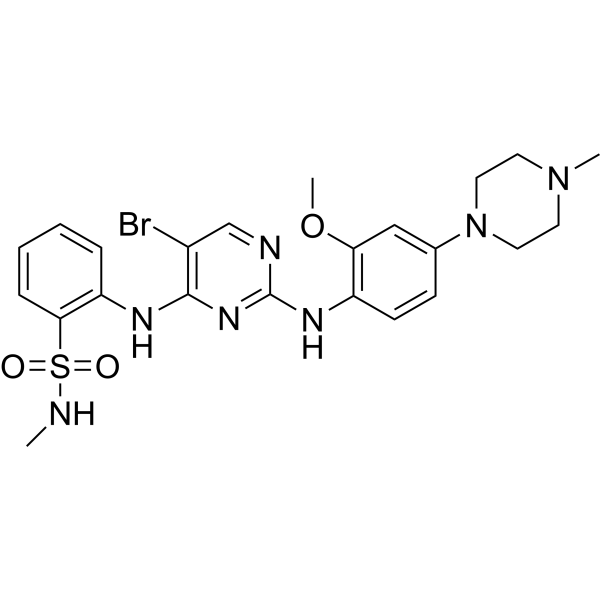
1. Search Result
Search Result
Results for "

focal

" in MedChemExpress (MCE) Product Catalog:

121

Inhibitors & Agonists

1

Biochemical Assay Reagents

6

Peptides

3

Inhibitory Antibodies

15

Natural
Products

3

Recombinant Proteins

12

Isotope-Labeled Compounds

11

Antibodies

1

Oligonucleotides

Targets Recommended:
Cat. No. Product Name Target Research Areas Chemical Structure
  • HY-B0495
    Lamotrigine
    5+ Cited Publications

    LTG; BW430C

    Sodium Channel Autophagy Neurological Disease Cancer
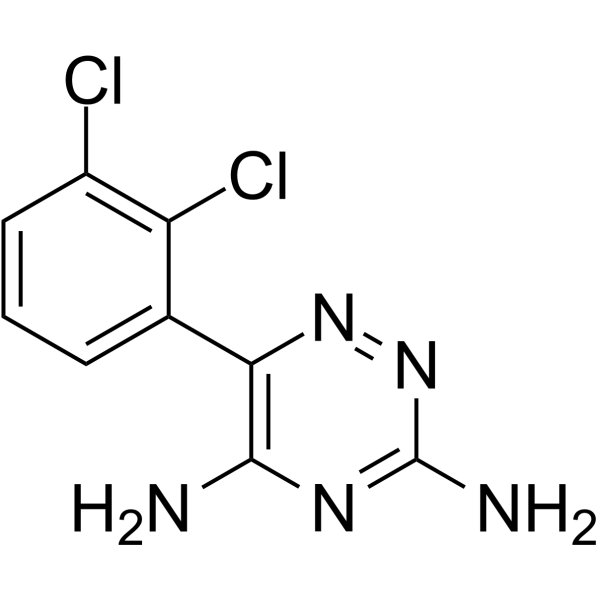
    Lamotrigine (BW430C) is a potent and orally active anticonvulsant or antiepileptic agent. Lamotrigine selectively blocks voltage-gated Na + channels, stabilizing presynaptic neuronal membranes and inhibiting glutamate release. Lamotrigine can be used for the research of epilepsy, focal seizure, et al .
    Lamotrigine
  • HY-12444
    Y15
    25+ Cited Publications

    FAK Inhibitor 14

    FAK Cancer
    Y15 is a potent and specific inhibitor of focal adhesion kinase (FAK) that inhibits its autophosphorylation activity, decreases the viability of cancer cells, and blocks tumor growth.
    Y15
  • HY-122844
    Ifebemtinib
    3 Publications Verification

    BI-853520; IN-10018

    FAK Cancer
    Ifebemtinib (BI 853520) is an orally active and potent focal adhesion kinase (FAK) inhibitor (recombinant FAK IC50=1 nM). Ifebemtinib shows anti-proliferative activity against cancer cells. Ifebemtinib inhibits FER Kinase and FES Kinase with IC50s of 900 nM and 1040 nM, respectively .
    Ifebemtinib
  • HY-N1372A
    Fangchinoline
    Maximum Cited Publications
    10 Publications Verification

    HIV FAK Apoptosis Autophagy Infection Cancer
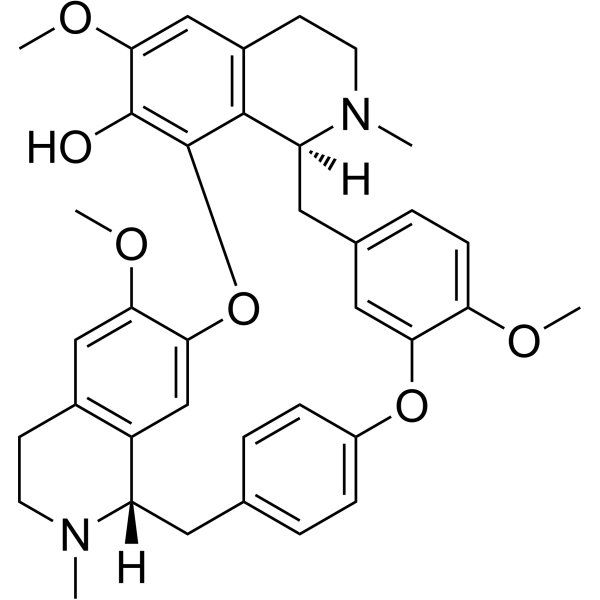
    Fangchinoline is isolated from Stephania tetrandra with extensive biological activities, such as enhancing immunity, anti-inflammatory sterilization and anti-atherosclerosis. Fangchinoline, a novel HIV-1 inhibitor, inhibits HIV-1 replication by impairing gp160 proteolytic processing . Fangchinoline targets Focal adhesion kinase (FAK) and suppresses FAK-mediated signaling pathway in tumor cells which highly expressed FAK . Fangchinoline induces apoptosis and adaptive autophagy in bladder cancer .
    Fangchinoline
  • HY-139791

    XEN1101

    Potassium Channel Neurological Disease
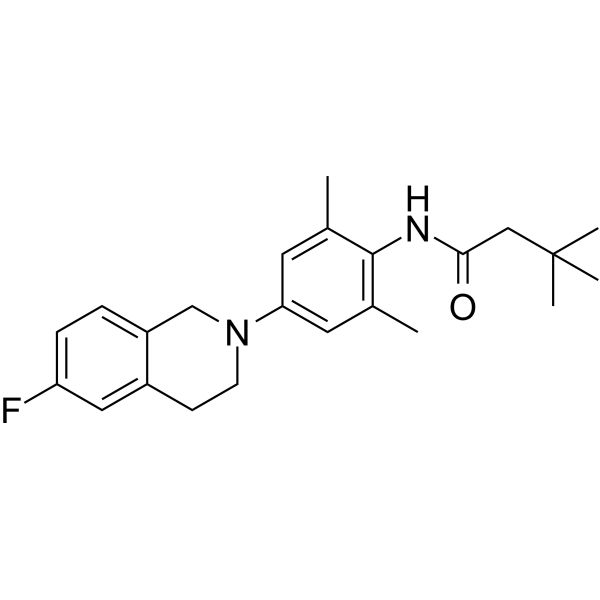
    Azetukalner (XEN1101) is a selective and orally active Kv7.2/Kv7.3 potassium channel opener with an EC50 of 27 nM. Azetukalner is approximately 4-fold more selective for Kv7.2/7.3 over Kv7.3/7.5 (EC50 of 94 nM) and Kv7.4 (EC50 of 113 nM) channels. Azetukalner exhibits a selectivity >100-fold for Kv7 channels over other ion channels and receptors. Azetukalner can be used for the study of focal epilepsy .
    Azetukalner
  • HY-122051
    AC1903
    1 Publications Verification

    TRP Channel Metabolic Disease
    AC1903 is a specific and selective inhibitor of TRPC5 and has podocyte-protective properties. AC1903 does no effects on TRPC4 or TRPC6 currents and shows no off-target effects in kinase profiling assays. AC1903 suppresses severe proteinuria and prevents podocyte loss in focal segmental glomerulosclerosis (FSGS) rat model .
    AC1903
  • HY-17001A
    Flupirtine
    1 Publications Verification

    D 9998

    Potassium Channel iGluR GABA Receptor Neurological Disease Inflammation/Immunology
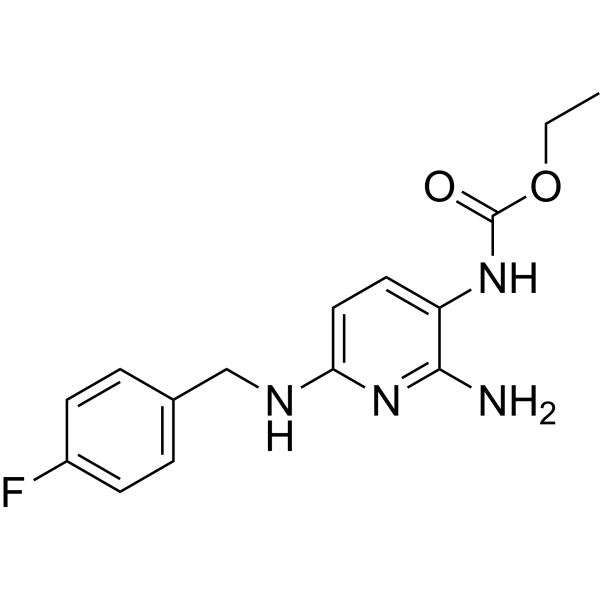
    Flupirtine (D 9998) is an orally active, blood-brain barrier-crossing non-opioid analgesic and neuroprotective agent. Flupirtine is a neuronal potassium channel opener (Kv7 activator), a NMDA receptor antagonist and a GABA receptor activator. Flupirtine stabilizes blood-brain-barrier integrity, reduces oxidative stress and brain leukocyte infiltration, enhances angioneurogenesis, suppresses calcium influx, stabilizes neuronal resting membrane potential, and counteracts focal cerebral ischemia. Flupirtine exhibits analgesic, muscle relaxant properties, protects neurons from excitotoxic, ischemic, or cytokine-mediated death. Flupirtine functions as a non-opioid analgesic without antipyretic or antiphlogistic properties, shows no relevant affinity to opiate receptor. Flupirtine can be used for the research of focal cerebral ischemia, pain, Alzheimer’s disease, or multiple sclerosis .
    Flupirtine
  • HY-17001
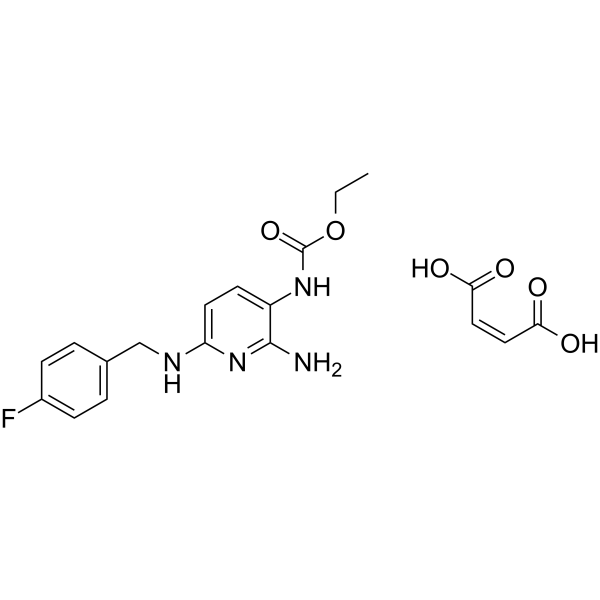
    Flupirtine Maleate
    1 Publications Verification

    D 9998 Maleate

    Potassium Channel iGluR GABA Receptor Neurological Disease Inflammation/Immunology
    Flupirtine (D 9998) Maleate is an orally active, blood-brain barrier-crossing non-opioid analgesic and neuroprotective agent. Flupirtine Maleate is a neuronal potassium channel opener (Kv7 activator), a NMDA receptor antagonist and a GABA receptor activator. Flupirtine Maleate stabilizes blood-brain-barrier integrity, reduces oxidative stress and brain leukocyte infiltration, enhances angioneurogenesis, suppresses calcium influx, stabilizes neuronal resting membrane potential, and counteracts focal cerebral ischemia. Flupirtine Maleate exhibits analgesic, muscle relaxant properties, protects neurons from excitotoxic, ischemic, or cytokine-mediated death. Flupirtine Maleate functions as a non-opioid analgesic without antipyretic or antiphlogistic properties, shows no relevant affinity to opiate receptor. Flupirtine Maleate can be used for the research of focal cerebral ischemia, pain, Alzheimer’s disease, or multiple sclerosis .
    Flupirtine Maleate
  • HY-134570
    ZINC40099027
    3 Publications Verification

    FAK Metabolic Disease Inflammation/Immunology
    ZINC40099027 is a selective FAK activator. ZINC40099027 promotes FAK phosphorylation, without activating its paralogs Pyk2 and Src. ZINC40099027 promotes the wound closure of human intestinal epithelial monolayers and the healing of mouse ulcers by activating FAK. ZINC40099027 can be used for diseases related to gastrointestinal mucosal injury research .
    ZINC40099027
  • HY-132296
    GSK215
    2 Publications Verification

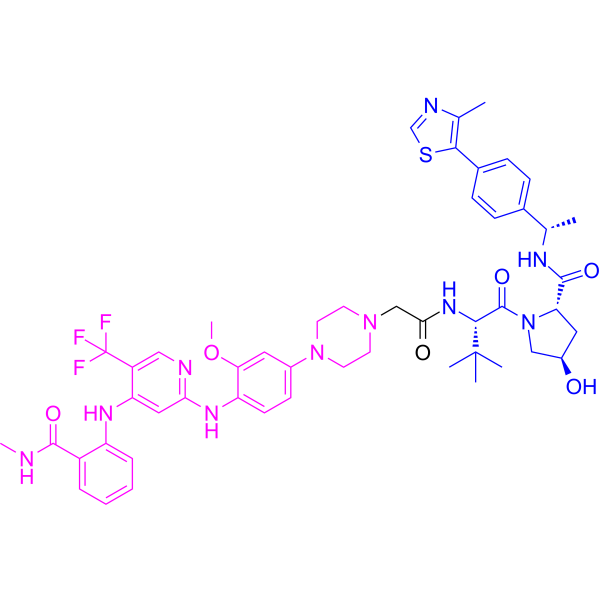
    FAK PROTACs Cancer
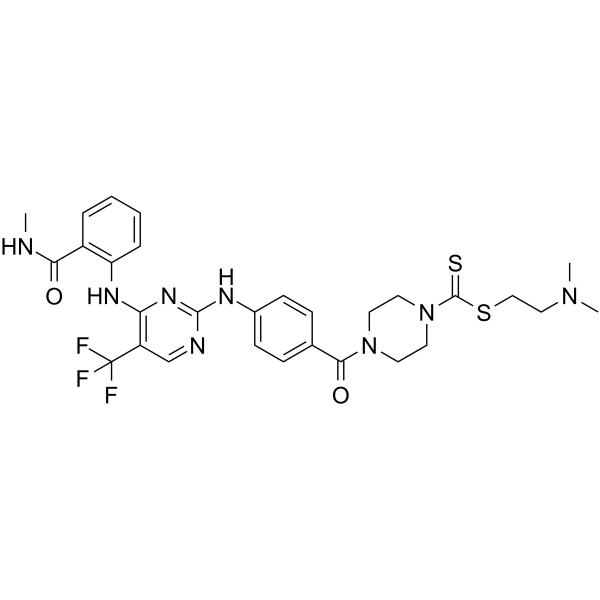
    GSK215 is a potent and selective PROTAC focal adhesion kinase (FAK) degrader with a pDC50 of 8.4. GSK215 is designed by a binder for the VHL E3 ligase and the FAK inhibitor VS-4718. GSK215 induces rapid and prolonged FAK degradation, giving a long-lasting effect on FAK levels and a marked pharmacokinetic/pharmacodynamics (PK/PD) disconnect .
    GSK215
  • HY-10460
    PF-431396
    5+ Cited Publications

    Pyk2 FAK Cancer
    PF-431396 is an orally active dual focal adhesion kinase (FAK) and proline-rich tyrosine kinase 2 (PYK2) inhibitor, with IC50 values of 2 nM and 11 nM, respectively .
    PF-431396
  • HY-N0745

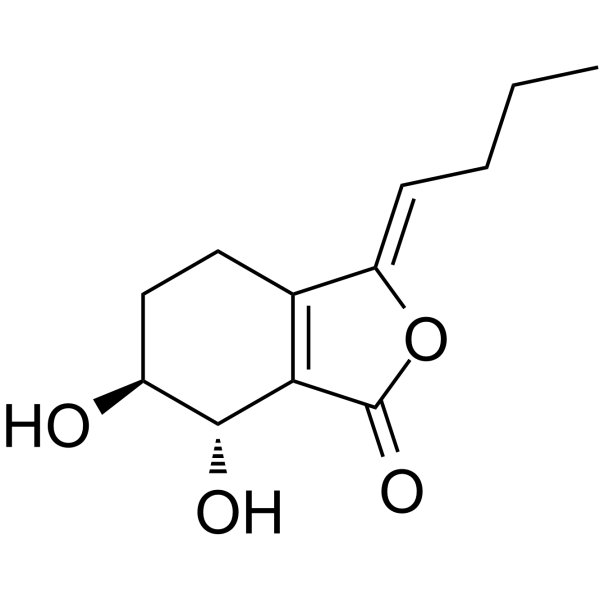
    Caspase ERK Keap1-Nrf2 Heme Oxygenase (HO) Apoptosis Neurological Disease Inflammation/Immunology
    Senkyunolide I is an orally active, blood-brain barrier-permeable metabolite of Z-ligustilide (HY-N0401A) . Senkyunolide I is isolated from Ligusticum chuanxiong. Senkyunolide I upregulates p-Erk1/2 and Nrf2/HO-1, and inhibits Caspase 3. Senkyunolide I alleviates Apoptosis. Senkyunolide I increases the pain threshold in mice and reduces acetic acid-induced writhing responses in mice. Senkyunolide I improves neurological deficits, reduces infarct volume and alleviates cerebral edema in rats with focal cerebral ischemia-reperfusion injury. Senkyunolide I protects renal function and structural integrity in a mouse model of renal ischemia-reperfusion injury. Senkyunolide I is applicable to research related to focal cerebral ischemia-reperfusion injury, migraine, and renal ischemia-reperfusion injury .
    Senkyunolide I
  • HY-N6967

    (-)-α-Bisabolol

    Environmental Pollutants Apoptosis Neurological Disease Inflammation/Immunology
    Levomenol ((-)-α-Bisabolol), a monocyclic sesquiterpene alcohol, exerts antioxidant, anti-inflammatory, and anti-apoptotic activities. Levomenol also has neuroprotective effects and prevents neuronal damage and memory deficits through reduction of proinflammatory markers induced by permanent focal cerebral ischemia in mice. Levomenol attenuates nociceptive behaviour and central sensitisation in a rodent model of trigeminal neuropathic pain. Orally active .
    Levomenol
  • HY-W014839

    Sodium cyclamate; Cyclohexylsulfamic acid sodium

    Environmental Pollutants Necroptosis Apoptosis Metabolic Disease Cancer
    Cyclamic acid sodium (Sodium cyclamate) is a commonly used sweetener. Cyclamic acid sodium is toxic to osteoblasts and can inhibit cell proliferation, induce apoptosis and reduce cell mineralization. Cyclamic acid sodium causes focal necrosis of bladder organs in rats in vitro, which can promote bladder cancer, but some studies have shown that low doses of Cyclamic acid sodium have no carcinogenic effect. In addition, Cyclamic acid sodium has no effect on insulin and glucagon secretion induced by arginine .
    Cyclamic acid sodium
  • HY-156263

    Luria-Bertani Base

    Bacterial Biochemical Assay Reagents Infection
    LB Broth Base, powder (Luria-Bertani Base) is generally used to maintain the growth of E. coli. The composition of 1 liter of LB medium is: 10 g peptone, 5 g yeast extract and 10 g NaCl .
    LB Broth Base, powder
  • HY-135470
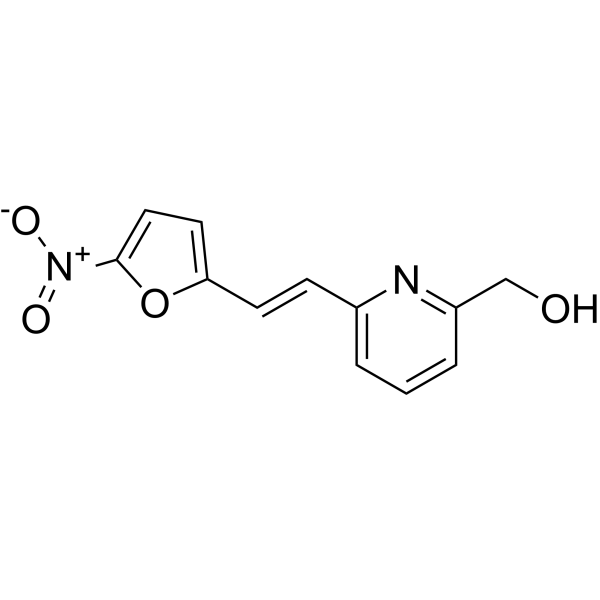
    Nifurpirinol
    1 Publications Verification

    P-7138

    Bacterial Infection
    Nifurpirinol (P-7138) is a selective prosubstrate of bacterial nitroreductase (NTR). NTR catalyzes the reduction of nifurpirinol to generate cytotoxic metabolites that induce apoptosis in target cells. Nifurpirinol selectively ablates NTR-expressing cells such as pancreatic β cells, osteoblasts, dopaminergic neurons, and podocytes in transgenic zebrafish models. Nifurpirinol can be used in regeneration studies and disease modeling such as focal segmental glomerulosclerosis (FSGS) .
    Nifurpirinol
  • HY-145652
    Narmafotinib
    1 Publications Verification

    AMP-945

    Narmafotinib (AMP-945) is an orally active inhibitor of the enzyme focal adhesion kinase (FAK, KD=0.21 nM). Narmafotinib inhibits autophosphorylation of 397Y-FAK in MDA-MB-231 cells with an IC50=7 nM and exhibits low general cellular toxicity (IC50=2.7 μM, MDA-MB-231 cells). Narmafotinib can be used for anti-cancer study .
    Narmafotinib
  • HY-15358

    Anaplastic lymphoma kinase (ALK) FAK TSSK Cancer
    ALK inhibitor 2 (compound 18) is a potent pyrimidin ALK inhibitor. ALK inhibitor 2 is a potent inhibitor of testis-specific serine/threonine kinase 2 (TSSK2; IC50=37 nM) and focal adhesion kinase (FAK; IC50=5 nM) .
    ALK inhibitor 2
  • HY-P990045

    ALE.F02

    Claudin Endocrinology
    Lixudebart (ALE.F02) is a humanized immunoglobulin G1-kappa, anti-CLDN1 monoclonal antibody. Lixudebart disrupts CLDN1 interactions with CD44 and MMP14, reduces renal macrophage infiltration, epithelial activation, and urinary albumin-to-creatinine ratio, and attenuates glomerulosclerosis. Lixudebart can be used for the research of focal segmental glomerulosclerosis .
    Lixudebart
  • HY-W404916
    Probenecid sodium
    Maximum Cited Publications
    43 Publications Verification

    Influenza Virus Interleukin Related Cardiovascular Disease Infection Neurological Disease Inflammation/Immunology
    Probenecid sodium is an orally active, blood-brain barrier-permeable Pannexin 1 channel inhibitor. Probenecid sodium exhibits anti-inflammatory, antiviral, and neuroprotective activities. Probenecid sodium can be used in research related to multiple sclerosis, focal cerebral ischemic injury, influenza virus infection, and nephropathy .
    Probenecid sodium
  • HY-142069

    MMP Neurological Disease Metabolic Disease
    KB-R7785 is a matrix metalloproteinase (MMP) inhibitor, which improves insulin sensitivity by inhibiting TNF-α production. KB-R7785 can be used for diabetes research. KB-R7785 has a protective efficacy against focal cerebral ischemia .
    KB-R7785
  • HY-P99296

    CNTO 95; Anti-Human CD51 Recombinant Antibody

    Integrin Apoptosis Cancer
    Intetumumab (CNTO 95) is a human monoclonal antibody targeting αv integrin, with a Kd value of 1-24 nM. Through high-affinity binding to αv integrin, Intetumumab inhibits its interaction with extracellular matrix proteins (such as vitronectin and fibronectin), thereby blocking the downstream focal adhesion kinase signaling pathway. This further inhibits the adhesion, migration and invasion of tumor cells as well as the proliferation of vascular endothelial cells, promotes cell apoptosis, and exerts anti-tumor and anti-angiogenic effects. Intetumumab can be used in research related to head and neck cancer, non-small cell lung cancer and uterine serous papillary carcinoma .
    Intetumumab
  • HY-15357
    ALK inhibitor 1
    1 Publications Verification

    Anaplastic lymphoma kinase (ALK) FAK TSSK Cancer
    ALK inhibitor 1 (compound 17) is a potent pyrimidin ALK inhibitor. ALK inhibitor 1 is a potent inhibitor of testis-specific serine/threonine kinase 2 (TSSK2; IC50=31 nM) and focal adhesion kinase (FAK; IC50=2 nM) .
    ALK inhibitor 1
  • HY-159819

    Sodium Channel Neurological Disease
    Vormatrigine is an orally active sodium channel inhibitor with anti-epileptic activity. Vormatrigine can be used to study human focal and generalized epilepsy .
    Vormatrigine
  • HY-119684

    NOD-like Receptor (NLR) Interleukin Related Neurological Disease Inflammation/Immunology
    Maresin 2 is an anti-inflammatory and pro-resolving mediator. Maresin 2 drives intestinal epithelial cell migration by activating the focal cell-matrix adhesion signaling pathway in primary human intestinal epithelial cells, thereby promoting mucosal wound repair. Maresin 2 alleviates nociceptive and anxiety-like behaviors in rats with type 1 diabetes by inhibiting IL-1β in the spinal cord and prefrontal cortex. Maresin 2 attenuates allergic airway inflammation in mice by inhibiting the activation of the NLRP3 inflammasome, Th2-type immune responses, and oxidative stress. Maresin 2 inhibits inflammatory and neuropathic trigeminal neuralgia and reduces neuronal activation in the trigeminal ganglion. Maresin 2 promotes inflammation resolution and mucosal repair after DSS-induced colitis or biopsy-induced colonic mucosal injury .
    Maresin 2
  • HY-126410
    Petunidin chloride
    1 Publications Verification

    FAK Metabolic Disease
    Petunidin chloride is an O-methylated anthocyanidin derived from delphinidin. Petunidin chloride binds with and suppresses the activity of focal adhesion kinase and to inhibit platelet-derived growth factor-induced aortic smooth muscle cell migration, which may confer a protective effect against atherosclerosis.
    Petunidin chloride
  • HY-144448
    FAK-IN-2
    1 Publications Verification

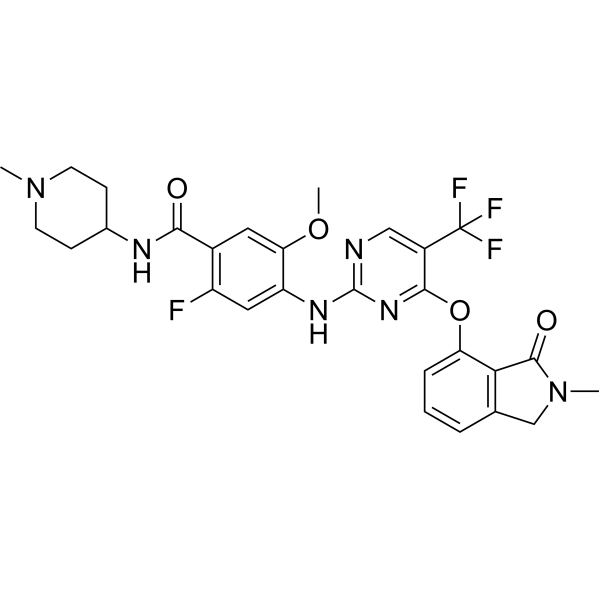
    FAK Apoptosis Cancer
    FAK-IN-2 is a potent and orally active focal adhesion kinase (FAK) inhibitor, with anticancer activity (FAK IC50= 35 nM). FAK-IN-2 covalently inhibits the autophosphorylation of FAK in a dose-dependent manner, and inhibits the clone formation and migration of tumor cells, inducing apoptosis .
    FAK-IN-2
  • HY-19893

    (+)-Antroquinonol

    Keap1-Nrf2 Inflammation/Immunology Cancer
    Antroquinonol ((+)-Antroquinonol), a ubiquinone derivative from the mushroom Antrodia camphorata, has hepatoprotective, anti-inflammatory, and anti-cancer effects . Antroquinonol can be used for the research of colon cancer . Antroquinonol reduces oxidative stress by enhancing the Nrf2 signaling pathway and inhibits inflammation and sclerosis in focal segmental glomerulosclerosis mice .
    Antroquinonol
  • HY-B0541

    Cyclohexylsulfamic acid; Cyclamate

    Environmental Pollutants Apoptosis Necroptosis Metabolic Disease Cancer
    Cyclamic acid (Cyclamate) is a commonly used sweetener. Cyclamic acid sodium is toxic to osteoblasts and can inhibit cell proliferation, induce apoptosis and reduce cell mineralization. Cyclamic acid sodium causes focal necrosis of bladder organs in rats in vitro, which can promote bladder cancer, but some studies have shown that low doses of Cyclamic acid sodium have no carcinogenic effect. In addition, Cyclamic acid sodium has no effect on insulin and glucagon secretion induced by arginine .
    Cyclamic acid
  • HY-B1376
    Methsuximide
    1 Publications Verification

    Mesuximide; Celontin

    Calcium Channel Neurological Disease
    Methsuximide is an anticonvulsant agent. Methsuximide is effective in petit mal, psychomotor and focal motor attacks .
    Methsuximide
  • HY-141885

    Apolipoprotein Metabolic Disease
    APOL1-IN-1 is a apolipoprotein L1 (APOL1) inhibitor extracted from patent WO2020131807A1 compound 87. APOL1-IN-1 can be used for the research of focal segmental glomerulosclerosis (FSGS) and non-diabetic kidney disease (NDKD) .
    APOL1-IN-1
  • HY-101043

    Sigma Receptor iGluR Neurological Disease
    4-PPBP maleate is a potent σ 1 receptor ligand and agonist. 4-PPBP maleate is a non-competitive, selective NR1a/2B NMDA receptors (expressed in Xenopus oocytes) antagonist. 4-PPBP maleate provides neuroprotection .
    4-PPBP maleate
  • HY-B0495R
    Lamotrigine (Standard)
    5+ Cited Publications

    LTG (Standard); BW430C (Standard)

    Reference Standards Sodium Channel Neurological Disease
    Lamotrigine (Standard) is the analytical standard of Lamotrigine. This product is intended for research and analytical applications. Lamotrigine (BW430C) is a potent and orally active anticonvulsant or antiepileptic agent. Lamotrigine selectively blocks voltage-gated Na + channels, stabilizing presynaptic neuronal membranes and inhibiting glutamate release. Lamotrigine can be used for the research of epilepsy, focal seizure, et al .
    Lamotrigine (Standard)
  • HY-132280

    U 74006F free base

    Reactive Oxygen Species (ROS) SARS-CoV Virus Protease Neurological Disease Inflammation/Immunology
    Tirilazad (U 74006F free base) is a neuroprotective agent. Tirilazad can also bind tightly to the main protease of the COVID-19 virus and exert anti-SARS-CoV-2 activity. Tirilazad scavenges hydroxyl and lipid peroxyl free radicals and maintains the levels of endogenous antioxidants. Tirilazad reduces cerebral infarct volume and improves neurobehavioral scores in animal models of focal ischemia. Tirilazad can be used in research related to ischemic stroke and subarachnoid hemorrhage .
    Tirilazad
  • HY-122844A
    Ifebemtinib hydrochloride
    3 Publications Verification

    BI-853520 hydrochloride; IN-10018 hydrochloride

    FAK Cancer
    Ifebemtinib (BI-853520) hydrochloride is an orally active and potent focal adhesion kinase (FAK) inhibitor (IC50 = 1 nM for recombinant FAK). Ifebemtinib hydrochloride exhibits antiproliferative activity against cancer cells .
    Ifebemtinib hydrochloride
  • HY-155439

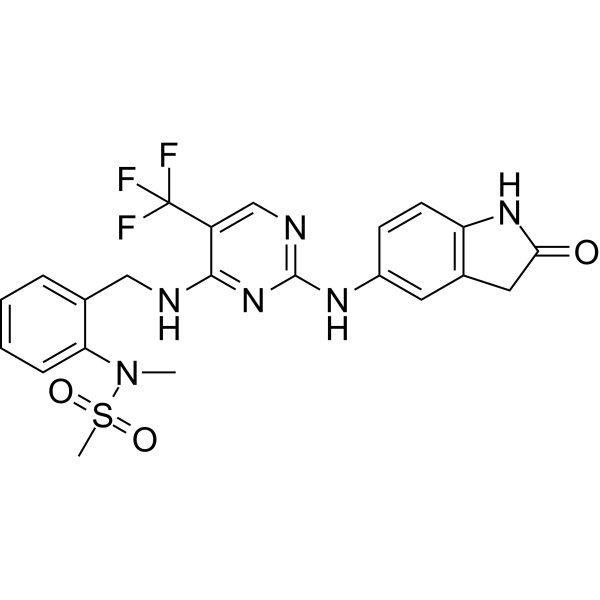
    FAK Cancer
    FAK-IN-14 (compound 8d) is a focal adhesion kinase(FAK) inhibitor with an IC50 value of 0.2438 nM. FAK-IN-14 induces U87-MG cell early apoptosis and arrest the cell at the G2/M phase .
    FAK-IN-14
  • HY-161633

    PROTACs EGFR FAK Cancer
    PROTAC EGFR degrader 11 (Compound B71) is a PROTAC degrader for epidermal growth factor receptor (EGFR), with DC50 <100 nM. PROTAC EGFR degrader 11 binds CRBN-DDB1 with a Ki of 36 nM. PROTAC EGFR degrader 11 degrades EGFR, focal adhesion kinase (FAK), and RSK1, inhibits the proliferation of BaF3 wild type and EGFR mutants, with IC50 <100 nM.
    PROTAC EGFR degrader 11
  • HY-179512

    PROTACs FAK Cancer
    BSJ-04-146 is a highly efficient and selective PROTAC targeting focal adhesion kinase (FAK) inhibitor(IC50 = 26 nM). BSJ-04-146 achieves rapid and potent FAK degradation with high proteome-wide specificity in cancer cells and induces durable degradation in mice. BSJ-04-146 binds FAK and requires the ubiquitin-proteasome machinery to achieve FAK degradation. BSJ-04-146 can be used for the study of pancreatic cancer and triple-negative breast cancer .
    BSJ-04-146
  • HY-103427

    Dopamine Receptor Neurological Disease
    NPEC-caged-dopamine is a caged version of dopamine. NPEC-caged-Dopamine was used by applying focal photolysis with UV light (360 nm) to releases dopamine, which leads to D1 receptor activation .
    NPEC-caged-dopamine
  • HY-100498A
    GSK-2256098 hydrochloride
    5+ Cited Publications

    FAK Apoptosis Cancer
    GSK-2256098 hydrochloride is a focal adhesion kinase (FAK) inhibitor that exhibits potential antiangiogenic and antineoplastic activities. GSK-2256098 hydrochloride targets FAK to inhibit tumor cell growth by regulating cell adhesion, migration, proliferation, and survival.
    GSK-2256098 hydrochloride
  • HY-108335
    Sipatrigine
    1 Publications Verification

    619C89; BW 619C89

    Sodium Channel Calcium Channel Neurological Disease
    Sipatrigine (619C89), a neuroprotective agent, is a glutamate release inhibitor, voltage-dependent sodium channel and calcium channel inhibitor, penetrating the central nervous system. Has the potential in the study for focal cerebral ischemia and stroke .
    Sipatrigine
  • HY-B0495S4

    LTG-13C3; BW430C-13C3

    Sodium Channel Autophagy Neurological Disease
    Lamotrigine- 13C3 is the 13C-labeled Lamotrigine. Lamotrigine (BW430C) is a potent and orally active anticonvulsant or antiepileptic agent. Lamotrigine selectively blocks voltage-gated Na+ channels, stabilizing presynaptic neuronal membranes and inhibiting glutamate release. Lamotrigine can be used for the research of epilepsy, focal seizure, et al .
    Lamotrigine-13C3
  • HY-128580
    FAK inhibitor 2
    2 Publications Verification

    FAK Cancer
    FAK inhibitor 2 is a potent focal adhesion kinase (FAK) inhibitor with an IC50  of 0.07 nM, with antitumor and anti-angiogenesis activities .
    FAK inhibitor 2
  • HY-B0495S5

    LTG-d3; BW430C-d3

    Autophagy Sodium Channel Neurological Disease
    Lamotrigine-d3 is the deuterium labeled Lamotrigine . Lamotrigine (BW430C) is a potent and orally active anticonvulsant or antiepileptic agent. Lamotrigine selectively blocks voltage-gated Na+ channels, stabilizing presynaptic neuronal membranes and inhibiting glutamate release. Lamotrigine can be used for the research of epilepsy, focal seizure, et al .
    Lamotrigine-d3
  • HY-110230

    D 9998-d4 hydrochloride

    Isotope-Labeled Compounds Potassium Channel iGluR GABA Receptor Neurological Disease Inflammation/Immunology
    Flupirtine-d4 (D 9998-d4) hydrochloride is the deuterium labeled Flupirtine hydrochloride (HY-W709349). Flupirtine hydrochloride is an orally active, blood-brain barrier-crossing non-opioid analgesic and neuroprotective agent. Flupirtine hydrochloride is a neuronal potassium channel opener (Kv7 activator), a NMDA receptor antagonist and a GABA receptor activator. Flupirtine hydrochloride stabilizes blood-brain-barrier integrity, reduces oxidative stress and brain leukocyte infiltration, enhances angioneurogenesis, suppresses calcium influx, stabilizes neuronal resting membrane potential, and counteracts focal cerebral ischemia. Flupirtine hydrochloride exhibits analgesic, muscle relaxant properties, protects neurons from excitotoxic, ischemic, or cytokine-mediated death. Flupirtine hydrochloride functions as a non-opioid analgesic without antipyretic or antiphlogistic properties, shows no relevant affinity to opiate receptor. Flupirtine hydrochloride can be used for the research of focal cerebral ischemia, pain, Alzheimer’s disease, or multiple sclerosis .
    Flupirtine-d4 hydrochloride
  • HY-B0495S3

    Autophagy Sodium Channel Neurological Disease
    Lamotrigine- 13C2, 15N is the 13C and 15N labeled Lamotrigine . Lamotrigine (BW430C) is a potent and orally active anticonvulsant or antiepileptic agent. Lamotrigine selectively blocks voltage-gated Na+ channels, stabilizing presynaptic neuronal membranes and inhibiting glutamate release. Lamotrigine can be used for the research of epilepsy, focal seizure, et al .
    Lamotrigine-13C2,15N
  • HY-16923

    BIII-890; BIII-890 CL free acid

    Sodium Channel Neurological Disease
    Crobenetine (BIII-890), a benzomorphan derivative, is a potent, selective, and highly use-dependent Na + channel blocker. Crobenetine displaces [3H]BTX from site 2 of the Na + channel (IC50=49 nM) in rat brain synaptosomes, yet exhibits only low binding affinity for other receptors and ion channels. Crobenetine protects brain tissue from the deleterious effects of focal cerebral ischemia in rodents .
    Crobenetine
  • HY-143407

    FAK Cancer
    FAK-IN-3 (Compound 36) is a potent inhibitor of focal adhesion kinase (FAK). FAK-IN-3 not only decreases migration and invasion of PA-1 cells, but also reduces expression of MMP-2 and MMP-9. FAK-IN-3 inhibits tumor growth and metastasis, and no obvious adverse effects. FAK-IN-3 has the potential for the research of ovarian cancer .
    FAK-IN-3
  • HY-117836

    FAK Cancer
    FAK-IN-16 (compound OXA-11) is an orally active, selective focal adhesion kinase (FAK) inhibitor with an IC50 of 1.2 pM. FAK-IN-16 inhibits FAK phosphorylation at pFAK[Y397] and pFAK[Y861]. FAK-IN-16 slows tumor growth and reduces tumor vascularity, invasion. FAK-IN-16 potentiates effects of Cisplatin (HY-17394) on tumor cell proliferation and apoptosis in vitro and anti-tumor actions in mice .
    FAK-IN-16
  • HY-106245

    Phosphodiesterase (PDE) Neurological Disease
    HT-0712 is a Phosphodiesterase Type 4 (PDE4) inhibitor. HT-0712 enhances rehabilitation-dependent motor recovery and cortical reorganization after focal cortical ischemia .
    HT-0712

Inquiry Online

Your information is safe with us. * Required Fields.

Salutation


Country or Region *

Applicant Name *


Organization Name *

Department *


Email Address *


Product Name *

Cat. No.


Requested quantity *

Phone Number *


Remarks

Inquiry Online

Inquiry Information

Product Name:
Cat. No.:
Quantity:
MCE Japan Authorized Agent:

