339 Results for "

heart diseases

" in MedChemExpress (MCE) Product Catalog:
Products (339)

339 Results for "heart diseases" in MCE Product Catalog:

79
79 Cited Publications
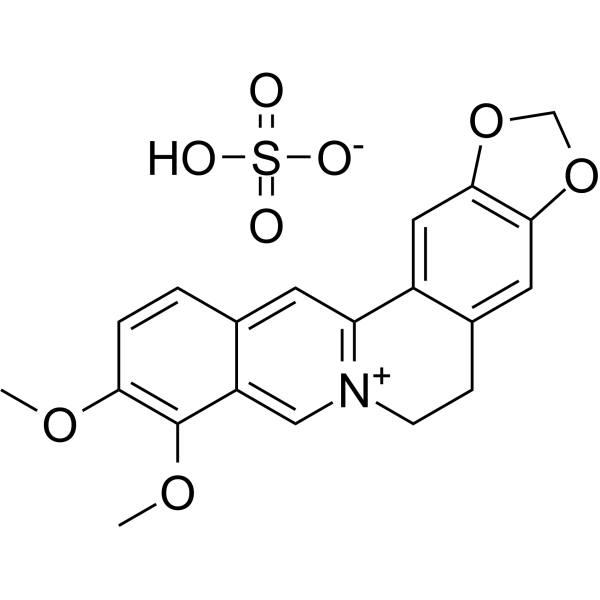
Cat. No.: HY-N0716B
CAS No.: 633-66-9
Synonyms: Natural Yellow 18 sulfate
Berberine sulfate is an alkaloid isolated from the Chinese herbal medicine Huanglian, as an antibiotic. Berberine sulfate induces reactive oxygen species (ROS) generation and inhibits DNA topoisomerase. Berberine sulfate has antineoplastic properties. The sulfate form improves bioavailability .
loading...
    loading...
53
53 Cited Publications
Cat. No.: HY-N0716A
CAS No.: 316-41-6
Synonyms: Natural Yellow 18 hemisulfate
Berberine hemisulfate is the hemisulfate form of Berberine (HY-N0716). Berberine hemisulfate is an alkaloid isolated from the Chinese herbal medicine Huanglian. Berberine hemisulfate exhibits anti-inflammatory, antibiobic, antitumor, cardiovascular protective and neuroprotective activity .
loading...
    loading...
20
20 Cited Publications
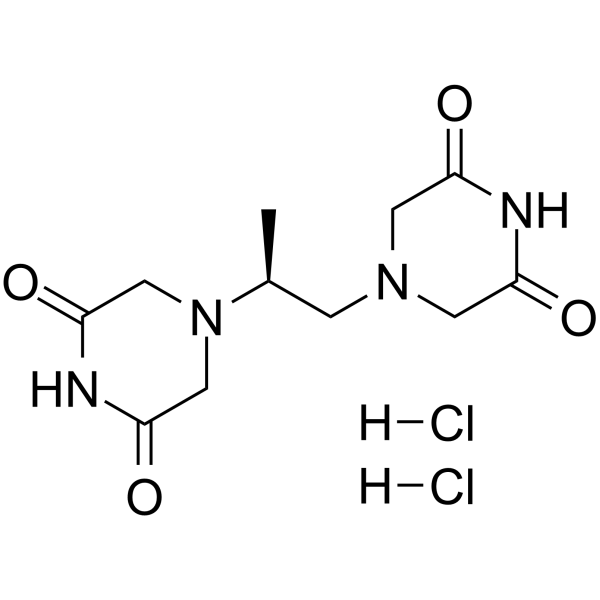
Cat. No.: HY-76201
CAS No.: 149003-01-0
Synonyms: ICRF-187 hydrochloride; ADR-529 hydrochloride; NSC-169780 hydrochloride
Dexrazoxane hydrochloride (ICRF-187 hydrochloride) is a heart protectant that can help preserve ovarian function and fertility. Dexrazoxane hydrochloride has antioxidant and anti-inflammatory properties, can cross the blood-brain barrier, improves motor function disorders, and offers neuroprotective effects, making it useful in the study of neurodegenerative diseases .
loading...
    loading...
16
16 Cited Publications
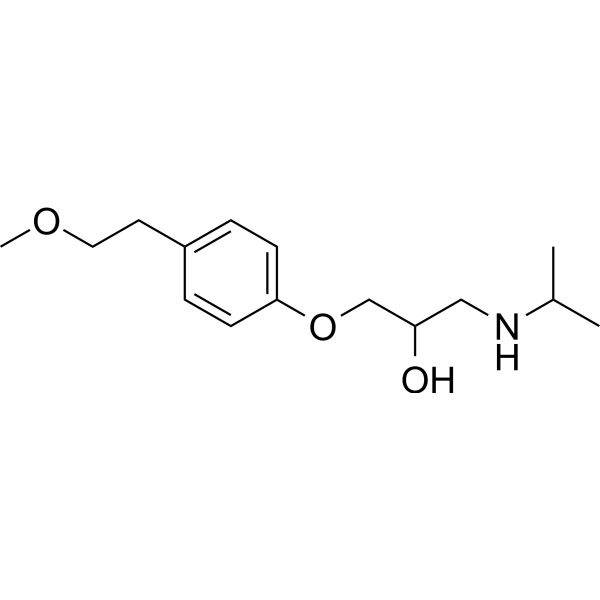
Cat. No.: HY-17503
CAS No.: 51384-51-1
Metoprolol is an orally active, selective β1-adrenoceptor antagonist. Metoprolol shows anti-inflammation, antitumor and anti-angiogenic properties .
loading...
    loading...
16
16 Cited Publications
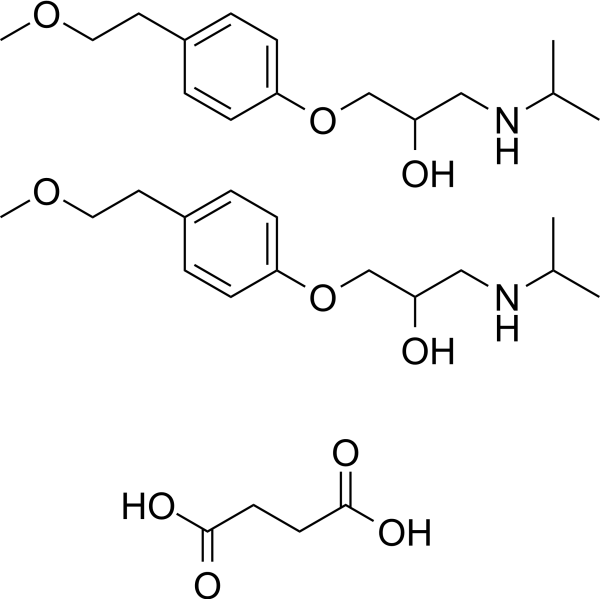
Cat. No.: HY-17503A
CAS No.: 98418-47-4
Metoprolol succinate is an orally active, selective β1-adrenoceptor antagonist. Metoprolol succinate shows anti-inflammation, antitumor and anti-angiogenic properties .
loading...
    loading...
16
16 Cited Publications
Cat. No.: HY-17503B
CAS No.: 56392-17-7
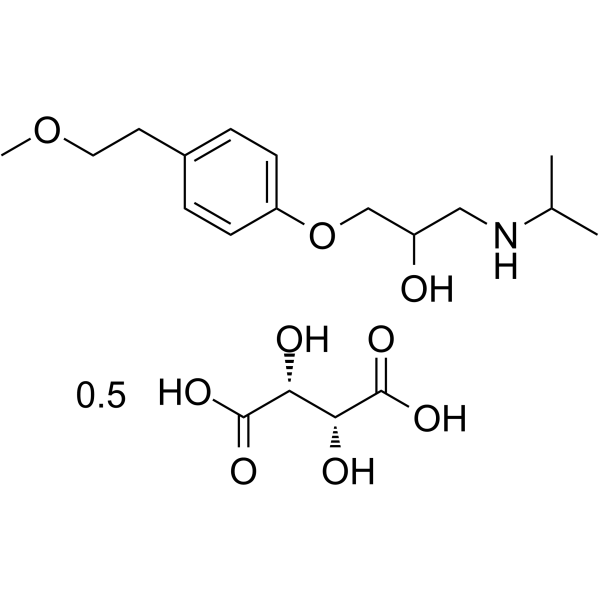
Metoprolol tartrate is an orally active, selective β1-adrenoceptor antagonist. Metoprolol tartrate shows anti-inflammation, antitumor and anti-angiogenic properties .
loading...
    loading...
13
13 Cited Publications
Cat. No.: HY-B0331
CAS No.: 75847-73-3
Synonyms: MK-421
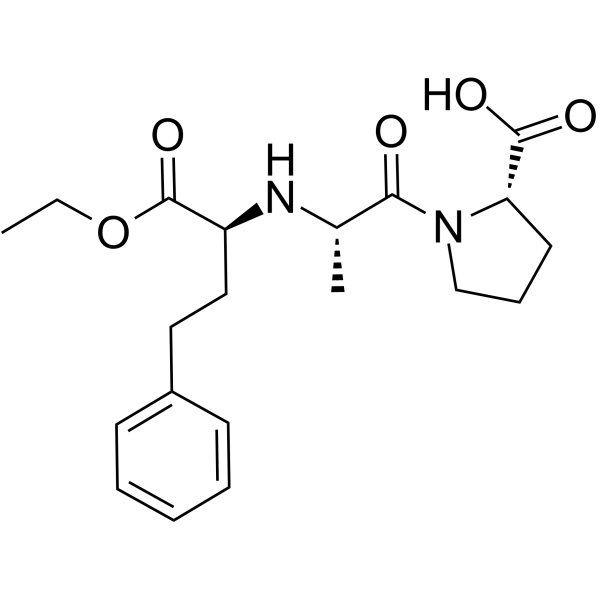
Enalapril (MK-421) is an orally active angiotensin-converting enzyme inhibitor. Enalapril blocks the conversion of angiotensin I to angiotensin II, regulates the renin-angiotensin system, reduces preload and afterload, and decreases plasma angiotensin II levels. Enalapril inhibits apoptosis, reduces nitric oxide metabolite levels, stabilizes endothelial cells, enhances endothelial antioxidant defense, scavenges reactive oxygen species (ROS), and alleviates neuronal damage. Enalapril attenuates glutathione depletion, protein/lipid oxidation, tissue damage, and type III collagen immunolabeling in organs of diabetic rats. Enalapril reduces systolic blood pressure and urinary albumin excretion, and delays the progression of diabetic cardiac/renal injury. Enalapril is used in research related to asymptomatic left ventricular dysfunction, congestive heart failure, Alzheimer's disease, diabetes mellitus, acute myocardial infarction, atrial fibrillation, hypertension, cerebral ischemia, chronic heart failure, and single-ventricle physiology .
loading...
    loading...
13
13 Cited Publications
Cat. No.: HY-B0331A
CAS No.: 76095-16-4
Synonyms: MK-421 maleate
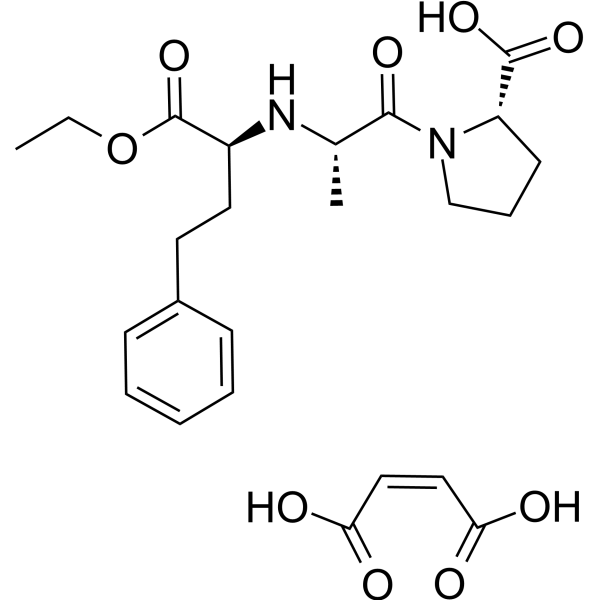
Enalapril maleate (MK-421 maleate) is an orally active angiotensin-converting enzyme inhibitor. Enalapril maleate blocks the conversion of angiotensin I to angiotensin II, regulates the renin-angiotensin system, reduces preload and afterload, and decreases plasma angiotensin II levels. Enalapril maleate inhibits apoptosis, reduces nitric oxide metabolite levels, stabilizes endothelial cells, enhances endothelial antioxidant defense, scavenges reactive oxygen species (ROS), and alleviates neuronal damage. Enalapril maleate attenuates glutathione depletion, protein/lipid oxidation, tissue damage, and type III collagen immunolabeling in organs of diabetic rats. Enalapril maleate reduces systolic blood pressure and urinary albumin excretion, and delays the progression of diabetic cardiac/renal injury. Enalapril maleate is used in research related to asymptomatic left ventricular dysfunction, congestive heart failure, Alzheimer's disease, diabetes mellitus, acute myocardial infarction, atrial fibrillation, hypertension, cerebral ischemia, chronic heart failure, and single-ventricle physiology .
loading...
    loading...
10
10 Cited Publications
Cat. No.: HY-B0135
CAS No.: 54-31-9
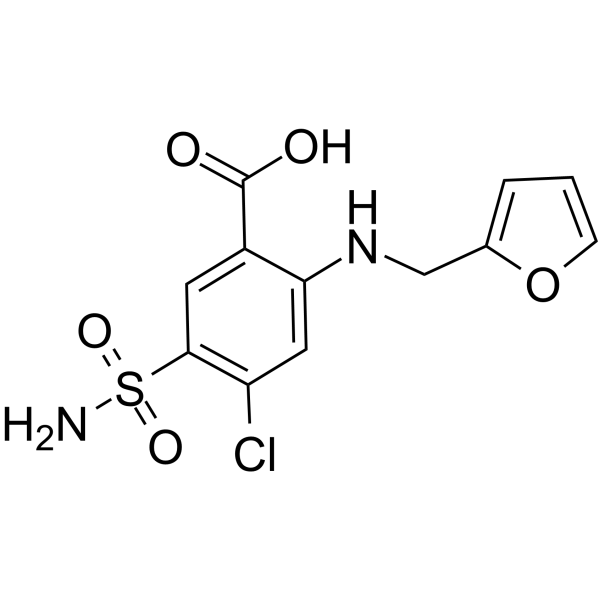
Furosemide is a potent and orally active inhibitor of Na +/K +/2Cl - (NKCC) cotransporter, NKCC1 and NKCC2 . Furosemide is also a GABAA receptors antagonist and displays 100-fold selectivity for α6-containing receptors than α1-containing receptors. Furosemide acts as a loop diuretic and used for the study of congestive heart failure, hypertension and edema .
loading...
    loading...
10
10 Cited Publications
Cat. No.: HY-B0135A
CAS No.: 41733-55-5
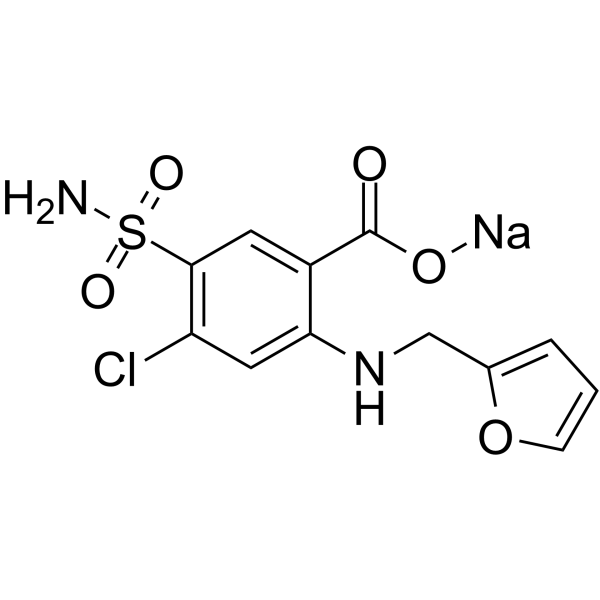
Furosemide sodium is a potent and orally active inhibitor of Na +/K +/2Cl - (NKCC) cotransporter, NKCC1 and NKCC2 . Furosemide sodium is also a GABAA receptors antagonist and displays 100-fold selectivity for α6-containing receptors than α1-containing receptors. Furosemide sodium acts as a loop diuretic and used for the study of congestive heart failure, hypertension and edema .
loading...
    loading...
10
10 Cited Publications
Cat. No.: HY-N2037
CAS No.: 5843-65-2
Synonyms: Norcoclaurine; Demethyl-Coclaurine
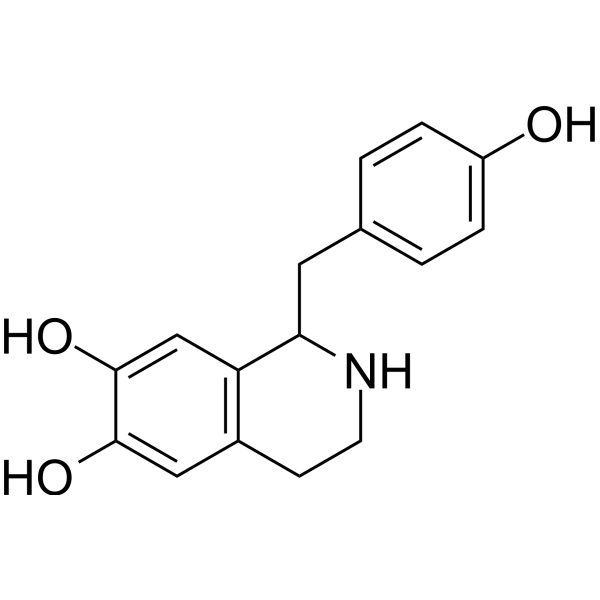
Higenamine (Norcoclaurine), a β2-AR agonist with antioxidant capability, is a key component of the Chinese herb aconite root that prescribes for treating symptoms of heart failure in the oriental Asian countries. Higenamine is also a α1-adrenergic receptor antagonist with hypotensive effect. is a selective LSD1 inhibitor (IC50=1.47 μM) that can be isolated from aconite. Higenamine hydrochloride has anti-inflammatory and antibacterial activity. Higenamine protects myocyte Apoptosis and ischemia/reperfusion (I/R) injury through selective activation of beta2-adrenergic receptor (β2-AR). Higenamine also reduces I/R-induced myocardial infarction in mice. Higenamine can attenuate IL-1β-induced Apoptosis through ROS-mediated PI3K/Akt signaling pathway. Higenamine protects brain cells from oxygen deprivation. Higenamine can promote bone formation in osteoporosis through the SMAD2/3 pathway. Higenamine can be used to study cancer, inflammation, cardiorenal syndrome and other diseases .
loading...
    loading...
8
8 Cited Publications
Cat. No.: HY-B0202
CAS No.: 138402-11-6
Synonyms: SR-47436; BMS-186295
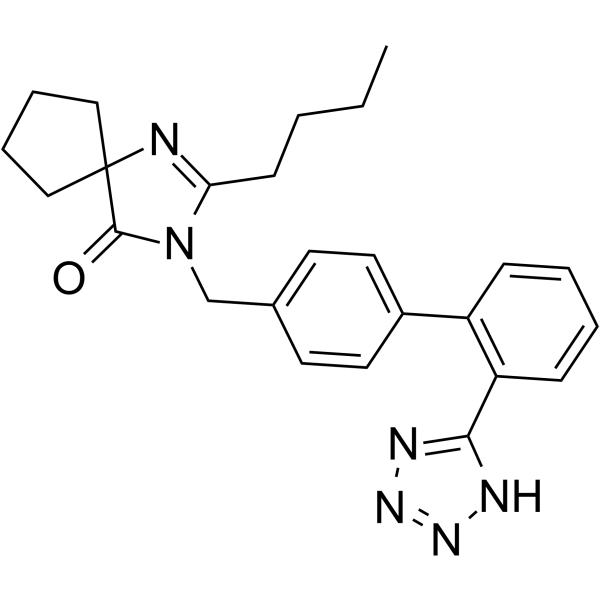
Irbesartan (SR-47436) is an orally active Ang II type 1 (AT1) receptor blocker (ARB). Irbesartan can relax the blood vessels, low blood pressure and increase the supply of blood and oxygen to the heart. Irbesartan can be used for the research of high blood pressure, heart failure, and diabetic kidney disease .
loading...
    loading...
6
6 Cited Publications
Cat. No.: HY-B0203A
CAS No.: 152520-56-4
Synonyms: R 065824 hydrochloride
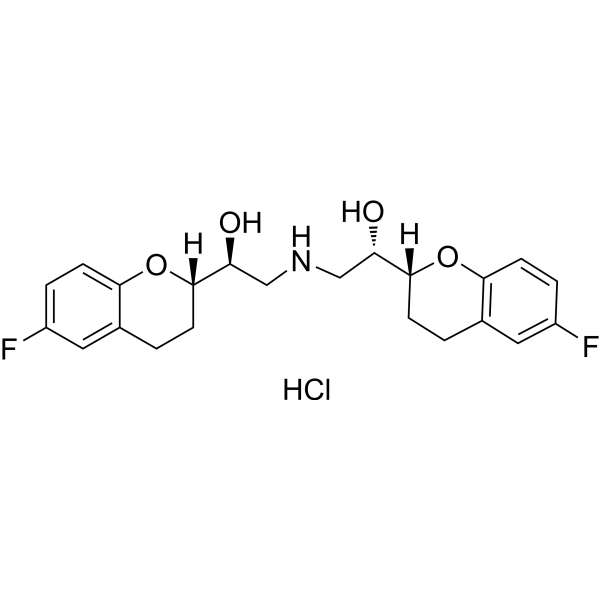
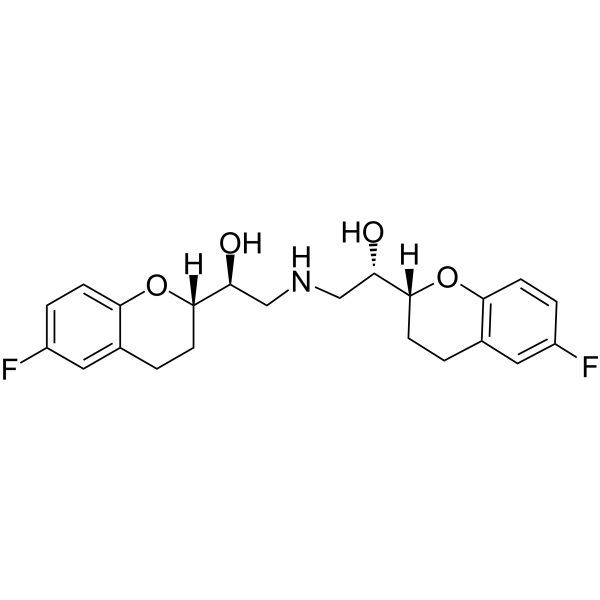
Nebivolol (R 065824) hydrochloride is an orally active beta receptor blocker and has the high beta(1)-receptor affinity.Nebivolol hydrochloride has direct vasodilator properties and adrenergic blocking characteristics. Nebivolol hydrochloride can be used for the research of kinds of diseases such as hypertension, coronary artery disease, congestive heart failure and ischemic heart disease .
loading...
    loading...
6
6 Cited Publications
Cat. No.: HY-B0203
CAS No.: 118457-14-0
Synonyms: R 065824
Nebivolol (R 065824) is an orally active beta receptor blocker and has the high beta(1)-receptor affinity. Nebivolol has direct vasodilator properties and adrenergic blocking characteristics. Nebivolol can be used for the research of kinds of diseases such as hypertension, coronary artery disease, congestive heart failure and ischemic heart disease .
loading...
    loading...
6
6 Cited Publications
Cat. No.: HY-B1018A
CAS No.: 156-51-4
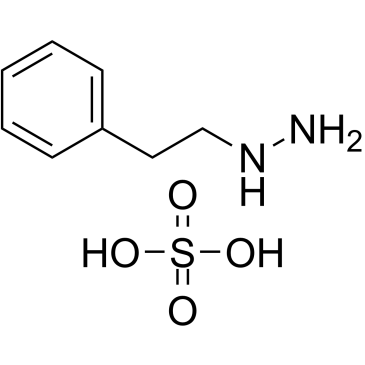
Phenelzine sulfate, an antidepressant agent, is an irreversible and orally active monoamine oxidase (MAO-A and MAO-B) inhibitor. Phenelzine sulfate inhibits GABA transaminase and primary amine oxidase (PrAO), and sequester reactive aldehydes. Phenelzine sulfate also inhibits LSD1 (Ki: 5.6 μM) and suppresses oxidative stress and lipogenesis. Phenelzine sulfate elevates neurotransmitters (serotonin, norepinephrine, dopamine). Phenelzine sulfate is studied in neurological, metabolic and cancer diseases for depression and anxiety disorders, stroke, spinal cord injury, traumatic brain injury, multiple sclerosis, Parkinson’s disease, Alzheimer’s disease, inflammatory pain, obesity and prostate cancer .
loading...
    loading...
5
5 Cited Publications
Cat. No.: HY-B0642
CAS No.: 16051-77-7
Synonyms: Isosorbide-5-mononitrate
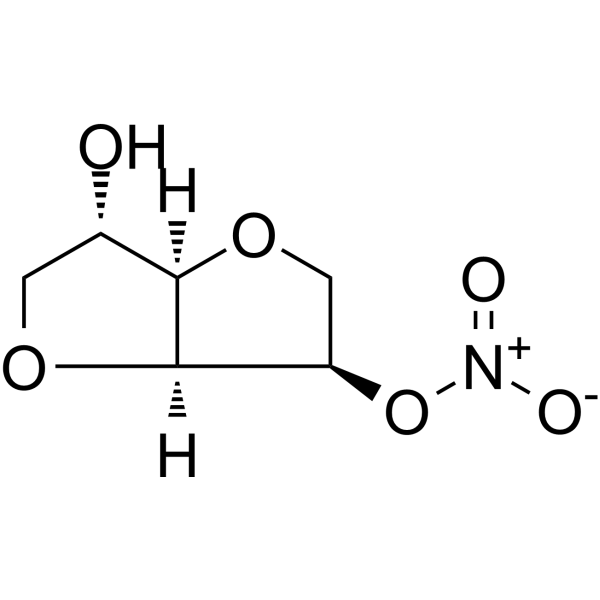
Isosorbide mononitrate (Isosorbide-5-mononitrate) is an orally active nitric acid compound used for angina pectoris by dilating blood vessels and lowering blood pressure. Isosorbide mononitrate increases the viability and proliferation of HUVECs by decreasing Apoptosis and elevated the expressions of vedf, kdrl, pdgfr in zebrafish embryos. Isosorbide mononitrate is promising for research of heart failure and coronary heart disease .
loading...
    loading...
4
4 Cited Publications
Cat. No.: HY-15574
CAS No.: 152811-62-6
Purity:  99.09%
Synonyms: SB-207266
Target:  

5-HT Receptor

Research Areas:  

Cardiovascular Disease

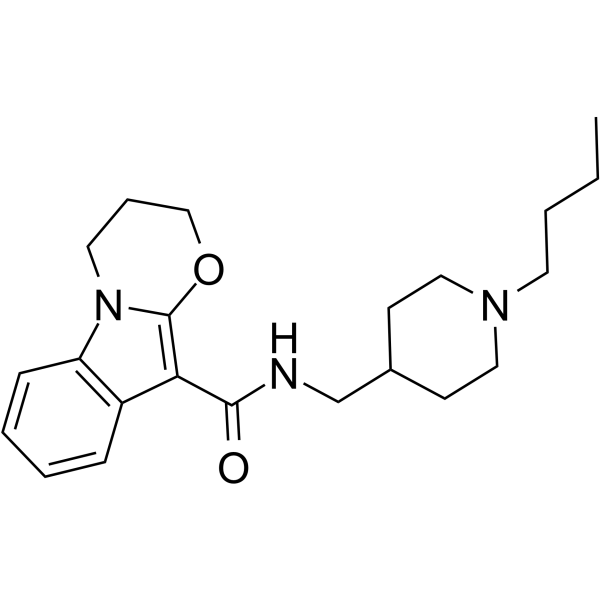
Piboserod is an orally available selective antagonist of the 5-HT4 receptor, with a Ki value of approximately 0.1 nM for human 5-HT4 receptors. Piboserod can competitively bind to the 5-HT4 receptor and block the activation of the 5-HT4 receptor. Piboserod can inhibit the enhancing effect of 5-HT on the nerve-mediated contraction response of the human bladder detrusor muscle. Piboserod is mainly used in the research of urinary system diseases (such as overactive bladder) and cardiovascular diseases (such as chronic heart failure) .
loading...
    loading...
4
4 Cited Publications
Cat. No.: HY-N0712
CAS No.: 104472-68-6
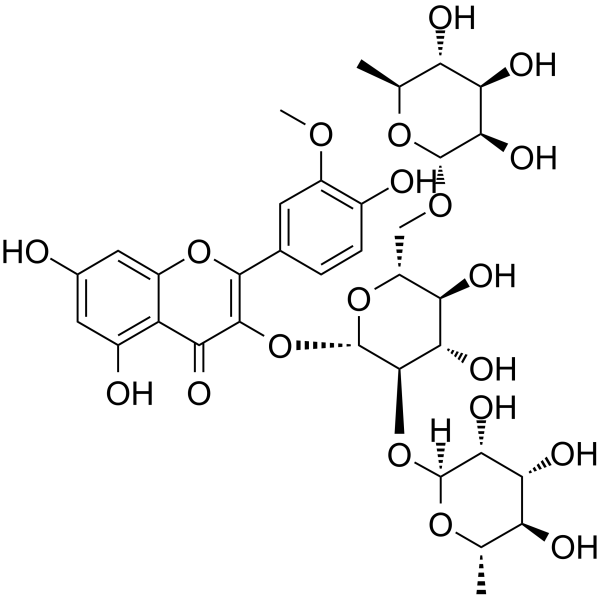
Typhaneoside is an orally active activator of PI3K/Akt/mTOR and farnesoid X receptor. Typhaneoside promotes the activation of AMPK and Caspase-3, induces apoptosis, ferroptosis, autophagy, ROS accumulation, cell cycle arrest at the G2/M phase, and reduces cancer cell viability. Typhaneoside improves glucose and lipid metabolism, alleviates inflammatory responses, oxidative stress and hepatic lipid accumulation, and exerts hepatoprotective effects. Typhaneoside can be used in research related to heart failure after myocardial infarction, acute myeloid leukemia, non-alcoholic fatty liver disease and neurological disorders .
loading...
    loading...
3
3 Cited Publications
Cat. No.: HY-W004284
CAS No.: 506-12-7
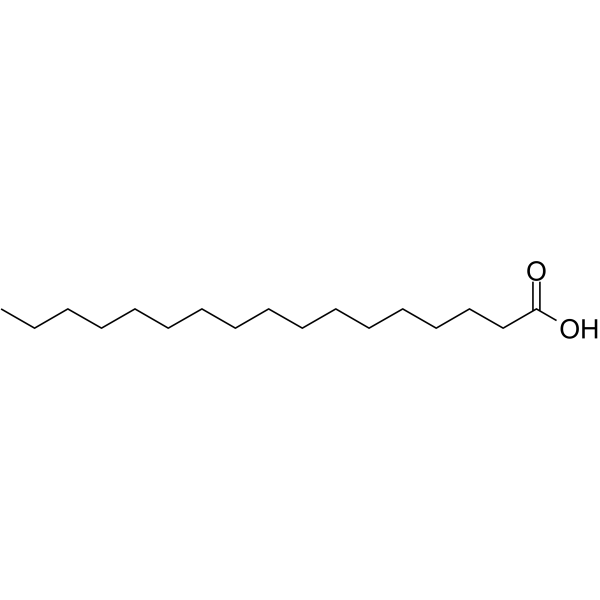
Heptadecanoic acid is an odd-chain saturated fatty acid (OCS-FA) with oral activity. Heptadecanoic acid can inhibit cell proliferation and induce Apoptosis. Heptadecanoic acid has antitumor activity. Heptadecanoic acid is associated with a number of diseases, including coronary heart disease, pre-diabetes and type 2 diabetes, and multiple sclerosis .
loading...
    loading...
3
3 Cited Publications
Cat. No.: HY-116090
CAS No.: 18080-67-6
Purity:  99.32%
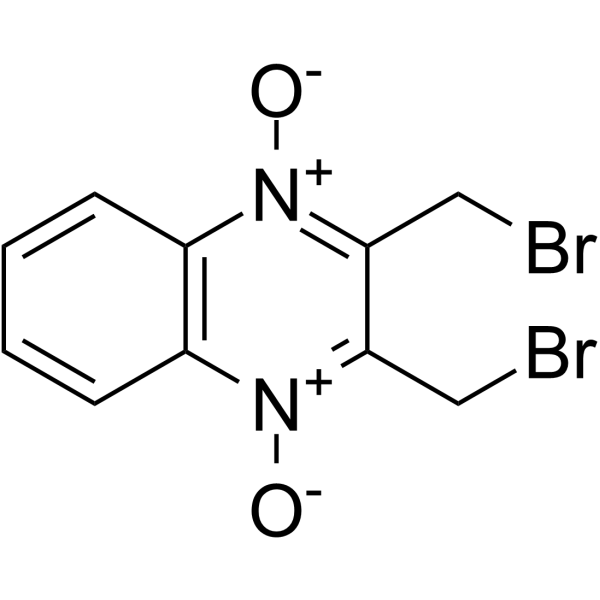
Conoidin A is a cell permeable inhibitor of T. gondii enzyme peroxiredoxin II (TgPrxII) with nematicidal properties. Conoidin A covalently binds to the peroxidatic Cys47 of TgPrxII, irreversibly inhibiting its hyperperoxidation activity with an IC50 of 23 μM. Conoidin A also inhibits hyperoxidation of mammalian PrxI and PrxII (but not PrxIII) . Conoidin A has antioxidant, neuroprotective effects and can be used for the research of ischaemic heart disease .
loading...
    loading...

