
Search Result
Results for "
human P-glycoprotein
" in MedChemExpress (MCE) Product Catalog:
2
Isotope-Labeled Compounds
| Cat. No. |
Product Name |
Target |
Research Areas |
Chemical Structure |
-
- HY-17411
-
-
-
- HY-13631J
-
|
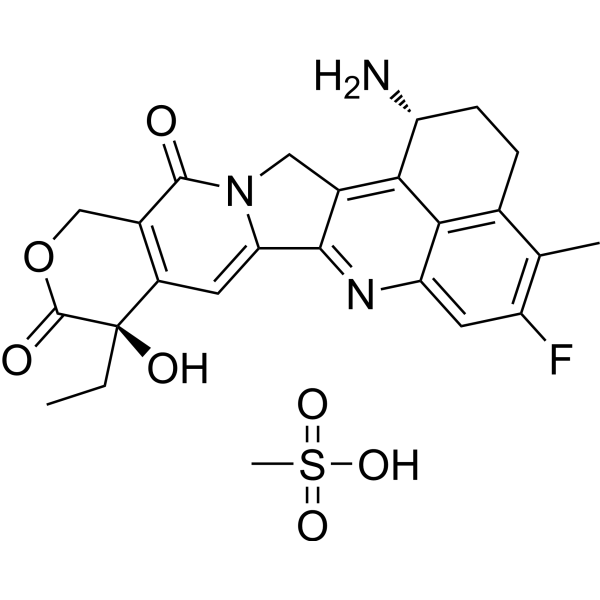
(1R,9R)-DX8951f
|
Drug Derivative
Topoisomerase
Apoptosis
|
Cancer
|
(1R,9R)-Exatecan mesylate ((1R,9R)-DX8951f) is a non-prodrug camptothecin derivative and a potent topoisomerase I inhibitor (IC50=0.975 μg/mL in mice and 0.82 μg/mL in humans). (1R,9R)-Exatecan mesylate blocks enzyme activity and induces apoptosis by stabilizing the enzyme-DNA cleavable complex. (1R,9R)-Exatecan mesylate not only effectively inhibits the proliferation of various malignant tumor cells and tumor growth, but also circumvents P-glycoprotein-mediated multidrug resistance. (1R,9R)-Exatecan mesylate is widely used in preclinical studies of multiple cancers including pancreatic cancer, lung cancer, breast cancer, and leukemia . The low-activity isomer of (1R,9R)-Exatecan mesylate is (1S,9R)-Exatecan mesylate (HY-13631I).
|
-
-
- HY-G0017
-
|
Norimatinib; Imatinib metabolite N-Desmethyl imatinib; CGP 74588
|
Drug Metabolite
P-glycoprotein
Apoptosis
|
Neurological Disease
Cancer
|
|
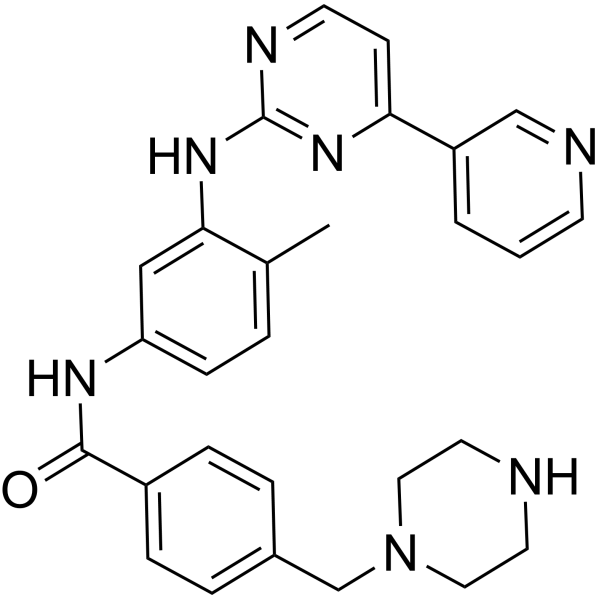
N‑Desmethyl imatinib (Norimatinib) is an active metabolite of Imatinib (HY-15463), a selective c‑Abl inhibitor, and a substrate of P‑glycoprotein. N-Desmethyl imatinib binds to the c-Abl catalytic domain to prevent substrate phosphorylation, inhibits c-Abl-mediated α-synuclein activation and downstream inflammatory signaling pathways. N-Desmethyl imatinib induces apoptosis in K562 human leukemia cells. N-Desmethyl imatinib shows significantly elevated plasma levels in gastrointestinal stromal tumor (GIST) models with mild SARS-CoV-2 infection. N-Desmethyl imatinib can be used for the research of Parkinson’s disease, gastrointestinal stromal tumor, and chronic myeloid leukemia .
|
-
-
- HY-13631I
-
|
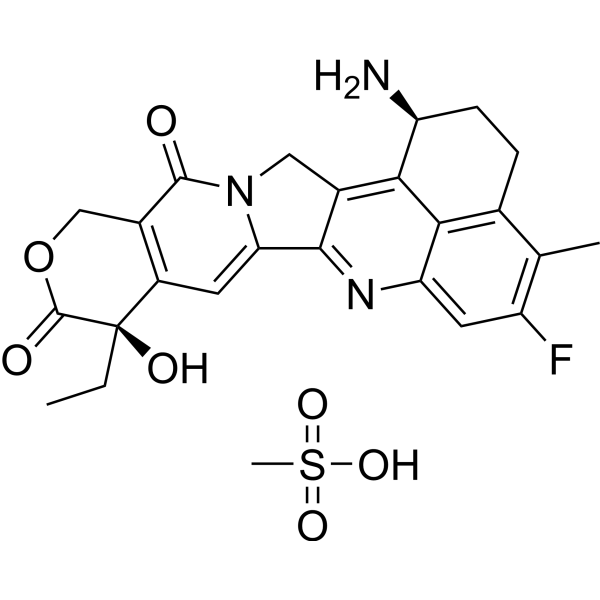
(1S,9R)-DX8951f
|
Drug Derivative
Topoisomerase
Apoptosis
|
Cancer
|
(1S,9R)-Exatecan mesylate ((1S,9R)-DX8951f) is a non-prodrug camptothecin derivative and a topoisomerase I inhibitor (IC50=0.975 μg/mL in mice and 0.82 μg/mL in humans). (1S,9R)-Exatecan mesylate blocks enzyme activity and induces apoptosis by stabilizing the enzyme-DNA cleavable complex. (1S,9R)-Exatecan mesylate not only effectively inhibits the proliferation of various malignant tumor cells and tumor growth, but also circumvents P-glycoprotein-mediated multidrug resistance. (1S,9R)-Exatecan mesylate is widely used in preclinical studies of various cancers such as pancreatic cancer, lung cancer, breast cancer, and leukemia . The chiral isomer of (1S,9R)-Exatecan mesylate is (1R,9R)-Exatecan mesylate (HY-13631J).
|
-
-
- HY-122616
-
|
|
Trk Receptor
|
Neurological Disease
|
|
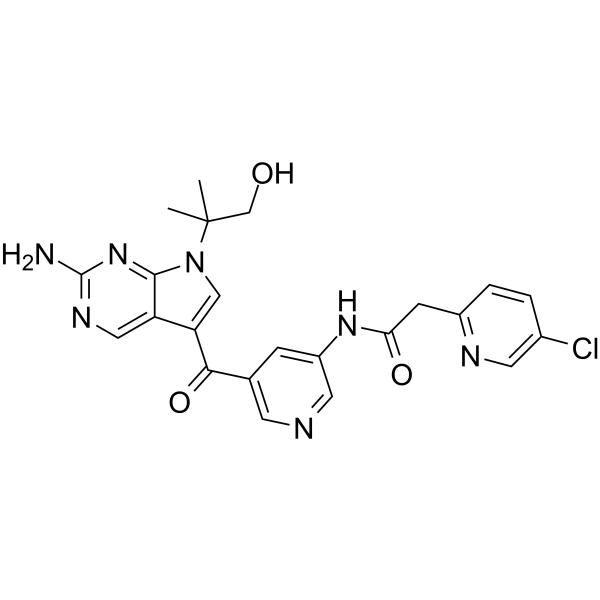
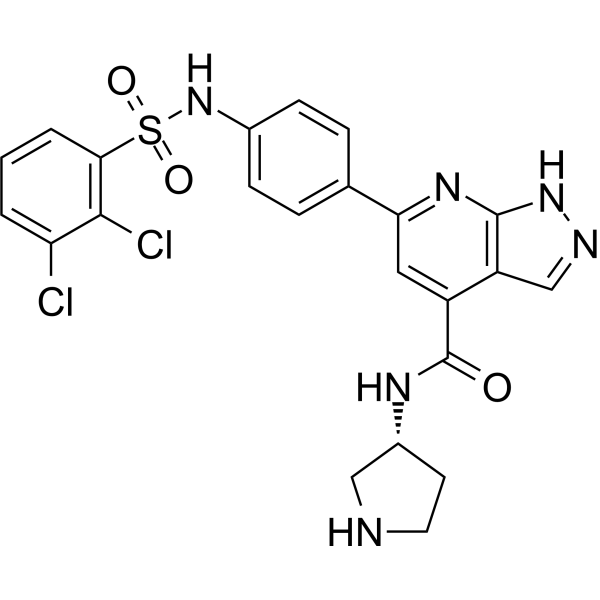
PF-06273340 is a peripherally restricted pan-Trk inhibitor with IC50 values of 6, 4, 3 nM for TrkA, TrkB, and TrkC receptors. PF-06273340 binds in a DFG-out conformation, targeting less conserved kinase ligand binding domain regions outside the ATP binding pocket. PF-06273340 exhibits anti-hyperalgesic and analgesic effects. PF-06273340 can be used for the research of pain .
|
-
-
- HY-N2947
-
|
|
P-glycoprotein
|
Infection
Inflammation/Immunology
|
|
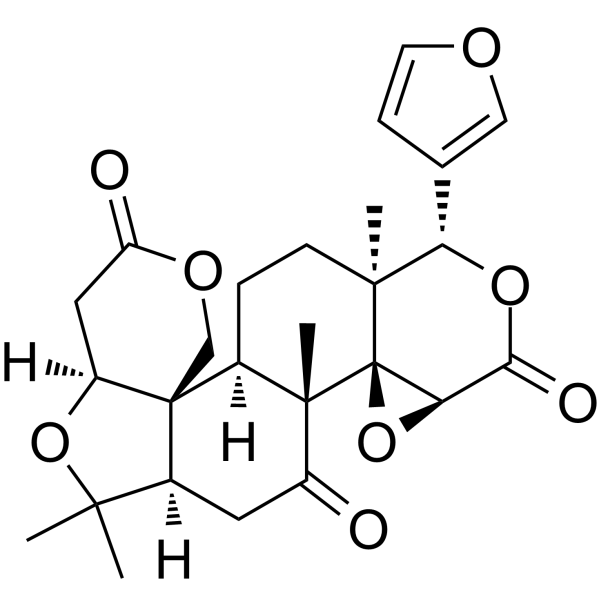
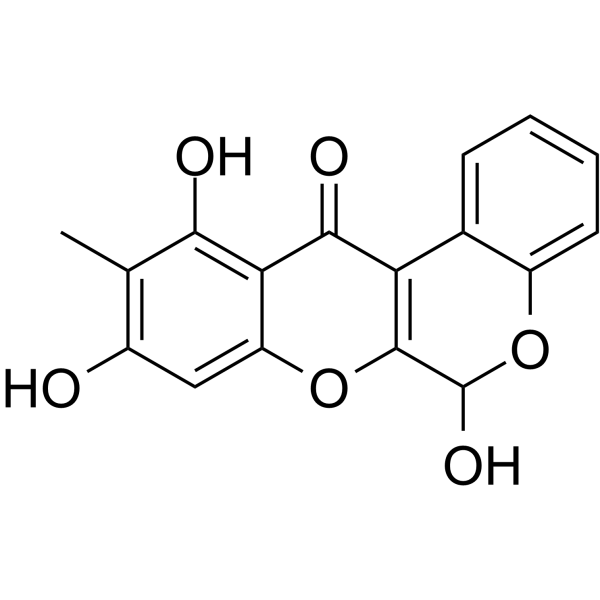
Boeravinone B, a dual inhibitor of NorA bacterial efflux pump of Staphylococcus aureus and human P-Glycoprotein, reduces the biofilm formation and intracellular invasion of bacteria. Boeravinone B act as anti-aging and anti-apoptosis phyto-molecules during oxidative stress .
|
-
-
- HY-142686A
-
|
|
SGK
CDK
P-glycoprotein
|
Inflammation/Immunology
|
|
SGK1-IN-3 hydrochloride (Compound 3a) is an ATP-competitive SGK1 inhibitor with an IC50 of <1 nM against hSGK1. SGK1-IN-3 hydrochloride blocks the activity of CDK family members. SGK1-IN-3 hydrochloride serves as a P-glycoprotein substrate. SGK1-IN-3 can be used for the research of osteoarthritis .
|
-
-
- HY-148447
-
|
|
Eukaryotic Initiation Factor (eIF)
|
Cancer
|
|
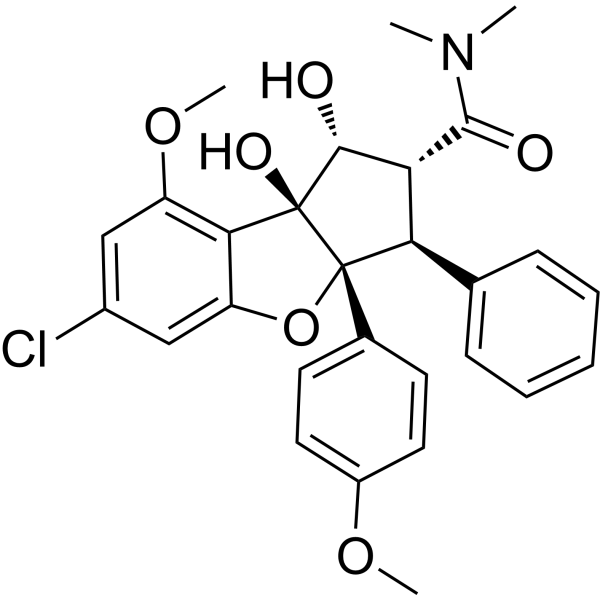
eIF4A-IN-3, Silvestrol (HY-13251) analogue, is an eIF4A inhibitor. eIF4A-IN-3 blocks protein translation initiation by interfering with eIF4F complex assembly, preferentially inhibiting translation of mRNAs with long, highly structured 5'-untranslated regions. eIF4A-IN-3 inhibits proliferation of human breast cancer cells. eIF4A-IN-3 has moderate apical to basolateral permeability in intestinal cell monolayers and a low efflux ratio .
|
-
-
- HY-119229
-
|
|
CFTR
|
Inflammation/Immunology
|
|
VRT-325 is a CFTR modulator. VRT-325 inhibits disulfide cross-linking between cysteines in transmembrane segments 6 and 7 of CFTR and P-gp. VRT-325 promotes maturation of CFTR and P-gp processing mutants, rescues ΔF508-CFTR folding at the endoplasmic reticulum. VRT-325 binds ΔF508-CFTR nucleotide-binding domain 1, and increases mature ΔF508-CFTR cell surface expression and chloride conductance. VRT-325 can be used for the research of cystic fibrosis [1] [3].
|
-
-
- HY-N6932
-
|
|
Cannabinoid Receptor
P-glycoprotein
PI3K
Akt
mTOR
Apoptosis
Autophagy
EGFR
|
Metabolic Disease
Cancer
|
|
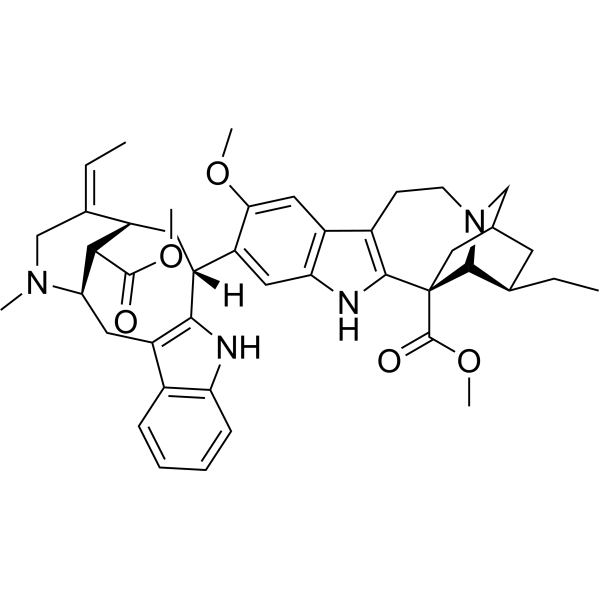
Voacamine is an indole alkaloid with cannabinoid 1 (CB1) antagonistic activity. Voacamine can inhibit nuclear translocation. Voacamine is effective in enhancing the effect of Doxorubicin (HY-15142A) as it interferes with the P-glycoprotein (P-gp) function. Voacamine promotes apoptosis-independent autophagic cell death in human osteosarcoma cells. Voacamine activates mitochondrial-associated apoptosis signaling pathway and inhibition of PI3K/Akt/mTOR signaling pathway to suppress breast cancer progression. Voacamine inhibits EGFR to exert oncogenic activity against colorectal cancer .
|
-
-
- HY-G0017S
-
|
Norimatinib-d8; Imatinib metabolite N-Desmethyl imatinib-d8; CGP 74588-d8
|
Isotope-Labeled Compounds
Drug Metabolite
P-glycoprotein
Apoptosis
|
Neurological Disease
Cancer
|
|
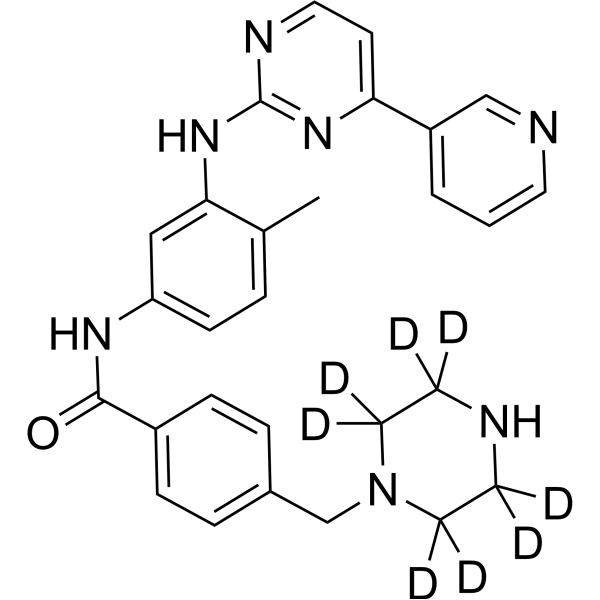
N-Desmethyl imatinib-d8 is a deuterium labeled Imatinib metabolite N-Desmethyl Imatinib (HY-G0017). N‑Desmethyl imatinib (Norimatinib) is an active metabolite of Imatinib (HY-15463), a selective c‑Abl inhibitor, and a substrate of P‑glycoprotein. N-Desmethyl imatinib binds to the c-Abl catalytic domain to prevent substrate phosphorylation, inhibits c-Abl-mediated α-synuclein activation and downstream inflammatory signaling pathways. N-Desmethyl imatinib induces apoptosis in K562 human leukemia cells. N-Desmethyl imatinib exhibits significantly elevated plasma levels in gastrointestinal stromal tumor (GIST) settings following mild SARS CoV 2 infection. N-Desmethyl imatinib can be used for the research of Parkinson’s disease, gastrointestinal stromal tumor, and chronic myeloid leukemia .
|
-
-
- HY-17411R
-
-
-
- HY-118899
-
|
|
Endogenous Metabolite
|
Cancer
|
|
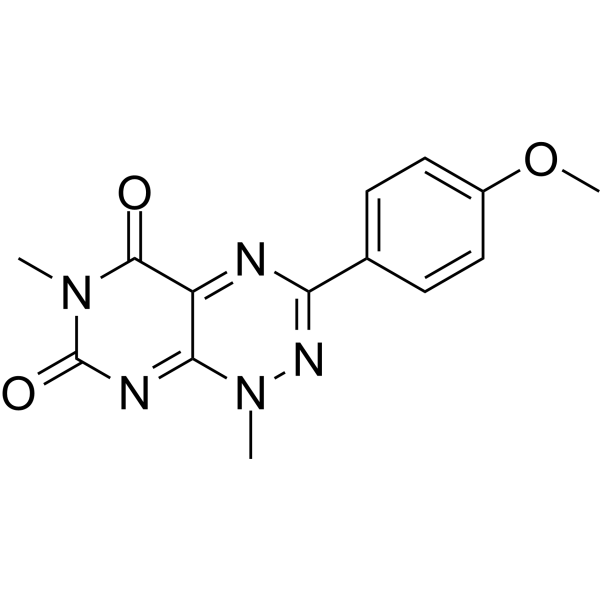
XR5944 is an anti-tumor compound with DNA-targeting activity. As a topoisomerase inhibitor, XR5944 can effectively inhibit the activities of topoisomerase I and II. XR5944 shows excellent anti-tumor activity against human and mouse tumor cells in vitro and in vivo. XR5944 exhibits significant potency in multiple cell lines, with IC50 values of 0.04-0.4 nM. XR5944 is not affected by atypical drug resistance in cells and remains significantly active even in cells overexpressing P-glycoprotein or multidrug resistance-related proteins. XR5944 showed anti-tumor efficacy in human tumor models of H69 small cell lung cancer and HT29 colon cancer, inducing tumor regression in most animals in the HT29 model. XR5944 can be used to study biological processes related to colon and lung cancer .
|
-
-
- HY-142686
-
|
|
SGK
P-glycoprotein
CDK
|
Inflammation/Immunology
|
|
SGK1-IN-3 (Compound 3a) is an ATP-competitive SGK1 inhibitor with an IC50 of <1 nM against hSGK1. SGK1-IN-3 blocks the activity of CDK family members. SGK1-IN-3 is a P-glycoprotein substrate. SGK1-IN-3 can be used for research on osteoarthritis .
|
-
-
- HY-P990196
-
|
|
P-glycoprotein
|
Cancer
|
|
Anti-Monkey/Human MDR-1/CD243 Antibody (UIC2) is an anti-monkey/human MDR-1/CD243 IgG2a monoclonal antibody. Anti-Monkey/Human MDR-1/CD243 Antibody (UIC2) can efficiently inhibit P-glycoprotein. Anti-Monkey/Human MDR-1/CD243 Antibody (UIC2) enhances the inhibitory effect on multidrug resistance (MDR) by suppressing drug efflux. Anti-Monkey/Human MDR-1/CD243 Antibody (UIC2) can be used for research on cancer .
|
-
-
- HY-16491
-
|
DJ-927
|
Microtubule/Tubulin
|
Cancer
|
|
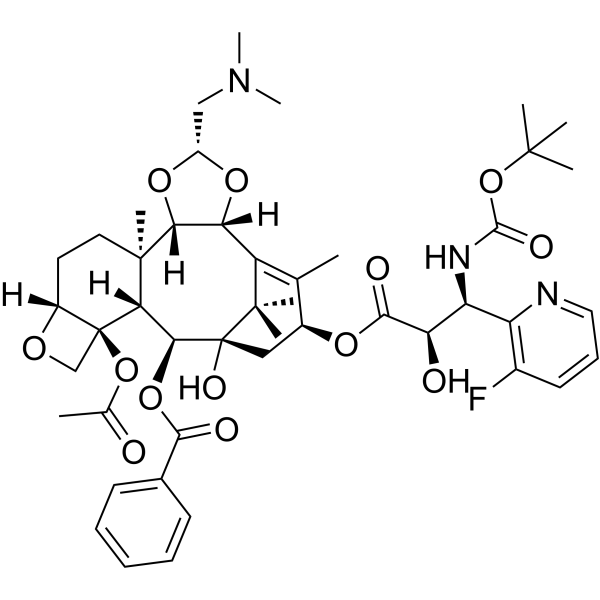
Tesetaxel (DJ-927) is an orally active and brain-penetrant taxane tubulin inhibitor. Tesetaxel inhibits tubulin depolymerization with an IC50 of 0.44 μM. Tesetaxel inhibits cancer cells proliferation and shows potent antitumor activity against P-glycoprotein-positive cancer cells. Tesetaxel can be used for the research of cancer, such as solid tumors, liver metastasis, and advanced breast cancer .
|
-
-
- HY-N2947R
-
|
|
Reference Standards
P-glycoprotein
|
Infection
Inflammation/Immunology
|
|
Boeravinone B (Standard) is the analytical standard of Boeravinone B. This product is intended for research and analytical applications. Boeravinone B, a dual inhibitor of NorA bacterial efflux pump of Staphylococcus aureus and human P-Glycoprotein, reduces the biofilm formation and intracellular invasion of bacteria. Boeravinone B act as anti-aging and anti-apoptosis phyto-molecules during oxidative stress .
|
-
-
- HY-123934
-
|
|
P-glycoprotein
|
Neurological Disease
|
|
VU6007477 is a brain-penetrant, selective M1 positive allosteric modulator (PAM) with an EC50 value of 230 nM. VU6007477 is also a human P-glycoprotein (P-gp) substrate with moderate permeability. VU6007477 displays improved central nervous system (CNS) penetration over the hydroxylated congeners. VU6007477 a pyranyl amide derivative, which is promising for research of robust cholinergic seizure activity .
|
-
-
- HY-155152
-
|
|
P-glycoprotein
BCRP
|
Cancer
|
|
P-gp/BCRP-IN-2 (compound 15) is an oxadiazole derivative and a dual inhibitor of the ABC transporter P-glycoprotein (IC50: 1.6 nM) and BCRP (IC50: 600 nM). P-gp/BCRP-IN-2 also enhances the anti-proliferative effects of Doxorubicin (HY-15142A) in drug-resistant human adenocarcinoma colon cancer cell lines HT29/DX and MDCK-MDR1 cells .
|
-
-
- HY-G0017A
-
|
Norimatinib mesylate; Imatinib metabolite N-Desmethyl imatinib mesylate; CGP 74588 mesylate
|
Drug Metabolite
P-glycoprotein
Apoptosis
|
Neurological Disease
Cancer
|
|
N-Desmethyl imatinib mesylate (Norimatinib mesylate) is an active metabolite of Imatinib (HY-15463), a selective c‑Abl inhibitor, and a substrate of P‑glycoprotein. N-Desmethyl imatinib mesylate binds to the c-Abl catalytic domain to prevent substrate phosphorylation, inhibits c-Abl-mediated α-synuclein activation and downstream inflammatory signaling pathways. N-Desmethyl imatinib mesylate induces apoptosis in K562 human leukemia cells. N-Desmethyl imatinib mesylate exhibits significantly elevated plasma levels in gastrointestinal stromal tumor (GIST) settings following mild SARS CoV 2 infection. N-Desmethyl imatinib mesylate can be used for the research of Parkinson’s disease, gastrointestinal stromal tumor, and chronic myeloid leukemia .
|
-
-
- HY-G0017S1
-
|
Norimatinib-d4; Imatinib metabolite N-Desmethyl imatinib-d4; CGP 74588-d4
|
Isotope-Labeled Compounds
Drug Metabolite
P-glycoprotein
Apoptosis
|
Neurological Disease
Cancer
|
|
N-Desmethyl imatinib-d4 is the deuterium-labeled N-Desmethyl imatinib (HY-G0017). N‑Desmethyl imatinib (Norimatinib) is an active metabolite of Imatinib (HY-15463), a selective c‑Abl inhibitor, and a substrate of P‑glycoprotein. N-Desmethyl imatinib binds to the c-Abl catalytic domain to prevent substrate phosphorylation, inhibits c-Abl-mediated α-synuclein activation and downstream inflammatory signaling pathways. N-Desmethyl imatinib induces apoptosis in K562 human leukemia cells. N-Desmethyl imatinib exhibits significantly elevated plasma levels in gastrointestinal stromal tumor (GIST) settings following mild SARS CoV 2 infection. N-Desmethyl imatinib can be used for the research of Parkinson’s disease, gastrointestinal stromal tumor, and chronic myeloid leukemia .
|
-
-
- HY-G0017R
-
|
Norimatinib (Standard); Imatinib metabolite N-Desmethyl imatinib (Standard); CGP 74588 (Standard)
|
Reference Standards
Drug Metabolite
P-glycoprotein
Apoptosis
|
Others
|
|
N‑Desmethyl imatinib (Standard) is the analytical standard of N‑Desmethyl imatinib (Norimatinib) (HY-G0017R). This product is intended for research and analytical applications. N‑Desmethyl imatinib (Norimatinib) is an active metabolite of Imatinib (HY-15463), a selective c‑Abl inhibitor, and a substrate of P‑glycoprotein. N-Desmethyl imatinib binds to the c-Abl catalytic domain to prevent substrate phosphorylation, inhibits c-Abl-mediated α-synuclein activation and downstream inflammatory signaling pathways. N-Desmethyl imatinib induces apoptosis in K562 human leukemia cells. N-Desmethyl imatinib exhibits significantly elevated plasma levels in gastrointestinal stromal tumor (GIST) settings following mild SARS CoV 2 infection. N-Desmethyl imatinib can be used for the research of Parkinson’s disease, gastrointestinal stromal tumor, and chronic myeloid leukemia .
|
-
-
- HY-10289
-
|
RO-4876904
|
Dipeptidyl Peptidase
GLP Receptor
P-glycoprotein
|
Metabolic Disease
|
|
Carmegliptin (RO-4876904) is an orally active and potent DPP IV inhibitor with a human DPP IV IC50 of 6.8 nM. Carmegliptin binds to the S1 pocket of DPP IV, blocks the degradation of GLP 1, potentiates endogenous GLP 1, increases plasma insulin levels, alleviates hyperglycemia, improves glucose tolerance. Carmegliptin acts as a substrate for human P glycoprotein without inhibiting the transporter, shows low in vitro cell permeability. Carmegliptin can be used for the research of type 2 diabetes, non insulin dependent diabetes mellitus .
|
-
-
- HY-124130
-
|
|
Survivin
|
Cancer
|
|
MX106 is a survivin inhibitor and an analog of UC-112 (HY-12842). MX106 inhibits the expression of survivin both in vitro and in vivo. MX106 suppresses the proliferation of human melanoma cells, epidermoid carcinoma cells and colon cancer cells, and also exerts inhibitory effects on multidrug-resistant cell lines overexpressing P-glycoprotein .
|
-
-
- HY-10289A
-
|
RO-4876904 hydrochloride
|
Dipeptidyl Peptidase
GLP Receptor
P-glycoprotein
|
Metabolic Disease
|
|
Carmegliptin hydrochloride (RO-4876904 hydrochloride) is an orally active and potent DPP‑IV inhibitor with a human DPP‑IV IC50 of 6.8 nM. Carmegliptin hydrochloride binds to the S1 pocket of DPP‑IV, blocks the degradation of GLP‑1, potentiates endogenous GLP‑1, increases plasma insulin levels, alleviates hyperglycemia, improves glucose tolerance. Carmegliptin hydrochloride acts as a substrate for human P‑glycoprotein without inhibiting the transporter, shows low in vitro cell permeability. Carmegliptin hydrochloride can be used for the research of type 2 diabetes, non‑insulin‑dependent diabetes mellitus .
|
-
-
- HY-W787758
-
|
4-yn-VPA
|
HDAC
P-glycoprotein
|
Neurological Disease
Cancer
|
|
2-Propylpent-4-ynoic acid (4-yn-VPA) is a HDAC inhibitor (with an IC50 of 0.5 mM against human HDAC). 2-Propylpent-4-ynoic acid also induces P-glycoprotein function, and exhibits teratogenicity, fetal growth inhibition and neurotoxicity. 2-Propylpent-4-ynoic acid shows significant stereospecific teratogenic effects, with the S-enantiomer being more teratogenic than the R-enantiomer and other analogs. The neurotoxicity of 2-Propylpent-4-ynoic acid is independent of its stereochemical structure. 2-Propylpent-4-ynoic acid has been used in studies related to the pathogenesis of colon cancer and neural tube defects such as exencephaly .
|
-
-
- HY-182383
-
|
|
CDK
Apoptosis
|
Cancer
|
|
VMY-1-101 is a fluorescent cyclin-dependent kinase (CDK) inhibitor, with an excitation of 410 nm and emission of 512 nm. VMY-1-101 competitively inhibits ATP binding to CDKs. VMY-1-101 induces G2/M cell cycle arrest in human breast cancer cells. VMY-1-101 induces modest apoptosis in human breast cancer cells. VMY-1-101 blocks proliferation of human breast cancer cells, including multidrug resistance-positive cells, and is not a substrate for p-glycoprotein. VMY-1-101 localizes to the cytoplasm of human breast cancer cells. VMY-1-101 shows increased binding to human breast cancer tissue compared to fluorophore alone. VMY-1-101 can be used for the research of breast cancer .
|
-
-
- HY-120247
-
|
|
Vasopressin Receptor
P-glycoprotein
|
Others
|
|
TASP0434299 (Compound 10) is a labeled ligand for the vasopressin V1b receptor. TASP0434299 exhibits high binding affinity for human and murine V1B receptors, with IC50 values of 0.526 nM and 0.641 nM, respectively, and shows potent antagonistic activity against the human V1B receptor with an IC50 of 0.639 nM. TASP0434299 is a substrate for human and rhesus monkey P-glycoprotein, resulting in low brain uptake in rhesus monkeys. TASP0434299 binds to V1B receptors in rat and monkey pituitary tissues in a saturable and specific manner both in vitro and in vivo. When radiolabeled with tritium or 11C, TASP0434299 serves as a prototype V1B receptor radiotracer to visualize V1B receptor in the pituitary gland of anesthetized monkeys via positron emission tomography .
|
-
-
- HY-181726
-
|
|
PERK
P-glycoprotein
Apoptosis
|
Cancer
|
|
BRAFV600E/ABL2-IN-2 is a dual BRAFV 600E and ABL2 kinase inhibitor, with an IC50 of 0.088 μM against human BRAFV 600E and an IC50 of 0.3 μM against human ABL2. BRAFV600E/ABL2-IN-2 reduces the phosphorylation levels of downstream ERK1/2 and CrkL in melanoma cells. BRAFV600E/ABL2-IN-2 decreases the expression of P-glycoprotein (P-glycoprotein) in melanoma cells. BRAFV600E/ABL2-IN-2 induces G1 cell cycle arrest and apoptosis (Apoptosis) in melanoma cells. BRAFV600E/ABL2-IN-2 is applicable to relevant research on melanoma .
|
-
-
- HY-N16684
-
|
|
P-glycoprotein
|
Cancer
|
|
Clausarin is a selective inhibitor of P-glycoprotein (P-gp), inhibiting P-gp-mediated drug efflux. Clausarin significantly inhibits Daunorubicin (HY-13062A) efflux in K562/R7 human leukemia cells overexpressing P-gp (with Cyclosporin A (HY-B0579) as a positive control). Clausarin can be naturally extracted from the roots of Citrus sinensis (sweet orange) and can be used in research related to overcoming multidrug resistance (MDR) in tumors .
|
-
-
- HY-165444
-
|
NGD-913
|
GABA Receptor
|
Neurological Disease
|
|
CP-615003 is a potent and subtype-selective partial agonist of GABAA receptor (GABAA receptor) (Ki = 1.1 μM). CP-615003 is mainly converted into the active metabolite CP-900725 through oxidative deamination in monkeys and humans, and the latter also has GABAA receptor affinity. CP-615003 is a substrate of P-glycoprotein (P-gp/MDR1), resulting in severe limitation of its penetration into the central nervous system (CNS). CP-615003 can be used for the study of CNS-related indications .
|
-
-
- HY-171718
-
|
|
DNA Alkylator/Crosslinker
ADC Payload
|
Cancer
|
|
seco-CBI-PBD dimer is a CBI-PBD heterodimer and a minor groove DNA crosslinker. seco-CBI-PBD dimer exhibits cytotoxicity against human tumor cells at sub-pM to low nM levels, shows low sensitivity to P-glycoprotein-mediated drug resistance, and can serve as an ADC payload. seco-CBI-PBD dimer can be used in studies of uterine cancer, breast cancer, non-small cell lung cancer, etc.
|
-
-
- HY-182001
-
|
|
Cholinesterase (ChE)
GSK-3
|
Neurological Disease
|
|
Multi-kinase-IN-13 (Compound 10F) is an inhibitor of AChE, BuChE, and GSK-3β, with an IC50 of 3 nM against hAChE, 303 nM against hBuChE, and 7.58 nM against GSK-3β. Multi-kinase-IN-13 exhibits in vitro iron chelating activity. AChE-IN-110 can be used in the research of Alzheimer's disease .
|
-
-
- HY-186116
-
|
|
Histone Demethylase
|
Others
|
|
LSD1-IN-49 is a Lysine-specific demethylase 1 (LSD1/KDM1A) inhibitor with a human IC50 of 29 nM. LSD1-IN-49 irreversibly inhibits LSD1 enzyme activity by forming an adduct with the flavin adenine dinucleotide (FAD) cofactor of LSD1. LSD1-IN-49 can be used as a lead compound for the development of LSD1-targeted PET imaging agents for the brain .
|
-
-
- HY-182633
-
|
|
P-glycoprotein
|
Cancer
|
|
Hapalosin is a multidrug resistance reversal agent and chemosensitizer with mild cytotoxicity against cancer cells. Hapalosin inhibits the ATP-dependent drug efflux pump function of P-glycoprotein and antagonizes multidrug resistance-associated proteins. Hapalosin reverses multidrug resistance mediated by P-glycoprotein and multidrug resistance-associated proteins, increases the intracellular accumulation of drugs transported by P-glycoprotein, and enhances the cytotoxicity of these drugs against cancer cells overexpressing P-glycoprotein. Hapalosin can be used in the research of multidrug-resistant cancers .
|
-
-
- HY-181803
-
|
|
BCRP
|
Cancer
|
|
MRS8432 is an ABCG2 modulator with an EC50 of 7.5 nM against human ABCG2. MRS8432 activates ABCG2 ATPase activity. MRS8432 partially inhibits ABCG2-mediated substrate transport. MRS8432 is applicable to research related to cancer multidrug resistance .
|
-
-
- HY-182943
-
|
|
Btk
Fc Receptor (FcR)
|
Neurological Disease
Inflammation/Immunology
|
|
BTK-IN-49 is a selective, orally active and brain-penetrant BTK inhibitor with an IC50 of 0.14 nM. BTK-IN-49 binds to BTK and blocks B-cell receptor and Fcγ receptor signaling. BTK-IN-49 inhibits the proliferation of CNS-compartmentalized B-cells and FcγR-induced microglial proliferation in a BTK-dependent manner. BTK-IN-49 can be used for the study of multiple sclerosis .
|
-
-
- HY-N17442
-
|
|
Topoisomerase
Caspase
PARP
Fungal
DNA/RNA Synthesis
|
Infection
Cancer
|
|
Echinoside A is a saponin. Echinoside A can be isolated from sea cucumber. Echinoside A inhibits the catalytic activity of Top2α, reduces the noncovalent binding of Top2α to DNA. Echinoside A activates Caspase-3 and induces PARP cleavage. Echinoside A induces Apoptosis. Echinoside A has anticancer activity against prostate cancer, hepatocellular carcinoma, and S-180 sarcoma. Echinoside A exhibits antifungal activity against a variety of fungi, with a minimum growth inhibitory concentration range of 3.12 to 50.0 μg/mL, including potent activity against Aspergillus and Penicillium species .
|
-
-
- HY-206259
-
|
|
Glucosylceramide Synthase (GCS)
|
Metabolic Disease
|
|
CCG-203586 is a brain-penetrant glucosylceramide synthase (GCS) inhibitor. CCG-203586 reduces GCS production and brain levels, blocks the first committed step in ganglioside biosynthesis, and lowers downstream ganglioside levels. CCG-203586 can be used for the research of Tay-Sachs, Sandhoff disease, and types 2 and 3 Gaucher disease .
|
-
-
- HY-13774
-
|
|
P-glycoprotein
BCRP
|
Cancer
|
|
WK-X-34 is a low-toxicity, highly effective multidrug resistance reversal agent. By potently inhibiting the transport functions of P-glycoprotein (P-gp, ABCB1) and breast cancer resistance protein (BCRP), WK-X-34 significantly increases the intracellular accumulation of anticancer drugs and radiotracers in drug-resistant cells. WK-X-34 exerts no significant effect on MRP transporters. WK-X-34 not only restores the chemosensitivity of multidrug-resistant ovarian cancer cells, but also significantly enhances the uptake of 99mTc-Sestamibi in P-gp-positive xenograft tumors, brain and intestinal tissues. WK-X-34 exhibits extremely low toxicity and favorable safety profiles both in vitro and in mice (at doses up to 50 mg/kg), and can be used for research on overcoming multidrug resistance in ovarian cancer .
|
-
| Cat. No. |
Product Name |
Target |
Research Area |
Image |
-
- HY-P990196
-
|
|
P-glycoprotein
|
Cancer
|
|
Anti-Monkey/Human MDR-1/CD243 Antibody (UIC2) is an anti-monkey/human MDR-1/CD243 IgG2a monoclonal antibody. Anti-Monkey/Human MDR-1/CD243 Antibody (UIC2) can efficiently inhibit P-glycoprotein. Anti-Monkey/Human MDR-1/CD243 Antibody (UIC2) enhances the inhibitory effect on multidrug resistance (MDR) by suppressing drug efflux. Anti-Monkey/Human MDR-1/CD243 Antibody (UIC2) can be used for research on cancer .
|
-
(5)
| Cat. No. |
Product Name |
Category |
Target |
Chemical Structure |
| Cat. No. |
Compare |
Product Name |
Species |
Source |
Image |
Compare Products
|
| Products |
|
| Cat. No. |
|
| Species |
|
| Source |
|
| Tag |
|
| Accession |
|
| Gene ID |
|
| Molecular Weight |
|
| Purity |
|
| Endotoxin Level |
|
| Biological Activity |
|
| Appearance |
|
| Formulation |
|
| Storage & Stability |
|
| Shipping |
|
| Free Sample |
Yes
No
|
| Size |
* This product has been "discontinued".
Optimized version of product available:
|
| Cat. No. |
Product Name |
Chemical Structure |
-
- HY-G0017S
-
|
|
|
N-Desmethyl imatinib-d8 is a deuterium labeled Imatinib metabolite N-Desmethyl Imatinib (HY-G0017). N‑Desmethyl imatinib (Norimatinib) is an active metabolite of Imatinib (HY-15463), a selective c‑Abl inhibitor, and a substrate of P‑glycoprotein. N-Desmethyl imatinib binds to the c-Abl catalytic domain to prevent substrate phosphorylation, inhibits c-Abl-mediated α-synuclein activation and downstream inflammatory signaling pathways. N-Desmethyl imatinib induces apoptosis in K562 human leukemia cells. N-Desmethyl imatinib exhibits significantly elevated plasma levels in gastrointestinal stromal tumor (GIST) settings following mild SARS CoV 2 infection. N-Desmethyl imatinib can be used for the research of Parkinson’s disease, gastrointestinal stromal tumor, and chronic myeloid leukemia .
|
-
-
- HY-G0017S1
-
|
|
|
N-Desmethyl imatinib-d4 is the deuterium-labeled N-Desmethyl imatinib (HY-G0017). N‑Desmethyl imatinib (Norimatinib) is an active metabolite of Imatinib (HY-15463), a selective c‑Abl inhibitor, and a substrate of P‑glycoprotein. N-Desmethyl imatinib binds to the c-Abl catalytic domain to prevent substrate phosphorylation, inhibits c-Abl-mediated α-synuclein activation and downstream inflammatory signaling pathways. N-Desmethyl imatinib induces apoptosis in K562 human leukemia cells. N-Desmethyl imatinib exhibits significantly elevated plasma levels in gastrointestinal stromal tumor (GIST) settings following mild SARS CoV 2 infection. N-Desmethyl imatinib can be used for the research of Parkinson’s disease, gastrointestinal stromal tumor, and chronic myeloid leukemia .
|
-
Your information is safe with us. * Required Fields.
Inquiry Information
- Product Name:
- Cat. No.:
- Quantity:
- MCE Japan Authorized Agent:

