
1. Search Result
Search Result
Results for "

immune-related diseases

" in MedChemExpress (MCE) Product Catalog:

28

Inhibitors & Agonists

2

Inhibitory Antibodies

3

Natural
Products

3

Isotope-Labeled Compounds

Cat. No. Product Name Target Research Areas Chemical Structure
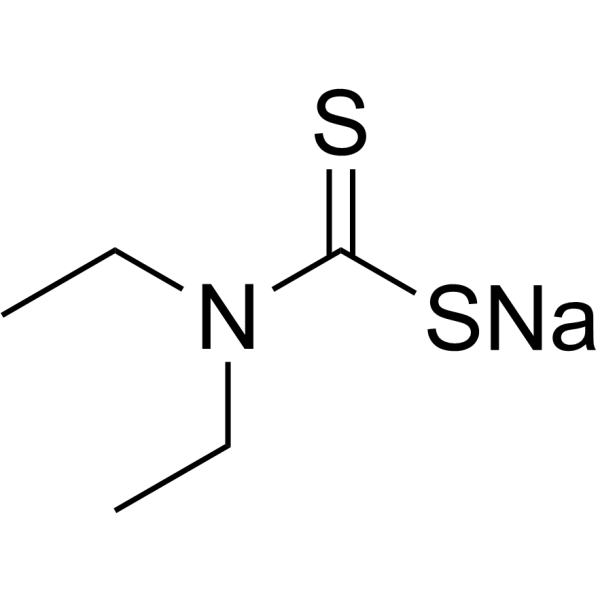
  • HY-B1637
    Ditiocarb sodium
    4 Publications Verification

    Sodium diethyldithiocarbamate

    HIV Biochemical Assay Reagents Infection Inflammation/Immunology Cancer
    Ditiocarb sodium (Sodium diethyldithiocarbamate) is an orally active copper reagent. Ditiocarb sodium exhibits activities such as antioxidation, chelation, anti-tumor effects, immunomodulation, and anti-HIV properties. Ditiocarb sodium can be used in the research of tumors, inflammatory, and immune-related diseases .
    Ditiocarb sodium
  • HY-32350
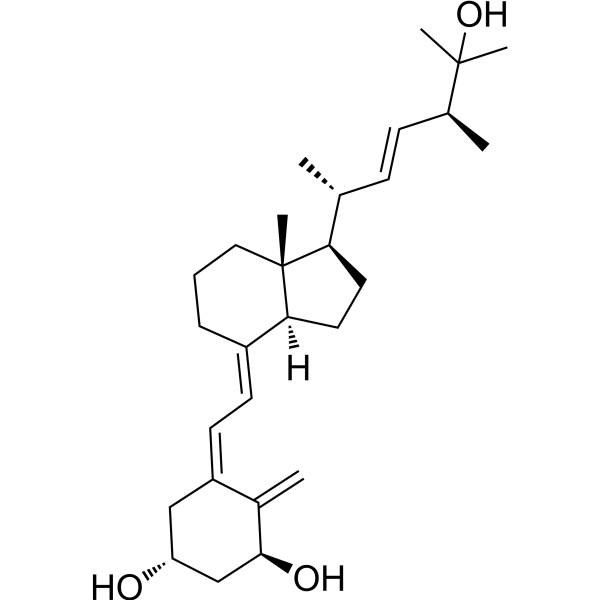
    Ercalcitriol
    3 Publications Verification

    1α,25-Dihydroxy Vitamin D2

    VD/VDR Drug Metabolite Endogenous Metabolite Metabolic Disease
    Ercalcitriol (1α,25-Dihydroxy Vitamin D2) is a vitamin D receptor (VDR) agonist with high binding affinity. After binding to VDR, Ercalcitriol forms a complex with retinoid X receptor (RXR) to regulate target gene transcription. For example, Ercalcitriol induces human gingival/oral epithelial cells to produce human cat antimicrobial peptide (hCAP-18/LL-37), which has antimicrobial activity against periodontal pathogens such as Porphyromonas gingivalis. Ercalcitriol enhances the innate immune defense of the oral mucosa by promoting the expression of antimicrobial peptides, and is mainly used in the study of periodontal diseases and immune-related oral diseases .
    Ercalcitriol
  • HY-B1637A
    Ditiocarb sodium,98%
    4 Publications Verification

    Sodium diethyldithiocarbamate,98%

    HIV Biochemical Assay Reagents Infection Inflammation/Immunology Cancer
    Ditiocarb sodium,98% (Sodium diethyldithiocarbamate,98%) is an orally active copper reagent. Ditiocarb sodium,98% exhibits activities such as antioxidation, chelation, anti-tumor effects, immunomodulation, and anti-HIV properties. Ditiocarb sodium,98% can be used in the research of tumors, inflammatory, and immune-related diseases .
    Ditiocarb sodium,98%
  • HY-N0534

    DNA/RNA Synthesis Apoptosis PI3K Akt Caspase SOD Interleukin Related Cardiovascular Disease Inflammation/Immunology Cancer
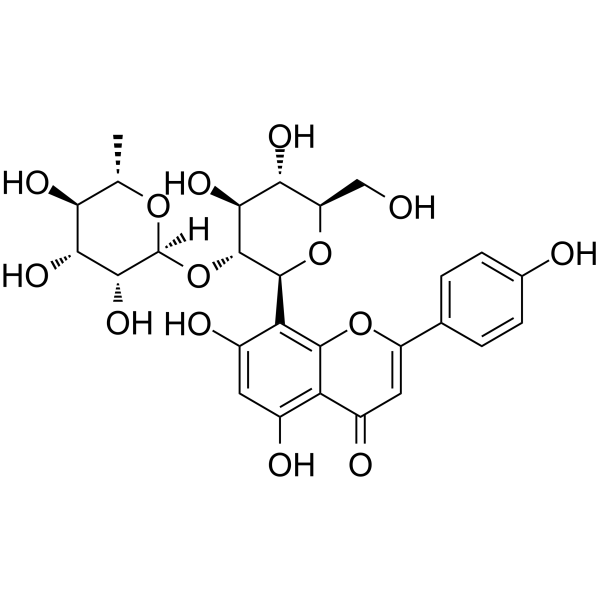
    Vitexin-2"-O-rhamnoside is an orally active flavonoid glycoside. Vitexin-2"-O-rhamnoside inhibits Apoptosis, increases the phosphorylation levels of PI3K/Akt, inhibits caspase-3, SOD activity, and promotes cytokine (IL-2, IL-6, and IL-12) secretion. Vitexin-2"-O-rhamnoside strongly inhibits DNA synthesis in MCF-7 cells with an IC50 of 17.5 μM. Vitexin-2"-O-rhamnoside enhances immune function and improves the absorption of active compounds. Vitexin-2"-O-rhamnoside has antioxidant activity. Vitexin-2"-O-rhamnoside is used in the study of cardiovascular disease and immune-related diseases .
    Vitexin-2
  • HY-168532

    Interleukin Related Inflammation/Immunology
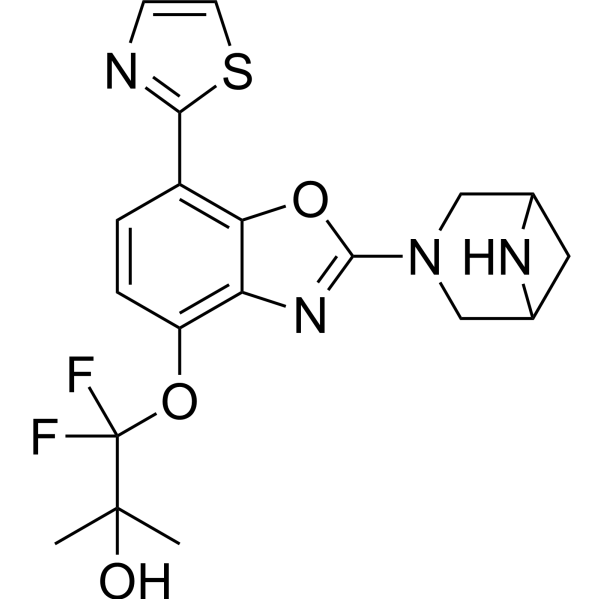
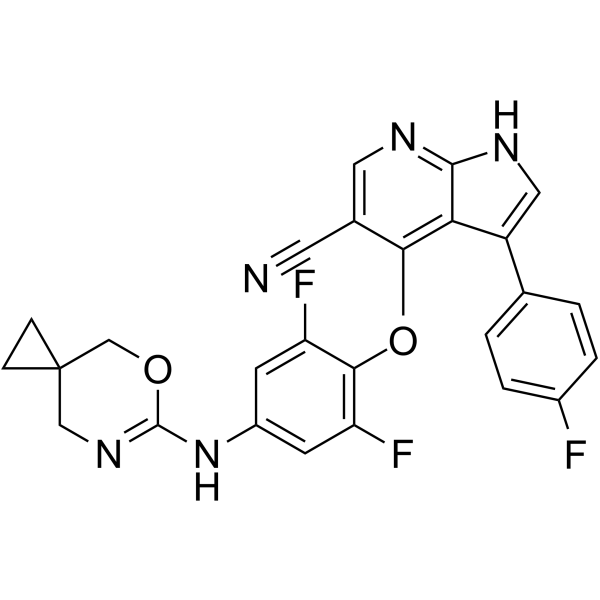
    ST2-IN-1 is a ST2 inhibitor. ST2-IN-1 blocks the binding interaction between ST2 and IL-33, thereby attenuating the downstream ST2/IL-33 signaling pathway. ST2-IN-1 reduces IL-1β release from mast cells and alleviates ST2 upregulation in cells. ST2-IN-1 can be used for research on inflammatory and immune-related diseases .
    ST2-IN-1
  • HY-N7064

    Pyruvate Kinase COX STAT TNF Receptor NO Synthase Interleukin Related HIF/HIF Prolyl-Hydroxylase Cardiovascular Disease Inflammation/Immunology
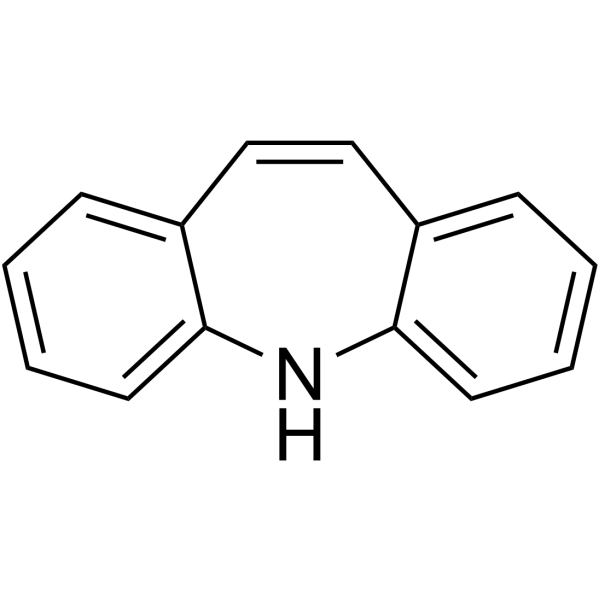
    Iminostilbene is a chemical precursor of carbamazepine. Additionally, Iminostilbene is an orally active inhibitor of PKM2 (Pyruvate Kinase M2) and COX2 (Cyclooxygenase-2). Iminostilbene exerts its effects by inhibiting PKM2 and its interaction with HIF-1α and STAT3, reducing COX2 and iNOS expression, and decreasing LPS-induced release of IL-1β, IL-6, TNF-α, and MCP-1, thereby suppressing macrophage-mediated inflammatory responses and improving myocardial ischemia/reperfusion (MI/R) injury. Iminostilbene holds promise for research in inflammation regulation, cardiovascular diseases (such as MI/R injury), and macrophage-mediated immune-related diseases .
    Iminostilbene
  • HY-172374A

    Potassium Channel Inflammation/Immunology
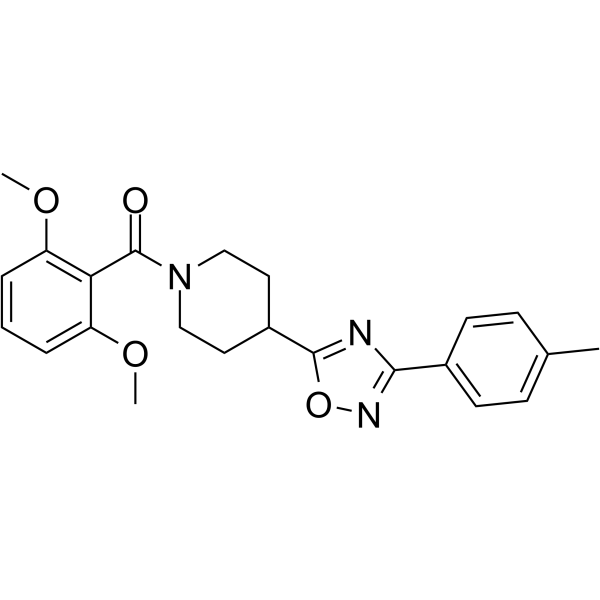
    KV1.3-IN-2 hydrochloride is a kv1.3 potassium channel inhibitor without affecting hERG channel activity. KV1.3-IN-2 hydrochloride can be used in research of immune-related diseases such as psoriasis, rheumatoid arthritis, and systemic lupus erythematosus .
    KV1.3-IN-2 hydrochloride
  • HY-172374

    Potassium Channel Inflammation/Immunology
    KV1.3-IN-2 is a kv1.3 potassium channel inhibitor without affecting hERG channel activity. KV1.3-IN-2 can be used in research of immune-related diseases such as psoriasis, rheumatoid arthritis, and systemic lupus erythematosus .
    KV1.3-IN-2
  • HY-P991114

    FLT3 Inflammation/Immunology
    Adezkibart is a human monoclonal antibody immunosuppressant targeting the human FMS-like tyrosine kinase 3 ligand (FLT3LG). Adezkibart is found in the Chinese hamster ovary cell line CHO-K1, which binds to FLT3LG to block the relevant signaling pathway, inhibits the immune response, and exerts immunosuppressive activity. Adezkibart is promising for research of immune-related diseases .
    Adezkibart
  • HY-176874

    Phosphodiesterase (PDE) Inflammation/Immunology Cancer
    Enpp-1-IN-29 (Compound 1) is a highly selective ectonucleotide pyrophosphatase/phosphodiesterase 1 (ENPP1) inhibitor (IC50=0.05 nM). Enpp-1-IN-29 is promising for research of ENPP1-overexpressing cancers (e.g., breast cancer, head/neck cancer, metastatic chromosome-unstable tumors) and immune-related diseases (e.g., autoimmune disorders, tumor immune evasion) .
    Enpp-1-IN-29
  • HY-110041

    Cannabinoid Receptor Inflammation/Immunology
    L-759656 is a selective cannabinoid CB2 receptor agonist, with the Ki of 11.8 nM for the human CB2 receptor. L-759656 potently inhibits Forskolin (HY-15371)-stimulated cyclic AMP production in Chinese Hamster Ovary (CHO) cells, with an EC50 of 3.1 nM. L-759656 can be used for the study of immune-related diseases and inflammatory diseases .
    L-759656
  • HY-139331

    Proteasome Neurological Disease Inflammation/Immunology Cancer
    20S Proteasome-IN-1 is a 26S proteasome inhibitor extracted from patent WO2006128196A2 compound 2. 20S Proteasome-IN-1 has the potential for cancer, immune-related disorders, inflammation, ischemic conditions, neurodegenerative disorders and other diseases research .
    20S Proteasome-IN-1
  • HY-B1637S

    Sodium diethyldithiocarbamate-d10 sodium

    Isotope-Labeled Compounds HIV Biochemical Assay Reagents Infection Inflammation/Immunology Cancer
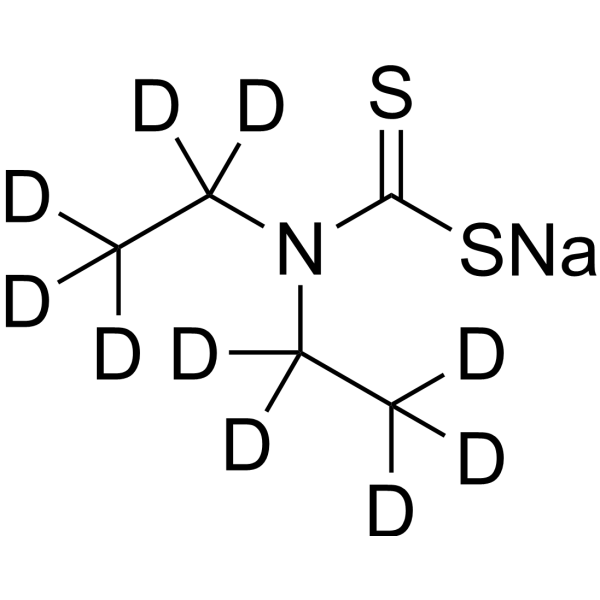
    Ditiocarb-d10 sodium (Sodium diethyldithiocarbamate-d10) is the deuterium labeled Ditiocarb sodium (HY-B1637). Ditiocarb sodium (Sodium diethyldithiocarbamate) is an orally active copper reagent. Ditiocarb sodium exhibits activities such as antioxidation, chelation, anti-tumor effects, immunomodulation, and anti-HIV properties. Ditiocarb sodium can be used in the research of tumors, inflammatory, and immune-related diseases .
    Ditiocarb-d10 sodium
  • HY-159965

    NOD-like Receptor (NLR) RIP kinase Interleukin Related Inflammation/Immunology
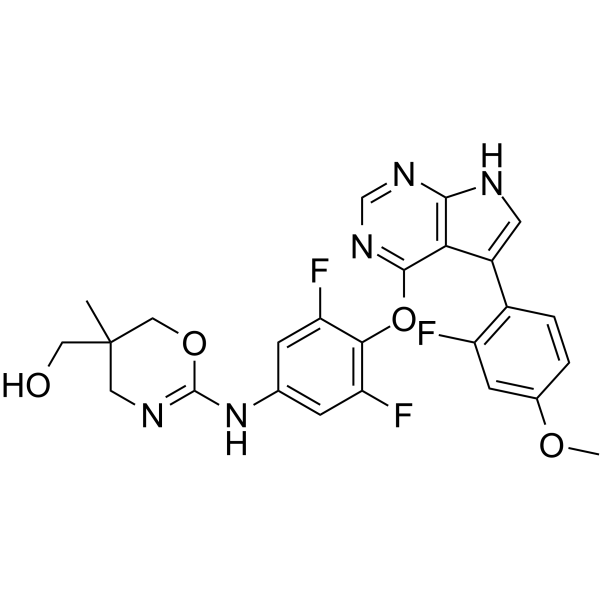
    NOD1-RIPK2-IN-1 (Compound 37) is a NOD1-RIPK2 signaling pathway inhibitor with IC50 values of 42 nM and 1.52 nM for NOD1 and RIPK2, respectively. NOD1-RIPK2-IN-1 reduces the secretion of the pro-inflammatory cytokine IL-8 and can be used in the research of inflammation and immune-related diseases .
    NOD1-RIPK2-IN-1
  • HY-143869

    MAP4K Cancer
    HPK1-IN-28 is a potent inhibitor of HPK1. Hematopoietic progenitor kinase 1 (HPK1) is a negative regulator of the activation response of dendritic cells (DCs), T cells and B cells. HPK1-IN-28 enhances the body's anti-tumor immunity. HPK1-IN-28 has the potential for the research of immune-related diseases, especially tumor (extracted from patent WO2021175270A1, compound 1) .
    HPK1-IN-28
  • HY-143870

    MAP4K Cancer
    HPK1-IN-29 is a potent inhibitor of HPK1. Hematopoietic progenitor kinase 1 (HPK1) is a negative regulator of the activation response of dendritic cells (DCs), T cells and B cells. HPK1-IN-29 enhances the body's anti-tumor immunity. HPK1-IN-29 has the potential for the research of immune-related diseases, especially tumor (extracted from patent WO2021175270A1, compound 38) .
    HPK1-IN-29
  • HY-137312

    SKF 40383-A

    Adrenergic Receptor Inflammation/Immunology
    Carbuterol (SKF 40383-A) is a selective β2-adrenergic receptor agonist that primarily targets bronchial smooth muscle, exhibiting significant bronchodilatory and anti-allergic activity. Carbuterol can directly inhibit the immunologically induced release of histamine and slow-reacting substance of anaphylaxis (SRS-A), thereby alleviating allergic responses. Carbuterol exerts mild β1-mediated cardiac stimulation and is applicable to studies related to respiratory and immune-related diseases such as asthma and allergic disorders .
    Carbuterol
  • HY-137312A

    SKF 40383-A hydrochloride

    Adrenergic Receptor Inflammation/Immunology
    Carbuterol (SKF 40383-A) hydrochloride is a selective β2-adrenergic receptor agonist that primarily targets bronchial smooth muscle, exhibiting significant bronchodilatory and anti-allergic activity. Carbuterol hydrochloride can directly inhibit the immunologically induced release of histamine and slow-reacting substance of anaphylaxis (SRS-A), thereby alleviating allergic responses. In addition, it exerts mild β1-mediated cardiac stimulation and is applicable to studies related to respiratory and immune-related diseases such as asthma and allergic disorders .
    Carbuterol hydrochloride
  • HY-W753956

    Isotope-Labeled Compounds Interleukin Related Pyruvate Kinase COX STAT TNF Receptor HIF/HIF Prolyl-Hydroxylase NO Synthase Inflammation/Immunology
    Iminostilbene-d10 is the deuterium labeled Iminostilbene (HY-N7064). Iminostilbene is a chemical precursor of carbamazepine. Additionally, Iminostilbene is an orally active inhibitor of PKM2 (Pyruvate Kinase M2) and COX2 (Cyclooxygenase-2). Iminostilbene exerts its effects by inhibiting PKM2 and its interaction with HIF-1α and STAT3, reducing COX2 and iNOS expression, and decreasing LPS-induced release of IL-1β, IL-6, TNF-α, and MCP-1, thereby suppressing macrophage-mediated inflammatory responses and improving myocardial ischemia/reperfusion (MI/R) injury. Iminostilbene holds promise for research in inflammation regulation, cardiovascular diseases (such as MI/R injury), and macrophage-mediated immune-related diseases .
    Iminostilbene-d10
  • HY-32350S1

    1α,25-Dihydroxy Vitamin D2-d3

    Isotope-Labeled Compounds Endogenous Metabolite VD/VDR Metabolic Disease
    Ercalcitriol-d3 (1α,25-Dihydroxy Vitamin D2-d3) is the deuterium labeled Ercalcitriol (HY-32350). Ercalcitriol (1α,25-Dihydroxy Vitamin D2) is a vitamin D receptor (VDR) agonist with high binding affinity. After binding to VDR, Ercalcitriol forms a complex with retinoid X receptor (RXR) to regulate target gene transcription. For example, Ercalcitriol induces human gingival/oral epithelial cells to produce human cat antimicrobial peptide (hCAP-18/LL-37), which has antimicrobial activity against periodontal pathogens such as Porphyromonas gingivalis. Ercalcitriol enhances the innate immune defense of the oral mucosa by promoting the expression of antimicrobial peptides, and is mainly used in the study of periodontal diseases and immune-related oral diseases .
    Ercalcitriol-d3
  • HY-175841

    Tau Protein p38 MAPK NF-κB Apoptosis Bcl-2 Family ERK JNK Neurological Disease
    Tau Protein Phosphorylation-IN-1 is a tau protein phosphorylation inhibitor that potently protects PC12 cells against Aβ25–35-induced cytotoxicity (EC50 = 1.93 μM), and can penetrate the blood-brain barrier (BBB).Tau Protein Phosphorylation-IN-1 reverses the hyperphosphorylation of tau, significantly inhibits the expression of certain immune-related cytotoxic factors, suppresses the MAPK and NF-κB signaling pathways, and significantly inhibits the expression of RAGE and the apoptosis factors Bax/Bcl-2, both in vitro and in vivo. Tau Protein Phosphorylation-IN-1 relieves nerve damage, and improves learning and memory in an Alzheimer’s disease (AD) mouse model. Tau Protein Phosphorylation-IN-1 can be used for AD research .
    Tau Protein Phosphorylation-IN-1
  • HY-N0534R

    Reference Standards DNA/RNA Synthesis Apoptosis PI3K Akt Caspase SOD Interleukin Related Cardiovascular Disease Inflammation/Immunology Cancer
    Vitexin-2"-O-rhamnoside (Standard) is the analytical standard of Vitexin-2"-O-rhamnoside (HY-N0534). This product is intended for research and analytical applications. Vitexin-2"-O-rhamnoside is an orally active flavonoid glycoside. Vitexin-2"-O-rhamnoside inhibits Apoptosis, increases the phosphorylation levels of PI3K/Akt, inhibits caspase-3, SOD activity, and promotes cytokine (IL-2, IL-6, and IL-12) secretion. Vitexin-2"-O-rhamnoside strongly inhibits DNA synthesis in MCF-7 cells with an IC50 of 17.5 μM. Vitexin-2"-O-rhamnoside enhances immune function and improves the absorption of active compounds. Vitexin-2"-O-rhamnoside has antioxidant activity. Vitexin-2"-O-rhamnoside is used in the study of cardiovascular disease and immune-related diseases .
    Vitexin-2
  • HY-181475

    Drug Derivative Inflammation/Immunology
    8,12-Iso-iPF2α-VI-1,5-lactone is a racemic mixture of the lactone form of the free acid 8,12-iso-iPF2α-VI, and is used in studies of immune-related diseases .
    8,12-Iso-iPF2α-VI-1,5-lactone
  • HY-153694

    Cannabinoid Receptor Neurological Disease Inflammation/Immunology
    CB2R agonist-5 is a selective CB2R agonist with an EC50 of 48.74 nM. CB2R agonist-5 can be used for the research of pain and immune-related diseases .
    CB2R agonist-5
  • HY-164133

    E1/E2/E3 Enzyme Drug-Linker Conjugates for ADC Inflammation/Immunology
    SM00465 (Compound 207) is a Cbl-b inhibitor-linker conjugate composed of INT4 (HY-179262) and Linker (HY-179263). SM00465 can be used for ADC synthesis. SM00465 is applicable to the research of immune-related diseases .
    SM00465
  • HY-153693

    Cannabinoid Receptor Neurological Disease Inflammation/Immunology
    CB2 receptor agonist 4 (Compound 8) is a highly selective cannabinoid receptor type 2 (CB2 Receptor) agonist with an EC50 of 13.99 nM. CB2 receptor agonist 4 shows no significant activity against cannabinoid receptor type 1. CB2 receptor agonist 4 can be used for the research of pain and immune-related diseases .
    CB2 receptor agonist 4
  • HY-179680

    RIP kinase Necroptosis Mixed Lineage Kinase Lactate Dehydrogenase Interleukin Related Inflammation/Immunology
    RIPK1-IN-38 is an orally active RIPK1 inhibitor with an IC50 value of 27 nM. RIPK1-IN-38 can inhibit the phosphorylation of RIPK1 and its downstream signaling molecules RIPK3 and MLKL. RIPK1-IN-38 exhibits anti-necroptotic activity. RIPK1-IN-38 has excellent anti-inflammatory efficacy in both the SIRS model and GVHD model. RIPK1-IN-38 can be used for the research of inflammatory and immune-related diseases .
    RIPK1-IN-38
  • HY-P992380

    PD-1/PD-L1 Neurological Disease
    IBC-Ab002 is a humanized anti-PD-L1 monoclonal antibody with a modified Fc backbone that shortens its circulating half-life. IBC-Ab002 inhibits PD-L1, triggers immune responses by blocking the PD-1/PD-L1 pathway, promotes the recruitment of myeloid-derived immune cells to the brain, enhances the clearance of toxic substances in the brain, improves neuronal function and reduces inflammation. IBC-Ab002 reduces the risk of accelerated onset of autoimmune diabetes in susceptible mice. IBC-Ab002 can be used in research related to Alzheimer's disease .
    IBC-Ab002

Inquiry Online

Your information is safe with us. * Required Fields.

Salutation


Country or Region *

Applicant Name *


Organization Name *

Department *


Email Address *


Product Name *

Cat. No.


Requested quantity *

Phone Number *


Remarks

Inquiry Online

Inquiry Information

Product Name:
Cat. No.:
Quantity:
MCE Japan Authorized Agent:

