31 Results for "

inflammatory disorders of the skin

" in MedChemExpress (MCE) Product Catalog:
Products (31)

31 Results for "inflammatory disorders of the skin" in MCE Product Catalog:

5
5 Cited Publications
Cat. No.: HY-145191
CAS No.: 2642162-06-7
Purity:  99.80%
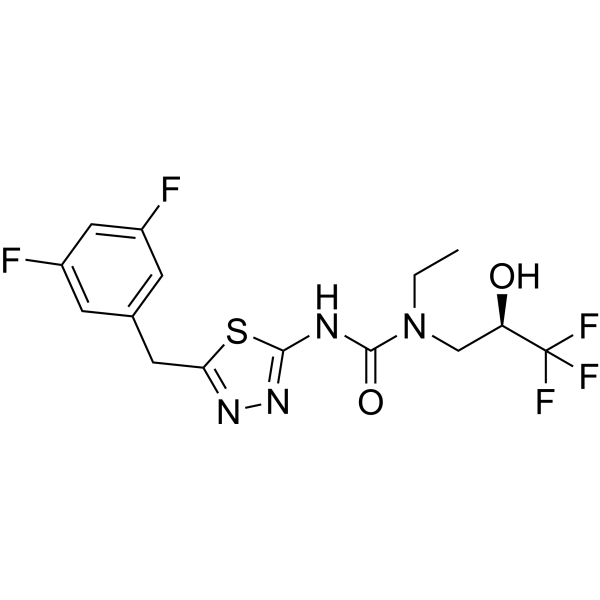
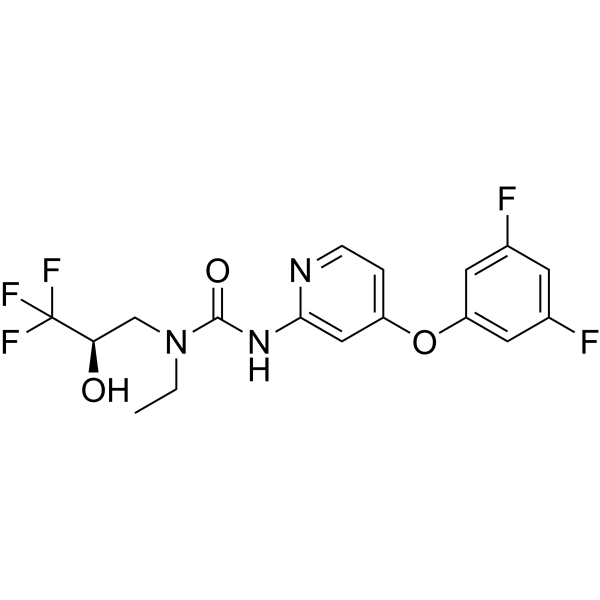
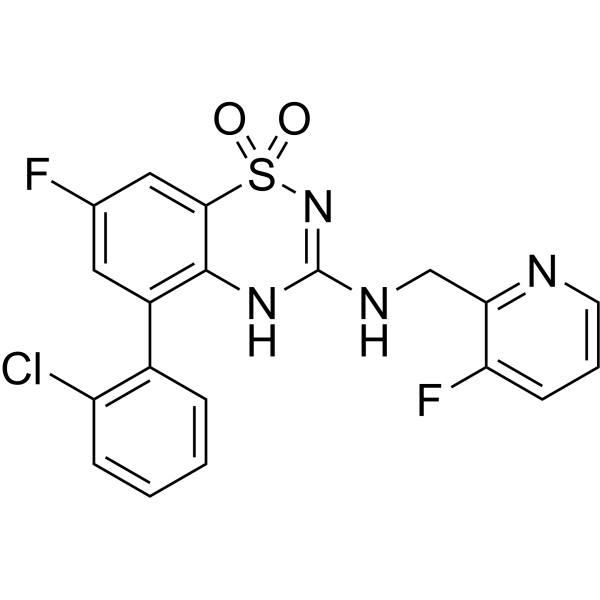
MrgprX2 antagonist-1 is an MrgprX2 antagonist extracted from patent WO2021092264A1, example E23. MrgprX2 antagonist-1 can be used for the research of inflammatory disorders of the skin .
loading...
    loading...
2
2 Cited Publications
Cat. No.: HY-N0113
CAS No.: 539-15-1
Synonyms: Ordenina; Peyocactine
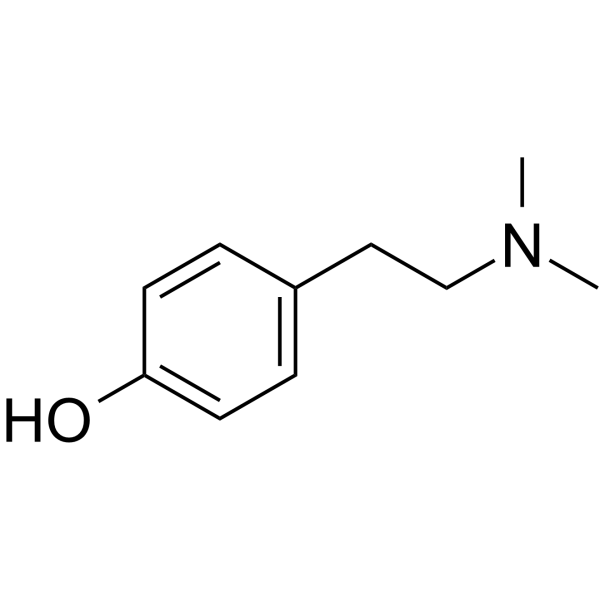
Hordenine (Ordenina; Peyocactine) is a multifunctional alkaloid with oral activity and blood-brain barrier penetration. Hordenine inhibits LPS-induced phosphorylation of p38, JNK, ERK1/2, p65, IκB, and AKT, prevents p65 nuclear translocation, and suppresses inflammatory cytokines and mediators. Hordenine promotes M2 macrophage polarization, restores blood-milk barrier integrity, alleviates oxidative stress by reducing ROS and MDA, and attenuates LPS-induced lung injury and pulmonary edema. Hordenine inhibits cAMP production, CREB phosphorylation, and MITF expression, thereby suppressing melanin synthesis in melanocytes and reconstructed epidermis. Hordenine activates the Wnt/β-catenin signaling pathway, promotes dermal papilla cell proliferation and hair shaft elongation, and accelerates hair regeneration. Hordenine activates DRD2, acts as a D3R partial agonist, α2A-AR full agonist, and 5-HT2A-R antagonist, and inhibits SERT and DAT. Hordenine inhibits α-synuclein accumulation and ameliorates motor deficits in Parkinson's disease models. Hordenine limits alcohol intake, reduces relapse drinking behavior, and modulates alcohol-induced conditioned place preference. Hordenine can be used for research on mastitis, skin pigmentation, acute lung injury, foodborne diseases, hair loss, Parkinson's disease, bacterial infections, and alcohol use disorder .
loading...
    loading...
2
2 Cited Publications
Cat. No.: HY-103025
CAS No.: 86401-95-8
Purity:  99.82%
Synonyms: ZK 91588; MPA
Research Areas:  

Inflammation/Immunology

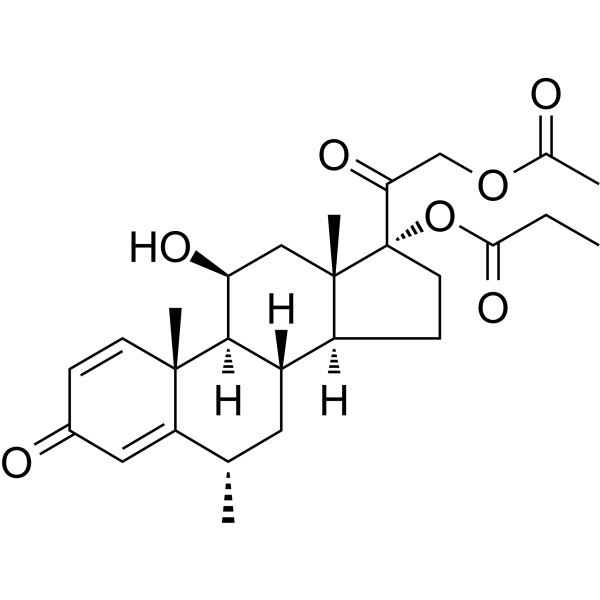
Methylprednisolone aceponate (ZK 91588) is a glucocorticoid and anti-inflammatory agent with weak systemic effects. Methylprednisolone aceponate is a selective glucocorticoid receptor Ligand.Methylprednisolone aceponate can be used for research of eczema and other inflammatory skin disorders .
loading...
    loading...
2
2 Cited Publications
Cat. No.: HY-N0113B
CAS No.: 6027-23-2
Synonyms: Ordenina hydrochloride; Peyocactine hydrochloride
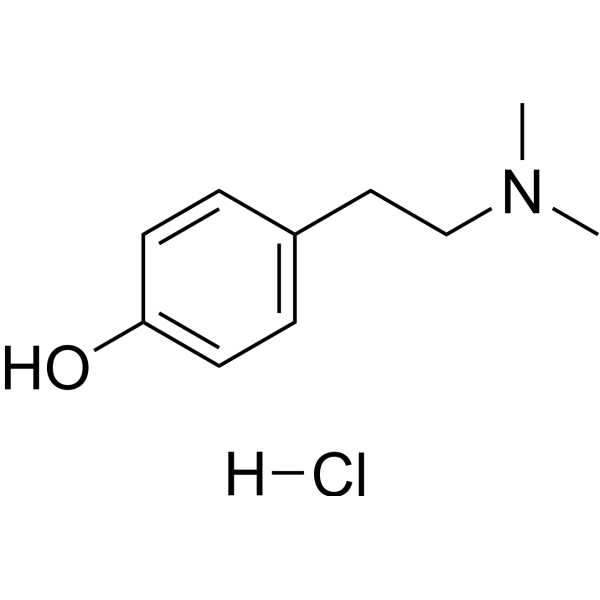
Hordenine hydrochloride (Ordenina hydrochloride; Peyocactine hydrochloride) is a multifunctional alkaloid with oral activity and blood-brain barrier penetration. Hordenine hydrochloride inhibits LPS-induced phosphorylation of p38, JNK, ERK1/2, p65, IκB, and AKT, prevents p65 nuclear translocation, and suppresses inflammatory cytokines and mediators. Hordenine hydrochloride promotes M2 macrophage polarization, restores blood-milk barrier integrity, alleviates oxidative stress by reducing ROS and MDA, and attenuates LPS-induced lung injury and pulmonary edema. Hordenine hydrochloride inhibits cAMP production, CREB phosphorylation, and MITF expression, thereby suppressing melanin synthesis in melanocytes and reconstructed epidermis. Hordenine hydrochloride activates the Wnt/β-catenin signaling pathway, promotes dermal papilla cell proliferation and hair shaft elongation, and accelerates hair regeneration. Hordenine hydrochloride activates DRD2, acts as a D3R partial agonist, α2A-AR full agonist, and 5-HT2A-R antagonist, and inhibits SERT and DAT. Hordenine hydrochloride inhibits α-synuclein accumulation and ameliorates motor deficits in Parkinson's disease models. Hordenine hydrochloride limits alcohol intake, reduces relapse drinking behavior, and modulates alcohol-induced conditioned place preference. Hordenine hydrochloride can be used for research on mastitis, skin pigmentation, acute lung injury, foodborne diseases, hair loss, Parkinson's disease, bacterial infections, and alcohol use disorder .
loading...
    loading...
1
1 Cited Publications
Cat. No.: HY-106673
CAS No.: 72590-77-3
Purity:  99.29%
Synonyms: Hydrocortisone probutate; HBP
Research Areas:  

Inflammation/Immunology

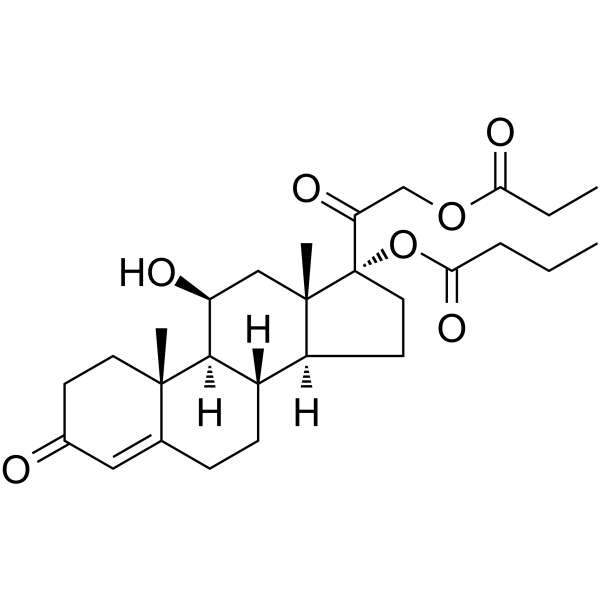
Hydrocortisone buteprate (Hydrocortisone probutate) is a medium potent, non-halogenated double-ester of hydrocortisone with a favorable benefit/risk ratio for the treatment of inflammatory skin disorders. Hydrocortisone buteprate (Hydrocortisone probutate) is available as a 0.1% cream or ointment formulation .
loading...
    loading...
1
1 Cited Publications
Cat. No.: HY-P1722
CAS No.: 129176-97-2
Target:  

Neurokinin Receptor

Research Areas:  

Inflammation/Immunology

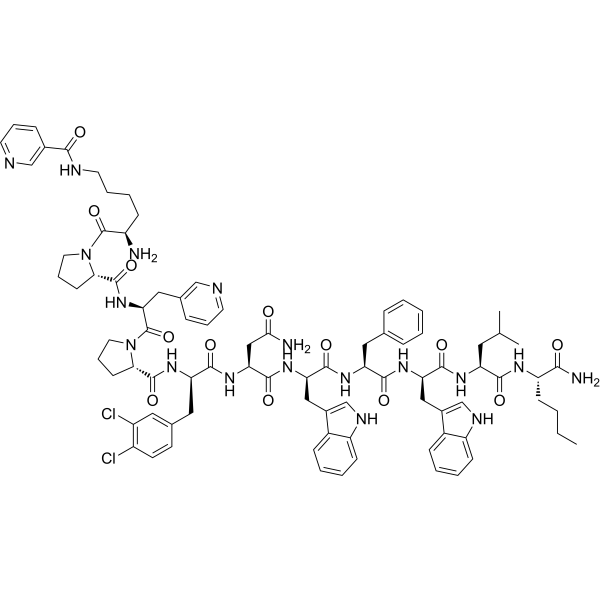
Spantide II, an undecapeptide substance P (SP) analog, is a potent neurokinin-1 receptor (NK-1R) antagonist. Spantide II binds with NK-1R and blocks proinflammatory activities associated with SP. Spantide II can be used in the research of inflammatory skin disorders, such as psoriasis and contact dermatitis .
loading...
    loading...
Cat. No.: HY-145192
CAS No.: 2642346-30-1
Purity:  99.20%
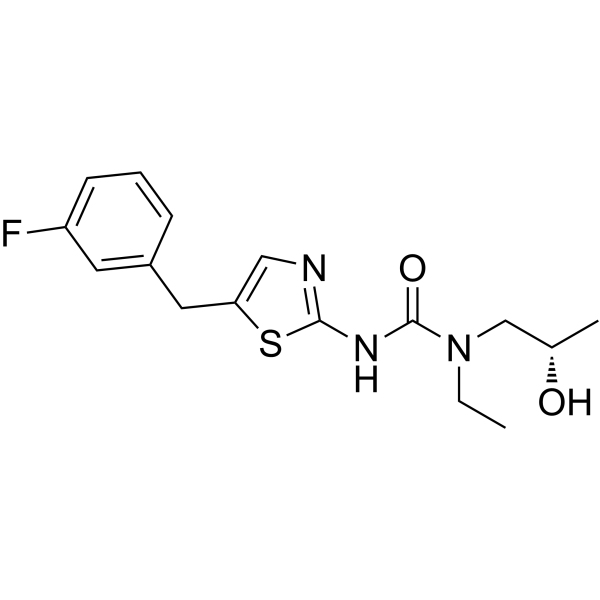
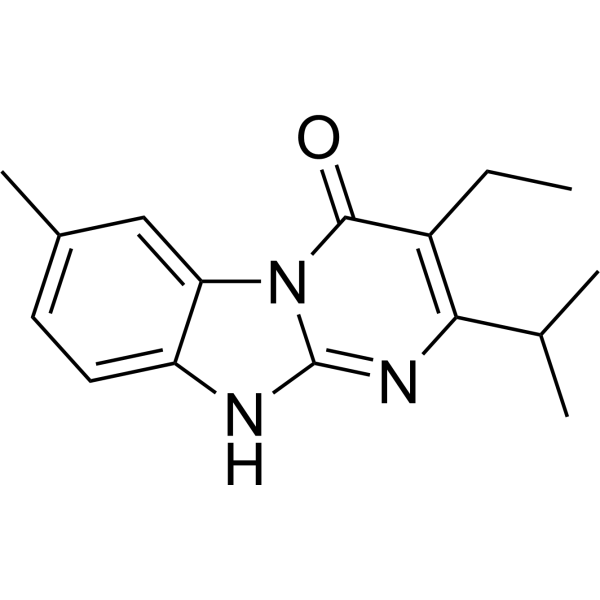
MrgprX2 antagonist-2 is an MrgprX2 antagonist extracted from patent WO2021092262A1, example E163. MrgprX2 antagonist-2 can be used for the research of inflammatory disorders of the skin .
loading...
    loading...
Cat. No.: HY-145193
CAS No.: 2642174-19-2
Purity:  99.73%
MrgprX2 antagonist-3 is an MrgprX2 antagonist extracted from patent WO2021092240A1, example E117. MrgprX2 antagonist-3 can be used for the research of inflammatory disorders of the skin .
loading...
    loading...
Cat. No.: HY-145195
CAS No.: 2527815-74-1
Purity:  ≥98.0%
MrgprX2 antagonist-5 is an MrgprX2 antagonist extracted from patent WO2020223255A1, example 16. MrgprX2 antagonist-5 can be used for the research of inflammatory disorders of the skin .
loading...
    loading...
Cat. No.: HY-B0485
CAS No.: 356-12-7
Fluocinonide (Vanos) is a potent glucocorticoid steroid used topically as anti-inflammatory agent for the treatment of skin disorders.
loading...
    loading...
Cat. No.: HY-145194
CAS No.: 2641398-04-9
Purity:  99.85%
MrgprX2 antagonist-4 is an MrgprX2 antagonist extracted from patent US20210128561A1, compound B-51 E117. MrgprX2 antagonist-4 can be used for the research of inflammatory disorders of the skin .
loading...
    loading...
Cat. No.: HY-N1775
CAS No.: 1197-09-7
Synonyms: 3,4-DHAP
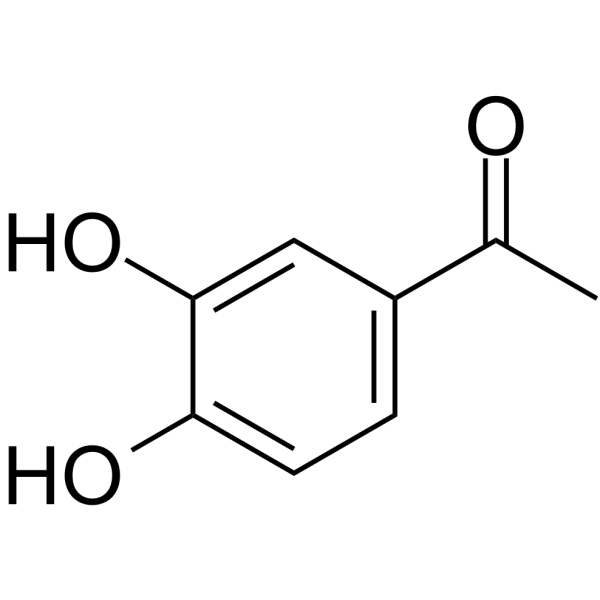
3',4'-Dihydroxyacetophenone (3,4-DHAP) is a phenolic compound with oral bioavailability, possessing potent antioxidant, anti-inflammatory, anticancer and cardiovascular protective activities. 3',4'-Dihydroxyacetophenone inhibits mushroom Tyrosinase activity with an IC50 of 10 μM, thereby suppressing melanogenesis . 3',4'-Dihydroxyacetophenone inhibits platelet aggregation in platelet-rich plasma. 3',4'-Dihydroxyacetophenone reduces ROS levels in human umbilical vein endothelial cells treated with high glucose, upregulates the expression of Nrf2, HO-1 and PARP-1 in cells, and promotes the nuclear translocation of Nrf2 . 3',4'-Dihydroxyacetophenone induces autophagy and apoptosis. 3',4'-Dihydroxyacetophenone inhibits seed germination/growth in most plants. 3',4'-Dihydroxyacetophenone can be used in the research of cancer, neurodegenerative diseases, non-alcoholic steatohepatitis, diabetes, obesity, skin pigmentation disorders, and cardiovascular and cerebrovascular diseases .
loading...
    loading...
Cat. No.: HY-N8593
CAS No.: 1120-21-4
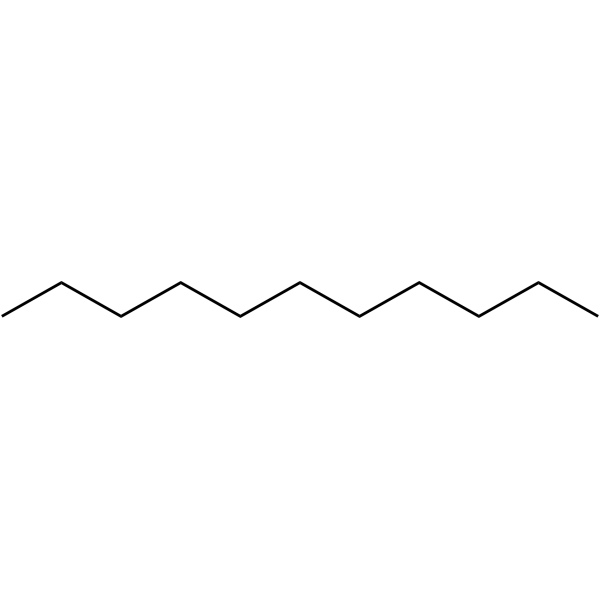
Undecane is a potent cAMP agonist with anti-allergic and anti-inflammatory activities. Undecane inhibits degranulation and the secretion of histamine and TNF-α. Undecane reverses the increased levels of p38 phosphorylation, NF-κB transcriptional activity and target cytokine/chemokine genes, including thymus and activation-regulated chemokine (TARC), macrophage-derived chemokine (MDC) and interleukin-8 (IL-8). Undecane can be used for the study of skin inflammatory disorders, such as atopic dermatitis .
loading...
    loading...
Cat. No.: HY-107961
CAS No.: 33564-31-7
Purity:  99.86%
Research Areas:  

Inflammation/Immunology

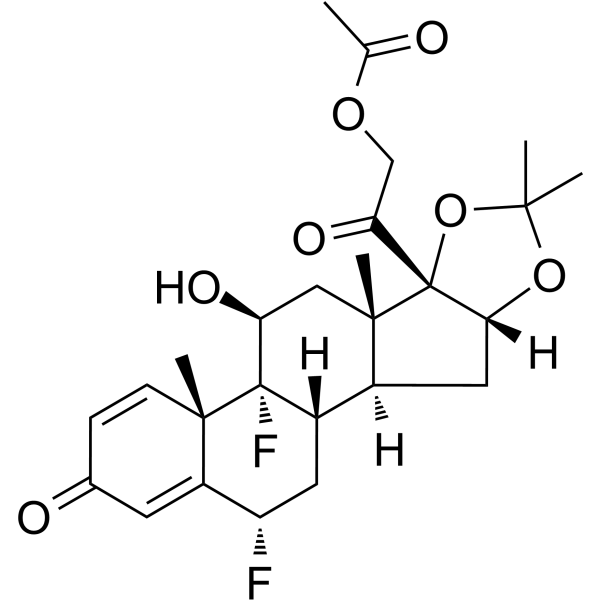
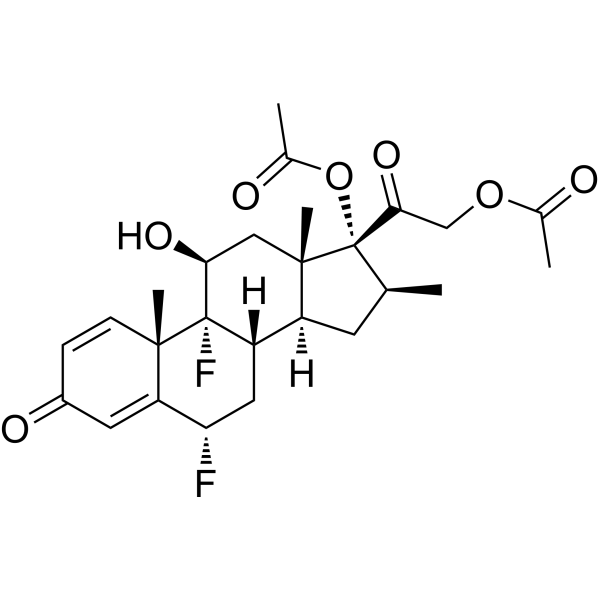
Diflorasone diacetate is an anti-inflammatory steroid compound used as locally or topically agent. Diflorasone diacetate is being used for skin disorders to control corticosteroid-responsive dermatoses .
loading...
    loading...
Cat. No.: HY-116640
CAS No.: 4208-09-7
Amorphigenin is a trothotenone compound. Amorphigenin inhibits osteoclast differentiation by suppressing the expression of c-Fos and NFATc1 in activated T cells. Amorphigenin degrades melanosome proteins by activating the AMPK-dependent autophagy pathway, but not in dependence of the mTOR pathway. Amorphigenin significantly protects bone mass and reduces bone erosion in a mouse model of inflammatory bone loss. Amorphigenin can be used to study inflammatory bone diseases, postmenopausal osteoporosis, and skin pigmentation disorders .
loading...
    loading...
Cat. No.: HY-N0113S
CAS No.: 1346598-66-0
Synonyms: Ordenina-d6; Peyocactine-d6
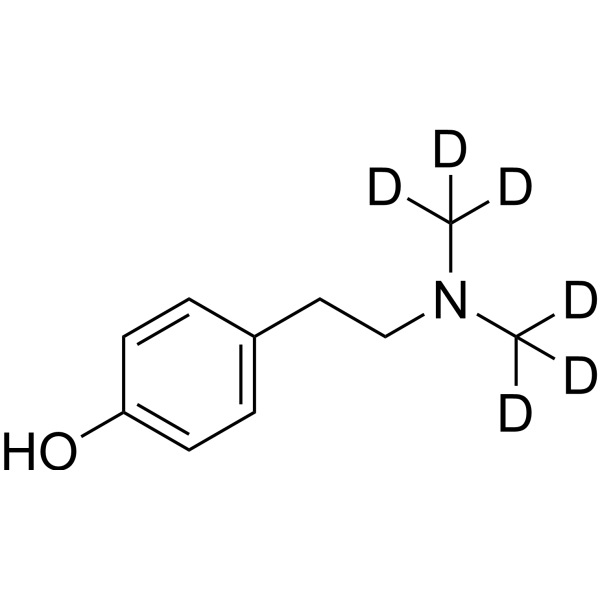
Hordenine-d6 (Ordenina-d6; Peyocactine-d6) is the deuterated-labeled Hordenine (HY-N0113). Hordenine (Ordenina; Peyocactine) is a multifunctional alkaloid with oral activity and blood-brain barrier penetration. Hordenine inhibits LPS-induced phosphorylation of p38, JNK, ERK1/2, p65, IκB, and AKT, prevents p65 nuclear translocation, and suppresses inflammatory cytokines and mediators. Hordenine promotes M2 macrophage polarization, restores blood-milk barrier integrity, alleviates oxidative stress by reducing ROS and MDA, and attenuates LPS-induced lung injury and pulmonary edema. Hordenine inhibits cAMP production, CREB phosphorylation, and MITF expression, thereby suppressing melanin synthesis in melanocytes and reconstructed epidermis. Hordenine activates the Wnt/β-catenin signaling pathway, promotes dermal papilla cell proliferation and hair shaft elongation, and accelerates hair regeneration. Hordenine activates DRD2, acts as a D3R partial agonist, α2A-AR full agonist, and 5-HT2A-R antagonist, and inhibits SERT and DAT. Hordenine inhibits α-synuclein accumulation and ameliorates motor deficits in Parkinson's disease models. Hordenine limits alcohol intake, reduces relapse drinking behavior, and modulates alcohol-induced conditioned place preference. Hordenine can be used for research on mastitis, skin pigmentation, acute lung injury, foodborne diseases, hair loss, Parkinson's disease, bacterial infections, and alcohol use disorder .
loading...
    loading...
Cat. No.: HY-185727
CAS No.: 2642174-86-3
MrgprX2 antagonist-12 is a human MrgprX2 antagonist with a target pIC50 of 8.7. MrgprX2 antagonist-12 can be used for the research of inflammatory disorders, e.g., inflammatory disorders of the skin .
loading...
    loading...
Cat. No.: HY-Z8025
CAS No.: 20423-99-8
Target:  

Bacterial

Research Areas:  

Infection Inflammation/Immunology

Deprodone is an active compound. Deprodone inhibits key processes such as bacterial cell wall synthesis by interacting with the hydrolase and transferase proteins of methicillin-resistant Staphylococcus aureus (MRSA). Deprodone is used in research on anti-MRSA infection, inflammatory skin disorders, bowel disease, and fatty acid metabolism disorders .
loading...
    loading...
Cat. No.: HY-107961R
CAS No.: 33564-31-7
Diflorasone diacetate (Standard) is the analytical standard of Diflorasone diacetate. This product is intended for research and analytical applications. Diflorasone diacetate is an anti-inflammatory steroid compound used as locally or topically agent. Diflorasone diacetate is being used for skin disorders to control corticosteroid-responsive dermatoses .
loading...
    loading...
Cat. No.: HY-103025R
CAS No.: 86401-95-8
Synonyms: ZK 91588 (Standard); MPA (Standard)
Methylprednisolone aceponate (Standard) is the analytical standard of Methylprednisolone aceponate. This product is intended for research and analytical applications. Methylprednisolone aceponate (ZK 91588) is a glucocorticoid and anti-inflammatory agent with weak systemic effects. Methylprednisolone aceponate is a selective glucocorticoid receptor Ligand.Methylprednisolone aceponate can be used for research of eczema and other inflammatory skin disorders .
loading...
    loading...

