
33 Results for "

knock-out mice

" in MedChemExpress (MCE) Product Catalog:
Products (33)

33 Results for "knock-out mice" in MCE Product Catalog:

270
270 Publications Verification
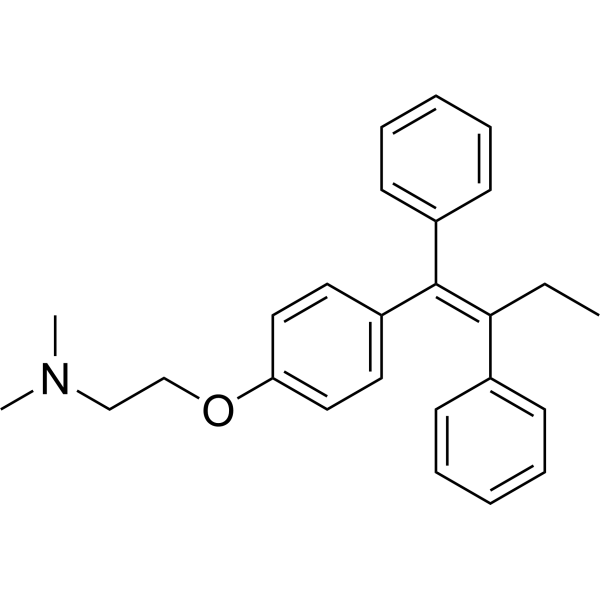
Cat. No.: HY-13757A
CAS No.: 10540-29-1
Purity:  99.78%
Synonyms: ICI 47699; (Z)-Tamoxifen; trans-Tamoxifen
Tamoxifen (ICI 47699) is an orally active, selective estrogen receptor modulator (SERM) which blocks estrogen action in breast cells and can activate estrogen activity in other cells, such as bone, liver, and uterine cells. Tamoxifen is a potent Hsp90 activator and enhances the Hsp90 molecular chaperone ATPase activity. Tamoxifen also potent inhibits infectious EBOV Zaire and Marburg (MARV) with IC50 of 0.1 μM and 1.8 μM, respectively. Tamoxifen activates autophagy and induces apoptosis. Tamoxifen can also be dissolved in corn oil (HY-Y1888) for use in inducing gene knockout in CreER transgenic mice. Tamoxifen has better solubility in corn oil compared to Tamoxifen Citrate (HY-13757) .
loading...
    loading...
270
270 Publications Verification
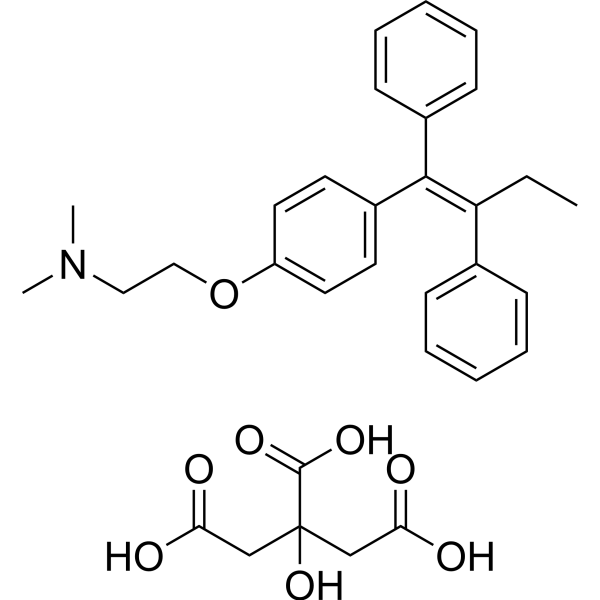
Cat. No.: HY-13757
CAS No.: 54965-24-1
Purity:  99.93%
Synonyms: ICI 46474; (Z)-Tamoxifen Citrate; trans-Tamoxifen Citrate
Tamoxifen Citrate (ICI 46474) is an orally active, selective estrogen receptor modulator (SERM) which blocks estrogen action in breast cells and can activate estrogen activity in other cells, such as bone, liver, and uterine cells.Tamoxifen Citrate is a potent Hsp90 activator and enhances the Hsp90 molecular chaperone ATPase activity. Tamoxifen Citrate also potent inhibits infectious EBOV Zaire and Marburg (MARV) with IC50 of 0.1 μM and 1.8 μM, respectively. Tamoxifen Citrate activates autophagy and induces apoptosis. Tamoxifen Citrate can also be used to induce gene knockout in CreER transgenic mice .
loading...
    loading...
59
59 Cited Publications
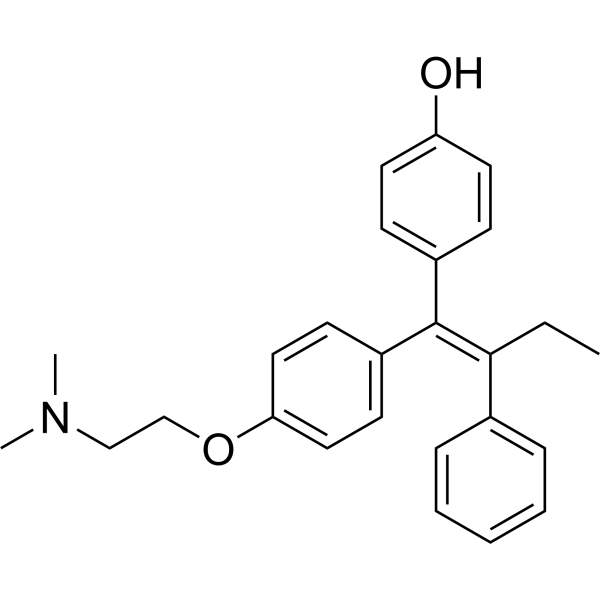
Cat. No.: HY-16950
CAS No.: 68047-06-3
Synonyms: (Z)-4-Hydroxytamoxifen; trans-4-Hydroxytamoxifen; (Z)-Afimoxifene
Target:  

Estrogen Receptor/ERR

Research Areas:  

Cancer

4-Hydroxytamoxifen ((Z)-4-Hydroxytamoxifen) is an orally active, selective estrogen receptor modulator (SERM). 4-Hydroxytamoxifen ((Z)-4-Hydroxytamoxifen) is also the active metabolic form of Tamoxifen (HY-13757A) in vivo and can be used to induce gene knockout in transgenic mice expressing CreER .
loading...
    loading...
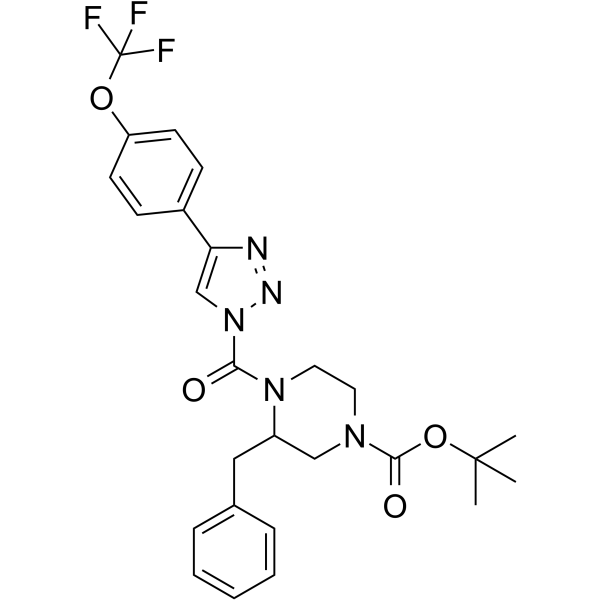
5
5 Cited Publications
Cat. No.: HY-117771
CAS No.: 1848233-58-8
Purity:  99.30%
Target:  

DAGL

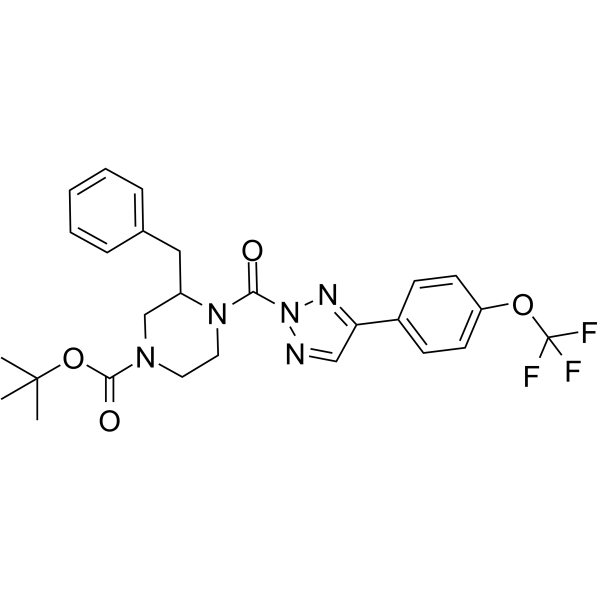
DO34 is a selective DAGL inhibitor, with an IC50 of 6 nM for DAGLα conversion of SAG to 2-AG. DO34 blocks de novo 2-AG synthesis, and suppresses tonic CB1 receptor activation. DO34 blocks depolarization-induced suppression of excitation and inhibition in the cerebellum and hippocampus. DO34 regulates feeding behavior and locomotor activity in mice. DO34 abolishes AM251-mediated enhancement of parallel fiber-evoked excitatory postsynaptic currents in cerebellar slices from MAGL global knockout mice. DO34 can be used for the research of energy balance disorder and neuroinflammation .
loading...
    loading...
2
2 Cited Publications
Cat. No.: HY-107818
CAS No.: 20426-12-4
Purity:  98.64%
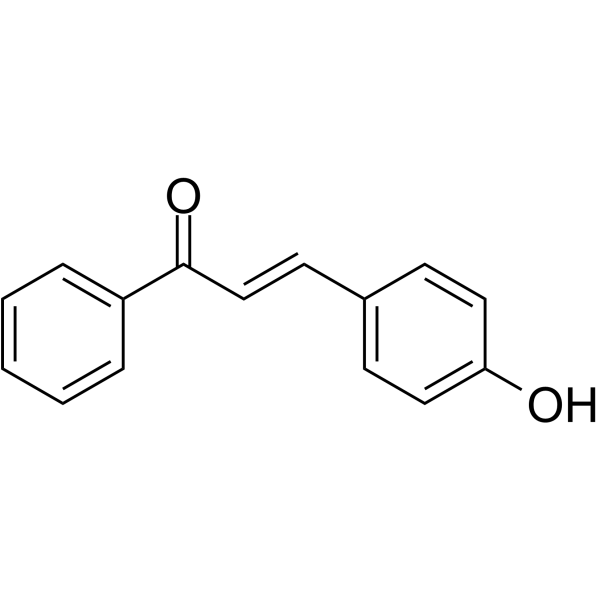
4-Hydroxychalcone is an orally active flavonoid precursor. 4-Hydroxychalcone inhibits VEGF- and bFGF-induced phosphorylation of ERK1/2 and Akt. 4-Hydroxychalcone suppresses resistant hypertension by alleviating hyperaldosteronism, inflammation and renal injury in cryptochrome gene knockout mice. 4-Hydroxychalcone possesses anti-angiogenic activity .
loading...
    loading...
1
1 Cited Publications
Cat. No.: HY-148764
CAS No.: 890808-56-7
Purity:  99.90%
Research Areas:  

Cancer

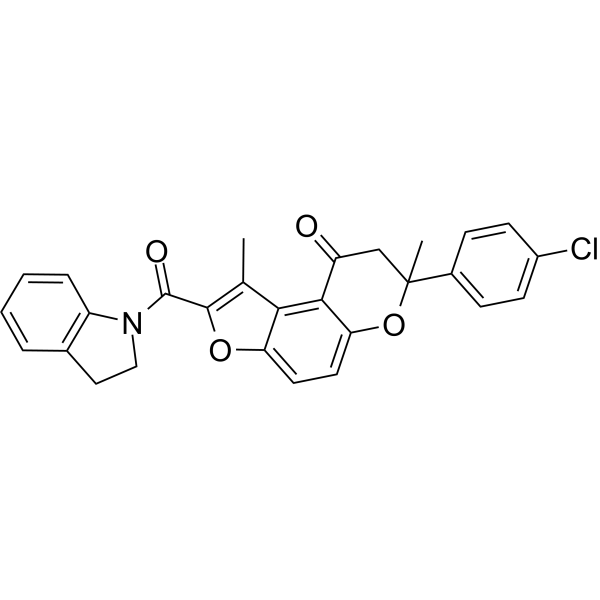
M47 is a molecular glue that selectively destabilizes Cryptochrome 1 (CRY1) and increases degradation of the CRY1 in the nucleus. M47 enhances apoptosis in Ras-transformed P53-deficient mouse skin fibroblast lines and enhances life span in p53 knockout mice. M47 can be used in research of cancer .
loading...
    loading...
1
1 Cited Publications
Cat. No.: HY-W747072
CAS No.: 71781-33-4
Synonyms: 3-Sulfocholyl Taurine; TCA3S
Target:  

Drug Metabolite

3-Sulfo-taurocholic Acid Disodium Salt (3-Sulfocholyl Taurine; TCA3S) is a metabolite of the conjugated bile acid taurocholic acid. Plasma levels of 3-Sulfo-taurocholic Acid Disodium Salt are elevated in wild-type and Sortilin 1 (Sort1) knockout mice at 6 hours following bile duct ligation (BDL) and are further elevated in Sort1 knockout mice at 24 hours post-BDL.
loading...
    loading...
1
1 Cited Publications
Cat. No.: HY-142035
CAS No.: 58160-95-5
Purity:  99.70%
N-Propargylglycine is a brain-penetrant and orally active PRODH inhibitor. N-Propargylglycine covalently modifies enzyme-bound FAD and active site lysine, causing enzyme structural distortion, protein decay, and irreversible inhibition of proline and 4-hydroxyproline catabolism. N-Propargylglycine induces UPRmt, upregulates mitochondrial chaperones and YME1L1, enhances mitochondrial proteostasis, blocks astrocytic L-proline consumption, and abolishes L-proline’s ATP-maintaining and viability-protective effects. N-Propargylglycine stimulates neural processes, increases brain proline, hydroxyproline, and sarcosine levels, partially normalizes Huntington’s disease whole brain transcriptomes. N-Propargylglycine reduces hyperoxaluria, prevents calcium oxalate stone formation, reduces kidney tubular damage, and restores weight and survival in Grhpr knockout mice. N-Propargylglycine can be used for the research of breast cancer, neurodegenerative disorders, Huntington’s disease, and primary hyperoxaluria type 2 .
loading...
    loading...
1
1 Cited Publications
Cat. No.: HY-113048A
Purity:  97.5%
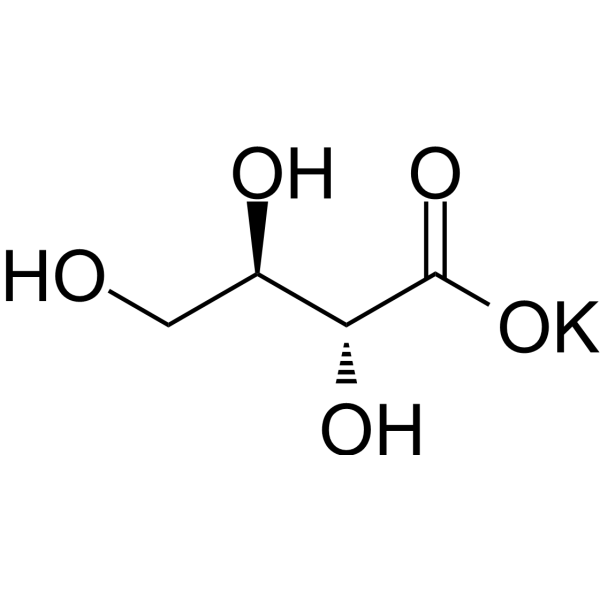
Erythronic acid potassium is a urinary metabolite that serves as a diagnostic marker for transaldolase (TALDO) deficiency. Erythronic acid potassium is a differential urinary metabolite associated with renal injury in hyperuricemic rats. Erythronic acid potassium can be used in studies related to transaldolase deficiency and hyperuricemia .
loading...
    loading...
1
1 Cited Publications
Cat. No.: HY-155539
CAS No.: 2916371-59-8
Purity:  99.17%
Research Areas:  

Inflammation/Immunology

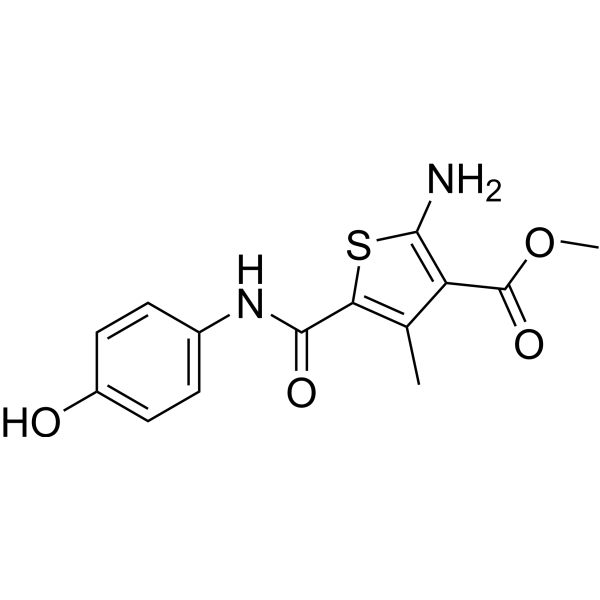
Cisd2 agonist 2 (compound 6) is a Cisd2 activator (EC50=191 nM), and Cisd2 levels are associated with non-alcoholic fatty liver disease (NAFLD). Cisd2 agonist 2 has no significant in vivo toxicity in Cisd2hKO-het mice (heterozygous hepatocyte-specific Cisd2 knockout). Cisd2 (CDGSH iron sulfur domain 2) is a zinc finger protein that is mainly localized in the endoplasmic reticulum or mitochondrial membrane. Cisd2 participates in mitochondrial function by forming homodimers containing two redox-active 2Fe-2S clusters .
loading...
    loading...
Cat. No.: HY-108786
CAS No.: 1174277-80-5
Purity:  97.88%
Synonyms: ENB-0040

Target:  

Phosphatase

Research Areas:  

Metabolic Disease

Asfotase alfa (ENB-0040) is a bone-targeted genetically engineered glycoprotein. Asfotase alfa increases the survival rate, bone mineralization and bone length and prevents mineralization defects of the feet, rib cage, lower limbs, jaw bones in Akp2 / knockout mice. Asfotase alfa can be used for the research of perinatal, infantile, and juvenile-onset hypophosphatasia (HPP) .
loading...
    loading...
Cat. No.: HY-16639
CAS No.: 1448895-09-7
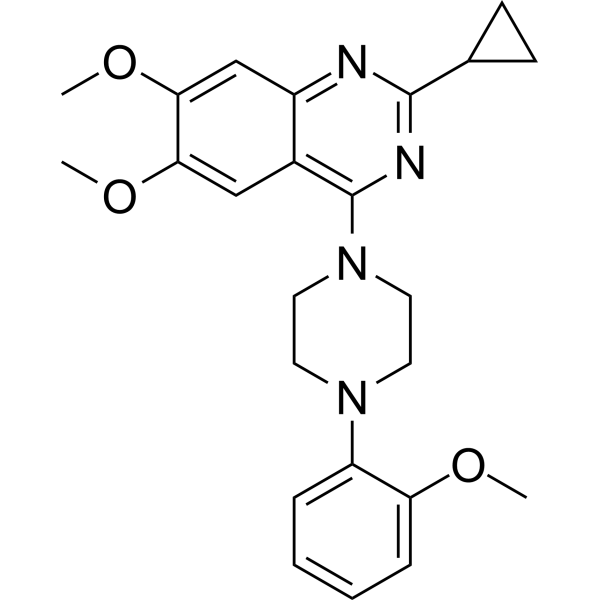
ML314 is a potent, BBB-penetrant and β-arrestin biased molecule agonist of NTR1 (EC50 = 1.9 μM). ML314 shows good selectivity against NTR2 and GPR35, but does not stimulate Ca2+ mobilization. ML314 can attenuate amphetamine-like hyperlocomotion in dopamine transporter knockout mice. ML314 attenuates methamphetamine-associated hyperlocomotion and potentiates the psychostimulant inhibitory effects of a ghrelin antagonist in wild type mouse model. ML314 also acts as an allosteric enhancer of endogenous neurotensin. ML314 antagonizes G protein signaling. ML314 can be studied in research for methamphetamine abuse conditions .
loading...
    loading...
Cat. No.: HY-117764
CAS No.: 1413405-33-0
Target:  

mGluR

Research Areas:  

Neurological Disease

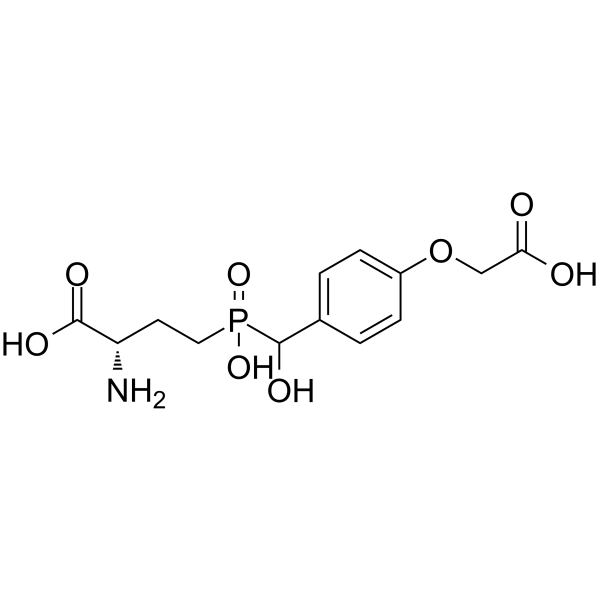
LSP4-2022 is a potent and brain-penetrant mGlu4-selective orthosteric agonist, with an EC50 of 0.11 μM. LSP4-2022 inhibits neurotransmission in cerebellar slices from wild-type but not mGlu4 receptor-knockout mice. LSP4-2022 shows pro-depressant activity .
loading...
    loading...
Cat. No.: HY-CE02028
CAS No.: 167357-83-7
Synonyms: Glutaconyl-coenzyme A
Target:  

Endogenous Metabolite

Research Areas:  

Metabolic Disease

Glutaconyl-CoA (Glutaconyl-coenzyme A) is a key metabolic intermediate in the mitochondrial catabolic pathways of lysine, hydroxylysine and tryptophan. Glutaconyl-CoA competitively inhibits wild-type glutaryl-CoA dehydrogenase (GCDH) with a Ki value of 1.1 µM. Glutaconyl-CoA is generated via the oxidative decarboxylation of glutaryl-CoA catalyzed by GCDH, and is subsequently further metabolized. Glutaconyl-CoA can be used in the research of type I glutaric aciduria .
loading...
    loading...
Cat. No.: HY-161671
Target:  

nAChR

GAT2711 is a full agonist of α9 nAChR with an EC50 of 230 nM. GAT2711 shows 340-fold selective for α9 over α7 nAChRs. GAT2711 inhibits ATP-induced IL-1β release in THP-1 cells. GAT2711 retains full analgesic activity in α7 nAChR knockout mice .
loading...
    loading...
Cat. No.: HY-117771A
CAS No.: 2098969-71-0
Purity:  98.42%
Target:  

DAGL

DO34 analog is a structural analog of DO34 (HY-117771). DO34 is a selective DAGL inhibitor, with an IC50 of 6 nM for DAGLα conversion of SAG to 2-AG. DO34 blocks de novo 2-AG synthesis, and suppresses tonic CB1 receptor activation. DO34 blocks depolarization-induced suppression of excitation and inhibition in the cerebellum and hippocampus. DO34 regulates feeding behavior and locomotor activity in mice. DO34 abolishes AM251-mediated enhancement of parallel fiber-evoked excitatory postsynaptic currents in cerebellar slices from MAGL global knockout mice. DO34 can be used for the research of energy balance disorder and neuroinflammation .
loading...
    loading...
Cat. No.: HY-100469
CAS No.: 1949801-52-8
Target:  

LXR

Research Areas:  

Inflammation/Immunology

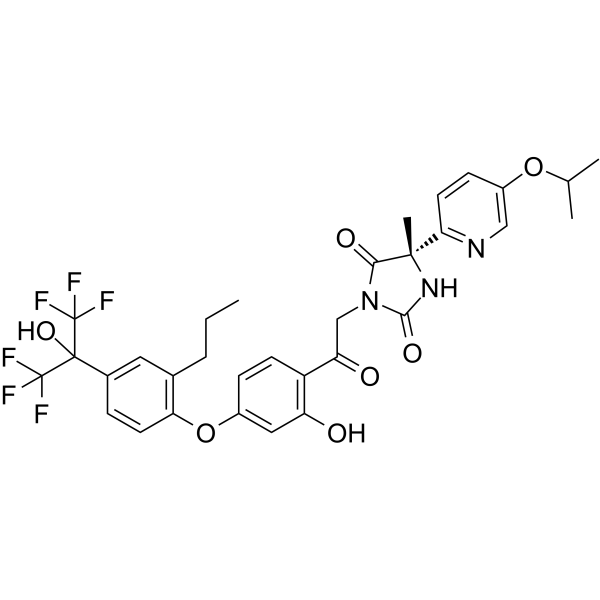
LXRβ agonist-2 is an orally active and selective LXRβ agonist. LXRβ agonist-2 increases high-density lipoprotein cholesterol levels without elevating plasma triglyceride levels. LXRβ agonist-2 decreases lipid accumulation area in the aortic arch. LXRβ agonist-2 can be used for the research of atherosclerosis .
loading...
    loading...
Cat. No.: HY-161246
CAS No.: 2323525-19-3
Target:  

5-HT Receptor

Research Areas:  

Neurological Disease

uPSEM792 is a pharmacologically selective effector molecules (PSEM) agonist for PSAM 4-GlyR, with an affinity of Ki of 0.7 nM. uPSEM792 is a substrate for efflux transporters in brains of wild type and dual P-gp and BCRP knockout mice. uPSEM7952 is a possible lead for developing the PET radioligand for PSAM 4-GlyR .
loading...
    loading...
Cat. No.: HY-171272
CAS No.: 2566976-46-1
Research Areas:  

Cancer

PRDX1-IN-3 (compound 19-048) is a PRDX1 covalent inhibitor with anti-colorectal cancer activity. PRDX1-IN-3 can effectively inhibit the proliferation of colorectal cancer cells, and its antitumor effect on nude mice with colorectal cancer carrying PRDX1 gene knockout is significantly reduced. PRDX1-IN-3 also upregulates the downstream genes of the p53 signaling pathway to exert an anticancer effect .
loading...
    loading...
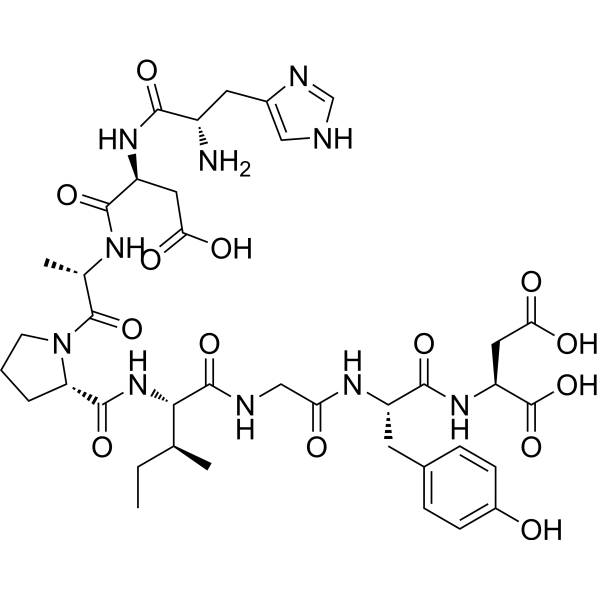
Cat. No.: HY-P5437
CAS No.: 207111-98-6
Target:  

PKC

Research Areas:  

Others

PKCε (85-92) is a biological active peptide. (This peptide is the e-PKC specific activator, it also activates MARCKS phosphorylation in wild type cells, and has no effect on MARCKS phosphorylation in the cells derived from knockout mice.)
loading...
    loading...

