
1582 Results for "

magnesium ion stripping/plating overpotential

" in MedChemExpress (MCE) Product Catalog:
Products (1582)

1582 Results for "magnesium ion stripping/plating overpotential" in MCE Product Catalog:

184
184 Publications Verification
Cat. No.: HY-D0814
CAS No.: 28718-90-3
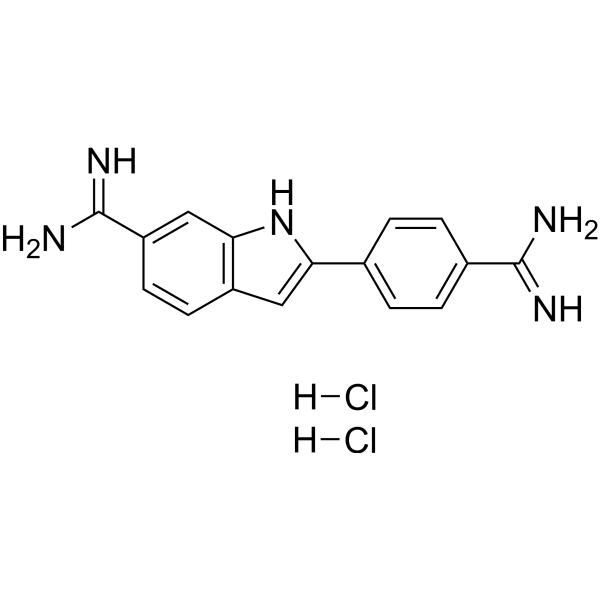
Synonyms: 4',6-Diamidino-2-phenylindole dihydrochloride
DAPI (4',6-Diamidino-2-phenylindole) dihydrochloride is a DAPI dye. DAPI is a fluorescent dye that binds strongly to DNA. It binds to the AT base pair of the double-stranded DNA minor groove, and one DAPI molecule can occupy three base pair positions. The fluorescence intensity of DAPI molecules bound to double-stranded DNA is increased by about 20 times, and it is commonly observed with fluorescence microscopy, and the amount of DNA can be determined based on the intensity of fluorescence. DAPI cannot penetrate intact cell membranes and is commonly used for staining damaged and fixed cells . DAPI (Compound 3) is an acid-sensing ion channel 3 (ASIC3) inhibitor. DAPI binds to ASIC3 and blocks the channel function. DAPI can be used in the study of chronic pain treatment (Ex/Em = 356/451 nm).
loading...
    loading...
184
184 Publications Verification
Cat. No.: HY-D2868
CAS No.: 47165-04-8
Synonyms: 4',6-Diamidino-2-phenylindole
DAPI (4',6-Diamidino-2-phenylindole) is a DAPI dye. DAPI is a fluorescent dye that binds strongly to DNA. It binds to the AT base pair of the double-stranded DNA minor groove, and one DAPI molecule can occupy three base pair positions. The fluorescence intensity of DAPI molecules bound to double-stranded DNA is increased by about 20 times, and it is commonly observed with fluorescence microscopy, and the amount of DNA can be determined based on the intensity of fluorescence. DAPI cannot penetrate intact cell membranes and is commonly used for staining damaged and fixed cells . DAPI (Compound 3) is an acid-sensing ion channel 3 (ASIC3) inhibitor. DAPI binds to ASIC3 and blocks the channel function. DAPI can be used in the study of chronic pain treatment (Ex/Em = 356/451 nm).
loading...
    loading...
178
178 Cited Publications
Cat. No.: HY-D1738
CAS No.: 28718-91-4
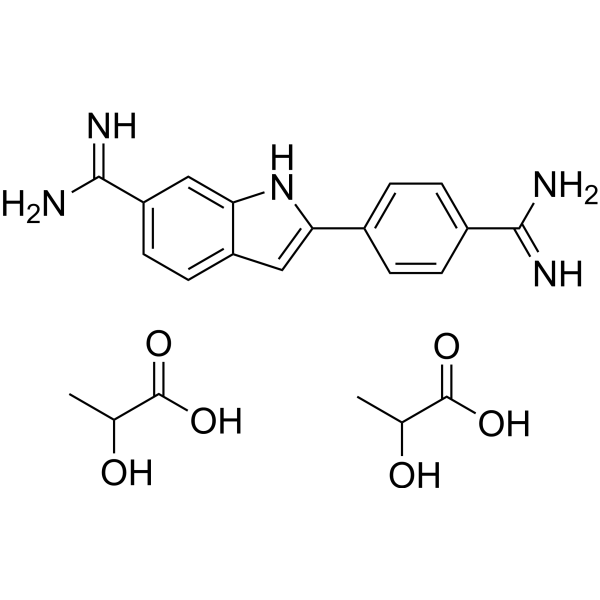
Synonyms: 4',6-Diamidino-2-phenylindole dilactate
DAPI (4',6-Diamidino-2-phenylindole) dilactate is a DAPI dye. DAPI is a fluorescent dye that binds strongly to DNA. It binds to the AT base pair of the double-stranded DNA minor groove, and one DAPI molecule can occupy three base pair positions. The fluorescence intensity of DAPI molecules bound to double-stranded DNA is increased by about 20 times, and it is commonly observed with fluorescence microscopy, and the amount of DNA can be determined based on the intensity of fluorescence. DAPI cannot penetrate intact cell membranes and is commonly used for staining damaged and fixed cells . DAPI (Compound 3) is an acid-sensing ion channel 3 (ASIC3) inhibitor. DAPI binds to ASIC3 and blocks the channel function. DAPI can be used in the study of chronic pain treatment (Ex/Em = 356/451 nm) .
loading...
    loading...
168
168 Cited Publications
Cat. No.: HY-B2176E
CAS No.: 1476-84-2
Synonyms: Adenosine 5'-triphosphate magnesium
ATP (Adenosine 5'-triphosphate) magnesium is a central component of energy storage and metabolism in vivo. ATP magnesium provides the metabolic energy to drive metabolic pumps and serves as a coenzyme in cells. ATP magnesium is an important endogenous signaling molecule in immunity and inflammation. ATP magnesium can activate the NLRP3 inflammasome and induce IL-1β and chemokines secretion. ATP magnesium has anti-bacterial infection effects and can protect mice against bacterial infection in mice .
loading...
    loading...
161
161 Cited Publications
Cat. No.: HY-B0240
CAS No.: 97-77-8
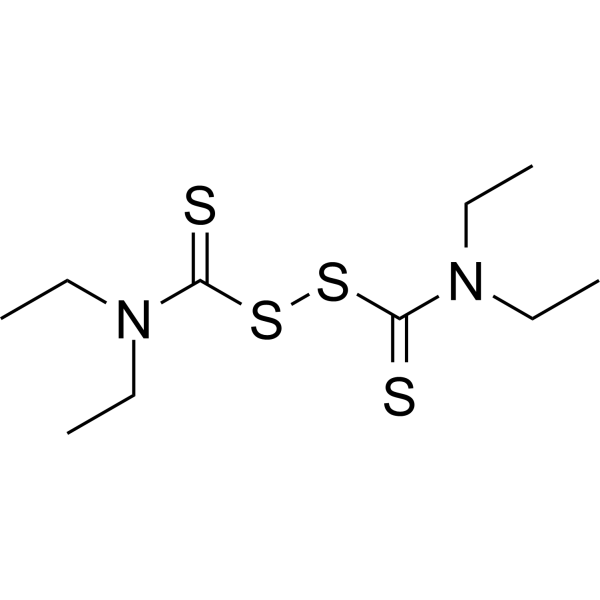
Synonyms: Tetraethylthiuram disulfide; TETD
Disulfiram (Tetraethylthiuram disulfide) is a specific inhibitor of aldehyde-dehydrogenase (ALDH1), used for the treatment of chronic alcoholism by producing an acute sensitivity to alcohol. Disulfiram inhibits gasdermin D (GSDMD) pore formation in liposomes and inflammasome-mediated pyroptosis and IL-1β secretion in human and mouse cells. Disulfiram, a copper ion carrier, with Cu 2+ increases intracellular ROS levels and induces cuproptosis .
loading...
    loading...
95
95 Cited Publications
Cat. No.: HY-N0322
CAS No.: 57-88-5
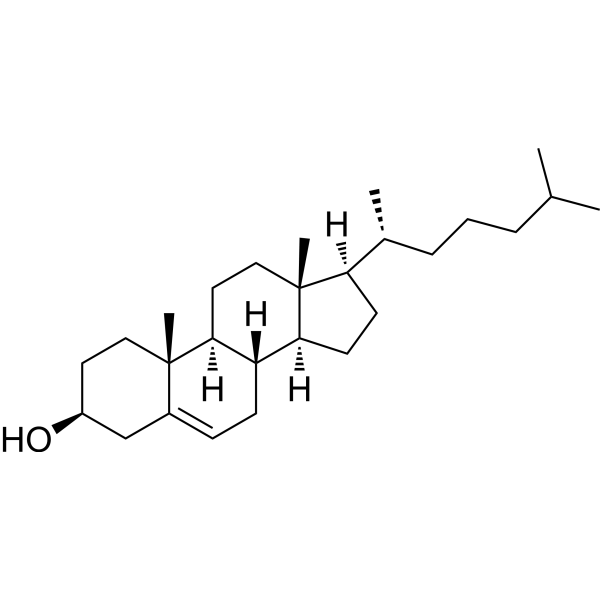
Cholesterol (from animal) is the major sterol in mammals. It is making up 20-25% of structural component of the plasma membrane. Plasma membranes are highly permeable to water but relatively impermeable to ions and protons. Cholesterol (from animal) plays an important role in determining the fluidity and permeability characteristics of the membrane as well as the function of both the transporters and signaling proteins . Cholesterol (from animal) is also an endogenous estrogen-related receptor α (ERRα) agonist .
loading...
    loading...
95
95 Cited Publications
Cat. No.: HY-N0322A
Cholesterol Water Soluble is a major sterol in mammals, constituting 20-25% of the structural composition of the plasma membrane. The plasma membrane is highly permeable to water but relatively impermeable to ions and protons. Cholesterol Water Soluble plays an important role in determining the fluidity and permeability characteristics of membranes and the function of transporters and signaling proteins. Cholesterol Water Soluble is also an endogenous estrogen-related receptor alpha (ERRα) agonist. Cholesterol Water Soluble can be used to study the effects of cholesterol on potassium currents in inner hair cells .
(Note: This product is a mixture of Cholesterol and Methyl-β-cyclodextrin. The product specifications below only indicate the effective content of Cholesterol.)
loading...
    loading...
67
67 Cited Publications
Cat. No.: HY-101896
CAS No.: 273221-67-3
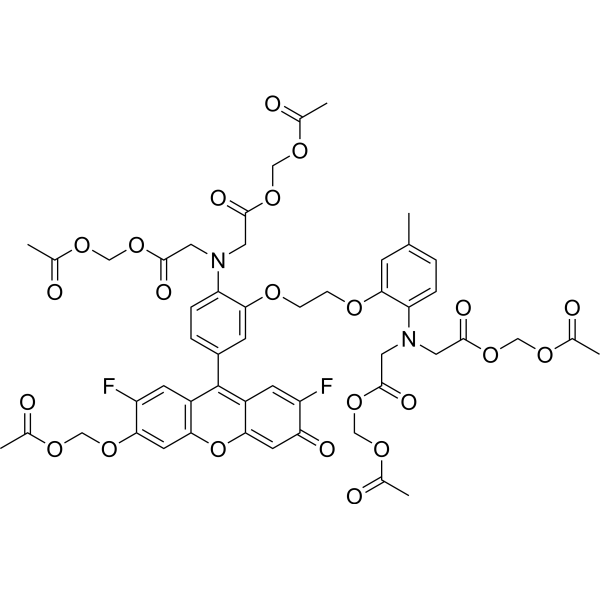
Fluo-4 AM is a cell-permeable Ca 2+ (calcium ion) indicator (Ex/Em = 485/526 nm) .
loading...
    loading...
59
59 Cited Publications
Cat. No.: HY-17409
CAS No.: 1400-61-9
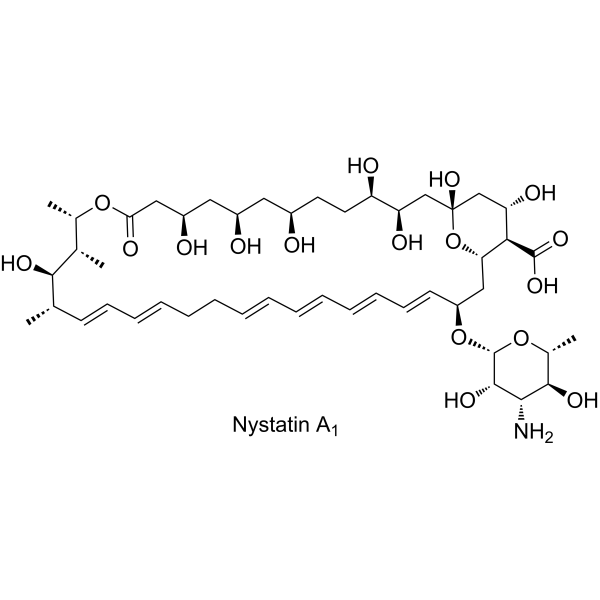
Nystatin is an orally active polyene antifungal antibiotic effective against yeast and mycoplasma. Nystatin increases the permeability of plasma membranes to small monovalent ions, including chloridion . Nystatin is a cholesterol-sequestering agent , partially prevents Oxaliplatin-induced lipid raft aggregation, DR4 and DR5 clustering, and thereby reduces apoptosis .
loading...
    loading...
52
52 Cited Publications
Cat. No.: HY-15084B
CAS No.: 77086-21-6
Purity:  99.90%
Synonyms: MK-801
Target:  

iGluR

Research Areas:  

Neurological Disease

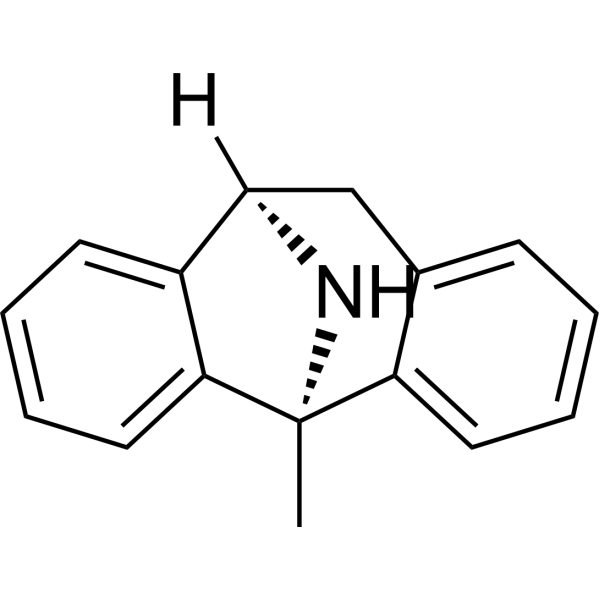
Dizocilpine (MK-801), a potent anticonvulsant, is a selective and non-competitive NMDA receptor antagonist, with a Kd of 37.2 nM in rat brain membranes. Dizocilpine acts by binding to a site located within the NMDA associated ion channel and thus prevents Ca 2+ flux .
loading...
    loading...
51
51 Cited Publications
Cat. No.: HY-B1906
CAS No.: 57-92-1
Synonyms: Agrept; Agrimycin; Streptomycin A
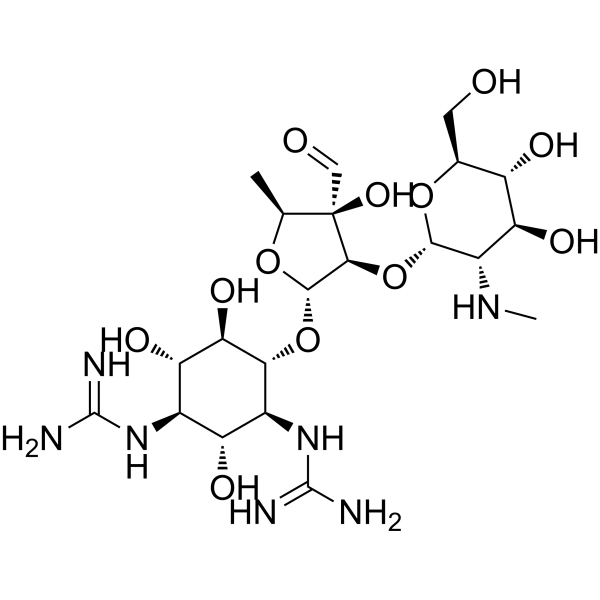
Streptomycin (Agrept) is an effective antibiotic against M. tuberculosis, is used for the research of tuberculosis (TB). Streptomycin also is a bacteriocidal agent that can be used for the research of a number of bacterial infections. Streptomycin can bind strongly to nucleic acids, interferes and blocks protein synthesis while permitting continued RNA and DNA synthesis. Streptomycin, as a common antibiotic used in culture media, also is a blocker of stretch-activated and mechanosensitive ion channels in neurons and cardiac myocytes .
loading...
    loading...
48
48 Cited Publications
Cat. No.: HY-D1533
CAS No.: 1447815-38-4
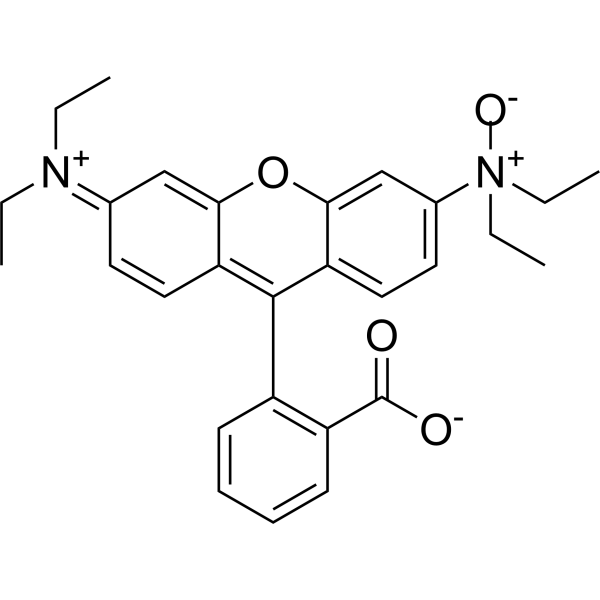
RhoNox-1 is a fluorescent probe for the specific detection of divalent iron ions, and when RhoNox-1 reacts with Fe 2+. RhoNox-1 can generate an irreversible orange (red) fluorescent product (Ex/Em:540/575 nm) . FeRhoNox-1 can enter the cell well, suitable for the detection of Fe 2+ in living cells, and tends to be localized in the Golgi apparatus .
loading...
    loading...
39
39 Cited Publications
Cat. No.: HY-100168
CAS No.: 85233-19-8
Purity:  98.10%
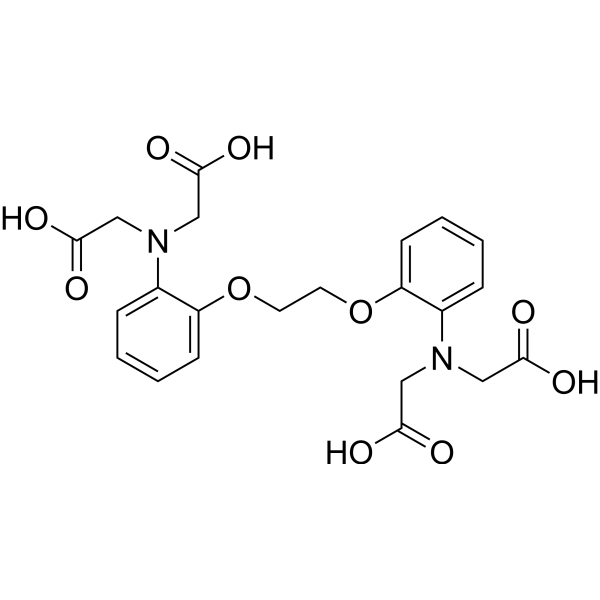
BAPTA is a selective and cell-impermeant chelator for calcium. BAPTA has high selectivity against magnesium and calcium. BAPTA can also inhibit phospholipase C activity independently of their role as Ca 2+ chelators .
loading...
    loading...
39
39 Cited Publications
Cat. No.: HY-100168A
CAS No.: 126824-24-6
Purity:  99.70%
Target:  

Phospholipase

Research Areas:  

Others

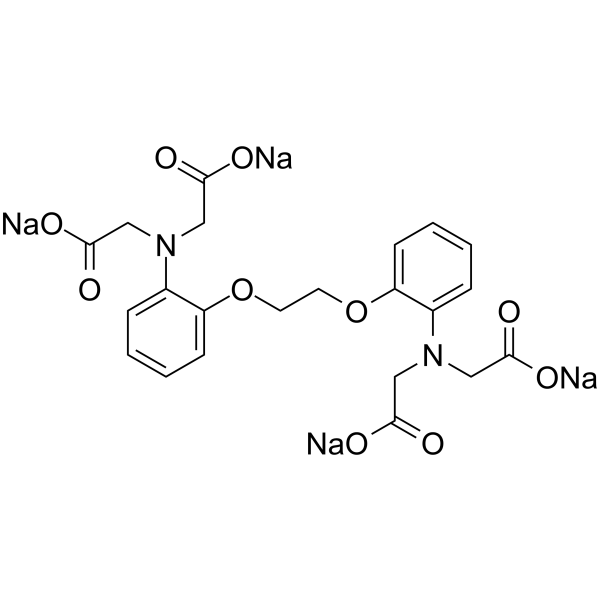
BAPTA tetrasodium is a selective and cell-impermeant chelator for calcium. BAPTA tetrasodium has high selectivity against magnesium and calcium. BAPTA can also inhibit phospholipase C activity independently of their role as Ca 2+ chelators .
loading...
    loading...
39
39 Cited Publications
Cat. No.: HY-100168B
CAS No.: 73630-08-7
Purity:  99.45%
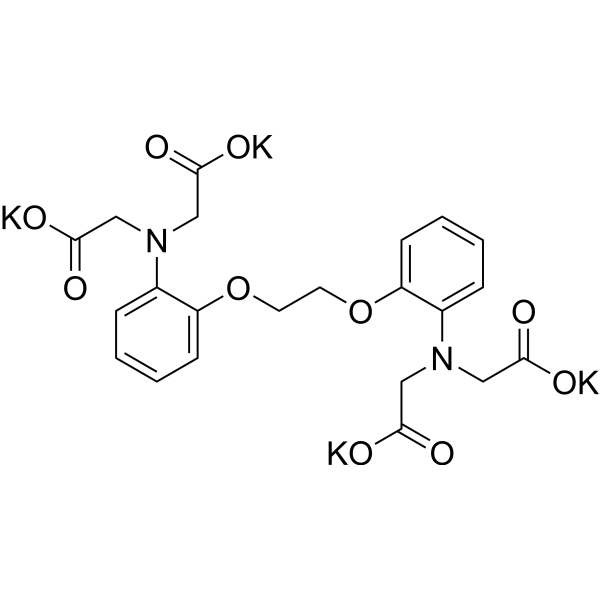
BAPTA tetrapotassium is a selective and cell-impermeant chelator for calcium. BAPTA has high selectivity against magnesium and calcium. BAPTA tetrapotassium can also inhibit phospholipase C activity independently of their role as Ca 2+ chelators .
loading...
    loading...
37
37 Cited Publications
Cat. No.: HY-141511
CAS No.: 874748-20-6
Purity:  97.74%
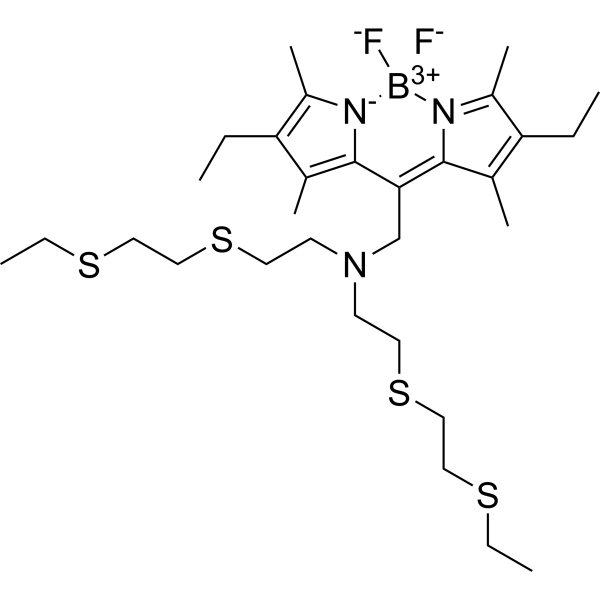
Coppersensor-1 (CS1) is a membrane-permeable fluorescent dye. Coppersensor-1 has a picomolar affinity for Cu + with high selectivity over competing cellular metalions. Coppersensor-1 as a probe, can selective and sensitive detection of copper(I) ions (Cu +) in biological samples, including live cells. Coppersensor-1 can be used for the research of imaging of severe diseases such as cancer, cardiovascular disorders and neurogenerative diseases .
loading...
    loading...
35
35 Cited Publications
Cat. No.: HY-Y0682
CAS No.: 60-00-4
Synonyms: EDTA
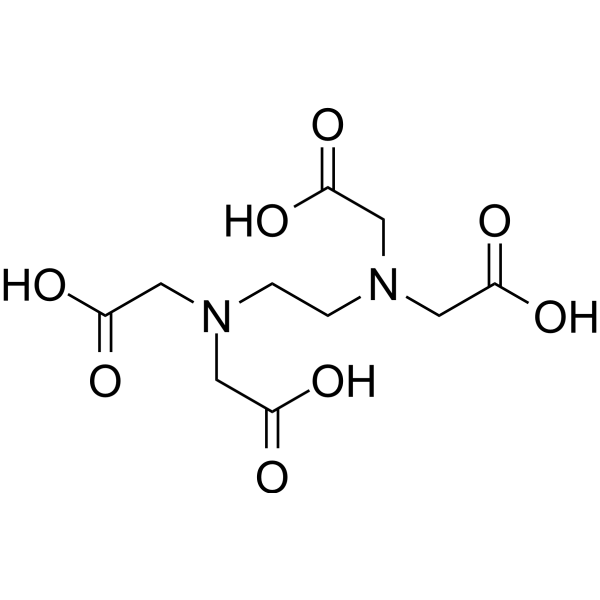
Ethylenediaminetetraacetic acid (EDTA) is a kind of metal chelating agent (binds to bivalent and trivalent metal cations, including calcium). Ethylenediaminetetraacetic acid has antibacterial, anti-inflammatory, antioxidant, anti-hypercalcemia and anticoagulant activities. Ethylenediaminetetraacetic acid decreases the metal ion-catalyzed oxidative damage to proteins, and allows maintenance of reducing environment during protein purification. Ethylenediaminetetraacetic acid can alleviate the liver fibrosis. Ethylenediaminetetraacetic acid can be used for coronary artery disease and neural system disease research .
loading...
    loading...
33
33 Cited Publications
Cat. No.: HY-D0836
CAS No.: 25102-12-9
Synonyms: Ethylenediaminetetraacetic acid dipotassium dihydrate
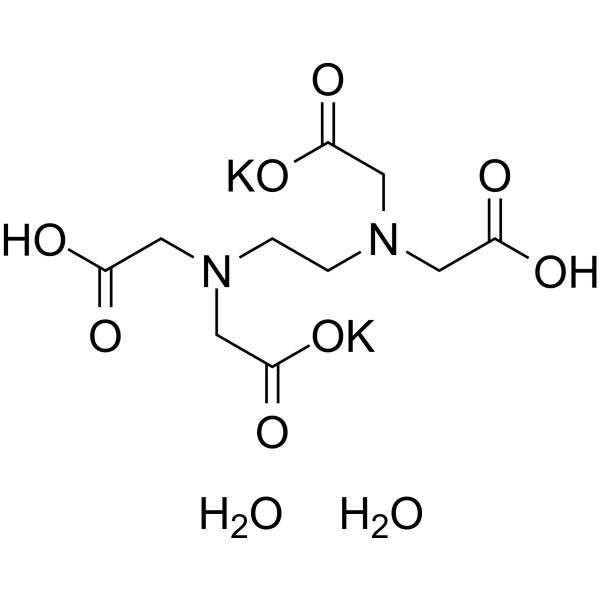
EDTA dipotassium dihydrate is a metal ion chelator that forms stable and water-soluble chelates with a variety of metal ions. EDTA dipotassium is commonly used as a blood anticoagulant, which can effectively prevent blood coagulation and maintain the morphology and function of cells in blood samples. In the industrial field, EDTA dipotassium can be used to remove the adverse effects of metal ions and prevent oxidation and deterioration caused by metal ions .
loading...
    loading...
33
33 Cited Publications
Cat. No.: HY-101086
CAS No.: 2260-50-6
Purity:  98.59%
Synonyms: ACh iodide
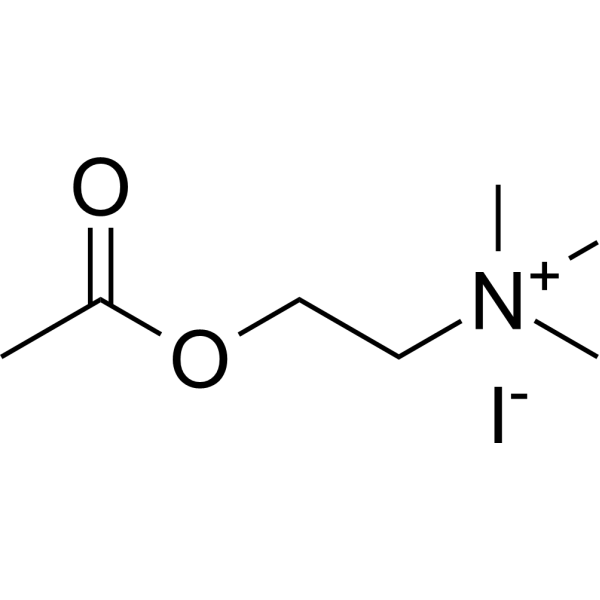
Acetylcholine iodide is a muscarinic receptor modulator. Acetylcholine iodide specifically binds to muscarinic receptors, inhibits sodium absorption, and induces chloride secretion. Acetylcholine iodide changes intestinal ion transport, enhances intestinal secretory function, induces or maintains mammary gland development and lactation. Acetylcholine iodide can be used for intestinal ion transport regulation and mammary gland physiological function research .
loading...
    loading...
33
33 Cited Publications
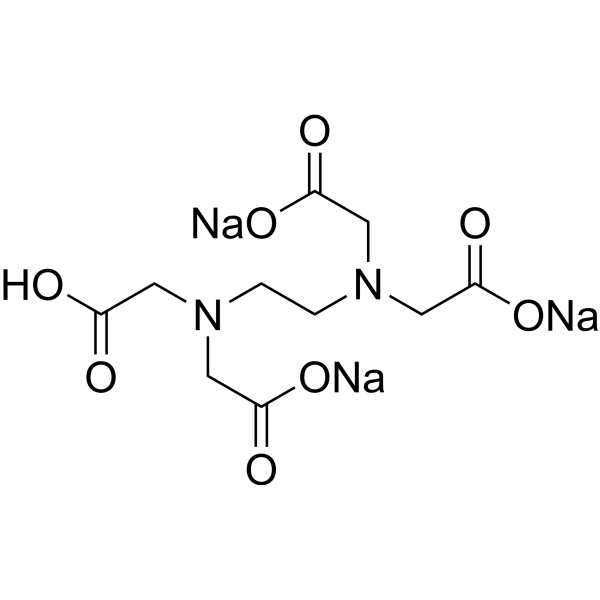
Cat. No.: HY-B1009
CAS No.: 150-38-9
Synonyms: EDTA trisodium salt; Trisodium EDTA
Ethylenediaminetetraacetic acid trisodium salt (EDTA trisodium salt; Trisodium EDTA) is a kind of metal chelating agent (binds to bivalent and trivalent metal cations, including calcium). Ethylenediaminetetraacetic acid trisodium salt has antibacterial, anti-inflammatory, antioxidant, anti-hypercalcemia and anticoagulant activities. Ethylenediaminetetraacetic acid trisodium salt decreases the metal ion-catalyzed oxidative damage to proteins, and allows maintenance of reducing environment during protein purification. Ethylenediaminetetraacetic acid trisodium salt can alleviate the liver fibrosis. Ethylenediaminetetraacetic acid can be used for coronary artery disease and neural system disease research .
loading...
    loading...

