
68 Results for "

nAChR Antagonist

" in MedChemExpress (MCE) Product Catalog:
Products (68)

68 Results for "nAChR Antagonist" in MCE Product Catalog:

50
50 Publications Verification
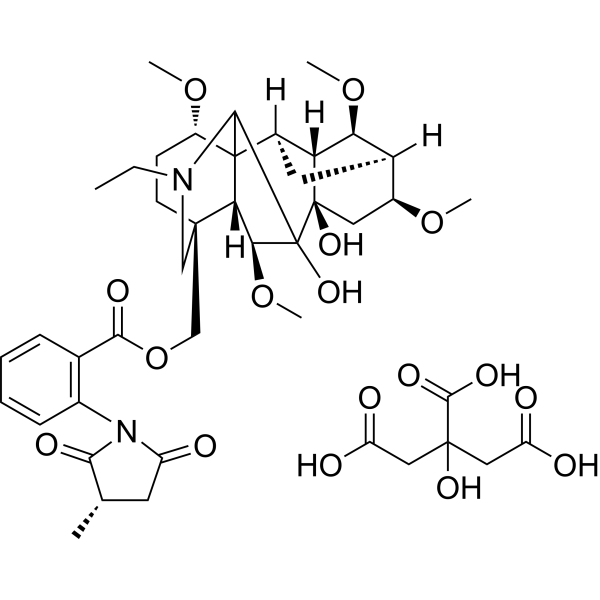
Cat. No.: HY-N2332A
CAS No.: 351344-10-0
Synonyms: MLA citrate
Methyllycaconitine (MLA) citrate is a blood-brain barrier-permeable antagonist of α7 nicotinic acetylcholine receptor (α7nAChR) with an IC50 of 2 nM. Methyllycaconitine citrate inhibits Aβ25-35-induced autophagy by restoring the mTOR pathway, and prevents reactive oxygen species (ROS) production, microglial activation, reduced dopamine uptake, loss of dopaminergic terminals and catecholamine secretion. Methyllycaconitine citrate induces hippocampal glutamate efflux, enhances long-term potentiation, and improves memory acquisition. Methyllycaconitine citrate can be used in research related to Alzheimer's disease, cerebral palsy, Parkinson's disease and schizophrenia .
loading...
    loading...
17
17 Cited Publications
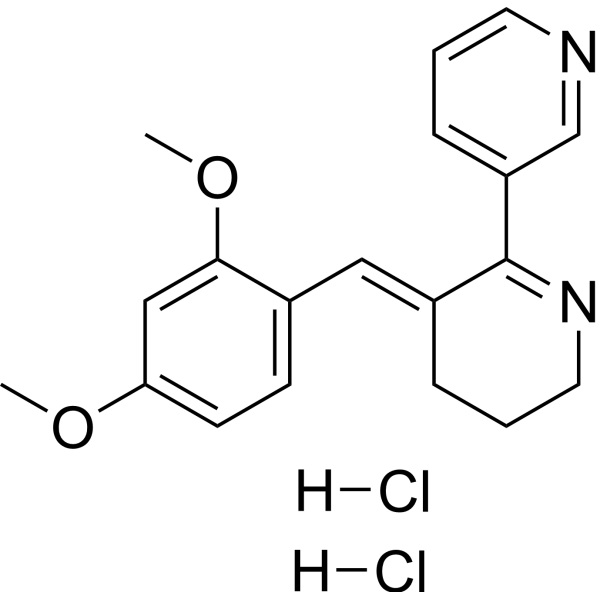
Cat. No.: HY-14564A
CAS No.: 156223-05-1
Purity:  99.65%
Synonyms: DMXB-A; DMBX-anabaseine
Target:  

nAChR 5-HT Receptor

Research Areas:  

Inflammation/Immunology

GTS-21 dihydrochloride is a selective alpha7 nicotinic acetylcholine receptor (α7-nAChR) agonist with anti inflammatory and cognition enhancing activities. GTS-21 dihydrochloride is also a α4β2 (Ki=20 nM for humanα4β2) and 5-HT3A receptor (IC50=3.1 μM) antagonist .
loading...
    loading...
15
15 Cited Publications
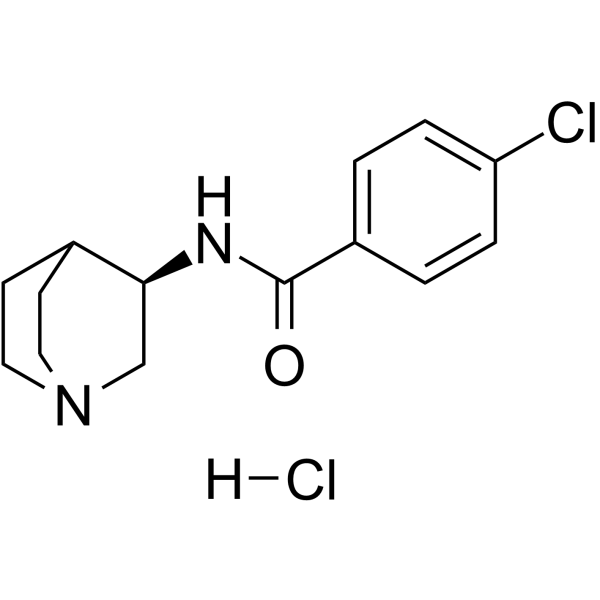
Cat. No.: HY-12560A
CAS No.: 123464-89-1
Purity:  99.93%
Target:  

nAChR 5-HT Receptor

Research Areas:  

Neurological Disease

PNU-282987 is a potent α7 nicotinic acetylcholine receptor (nAChR) agonist with an EC50 of 154 nM. PNU-282987 is also a functional antagonist of the 5-HT3 receptor with an IC50 of 4541 nM. PNU-282987 can be used for the research of central and peripheral nervous systems .
loading...
    loading...
9
9 Cited Publications
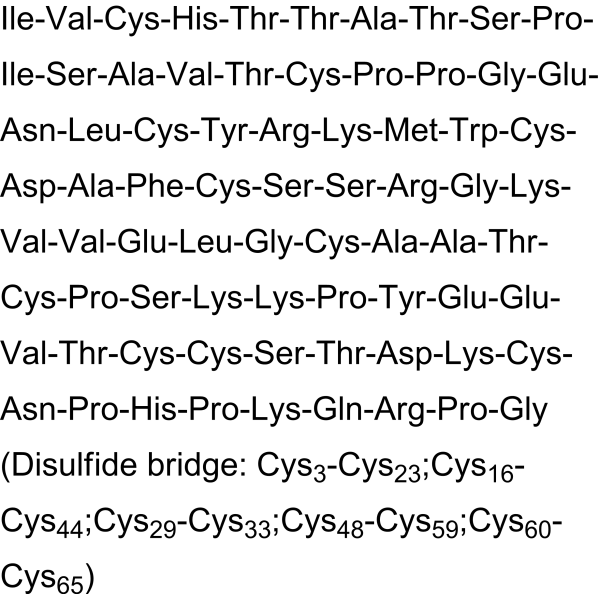
Cat. No.: HY-P1264
CAS No.: 11032-79-4
Target:  

nAChR

Research Areas:  

Neurological Disease

α-Bungarotoxin is a competitive antagonist at nicotinic acetylcholine receptors (nAChRs). α-Bungarotoxin, a selective α7 receptor blocker, blocks α7 currents with an IC50 of 1.6 nM and has no effects on α3β4 currents at concentrations up to 3 μM .
loading...
    loading...
8
8 Cited Publications
Cat. No.: HY-B1395
CAS No.: 826-39-1
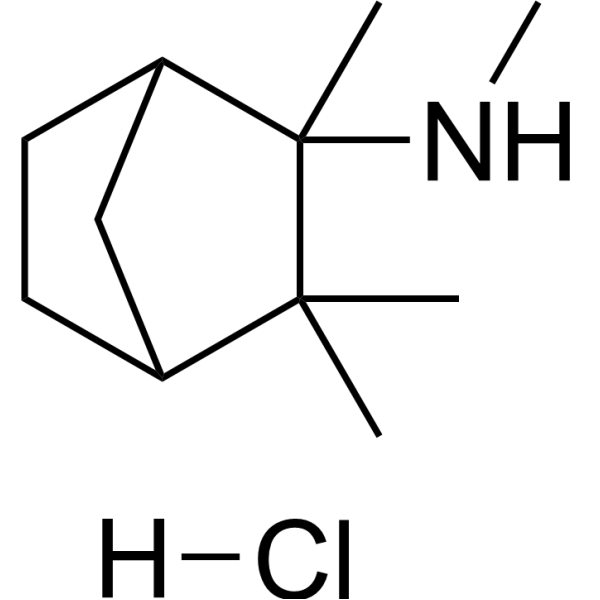
Mecamylamine hydrochloride is an orally active, nonselective, noncompetitive nAChR antagonist. Mecamylamine hydrochloride is also a ganglionic blocker. Mecamylamine hydrochloride can across the blood-brain barrier. Mecamylamine hydrochloride can be used in the research of neuropsychiatric disorders, hypertension, antidepressant area .
loading...
    loading...
5
5 Cited Publications
Cat. No.: HY-B1240
CAS No.: 548-73-2
Synonyms: Dehydrobenzperidol
Research Areas:  

Neurological Disease

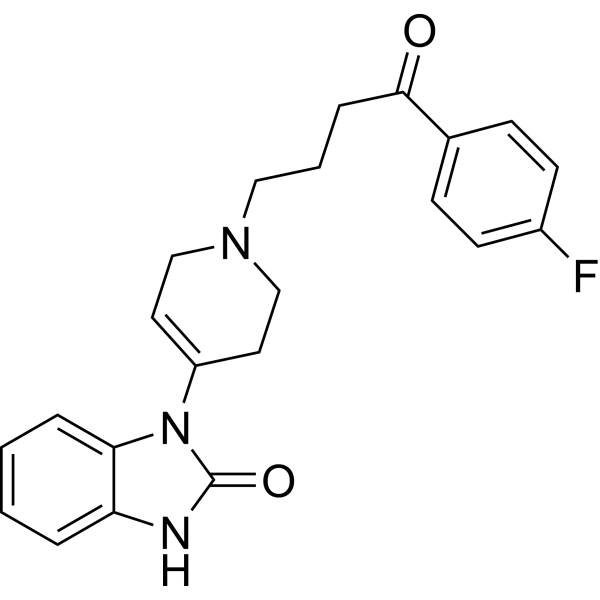
Droperidol (Dehydrobenzperidol) is a butyrophenone pamine-2 receptor antagonist that inhibits the activation of GABA(A) and neuronal nicotinic receptors (nAChR), with IC50 values of 12.6 nM and 5.8 μM. Droperidol has anesthetic and sedative properties .
loading...
    loading...
5
5 Cited Publications
Cat. No.: HY-B0569
CAS No.: 55-97-0
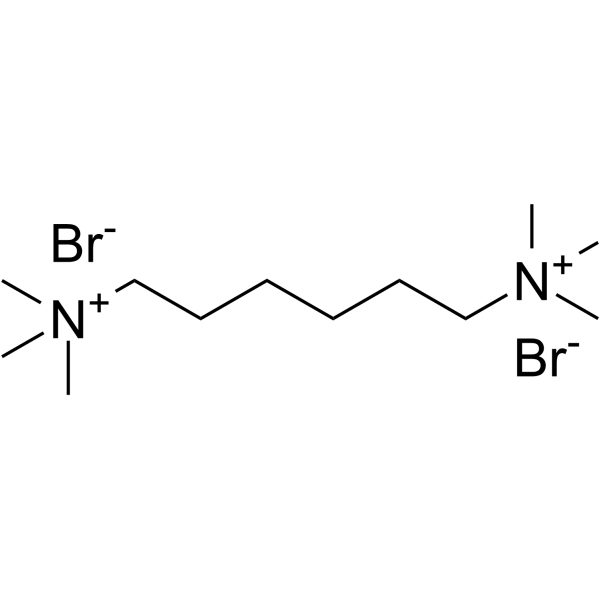
Hexamethonium Bromide is a non-selective ganglionic nicotinic-receptor antagonist (nAChR) antagonist, with mixed competitive and noncompetitive activity. Hexamethonium Bromide has anti-hypertensive activity. Hexamethonium Bromide attenuates sympathetic activity and blood pressure in spontaneously hypertensive animal models .
loading...
    loading...
5
5 Cited Publications
Cat. No.: HY-N2255
CAS No.: 25127-29-1
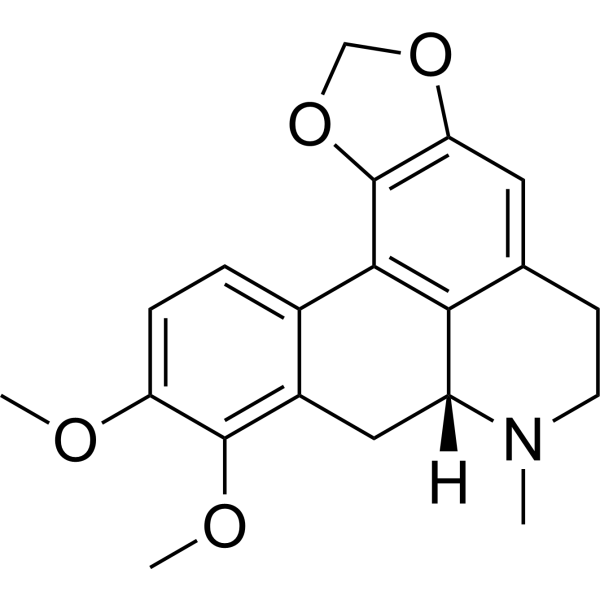
Crebanine is an isoquinoline-like alkaloid that can be derived from Stephania. Crebanine is an antagonist of the α7-nAChR with an IC50 of 19.1 μM. Crebanine suppresses the proliferation, migration, and invasion of cancer cells, triggers reactive oxygen species (ROS) burst, and promotes apoptosis. Crebanine inhibits the AKT/FoxO3a, NF-κB and MAPK signaling pathways. Crebanine attenuates NOX2 hyperactivation, exhibits antioxidant properties by reducing reactive oxygen species and peroxidation in microglia cells. Crebanine inhibits voltage-dependent Na + current in guinea-pig ventricular myocytes. Crebanine has high inhibitory activity against gram-positive animal pathogenic bacteria. Crebanine ameliorates ischemia-reperfusion brain damage in middle cerebral artery occlusion and reperfusion (MCAO/R) rats. Crebanine significantly improves Scopolamine (HY-N0296)-induced cognitive deficits in ICR mice. Crebanine can be used for the study of hepatocellular carcinoma (HCC), cerebral ischemia and Alzheimer's disease .
loading...
    loading...
2
2 Cited Publications
Cat. No.: HY-P1050
CAS No.: 514200-66-9
Target:  

nAChR

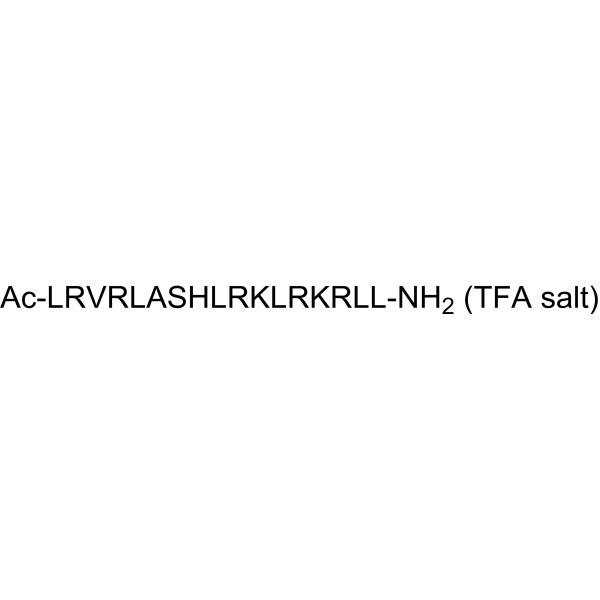
COG 133 is a fragment of Apolipoprotein E (APOE) peptide. COG 133 competes with the ApoE holoprotein for binding the LDL receptor, with potent anti-inflammatory and neuroprotective effects. COG 133 is also a nAChR antagonist with an IC50 of 445 nM .
loading...
    loading...
2
2 Cited Publications
Cat. No.: HY-P1050A
CAS No.: 2828432-37-5
COG 133 TFA is a fragment of Apolipoprotein E (APOE) peptide. COG 133 TFA competes with the ApoE holoprotein for binding the LDL receptor, with potent anti-inflammatory and neuroprotective effects. COG 133 TFA is also a nAChR antagonist with an IC50 of 445 nM .
loading...
    loading...
1
1 Cited Publications
Cat. No.: HY-107670
CAS No.: 29734-68-7
Purity:  98.85%
Synonyms: DHβE hydrobromide
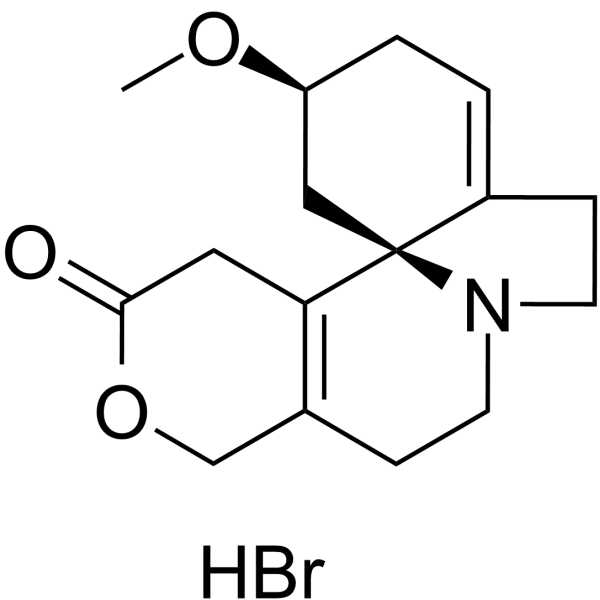
Dihydro-β-erythroidine (DHβE) hydrobromide is a potent, orally active, and competitive antagonist of neuronal nAChRs. Dihydro-β-erythroidine hydrobromide shows selectivity for α4β4 and α4β2 nAChRs, with IC50s of 0.19 and 0.37 μM, respectively. Antidepressant-like activities .
loading...
    loading...
1
1 Cited Publications
Cat. No.: HY-N3610
CAS No.: 486-39-5
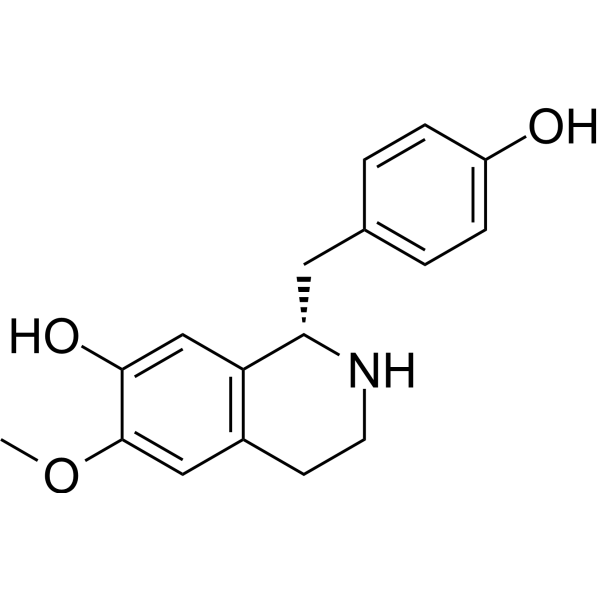
Coclaurine is a class of tetrahydroisoquinoline alkaloids that can be isolated from Sarcopetalum harveyanum with anticancer activity. Coclaurine is a nicotinic acetylcholine receptor (nAChRs) antagonist. Coclaurine is a key molecule in S. tetrandra responsible for EFHD2 inhibition. Coclaurine can downregulate EFHD2-related NOX4-ABCC1 signaling and enhanced Cisplatin (HY-17394) sensitivity. Coclaurine suppresses the stemness and metastatic properties of NSCLC cells. Coclaurine disrupts the interaction between the transcription factor FOXG1 and the EFHD2 promoter, leading to a reduction in EFHD2 transcription .
loading...
    loading...
1
1 Cited Publications
Cat. No.: HY-135783
CAS No.: 1314801-63-2
Purity:  99.94%
AT 1001 is an orally effective α3β4 nicotinic acetylcholine receptor (α3β4 nAChR) antagonist with a Ki value of 2.64 nM. AT 1001 reversibly blocks Epibatidine (HY-101078)-induced inward currents in HEK cells transfected with α3β4 nAChR. AT 1001 dose-dependently blocks nicotine self-administration behavior in rats, alleviates gluten-induced gastrointestinal symptoms, blocks tight junction toxin-induced immune responses, and reduces the incidence of type 1 diabetes in rats. AT 1001 can be used in the research of nicotine addiction and celiac disease .
loading...
    loading...
1
1 Cited Publications
Cat. No.: HY-W705106
CAS No.: 3422-42-2
Synonyms: (-)-(S)-Coclaurine hydrochloride; L-Coclaurine hydrochloride
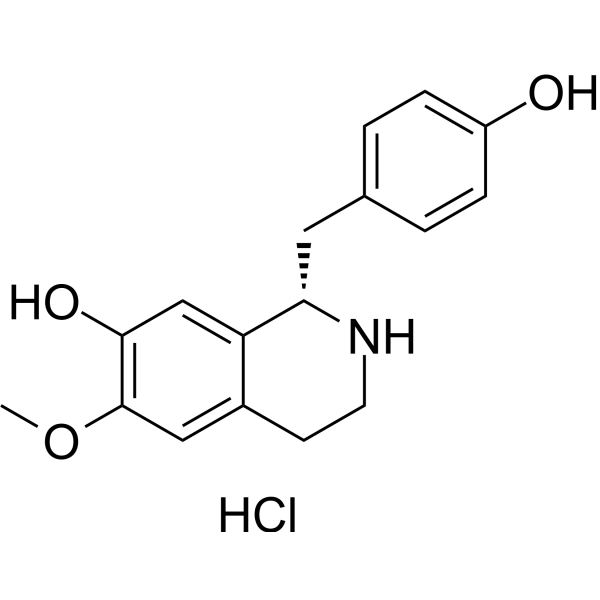
(-)-Coclaurine hydrochloride (compound I) is a class of tetrahydroisoquinoline alkaloids that can be isolated from Sarcopetalum harveyanum. (-)-Coclaurine hydrochloride is a nicotinic acetylcholine receptor (nAChRs) antagonist .
loading...
    loading...
1
1 Cited Publications
Cat. No.: HY-152170
CAS No.: 525596-64-9
Purity:  99.65%
Target:  

nAChR

Research Areas:  

Neurological Disease

bPiDI is a novel selective α6β2 nicotinic receptor antagonist. bPiDI inhibits nicotine-evoked striatal dopamine (DA) release through an interaction with α6β2-containing nAChRs .
loading...
    loading...
1
1 Cited Publications
Cat. No.: HY-106901AS
Purity:  ≥96.0%
Synonyms: HI-6-d4
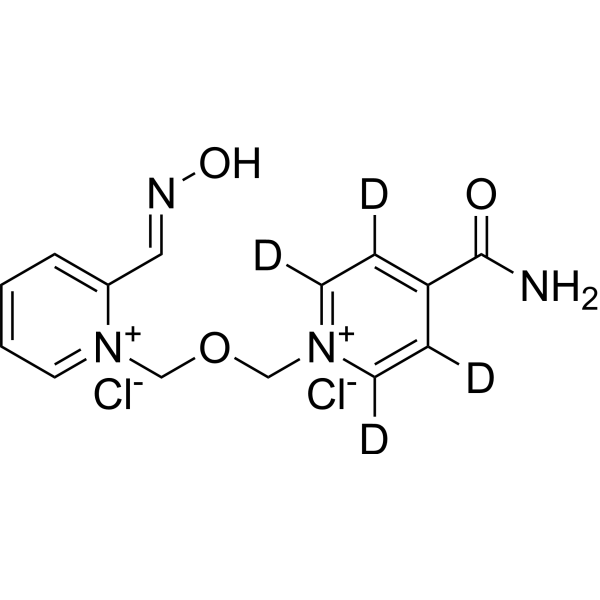
Asoxime-d4 dichloride (HI-6-d4) is the deuterium labeled Asoxime dichloride. Asoxime dichloride is an orally active thiosemicarbazone-based antidote. Asoxime dichloride is a reversible inhibitor of AChE, and its core mechanism of action is to re-activate AChE inhibited by nerve toxins, thereby restoring the cholinergic nerve function. Asoxime dichloride significantly restores the function of poisoned muscles without reactivating AChE. Asoxime dichloride is an antagonist of acetylcholine receptors (AChRs), including nicotinic receptor and α7 nAChR. Asoxime dichloride can serve as an effective immunomodulator, improving the immune effect of the nervous system.
loading...
    loading...
Cat. No.: HY-B0567
CAS No.: 522-51-0
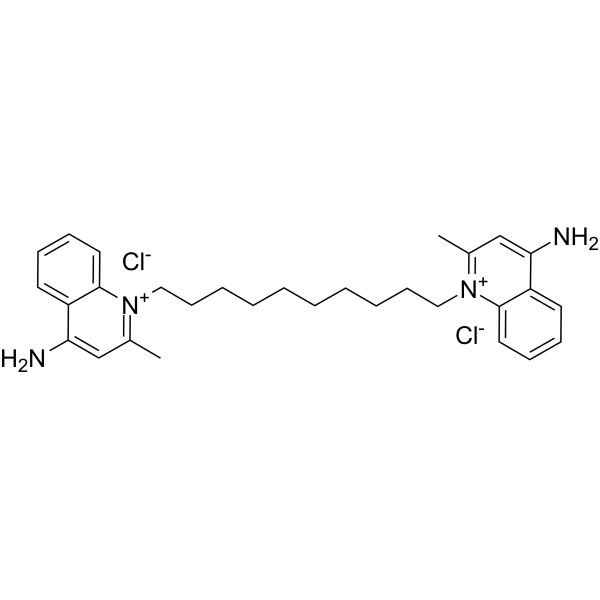
Dequalinium chloride is an Apamin (HY-P0256)-sensitive potassium channel selective blocker. Dequalinium chloride is a cationic, lipophilic mitochondrial poison. Dequalinium chloride is also an antagonist pf α7 nAChR, and an anti-microbial antiseptic agent with a broad bactericidal and fungicidal activity .
loading...
    loading...
Cat. No.: HY-P0102
CAS No.: 823202-99-9
Target:  

nAChR

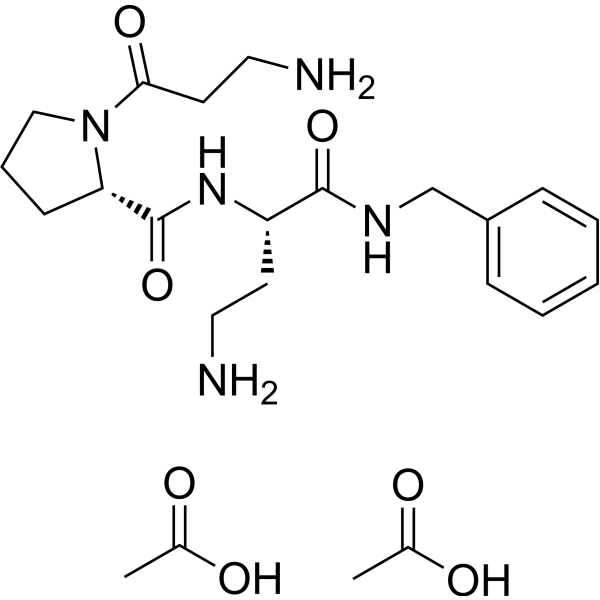
Dipeptide diaminobutyroyl benzylamide diacetate, a Wagerlin-1-mimicking peptide, is a nAChR antagonist. Dipeptide diaminobutyroyl benzylamide diacetate mimics Waglerin-1 to block neuromuscular junction nicotinic acetylcholine receptors, partially inhibits neuronal signal transduction, and relaxes muscles. Dipeptide diaminobutyroyl benzylamide diacetate reduces appearance of facial wrinkles linked to repeated muscle movement.Dipeptide diaminobutyroyl benzylamide diacetate can be used for the research of mild-to-moderate fine and coarse periocular and perioral wrinkles and periorbital ageing .
loading...
    loading...
Cat. No.: HY-125159
CAS No.: 187865-22-1
Synonyms: PF-00520904
Target:  

Parasite nAChR

Research Areas:  

Infection

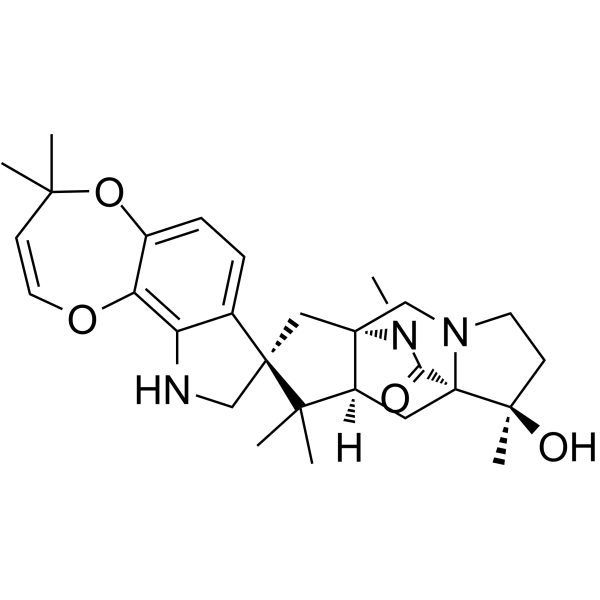
Derquantel, a spirocyclic anthelmintic, is a competitive, orally active nicotinic acetylcholine receptor (nAChR) antagonist. Derquantel inhibits ACh-induced depolarization with an IC50 of 0.22 μM. By selectively antagonizing nAChRs on the somatic muscles of nematodes, Derquantel causes flaccid paralysis of muscles, thereby dislodging parasites from the host's gastrointestinal tract. Derquantel is applicable to research related to Haemonchus contortus infection and Ascaris suum infection .
loading...
    loading...
Cat. No.: HY-P1264F
Target:  

nAChR

Research Areas:  

Neurological Disease

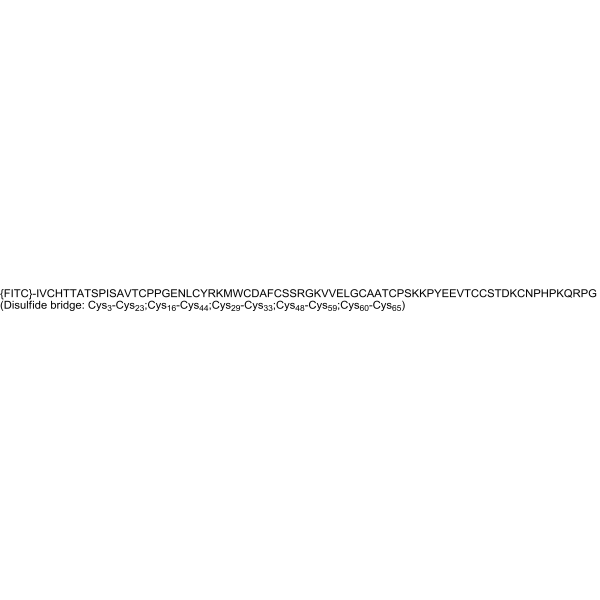
FITC-labeled α-Bungarotoxin is FITC-conjugated α-Bungarotoxin (HY-P1264). α-Bungarotoxin acts as a competitive antagonist of nicotinic acetylcholine receptors (nAChRs) .
loading...
    loading...

