1. Search Result
Search Result
Pathways Recommended: Stem Cell/Wnt Cell Cycle/DNA Damage
Results for "

neural stem cell differentiation

" in MedChemExpress (MCE) Product Catalog:

28

Inhibitors & Agonists

2

Screening Libraries

3

Fluorescent Dyes

3

Biochemical Assay Reagents

1

Peptides

9

Natural
Products

1

Isotope-Labeled Compounds

3

GMP Molecules

Cat. No. Product Name Target Research Areas Chemical Structure
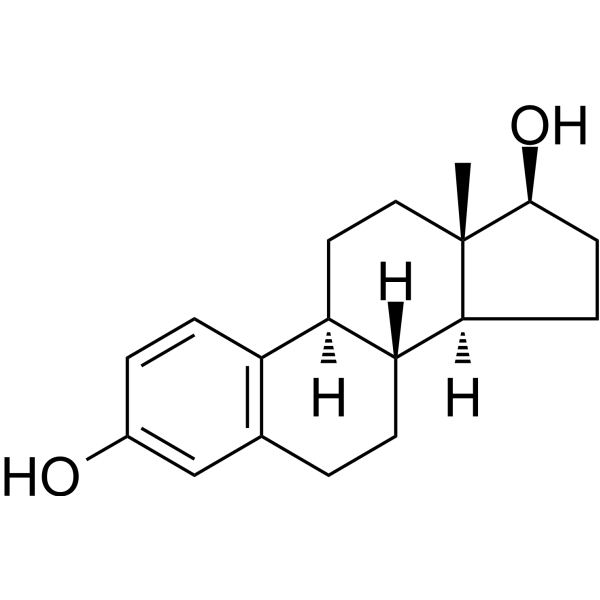
  • HY-B0141
    Estradiol
    Maximum Cited Publications
    122 Publications Verification

    β-Estradiol; E2; 17β-Estradiol; 17β-Oestradiol

    Estrogen Receptor/ERR Endogenous Metabolite Bacterial Endocrinology Cancer
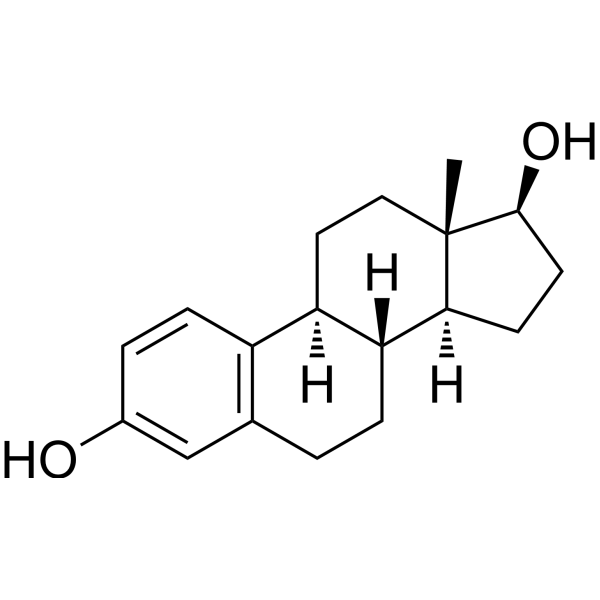
    Estradiol (β-Estradiol) is a steroid hormone and the major female sex hormone. Estradiol can up-regulate the expression of neural markers of human endometrial stem cells (hEnSCs) and promote their neural differentiation. Estradiol can be used for the research of cancers, neurodegenerative diseases and neural tissue engineering .
    Estradiol
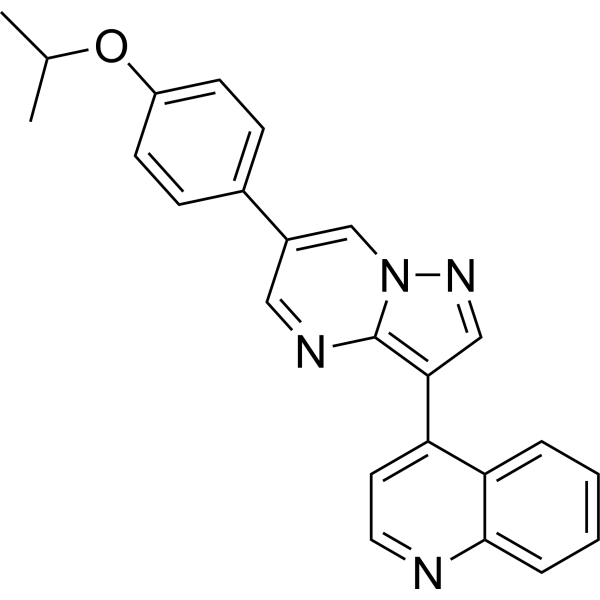
  • HY-12273
    DMH-1
    10+ Cited Publications

    TGF-β Receptor Organoid Microtubule/Tubulin Cardiovascular Disease Neurological Disease
    DMH-1 (GMP) is GMP grade DMH-1 (HY-12273). DMH-1 is a selective BMP inhibitor. DMH-1 upregulates the expression of SOX1. DMH-1 increases cardiomyocyte progenitor cells and promotes the differentiation of mouse embryonic stem cells into cardiomyocytes. DMH-1 induces the differentiation of hiPSC-derived neural progenitor cells into β3-tubulin-positive neurons .
    DMH-1
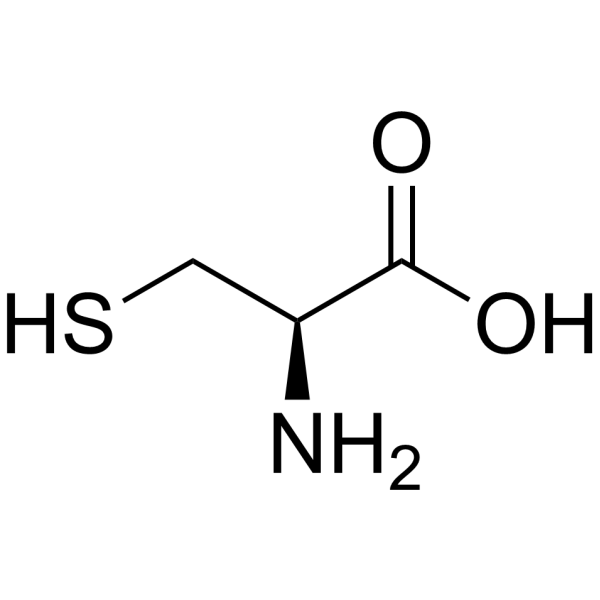
  • HY-Y0337
    L-Cysteine
    10+ Cited Publications

    Cysteine

    Environmental Pollutants Endogenous Metabolite Neurological Disease Metabolic Disease Cancer
    L-Cysteine (Cysteine) is an orally active conditionally essential amino acid with hypoglycemic effects, which acts as a precursor for biologically active molecules such as hydrogen sulphide (H2S), glutathione and taurine. L-Cysteine promotes the proliferation and differentiation of neural stem cells via the CBS/H2S pathway. L-Cysteine suppresses ghrelin and reduces appetite in rodents and humans. L-Cysteine can be used as an anorectic agent .
    L-Cysteine
  • HY-12323
    ISX-9
    10+ Cited Publications

    Isoxazole 9

    Calcium Channel Neurological Disease
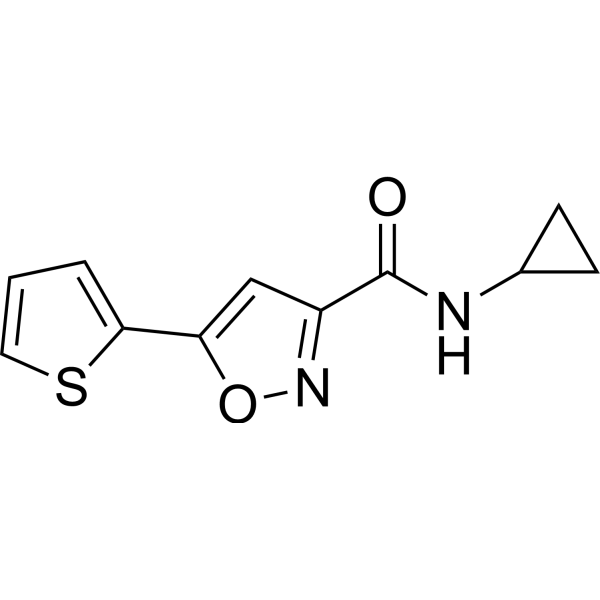
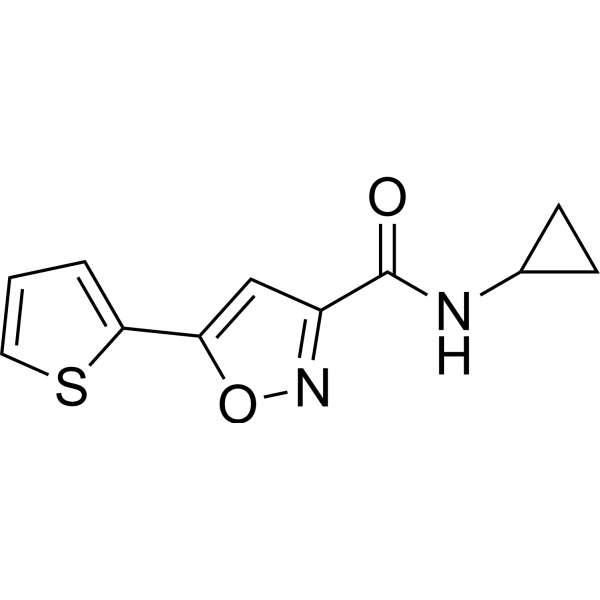
    ISX-9 (Isoxazole 9) is a potent inducer of adult neural stem cell differentiation. ISX-9 activates Ca 2+ influx through both voltage-gated Ca 2+ channels and NMDA receptors and increases neuroD expression. ISX-9 also induces cardiomyogenic differentiation of Notch-activated epicardium-derived cells (NECs) .
    ISX-9
  • HY-W019870
    Glufosinate ammonium
    1 Publications Verification

    Environmental Pollutants Herbicide Neurological Disease
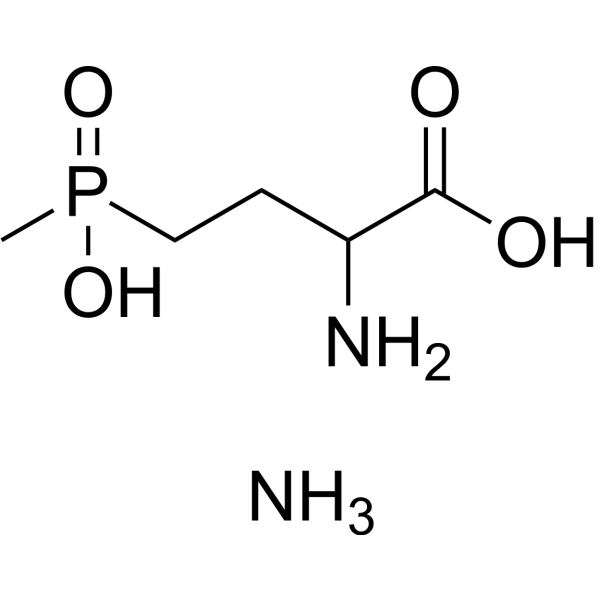
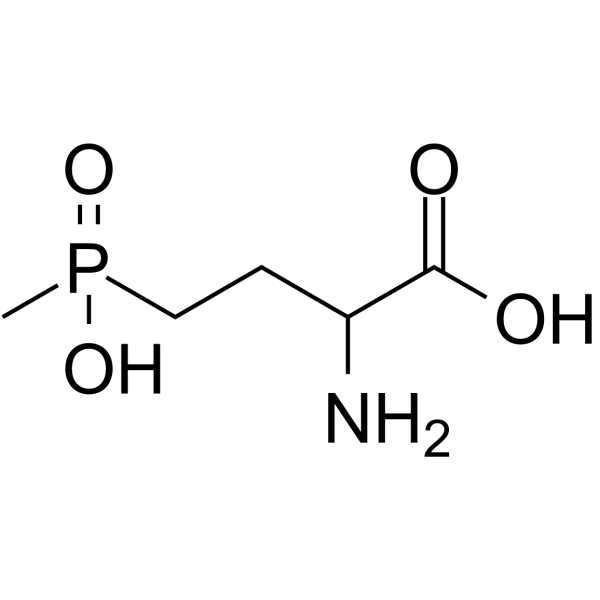
    Glufosinate ammonium, a phosphinic acid analogue of glutamic acid, is an herbicide which is converted by plant cells into PT (L-phosphinothricin). Glufosinate ammonium exerts neurotoxic activity .
    Glufosinate ammonium
  • HY-B0141R
    Estradiol (Standard)
    Maximum Cited Publications
    122 Publications Verification

    β-Estradiol (Standard); E2 (Standard); 17β-Estradiol (Standard); 17β-Oestradiol (Standard)

    Reference Standards Estrogen Receptor/ERR Endogenous Metabolite Bacterial Endocrinology Cancer
    Estradiol (Standard) is the analytical standard of Estradiol. This product is intended for research and analytical applications. Estradiol (β-Estradiol) is a steroid hormone and the major female sex hormone. Estradiol can up-regulate the expression of neural markers of human endometrial stem cells (hEnSCs) and promote their neural differentiation. Estradiol can be used for the research of cancers, neurodegenerative diseases and neural tissue engineering .
    Estradiol (Standard)
  • HY-107413

    BMS-649

    RAR/RXR Tyrosine Hydroxylase Cancer
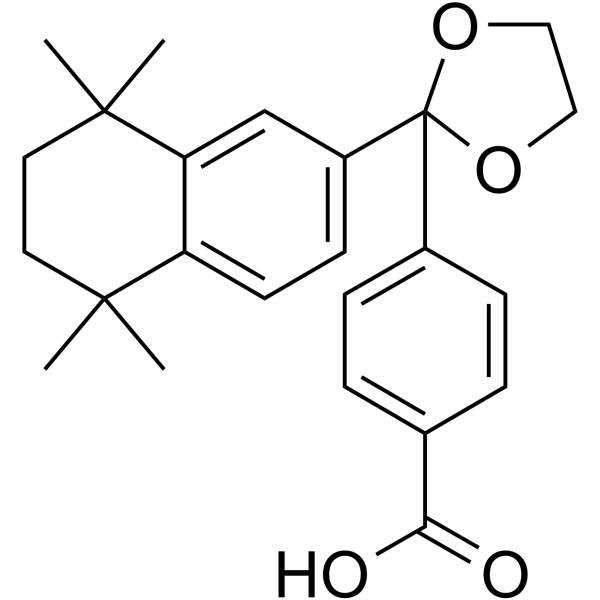
    SR11237 (BMS-649) GMP is SR11237 (HY-107413) produced by using GMP guidelines. GMP small molecules works appropriately as an auxiliary reagent for cell therapy manufacture. SR11237 is a RXR activator and lipid metabolism regulator that promotes the differentiation of induced neural stem cells into dopaminergic (TH-positive) neurons. SR11237 induces transcriptional regulation of lipogenic genes and cholesterol transporters, increases glycosaminoglycan release, and elevates total cellular triglyceride levels. SR11237 promotes heterodimerization of RXR with Nurr1, thereby enhancing tyrosine hydroxylase expression and facilitating dopamine release. SR11237 produces a synergistic effect when used in combination with bFGF/EGF. SR11237 is mainly used in studies related to osteoarthritis and Parkinson's disease .
    SR11237
  • HY-N6588

    3,4,5-triCQA

    Akt NF-κB Inflammation/Immunology Cancer
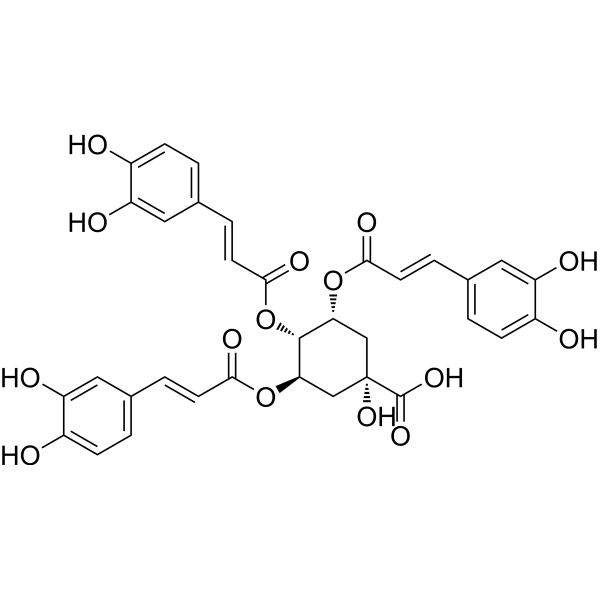
    3,4,5-Tricaffeoylquinic acid (3,4,5-triCQA) inhibits tumor necrosis factor-α-stimulated production of inflammatory mediators in keratinocytes via suppression of Akt- and NF-κB-pathways. 3,4,5-Tricaffeoylquinic acid induces cell cycle arrest at G0/G1, actin cytoskeleton organization, chromatin remodeling, neuronal differentiation, and bone morphogenetic protein signaling in human neural stem cells. 3,4,5-Tricaffeoylquinic acid has the potential for the research of aging-associated diseases .
    3,4,5-Tricaffeoylquinic acid
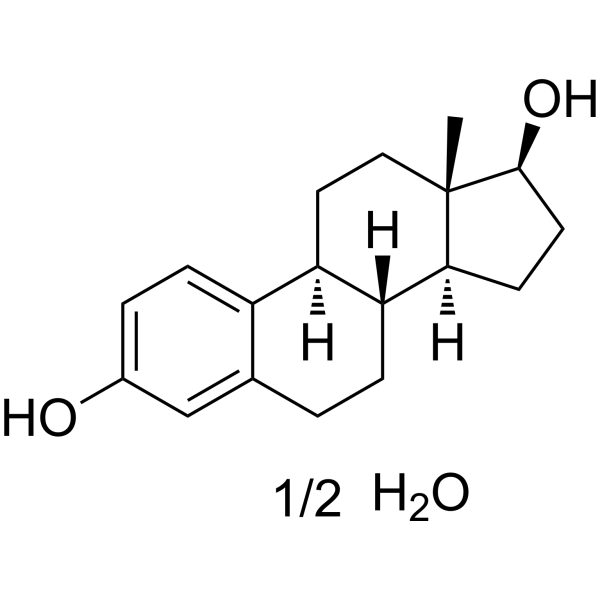
  • HY-B0141C
    Estradiol hemihydrate
    Maximum Cited Publications
    122 Publications Verification

    β-Estradiol hemihydrate; 17β-Estradiol hemihydrate; 17β-Oestradiol hemihydrate

    Estrogen Receptor/ERR Endogenous Metabolite Bacterial Neurological Disease Cancer
    Estradiol (β-Estradiol) hemihydrate is a steroid hormone and the major female sex hormone. Estradiol (β-Estradiol) hemihydrate can up-regulate the expression of neural markers of human endometrial stem cells (hEnSCs) and promote their neural differentiation. Estradiol (β-Estradiol) hemihydrate can be used for the research of cancers, neurodegenerative diseases and neural tissue engineering .
    Estradiol hemihydrate
  • HY-N2740

    Sirtuin Neurological Disease
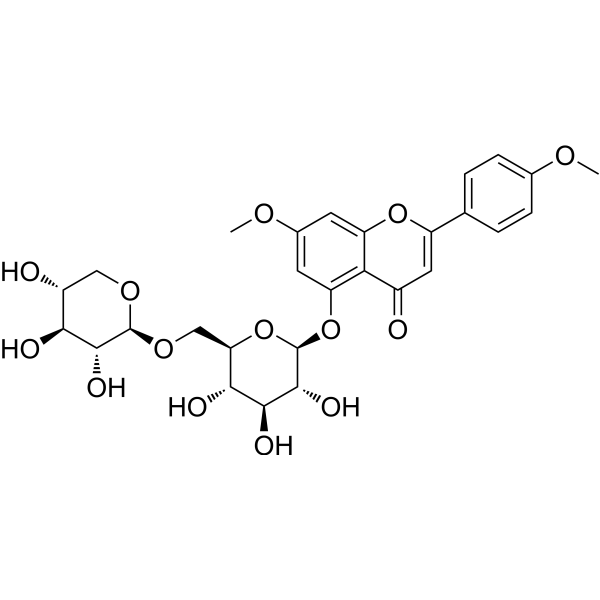
    Agalloside is a neural stem cell differentiation activator that binds to Hes1, and it is found in Aquilaria agallocha. Agalloside promotes the differentiation of neural stem cells and increases the number of neurons. Agalloside can be used in studies related to neural stem cell differentiation .
    Agalloside
  • HY-10591
    Neuropathiazol
    1 Publications Verification

    TGF-β Receptor Neurological Disease
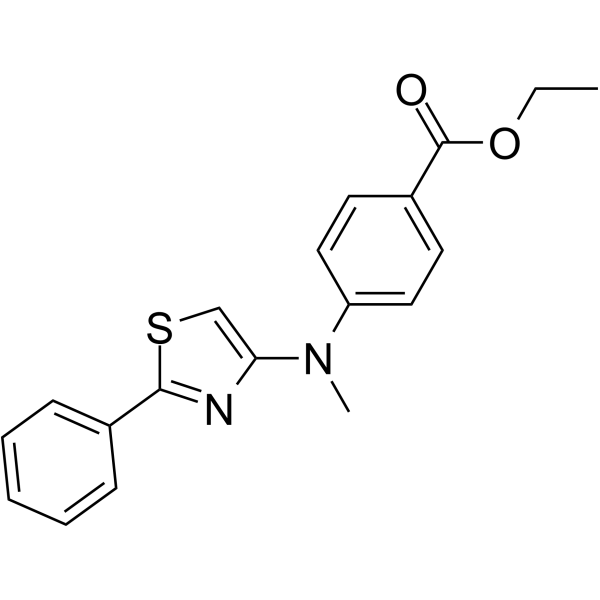
    Neuropathiazol, a neuronal differentiation inducer, selectively induces neuronal differentiation of multipotent hippocampal neural progenitor cells .
    Neuropathiazol
  • HY-116461

    CID2440433

    GPR55 Neurological Disease
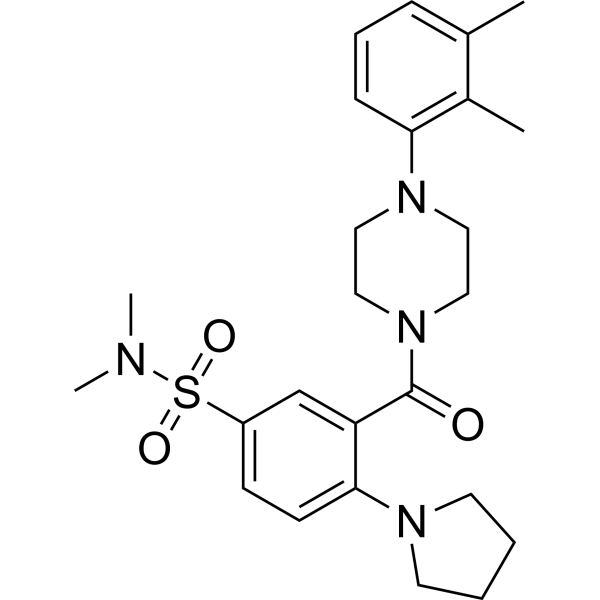
    ML-184 (CID244033) is a selective GPR55 agonist with an EC50 of 250 nM, more than 100-fold selectivity for GPR55 over GPR35, CB1, and CB2. ML-184 induces ERK1/2 phosphorylation and PKCβII translocation to the plasma membrane via activation of GPR55. ML-184 (CID2440433) increases the proliferation of neural stem cells and promotes neuronal differentiation in vitro .
    ML-184
  • HY-12273G

    Organoid TGF-β Receptor Microtubule/Tubulin Cardiovascular Disease Neurological Disease
    DMH-1 (GMP) is GMP grade DMH-1 (HY-12273). DMH-1 (GMP) is a selective BMP inhibitor. DMH-1 (GMP) upregulates the expression of SOX1. DMH-1 (GMP) increases cardiomyocyte progenitor cells and promotes the differentiation of mouse embryonic stem cells into cardiomyocytes. DMH-1 (GMP) induces the differentiation of hiPSC-derived neural progenitor cells into β3-tubulin-positive neurons .
    DMH-1
  • HY-13418G

    Compound C dihydrochloride; BML-275 dihydrochloride

    AMPK Neurological Disease Cancer
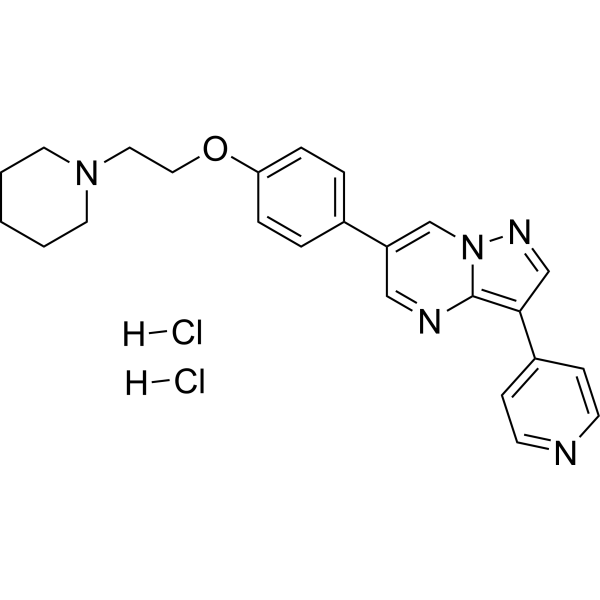
    Dorsomorphin dihydrochloride (GMP) is the GMP level of Dorsomorphin dihydrochloride (HY-13418). GMP guidelines are used to produce Dorsomorphin dihydrochloride (GMP). GMP small molecules works appropriately as an auxiliary reagent for cell research manufacture. Dorsomorphin dihydrochloride (GMP) is a potent, selective and ATP-competitive AMPK inhibitor. Dorsomorphin dihydrochloride (GMP) can be used for the research of induced differentiation of pluripotent stem cells (PSCs) .
    Dorsomorphin dihydrochloride
  • HY-N2045
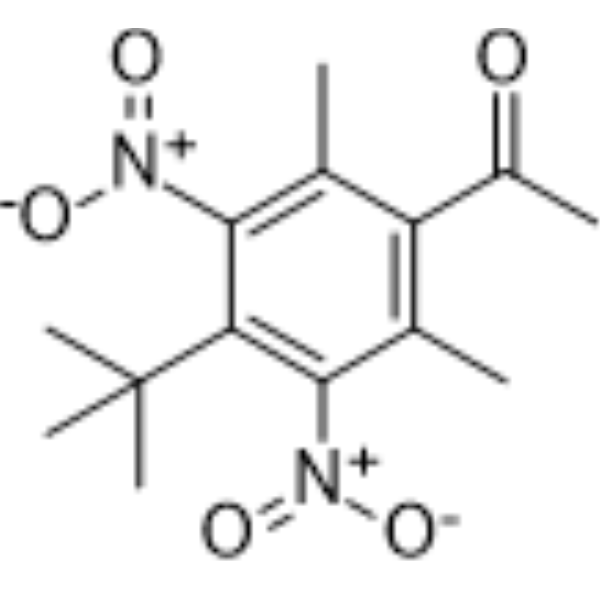
    Musk ketone
    1 Publications Verification

    Environmental Pollutants Apoptosis Akt Cytochrome P450 PI3K Neurological Disease
    Musk ketone is a widely used artificial fragrance. Musk ketone is also a cytochrome P450 enzyme inducer. Musk ketone shows mutagenic and comutagenic effects in Hep G2 cells and induces neural stem cell proliferation and differentiation in cerebral ischemia via activation of the PI3K/Akt signaling pathway. In the brain, musk ketone is neuroprotective against stroke injury through inhibition of cell apoptosis .
    Musk ketone
  • HY-W019870R

    Herbicide Reference Standards Neurological Disease
    Glufosinate (ammonium) (Standard) is the analytical standard of Glufosinate (ammonium). This product is intended for research and analytical applications. Glufosinate ammonium, a phosphinic acid analogue of glutamic acid, is an herbicide which is converted by plant cells into PT (L-phosphinothricin). Glufosinate ammonium exerts neurotoxic activity .
    Glufosinate ammonium (Standard)
  • HY-W019870A

    Herbicide Neurological Disease
    Glufosinate, a phosphinic acid analogue of glutamic acid, is a herbicide which is converted by plant cells into PT (L-phosphinothricin). Glufosinate exerts neurotoxic activity .
    Glufosinate
  • HY-P3483

    PACAP Receptor Caspase Apoptosis PKA Interleukin Related TNF Receptor Cardiovascular Disease Neurological Disease
    Maxadilan is a specific irreversible PAC1 receptor agonist and a potent vasodilator peptide present in the salivary glands of sand flies. Maxadilan exhibits anti-apoptotic activity in hADSCs. Maxadilan inhibits pro-inflammatory cytokines (TNF-α) and enhances anti-inflammatory mediators (IL-10). Maxadilan can activate leukocytes and inhibit vascular permeability through PAC1 receptors. Maxadilan promotes neural differentiation of human adipose-derived stem cells. Maxadilan can be used to study endotoxin shock, atherosclerosis, and neurodegenerative diseases [1] [2] [3] [4] [5].
    Maxadilan
  • HY-12323G

    Isoxazole 9

    Calcium Channel Cardiovascular Disease Neurological Disease
    ISX-9 (Isoxazole 9) is a potent inducer of adult neural stem cell differentiation.
    ISX-9
  • HY-N1838

    Others Neurological Disease
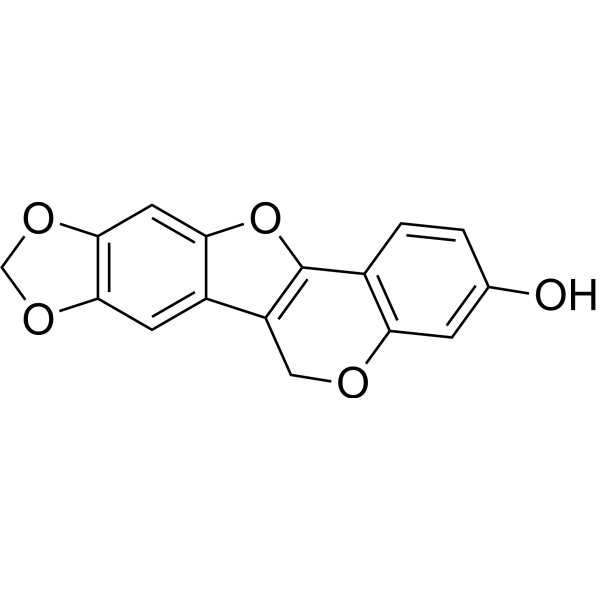
    Dehydromaackiain is a potent Neurogenin2 (Ngn2) promoter activator. Dehydromaackiain promotes differentiation of neural stem cells into neurons .
    Dehydromaackiain
  • HY-N0949

    Others Neurological Disease
    (-)-Variabilin (compound 13) is an Neurogenin2 (Ngn2) promoter activator isolated from Butea superba. (-)-Variabilin promotes differentiation of neural stem cells into neurons .
    (-)-Variabilin
  • HY-122788

    Oleoyl serinol

    Apoptosis Cancer
    N-Oleoyl serinol is a ceramide analog that can be used in stem cell therapy to prevent stem cells from developing into teratomas. N-Oleoyl serinol induces apoptosis in residual pluripotent embryoid body-derived cells (EBCs), prevents teratoma formation, and enriches EBC cells that undergo neural differentiation after transplantation .
    N-Oleoyl serinol
  • HY-101349

    Dopamine Receptor Apoptosis Autophagy PDGFR ERK mTOR Neurological Disease Cancer
    L 741742 is a highly selective and brain-penetrant D4 dopamine receptor antagonist, with Ki values of 3.5 nM, 770 nM and >1700 nM for human D4, D3 and D2 receptors, respectively. L 741742 suppresses PDGFRβ, ERK1/2, and mTOR signaling pathways, and impairs autophagic flux while disrupting lysosomal function.L 741742 induces G0/G1 cell-cycle arrest and apoptosis, promotes neuronal differentiation of normal human neural stem cells, selectively inhibits growth and clonogenic potential of glioblastoma neural stem cells and primary glioblastoma tumor cells, exerts synergistic effects with Temozolomide (TMZ) (HY-17364) against glioblastoma neural stem cells in vitro, and inhibits glioblastoma neural stem cell xenograft growth in immunocompromised mice. L 741742 can be used for the research of schizophrenia and glioblastoma .
    L 741742
  • HY-101349A

    Dopamine Receptor Apoptosis Autophagy PDGFR ERK mTOR Neurological Disease Cancer
    L 741742 hydrochloride is a highly selective and brain-penetrant D4 dopamine receptor antagonist, with Ki values of 3.5 nM, 770 nM and >1700 nM for human D4, D3 and D2 receptors, respectively. L 741742 hydrochloride suppresses PDGFRβ, ERK1/2, and mTOR signaling pathways, and impairs autophagic flux while disrupting lysosomal function.L 741742 hydrochloride induces G0/G1 cell-cycle arrest and apoptosis, promotes neuronal differentiation of normal human neural stem cells, selectively inhibits growth and clonogenic potential of glioblastoma neural stem cells and primary glioblastoma tumor cells, exerts synergistic effects with Temozolomide (TMZ) (HY-17364) against glioblastoma neural stem cells in vitro, and inhibits glioblastoma neural stem cell xenograft growth in immunocompromised mice. L 741742 hydrochloride can be used for the research of schizophrenia and glioblastoma .
    L 741742 hydrochloride
  • HY-W724404

    Oleoyl serinol-d5

    Isotope-Labeled Compounds Apoptosis Cancer
    N-Oleoyl serinol-d5 (Oleoyl serinol-d5) is the deuterium labeled N-Oleoyl serinol (HY-122788). N-Oleoyl serinol is a ceramide analog that can be used in stem cell therapy to prevent stem cells from developing into teratomas. N-Oleoyl serinol induces apoptosis in residual pluripotent embryoid body-derived cells (EBCs), prevents teratoma formation, and enriches EBC cells that undergo neural differentiation after transplantation .
    N-Oleoyl serinol-d5
  • HY-10591R

    TGF-β Receptor Reference Standards Neurological Disease
    Neuropathiazol (Standard) is the analytical standard of Neuropathiazol (HY-10591). This product is intended for research and analytical applications. Neuropathiazol, a neuronal differentiation inducer, selectively induces neuronal differentiation of multipotent hippocampal neural progenitor cells .
    Neuropathiazol (Standard)
  • HY-W133907

    Environmental Pollutants Biochemical Assay Reagents Others
    Tetrakis (hydroxymethyl) phosphonium sulfate is a protein crosslinker and hydrogel modifier. Tetrakis (hydroxymethyl) phosphonium sulfate covalently binds to primary and secondary amines of amino acids or proteins via a Mannich-type reaction, thereby constructing stable crosslinking bonds between protein molecules. Tetrakis (hydroxymethyl) phosphonium sulfate not only regulates the gelation time and storage modulus of recombinant elastin-like protein hydrogels, but also exhibits excellent cytocompatibility, and supports the differentiation and growth of embryonic stem cells and neural cells in a three-dimensional encapsulation environment. Tetrakis (hydroxymethyl) phosphonium sulfate is suitable for protein-based hydrogel systems, especially for applications related to cell encapsulation .
    Tetrakis(hydroxymethyl)phosphonium sulfate
  • HY-107413R

    BMS-649 (Standard)

    Reference Standards RAR/RXR Tyrosine Hydroxylase Neurological Disease Inflammation/Immunology
    SR11237 (Standard) is the analytical standard of SR11237 (HY-107413). This product is intended for research and analytical applications. SR11237 is a RXR activator and lipid metabolism regulator that promotes the differentiation of induced neural stem cells into dopaminergic (TH-positive) neurons. SR11237 induces transcriptional regulation of lipogenic genes and cholesterol transporters, increases glycosaminoglycan release, and elevates total cellular triglyceride levels. SR11237 promotes heterodimerization of RXR with Nurr1, thereby enhancing tyrosine hydroxylase expression and facilitating dopamine release. SR11237 produces a synergistic effect when used in combination with bFGF/EGF. SR11237 is mainly used in studies related to osteoarthritis and Parkinson's disease .
    SR11237 (Standard)

Inquiry Online

Your information is safe with us. * Required Fields.

Salutation


Country or Region *

Applicant Name *


Organization Name *

Department *


Email Address *


Product Name *

Cat. No.


Requested quantity *

Phone Number *


Remarks

Inquiry Online

Inquiry Information

Product Name:
Cat. No.:
Quantity:
MCE Japan Authorized Agent:

