1. Search Result
Search Result
Results for "

neurotransmitters dopamine

" in MedChemExpress (MCE) Product Catalog:

71

Inhibitors & Agonists

2

Screening Libraries

1

Biochemical Assay Reagents

14

Natural
Products

14

Isotope-Labeled Compounds

Cat. No. Product Name Target Research Areas Chemical Structure
  • HY-B1081A
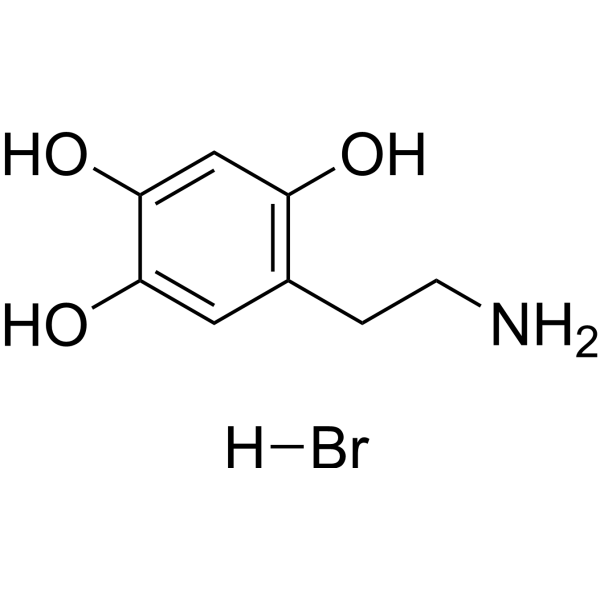
    Oxidopamine hydrobromide
    Maximum Cited Publications
    41 Publications Verification

    6-Hydroxydopamine hydrobromide; 6-OHDA hydrobromide

    Dopamine Receptor Autophagy Mitophagy COX PGE synthase Interleukin Related p38 MAPK Apoptosis Caspase Neurological Disease Cancer
    Oxidopamine (6-OHDA) hydrobromide is an antagonist of the neurotransmitter dopamine. Oxidopamine hydrobromide is a widely used neurotoxin and selectively destroys dopaminergic neurons. Oxidopamine hydrobromide promotes COX-2 activation, leading to PGE2 synthesis and pro-inflammatory cytokine IL-1β secretion. Oxidopamine hydrobromide can be used for the research of Parkinson’s disease (PD), attention-deficit hyperactivity disorder (ADHD), and Lesch-Nyhan syndrome .
    Oxidopamine hydrobromide
  • HY-B0451A
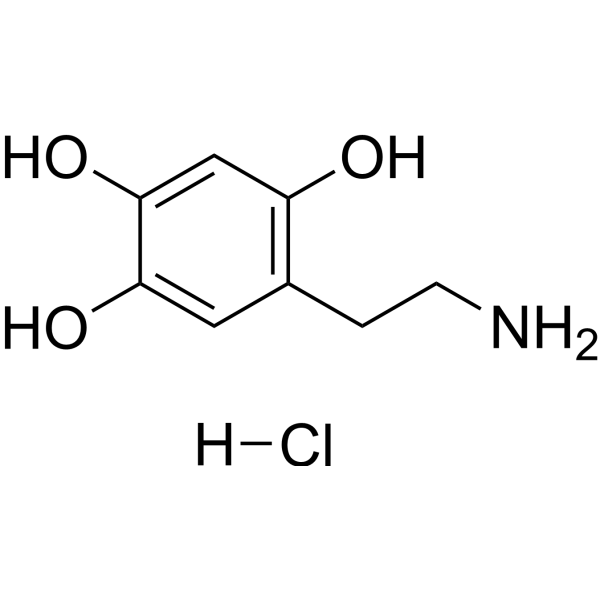
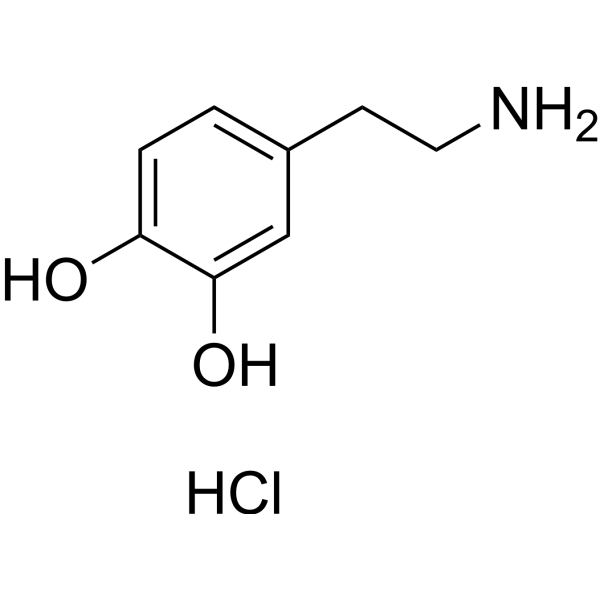
    Dopamine hydrochloride
    20+ Cited Publications

    ASL279

    Dopamine Receptor Endogenous Metabolite Ferroptosis Neurological Disease
    Dopamine hydrochloride (ASL279) is a catecholamine neurotransmitter that is produced in the substantia nigra, ventral tegmental area, and hypothalamus of the brain. Dopamine hydrochloride (ASL279) plays several important roles in the brain and body . Dopamine hydrochloride (ASL279) acts through D2 dopamine receptors to induce endocytosis of VEGFR2, which is critical for promoting angiogenesis .
    Dopamine hydrochloride
  • HY-N0304
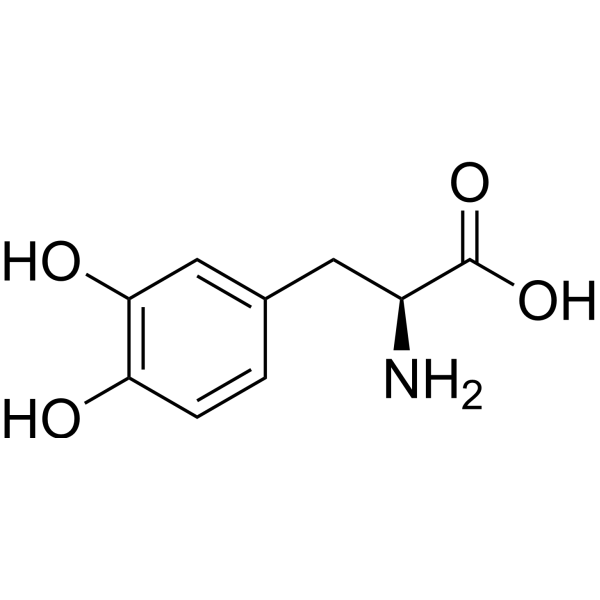
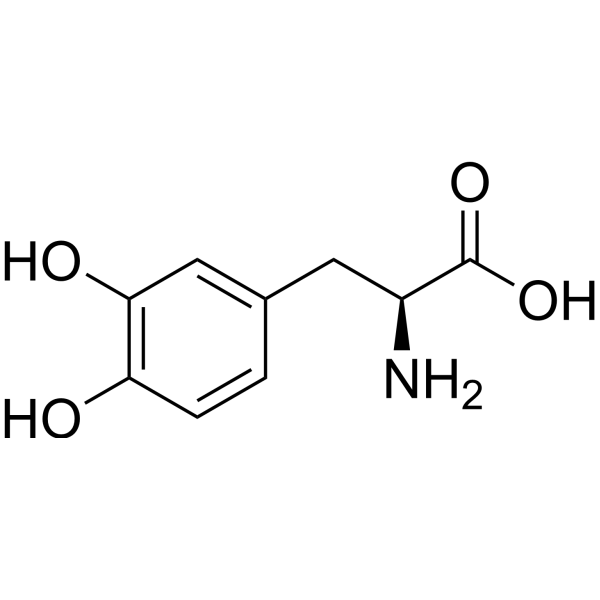
    L-DOPA
    Maximum Cited Publications
    35 Publications Verification

    Levodopa; 3,4-Dihydroxyphenylalanine

    Dopamine Receptor Endogenous Metabolite Neurological Disease Cancer
    L-DOPA (Levodopa) is an orally active metabolic precursor of neurotransmitters dopamine. L-DOPA can cross the blood-brain barrier and is converted into dopamine in the brain. L-DOPA has anti-allodynic effects and the potential for Parkinson's disease .
    L-DOPA
  • HY-B1081
    Oxidopamine hydrochloride
    Maximum Cited Publications
    41 Publications Verification

    6-Hydroxydopamine Hydrochloride

    Dopamine Receptor Autophagy Mitophagy COX PGE synthase Interleukin Related p38 MAPK Apoptosis Caspase Neurological Disease Cancer
    Oxidopamine (6-OHDA) hydrochloride is an antagonist of the neurotransmitter dopamine. Oxidopamine hydrochloride is a widely used neurotoxin and selectively destroys dopaminergic neurons. Oxidopamine hydrochloride promotes COX-2 activation, leading to PGE2 synthesis and pro-inflammatory cytokine IL-1β secretion. Oxidopamine hydrochloride can be used for the research of Parkinson’s disease (PD), attention-deficit hyperactivity disorder (ADHD), and Lesch-Nyhan syndrome .
    Oxidopamine hydrochloride
  • HY-B0451
    Dopamine
    20+ Cited Publications

    ASL279 free base

    Dopamine Receptor Endogenous Metabolite Ferroptosis Neurological Disease
    Dopamine is a catecholamine neurotransmitter that is produced in the substantia nigra, ventral tegmental area, and hypothalamus of the brain. Dopamine plays several important roles in the brain and body . Dopamine acts through D2 dopamine receptors to induce endocytosis of VEGFR2, which is critical for promoting angiogenesis .
    Dopamine
  • HY-W011727A
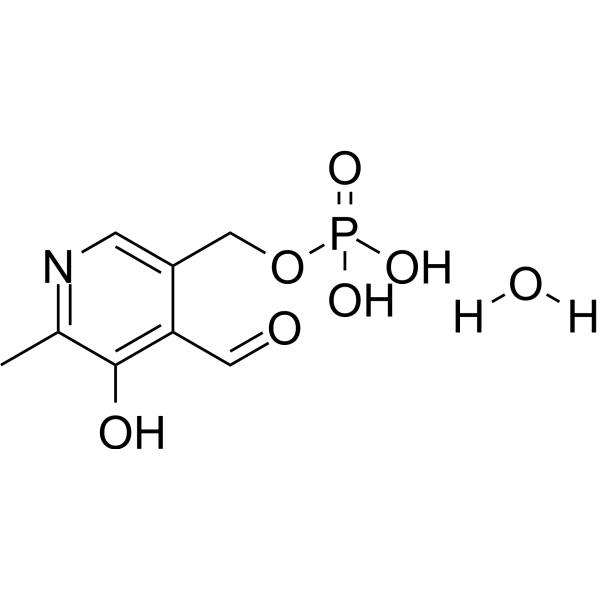
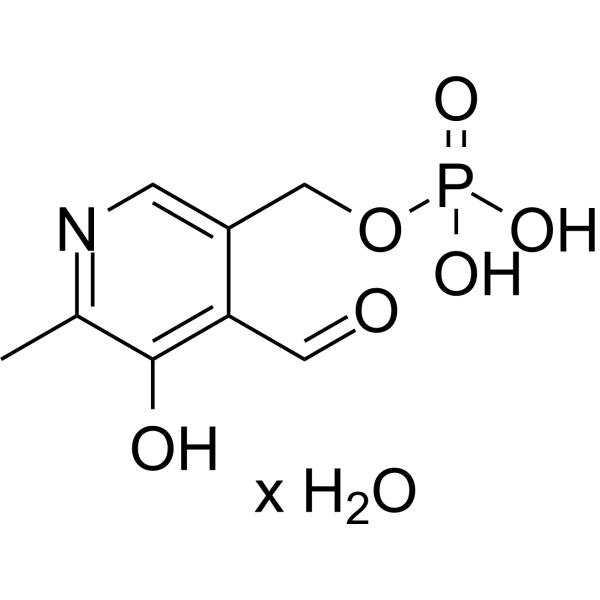
    Pyridoxal 5'-​phosphate monohydrate
    4 Publications Verification

    Pyridoxal phosphate monohydrate

    Endogenous Metabolite Amyloid-β ERK Neurological Disease Metabolic Disease Cancer
    Pyridoxal 5'-phosphate monohydrate, the active form of vitamin B6, is an essential cofactor for multiple enzymes, including aromatic l-amino acid decarboxylase that catalyzes the final stage in the production of the neurotransmitters dopamine and serotonin. Pyridoxal 5'-phosphate monohydrate is the most important coenzyme variant in the process of vitamin B6 intracellular phosphorylation and is interconvertible with other variants, including pyridoxine 5′‐phosphate (PNP) and pyridoxamine 5′‐phosphate (PMP) .
    Pyridoxal 5'-​phosphate monohydrate
  • HY-14472

    NS-2330

    Dopamine Transporter Serotonin Transporter Metabolic Disease
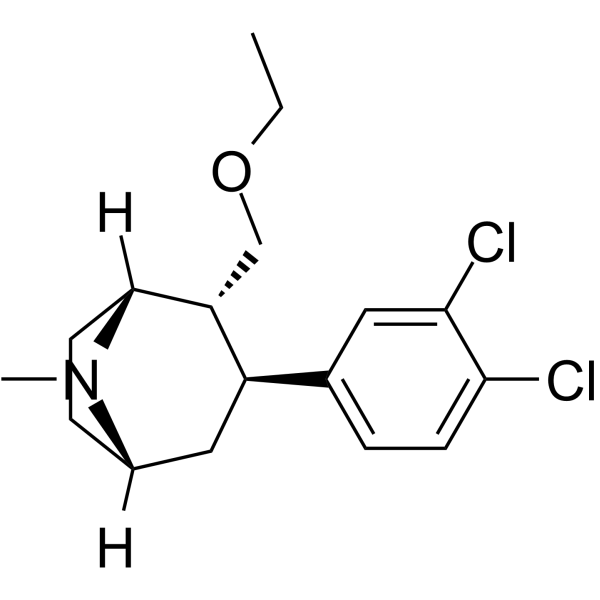
    Tesofensine (NS-2330) is a triple monoamine reuptake inhibitor inducing a potent inhibition of the re-uptake process in the synaptic cleft of the neurotransmitters dopamine (DA; IC50=6.5 nM), norepinephrine (NE;IC50=1.7 nM), and serotonin (5-HT;IC50=11 nM), and with potentials as an anti-obesity agent . Tesofensine is a CNS acting anti-obesity agent .
    Tesofensine
  • HY-W011727S

    Pyridoxal 5'-phosphate-d3

    Endogenous Metabolite Amyloid-β ERK Neurological Disease Metabolic Disease Cancer
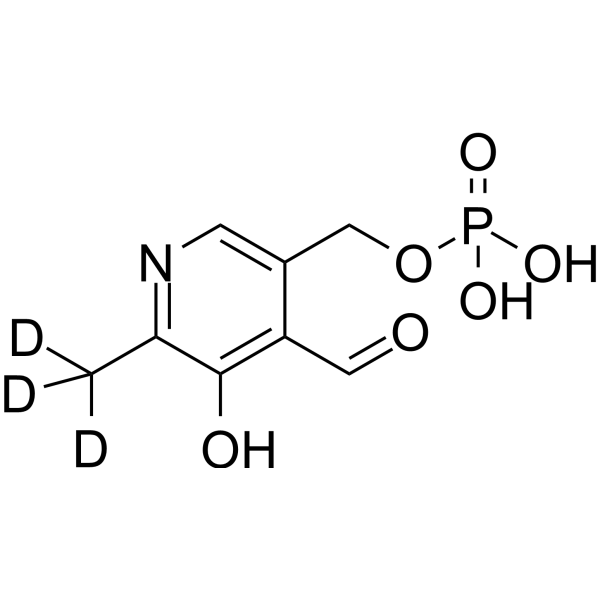
    Pyridoxal Phosphate-d3 is the deuterium labeled Pyridoxal 5'-phosphate. Pyridoxal 5'-phosphate, the active form of vitamin B6, is an essential cofactor for multiple enzymes, including aromatic l-amino acid decarboxylase that catalyzes the final stage in the production of the neurotransmitters dopamine and serotonin. Pyridoxal 5'-phosphate is the most important coenzyme variant in the process of vitamin B6 intracellular phosphorylation and is interconvertible with other variants, including pyridoxine 5′‐phosphate (PNP) and pyridoxamine 5′-phosphate (PMP) .
    Pyridoxal Phosphate-d3
  • HY-B1018A
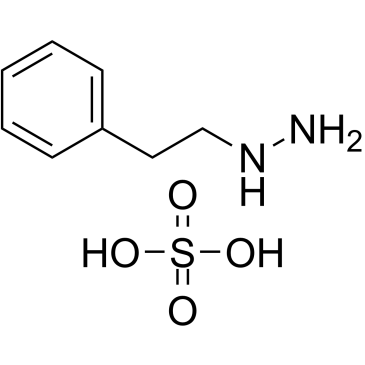
    Phenelzine sulfate
    5+ Cited Publications

    Monoamine Oxidase GABA Receptor Histone Demethylase Cardiovascular Disease Neurological Disease Metabolic Disease Inflammation/Immunology Cancer
    Phenelzine sulfate, an antidepressant agent, is an irreversible and orally active monoamine oxidase (MAO-A and MAO-B) inhibitor. Phenelzine sulfate inhibits GABA transaminase and primary amine oxidase (PrAO), and sequester reactive aldehydes. Phenelzine sulfate also inhibits LSD1 (Ki: 5.6 μM) and suppresses oxidative stress and lipogenesis. Phenelzine sulfate elevates neurotransmitters (serotonin, norepinephrine, dopamine). Phenelzine sulfate is studied in neurological, metabolic and cancer diseases for depression and anxiety disorders, stroke, spinal cord injury, traumatic brain injury, multiple sclerosis, Parkinson’s disease, Alzheimer’s disease, inflammatory pain, obesity and prostate cancer .
    Phenelzine sulfate
  • HY-N0304R
    L-DOPA (Standard)
    1 Publications Verification

    Levodopa (Standard); 3,4-Dihydroxyphenylalanine (Standard)

    Reference Standards Dopamine Receptor Endogenous Metabolite Neurological Disease Cancer
    L-DOPA (Standard) is the analytical standard of L-DOPA. This product is intended for research and analytical applications. L-DOPA (Levodopa) is an orally active metabolic precursor of neurotransmitters dopamine. L-DOPA can cross the blood-brain barrier and is converted into dopamine in the brain. L-DOPA has anti-allodynic effects and the potential for Parkinson's disease .
    L-DOPA (Standard)
  • HY-W250174

    3,5-Diiodosalicylic acid lithium salt

    Biochemical Assay Reagents Others
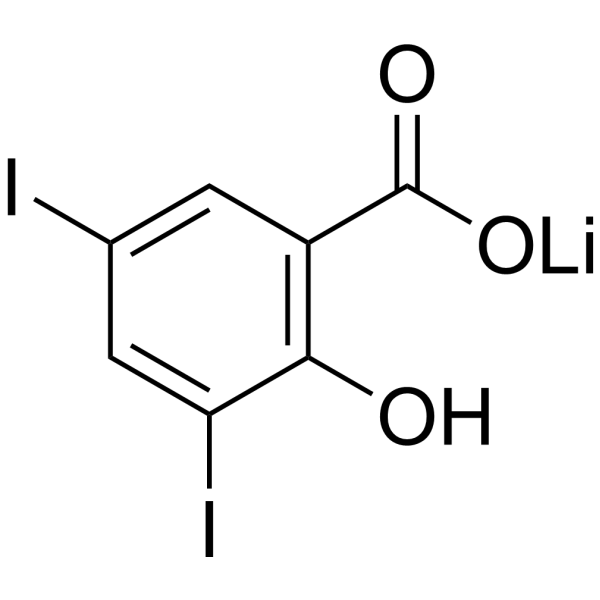
    Lithium 3,5-diiodosalicylate is a compound used in the study of bipolar disorder and other psychiatric disorders. It contains lithium and a salicylate. Lithium 3,5-diiodosalicylate works by affecting the levels of certain neurotransmitters in the brain, including dopamine and serotonin.
    Lithium 3,5-diiodosalicylate
  • HY-W011727
    Pyridoxal 5'-phosphate hydrate
    4 Publications Verification

    Pyridoxal phosphate hydrate

    Endogenous Metabolite Amyloid-β ERK Neurological Disease Metabolic Disease Cancer
    Pyridoxal 5'-phosphate hydrate, the active form of vitamin B6, is an essential cofactor for multiple enzymes, including aromatic l-amino acid decarboxylase that catalyzes the final stage in the production of the neurotransmitters dopamine and serotonin. Pyridoxal 5'-phosphate hydrate is the most important coenzyme variant in the process of vitamin B6 intracellular phosphorylation and is interconvertible with other variants, including pyridoxine 5′‐phosphate (PNP) and pyridoxamine 5′-phosphate (PMP) .
    Pyridoxal 5'-phosphate hydrate
  • HY-B1693
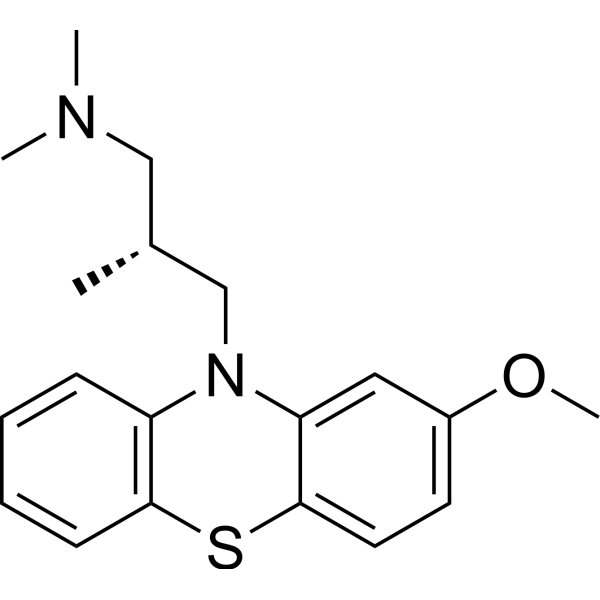
    Levomepromazine
    1 Publications Verification

    Methotrimeprazine

    5-HT Receptor Dopamine Receptor Histamine Receptor Autophagy Enterovirus Calcium Channel Infection Neurological Disease Inflammation/Immunology
    Levomepromazine (Methotrimeprazine) is an orally active antipsychotic compound and Ca 2+ release inducer. Levomepromazine inhibits SERCA pump and induces an increase in cytoplasmic Ca 2+ levels. Levomepromazine has antagonistic effects on a variety of neurotransmitter receptors, including dopamine, cholinergic, serotonin, and histamine receptors. Levomepromazine can induce adaptive ER stress and autophagy. In addition, Levomepromazine has antiviral, anti-inflammatory, neuroprotective and analgesic, sedative and anti-injurious activities. Levomepromazine can be used in the study psychiatric disorders and relieving nausea and vomiting .
    Levomepromazine
  • HY-B0451AR

    ASL279 (Standard)

    Reference Standards Dopamine Receptor Endogenous Metabolite Ferroptosis Neurological Disease
    Dopamine (hydrochloride) (Standard) is the analytical standard of Dopamine (hydrochloride). This product is intended for research and analytical applications. Dopamine hydrochloride (ASL279) is a catecholamine neurotransmitter that is produced in the substantia nigra, ventral tegmental area, and hypothalamus of the brain. Dopamine hydrochloride (ASL279) plays several important roles in the brain and body . Dopamine hydrochloride (ASL279) acts through D2 dopamine receptors to induce endocytosis of VEGFR2, which is critical for promoting angiogenesis .
    Dopamine hydrochloride (Standard)
  • HY-A0019A
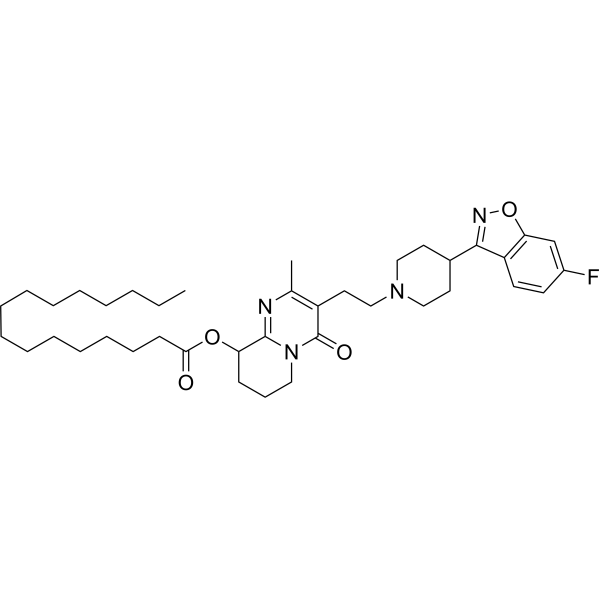
    Paliperidone palmitate
    1 Publications Verification

    9-Hydroxyrisperidone palmitate

    Dopamine Receptor 5-HT Receptor Neurological Disease
    Paliperidone palmitate is an orally effective competitive antagonist of dopamine D2 receptors and 5-hydroxytryptamine 2A (5-HT2A) receptors that can cross the blood-brain barrier. Paliperidone palmitate competitively inhibits the effects of dopamine and 5-hydroxytryptamine by binding to dopamine D2 receptors and 5-HT2A receptors, regulating the balance of the neurotransmitter system and thus exerting antipsychotic activity. Paliperidone palmitate is mainly used in the research field of schizophrenia .
    Paliperidone palmitate
  • HY-N0304A
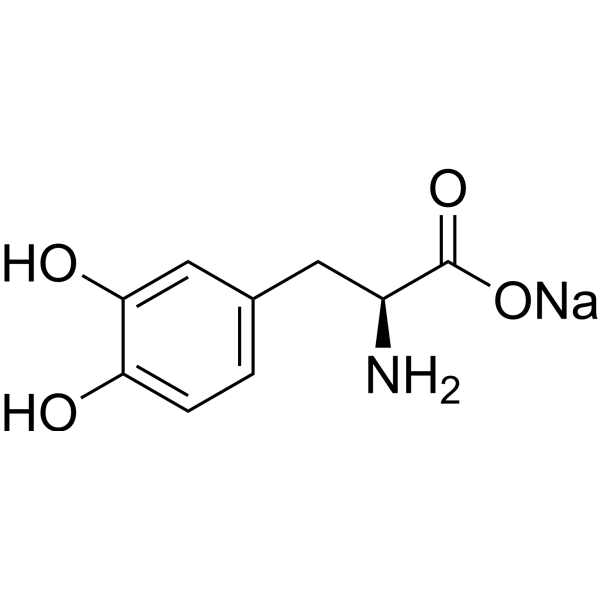
    L-DOPA sodium
    Maximum Cited Publications
    35 Publications Verification

    Levodopa sodium; 3,4-Dihydroxyphenylalanine sodium

    Dopamine Receptor Endogenous Metabolite Neurological Disease
    L-DOPA (Levodopa) sodium is an orally active metabolic precursor of neurotransmitters dopamine. L-DOPA sodium can cross the blood-brain barrier and is converted into dopamine in the brain. L-DOPA sodium has anti-allodynic effects, and can be used for Parkinson's disease research .
    L-DOPA sodium
  • HY-124767

    Neuropeptide Y Receptor Neurological Disease
    SR 142948A is a non-peptide neuropeptide neuropeptin (NT) receptor antagonist. SR 142948A is able to bind to neuropeptin receptors, especially with high affinity for NT1 and NT2 receptors. SR 142948A is mainly used to study the role of neuropeptide in the neurotransmitter system, especially the dopamine system .
    SR 142948A
  • HY-W011963

    Dopamine Receptor Neurological Disease
    Melevodopa hydrochloride is an effervescent Levodopa (HY-N0304) prodrug. Levodopa is an orally active metabolic precursor of neurotransmitters dopamine and has anti-allodynic effects and the potential for Parkinson's disease
    Melevodopa hydrochloride
  • HY-B0451AS7

    ASL279-d5 hydrochloride

    Isotope-Labeled Compounds Dopamine Receptor Endogenous Metabolite Ferroptosis Neurological Disease
    Dopamine-d5 (hydrochloride) is the deuterium labeled Dopamine (hydrochloride). Dopamine hydrochloride (ASL279) is a catecholamine neurotransmitter that is produced in the substantia nigra, ventral tegmental area, and hypothalamus of the brain. Dopamine hydrochloride (ASL279) plays several important roles in the brain and body . Dopamine hydrochloride (ASL279) acts through D2 dopamine receptors to induce endocytosis of VEGFR2, which is critical for promoting angiogenesis .
    Dopamine-d5 hydrochloride
  • HY-132392S

    Dopamine Receptor Endogenous Metabolite Neurological Disease
    L-DOPA-2,5,6-d3 is the deuterium labeled L-DOPA. L-DOPA (Levodopa) is an orally active metabolic precursor of neurotransmitters dopamine. L-DOPA can cross the blood-brain barrier and is converted into dopamine in the brain .
    L-DOPA-2,5,6-d3
  • HY-N0304S

    Levodopa-d6; 3,4-Dihydroxyphenylalanine-d6

    Dopamine Receptor Endogenous Metabolite Neurological Disease
    L-DOPA-d6 is the deuterium labeled L-DOPA. L-DOPA (Levodopa) is an orally active metabolic precursor of neurotransmitters dopamine. L-DOPA can cross the blood-brain barrier and is converted into dopamine in the brain. L-DOPA has anti-allodynic effects and the potential for Parkinson's disease .
    L-DOPA-d6
  • HY-12716A

    Adrenergic Receptor ERK p38 MAPK Dopamine Receptor Cardiovascular Disease Neurological Disease
    BRL-44408 maleate is a selective, blood-brain barrier-permeable α2A-adrenergic receptor antagonist with a Ki value of 8.56 nM against human targets. BRL-44408 maleate exhibits activities such as antidepressant, analgesic effects and attenuation of sepsis-induced acute lung injury by regulating the release of neurotransmitters such as norepinephrine and dopamine, or inhibiting signaling pathways including ERK1/2, p38MAPK and p65. BRL-44408 maleate can be used in studies related to acute respiratory distress syndrome, depression and visceral pain .
    BRL-44408 maleate
  • HY-Y0123

    Drug Derivative Infection Neurological Disease
    DL-Tyrosine is an aromatic nonessential amino acid synthesized from the essential amino acid phenylalanine. DL-Tyrosine is a precursor for several important neurotransmitters (epinephrine, norepinephrine, dopamine) .
    DL-Tyrosine
  • HY-N0304S2
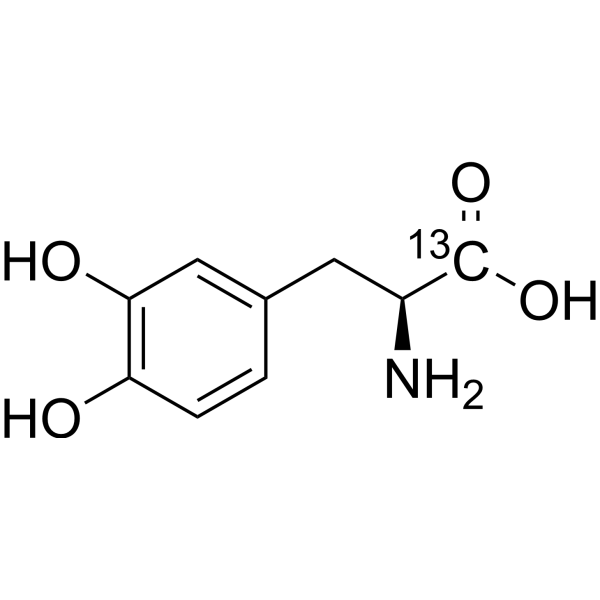
    L-DOPA-13C
    1 Publications Verification

    Dopamine Receptor Endogenous Metabolite Neurological Disease
    L-DOPA- 13C is the 13C labeled L-DOPA . L-DOPA (Levodopa) is an orally active metabolic precursor of neurotransmitters dopamine. L-DOPA can cross the blood-brain barrier and is converted into dopamine in the brain. L-DOPA has anti-allodynic effects and the potential for Parkinson's disease .
    L-DOPA-13C
  • HY-110019

    Lu 19-005

    Serotonin Transporter Dopamine Transporter Neurological Disease
    Indatraline hydrochloride (Lu 19-005) is a non-selective monoamine transporter inhibitor that blocks the reuptake of neurotransmitters (dopamine, serotonin, and norepinephrine). Indatraline hydrochloride can be used for the research of antidepressive. Indatraline hydrochloride induces autophagy while simultaneously inhibiting cell proliferation. Indatraline hydrochloride may also serve to direct the development of new agents for autophagy-related diseases such as atherosclerosis or restenosis .
    Indatraline hydrochloride
  • HY-103465

    Monoamine Transporter Others
    FFN511 is a potent fluorescent false neurotransmitters (FFNs) that targets neuronal vesicular monoamine transporter 2 (VMA T2). FFN511 inhibits serotonin binding to VMA T2-containing membranes with an IC50 of 1 µM. FFN511 directly images the dynamics of release during exocytosis, can be used to label dopamine terminals in live cortical-striatalacute slices .
    FFN511
  • HY-101540

    Dopamine Receptor Neurological Disease
    NMI 8739 is a dopamine D2 autoreceptor agonist, which is an amine conjugate of the DHA carrier and the neurotransmitter dopamine.
    NMI 8739
  • HY-N0304S1

    Levodopa-13C6; 3,4-Dihydroxyphenylalanine-13C6

    Dopamine Receptor Endogenous Metabolite Neurological Disease
    L-DOPA- 13C6 is the 13C-labled L-DOPA . L-DOPA (Levodopa) is an orally active metabolic precursor of neurotransmitters dopamine. L-DOPA can cross the blood-brain barrier and is converted into dopamine in the brain. L-DOPA has anti-allodynic effects and the potential for Parkinson's disease .
    L-DOPA-13C6
  • HY-Y0123S

    Isotope-Labeled Compounds Neurological Disease
    L-Tyrosine- 13C9, 15N is the 13C- and 15N-labeled L-Tyrosine. L-Tyrosine is an aromatic nonessential amino acid synthesized from the essential amino acid phenylalanine. L-Tyrosine is a precursor for several important neurotransmitters (epinephrine, norepinephrine, dopamine) .
    L-Tyrosine-13C9,15N
  • HY-13976A

    Drug Derivative Neurological Disease
    PRL-8-53 is an orally active, blood-brain barrier-permeable benzoate derivative with potent spasmolytic activity and central nervous system regulatory activity. PRL-8-53 acts on dopamine, serotonin and cholinergic-related targets, enhances dopamine activity, partially inhibits serotonin function and elicits cholinergic responses, thereby maintaining neurotransmitter balance in the central nervous system. PRL-8-53 improves learning ability, short-term memory and long-term memory in animals. PRL-8-53 can be used in central nervous system-related research .
    PRL-8-53
  • HY-W417914

    4-MA hydrochloride

    5-HT Receptor Monoamine Transporter Dopamine Receptor Neurological Disease
    4-Methylamphetamine hydrochloride is a 5-HT1A receptor agonist that induces hypothermia in rats by binding to the 5-HT1A receptor. Additionally, 4-Methylamphetamine hydrochloride acts on norepinephrine (NE), dopamine (DA), and serotonin (5-HT) transporters to increase the extracellular levels of these neurotransmitters. 4-Methylamphetamine hydrochloride can be used in the study of neurological disorders .
    4-Methylamphetamine hydrochloride
  • HY-14472R

    NS-2330 (Standard)

    Dopamine Transporter Serotonin Transporter Reference Standards Metabolic Disease
    Tesofensine (Standard) is the analytical standard of Tesofensine. This product is intended for research and analytical applications. Tesofensine (NS-2330) is a triple monoamine reuptake inhibitor inducing a potent inhibition of the re-uptake process in the synaptic cleft of the neurotransmitters dopamine (DA; IC50=6.5 nM), norepinephrine (NE;IC50=1.7 nM), and serotonin (5-HT;IC50=11 nM), and with potentials as an anti-obesity agent . Tesofensine is a CNS acting anti-obesity agent .
    Tesofensine (Standard)
  • HY-12716

    Adrenergic Receptor p38 MAPK Dopamine Receptor ERK Cardiovascular Disease Neurological Disease
    BRL-44408 is a selective, blood-brain barrier-permeable α2A-adrenergic receptor antagonist with a Ki value of 8.56 nM against human targets. BRL-44408 exhibits activities such as antidepressant, analgesic effects and attenuation of sepsis-induced acute lung injury by regulating the release of neurotransmitters such as norepinephrine and dopamine, or inhibiting signaling pathways including ERK1/2, p38MAPK and p65. BRL-44408 can be used in studies related to acute respiratory distress syndrome, depression and visceral pain .
    BRL-44408
  • HY-B1018AS

    Isotope-Labeled Compounds Monoamine Oxidase GABA Receptor Histone Demethylase Cardiovascular Disease Neurological Disease Metabolic Disease Inflammation/Immunology Cancer
    Phenelzine-d5 sulfate is the deuterium labeled Phenelzine sulfate (HY-B1018A). Phenelzine sulfate, an antidepressant agent, is an irreversible and orally active monoamine oxidase (MAO-A and MAO-B) inhibitor. Phenelzine sulfate inhibits GABA transaminase and primary amine oxidase (PrAO), and sequester reactive aldehydes. Phenelzine sulfate also inhibits LSD1 (Ki: 5.6 μM) and suppresses oxidative stress and lipogenesis. Phenelzine sulfate elevates neurotransmitters (serotonin, norepinephrine, dopamine). Phenelzine sulfate is studied in neurological, metabolic and cancer diseases for depression and anxiety disorders, stroke, spinal cord injury, traumatic brain injury, multiple sclerosis, Parkinson’s disease, Alzheimer’s disease, inflammatory pain, obesity and prostate cancer .
    Phenelzine-d5 sulfate
  • HY-W423643

    Drug Derivative Neurological Disease
    Benzedrone is a synthetic drug derivative. Benzedrone can increase the levels of neurotransmitters such as dopamine, serotonin and norepinephrine in the brain, thus producing a stimulant effect. Benzedrone can be used in the research of new psychoactive substances (NPS) .
    Benzedrone
  • HY-A0019AS

    9-Hydroxyrisperidone palmitate-d4

    Isotope-Labeled Compounds Dopamine Receptor 5-HT Receptor Neurological Disease
    Paliperidone palmitate-d4 (9-Hydroxyrisperidone palmitate-d4) is the deuterium labeled Paliperidone palmitate (HY-A0019A). Paliperidone palmitate is an orally effective competitive antagonist of dopamine D2 receptors and 5-hydroxytryptamine 2A (5-HT2A) receptors that can cross the blood-brain barrier. Paliperidone palmitate competitively inhibits the effects of dopamine and 5-hydroxytryptamine by binding to dopamine D2 receptors and 5-HT2A receptors, regulating the balance of the neurotransmitter system and thus exerting antipsychotic activity. Paliperidone palmitate is mainly used in the research field of schizophrenia .
    Paliperidone palmitate-d4
  • HY-18332B

    Dopamine Transporter Adrenergic Receptor 5-HT Receptor Neurological Disease
    DOV-102,677 is an orally sctive triple monoamine neurotransmitter reuptake inhibitor that simultaneously inhibits the dopamine (DAT) (IC50 = 129 nM; Ki = 222 nM), norepinephrine (NET) (IC50 = 103 nM; Ki = 1030 nM), and serotonin (SERT) (IC50 = 133 nM; Ki = 740 nM) transporters. DOV-102,677 demonstrated significant antidepressant-like activity and sensory-motor gating regulatory effects in mouse experiments. DOV-102,677 can be used for research on depression .
    DOV-102,677
  • HY-165527

    Dopamine Receptor 5-HT Receptor Neurological Disease
    S18327 is a multi-target antipsychotic agent. S18327 exerts its efficacy by acting on multiple neurotransmitter systems in the brain, and it has antagonistic effects on dopamine receptors (particularly the D2 receptor) and 5-hydroxytryptamine 2A receptors (5-HT2A receptor). S18327 can counteract excessive dopamine activity and hypo-function of glutamate. S18327 exhibits a multi-parameter pharmacological profile that is highly similar to that of Clozapine (HY-14539). S18327 can produce the same discriminative stimulus as Clozapine, improve cognitive filtering deficits associated with schizophrenia, and display anxiolytic properties. S18327 has relatively weak affinity for histaminergic receptors and muscarinic receptors, which avoids the side effects of Clozapine .
    S18327
  • HY-B1693A

    Methotrimeprazine hydrochloride

    5-HT Receptor Dopamine Receptor Histamine Receptor Autophagy Enterovirus Calcium Channel Infection Neurological Disease Inflammation/Immunology
    Levomepromazine (Methotrimeprazine) hydrochloride is an orally active antipsychotic compound and Ca 2+ release inducer. Levomepromazine inhibits SERCA pump and induces an increase in cytoplasmic Ca 2+ levels. Levomepromazine hydrochloride has antagonistic effects on a variety of neurotransmitter receptors, including dopamine, cholinergic, serotonin, and histamine receptors. Levomepromazine hydrochloride can induce adaptive ER stress and autophagy. In addition, Levomepromazine hydrochloride has antiviral, anti-inflammatory, neuroprotective and analgesic, sedative and anti-injurious activities. Levomepromazine hydrochloride can be used in the study psychiatric disorders and relieving nausea and vomiting .
    Levomepromazine hydrochloride
  • HY-B1693R

    Methotrimeprazine (Standard)

    Reference Standards 5-HT Receptor Dopamine Receptor Autophagy Histamine Receptor Enterovirus Calcium Channel Infection Neurological Disease Inflammation/Immunology
    Levomepromazine (Standard) is the analytical standard of Levomepromazine. This product is intended for research and analytical applications. Levomepromazine (Methotrimeprazine) is an orally active antipsychotic compound and Ca 2+ release inducer. Levomepromazine inhibits SERCA pump and induces an increase in cytoplasmic Ca 2+ levels. Levomepromazine has antagonistic effects on a variety of neurotransmitter receptors, including dopamine, cholinergic, serotonin, and histamine receptors. Levomepromazine can induce adaptive ER stress and autophagy. In addition, Levomepromazine has antiviral, anti-inflammatory, neuroprotective and analgesic, sedative and anti-injurious activities. Levomepromazine can be used in the study psychiatric disorders and relieving nausea and vomiting .
    Levomepromazine (Standard)
  • HY-122278

    Dopamine Receptor Neurological Disease
    Melevodopa is an effervescent levodopa (HY-N0304) prodrug. Levodopa is an orally active metabolic precursor of neurotransmitters dopamine and has anti-allodynic effects and the potential for Parkinson's disease .
    Melevodopa
  • HY-16731

    EVT 302; RG1577; RO4602522

    Monoamine Oxidase Reactive Oxygen Species (ROS) Neurological Disease
    Sembragiline (EVT 302) is a potent, selective and reversible monoamine oxidase B (MAO-B) inhibitor. Sembragiline reduces the metabolism of dopamine and other amine neurotransmitters by inhibiting the activity of the MAO-B enzyme, thereby potentially increasing the concentration of these neurotransmitters in the brain. Inhibition of the MAO-B enzyme also reduces the formation of toxic reactive oxygen species (ROS) that play a role in the pathological process of AD. Sembragiline has good oral activity and blood-brain barrier permeability. Sembragiline can be used in studies of AD, especially in patients with AD who show increased MAO-B activity .
    Sembragiline
  • HY-103465B

    Monoamine Transporter Others
    FFN511 (hydrochloride) is a potent fluorescent false neurotransmitters (FFNs) that targets neuronal vesicular monoamine transporter 2 (VMA T2). FFN511 (hydrochloride) inhibits serotonin binding to VMA T2-containing membranes with an IC50 of 1 µM. FFN511 (hydrochloride) directly images the dynamics of release during exocytosis, can be used to label dopamine terminals in live cortical-striatalacute slices .
    FFN511 hydrochloride
  • HY-121650

    Dopamine Receptor Neurological Disease
    ADTN is a dopamine receptor agonist that has the activity of promoting dopamine neurotransmission. ADTN can be used to increase the release of neurotransmitters, thereby improving dopamine-related physiological functions. ADTN's potential applications include inhibiting mental illness and improving cognitive function .
    ADTN
  • HY-W778608R

    Quercetin 7-O-β-glucuronide (Standard)

    Drug Metabolite Reference Standards Inflammation/Immunology
    Dopamine (hydrochloride) (Standard) is the analytical standard of Dopamine (hydrochloride). This product is intended for research and analytical applications. Dopamine hydrochloride (ASL279) is a catecholamine neurotransmitter that is produced in the substantia nigra, ventral tegmental area, and hypothalamus of the brain. Dopamine hydrochloride (ASL279) plays several important roles in the brain and body . Dopamine hydrochloride (ASL279) acts through D2 dopamine receptors to induce endocytosis of VEGFR2, which is critical for promoting angiogenesis .
    Quercetin 7-glucuronide (Standard)
  • HY-129097

    Fluorescent Dye Others
    FFN-102 trifluoroacetate is an analogue of biogenic neurotransmitters. FFN-102 trifluoroacetate is a pH-dependent fluorescent probe that labels dopamine cell bodies, axons, and presynaptic terminals .
    FFN-102 trifluoroacetate
  • HY-137546

    Haloperidol metabolite II

    Drug Metabolite
    Reduced Haloperidol (Haloperidol metabolite II) is an antipsychotic compound with neurotransmitter modulating activity. Reduced Haloperidol is commonly used to inhibit schizophrenia and other psychotic disorders. Reduced Haloperidol helps reduce the occurrence of hallucinations and delusions by inhibiting the activity of dopamine receptors.
    Reduced Haloperidol
  • HY-118406A

    Ponalid hydrochloride; UK 738 hydrochloride

    mAChR Neurological Disease
    Ethybenztropine hydrochloride (Ponalid hydrochloride) is an anticholinergic drug with antiparkinsonian activity. Ethybenztropine hydrochloride may also have dopamine reuptake inhibitory effects. Ethybenztropine hydrochloride is used to improve motor symptoms in patients with Parkinson's disease. Ethybenztropine hydrochloride exerts its inhibitory effects by regulating the balance of neurotransmitters .
    Ethybenztropine hydrochloride
  • HY-106972

    Monoamine Oxidase Neurological Disease
    SL-251131 is a reversible non-specific MAO inhibitor. SL-251131 temporarily blocks both MAO-A and MAO-B enzymes, which are responsible for breaking down neurotransmitters like dopamine. SL-251131 can be used for the study of Parkinson's disease .
    SL-251131
  • HY-141468

    β-CNA dihydrochloride

    Opioid Receptor Neurological Disease
    β-Chlornaltrexamine dihydrochloride (β-CNA dihydrochloride) is a potent long-term opioid receptor blocker. β-Chlornaltrexamine dihydrochloride can effectively block the inhibitory effect of κ opioid receptor agonists on dopamine release. β-Chlornaltrexamine dihydrochloride can be used to study the mechanism of pain perception .
    β-Chlornaltrexamine dihydrochloride

Inquiry Online

Your information is safe with us. * Required Fields.

Salutation


Country or Region *

Applicant Name *


Organization Name *

Department *


Email Address *


Product Name *

Cat. No.


Requested quantity *

Phone Number *


Remarks

Inquiry Online

Inquiry Information

Product Name:
Cat. No.:
Quantity:
MCE Japan Authorized Agent:

