1. Search Result
Search Result
Results for "

nitric oxide receptor

" in MedChemExpress (MCE) Product Catalog:

37

Inhibitors & Agonists

1

Biochemical Assay Reagents

3

Peptides

10

Natural
Products

5

Isotope-Labeled Compounds

Targets Recommended:
Cat. No. Nombre del producto Target Áreas de investigación Chemical Structure
  • HY-100807
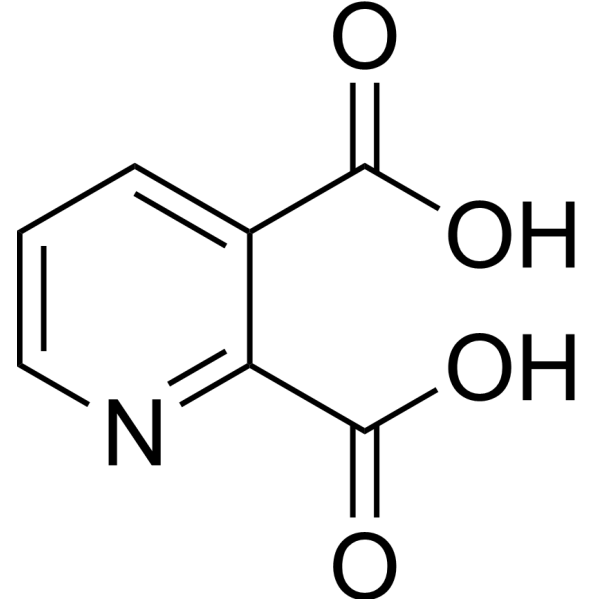
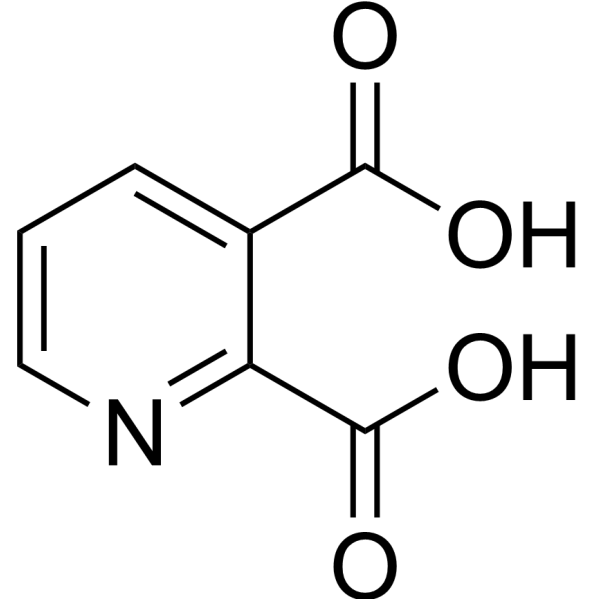
    Quinolinic acid
    Maximum Cited Publications
    7 Publications Verification

    MOFs iGluR Endogenous Metabolite Reactive Oxygen Species (ROS) NO Synthase Apoptosis Neurological Disease Inflammation/Immunology
    Quinolinic acid, an endogenous metabolite of tryptophan, is a N-methyl-D-aspartate receptor (NMDA receptor) agonist. Quinolinic acid increases glutamate efflux, induces the generation of ROS, activates nitric oxide synthase, produces excessive NO, leading to calcium ion influx and neuronal apoptosis .
    Quinolinic acid
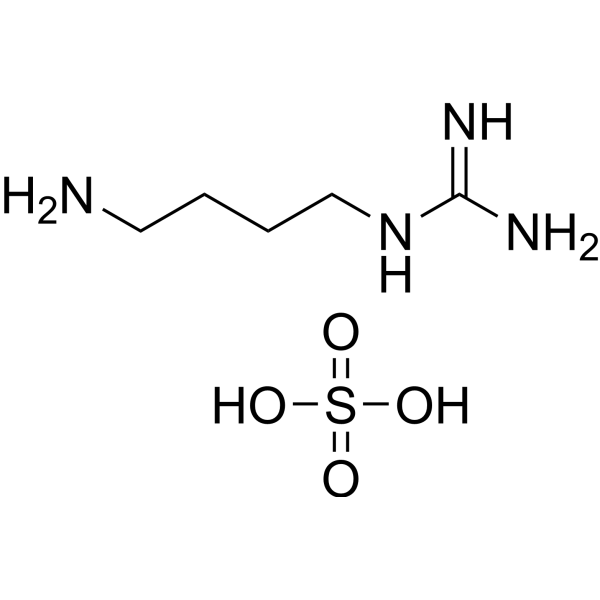
  • HY-101238
    Agmatine sulfate
    1 Publications Verification

    Imidazoline Receptor NO Synthase Endogenous Metabolite Neurological Disease Cancer
    Agmatine sulfate exerts modulatory action at multiple molecular targets, such as neurotransmitter systems, ion channels and nitric oxide synthesis. It is an endogenous agonist at imidazoline receptor and a NO synthase inhibitor.
    Agmatine sulfate
  • HY-106950

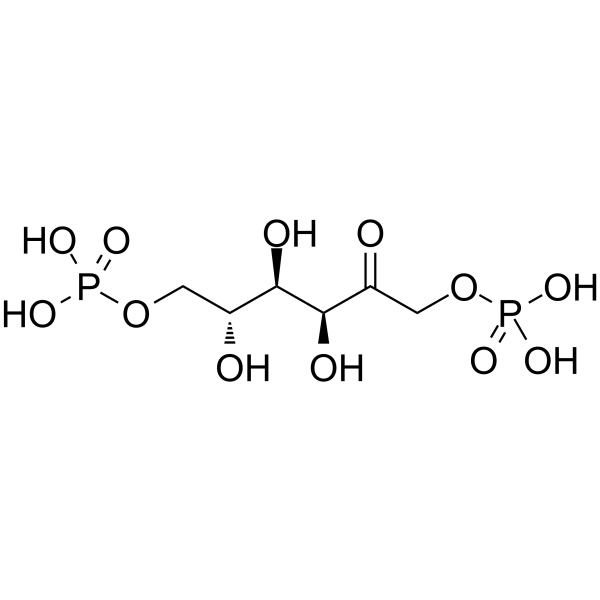
    Diphosphofructose; Esafosfan; FDP

    Toll-like Receptor (TLR) COX Cardiovascular Disease Neurological Disease Metabolic Disease
    Fosfructose is an orally active cyclooxygenase-2 inhibitor and Toll-like receptor 4 modulator. Fosfructose reduces the expression of cyclooxygenase-2, thereby decreasing prostaglandin production. By inhibiting the Toll-like receptor 4 signaling pathway, Fosfructose downregulates LPS-induced adhesion molecule expression. Fosfructose is applicable to research related to ischemic stroke, epilepsy, sepsis, myocardial injury, osteoporosis, and ultraviolet B-induced skin damage .
    Fosfructose
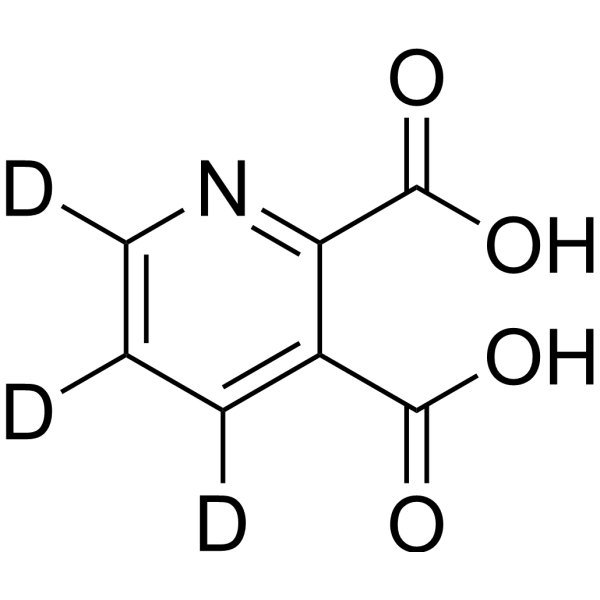
  • HY-100807S
    Quinolinic acid-d3
    2 Publications Verification

    Isotope-Labeled Compounds iGluR Endogenous Metabolite Reactive Oxygen Species (ROS) NO Synthase Apoptosis Neurological Disease Inflammation/Immunology
    Quinolinic acid-d3 is the deuterium labeled Quinolinic acid. Quinolinic acid, an endogenous metabolite of tryptophan, is a N-methyl-D-aspartate receptor (NMDA receptor) agonist. Quinolinic acid increases glutamate efflux, induces the generation of ROS, activates nitric oxide synthase, produces excessive NO, leading to calcium ion influx and neuronal apoptosis.
    Quinolinic acid-d3
  • HY-Y0265

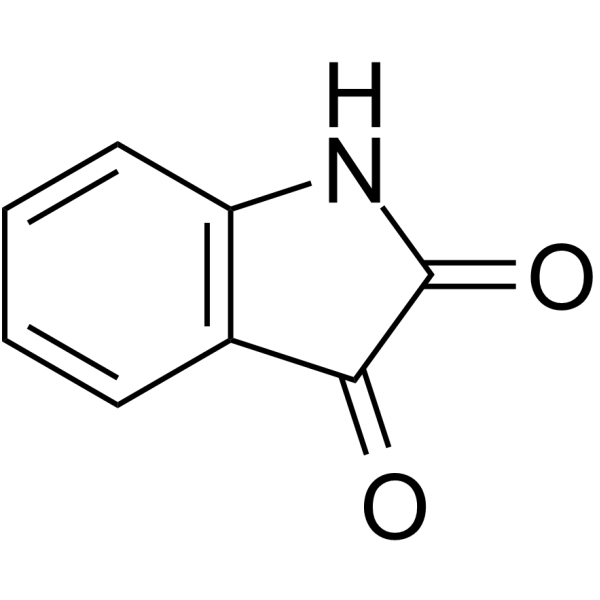
    Indoline-2,3-dione

    Monoamine Oxidase Apoptosis Cardiovascular Disease Neurological Disease Cancer
    Isatin (Indoline-2,3-dione) is a potent inhibitor of monoamine oxidase (MAO) with an IC50 of 3 μM. Also binds to central benzodiazepine receptors (IC50 against clonazepam, 123 μM) . Also acts as an antagonist of both atrial natriuretic peptide stimulated and nitric oxide-stimulated guanylate cyclase activity . Shows effect on the serotonergic system .
    Isatin
  • HY-NP203

    HDL (human)

    Apolipoprotein NO Synthase LPL Receptor Akt PI3K p38 MAPK Neurological Disease Metabolic Disease Inflammation/Immunology Cancer
    High density lipoprotein (human) (HDL (human)) is a human-derived high-density lipoprotein. High density lipoprotein can cross the blood-brain barrier, and partially acts on endothelial nitric oxide synthase (eNOS) by activating surface receptors such as SR-B1 and S1P3R, as well as intracellular signaling cascades involving Akt, PI3K and MAPK, thereby inducing the production of NO in endothelial cells. High density lipoprotein (human) can be used in research related to type 2 diabetes, Alzheimer's disease, cancer and atherosclerosis .
    High density lipoprotein (human)
  • HY-N1482

    Environmental Pollutants Parasite Inflammation/Immunology
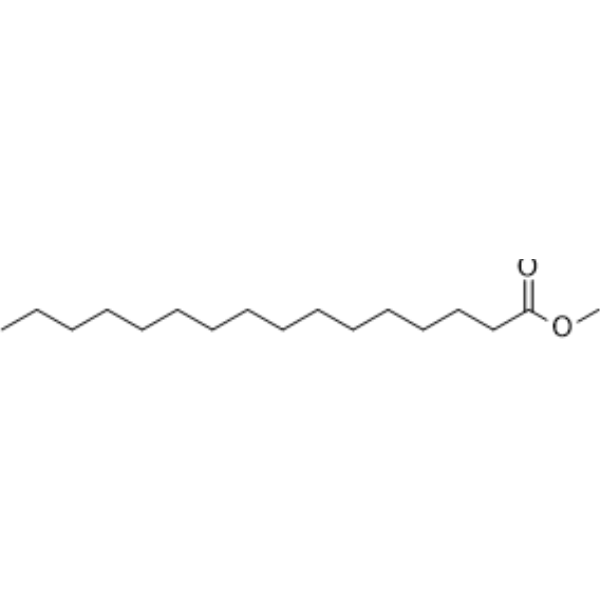
    Methyl palmitate is a naturally occurring fatty acid ester. Methyl palmitate is a potent inhibitor of ΙκB phosphorylation. Methyl palmitate modulates macrophage activity and down-regulates pro-inflammatory mediators such as TNF-α and nitric oxide (NO). Methyl palmitate possesses anti-inflammatory and antifibrotic effects. Methyl palmitate can inhibit LPS (HY-D1056)-induced Kupffer cells and rat peritoneal macrophages. Methyl palmitate is able to inhibit the phagocytic function of RAW cells. Methyl palmitate is antagonistic to muscarinic receptors. Methyl palmitate exerts cardioprotective effects against ischemia/reperfusion injury in vivo. Methyl palmitate is highly toxic against adult T. cinnabarinus .
    Methyl palmitate
  • HY-17391

    Adenosine Receptor Endocrinology
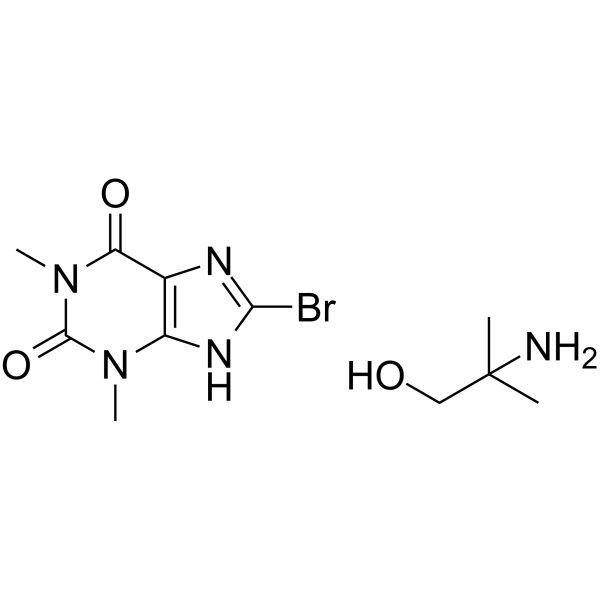
    Pamabrom is a diuretic that acts on the opioid receptor-nitric oxide (NO) -cyclic guanosine monophosphate (cGMP) -K + channel pathway. Pamabrom exerts peripheral antinociceptive activity by activating this pathway. The mechanism involves activating opioid receptors, promoting the release of nitric oxide, and then influencing cyclic guanosine monophosphate and K channels to produce an analgesic effect. Pamabrom is orally active and is mainly used in the research and treatment of premenstrual syndrome and primary dysmenorrhea[1].
    Pamabrom
  • HY-100807R
    Quinolinic acid (Standard)
    Maximum Cited Publications
    7 Publications Verification

    Reference Standards iGluR Endogenous Metabolite Reactive Oxygen Species (ROS) NO Synthase Apoptosis Neurological Disease Inflammation/Immunology
    Quinolinic acid (Standard) is the analytical standard of Quinolinic acid. This product is intended for research and analytical applications. Quinolinic acid, an endogenous metabolite of tryptophan, is a N-methyl-D-aspartate receptor (NMDA receptor) agonist. Quinolinic acid increases glutamate efflux, induces the generation of ROS, activates nitric oxide synthase, produces excessive NO, leading to calcium ion influx and neuronal apoptosis.
    Quinolinic acid (Standard)
  • HY-B0780
    Fimasartan
    4 Publications Verification

    BR-A-657

    Angiotensin Receptor Apoptosis NF-κB Cardiovascular Disease Neurological Disease Inflammation/Immunology Endocrinology
    Fimasartan (BRA-657) is an orally effective angiotensin receptor AT1 non-peptide antagonist. Fimasartan has antihypertensive effects. Fimasartan improves neuroinflammation and brain injury mediated by NLRP3 inflammatome after intracerebral hemorrhage, and has neuroprotective effect. Fimasartan inhibits the expression of inducible nitric oxide synthase through the inactivation of NF-κB and activator protein-1 .
    Fimasartan
  • HY-19518

    NCX116; LBN

    Prostaglandin Receptor Neurological Disease
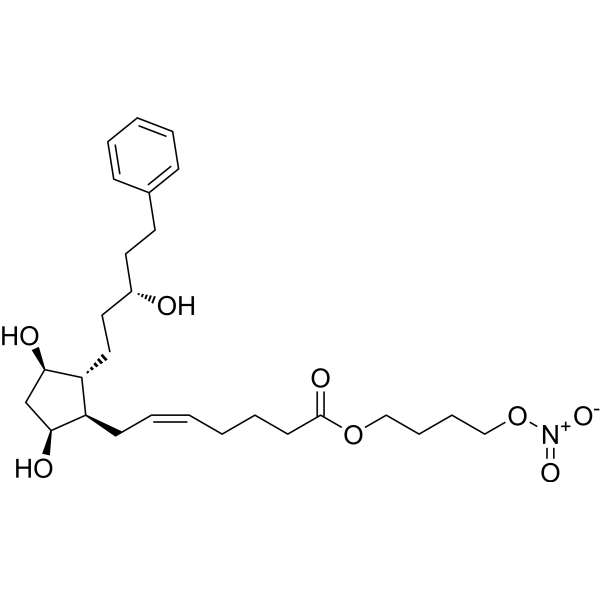
    Latanoprostene bunod (NCX116; LBN) is a nitric oxide-releasing prostaglandin F2α analog. Latanoprostene bunod is a prodrug that, upon instillation into the eye, is hydrolyzed by corneal esterases into two active metabolites: Latanoprost (HY-B0577) and NO. Latanoprost activates the prostaglandin FP receptor to increase the outflow of aqueous humor through the uveoscleral pathway. NO increases aqueous humor drainage through the trabecular meshwork pathway, achieving synergistic enhancement targeting the dual pathways of aqueous humor outflow. Latanoprostene bunod can be used in research related to open-angle glaucoma and ocular hypertension .
    Latanoprostene bunod
  • HY-114367
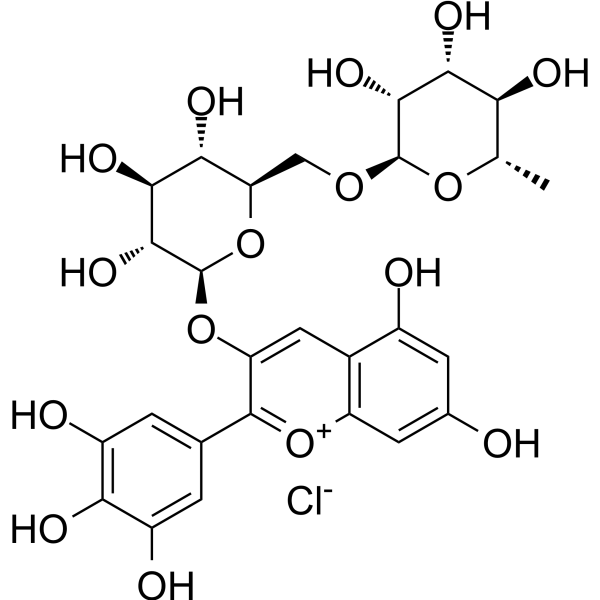
    Delphinidin 3-rutinoside chloride
    1 Publications Verification

    Delphinidin 3-O-rutinoside chloride

    Endothelin Receptor NO Synthase Myosin GLP Receptor Neurological Disease Metabolic Disease
    Delphinidin 3-rutinoside chloride is an anthocyanin component. Delphinidin 3-rutinoside chloride is isolable from the fruits of blackcurrant Ribes nigrum L. Delphinidin 3-rutinoside chloride activates the ETB receptor and stimulates the NO/cGMP pathway. Delphinidin 3-rutinoside chloride increases cyclic guanosine monophosphate production and reduces the phosphorylation level of Myosin regulatory light chain. Delphinidin 3-rutinoside chloride stimulates GLP-1 secretion. It significantly induces relaxation of bovine ciliary muscle strips contracted by ET-1 and inhibits ET-1-induced contraction of bovine ciliary muscle strips. Delphinidin 3-rutinoside chloride is applicable to research related to type 2 diabetes .
    Delphinidin 3-rutinoside chloride
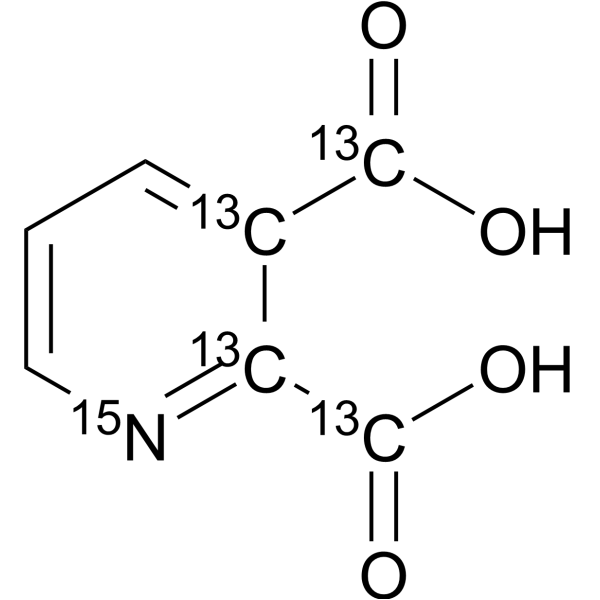
  • HY-100807S2

    Isotope-Labeled Compounds iGluR Endogenous Metabolite Reactive Oxygen Species (ROS) NO Synthase Apoptosis Neurological Disease Inflammation/Immunology
    Quinolinic acid-13C4, 15N is an isotopic labeled Quinolinic acid (HY-100807). Quinolinic acid, an endogenous metabolite of tryptophan, is a N-methyl-D-aspartate receptor (NMDA receptor) agonist. Quinolinic acid increases glutamate efflux, induces the generation of ROS, activates nitric oxide synthase, produces excessive NO, leading to calcium ion influx and neuronal apoptosis.
    Quinolinic acid-13C4,15N
  • HY-P10586A

    MALP-2 TFA

    Toll-like Receptor (TLR) NO Synthase Cardiovascular Disease Metabolic Disease
    Macrophage-activating lipopeptide 2 TFA is an agonist of Toll like receptors TLR-2/TLR-6. Macrophage-activating lipopeptide-2 enhances endothelial nitric oxide synthase (eNOS) phosphorylation and endothelial cell release of NO, thereby improving vasodilation. Macrophage-activating lipopeptide-2 enhances endothelial adhesion of white blood cells and improve perfusion recovery and collateral growth in the hind limbs of hypercholesterolemic Apoe deficient mice undergoing experimental femoral artery ligation (FAL) .
    Macrophage-activating lipopeptide 2 TFA
  • HY-168376

    9(10)-Nitrated oleic acid

    PPAR ERK Akt NO Synthase Metabolic Disease Inflammation/Immunology
    9 (10)-Nitrooleate (9(10)-Nitrated oleic acid) is an endogenous lipid signaling mediator with vasoprotective effects. 9 (10)-Nitrooleate enhances enzymatic activity and improves nitric oxide bioavailability by inducing phosphorylation of Akt and ERK1/2, regulating the multi-site phosphorylation status of eNOS and optimizing its interaction with Hsp90. 9 (10)-Nitrooleate also activates PPARα, PPARδ and PPARγ receptors, thereby regulating adipogenesis, glucose uptake and inflammation-related gene expression, and exhibits immunosuppressive effects by inhibiting neutrophil migration and cytokine secretion. 9 (10)-Nitrooleate is widely used in studies of sepsis and related inflammatory diseases .
    9(10)-Nitrooleate
  • HY-101238R

    Reference Standards Imidazoline Receptor NO Synthase Endogenous Metabolite Neurological Disease Cancer
    Agmatine (sulfate) (Standard) is the analytical standard of Agmatine (sulfate). This product is intended for research and analytical applications. Agmatine sulfate exerts modulatory action at multiple molecular targets, such as neurotransmitter systems, ion channels and nitric oxide synthesis. It is an endogenous agonist at imidazoline receptor and a NO synthase inhibitor.
    Agmatine sulfate (Standard)
  • HY-100807S1

    Isotope-Labeled Compounds iGluR Endogenous Metabolite Reactive Oxygen Species (ROS) NO Synthase Apoptosis Neurological Disease
    Quinolinic acid- 13C7 is the 13C labeled Quinolinic acid (HY-100807). Quinolinic acid, an endogenous metabolite of tryptophan, is a N-methyl-D-aspartate receptor (NMDA receptor) agonist. Quinolinic acid increases glutamate efflux, induces the generation of ROS, activates nitric oxide synthase, produces excessive NO, leading to calcium ion influx and neuronal apoptosis.
    Quinolinic acid-13C7
  • HY-123789
    T5342126
    1 Publications Verification

    Toll-like Receptor (TLR) Inflammation/Immunology
    T-5342126 is a toll-like receptor 4 (TLR4) antagonist. It reduces LPS-induced production of nitric oxide (NO) in RAW 264.7 cells (IC50=27.8 μM), as well as decreases LPS-induced IL-8, TNF-α, and IL-6 production in isolated human whole blood (IC50s=110.5, 315.6, and 318.4 μM, respectively). T-5342126 (82 mg/kg) reduces ethanol intake and the abundance of ionized calcium-binding adapter molecule 1 (Iba1), a marker of microglial activation, in the central nucleus of the amygdala in ethanol-dependent mice.
    T5342126
  • HY-101238S

    Isotope-Labeled Compounds Imidazoline Receptor NO Synthase Endogenous Metabolite Neurological Disease Cancer
    Agmatine-d8 sulfate is a deuterium labeled Agmatine sulfate (HY-101238). Agmatine sulfate exerts modulatory action at multiple molecular targets, such as neurotransmitter systems, ion channels and nitric oxide synthesis. It is an endogenous agonist at imidazoline receptor and a NO synthase inhibitor .
    Agmatine-d8 sulfate
  • HY-107320

    Prostaglandin Receptor COX NO Synthase Inflammation/Immunology
    Amtolmetin guacil is an effective nonsteroidal anti-Inflammatory agent with pain-relieving effects. Amtolmetin guacil inhibits prostaglandin synthesis and cyclooxygenase (COX). Amtolmetin guacil can stimulate capsaicin receptors present on the gastrointestinal wall and also releases gastroprotective nitric oxide (NO). Amtolmetin guacil can be used to research knee osteoarthritis .
    Amtolmetin guacil
  • HY-W709413

    NF-κB TNF Receptor Interleukin Related Pregnane X Receptor (PXR) Constitutive Androstane Receptor Cytochrome P450 Neurological Disease
    Panaxytriol is an active component of ginseng. Panaxytriol inhibits the nuclear translocation of NF-κB, thereby reducing the production of pro-inflammatory factors (such as TNF-α, IL-1β, IL-6) and nitric oxide (NO) induced by LPS (HY-D1056). Panaxytriol upregulates CYP3A4 by activating the nuclear receptor PXR/CAR. Panaxytriol improves motor dysfunction in a mouse model of brain inflammation. Panaxytriol can be used in the research of neurodegenerative diseases (such as Alzheimer's disease) .
    Panaxytriol
  • HY-P10586

    MALP-2

    Toll-like Receptor (TLR) NO Synthase Cardiovascular Disease
    Macrophage-activating lipopeptide 2 (MALP-2) is an agonist of Toll like receptors TLR-2/TLR-6. Macrophage-activating lipopeptide-2 can enhance endothelial nitric oxide synthase (eNOS) phosphorylation and endothelial cell release of NO, thereby improving vasodilation. Macrophage-activating lipopeptide-2 can enhance endothelial adhesion of white blood cells and improve perfusion recovery and collateral growth in the hind limbs of hypercholesterolemic Apoe deficient mice undergoing experimental femoral artery ligation (FAL) .
    Macrophage-activating lipopeptide 2
  • HY-133829

    Angiotensin-converting Enzyme (ACE) NO Synthase Reactive Oxygen Species (ROS) Cardiovascular Disease
    Zofenoprilat is an angiotensin-converting enzyme (ACE) inhibitor with an IC50 of 1.7 nM. Zofenoprilat exerts cardioprotective and renoprotective effects by inhibiting angiotensin II expression and lowering blood pressure. Zofenoprilat promotes NO production and reduces endothelin-1 (ET-1) expression. Zofenoprilat decreases TNFα-induced ROS production and protects vascular endothelial function. Zofenoprilat regulates oxidative stress-related molecules and possesses antioxidant activity. Zofenoprilat can be used in studies related to hypertension and congestive heart failure .
    Zofenoprilat
  • HY-W014049
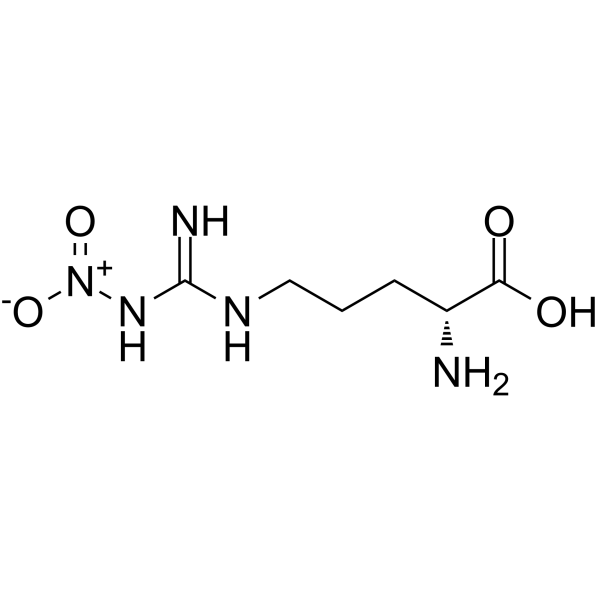
    N'-Nitro-D-arginine
    1 Publications Verification

    NO Synthase Others
    N'-Nitro-D-arginine, a nitric oxide synthesis inhibitor, also is a vasodilator that relaxes the smooth muscles and increases blood flow to the penis, improving erections. N'-Nitro-D-arginine also inhibits neutrophil migration by blocking receptors for tumour necrosis factor alpha (TNFα) and interleukin 8 (IL8) .
    N'-Nitro-D-arginine
  • HY-19518R

    NCX116 (Standard); LBN (Standard)

    Reference Standards Prostaglandin Receptor Neurological Disease
    Latanoprostene bunod (NCX116; LBN) (Standard) is the analytical standard of Latanoprostene bunod. This product is intended for research and analytical applications. Latanoprostene bunod is a nitric oxide-releasing prostaglandin F2α analog. Latanoprostene bunod is a prodrug that, upon instillation into the eye, is hydrolyzed by corneal esterases into two active metabolites: Latanoprost (HY-B0577) and NO. Latanoprost activates the prostaglandin FP receptor to increase the outflow of aqueous humor through the uveoscleral pathway. NO increases aqueous humor drainage through the trabecular meshwork pathway, achieving synergistic enhancement targeting the dual pathways of aqueous humor outflow. Latanoprostene bunod can be used in research related to open-angle glaucoma and ocular hypertension.
    Latanoprostene bunod (Standard)
  • HY-107546

    Guanylate Cyclase Cardiovascular Disease
    CFM 1571 hydrochloride is the stimulator of the nitric oxide receptor, soluble guanylate cyclase (sGC) with an EC50 and IC50 of 5.49 μM and 2.84 μM, respectively. Soluble guanylate cyclase (sGC) is a key signal-transduction enzyme activated by nitric oxide (NO). CFM 1571 hydrochloride has the potential for the research of cardiovascular and other diseases .
    CFM 1571 hydrochloride
  • HY-108515

    JO1784

    Sigma Receptor NO Synthase Cardiovascular Disease Neurological Disease Inflammation/Immunology
    (+)-Igmesine hydrochloride (JO1784) is an orally active and selective σ1 receptor ligand with an IC50 of 39 nM. (+)-Igmesine hydrochloride binds σ1 receptors to activate G-proteins and modulate Ca 2+ uptake. (+)-Igmesine (hydrochloride) attenuates ischaemia-induced nitric oxide synthase activity and hyperactivity. (+)-Igmesine hydrochloride can be used for the research of duodenal ulcers, gastric ulcers, and cerebral ischaemia .
    (+)-Igmesine hydrochloride
  • HY-W740628

    Drug Metabolite Neurological Disease
    Nicorandil pyridine oxide is a metabolite of the sulfonylurea receptor 2B (SUR2B) linked to ATP-sensitive potassium channel Kir6.2 (SUR2B/Kir6.2) activator and nitric oxide donor Nicorandil.
    Nicorandil pyridine oxide
  • HY-W394903R

    Reference Standards Drug Metabolite JAK Inflammation/Immunology
    Isatin (Standard) is the analytical standard of Isatin. This product is intended for research and analytical applications. Isatin (Indoline-2,3-dione) is a potent inhibitor of monoamine oxidase (MAO) with an IC50 of 3 μM. Also binds to central benzodiazepine receptors (IC50 against clonazepam, 123 μM) . Also acts as an antagonist of both atrial natriuretic peptide stimulated and nitric oxide-stimulated guanylate cyclase activity . Shows effect on the serotonergic system .
    GS-829845 (Standard)
  • HY-Y0265R

    Indoline-2,3-dione (Standard)

    Reference Standards Monoamine Oxidase Apoptosis Cardiovascular Disease Neurological Disease Cancer
    Isatin (Standard) is the analytical standard of Isatin. This product is intended for research and analytical applications. Isatin (Indoline-2,3-dione) is a potent inhibitor of monoamine oxidase (MAO) with an IC50 of 3 μM. Also binds to central benzodiazepine receptors (IC50 against clonazepam, 123 μM) . Also acts as an antagonist of both atrial natriuretic peptide stimulated and nitric oxide-stimulated guanylate cyclase activity . Shows effect on the serotonergic system .
    Isatin (Standard)
  • HY-163712

    Estrogen Receptor/ERR Endocrinology
    17-Epiestriol is an estrogen metabolite and a selective estrogen receptor (ER) β agonist. 17-epiestriol inhibits the mRNA and protein expression of the vascular cell adhesion molecule VCAM-1 induced by tumor necrosis factor α (TNFα). 17-epiestriol also inhibits TNFα-induced VCAM-1 expression and prevents NF-κB migration to the nucleus. 17-Epiestriol also induces the mRNA and protein expression of endothelial nitric oxide synthase .
    17-Epiestriol
  • HY-163712S

    Isotope-Labeled Compounds Estrogen Receptor/ERR Endocrinology
    17-Epiestriol-d5-1 is the deuterium labeled 17-Epiestriol (HY-163712). 17-Epiestriol is an estrogen metabolite and a selective estrogen receptor (ER) β agonist. 17-epiestriol inhibits the mRNA and protein expression of the vascular cell adhesion molecule VCAM-1 induced by tumor necrosis factor α (TNFα). 17-epiestriol also inhibits TNFα-induced VCAM-1 expression and prevents NF-κB migration to the nucleus. 17-Epiestriol also induces the mRNA and protein expression of endothelial nitric oxide synthase .
    17-Epiestriol-d5-1
  • HY-107546R

    Reference Standards Guanylate Cyclase Cardiovascular Disease
    CFM 1571 hydrochloride (Standard) is the analytical standard of CFM 1571 (hydrochloride) (HY-107546). This product is intended for research and analytical applications. CFM 1571 hydrochloride is the stimulator of the nitric oxide receptor, soluble guanylate cyclase (sGC) with an EC50 and IC50 of 5.49 μM and 2.84 μM, respectively. Soluble guanylate cyclase (sGC) is a key signal-transduction enzyme activated by nitric oxide (NO). CFM 1571 hydrochloride has the potential for the research of cardiovascular and other diseases .
    CFM 1571 hydrochloride (Standard)
  • HY-181755

    NO Synthase Inflammation/Immunology
    Phenylaminojuglone AJ-2 is a nitric oxide synthase inhibitor that interacts with soluble guanylate cyclase, β-adrenergic receptor, CaV1.2 calcium channel, KV channel and KCa channel. Phenylaminojuglone AJ-2 blocks extracellular Ca 2+ influx, regulates the activity of the NO?sGC?cGMP signaling pathway, and inhibits pharmacologic and electromechanical contractions of smooth muscle. Phenylaminojuglone AJ-2 is applicable to studies related to intestinal spasm .
    Phenylaminojuglone AJ-2
  • HY-181155

    NO Synthase COX TNF Receptor Interleukin Related Inflammation/Immunology
    Anti-inflammatory agent 111 is a potent anti-inflammatory agent. Anti-inflammatory agent 111 reduces Lipopolysaccharides (LPS) (HY-D1056)-induced i-NOS and COX-2 protein expression, decreases nitric oxide, IL-6, and TNF-α production. Anti-inflammatory agent 111 maintains normal cell viability at bioactive concentrations.Anti-inflammatory agent 111 can be used for the research of inflammation-related disorders .
    Anti-inflammatory agent 111
  • HY-131691

    iGluR Calcium Channel Neurological Disease
    NMDAR blocker 1 is an NMDA receptor channel blocker with an IC50 of 5.0 μM. NMDAR blocker 1 exhibits fast on-off blockade kinetics and strong voltage dependence, and does not compete with glutamate or glycine. NMDAR blocker 1 prevents glutamate/NMDA-induced intracellular Ca 2+ overload, modulates the glutamate-nitric oxide-cGMP pathway. NMDAR blocker 1 prevents in vitro excitotoxic neurodegeneration of cultured cerebellar and hippocampal neurons. NMDAR blocker 1 attenuates excitotoxic insult in an mouse model of hyperammonemia-induced excitotoxicity. NMDAR blocker 1 can be used for the research of neurodegenerative diseases .
    NMDAR blocker 1
  • HY-183342

    NO Synthase Drug Derivative Metabolic Disease
    DHEA Benzophenone-biotin is a photoactive DHEA (HY-14650) analog containing Biotin (HY-B0511) and Benzophenone (HY-Y0546) groups. DHEA Benzophenone-biotin inhibits plasma membrane binding of DHEA, activates endothelial NO synthase. DHEA Benzophenone-biotin cross-links to plasma membrane DHEA binding sites upon UV irradiation to identify associated proteins .
    DHEA Benzophenone-biotin

Consulta en línea

Your information is safe with us. * Required Fields.

Saludo


Country or Region *

Nombre del solicitante *


Nombre de la Organizaciòn *

Department *


Direcciòn del E-mail *


Nombre del producto *

Cat. No.


Requested quantity *

Número de teléfono *


Observaciones

Consulta en línea

Inquiry Information

Nombre del producto:
Cat. No.:
Cantidad:
MCE Japan Authorized Agent:

