41 Results for "

peripheral vascular diseases

" in MedChemExpress (MCE) Product Catalog:
Products (41)

41 Results for "peripheral vascular diseases" in MCE Product Catalog:

33
33 Publications Verification
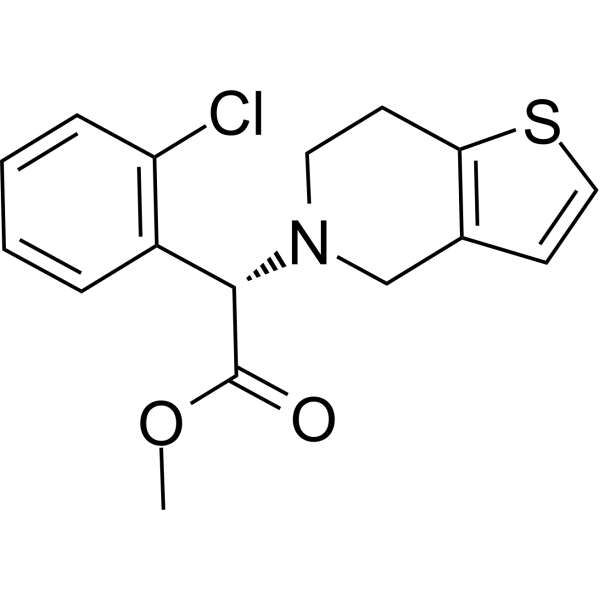
Cat. No.: HY-15283
CAS No.: 113665-84-2
Purity:  99.13%
Synonyms: Clopidogrelum
Target:  

P2Y Receptor

Research Areas:  

Cardiovascular Disease Cancer

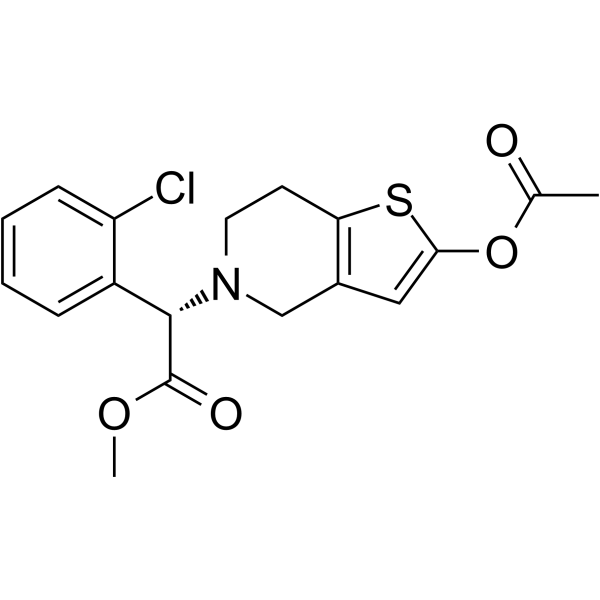
Clopidogrel is an orally active platelet inhibitor that targets P2Y12 receptor. Clopidogrel is used to inhibit blood clots in coronary artery disease, peripheral vascular disease, and cerebrovascular disease.
loading...
    loading...
22
22 Cited Publications
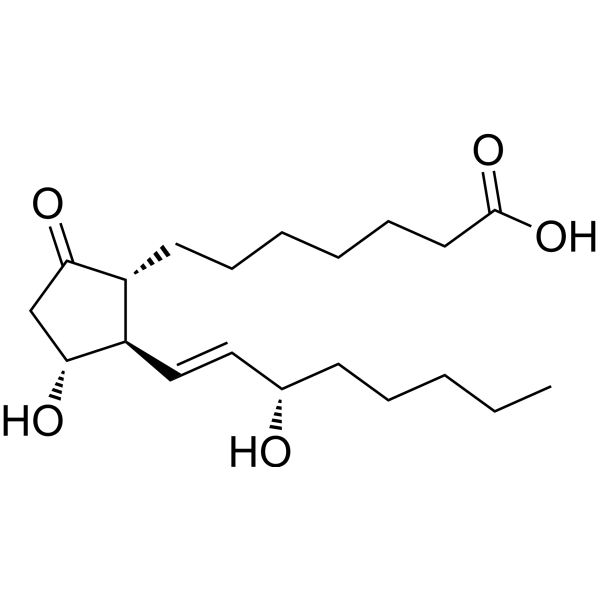
Cat. No.: HY-B0131
CAS No.: 745-65-3
Synonyms: Alprostadil; PGE1
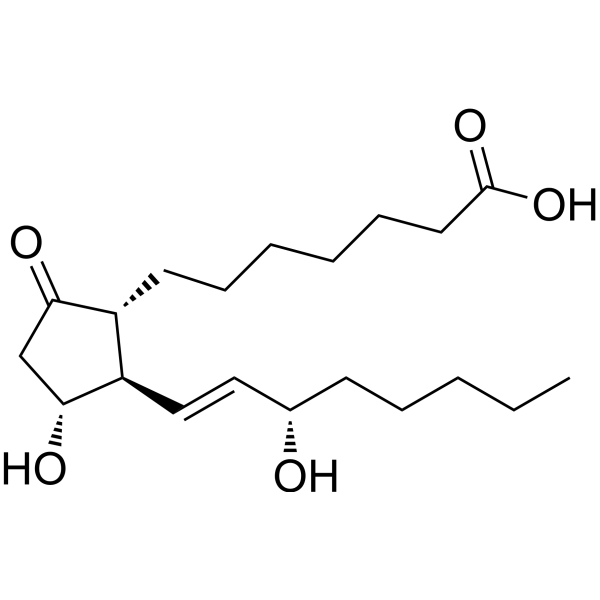
Prostaglandin E1 (Alprostadil) is a prostanoid receptor ligand, with Kis of 1.1 nM, 2.1 nM, 10 nM, 33 nM and 36 nM for mouse EP3, EP4, EP2, IP and EP1, respectively. Prostaglandin E1 induces vasodilation and inhibits platelet aggregation. Prostaglandin E1 can be used as a vasodilator for the research of peripheral vascular diseases .
loading...
    loading...
14
14 Cited Publications
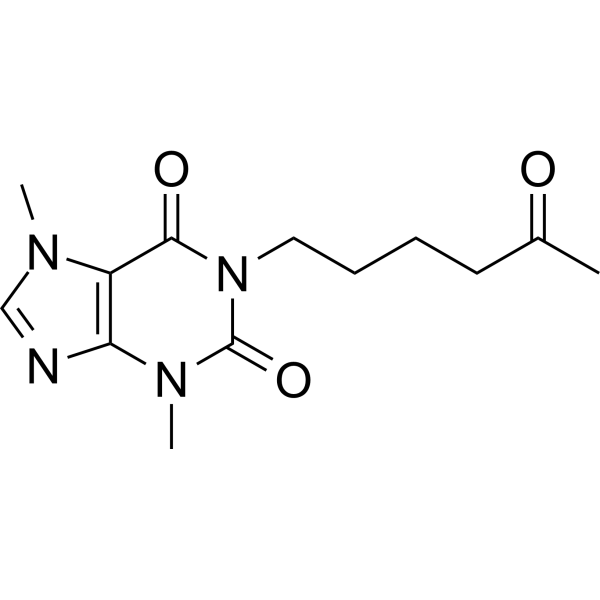
Cat. No.: HY-B0715
CAS No.: 6493-05-6
Synonyms: BL-191; Oxpentifylline
Pentoxifylline (BL-191), a haemorheological agent, is an orally active non-selective phosphodiesterase (PDE) inhibitor, with immune modulation, anti-inflammatory, hemorheological, anti-fibrinolytic and anti-proliferation effects. Pentoxifylline can be used for the research of peripheral vascular disease, cerebrovascular disease and a number of other conditions involving a defective regional microcirculation .
loading...
    loading...
6
6 Cited Publications
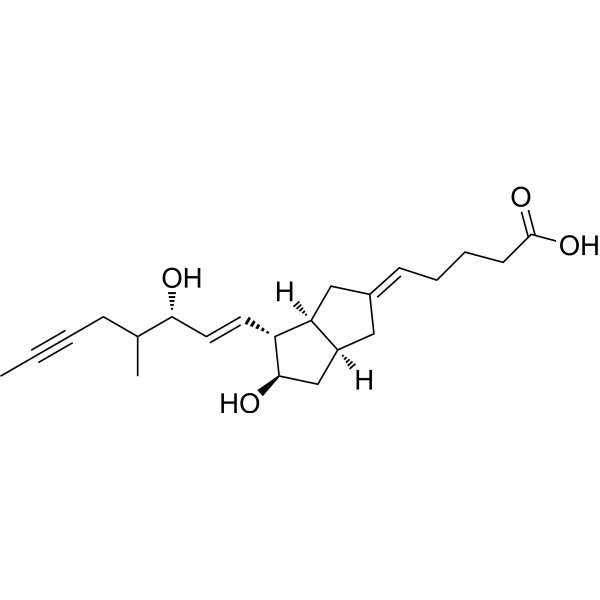
Cat. No.: HY-A0096
CAS No.: 78919-13-8
Synonyms: Ciloprost; ZK 36374
Iloprost (ZK 36374; Ciloprost) is a prostacyclin (PGI2) analogue, involves in embryo development and inflammation improvement, and inhibits tumor metastasis. Iloprost can be used for peripheral vascular research .
loading...
    loading...
2
2 Cited Publications
Cat. No.: HY-17583
CAS No.: 126-07-8
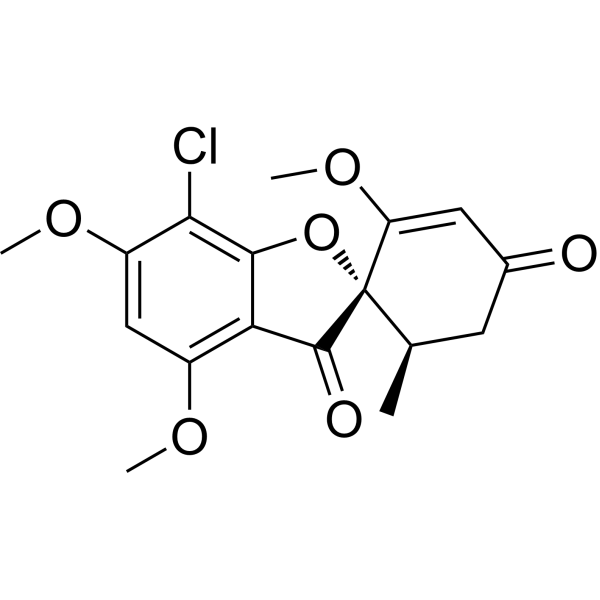
Griseofulvin is an orally active antifungal antibiotic with antitumor activity. Griseofulvin induces apoptosis and G2/M cell cycle arrest in cancer cells. Griseofulvin also has cardiovascular modulatory activity, reducing angina pectoris, relieving hand artery spasm associated with onychomycosis, and peripheral vascular diseases such as shoulder-hand syndrome .
loading...
    loading...
1
1 Cited Publications
Cat. No.: HY-118284
CAS No.: 1314081-53-2
Purity:  98.86%
Target:  

P2Y Receptor

Research Areas:  

Cardiovascular Disease

Vicagrel is a potent, safe and orally active antiplatelet agent, which works by irreversibly inhibiting P2Y12 receptor. Vicagrel can be used for the research of blood clots in coronary artery disease, peripheral vascular disease, and cerebrovascular disease .
loading...
    loading...
Cat. No.: HY-B1107
CAS No.: 3200-06-4
Synonyms: Nafronyl oxalate salt
Target:  

5-HT Receptor

Research Areas:  

Cardiovascular Disease

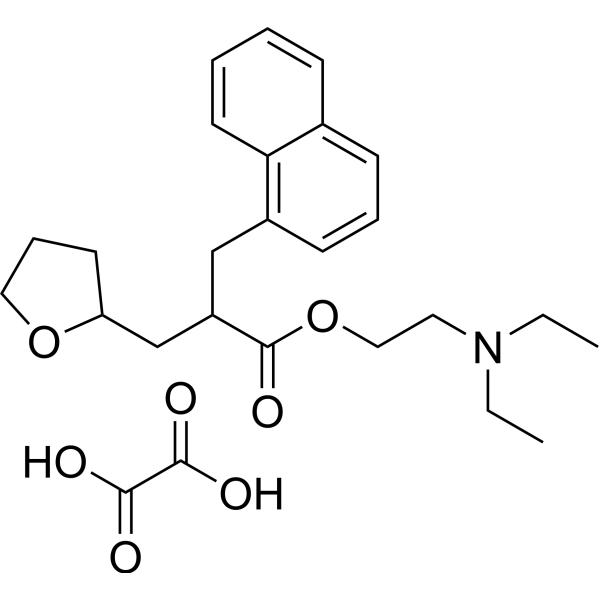
Naftidrofuryl oxalate (Nafronyl oxalate salt) is an orally active 5-HT2 receptor antagonist. Naftidrofuryl oxalate selectively blocks vascular and platelet 5-HT2 receptors, inhibiting Serotonin (HY-B1473A)-induced vasoconstriction, platelet aggregation, and vascular smooth muscle cell proliferation. Naftidrofuryl oxalate can be used for the research of intermittent claudication, peripheral occlusive arterial disease, and critical limb ischaemia .
loading...
    loading...
Cat. No.: HY-W005255
CAS No.: 621-54-5
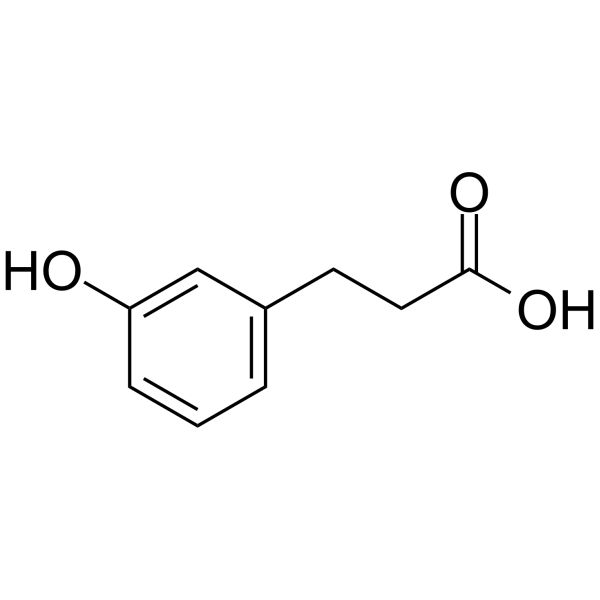
3-(3-Hydroxyphenyl)propionic acid (3HPPA) is an endothelium-dependent nitric oxide (NO) release promoter and endothelial nitric oxide synthase (eNOS) activator. 3-(3-Hydroxyphenyl)propionic acid activates eNOS to mediate vascular smooth muscle relaxation and enhances endothelial cell NO synthesis, inducing vasodilation and reducing peripheral vascular resistance. 3-(3-Hydroxyphenyl)propionic acid can dose-dependently reduce systolic and diastolic blood pressure in spontaneously hypertensive rats (SHR) without affecting cardiac contractility or heart rate. 3-(3-Hydroxyphenyl)propionic acid has antihypertensive and vascular protective effects and can be used in the prevention and treatment of cardiovascular diseases .
loading...
    loading...
Cat. No.: HY-121186
CAS No.: 42864-78-8
Purity:  98.98%
Synonyms: SOM3355
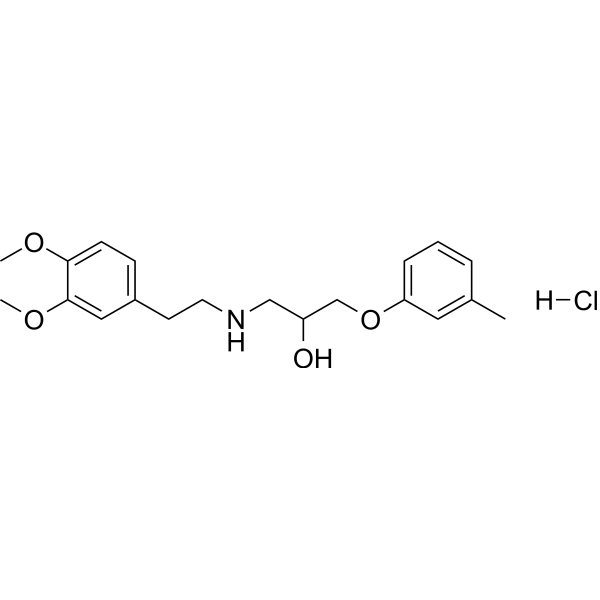
Bevantolol hydrochloride (SOM3355) is a selective β1-adrenergic receptor antagonist, with an IC50 of 35 nM for β1-adrenergic receptor and an IC50 of 60 nM for VMAT2. Bevantolol hydrochloride blocks β1-adrenergic receptors, exerts partial agonistic effects on α-adrenoceptor, inhibits calcium currents in the sinoatrial and atrioventricular nodes as well as sodium currents in cardiomyocytes, delays repolarization, and shortens the action potential duration of Purkinje cells. Bevantolol hydrochloride reduces peripheral vascular resistance, increases subendocardial blood flow, inhibits VMAT2, elevates the serum HDL/LDL ratio, and does not affect glomerular filtration rate or cause cold extremities. Bevantolol hydrochloride is applicable to research related to angina pectoris, hypertension, arrhythmia, and Huntington's disease .
loading...
    loading...
Cat. No.: HY-B1440
CAS No.: 985-13-7
Ethaverine hydrochloride is a Papaverine derivative and vasodilator. Ethaverine hydrochloride inhibits Phosphodiesterase, Tyrosine hydroxylase, and MAO-B. Ethaverine hydrochloride blocks L-type Ca 2+ channels, reduces intracellular Ca 2+ levels, inhibits platelet adhesion and aggregation, regulates cardiac conduction and heart rate, and increases peripheral and cerebral blood flow. Ethaverine hydrochloride alters cochlear microcirculation, intracochlear Po2, CM potential, and EP in guinea pigs, and induces transient hypotension. Ethaverine hydrochloride is used in the research of peripheral vascular diseases .
loading...
    loading...
Cat. No.: HY-B0715S2
CAS No.: 1185995-18-9
Synonyms: BL-191-d5; Oxpentifylline-d5
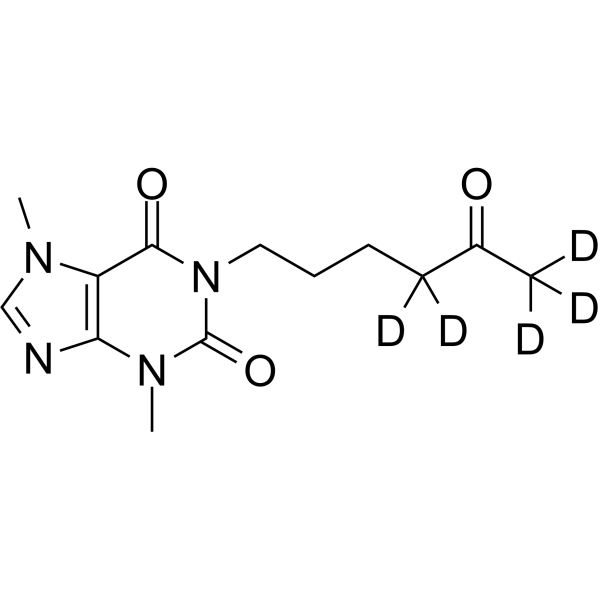
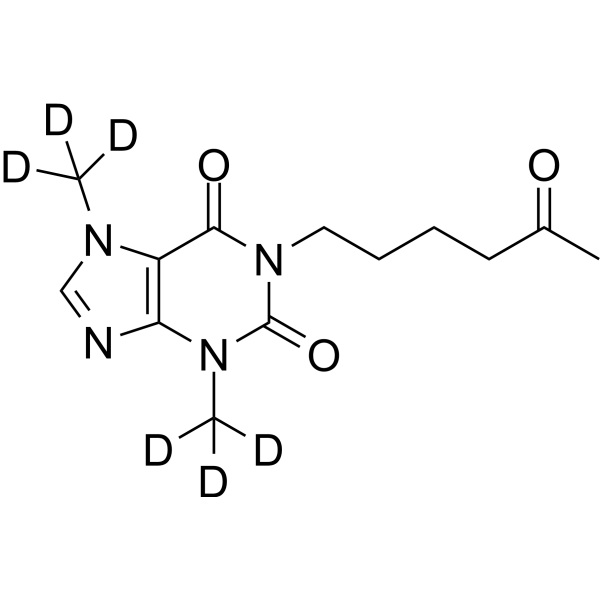
Pentoxifylline-d5 is the deuterium labeled Pentoxifylline. Pentoxifylline (BL-191), a haemorheological agent, is an orally active non-selective phosphodiesterase (PDE) inhibitor, with immune modulation, anti-inflammatory, hemorheological, anti-fibrinolytic and anti-proliferation effects. Pentoxifylline can be used for the research of peripheral vascular disease, cerebrovascular disease and a number of other conditions involving a defective regional microcirculation .
loading...
    loading...
Cat. No.: HY-W153159
CAS No.: 13062-76-5
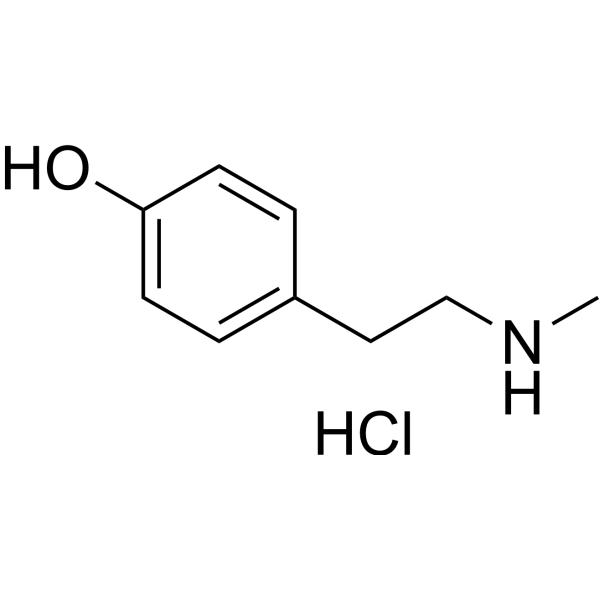
N-Methyltyramine hydrochloride is an orally active α2-adrenoreceptor antagonist with an IC50 value of 5.53 μM against rat targets. N-Methyltyramine hydrochloride blocks α2-adrenoreceptors, while inhibiting lipolysis, hyperactivity responses and small intestinal peristalsis in mice. N-Methyltyramine hydrochloride promotes gastrin release and pancreatic juice secretion, upregulates appetite, blood pressure, myocardial contraction frequency and contraction intensity, and increases renal blood flow, renal vascular resistance and mean peripheral arterial resistance. N-Methyltyramine hydrochloride relaxes mouse small intestinal smooth muscle and undergoes biotransformation in vivo to produce adrenaline. N-Methyltyramine hydrochloride can be used in studies related to gastrointestinal diseases .
loading...
    loading...
Cat. No.: HY-A0249
CAS No.: 59170-23-9
Synonyms: SOM3355 free base
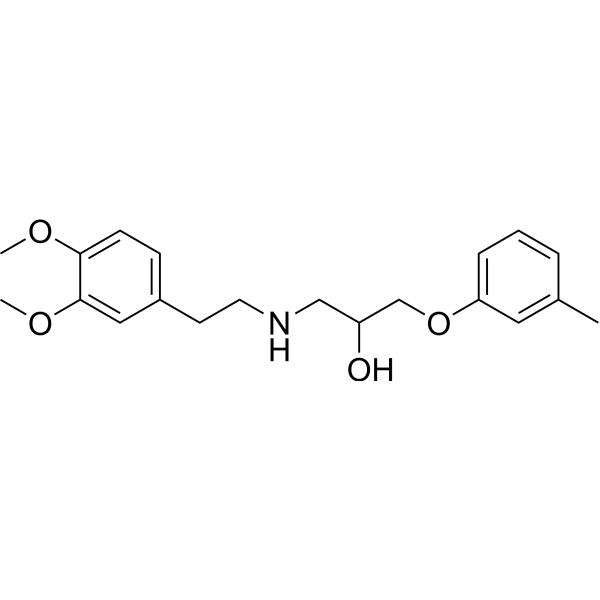
Bevantolol (SOM3355 (free base)) is a selective β1-adrenergic receptor antagonist, with an IC50 of 35 nM for β1-adrenergic receptor and an IC50 of 60 nM for VMAT2. Bevantolol blocks β1-adrenergic receptors, exerts partial agonistic effects on α-adrenoceptor, inhibits calcium currents in the sinoatrial and atrioventricular nodes as well as sodium currents in cardiomyocytes, delays repolarization, and shortens the action potential duration of Purkinje cells. Bevantolol reduces peripheral vascular resistance, increases subendocardial blood flow, inhibits VMAT2, elevates the serum HDL/LDL ratio, and does not affect glomerular filtration rate or cause cold extremities. Bevantolol is applicable to research related to angina pectoris, hypertension, arrhythmia, and Huntington's disease .
loading...
    loading...
Cat. No.: HY-A0096R
CAS No.: 78919-13-8
Synonyms: Ciloprost (Standard); ZK 36374 (Standard)
Iloprost (Standard) is the analytical standard of Iloprost. This product is intended for research and analytical applications. Iloprost (ZK 36374; Ciloprost) is a prostacyclin (PGI2) analogue, involves in embryo development and inflammation improvement, and inhibits tumor metastasis. Iloprost can be used for peripheral vascular research .
loading...
    loading...
Cat. No.: HY-134092
CAS No.: 131391-65-6
Synonyms: N-Methyl-LTC4
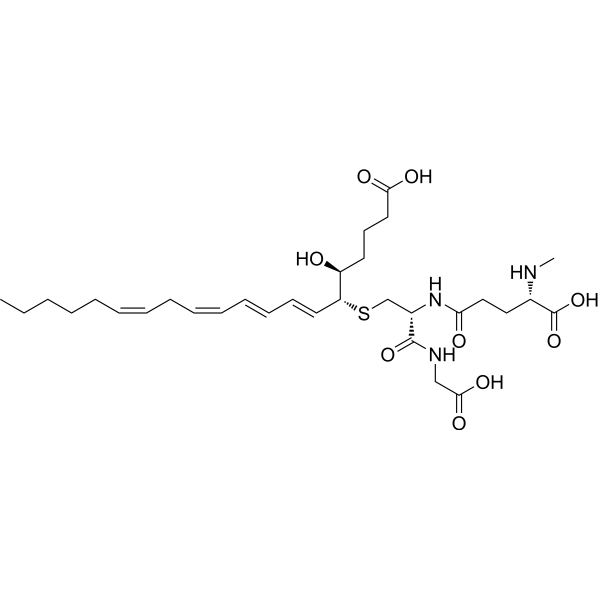
N-Methyl Leukotriene C4 (N-Methyl-LTC4) is a non-metabolizable LTC4 analog and a selective cysteinyl leukotriene receptor 2 (CysLT2) agonist, with an EC50 of 46.1 nM for mouse CysLT2 and an EC50 value of 122.3 nM for human CysLT2. N-Methyl Leukotriene C4 shows low potency against CysLT1. N-Methyl Leukotriene C4 activates human and mouse CysLT2 receptors, triggering calcium signaling, β-arrestin-2 binding to phosphorylated receptors, vascular leakage, hypotension, tachycardia, contraction of guinea pig ileum and trachea, mild bronchoconstriction, as well as hypertension associated with peripheral vasoconstriction. N-Methyl Leukotriene C4 can be used in research on asthma, rhinitis, sinusitis, cerebral inflammation and edema, pulmonary arterial hypertension, and cardiovascular diseases .
loading...
    loading...
Cat. No.: HY-B0715R
CAS No.: 6493-05-6
Synonyms: BL-191 (Standard); Oxpentifylline (Standard)
Pentoxifylline (Standard) is the analytical standard of Pentoxifylline. This product is intended for research and analytical applications. Pentoxifylline (BL-191), a haemorheological agent, is an orally active non-selective phosphodiesterase (PDE) inhibitor, with immune modulation, anti-inflammatory, hemorheological, anti-fibrinolytic and anti-proliferation effects. Pentoxifylline can be used for the research of peripheral vascular disease, cerebrovascular disease and a number of other conditions involving a defective regional microcirculation .
loading...
    loading...
Cat. No.: HY-B0715S
CAS No.: 1185878-98-1
Synonyms: BL-191-d6; Oxpentifylline-d6
Pentoxifylline-d6 is the deuterium labeled Pentoxifylline. Pentoxifylline (BL-191), a haemorheological agent, is an orally active non-selective phosphodiesterase (PDE) inhibitor, with immune modulation, anti-inflammatory, hemorheological, anti-fibrinolytic and anti-proliferation effects. Pentoxifylline can be used for the research of peripheral vascular disease, cerebrovascular disease and a number of other conditions involving a defective regional microcirculation .
loading...
    loading...
Cat. No.: HY-B0131R
CAS No.: 745-65-3
Synonyms: Alprostadil(Standard); PGE1 (Standard)
Prostaglandin E1 (Standard) is the analytical standard of Prostaglandin E1. This product is intended for research and analytical applications. Prostaglandin E1 (Alprostadil) is a prostanoid receptor ligand, with Kis of 1.1 nM, 2.1 nM, 10 nM, 33 nM and 36 nM for mouse EP3, EP4, EP2, IP and EP1, respectively. Prostaglandin E1 induces vasodilation and inhibits platelet aggregation. Prostaglandin E1 can be used as a vasodilator for the research of peripheral vascular diseases .
loading...
    loading...
Cat. No.: HY-W153897
CAS No.: 370-98-9
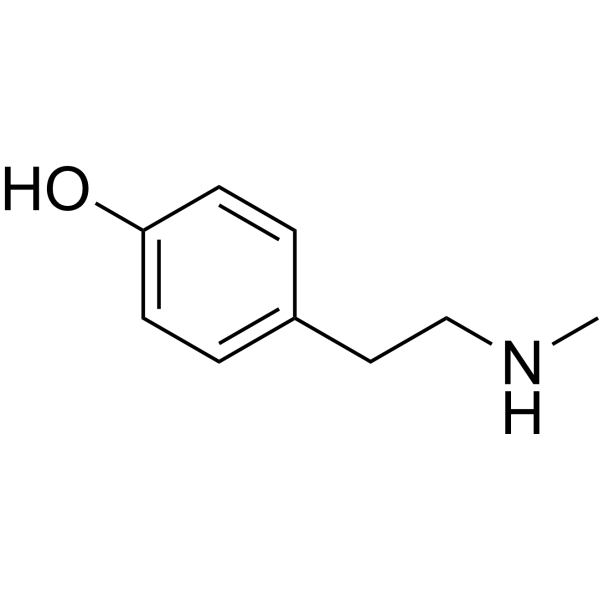
N-Methyltyramine is an orally active α2-adrenoreceptor antagonist with an IC50 value of 5.53 μM against rat targets. N-Methyltyramine blocks α2-adrenoreceptors, while inhibiting lipolysis, hyperactivity responses and small intestinal peristalsis in mice. N-Methyltyramine promotes gastrin release and pancreatic juice secretion, upregulates appetite, blood pressure, myocardial contraction frequency and contraction intensity, and increases renal blood flow, renal vascular resistance and mean peripheral arterial resistance. N-Methyltyramine relaxes mouse small intestinal smooth muscle and undergoes biotransformation in vivo to produce adrenaline. N-Methyltyramine can be used in studies related to gastrointestinal diseases .
loading...
    loading...
Cat. No.: HY-160993
CAS No.: 81845-44-5
Synonyms: 9β-Methylcarbacyclin
Research Areas:  

Cardiovascular Disease

Ciprostene is analog of prostacyclin (PGI2). Ciprostene inhibits adenosine diphosphate-induced platelet aggregation. Ciprostene can be used for research of peripheral vascular disease .
loading...
    loading...

