1. Search Result
Search Result
Results for "

phosphatidylinositol kinase

" in MedChemExpress (MCE) Product Catalog:

46

Inhibitors & Agonists

3

Peptides

5

Natural
Products

16

Recombinant Proteins

17

Antibodies

1

Oligonucleotides

Targets Recommended:
Cat. No. Product Name Target Research Areas Chemical Structure
  • HY-10108A
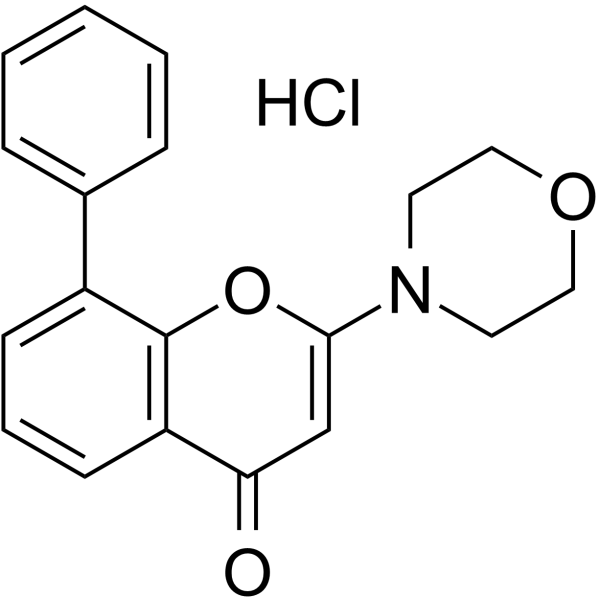
    LY294002 hydrochloride
    Maximum Cited Publications
    1120 Publications Verification

    PI3K Casein Kinase DNA-PK Apoptosis Cancer
    LY294002 hydrochloride is a potent and broad-spectrum PI3K inhibitor, with IC50 values of 0.5, 0.57, and 0.97 μM for P110α, P110δ and P110β, respectively. LY294002 hydrochloride also inhibits CK2 with an IC50 of 98 nM. LY294002 hydrochloride can be used for pancreatic cancer research .
    LY294002 hydrochloride
  • HY-103489
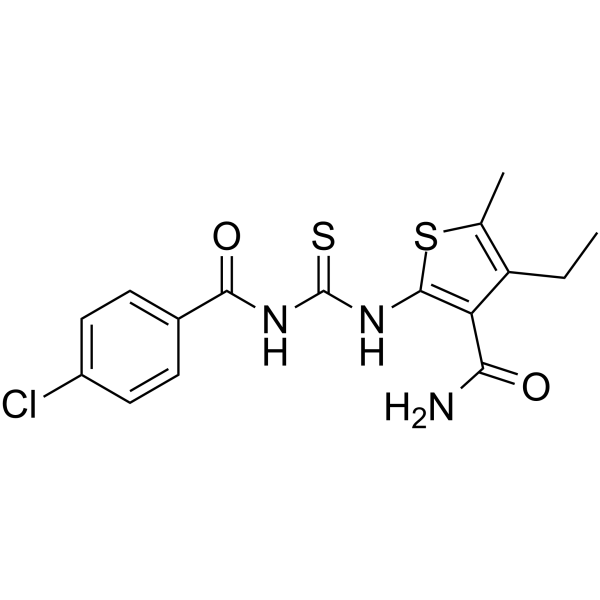
    PI-273
    5+ Cited Publications

    PI4K Apoptosis Cancer
    PI-273 is a first reversibly and specific phosphatidylinositol 4-kinase (PI4KIIα) inhibitor with an IC50 of 0.47 μM. PI-273 can inhibit breast cancer cell proliferation, block the cell cycle and induce cell apoptosis .
    PI-273
  • HY-125118
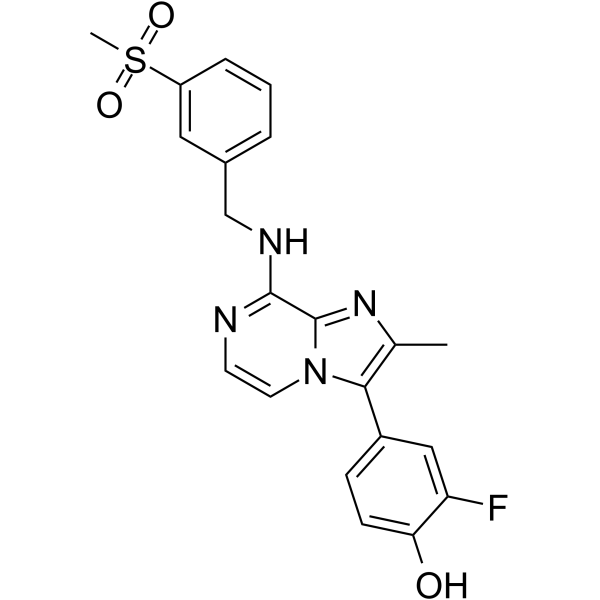
    GSK-A1
    2 Publications Verification

    PI4K HCV Infection
    GSK-A1 is a selective type III phosphatidylinositol 4-kinase PI4KA (PI4KIIIα) inhibitor with a pIC50 of 8.5-9.8. GSK-A1 inhibits PtdIns(4,5)P2 resynthesis with an IC50 of about 3 nM. GSK-A1 potently decreases the levels of PtdIns(4)P with a negligible effect on PtdIns(4,5)P2. GSK-A1 has the potential for anti-hepatitis C virus (HCV) research .
    GSK-A1
  • HY-N2081
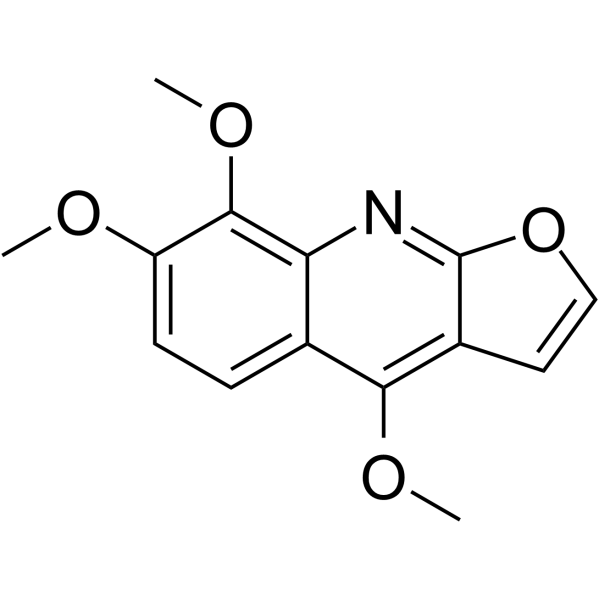
    Skimmianine
    3 Publications Verification

    Cholinesterase (ChE) PI3K Akt NF-κB Neurological Disease Inflammation/Immunology Cancer
    Skimmianine is an orally active furoquiniline alkaloid present mainly in the Rutaceae family. Skimmianine has analgesic, antispastic, sedative, and anti-inflammatory properties. Skimmianine inhibits acetylcholinesterase (AChE) (IC50 = 8.6 μg/mL). Skimmianine exhibits cytotoxicity against a variety of cancer cell lines and genotoxicity. Skimmianine has antioxidant and anti-inflammatory effects on ischemia-reperfusion (IR) injury. Skimmianine exerts anti-inflammatory effects through activation of the phosphatidylinositol-3-kinase (PI3K)-protein kinase B (AKT) pathway. Skimmianine is neuroprotective by targeting the NF-κB activation pathway to prevent neuroinflammation. Skimmianine inhibits the release of histamine, intracellular Ca 2+ signaling and protein kinase C signaling .
    Skimmianine
  • HY-101423

    PI5P4K Cardiovascular Disease
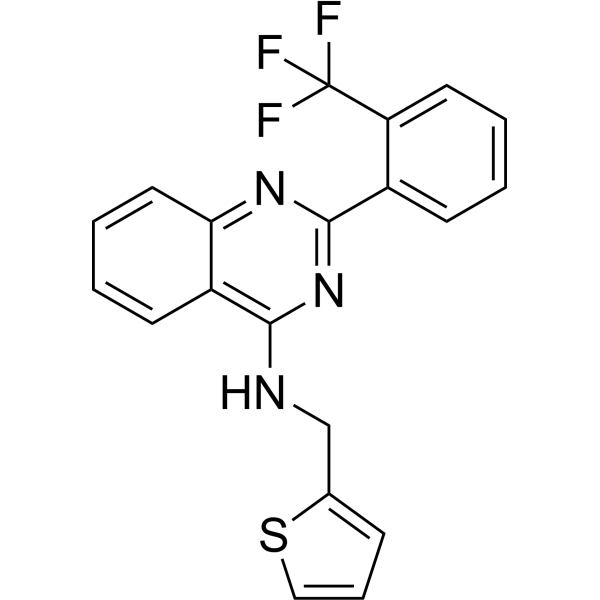
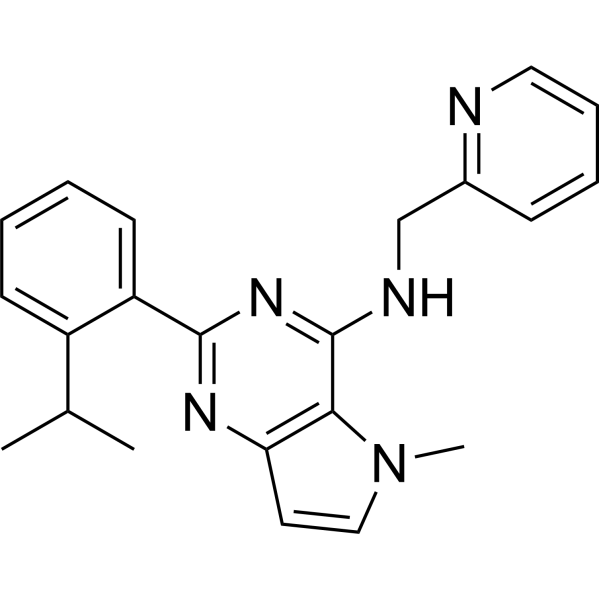
    NIH-12848 is a putative phosphatidylinositol 5-phosphate 4-kinase γ (PI5P4Kγ) inhibitor with an IC50 of 1 μM.
    NIH-12848
  • HY-152155

    PI5P4K Inflammation/Immunology Cancer
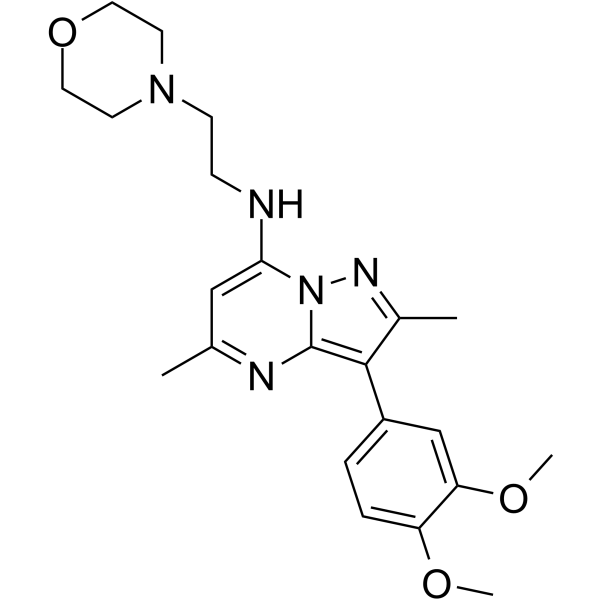
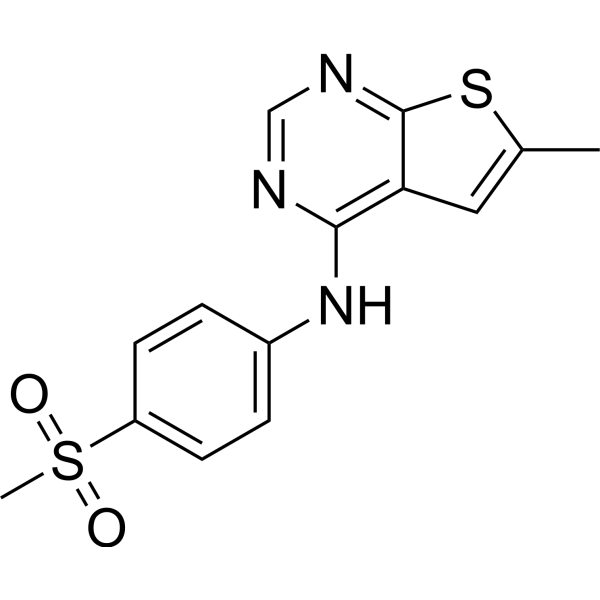
    ARUK2001607 is a selective phosphatidylinositol 5-phosphate 4-kinase γ (PI5P4Kγ) inhibitor with a Kd of 7.1 nM. ARUK2001607 shows high selectivity over other >150 kinases .
    ARUK2001607
  • HY-U00426
    BF738735
    5 Publications Verification

    PI4K Reverse Transcriptase Infection
    BF738735 is a phosphatidylinositol 4-kinase III beta (PI4KIIIβ) inhibitor with an IC50 of 5.7 nM.
    BF738735
  • HY-108313
    T-00127_HEV1
    4 Publications Verification

    PI4K Infection
    T-00127_HEV1 is a phosphatidylinositol 4-kinase III beta (PI4KB) inhibitor with an IC50 of 60 nM.
    T-00127_HEV1
  • HY-153526

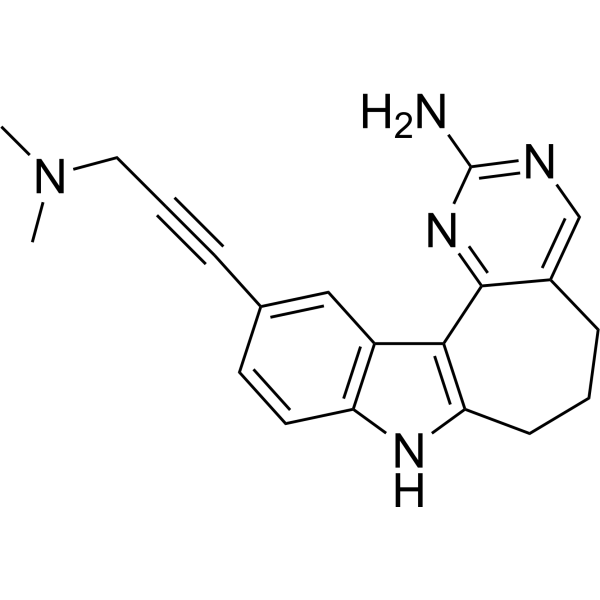
    PI5P4K Others
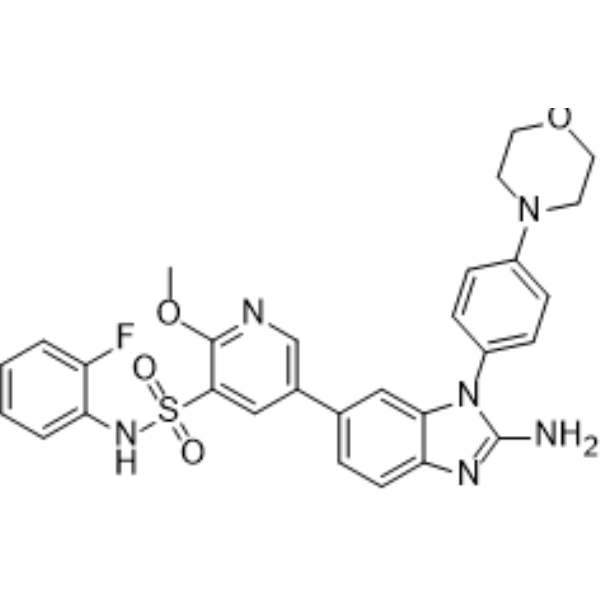
    PI5P4Ks-IN-2 is a inhibitor of phosphatidylinositol 5-phosphate 4-kinase γ (PI5P4Kγ). PI5P4Ks-IN-2 targets to PI5P4K isoforms with pIC50 values of <4.3 (PI5P4Kα), <4.6 (PI5P4Kβ), 6.2 (PI5P4Kγ), 0.32 (PI5P4Kγ+), respectively .
    PI5P4Ks-IN-2
  • HY-151473

    PIKfyve Infection Cancer
    PIKfyve-IN-1 is a highly potent and cell-active chemical probe that inhibits phosphatidylinositol-3phosphate 5-kinase (PIKfyve) with IC50 value of 6.9 nM. PIKfyve-IN-1 can be used for the research of PIKfyve in virology . PIKfyve-IN-1 is a click chemistry reagent, it contains an Alkyne group and can undergo copper-catalyzed azide-alkyne cycloaddition (CuAAc) with molecules containing Azide groups.
    PIKfyve-IN-1
  • HY-156685

    PI4K Parasite Infection Metabolic Disease Cancer
    EDI048 is an orally active, gut-restricted parasiticidal agent. EDI048 specifically binds to the ATP-binding site of Cryptosporidium phosphatidylinositol 4-kinase (CpPI (4) K), blocks parasite membrane biogenesis, arrests the pathogen at the schizont stage, and thus irreversibly clears the infection. EDI048 is rapidly converted to an inactive carboxylic acid metabolite via hepatic first-pass metabolism, with extremely low systemic exposure, good safety profile, and no cardiotoxicity, genotoxicity or off-target effects. EDI048 is used in studies of intestinal cryptosporidiosis in children .
    EDI048
  • HY-131648
    1-Oleoyl-2-acetyl-sn-glycerol
    1 Publications Verification

    Drug Derivative PKC TRP Channel Cardiovascular Disease Metabolic Disease Inflammation/Immunology Cancer
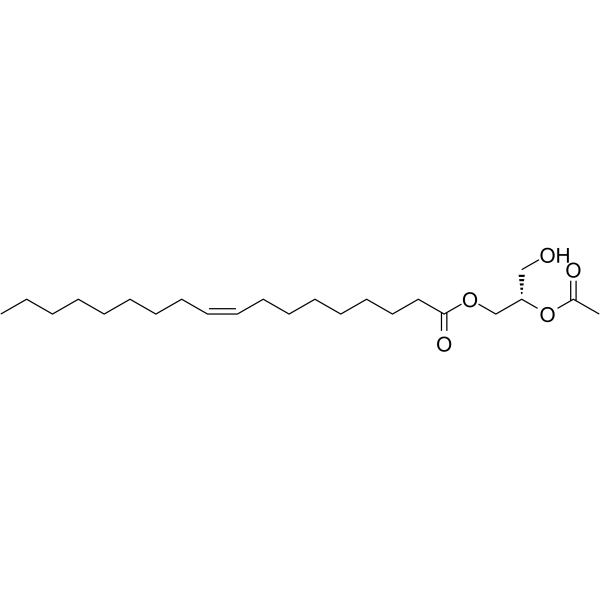
    1-Oleoyl-2-acetyl-sn-glycerol is a cell-permeable analog of diacylglycerol (DAG) and can activate Protein kinase C (PKC). 1-Oleoyl-2-acetyl-sn-glycerol can activate the TRPC channels-mediated specific Ca 2+ influx. 1-Oleoyl-2-acetyl-sn-glycerol can stimulate superoxide-generation from human neutrophils. 1-Oleoyl-2-acetyl-sn-glycerol stimulates the formation of phosphatidylinositol 4-phosphate in intact human platelets. 1-Oleoyl-2-acetyl-sn-glycerol can stimulate ascites tumor cell proliferation .
    1-Oleoyl-2-acetyl-sn-glycerol
  • HY-170909

    PIKfyve Others
    PIKfyve-IN-4 (Compound 40) is an orally active and selective inhibitor of phosphatidylinositol-3-phosphate 5-kinase (PIKfyve), with an IC50 of 0.60 nM. PIKfyve-IN-4 exhibits good systemic tolerance .
    PIKfyve-IN-4
  • HY-135680
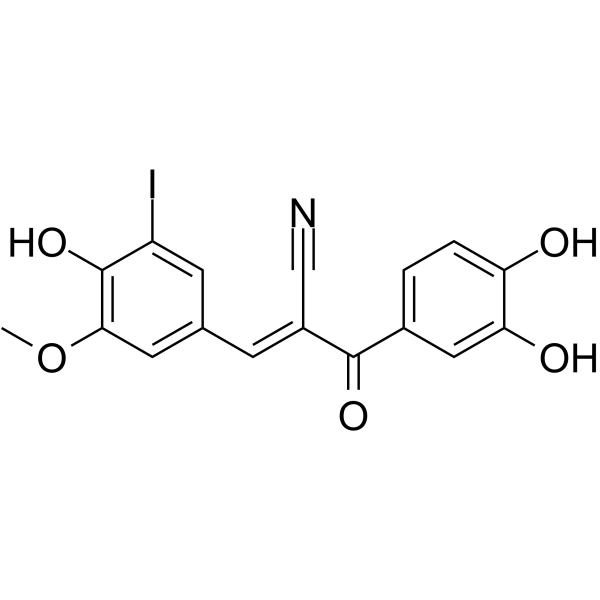
    I-OMe-Tyrphostin AG 538
    1 Publications Verification

    I-OMe-AG 538

    IGF-1R Metabolic Disease Cancer
    I-OMe-Tyrphostin AG 538 (I-OMe-AG 538) is a specific inhibitor of IGF-1R (insulin-like growth factor-1 receptor tyrosine kinase). I-OMe-Tyrphostin AG 538 inhibits IGF-1R-mediated signaling and is preferentially cytotoxic to nutrient-deprived PANC1 cells.?I-OMe-Tyrphostin AG 538 is an ATP-competitive inhibitor of phosphatidylinositol-5-phosphate 4-kinase α (PI5P4Kα), with an IC50?of 1 μM .
    I-OMe-Tyrphostin AG 538
  • HY-163572

    PI4P5K Cancer
    PIP5K1α-IN-1 (Compound 3e) is an inhibitor for phosphatidylinositol 4-phosphate 5-kinase type I α (PIP5K1α) with an IC50 of 0.46 μM .
    PIP5K1α-IN-1
  • HY-147419

    PI3K Cancer
    Vulolisib is a potent and orally active phosphatidylinositol 3-kinase (PI3K) inhibitor, with IC50 values of 0.2 nM, 168 nM, 90 nM and 49 nM for PI3Kα, PI3Kβ, PI3Kγ and PI3Kδ, respectively. Antiproliferative and antineoplastic activity .
    Vulolisib
  • HY-P10323

    Tumstatin (74-98), human

    Integrin FAK mTOR Apoptosis Cancer
    T7 Peptide is a protein synthesis inhibitor and anti-angiogenic agent, with a Kd of 10 nM for human transferrin receptor. T7 Peptide inhibits the phosphorylation of focal adhesion kinase, the activation of phosphatidylinositol 3-kinase and Akt, the kinase activity of mTOR, as well as the phosphorylation of 4E-BP1 in endothelial cells. T7 Peptide induces G0/G1 cell cycle arrest, apoptosis and protective autophagy in hepatocellular carcinoma cells, and suppresses tumor growth in mouse models. T7 Peptide is applicable to research related to cancer, glioblastoma, hepatocellular carcinoma and glioma .
    T7 Peptide
  • HY-P10323A

    Tumstatin (74-98), human TFA

    Integrin FAK mTOR Apoptosis Cancer
    T7 Peptide TFA is a protein synthesis inhibitor and anti-angiogenic agent, with a Kd of 10 nM for human transferrin receptor. T7 Peptide TFA inhibits the phosphorylation of focal adhesion kinase, the activation of phosphatidylinositol 3-kinase and Akt, the kinase activity of mTOR, as well as the phosphorylation of 4E-BP1 in endothelial cells. T7 Peptide TFA induces G0/G1 cell cycle arrest, apoptosis and protective autophagy in hepatocellular carcinoma cells, and suppresses tumor growth in mouse models. T7 Peptide TFA is applicable to research related to cancer, glioblastoma, hepatocellular carcinoma and glioma .
    T7 Peptide TFA
  • HY-W049881

    Dopamine Receptor PI3K Monoamine Oxidase Neurological Disease
    9-Methyl-β-carboline is a monoamine oxidase inhibitor and dopaminergic modulator, with an IC50 of 1 μM against human MAO-A and an IC50 of 15.5 μM against human MAO-B. 9-Methyl-β-carboline possesses cognitive enhancement potential and can cross the blood-brain barrier. 9-Methyl-β-carboline increases dopamine levels by inhibiting monoamine oxidase activity and microglial proliferation. 9-Methyl-β-carboline activates PKA/PKC and mitochondrial respiratory chain complex I, promotes neurotrophic factor expression and reduces α-synuclein (α-synuclein) levels, thereby reversing neurotoxin-induced dopaminergic neuron damage. 9-Methyl-β-carboline also regulates the PI3K pathway and exerts an anti-proliferative effect on astrocytes. 9-Methyl-β-carboline is widely used in Parkinson's disease-related studies .
    9-Methyl-β-carboline
  • HY-100603A

    PI3K PI4K Infection
    (S)-GSK-F1 (Compound 28) is an inhibitor for type III phosphatidylinositol 4-kinase α (PI4KIIIα). (S)-GSK-F1 inhibits PI4Kα, PI4Kβ, PI4Kγ, PI3Kα, PI3Kβ and PI3Kδ with pIC50 of 8.3, 6.0, 5.6, 5.6, 5.1 and 5.6, respectively. (S)-GSK-F1 exhibits anti-hepatitis C virus (HCV) activity through inhibition of HCV replication. (S)-GSK-F1 exhibits moderate pharmacokinetic characters in rat model .
    (S)-GSK-F1
  • HY-174134

    PI4K PKG Parasite Infection
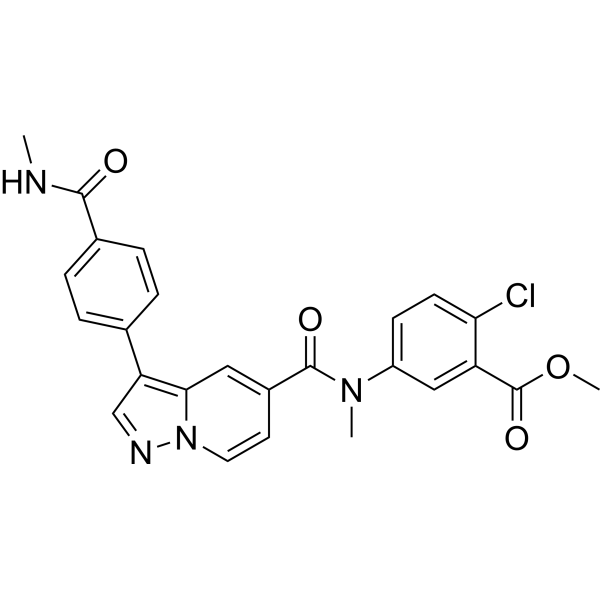
    PI4Kβ/PKG-IN-2 (Compound 20) is an orally active dual inhibitor of Plasmodium phosphatidylinositol 4-kinase beta (PI4Kβ) and cGMP-dependent protein kinase (PKG). PI4Kβ/PKG-IN-2 has potent inhibitory effects on Plasmodium. PI4Kβ/PKG-IN-2 is promising for research of malaria .
    PI4Kβ/PKG-IN-2
  • HY-174296

    PI5P4K Others
    TMX-4102 is a highly selective phosphatidylinositol 5-phosphate 4-kinase type II gamma (PIP4K2C) binder. TMX-4102 has binding activity to PIP4K2C (Kd = 0.45 nM) and has no significant effect on other lipid and non-lipid kinases.TMX-4102 specifically binds to PIP4K2C, regulating its scaffold function rather than its enzymatic activity. TMX-4102 can be used as a tool molecule to study the biological function and potential therapeutic value of PIP4K2C .
    TMX-4102
  • HY-109029

    INCB040093

    PI3K Cancer
    Dezapelisib (NCB040093) is a potent inhibitor of phosphatidylinositol 3-kinase δ (PI3Kδ). Dezapelisib is a promising research strategy for select R/R B-cell lymphomas .
    Dezapelisib
  • HY-N2081R

    Reference Standards Cholinesterase (ChE) PI3K Akt NF-κB Neurological Disease Inflammation/Immunology Cancer
    Skimmianine (Standard) is the analytical standard of Skimmianine. This product is intended for research and analytical applications. Skimmianine is an orally active furoquiniline alkaloid present mainly in the Rutaceae family. Skimmianine has analgesic, antispastic, sedative, and anti-inflammatory properties. Skimmianine inhibits acetylcholinesterase (AChE) (IC50 = 8.6 μg/mL). Skimmianine exhibits cytotoxicity against a variety of cancer cell lines and genotoxicity. Skimmianine has antioxidant and anti-inflammatory effects on ischemia-reperfusion (IR) injury. Skimmianine exerts anti-inflammatory effects through activation of the phosphatidylinositol-3-kinase (PI3K)-protein kinase B (AKT) pathway. Skimmianine is neuroprotective by targeting the NF-κB activation pathway to prevent neuroinflammation. Skimmianine inhibits the release of histamine, intracellular Ca 2+ signaling and protein kinase C signaling .
    Skimmianine (Standard)
  • HY-175557

    PI4K Enterovirus Infection
    PI4K-IN-2 (Compound 30) is a highly selective type III phosphatidylinositol 4-kinase β (PI4KB) inhibitor (IC50=0.015 μM). PI4K-IN-2 is promising for research of human rhinovirus (HRV) .
    PI4K-IN-2
  • HY-116497

    FAK Cancer
    PH11 is a novel focal adhesion kinase (FAK) inhibitor that rapidly induces apoptosis in TRAIL-resistant PANC-1 cells when combined with TRAIL, but has no effect on normal human fibroblasts. The study found that PH11 downregulates c-FLIP through inhibition of FAK and phosphatidylinositol-3-kinase (PI3K)/AKT pathways, thereby restoring the TRAIL apoptotic pathway, suggesting that this combination therapy may provide an attractive therapeutic strategy for the safe and effective treatment of pancreatic cancer. PH11 selectively inhibits c-FLIP expression by modulating upstream signaling pathways and may represent an innovative therapeutic strategy. Although further work is needed to fully elucidate the mechanism of PH11-induced TRAIL sensitization, we believe that our results will provide a new approach to target c-FLIP without the risk of interfering with caspase-8 processing, which could potentially lead to TRAIL resistance. This study also suggests a role for the FAK/AKT signaling pathway in regulating c-FLIP expression in TRAIL-induced apoptosis, and this understanding will provide important clues to control the resistance mechanism to optimize the potential of TRAIL-based pancreatic cancer treatment.
    PH11
  • HY-126083

    Wortmannin-17β-ol

    PI3K Others Cancer
    17β-Hydroxywortmannin (Wortmannin-17β-ol) is an orally active inhibitor for phosphatidylinositol-3-kinase (PI-3-kinase) with an IC50 of 0.5 nM, suppresses the osteoclast resorption with an IC50 of 10 nM . 17β-Hydroxywortmannin exhibits antitumor activity .
    17β-Hydroxywortmannin
  • HY-101798

    PI3K Cancer
    MDVN1003 is a Bruton's tyrosine kinase (BTK) and phosphatidylinositol-3-kinase delta (PI3Kδ) dual inhibitor which prevents the activation of B cells and inhibits the phosphorylation of protein kinase B (AKT) and extracellular signal-regulated kinase 1/2 (ERK 1/2). MDVN1003 can be used for non-Hodgkin’s lymphoma (NHL) research .
    MDVN1003
  • HY-135526

    Desmethoxyviridiol

    PI3K Infection
    Demethoxyviridiol is a mycotoxin originally isolated from N. hinnuleum. Demethoxyviridiol induces lethality in day-old cockerels (LD50=4.2 mg/kg). Demethoxyviridiol is also an inhibitor of phosphatidylinositol 3-kinase (PI3K).
    Demethoxyviridiol
  • HY-E70633

    PI4P5K Neurological Disease
    PIP5K1C Recombinant Human Active Lipid Kinase is a phosphatidylinositol 4-phosphate 5-kinase (PIP5K) with nociceptive sensitization. PIP5K1C Recombinant Human Active Lipid Kinase can be used to study the role of PIP5K1C in nociceptive signaling and sensitization .
    PIP5K1C Recombinant Human Active Lipid Kinase
  • HY-163765

    PI4K Potassium Channel Infection
    Antimalarial agent 41 (Compound 17) exhibits antimalarial activity, which inhibits Plasmodium falciparum with an IC50 of 40 nM (NF54 strain) and 76 nM (K1 strain). Antimalarial agent 41 is an inhibitor for P. falciparum phosphatidylinositol-4-kinase β (Pf PI4K) and hERG channel, with an IC50 of 53 nM and 3 μM. Antimalarial agent 41 exhibits cytotoxicity to CHO cells with an IC50 of 34 μM. Antimalarial agent 41 ameliorates the malaria infection and exhibits good pharmacokinetic characters in mouse models .
    Antimalarial agent 41
  • HY-171558

    PI3K Akt Cancer
    PI3K-IN-56 (Compound 1) is an orally active, potent and selective irreversible inhibitor of phosphoinositide 3-kinase (PI3K). PI3K-IN-56 irreversibly blocks the phosphatidylinositol-3,4,5-triphosphate (PIP3) production and downstream AKT signaling pathway. PI3K-IN-56 is promising for research of PI3Kα-driven cancers, such as breast and ovarian cancers .
    PI3K-IN-56
  • HY-174130

    Parasite PI4K PKG Infection
    PI4Kβ/PKG-IN-1 (Compound 19) is an orally active dual inhibitor targeting Plasmodium phosphatidylinositol 4-kinase beta (PI4Kβ) and cGMP-dependent protein kinase (PKG). PI4Kβ/PKG-IN-1 exhibits potent antiplasmodial activity. PI4Kβ/PKG-IN-1 is promising for research of malaria .
    PI4Kβ/PKG-IN-1
  • HY-17651

    PI3K Inflammation/Immunology Cancer
    PI3K-IN-60 (Compound 34) is a highly selective phosphatidylinositol 3-kinase gamma (PI3Kγ) inhibitor. PI3K-IN-60 is promising for research of autoimmune diseases (e.g., multiple sclerosis) and cancers (e.g., breast cancer, pancreatic ductal adenocarcinoma) .
    PI3K-IN-60
  • HY-116191

    PI3K mTOR Cancer
    WJD008 is a potent dual phosphatidylinositol 3-kinase (PI3K)/mammalian target of rapamycin (mTOR) inhibitor with antiproliferative and anticlonogenic activity in tumor cells and transformed cells with PIK3CA mutant. WJD008 inhibits kinase activity of PI3K α and mTOR and abrogates insulin-like growth factor-I-activated PI3K-Akt-mTOR signaling cascade. WJD008 is promising for research of cancers .
    WJD008
  • HY-157706

    PI3K Cardiovascular Disease Metabolic Disease Cancer
    PI(3,4)P2 (18:1) ammonium salt is a phosphatidylinositol 3 kinase (PI3K) activator. PI(3,4)P2 (18:1) ammonium salt is a polyphosphorylated phosphatidylinositol that promotes the activation of AKT (protein kinase B) by activating PI3K, which affects cell metabolism, growth and survival. PI(3,4)P2 (18:1) ammonium salt is also involved in regulating dynamic changes in the cytoskeleton, affecting cell morphology and movement. PI(3,4)P2 (18:1) ammonium salt can be used in research on the development of cancer, diabetes and cardiovascular disease .
    PI(3,4)P2 (18:1) ammonium salt
  • HY-106006

    PI3K Others Inflammation/Immunology
    RV-1729 is an inhibitor of the phosphatidylinositol 3-kinase-δ (PI3Kδ). RV-1729 identifies inhibition of the PI3K isotype by quantifying the release of phosphatidylinositol 3,4, 5-triphosphate (PIP3) (IC50=12 nM), showing twice the selectivity for PI3Kδ relative to PI3Kγ. RV-1729 is also 16 times more selective to PI3Kα. RV-1729 regulates immune and inflammatory responses by inhibiting PI3Kδ. RV-1729 can be used in studies of asthma and chronic obstructive pulmonary disease (COPD) .
    RV-1729
  • HY-10108AR

    Reference Standards PI3K Casein Kinase DNA-PK Apoptosis Cancer
    LY294002 (hydrochloride) (Standard) is the analytical standard of LY294002 (hydrochloride). This product is intended for research and analytical applications. LY294002 hydrochloride is a potent and broad-spectrum PI3K inhibitor, with IC50 values of 0.5, 0.57, and 0.97 μM for P110α, P110δ and P110β, respectively. LY294002 hydrochloride also inhibits CK2 with an IC50 of 98 nM. LY294002 hydrochloride can be used for pancreatic cancer research .
    LY294002 hydrochloride (Standard)
  • HY-N19295

    PI4K Cancer
    Echiguanine A is a phosphatidylinositol 4-kinase (PI4KIIα) inhibitor with an IC50 of 0.04 μg/mL. Echiguanine A inhibits phosphatidylinositol 4-kinase activity in cell membrane extracts. Echiguanine A is applicable for cancer research .
    Echiguanine A
  • HY-179543

    Endogenous Metabolite Others
    PtdIns-(3,4,5)-P3-(1-stearoyl, 2-arachidonoyl) sodium is a specific molecular form of phosphatidylinositol-3,4,5-trisphosphate (PIP3). PIP3 is the core lipid messenger in the tyrosine kinase pathway, regulating cell proliferation, survival and metabolism by recruiting effector proteins. Its abnormality is associated with cancer. PtdIns-(3,4,5)-P3-(1-stearoyl, 2-arachidonoyl) sodium can be used for studying lipid signal transduction .
    PtdIns-(3,4,5)-P3-(1-stearoyl, 2-arachidonoyl) sodium
  • HY-N19037

    PI4P5K Others
    1,2-Dilinoleoyl phosphatidylinositol is a phosphatidylinositol. 1,2-Dilinoleoyl phosphatidylinositol acts as a substrate for phosphorylation by Phosphatidylinositol-4-phosphate 5-kinase (PI4P5K) isoforms α, β, and γ in in vitro assays .
    1,2-Dilinoleoyl phosphatidylinositol
  • HY-N18161

    PI3K Cytochrome P450 Others
    Isopsoralidin is a phosphatidylinositol 3-kinase (PI3K) inhibitor with potential hepatotoxicity and CYP2D6 inhibitory activity .
    Isopsoralidin
  • HY-108313R

    Reference Standards PI4K Infection
    T-00127_HEV1 (Standard) is the analytical standard of T-00127_HEV1 (HY-108313). This product is intended for research and analytical applications. T-00127_HEV1 is a phosphatidylinositol 4-Kinase III beta (PI4KB) inhibitor with an IC50 of 60 nM.
    T-00127_HEV1 (Standard)
  • HY-182721

    PI4K Hedgehog Cancer
    Pipinib is an ATP-competitive and selective phosphatidylinositol 4-kinase IIIb (PI4KB) inhibitor with an IC50 of 2.2 μM. Pipinib reduces intracellular PI4P levels. Pipinib inhibits GLI-mediated transcription, the expression of Hedgehog target genes, and blocks the trafficking of Smoothened to cilia. Pipinib can be used in the research of basal cell carcinoma and medulloblastoma .
    Pipinib
  • HY-E70855

    PKC Cancer
    PKCζ is a member of the atypical PKC subfamily and has been widely implicated in the regulation of cellular functions. The major activation pathway of PKCζ depends on phosphatidylinositol (PI)-3,4,5-trisphosphate (PIP(3)), which is mainly produced by PI-3 kinase. PKCζ Recombinant Human Active Protein Kinase is a recombinant PKCζ protein that can be used to study PKCζ-related functions .
    PKCζ Recombinant Human Active Protein Kinase
  • HY-103489R

    Reference Standards PI4K Apoptosis Cancer
    PI-273 (Standard) is the analytical standard of PI-273 (HY-103489). This product is intended for research and analytical applications. PI-273 is a first reversibly and specific phosphatidylinositol 4-kinase (PI4KIIα) inhibitor with an IC50 of 0.47 μM. PI-273 can inhibit breast cancer cell proliferation, block the cell cycle and induce cell apoptosis .
    PI-273 (Standard)

Inquiry Online

Your information is safe with us. * Required Fields.

Salutation


Country or Region *

Applicant Name *


Organization Name *

Department *


Email Address *


Product Name *

Cat. No.


Requested quantity *

Phone Number *


Remarks

Inquiry Online

Inquiry Information

Product Name:
Cat. No.:
Quantity:
MCE Japan Authorized Agent:

