1. Search Result
Search Result
Results for "

proteasome inhibitor

" in MedChemExpress (MCE) Product Catalog:

305

Inhibitors & Agonists

4

Screening Libraries

3

Fluorescent Dyes

4

Biochemical Assay Reagents

20

Peptides

40

Natural
Products

7

Isotope-Labeled Compounds

2

Click Chemistry

3

GMP Molecules

Cat. No. Product Name Target Research Areas Chemical Structure
  • HY-10227
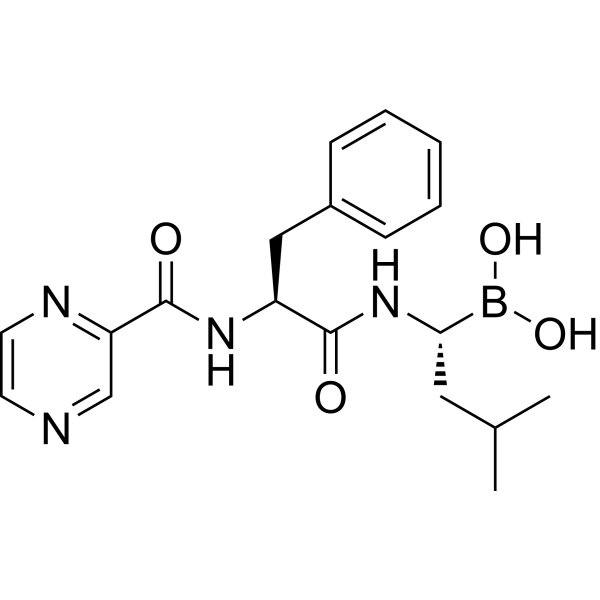
    Bortezomib
    245+ Cited Publications

    PS-341; LDP-341; NSC 681239

    Proteasome NF-κB Apoptosis Autophagy TREM receptor Cancer
    Bortezomib (PS-341) is a reversible and selective proteasome inhibitor, and potently inhibits 20S proteasome (Ki=0.6 nM) by targeting a threonine residue. Bortezomib disrupts the cell cycle, induces apoptosis, and inhibits NF-κB. Bortezomib is the first proteasome inhibitor anticancer agent. Bortezomib can be used for the study of multiple myeloma (MM) . Bortezomib effectively inhibits TREM2 expression in tumor-associated macrophages (TAMs) .
    Bortezomib
  • HY-13259
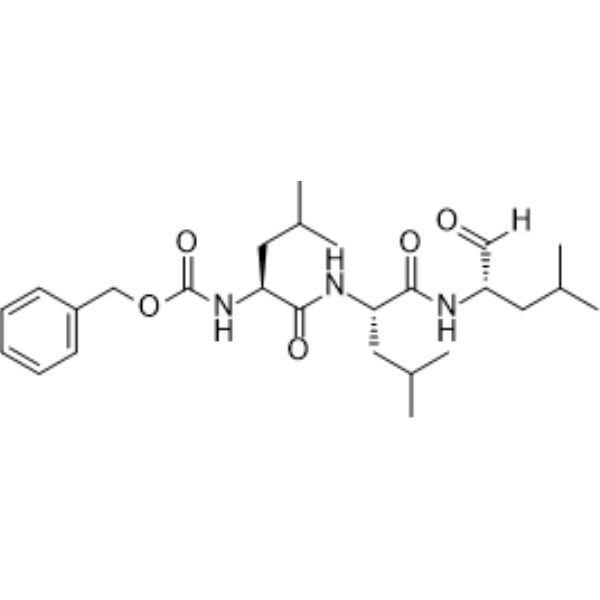
    MG-132
    Maximum Cited Publications
    1998 Publications Verification

    Z-Leu-Leu-Leu-al; MG132

    Proteasome Autophagy Apoptosis Cancer
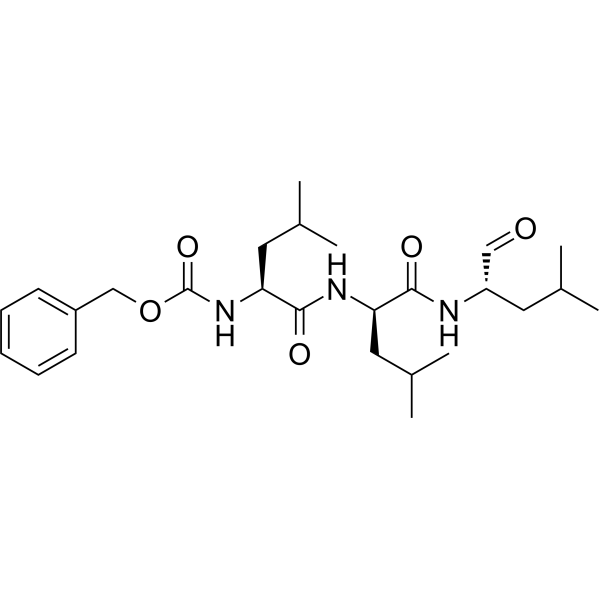
    MG-132 (Z-Leu-Leu-Leu-al) is a potent proteasome and calpain inhibitor with IC50s of 100 nM and 1.2 μM, respectively. MG-132 effectively blocks the proteolytic activity of the 26S proteasome complex. MG-132, a peptide aldehyde, also is an autophagy activator. MG-132 also induces apoptosis .
    MG-132
  • HY-10455
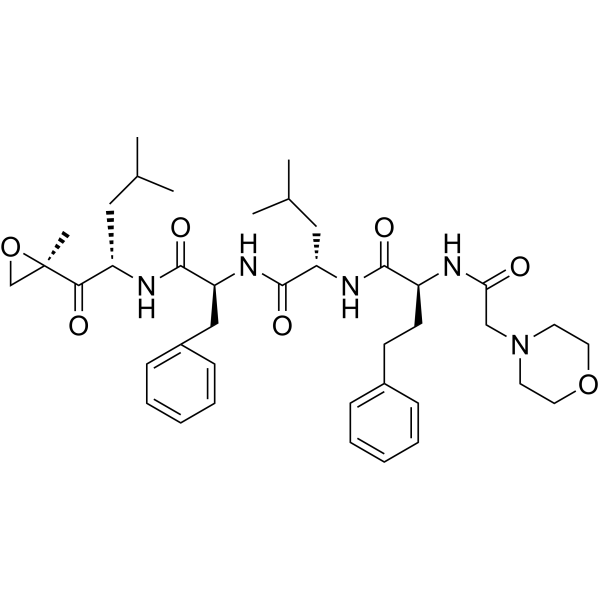
    Carfilzomib
    60+ Cited Publications

    PR-171

    Proteasome Autophagy Apoptosis Cancer
    Carfilzomib (PR-171) is an irreversible proteasome inhibitor with an IC50 of 5 nM in ANBL-6 and RPMI 8226 cells.
    Carfilzomib
  • HY-10453
    Ixazomib
    20+ Cited Publications

    MLN2238

    Proteasome Autophagy Cancer
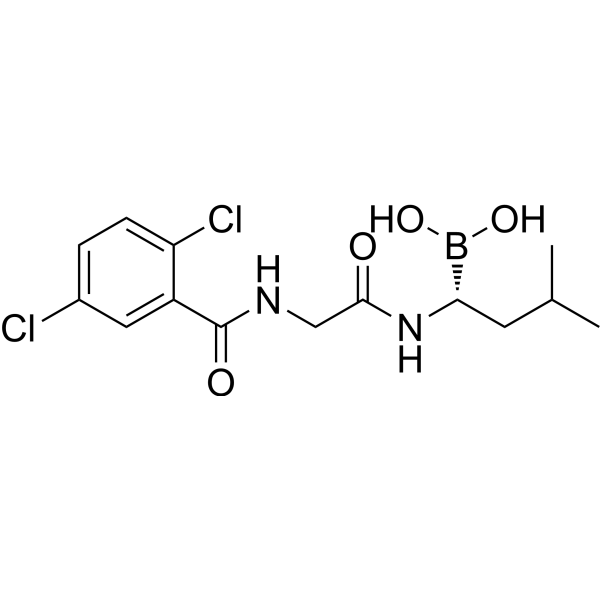
    Ixazomib (MLN2238) is a selective, potent, and reversible proteasome inhibitor, which inhibits the chymotrypsin-like proteolytic (β5) site of the 20S proteasome with an IC50 of 3.4 nM (Ki of 0.93 nM).
    Ixazomib
  • HY-13067
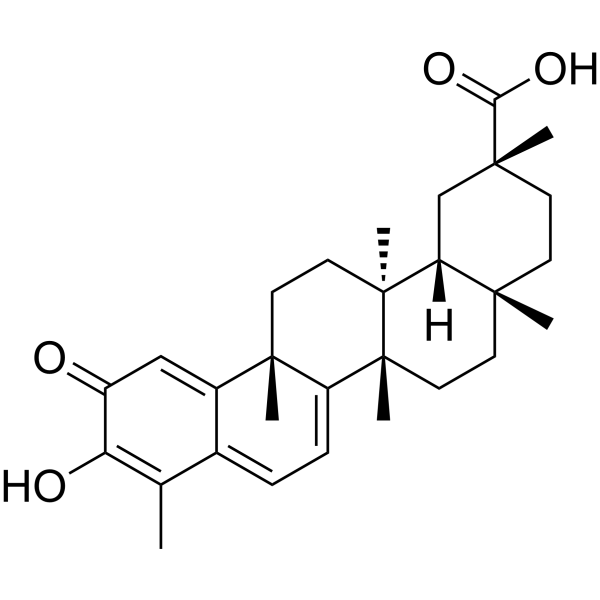
    Celastrol
    Maximum Cited Publications
    61 Publications Verification

    Tripterine; Tripterin

    Proteasome Autophagy Mitophagy Apoptosis Endogenous Metabolite Antibiotic Bacterial Nuclear Hormone Receptor 4A/NR4A Infection Inflammation/Immunology Cancer
    Celastrol (Tripterine;Tripterin) is a proteasome inhibitor which potently and preferentially inhibits the chymotrypsin-like activity of a purified 20S proteasome with IC50 of 2.5 μM. In addition, Celastrol is also an antibiotic with potent antimicrobial activity against standard and clinical methicillin-resistant Staphylococcus aureus (MRSA) strains, inducing oxidative stress and inhibiting DNA synthesis by binding to P5CDH .
    Celastrol
  • HY-N2117
    Isoginkgetin
    15+ Cited Publications

    MMP Akt NF-κB Proteasome Apoptosis Autophagy Inflammation/Immunology Cancer
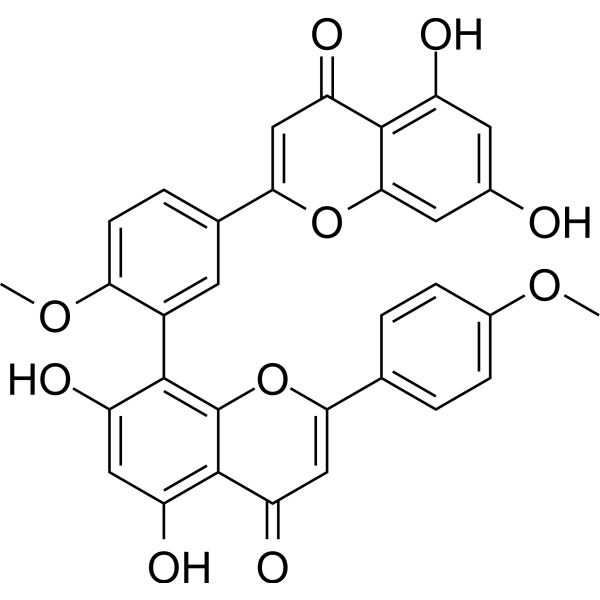
    Isoginkgetin is a pre-mRNA splicing inhibitor inhibitor. Isoginkgetin also inhibits activities of both Akt, NF-κB and MMP-9. Isoginkgetin inhibits the activity of the 20S proteasome, induces apoptosis and activates autophagy .
    Isoginkgetin
  • HY-13821
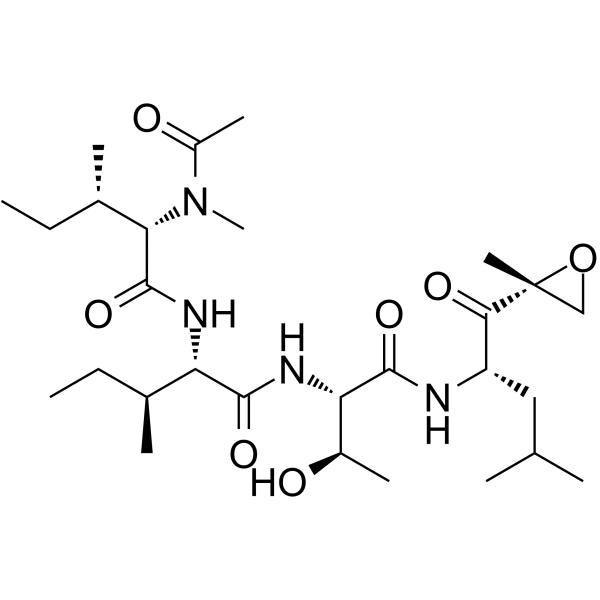
    Epoxomicin
    20+ Cited Publications

    BU-4061T

    Proteasome Apoptosis Inflammation/Immunology Cancer
    Epoxomicin (BU-4061T) is an epoxyketone-containing natural product and a potent, selective and irreversible proteasome inhibitor. Epoxomicin covalently binds to the LMP7, X, MECL1, and Z catalytic subunits of the proteasome and potently inhibits primarily the chymotrypsin-like activity. Epoxomicin can cross the blood-brain barrier. Epoxomicin has strongly antitumor and anti-inflammatory activity .
    Epoxomicin
  • HY-13259C
    (R)-MG-132
    15+ Cited Publications

    (S,R,S)-(-)-MG-132; Z-Leu-D-Leu-Leu-al

    Proteasome Cancer
    (R)-MG-132 ((S,R,S)-(-)-MG-132) is the enantiomer of MG-132. (R)-MG-132 is a proteasome inhibitor with weaker cell cytotoxicity than MG-132 .
    (R)-MG-132
  • HY-10985
    Marizomib
    15+ Cited Publications

    Salinosporamide A; NPI-0052

    Proteasome Cancer
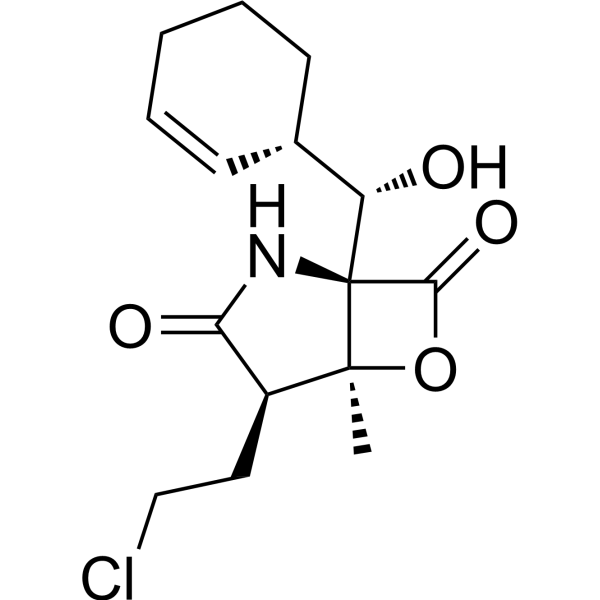
    Marizomib (Salinosporamide A) is a second-generation, irreversible, brain-penetrant, pan-proteasome inhibitor. Marizomib inhibits the CT-L (β5), CT-T-laspase-like (C-L, β1) and trypsin-like (T-L, β2) activities of the 20S proteasome (IC50=3.5, 28, and 430 nM, respectively) .
    Marizomib
  • HY-13259D

    Proteasome Cancer
    MG-132 (negative control) is the negative control form of MG-132 (HY-13259) .
    MG-132 (negative control)
  • HY-10452
    Ixazomib citrate
    5+ Cited Publications

    MLN9708

    Proteasome Autophagy Cancer
    Ixazomib citrate (MLN9708) is a selective, orally active, second-generation proteasome inhibitor. Ixazomib citrate can be used for the study of a broad range of human malignancies .
    Ixazomib citrate
  • HY-110404
    Capzimin
    5 Publications Verification

    Proteasome Deubiquitinase Cancer
    Capzimin is a potent and moderately specific proteasome isopeptidase Rpn11 inhibitor.
    Capzimin
  • HY-W017227
    Alloxan hydrate
    1 Publications Verification

    Proteasome Metabolic Disease Cancer
    Alloxan hydrate is a diabetogenic agent to induce diabetes. Alloxan hydrate is a proteasome inhibitor. Alloxan causes diabetes in experimental animals through its ability to destroy the insulin-secreting B-cells of the pancreas .
    Alloxan hydrate
  • HY-108552
    MG-115
    1 Publications Verification

    Proteasome Apoptosis Cancer
    MG-115 is a potent and reversible proteasome inhibitor, with Kis of 21 nM and 35 nM for 20S and 26S proteasome, respectively. MG-115 specifically inhibit the chymotrypsin-like activity of the proteasome, induces p53-dependent apoptosis .
    MG-115
  • HY-12113
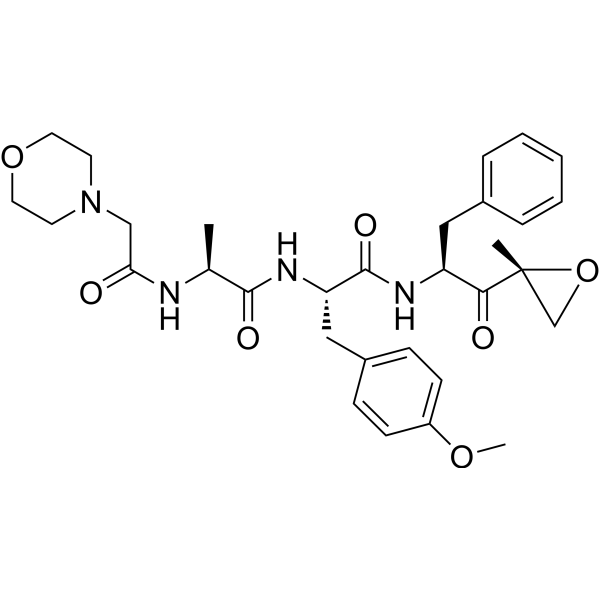
    Oprozomib
    3 Publications Verification

    ONX 0912; PR-047

    Proteasome Autophagy Apoptosis Cancer
    Oprozomib (PR-047) is an orally bioavailable and selective peptide epoxyketone proteasome inhibitor with IC50s of 36 and 82 nM for proteasome (β5) and immunoproteasome (LMP7), respectively. Oprozomib (ONX 0912) induces apoptosis in MM cells .
    Oprozomib
  • HY-12471
    VLX1570
    2 Publications Verification

    Deubiquitinase Cancer
    VLX1570 is a competitive inhibitor of proteasome deubiquitinases (DUBs) with an IC50 of approximate 10 μM.
    VLX1570
  • HY-100739
    RA190
    4 Publications Verification

    Proteasome Cancer
    RA190, a bis-benzylidine piperidon, inhibits proteasome function by covalently binding to cysteine 88 of ubiquitin receptor RPN13.
    RA190
  • HY-108549

    Omuralide; β-Clastolactacystin

    Proteasome Cancer
    Clasto-Lactacystin β-lactone, a natural active metabolite of lactacystin, which is a metabolite of Streptomyces, acts as an irreversible 20S proteasome inhibitor.
    clasto-Lactacystin β-lactone
  • HY-18741
    VR23
    1 Publications Verification

    Proteasome Apoptosis Metabolic Disease Cancer
    VR23 is a small molecule that potently inhibits the activities of trypsin-like proteasomes (IC50=1 nM), chymotrypsin-like proteasomes (IC50=50-100 nM), and caspase-like proteasomes (IC50=3 μM).
    VR23
  • HY-10227R

    PS-341 (Standard); LDP-341 (Standard); NSC 681239 (Standard)

    Reference Standards Proteasome NF-κB Apoptosis Autophagy TREM receptor Cancer
    Bortezomib (Standard) is the analytical standard of Bortezomib. This product is intended for research and analytical applications. Bortezomib (PS-341) is a reversible and selective proteasome inhibitor, and potently inhibits 20S proteasome (Ki=0.6 nM) by targeting a threonine residue. Bortezomib disrupts the cell cycle, induces apoptosis, and inhibits NF-κB. Bortezomib is the first proteasome inhibitor anticancer agent. Bortezomib can be used for the study of multiple myeloma (MM) . Bortezomib effectively inhibits TREM2 expression in tumor-associated macrophages (TAMs) .
    Bortezomib (Standard)
  • HY-131350

    Proteasome Parasite Infection
    LXE408 is an orally active, non-competitive and kinetoplastid-selective proteasome inhibitor. LXE408 has an IC50 of 0.04 μM for L. donovani proteasome and an EC50 of 0.04 μM for L. donovani. LXE408 has a low propensity to cross the blood brain barrier. LXE408 has the potential for visceral leishmaniasis (VL) research .
    LXE408
  • HY-P11306

    Proteasome NF-κB Inflammation/Immunology
    Biotin-(Oaa)3-epoxomicin is a biotin-labeled form of Epoxomicin (HY-13821), prepared by conjugating Epoxomicin with biotin via three hydrophilic oxaacetyl amino acid (Oaa) linkers. Biotin-(Oaa)3-epoxomicin is primarily used in proteomic studies for the capture, identification and target validation of proteasome complexes, to determine the intracellular targets of epoxomicin. Epoxomicin acts as a proteasome inhibitor and NF-κB inhibitor, which effectively blocks inflammatory responses in mouse ear edema assays. It inhibits proteasome activity via covalent binding to catalytic subunits including LMP7, X, MECL1 and Z, with the strongest inhibitory effect on chymotrypsin-like activity, and does not interfere with non-proteasomal proteases such as trypsin and papain .
    Biotin-(Oaa)3-epoxomicin
  • HY-160289

    FAP Cancer
    ARI-3144 is an excellent and specific substrate for fibroblast activation protein (FAP). ARI-3144 is usually coupled with the fluorophore 7-Amino-4-methylcoumarin (HY-D0027) (AMC) for detection and quantification of FAP .
    ARI-3144
  • HY-P4284

    Proteasome ClpP Bacterial Infection
    Z-GGF-CMK is an Antibacterial agent, an inhibitor of the ClpP1P2 serine protease complex (with an IC50 of 50 μM against intracellular ClpP1P2 protease activity in Mycobacterium bovis BCG), and a selective inhibitor of the mycobacterial Proteasome (with an IC50 of 50 μM against the proteasome in M. bovis BCG). Z-GGF-CMK inhibits the growth of mycobacteria. Z-GGF-CMK exhibits cytotoxic activity against liver cancer cells. Z-GGF-CMK can be used in the research of tuberculosis .
    Z-GGF-CMK
  • HY-149127

    ASC-JM17; ALZ-003

    Keap1-Nrf2 Androgen Receptor HSP Mitophagy Ferroptosis Apoptosis Reactive Oxygen Species (ROS) Autophagy Metabolic Disease
    Rosolutamide (ASC-JM17) is an orally active Nrf1/Nrf2 activator. Rosolutamide activates Hsf1 pathways, upregulates proteasome subunits and antioxidant enzymes, induces proteasome complex structural rearrangement, and enhances ubiquitin-proteasome system-mediated degradation. Rosolutamide reduces mutant androgen receptor and ataxin-3 aggregates, restores mitochondrial function, attenuates reactive oxygen species (ROS) levels, induces apoptosis and ferroptosis, and inhibits cancer cell growth. Rosolutamide can be used for the research of spinal and bulbar muscular atrophy, Huntington’s disease, and temozolomide-resistant glioblastoma .
    Rosolutamide
  • HY-107412

    PS-IX; AM114

    Proteasome Cancer
    Proteasome inhibitor IX (PS-IX; AM114) is a Chalcone derivative and a chymotrypsin-like activity of the 20S proteasome inhibitor with an IC50 value of ~1 μM. Proteasome inhibitor IX exhibits HCT116 p53 +/+ cells growth inhibitory activity with an IC50 value of 1.49 μM. Proteasome inhibitor IX has potent anticancer activity .
    Proteasome inhibitor IX
  • HY-13067R

    Tripterine (Standard); Tripterin (Standard)

    Reference Standards Proteasome Autophagy Mitophagy Apoptosis Endogenous Metabolite Inflammation/Immunology Cancer
    Celastrol (Standard) is the analytical standard of Celastrol. This product is intended for research and analytical applications. Celastrol (Tripterine;Tripterin) is a proteasome inhibitor which potently and preferentially inhibits the chymotrypsin-like activity of a purified 20S proteasome with IC50 of 2.5 μM.
    Celastrol (Standard)
  • HY-10227S

    PS-341-d8; LDP-341-d8; NSC 681239-d8

    Isotope-Labeled Compounds Proteasome NF-κB Apoptosis Autophagy TREM receptor Cancer
    Bortezomib-d8 is the deuterium labeled Bortezomib. Bortezomib (PS-341) is a reversible and selective proteasome inhibitor, and potently inhibits 20S proteasome (Ki=0.6 nM) by targeting a threonine residue. Bortezomib disrupts the cell cycle, induces apoptosis, and inhibits NF-κB. Bortezomib is the first proteasome inhibitor anticancer agent. Bortezomib can be used for the study of multiple myeloma (MM) . Bortezomib effectively inhibits TREM2 expression in tumor-associated macrophages (TAMs) .
    Bortezomib-d8
  • HY-120060

    Parasite Infection
    GNF6702 is a selective inhibitor of the kinetoplastid proteasome. GNF6702 clears parasites in murine models of leishmaniasis, Chagas disease, and human African trypanosomiasis .
    GNF6702
  • HY-158412

    Proteasome Apoptosis Cancer
    BT317 is a blood-brain transmissible mitochondrial Lon peptidase I (LonP1) and CT-L proteasome inhibitor. BT317 can increase the production of reactive oxygen species (ROS) and induce apoptosis in astrocytoma cells. BT317 has antitumor activity .
    BT317
  • HY-P1259A

    Proteasome Bacterial Inflammation/Immunology
    PR-39 TFA, a natural proline- and arginine-rich antibacterial peptide, is a noncompetitive, reversible and allosteric proteasome inhibitor. PR-39 TFAreversibly binds to the α7 subunit of the proteasome and blocks degradation of NF-κB inhibitor IκBα by the ubiquitin-proteasome pathway. PR-39 TFA stimulates angiogenesis, inhibits inflammatory responses and significant reduces myocardial infarct size in mice .
    PR-39 TFA
  • HY-P2483B

    Bacterial Proteasome Infection Inflammation/Immunology Cancer
    Octaarginine acetate is a cell-penetrating peptide and proteasome inhibitor. Octaarginine acetate exhibits mixed-type inhibition against 20S proteasome chymotrypsin-like, caspase-like, and trypsin-like activities, and inhibits 26S proteasome activity with decreased efficiency. Octaarginine acetate induces ubiquitin-conjugated protein accumulation, mediates HSPG-dependent cellular internalization via macropinocytosis, enhances liposomal cargo uptake and gene delivery. Octaarginine acetate can be used for the research of cervix carcinoma, collagen antibody-induced arthritis, and bacterial infections .
    Octaarginine acetate
  • HY-P2483

    Proteasome Bacterial Infection Inflammation/Immunology Cancer
    Octaarginine is a cell-penetrating peptide and proteasome inhibitor. Octaarginine exhibits mixed-type inhibition against 20S proteasome chymotrypsin-like, caspase-like, and trypsin-like activities, and inhibits 26S proteasome activity with decreased efficiency. Octaarginine induces ubiquitin-conjugated protein accumulation, mediates HSPG-dependent cellular internalization via macropinocytosis, enhances liposomal cargo uptake and gene delivery. Octaarginine can be used for the research of cervix carcinoma, collagen antibody-induced arthritis, and bacterial infections .
    Octaarginine
  • HY-10455R

    PR-171 (Standard)

    Reference Standards Proteasome Autophagy Apoptosis Cancer
    Carfilzomib (Standard) is the analytical standard of Carfilzomib. This product is intended for research and analytical applications. Carfilzomib (PR-171) is an irreversible proteasome inhibitor with an IC50 of 5 nM in ANBL-6 and RPMI 8226 cells.
    Carfilzomib (Standard)
  • HY-P1258
    PSI
    2 Publications Verification

    proteasome inhibitor 1; Z-Ile-Glu(OtBu)-Ala-Leu-CHO

    Proteasome Infection Cancer
    PSI (Proteasome Inhibitor 1) is a potent proteasome inhibitor. PSI inhibits the proliferation of primary effusion lymphoma (PEL) cells. PSI has the potential for the research of Kaposi’s sarcoma-associated herpesvirus (KSHV) infection and KSHV-associated lymphomas .
    PSI
  • HY-10455S

    Isotope-Labeled Compounds Proteasome Autophagy Apoptosis Cancer
    Carfilzomib-d8 is deuterium labeled Carfilzomib. Carfilzomib (PR-171) is an irreversible proteasome inhibitor with an IC50 of 5 nM in ANBL-6 and RPMI 8226 cells.
    Carfilzomib-d8
  • HY-155506

    NAMPT Cancer
    NAMPT degrader-3 (compound C5) is a NAMPT degrader, depending on VHL- and proteasome manner. NAMPT degrader-3 displays cytotoxicity and inhibits A2780 cells proliferation .
    NAMPT degrader-3
  • HY-128903

    Drug-Linker Conjugates for ADC Cancer
    MC-Val-Cit-PAB-carfilzomib iodide is a agent-linker conjugate for ADC with potent antitumor activity by using carfilzomib (an irreversible proteasome inhibitor), linked via the ADC linker MC-Val-Cit-PAB.
    MC-Val-Cit-PAB-carfilzomib iodide
  • HY-119288

    NSC 45382

    Proteasome Cancer
    BC-23 (NSC 45382) is a proteasome inhibitor. BC-23 exhibits good inhibition of CT-L activity of the proteasome and is selective for malignant over normal cells .
    BC-23
  • HY-P1259

    Proteasome Bacterial Inflammation/Immunology
    PR-39, a natural proline- and arginine-rich antibacterial peptide, is a noncompetitive, reversible and allosteric proteasome inhibitor. PR-39 reversibly binds to the α7 subunit of the proteasome and blocks degradation of NF-κB inhibitor IκBα by the ubiquitin-proteasome pathway. PR-39 stimulates angiogenesis, inhibits inflammatory responses and significant reduces myocardial infarct size in mice .
    PR-39
  • HY-W054146
    RAMB4
    1 Publications Verification

    Proteasome Cancer
    RAMB4 is a ubiquitin-proteasome system (UPS)-stressor. RAMB4 inhibits ubiquitin-mediated protein degradation upstream of the 20S proteasomal catalytic activites. RAMB4 triggers a ubiquitin-proteasome-system (UPS)-stress response without affecting 20S proteasome catalytic activities. Anticancer activity .
    RAMB4
  • HY-10227G

    PS-341; LDP-341; NSC 681239

    Proteasome NF-κB Apoptosis Autophagy TREM receptor Cancer
    Bortezomib (GMP) (PS-341 (GMP)) is Bortezomib (HY-10227) produced by using GMP guidelines. GMP small molecules works appropriately as an auxiliary reagent for cell therapy manufacture. Bortezomib (PS-341) is a reversible and selective proteasome inhibitor, and potently inhibits 20S proteasome (Ki=0.6 nM) by targeting a threonine residue. Bortezomib disrupts the cell cycle, induces apoptosis, and inhibits NF-κB. Bortezomib is the first proteasome inhibitor anticancer agent. Bortezomib can be used for the study of multiple myeloma (MM) . Bortezomib effectively inhibits TREM2 expression in tumor-associated macrophages (TAMs) .
    Bortezomib
  • HY-127102

    DDD01305143​

    Parasite Proteasome Infection
    GSK3494245 (DDD01305143) is a potent, orally active, and selective inhibitor of the chymotrypsin-like activity of the parasite proteasome binding in a site sandwiched between the β4 and β5 subunits (IC50=0.16 μM for WT L. donovani proteasomes). GSK3494245 moderately inhibits chymotrypsin-like activity of human proteasome (IC50: purified 26S=13 µM; enriched THP-1 extracts IC50=40µM). GSK3494245 exhibits attractive biological and biosafety properties .
    GSK3494245
  • HY-125939

    Proteasome Cancer
    Bortezomib-pinanediol is a proteasome inhibitor and a prodrug of Bortezomib (HY-10227). Bortezomib-pinanediol inhibits cell growth and can be used for study of multiple myeloma .
    Bortezomib-pinanediol
  • HY-149514

    Proteasome Cancer
    BC-05 is an orally active and potent inhibitor of CD13 and proteasome. BC-05 has an IC50 value of 0.13 μM for human CD13 and an IC50 value of 1.39 μM for the 20S proteasome. BC-05 can be used in multiple myeloma research .
    BC-05
  • HY-118522

    Proteasome NF-κB Caspase PARP IAP Apoptosis Cancer
    TP-110 is a proteasome inhibitor. TP-110 specifically inhibits the protease-like activity of the 20S proteasome, but does not affect the trypsin-like or peptidyl-glutamyl peptide hydrolysis activity. TP-110 inhibits the NF-κB pathway, activates caspase-8, -9, and -3, and causes PARP cleavage, significantly reducing the levels of cIAP-1 and XIAP. TP-110 causes cell cycle arrest at the G2/M phase and promotes apoptosis of cancer cells. TP-110 can be used in cancer research of prostate cancer and multiple myeloma, etc .
    TP-110
  • HY-120035

    Proteasome Ribosomal S6 Kinase (RSK) Apoptosis Cancer
    DD1, a proteasome inhibitor, targets Bax activation and P70S6K degradation during acute myeloid leukemia (AML) apoptosis. DD1 induces apoptosis in the caspase-dependent manner. DD1 induces mitochondrial membrane depolarization and Bad dephosphorylation .
    DD1
  • HY-171956

    Proteasome Parasite Infection
    Carmaphycin-17 (CP-17) is a selective 20S proteasome inhibitor with an EC50 of 217 ?nM. Carmaphycin-17 has potent antimicrobial activity against Trichomonas vaginalis. Carmaphycin-17 overcomes Metronidazole (HY-B0318) resistance and significantly reduces parasite burden upon topical treatment without any apparent adverse effects in vaginal trichomonad infection mice model. Carmaphycin-17 can be used for sexually transmitted disease like trichomoniasis research .
    Carmaphycin-17
  • HY-10453R

    MLN2238 (Standard)

    Reference Standards Proteasome Autophagy Cancer
    Ixazomib (Standard) is the analytical standard of Ixazomib. This product is intended for research and analytical applications. Ixazomib (MLN2238) is a selective, potent, and reversible proteasome inhibitor, which inhibits the chymotrypsin-like proteolytic (β5) site of the 20S proteasome with an IC50 of 3.4 nM (Ki of 0.93 nM).
    Ixazomib (Standard)
  • HY-W048404

    Proteasome Cancer
    Bortezomib impurity A is a metabolite of the 20S proteasome inhibitor Bortezomib (HY-10227).
    Bortezomib impurity A

Inquiry Online

Your information is safe with us. * Required Fields.

Salutation


Country or Region *

Applicant Name *


Organization Name *

Department *


Email Address *


Product Name *

Cat. No.


Requested quantity *

Phone Number *


Remarks

Inquiry Online

Inquiry Information

Product Name:
Cat. No.:
Quantity:
MCE Japan Authorized Agent:

