68 Results for "

reductive agent

" in MedChemExpress (MCE) Product Catalog:
Products (68)

68 Results for "reductive agent" in MCE Product Catalog:

33
33 Publications Verification
Cat. No.: HY-14252A
CAS No.: 100286-97-3
Synonyms: Win 47203 lactate
Research Areas:  

Cardiovascular Disease

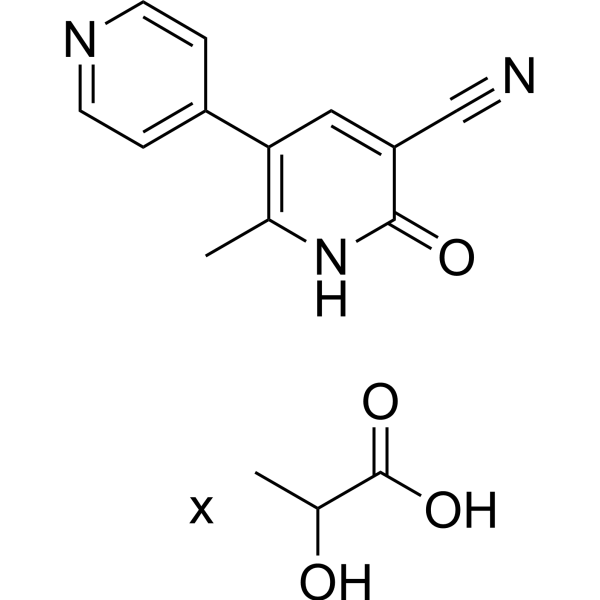
Milrinone lactate is a potent inotropic dilating agent. Milrinone lactate shows simultaneous positive inotropic and vasodilating activities. Milrinone lactate promotes reduction of SVR and PVR in patients with DCM and NYHA class III and IV of heart failure. Milrinone lactate has the potential for the research of cardiovascular function after cardiac surgery and in septic shock .
loading...
    loading...
21
21 Cited Publications
Cat. No.: HY-W011500
CAS No.: 51805-45-9
Synonyms: Tris(2-​carboxyethyl)​phosphine hydrochloride
Target:  

Drug Derivative

Research Areas:  

Others

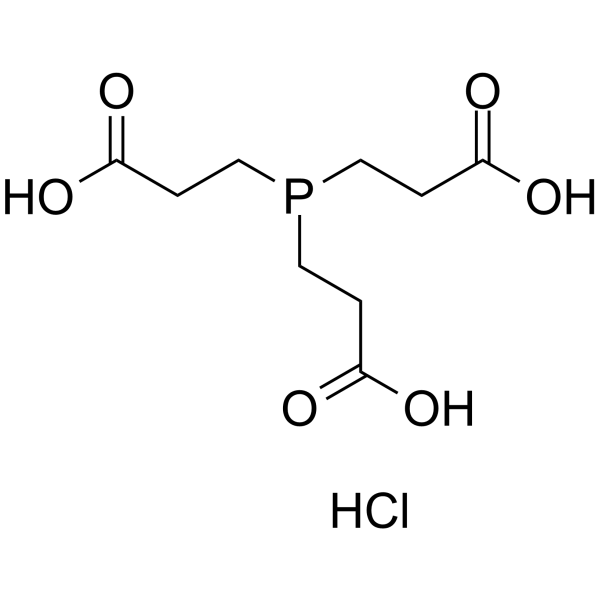
TCEP hydrochloride (Tris(2-carboxyethyl)phosphine hydrochloride) is a non-thiol reducing agent that is more stable and produces a faster S-S reductive reaction than other chemical reductants. TCEP hydrochloride is a trialkylphosphine, selectively reduces protein disuldes without altering the properties or interacting with thiol-directed agents in the reaction mixture. TCEP hydrochloride is also a commonly used reducing agent in the DNA/AuNP chemistry .
loading...
    loading...
2
2 Cited Publications
Cat. No.: HY-N0541
CAS No.: 69884-00-0
Synonyms: Ginsenoside A1
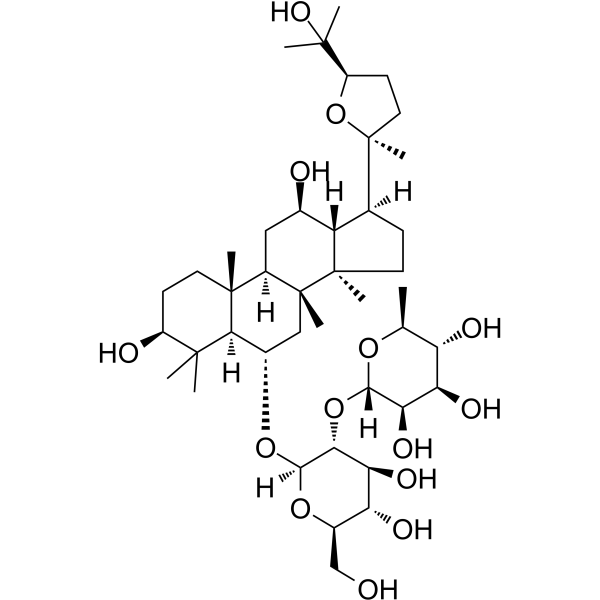
Pseudoginsenoside F11 is an orally active neuroprotective agent. Pseudoginsenoside F11 reduces the expression of β-amyloid precursor protein, inhibits the production of 1-40, downregulates the expression of JNK2, p53 and activated Caspase 3, and restores the activities of SOD and Glutathione peroxidase. Pseudoginsenoside F11 inhibits the excessive activation of μ-Calpain and restores the level of neuronal Nitric oxide synthase. Pseudoginsenoside F11 reduces infarct volume, alleviates cerebral edema, decreases neuronal loss, improves neurological deficits and enhances long-term functional outcomes in transient cerebral ischemia models. Pseudoginsenoside F11 antagonizes Methamphetamine-induced behavioral deficits, dopamine level reduction and neurotoxicity without altering the baseline behaviors of normal mice. Pseudoginsenoside F11 can be used in studies related to Alzheimer's disease, transient cerebral ischemic injury and Methamphetamine-induced neurotoxicity .
loading...
    loading...
2
2 Cited Publications
Cat. No.: HY-B1941
CAS No.: 140-66-9
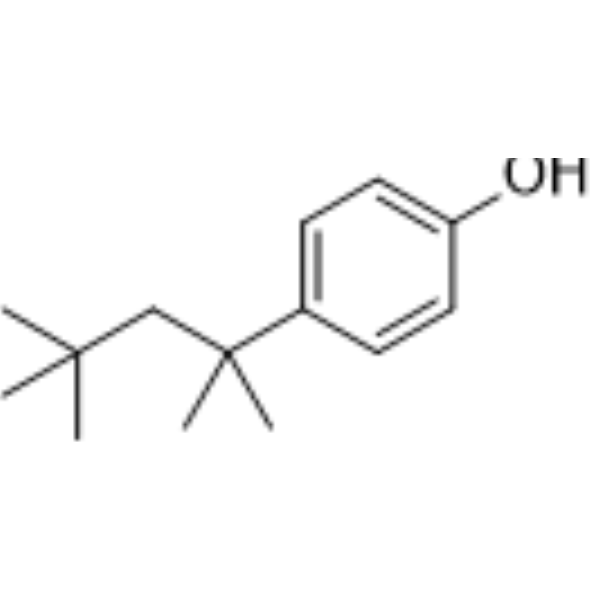
4-tert-Octylphenol, a endocrine-disrupting chemical, is an estrogenic agent. 4-tert-Octylphenol is also a biodegradation product of non-ionic surfactants alkylphenol polyethoxylates. 4-tert-Octylphenol induces apoptosis in neuronal progenitor cells in offspring mouse brain. 4-tert-Octylphenol reduces bromodeoxyuridine (BrdU), mitotic marker Ki67, and phospho-histone H3 (p-Histone-H3), resulting in a reduction of neuronal progenitor proliferation. 4-tert-Octylphenol disrupts brain development and behavior in mice, which is promising for reserch of immune response, neuro-related diseases and ethology .
loading...
    loading...
1
1 Cited Publications
Cat. No.: HY-147246
CAS No.: 1868138-66-2
Purity:  99.34%
Synonyms: HTD1801; BUDCA
Research Areas:  

Metabolic Disease

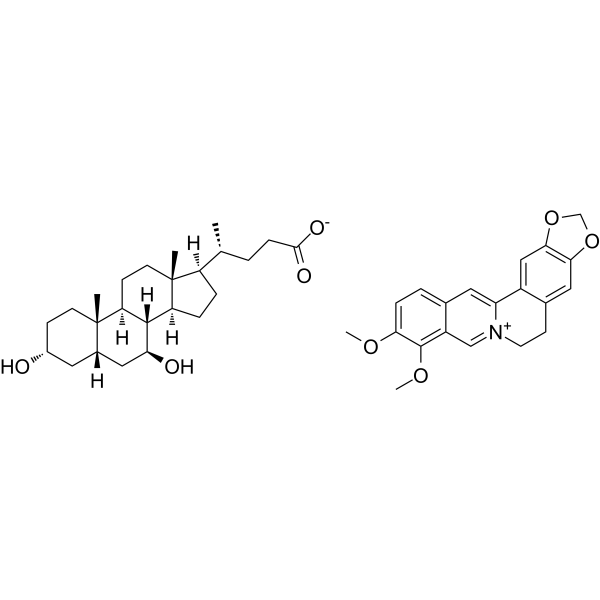
Berberine ursodeoxycholate (HTD1801), an ionic salt of Berberine and Ursodeoxycholic acid, is an orally active and potent hypolipidemic agent. Berberine ursodeoxycholate shows significantly great reduction in liver fat content. Berberine ursodeoxycholate has a broad spectrum of metabolic activity. Berberine ursodeoxycholate can be used for the research of hyperlipidemia, non-alcoholic steatohepatitis (NASH) and diabetes .
loading...
    loading...
1
1 Cited Publications
Cat. No.: HY-W011500S
CAS No.: 1174025-33-2
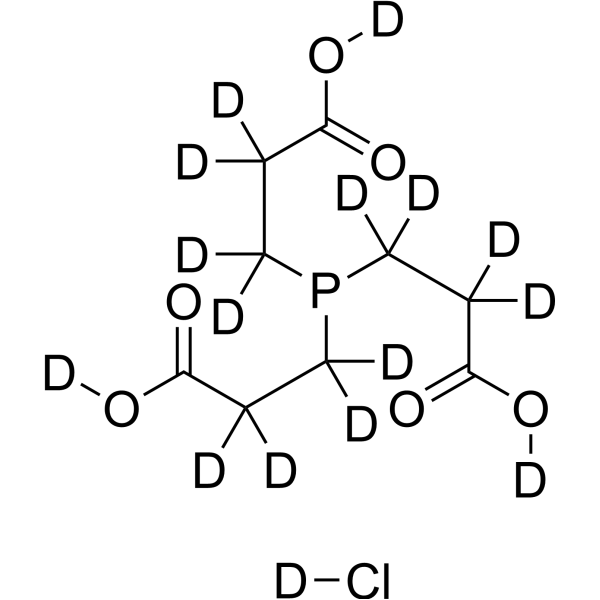
TCEP-d16 (hydrochloride) is the deuterium labeled TCEP hydrochloride . TCEP hydrochloride (Tris(2-carboxyethyl)phosphine hydrochloride) is a non-thiol reducing agent that is more stable and produces a faster S-S reductive reaction than other chemical reductants. TCEP hydrochloride is a trialkylphosphine, selectively reduces protein disuldes without altering the properties or interacting with thiol-directed agents in the reaction mixture. TCEP hydrochloride is also a commonly used reducing agent in the DNA/AuNP chemistry .
loading...
    loading...
1
1 Cited Publications
Cat. No.: HY-23155
CAS No.: 2257-09-2
Synonyms: 2-PE ITC
Target:  

Fungal

Research Areas:  

Infection

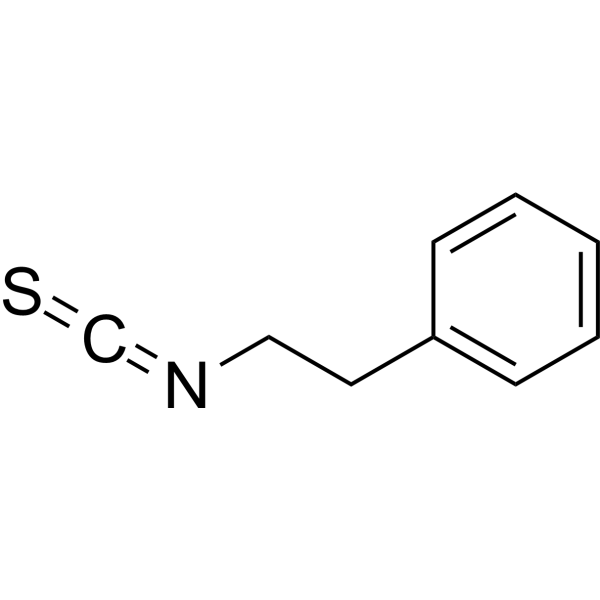
2-Phenylethyl isothiocyanate is a potent antifungal agent. 2-Phenylethyl isothiocyanate significantly inhibited spore germination and mycelial growth of Alternaria alternata, with a MIC (minimum inhibitory concentration) of 1.22 mM. The antifungal effect of 2-Phenylethyl isothiocyanate against Alternaria alternate might be via reduction in toxin content and breakdown of cell membrane integrity .
loading...
    loading...
1
1 Cited Publications
Cat. No.: HY-16350
CAS No.: 197723-00-5
Synonyms: NKP-1339; IT-139; KP-1339
Research Areas:  

Cancer

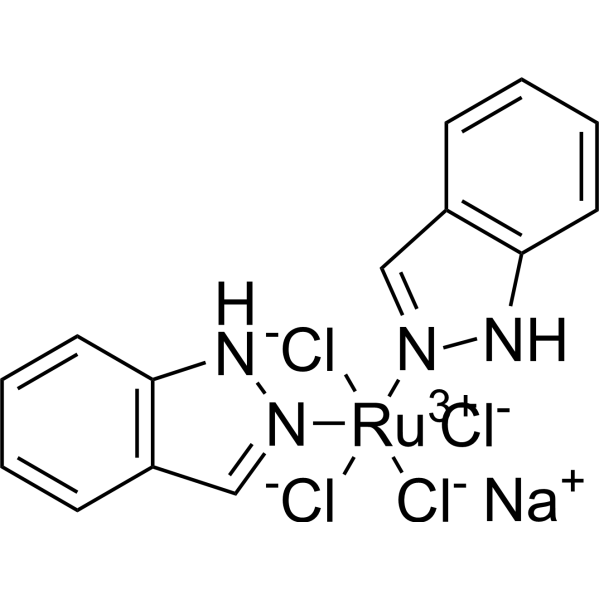
BOLD-100 (NKP-1339; IT-139) is the first-in-class ruthenium-based anticancer agent in development against solid cancer with limited side effects. BOLD-100 induces G2/M cell cycle arrest, blockage of DNA synthesis, and induction of apoptosis via the mitochondrial pathway. BOLD-100 has a high tumor targeting potential, strongly binds to serum proteins such as albumin and transferrin and activates in the reductive tumor milieu .
loading...
    loading...
Cat. No.: HY-145605
CAS No.: 1800188-47-9
Purity:  99.74%
Synonyms: HSG4112
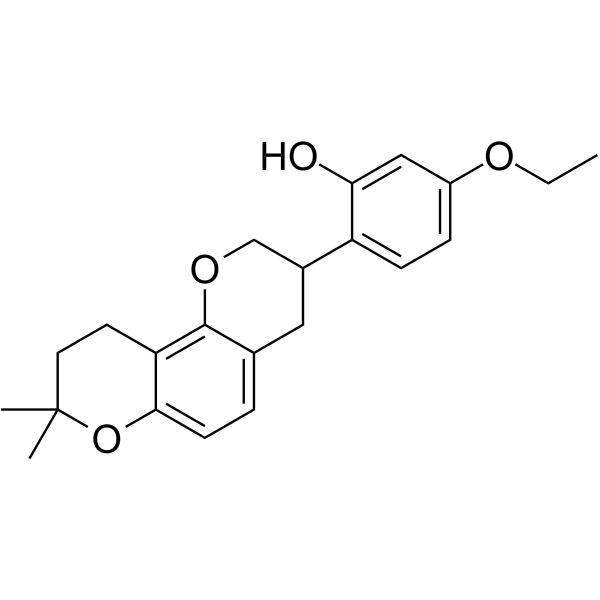
Vutiglabridin (HSG4112), a racemic compound, is a potent anti-obesity agent . Vutiglabridin, an optimized structural analog of Glabridin, markedly supersedes Glabridin in weight reduction efficacy and chemical stability .
loading...
    loading...
Cat. No.: HY-B1901
CAS No.: 56839-43-1
Synonyms: (±)-Eperisone hydrochloride
Target:  

P2X Receptor

Research Areas:  

Neurological Disease

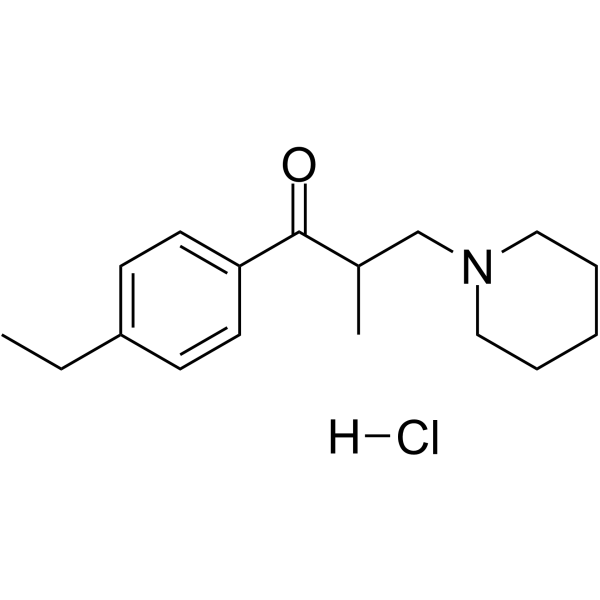
Eperisone Hydrochloride ((±)-Eperisone hydrochloride) is an orally active antispastic agent with a vasodilator effect, used for the research of muscle stiffness and pain. Eperisone Hydrochloride is a potent and selectively P2X7 receptor antagonist, also shows antagonism for human P2X3. Eperisone Hydrochloride works by relaxing both skeletal muscles and vascularsmooth muscles, demonstrating a variety of effects such as reduction ofmyotonia, improvement of circulationand and suppression of the pain reflex .
loading...
    loading...
Cat. No.: HY-13543
CAS No.: 21919-05-1
Purity:  99.50%
Synonyms: CB 1954
Research Areas:  

Cancer

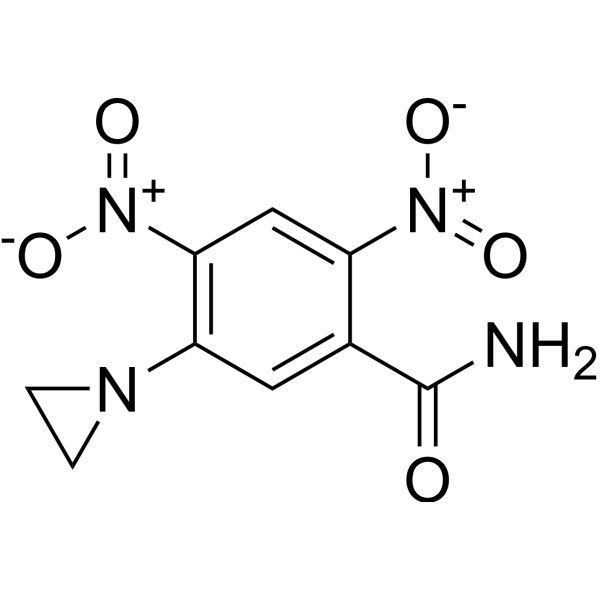
Tretazicar (CB 1954), an antitumor proagent, is highly selective against the Walker 256 rat tumour line. Tretazicar is enzymatically activated to generate a bifunctional agent, which can form DNA-DNA interstrand cross-links. Tretazicar in rat cells involves the reduction of its 4-nitro group to a 4-hydroxylamine by the enzyme NAD(P)H:quinone oxidoreductase 1 (NQO1) .
loading...
    loading...
Cat. No.: HY-13836
CAS No.: 1354745-52-0
Purity:  ≥98.0%
Target:  

Parasite

Research Areas:  

Infection

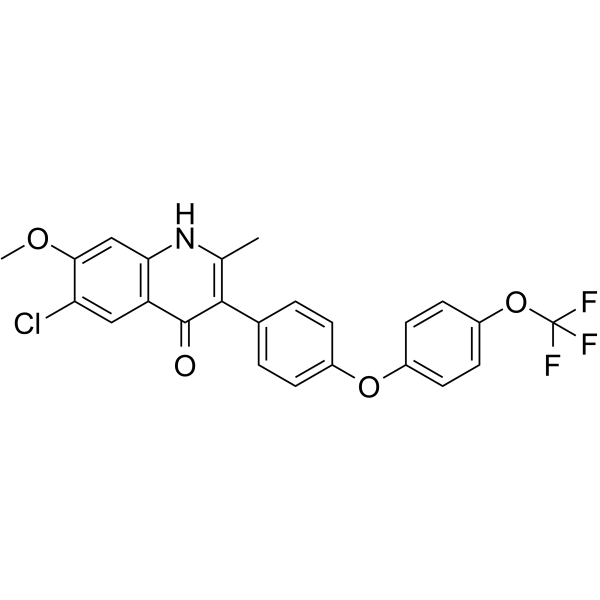
ELQ-300 is a potent and orally bioavailable antimalarial agent, acts as an inhibitor of the reductive (Qi) site of the cytochrome bc1 complex (cyt bc1). ELQ-300 inhibits growth of P. falciparum Dd2, Tm90-C2B, and D1 with IC50 values of 6.6, 4.6 and 160 nM, respectively. ELQ-300 can be used for the research of antimalarial .
loading...
    loading...
Cat. No.: HY-134004
CAS No.: 77-23-6
Purity:  98.91%
Synonyms: Carbetapentane
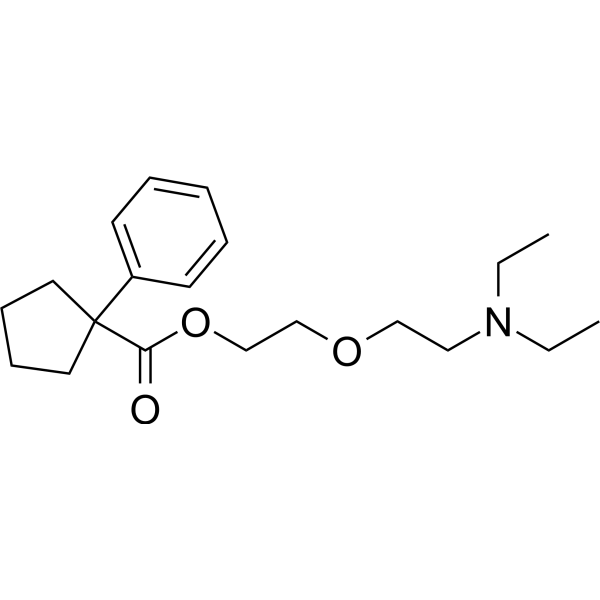
Pentoxyverine (Carbetapentane) is an orally active sigma-1 receptor agonist, with Kis of 41 nM, 894 nM and 75 nM for σ1, σ2 and guinea-pig brain membran σ1, respectively. Pentoxyverine is a muscarinic antagonist. Pentoxyverine is a potent antitussive, anticonvulsant, and spasmolytic agent. Pentoxyverine can be used for inhibiting bronchial interceptor, weakening of cough reflex, bronchial smooth muscle relaxation and reduction of airway resistance .
loading...
    loading...
Cat. No.: HY-B1055
CAS No.: 23142-01-0
Synonyms: Carbetapentane citrate
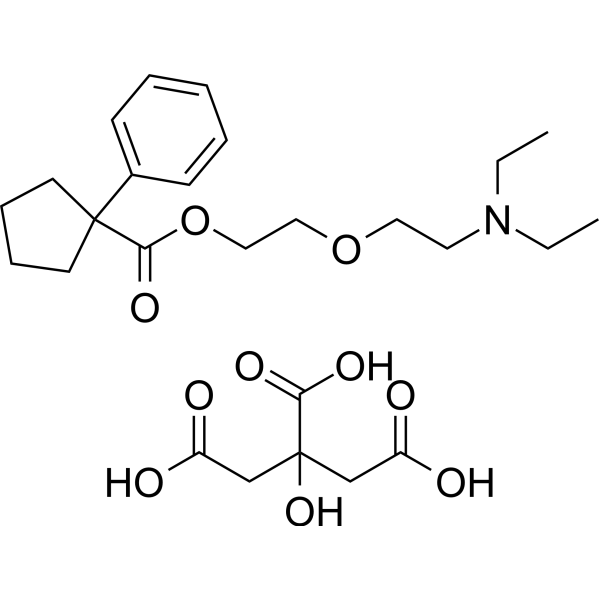
Pentoxyverine (Carbetapentane) citrate is an orally active and blood-brain barrier permeability sigma-1 receptor agonist, with Kis of 41 nM, 894 nM and 75 nM for σ1, σ2 and guinea-pig brain membrane σ1, respectively. Pentoxyverine citrate is a muscarinic antagonist. Pentoxyverine citrate is a potent antitussive, anticonvulsant, and spasmolytic agent. Pentoxyverine citrate can be used for inhibiting bronchial interceptor, weakening of cough reflex, bronchial smooth muscle relaxation and reduction of airway resistance .
loading...
    loading...
Cat. No.: HY-W061674
CAS No.: 13991-37-2
Synonyms: (E)-Pent-2-enoic acid
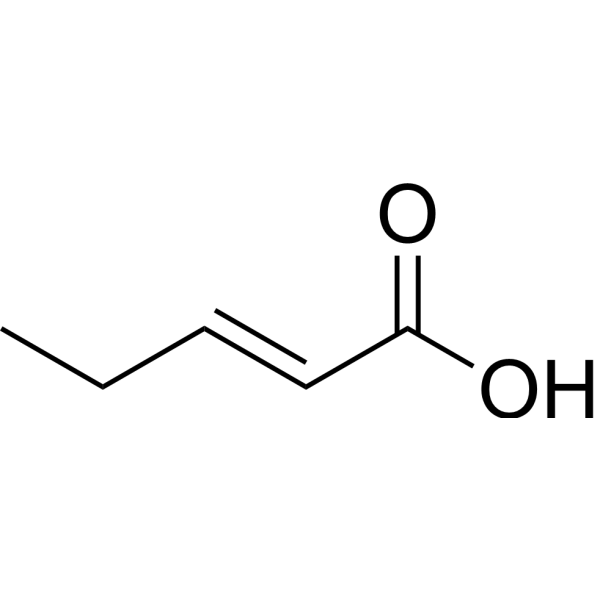
(2E)-Pent-2-enoic acid is an unsaturated carboxylic acid, it is also known as 2-pentenoic acid or crotonic acid, the "2E" designation indicates that the molecule has a trans double bond configuration, where the double bond The two carbon atoms on both sides are located on opposite sides, (2E)-Pent-2-enoic acid has a pungent odor, is miscible with water and most organic solvents, it is commonly used in organic synthesis as a variety of chemical reactions, including esterification, oxidation, and reduction, and in addition, its potential use as a flavoring agent in the food industry was investigated.
loading...
    loading...
Cat. No.: HY-W115721
CAS No.: 523-21-7
Synonyms: Sodium rhodizonate dibasic
Rhodizonic acid disodium (Sodium rhodizonate dibasic) is a transition metal-dependent pro-oxidant and lead detection agent that induces reactive oxygen species generation, DNA damage, and inhibits Aconitase activity. Rhodizonic acid disodium generates superoxide anion radicals in an iron (II)-dependent manner, leading to aconitase inactivation. Rhodizonic acid disodium also triggers hydroxyl radical-mediated DNA strand breaks and 8-OHdG formation via copper ion reduction. Rhodizonic acid disodium reacts with lead to form a scarlet precipitate, with the color intensity proportional to lead content, enabling qualitative or quantitative analysis of lead. Rhodizonic acid disodium can also be used for real-time visualization of the dynamic process of lead sequestration in the plant rhizosphere and evaluation of the effects of environmental factors such as soil type on the stability of lead-sequestering structures .
loading...
    loading...
Cat. No.: HY-14926
CAS No.: 154357-42-3
Purity:  99.79%
Synonyms: (S)-(-)-Nadifloxacin; WCK 771
Target:  

Antibiotic Bacterial

Research Areas:  

Infection

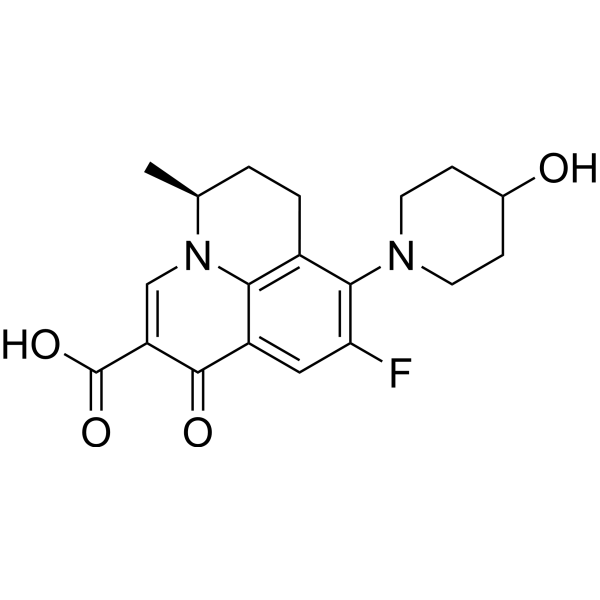
Levonadifloxacin ((S)-(-)-Nadifloxacin; WCK 771) is a broad-spectrum anti-staphylococcal agent. Levonadifloxacin shows antibacterial activity against Methicillin (HY-121544)-susceptible Staphylococcus aureus (MSSA) and Methicillin-resistant S. aureus (MRSA) strains, with a reduction of which phagocytized in THP-1 monocytes .
loading...
    loading...
Cat. No.: HY-W088501
CAS No.: 1617-32-9
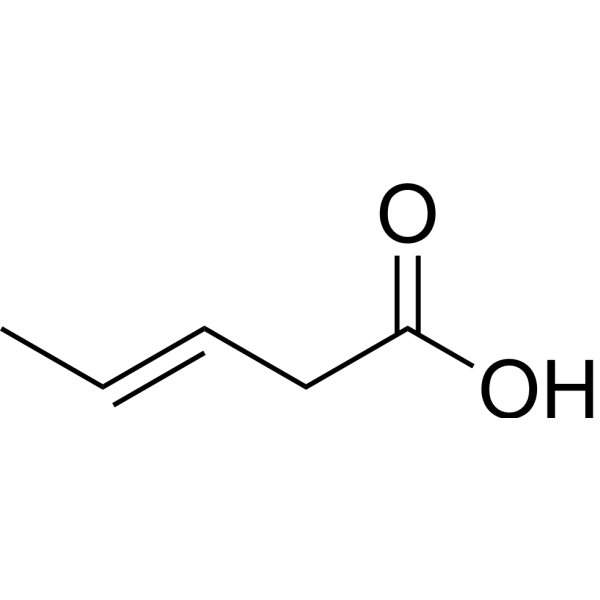
(E)-Pent-3-enoic acidIt is an unsaturated carboxylic acid. (E)-Pent-3-enoic acidAs a starting material for various chemical reactions including esterification, oxidation and reduction. (E)-Pent-3-enoic acidIt has potential use as a flavoring agent in the food industry.
loading...
    loading...
Cat. No.: HY-122182
CAS No.: 2093401-33-1
Purity:  98.64%
Research Areas:  

Cancer

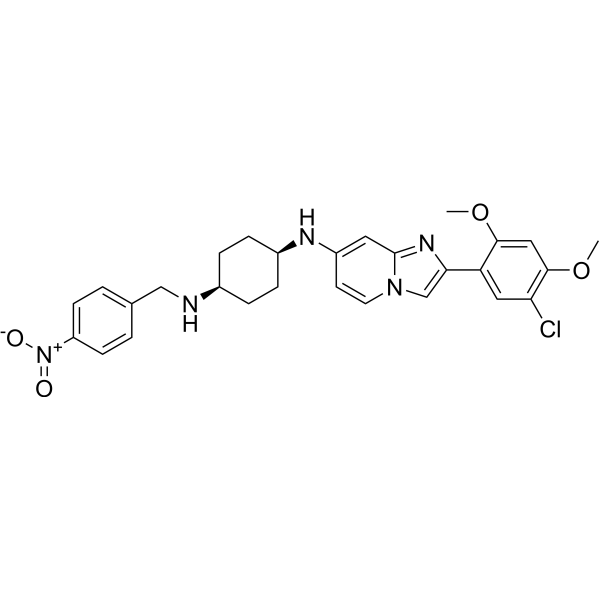
OTS193320, a imidazo[1,2-a]pyridine compound, is a SUV39H2 methyltransferase activity inhibitor. OTS193320 decreases global histone H3 lysine 9 tri-methylation levels in breast cancer cells and triggers apoptotic cell death. Combination of OTS193320 with Doxorubicin (HY-15142A) results in reduction of γ-H2AX levels as well as cancer cell viability compared to a single agent OTS193320 or DOX .
loading...
    loading...
Cat. No.: HY-78036
CAS No.: 498-24-8
Synonyms: Citronic acid; Methylfumaric acid
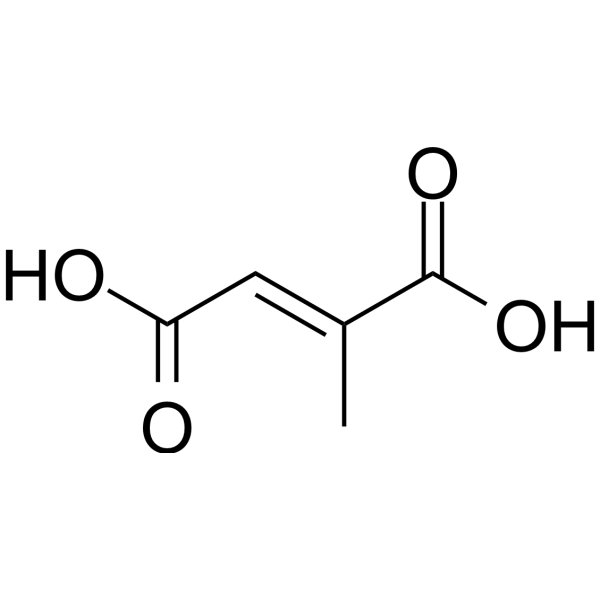
Mesaconic acid (Citronic acid; Methylfumaric acid) is an orally active anti-inflammatory and antioxidant agent. Mesaconic acid reduces the level of NF-κB in colon tissues, downregulates the expression of Keap1 and Bax, upregulates the expression of Nrf2 and Bcl2, and decreases the expression of Caspase-1. Mesaconic acid reduces the levels of NLRP3, ASC and Casp-1 in colon, liver and kidney tissues. Mesaconic acid reduces pro-inflammatory cytokine levels, increases the level of the anti-inflammatory cytokine IL-10, elevates NAD + levels, regulates oxidative stress markers and antioxidant enzyme levels, and upregulates intestinal barrier proteins in colon, liver and kidney tissues. Mesaconic acid increases the abundance of beneficial gut bacteria and reduces the abundance of harmful gut bacteria in rapidly aging mice, and exhibits anti-aging properties. Mesaconic acid acts as a flame retardant and serves as a competitive inhibitor of fumarate reduction. Mesaconic acid can be used in the research of aging-related inflammation .
loading...
    loading...

