From 11:00 pm to 12:00 pm EST ( 8:00 pm to 9:00 pm PST ) on January 6th, the website will be under maintenance. We are sorry for the inconvenience. Please arrange your schedule properly.
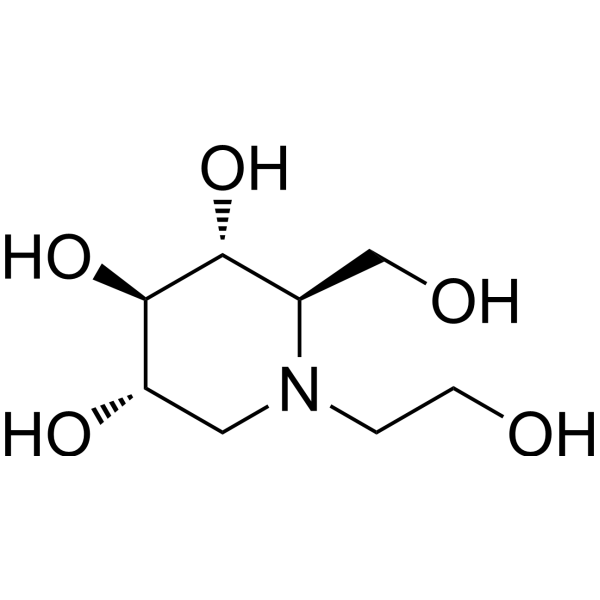
Miglitol (BAY-m1099) is an orally active antidiabetic compound that inhibits the breakdown of glycoconjugates into glucose. Miglitol inhibits glycoside hydrolase enzymes called α-glucosidases. Miglitol inhibits oxidative stress-induced apoptosis and mitochondrial ROS over-production in endothelial cells by enhancement of AMP-activated protein kinase. Dietary supplementation with Miglitol from pre-onset stage in OLETF rats delays the onset and development of diabetes and preserves the insulin secretory function of pancreatic islets .
Ziltivekimab (COR-001) is a fully human monoclonal antibody and also an IL-6 inhibitor. Ziltivekimab significantly reduces inflammatory biomarkers and Lipoprotein (a) in chronic kidney disease patients with systemic inflammation. Ziltivekimab does not increase pro-atherosclerotic lipid levels. Ziltivekimab is used in studies related to atherosclerotic thrombotic diseases and chronic kidney disease .
Ipomoeassin F is a potent and selective endoplasmic reticulum (ER) protein-translocation inhibitor by targeting the pore-forming subunit of the Sec61 complex (Sec61α) at the ER membrane. Ipomoeassin F selectively inhibits the ER membrane translocation of SARS-CoV-2 proteins. Ipomoeassin F block the ER translocation of secretoryproteins and type I transmembrane proteins (TMPs), but not type III TMPs .
Tigapotide (PCK-3145) is a synthetic 15-mer peptide derived from prostate-secretoryprotein, and acts as an antineoplastic agent. Tigapotide inhibits tumor growth, experimental bone metastasis, and malignancy-associated hypocalcemia. Tigapotide induces apoptosis in prostate cancer cells and tumors, and suppresses the growth of prostate cancer cells. Tigapotide inhibits the production of parathyroid hormone-related protein (PTHrP) in tumors and plasma. Tigapotide reduces plasma calcium levels in hypercalcemic tumor-bearing rats. Tigapotide is applicable for the research of prostate cancer and malignancy-associated hypercalcemia .
Endo CNTinh-03 is inhibitor for the elevation of cAMP and cGMP induced by agonist, such as G protein-coupled receptors, adenylate cyclase, and guanylate cyclase (IC50 is 4 μM). Endo CNTinh-03 inhibits cholera toxin- and Escherichia coli (STa) toxin- induced CFTR chloride current, ameliorates secretory diarrhea in mouse models, and prevents cyst growth in polycystic kidney disease model .
M9-5 sodium is an aptamer targeting cyclophilin B. M9-5 binds to the MiaPaCa-2 secretoryprotein with high affinity and can be used as a blood biomarker for the detection of pancreatic cancer.
BML-265 is a potent EGFR tyrosine kinase inhibitor. BML-265 disrupts Golgi integrity and abolishes secretoryprotein transport of diverse cargos. BML-265 affects Golgi integrity and transport in human cells but not in rodent cells .
Scrambled β-amyloid (1-40) is a biological active peptide. (Aβ (1-40) together with Aβ (1-42) are two major C-terminal variants of the Aβ protein constituting the majority of Aβs. These undergo post-secretory aggregation and deposition in the Alzheimer’s disease brain. This peptide is the scrambled sequence of Abeta 1-40 HY-P0265)
FIZZ-1 (32-51) (mouse) is a cysteine-rich secretoryprotein that is highly expressed by macrophages, bronchial epithelial and type II alveolar epithelial cells (AEC) in allergic airway inflammation. FIZZ1 (32-51) (mouse) also shows an antiapoptotic effect on lung fibroblasts. FIZZ-1 (32-51) (mouse) can be used in the study of allergic pneumonia .
TRK-IN-32 is a potent TRK inhibitor. TRK-IN-32 potently inhibits TRK WT, TRK G595R and TRK G667C with IC50 values of 0.08 nM, 2.14 nM and 0.68 nM, respectively. TRK-IN-32 also demonstrates antiproliferative activity against a panel of Ba/F3 cell lines transformed with wild type, xDFG, solvent-front as well as gatekeeper mutant TRK fusion proteins. TRK-IN-32 induces apoptosis of Ba/F3-TRKA WT and Ba/F3-TRKA G667C cells.TRK-IN-32 can be used for the study of various cancers (such as thyroid cancer, secretory breast carcinoma) .
Cotransin TFA is a cyclic ester peptide and a Sec61 translocator binder with signal sequence-selective activity to inhibit co-translational protein translocation. Cotransin TFA inhibits the biogenesis of a subset of secretory and membrane proteins in a signal peptide-dependent manner. Cotransin TFA is applicable for cancer-related research .
KZR-8445 TFA, a cyclic depsipeptide, is a client-selective Sec61 inhibitor. KZR-8445 TFA binds to the fully opened Sec61 lateral gate, blocks lumenal plug domain access, stabilizes lateral gate helices, traps select signal peptides, and disrupts secretory and membrane protein biogenesis. KZR-8445 TFA inhibits pro-inflammatory cytokine secretion in primary immune cells. KZR-8445 TFA inhibits SARS-CoV-2 replication, virus-induced cytotoxicity, and spike protein biogenesis. KZR-8445 TFA blocks disease progression in a mouse model of rheumatoid arthritis. KZR-8445 TFA can be used for the researches of rheumatoid arthritis and SARS-CoV-2 infection .
KZR-8445, a cyclic depsipeptide, is a client-selective Sec61 inhibitor. KZR-8445 binds to the fully opened Sec61 lateral gate, blocks lumenal plug domain access, stabilizes lateral gate helices, traps select signal peptides, and disrupts secretory and membrane protein biogenesis. KZR-8445 inhibits pro-inflammatory cytokine secretion in primary immune cells. KZR-8445 inhibits SARS-CoV-2 replication, virus-induced cytotoxicity, and spike protein biogenesis. KZR-8445 blocks disease progression in a mouse model of rheumatoid arthritis. KZR-8445 can be used for the researches of rheumatoid arthritis and SARS-CoV-2 infection .
Neuropeptides are small proteins produced and released by neurons through the regulation of secretory pathways, expressed in neurons and have transmitter or co-transmitter functions, and are used as nerve substrates. Neuropeptides are by far the largest and most diverse signaling molecules in the brain and have been implicated in the development of diseases and drugs. Neuropeptides are involved in inflammatory and immune diseases and have an impact on epithelial, vascular, and connective tissue cells proliferation and tissue repair. Studies have shown that neuropeptides are particularly important when the nervous system is challenged, such as stress, injury, or substance abuse. Substance P is a neuropeptide that acts as a neurotransmitter and neuromodulator in the central nervous system and is currently in clinical research and has been shown to be involved in inflammatory processes and pain.
MCE can provide 126 neuropeptides that can be used for scientific research.
Tigapotide (PCK-3145) is a synthetic 15-mer peptide derived from prostate-secretoryprotein, and acts as an antineoplastic agent. Tigapotide inhibits tumor growth, experimental bone metastasis, and malignancy-associated hypocalcemia. Tigapotide induces apoptosis in prostate cancer cells and tumors, and suppresses the growth of prostate cancer cells. Tigapotide inhibits the production of parathyroid hormone-related protein (PTHrP) in tumors and plasma. Tigapotide reduces plasma calcium levels in hypercalcemic tumor-bearing rats. Tigapotide is applicable for the research of prostate cancer and malignancy-associated hypercalcemia .
Scrambled β-amyloid (1-40) is a biological active peptide. (Aβ (1-40) together with Aβ (1-42) are two major C-terminal variants of the Aβ protein constituting the majority of Aβs. These undergo post-secretory aggregation and deposition in the Alzheimer’s disease brain. This peptide is the scrambled sequence of Abeta 1-40 HY-P0265)
FIZZ-1 (32-51) (mouse) is a cysteine-rich secretoryprotein that is highly expressed by macrophages, bronchial epithelial and type II alveolar epithelial cells (AEC) in allergic airway inflammation. FIZZ1 (32-51) (mouse) also shows an antiapoptotic effect on lung fibroblasts. FIZZ-1 (32-51) (mouse) can be used in the study of allergic pneumonia .
Cotransin TFA is a cyclic ester peptide and a Sec61 translocator binder with signal sequence-selective activity to inhibit co-translational protein translocation. Cotransin TFA inhibits the biogenesis of a subset of secretory and membrane proteins in a signal peptide-dependent manner. Cotransin TFA is applicable for cancer-related research .
KZR-8445 TFA, a cyclic depsipeptide, is a client-selective Sec61 inhibitor. KZR-8445 TFA binds to the fully opened Sec61 lateral gate, blocks lumenal plug domain access, stabilizes lateral gate helices, traps select signal peptides, and disrupts secretory and membrane protein biogenesis. KZR-8445 TFA inhibits pro-inflammatory cytokine secretion in primary immune cells. KZR-8445 TFA inhibits SARS-CoV-2 replication, virus-induced cytotoxicity, and spike protein biogenesis. KZR-8445 TFA blocks disease progression in a mouse model of rheumatoid arthritis. KZR-8445 TFA can be used for the researches of rheumatoid arthritis and SARS-CoV-2 infection .
KZR-8445, a cyclic depsipeptide, is a client-selective Sec61 inhibitor. KZR-8445 binds to the fully opened Sec61 lateral gate, blocks lumenal plug domain access, stabilizes lateral gate helices, traps select signal peptides, and disrupts secretory and membrane protein biogenesis. KZR-8445 inhibits pro-inflammatory cytokine secretion in primary immune cells. KZR-8445 inhibits SARS-CoV-2 replication, virus-induced cytotoxicity, and spike protein biogenesis. KZR-8445 blocks disease progression in a mouse model of rheumatoid arthritis. KZR-8445 can be used for the researches of rheumatoid arthritis and SARS-CoV-2 infection .
Ziltivekimab (COR-001) is a fully human monoclonal antibody and also an IL-6 inhibitor. Ziltivekimab significantly reduces inflammatory biomarkers and Lipoprotein (a) in chronic kidney disease patients with systemic inflammation. Ziltivekimab does not increase pro-atherosclerotic lipid levels. Ziltivekimab is used in studies related to atherosclerotic thrombotic diseases and chronic kidney disease .
Ipomoeassin F is a potent and selective endoplasmic reticulum (ER) protein-translocation inhibitor by targeting the pore-forming subunit of the Sec61 complex (Sec61α) at the ER membrane. Ipomoeassin F selectively inhibits the ER membrane translocation of SARS-CoV-2 proteins. Ipomoeassin F block the ER translocation of secretoryproteins and type I transmembrane proteins (TMPs), but not type III TMPs .
The CRISP-3 protein interacts with A1BG, indicating a molecular association with potential functional implications. This suggests that CRISP-3 may be involved in processes associated with or regulated by A1BG. The specific nature and significance of this interaction require further elucidation, emphasizing the need for additional investigation into the molecular mechanisms and biological consequences of the CRISP-3 and A1BG interaction. CRISP-3 Protein, Human (HEK293, His) is the recombinant human-derived CRISP-3 protein, expressed by HEK293 , with C-6*His labeled tag.
The ECM1 protein is a multifaceted player that negatively regulates bone mineralization and affects endochondral bone formation. In addition to bone biology, it stimulates endothelial cell proliferation and angiogenesis and exerts regulatory control on MMP9 proteolytic activity. ECM1 Protein, Rat (HEK293, His) is the recombinant rat-derived ECM1 protein, expressed by HEK293 , with C-His labeled tag.
ECM1 Protein, an extracellular matrix protein, is involved in various biological processes, including skin development, wound healing, and angiogenesis. It supports cell adhesion and migration, and regulates the structure and function of the extracellular matrix. Understanding the functions of ECM1 Protein is important for studying tissue remodeling and developing therapeutic strategies for ECM1-related disorders and diseases. ECM1 Protein, Mouse (HEK293, His) is the recombinant mouse-derived ECM1 protein, expressed by HEK293 , with C-His labeled tag.
CD52 protein's multifaceted role includes carrying and orienting carbohydrates, potentially involved in molecular transport and arrangement. Its dual nature suggests versatility in molecular processes, raising questions about its specific contributions. Further exploration into CD52's precise mechanisms and functions, as well as its more specific role, could provide insights into its broader significance. CD52 Protein, Rat (HEK293, Fc) is the recombinant rat-derived CD52 protein, expressed by HEK293 , with C-hFc labeled tag.
CD52 protein carries and orients carbohydrates, suggesting involvement in molecular transport and arrangement.Its multifaceted role includes a specific function that is not fully understood.Further exploration into CD52's mechanisms and contributions can shed light on its broader significance.Understanding its targeted role provides valuable insights into its functions and implications.CD52 Protein, Mouse (HEK293, Fc) is the recombinant mouse-derived CD52 protein, expressed by HEK293 , with C-hFc labeled tag.
The CD52 protein may play a role in the carriage and targeting of carbohydrates, suggesting its involvement in cellular processes related to carbohydrate transport. Additionally, CD52 may have a more specific role that requires further investigation. CD52 Protein, Human (HEK293, hFc) is the recombinant human-derived CD52 protein, expressed by HEK293 , with C-hFc labeled tag.
CD52 Protein carries and orients carbohydrates, indicating involvement in molecular transport and arrangement. It also has a specific role that is not fully understood. CD52's versatility prompts further investigation into its mechanisms and contributions. Understanding its targeted role can reveal insights into its functions and broader implications. CD52 Protein, Cynomolgus (HEK293, Fc) is the recombinant cynomolgus-derived CD52 protein, expressed by HEK293 , with C-hFc labeled tag.
REG-4 is a calcium-independent lectin with mannose-binding specificity that retains carbohydrate recognition activity even in acidic environments. Its ability to act independently of calcium indicates its potent and versatile lectin activity. REG-4 Protein, Human (HEK293, His) is the recombinant human-derived REG-4 protein, expressed by HEK293 , with C-6*His labeled tag.
The ZG16 protein has a potential role in protein transport and serves as a linker molecule during trans-Golgi network (TGN) particle formation. Its involvement suggests a dynamic role in intracellular protein transport. ZG16 Protein, Human (HEK293, His) is the recombinant human-derived ZG16 protein, expressed by HEK293 , with C-6*His labeled tag.
The ZG16 protein has a potential role in protein transport and serves as a linker molecule during trans-Golgi network (TGN) particle formation. Its involvement suggests a dynamic role in intracellular protein transport. ZG16 Protein, Human (HEK293, Fc) is the recombinant human-derived ZG16 protein, expressed by HEK293 , with C-mFc labeled tag.
PSP94/MSMB protein forms homodimers and interacts with PI16. PSP94/MSMB Protein, Human (His) is the recombinant human-derived PSP94/MSMB protein, expressed by E. coli , with C-His labeled tag.
The multifunctional PARK7/DJ-1 protein plays a key role in cellular defense against oxidative stress and cell death. It acts as an oxidative stress sensor, redox-sensitive chaperone and protease, and participates in neuroprotective mechanisms by stabilizing NFE2L2 and PINK1 proteins. PARK7/DJ-1 Protein, Human (GST) is the recombinant human-derived PARK7/DJ-1 protein, expressed by E. coli , with N-GST labeled tag.
Resistin hormone inhibits insulin's efficacy in promoting glucose uptake into adipose cells, potentially linking obesity and diabetes. Structurally, it forms stabilizing disulfide linkages as a homodimer. The interplay between resistin and insulin reveals complex molecular mechanisms in metabolic regulation, providing insights into how resistin may contribute to the pathophysiological connections between obesity and diabetes. Resistin Protein, Mouse (HEK293, Fc) is the recombinant mouse-derived Resistin protein, expressed by HEK293 , with N-hFc labeled tag.
The PLA2G2E protein is a secreted calcium-dependent phospholipase A2 that targets extracellular phospholipids. It hydrolyzes the fatty acyl group at the sn-2 position, releasing unsaturated fatty acids, especially lysophosphatidylethanolamine. PLA2G2E Protein, Mouse (HEK293, His) is the recombinant mouse-derived PLA2G2E protein, expressed by HEK293 , with C-His labeled tag.
CRISP-1 protein plays a crucial role in promoting the functional maturation of spermatozoa during their transition from the testis to the ductus deferens. Its involvement underscores its significance in the complex regulatory network governing male reproductive physiology, emphasizing its potential impact on sperm functionality and fertility as these cells navigate through the reproductive tract. CRISP-1 Protein, Mouse (HEK293, His) is the recombinant mouse-derived CRISP-1 protein, expressed by HEK293 , with C-His labeled tag.
CRISP-1 protein plays a crucial role in promoting the functional maturation of spermatozoa during their transition from the testis to the ductus deferens. Its involvement underscores its significance in the complex regulatory network governing male reproductive physiology, emphasizing its potential impact on sperm functionality and fertility as these cells navigate through the reproductive tract. CRISP-1 Protein, Mouse (HEK293, Fc) is the recombinant mouse-derived CRISP-1 protein, expressed by HEK293 , with C-hFc labeled tag.
UGRP1, a secreted cytokine-like protein, interacts with pathogens (L.monocytogenes, P.aeruginosa, yeast) and binds to MARCO. It strongly inhibits PLA2G1B activity, exerting anti-inflammatory and anti-fibrotic effects in the lung. UGRP1 may contribute to fetal lung development, inhibits FSH and LH production in the pituitary, and interacts with APOA1. Structurally, UGRP1 exists as a homodimer, with diverse physiological roles. UGRP1 Protein, Human is the recombinant human-derived UGRP1 protein, expressed by E. coli , with tag free.
PLA2G2D protein is a secreted calcium-dependent phospholipase A2 that targets extracellular lipids and has anti-inflammatory and immunosuppressive functions.It hydrolyzes the fatty acyl group at the sn-2 position, preferentially hydrolyzing phosphatidylethanolamine and phosphatidylglycerol.PLA2G2D Protein, Mouse (HEK293, Fc) is the recombinant mouse-derived PLA2G2D protein, expressed by HEK293 , with C-hFc labeled tag.
SCGB3A2 is a secreted cytokine-like protein that interacts with pathogens (Listeria monocytogenes, Pseudomonas aeruginosa, yeast) and binds to the scavenger receptor MARCO. It strongly inhibits PLA2G1B activity and regulates lipid metabolism. SCGB3A2 Protein, Mouse (His, GST) is the recombinant mouse-derived SCGB3A2 protein, expressed by E. coli , with N-GST, N-6*His labeled tag.
RCN1 protein may regulate calcium-dependent activities in the endoplasmic reticulum (ER) lumen or post-ER compartment. The specific mechanisms by which it affects calcium-dependent processes need to be further elucidated to facilitate research into its functional significance. RCN1 Protein, Human (P.pastoris, His) is the recombinant human-derived RCN1 protein, expressed by P. pastoris , with N-His labeled tag.
CORS26 Protein is a secreted protein of the C1q/ TNF-associated protein (CTRPs) family. CORS26 Protein involved in the LAMP1-STAT3, SIRT1/NF-魏B/p53, NF-魏B and TGF-尾1/Smad3 pathways play anti-inflammatory effects. CORS26 Protein also inhibited the expression of antimicrobial peptide (CAMP) in adipocytes induced by toll-like receptors (TLR). CORS26 Protein, Mouse (Myc, His) is the recombinant mouse-derived CORS26 protein, expressed by E. coli , with N-His, C-Myc labeled tag.
The CD52 protein may play a role in the carriage and targeting of carbohydrates, suggesting its involvement in cellular processes related to carbohydrate transport. Additionally, CD52 may have a more specific role that requires further investigation. CD52 Protein, Human (His) is the recombinant human-derived CD52 protein, expressed by E. coli , with N-6*His labeled tag.
The HE4/WFDC2 protein is a homotrimeric broad-spectrum protease inhibitor that regulates food intake, energy expenditure, and body weight in response to metabolic and toxin-induced stress. As a brainstem-restricted receptor, it binds to GDF15 and interacts with RET, activating MAPK and AKT signaling pathways. HE4/WFDC2 Protein, Human (HEK293, His) is the recombinant human-derived HE4/WFDC2 protein, expressed by HEK293 , with C-6*His labeled tag.
EGLP/GPX5 may constitute a protective system similar to glutathione peroxidase, protecting sperm membrane lipids from peroxidative damage. Despite the limited enzyme activity, the protective effect suggests an effect beyond enzyme function. EGLP/GPX5 Protein, Pig (P.pastoris, Myc, His) is the recombinant pig-derived EGLP/GPX5 protein, expressed by P. pastoris , with N-His, C-Myc labeled tag.
26 kDa secreted antigen/TES-26 Protein, Canine (P.pastoris, His) is a recombinant canine 26 kDa secreted antigen/TES-26 Protein expressed in P.pastoris with a His tag at the N-terminus. Recombinant TES-26 is a potential diagnostic candidate antigen for human toxocarosis caused by migrating T. canis larvae.
The CD52 protein may play a role in the carriage and targeting of carbohydrates, suggesting its involvement in cellular processes related to carbohydrate transport. Additionally, CD52 may have a more specific role that requires further investigation. CD52 Protein, Human (Biotinylated, HEK293, Fc-Avi) is the recombinant human-derived CD52 protein, expressed by HEK293 , with C-Avi, C-hFc labeled tag.
SCGB1A1 Protein demonstrates diverse binding abilities, interacting with phosphatidylcholine, phosphatidylinositol, polychlorinated biphenyls (PCB), and, to a lesser extent, progesterone.It acts as a robust phospholipase A2 inhibitor, forming an antiparallel homodimer linked by disulfide bonds.Although there is controversy regarding its interaction with LMBR1L, additional research is necessary for clarification.SCGB1A1 Protein, Rat (His) is the recombinant rat-derived SCGB1A1 protein, expressed by E.coli , with N-6*His labeled tag.
EGLP/GPX5 may constitute a protective system similar to glutathione peroxidase, protecting sperm membrane lipids from peroxidative damage. Despite the limited enzyme activity, the protective effect suggests an effect beyond enzyme function. EGLP/GPX5 Protein, Pig (His-Myc) is the recombinant pig-derived EGLP/GPX5 protein, expressed by E. coli , with N-10*His, C-Myc labeled tag.
The SPINK1 protein is a serine protease inhibitor that significantly inhibits trypsin, especially in the pancreas, preventing premature activation of the zymogen. This critical role maintains the integrity of pancreatic cellular processes. SPINK1 Protein, Human (HEK293, His) is the recombinant human-derived SPINK1 protein, expressed by HEK293 , with C-6*His labeled tag.
SPINK1 is a serine protease inhibitor that significantly inhibits trypsin, especially in the pancreas, preventing premature activation of the zymogen. In the male reproductive tract, SPINK1 binds to sperm heads and regulates sperm volume by inhibiting calcium absorption and nitrogen oxide (NO) production. SPINK1 Protein, Mouse (P.pastoris, His) is the recombinant mouse-derived SPINK1 protein, expressed by P. pastoris , with N-6*His labeled tag.
Uteroglobin; Clara cell phospholipid-binding protein; CCPBP; Clara cells 10 kDa secretoryprotein; CC10; Secretoglobin family 1A member 1; Urinary protein 1; UP-1; UP1; Urine protein 1; SCGB1A1; CCSP; UGB
Uteroglobin/SCGB1A1 Protein displays diverse binding, including phosphatidylcholine, phosphatidylinositol, polychlorinated biphenyls (PCB), and weakly binds progesterone. It acts as a robust inhibitor of phospholipase A2, structurally forming a disulfide-linked antiparallel homodimer. Controversy surrounds its interaction with LMBR1L, necessitating further investigation. Uteroglobin/SCGB1A1 Protein, Human (HEK293, His) is the recombinant human-derived Uteroglobin/SCGB1A1 protein, expressed by HEK293 , with C-6*His labeled tag.
Resistin, a hormone linking obesity to diabetes, may hinder insulin's glucose uptake stimulation in adipose cells, contributing to metabolic dysregulation. Additionally, it promotes myeloid cell chemotaxis and forms homodimers through disulfide linkages, interacting with DEFA1. Resistin's involvement in diverse cellular processes suggests its pivotal role in the complex interplay of metabolism, inflammation, and insulin responsiveness. Resistin Protein, Human (His) is the recombinant human-derived Resistin protein, expressed by E. coli , with C-6*His labeled tag.
The FGF-4 protein coordinates embryonic development, cell proliferation and differentiation and is critical for normal limb and heart valve development. FGF-4 may promote embryonic molar tooth bud development by inducing key gene expression. FGF-4 Protein, Human (153a.a) is the recombinant human-derived FGF-4 protein, expressed by E. coli , with tag free.
The FGF-4 protein coordinates embryonic development, cell proliferation and differentiation and is critical for normal limb and heart valve development. FGF-4 may promote embryonic molar tooth bud development by inducing key gene expression. Animal-Free FGF-4 Protein, Human (His) is the recombinant human-derived animal-FreeFGF-4 protein, expressed by E. coli , with C-His labeled tag.This product is for cell culture use only.
Uteroglobin/SCGB1A1 protein has multiple binding abilities and can interact with phosphatidylcholine, phosphatidylinositol, PCB, and binds weakly to progesterone.As a potent phospholipase A2 inhibitor, its antiparallel homodimer structure is maintained by disulfide bonds.Uteroglobin/SCGB1A1 Protein, Mouse (His) is the recombinant mouse-derived SCGB1A1 protein, expressed by E.coli , with N-6*His labeled tag.
The FGF-4 protein coordinates embryonic development, cell proliferation and differentiation and is critical for normal limb and heart valve development. FGF-4 may promote embryonic molar tooth bud development by inducing key gene expression. FGF-4 Protein, Human (136a.a) is the recombinant human-derived FGF-4 protein, expressed by E. coli , with tag free.
Uteroglobin/SCGB1A1 protein has multiple binding abilities and can interact with phosphatidylcholine, phosphatidylinositol, PCB, and binds weakly to progesterone.As a potent phospholipase A2 inhibitor, its antiparallel homodimer structure is maintained by disulfide bonds.Uteroglobin/SCGB1A1 Protein, Mouse (HEK293, His) is the recombinant mouse-derived Uteroglobin/SCGB1A1 protein, expressed by HEK293 , with C-6*His labeled tag.
The calreticulin/CALR protein is a calcium-binding molecular chaperone that promotes ER folding and quality control. It interacts with monoglucosylated glycoproteins and promotes nuclear export of NR3C1. Calreticulin/CALR Protein, Human (His) is the recombinant human-derived Calreticulin/CALR protein, expressed by E. coli , with N-6*His labeled tag.
Blastokinin; CC10; CC16; CCPBP; CCSP; Clara cell phospholipid binding protein; Clara cell phospholipid-binding protein; Clara cell specific 10 kD protein; Clara cells 10 kDa secretoryprotein; OTTHUMP00000236107; SCGB1A1; Secretoglobin family 1A member 1; Secretoglobin, family 1A, member 1 uteroglobin; ; UG; UGB; UP-1; UP1; Urinary protein 1; Urine protein 1; UTER_HUMAN; Uteroglobin
Uteroglobin/SCGB1A1 Protein displays diverse binding, including phosphatidylcholine, phosphatidylinositol, polychlorinated biphenyls (PCB), and weakly binds progesterone. It acts as a robust inhibitor of phospholipase A2, structurally forming a disulfide-linked antiparallel homodimer. Controversy surrounds its interaction with LMBR1L, necessitating further investigation. Uteroglobin/SCGB1A1 Protein, Human is the recombinant human-derived Uteroglobin/SCGB1A1 protein, expressed by E. coli , with tag free.
PLA2G2D protein is a secreted calcium-dependent phospholipase A2 that targets extracellular lipids and has anti-inflammatory and immunosuppressive functions.It hydrolyzes the fatty acyl group at the sn-2 position, preferentially hydrolyzing phosphatidylethanolamine and phosphatidylglycerol.PLA2G2D Protein, Human (His-SUMO) is the recombinant human-derived PLA2G2D protein, expressed by E.coli , with N-His, N-SUMO labeled tag.
Peroxiredoxin-2 (PRDX2) is a thiol-specific peroxidase that catalyzes the reduction of hydrogen peroxide and organic hydroperoxides, which is essential for cellular protection against oxidative stress. It detoxifies peroxide, senses hydrogen peroxide-mediated signaling events, and may participate in signaling cascades initiated by growth factors and tumor necrosis factor-alpha. Peroxiredoxin-2/PRDX2 Protein, Human (His) is the recombinant human-derived Peroxiredoxin-2/PRDX2 protein, expressed by E. coli , with N-His labeled tag.
ATP synthase alpha chain; ATP synthase alpha chain; mitochondrial; ATP synthase subunit alpha; ATP synthase subunit alpha mitochondrial; ATP synthase; H+ transporting; mitochondrial F1 complex; alpha subunit 1; cardiac muscle; ATP synthase; H+ transporting; mitochondrial F1 complex; alpha subunit; 1; ATP synthase; H+ transporting; mitochondrial F1 complex; alpha subunit; isoform 1; cardiac muscle; ATP synthase; H+ transporting; mitochondrial F1 complex; alpha subunit; isoform 2; non-cardiac muscle-like 2; ATP sythase F1 ATPase; alpha subunit; ATP5A; Atp5a1; ATP5AL2; ATPA_HUMAN; ATPM; Epididymis secretory sperm binding protein Li 123m; hATP1; HEL-S-123m; MC5DN4; mitochondrial; Mitochondrial ATP synthetase; Mitochondrial ATP synthetase oligomycin resistant; Modifier of Min 2; Modifier of Min 2 mouse homolog; Modifier of Min 2; mouse; homolog of; MOM2; OMR; ORM; OTTHUMP00000163475
ATP5F1A is an important component of mitochondrial ATP synthase (complex V) that coordinates ATP production from ADP by utilizing the transmembrane proton gradient. As part of the F-type ATPase, the α and β subunits of ATP5F1A form the catalytic core to achieve ATP hydrolysis. ATP5F1A Protein, Human (His-SUMO) is the recombinant human-derived ATP5F1A protein, expressed by E. coli , with N-6*His, N-SUMO labeled tag.
Prostate Secretory Protein/PSP Antibody (YA7172) is a Rabbit-derived and non-conjugated IgG monoclonal antibody, targeting to Prostate Secretory Protein/PSP.
ECM1; Extracellular matrix protein 1; secretory component p85
WB, IHC-F, IHC-P, ICC/IF, FC, IP
Human, Rat
Extracellular Matrix Protein 1 Antibody (YA2787) is a Rabbit-derived and non-conjugated IgG monoclonal antibody, targeting to Extracellular Matrix Protein 1.
ECM1; Extracellular matrix protein 1; secretory component p85
WB, IHC-F, IHC-P, ICC/IF, FC, IP
Human, Rat
Extracellular Matrix Protein 1 Antibody (YA2787) is a Rabbit-derived and non-conjugated IgG monoclonal antibody, targeting to Extracellular Matrix Protein 1.
Actin capping protein GCAP39, Actin regulatory protein CAP G, Actin regulatory protein CAP-G, AFCP, Capg, CAPG_HUMAN, Capping actin protein gelsolin like, Capping protein (actin filament) gelsolin like, Capping protein gelsolin like, Epididymis secretoryprotein Li 66
WB, ICC/IF, IHC-P
Human, Mouse, Rat
Actin Regulatory Protein CAPG Antibody (YA9741) is a Rabbit-derived and non-conjugated IgG Recombinant,Monoclonal antibody, targeting to Actin Regulatory Protein CAPG.
PEF1, Penta-EF-Hand Domain Containing 1, Peflin, PEF1A, PEF protein With A Long N-Terminal Hydrophobic Domain, ABP32, Epididymis secretory Sperm Binding protein, Penta-EF Hand Domain-Containing protein 1
WB FC ICC/IF IHC-P
Human, mouse, rat
PEF1 Antibody (YA9769) is a Rabbit-derived and non-conjugated IgG Monoclonal, Recombinant antibody, targeting to PEF1.
Epididymis secretoryprotein Li 50 antibody; FLJ25987 antibody; HEL S 50 antibody; MGC8385 antibody; Polyubiquitin B antibody; RPS 27A antibody; RPS27A antibody; UBA 52 antibody; UBA 80 antibody; UBA52 antibody
WB, IHC-P, ICC/IF, FC, DotBlot
Human, Mouse, Rat
K27-linkage Specific Ubiquitin Antibody (YA7060) is a Rabbit-derived and non-conjugated IgG monoclonal antibody, targeting to K27-linkage Specific Ubiquitin.
18 kDa phosphoprotein;
CFL 1;
CFL;
CFL1;
COF1_HUMAN;
Cofilin 1;
Cofilin 1 non muscle;
Cofilin;
Cofilin non muscle isoform;
Cofilin-1;
epididymis secretoryprotein Li 15;
HEL-S-15;
non-muscle isoform;
p18
WB
Human, Rat, Monkey
Phospho-Cofilin (Ser3) Antibody (YA9871) is a Rabbit-derived and non-conjugated IgG Recombinant, Monoclonal antibody, targeting to Phospho-Cofilin (Ser3).
M9-5 sodium is an aptamer targeting cyclophilin B. M9-5 binds to the MiaPaCa-2 secretoryprotein with high affinity and can be used as a blood biomarker for the detection of pancreatic cancer.
Western blot analysis of extracts from THP-1(lane 2(20μg), Jurkat (lane 3(20μg) and NIH3T3(lane 4(20μg) using FOXO1A (HY-P80132) Rabbit mAb. Proteins were transferred
to a PVDF membrane and blocked with 5% non-fat milk in TBST for 2 hour at room temperature. The primary antibody (1/1000) and Loading control antibody (Beta Actin, HY-P80438, 1/10000) was
used in 5% non-fat milk in TBST at 4°C overnight. Goat Anti-Mouse/Rabbit IgG-HRP Secondary Antibody (1/10000) was used for 1 hour at room temperature.
Western blot analysis of extracts from THP-1(lane 2(20μg), Jurkat (lane 3(20μg) and NIH3T3(lane 4(20μg) using FOXO1A (HY-P80132) Rabbit mAb. Proteins were transferred
to a PVDF membrane and blocked with 5% non-fat milk in TBST for 2 hour at room temperature. The primary antibody (1/1000) and Loading control antibody (Beta Actin, HY-P80438, 1/10000) was
used in 5% non-fat milk in TBST at 4°C overnight. Goat Anti-Mouse/Rabbit IgG-HRP Secondary Antibody (1/10000) was used for 1 hour at room temperature.
Western blot analysis of extracts from THP-1(lane 2(20μg), Jurkat (lane 3(20μg) and NIH3T3(lane 4(20μg) using FOXO1A (HY-P80132) Rabbit mAb. Proteins were transferred
to a PVDF membrane and blocked with 5% non-fat milk in TBST for 2 hour at room temperature. The primary antibody (1/1000) and Loading control antibody (Beta Actin, HY-P80438, 1/10000) was
used in 5% non-fat milk in TBST at 4°C overnight. Goat Anti-Mouse/Rabbit IgG-HRP Secondary Antibody (1/10000) was used for 1 hour at room temperature.
Western blot analysis of extracts from THP-1(lane 2(20μg), Jurkat (lane 3(20μg) and NIH3T3(lane 4(20μg) using FOXO1A (HY-P80132) Rabbit mAb. Proteins were transferred
to a PVDF membrane and blocked with 5% non-fat milk in TBST for 2 hour at room temperature. The primary antibody (1/1000) and Loading control antibody (Beta Actin, HY-P80438, 1/10000) was
MedchemExpress Validation 03
Western blot analysis of extracts from THP-1(lane 2(20μg), Jurkat (lane 3(20μg) and NIH3T3(lane 4(20μg) using FOXO1A (HY-P80132) Rabbit mAb. Proteins were transferred
MedchemExpress Validation 04
Western blot analysis of extracts from THP-1(lane 2(20μg), Jurkat (lane 3(20μg) and NIH3T3(lane 4(20μg) using FOXO1A (HY-P80132) Rabbit mAb. Proteins were transferred
to a PVDF membrane and blocked with 5% non-fat milk in TBST for 2 hour at room temperature. The primary antibody (1/1000) and Loading control antibody (Beta Actin, HY-P80438, 1/10000) was
used in 5% non-fat milk in TBST at 4°C overnight. Goat Anti-Mouse/Rabbit IgG-HRP Secondary Antibody (1/10000) was used for 1 hour at room temperature.
MedchemExpress Validation
Western blot analysis of extracts from THP-1(lane 2(20μg), Jurkat (lane 3(20μg) and NIH3T3(lane 4(20μg) using FOXO1A (HY-P80132) Rabbit mAb. Proteins were transferred
to a PVDF membrane and blocked with 5% non-fat milk in TBST for 2 hour at room temperature. The primary antibody (1/1000) and Loading control antibody (Beta Actin, HY-P80438, 1/10000) was
used in 5% non-fat milk in TBST at 4°C overnight. Goat Anti-Mouse/Rabbit IgG-HRP Secondary Antibody (1/10000) was used for 1 hour at room temperature.
Western blot analysis of extracts from THP-1(lane 2(20μg), Jurkat (lane 3(20μg) and NIH3T3(lane 4(20μg) using FOXO1A (HY-P80132) Rabbit mAb. Proteins were transferred
to a PVDF membrane and blocked with 5% non-fat milk in TBST for 2 hour at room temperature. The primary antibody (1/1000) and Loading control antibody (Beta Actin, HY-P80438, 1/10000) was
used in 5% non-fat milk in TBST at 4°C overnight. Goat Anti-Mouse/Rabbit IgG-HRP Secondary Antibody (1/10000) was used for 1 hour at room temperature.
MedchemExpress Validation
Western blot analysis of extracts from THP-1(lane 2(20μg), Jurkat (lane 3(20μg) and NIH3T3(lane 4(20μg) using FOXO1A (HY-P80132) Rabbit mAb. Proteins were transferred
to a PVDF membrane and blocked with 5% non-fat milk in TBST for 2 hour at room temperature. The primary antibody (1/1000) and Loading control antibody (Beta Actin, HY-P80438, 1/10000) was
used in 5% non-fat milk in TBST at 4°C overnight. Goat Anti-Mouse/Rabbit IgG-HRP Secondary Antibody (1/10000) was used for 1 hour at room temperature.
MedchemExpress Validation
Western blot analysis of extracts from THP-1(lane 2(20μg), Jurkat (lane 3(20μg) and NIH3T3(lane 4(20μg) using FOXO1A (HY-P80132) Rabbit mAb. Proteins were transferred
to a PVDF membrane and blocked with 5% non-fat milk in TBST for 2 hour at room temperature. The primary antibody (1/1000) and Loading control antibody (Beta Actin, HY-P80438, 1/10000) was
used in 5% non-fat milk in TBST at 4°C overnight. Goat Anti-Mouse/Rabbit IgG-HRP Secondary Antibody (1/10000) was used for 1 hour at room temperature.
MedchemExpress Validation
Western blot analysis of extracts from THP-1(lane 2(20μg), Jurkat (lane 3(20μg) and NIH3T3(lane 4(20μg) using FOXO1A (HY-P80132) Rabbit mAb. Proteins were transferred
to a PVDF membrane and blocked with 5% non-fat milk in TBST for 2 hour at room temperature. The primary antibody (1/1000) and Loading control antibody (Beta Actin, HY-P80438, 1/10000) was
used in 5% non-fat milk in TBST at 4°C overnight. Goat Anti-Mouse/Rabbit IgG-HRP Secondary Antibody (1/10000) was used for 1 hour at room temperature.
MedchemExpress Validation
Western blot analysis of extracts from THP-1(lane 2(20μg), Jurkat (lane 3(20μg) and NIH3T3(lane 4(20μg) using FOXO1A (HY-P80132) Rabbit mAb. Proteins were transferred
to a PVDF membrane and blocked with 5% non-fat milk in TBST for 2 hour at room temperature. The primary antibody (1/1000) and Loading control antibody (Beta Actin, HY-P80438, 1/10000) was
used in 5% non-fat milk in TBST at 4°C overnight. Goat Anti-Mouse/Rabbit IgG-HRP Secondary Antibody (1/10000) was used for 1 hour at room temperature.
MedchemExpress Validation
Western blot analysis of extracts from THP-1(lane 2(20μg), Jurkat (lane 3(20μg) and NIH3T3(lane 4(20μg) using FOXO1A (HY-P80132) Rabbit mAb. Proteins were transferred
to a PVDF membrane and blocked with 5% non-fat milk in TBST for 2 hour at room temperature. The primary antibody (1/1000) and Loading control antibody (Beta Actin, HY-P80438, 1/10000) was
used in 5% non-fat milk in TBST at 4°C overnight. Goat Anti-Mouse/Rabbit IgG-HRP Secondary Antibody (1/10000) was used for 1 hour at room temperature.
MedchemExpress Validation
Western blot analysis of extracts from THP-1(lane 2(20μg), Jurkat (lane 3(20μg) and NIH3T3(lane 4(20μg) using FOXO1A (HY-P80132) Rabbit mAb. Proteins were transferred
to a PVDF membrane and blocked with 5% non-fat milk in TBST for 2 hour at room temperature. The primary antibody (1/1000) and Loading control antibody (Beta Actin, HY-P80438, 1/10000) was
used in 5% non-fat milk in TBST at 4°C overnight. Goat Anti-Mouse/Rabbit IgG-HRP Secondary Antibody (1/10000) was used for 1 hour at room temperature.
MedChemExpress values your privacy and your trust is important to us. We use cookies to enhance your website experience. Some cookies are necessary to run the website.
Privacy and Cookie Policy

