1. Search Result
Search Result
Results for "

skin barrier

" in MedChemExpress (MCE) Product Catalog:

47

Inhibitors & Agonists

2

Biochemical Assay Reagents

5

Peptides

8

Natural
Products

6

Isotope-Labeled Compounds

3

Oligonucleotides

Cat. No. Product Name Target Research Areas Chemical Structure
  • HY-W145499
    Zinc Gluconate
    1 Publications Verification

    PPAR NF-κB Toll-like Receptor (TLR) Inflammation/Immunology Cancer
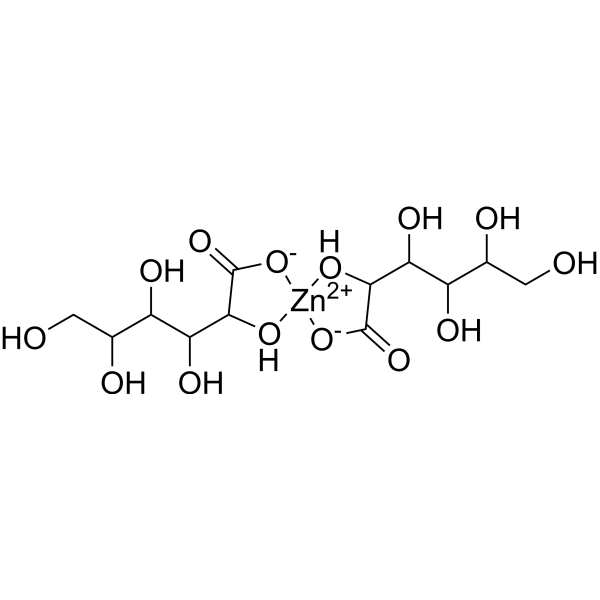
    Zinc Gluconate is a zinc supplement in the form of a gluconate salt, which plays a role in various physiological processes such as immune function, wound healing, and olfaction. Zinc Gluconate has a LD50 of 39.6 mg/kg in mice (Tail vein injection). Zinc Gluconate can be used in the research of inflammation, zinc deficiency, colds, cancer, and nutritional supplements .
    Zinc Gluconate
  • HY-101180
    C2 Ceramide
    2 Publications Verification

    Ceramide 2

    Phosphatase Mitochondrial Metabolism Apoptosis Autophagy Metabolic Disease Endocrinology
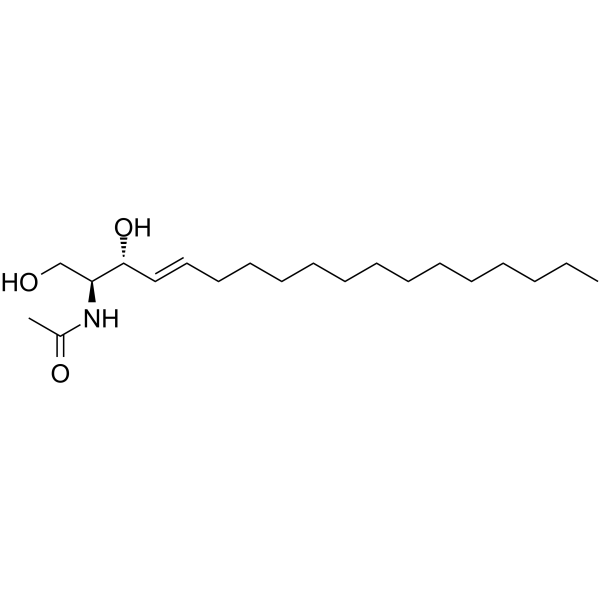
    C2 Ceramide (Ceramide 2) is the main lipid of the stratum corneum and a protein phosphatase 1 (PP1) activator. C2 Ceramide activates PP2A and ceramide-activated protein phosphatase (CAPP). C2 Ceramide induces cells differentiation, autophagy and apoptosis, inhibits mitochondrial respiratory chain complex III. C2 Ceramide is also a skin conditioning agent that protects the epidermal barrier from water loss .
    C2 Ceramide
  • HY-14603
    Clioquinol
    Maximum Cited Publications
    6 Publications Verification

    Iodochlorohydroxyquinoline

    Environmental Pollutants Antibiotic Autophagy Parasite Fungal Mitophagy Infection Neurological Disease Inflammation/Immunology Cancer
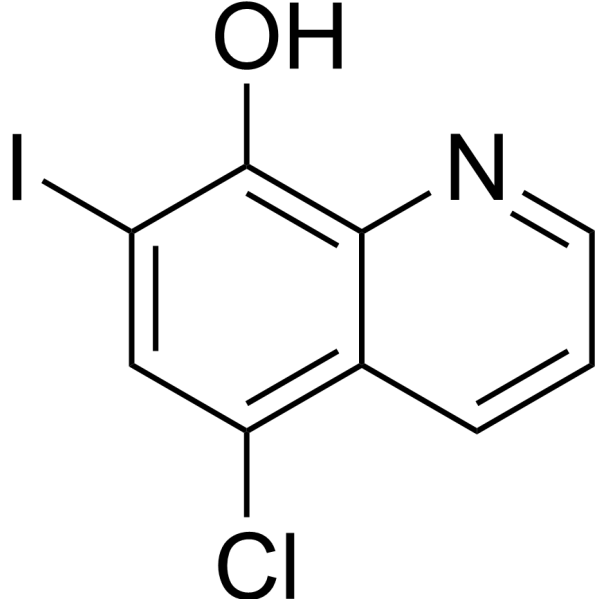
    Clioquinol (Iodochlorhydroxyquin) is a topical antifungal agent with anticancer activity. Clioquinol acts as an oral antimicrobial agent for the research of diarrhea and skin infections. Antibiotic . Clioquinol is a chelator that binds to Zn 2+ and Cu 2+ with a greater affinity than it binds to Ca 2+ and Mg 2+. Clioquinol freely crosses the blood-brain barrier. Clioquinol can be used for the study of Alzheimer's disease .
    Clioquinol
  • HY-B1062

    S-(+)-Chlorpheniramine maleate salt

    Histamine Receptor Inflammation/Immunology Endocrinology
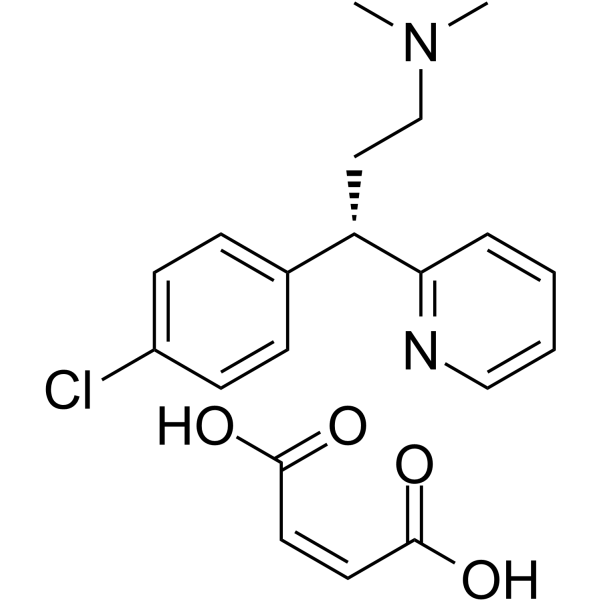
    Dexchlorpheniramine maleate is an orally taken anti-histamine that has anti-inflammatory, anti-irritant, anti-allergic, and skin barrier effects. Dexchlorpheniramine maleate inhibits myocardial contraction in rats. Dexchlorpheniramine maleate can be used in studies of allergic rhinitis .
    Dexchlorpheniramine maleate
  • HY-141582

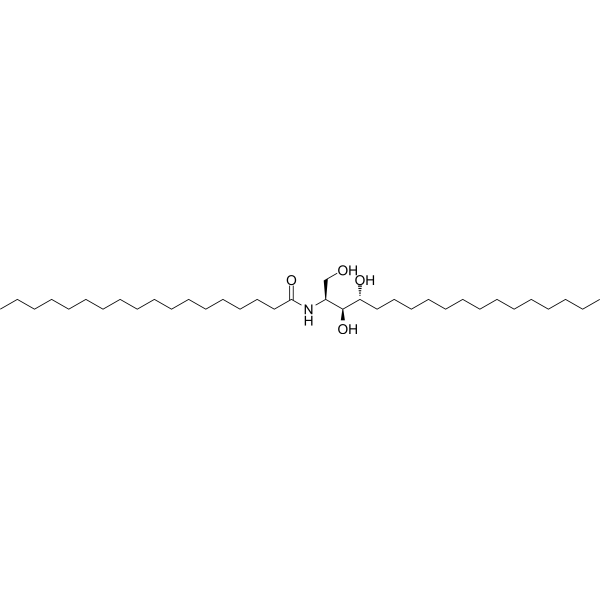
    N-Stearoyl phytosphingosine

    JNK NF-κB Interleukin Related TNF Receptor Inflammation/Immunology
    Ceramide 3 (N-Stearoyl phytosphingosine) is an orally active major component of intercellular lipids in the stratum corneum of the skin, and belongs to the ceramide family. Ceramide 3 inhibits c-jun and NF-κB activation induced by Histamine (HY-B1204), and suppresses the expression of IL-4 and TNF-α. Ceramide 3 inhibits scratching behavior and vascular permeability in mice, and exhibits antihistamine effects in guinea pig ileum. Ceramide 3 improves skin barrier function, reduces transepidermal water loss, erythema and the number of circulating epidermal cells, and accelerates barrier repair of irritated or dysfunctional skin .
    Ceramide 3
  • HY-A0067
    Oxybenzone
    Maximum Cited Publications
    6 Publications Verification

    Benzophenone 3

    Environmental Pollutants Autophagy RAR/RXR Apoptosis Neurological Disease
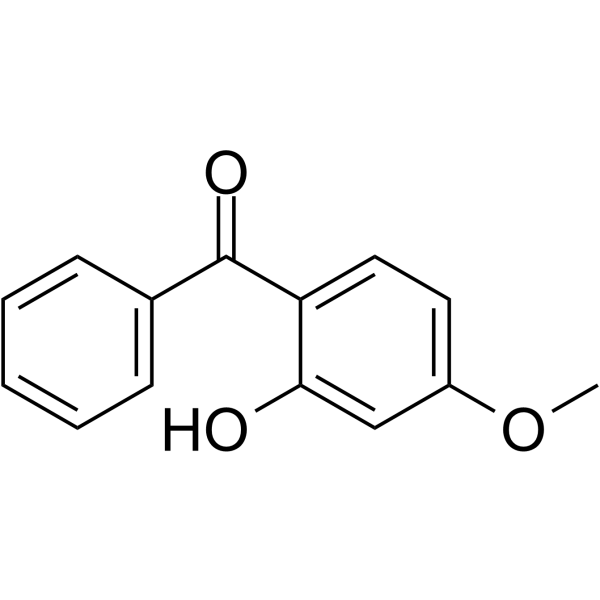
    Oxybenzone (Benzophenone 3) is a commonly used UV filter in sun tans and skin protectants. Oxybenzone act as endocrine disrupting chemicals (EDCs) and can pass through the placental and blood-brain barriers. Benzophenone-3 impairs autophagy, alters epigenetic status, and disrupts retinoid X receptor signaling in apoptotic neuronal cells .
    Oxybenzone
  • HY-14744A
    Levamlodipine besylate
    2 Publications Verification

    (S)-Amlodipine besylate; Levoamlodipine besylate

    Calcium Channel MMP Cardiovascular Disease
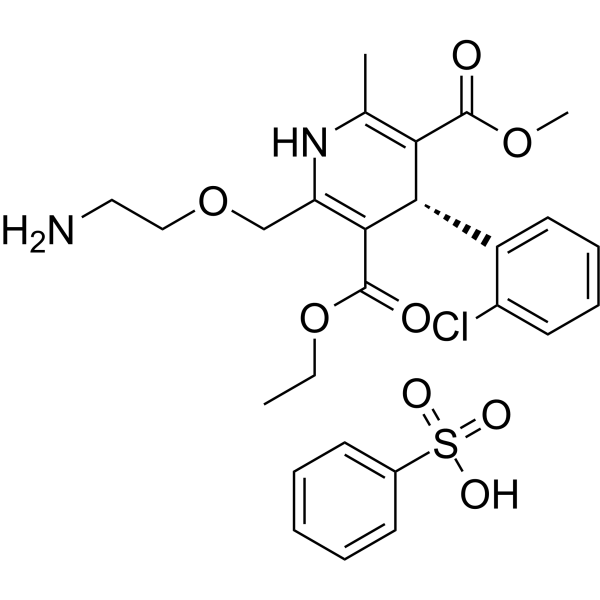
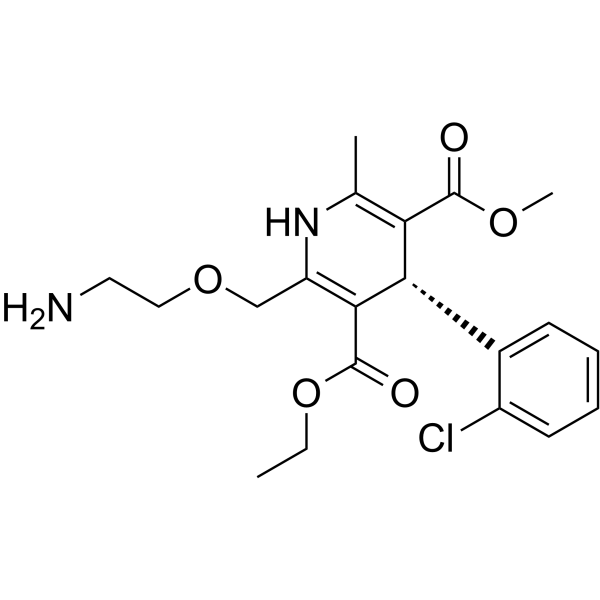
    Levamlodipine ((S)-Amlodipine; Levoamlodipin) besylate is an orally active L-type calcium channel blocker and MMP-9 modulator with high permeability and retention properties. Levamlodipine besylate significantly enhances plaque stability and improves lipid profiles by reducing blood pressure, decreasing systolic blood pressure variability, and inhibiting MMP-9 expression in atherosclerotic plaques. Levamlodipine besylate not only alleviates cardiac and aortic hypertrophy and prevents renal atrophy, but also produces synergistic effects in blood pressure reduction and organ protection when combined with bisoprolol (HY-129029). Levamlodipine besylate exerts no significant inhibitory effect on abdominal aortic intimal hyperplasia. When excessively accumulated in the epidermis, Levamlodipine besylate may induce changes in keratin structure, impair the skin barrier and trigger inflammation; long-term use further exacerbates skin irritation caused by local administration. Levamlodipine besylate can be used in research related to hypertension and atherosclerosis .
    Levamlodipine besylate
  • HY-111940

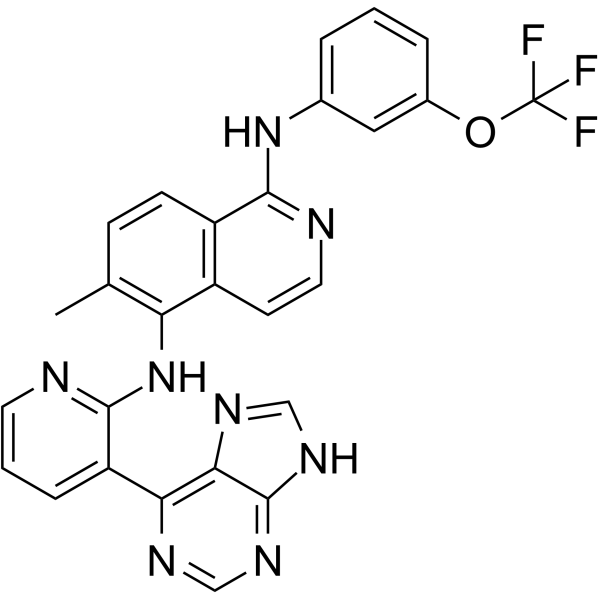
    Raf p38 MAPK ERK Inflammation/Immunology
    LUT014 is a topical inhibitor targeting BRAF that cannot pass through the blood-brain barrier. LUT014 inhibits BRAF kinase and abnormally activates the MAPK/ERK signaling pathway, promoting the proliferation of epidermal keratinocytes, repairing skin barrier damage caused by radiation damage, and alleviating inflammatory responses. LUT014 is independent of RAS signaling and accelerates the repair and regeneration of damaged skin cells. LUT014 can be used to study radiation dermatitis, especially skin damage caused by breast cancer radiotherapy .
    LUT014
  • HY-N0729D

    Glutathione Peroxidase SOD Cardiovascular Disease
    Linoleic acid is a critical component of polyunsaturated fatty acids. Linoleic acid reduces GSH-PX and T-SOD activities. Linoleic acid functions as a structural component to maintain a certain level of membrane fluidity of the transdermal water barrier of the epidermis. Linoleic acid can cause acute oxidative damage to red blood cells, ultimately leading to partial acute anemia. Linoleic acid can be used in the research of skin diseases associated with linoleic acid deficiency .
    Linoleic acid,suitable for cell culture
  • HY-129138

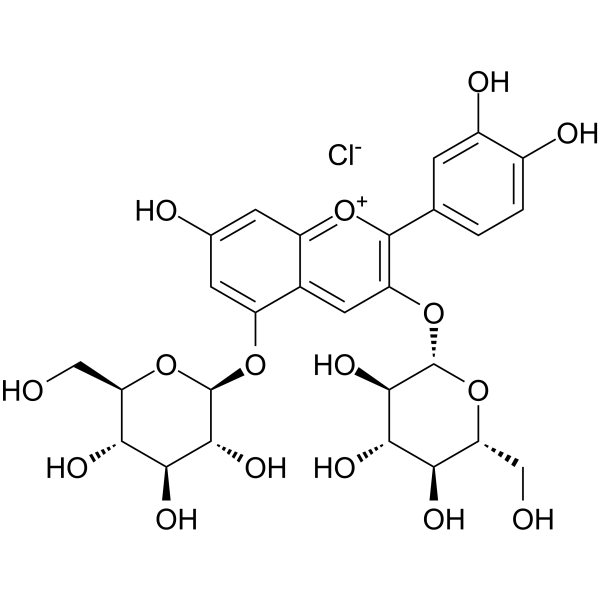
    Interleukin Related NO Synthase STAT IKK PERK p38 MAPK Akt Neurological Disease Inflammation/Immunology
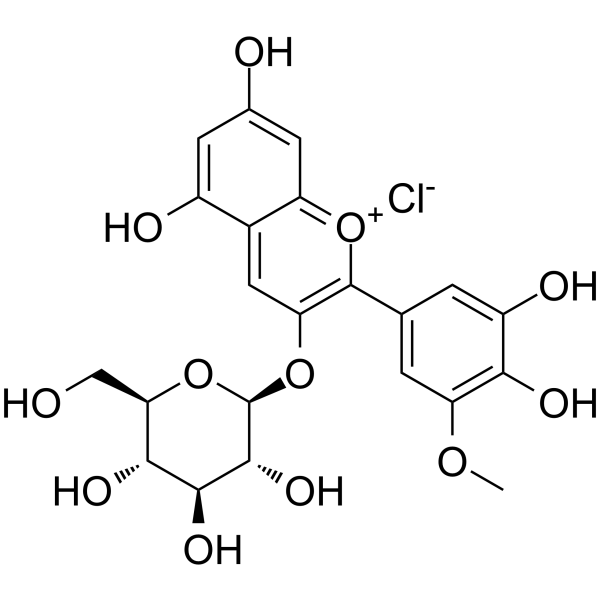
    Cyanidin 3,5-diglucoside chloride is an anthocyanin. Cyanidin 3,5-diglucoside chloride inhibits inflammatory cytokines (IL-1α, IL-1β, and IL-6) expression and NO production. Cyanidin 3,5-diglucoside chloride inhibits the phosphorylation of STAT3, IκB, ERK, p38, and AKT. Cyanidin 3,5-diglucoside chloride inhibits high pressure-induced decrease in GLAST. Cyanidin 3,5-diglucoside chloride exerts anti-inflammatory and skin barrier modulating effects. Cyanidin 3,5-diglucoside chloride can be used in retinal research .
    Cyanidin 3,5-diglucoside chloride
  • HY-W002199

    6:2 FTOH; 1H,1H,2H,2H-Perfluoro-1-octanol; 2-(Perfluorohexyl)ethanol

    Bacterial Apoptosis ERK TNF Receptor Infection Neurological Disease
    6:2 Fluorotelomer alcohol (6:2 FTOH) is an orally active, blood-brain barrier-permeable modulator of cyclin D1 and ETS1. 6:2 Fluorotelomer alcohol downregulates cyclin D1 expression, upregulates ETS1 via the TNF-α/ERK 1/2 pathway, impairs mitochondrial membrane potential and respiratory function, increases reactive oxygen species levels, disrupts calcium homeostasis and activates endoplasmic reticulum stress markers, and induces cell proliferation inhibition and endothelial-mesenchymal transition. Furthermore, 6:2 Fluorotelomer alcohol induces morphological abnormalities in zebrafish embryos and liver developmental damage, while disrupting the brain immune microenvironment in mice, causing systemic toxicity and delayed pup maturation in CD-1 mice. 6:2 Fluorotelomer alcohol also induces cortical neuron apoptosis, glial cell activation, synaptic abnormalities, colonic barrier damage, intestinal dysbiosis and autism spectrum disorder-like symptoms in mice. 6:2 Fluorotelomer alcohol shows no mutagenic, clastogenic, primary skin/eye irritation or skin sensitizing effects, exhibits no selective reproductive toxicity in CD-1 mice, and is classified as GHS Category 4 for acute oral toxicity. 6:2 Fluorotelomer alcohol can be used in studies of neurodevelopmental disorders and autism spectrum disorders .
    6:2 Fluorotelomer alcohol
  • HY-16485
    Telavancin hydrochloride
    1 Publications Verification

    TD-6424 hydrochloride

    Antibiotic Bacterial Infection
    Telavancin hydrochloride is the hydrochloride form of Telavancin (HY-112959). Telavancin hydrochloride is a semisynthetic derivative of vancomycin, and exhibits antibacterial efficacy through inhibition of cell wall synthesis and disruption of cell membrane barrier function. Telavancin hydrochloride is efficient against antibiotic resistant S. aureus strains MRSA, VISA, and hVISA. Telavancin hydrochloride attenuates gram positive bacteria induced complicated skin and skin structure infections (cSSSI) .
    Telavancin hydrochloride
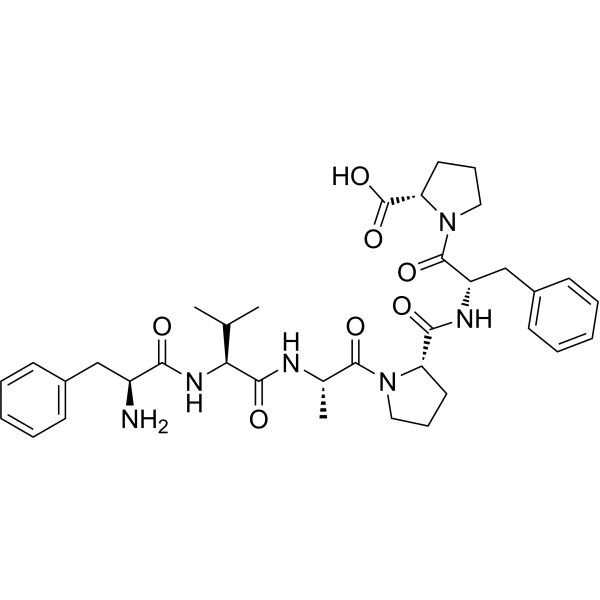
  • HY-P2096

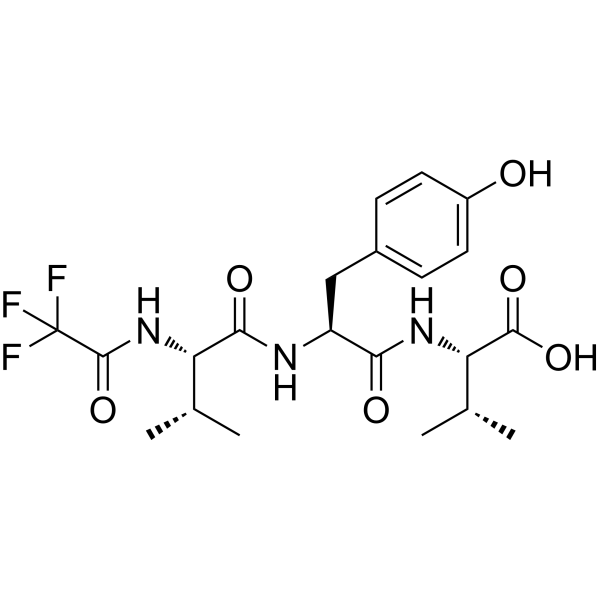
    Reactive Oxygen Species (ROS) ATM/ATR MDM-2/p53 MMP Keap1-Nrf2 HSP Inflammation/Immunology
    Hexapeptide-11 is an anti-aging peptide that can protect fibroblasts from premature cell senescence mediated by oxidative stress. Hexapeptide-11 is also a potential stimulator of hyaluronic acid in keratinocytes, and can enhance skin barrier function by upregulating the expression of HAS2 and EGR3, and downregulating the expression of HYAL2. Hexapeptide-11 can also improve skin elasticity .
    Hexapeptide-11
  • HY-14744
    Levamlodipine
    2 Publications Verification

    (S)-Amlodipine; Levoamlodipine

    Calcium Channel MMP Cardiovascular Disease Neurological Disease
    Levamlodipine ((S)-Amlodipine; Levoamlodipin) is an orally active L-type calcium channel blocker and MMP-9 modulator with high permeability and retention properties. Levamlodipine significantly enhances plaque stability and improves lipid profiles by reducing blood pressure, decreasing systolic blood pressure variability, and inhibiting MMP-9 expression in atherosclerotic plaques. Levamlodipine not only alleviates cardiac and aortic hypertrophy and prevents renal atrophy, but also produces synergistic effects in blood pressure reduction and organ protection when combined with bisoprolol (HY-129029). Levamlodipine exerts no significant inhibitory effect on abdominal aortic intimal hyperplasia. When excessively accumulated in the epidermis, Levamlodipine may induce changes in keratin structure, impair the skin barrier and trigger inflammation; long-term use further exacerbates skin irritation caused by local administration. Levamlodipine can be used in research related to hypertension and atherosclerosis .
    Levamlodipine
  • HY-W014983

    Bacterial Infection Metabolic Disease
    Neryl acetate is an essential oil component. Neryl acetate upregulates genes associated with epidermal differentiation, skin barrier formation and ceramide synthesis; it also increases filaggrin expression, total lipid and ceramide contents. Neryl acetate acts as the core driver mediating the skin barrier-forming and antibacterial effects of Helichrysum italicum essential oil .
    Neryl acetate
  • HY-144339
    AhR agonist 2
    1 Publications Verification

    Aryl Hydrocarbon Receptor Others
    AhR agonist 2 (Compound 12a) is a potent agonist of aryl hydrocarbon receptor (AhR) with an EC50 of 0.03 nM. AhR agonist 2 induces rapid nuclear enrichment of AhR, triggers the transcription of downstream genes and promote skin barrier repair. AhR agonist 2 has the potential for the research of psoriasis .
    AhR agonist 2
  • HY-125407

    N-Palmitoyl serinol

    Cannabinoid Receptor Inflammation/Immunology
    Palmitoyl serinol (N-Palmitoyl serinol) is an analog of the endocannabinoid N-palmitoyl ethanolamine (PEA). Palmitoyl serinol improves the epidermal permeability barrier in both normal and inflamed skin .
    Palmitoyl serinol
  • HY-Y0683A

    Biochemical Assay Reagents Infection Inflammation/Immunology
    Petrolatum (white) is mainly composed of hydrocarbons, possesses strong water resistance and moisturizing properties, and is commonly used as a pharmaceutical excipient. Petrolatum (white) penetrates into stratum corneum cells, improves skin barrier function, repairs epidermal structure, and reduces transepidermal water loss and the risk of skin damage. Petrolatum (white) induces the expression of antimicrobial peptides, innate immune genes, filaggrin and loricrin. Petrolatum (white) is used in research on atopic dermatitis and post-operative skin infections .
    Petrolatum (white)
  • HY-Y0543
    5-Methylfurfural
    1 Publications Verification

    Biochemical Assay Reagents COX Inflammation/Immunology Cancer
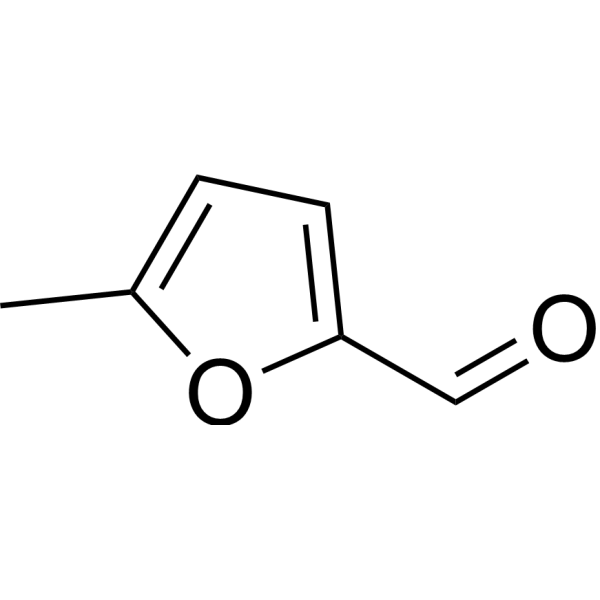
    5-Methylfurfural is a chemical that can be utilized as food additive, intermediate in the production of agrochemicals, and precursor of certain anti-cancer natural products. 5-Methylfurfural is formed during the photoexposition of ranitidine hydrochloride. 5-Methylfurfural is an organic compound. 5-Methylfurfural has a strong tendency to be further hydrogenated to 2,5-dimethylfuran (DMF). 5-Methylfurfural can predominantly evoke skin inflammation and barrier disintegration. 5-Methylfurfural degrades native DNA through the formation of single-strand breaks .
    5-Methylfurfural
  • HY-W717504

    Drug Derivative
    Glucosylceramide, plant is a plant-derived glycolipid with anti-inflammatory and immunomodulatory activities. Glucosylceramide, plant plays an important role in promoting cell proliferation and repair. Glucosylceramide, plant is widely used in skin care products to enhance skin barrier function. Glucosylceramide, plant has also been studied for improving nervous system health, showing potential neuroprotective effects.
    Glucosylceramide, plant
  • HY-132818

    P-1037

    Sodium Channel Others
    Idrevloride, an epithelial sodium channel (ENaC) inhibitor (WO2016133967), can be used for the research of skin disorders .
    Idrevloride
  • HY-133027

    Tetradecyl nicotinate

    Biochemical Assay Reagents Cancer
    Myristyl nicotinate (Tetradecyl nicotinate) is an ester proagent and a lipophilic derivative of Nicotinic acid. Myristyl nicotinate is being developed for delivery of Nicotinic acid into the skin for prevention of actinic keratosis and its progression to skin cancer. Myristyl nicotinate shows to stimulate epidermal differentiation in photodamaged skin, increasing skin NAD content and strengthening the skin barrier .
    Myristyl nicotinate
  • HY-117081

    Others Others
    C30(ω-hydroxy) Ceramide (d18:1/30:0), a sphingolipid, is an epidermis-specifically vital component of the water barrier in mammalian skin. C30(ω-hydroxy) Ceramide (d18:1/30:0) is expressed in epidermal keratinocytes and male germ cells during their differentiation and maturation. C30(ω-hydroxy) Ceramide (d18:1/30:0) deficiency in the epiderm of Elovl4 deletion or mutation mice .
    C30(ω-hydroxy) Ceramide (d18:1/30:0)
  • HY-A0067S

    RAR/RXR Apoptosis Autophagy Neurological Disease
    Oxybenzone-d5 is the deuterium labeled Oxybenzone . Oxybenzone (Benzophenone 3) is a commonly used UV filter in sun tans and skin protectants. Oxybenzone act as endocrine disrupting chemicals (EDCs) and can pass through the placental and blood-brain barriers. Benzophenone-3 impairs autophagy, alters epigenetic status, and disrupts retinoid X receptor signaling in apoptotic neuronal cells .
    Oxybenzone-d5
  • HY-139322

    Biochemical Assay Reagents Others
    PEG-8 laurate is a single chain surfactant. PEG-8 laurate reduces the skin barrier, and acts as a penetration enhancer. PEG-8 laurate can be used to synthesize elastic vesicles .
    PEG-8 laurate
  • HY-141582S

    N-Stearoyl phytosphingosine-d3

    Isotope-Labeled Compounds Interleukin Related TNF Receptor NF-κB JNK Inflammation/Immunology
    Ceramide 3-d3 (N-Stearoyl phytosphingosine-d3) is deuterium labeled Ceramide 3. Ceramide 3 is an orally active major component of intercellular lipids in the stratum corneum of the skin, and belongs to the ceramide family. Ceramide 3 inhibits c-jun and NF-κB activation induced by Histamine (HY-B1204), and suppresses the expression of IL-4 and TNF-α. Ceramide 3 inhibits scratching behavior and vascular permeability in mice, and exhibits antihistamine effects in guinea pig ileum. Ceramide 3 improves skin barrier function, reduces transepidermal water loss, erythema and the number of circulating epidermal cells, and accelerates barrier repair of irritated or dysfunctional skin.
    Ceramide 3-d3
  • HY-A0067R

    Benzophenone 3 (Standard)

    Reference Standards RAR/RXR Autophagy Apoptosis Neurological Disease
    Oxybenzone (Standard) is the analytical standard of Oxybenzone. This product is intended for research and analytical applications. Oxybenzone (Benzophenone 3) is a commonly used UV filter in sun tans and skin protectants. Oxybenzone act as endocrine disrupting chemicals (EDCs) and can pass through the placental and blood-brain barriers. Benzophenone-3 impairs autophagy, alters epigenetic status, and disrupts retinoid X receptor signaling in apoptotic neuronal cells .
    Oxybenzone (Standard)
  • HY-18612

    Bombesin Receptor Metabolic Disease
    MK-7725 is a selective, orally active, and blood-brain barrier-permeable agonist of the subtype 3 of the frog skin peptide receptor (BRS-3). MK-7725 has a high affinity for the human BRS-3 (hBRS-3), with an IC50 of 3 nM, and its functional activity in the mouse-derived BRS-3 (mBRS-3) model with an EC50 of 22 nM (105% agonistic). MK-7725 significantly reduces the body weight of obese rats and obese dogs. MK-7725 can be used for the treatment of obesity .
    MK-7725
  • HY-14744D

    Calcium Channel MMP Cardiovascular Disease Neurological Disease
    Levamlodipine besylate Hemipentahydrate is an orally active L-type calcium channel blocker and MMP-9 modulator with high permeability and retention properties. Levamlodipine besylate Hemipentahydrate significantly enhances plaque stability and improves lipid profiles by reducing blood pressure, decreasing systolic blood pressure variability, and inhibiting MMP-9 expression in atherosclerotic plaques. Levamlodipine besylate Hemipentahydrate not only alleviates cardiac and aortic hypertrophy and prevents renal atrophy, but also produces synergistic effects in blood pressure reduction and organ protection when combined with bisoprolol (HY-129029). Levamlodipine besylate Hemipentahydrate exerts no significant inhibitory effect on abdominal aortic intimal hyperplasia. When excessively accumulated in the epidermis, Levamlodipine besylate Hemipentahydrate may induce changes in keratin structure, impair the skin barrier and trigger inflammation; long-term use further exacerbates skin irritation caused by local administration. Levamlodipine besylate Hemipentahydrate can be used in research related to hypertension and atherosclerosis .
    Levamlodipine besylate Hemipentahydrate
  • HY-157418

    Endogenous Metabolite Others
    1-Deoxy-Cer is a Ceramide which is essential component of the skin permeability barrier.
    1-Deoxy-Cer
  • HY-133027R

    Tetradecyl nicotinate (Standard)

    Biochemical Assay Reagents Reference Standards Cancer
    Myristyl nicotinate (Standard) is the analytical standard of Myristyl nicotinate. This product is intended for research and analytical applications. Myristyl nicotinate (Tetradecyl nicotinate) is an ester proagent and a lipophilic derivative of Nicotinic acid. Myristyl nicotinate is being developed for delivery of Nicotinic acid into the skin for prevention of actinic keratosis and its progression to skin cancer. Myristyl nicotinate shows to stimulate epidermal differentiation in photodamaged skin, increasing skin NAD content and strengthening the skin barrier .
    Myristyl nicotinate (Standard)
  • HY-N15835

    Biochemical Assay Reagents Others
    CER1(d18:1/28:0/18:2) is a skin ceramide essential for maintaining skin barrier integrity and hydration.
    CER1(d18:1/28:0/18:2)
  • HY-W014983R

    Reference Standards Bacterial Infection Metabolic Disease
    Neryl acetate (Standard) is the analytical standard of Neryl acetate. This product is intended for research and analytical applications. Neryl acetate is an essential oil component. Neryl acetate upregulates genes associated with epidermal differentiation, skin barrier formation and ceramide synthesis; it also increases filaggrin expression, total lipid and ceramide contents. Neryl acetate acts as the core driver mediating the skin barrier-forming and antibacterial effects of Helichrysum italicum essential oil .
    Neryl acetate (Standard)
  • HY-Y0683B

    Biochemical Assay Reagents Infection Inflammation/Immunology
    Petrolatum (yellow) is mainly composed of hydrocarbons, possesses strong water resistance and moisturizing properties, and is commonly used as a pharmaceutical excipient. Petrolatum (yellow) penetrates into stratum corneum cells, improves skin barrier function, repairs epidermal structure, and reduces transepidermal water loss and the risk of skin damage. Petrolatum (yellow) induces the expression of antimicrobial peptides, innate immune genes, filaggrin and loricrin. Petrolatum (yellow) is used in research on atopic dermatitis and post-operative skin infections .
    Petrolatum (yellow)
  • HY-W024564

    Acetamidomethanol

    Biochemical Assay Reagents Others
    N-(Hydroxymethyl)acetamide (Acetamidomethanol) is a model molecule of Ceramide. The dimers of N-(Hydroxymethyl)acetamide have various hydrogen bonds, and the three-dimensional network structure formed by these hydrogen bonds may be the main reason for the barrier function of the stratum corneum of the skin .
    N-(Hydroxymethyl)acetamide
  • HY-125407S

    N-Palmitoyl serinol-d5

    Cannabinoid Receptor Inflammation/Immunology
    Palmitoyl serinol-d5 is the deuterium labeled Palmitoyl serinol . Palmitoyl serinol (N-Palmitoyl serinol) is an analog of the endocannabinoid N-palmitoyl ethanolamine (PEA). Palmitoyl serinol improves the epidermal permeability barrier in both normal and inflamed skin .
    Palmitoyl serinol-d5
  • HY-174592

    mRNA Cancer
    Human kruppel like factor 4 (KLF4) mRNA encodes a protein that belongs to the Kruppel family of transcription factors. KLF4 protein is thought to regulate the expression of key transcription factors during embryonic development and play an important role in maintaining embryonic stem cells, and in preventing their differentiation. In addition it is also required for establishing the barrier function of the skin and for postnatal maturation and maintenance of the ocular surface.
    Human KLF4 mRNA
  • HY-A0067S1

    Benzophenone 3-13C6

    Isotope-Labeled Compounds RAR/RXR Autophagy Apoptosis Neurological Disease
    Oxybenzone- 13C6 (Benzophenone 3- 13C6) is the 13C-labeled Oxybenzone (HY-A0067). Oxybenzone (Benzophenone 3) is a commonly used UV filter in sun tans and skin protectants. Oxybenzone act as endocrine disrupting chemicals (EDCs) and can pass through the placental and blood-brain barriers. Benzophenone-3 impairs autophagy, alters epigenetic status, and disrupts retinoid X receptor signaling in apoptotic neuronal cells .
    Oxybenzone-13C6
  • HY-W653958

    Benzophenone 3-d3

    Isotope-Labeled Compounds RAR/RXR Autophagy Apoptosis Neurological Disease
    Oxybenzone-d3 (Benzophenone 3-d3) is a deuterium labeled Oxybenzone (HY-A0067). Oxybenzone (Benzophenone 3) is a commonly used UV filter in sun tans and skin protectants. Oxybenzone act as endocrine disrupting chemicals (EDCs) and can pass through the placental and blood-brain barriers. Benzophenone-3 impairs autophagy, alters epigenetic status, and disrupts retinoid X receptor signaling in apoptotic neuronal cells .
    Oxybenzone-d3
  • HY-14744B

    (S)-Amlodipine hydrochloride; Levoamlodipine hydrochloride

    Calcium Channel MMP Cardiovascular Disease
    Levamlodipine ((S)-Amlodipine; Levoamlodipin) hydrochloride is an orally active L-type calcium channel blocker and MMP-9 modulator with high permeability and retention properties. Levamlodipine hydrochloride significantly enhances plaque stability and improves lipid profiles by reducing blood pressure, decreasing systolic blood pressure variability, and inhibiting MMP-9 expression in atherosclerotic plaques. Levamlodipine hydrochloride not only alleviates cardiac and aortic hypertrophy and prevents renal atrophy, but also produces synergistic effects in blood pressure reduction and organ protection when combined with bisoprolol (HY-129029). Levamlodipine hydrochloride exerts no significant inhibitory effect on abdominal aortic intimal hyperplasia. When excessively accumulated in the epidermis, Levamlodipine hydrochloride may induce changes in keratin structure, impair the skin barrier and trigger inflammation; long-term use further exacerbates skin irritation caused by local administration. Levamlodipine hydrochloride can be used in research related to hypertension and atherosclerosis .
    Levamlodipine hydrochloride
  • HY-14744S

    (S)-Amlodipine-d4; Levoamlodipine-d4

    Isotope-Labeled Compounds Calcium Channel MMP Others
    Levamlodipine-d4 is the deuterium labeled Levamlodipine. Levamlodipine ((S)-Amlodipine; Levoamlodipin) is an orally active L-type calcium channel blocker and MMP-9 modulator with high permeability and retention properties. Levamlodipine significantly enhances plaque stability and improves lipid profiles by reducing blood pressure, decreasing systolic blood pressure variability, and inhibiting MMP-9 expression in atherosclerotic plaques. Levamlodipine not only alleviates cardiac and aortic hypertrophy and prevents renal atrophy, but also produces synergistic effects in blood pressure reduction and organ protection when combined with bisoprolol (HY-129029). Levamlodipine exerts no significant inhibitory effect on abdominal aortic intimal hyperplasia. When excessively accumulated in the epidermis, Levamlodipine may induce changes in keratin structure, impair the skin barrier and trigger inflammation; long-term use further exacerbates skin irritation caused by local administration. Levamlodipine can be used in research related to hypertension and atherosclerosis .
    Levamlodipine-d4
  • HY-14744C

    (S)-Amlodipine hydrobromide; Levoamlodipine hydrobromide

    Calcium Channel MMP Cardiovascular Disease Others
    Levamlodipine ((S)-Amlodipine; Levoamlodipin) hydrobromide is an orally active L-type calcium channel blocker and MMP-9 modulator with high permeability and retention properties. Levamlodipine hydrobromide significantly enhances plaque stability and improves lipid profiles by reducing blood pressure, decreasing systolic blood pressure variability, and inhibiting MMP-9 expression in atherosclerotic plaques. Levamlodipine hydrobromide not only alleviates cardiac and aortic hypertrophy and prevents renal atrophy, but also produces synergistic effects in blood pressure reduction and organ protection when combined with bisoprolol (HY-129029). Levamlodipine hydrobromide exerts no significant inhibitory effect on abdominal aortic intimal hyperplasia. When excessively accumulated in the epidermis, Levamlodipine hydrobromide may induce changes in keratin structure, impair the skin barrier and trigger inflammation; long-term use further exacerbates skin irritation caused by local administration. Levamlodipine hydrobromide can be used in research related to hypertension and atherosclerosis .
    Levamlodipine hydrobromide
  • HY-Y0543R

    Biochemical Assay Reagents Reference Standards COX Inflammation/Immunology Cancer
    5-Methylfurfural (Standard) is the analytical standard of 5-Methylfurfural. This product is intended for research and analytical applications. 5-Methylfurfural is a chemical that can be utilized as food additive, intermediate in the production of agrochemicals, and precursor of certain anti-cancer natural products. 5-Methylfurfural is formed during the photoexposition of ranitidine hydrochloride. 5-Methylfurfural is an organic compound. 5-Methylfurfural has a strong tendency to be further hydrogenated to 2,5-dimethylfuran (DMF). 5-Methylfurfural can predominantly evoke skin inflammation and barrier disintegration. 5-Methylfurfural degrades native DNA through the formation of single-strand breaks .
    5-Methylfurfural (Standard)
  • HY-129138R

    Reference Standards Interleukin Related NO Synthase STAT IKK PERK p38 MAPK Akt Neurological Disease Inflammation/Immunology
    Cyanidin 3,5-diglucoside (chloride) (Standard) is the analytical standard of Cyanidin 3,5-diglucoside (chloride) (HY-129138). This product is intended for research and analytical applications. Cyanidin 3,5-diglucoside chloride is an anthocyanin. Cyanidin 3,5-diglucoside chloride inhibits inflammatory cytokines (IL-1α, IL-1β, and IL-6) expression and NO production. Cyanidin 3,5-diglucoside chloride inhibits the phosphorylation of STAT3, IκB, ERK, p38, and AKT. Cyanidin 3,5-diglucoside chloride inhibits high pressure-induced decrease in GLAST. Cyanidin 3,5-diglucoside chloride exerts anti-inflammatory and skin barrier modulating effects. Cyanidin 3,5-diglucoside chloride can be used in retinal research .
    Cyanidin 3,5-diglucoside chloride (Standard)
  • HY-160559

    Drug Derivative Others
    Ceramide 8 is a free 6-hydroxylated ceramide found in human skin with (2S,3R,4E,6R) stereochemical configuration. Ceramide 8 is a predominant lipid component of human epidermal stratum corneum. Ceramide 8 contributes to the skin's water barrier function that prevents body water loss .
    Ceramide 8
  • HY-154792

    PCA

    Amino Acid Derivatives Others
    Pyrrolidone carboxylic acid (PCA), the primary constituent of the natural moisturizing factor (NMF), is an hydrating agent. Pyrrolidone carboxylic acid can be used as a key cutaneous biomarker for skin barrier function and health .
    Pyrrolidone carboxylic acid
  • HY-170470

    DG(20:0/20:0/0:0)

    Biochemical Assay Reagents Others
    1,2-Diarachidoyl-rac-glycerol (DG(20:0/20:0/0:0)) is a diacylglycerol in which both acyl groups are acyl groups of arachidonic acid. 1,2-Diarachidoyl-rac-glycerol can be used to enhance the skin barrier function and maintain the moisture and lipid balance of the skin as a diacylglycerol derivative .
    1,2-Diarachidoyl-rac-glycerol

Inquiry Online

Your information is safe with us. * Required Fields.

Salutation


Country or Region *

Applicant Name *


Organization Name *

Department *


Email Address *


Product Name *

Cat. No.


Requested quantity *

Phone Number *


Remarks

Inquiry Online

Inquiry Information

Product Name:
Cat. No.:
Quantity:
MCE Japan Authorized Agent:

