
1. Search Result
Search Result
Results for "

sustained release

" in MedChemExpress (MCE) Product Catalog:

33

Inhibitors & Agonists

4

Biochemical Assay Reagents

1

Peptides

2

Natural
Products

2

Isotope-Labeled Compounds

5

Oligonucleotides

1

GMP Molecules

Targets Recommended:
Cat. No. Product Name Target Research Areas Chemical Structure
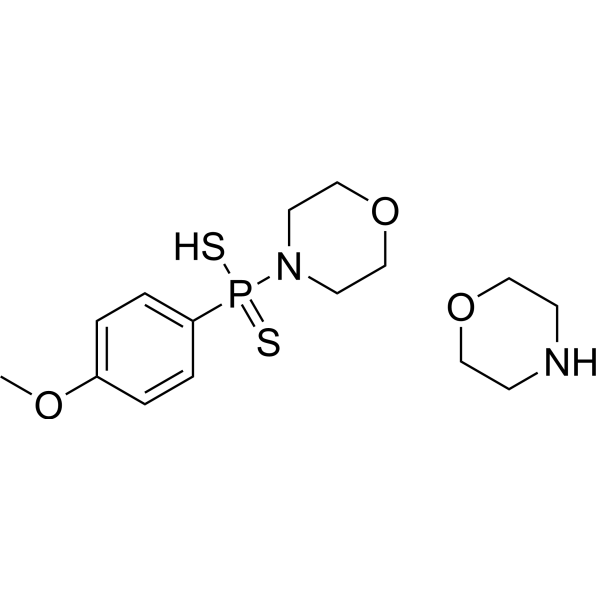
  • HY-107632
    GYY4137
    Maximum Cited Publications
    8 Publications Verification

    Apoptosis STAT NF-κB NO Synthase COX TNF Receptor Interleukin Related Cardiovascular Disease Neurological Disease Inflammation/Immunology Cancer
    GY4137 is a sustained-release H2S donor possessing vasodilatory, antihypertensive, and anti-inflammatory activities. GY4137 can inhibit cell growth, induce apoptosis, and cause cell cycle arrest by blocking the STAT3 pathway, demonstrating potent anticancer activity .
    GYY4137
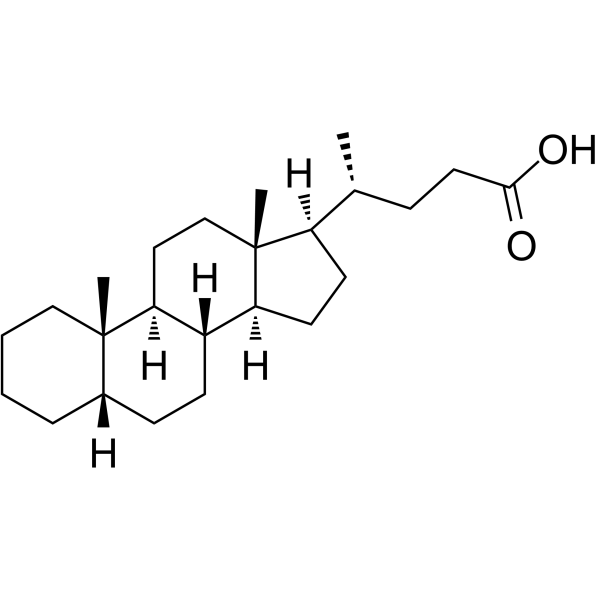
  • HY-W127512
    5β-Cholanic acid
    1 Publications Verification

    Drug Intermediate Others
    5β-Cholanic acid is a hydrophobic modifier used to modify polymer carriers. 5β-Cholanic acid can improve the acid stability, cell penetration efficiency and drug sustained release ability of nanocarriers, and optimize the oral effectiveness of delivered molecules. 5β-Cholanic acid can covalently bind to Glycol chitosan (GC) to form a GC-CA conjugate, which optimizes the hydrophobic anchoring ability of nanoparticles and enables them to be stably adsorbed on the surface of PLGA nanoparticles. Such nanoparticles can resist dissociation in the gastric acid environment and maintain positive charge to enhance endocytic uptake by intestinal epithelial cells (such as Caco-2 cells). 5β-Cholanic acid can be used in the development of drug delivery systems .
    5β-Cholanic acid
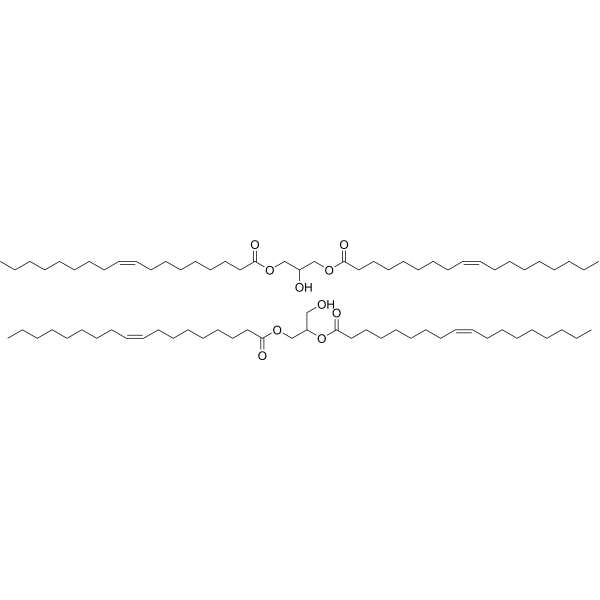
  • HY-154487

    Biochemical Assay Reagents Neurological Disease
    Glycerol dioleate is a lipid capable of forming Lyotropic Liquid Crystal (LLC). When formulated with phosphatidylcholine and exposed to aqueous media, glycerol dioleate constructs an inverted hexagonal (HII) phase structure with sustained-release properties. The in-situ forming gel prepared by optimizing glycerol dioleate with phosphatidylcholine and N-methyl-2-pyrrolidone enables stable release of Risperidone (HY-11018) for up to 60 days in vitro and in vivo. Glycerol dioleate causes minimal side effects in rabbits, making it an ideal carrier component for the development of antischizophrenia agents .Note: Lyotropic liquid crystals (Lyotropic Liquid Crystal, LLC) are ordered fluid phases self-assembled by amphipathic molecules (e.g., lipids, surfactants) in solvents (usually water) at specific concentrations .
    Glycerol dioleate
  • HY-W243303J

    Biochemical Assay Reagents Cancer
    Poly(acrylic acid) (MW 250000) is a synthetic cationic electrolyte containing abundant carboxyl groups (-COOH), which exhibits excellent water absorption and retention properties and is often cross-linked to form hydrogels. Poly(acrylic acid) (with a molecular weight of 250,000). Poly(acrylic acid) (MW 250000) can be used as a non-collagenous analog in the biomimetic mineralization research of type I collagen. Poly(acrylic acid) (MW 250000) has pH responsiveness and biocompatibility and is often used as a drug carrier, surface modifier and functional material .
    Poly(acrylic acid) (MW 250000)
  • HY-B1073

    Parasite Infection
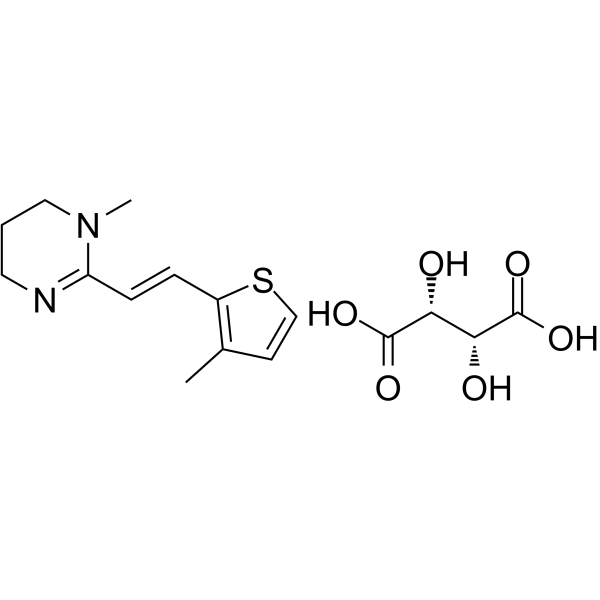
    Morantel tartrate is an anthelmintic agent. Sustained-release three-layer composite tablets of Morantel tartrate are administered orally and release after exposure to rumen fluid. Morantel tartrate reduces the fecal egg output and worm burden of gastrointestinal nematodes in Hereford calves. Morantel tartrate is used in research related to gastrointestinal nematode infections .
    Morantel tartrate
  • HY-153205

    Biochemical Assay Reagents Inflammation/Immunology
    Aluminum hydroxide adjuvant is a vaccine aluminum adjuvant. The aluminum content is 9-11 mg/mL. Aluminum hydroxide adjuvant induces the differentiation of macrophages into a new type of mature, specialized antigen-presenting cells in vitro . It has a strong adsorption capacity for negatively charged antigens, a significant sustained-release effect, no stress response, high safety, and can effectively induce immune responses in the body. It is suitable for various veterinary vaccines, including inactivated vaccines or gene-engineered subunit vaccines for bacterial and viral diseases of livestock and poultry. It is suitable for various veterinary vaccines, including inactivated vaccines or gene-engineered subunit vaccines for bacterial and viral diseases of livestock and poultry.
    Aluminum hydroxide adjuvant
  • HY-W129513

    Biochemical Assay Reagents Others
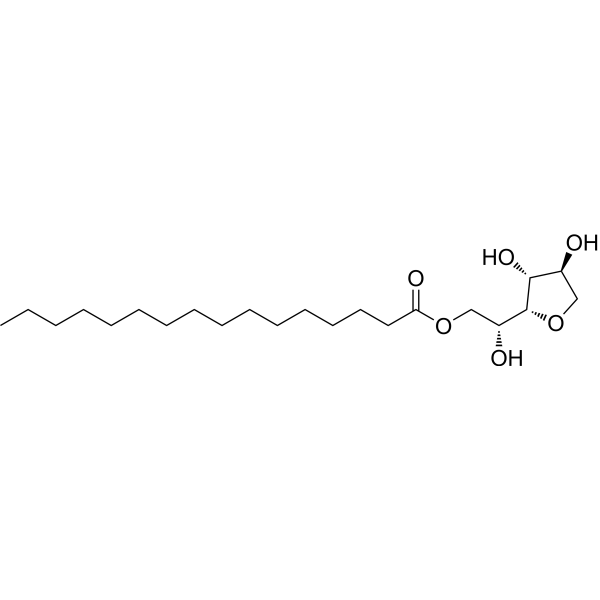
    Sorbitan monopalmitate is a food-grade, non-ionic emulsifier that exhibits oral activity. Sorbitan monopalmitate functions as a crystallization modifier, promoting the aggregation of spherical mango butter crystals, introducing lattice defects, and regulating the crystallization rate of mango butter. Sorbitan monopalmitate serves as a component of precursor vesicle gels, enabling the controlled and sustained release of drugs and facilitating the preparation of stable transdermal delivery formulations .
    Sorbitan monopalmitate
  • HY-78985

    Trimesic acid

    MOFs Biochemical Assay Reagents Others
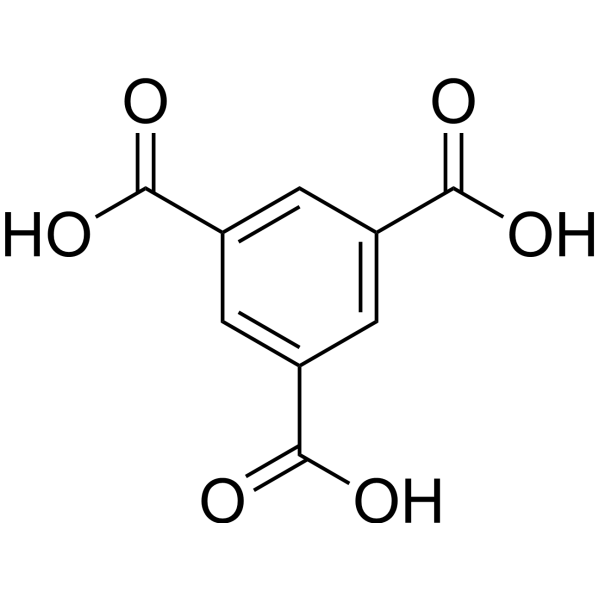
    Benzene-1,3,5-tricarboxylic acid (Trimesic acid) is a rigid planar small-molecule scaffold and crosslinker. Benzene-1,3,5-tricarboxylic acid induces bicyclic peptides to adopt a planar conformation, so as to maximize surface area and bind to the flat protein surfaces involved in protein-protein interactions. Benzene-1,3,5-tricarboxylic acid forms ionic crosslinks, hydrogen bonds and π-π bonds with chitosan, thereby constructing a hydrogel network. Benzene-1,3,5-tricarboxylic acid endows chitosan hydrogel systems with specific mechanical properties, enabling sustained release of cancer therapeutic drugs including 5-Fluorouracil (HY-90006) .
    Benzene-1,3,5-tricarboxylic acid
  • HY-N7120

    PGP hydrate

    Bacterial Antibiotic Infection
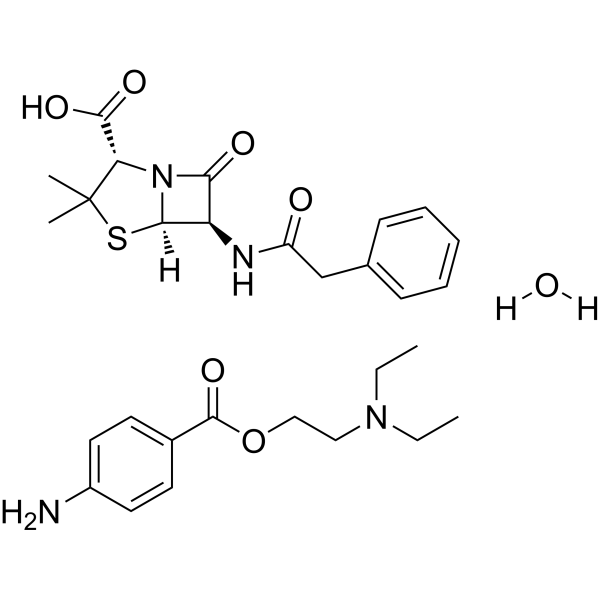
    Penicillin G Procaine hydrate (PGP hydrate) is a β-lactam antibiotic and sustained-release formulation. Penicillin G procaine (hydrate) hydrolyzes in vivo to release penicillin G and Procaine (HY-B0546), thereby delaying the absorption of penicillin G .
    Penicillin G procaine hydrate
  • HY-136642

    Glucocorticoid Receptor Inflammation/Immunology
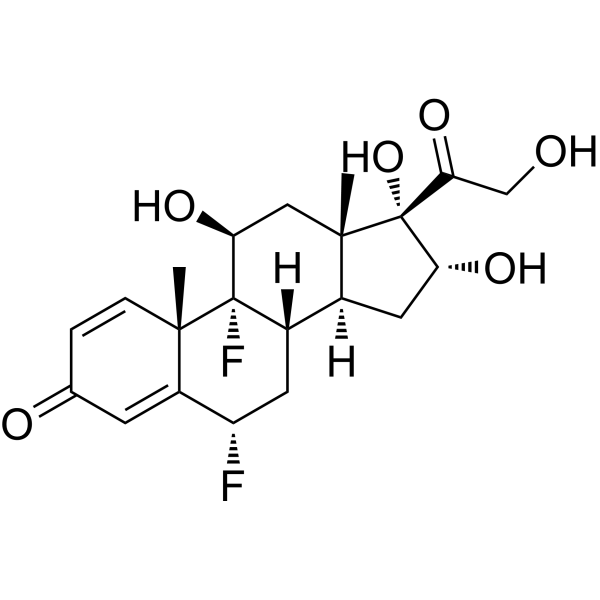
    Fluocinolone is a potent steroid with highly selective glucocorticoid receptor agonist activity. Fluocinolone stabilizes the blood-retinal barrier by enhancing endothelial tight junctions, inhibiting the VEGF pathway and inflammatory factors. Fluocinolone has high lipophilicity, enabling long-term sustained release in the vitreous. Fluocinolone is used in research related to dermatological diseases, diabetic macular edema, uveitis and oral lichen planus .
    Fluocinolone
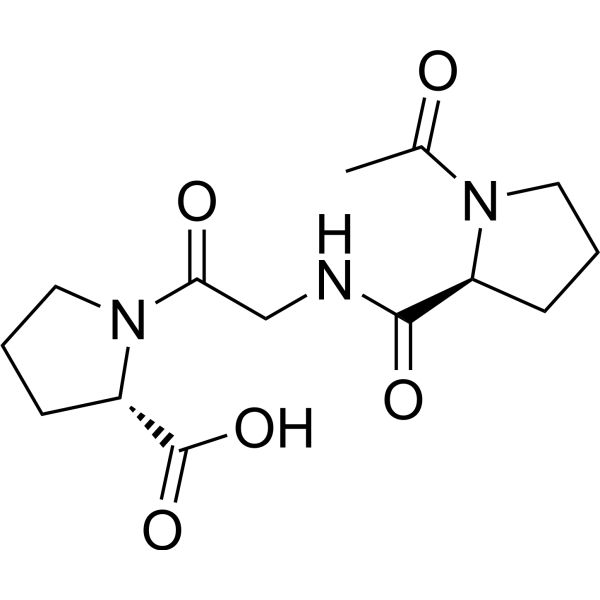
  • HY-P4846
    Ac-Pro-Gly-Pro-OH
    2 Publications Verification

    CXCR Apoptosis IFNAR TNF Receptor Interleukin Related Infection Inflammation/Immunology
    Ac-Pro-Gly-Pro-OH is an endogenous degradation product of extracellular collagen and acts as a CXCR2 agonist . Ac-Pro-Gly-Pro-OH exerts bactericidal activity by generating hydrogen peroxide, inhibits pulmonary inflammation, and reduces immune cell apoptosis (apoptosis). Ac-Pro-Gly-Pro-OH promotes the production of IFN-γ and inhibits the production of TNF-α and IL-6 in leukocytes. Ac-Pro-Gly-Pro-OH increases the survival rate of mice in sepsis models, enhances the bactericidal activity of neutrophils, acts as a neutrophil chemoattractant, induces neutrophil polarization, and regulates inflammatory and repair processes. Ac-Pro-Gly-Pro-OH induces chronic inflammation and tissue remodeling through sustained action. Ac-Pro-Gly-Pro-OH is released via alkaline hydrolysis of corneal proteins in alkali-injured eyes, thereby driving the early infiltration of neutrophils into the cornea. Ac-Pro-Gly-Pro-OH is applicable to research related to sepsis, chronic obstructive pulmonary disease, cystic fibrosis, bronchiolitis obliterans syndrome, severe asthma, idiopathic pulmonary fibrosis, and corneal ulcer .
    Ac-Pro-Gly-Pro-OH
  • HY-156829A

    Biochemical Assay Reagents Cancer
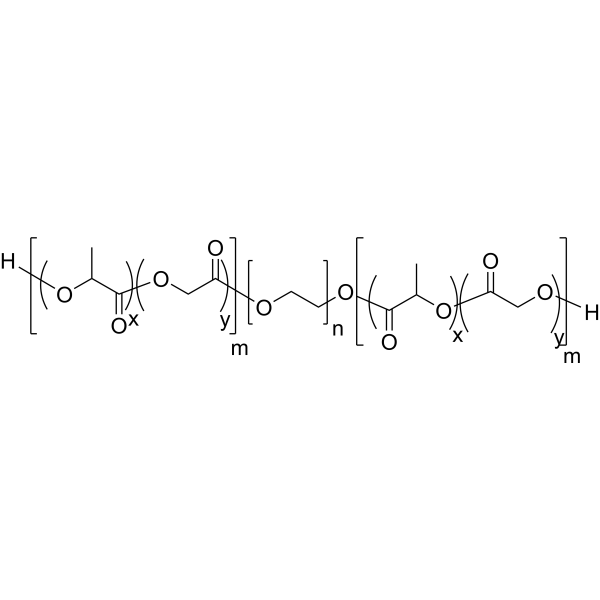
    PLGA-PEG-PLGA (1500-1500-1500) (LA/GA 15:1) is a matrix materia, with lactic acid (LA):glycolic acid (GA) = 15:1, that acts as anti-cancer drug delivery. PLGA-PEG-PLGA (1500-1500-1500) (LA/GA 15:1) can improve a drug's bioavailability, efficacy, water solubility, drug encapsulation efficiency, sustained drug release, and to minimize undesirable toxicity .
    PLGA-PEG-PLGA (1500-1500-1500) (LA/GA 15:1)
  • HY-159747

    Toll-like Receptor (TLR) Inflammation/Immunology
    Aluminum hydroxide adjuvant (aluminum : 4~6 mg/mL) is a micron level water-based aluminum hydroxide adjuvant. The aluminum content is 4 - 6 mg/ml. It has a strong adsorption capacity for negatively charged antigens, a significant sustained-release effect, no stress response, high safety, and can effectively induce immune responses in the body. It is suitable for various veterinary vaccines, including inactivated vaccines or gene-engineered subunit vaccines for bacterial and viral diseases of livestock and poultry.
    Aluminum hydroxide adjuvant aluminum : 4~6 mg/mL
  • HY-Y0850U5

    Polyvinyl alcohol (Mw 27000, 98-99% hydrolyzed, ~600 polymerization); Poly(Ethenol) (Mw 27000, 98-99% hydrolyzed, ~600 polymerization)

    Biochemical Assay Reagents Fungal Infection
    PVA (Polyvinyl alcohol) (Mw 27000, 98-99% hydrolyzed, ~600 polymerization) is a nonionic ethanol homopolymer with hydrophilicity, water solubility and biodegradability. PVA (Mw 27000, 98-99% hydrolyzed, ~600 polymerization) exhibits biocompatibility, non-toxicity and non-carcinogenicity, as well as antibacterial activity against Gram-positive bacteria, Gram-negative bacteria and fungal strains. PVA (Mw 27000, 98-99% hydrolyzed, ~600 polymerization) can serve as a solubilizer, stabilizer, mucoadhesive agent and sustained-release agent, and has a synergistic solubilizing effect on voriconazole/sulfobutyl ether β-cyclodextrin complexes. By stabilizing such complexes, PVA (Mw 27000, 98-99% hydrolyzed, ~600 polymerization) forms freeze-thaw hydrogels with high mucoadhesion, sustained drug release and ex vivo corneal permeability. When compounded with hyaluronic acid hydrogels, PVA (Mw 27000, 98-99% hydrolyzed, ~600 polymerization) supports chondrocyte growth in vitro, and also forms complexes with Cu 2+, Co 2+, Ni 2+ and Zn 2+ ions. PVA (Mw 27000, 98-99% hydrolyzed, ~600 polymerization) can be used in studies related to fungal keratitis, bacterial infections and fungal infections .
    PVA (Mw 27000, 98-99% hydrolyzed, ~600 polymerization)
  • HY-158224

    FibMA

    Biochemical Assay Reagents Others
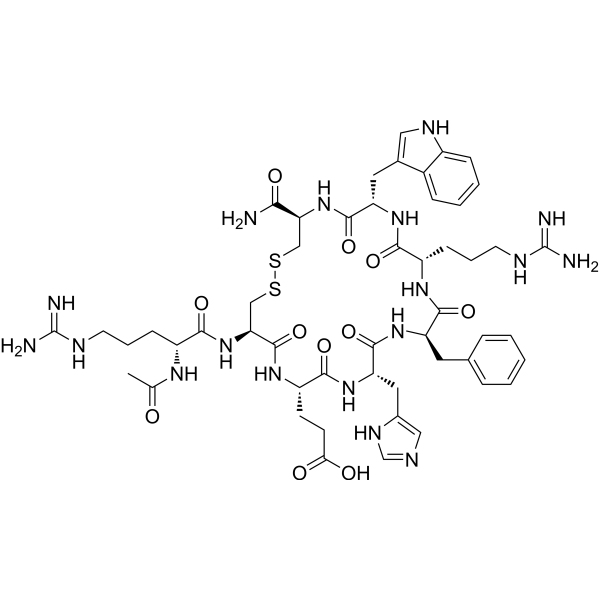
    Silk Fibroin Methacryloyl (FibMA) is methacrylated silk fibroin with excellent biocompatibility, stable mechanical properties and good processing properties, and was selected as the substrate for multifunctional microneedle (MN) patches. . MN patches made of Silk Fibroin Methacryloyl exhibit excellent biocompatibility, sustained drug release, pro-angiogenic, antioxidant and antibacterial properties depending on the specific drug encapsulated . Silk Fibroin Methacryloyl needs to self-assemble into fibrous hydrogel under the action of photoinitiator LAP (HY-44076), and target bioactive adhesion sites, play an inherent supporting role for tissue cells and biodegradable activity.
    Application: cell culture, biological 3D printing, tissue engineering, etc.
    Silk Fibroin Methacryloyl
  • HY-N2269

    4-Hydroxyphenethyl anisate

    Others Metabolic Disease
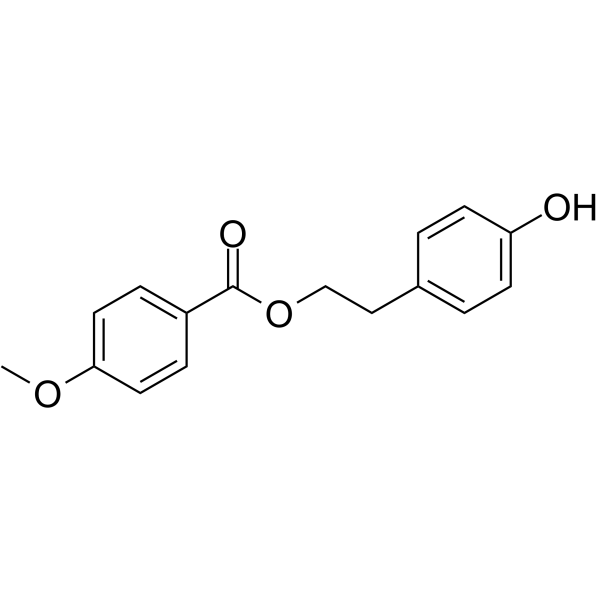
    p-Hydroxyphenethyl anisate is a main constituent of Notopterygium Radix . p-Hydroxyphenethyl anisate can be used as a new type of natural sustained-release excipients .
    p-Hydroxyphenethyl anisate
  • HY-163684

    Complement System Inflammation/Immunology
    Zoracopan is a selective complement factor D (CFD) inhibitor. When administered systemically (orally or intravenously), Zoracopan accumulates and is sustained-released in ocular tissues, primarily in the choroid-retinal pigment epithelium (C-RPE) and/or iridociliary body (I-CB) .
    Zoracopan
  • HY-156829

    Biochemical Assay Reagents Cancer
    PLGA-PEG-PLGA (1500-1500-1500) (LA/GA 1:1) is a matrix materia, with lactic acid (LA):glycolic acid (GA) = 1:1, that acts as anti-cancer drug delivery. PLGA-PEG-PLGA (1500-1500-1500) (LA/GA 1:1) can improve a drug's bioavailability, efficacy, water solubility, drug encapsulation efficiency, sustained drug release, and to minimize undesirable toxicity .
    PLGA-PEG-PLGA (1500-1500-1500) (LA/GA 1:1)
  • HY-176783

    Toll-like Receptor (TLR) Neurological Disease
    GNE-5152 is an orthosteric SARM1 base-exchange (BE) inhibitor. GNE-5152 sustainably activates SARM1 at subinhibitory concentrations under mildly activating conditions, and this synergistic adverse effect increases NAD consumption, induces axon degradation and neurodegeneration and releases neurofilament-light (NfL) in cortical neurons. GNE-5152 can be used for neurodegenerative diseases research .
    GNE-5152
  • HY-W016773

    MHC Transmembrane Glycoprotein Metabolic Disease Inflammation/Immunology
    1,10-Decanediol is a diol compound that can react with α-ketoglutarate (aKG) to generate polymeric microparticles (termed paKG MPs) for the sustained release of aKG, thereby promoting immunosuppressive regulation. Additionally, paKG MPs can bind to dendritic cells (DCs), reducing their glycolysis and mitochondrial respiration in vitro. These metabolic changes lead to the modulation of MHC-II and CD86 expression in DCs and alter the frequency of regulatory T cells (Tregs) as well as T-helper type 1/2/17 cells in vitro. 1,10-Decanediol can be used in research within the field of immunometabolism. can be used as a surfactant/stabilizer in the synthesis of nanomaterials .
    1,10-Decanediol
  • HY-27979

    Biochemical Assay Reagents Others
    Ethyl acrylate-methyl methacrylate copolymer can be used as an excipient, such as sustained-release coating materials, matrix sustained-release tablet binders and retarders. Pharmaceutical excipients, or pharmaceutical auxiliaries, refer to other chemical substances used in the pharmaceutical process other than pharmaceutical ingredients. Pharmaceutical excipients generally refer to inactive ingredients in pharmaceutical preparations, which can improve the stability, solubility and processability of pharmaceutical preparations. Pharmaceutical excipients also affect the absorption, distribution, metabolism, and elimination (ADME) processes of co-administered drugs .
    Ethyl acrylate-methyl methacrylate copolymer
  • HY-107717

    iGluR Neurological Disease
    MNI-caged-NMDA is a light-sensitive amino acid with rapid release properties suitable for use in the study of fast synaptic receptor mechanisms. MNI-caged-NMDA shows metered release of NMDA receptors, inducing rapid and sustained receptor activation in cerebellar interneurons. MNI-caged-NMDA is able to achieve rapid transient responses and generate large inward currents by local laser photolysis. The use of MNI-caged-NMDA can effectively study neurotransmitter signaling and its inhibitory effects on GABA-A receptors .
    MNI-caged-NMDA
  • HY-107632G

    Apoptosis STAT NF-κB TNF Receptor NO Synthase Interleukin Related COX Cardiovascular Disease Neurological Disease Inflammation/Immunology Cancer
    GYY4137 (GMP) is the GMP-grade version of GYY4137 (HY-107632). Small molecules of GMP grade can be used as adjuvant reagents in cell therapy. GYY4137 (GMP) is a sustained-release H2S donor possessing vasodilatory, antihypertensive, and anti-inflammatory activities. GYY4137 (GMP) can inhibit cell growth, induce apoptosis, and cause cell cycle arrest by blocking the STAT3 pathway, demonstrating potent anticancer activity .
    GYY4137
  • HY-136642R

    Reference Standards Glucocorticoid Receptor Inflammation/Immunology
    Fluocinolone (Standard) is the analytical standard of Fluocinolone (HY-136642). This product is intended for research and analytical applications. Fluocinolone is a potent steroid with highly selective glucocorticoid receptor agonist activity. Fluocinolone stabilizes the blood-retinal barrier by enhancing endothelial tight junctions, inhibiting the VEGF pathway and inflammatory factors. Fluocinolone has high lipophilicity, enabling long-term sustained release in the vitreous. Fluocinolone is used in research related to dermatological diseases, diabetic macular edema, uveitis and oral lichen planus .
    Fluocinolone (Standard)
  • HY-159744

    Toll-like Receptor (TLR) Inflammation/Immunology
    Liposomal adjuvant (M103) is mainly composed of phospholipids and prepared with highly purified immunostimulatory substances (polysaccharides), with a pH value of 6.2-6.8. This adjuvant is safe, non-toxic, and metabolizable. It can induce cellular and humoral immunity, has a sustained-release effect, and can prolong the residence time of antigens in the body. This adjuvant is suitable for various veterinary vaccines, including inactivated vaccines and genetically engineered subunit vaccines. It is recommended for use in rabies, porcine circovirus, , foot-and-mouth disease (FMD), and blue ear disease, etc.
    Liposomal adjuvant (M103)
  • HY-W016773S

    Isotope-Labeled Compounds Others
    1,10-Decanediol-d20 is the deuterium labeled 1,10-Decanediol . 1,10-Decanediol is a diol compound that can react with α-ketoglutarate (aKG) to generate polymeric microparticles (termed paKG MPs) for the sustained release of aKG, thereby promoting immunosuppressive regulation. Additionally, paKG MPs can bind to dendritic cells (DCs), reducing their glycolysis and mitochondrial respiration in vitro. These metabolic changes lead to the modulation of MHC-II and CD86 expression in DCs and alter the frequency of regulatory T cells (Tregs) as well as T-helper type 1/2/17 cells in vitro. 1,10-Decanediol can be used in research within the field of immunometabolism. can be used as a surfactant/stabilizer in the synthesis of nanomaterials .
    1,10-Decanediol-d20
  • HY-78985S

    Trimesic acid-d3

    Isotope-Labeled Compounds Biochemical Assay Reagents MOFs Others
    Benzene-1,3,5-tricarboxylic acid-d3 (Trimesic acid-d3) is the deuterium labeled Benzene-1,3,5-tricarboxylic acid (HY-78985). Benzene-1,3,5-tricarboxylic acid (Trimesic acid) is a rigid planar small-molecule scaffold and crosslinker. Benzene-1,3,5-tricarboxylic acid induces bicyclic peptides to adopt a planar conformation, so as to maximize surface area and bind to the flat protein surfaces involved in protein-protein interactions. Benzene-1,3,5-tricarboxylic acid forms ionic crosslinks, hydrogen bonds and π-π bonds with chitosan, thereby constructing a hydrogel network. Benzene-1,3,5-tricarboxylic acid endows chitosan hydrogel systems with specific mechanical properties, enabling sustained release of cancer therapeutic drugs including 5-Fluorouracil (HY-90006) .
    Benzene-1,3,5-tricarboxylic acid-d3
  • HY-119705

    Glucocorticoid Receptor Neurological Disease
    Prednival is a glucocorticoid. Prednival is used in studies of sustained-release ocular drug delivery .
    Prednival
  • HY-B2180

    Environmental Pollutants Bacterial Insecticide Infection
    Dichloroisocyanurate sodium is a synthetic organochlorine compound belonging to triazine derivatives, and is commonly used as a disinfectant and biocide. Dichloroisocyanurate sodium can release hypochlorous acid to inactivate waterborne bacteria, viruses, helminths and protozoa, and can act as a hypochlorous acid reservoir to provide sustained biocidal protection .
    Dichloroisocyanurate sodium
  • HY-N17738

    Calcium Channel Cardiovascular Disease Inflammation/Immunology
    Acetyljujuboside B is a saponin. Acetyljujuboside B can be isolated from seeds of Zizyphus jujuba Mill. var. spinosa. Acetyljujuboside B inhibits Ca 2+ influx. Acetyljujuboside B shows only sustained vasorelaxant effects, with no transient effect on NE-induced vasoconstrictions. Acetyljujuboside B inhibits histamine release from rat peritoneal exudate cells induced by the antigen-antibody reaction .
    Acetyljujuboside B
  • HY-107632R

    Reference Standards Apoptosis STAT NF-κB NO Synthase COX TNF Receptor Interleukin Related Cardiovascular Disease Neurological Disease Inflammation/Immunology Cancer
    GYY4137 (Standard) is the analytical standard of GYY4137 (HY-107632). This product is intended for research and analytical applications. GY4137 is a sustained-release H2S donor possessing vasodilatory, antihypertensive, and anti-inflammatory activities. GY4137 can inhibit cell growth, induce apoptosis, and cause cell cycle arrest by blocKing the STAT3 pathway, demonstrating potent anticancer activity .
    GYY4137 (Standard)
  • HY-180453

    Drug Intermediate Endocrinology
    Transient pfp-activated mPEG-linker reagent (Compound 17b) is a kind of transient pfp-activated mPEG linker agent. Transient pfp-activated mPEG-linker reagent can be used for the study of growth hormone deficiency .
    Transient pfp-activated mPEG-linker reagent
  • HY-W127512R

    Drug Intermediate Reference Standards Others
    5β-Cholanic acid is a hydrophobic modifier used to modify polymer carriers. 5β-Cholanic acid can improve the acid stability, cell penetration efficiency and drug sustained release ability of nanocarriers, and optimize the oral effectiveness of delivered molecules. 5β-Cholanic acid can covalently bind to Glycol chitosan (GC) to form a GC-CA conjugate, which optimizes the hydrophobic anchoring ability of nanoparticles and enables them to be stably adsorbed on the surface of PLGA nanoparticles. Such nanoparticles can resist dissociation in the gastric acid environment and maintain positive charge to enhance endocytic uptake by intestinal epithelial cells (such as Caco-2 cells). 5β-Cholanic acid can be used in the development of drug delivery systems .
    5β-Cholanic acid (Standard)

Inquiry Online

Your information is safe with us. * Required Fields.

Salutation


Country or Region *

Applicant Name *


Organization Name *

Department *


Email Address *


Product Name *

Cat. No.


Requested quantity *

Phone Number *


Remarks

Inquiry Online

Inquiry Information

Product Name:
Cat. No.:
Quantity:
MCE Japan Authorized Agent:

