Search Result
Results for "
tetrahydrochloride
" in MedChemExpress (MCE) Product Catalog:
1
Biochemical Assay Reagents
4
Isotope-Labeled Compounds
| Cat. No. |
Product Name |
Target |
Research Areas |
Chemical Structure |
-
- HY-B1777
-
|
NSC 268508; Neuridine
|
Endogenous Metabolite
Bacterial
Reactive Oxygen Species (ROS)
DNA/RNA Synthesis
|
Infection
Neurological Disease
Inflammation/Immunology
|
|
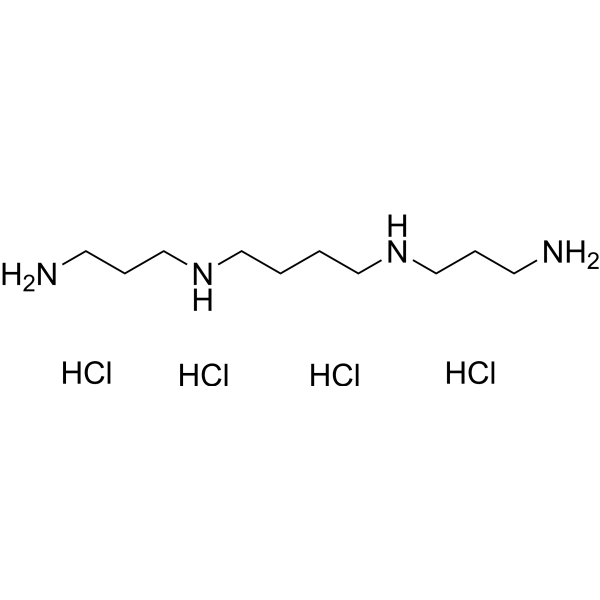
Spermine is a natural antioxidant and anti-inflammatory agent. Spermine is known to inhibit some bacterial cultures, especially strains of Staphylococcus aureus. Spermine induces neurotoxicity in the striarum dose-dependently. Spermine can reversibly inhibits DNA synthetic response, mixed lymphocyte response and the induction of cytolytic lymphocyte response in primary cultures of murine spleen cells. Spermine tetrahydrochloride is a polyamine nitric oxide donor that can provide nitric oxide to platelets and inhibit platelet activation to a certain extent concentration-dependently. Spermine tetrahydrochloride occurs in mammalian tissues, plants, bacteria, ribosomes and bacteriophage. Spermine tetrahydrochloride inhibits primary human embryo lung fibroblasts in vitro .
|
-
-
- HY-12071A
-
|
DM-3189 tetrahydrochloride
|
Organoid
TGF-β Receptor
|
Cancer
|
|
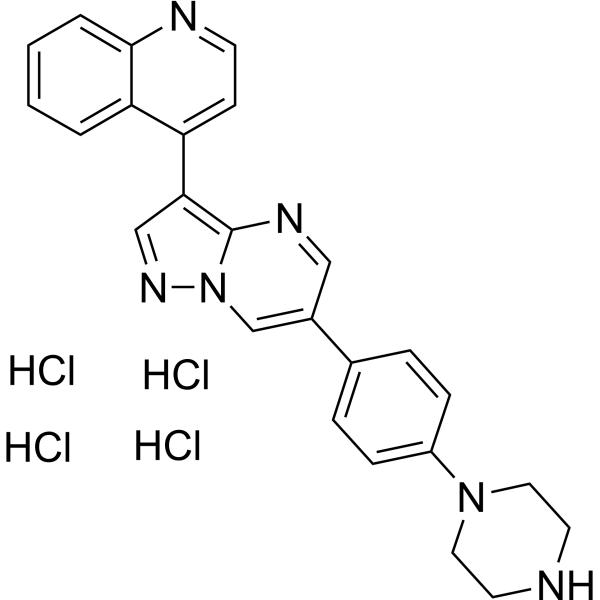
LDN193189 (DM-3189) Tetrahydrochloride is a potent selective BMP type I receptor (BMP I) inhibitor. LDN193189 efficiently inhibits transcriptional activity of the BMP type I receptors ALK2 and ALK3 with IC50 values of 5 nM and 30 nM, respectively. LDN193189 can be used for the research of bone morphogenetic protein signalling, such as fibrodysplasia ossificans progressiva .
|
-
-
- HY-124617A
-
|
|
Apoptosis
Bacterial
|
Infection
Inflammation/Immunology
Cancer
|
|
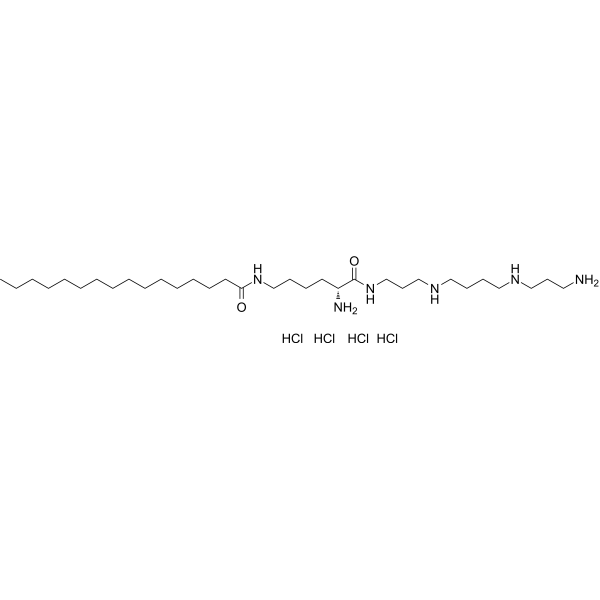
AMXT-1501 tetrahydrochloride is a Bacterial agent and polyamine transport system inhibitor. AMXT-1501 tetrahydrochloride targets membrane phospholipids and exhibits antibacterial activity against a variety of Gram-positive and Gram-negative multidrug-resistant bacteria . AMXT-1501 tetrahydrochloride inhibits capsular biosynthesis in Streptococcus pneumoniae . AMXT-1501 tetrahydrochloride targets ornithine decarboxylase and polyamines to inhibit the proliferation of neuroblastoma cells . AMXT-1501 tetrahydrochloride in combination with DFMO (HY-B0744) induces Apoptosis in neuroblastoma cells. AMXT-1501 tetrahydrochloride is applicable to research related to multidrug-resistant bacterial infections, pneumococcal infections, Streptococcus pneumoniae infections, and neuroblastoma .
|
-
-
- HY-B1777AS
-
|
|
Isotope-Labeled Compounds
Endogenous Metabolite
Reactive Oxygen Species (ROS)
Bacterial
DNA/RNA Synthesis
|
Metabolic Disease
|
|
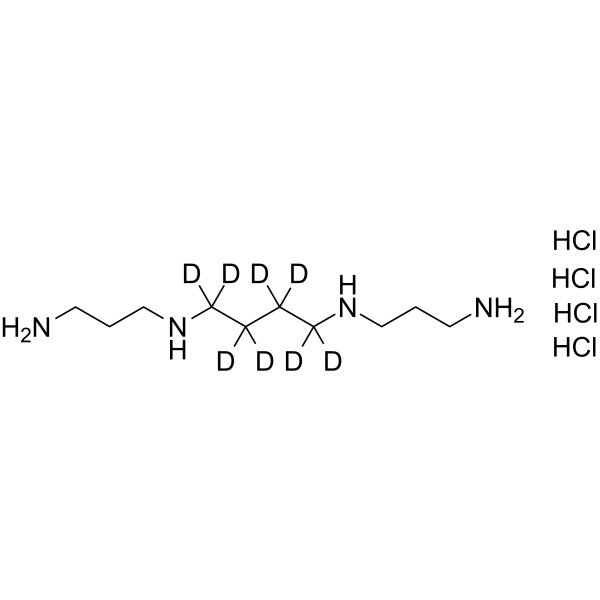
Spermine-d8 (tetrahydrochloride) is the deuterium labeled Spermine tetrahydrochloride. Spermine tetrahydrochloride is a polyamine nitric oxide donor that can provide nitric oxide to platelets and inhibit platelet activation to a certain extent concentration-dependently. Spermine tetrahydrochloride occurs in mammalian tissues, plants, bacteria, ribosomes and bacteriophage. Spermine tetrahydrochloride inhibits primary human embryo lung fibroblasts in vitro. Spermine is a natural antioxidant and anti-inflammatory agent. Spermine is known to inhibit some bacterial cultures, especially strains of Staphylococcus aureus. Spermine induces neurotoxicity in the striarum dose-dependently. Spermine can reversibly inhibits DNA synthetic response, mixed lymphocyte response and the induction of cytolytic lymphocyte response in primary cultures of murine spleen cells .
|
-
-
- HY-13610A
-
|
Diethylnorspermine tetrahydrochloride; DENSPM tetrahydrochloride; BENSPM tetrahydrochloride
|
Caspase
mTOR
|
Cancer
|
|
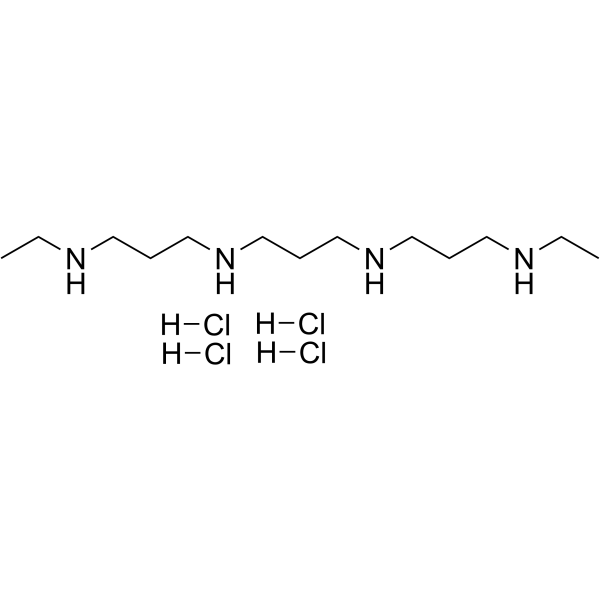
N1, N11-Diethylnorspermine tetrahydrochloride (DENSPM tetrahydrochloride) is a potent anticancer agent. N1,N11-Diethylnorspermine tetrahydrochloride activates polyamine catabolism and downregulates mTOR protein. N1,N11-Diethylnorspermine tetrahydrochloride induces the release of cytochrome c from mitochondria, resulting in activation of caspase 3. N1,N11-Diethylnorspermine tetrahydrochloride kills glioblastoma multiforme (GBM) through induction of SSAT (spermidine/spermine N1-acetyltransferase) coupled with H2O2 production .
|
-
-
- HY-B1777A
-
|
|
Endogenous Metabolite
Bacterial
Reactive Oxygen Species (ROS)
DNA/RNA Synthesis
|
Infection
Neurological Disease
Inflammation/Immunology
|
|
Spermine tetrahydrochloride is a polyamine nitric oxide donor that can provide nitric oxide to platelets and inhibit platelet activation to a certain extent concentration-dependently. Spermine tetrahydrochloride occurs in mammalian tissues, plants, bacteria, ribosomes and bacteriophage. Spermine tetrahydrochloride inhibits primary human embryo lung fibroblasts in vitro. Spermine is a natural antioxidant and anti-inflammatory agent. Spermine is known to inhibit some bacterial cultures, especially strains of Staphylococcus aureus. Spermine induces neurotoxicity in the striarum dose-dependently. Spermine can reversibly inhibits DNA synthetic response, mixed lymphocyte response and the induction of cytolytic lymphocyte response in primary cultures of murine spleen cells .
|
-
-
- HY-19892A
-
|
PMX 30063 tetrahydrochloride
|
Bacterial
Antibiotic
|
Infection
Cancer
|
|
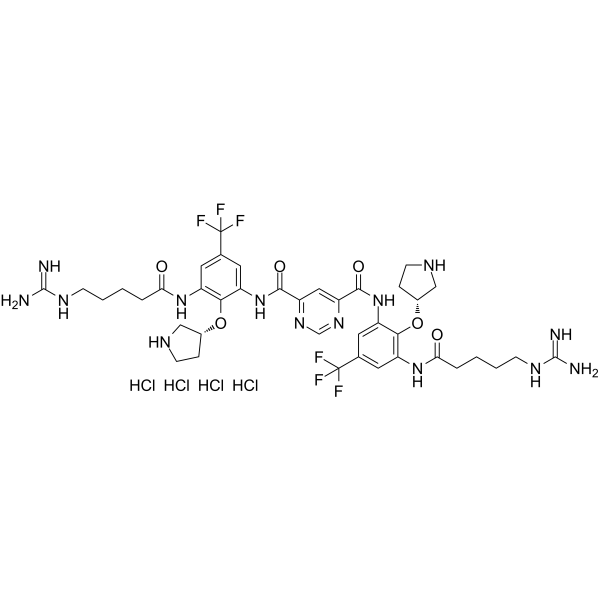
Brilacidin tetrahydrochloride (PMX 30063 tetrahydrochloride) is an anti-infective antimicrobial with MIC90s of 1 and 8 μg/mL for Gram-positive bacteria Streptococcus pneumonia and Streptococcus viridans, and MIC90 of 8 and 4 μg/mL for Gram-negative bacteria Haemophilus influenza and Pseudomonas aeruginosa. Brilacidin tetrahydrochloride is a defensin mimetic antibiotic compound .
|
-
-
- HY-15509A
-
|
CNI-1493; CPSI-2364 tetrahydrochloride
|
TNF Receptor
Interleukin Related
p38 MAPK
|
Inflammation/Immunology
Cancer
|
|
Semapimod tetrahydrochloride (CNI-1493), an inhibitor of proinflammatory cytokine production, can inhibit TNF-α, IL-1β, and IL-6. Semapimod tetrahydrochloride inhibits TLR4 signaling (IC50≈0.3 μM). Semapimod tetrahydrochloride inhibits p38 MAPK and nitric oxide production in macrophages. Semapimod tetrahydrochloride has potential in a variety of inflammatory and autoimmune disorders .
|
-
-
- HY-N7697
-
|
|
Others
|
Others
|
|
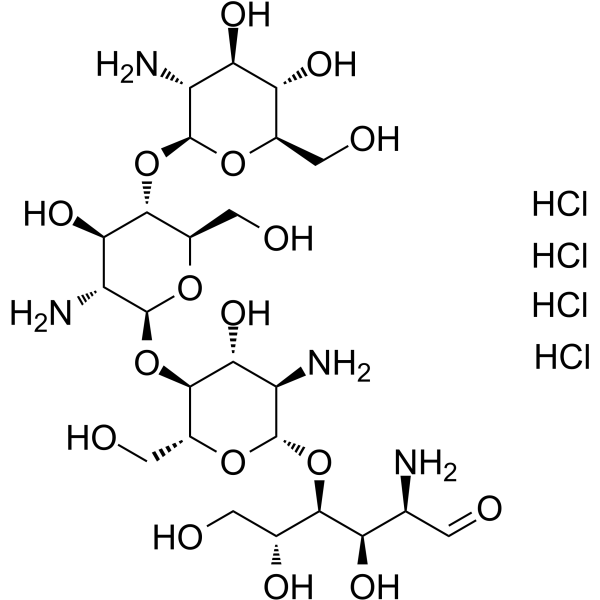
Chitotetraose tetrahydrochloride is a short-chain chitin oligomer derived from arbuscular mycorrhizal (AM) fungi. Chitotetraose tetrahydrochloride activates the AM fungus-dependent conserved symbiotic signaling pathway (CSSP) in actinorhizal plant species .
|
-
-
- HY-15560B
-
|
HOE 34580 tetrahydrochloride
|
Amyloid-β
|
Neurological Disease
|
|
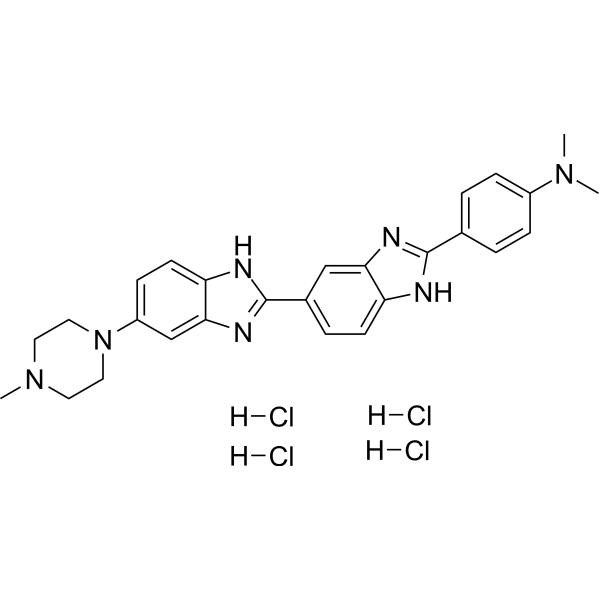
Hoechst 34580 tetrahydrochloride is a marker dye in Hoechst series. Hoechst is A live nuclear marker dye. Hoechst binds to the grooves in the DNA double strand, which tends to be A/ T-rich DNA strand. Although it binds to all nucleic acids, the A/ T-rich double strand DNA significantly enhances fluorescence intensity Therefore,Hoechst dye can be used for living cell labeling. The fluorescence intensity of Hoechst dye increases with the increase of pH of solution .
|
-
-
- HY-124676A
-
|
|
Apoptosis
|
Cancer
|
|
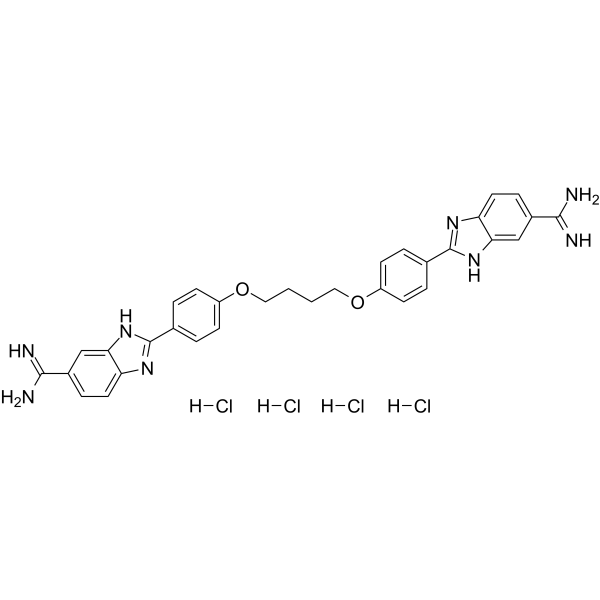
DB2115 tetrahydrochloride is a highly selective PU.1 inhibitor that suppresses the binding of PU.1 to DNA (IC50: 2.3 nM). DB2115 tetrahydrochloride can inhibit tumor cell proliferation and induce apoptosis. DB2115 tetrahydrochloride can be used in the research of tumors such as leukemia .
|
-
-
- HY-115349
-
|
|
Antibiotic
Bacterial
|
Infection
Neurological Disease
Cancer
|
|
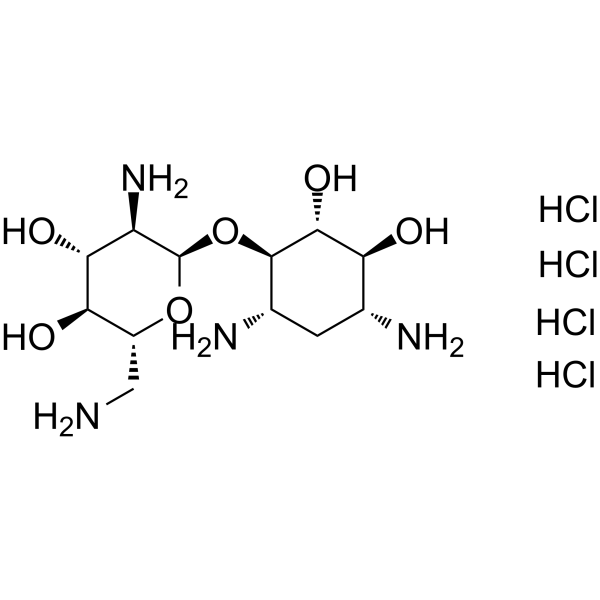
Neamine tetrahydrochloride, a degradation product of Neomycin, is a broad-spectrum aminoglycoside antibiotic. Neamine tetrahydrochloride is an anti-angiogenesis agent targeting angiogenin. Neamine tetrahydrochloride has potent antibacterial, antitumor and neuroprotective activities .
|
-
-
- HY-116294A
-
|
|
mAChR
|
Cardiovascular Disease
|
|
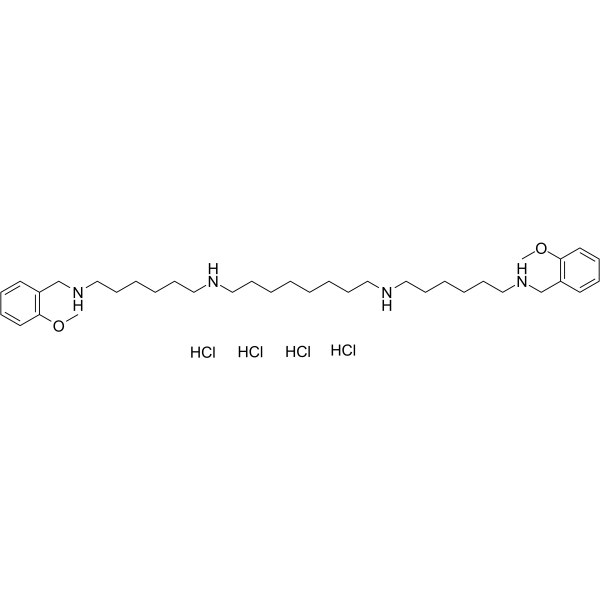
Methoctramine tetrahydrochloride is a potent and cardioselectivity antagonist of M2 muscarinic receptor. Methoctramine tetrahydrochloride can inhibit Muscarine (HY-121404)-induced bradycardia in vivo. Methoctramine tetrahydrochloride can be used in the study of cardiovascular diseases .
|
-
-
- HY-101792A
-
|
RO6885247 tetrahydrochloride
|
DNA/RNA Synthesis
|
Neurological Disease
|
|
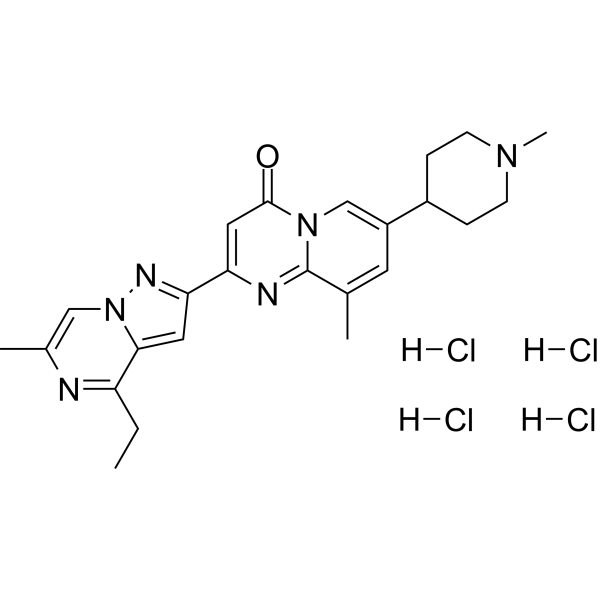
RG7800 hydrochloride is an orally active SMN2 splicing modulator, with EC1.5xs of 23 nM and 87 nM for SMN2 splicing and SMN protein; RG7800 hydrochloride has the potential to treat spinal muscular atrophy.
|
-
-
- HY-46749
-
|
LY3473329 tetrahydrochloride
|
PAI-1
|
Cardiovascular Disease
|
|
Muvalaplin tetrahydrochloride (LY3473329) is an orally active reagent of lipoprotein (a) (Lp (a)). At present, research on Muvalaplin tetrahydrochloride oral reagent is ongoing .
|
-
-
- HY-16394
-
|
CGC-11047 tetrahydrochloride
|
Drug Derivative
|
Cancer
|
|
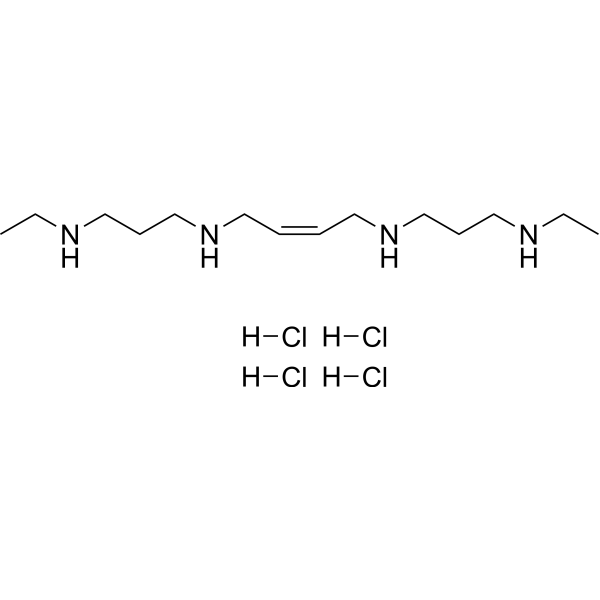
PG-11047 (CGC-11047), a polyamine analogue, is a nonfunctional competitor of the natural polyamine spermine. PG-11047 has broad spectrum anticancer activities .
|
-
-
- HY-124618A
-
|
|
Flavivirus
Dengue Virus
HCV
HIV
|
Infection
|
|
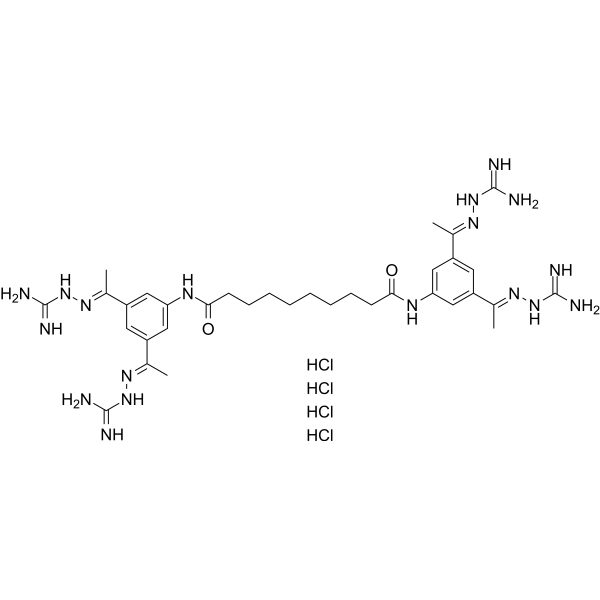
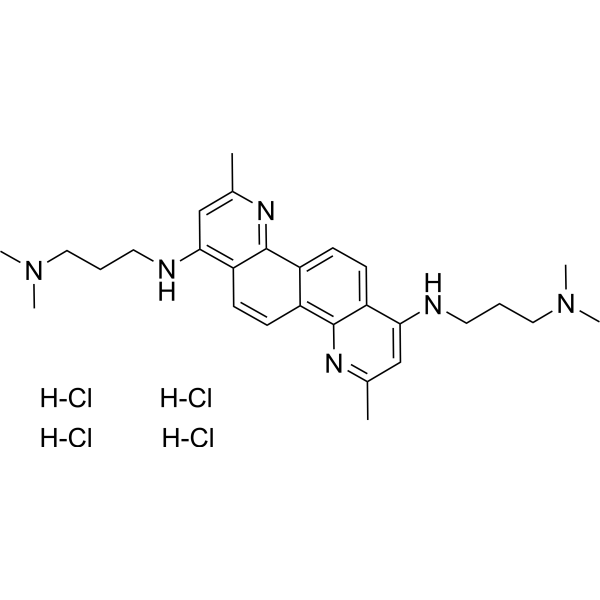
FGI-106 tetrahydrochloride is a potent and broad-spectrum inhibitor with inhibitory activity against multiple viruses. FGI-106 tetrahydrochloride is active against Ebola, Rift Valley and Dengue Fever viruses with EC50s of 100 nM, 800 nM and 400-900 nM, respectively. FGI-106 tetrahydrochloride also inhibits non-hemorrhagic fever viruses HCV and HIV-1 with EC50s of 200 nM and 150 nM, respectively .
|
-
-
- HY-109084A
-
|
CT-707 tetrahydrochloride
|
FAK
|
Cancer
|
|
Conteltinib tetrahydrochloride (CT-707 tetrahydrochloride) is the tetrahydrochloride salt form of Conteltinib (HY-109084). Conteltinib tetrahydrochloride is the inhibitor for FAK (IC50=1.6 nM), ALK, and Pyk2. Conteltinib tetrahydrochloride exhibits a synergistic anti-tumor efficacy with Cabozantinib (HY-13016) .
|
-
-
- HY-131673
-
|
|
Biochemical Assay Reagents
|
Others
|
|
p-SCN-Bn-TCMC tetrahydrochloride is a bifunctional chelator that exhibits high reactivity due to its powerful TCMC component, making it effective for binding radio-isotopic heavy metal ions, which are essential in radio-diagnostic imaging applications.
|
-
-
- HY-156138A
-
|
|
Biochemical Assay Reagents
|
Others
|
|
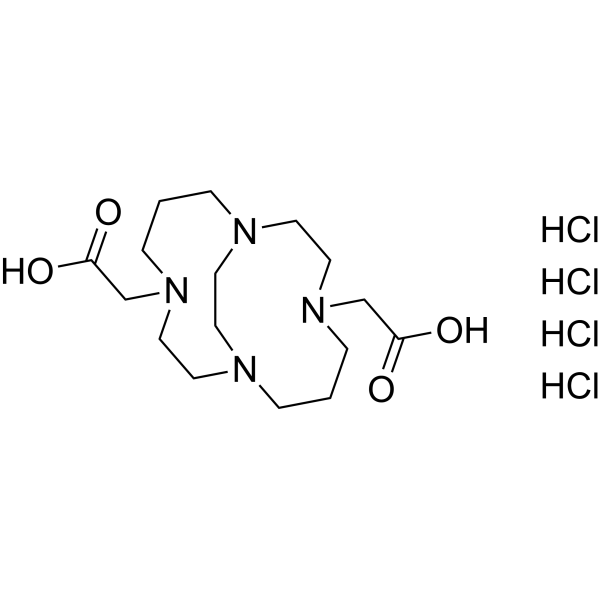
CB-TE2A (tetrahydrochloride)is a bifunctional chelator (Bifunctional Chelator; BFC), which is a TETA derivative of the macrocyclic ligand tetradecane backbone. CB-TE2A (tetrahydrochloride) can be used for conjugation of peptides and radionuclides.
|
-
-
- HY-B1777S
-
|
NSC 268508-15N2; Neuridine-15N2
|
Isotope-Labeled Compounds
Endogenous Metabolite
Bacterial
Reactive Oxygen Species (ROS)
DNA/RNA Synthesis
|
Infection
Neurological Disease
Inflammation/Immunology
|
|
Spermine- 15N2 (NSC 268508- 15N2) is the 15N-labeled Spermine (HY-B1777). Spermine is a natural antioxidant and anti-inflammatory agent. Spermine is known to inhibit some bacterial cultures, especially strains of Staphylococcus aureus. Spermine induces neurotoxicity in the striarum dose-dependently. Spermine can reversibly inhibits DNA synthetic response, mixed lymphocyte response and the induction of cytolytic lymphocyte response in primary cultures of murine spleen cells. Spermine tetrahydrochloride is a polyamine nitric oxide donor that can provide nitric oxide to platelets and inhibit platelet activation to a certain extent concentration-dependently. Spermine tetrahydrochloride occurs in mammalian tissues, plants, bacteria, ribosomes and bacteriophage. Spermine tetrahydrochloride inhibits primary human embryo lung fibroblasts in vitro .
|
-
-
- HY-10499A
-
|
BIM-46187 tetrahydrochloride
|
Serotonin Transporter
Akt
|
Neurological Disease
Inflammation/Immunology
Cancer
|
|
PH-064 tetrahydrochloride (BIM-46187 tetrahydrochloride) is an orally active inhibitor of the heterotrimeric G-protein complex. PH-064 tetrahydrochloride inhibits SERT activity and attenuates shear stress-induced Akt phosphorylation. PH-064 tetrahydrochloride has potent anti-hyperalgesia activity. PH-064 tetrahydrochloride inhibits G protein-coupled receptor-dependent tumorigenesis. PH-064 tetrahydrochloride can be used in the study of pain (e.g., inflammatory pain, neuropathic pain), GPCR-dependent tumors, and inflammatory lung injury .
|
-
-
- HY-13610AR
-
|
Diethylnorspermine tetrahydrochloride (Standard); DENSPM tetrahydrochloride (Standard); BENSPM tetrahydrochloride (Standard)
|
Caspase
mTOR
Reference Standards
|
Cancer
|
|
N1,N11-Diethylnorspermine (tetrahydrochloride) (Standard) is the analytical standard of N1,N11-Diethylnorspermine (tetrahydrochloride). This product is intended for research and analytical applications. N1, N11-Diethylnorspermine tetrahydrochloride (DENSPM tetrahydrochloride) is a potent anticancer agent. N1,N11-Diethylnorspermine tetrahydrochloride activates polyamine catabolism and downregulates mTOR protein. N1,N11-Diethylnorspermine tetrahydrochloride induces the release of cytochrome c from mitochondria, resulting in activation of caspase 3. N1,N11-Diethylnorspermine tetrahydrochloride kills glioblastoma multiforme (GBM) through induction of SSAT (spermidine/spermine N1-acetyltransferase) coupled with H2O2 production .
|
-
-
- HY-13610
-
|
Diethylnorspermine; BENSPM; DENSPM; BE-333
|
Caspase
mTOR
|
Cancer
|
|
N1,N11-Diethylnorspermine is a synthetic analog of the naturally occurring polyamine spermine, can induce polyamine depletion and inhibit tumor cell growth. N1,N11-Diethylnorspermine activates polyamine catabolism and downregulates mTOR protein. N1,N11-Diethylnorspermine induces the release of cytochrome c from mitochondria, resulting in activation of caspase 3. N1,N11-Diethylnorspermine tetrahydrochloride kills glioblastoma multiforme (GBM) through induction of SSAT (spermidine/spermine N1-acetyltransferase) coupled with H2O2 production .
|
-
-
- HY-124629A
-
|
|
Apoptosis
|
Cancer
|
|
DB2313 tetrahydrochloride is a potent transcription factor PU.1 inhibitor with an apoptosis of 14 nM. DB2313 tetrahydrochloride disrupts the interaction of PU.1 with target gene promoters. DB2313 tetrahydrochloride induces apoptosis of acute myeloid leukemia (AML) cells, and has anticancer effects .
|
-
-
- HY-B1777AR
-
|
|
Reference Standards
Endogenous Metabolite
Bacterial
Reactive Oxygen Species (ROS)
DNA/RNA Synthesis
|
Infection
Neurological Disease
Inflammation/Immunology
|
|
Spermine (tetrahydrochloride) (Standard) is the analytical standard of Spermine (tetrahydrochloride). This product is intended for research and analytical applications. Spermine tetrahydrochloride is a polyamine nitric oxide donor that can provide nitric oxide to platelets and inhibit platelet activation to a certain extent concentration-dependently. Spermine tetrahydrochloride occurs in mammalian tissues, plants, bacteria, ribosomes and bacteriophage. Spermine tetrahydrochloride inhibits primary human embryo lung fibroblasts in vitro. Spermine is a natural antioxidant and anti-inflammatory agent. Spermine is known to inhibit some bacterial cultures, especially strains of Staphylococcus aureus. Spermine induces neurotoxicity in the striarum dose-dependently. Spermine can reversibly inhibits DNA synthetic response, mixed lymphocyte response and the induction of cytolytic lymphocyte response in primary cultures of murine spleen cells .
|
-
-
- HY-12071AR
-
|
DM-3189 tetrahydrochloride (Standard)
|
Reference Standards
Organoid
TGF-β Receptor
|
Cancer
|
|
LDN193189 (DM-3189) Tetrahydrochloride (Standard) is the analytical standard of LDN193189 Tetrahydrochloride (HY-12071A). This product is intended for research and analytical applications. LDN193189 (DM-3189) Tetrahydrochloride is a potent selective BMP type I receptor (BMP I) inhibitor. LDN193189 efficiently inhibits transcriptional activity of the BMP type I receptors ALK2 and ALK3 with IC50 values of 5 nM and 30 nM, respectively. LDN193189 can be used for the research of bone morphogenetic protein signalling, such as fibrodysplasia ossificans progressiva .
|
-
-
- HY-100964S
-
-
-
- HY-18660S
-
|
PER977-d8 tetrahydrochloride diacetate
|
Isotope-Labeled Compounds
Factor Xa
Thrombin
|
Cardiovascular Disease
|
|
Ciraparantag-d8 (PER977-d8) tetrahydrochloride diacetate is the deuterium labeled Ciraparantag (HY-18660). Ciraparantag is a thrombin and factor Xa inhibitor. Ciraparantag is a broad-spectrum reversal agent for anticoagulants, including low-molecular-weight heparin, unfractionated heparin, and certain direct oral anticoagulants. It is reported to antagonize the effects of all coagulants except VKAs and agratroban .
|
-
-
- HY-N7697R
-
|
|
Reference Standards
Others
|
Others
|
|
Butylate (Standard) is the analytical standard of Butylate. This product is intended for research and analytical applications. Butylate is a compound involved in platelet research. Platelet activation can cause autophagy, which is partly mediated by the AMPK-MTOR pathway and is related to sphingolipid metabolism. Butylate mentioned in the study may be a tool or control substance for studying related metabolic processes.
|
-
-
- HY-W249361
-
|
(2S,2'S)-[N,N'-Bis(2-pyridylmethyl)]-2,2'-bipyrrolidine tetrahydrochloride
|
MOFs
|
Others
|
|
(2S,2'S)-1,1'-Bis(pyridin-2-ylmethyl)-2,2'-bipyrrolidine hydrochloride ((2S,2'S)-[N,N'-Bis(2-pyridylmethyl)]-2,2'-bipyrrolidine tetrahydrochloride) is a metal-organic framework (MOF).
|
-
| Cat. No. |
Product Name |
Type |
-
- HY-15560B
-
|
HOE 34580 tetrahydrochloride
|
Fluorescent Dyes
|
|
Hoechst 34580 tetrahydrochloride is a marker dye in Hoechst series. Hoechst is A live nuclear marker dye. Hoechst binds to the grooves in the DNA double strand, which tends to be A/ T-rich DNA strand. Although it binds to all nucleic acids, the A/ T-rich double strand DNA significantly enhances fluorescence intensity Therefore,Hoechst dye can be used for living cell labeling. The fluorescence intensity of Hoechst dye increases with the increase of pH of solution .
|
| Cat. No. |
Product Name |
Type |
-
- HY-156138A
-
|
|
Biochemical Assay Reagents
|
|
CB-TE2A (tetrahydrochloride)is a bifunctional chelator (Bifunctional Chelator; BFC), which is a TETA derivative of the macrocyclic ligand tetradecane backbone. CB-TE2A (tetrahydrochloride) can be used for conjugation of peptides and radionuclides.
|
| Cat. No. |
Product Name |
Category |
Target |
Chemical Structure |
| Cat. No. |
Product Name |
Chemical Structure |
-
- HY-B1777AS
-
|
|
|
Spermine-d8 (tetrahydrochloride) is the deuterium labeled Spermine tetrahydrochloride. Spermine tetrahydrochloride is a polyamine nitric oxide donor that can provide nitric oxide to platelets and inhibit platelet activation to a certain extent concentration-dependently. Spermine tetrahydrochloride occurs in mammalian tissues, plants, bacteria, ribosomes and bacteriophage. Spermine tetrahydrochloride inhibits primary human embryo lung fibroblasts in vitro. Spermine is a natural antioxidant and anti-inflammatory agent. Spermine is known to inhibit some bacterial cultures, especially strains of Staphylococcus aureus. Spermine induces neurotoxicity in the striarum dose-dependently. Spermine can reversibly inhibits DNA synthetic response, mixed lymphocyte response and the induction of cytolytic lymphocyte response in primary cultures of murine spleen cells .
|
-
-
- HY-B1777S
-
|
|
|
Spermine- 15N2 (NSC 268508- 15N2) is the 15N-labeled Spermine (HY-B1777). Spermine is a natural antioxidant and anti-inflammatory agent. Spermine is known to inhibit some bacterial cultures, especially strains of Staphylococcus aureus. Spermine induces neurotoxicity in the striarum dose-dependently. Spermine can reversibly inhibits DNA synthetic response, mixed lymphocyte response and the induction of cytolytic lymphocyte response in primary cultures of murine spleen cells. Spermine tetrahydrochloride is a polyamine nitric oxide donor that can provide nitric oxide to platelets and inhibit platelet activation to a certain extent concentration-dependently. Spermine tetrahydrochloride occurs in mammalian tissues, plants, bacteria, ribosomes and bacteriophage. Spermine tetrahydrochloride inhibits primary human embryo lung fibroblasts in vitro .
|
-
-
- HY-100964S
-
|
|
|
N(1),N(12)-Diethylspermine-d10 (tetrahydrochloride) is deuterium labeled BE 343 (tetrahydrochloride).
|
-
-
- HY-18660S
-
|
|
|
Ciraparantag-d8 (PER977-d8) tetrahydrochloride diacetate is the deuterium labeled Ciraparantag (HY-18660). Ciraparantag is a thrombin and factor Xa inhibitor. Ciraparantag is a broad-spectrum reversal agent for anticoagulants, including low-molecular-weight heparin, unfractionated heparin, and certain direct oral anticoagulants. It is reported to antagonize the effects of all coagulants except VKAs and agratroban .
|
-
Your information is safe with us. * Required Fields.
Inquiry Information
- Product Name:
- Cat. No.:
- Quantity:
- MCE Japan Authorized Agent:

