Search Result
Results for "
tobacco plants
" in MedChemExpress (MCE) Product Catalog:
-
- HY-N0576
-
-
-
- HY-N9497
-
|
|
Galectin
Fungal
|
Infection
|
|
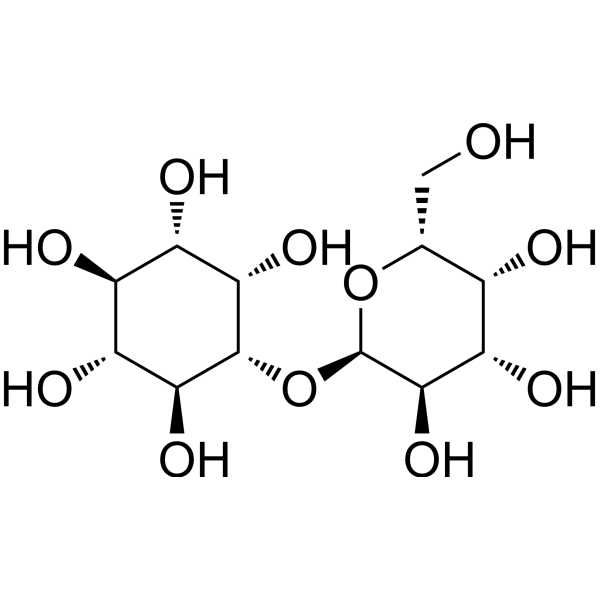
Galactinol is a disaccharide carbohydrate serving as a galactosyl donor, which belongs to the raffinose family oligosaccharide pathway and acts as an important osmoprotectant. Galactinol not only induces disease resistance in plants against fungal and bacterial pathogens, but also significantly enhances plant tolerance to abiotic stresses such as drought, high salinity, low temperature and oxidative damage. In addition, Galactinol has the ability to scavenge hydroxyl radicals, can act as a signaling component for root colonization-induced systemic resistance, and is positively correlated with seed longevity in various crops, making it a potential biomarker for evaluating seed vigor. Therefore, Galactinol can be used in the research of various plant diseases including fungal leaf spot, bacterial angular leaf spot, gray mold and soft rot .
|
-
-
- HY-126047A
-
-
-
- HY-B1972
-
|
Napropamid
|
Environmental Pollutants
DNA/RNA Synthesis
Herbicide
|
Others
|
|
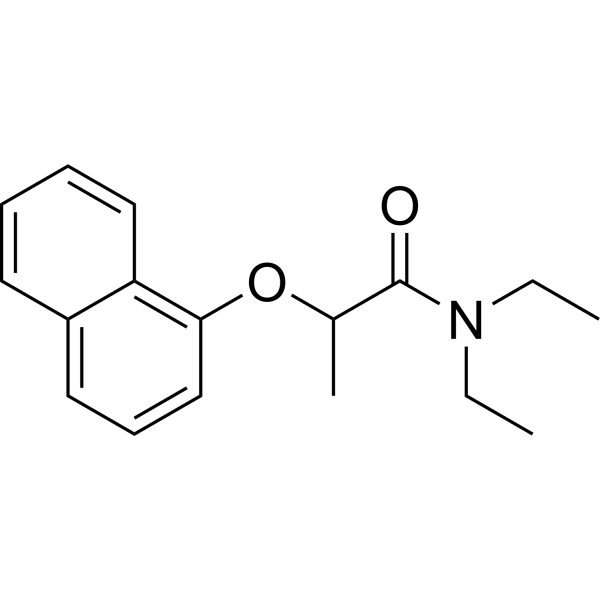
Napropamide (Napropamid) is an amide herbicide that can be used to control weeds in fruits, vegetables, tobacco, and ornamental plants. Napropamide mainly exerts its effect by inhibiting DNA synthesis and cell division. Napropamide has moderate to high persistence in the field, with a half-life of 24-131 days, and is prone to photodegradation .
|
-
-
- HY-41404
-
|
2H-1,3-benzodioxole-5-carboxylic acid
|
Cytochrome P450
Interleukin Related
EGFR
IGF-1R
|
Infection
Others
Cancer
|
|
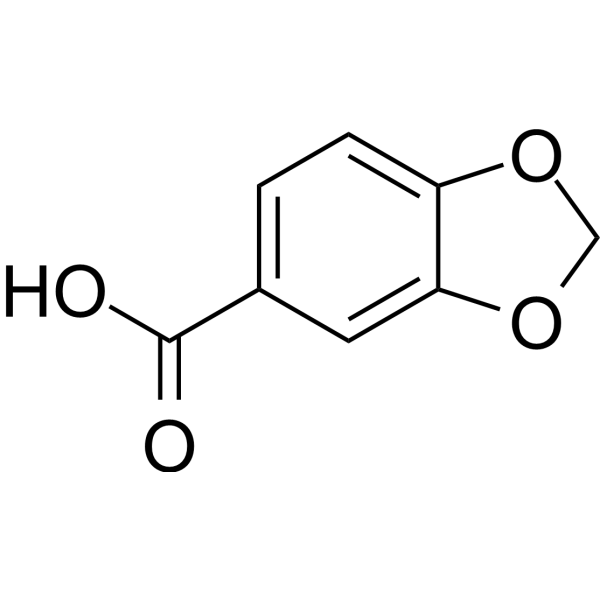
Piperonylic acid is a natural molecule bearing a methylenedioxy function that closely mimics the structure of trans-cinnamic acid. Piperonylic Acid is a selective, mechanism-based inactivator of the trans-cinnamate 4-Hydroxylase. Piperonylic acid has anticancer, antioxidant and antibacterial activities .
|
-
-
- HY-W011151
-
|
|
Phytohormone
|
Others
|
|
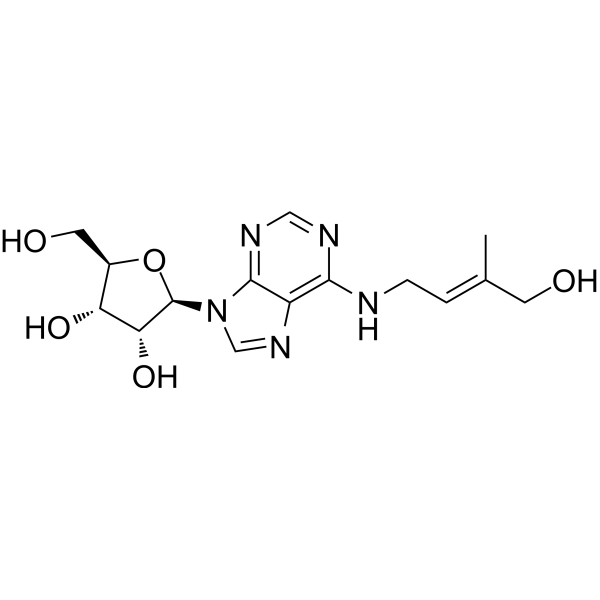
trans-Zeatinriboside is a zeatin-type cytokinin and plant growth regulator. trans-Zeatinriboside is produced by the terrestrial filamentous cyanobacterium Nostoc sp. HK-01 and Agrobacterium tumefaciens (including Ti plasmid-dependent and Ti plasmid-independent strains). trans-Zeatinriboside is detectable as a cytokinin component in growing crown galls, and accumulates in large amounts in CHRK1-silenced transgenic tobacco accompanied by pleiotropic developmental abnormalities. trans-Zeatinriboside can be used in studies related to crown galls .
|
-
-
- HY-B1673
-
|
|
Environmental Pollutants
Bacterial
|
Infection
Cancer
|
|
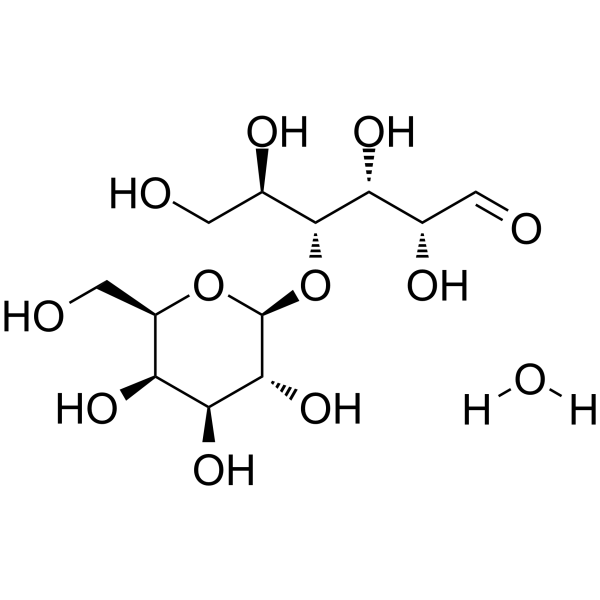
D-Lactose monohydrate is a sugar. D-Lactose monohydrate can be utilized by most bacteria. D-Lactose monohydrate promotes the growth of tobacco B6S3 tumor tissue. D-Lactose monohydrate is used in the research of the growth mechanism of plant tumor tissues and the sugar utilization of bacteria .
|
-
-
- HY-W016393
-
|
|
Endogenous Metabolite
|
Others
|
|
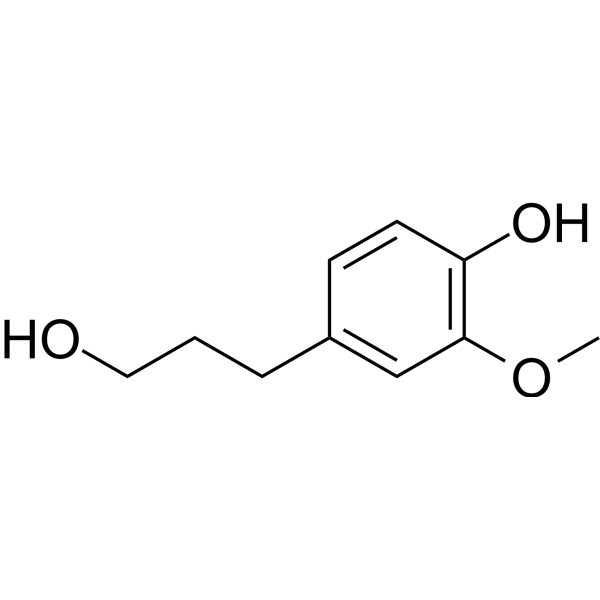
Dihydroconiferyl alcohol is a cell division factor. Dihydroconiferyl alcohol can be isolated from the American sycamore (Acer pseudoplatanus L.). Dihydroconiferyl alcohol inhibits the degradation of Indole-3-acetic acid (HY-18569). Dihydroconiferyl alcohol can stimulate the growth of soybean and tobacco callus tissue and synergistically enhance Indole-3-acetic acid-induced hypocotyl elongation in cucumber. Dihydroconiferyl alcohol can be used in the research of plant growth regulation .
|
-
-
- HY-N1033
-
|
|
Phytohormone
Drug Metabolite
Glycosyltransferase
|
Infection
|
|
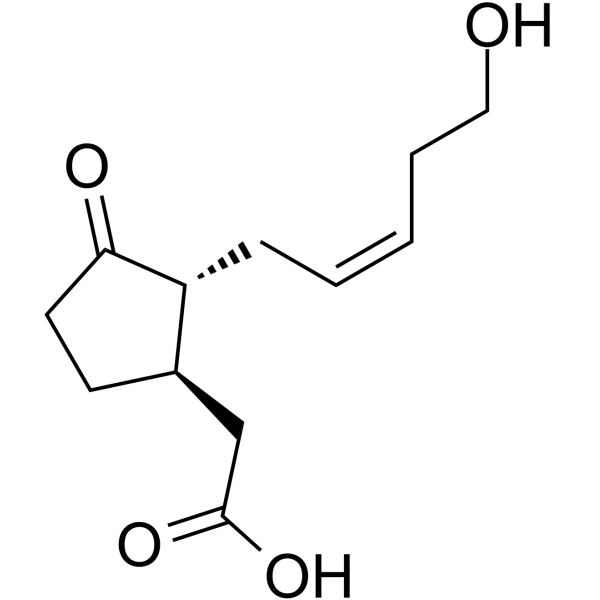
12-Hydroxyjasmonic acid is a metabolite of Jasmonic acid (HY-122464A) and an inducer of defense responses. 12-Hydroxyjasmonic acid can be isolated from potato leaflets. During the response of sugar beet plants to Cercospora beticola infection, 12-Hydroxyjasmonic acid is released through deglycosylation of its glucoside form and participates in the Jasmonic acid-mediated defense signaling pathway. 12-Hydroxyjasmonic acid mediates changes in source-sink relationships during pathogen infection, prioritizing the activation of defense processes over growth processes. 12-Hydroxyjasmonic acid serves as a substrate for salicylic acid Glycosyltransferases in tobacco and rice. 12-Hydroxyjasmonic acid can induce leaflet closure in Samanea saman. 12-Hydroxyjasmonic acid acts as a potato tuber-inducing substance. 12-Hydroxyjasmonic acid does not induce protoplast shrinkage in extensor motor cells of Samanea saman. 12-Hydroxyjasmonic acid can be used in studies related to brown spot disease .
|
-
-
- HY-W017232
-
|
p-Quinanisole
|
Biochemical Assay Reagents
|
Others
|
|
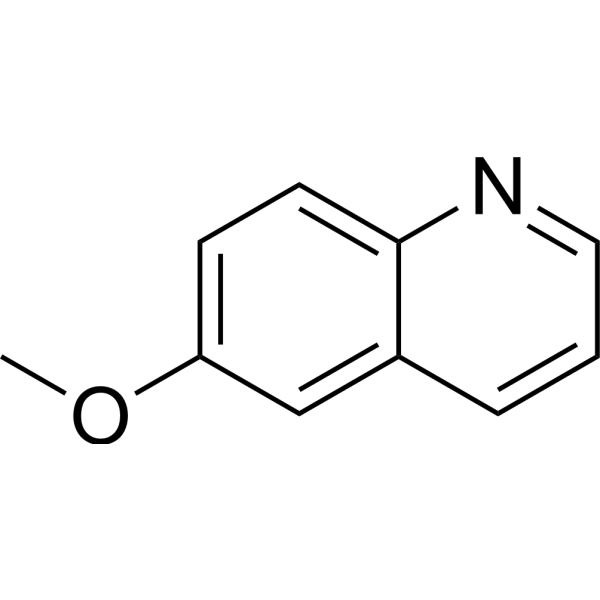
6-Methoxyquinoline consists of a quinoline ring system with a methoxy group attached to the sixth carbon atom. This compound occurs naturally in certain plants, such as tobacco and tea, and has been shown to have biological activities, including antioxidant, anti-inflammatory and antitumor properties. Furthermore, 6-Methoxyquinoline can be used as a building block for the synthesis of other organic compounds, especially those with potential pharmaceutical applications. Due to its ability to bind nucleic acids and proteins, it can also be used as a fluorescent probe in biochemical and biomedical research.
|
-
-
- HY-N13047
-
|
|
TMV
SOD
|
Infection
|
|
Ningnanmycin is a plant antiviral agent. Ningnanmycin binds to specific residues on the TMV CP disc, inhibits CP assembly, disassembles the CP disc into monomers, and disrupts the structure of the TMV CP disc to reduce pathogenicity. Ningnanmycin binds to key amino acids of PVY CP, interferes with CP-CP interactions, inhibits CP assembly and virion formation, and blocks PVY replication. Ningnanmycin induces the expression of antiviral response genes PRXIIB, PRXIIE, PUB4 and PER42, thereby activating the host defense system. Ningnanmycin can be used in studies related to Tobacco Mosaic Virus infection and Potato Virus Y infection .
|
-
-
- HY-118614
-
|
|
Drug Metabolite
|
Neurological Disease
|
|
β-Nicotyrine is a metabolite of Nicotine.β-Nicotyrine, isolated from the leaves of Nicotiana tabacum plants and from cigarette smoke condensate, is a minor tobacco alkaloid .
|
-
-
- HY-126047AR
-
|
|
Biochemical Assay Reagents
Reference Standards
|
Inflammation/Immunology
|
|
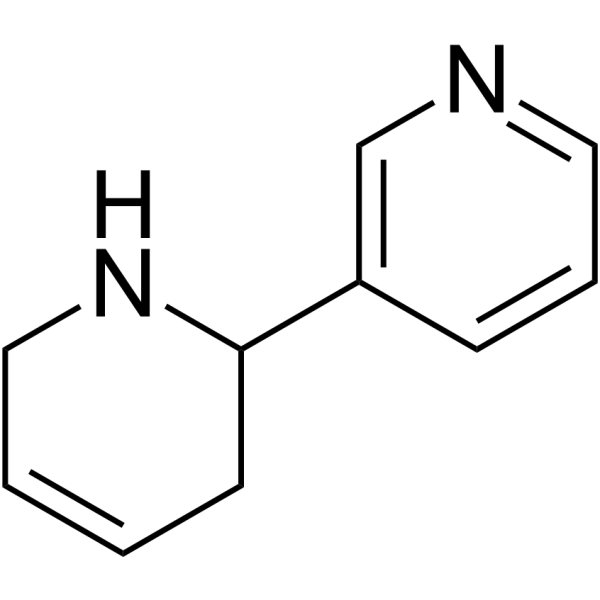
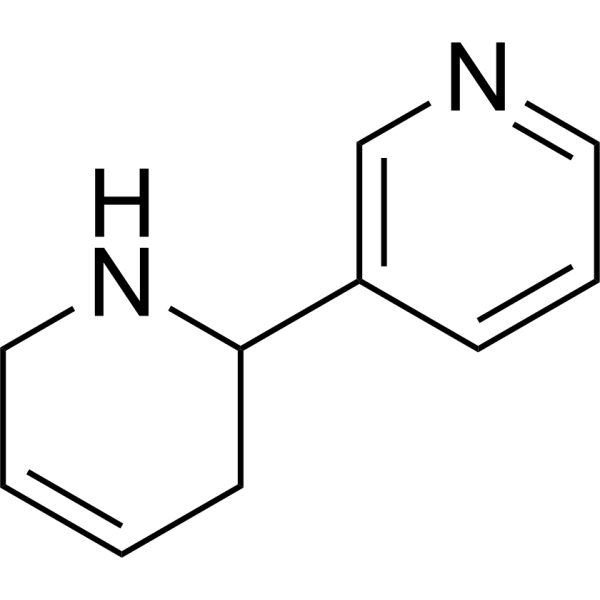
(R,S)-Anatabine (Standard) is the analytical standard of (R,S)-Anatabine (HY-126047A). This product is intended for research and analytical applications. (R,S)-Anatabine is a a minor tobacco alkaloid found in the Solanaceae family of plants that can be used as a specific marker for the detection of tobacco use .
|
-
-
- HY-121255
-
|
(R)-Cryptopleurine; NSC 19912
|
TMV
|
Cancer
|
|
(–)-Cryptopleurine is an alkaloid that has been found in Lauraceae and has diverse biological activities. It inhibits the growth of human A375 melanoma, A431 epidermoid carcinoma, A549 lung, MES-SA uterine sarcoma, and MCF-7 breast cancer cells (IC50=3 nM for all).2 (–)-Cryptopleurine inhibits hypoxia-induced gene expression in a hypoxia response element (HRE) reporter assay (IC50=8.7 nM).3 (–)-Cryptopleurine (500 μg/mL) prevents lesion formation in tobacco (N. tabacum) plants infected with tobacco mosaic virus (TMV). It also inhibits protein synthesis by yeast and mammalian ribosomes.
|
-
-
- HY-119698
-
|
SD 8339; N-Benzyl-9-(tetrahydro-2h-pyran-2-yl)adenine
|
Environmental Pollutants
Drug Derivative
|
Others
|
|
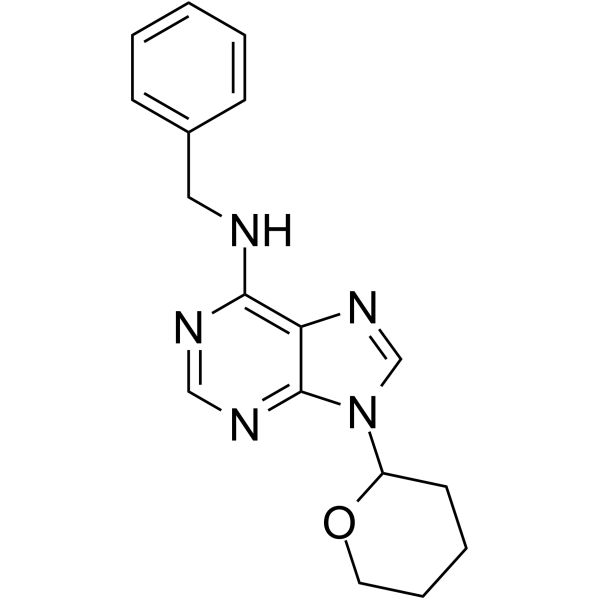
BAP9THP is a synthetic cytokinin derivative and a growth regulator. BAP9THP promotes chlorophyll retention (and senescence delay) in plant tissues exceptionally strongly, and growth of tobacco callus almost as strongly as 6-Benzylaminopurine (BAP). BAP9THP induces adventitious shoot formation ignificantly more strongly than N6-isopentenyladenine or Kinetin .
|
-
-
- HY-B1673R
-
|
|
Reference Standards
Bacterial
|
Infection
Cancer
|
|
D-Lactose monohydrate (Standard) is the analytical standard of D-Lactose monohydrate (HY-B1673). This product is intended for research and analytical applications. D-Lactose monohydrate is a sugar. D-Lactose monohydrate can be utilized by most bacteria. D-Lactose monohydrate promotes the growth of tobacco B6S3 tumor tissue. D-Lactose monohydrate is used in the research of the growth mechanism of plant tumor tissues and the sugar utilization of bacteria .
|
-
-
- HY-Y1083C
-
|
Salt of lemery, for cell culture
|
Biochemical Assay Reagents
|
Others
|
|
Potassium sulfate, for cell culture (Salt of lemery, for cell culture) can be used in plant cell culture and as a potassium source in media preparation, promoting cell growth and maintaining osmotic balance .
|
-
-
- HY-N6085
-
|
|
Others
|
Others
|
|
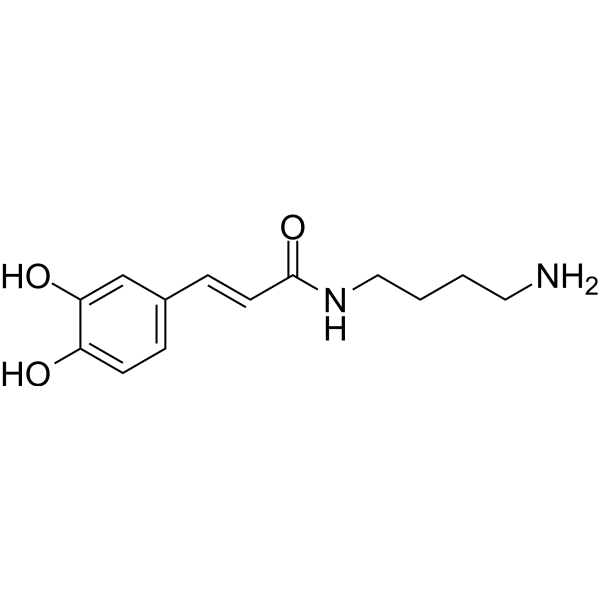
N-Caffeoylputrescine,(E)- is a caffeic acid amide found in the tobacco plants (Nicotiana tabacum L.) .
|
-
-
- HY-W016393R
-
|
|
Reference Standards
Endogenous Metabolite
|
Others
|
|
Dihydroconiferyl alcohol (Standard) is an analytical standard of Dihydroconiferyl alcohol (HY-W016393). This product is intended for research and analytical applications. Dihydroconiferyl alcohol is a cell division factor. Dihydroconiferyl alcohol can be isolated from the American sycamore (Acer pseudoplatanus L.). Dihydroconiferyl alcohol inhibits the degradation of Indole-3-acetic acid (HY-18569). Dihydroconiferyl alcohol can stimulate the growth of soybean and tobacco callus tissue and synergistically enhance Indole-3-acetic acid-induced hypocotyl elongation in cucumber. Dihydroconiferyl alcohol can be used in the research of plant growth regulation .
|
-
-
- HY-N0576R
-
|
|
Reference Standards
Endogenous Metabolite
Heme Oxygenase (HO)
HSP
p38 MAPK
Akt
Apoptosis
Caspase
PARP
|
Neurological Disease
Metabolic Disease
Inflammation/Immunology
|
|
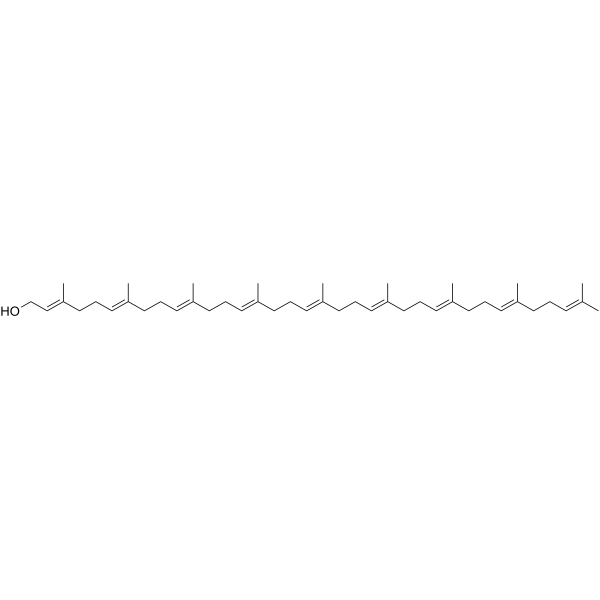
Solanesol (Standard) is the analytical standard of Solanesol (HY-N0576). This product is intended for research and analytical applications. Solanesol is an orally active aliphatic terpene alcohol. Solanesol is mainly found in tobacco and other Solanaceae plants. Solanesol induces HO-1 and Hsp70 expression, activates p38 and Akt signaling pathways, and inhibits Apoptosis (reduces caspase-3 and PARP cleavage). Solanesol has antioxidant, anti-inflammatory, and neuroprotective activities. Solanesol can be used in the research of Huntington's disease, alcoholic liver disease, chronic inflammatory pain, anxiety, Alzheimer's disease, and bipolar disorder .
|
-
-
- HY-121109
-
|
|
Environmental Pollutants
Fungal
|
Infection
|
|
Benalaxyl is a systemic fungicide. Benalaxyl exhibits inhibitory activity against downy mildew (Peronospora tabacina) in tobacco plants. Benalaxyl can be used in studies related to downy mildew .
|
-
-
- HY-N10110
-
|
|
TMV
|
Infection
|
|
(±)-Phrymarolin II is a promising new class of plant virus (tobacco mosaic virus) inhibitors.
|
-
-
- HY-126047AS
-
-
-
- HY-152259
-
|
|
DNA/RNA Synthesis
TMV
|
Infection
|
|
TMV-IN-4 (compound 3) is a tobacco mosaic virus (TMV) inhibitor that effectively induces resistance and enhances plant tolerance to TMV infection by interacting with TMV helicase. TMV-IN-4 enhances peroxidase and superoxide dismutase activity, thereby increasing resistance to TMV in tobacco .
|
-
-
- HY-163999
-
|
|
TMV
|
Infection
|
|
TMV-IN-12 (compound 4) is an inhibitor of tobacco mosaic virus (TMV) with antifungal properties. TMV-IN-12 effectively prevents TMV particle aggregation and self-assembly of TMV capsid protein (TMV-CP) (Kd=0.142 μM), preventing TMV from infecting tobacco plants .
|
-
-
- HY-N1836
-
|
3-Hydroxy-3-acetonyloxindole
|
TMV
|
Infection
|
|
3-Acetonyl-3-hydroxyoxindole (AHO) is a potent systemic acquired resistance (SAR) inducer in plants. 3-Acetonyl-3-hydroxyoxindole induces resistance in tobacco plants against infection with tobacco mosaic virus (TMV) and the fungal pathogen Erysiphe cichoracearum. 3-Acetonyl-3-hydroxyoxindole increases the level of pathogenesis-related gene 1 (PR-1) expression, salicylic acid (SA) accumulation and phenylalanine ammonia-lyase activity .
|
-
-
- HY-155044
-
|
|
TMV
Fungal
|
Infection
|
|
TMV-IN-5 (compound 1a) is an anti-plant virus/fungal agent. TMV-IN-5 inhibits viral assembly by binding to tobacco mosaic virus (TMV) CP. TMV-IN-5 can be used in the development of pesticides .
|
-
-
- HY-B1972R
-
|
Napropamid (Standard)
|
Herbicide
Reference Standards
DNA/RNA Synthesis
|
Others
|
|
Napropamide (Standard) (Napropamid (Standard)) is the analytical standard of Napropamide (HY-B1972). This product is intended for research and analytical applications. Napropamide (Napropamid) is an amide herbicide that can be used to control weeds in fruits, vegetables, tobacco, and ornamental plants. Napropamide mainly exerts its effect by inhibiting DNA synthesis and cell division. Napropamide has moderate to high persistence in the field, with a half-life of 24-131 days, and is prone to photodegradation.
|
-
-
- HY-41404R
-
|
2H-1,3-benzodioxole-5-carboxylic acid (Standard)
|
Cytochrome P450
Interleukin Related
EGFR
IGF-1R
Reference Standards
|
Infection
Others
Cancer
|
|
Piperonylic acid (Standard) is the analytical standard of Piperonylic acid. This product is intended for research and analytical applications. Piperonylic acid is a natural molecule bearing a methylenedioxy function that closely mimics the structure of trans-cinnamic acid. Piperonylic Acid is a selective, mechanism-based inactivator of the trans-cinnamate 4-Hydroxylase. Piperonylic acid has anticancer, antioxidant and antibacterial activities .
|
-
-
- HY-W681749
-
|
Morphactin
|
Biochemical Assay Reagents
|
Others
|
|
Morphactin Chlorflurenol methyl (Morphactin) is a plant growth regulator. Morphactin Chlorflurenol methyl preserves chlorophyll and suppresses senescence. Morphactin Chlorflurenol methyl regulates chlorophyll metabolic enzymes and alleviates heat-induced leaf senescence by enhancing chlorophyll content and reducing electrolyte leakage. Morphactin Chlorflurenol methyl promotes shoot redifferentiation and tracheary element development in tobacco calluses. Morphactin Chlorflurenol methyl can be applied to the investigation of heat-induced leaf senescence .
|
-
-
- HY-126047S
-
-
-
- HY-W017143
-
|
|
Fungal
|
Infection
|
|
Antifungal agent 158 is an α-pyrone derivative that can be found in Trichoderma harzianum, exhibiting antifungal activity against select plant-pathogenic fungi, including Chaetomium spp., Curvularia lunata, and Aspergillus flavus. Antifungal agent 158 is non-toxic to greenhouse-grown bean, corn, and tobacco plants. Antifungal agent 158 can be used for research on Aspergillus flavus infection .
|
-
-
- HY-118614R
-
|
|
Reference Standards
Drug Metabolite
|
Neurological Disease
|
|
β-Nicotyrine (Standard) is the analytical standard of β-Nicotyrine. This product is intended for research and analytical applications. β-Nicotyrine is a metabolite of Nicotine.β-Nicotyrine, isolated from the leaves of Nicotiana tabacum plants and from cigarette smoke condensate, is a minor tobacco alkaloid .
|
-
-
- HY-W724357
-
|
Napropamid-d10
|
Isotope-Labeled Compounds
DNA/RNA Synthesis
Herbicide
|
Others
|
|
Napropamide-d10 (Napropamid-d10) is the deuterium labeled Napropamide (HY-B1972). Napropamide (Napropamid) is an amide herbicide that can be used to control weeds in fruits, vegetables, tobacco, and ornamental plants. Napropamide mainly exerts its effect by inhibiting DNA synthesis and cell division. Napropamide has moderate to high persistence in the field, with a half-life of 24-131 days, and is prone to photodegradation .
|
-
-
- HY-119698R
-
|
SD 8339 (Standard); N-Benzyl-9-(tetrahydro-2h-pyran-2-yl)adenine (Standard)
|
Drug Derivative
Reference Standards
|
Others
|
|
BAP9THP (Standard) is the analytical standard of BAP9THP. This product is intended for research and analytical applications. BAP9THP is a synthetic cytokinin derivative and a growth regulator. BAP9THP promotes chlorophyll retention (and senescence delay) in plant tissues exceptionally strongly, and growth of tobacco callus almost as strongly as 6-Benzylaminopurine (BAP). BAP9THP induces adventitious shoot formation ignificantly more strongly than N6-isopentenyladenine or Kinetin .
|
-
-
- HY-118989
-
|
|
Insecticide
Endogenous Metabolite
|
Infection
|
|
Ajugalactone is a phytoecdysteroid found in plants of the Ajuga genus. Ajugalactone shows both ecdysone (HY-N0179) agonist activity and anti‑ponasterone A (HY-N1534) antagonist activity. Ajugalactone significantly disrupts insect molting and developmental processes. Ajugalactone acts as an insect growth regulator that interferes with insect molting. Ajugalactone induces complete mortality in first‑instar larvae of the greenhouse whitefly. Ajugalactone can be used for research on insect‑plant interactions and insect growth regulation .
|
-
-
- HY-N9497
-
|
|
生化学アッセイ試薬
|
|
Galactinol is a disaccharide carbohydrate serving as a galactosyl donor, which belongs to the raffinose family oligosaccharide pathway and acts as an important osmoprotectant. Galactinol not only induces disease resistance in plants against fungal and bacterial pathogens, but also significantly enhances plant tolerance to abiotic stresses such as drought, high salinity, low temperature and oxidative damage. In addition, Galactinol has the ability to scavenge hydroxyl radicals, can act as a signaling component for root colonization-induced systemic resistance, and is positively correlated with seed longevity in various crops, making it a potential biomarker for evaluating seed vigor. Therefore, Galactinol can be used in the research of various plant diseases including fungal leaf spot, bacterial angular leaf spot, gray mold and soft rot .
|
-
- HY-W017232
-
|
p-Quinanisole
|
生化学アッセイ試薬
|
|
6-Methoxyquinoline consists of a quinoline ring system with a methoxy group attached to the sixth carbon atom. This compound occurs naturally in certain plants, such as tobacco and tea, and has been shown to have biological activities, including antioxidant, anti-inflammatory and antitumor properties. Furthermore, 6-Methoxyquinoline can be used as a building block for the synthesis of other organic compounds, especially those with potential pharmaceutical applications. Due to its ability to bind nucleic acids and proteins, it can also be used as a fluorescent probe in biochemical and biomedical research.
|
-
- HY-Y1083C
-
|
Salt of lemery, for cell culture
|
生化学アッセイ試薬
|
|
Potassium sulfate, for cell culture (Salt of lemery, for cell culture) can be used in plant cell culture and as a potassium source in media preparation, promoting cell growth and maintaining osmotic balance .
|
-
- HY-K0539
-
|
|
|
MCE Plant Tissue Direct PCR Kit (with Dye) is specifically designed for direct amplification from various plant leaf samples. The kit enables rapid release of genomic DNA from plant tissues (such as rice, maize, tobacco, rapeseed, etc.) in a single step. The resulting lysate can be directly used for downstream PCR amplification without the need for conventional DNA extraction and purification, thereby significantly simplifying the experimental workflow.
|
| 製品番号 |
製品名 |
Category |
Target |
構造式 |
-
- HY-N0576
-
-
-
- HY-N9497
-
|
|
Source Classification
|
Galectin
Fungal
|
|
Galactinol is a disaccharide carbohydrate serving as a galactosyl donor, which belongs to the raffinose family oligosaccharide pathway and acts as an important osmoprotectant. Galactinol not only induces disease resistance in plants against fungal and bacterial pathogens, but also significantly enhances plant tolerance to abiotic stresses such as drought, high salinity, low temperature and oxidative damage. In addition, Galactinol has the ability to scavenge hydroxyl radicals, can act as a signaling component for root colonization-induced systemic resistance, and is positively correlated with seed longevity in various crops, making it a potential biomarker for evaluating seed vigor. Therefore, Galactinol can be used in the research of various plant diseases including fungal leaf spot, bacterial angular leaf spot, gray mold and soft rot .
|
-
-
- HY-41404
-
-
-
- HY-W011151
-
-
-
- HY-B1673
-
-
-
- HY-W016393
-
-
-
- HY-N13047
-
|
|
Structural Classification
Microorganisms
Antibiotics
Other Antibiotics
Source Classification
|
TMV
SOD
|
|
Ningnanmycin is a plant antiviral agent. Ningnanmycin binds to specific residues on the TMV CP disc, inhibits CP assembly, disassembles the CP disc into monomers, and disrupts the structure of the TMV CP disc to reduce pathogenicity. Ningnanmycin binds to key amino acids of PVY CP, interferes with CP-CP interactions, inhibits CP assembly and virion formation, and blocks PVY replication. Ningnanmycin induces the expression of antiviral response genes PRXIIB, PRXIIE, PUB4 and PER42, thereby activating the host defense system. Ningnanmycin can be used in studies related to Tobacco Mosaic Virus infection and Potato Virus Y infection .
|
-
-
- HY-B1673R
-
-
-
- HY-N6085
-
-
-
- HY-W016393R
-
|
|
Monophenols
other families
Phenols
Plants
Source Classification
|
Reference Standards
Endogenous Metabolite
|
|
Dihydroconiferyl alcohol (Standard) is an analytical standard of Dihydroconiferyl alcohol (HY-W016393). This product is intended for research and analytical applications. Dihydroconiferyl alcohol is a cell division factor. Dihydroconiferyl alcohol can be isolated from the American sycamore (Acer pseudoplatanus L.). Dihydroconiferyl alcohol inhibits the degradation of Indole-3-acetic acid (HY-18569). Dihydroconiferyl alcohol can stimulate the growth of soybean and tobacco callus tissue and synergistically enhance Indole-3-acetic acid-induced hypocotyl elongation in cucumber. Dihydroconiferyl alcohol can be used in the research of plant growth regulation .
|
-
-
- HY-N0576R
-
-
-
- HY-N10110
-
-
-
- HY-N1836
-
-
-
- HY-41404R
-
-
-
- HY-W017143
-
|
|
Structural Classification
Microorganisms
Ketones, Aldehydes, Acids
Source Classification
|
Fungal
|
|
Antifungal agent 158 is an α-pyrone derivative that can be found in Trichoderma harzianum, exhibiting antifungal activity against select plant-pathogenic fungi, including Chaetomium spp., Curvularia lunata, and Aspergillus flavus. Antifungal agent 158 is non-toxic to greenhouse-grown bean, corn, and tobacco plants. Antifungal agent 158 can be used for research on Aspergillus flavus infection .
|
-
-
- HY-118989
-
-
-
- HY-126047AS
-
|
|
|
(R,S)-Anatabine-d4 is a deuterated labeled (R,S)-Anatabine (HY-126047A). (R,S)-Anatabine is a a minor tobacco alkaloid found in the Solanaceae family of plants that can be used as a specific marker for the detection of tobacco use .
|
-
-
- HY-126047S
-
|
|
|
(R,S)-Anatabine-d4 hydrochloride is the deuterium labeled (R,S)-Anatabine hydrochloride (HY-126047A). (R,S)-Anatabine is a a minor tobacco alkaloid found in the?Solanaceae?family of?plants?that can be used as a specific marker for the detection of tobacco use.
|
-
-
- HY-W724357
-
|
|
|
Napropamide-d10 (Napropamid-d10) is the deuterium labeled Napropamide (HY-B1972). Napropamide (Napropamid) is an amide herbicide that can be used to control weeds in fruits, vegetables, tobacco, and ornamental plants. Napropamide mainly exerts its effect by inhibiting DNA synthesis and cell division. Napropamide has moderate to high persistence in the field, with a half-life of 24-131 days, and is prone to photodegradation .
|
-
入力情報は安全に管理されます. ※ 必須入力項目.
Inquiry Information
- 製品名:
- 製品番号:
- 数量:
- MCE 日本正規代理店:

