Search Result
Results for "
vascular resistance
" in MedChemExpress (MCE) Product Catalog:
2
Biochemical Assay Reagents
11
Isotope-Labeled Compounds
| Cat. No. |
Product Name |
Target |
Research Areas |
Chemical Structure |
-
- HY-B0309
-
|
|
Calcium Channel
Autophagy
|
Cardiovascular Disease
|
|
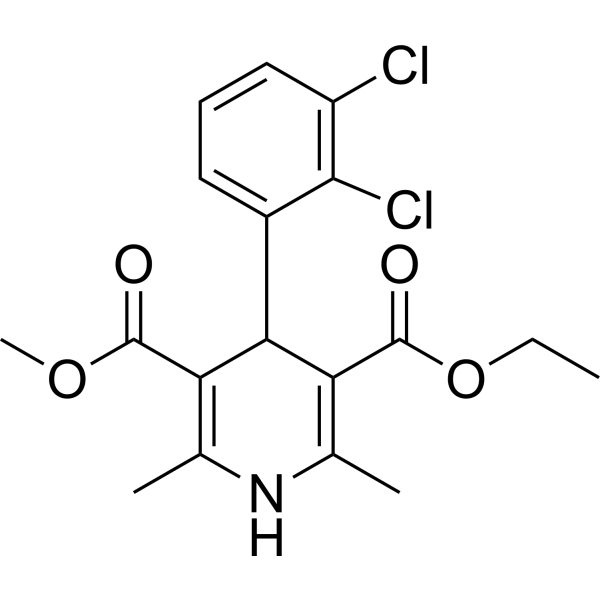
Felodipine, a dihydropyridine, is a potent, vasoselective calcium channel antagonist. Felodipine lowers blood pressure (BP) by selective action on vascular smooth muscle, especially in the resistance vessels. Felodipine, an anti-hypertensive agent, induces autophagy. Felodipine can cross the blood-brain barrier .
|
-
-
- HY-12717
-
Phentolamine
Maximum Cited Publications
6 Publications Verification
|
Adrenergic Receptor
|
Cardiovascular Disease
Endocrinology
|
|
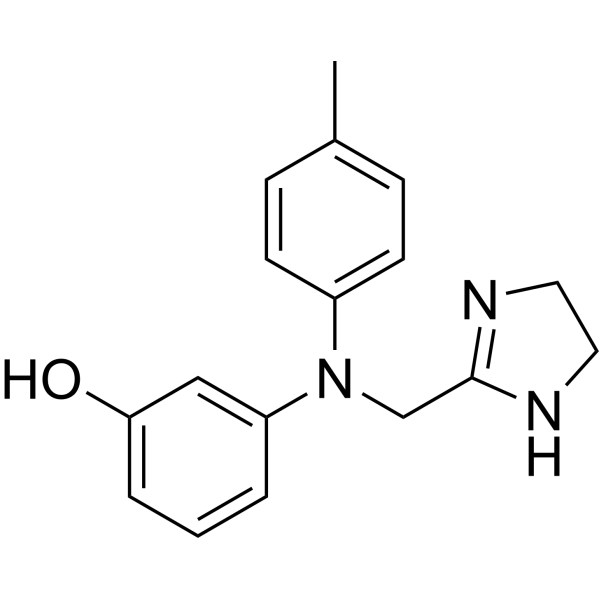
Phentolamine is an orally active, selective α1 and α2 Adrenergic receptor antagonist. Phentolamine antagonizes the vasodilatory effect of Cromakalim (HY-110011) on isolated circumflex coronary artery segments in dogs. Phentolamine reduces systemic vascular resistance and increases cardiac output. Phentolamine improves erectile dysfunction. Phentolamine can be used for the research of erectile dysfunction .
|
-
-
- HY-B0259
-
|
|
Potassium Channel
|
Cardiovascular Disease
|
|
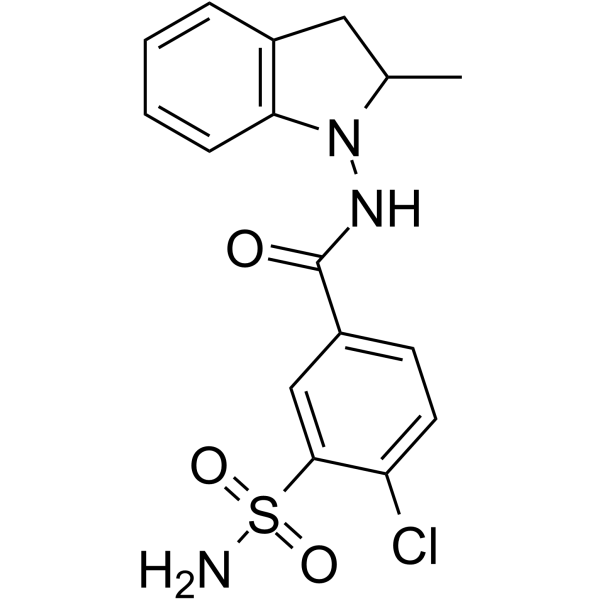
Indapamide is an orally active sulphonamide diuretic agent, that can reduce blood pressure by decreasing vascular reactivity and peripheral vascular resistance. Indapamide is also can reduce left ventricular hypertrophy .
|
-
-
- HY-B0362A
-
|
Phentolamine methanesulfonate
|
Adrenergic Receptor
|
Cardiovascular Disease
Endocrinology
Cancer
|
|
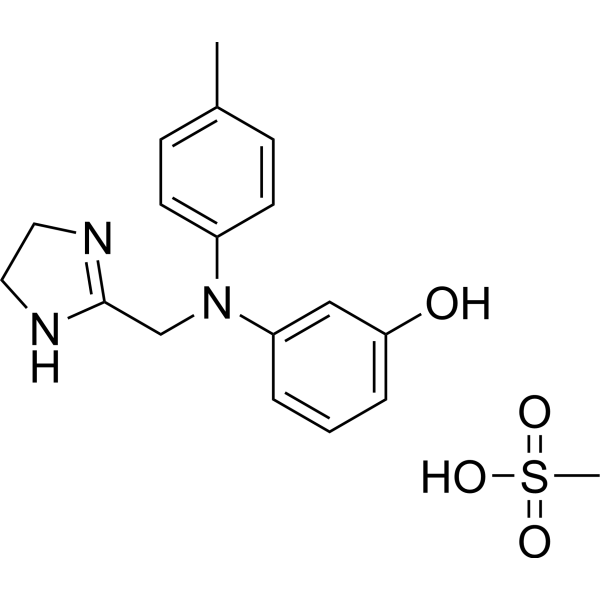
Phentolamine mesylate (Phentolamine methanesulfonate) is a reversible, non-selective, and orally active blocker of α1 and α2 adrenergic receptor that expands blood vessels to reduce peripheral vascular resistance. Phentolamine mesylate can be used for the research of pheochromocytoma-related hypertension, heart failure and erectile dysfunction .
|
-
-
- HY-17436
-
|
|
Calcium Channel
|
Cardiovascular Disease
Cancer
|
|
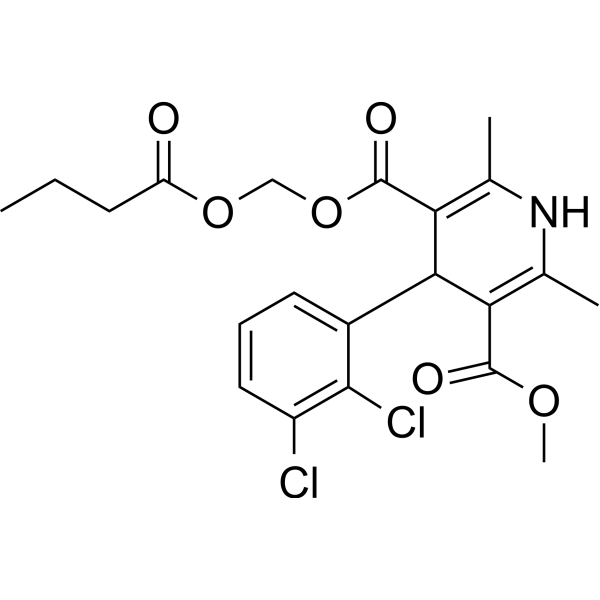
Clevidipine is a selective, short-acting L-type calcium channel antagonist with an IC50 of 7.1 nM. Clevidipine can competitively bind to calcium channels and exert rapid vasoselective vasodilation by blocking the influx of extracellular calcium ions, thereby reducing peripheral vascular resistance and effectively controlling acute severe hypertension. Clevidipine can also protect the myocardium from reperfusion injury by promoting the release of nitric oxide (NO). Clevidipine can be used in the research of acute hypertension, perioperative blood pressure management, and myocardial ischemia-reperfusion injury .
|
-
-
- HY-B1815
-
|
Xanthinol Niacinate
|
PDGFR
|
Cardiovascular Disease
|
|
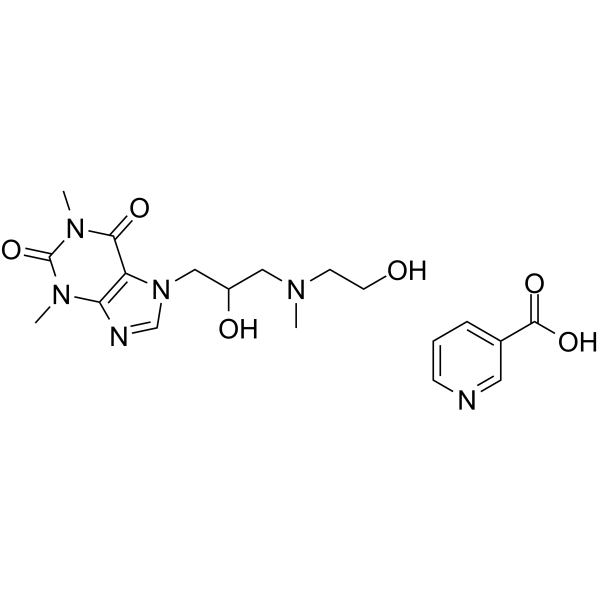
Xanthinol Nicotinate (Xanthinol Niacinate), a vasodilator, can act directly on the smooth muscle of small arteries and capillaries. Xanthinol Nicotinate expands blood vessels, improves blood rheology and reduces peripheral vascular resistance .
|
-
-
- HY-W005255
-
|
|
Endogenous Metabolite
|
Cardiovascular Disease
|
|
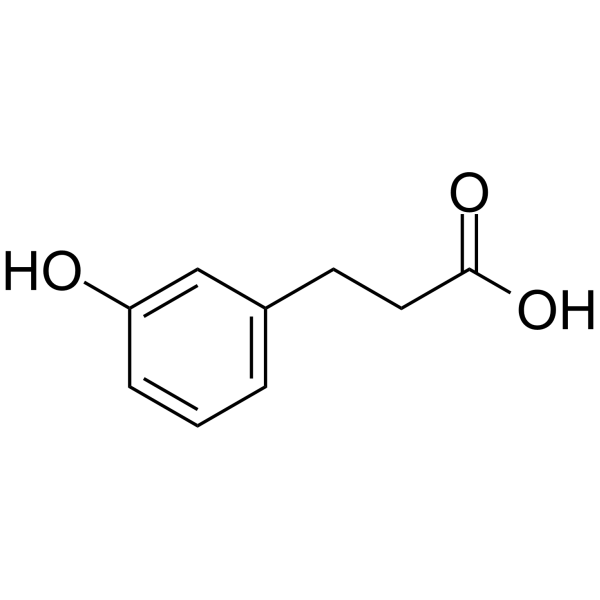
3-(3-Hydroxyphenyl)propionic acid (3HPPA) is an endothelium-dependent nitric oxide (NO) release promoter and endothelial nitric oxide synthase (eNOS) activator. 3-(3-Hydroxyphenyl)propionic acid activates eNOS to mediate vascular smooth muscle relaxation and enhances endothelial cell NO synthesis, inducing vasodilation and reducing peripheral vascular resistance. 3-(3-Hydroxyphenyl)propionic acid can dose-dependently reduce systolic and diastolic blood pressure in spontaneously hypertensive rats (SHR) without affecting cardiac contractility or heart rate. 3-(3-Hydroxyphenyl)propionic acid has antihypertensive and vascular protective effects and can be used in the prevention and treatment of cardiovascular diseases .
|
-
-
- HY-107322
-
|
Mepirodipine hydrochloride; YM-09730-5
|
Calcium Channel
|
Cardiovascular Disease
|
|
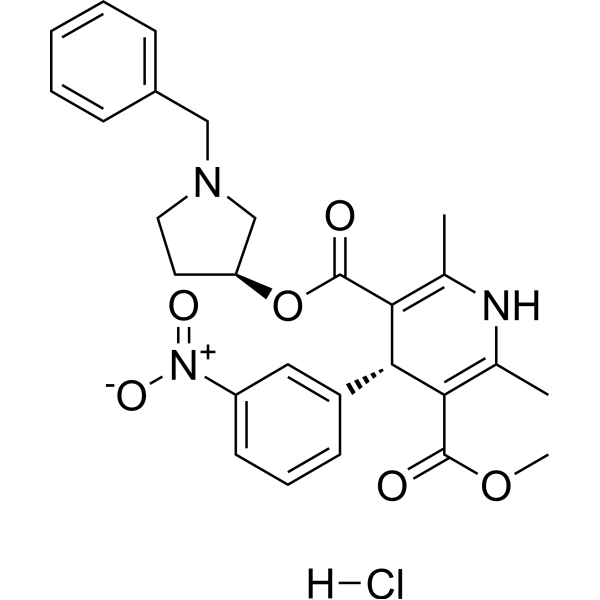
Barnidipine (Mepirodipine) hydrochloride is an L-type calcium antagonist (CaA) with high affinity for [ 3H] initrendipine binding sites (Ki = 0.21 nmol/L, has selective action against CaA receptors. Barnidipine hydrochloride is an orally active antihypertensive agent that can reduce the level of platelet-derived growth factor B-chain mRNA and peripheral vascular resistance .
|
-
-
- HY-B2141
-
|
|
NO Synthase
HIF/HIF Prolyl-Hydroxylase
|
Cardiovascular Disease
Others
Metabolic Disease
|
|
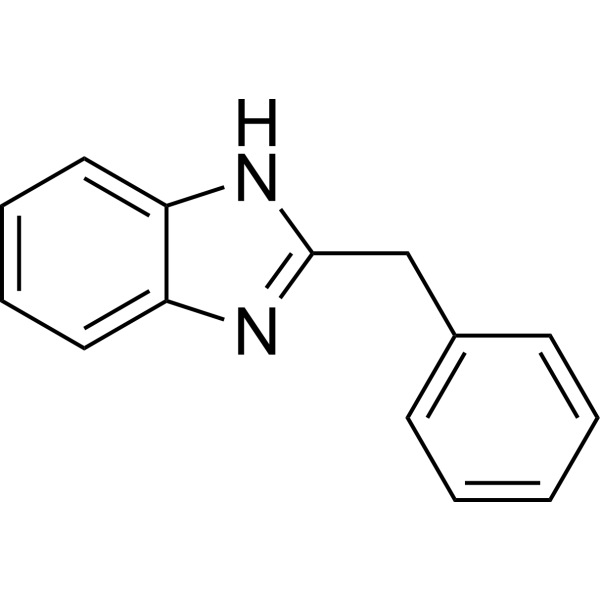
Bendazol is an orally effective antihypertensive agent. Bendazol acts directly on vascular smooth muscle to dilate blood vessels and reduce peripheral resistance, thereby improving blood circulation. Bendazol significantly inhibits the development of myopia in rabbit models. Bendazol can regulate kidney function by increasing the activity of NO synthase in the rat model of nephrogenic hypertension. In addition, Bendazol has an effect on sexual behavior and spermatogenesis in male rats .
|
-
-
- HY-A0066A
-
|
Imidaline hydrochloride; NSC35110 hydrochloride
|
Adrenergic Receptor
|
Cardiovascular Disease
Endocrinology
|
|
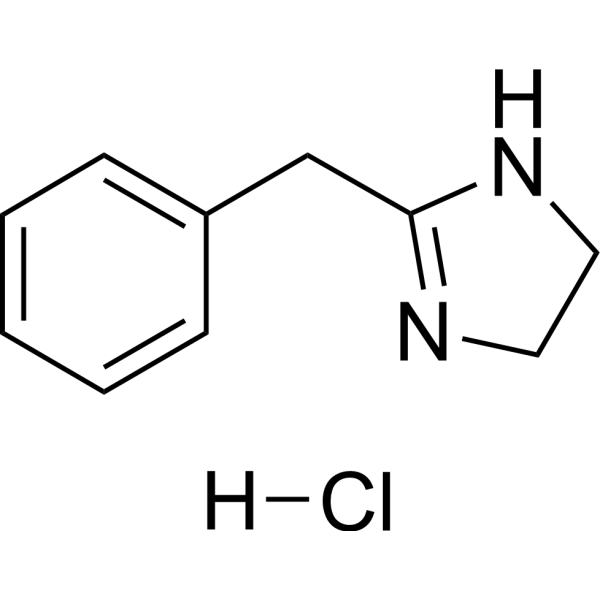
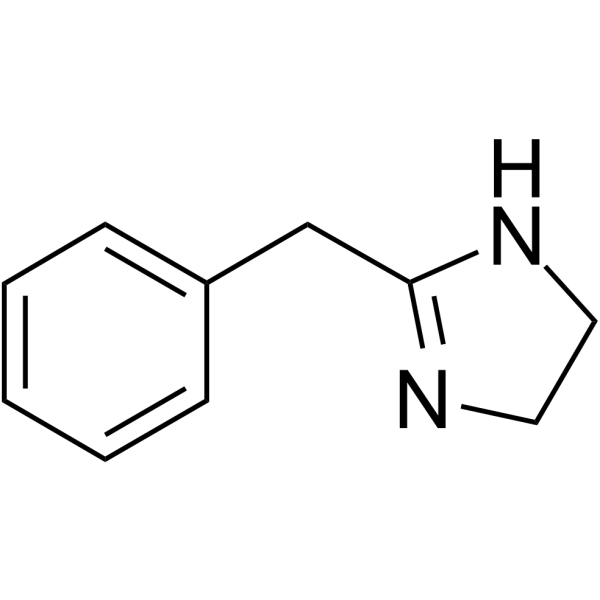
Tolazoline hydrochloride (Imidaline hydrochloride) is an α-adrenergic receptor antagonist. Tolazoline hydrochloride inhibits Noradrenaline (HY-13715)-induced cell contraction, modulates vascular resistance, increases arterial pressure, and reverses bradycardia and tachypnea. Tolazoline hydrochloride can be used to study erectile dysfunction, α2-adrenergic receptor agonist-related poisoning, and skin vascular disease research .
|
-
-
- HY-12717A
-
|
|
Adrenergic Receptor
|
Cardiovascular Disease
Endocrinology
|
|
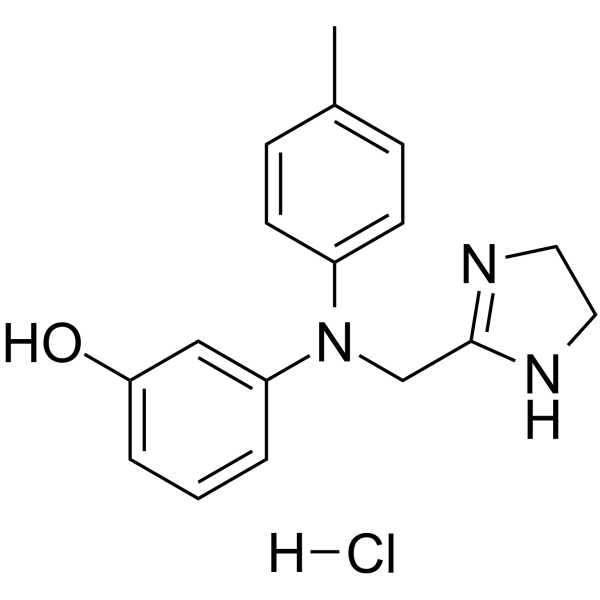
Phentolamine hydrochloride is an orally active, selective α1 and α2 Adrenergic receptor antagonist. Phentolamine hydrochloride antagonizes the vasodilatory effect of Cromakalim (HY-110011) on isolated circumflex coronary artery segments in dogs. Phentolamine hydrochloride reduces systemic vascular resistance and increases cardiac output. Phentolamine hydrochloride improves erectile dysfunction. Phentolamine hydrochloride can be used for the research of erectile dysfunction .
|
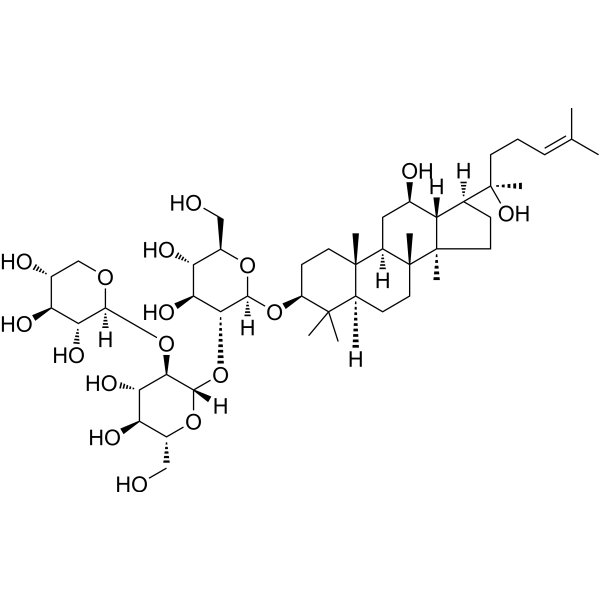
-
-
- HY-103460
-
|
|
Endothelin Receptor
|
Cardiovascular Disease
|
|
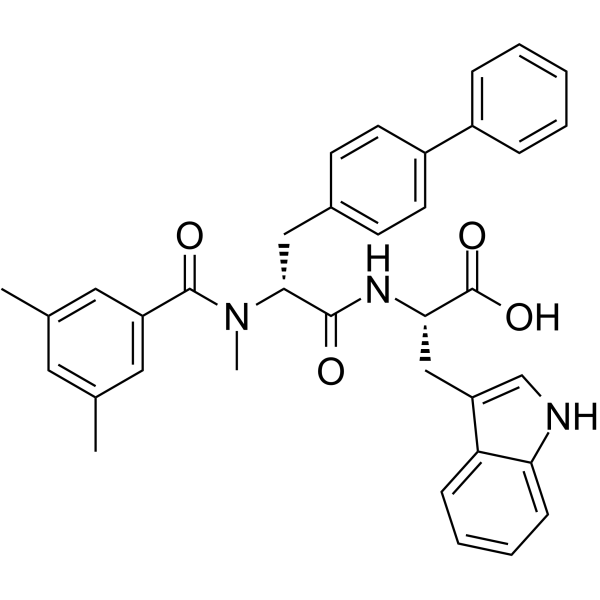
IRL 2500 is a potent Endothelin receptor antagonist. IRL 2500 shows IC50 values of 1.3 and 94 nM for ETB and ETA receptors, respectively. IRL 2500 inhibits ETB receptor-mediated blood pressure increase and renal vascular resistance in rats in vivo .
|
-
-
- HY-A0066
-
|
Imidaline; NSC35110
|
Adrenergic Receptor
|
Cardiovascular Disease
Endocrinology
|
|
Tolazoline (Imidaline) is an α-adrenergic receptor antagonist. Tolazoline inhibits Noradrenaline (HY-13715)-induced cell contraction, modulates vascular resistance, increases arterial pressure, and reverses bradycardia and tachypnea. Tolazoline can be used to study erectile dysfunction, α2-adrenergic receptor agonist-related poisoning, and skin vascular disease research .
|
-
-
- HY-P0083
-
|
POR-8
|
Vasopressin Receptor
|
Cardiovascular Disease
|
|
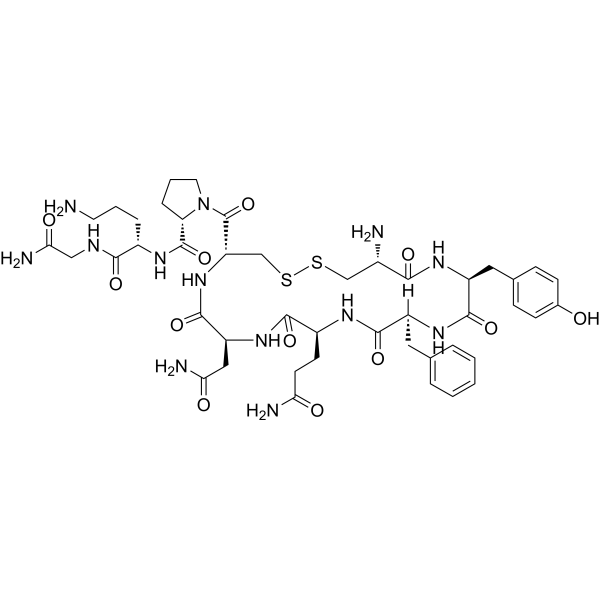
Ornipressin (POR-8) is a vasopressin agonist specific for the V1 receptor. Ornipressin can be used as a local vasoconstrictor. Ornipressin can reverse the hypotension associated with combine general/epidural anesthesia. Ornipressin has antidiuretic activity. Ornipressin decreases renal vascular resistance and increases renal blood flow in renal failure model .
|
-
-
- HY-17428
-
|
|
Histamine Receptor
|
Neurological Disease
Inflammation/Immunology
|
|
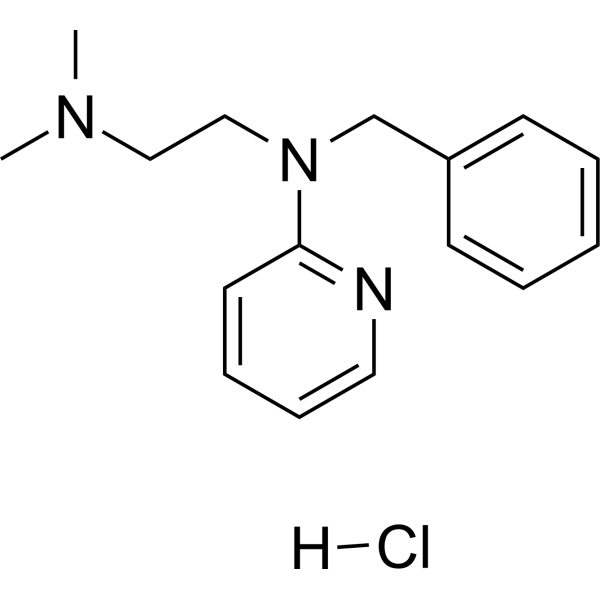
Tripelennamine hydrochloride is a histamine H1-receptor antagonist. Tripelennamine hydrochloride effectively reverses histamine-induced bronchoconstriction, increased transpulmonary pressure, elevated pulmonary vascular resistance and reduced dynamic compliance. Tripelennamine hydrochloride does not significantly affect arterial hypoxemia, hemoglobin desaturation and hypercapnia in horses undergoing short-term high-intensity exercise. Tripelennamine hydrochloride exhibits local and central analgesic activity. Tripelennamine hydrochloride can be used in studies related to emphysema, urticaria and acute laminitis .
|
-
-
- HY-N7065
-
|
|
Drug Derivative
|
Cardiovascular Disease
Neurological Disease
|
|
Dihydralazine sulfate is an antihypertensive hydrazine derivative and also a low-potency genotoxic agent. Dihydralazine sulfate is a direct-acting mutagen with a mixed gene mutation mechanism, which induces DNA fragmentation in the lung, kidney and spleen of mice, and induces sister chromatid exchange in mouse bone marrow cells. Dihydralazine sulfate specifically kills DNA repair-deficient bacteria. Dihydralazine sulfate is a vasodilator and antihypertensive agent that reduces systemic vascular resistance, increases cardiac output and heart rate, thereby lowering blood pressure. Dihydralazine sulfate can be used in research related to hypertension and severe early-onset preeclampsia .
|
-
-
- HY-N0910
-
-
-
- HY-106690
-
-
-
- HY-B1298
-
|
|
Adrenergic Receptor
|
Neurological Disease
Endocrinology
|
|
Methoxamine hydrochloride is a selective alpha1-adrenergic receptor agonist. Methoxamine hydrochloride causes vasoconstriction and increased peripheral vascular resistance . Methoxamine hydrochloride significantly increased the overflow of ATP, ADP and AMP, but not adenosine, by a prazosin-sensitive mechanism in the rabbit pulmonary artery .
|
-
-
- HY-121235
-
|
SCH-10304
|
COX
Calcium Channel
TGF-β Receptor
|
Neurological Disease
Inflammation/Immunology
|
|
Clonixin (SCH-10304) is an orally active non-steroidal anti-inflammatory agent (NSAID) that inhibits COX synthesis. Clonixin acts as a voltage-gated L-type calcium channel blocker, exerts vasodilatory effects by antagonizing Ca 2+ in vascular smooth muscle. Clonixin inhibits TGF-β, reduces lung coefficient, immune cell infiltration level, oxidative stress response, airway resistance, hydroxyproline content and collagen deposition. Clonixin can be used in research related to inflammation such as idiopathic pulmonary fibrosis and moderate to severe pain .
|
-
-
- HY-A0144A
-
|
|
Adrenergic Receptor
AMPK
Akt
|
Cardiovascular Disease
|
|
Etilefrine hydrochloride is a sympathetic nerve agonist and AMPK activator that selectively targets α1/β1 adrenergic receptors. Etilefrine hydrochloride stimulates α1 adrenergic receptors, leading to contraction of vascular smooth muscle and increased peripheral resistance. Etilefrine hydrochloride also stimulates β1 receptors to enhance myocardial contractility and increase heart rate, thereby increasing blood pressure and improving cardiac output. Etilefrine hydrochloride also bidirectionally regulates the AMPK/Akt pathway and modulates the phosphorylation levels. Etilefrine hydrochloride can be used in cardiovascular research, such as postural hypotension, chylothorax, and improving low cardiac output .
|
-
-
- HY-A0144
-
|
|
Adrenergic Receptor
AMPK
Akt
|
Cardiovascular Disease
|
|
Etilefrine is a sympathetic nerve agonist and AMPK activator that selectively targets α1/β1 adrenergic receptors. Etilefrine stimulates α1 adrenergic receptors, leading to contraction of vascular smooth muscle and increased peripheral resistance. Etilefrine also stimulates β1 receptors to enhance myocardial contractility and increase heart rate, thereby increasing blood pressure and improving cardiac output. Etilefrine also bidirectionally regulates the AMPK/Akt pathway and modulates the phosphorylation levels. Etilefrine can be used in cardiovascular research, such as postural hypotension, chylothorax, and improving low cardiac output .
|
-
-
- HY-B1538A
-
|
DL-Bamethane hemisulfate
|
Endogenous Metabolite
|
Cardiovascular Disease
|
|
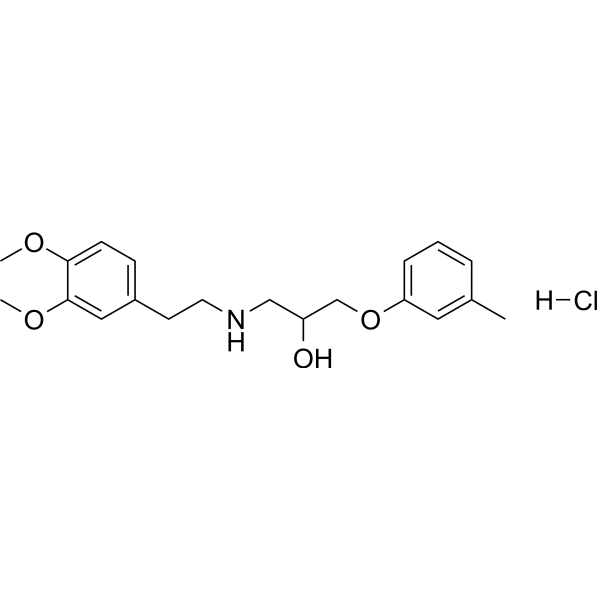
Bamethan (DL-Bamethane) hemisulfate is a vasodilator that exhibits significant activity in enhancing blood flow and reducing vascular resistance. Bamethan hemisulfate plays a crucial role in the treatment of cardiovascular conditions by improving oxygen delivery to tissues. Bamethan hemisulfate also aids in the management of hypertension through its relaxing effects on blood vessels.
|
-
-
- HY-107322A
-
|
Mepirodipine; YM-09730-5 Free base
|
Calcium Channel
|
Cardiovascular Disease
|
|
Barnidipine (Mepirodipine) is an L-type calcium antagonist (CaA) with high affinity for [ 3H] initrendipine binding sites (Ki = 0.21 nmol/L), has selective action against CaA receptors. Barnidipine is an orally effective antihypertensive agent that can reduce the level of platelet-derived growth factor B-chain mRNA and peripheral vascular resistance .
|
-
-
- HY-B1298A
-
|
|
Adrenergic Receptor
|
Cardiovascular Disease
|
|
Methoxamine is a selective alpha1-adrenergic receptor agonist. Methoxamine causes vasoconstriction and increased peripheral vascular resistance . Methoxamine hydrochloride significantly increased the overflow of ATP, ADP and AMP, but not adenosine, by a prazosin-sensitive mechanism in the rabbit pulmonary artery .
|
-
-
- HY-P0083A
-
|
POR-8 acetate
|
Vasopressin Receptor
|
Cardiovascular Disease
|
|
Ornipressin (POR-8) acetate is a potent vasoconstrictor, hemostatic and renal agent. Ornipressin acetate is a vasopressin agonist specific for the V1 receptor. Ornipressin acetate can be used as a local vasoconstrictor. Ornipressin acetate can reverse the hypotension associated with combine general/epidural anesthesia. Ornipressin acetate has antidiuretic activity. Ornipressin acetate decreases renal vascular resistance and increases renal blood flow in renal failure model .
|
-
-
- HY-W153159
-
|
|
Adrenergic Receptor
|
Inflammation/Immunology
|
|
N-Methyltyramine hydrochloride is an orally active α2-adrenoreceptor antagonist with an IC50 value of 5.53 μM against rat targets. N-Methyltyramine hydrochloride blocks α2-adrenoreceptors, while inhibiting lipolysis, hyperactivity responses and small intestinal peristalsis in mice. N-Methyltyramine hydrochloride promotes gastrin release and pancreatic juice secretion, upregulates appetite, blood pressure, myocardial contraction frequency and contraction intensity, and increases renal blood flow, renal vascular resistance and mean peripheral arterial resistance. N-Methyltyramine hydrochloride relaxes mouse small intestinal smooth muscle and undergoes biotransformation in vivo to produce adrenaline. N-Methyltyramine hydrochloride can be used in studies related to gastrointestinal diseases .
|
-
-
- HY-B0259R
-
|
|
Reference Standards
Potassium Channel
|
Cardiovascular Disease
|
|
Indapamide (Standard) is the analytical standard of Indapamide. This product is intended for research and analytical applications. Indapamide is an orally active sulphonamide diuretic agent, that can reduce blood pressure by decreasing vascular reactivity and peripheral vascular resistance. Indapamide is also can reduce left ventricular hypertrophy .
|
-
-
- HY-119817
-
|
BTS 49465; Flosequinon
|
PKC
|
Cardiovascular Disease
|
|
Flosequinan is a balanced vasodilator. Flosequinan not only significantly reduces systemic vascular resistance, but also significantly reduces the beating component of left ventricular afterload, characteristic impedance and arterial wave reflection, which can be used in the research of acute heart failure .
|
-
-
- HY-B0309S2
-
|
|
Calcium Channel
Autophagy
|
Cardiovascular Disease
|
|
Felodipine-d3 is the deuterium labeled Felodipine. Felodipine, a dihydropyridine, is a potent, vasoselective calcium channel antagonist. Felodipine lowers blood pressure (BP) by selective action on vascular smooth muscle, especially in the resistance vessels. Felodipine, an anti-hypertensive agent, induces autophagy. Felodipine can cross the blood-brain barrier .
|
-
-
- HY-107322S
-
|
Mepirodipine-d5 hydrochloride; YM-09730-5-d5 hydrochloride
|
Isotope-Labeled Compounds
Calcium Channel
|
Cardiovascular Disease
|
|
Barnidipine-d5 (hydrochloride) is the deuterium labeled Barnidipine hydrochloride. Barnidipine hydrochloride (Mepirodipine hydrochloride) is an L-type calcium antagonist (CaA) with high affinity for [3H] initrendipine binding sites (Ki=0.21 nmol/l), has selective action against CaA receptors .Barnidipine hydrochloride (Mepirodipine hydrochloride) is an antihypertensive agent and acts by the reduction of peripheral vascular resistance secondary to its vasodilatory action .
|
-
-
- HY-107322AS1
-
|
Mepirodipine-d5; YM-09730-5-d5 Free base
|
Isotope-Labeled Compounds
|
Others
|
|
Barnidipine-d5 is the deuterium-labeled Barnidipine (HY-107322A). Barnidipine-d5 (Mepirodipine) is an L-type calcium antagonist (CaA) with high affinity for [ 3H] initrendipine binding sites (Ki=0.21 nmol/l), has selective action against CaA receptors . Barnidipine-d5 (Mepirodipine) is an antihypertensive agent and acts by the reduction of peripheral vascular resistance secondary to its vasodilatory action .
|
-
-
- HY-106690R
-
|
|
Others
|
Cardiovascular Disease
Inflammation/Immunology
|
|
Centhaquin (Standard) is the analytical standard of Centhaquin. This product is intended for research and analytical applications. Centhaquine (Centhaquin; PMZ-2010) is a novel agent has the potential for treatment of haemorrhagic shock. Centhaquine (Centhaquin; PMZ-2010) can augment cardiac output, reduce systemic vascular resistance in haemorrhagic models .
|
-
-
- HY-B1815R
-
|
Xanthinol Niacinate (Standard)
|
PDGFR
Reference Standards
|
Cardiovascular Disease
|
|
Xanthinol Nicotinate (Standard) is the analytical standard of Xanthinol Nicotinate. This product is intended for research and analytical applications. Xanthinol Nicotinate (Xanthinol Niacinate), a vasodilator, can act directly on the smooth muscle of small arteries and capillaries. Xanthinol Nicotinate expands blood vessels, improves blood rheology and reduces peripheral vascular resistance .
|
-
-
- HY-B0259S
-
|
|
Isotope-Labeled Compounds
Potassium Channel
|
Cardiovascular Disease
|
|
(rac)-Indapamide-d3 is a labelled racemic Indapamide. Indapamide is an orally active sulphonamide diuretic agent, that can reduce blood pressure by decreasing vascular reactivity and peripheral vascular resistance. Indapamide is also can reduce left ventricular hypertrophy .
|
-
-
- HY-101554
-
|
Guancidine
|
Adrenergic Receptor
|
Cardiovascular Disease
|
|
Guancydine (Guancidine) is an orally active antihypertensive agent and vasodilator. Guancydine antagonizes the pressor effects of Angiotensin and Norepinephrine (HY-13715). Guancydine induces vasodilation in renal, mesenteric and cranial vascular beds, reduces peripheral resistance, increases cardiac output and lowers arterial blood pressure. Guancydine increases renal and forearm blood flow, reduces renal and forearm vascular resistance, alters cardiac systolic time, and reverses myocardial hypertrophy in hypertensive rats. Guancydine is applicable for research related to hypertension .
|
-
-
- HY-12717AS
-
|
|
Isotope-Labeled Compounds
Adrenergic Receptor
|
Cardiovascular Disease
Endocrinology
|
|
Phentolamine-d4 (hydrochloride) is the deuterium labeled Phentolamine hydrochloride. Phentolamine hydrochloride is a reversible, non-selective, and orally active blocker of α1 and α2 adrenergic receptor that expands blood vessels to reduce peripheral vascular resistance. Phentolamine hydrochloride can be used for the research of pheochromocytoma-related hypertension, heart failure and erectile dysfunction .
|
-
-
- HY-B0919R
-
|
CI-337 (Standard); O-Diazoacetyl-L-serine (Standard); P-165 (Standard)
|
Reference Standards
Bacterial
Antibiotic
DNA/RNA Synthesis
|
Infection
Cancer
|
|
Bamethan (hemisulfate) (Standard) is the analytical standard of Bamethan (hemisulfate). This product is intended for research and analytical applications. Bamethan (DL-Bamethane) hemisulfate is a vasodilator that exhibits significant activity in enhancing blood flow and reducing vascular resistance. Bamethan hemisulfate plays a crucial role in the treatment of cardiovascular conditions by improving oxygen delivery to tissues. Bamethan hemisulfate also aids in the management of hypertension through its relaxing effects on blood vessels.
|
-
-
- HY-W153897
-
|
|
Adrenergic Receptor
|
Inflammation/Immunology
|
|
N-Methyltyramine is an orally active α2-adrenoreceptor antagonist with an IC50 value of 5.53 μM against rat targets. N-Methyltyramine blocks α2-adrenoreceptors, while inhibiting lipolysis, hyperactivity responses and small intestinal peristalsis in mice. N-Methyltyramine promotes gastrin release and pancreatic juice secretion, upregulates appetite, blood pressure, myocardial contraction frequency and contraction intensity, and increases renal blood flow, renal vascular resistance and mean peripheral arterial resistance. N-Methyltyramine relaxes mouse small intestinal smooth muscle and undergoes biotransformation in vivo to produce adrenaline. N-Methyltyramine can be used in studies related to gastrointestinal diseases .
|
-
-
- HY-129706
-
|
|
Others
|
Cardiovascular Disease
|
|
LY127210 free base is an orally active peripheral arterial vasodilating antihypertensive agent. LY127210 free base interferes with the baroreflex mechanism, exerts direct myocardial bradycardic activity, has no α or β receptor blocking properties, and acts via all conventional administration routes. LY127210 free base reduces vascular resistance, cardiac output, heart rate, left ventricular end-diastolic pressure, regional vascular resistance, as well as blood flow in the skin and cerebral cortex. LY127210 free base can be used in research related to hypertension .
|
-
-
- HY-B0362AR
-
|
Phentolamine methanesulfonate (Standard)
|
Reference Standards
Adrenergic Receptor
|
Cardiovascular Disease
Endocrinology
Cancer
|
|
Phentolamine (mesylate) (Standard) is the analytical standard of Phentolamine (mesylate). This product is intended for research and analytical applications. Phentolamine mesylate (Phentolamine methanesulfonate) is a reversible, non-selective, and orally active blocker of α1 and α2 adrenergic receptor that expands blood vessels to reduce peripheral vascular resistance. Phentolamine mesylate can be used for the research of pheochromocytoma-related hypertension, heart failure and erectile dysfunction .
|
-
-
- HY-B0259A
-
|
|
Potassium Channel
|
Cardiovascular Disease
|
|
Indapamide hemihydrate is an orally active sulphonamide diuretic agent, that can reduce blood pressure by decreasing vascular reactivity and peripheral vascular resistance. Indapamide hemihydrate is also can reduce left ventricular hypertrophy .
|
-
-
- HY-B0259S3
-
|
|
Isotope-Labeled Compounds
Potassium Channel
|
Cardiovascular Disease
|
|
Indapamide-d6 is a deuterated labeled Indapamide . Indapamide is an orally active sulphonamide diuretic agent, that can reduce blood pressure by decreasing vascular reactivity and peripheral vascular resistance. Indapamide is also can reduce left ventricular hypertrophy .
|
-
-
- HY-B0259S1
-
|
|
Isotope-Labeled Compounds
Potassium Channel
|
Cardiovascular Disease
|
|
Indapamide- 13C,d3 is 13C and deuterium labeled Indapamide. Indapamide is an orally active sulphonamide diuretic agent, that can reduce blood pressure by decreasing vascular reactivity and peripheral vascular resistance. Indapamide is also can reduce left ventricular hypertrophy .
|
-
-
- HY-B1660
-
|
|
Adrenergic Receptor
|
Cardiovascular Disease
|
|
Guanadrel sulfate is an orally active, potent and postganglionic sympathetic inhibitor. Guanadrel sulfate lowers blood pressure by reducing systemic vascular resistance with little effect on cardiac output. Guanadrel sulfate is promising for research of hypertension .
|
-
-
- HY-136476B
-
|
|
Heme Oxygenase (HO)
MOFs
|
Inflammation/Immunology
Cancer
|
|
Cu (II) Protoporphyrin IX is used as a negative control for Zn (II) Protoporphyrin (an inihibitor of heme oxygenase). Heme oxygenase has been implicated in tumor cell resistance to chemotherapy, reduction of free radical formation and inflammation, and associated with vascular repair .
|
-
-
- HY-126401
-
|
IQB-875 free base
|
Calcium Channel
|
Cardiovascular Disease
|
|
Elgodipine (IQB-875 free base) is an orally active dihydropyridine calcium antagonist and an antianginal compound. Elgodipine inhibits both T- and L-type calcium channels (IC50: 32 and 2.3 nM). Elgodipine lowers systemic vascular resistance and improves systolic cardiac function .
|
-
-
- HY-106837
-
|
Y 24180
|
Platelet-activating Factor Receptor (PAFR)
|
Inflammation/Immunology
|
|
Israpafant (Y-24180) is a potent, selective and long-acting platelet activation factor (PAF) receptor antagonist with IC50s of 0.84 nM and 3.84 nM against PAF-induced human and rabbit platelet aggregation, respectively. Israpafant stimulates both extracellular Ca 2+ influx and intracellular Ca 2+ release in prostate cancer cells. Israpafant suppresses the allergic cutaneous reactions including eosinophilia, cytokine production, edema and erythema in mice .
|
-
-
- HY-127026S
-
|
|
Angiotensin-converting Enzyme (ACE)
|
Cardiovascular Disease
|
|
Quinaprilat-d5 is a deuterium-labeled Quinaprilat (HY-127026). Quinaprilat is a nonsulfhydryl ACE inhibitor, the active diacid metabolite of Quinapril. Quinaprilat specifically blocks the conversion of angiotensin I to the vasoconstrictor angiotensin II and inhibits bradykinin degradation. Quinaprilat primarily acts as a vasodilator, decreasing total peripheral and renal vascular resistance .
|
-
-
- HY-A0066R
-
|
Imidaline (Standard); NSC35110 (Standard)
|
Adrenergic Receptor
Reference Standards
|
Cardiovascular Disease
Endocrinology
|
|
Tolazoline (Standard) is the analytical standard of Tolazoline. This product is intended for research and analytical applications. Tolazoline (Imidaline) is an α-adrenergic receptor antagonist. Tolazoline inhibits Noradrenaline (HY-13715)-induced cell contraction, modulates vascular resistance, increases arterial pressure, and reverses bradycardia and tachypnea. Tolazoline can be used to study erectile dysfunction, α2-adrenergic receptor agonist-related poisoning, and skin vascular disease research .
|
-
- HY-B0309S1
-
|
|
Isotope-Labeled Compounds
Calcium Channel
Autophagy
|
Cardiovascular Disease
|
|
Felodipine-d5 is deuterium labeled Felodipine. Felodipine, a dihydropyridine, is a potent, vasoselective calcium channel antagonist. Felodipine lowers blood pressure (BP) by selective action on vascular smooth muscle, especially in the resistance vessels. Felodipine, an anti-hypertensive agent, induces autophagy. Felodipine can cross the blood-brain barrier .
|
-
- HY-A0066AR
-
|
Imidaline hydrochloride (Standard); NSC35110 hydrochloride (Standard)
|
Reference Standards
Adrenergic Receptor
|
Cardiovascular Disease
Endocrinology
|
|
Tolazoline (hydrochloride) (Standard) is the analytical standard of Tolazoline hydrochloride (HY-A0066A). This product is intended for research and analytical applications. Tolazoline hydrochloride (Imidaline hydrochloride) is an α-adrenergic receptor antagonist. Tolazoline hydrochloride inhibits Noradrenaline (HY-13715)-induced cell contraction, modulates vascular resistance, increases arterial pressure, and reverses bradycardia and tachypnea. Tolazoline hydrochloride can be used to study erectile dysfunction, α2-adrenergic receptor agonist-related poisoning, and skin vascular disease research .
|
-
- HY-B0309R
-
|
|
Reference Standards
Calcium Channel
Autophagy
|
Cardiovascular Disease
|
|
Felodipine (Standard) is the analytical standard of Felodipine. This product is intended for research and analytical applications. Felodipine, a dihydropyridine, is a potent, vasoselective calcium channel antagonist. Felodipine lowers blood pressure (BP) by selective action on vascular smooth muscle, especially in the resistance vessels. Felodipine, an anti-hypertensive agent, induces autophagy. Felodipine can cross the blood-brain barrier .
|
-
- HY-W753806
-
|
UK 33274 hydrochloride
|
Akt
|
Cardiovascular Disease
|
|
Doxazosin hydrochloride (UK 33274 hydrochloride) is a compound used to inhibit hypertension and prostate hyperplasia, with activity that inhibits postsynaptic α1-adrenoceptors on vascular smooth muscle. Doxazosin hydrochloride can cause vasodilation, thereby reducing peripheral vascular resistance. Doxazosin hydrochloride was found to inhibit the proliferation and migration of hepatic stellate cells in a mouse liver fibrosis model. Doxazosin hydrochloride regulates fibrosis, autophagy, and apoptosis of hepatic stellate cells by activating the PI3K/Akt/mTOR signaling pathway. Doxazosin hydrochloride also blocks autophagic flux and induces apoptosis of hepatic stellate cells .
|
-
- HY-118765
-
|
|
Prostaglandin Receptor
|
Cardiovascular Disease
|
|
Ro 23-3423 is a thromboxane synthase inhibitor with an IC50 value of 0.33 μM for human platelet microsomal thromboxane synthase. Ro 23-3423 increases plasma levels of PGF and PGE2 in a dose-dependent manner, accompanied by a decrease in mean systemic arterial pressure and systemic vascular resistance. Ro 23-3423 can be used in the study of general anesthesia .
|
-
- HY-132670S
-
|
|
Isotope-Labeled Compounds
Calcium Channel
Autophagy
|
Cardiovascular Disease
|
|
(R)-(-)-Felodipine-d5 is the deuterium labeled (R)-(-)-Felodipine. (R)-(-)-Felodipine is the S enantiomer of Felodipine. Felodipine, a dihydropyridine, is a potent, vasoselective calcium channel antagonist. Felodipine lowers blood pressure (BP) by selective action on vascular smooth muscle, especially in the resistance vessels. Felodipine, an anti-hypertensive agent, induces autophagy. Felodipine can cross the blood-brain barrier .
|
-
- HY-B1538AR
-
|
DL-Bamethane hemisulfate (Standard)
|
Endogenous Metabolite
Reference Standards
|
Cardiovascular Disease
|
|
Bamethan (hemisulfate) (Standard) is the analytical standard of Bamethan (hemisulfate). This product is intended for research and analytical applications. Bamethan (DL-Bamethane) hemisulfate is a vasodilator that exhibits significant activity in enhancing blood flow and reducing vascular resistance. Bamethan hemisulfate plays a crucial role in the treatment of cardiovascular conditions by improving oxygen delivery to tissues. Bamethan hemisulfate also aids in the management of hypertension through its relaxing effects on blood vessels.
|
-
- HY-17428A
-
|
|
Histamine Receptor
|
Neurological Disease
Inflammation/Immunology
|
|
Tripelennamine is a histamine H1-receptor antagonist. Tripelennamine effectively reverses histamine-induced bronchoconstriction, increased transpulmonary pressure, elevated pulmonary vascular resistance and reduced dynamic compliance. Tripelennamine does not significantly affect arterial hypoxemia, hemoglobin desaturation and hypercapnia in horses undergoing short-term high-intensity exercise. Tripelennamine exhibits local and central analgesic activity. Tripelennamine can be used in studies related to emphysema, urticaria and acute laminitis .
|
-
- HY-17428B
-
|
|
Histamine Receptor
|
Neurological Disease
Inflammation/Immunology
|
|
Tripelennamine citrate is a histamine H1-receptor antagonist. Tripelennamine citrate effectively reverses histamine-induced bronchoconstriction, increased transpulmonary pressure, elevated pulmonary vascular resistance and reduced dynamic compliance. Tripelennamine citrate does not significantly affect arterial hypoxemia, hemoglobin desaturation and hypercapnia in horses undergoing short-term high-intensity exercise. Tripelennamine citrate exhibits local and central analgesic activity. Tripelennamine citrate can be used in studies related to emphysema, urticaria and acute laminitis .
|
-
- HY-W814315
-
|
CH5424802 analog; RO5424802 analog; RG7853 analog
|
Anaplastic lymphoma kinase (ALK)
|
Cancer
|
|
Alectinib analog (CH5424802 analog) is a selective ALK inhibitor with activity in blocking resistance gating mutations. The synthetic optimization of alectinib analog allows it to be combined with specific peptides to improve the ability to target cancer cells. Alectinib analog exhibits low micromolar IC50 values in antiproliferation and shows good cytotoxic effects. The inhibitory activity of alectinib analog is closely related to its stability and release of active ingredients. Alectinib analog demonstrated the ability to inhibit vascular septal length or width in an in vivo zebrafish model .
|
-
- HY-120152
-
|
|
SphK
Interleukin Related
TNF Receptor
|
Cardiovascular Disease
Inflammation/Immunology
|
|
SLP7111228 is a selective sphingosine kinase 1 (SphK1) inhibitor and anti-inflammatory agent. SLP7111228 selectively inhibits SphK1 and reduces the production of sphingosine-1-phosphate. SLP7111228 decreases lipopolysaccharide-induced TNFα and IL-1β levels. SLP7111228 alleviates obliterative pulmonary arteriopathy, increases cardiac index and decreases total pulmonary vascular resistance index. SLP7111228 can be used in research related to neuroinflammatory diseases and pulmonary hypertension .
|
-
- HY-17428R
-
|
|
Reference Standards
Histamine Receptor
|
Neurological Disease
Inflammation/Immunology
|
|
Tripelennamine hydrochloride (Standard) is the analytical standard of Tripelennamine hydrochloride (HY-17428). This product is intended for research and analytical applications. Tripelennamine hydrochloride is a histamine H1-receptor antagonist. Tripelennamine hydrochloride effectively reverses histamine-induced bronchoconstriction, increased transpulmonary pressure, elevated pulmonary vascular resistance and reduced dynamic compliance. Tripelennamine hydrochloride does not significantly affect arterial hypoxemia, hemoglobin desaturation and hypercapnia in horses undergoing short-term high-intensity exercise. Tripelennamine hydrochloride exhibits local and central analgesic activity. Tripelennamine hydrochloride can be used in studies related to emphysema, urticaria and acute laminitis .
|
-
- HY-W153897R
-
|
|
Reference Standards
Adrenergic Receptor
|
Inflammation/Immunology
|
|
N-Methyltyramine (Standard) is the analytical standard of N-Methyltyramine (HY-W153897). This product is intended for research and analytical applications. N-Methyltyramine is an orally active α2-adrenoreceptor antagonist with an IC50 value of 5.53 μM against rat targets. N-Methyltyramine blocks α2-adrenoreceptors, while inhibiting lipolysis, hyperactivity responses and small intestinal peristalsis in mice. N-Methyltyramine promotes gastrin release and pancreatic juice secretion, upregulates appetite, blood pressure, myocardial contraction frequency and contraction intensity, and increases renal blood flow, renal vascular resistance and mean peripheral arterial resistance. N-Methyltyramine relaxes mouse small intestinal smooth muscle and undergoes biotransformation in vivo to produce adrenaline. N-Methyltyramine can be used in studies related to gastrointestinal diseases .
|
-
- HY-121235R
-
|
SCH-10304 (Standard)
|
Reference Standards
COX
Calcium Channel
TGF-β Receptor
|
Neurological Disease
Inflammation/Immunology
|
|
Clonixin (SCH-10304) (Standard) is the analytical standard of Clonixin. This product is intended for research and analytical applications. Clonixin is an orally active non-steroidal anti-inflammatory agent (NSAID) that inhibits COX synthesis. Clonixin acts as a voltage-gated L-type calcium channel blocker, exerts vasodilatory effects by antagonizing Ca 2+ in vascular smooth muscle. Clonixin inhibits TGF-β, reduces lung coefficient, immune cell infiltration level, oxidative stress response, airway resistance, hydroxyproline content and collagen deposition. Clonixin can be used in research related to inflammation such as idiopathic pulmonary fibrosis and moderate to severe pain .
|
-
- HY-114986
-
|
6-keto-Prostaglandin E1
|
β-glucuronidase
|
Cardiovascular Disease
|
|
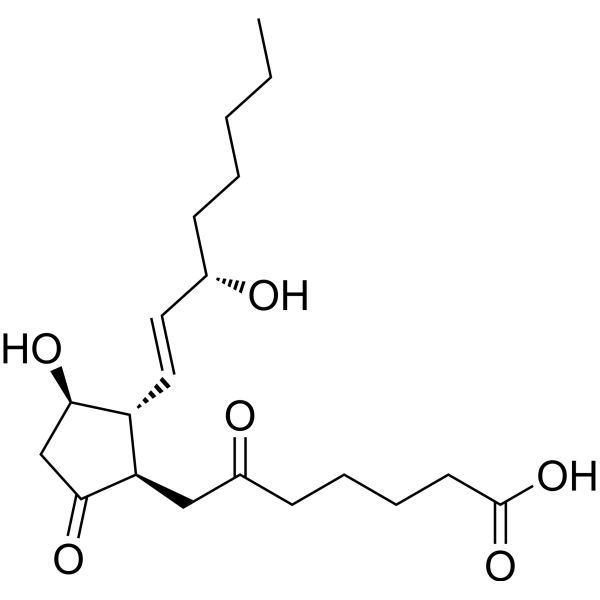
6-Keto-PGE1 (6-keto-Prostaglandin E1) is a biologically active derivative of PGE1. 6-Keto-PGE1 inhibits adenosine diphosphate-induced platelet aggregation. 6-Keto-PGE1 reduces cardiac afterload, decreases the accumulation of plasma myocardial depressant factor (MDF), lowers arterial blood pressure, dilates vascular beds, inhibits the vasoconstrictive response of vascular smooth muscle, and increases pulmonary compliance. 6-Keto-PGE1 directly stabilizes isolated cat liver lysosomes and significantly reduces the release of β-glucuronidase and cathepsin D. 6-Keto-PGE1 prolongs the survival time of traumatized rats and exerts protective effects through hemodynamic and cytoprotective actions. 6-Keto-PGE1 reduces central airway resistance. 6-Keto-PGE1 can be used in studies related to traumatic shock .
|
-
- HY-A0144R
-
|
|
Adrenergic Receptor
AMPK
Akt
Reference Standards
|
Cardiovascular Disease
|
|
Etilefrine (Standard) is the analytical standard of Etilefrine. This product is intended for research and analytical applications. Etilefrine is a sympathetic nerve agonist and AMPK activator that selectively targets α1/β1 adrenergic receptors. Etilefrine stimulates α1 adrenergic receptors, leading to contraction of vascular smooth muscle and increased peripheral resistance. Etilefrine also stimulates β1 receptors to enhance myocardial contractility and increase heart rate, thereby increasing blood pressure and improving cardiac output. Etilefrine also bidirectionally regulates the AMPK/Akt pathway and modulates the phosphorylation levels. Etilefrine can be used in cardiovascular research, such as postural hypotension, chylothorax, and improving low cardiac output .
|
-
- HY-A0144AR
-
|
|
Reference Standards
AMPK
Adrenergic Receptor
Akt
|
Cardiovascular Disease
|
|
Etilefrine hydrochloride (Standard) is the analytical standard of Etilefrine hydrochloride (HY-A0144A). This product is intended for research and analytical applications. Etilefrine hydrochloride is a sympathetic nerve agonist and AMPK activator that selectively targets α1/β1 adrenergic receptors. Etilefrine hydrochloride stimulates α1 adrenergic receptors, leading to contraction of vascular smooth muscle and increased peripheral resistance. Etilefrine hydrochloride also stimulates β1 receptors to enhance myocardial contractility and increase heart rate, thereby increasing blood pressure and improving cardiac output. Etilefrine hydrochloride also bidirectionally regulates the AMPK/Akt pathway and modulates the phosphorylation levels. Etilefrine hydrochloride can be used in cardiovascular research, such as postural hypotension, chylothorax, and improving low cardiac output .
|
-
- HY-103460R
-
|
|
Reference Standards
Endothelin Receptor
|
Cardiovascular Disease
|
|
IRL 2500 (Standard) is the analytical standard of IRL 2500 (HY-103460). This product is intended for research and analytical applications. IRL 2500 is a potent Endothelin receptor antagonist. IRL 2500 shows IC50 values of 1.3 and 94 nM for ETB and ETA receptors, respectively. IRL 2500 inhibits ETB receptor-mediated blood pressure increase and renal vascular resistance in rats in vivo .
|
-
- HY-W746271
-
|
|
Potassium Channel
|
Cardiovascular Disease
|
|
TCV 295 is an orally active potassium channel opener. TCV 295 can reduce blood pressure, systemic vascular resistance and myocardial O2 consumption. TCV 295 can be used for the research of cardiovascular disease, such as hypertension .
|
-
- HY-180382
-
|
|
Cholinesterase (ChE)
|
Cardiovascular Disease
|
|
Trimethidinium methosulfate is an orally active ganglionic blocker with central antihypertensive activity. Trimethidinium methosulfate inhibits the conduction of sympathetic ganglia and reduces vascular contraction. Trimethidinium methosulfate acts on the cerebrovascular motor center and lowers peripheral vascular resistance. Trimethidinium methosulfate has cholinergic nerve inhibitory side effects, but they are relatively mild. Trimethidinium methosulfate can be used in hypertension research .
|
-
- HY-118229
-
|
DPMA; PD 125944
|
Adenosine Receptor
|
Cardiovascular Disease
|
|
CGS 24012 (DPMA) is a selective adenosine A2 agonist. CGS 24012 produces significant increases in cardiac output. CGS 24012 reduces renal vascular resistance to the greatest extent and produces a concomitant significant increase in renal blood flow. CGS 24012 can be used in the research of hypertension .
|
-
- HY-107322R
-
|
Mepirodipine hydrochloride (Standard); YM-09730-5 (Standard)
|
Reference Standards
Calcium Channel
|
Cardiovascular Disease
|
|
Barnidipine hydrochloride (Standard) (Mepirodipine hydrochloride (Standard)) is the analytical standard of Barnidipine (hydrochloride) (HY-107322). This product is intended for research and analytical applications. Barnidipine (Mepirodipine) hydrochloride is an L-type calcium antagonist (CaA) with high affinity for [3H] initrendipine binding sites (Ki = 0.21 nmol/L, has selective action against CaA receptors. Barnidipine hydrochloride is an orally active antihypertensive agent that can reduce the level of platelet-derived growth factor B-chain mRNA and peripheral vascular resistance .
|
-
- HY-120152A
-
|
|
SphK
Interleukin Related
TNF Receptor
|
Cardiovascular Disease
Inflammation/Immunology
|
|
SLP7111228 hydrochloride is a selective sphingosine kinase 1 (SphK1) inhibitor and anti-inflammatory agent. SLP7111228 hydrochloride selectively inhibits SphK1 and reduces the production of sphingosine-1-phosphate. SLP7111228 hydrochloride decreases lipopolysaccharide-induced TNFα and IL-1β levels. SLP7111228 hydrochloride alleviates obliterative pulmonary arteriopathy, increases cardiac index and decreases total pulmonary vascular resistance index. SLP7111228 hydrochloride can be used in research related to neuroinflammatory diseases and pulmonary hypertension .
|
-
- HY-W153159R
-
|
|
Reference Standards
Adrenergic Receptor
|
Inflammation/Immunology
|
|
N-Methyltyramine (hydrochloride) (Standard) is the analytical standard of N-Methyltyramine (hydrochloride) (HY-W153159). This product is intended for research and analytical applications. N-Methyltyramine hydrochloride is an orally active α2-adrenoreceptor antagonist with an IC50 value of 5.53 μM against rat targets. N-Methyltyramine hydrochloride blocks α2-adrenoreceptors, while inhibiting lipolysis, hyperactivity responses and small intestinal peristalsis in mice. N-Methyltyramine hydrochloride promotes gastrin release and pancreatic juice secretion, upregulates appetite, blood pressure, myocardial contraction frequency and contraction intensity, and increases renal blood flow, renal vascular resistance and mean peripheral arterial resistance. N-Methyltyramine hydrochloride relaxes mouse small intestinal smooth muscle and undergoes biotransformation in vivo to produce adrenaline. N-Methyltyramine hydrochloride can be used in studies related to gastrointestinal diseases .
|
-
- HY-121235S1
-
|
SCH-10304-13C,d3
|
Isotope-Labeled Compounds
COX
Calcium Channel
TGF-β Receptor
|
Neurological Disease
Inflammation/Immunology
|
|
Clonixin- 13C,d3 (SCH-10304- 13C,d3) is the deuterium and 13C-labeled Clonixin (HY-121235). Clonixin is an orally active non-steroidal anti-inflammatory agent (NSAID) that inhibits COX synthesis. Clonixin acts as a voltage-gated L-type calcium channel blocker, exerts vasodilatory effects by antagonizing Ca 2+ in vascular smooth muscle. Clonixin inhibits TGF-β, reduces lung coefficient, immune cell infiltration level, oxidative stress response, airway resistance, hydroxyproline content and collagen deposition. Clonixin can be used in research related to inflammation such as idiopathic pulmonary fibrosis and moderate to severe pain.
|
-
- HY-183206
-
|
|
Potassium Channel
Calcium Channel
|
Cardiovascular Disease
Inflammation/Immunology
|
|
UR 8225 is an orally active ATP-sensitive K + channel activator with vasodilator, smooth muscle relaxant, antihypertensive, and bronchodilator activities. UR 8225 induces membrane hyperpolarization by increasing outward K + conductance and reduces Ca 2+ influx through voltage-gated L-type Ca 2+ channels. UR 8225 reduces total peripheral vascular resistance, shortens cardiac action potential duration, inhibits agonist-induced Ca 2+ influx, and stimulates renin release. UR 8225 induces reflex tachycardia but lacks β-adrenergic receptor blocking activity. UR 8225 is widely applicable to research in fields related to hypertension, myocardial ischemia, ventricular fibrillation, and other conditions .
|
-
- HY-N7065R
-
|
|
Drug Derivative
Reference Standards
|
Cardiovascular Disease
Infection
Inflammation/Immunology
|
|
Dihydralazine sulfate (Standard) is the analytical standard of Dihydralazine sulfate (HY-N7065). This product is intended for research and analytical applications. Dihydralazine sulfate is an antihypertensive hydrazine derivative and also a low-potency genotoxic agent. Dihydralazine sulfate is a direct-acting mutagen with a mixed gene mutation mechanism, which induces DNA fragmentation in the lung, kidney and spleen of mice, and induces sister chromatid exchange in mouse bone marrow cells. Dihydralazine sulfate specifically kills DNA repair-deficient bacteria. Dihydralazine sulfate is a vasodilator and antihypertensive agent that reduces systemic vascular resistance, increases cardiac output and heart rate, thereby lowering blood pressure. Dihydralazine sulfate can be used in research related to hypertension and severe early-onset preeclampsia .
|
-
- HY-105111
-
|
|
Parasite
Angiotensin-converting Enzyme (ACE)
HSV
DNA/RNA Synthesis
|
Cardiovascular Disease
Metabolic Disease
|
|
P-536 is a ACE inhibitor that also inhibits herpes simplex virus HSV-1 thymidine kinase and Trypanosoma cruzi RNA polymerase. By inhibiting the renin-angiotensin system, downregulating the expression of AT1R and NOX4, and reducing oxidative stress (decreasing plasma hydrogen peroxide (H2O2) and 8-isoprostaglandin levels), P-536 effectively reduces systolic blood pressure and improves vascular reactivity. P-536 also inhibits the replication of DNA/RNA viruses such as HSV-1 by blocking nucleotide metabolism and nucleic acid synthesis, competitively inhibits RNA synthesis in Trypanosoma cruzi, and inhibits amastigote replication, thereby impeding its growth. P-536 is suitable for research on hypertension, insulin resistance, and Chagas disease .
|
-
| Cat. No. |
Product Name |
Type |
-
- HY-A0144A
-
|
|
Biochemical Assay Reagents
|
|
Etilefrine hydrochloride is a sympathetic nerve agonist and AMPK activator that selectively targets α1/β1 adrenergic receptors. Etilefrine hydrochloride stimulates α1 adrenergic receptors, leading to contraction of vascular smooth muscle and increased peripheral resistance. Etilefrine hydrochloride also stimulates β1 receptors to enhance myocardial contractility and increase heart rate, thereby increasing blood pressure and improving cardiac output. Etilefrine hydrochloride also bidirectionally regulates the AMPK/Akt pathway and modulates the phosphorylation levels. Etilefrine hydrochloride can be used in cardiovascular research, such as postural hypotension, chylothorax, and improving low cardiac output .
|
-
- HY-A0144AR
-
|
|
Biochemical Assay Reagents
|
|
Etilefrine hydrochloride (Standard) is the analytical standard of Etilefrine hydrochloride (HY-A0144A). This product is intended for research and analytical applications. Etilefrine hydrochloride is a sympathetic nerve agonist and AMPK activator that selectively targets α1/β1 adrenergic receptors. Etilefrine hydrochloride stimulates α1 adrenergic receptors, leading to contraction of vascular smooth muscle and increased peripheral resistance. Etilefrine hydrochloride also stimulates β1 receptors to enhance myocardial contractility and increase heart rate, thereby increasing blood pressure and improving cardiac output. Etilefrine hydrochloride also bidirectionally regulates the AMPK/Akt pathway and modulates the phosphorylation levels. Etilefrine hydrochloride can be used in cardiovascular research, such as postural hypotension, chylothorax, and improving low cardiac output .
|
| Cat. No. |
Product Name |
Target |
Research Area |
-
- HY-P0083
-
|
POR-8
|
Vasopressin Receptor
|
Cardiovascular Disease
|
|
Ornipressin (POR-8) is a vasopressin agonist specific for the V1 receptor. Ornipressin can be used as a local vasoconstrictor. Ornipressin can reverse the hypotension associated with combine general/epidural anesthesia. Ornipressin has antidiuretic activity. Ornipressin decreases renal vascular resistance and increases renal blood flow in renal failure model .
|
-
- HY-P0083A
-
|
POR-8 acetate
|
Vasopressin Receptor
|
Cardiovascular Disease
|
|
Ornipressin (POR-8) acetate is a potent vasoconstrictor, hemostatic and renal agent. Ornipressin acetate is a vasopressin agonist specific for the V1 receptor. Ornipressin acetate can be used as a local vasoconstrictor. Ornipressin acetate can reverse the hypotension associated with combine general/epidural anesthesia. Ornipressin acetate has antidiuretic activity. Ornipressin acetate decreases renal vascular resistance and increases renal blood flow in renal failure model .
|
| Cat. No. |
Product Name |
Category |
Target |
Chemical Structure |
-
- HY-W005255
-
-
-
- HY-A0066A
-
-
-
- HY-17428
-
-
-
- HY-N0910
-
-
-
- HY-W153159
-
|
|
Structural Classification
Alkaloids
Monophenols
Other Alkaloids
Gramineae
Phenols
Plants
Hordeum distichon L.
Source Classification
|
Adrenergic Receptor
|
|
N-Methyltyramine hydrochloride is an orally active α2-adrenoreceptor antagonist with an IC50 value of 5.53 μM against rat targets. N-Methyltyramine hydrochloride blocks α2-adrenoreceptors, while inhibiting lipolysis, hyperactivity responses and small intestinal peristalsis in mice. N-Methyltyramine hydrochloride promotes gastrin release and pancreatic juice secretion, upregulates appetite, blood pressure, myocardial contraction frequency and contraction intensity, and increases renal blood flow, renal vascular resistance and mean peripheral arterial resistance. N-Methyltyramine hydrochloride relaxes mouse small intestinal smooth muscle and undergoes biotransformation in vivo to produce adrenaline. N-Methyltyramine hydrochloride can be used in studies related to gastrointestinal diseases .
|
-
-
- HY-W153897
-
-
-
- HY-A0066AR
-
|
Imidaline hydrochloride (Standard); NSC35110 hydrochloride (Standard)
|
Alkaloids
Other Alkaloids
Alpinia officinarum Hance
Plants
Source Classification
Zingiberaceae
|
Reference Standards
Adrenergic Receptor
|
|
Tolazoline (hydrochloride) (Standard) is the analytical standard of Tolazoline hydrochloride (HY-A0066A). This product is intended for research and analytical applications. Tolazoline hydrochloride (Imidaline hydrochloride) is an α-adrenergic receptor antagonist. Tolazoline hydrochloride inhibits Noradrenaline (HY-13715)-induced cell contraction, modulates vascular resistance, increases arterial pressure, and reverses bradycardia and tachypnea. Tolazoline hydrochloride can be used to study erectile dysfunction, α2-adrenergic receptor agonist-related poisoning, and skin vascular disease research .
|
-
-
- HY-17428A
-
-
-
- HY-17428B
-
-
-
- HY-17428R
-
|
|
Structural Classification
Alkaloids
Pyridine Alkaloids
Endogenous metabolite
Source Classification
|
Reference Standards
Histamine Receptor
|
|
Tripelennamine hydrochloride (Standard) is the analytical standard of Tripelennamine hydrochloride (HY-17428). This product is intended for research and analytical applications. Tripelennamine hydrochloride is a histamine H1-receptor antagonist. Tripelennamine hydrochloride effectively reverses histamine-induced bronchoconstriction, increased transpulmonary pressure, elevated pulmonary vascular resistance and reduced dynamic compliance. Tripelennamine hydrochloride does not significantly affect arterial hypoxemia, hemoglobin desaturation and hypercapnia in horses undergoing short-term high-intensity exercise. Tripelennamine hydrochloride exhibits local and central analgesic activity. Tripelennamine hydrochloride can be used in studies related to emphysema, urticaria and acute laminitis .
|
-
-
- HY-W153897R
-
-
-
- HY-W153159R
-
|
|
Structural Classification
Alkaloids
Monophenols
Other Alkaloids
Gramineae
Phenols
Plants
Hordeum distichon L.
Source Classification
|
Reference Standards
Adrenergic Receptor
|
|
N-Methyltyramine (hydrochloride) (Standard) is the analytical standard of N-Methyltyramine (hydrochloride) (HY-W153159). This product is intended for research and analytical applications. N-Methyltyramine hydrochloride is an orally active α2-adrenoreceptor antagonist with an IC50 value of 5.53 μM against rat targets. N-Methyltyramine hydrochloride blocks α2-adrenoreceptors, while inhibiting lipolysis, hyperactivity responses and small intestinal peristalsis in mice. N-Methyltyramine hydrochloride promotes gastrin release and pancreatic juice secretion, upregulates appetite, blood pressure, myocardial contraction frequency and contraction intensity, and increases renal blood flow, renal vascular resistance and mean peripheral arterial resistance. N-Methyltyramine hydrochloride relaxes mouse small intestinal smooth muscle and undergoes biotransformation in vivo to produce adrenaline. N-Methyltyramine hydrochloride can be used in studies related to gastrointestinal diseases .
|
-
| Cat. No. |
Product Name |
Chemical Structure |
-
- HY-B0309S2
-
|
|
|
Felodipine-d3 is the deuterium labeled Felodipine. Felodipine, a dihydropyridine, is a potent, vasoselective calcium channel antagonist. Felodipine lowers blood pressure (BP) by selective action on vascular smooth muscle, especially in the resistance vessels. Felodipine, an anti-hypertensive agent, induces autophagy. Felodipine can cross the blood-brain barrier .
|
-
-
- HY-107322S
-
|
|
|
Barnidipine-d5 (hydrochloride) is the deuterium labeled Barnidipine hydrochloride. Barnidipine hydrochloride (Mepirodipine hydrochloride) is an L-type calcium antagonist (CaA) with high affinity for [3H] initrendipine binding sites (Ki=0.21 nmol/l), has selective action against CaA receptors .Barnidipine hydrochloride (Mepirodipine hydrochloride) is an antihypertensive agent and acts by the reduction of peripheral vascular resistance secondary to its vasodilatory action .
|
-
-
- HY-107322AS1
-
|
|
|
Barnidipine-d5 is the deuterium-labeled Barnidipine (HY-107322A). Barnidipine-d5 (Mepirodipine) is an L-type calcium antagonist (CaA) with high affinity for [ 3H] initrendipine binding sites (Ki=0.21 nmol/l), has selective action against CaA receptors . Barnidipine-d5 (Mepirodipine) is an antihypertensive agent and acts by the reduction of peripheral vascular resistance secondary to its vasodilatory action .
|
-
-
- HY-B0259S
-
|
|
|
(rac)-Indapamide-d3 is a labelled racemic Indapamide. Indapamide is an orally active sulphonamide diuretic agent, that can reduce blood pressure by decreasing vascular reactivity and peripheral vascular resistance. Indapamide is also can reduce left ventricular hypertrophy .
|
-
-
- HY-12717AS
-
|
|
|
Phentolamine-d4 (hydrochloride) is the deuterium labeled Phentolamine hydrochloride. Phentolamine hydrochloride is a reversible, non-selective, and orally active blocker of α1 and α2 adrenergic receptor that expands blood vessels to reduce peripheral vascular resistance. Phentolamine hydrochloride can be used for the research of pheochromocytoma-related hypertension, heart failure and erectile dysfunction .
|
-
-
- HY-B0259S3
-
|
|
|
Indapamide-d6 is a deuterated labeled Indapamide . Indapamide is an orally active sulphonamide diuretic agent, that can reduce blood pressure by decreasing vascular reactivity and peripheral vascular resistance. Indapamide is also can reduce left ventricular hypertrophy .
|
-
-
- HY-B0259S1
-
|
|
|
Indapamide- 13C,d3 is 13C and deuterium labeled Indapamide. Indapamide is an orally active sulphonamide diuretic agent, that can reduce blood pressure by decreasing vascular reactivity and peripheral vascular resistance. Indapamide is also can reduce left ventricular hypertrophy .
|
-
-
- HY-127026S
-
|
|
|
Quinaprilat-d5 is a deuterium-labeled Quinaprilat (HY-127026). Quinaprilat is a nonsulfhydryl ACE inhibitor, the active diacid metabolite of Quinapril. Quinaprilat specifically blocks the conversion of angiotensin I to the vasoconstrictor angiotensin II and inhibits bradykinin degradation. Quinaprilat primarily acts as a vasodilator, decreasing total peripheral and renal vascular resistance .
|
-
-
- HY-B0309S1
-
|
|
|
Felodipine-d5 is deuterium labeled Felodipine. Felodipine, a dihydropyridine, is a potent, vasoselective calcium channel antagonist. Felodipine lowers blood pressure (BP) by selective action on vascular smooth muscle, especially in the resistance vessels. Felodipine, an anti-hypertensive agent, induces autophagy. Felodipine can cross the blood-brain barrier .
|
-
-
- HY-132670S
-
|
|
|
(R)-(-)-Felodipine-d5 is the deuterium labeled (R)-(-)-Felodipine. (R)-(-)-Felodipine is the S enantiomer of Felodipine. Felodipine, a dihydropyridine, is a potent, vasoselective calcium channel antagonist. Felodipine lowers blood pressure (BP) by selective action on vascular smooth muscle, especially in the resistance vessels. Felodipine, an anti-hypertensive agent, induces autophagy. Felodipine can cross the blood-brain barrier .
|
-
-
- HY-121235S1
-
|
|
|
Clonixin- 13C,d3 (SCH-10304- 13C,d3) is the deuterium and 13C-labeled Clonixin (HY-121235). Clonixin is an orally active non-steroidal anti-inflammatory agent (NSAID) that inhibits COX synthesis. Clonixin acts as a voltage-gated L-type calcium channel blocker, exerts vasodilatory effects by antagonizing Ca 2+ in vascular smooth muscle. Clonixin inhibits TGF-β, reduces lung coefficient, immune cell infiltration level, oxidative stress response, airway resistance, hydroxyproline content and collagen deposition. Clonixin can be used in research related to inflammation such as idiopathic pulmonary fibrosis and moderate to severe pain.
|
-
Your information is safe with us. * Required Fields.
Inquiry Information
- Product Name:
- Cat. No.:
- Quantity:
- MCE Japan Authorized Agent:

