



1-Heneicosanol

Based on 1 Customer Validation
1-Heneicosanol is a long-chain alcohol with 21 carbon atoms commonly used in the production of surfactants, lubricants and pharmaceuticals. It can be found in various natural sources such as vegetable waxes and insect pheromones. Additionally, it has been shown to be bioactive against plants and animals and has antimicrobial properties.
For research use only. We do not sell to patients.
- CAS No.: 15594-90-8
- Formula: C21H44O
- Molecular Weight:312.57
-
Storage:Powder -20°C, 3 years , 4°C, 2 years ; In solvent -80°C, 6 months , -20°C, 1 month

To place orders, for customer services and technical support, please contact: MedChemExpress USA
Tel: 609-228-6898 E-mail: [email protected] [email protected]


-
 Biological Activity
-
Chemical Information
- Protocols
- Purity & Documentation
-
 Help & FAQs


-

HY-N6811
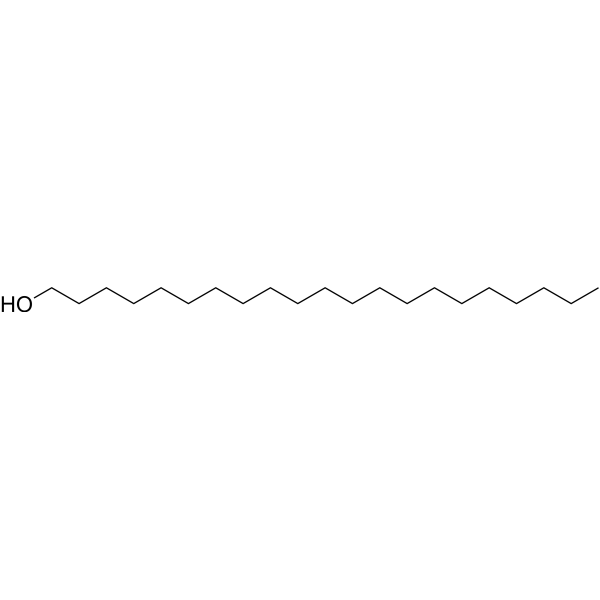
1-OctacosanolAnti-Fatigue Agent -
HY-B1465
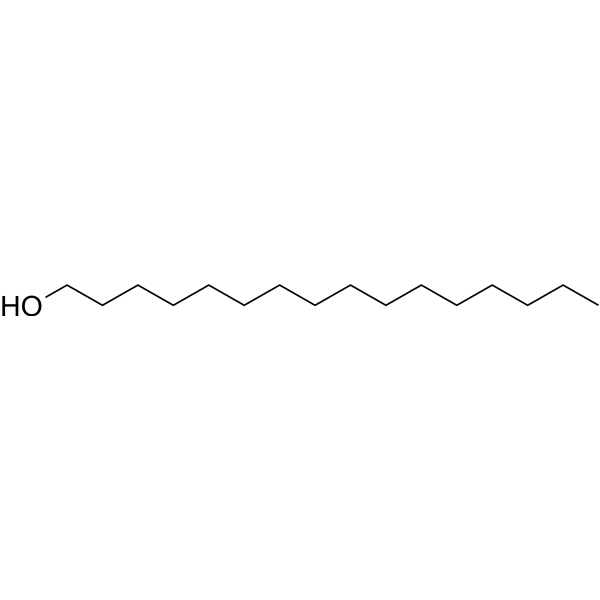
1-HexadecanolEndogenous Metabolite -
HY-W032022
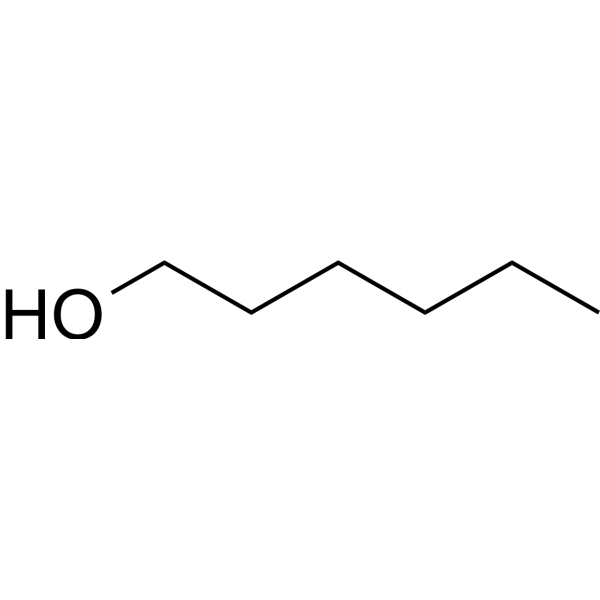
1-HexanolPrimary Alcohol -
HY-B0222
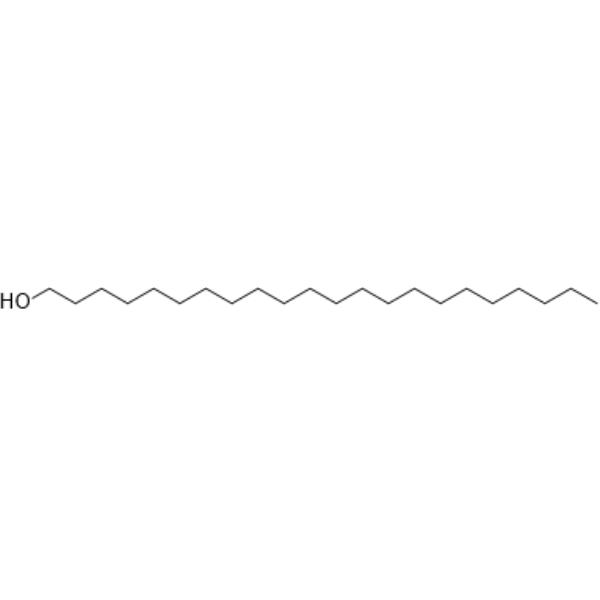
1-DocosanolHSV Inhibitor -

HY-W127493
1-HexacosanolBiochemical Assay Reagent -
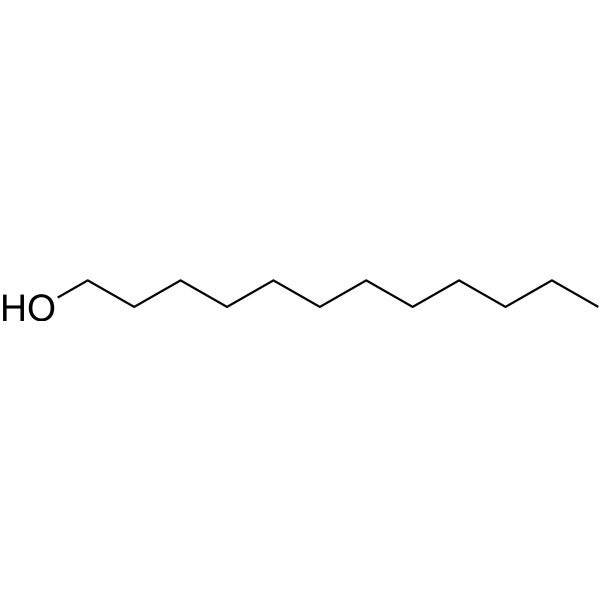
HY-Y0289
1-DodecanolSurfactant -
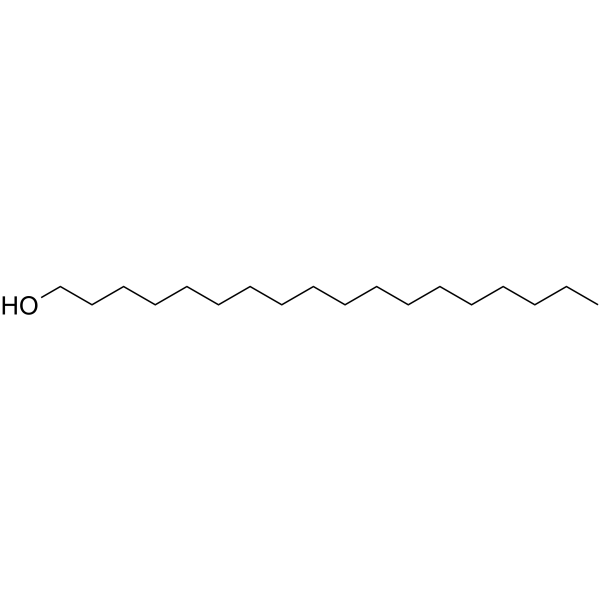
HY-Y1809
1-HydroxyoctadecaneExcipient -
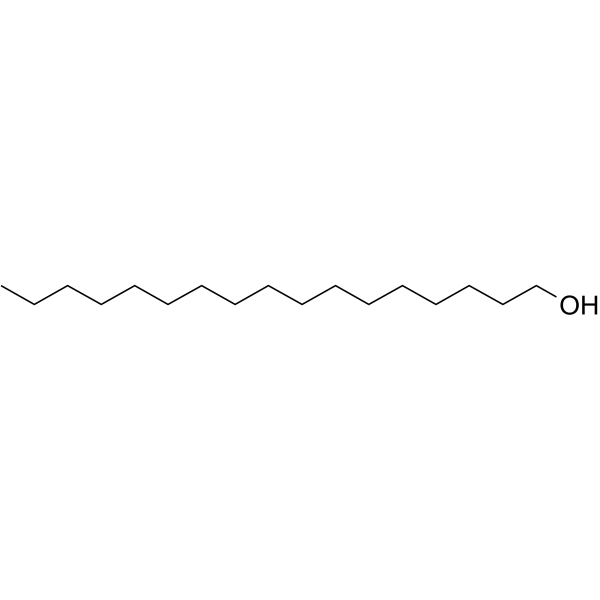
HY-W004296
1-HeptadecanolAntibacterial Agent -
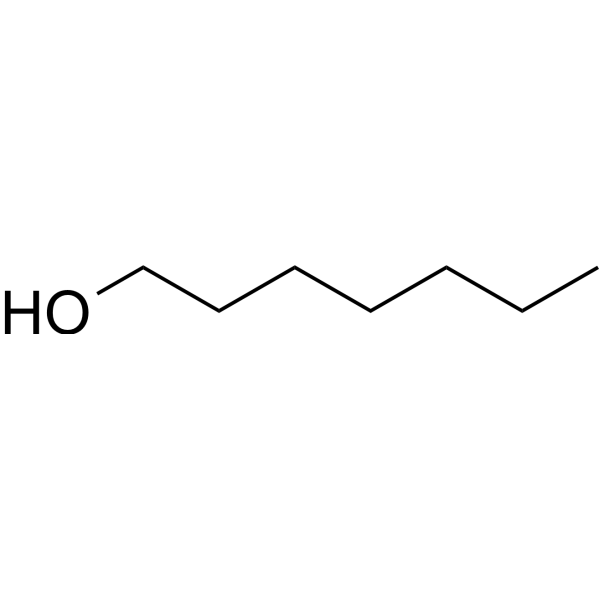
HY-W099504
1-HeptanolLinear Primary Fatty Alcohol -
HY-W004263
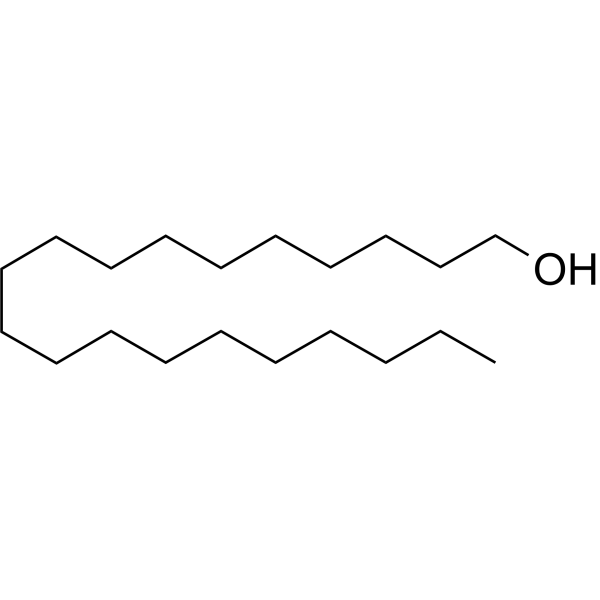
1-EicosanolAntifungal Agent -
HY-W004295
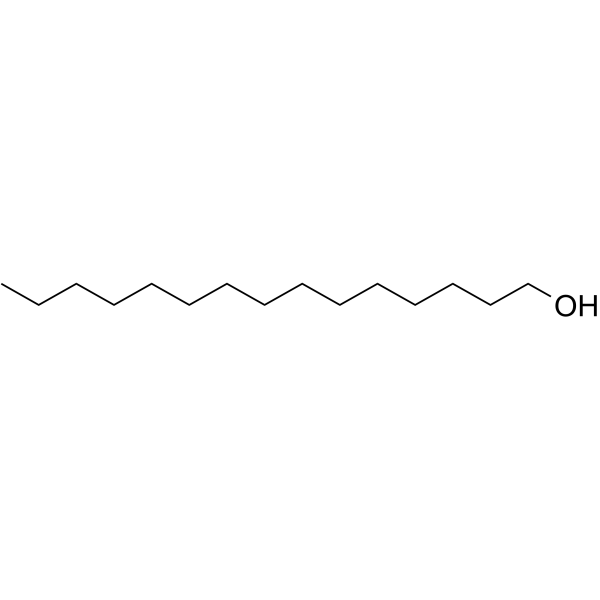
1-PentadecanolAntibacterial Agent -

HY-B1465R
1-Hexadecanol (Standard)Endogenous Metabolite


Biological Activity
Description
In Vitro
1-Heneicosanol is a biochemical reagent that can be used as a biological material or organic compound for life science related research.
MedChemExpress (MCE) has not independently confirmed the accuracy of these methods. They are for reference only.


Chemical Information
-
CAS No. 15594-90-8
-
Appearance Solid
-
Molecular Weight 312.57
-
Formula C21H44O
-
Color White to off-white
-
SMILES
CCCCCCCCCCCCCCCCCCCCCO
-
Synonyms
Heneicosyl alcohol
-
Shipping
Room temperature in continental US; may vary elsewhere.
-
Storage
Powder -20°C 3 years 4°C 2 years In solvent -80°C 6 months -20°C 1 month


Purity & Documentation
-
Data Sheet (236 KB)
-
SDS (252 KB)
- Français - FR (252 KB)
- Deutsch - DE (252 KB)
- Norwegian - NO (252 KB)
- Español - ES (252 KB)
- Swedish - SV (252 KB)
- Italian - IT (252 KB)
- Korean - KR (252 KB)
- Portuguese - PT (252 KB)
-
Handling Instructions (2659 KB)

Calculators
Concentration (start) × Volume (start) = Concentration (final) × Volume (final)


1-Heneicosanol Related Classifications
HY-134645 Related Classifications
 Powered by Bioz