



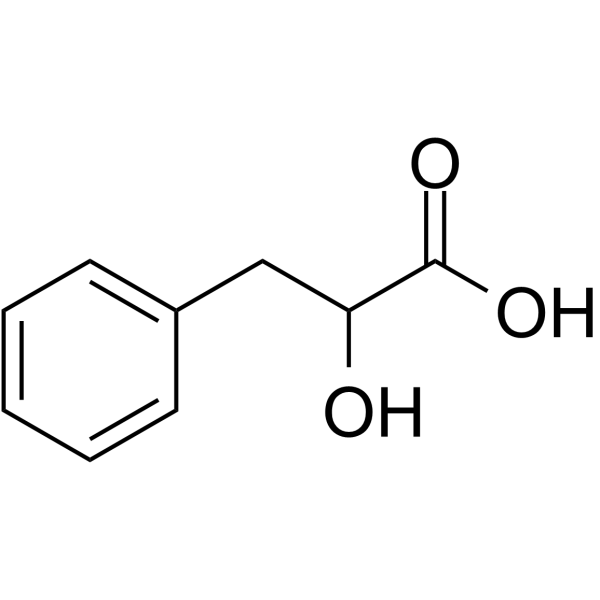
DL-3-Phenyllactic acid
Based on 3 publication(s) in Google Scholar
DL-3-Phenyllactic acid is a broad-spectrum antimicrobial compound.
For research use only. We do not sell to patients.
- Purity : 99.92%
- CAS No.: 828-01-3
- Formula: C9H10O3
- Molecular Weight:166.18
-
Storage:Powder -20°C, 3 years , 4°C, 2 years ; In solvent -80°C, 2 years , -20°C, 1 year

To place orders, for customer services and technical support, please contact: MedChemExpress USA
Tel: 609-228-6898 E-mail: [email protected] [email protected]


-
 Biological Activity
-
Chemical Information
-
Solvent & Solubility
- Protocols
- Purity & Documentation
- References
-
 Help & FAQs


-
HY-113099
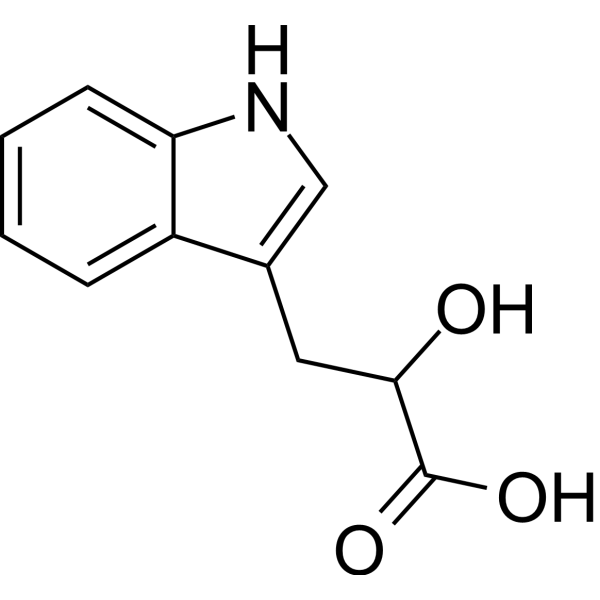
Indolelactic acidTryptophan Catabolite -
HY-113219
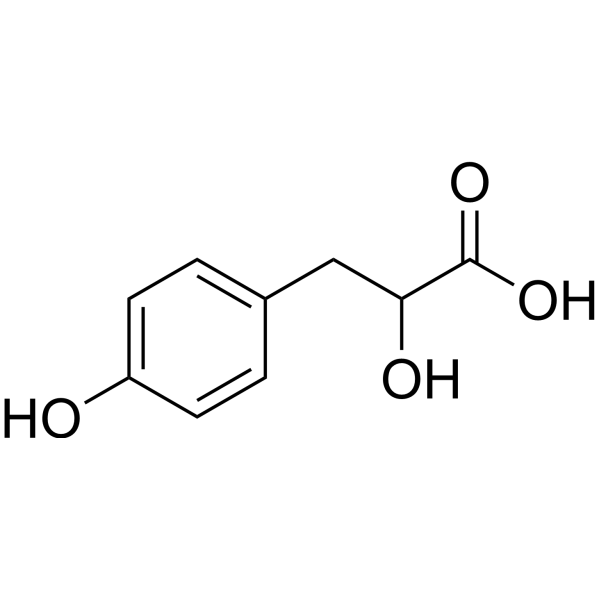
Hydroxyphenyllactic acidEndogenous Metabolite -

HY-W017162R
DL-3-Phenyllactic acid (Standard) -
HY-W015229
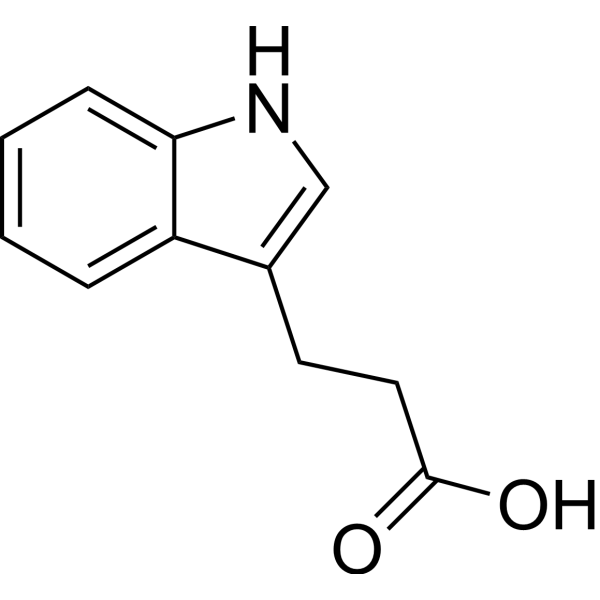
3-Indolepropionic acid -
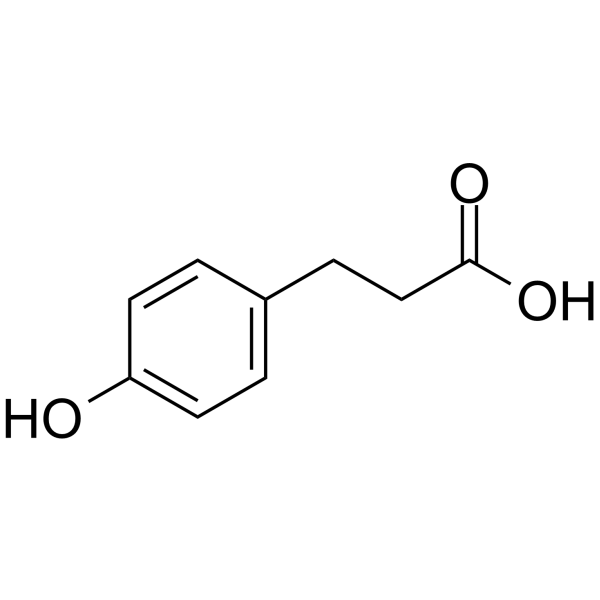
HY-W015346
Desaminotyrosine -
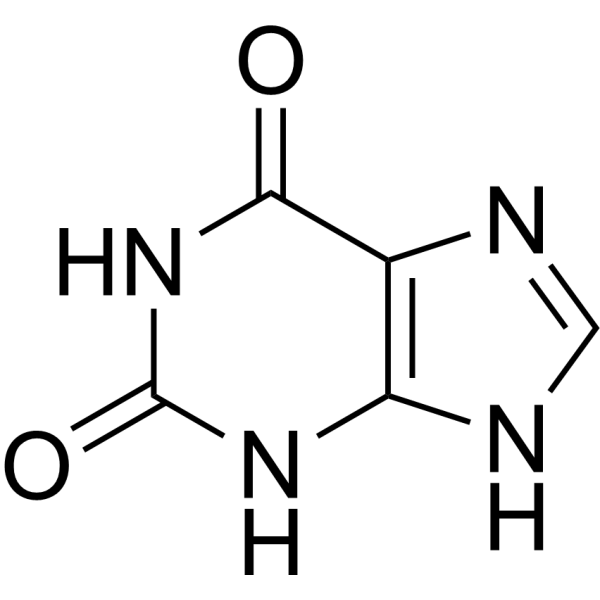
HY-W017389
Xanthine -
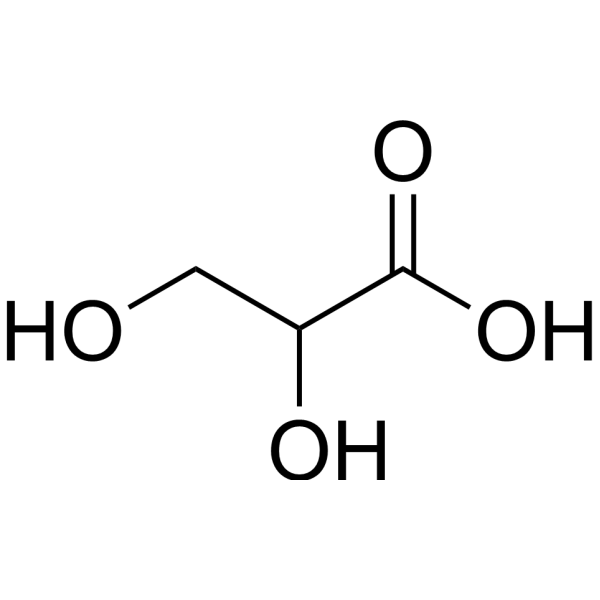
HY-W018035
DL-Glyceric Acid (20% in water)Biochemical Marker -
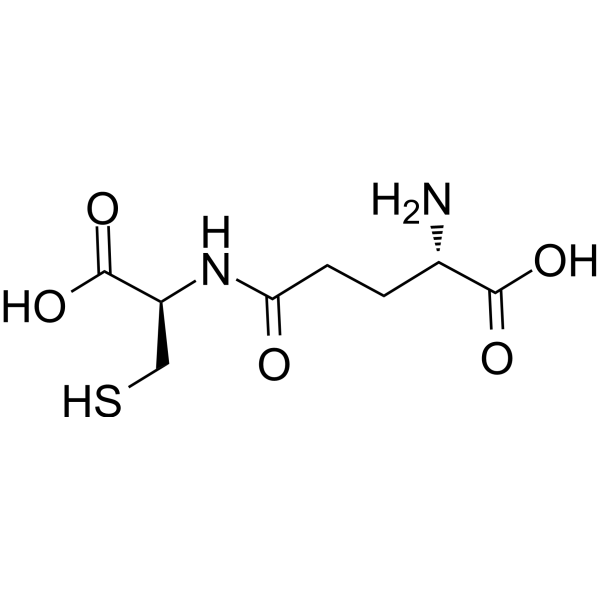
HY-113402
Gamma-glutamylcysteineDipeptide -
HY-N1902
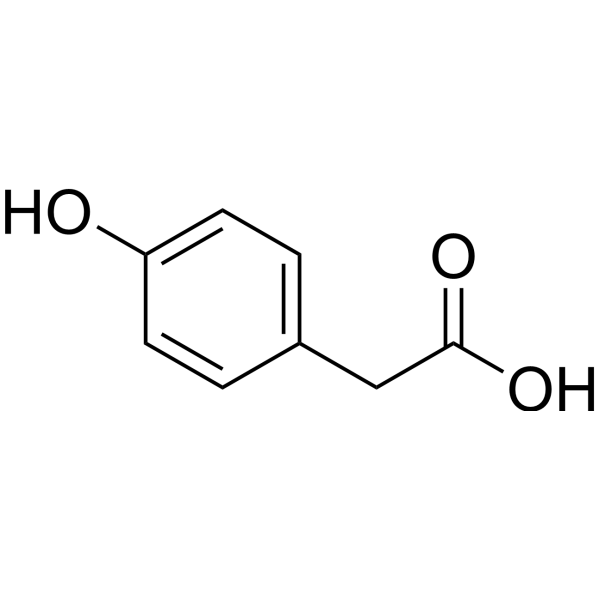
4-Hydroxyphenylacetic acidEndogenous Metabolite -
HY-W012530
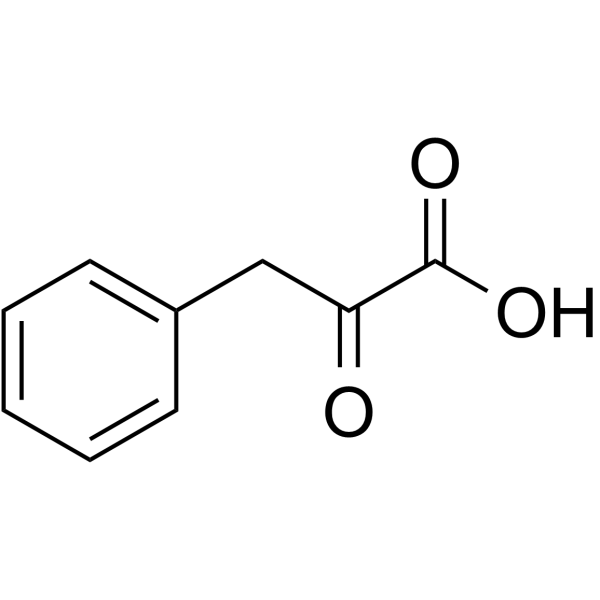
Phenylpyruvic acidActive Compound -
HY-30220
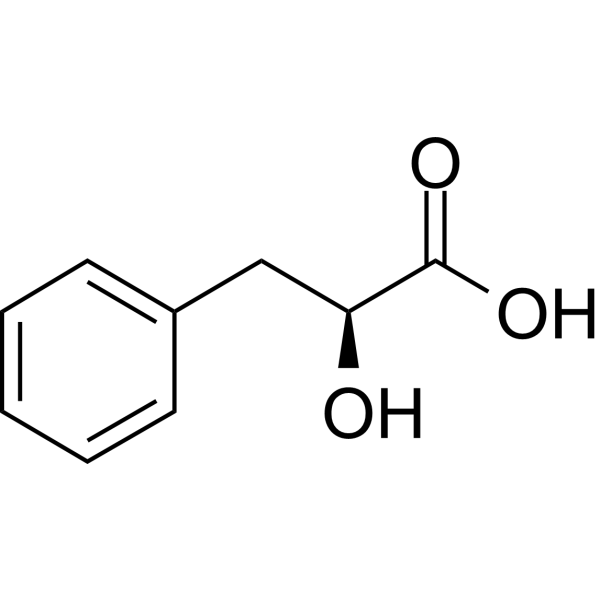
(S)-2-Hydroxy-3-phenylpropanoic acidEndogenous Metabolite
Publications Citing Use of MedChemExpress (MCE) DL-3-Phenyllactic acid
More Customer Validation & Images

-
Bio/Physico-chemical Assay
-
RT-PCR
-
WB
-
Bio/Physico-chemical Assay
-
RT-PCR
All Endogenous Metabolite Isoforms
More

Biological Activity
Description
IC50 & Target
|
Microbial Metabolite |
Human Endogenous Metabolite |
Cellular Effect
|
Cell Line

|
Type | Value | Description | References |
|---|---|---|---|---|
| Jurkat | IC50 |
>100 μg/mL
Compound: 12
|
Cytotoxicity against human Jurkat T cells after 36 hrs by MTT assay
Cytotoxicity against human Jurkat T cells after 36 hrs by MTT assay
|
[PMID: 21546250] |
In Vitro
DL-3-Phenyllactic acid (3-Phenyllactic acid, PLA), which is an organic acid widely existing in honey and lactic acid bacteria fermented food, can be produced by many microorganisms, especially lactic acid bacteria. DL-3-Phenyllactic acid is proved as an ideal antimicrobial compound with broad and effective antimicrobial activity against both bacteria and fungi. In addition, DL-3-Phenyllactic acid can be used as feed additives to replace antibiotics in livestock feeds[1].
MedChemExpress (MCE) has not independently confirmed the accuracy of these methods. They are for reference only. Further protocols information, click here.


Chemical Information
-
CAS No. 828-01-3
-
Appearance Solid
-
Molecular Weight 166.18
-
Formula C9H10O3
-
Color White to off-white
-
SMILES
O=C(O)C(O)CC1=CC=CC=C1
-
Structure Classification
-
Shipping
Room temperature in continental US; may vary elsewhere.
-
Storage
Powder -20°C 3 years 4°C 2 years In solvent -80°C 2 years -20°C 1 year


Publications (3)
-
Journal Impact Factor
-
Most Recent
-
Cell Host Microbe
Uric acid promotes dietary lipid absorption through microbiome and metabolomic remodeling via a liver-gut endocrine axis. [Abstract]2026 Jun 3:S1931-3128(26)00181-2. PMID: 42235504 -
Viruses
The Accumulation of Phenyllactic Acid Impairs Host Glutamine Metabolism and Inhibits African Swine Fever Virus Replication: A Novel Target for the Development of Anti-ASFV Drugs. [Abstract]2024 Mar 13;16(3):449. PMID: 38543813
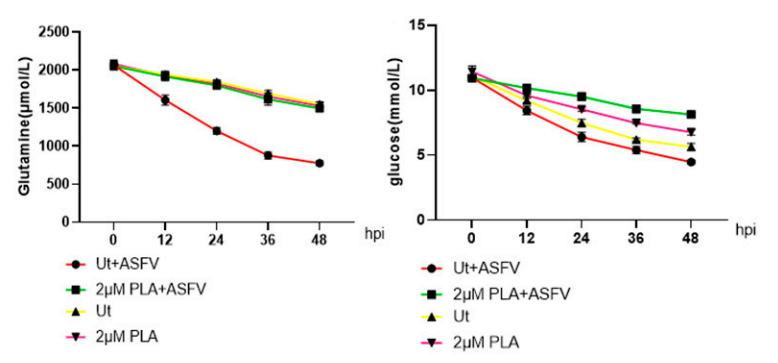
DL-3-Phenyllactic acid purchased from MedChemExpress. Usage Cited in: Viruses. 2024 Mar 13;16(3):449. [Abstract]
DL-3-Phenyllactic acid (PLA) (2 μM; 24 h) significantly reduced the consumption of glutamine and glucose of PAM cells.
DL-3-Phenyllactic acid purchased from MedChemExpress. Usage Cited in: Viruses. 2024 Mar 13;16(3):449. [Abstract]
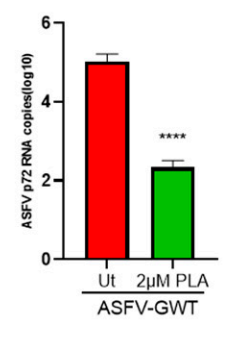
DL-3-Phenyllactic acid (PLA) (2 μM; 24 h) significantly downregulated the transcription levels of the ASFV-P72 gene in PAM cells.
DL-3-Phenyllactic acid purchased from MedChemExpress. Usage Cited in: Viruses. 2024 Mar 13;16(3):449. [Abstract]
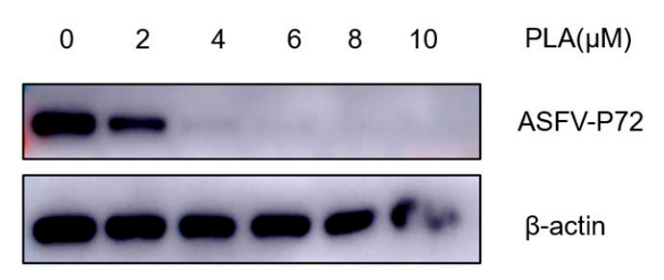
DL-3-Phenyllactic acid (PLA) (2-10 μM; 24 h) significantly downregulated the protein expression levels of the ASFV-P72 gene in PAM cells.
DL-3-Phenyllactic acid purchased from MedChemExpress. Usage Cited in: Viruses. 2024 Mar 13;16(3):449. [Abstract]
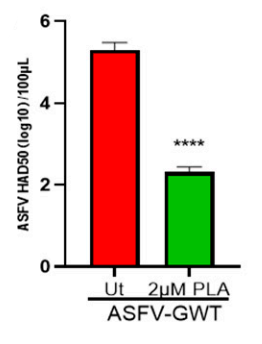
DL-3-Phenyllactic acid (PLA) (2 μM; 24 h) reduce the number of progeny virions in PAM cells.
DL-3-Phenyllactic acid purchased from MedChemExpress. Usage Cited in: Viruses. 2024 Mar 13;16(3):449. [Abstract]
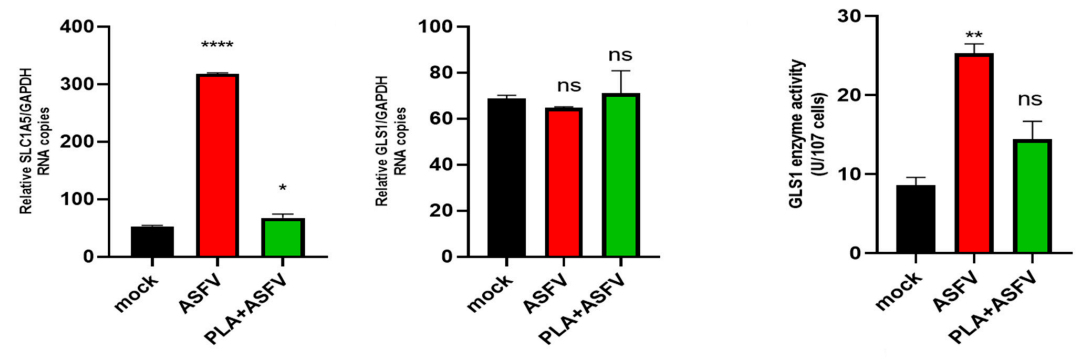
DL-3-Phenyllactic acid (PLA) (2 μM; 24 h) significantly reduced the transcription level of SLC1A5 and the enzyme activity of GLS but did not significantly change the transcription level of GLS in PAM cells.
-


Solvent & Solubility
In Vitro:
DMSO : ≥ 100 mg/mL (601.77 mM; Hygroscopic DMSO has a significant impact on the solubility of product, please use newly opened DMSO)
H2O : 33.33 mg/mL (200.57 mM; Need ultrasonic)
* "≥" means soluble, but saturation unknown.
Please refer to the solubility information to select the appropriate solvent. Once prepared, please aliquot and store the solution to prevent product inactivation from repeated freeze-thaw cycles.
Storage method and period of stock solution: -80°C, 2 years; -20°C, 1 year. When stored at -80°C, please use it within 2 years. When stored at -20°C, please use it within 1 year.
* Note: If you choose water as the stock solution, please dilute it to the working solution, then filter and sterilize it with a 0.22 μm filter before use.
Please refer to the solubility information to select the appropriate solvent. Once prepared, please aliquot and store the solution to prevent product inactivation from repeated freeze-thaw cycles.
Storage method and period of stock solution: -80°C, 2 years; -20°C, 1 year. When stored at -80°C, please use it within 2 years. When stored at -20°C, please use it within 1 year.
* Note: If you choose water as the stock solution, please dilute it to the working solution, then filter and sterilize it with a 0.22 μm filter before use.
Concentration (start) × Volume (start) = Concentration (final) × Volume (final)
In Vivo:
Select the appropriate dissolution method based on your experimental animal and administration route.
- For the following dissolution methods, please ensure to first prepare a clear stock solution using an In Vitro approach and then sequentially add co-solvents:
- To ensure reliable experimental results, the clarified stock solution can be appropriately stored based on storage conditions. As for the working solution for In Vivo experiments, it is recommended to prepare freshly and use it on the same day.
- The percentages shown for the solvents indicate their volumetric ratio in the final prepared solution. If precipitation or phase separation occurs during preparation, heat and/or sonication can be used to aid dissolution.
Add each solvent one by one: 10% DMSO 40% PEG300 5% Tween-80 45% Saline
Solubility: ≥ 2.08 mg/mL (12.52 mM); Clear solution
This protocol yields a clear solution of ≥ 2.08 mg/mL (saturation unknown).
Taking 1 mL working solution as an example, add 100 μL DMSO stock solution (20.8 mg/mL) to 400 μL PEG300, and mix evenly; then add 50 μL Tween-80 and mix evenly; then add 450 μL Saline to adjust the volume to 1 mL.
Preparation of Saline: Dissolve 0.9 g sodium chloride in ddH₂O and dilute to 100 mL to obtain a clear Saline solution.
Add each solvent one by one: 10% DMSO 90% (20% SBE-β-CD in Saline)
Solubility: ≥ 2.08 mg/mL (12.52 mM); Clear solution
This protocol yields a clear solution of ≥ 2.08 mg/mL (saturation unknown).
Taking 1 mL working solution as an example, add 100 μL DMSO stock solution (20.8 mg/mL) to 900 μL 20% SBE-β-CD in Saline, and mix evenly.
Preparation of 20% SBE-β-CD in Saline (4°C, storage for one week): 2 g SBE-β-CD powder is dissolved in 10 mL Saline, completely dissolve until clear.
In Vivo Dissolution Calculator
Please enter the basic information of animal experiments:
-
-
-
-
Recommended: Prepare an additional quantity of animals to account for potential losses during experiments.
Working solution concentration: 0.22 mg/mL
This product has good water solubility, please refer to the measured solubility data in water/PBS/Saline for details.

Protocols
-
Research Protocol for Infectious Diseases
Infectious-disease experiments test how pathogens interact with host barriers, innate immune receptors, inflammatory signaling, pathogen replication, and tissue injury; pattern-recognition receptors such as TLRs, RIG-I-like receptors, NOD-like receptors, and inflammasomes detect microbial molecules and activate NF-κB, interferon, and cytokine responses. The central hypothesis is that infection severity reflects the balance between pathogen burden and host response: protective inflammation restricts pathogen growth, whereas excessive or mislocalized inflammation contributes to tissue damage and disease phenotype. Unresolved questions include which host pathways are protective versus pathogenic, why some infection models fail to translate to human disease, and which combined readouts best predict clinically relevant infection outcomes.


Purity & Documentation
-
Data Sheet (272 KB)
-
SDS (393 KB)
- English - EN (393 KB)
- Français - FR (393 KB)
- Deutsch - DE (393 KB)
- Norwegian - NO (393 KB)
- Español - ES (393 KB)
- Swedish - SV (393 KB)
- Italian - IT (393 KB)
- Korean - KR (393 KB)
- Portuguese - PT (393 KB)
-
Handling Instructions (2659 KB)
References


Complete Stock Solution Preparation Table
Please refer to the solubility information to select the appropriate solvent. Once prepared, please aliquot and store the solution to prevent product inactivation from repeated freeze-thaw cycles.
Storage method and period of stock solution: -80°C, 2 years; -20°C, 1 year. When stored at -80°C, please use it within 2 years. When stored at -20°C, please use it within 1 year.
| Optional Solvent | Concentration Solvent Mass | 1 mg | 5 mg | 10 mg | 25 mg |
|---|---|---|---|---|---|
| H2O / DMSO | 1 mM | 6.0177 mL | 30.0886 mL | 60.1772 mL | 150.4429 mL |
| 5 mM | 1.2035 mL | 6.0177 mL | 12.0354 mL | 30.0886 mL | |
| 10 mM | 0.6018 mL | 3.0089 mL | 6.0177 mL | 15.0443 mL | |
| 15 mM | 0.4012 mL | 2.0059 mL | 4.0118 mL | 10.0295 mL | |
| 20 mM | 0.3009 mL | 1.5044 mL | 3.0089 mL | 7.5221 mL | |
| 25 mM | 0.2407 mL | 1.2035 mL | 2.4071 mL | 6.0177 mL | |
| 30 mM | 0.2006 mL | 1.0030 mL | 2.0059 mL | 5.0148 mL | |
| 40 mM | 0.1504 mL | 0.7522 mL | 1.5044 mL | 3.7611 mL | |
| 50 mM | 0.1204 mL | 0.6018 mL | 1.2035 mL | 3.0089 mL | |
| 60 mM | 0.1003 mL | 0.5015 mL | 1.0030 mL | 2.5074 mL | |
| 80 mM | 0.0752 mL | 0.3761 mL | 0.7522 mL | 1.8805 mL | |
| 100 mM | 0.0602 mL | 0.3009 mL | 0.6018 mL | 1.5044 mL |
* Note: If you choose water as the stock solution, please dilute it to the working solution, then filter and sterilize it with a 0.22 μm filter before use.


DL-3-Phenyllactic acid Related Classifications
HY-W017162 Related Classifications
 Powered by Bioz