



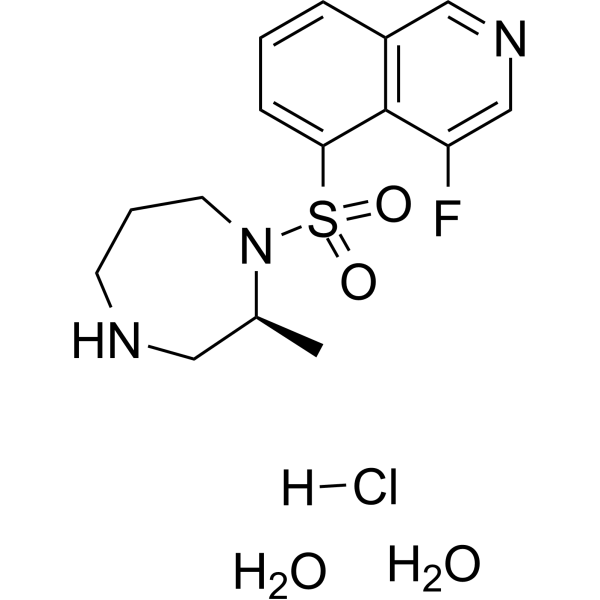
Ripasudil
Based on 7 publication(s) in Google Scholar
Ripasudil (K-115) is a specific inhibitor of ROCK, with IC50s of 19 and 51 nM for ROCK2 and ROCK1, respectively.
For research use only. We do not sell to patients.
- Purity : 99.95%
- CAS No.: 887375-67-9
- Formula: C15H23ClFN3O4S
- Molecular Weight:395.88
-
Storage:
4°C, sealed storage, away from moisture
* In solvent : -80°C, 6 months; -20°C, 1 month (sealed storage, away from moisture)

To place orders, for customer services and technical support, please contact: MedChemExpress USA
Tel: 609-228-6898 E-mail: [email protected] [email protected]


-
 Biological Activity
-
Chemical Information
-
Solvent & Solubility
- Purity & Documentation
- References
-
 Help & FAQs


-
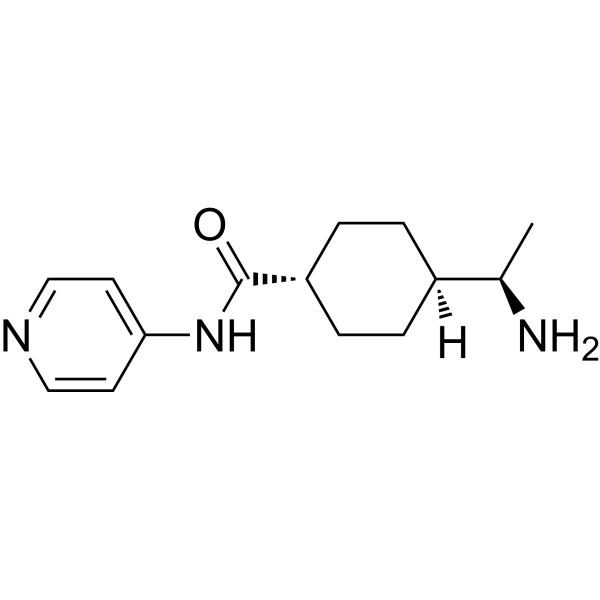
HY-10071
Y-27632ROCK Inhibitor -
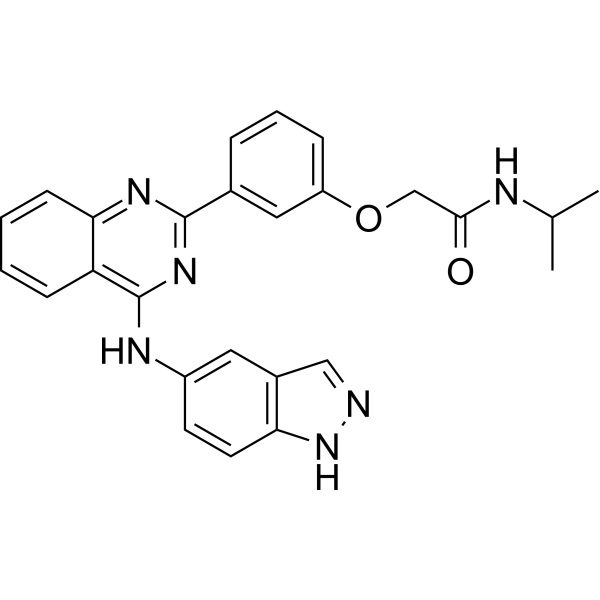
HY-15307
BelumosudilROCK2 Inhibitor -
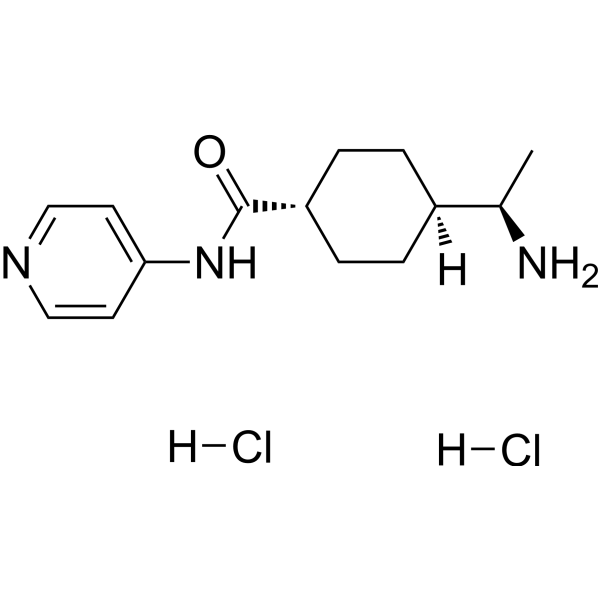
HY-10583
Y-27632 dihydrochlorideROCK Inhibitor -
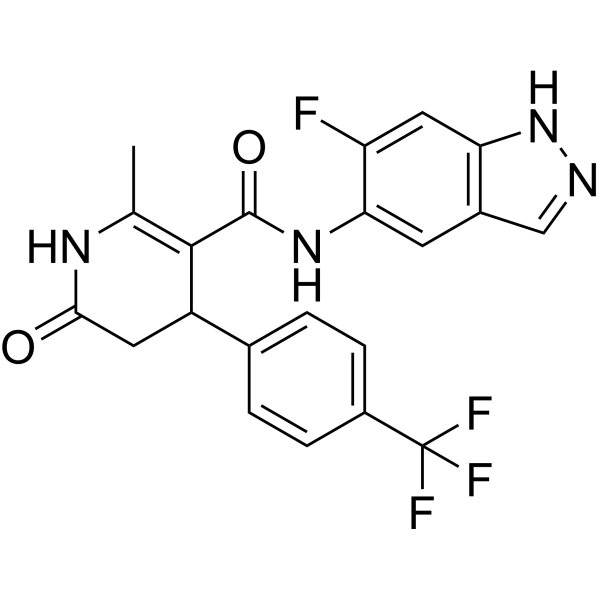
HY-11000
GSK429286AROCK Inhibitor -
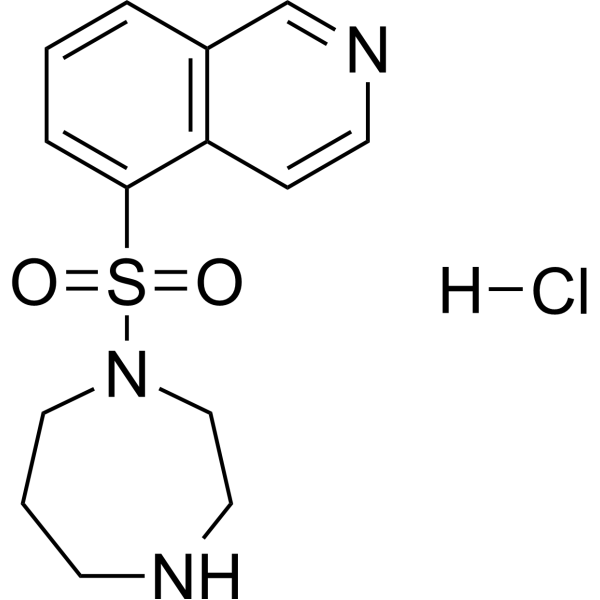
HY-10341
Fasudil HydrochlorideRhoA/ROCK Inhibitor -
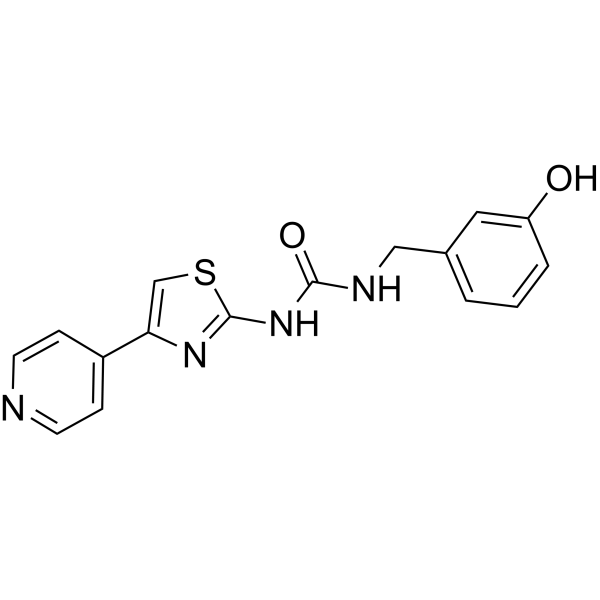
HY-15755
RKI-1447ROCK1/2 Inhibitor -
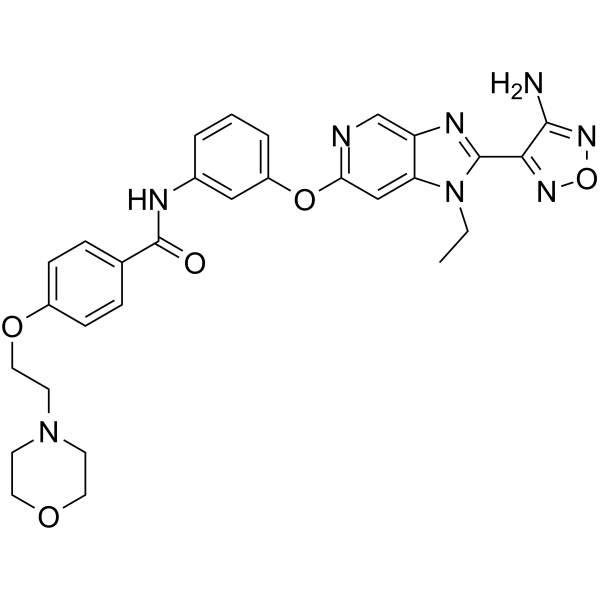
HY-15556
GSK269962AROCK Inhibitor -
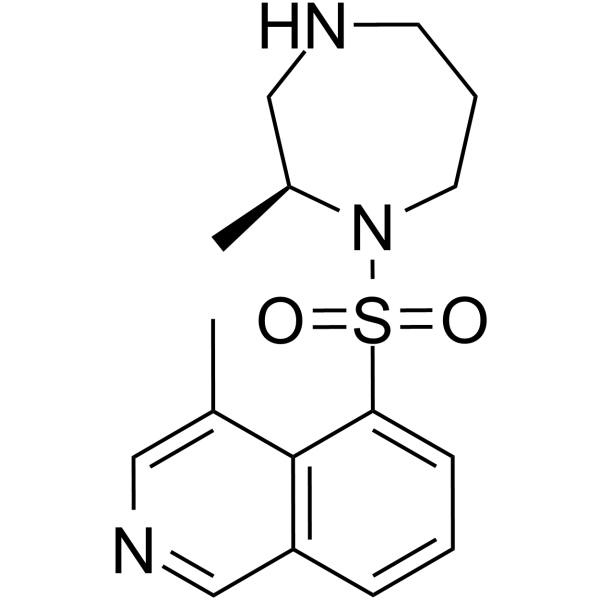
HY-15720
H-1152ROCK Inhibitor -
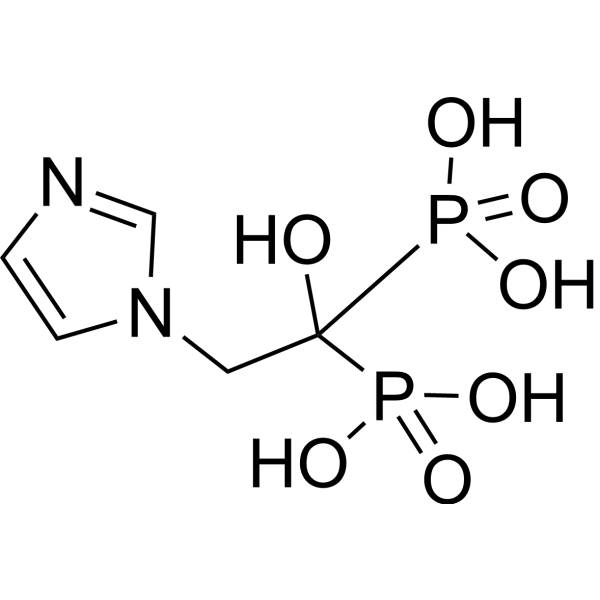
HY-13777
Zoledronic AcidAnti-resorptive Agant -
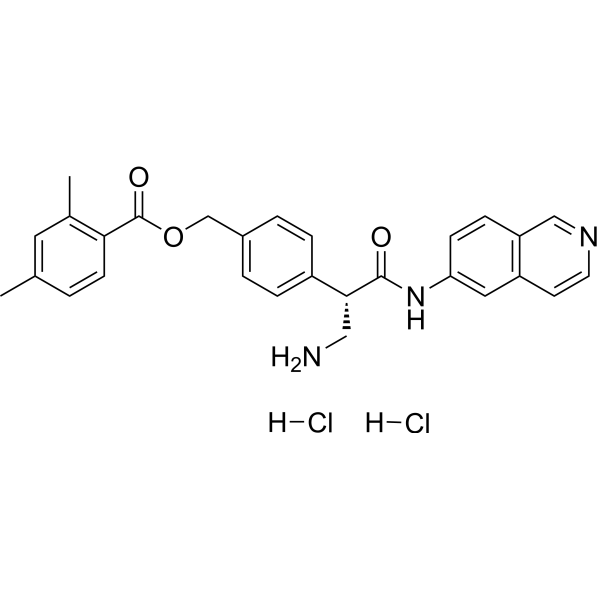
HY-12798B
Netarsudil hydrochlorideROCK/NET Inhibitor -
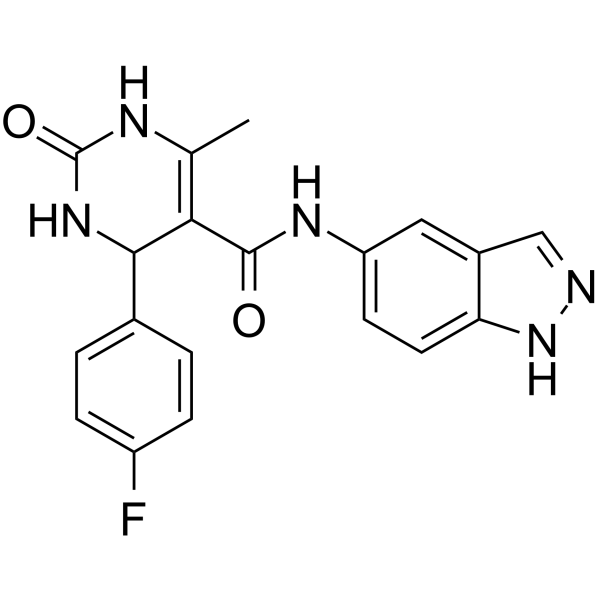
HY-18990
GSK180736AROCK Inhibitor -
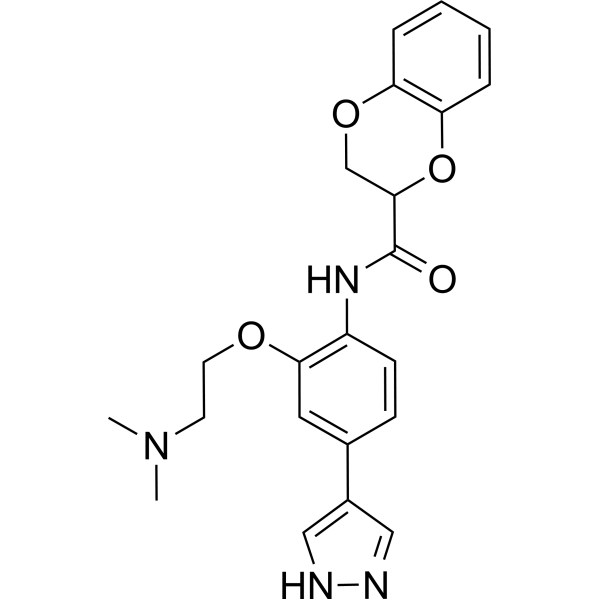
HY-13300
SR-3677Autophagy Inducer
Publications Citing Use of MedChemExpress (MCE) Ripasudil
More- Science. 2017 Dec 1;358(6367):eaan4368. [Abstract]
- Adv Sci (Weinh). 2022 May;9(13):e2104682. [Abstract]
- Cancer Lett. 2026 Oct 1:657:218705.
- Mol Ther. 2023 Jun 7;31(6):1846-1856. [Abstract]
- Exp Eye Res. 2024 Aug:245:109977. [Abstract]
- Curr Eye Res. 2023 Sep;48(9):826-835. [Abstract]
- Preprints. 2023 May 15.
 Customer Validation & Images

-
In Vivo Imaging
-
Cell Imaging/Staining
-
WB


Biological Activity
Description
IC50 & Target
[1]|
ROCK2 19 nM (IC50) |
ROCK1 51 nM (IC50) |
CaMKIIa 370 nM (IC50) |
PKACa 2.1 μM (IC50) |
PKC 27 μM (IC50) |
In Vitro
Ripasudil (K-115) is a potent inhibitor of ROCK, with IC50s of 19 and 51 nM for ROCK2 and ROCK1, respectively. Ripasudil also shows less potent inhibitory activities against CaMKIIα, PKACα and PKC, with IC50s of 370 nM, 2.1 μM and 27 μM, respectively[1]. Ripasudil (K-115; 1, 10 μM) induces cytoskeletal changes, including retraction and cell rounding and reduced actin bundles of cultured trabecular meshwork (TM) cells. Ripasudil (5 μM) sifnificantly reduces transendothelial electrical resistance (TEER), and increases FITC-dextran permeability in Schlemm’s canal endothelial (SCE) cell monolayers[2].
MedChemExpress (MCE) has not independently confirmed the accuracy of these methods. They are for reference only. .
In Vivo
MedChemExpress (MCE) has not independently confirmed the accuracy of these methods. They are for reference only.
Clinical Trial
| NCT Number | Sponsor | Condition | Start Date |
Phase

|
|---|---|---|---|---|
| NCT01329991 | Plexxikon| | 2011-05 | PHASE1 |


Chemical Information
-
CAS No. 887375-67-9
-
Appearance Solid
-
Molecular Weight 395.88
-
Formula C15H23ClFN3O4S
-
Color White to off-white
-
SMILES
FC1=CN=CC2=C1C(S(N3CCCNC[C@@H]3C)(=O)=O)=CC=C2.[H]Cl.O.O
-
Synonyms
K-115
-
Shipping
Room temperature in continental US; may vary elsewhere.
-
Storage
4°C, sealed storage, away from moisture
* In solvent : -80°C, 6 months; -20°C, 1 month (sealed storage, away from moisture)


Publications (7)
-
Journal Impact Factor
-
Most Recent
-
Science
2017 Dec 1;358(6367):eaan4368. PMID: 29191878 -
Adv Sci (Weinh)
Pharmacological Perturbation of Mechanical Contractility Enables Robust Transdifferentiation of Human Fibroblasts into Neurons. [Abstract]2022 May;9(13):e2104682. PMID: 35240008 -
-
Mol Ther
ROCK inhibition enhanced hepatocyte liver engraftment by retaining membrane CD59 and attenuating complement activation. [Abstract]2023 Jun 7;31(6):1846-1856. PMID: 36860134
Ripasudil purchased from MedChemExpress. Usage Cited in: Mol Ther. 2023 Jun 7;31(6):1846-1856. [Abstract]
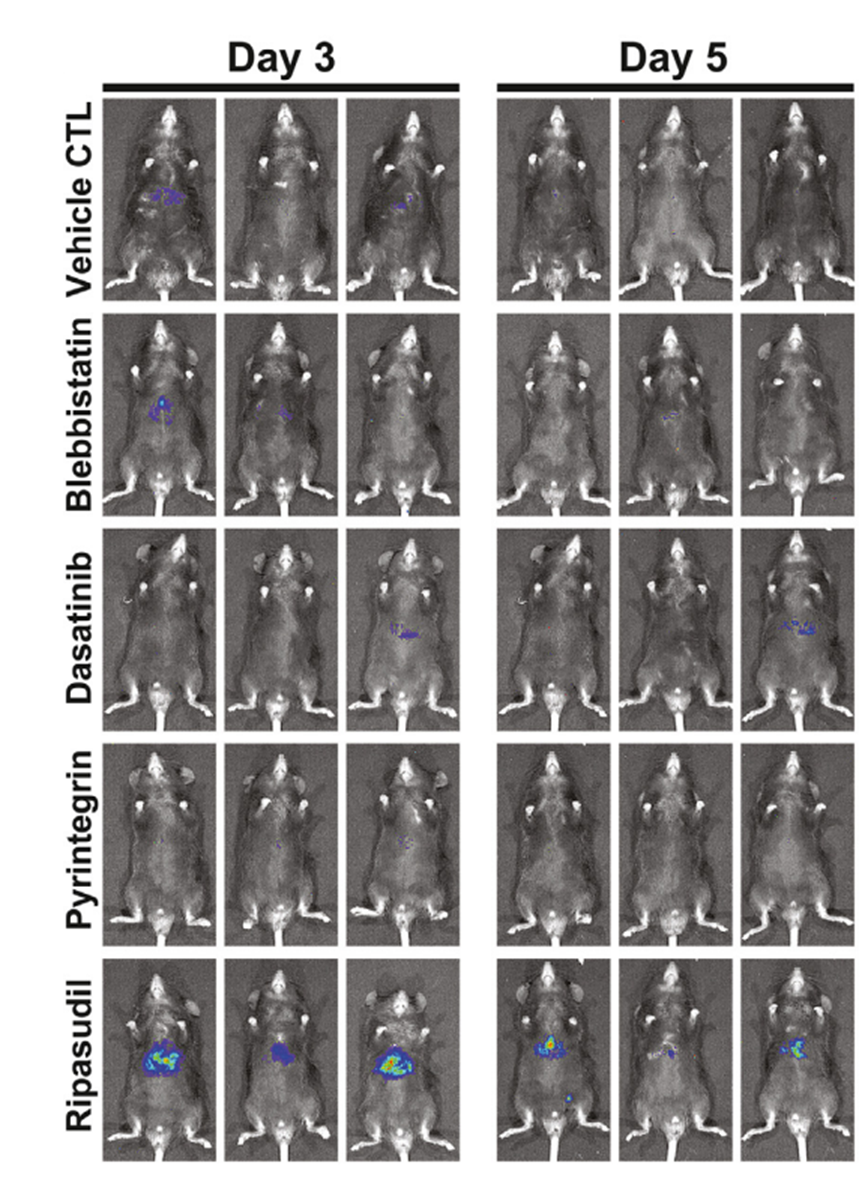
C57 mice were transplanted with luciferase-expressing hepatocytes. The effects of the ROCK inhibitor Ripasudil (17.3 mg/kg, i.p.), nonmuscle myosin II ATPase inhibitor Blebbistatin, β1-integrin agonist Pyrintegrin, and Src kinase inhibitor Dasatinib on hepatocyte liver engraftment were analyzed by bioluminescence imaging on days 3 and 5 after intrasplenic infusion.
Ripasudil purchased from MedChemExpress. Usage Cited in: Mol Ther. 2023 Jun 7;31(6):1846-1856. [Abstract]
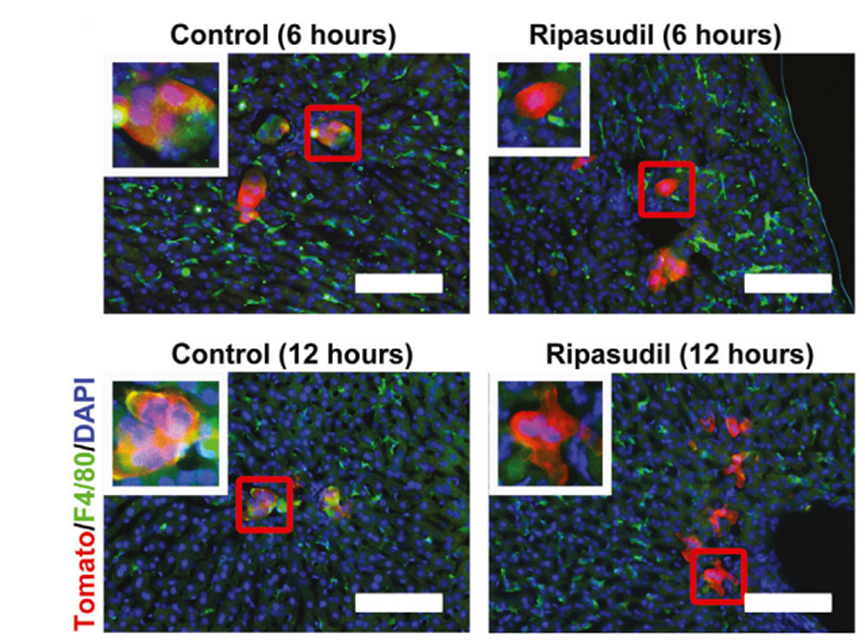
Ripasudil (17.3 mg/kg, i.p.) treatment significantly decreased the colocalization between transplanted hepatocytes and Kupffer cells to 11.38% at 6 h and 14.49% at 12 h after transplantation.
Ripasudil purchased from MedChemExpress. Usage Cited in: Mol Ther. 2023 Jun 7;31(6):1846-1856. [Abstract]
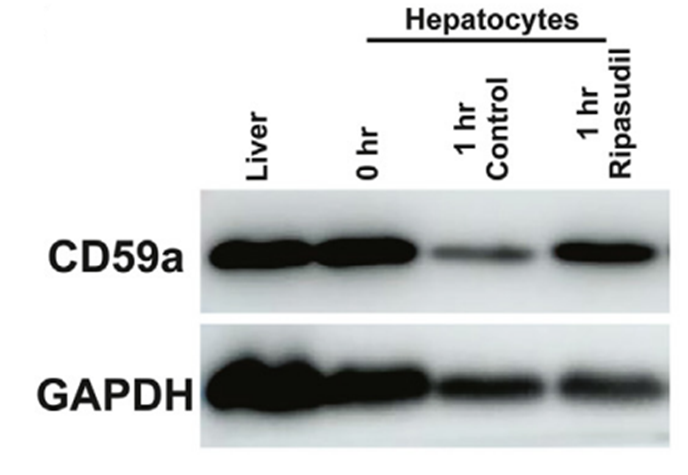
Western blot assays showed rapid loss of CD59a protein on isolated hepatocytes, which could be blocked by Ripasudil (17.3 mg/kg, i.p.) treatment.
-
Exp Eye Res
Laboratory exploration of the use of ripasudil in descemetorhexis with a human ex vivo model. [Abstract]2024 Aug:245:109977. PMID: 38901724 -
Curr Eye Res
Effects of Ripasudil, a Rho-Kinase Inhibitor, on Scar Formation in a Mouse Model of Filtration Surgery. [Abstract]2023 Sep;48(9):826-835. PMID: 37216470 -


Solvent & Solubility
In Vitro:
H2O : ≥ 50 mg/mL (126.30 mM)
DMSO : 25 mg/mL (63.15 mM; Need ultrasonic; Hygroscopic DMSO has a significant impact on the solubility of product, please use newly opened DMSO)
* "≥" means soluble, but saturation unknown.
Please refer to the solubility information to select the appropriate solvent. Once prepared, please aliquot and store the solution to prevent product inactivation from repeated freeze-thaw cycles.
Storage method and period of stock solution: -80°C, 6 months; -20°C, 1 month (sealed storage, away from moisture). When stored at -80°C, please use it within 6 months. When stored at -20°C, please use it within 1 month.
* Note: If you choose water as the stock solution, please dilute it to the working solution, then filter and sterilize it with a 0.22 μm filter before use.
Please refer to the solubility information to select the appropriate solvent. Once prepared, please aliquot and store the solution to prevent product inactivation from repeated freeze-thaw cycles.
Storage method and period of stock solution: -80°C, 6 months; -20°C, 1 month (sealed storage, away from moisture). When stored at -80°C, please use it within 6 months. When stored at -20°C, please use it within 1 month.
* Note: If you choose water as the stock solution, please dilute it to the working solution, then filter and sterilize it with a 0.22 μm filter before use.
Concentration (start) × Volume (start) = Concentration (final) × Volume (final)
In Vivo:
Select the appropriate dissolution method based on your experimental animal and administration route.
- For the following dissolution methods, please ensure to first prepare a clear stock solution using an In Vitro approach and then sequentially add co-solvents:
- To ensure reliable experimental results, the clarified stock solution can be appropriately stored based on storage conditions. As for the working solution for In Vivo experiments, it is recommended to prepare freshly and use it on the same day.
- The percentages shown for the solvents indicate their volumetric ratio in the final prepared solution. If precipitation or phase separation occurs during preparation, heat and/or sonication can be used to aid dissolution.
Add each solvent one by one: 10% DMSO 40% PEG300 5% Tween-80 45% Saline
Solubility: ≥ 1.25 mg/mL (3.16 mM); Clear solution
This protocol yields a clear solution of ≥ 1.25 mg/mL (saturation unknown).
Taking 1 mL working solution as an example, add 100 μL DMSO stock solution (12.5 mg/mL) to 400 μL PEG300, and mix evenly; then add 50 μL Tween-80 and mix evenly; then add 450 μL Saline to adjust the volume to 1 mL.
Preparation of Saline: Dissolve 0.9 g sodium chloride in ddH₂O and dilute to 100 mL to obtain a clear Saline solution.
Add each solvent one by one: 10% DMSO 90% (20% SBE-β-CD in Saline)
Solubility: ≥ 1.25 mg/mL (3.16 mM); Clear solution
This protocol yields a clear solution of ≥ 1.25 mg/mL (saturation unknown).
Taking 1 mL working solution as an example, add 100 μL DMSO stock solution (12.5 mg/mL) to 900 μL 20% SBE-β-CD in Saline, and mix evenly.
Preparation of 20% SBE-β-CD in Saline (4°C, storage for one week): 2 g SBE-β-CD powder is dissolved in 10 mL Saline, completely dissolve until clear.
For the following dissolution methods, please prepare the working solution directly:
It is recommended to prepare fresh solutions and use them promptly within a short period of time.
The percentages shown for the solvents indicate their volumetric ratio in the final prepared solution. If precipitation or phase separation occurs during preparation, heat and/or sonication can be used to aid dissolution.
Add each solvent one by one: PBS
Solubility: 100 mg/mL (252.60 mM); Clear solution; Need ultrasonic
In Vivo Dissolution Calculator
Please enter the basic information of animal experiments:
-
-
-
-
Recommended: Prepare an additional quantity of animals to account for potential losses during experiments.
Working solution concentration: 0.22 mg/mL
This product has good water solubility, please refer to the measured solubility data in water/PBS/Saline for details.


Purity & Documentation
-
Data Sheet (286 KB)
-
SDS (393 KB)
- English - EN (393 KB)
- Français - FR (393 KB)
- Deutsch - DE (393 KB)
- Norwegian - NO (393 KB)
- Español - ES (393 KB)
- Swedish - SV (393 KB)
- Italian - IT (393 KB)
- Korean - KR (393 KB)
- Portuguese - PT (393 KB)
-
Handling Instructions (2659 KB)
References
[1]. Isobe T, et al. Effects of K-115, a rho-kinase inhibitor, on aqueous humor dynamics in rabbits. Curr Eye Res. 2014 Aug;39(8):813-22. [Content Brief]
[2]. Kaneko Y, et al. Effects of K-115 (Ripasudil), a novel ROCK inhibitor, on trabecular meshwork and Schlemm's canal endothelial cells. Sci Rep. 2016 Jan 19;6:19640. [Content Brief]
[3]. Yamamoto K, et al. The novel Rho kinase (ROCK) inhibitor K-115: a new candidate drug for neuroprotective treatment in glaucoma. Invest Ophthalmol Vis Sci. 2014 Oct 2;55(11):7126-36. [Content Brief]


Complete Stock Solution Preparation Table
Please refer to the solubility information to select the appropriate solvent. Once prepared, please aliquot and store the solution to prevent product inactivation from repeated freeze-thaw cycles.
Storage method and period of stock solution: -80°C, 6 months; -20°C, 1 month (sealed storage, away from moisture). When stored at -80°C, please use it within 6 months. When stored at -20°C, please use it within 1 month.
| Optional Solvent | Concentration Solvent Mass | 1 mg | 5 mg | 10 mg | 25 mg |
|---|---|---|---|---|---|
| DMSO / H2O | 1 mM | 2.5260 mL | 12.6301 mL | 25.2602 mL | 63.1504 mL |
| 5 mM | 0.5052 mL | 2.5260 mL | 5.0520 mL | 12.6301 mL | |
| 10 mM | 0.2526 mL | 1.2630 mL | 2.5260 mL | 6.3150 mL | |
| 15 mM | 0.1684 mL | 0.8420 mL | 1.6840 mL | 4.2100 mL | |
| 20 mM | 0.1263 mL | 0.6315 mL | 1.2630 mL | 3.1575 mL | |
| 25 mM | 0.1010 mL | 0.5052 mL | 1.0104 mL | 2.5260 mL | |
| 30 mM | 0.0842 mL | 0.4210 mL | 0.8420 mL | 2.1050 mL | |
| 40 mM | 0.0632 mL | 0.3158 mL | 0.6315 mL | 1.5788 mL | |
| 50 mM | 0.0505 mL | 0.2526 mL | 0.5052 mL | 1.2630 mL | |
| 60 mM | 0.0421 mL | 0.2105 mL | 0.4210 mL | 1.0525 mL | |
| H2O | 80 mM | 0.0316 mL | 0.1579 mL | 0.3158 mL | 0.7894 mL |
| 100 mM | 0.0253 mL | 0.1263 mL | 0.2526 mL | 0.6315 mL |
* Note: If you choose water as the stock solution, please dilute it to the working solution, then filter and sterilize it with a 0.22 μm filter before use.


Ripasudil Related Classifications
HY-15685 Related Classifications
 Powered by Bioz