



NVP-AEW541
Based on 14 publication(s) in Google Scholar
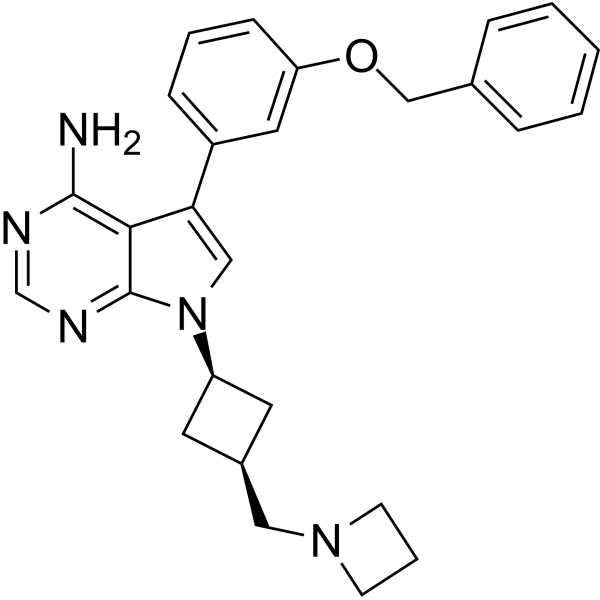
NVP-AEW541 (AEW541 ) is an orally active inhibitor of the insulin-like growth factor 1 receptor (IGF-1R) with an IC50 value of 0.15 μM. NVP-AEW541 also inhibits InsR, IC50 with a value of 0.14 μM. NVP-AEW541 has antitumor activity.
For research use only. We do not sell to patients.
- Purity : 99.71%
- CAS No.: 475489-16-8
- Formula: C27H29N5O
- Molecular Weight:439.55
-
Storage:Powder -20°C, 3 years , 4°C, 2 years ; In solvent -80°C, 2 years , -20°C, 1 year

To place orders, for customer services and technical support, please contact: MedChemExpress USA
Tel: 609-228-6898 E-mail: [email protected] [email protected]


-
 Biological Activity
-
Chemical Information
-
Solvent & Solubility
- Protocols
- Purity & Documentation
- References
-
 Help & FAQs


-
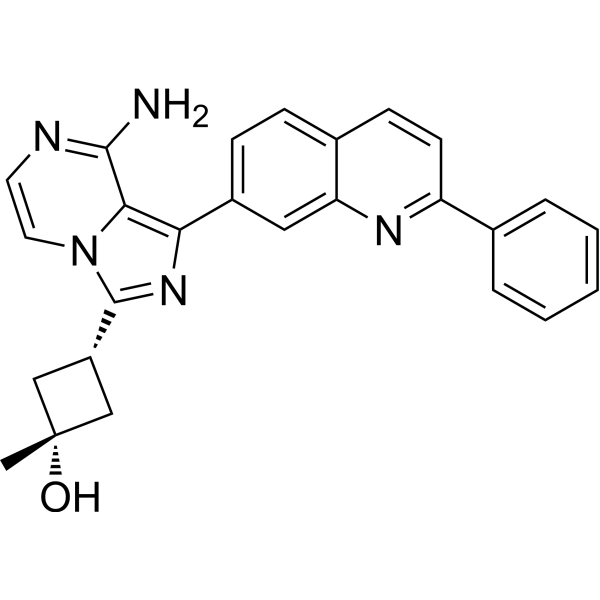
HY-10191
LinsitinibIGF-1R/Insulin Receptor Inhibitor -
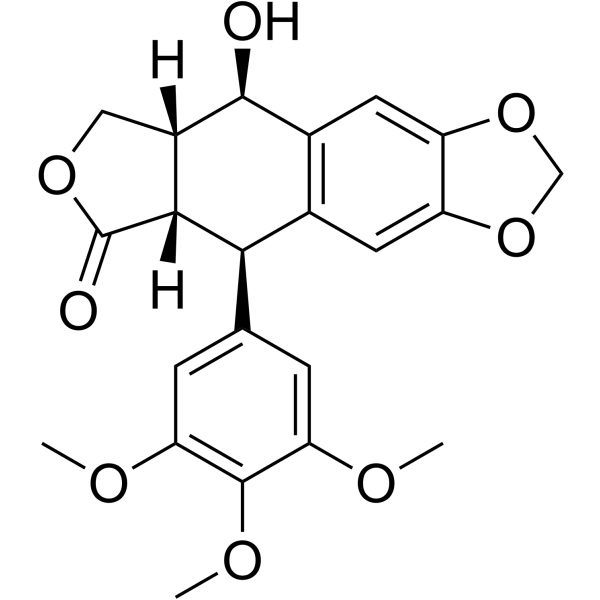
HY-15494
PicropodophyllinApoptosis Inducer -
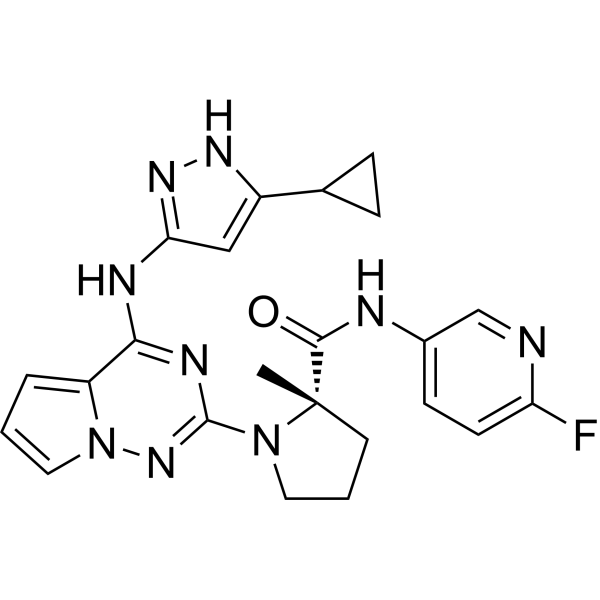
HY-10200
BMS-754807IGF-1R/IR Inhibitor -
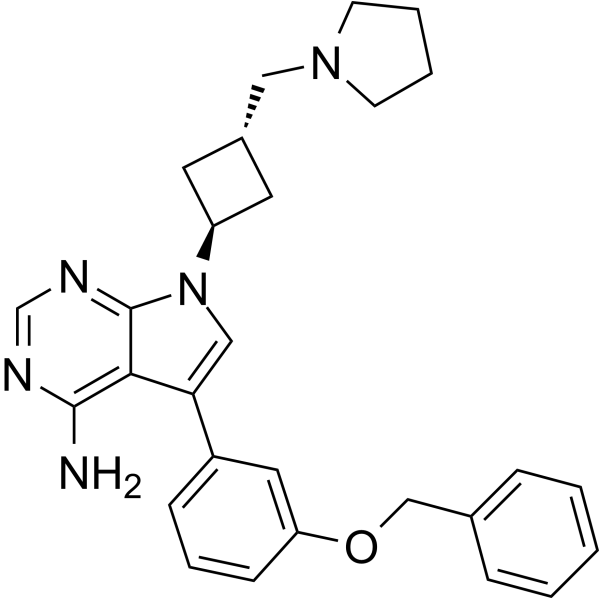
HY-10252
NVP-ADW742IGF-1R Inhibitor -
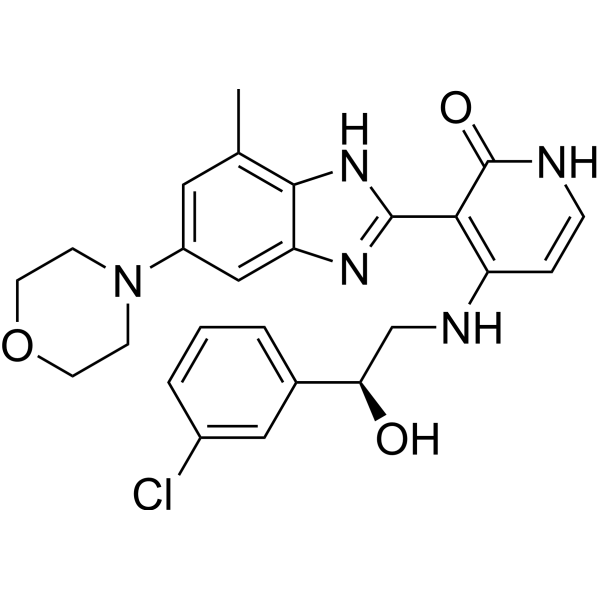
HY-10262
BMS-536924IGF-1R/IR Inhibitor -
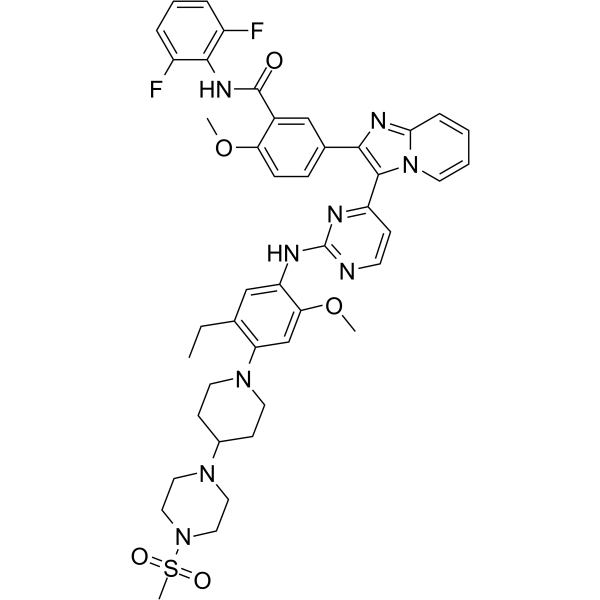
HY-10524
GSK1904529AIGF-1R Inhibitor -
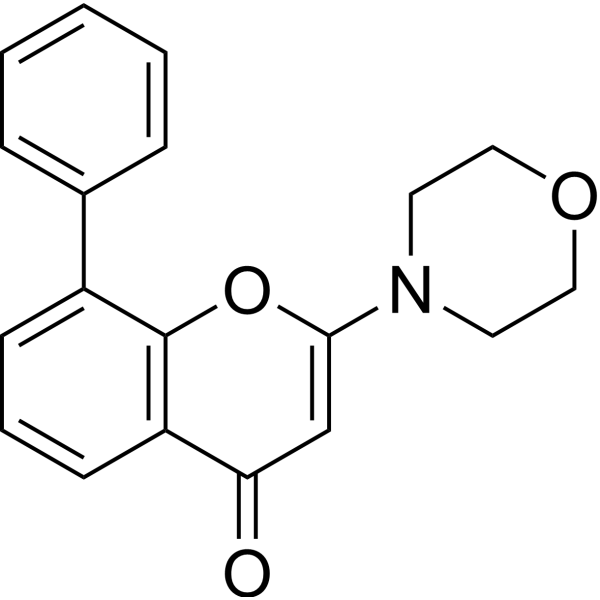
HY-10108
LY294002PI3K Inhibitor -
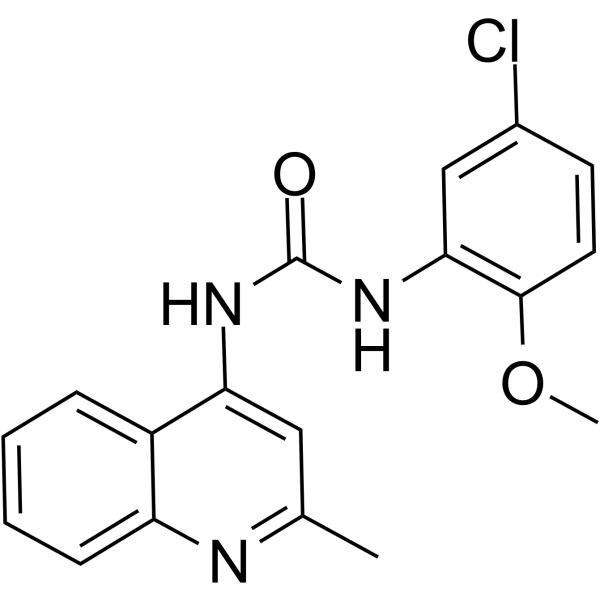
HY-13686
PQ401IGF-1R Inhibitor -

HY-P99294
GanitumabAnti-IGF1R Antibody -
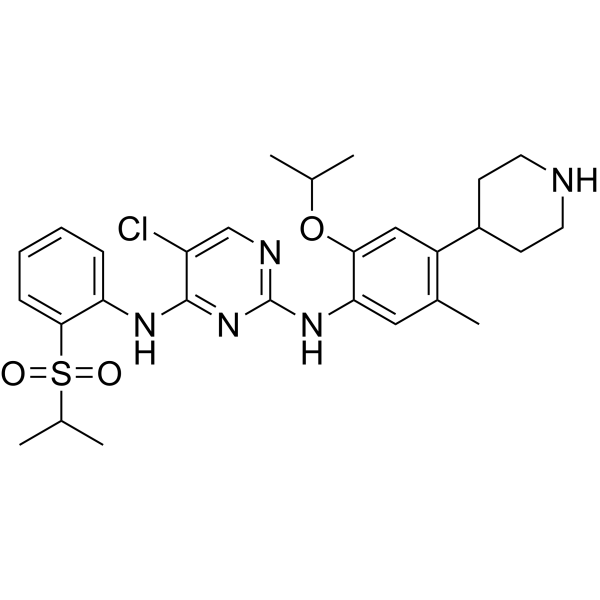
HY-15656
CeritinibALK Inhibitor -
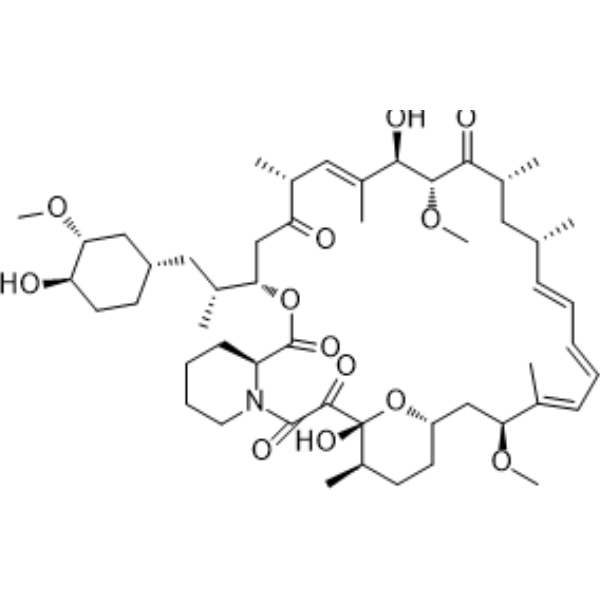
HY-10219
RapamycinmTOR Inhibitor -
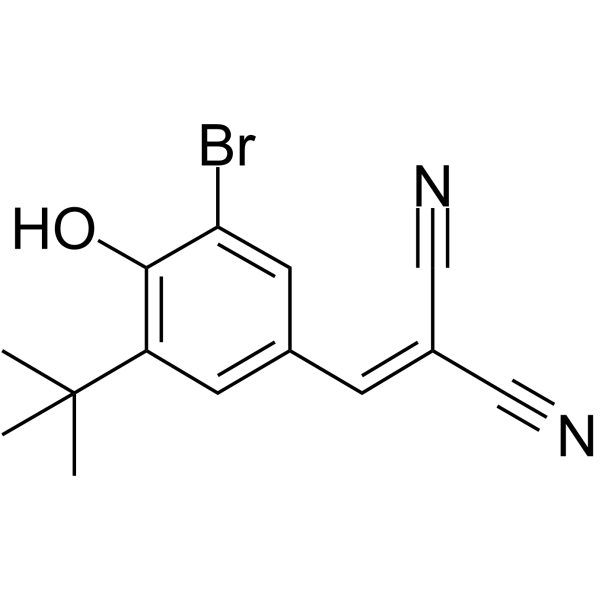
HY-10253
AG1024IGF-1R Inhibitor
Publications Citing Use of MedChemExpress (MCE) NVP-AEW541
More- Nat Commun. 2026 Feb 12;17(1):1214. [Abstract]
- Adv Sci (Weinh). 2026 Mar 12:e20455. [Abstract]
- Phytomedicine. 2025 Nov 25:148:157378. [Abstract]
- NPJ Parkinsons Dis. 2025 Jun 7;11(1):157. [Abstract]
- Cell Rep. 2025 Mar 11;44(3):115381. [Abstract]
- Life Sci. 2025 Mar 1:364:123449. [Abstract]
- ACS Chem Neurosci. 2021 Aug 4;12(15):2917-2928. [Abstract]
- Endocr Relat Cancer. 2019 Feb;26(2):187-199. [Abstract]
- J Biol Chem. 2026 Jul 24;302(9):113363.
- Stem Cells Int. 2021 Dec 6:2021:5553676. [Abstract]
- PLoS One. 2018 Feb 7;13(2):e0192214. [Abstract]
- J Hand Surg Am. 2025 Apr 14:S0363-5023(25)00132-7. [Abstract]
- Anticancer Drugs. 2024 Jan 1;35(1):46-54. [Abstract]
- bioRxiv. 2025 Nov 14.
 Customer Validation & Images

-
Others

-
RT-PCR

-
WB

-
WB

-
WB


Biological Activity
Description
IC50 & Target
IC50: 0.15 ±0.036 μM (IGF-IR), 0.14±0.039 μM (InsR), 0.42±0.11 μM (Flt-3), 2±0.61 μM (PDGFR), 2.4±0.38 μM (c-Src), 3.3±1.4 μM (c-Kit)[1]
Cellular Effect
|
Cell Line

|
Type | Value | Description | References |
|---|---|---|---|---|
| BaF3 | IC50 |
20 nM
Compound: NVP-AEW541
|
Inhibition of full length IGF-1 receptor (unknown origin) transfected in Ba/F3 cells assessed as cell proliferation
Inhibition of full length IGF-1 receptor (unknown origin) transfected in Ba/F3 cells assessed as cell proliferation
|
[PMID: 26951753] |
| BaF3 | IC50 |
244 nM
Compound: NVP-AEW541
|
Inhibition of full length insulin receptor (unknown origin) transfected in Ba/F3 cells assessed as cell proliferation
Inhibition of full length insulin receptor (unknown origin) transfected in Ba/F3 cells assessed as cell proliferation
|
[PMID: 26951753] |
| HEK293 | IC50 |
0.13 μM
Compound: NVP-AEW541
|
Displacement of [3H]-dofetilide from human ERG channel expressed in HEK293 cells
Displacement of [3H]-dofetilide from human ERG channel expressed in HEK293 cells
|
[PMID: 26951753] |
| HEK293 | IC50 |
65 nM
Compound: NVP-AEW541
|
Inhibition of full length IGF-1 receptor (unknown origin) autophosphorylation transfected in HEK293 cells pretreated for 60 mins followed by IGF-1 stimulation measured after 10 mins by quantitative Western blot analysis
Inhibition of full length IGF-1 receptor (unknown origin) autophosphorylation transfected in HEK293 cells pretreated for 60 mins followed by IGF-1 stimulation measured after 10 mins by quantitative Western blot analysis
|
[PMID: 26951753] |
| HEK293 | IC50 |
892 nM
Compound: NVP-AEW541
|
Inhibition of full length insulin receptor (unknown origin) autophosphorylation transfected in HEK293 cells pretreated for 60 mins followed by IGF-1 stimulation measured after 10 mins by quantitative Western blot analysis
Inhibition of full length insulin receptor (unknown origin) autophosphorylation transfected in HEK293 cells pretreated for 60 mins followed by IGF-1 stimulation measured after 10 mins by quantitative Western blot analysis
|
[PMID: 26951753] |
| Sf21 | IC50 |
2300 nM
Compound: 21; NVP-AEW541
|
Inhibition of human recombinant 1R N-terminal His-tagged (919 to 1343 residues) expressed in baculovirus infected Sf21 measured after 20 mins by western blot analysis
Inhibition of human recombinant 1R N-terminal His-tagged (919 to 1343 residues) expressed in baculovirus infected Sf21 measured after 20 mins by western blot analysis
|
[PMID: 36324498] |
| Sf21 | IC50 |
86 nM
Compound: 21; NVP-AEW541
|
Inhibition of human recombinant IGF-1R N-terminal His-tagged (950 to 1337 residues) expressed in baculovirus infected Sf21 measured after 20 mins by western blot analysis
Inhibition of human recombinant IGF-1R N-terminal His-tagged (950 to 1337 residues) expressed in baculovirus infected Sf21 measured after 20 mins by western blot analysis
|
[PMID: 36324498] |
In Vitro
NVP-AEW541 inhibits the in vitro kinase activity of the recombinant IGF-IR kinase domain with an IC50 value of 0.15 μM and to be equipotent against the recombinant InsR kinase domain. NVP-AEW541 is confirmed active toward the IGF-IR kinase (IC50=86 nM) and shown to be selective at the cellular level. Indeed, NVP-AEW541 is found to be 27-fold more potent toward the native IGF-IR, as compared to the structurally related native InsR (IC50=2.3 μM). NVP-AEW541 suppresses the IGF-I-mediated survival, soft agar and proliferation of MCF-7 cells with IC50 of 0.162 μM, 0.105 μM and 1.64 μM, respectively[1].
MedChemExpress (MCE) has not independently confirmed the accuracy of these methods. They are for reference only. Further protocols information, click here.
In Vivo
MedChemExpress (MCE) has not independently confirmed the accuracy of these methods. They are for reference only.


Chemical Information
-
CAS No. 475489-16-8
-
Appearance Solid
-
Molecular Weight 439.55
-
Formula C27H29N5O
-
Color White to light yellow
-
SMILES
NC1=C2C(N([C@@H]3C[C@@H](C3)CN4CCC4)C=C2C5=CC=CC(OCC6=CC=CC=C6)=C5)=NC=N1
-
Synonyms
AEW541
-
Shipping
Room temperature in continental US; may vary elsewhere.
-
Storage
Powder -20°C 3 years 4°C 2 years In solvent -80°C 2 years -20°C 1 year


Publications (14)
-
Journal Impact Factor
-
Most Recent
-
Nat Commun
Human iPSC-based Modeling of Pulmonary Fibrosis Reveals p300/CBP Inhibition Suppresses Alveolar Transitional Cell State. [Abstract]2026 Feb 12;17(1):1214. PMID: 41680175 -
Adv Sci (Weinh)
IGFBP5 Restores Endometrial Receptivity and Rescues Implantation Failure in Polycystic Ovary Syndrome. [Abstract]2026 Mar 12:e20455. PMID: 41816941
NVP-AEW541 purchased from MedChemExpress. Usage Cited in: Adv Sci (Weinh). 2026 Mar 12:e20455. [Abstract]
The percentage of JAr spheroids that adhere to Ishikawa cells treated with DHT (0.5 µM), DHT + IGFBP5 (100 ng/ml), DHT + IGF1 (50 ng/ml), DHT + IGFBP5 + IGF1 and DHT + IGFBP5 + NVP‐AEW541 (10 µM).
-
Phytomedicine
Cistanche deserticola extract and its active components, echinacoside, ameliorate sarcopenia by activating the IGF-1/PI3K-AKT pathway to modulate ferroptosis. [Abstract]2025 Nov 25:148:157378. PMID: 41106096
NVP-AEW541 purchased from MedChemExpress. Usage Cited in: Phytomedicine. 2025 Nov 25:148:157378. [Abstract]
The qRT-PCR results showed that IGF-1 mRNA expression was significantly increased in the DEX+H-ECH group, whereas NVP-AEW541 completely reversed this effect.
NVP-AEW541 purchased from MedChemExpress. Usage Cited in: Phytomedicine. 2025 Nov 25:148:157378. [Abstract]
Western blot analysis further confirmed that IGF-1, IGF-1R, PI3K, and AKT protein expression, as well as p-PI3K/p-AKT phosphorylation levels, were significantly upregulated in the DEX+H-ECH group, and this trend was blocked by NVP-AEW541 (10 μM), restoring these indicators to the levels observed in the DEX-only treatment group.
-
NPJ Parkinsons Dis
2025 Jun 7;11(1):157. PMID: 40483356
NVP-AEW541 purchased from MedChemExpress. Usage Cited in: NPJ Parkinsons Dis. 2025 Jun 7;11(1):157. [Abstract]
After 24 h transfection with V5-DNAJB1, SH-SY5Y cells were treated with indicated INSR inhibitor (NVP-AEW541: 10 μM) for 2 h. DNAJB1 phosphorylation was detected by the anti-phosphor-Y5-specific antibody. Data was analyzed by unpaired two-tailed Student’s t-test.
-
Cell Rep
YAP1 is a key regulator of EWS::FLI1-dependent malignant transformation upon IGF-1-mediated reprogramming of bone mesenchymal stem cells. [Abstract]2025 Mar 11;44(3):115381. PMID: 40080499
NVP-AEW541 purchased from MedChemExpress. Usage Cited in: Cell Rep. 2025 Mar 11;44(3):115381. [Abstract]
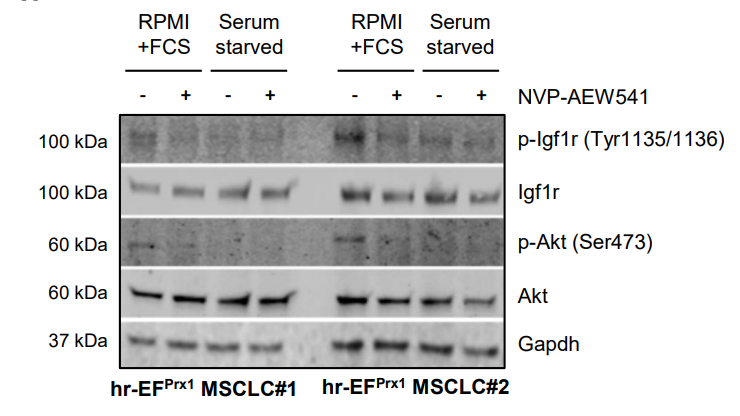
IGF-1R and Akt phosphorylation status of hrEFPrx1 MSCLC propagated in growth medium supplemented with 10%FCS or serum-starved for 5 hours,followed by treatment with the IGF-1R inhibitor NVP-AEW541 for 2 hours at 1µM (compared to nontreated control).
NVP-AEW541 purchased from MedChemExpress. Usage Cited in: Cell Rep. 2025 Mar 11;44(3):115381. [Abstract]
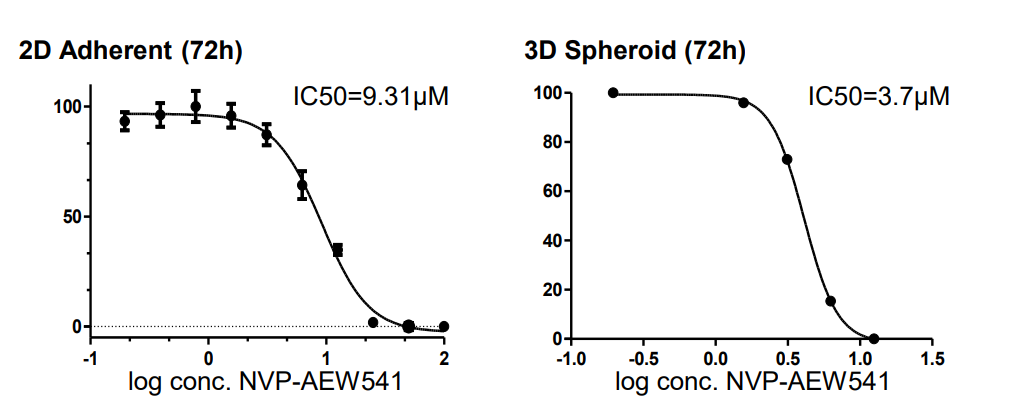
Determination of IC50 values for NVP-AEW541 on hr-EFPrx1 MSCLCs in both 2D and 3D (spheroid) formats.
-
Life Sci
2025 Mar 1:364:123449. PMID: 39920984 -
ACS Chem Neurosci
Abnormal Insulin-like Growth Factor 1 Signaling Regulates Neuropathic Pain by Mediating the Mechanistic Target of Rapamycin-Related Autophagy and Neuroinflammation in Mice. [Abstract]2021 Aug 4;12(15):2917-2928. PMID: 34264648 -
Endocr Relat Cancer
2019 Feb;26(2):187-199. PMID: 30422809 -
-
Stem Cells Int
Mechanical Stress-Induced IGF-1 Facilitates col-I and col-III Synthesis via the IGF-1R/AKT/mTORC1 Signaling Pathway. [Abstract]2021 Dec 6:2021:5553676. PMID: 34912459 -
PLoS One
Extraocular muscle regeneration in zebrafish requires late signals from Insulin-like growth factors. [Abstract]2018 Feb 7;13(2):e0192214. PMID: 29415074 -
J Hand Surg Am
2025 Apr 14:S0363-5023(25)00132-7. PMID: 40232216 -
Anticancer Drugs
2024 Jan 1;35(1):46-54. PMID: 37449977 -


Solvent & Solubility
In Vitro:
DMSO : 50 mg/mL (113.75 mM; Need ultrasonic; Hygroscopic DMSO has a significant impact on the solubility of product, please use newly opened DMSO)
Please refer to the solubility information to select the appropriate solvent. Once prepared, please aliquot and store the solution to prevent product inactivation from repeated freeze-thaw cycles.
Storage method and period of stock solution: -80°C, 2 years; -20°C, 1 year. When stored at -80°C, please use it within 2 years. When stored at -20°C, please use it within 1 year.
Please refer to the solubility information to select the appropriate solvent. Once prepared, please aliquot and store the solution to prevent product inactivation from repeated freeze-thaw cycles.
Storage method and period of stock solution: -80°C, 2 years; -20°C, 1 year. When stored at -80°C, please use it within 2 years. When stored at -20°C, please use it within 1 year.
Concentration (start) × Volume (start) = Concentration (final) × Volume (final)
In Vivo:
Select the appropriate dissolution method based on your experimental animal and administration route.
- For the following dissolution methods, please ensure to first prepare a clear stock solution using an In Vitro approach and then sequentially add co-solvents:
- To ensure reliable experimental results, the clarified stock solution can be appropriately stored based on storage conditions. As for the working solution for In Vivo experiments, it is recommended to prepare freshly and use it on the same day.
- The percentages shown for the solvents indicate their volumetric ratio in the final prepared solution. If precipitation or phase separation occurs during preparation, heat and/or sonication can be used to aid dissolution.
Add each solvent one by one: 10% DMSO 40% PEG300 5% Tween-80 45% Saline
Solubility: ≥ 2.5 mg/mL (5.69 mM); Clear solution
This protocol yields a clear solution of ≥ 2.5 mg/mL (saturation unknown).
Taking 1 mL working solution as an example, add 100 μL DMSO stock solution (25.0 mg/mL) to 400 μL PEG300, and mix evenly; then add 50 μL Tween-80 and mix evenly; then add 450 μL Saline to adjust the volume to 1 mL.
Preparation of Saline: Dissolve 0.9 g sodium chloride in ddH₂O and dilute to 100 mL to obtain a clear Saline solution.
Add each solvent one by one: 10% DMSO 90% (20% SBE-β-CD in Saline)
Solubility: 2.5 mg/mL (5.69 mM); Suspended solution; Need ultrasonic
This protocol yields a suspended solution of 2.5 mg/mL. Suspended solution can be used for oral and intraperitoneal injection.
Taking 1 mL working solution as an example, add 100 μL DMSO stock solution (25.0 mg/mL) to 900 μL 20% SBE-β-CD in Saline, and mix evenly.
Preparation of 20% SBE-β-CD in Saline (4°C, storage for one week): 2 g SBE-β-CD powder is dissolved in 10 mL Saline, completely dissolve until clear.
In Vivo Dissolution Calculator
Please enter the basic information of animal experiments:
-
-
-
-
Recommended: Prepare an additional quantity of animals to account for potential losses during experiments.
Please enter your animal formula composition:
-
%DMSO +
Recommended: Keep the proportion of DMSO in working solution below 2% if your animal is weak.
-
%+
-
+%Tween-80 + +
-
%Saline +
The co-solvents required include: DMSO, . All of co-solvents are available by MedChemExpress (MCE). , Tween 80. All of co-solvents are available by MedChemExpress (MCE).
Working solution concentration: 0.22 mg/mL
Method for preparing stock solution: mg drug dissolved in μL DMSO. Stock solution concentration: mg/mL.
1. Take μL DMSO stock solution;
2. Add μL .
μL , mix evenly;
3. Then add μL Tween 80, mix evenly;
4. Then add μL
Please ensure that the stock solution in the first step is dissolved to a clear state, and add co-solvents in sequence. You can use ultrasonic heating (ultrasonic cleaner, recommended frequency 20-40 kHz), vortexing, etc. to assist dissolution.

Protocols
-
Cell Cytotoxicity Assay
Cytotoxicity assays are usually based on the assessment of cell membrane damage, which can also be indirectly detected by measuring cell viability. Detection methods include MTT assay, CKK-8 assay, LDH assay and ATP assay, etc.
-
Research Protocol for Endocrine Diseases
Endocrine diseases often arise from disrupted hormone production, hormone signaling, or target-tissue responsiveness; for diabetes-focused endocrine disease models, insulin signaling regulates glucose uptake, hepatic glucose output, lipid metabolism, and β-cell compensation. Type 2 diabetes develops through interacting defects in insulin resistance, β-cell dysfunction, adipose inflammation, hepatic glucose overproduction, altered incretin signaling, and ectopic lipid metabolism. A major unresolved question is whether endocrine dysfunction is driven primarily by target-tissue insulin resistance, intrinsic β-cell failure, immune/inflammatory stress, or combined multi-organ failure that differs by disease stage.
-
Subcutaneous Cell-Line-Derived Xenograft
Subcutaneous cell-line-derived xenograft (CDX) models are established by implanting cultured human cancer cell lines into immunodeficient mice, where the injected cells form localized tumors that can be monitored in vivo as a measure of tumorigenic potential, growth kinetics, and treatment response. These models are widely used in oncology research because they allow reproducible tumor formation and enable comparative assessment of tumor growth between different cell lines or genetic manipulations in a controlled in vivo microenvironment. Subcutaneous implantation of cancer cells in immunodeficient mice is a standard approach for evaluating tumor growth behavior and therapeutic response across multiple cancer types, including prostate, esophageal, pancreatic, and colon cancer models.


Purity & Documentation
-
Data Sheet (288 KB)
-
SDS (393 KB)
- English - EN (393 KB)
- Français - FR (393 KB)
- Deutsch - DE (393 KB)
- Norwegian - NO (393 KB)
- Español - ES (393 KB)
- Swedish - SV (393 KB)
- Italian - IT (393 KB)
- Korean - KR (393 KB)
- Portuguese - PT (393 KB)
-
Handling Instructions (2659 KB)
References
[1]. García-Echeverría C, et al. In vivo antitumor activity of NVP-AEW541-A novel, potent, and selective inhibitor of the IGF-IR kinase. Cancer Cell. 2004 Mar;5(3):231-9. [Content Brief]
[2]. Tanno B, et al. Down-regulation of IGF-1 receptor activity by NVP-AEW541 has an antitumor effect on neuroblastoma cells in vitro and in vivo. Clin Cancer Res. 2006, 12(22), 6772-6780. [Content Brief]


Complete Stock Solution Preparation Table
Please refer to the solubility information to select the appropriate solvent. Once prepared, please aliquot and store the solution to prevent product inactivation from repeated freeze-thaw cycles.
Storage method and period of stock solution: -80°C, 2 years; -20°C, 1 year. When stored at -80°C, please use it within 2 years. When stored at -20°C, please use it within 1 year.
| Optional Solvent | Concentration Solvent Mass | 1 mg | 5 mg | 10 mg | 25 mg |
|---|---|---|---|---|---|
| DMSO | 1 mM | 2.2751 mL | 11.3753 mL | 22.7505 mL | 56.8764 mL |
| 5 mM | 0.4550 mL | 2.2751 mL | 4.5501 mL | 11.3753 mL | |
| 10 mM | 0.2275 mL | 1.1375 mL | 2.2751 mL | 5.6876 mL | |
| 15 mM | 0.1517 mL | 0.7584 mL | 1.5167 mL | 3.7918 mL | |
| 20 mM | 0.1138 mL | 0.5688 mL | 1.1375 mL | 2.8438 mL | |
| 25 mM | 0.0910 mL | 0.4550 mL | 0.9100 mL | 2.2751 mL | |
| 30 mM | 0.0758 mL | 0.3792 mL | 0.7584 mL | 1.8959 mL | |
| 40 mM | 0.0569 mL | 0.2844 mL | 0.5688 mL | 1.4219 mL | |
| 50 mM | 0.0455 mL | 0.2275 mL | 0.4550 mL | 1.1375 mL | |
| 60 mM | 0.0379 mL | 0.1896 mL | 0.3792 mL | 0.9479 mL | |
| 80 mM | 0.0284 mL | 0.1422 mL | 0.2844 mL | 0.7110 mL | |
| 100 mM | 0.0228 mL | 0.1138 mL | 0.2275 mL | 0.5688 mL |


NVP-AEW541 Related Classifications
HY-50866 Related Classifications
 Powered by Bioz