



Cancer Targeted Therapy
Cancer targeted therapy is the foundation of precision medicine; it uses drugs or other substances to target specific genes and proteins that control cancer cells’ growth, division and spreading. Compared to traditional chemotherapy drugs, targeted-drugs can specifically act on cancer cells with high efficacy without damaging normal cells. Drugs used in cancer targeted therapy mainly includes small molecules and macromolecules (e.g., monoclonal antibodies), which can target cancer cells and constituents in the tumor microenvironment to activate the immune system. Anti-angiogenesis drugs, such as those targeting vascular endothelial growth factor (VEGF), epidermal growth factor receptor (EGFR), transforming growth factor (TGF)-α, TGF-β, Tumor necrosis factor (TNF)-α, and platelet-derived endothelial growth factor (PDGFR) inhibit the proliferation and metastasis of cancer cells. In recent years, the proportion of antibody drugs in cancer treatment has gradually become prominent. Antibody-drug conjugates (ADCs) are a new type of targeted drugs that are composed of monoclonal antibody, cytotoxic drug and linker. ADCs can deliver drugs to tumor cells and minimize the toxicity to normal tissues. Proteolysis-targeting chimera (PROTAC) is a useful technology for targeted protein degradation. PROTAC exploits the ubiquitin-proteasome system and forms a ternary complex with a hijacked E3 ubiquitin ligase and target protein, leading to polyubiquitination and degradation of the target protein.
Targeted therapy is a useful strategy in treatment of cancer either alone or in combination with standard chemotherapy. At present, targeted therapy has proved significant clinical success in the treatment of many types of cancer, including breast cancer, colorectal cancer, leukemia, ovarian cancer and lung cancer.
-
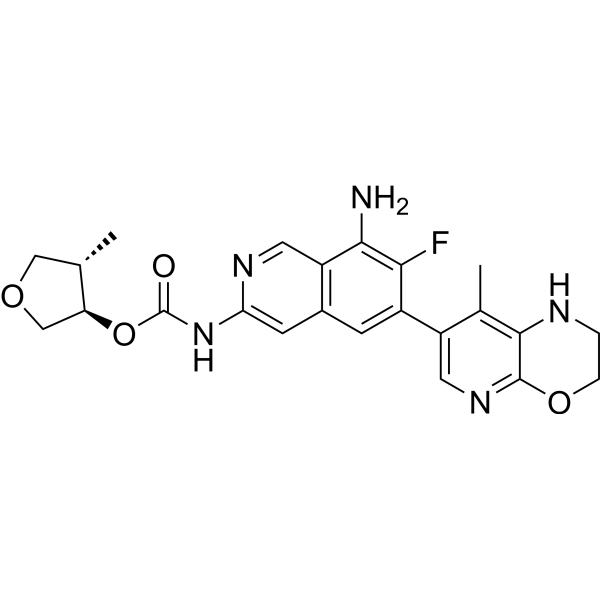
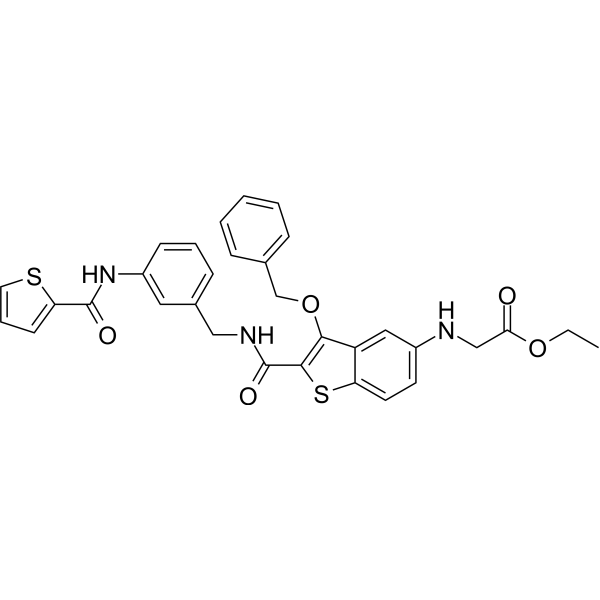
GNE-6893
 0 Images
GNE-6893 is an orally active, selective HPK1 inhibitor with a Ki < 0.02 nM. GNE-6893 enhances T cell receptor signaling in primary human T cells. GNE-6893 increases IL2 production in stimulated primary human T cells. GNE-6893 can be used for the research of chronic refractory cancers.
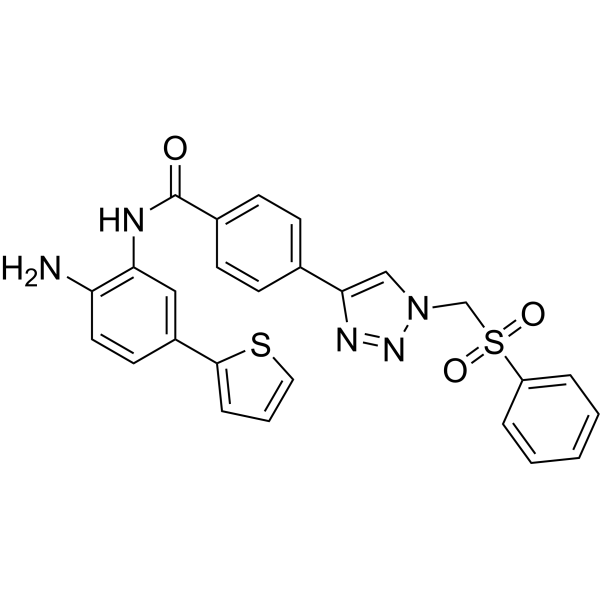
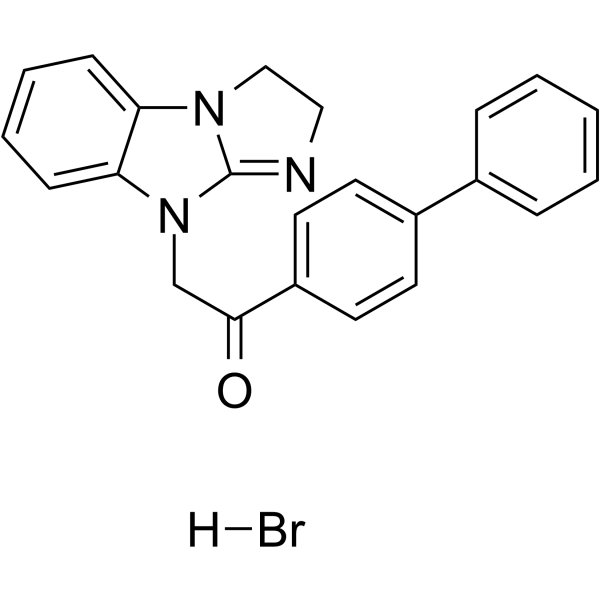
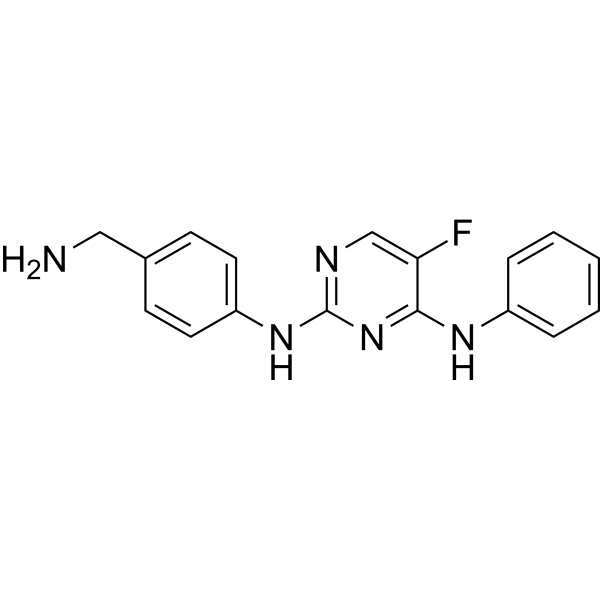
-
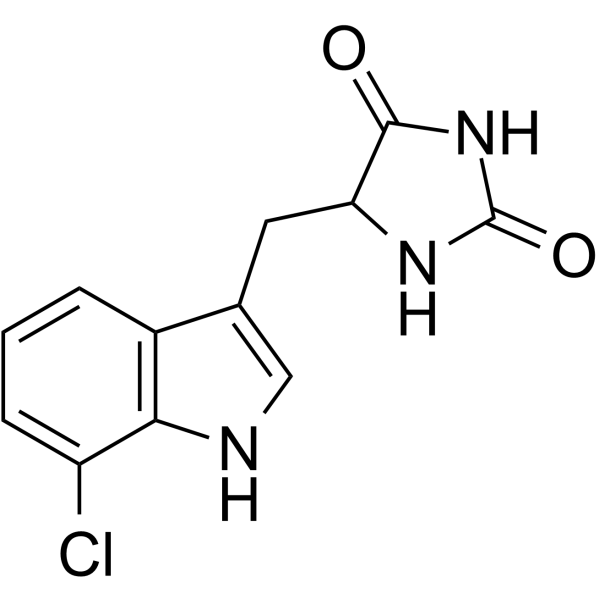
Necroptosis-IN-1
 0 Images
Necroptosis-IN-1, an analog of Necrostatin-1, is a potent necroptosis inhibitor. Necroptosis-IN-1 is a RIPK inhibitor.
-
N-Demethyl Ivabradine hydrochloride
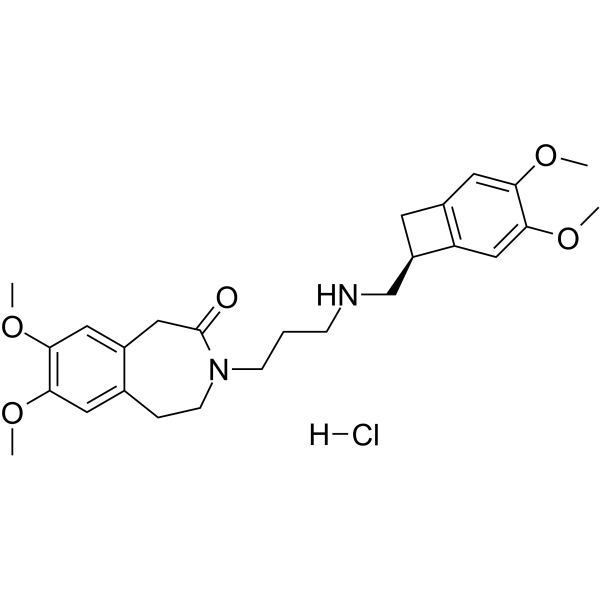 0 ImagesSynonyms: Ivabradine metabolite N-Demethyl Ivabradine hydrochloride
N-Demethyl Ivabradine (hydrochloride) is a metabolite of Ivabradine, which is a specific inhibitor of the funny channel.
-
Methyltetrazine-PEG5-methyltetrazine
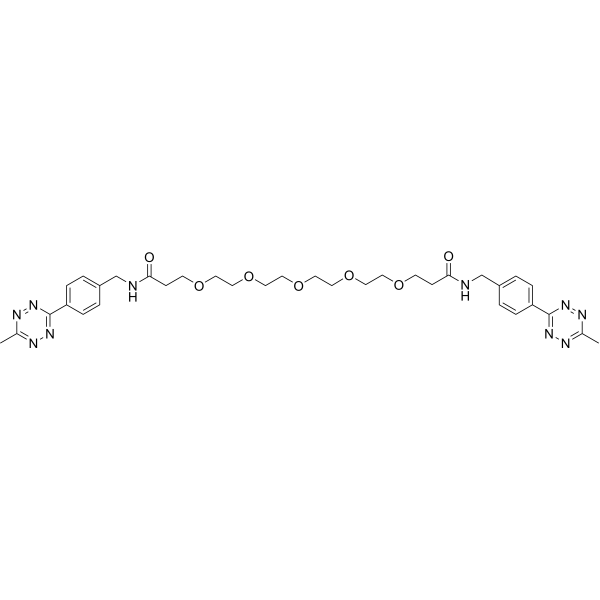 0 ImagesCat. No.: HY-133467Purity: 98.52%
Methyltetrazine-PEG5-methyltetrazine is a PEG-based PROTAC linker that can be used in the synthesis of PROTACs. Methyltetrazine-PEG5-methyltetrazine is a click chemistry reagent, it contains a Tetrazine group that can undergo an inverse electron demand Diels-Alder reaction (iEDDA) with molecules containing TCO groups.
-
(E/Z)-AG490
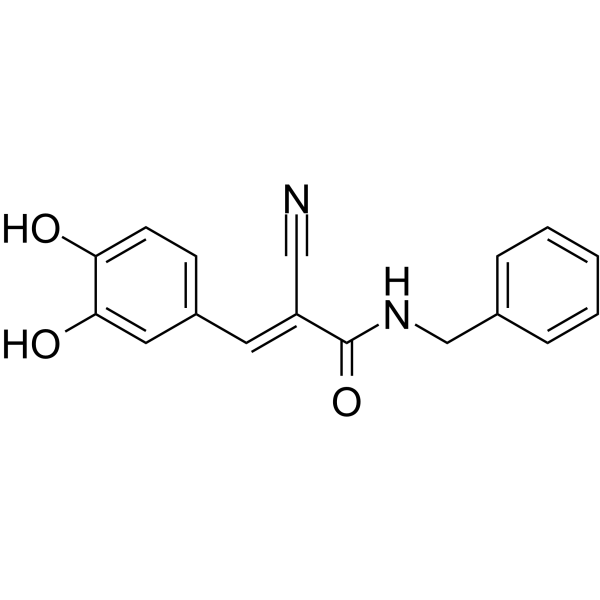 0 ImagesSynonyms: (E/Z)-Tyrphostin AG490; (E/Z)-Tyrphostin B42
-
LIMK1 inhibitor BMS-4
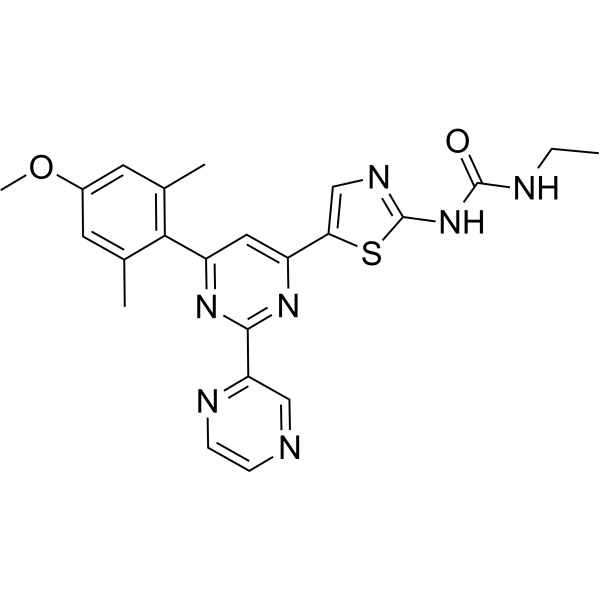 0 Images
LIMK1 inhibitor BMS-4 is a LIM Kinase (LIMK) inhibitor targeting to LIMK1/2. LIMK1 inhibitor BMS-4 inhibits phosphorylation of cofilin, the LIMK substrate. However, LIMK1 inhibitor BMS-4 is noncytotoxic on A549 cells.
-
JGB1741
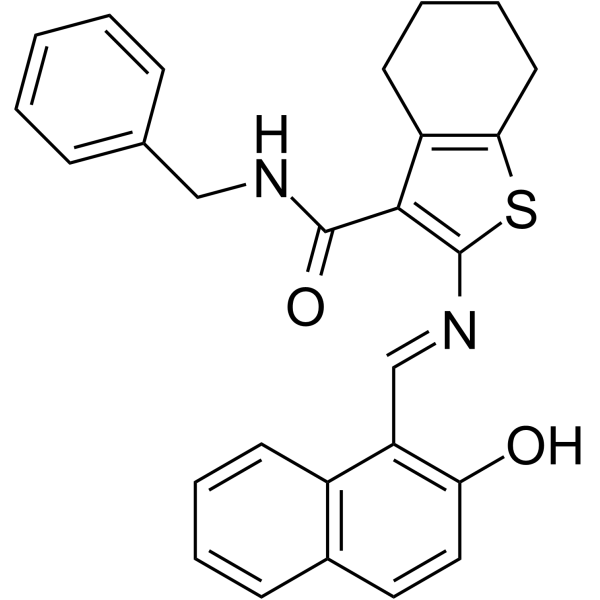 0 ImagesSynonyms: ILS-JGB-1741
JGB1741 (ILS-JGB-1741) is a potent and specific SIRT1 activity inhibitor with an IC50 of ∼15 μM. JGB1741 is a weak SIRT2 and SIRT3 inhibitor with an all IC50>100 μM. JGB1741 increases the acetylated p53 levels leading to p53-mediated apoptosis with modulation of Bax/Bcl2 ratio, cytochrome c release and PARP cleavage. JGB1741 has the potential for breast cancer research.
-
ERAP1 modulator-2
 0 Images
ERAP1 modulator-2 (compound 10) is a potent ERAP1 inhibitor with an IC50 value of <100 nM.
-
Nodularin
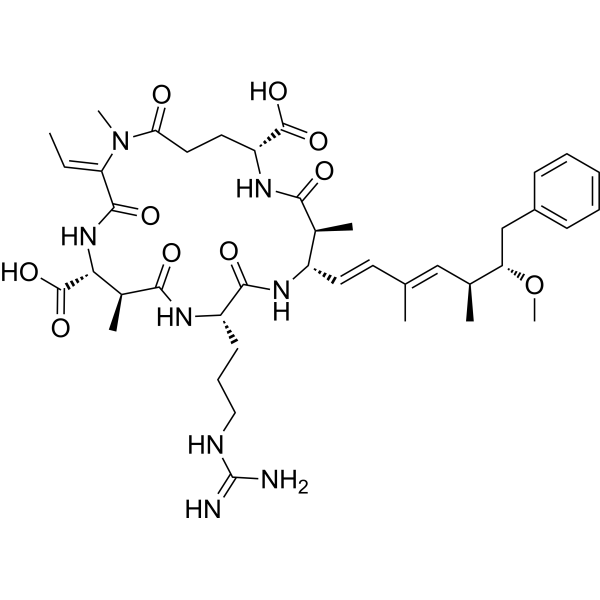 0 Images
Nodularin is a hepatotoxin, tumor promoter, and protein phosphatase inhibitor. Nodularin induces apoptosis (apoptosis) in normal cells (including caspase activation, upregulation of Bcl-XS, and upregulation of BAX/P53), triggers hyperphosphorylation of the MAPK/ERK, mTOR/S6K and p38 MAPK signaling pathways, and induces oxidative stress, endoplasmic reticulum membrane instability, peroxisome proliferation and increased lysosomal enzyme activity. Nodularin promotes DEN (HY-N7434)-initiated hepatocyte proliferation and adenoma formation, and inhibits proliferation, phagocytosis and chemotaxis of normal lymphocytes, oocyte maturation and vitellogenesis, as well as angiogenesis. Nodularin exhibits hepatotoxicity, reproductive and endocrine toxicity, and embryonic developmental toxicity in various animal models. Nodularin can be used in studies related to liver cancer, hepatotoxicity and reproductive endocrine toxicity.
-
Bcl-xL antagonist 2
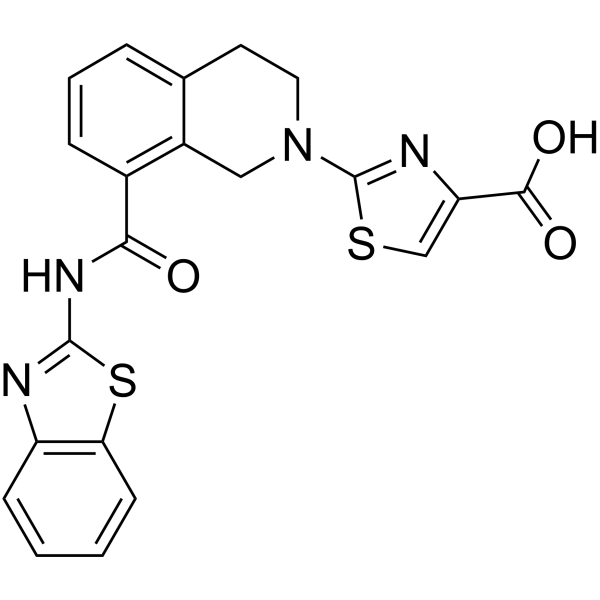 0 Images
Bcl-xL antagonist 2 is a potent, selective, and orally active antagonist of BCL-XL with an IC50 and Ki of 0.091 μM and 65 nM, respectively. Bcl-xL antagonist 2 promotes the apoptosis of cancer cells. Bcl-xL antagonist 2 has the potential for the research of the chronic lymphocytic leukemia (CLL) and non-Hodgkin’s lymphoma (NHL).
-
Mefuparib hydrochloride
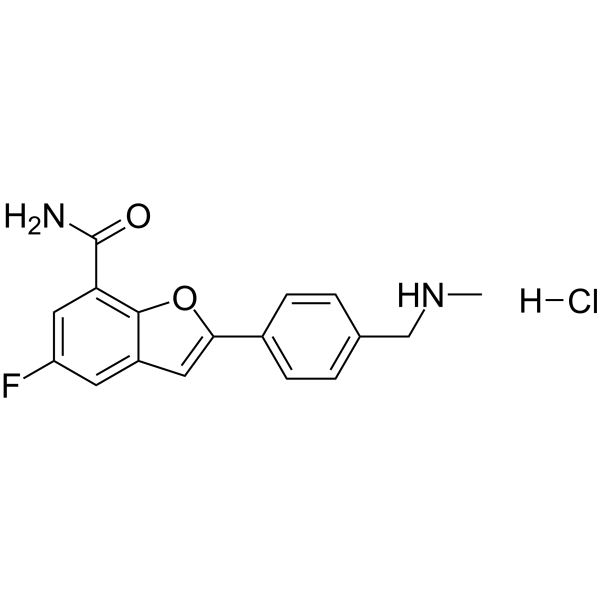 0 ImagesSynonyms: MPH
Mefuparib hydrochloride (MPH) is an orally active, substrate-competitive and selective PARP1/2 inhibitor with IC50s of 3.2 nM and 1.9 nM, respectively. Mefuparib hydrochloride induces apoptosis and possesses prominent anticancer activity in vitro and in vivo.
-
P2Y1/P2Y12 antagonist-1
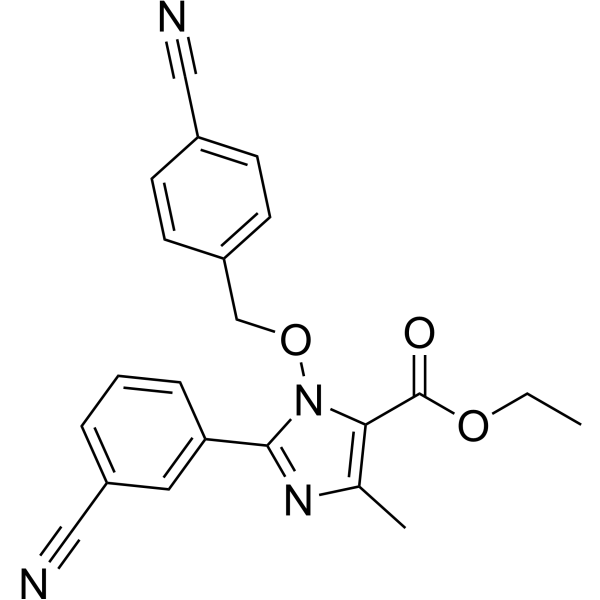 0 Images
P2Y1/P2Y12 antagonist-1 (compound 24w) is an orally available dual inhibitor of P2Y1 and P2Y12 with antiplatelet activity. P2Y1/P2Y12 antagonist-1 inhibits ADP-induced platelet aggregation in rabbit plasma with an IC50 of 4.23 μM. P2Y1/P2Y12 antagonist-1 exhibits potent inhibitory effects in rat thrombosis model.
-
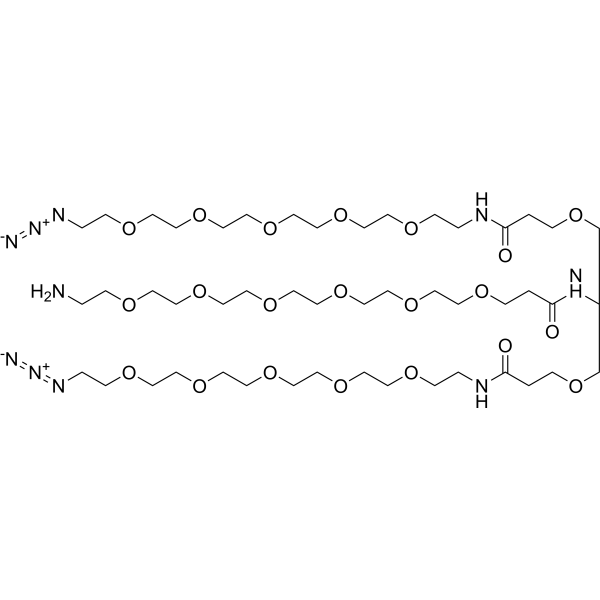
Amino-PEG6-amido-bis-PEG5-N3
 0 ImagesCat. No.: HY-130957
Amino-PEG6-amido-bis-PEG5-N3 is a cleavable 11 unit PEG ADC linker used in the synthesis of antibody-drug conjugates (ADCs). Amino-PEG6-amido-bis-PEG5-N3 is a click chemistry reagent, it contains an Azide group and can undergo copper-catalyzed azide-alkyne cycloaddition reaction (CuAAc) with molecules containing Alkyne groups. It can also undergo strain-promoted alkyne-azide cycloaddition (SPAAC) reactions with molecules containing DBCO or BCN groups.
-
ALDOA-IN-1
 0 ImagesCat. No.: HY-181267Purity: 98.46%
ALDOA-IN-1 is an aldolase A(ALDOA) inhibitor. ALDOA-IN-1 directly inhibits ALDOA enzymatic activity, thereby reducing lactate production, downregulating HIF-1α expression, and ultimately inducing cancer cell apoptosis. ALDOA-IN-1 can be used for research on colorectal cancer.



