



Akt Activator
-
4-Vinylcyclohexene dioxide
 0 ImagesSynonyms: Vinylcyclohexene diepoxide
4-Vinylcyclohexene dioxide (4-Vinylcyclohexene diepoxide) is an orally active metabolite of 4-vinylcyclohexene. 4-Vinylcyclohexene dioxide induces Apoptosis, increases intracellular ROS, and activates the PI3K/Akt/mTOR pathway. 4-Vinylcyclohexene dioxide selectively damages small ovarian follicles, inhibits granulosa cell function, and disrupts the male reproductive system. 4-Vinylcyclohexene dioxide can be used in the study of premature ovarian insufficiency, reproductive toxicity, and related fertility disorders.
-
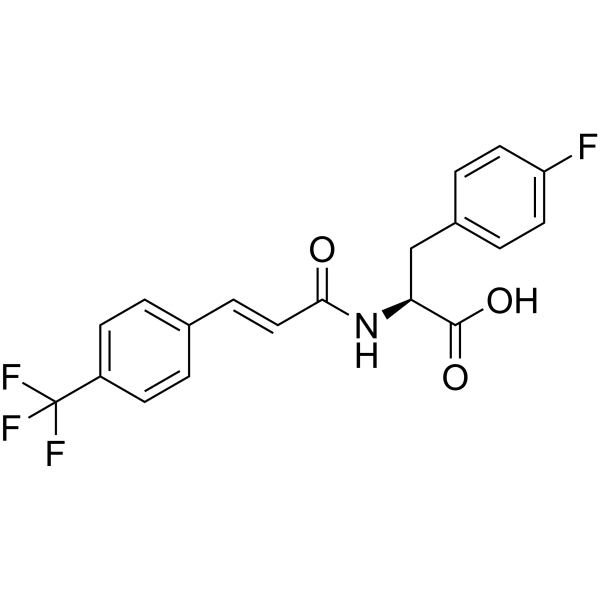
PI3K/Akt/CREB activator 1
 0 Images
PI3K/Akt/CREB activator 1 (compound AE-18) is a potent, orally active PI3K/Akt/CREB activator. PI3K/Akt/CREB activator 1 promotes neuronal proliferation, induced differentiation of Neuro-2a cells into a neuron-like morphology, and accelerated the establishment of axon-dendrite polarization of primary hippocampal neurons through upregulating brain-derived neurotrophic factor via the PI3K/Akt/CREB pathway. PI3K/Akt/CREB activator 1 can be used in research of vascular dementia (VaD).
-
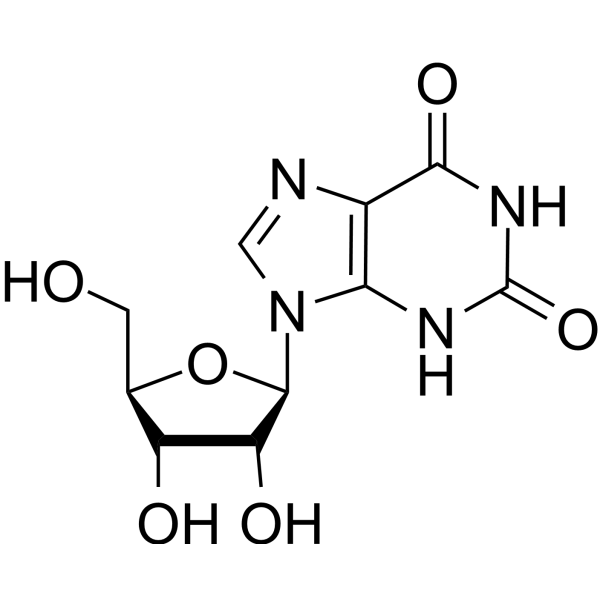
Xanthosine
 0 Images
Xanthosine is a nucleoside derived from xanthine and ribose. Xanthosine activates the AMPK/FoxO1/AKT/GSK3β signaling cascade. Xanthosine promotes cell proliferation and regulates blood glucose metabolism. Xanthosine increases milk production in cows and goats. Xanthosine is used in mammary stem cell and type 2 diabetes research.
-
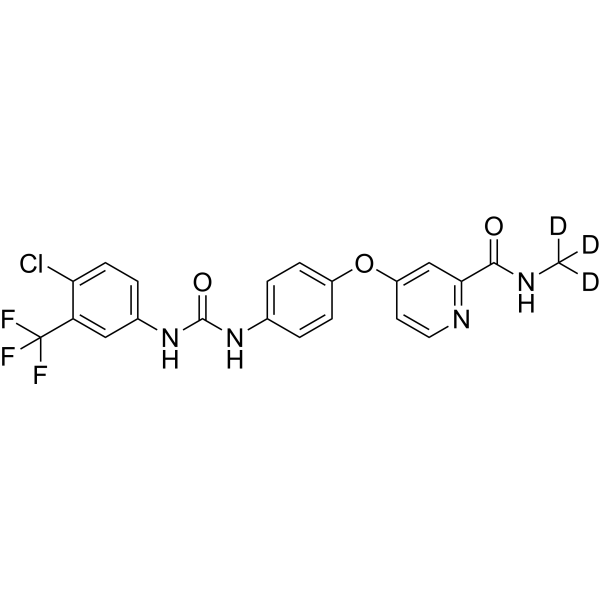
Sorafenib-d3
 0 ImagesSynonyms: Donafenib; Bay 43-9006-d3
Sorafenib-d3 (Donafenib) is the deuterated-labeled Sorafenib (HY-10201). Sorafenib (Bay 43-9006) is a potent oral active multikinase inhibitor. Sorafenib blocks autophosphorylation and activity of receptor tyrosine kinases (VEGFR-2, VEGFR-3) and RAF family kinases, thereby suppressing the RAF/MEK/ERK and PI3K/Akt pathways, inhibiting STAT3 phosphorylation, and selectively inhibiting the MAPK pathway in cancer cells. Sorafenib induces cell cycle arrest, autophagy, apoptosis, and PARP cleavage, reduces Bcl-2, Bcl-XL, cyclin D1 levels, and activates Bak and Bax. Sorafenib inhibits tumor growth and metastasis in mouse and rat models. Sorafenib can be used for cancer research, such as colon, breast, non-small-cell lung cancer (NSCLC), ovarian, pancreatic, melanoma, colorectal and hepatocellular carcinoma.
-
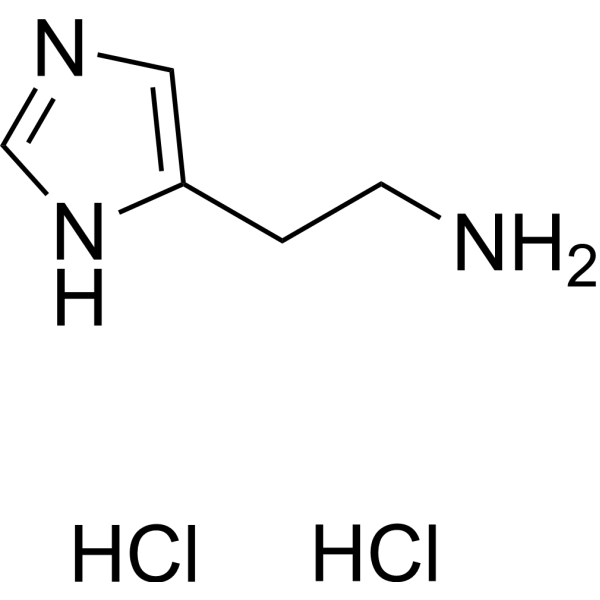
Histamine dihydrochloride
 0 Images
Histamine dihydrochloride is the agonist for histamine receptor and a vasodilator. Histamine dihydrochloride is an organic nitrogen compound that participates in local immune responses, regulates intestinal physiological functions, and acts as a neurotransmitter. Histamine dihydrochloride affects p38 MAPK/Akt signaling pathway, exhibits antitumor, antioxidant and anti-inflammatory activities. Histamine dihydrochloride can be used in the research of acute myeloid leukemia, malignant melanoma, and renal cell carcinoma.
-
Ciprofloxacin hydrochloride monohydrate
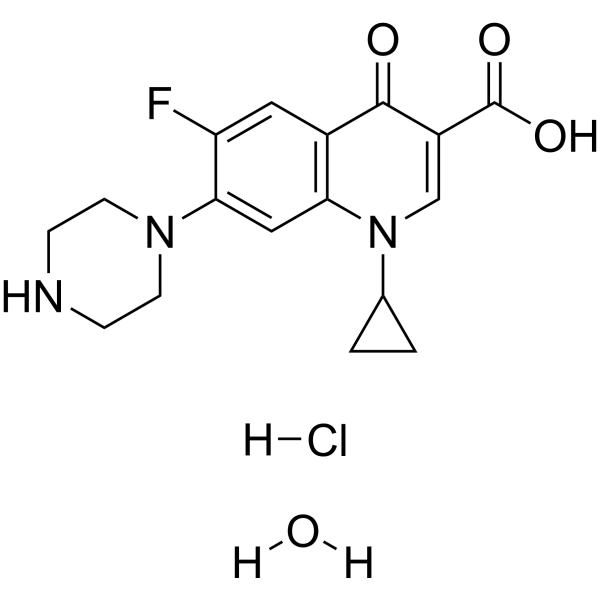 0 ImagesSynonyms: Bay-09867 hydrochloride monohydrate
Ciprofloxacin (Bay-09867) hydrochloride monohydrate is an orally active, blood-brain barrier permeable fluoroquinolone antibacterial agent. Ciprofloxacin hydrochloride monohydrate exerts bactericidal effects primarily by inhibiting topoisomerase II and IV. Ciprofloxacin hydrochloride monohydrate inhibits the proliferation of human dental pulp stem cells and chondrocytes from young rats, and also activates the Akt signaling pathway and upregulates markers such as β-catenin and Nanog to maintain the morphological characteristics of stem cells. Ciprofloxacin hydrochloride monohydrate induces significant neurotoxicity and tissue damage, including reducing serotonin and glutathione levels in the brain, inducing oxidative stress and depression-like behaviors, and causing articular cartilage damage. Ciprofloxacin hydrochloride monohydrate can be applied to research related to infections of necrotic young permanent teeth and neurotoxicity.
-
SETDB1-TTD-IN-1
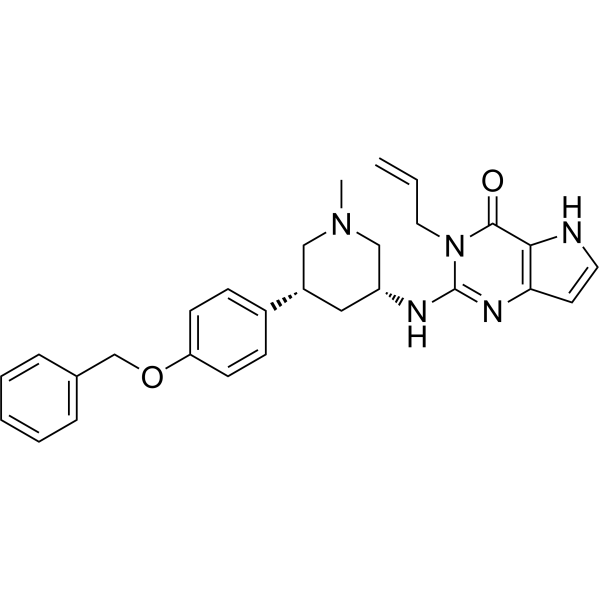 0 Images
SETDB1-TTD-IN-1 is a SETDB1 methyltransferase activator and SETDB1-TTD competitive inhibitor (Kd of 88 nM), and selectivity for SETDB1-TTD over other tudor and bromodomain proteins. SETDB1-TTD-IN-1 stimulates methyltransferase activity via increased catalytic activity, promotes Akt1 Lys64 methylation, Akt1 Thr308 phosphorylation and activation. SETDB1-TTD-IN-1 prevents SETDB1-TTD-histone H3 peptide association, induces global gene expression changes, exhibits cellular target engagement, and acts as a tool compound for SETDB1-TTD function exploration. SETDB1-TTD-IN-1 can be used for the research of breast cancer.

-
Heptadecanoic acid
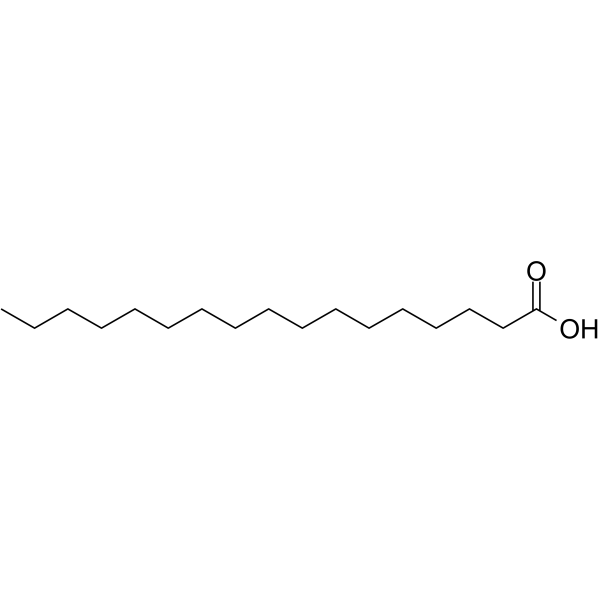 0 Images
Heptadecanoic acid is an odd-chain saturated fatty acid (OCS-FA) with oral activity. Heptadecanoic acid can inhibit cell proliferation and induce Apoptosis. Heptadecanoic acid has antitumor activity. Heptadecanoic acid is associated with a number of diseases, including coronary heart disease, pre-diabetes and type 2 diabetes, and multiple sclerosis.
-
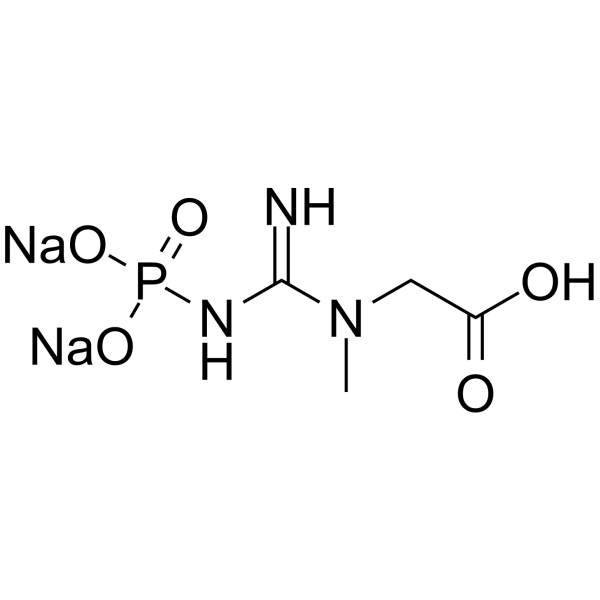
Phosphocreatine disodium
 0 Images
Phosphocreatine (disodium) is an organic compound found in vertebrate skeletal muscles. Phosphocreatine (disodium) enhances antioxidant activity, and activates the TAK1 pathway to protect the heart. Phosphocreatine (disodium) normalizing mitochondrial function and reducing oxidative stress via Akt mediated Nrf2/HO-1 pathway. Phosphocreatine (disodium) provides renal protection by suppressing Apoptosis and ROS (Reactive Oxygen Species) generation through ERK mediated mediated Nrf-2/HO-1 pathway..
-
Adropin (34-76) (human, mouse, rat)
 0 Images
Adropin (34-76) is a secretory domain of Adropin. Adropin (34-76) can inhibit cAMP level and glucose production in hepatocytes, and has a hypoglycemic effect. Adropin (34-76) plays an antifibrotic role by inhibiting the GLI1 signaling pathway.
-
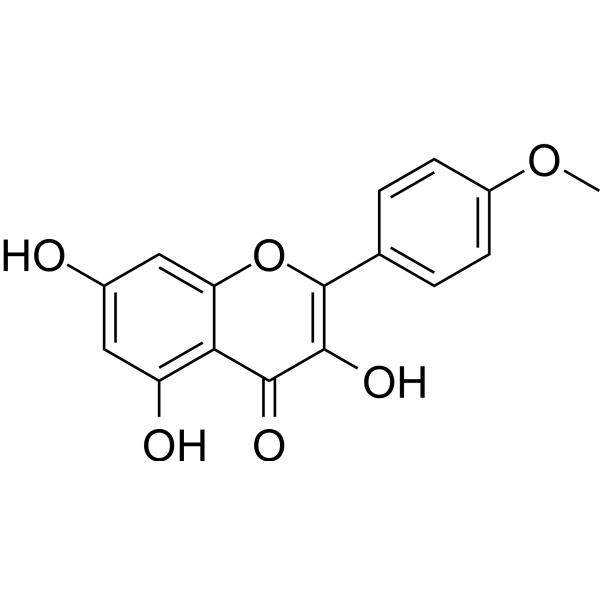
Kaempferide
 0 Images
Kaempferide is an orally active flavonol isolated from Hippophae rhamnoides L. Kaempferide has anticancer, anti-inflammatory, antioxidant, antidiabetic, antiobesity, antihypertensive, and neuroprotective activities. Kaempferide induces apoptosis. Kaempferide promotes osteogenesis through antioxidants and can be used in osteoporosis research.
-
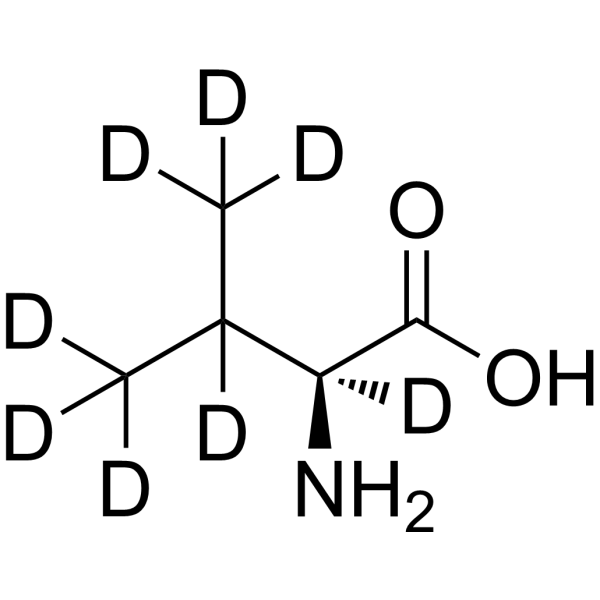
L-Valine-d8
 0 ImagesSynonyms: L-VALINE-2,3,4,4,4,5,5,5-d8
L-Valine-d8 is a deuterated form of L-Valine (HY-N0717). L-Valine ((S)-Valine) is a nonlinear semiorganic material. L-Valine causes lipid peroxidation and accumulation of malondialdehyde (MDA), exhibits inhibitory activity against cyanobacteria. L-Valine inhibits multidrug-resistant bacteria through activation of PI3K/Akt signaling pathway and inhibition of arginase.
-
Insulin glargine
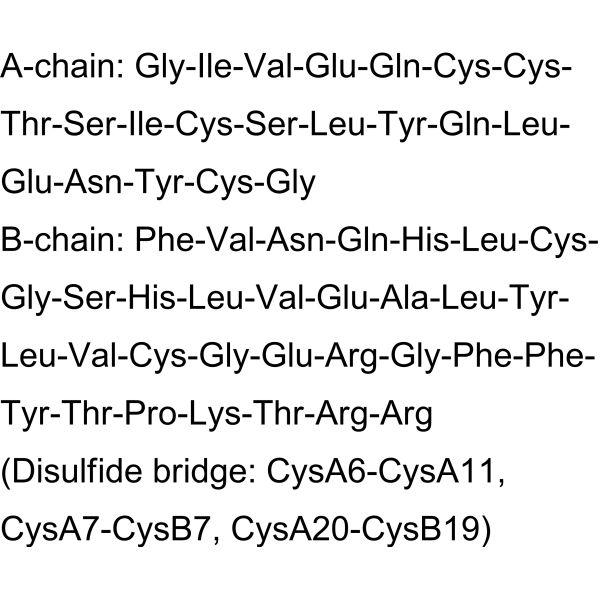 0 ImagesCat. No.: HY-108719CAS No.: 160337-95-1
Insulin glargine is a long-acting insulin analog. Insulin glargine has the effect of lowering blood sugar and can be used in the research of diabetes. In addition, high doses of Insulin glargine can promote the proliferation of bladder cancer cells.
-
YS-49
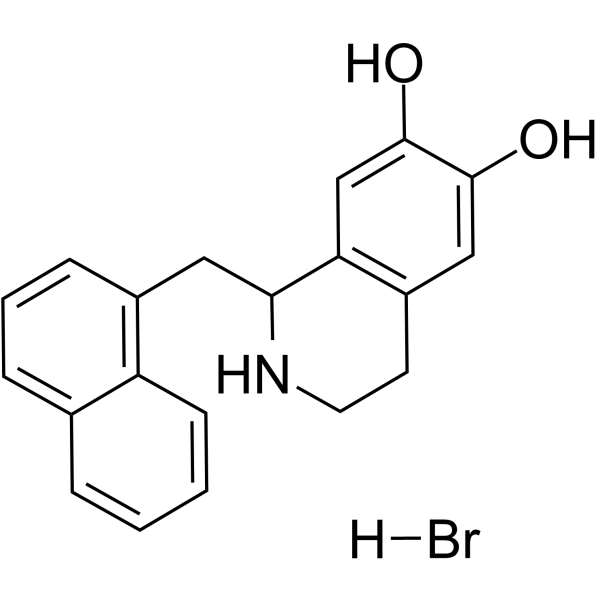 0 Images
YS-49 is a PI3K/Akt (a downstream target of RhoA) activator, to reduce RhoA/PTEN activation in the 3-methylcholanthrene-treated cells. YS-49 inhibits angiotensin II (Ang II)-stimulated proliferation of VSMCs via induction of heme oxygenase (HO)-1. YS-49 is also an isoquinoline compound alkaloid, has a strong positive inotropic action through activation of cardiac β-adrenoceptors.
-
Insulin Detemir
 0 ImagesCat. No.: HY-109556CAS No.: 169148-63-4
Insulin Detemir is an artificial insulin, shows effect on controlling blood sugar levels. Insulin Detemir stimulates GLP-1 secretion as a consequence of enhanced Gcg expression by a mechanism involving activation of Akt- and/or extracellular signal-regulated kinase (ERK)-dependent-cat and CREB signaling pathways. Insulin Detemir can be used for type 2 diabetes research.
-
N6-Cyclohexyladenosine
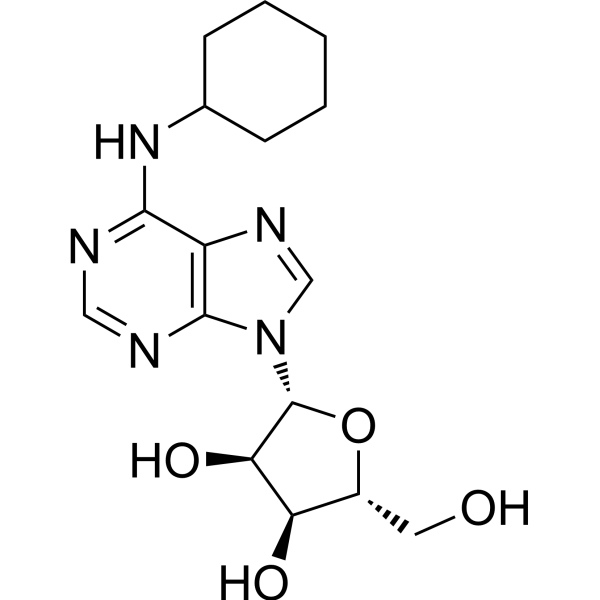 0 ImagesSynonyms: CHA
N6-Cyclohexyladenosine is a selective adenosine A1 receptor agonist (EC50 = 8.2 nM). N6-Cyclohexyladenosine enhances the activation of the PI3K/Akt/CREB/BDNF axis. N6-Cyclohexyladenosine promotes remyelination, induces sleep, and improves 3-NP-induced Huntington's disease. N6-Cyclohexyladenosine can be used in liver cancer research.
-
Aceglutamide
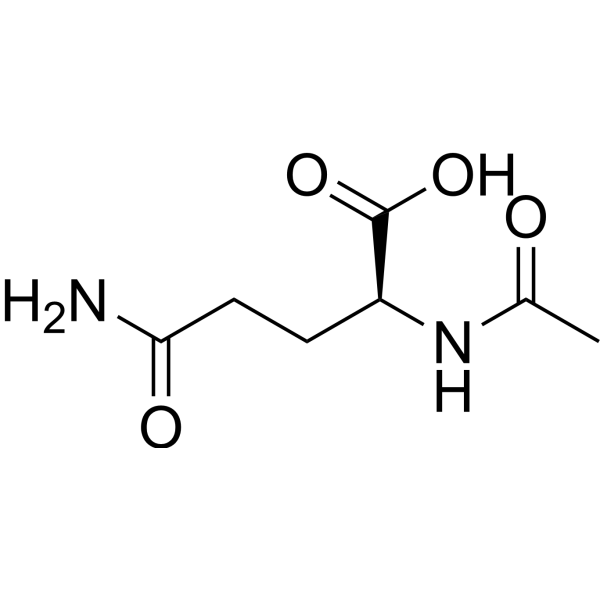 0 ImagesSynonyms: α-N-Acetyl-L-glutamine; N2-Acetylglutamine
Aceglutamide (α-N-Acetyl-L-glutamine; N2-Acetylglutamine) is a neuroprotectant that can penetrate the blood-brain barrier. Aceglutamide can enhance the antioxidant systems of glutathione (GSH), thioredoxin (Trx) and Nrf2. Aceglutamide also inhibits ASK1 and TRAF1, activates the Akt/Bcl-2 anti-apoptotic pathway, enhances the activity of antioxidant enzymes and reduces oxidative damage. Aceglutamide can improve neurological deficits after cerebral ischemia, reduce infarct volume, and inhibit neuronal apoptosis, especially substantia nigra dopaminergic neurons. Aceglutamide can reduce cerebral ischemia/reperfusion injury, improve motor dysfunction, and is used in ischemic stroke-related research.



