



Bacterial
Anything that destroys bacteria or suppresses their growth or their ability to reproduce. Heat, chemicals such as chlorine, and antibiotic drugs all have antibacterial properties. Many antibacterial products for cleaning and handwashing are sold today. Such products do not reduce the risk for symptoms of viral infectious diseases in otherwise healthy persons. This does not preclude the potential contribution of antibacterial products to reducing symptoms of bacterial diseases in the home.
All Product Categories
-
Bacterial Inhibitors
(7521)
View all products
-
Bacterial Agonists
(3)
View all products
-
Bacterial Antagonists
(9)
View all products
-
Bacterial Activators
(24)
View all products
-
Bacterial Modulators
(27)
View all products
-
Bacterial Chemicals
(2)
View all products
-
Bacterial Inducers
(7)
View all products
-
Bacterial Controls
(14)
View all products
-
Bacterial Substrates
(2)
View all products
-
Bacterial Ligand
(1)
View all products
-
Bacterial Related Products (8852)
Related Products (8852)

-
Antibodies (14)
-
Related Compound Screening Libraries (1)
-
Mellein
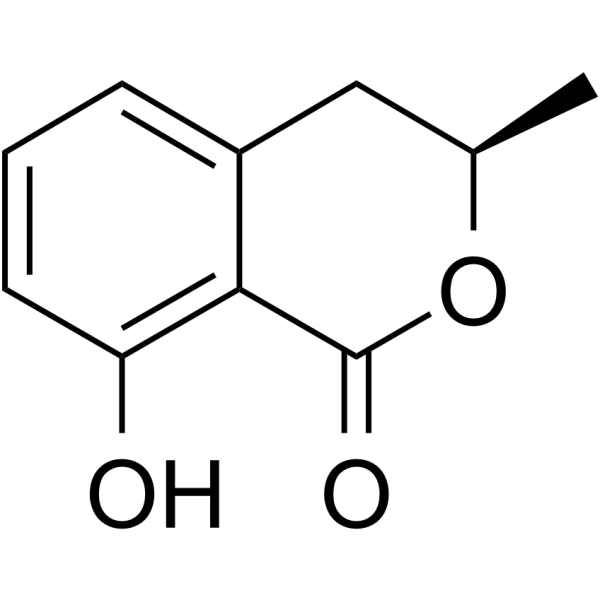 0 ImagesMellein ((R)-Mellein) is an isocoumarin compound with antibacterial activity. Mellein inhibits the activity of HCV Protease, disrupts the cell wall of Xanthomonas sp., and acts as an insect trail pheromone. Mellein is applicable to research related to fungal infections, bacterial infections, and hepatitis C virus infections.
-
Bixafen
 0 ImagesBixafen, a member of the pyrazole class of fungicides, serves as a broad-spectrum agent for controlling pathogens in cereal crops by functioning as a succinate dehydrogenase inhibitor.
-
Clinafloxacin
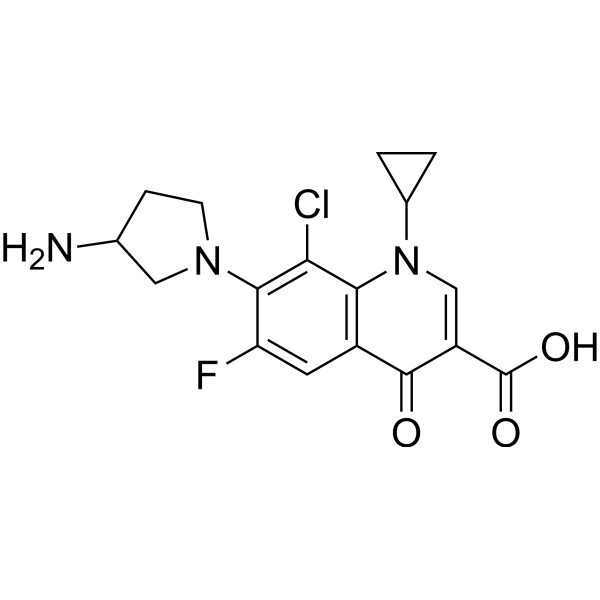 0 ImagesSynonyms: AM-1091; CI-960; PD 127391Clinafloxacin (AM 1091) is a potent and broad-spectrum fluoroquinolone antibiotic, has inhibitory activity against gram-positive, gram-negative bacterias, and anaerobic pathogens in vitro. Clinafloxacin is against DNA gyrase and topoisomerase IV of?S. aureus with IC50 values of 0.92 μg/ml and 1.62 μg/ml, respectively.

-
D-Glucose-13C6,d7
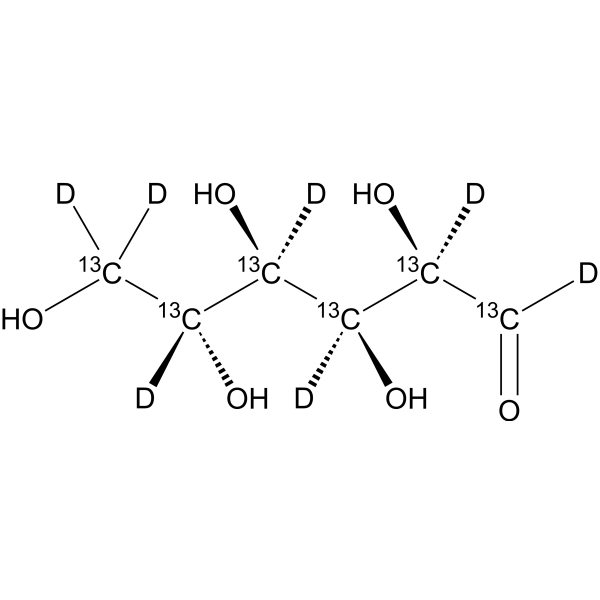 0 ImagesSynonyms: Glucose-13C6,d7; D-(+)-Glucose-13C6,d7; Dextrose-13C6,d7D-Glucose-13C6,d7 is the deuterium and 13C labeled D-Glucose.
-
Rifampicin-d4
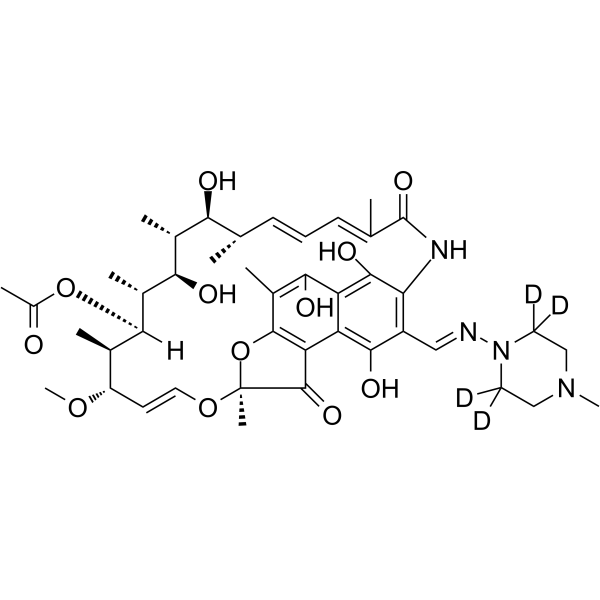 0 ImagesCat. No.: HY-B0272S2Synonyms: Rifampin-d4; Rifamycin AMP-d4Rifampicin-d4 is the deuterium labeled Rifampicin. Rifampicin is a potent and broad spectrum antibiotic against bacterial pathogens. Rifampicin has anti-influenza virus activities.
-
AX20017
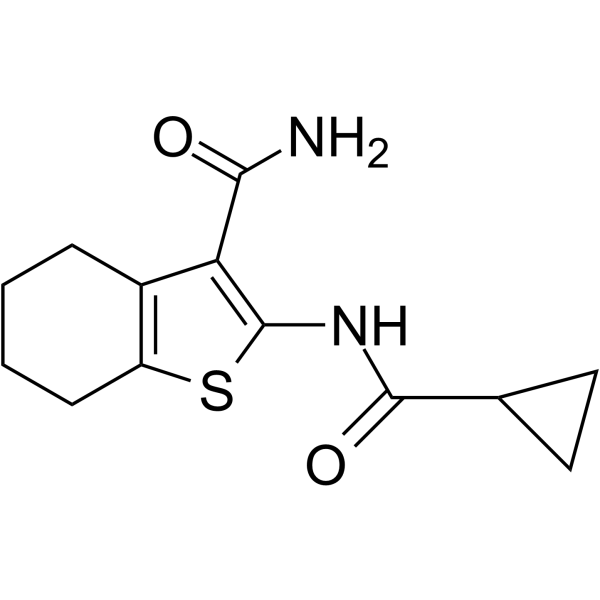 0 ImagesAX20017 is a small-molecule protein kinase G (PknG) inhibitor with an IC50 of 0.39 μM.
-
Skatole-d8
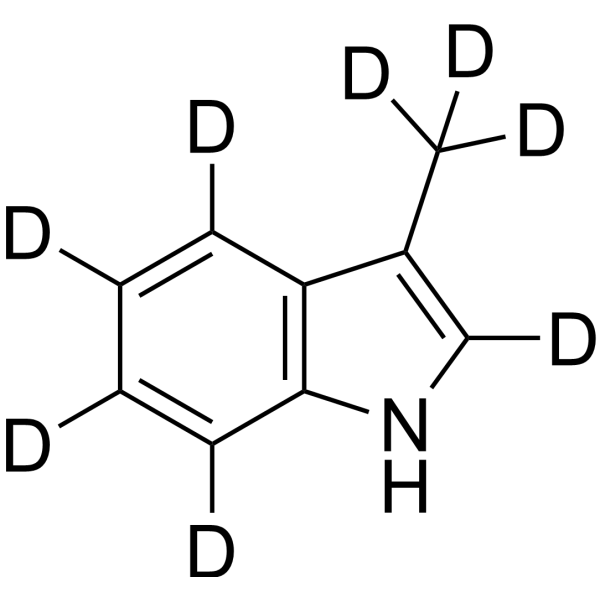 0 ImagesSynonyms: 3-Methylindole-d8; 3-Methyl-1H-indole-d8Skatole-d8 is the deuterium labeled Skatole. Skatole is produced by intestinal bacteria, regulates intestinal epithelial cellular functions through activating aryl hydrocarbon receptors and p38.
-
Lactitol monohydrate
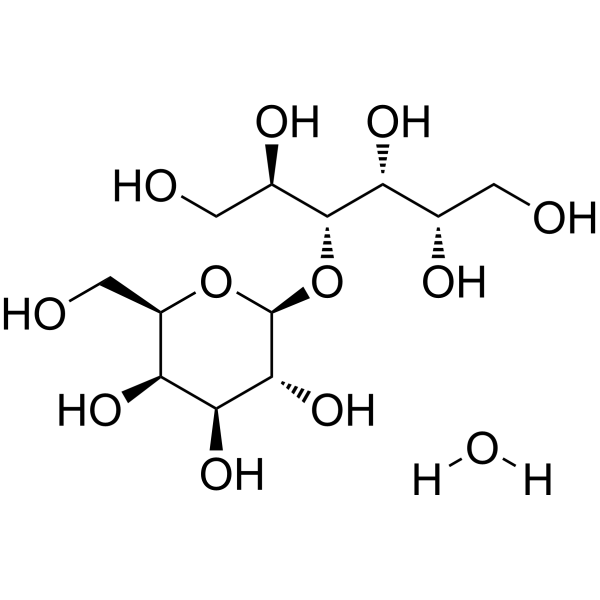 0 ImagesSynonyms: D-Lactitol monohydrateLactitol monohydrate (D-Lactitol monohydrate) is a non-absorbable disaccharide and Bacterial regulator. Lactitol monohydrate reduces the populations of Bacteroides, Clostridium, coliforms and Eubacterium, while increasing the populations of Lactobacillus and Streptococcus. Lactitol monohydrate can be used in the research of portosystemic encephalopathy and chronic constipation.
-
Hydroxytyrosol acetate
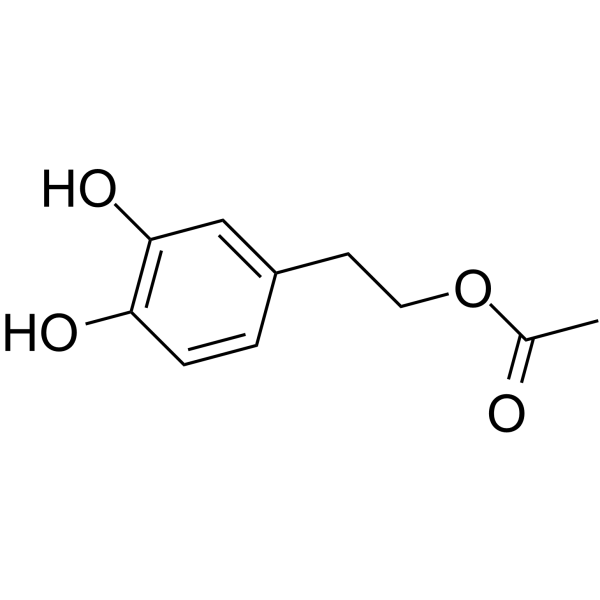 0 ImagesHydroxytyrosol acetate is an orally active, blood-brain barrier-permeable multi-active compound with multiple effects including antibacterial, antioxidant, anti-platelet aggregation, and neuroprotective activities. Hydroxytyrosol acetate not only inhibits the growth of Vibrio by increasing bacterial membrane permeability, but also interacts with DNA and mediates supercoiled DNA relaxation. Meanwhile, Hydroxytyrosol acetate effectively reduces thrombosis and inhibits lipid oxidation by inhibiting COX activity and promoting vascular nitric oxide production. In terms of neuroprotection, Hydroxytyrosol acetate significantly alleviates neuronal apoptosis and inflammatory responses by up-regulating the expression level of ERβ, thereby improving cognitive function in Alzheimer's disease models. Hydroxytyrosol acetate has been widely used in scientific research related to Vibrio infection, arterial thrombosis, Alzheimer's disease and other related fields.
-
Heraclenin
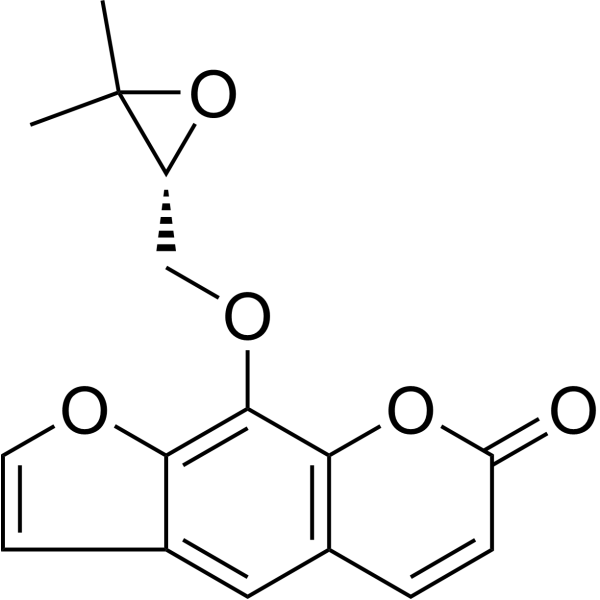 0 ImagesHeraclenin is a linear furanocoumarin natural product. Heraclenin binds to the type III effector protein XopQ and chitin deacetylase, exhibits antibacterial activity against Xanthomonas oryzae pv. oryzae, and displays antifungal activity against Colletotrichum lindemuthianum. Heraclenin stimulates Runx2 mRNA expression, induces osteoblast differentiation and mineralization. Heraclenin induces Chk1 phosphorylation, G2/M cell cycle arrest, DNA fragmentation, apoptosis, chromosomal aberrations, sister chromatid exchange, and inhibits proliferation. Heraclenin can be used for research on osteoporosis, melanoma, T-cell lymphoma, and leukemia.
-
6-Aminopenicillanic acid
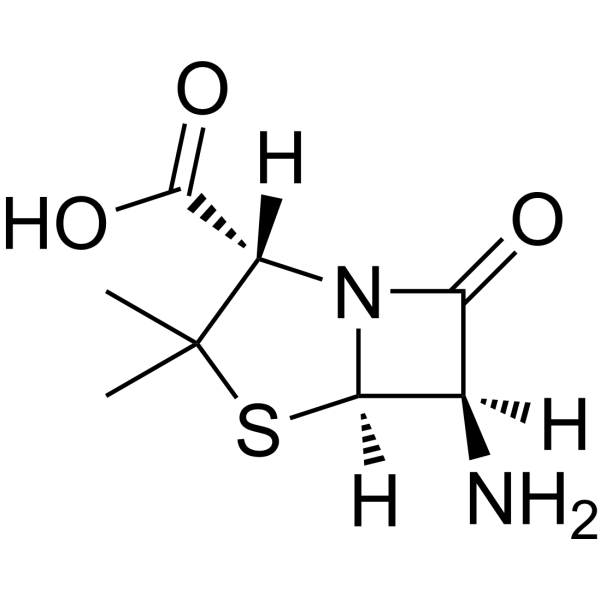 0 ImagesSynonyms: 6-APA6-Aminopenicillanic acid (6-APA) is a parent amine, an important precursor for the synthesis of β-lactam antibiotics and an antibacterial agent. 6-Aminopenicillanic acid interferes with cell wall synthesis during bacterial division in a manner similar to penicillin. 6-Aminopenicillanic acid has antibacterial activity against Gram-negative bacteria. 6-Aminopenicillanic acid is mainly used in the study of Penicillin-associated immune responses.
-
Sodium citrate dihydrate, for molecular biology
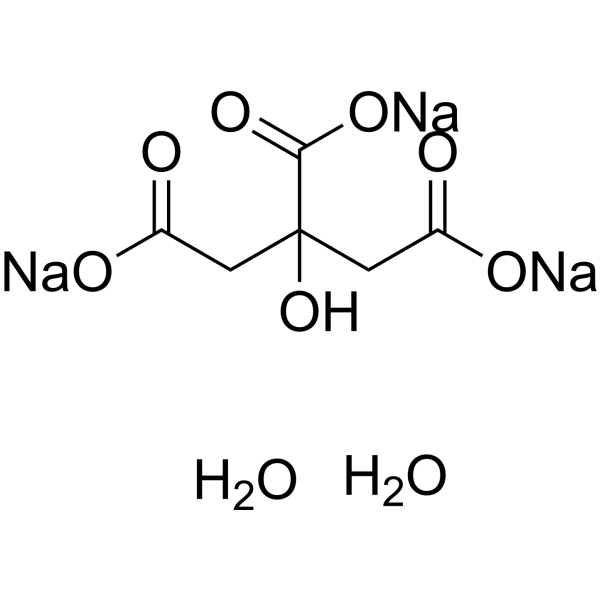 0 ImagesSynonyms: Trisodium citrate dihydrate, for molecular biologySodium citrate (Trisodium citrate) dihydrate, for molecular biology is an orally active natural product that can be found in citrus fruits. Sodium citrate dihydrate can inhibit the proliferation of tumor cells and induce apoptosis. Sodium citrate dihydrate has antibacterial, anti-tumor and antioxidant activities. Sodium citrate dihydrate can be prepared as a cosolvent or buffer.
-
2-Cyanothioacetamide
 0 Images2-Cyanothioacetamide is an antimicrobial agent with activity against Gram-positive bacteria, Gram-negative bacteria, and fungi. 2-Cyanothioacetamide inhibits essential microbial enzymes and disrupts microbial cell membrane integrity.2-Cyanothioacetamide can be used for the research of bacterial infections and fungal infections.
-
7-Aminoactinomycin D (solution)
 0 Images7-Aminoactinomycin D (solution) (7-AAD (solution)) a cell-impermeant fluorescent DNA stain, is a potent RNA polymerase inhibitor. 7-Aminoactinomycin D selectively binds to GC regions of the DNA. 7-Aminoactinomycin D also has antibacterial effects.
Solvent and concentration: DMSO: 1 mg/mL
-
N-(3-Oxotetradecanoyl)-DL-homoserine lactone
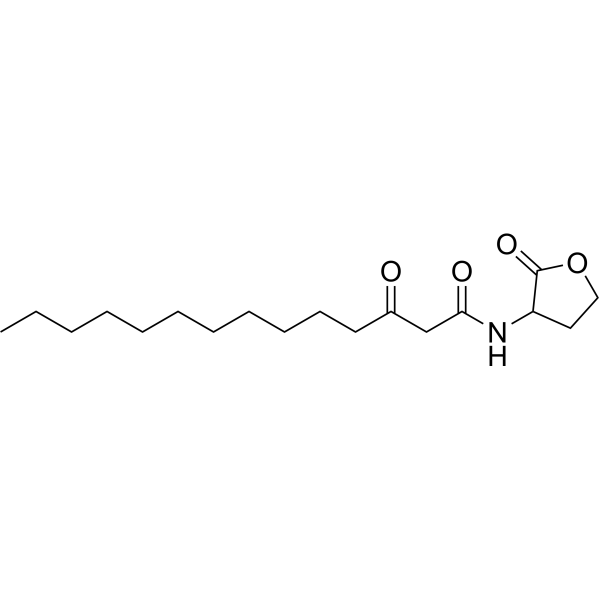 0 ImagesCat. No.: HY-133683CAS No.: 503610-29-5Synonyms: 3-Oxo-C14-AHLN-(3-Oxotetradecanoyl)-DL-homoserine lactone, a member of N-Acyl homoserine lactone (AHL) from gram-negative bacteria, is a quorum sensing (QS) signaling molecule.
-
Pristinamycin
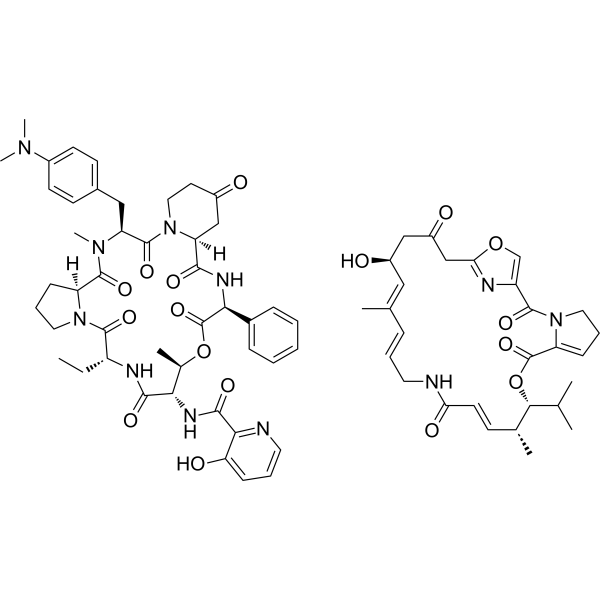 0 ImagesSynonyms: PristinamycinePristinamycin, produced by Streptomyces pristinaespiralis, is an orally active streptogramin-like antibiotic consisting of two chemically unrelated components: Pristinamycin I (PI) and Pristinamycin II (PII). Pristinamycin is highly active against many antibiotic-resistant pathogens, particularly Gram-positive bacteria, including Methicillin-resistant Staphylococcus aureus (MRSA), Vancomycin-resistant S. aureus (VRSA) and Enterococcus faecium (VREF).
-
Alpha-Estradiol (Standard)
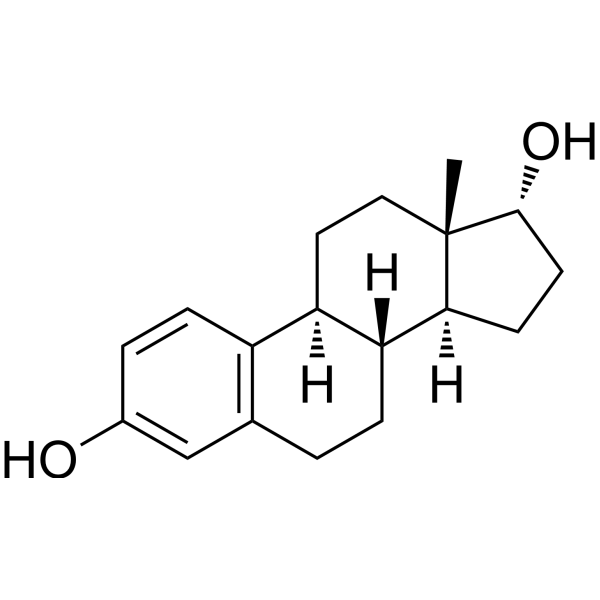 0 ImagesSynonyms: Alfatradiol(Standard); Epiestradiol(Standard); Epiestrol (Standard)Alpha-Estradiol (Standard) is the analytical standard of Alpha-Estradiol. This product is intended for research and analytical applications. Alpha-Estradiol is a weak estrogen and a 5α-reductase inhibitor which is used as a topical medication in the treatment of androgenic alopecia.
-
SMAP-29
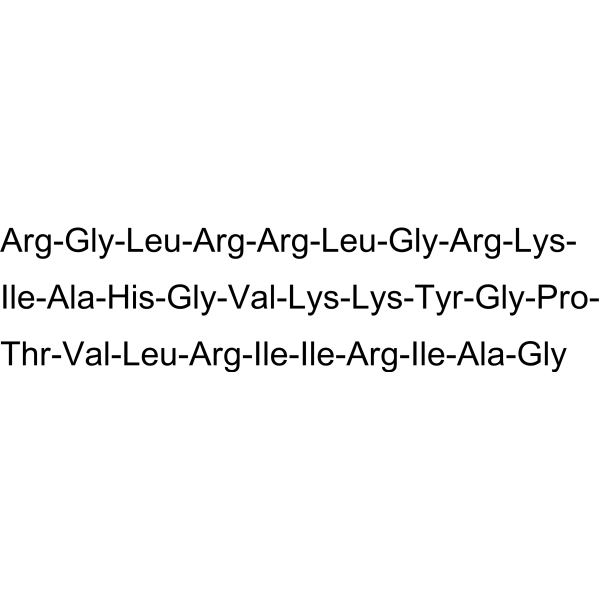 0 ImagesSMAP‑29 is a cathelicidin antimicrobial peptide with LPS‑binding and anti‑inflammatory properties. SMAP‑29 exerts broad‑spectrum antimicrobial activity against bacteria, fungi and multidrug‑resistant isolates. SMAP‑29 kills pathogens by permeabilizing bacterial membranes, inducing depolarization and cell lysis, and also inhibits inflammatory cytokines while reducing lethality in septic shock and pneumonia models. SMAP-29 can be used for research on bacterial infections, drug-resistant infections, septic shock.




