



Microbial Metabolite
Microbial metabolites function as critical mediators between host physiology and microbiome activity, regulating immunity, metabolic homeostasis, and tissue repair[1][2][3]. Mechanistically, these metabolites modulate host cellular signaling through pathways including AMPK, PPARα, and HDAC inhibition, influencing lipid metabolism, bone homeostasis, and epigenetic regulation[4][5][6][7]. In disease models, specific microbial metabolites such as 10-hydroxystearic acid and imidazole propionate demonstrate dual roles in hepatic regeneration and bone dysfunction, respectively, underscoring context-dependent effects[5][6]. Compared with related isoforms, certain microbial metabolites act selectively on target enzymes or receptors, exemplified by butyrate and valeric acid inhibiting class I HDACs without affecting other isoforms[7]. For experimental applications, metabolites have been leveraged as diagnostic markers in gastric cancer, modulators of drug toxicity, and indicators of microbial-host metabolic interactions[2][8][9]. Bioinformatic tools, including MetOrigin, enable precise discrimination of microbial metabolite origins and facilitate pathway enrichment analysis, enhancing identification of functionally relevant compounds[4]. The integration of metagenomics, metabolomics, and metaproteomics supports targeted discovery of microbial metabolites for both mechanistic studies and therapeutic interventions[3][10][11].
References:
- [1]. Fobofou SA, et al. Microbial metabolites: cause or consequence in gastrointestinal disease? Am J Physiol Gastrointest Liver Physiol. 2022 Jun 1;322(6):G535-G552. [Content Brief]
- [2]. Nie S, et al. Microbial-Related Metabolites May Be Involved in Eight Major Biological Processes and Represent Potential Diagnostic Markers in Gastric Cancer. Cancers (Basel). 2023 Nov 3;15(21):5271. [Content Brief]
- [3]. Vélez-Ixta JM, et al. Post Natal Microbial and Metabolite Transmission: The Path from Mother to Infant. Nutrients. 2024 Jun 22;16(13):1990. [Content Brief]
- [4]. Yu G, et al. MetOrigin: Discriminating the origins of microbial metabolites for integrative analysis of the gut microbiome and metabolome. Imeta. 2022 Mar 21;1(1):e10. [Content Brief]
- [5]. Kramer DJ, et al. Microbial biotherapeutic metabolite alleviates liver injury by restoring hepatic lipid metabolism through PPARα across the gut-liver axis. mBio. 2025 Sep 10;16(9):e0171825. [Content Brief]
- [6]. Park SG, et al. The microbial metabolite imidazole propionate dysregulates bone homeostasis by inhibiting AMP-activated protein kinase (AMPK) signaling. Commun Biol. 2024 Dec 19;7(1):1644. [Content Brief]
- [7]. Yuille S, et al. Human gut bacteria as potent class I histone deacetylase inhibitors in vitro through production of butyric acid and valeric acid. PLoS One. 2018 Jul 27;13(7):e0201073. [Content Brief]
- [8]. Kim B, et al. Pathway-Based Integrative Analysis of Metabolome and Microbiome Data from Hepatocellular Carcinoma and Liver Cirrhosis Patients. Cancers (Basel). 2020 Sep 21;12(9):2705. [Content Brief]
- [9]. Lee H, et al. The Discovery of Gut Microbial Metabolites as Modulators of Host Susceptibility to Acetaminophen-Induced Hepatotoxicity. Drug Metab Dispos. 2024 Jul 16;52(8):754-764. [Content Brief]
- [10]. Wang WL, et al. Application of metagenomics in the human gut microbiome. World J Gastroenterol. 2015 Jan 21;21(3):803-14. [Content Brief]
- [11]. Kingkaw A, et al. Analysis of the infant gut microbiome reveals metabolic functional roles associated with healthy infants and infants with atopic dermatitis using metaproteomics. PeerJ. 2020 Sep 25;8:e9988. [Content Brief]
-
Microbial Metabolite Related Products (553)
Related Products (553)

-
Chenodeoxycholic acid 3-sulfate
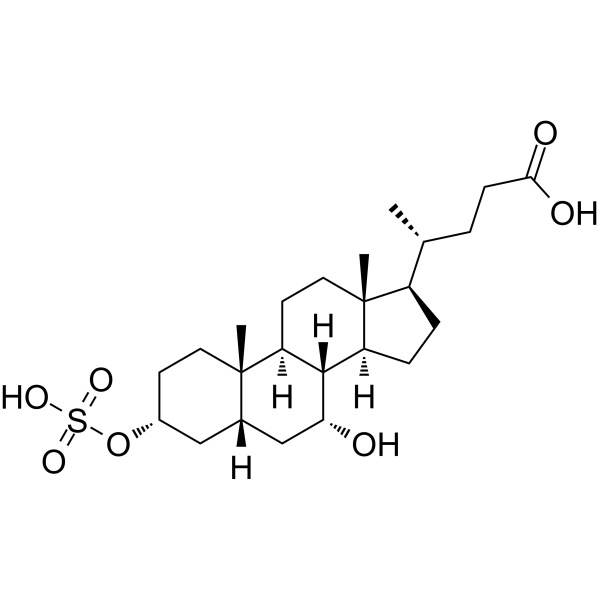 0 ImagesCat. No.: HY-113360CAS No.: 59132-32-0Chenodeoxycholic acid 3-sulfate is a bile acid. Chenodeoxycholic acid 3-sulfate level corresponds closely with the extent of hepatic dysfunction.
-
UDP-3-O-acyl-GlcNAc Tris
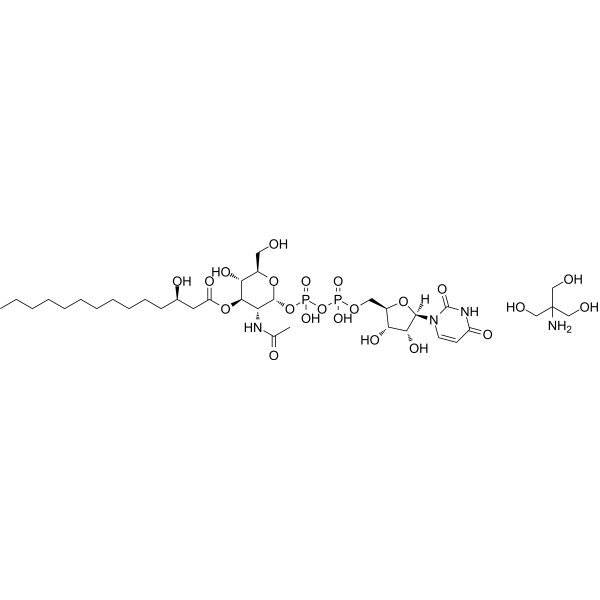 0 ImagesCat. No.: HY-W585865CAS No.: 112710-84-6Synonyms: UDP-3-O-(3-hydroxytetradecanoyl)-N-acetylglucosamine TrisUDP-3-O-acyl-GlcNAc Tris (UDP-3-O-(3-hydroxytetradecanoyl)-N-acetylglucosamine Tris) serves as a deacetylation substrate and biosynthetic intermediate in the biosynthetic pathways of lipid A and Kdo2-lipid A in Escherichia coli. UDP-3-O-acyl-GlcNAc Tris undergoes enzymatic deacetylation via LpxC to produce UDP-3-O-[(R)-3-hydroxymyristoyl]glucosamine and release acetate. UDP-3-O-acyl-GlcNAc Tris accumulates in Escherichia coli extracts in the absence of [(R)-3-hydroxymyristoyl]-acyl carrier protein. UDP-3-O-acyl-GlcNAc Tris can be used in studies related to Gram-negative shock.
-
Uridine 5′-diphosphoglucose
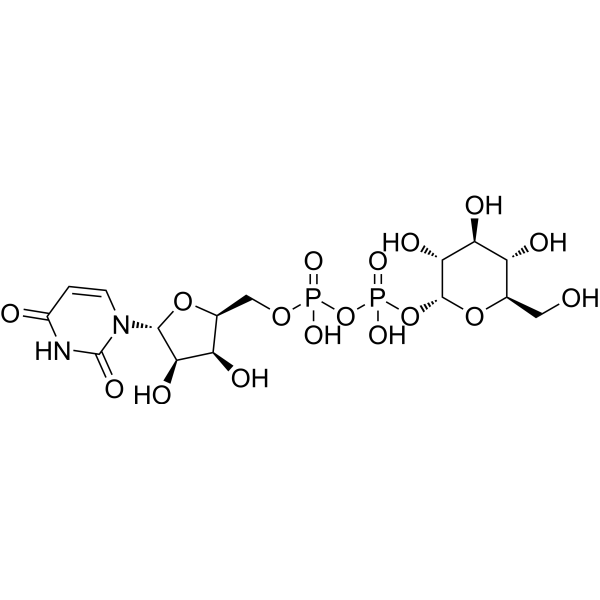 0 ImagesUridine 5’-diphosphoglucose (UDP-glucose), secreted by cardiomyocytes during ischemia and reperfu, is a potent agonist of the proinflammatory P2Y14 receptor. It acts an important role in the regulation of inflammation and neutrophil polarization in neutrophils. Uridine 5’-diphosphoglucose is also the precursor of glucose-containing oligosaccharides, polysaccharides, glycoproteins, and glycolipids in animal tissues and in some microorganisms. Uridine 5’-diphosphoglucose is promising for research in counteracting myocardial infarction/reperfusion (MIR)-induced inflammation in the heart tissue.
-
D-Allothreonine (Standard)
 0 ImagesCat. No.: HY-W001959RCAS No.: 24830-94-2D-Allothreonine (Standard) is the analytical standard of D-Allothreonine (HY-W001959). This product is intended for research and analytical applications. D-Allothreonine is a non-proteinogenic amino acid that serves as a substrate for Pyridoxal phosphate (HY-B1744)-dependent D-threonine aldolase, being cleaved into Glycine (HY-Y0966) and acetaldehyde, and acts as a constituent of bioactive peptidyl natural products such as callipeltins, conferring protease resistance. D-Allothreonine is used in natural product synthesis and metabolic research.
-
Guanine-13C5
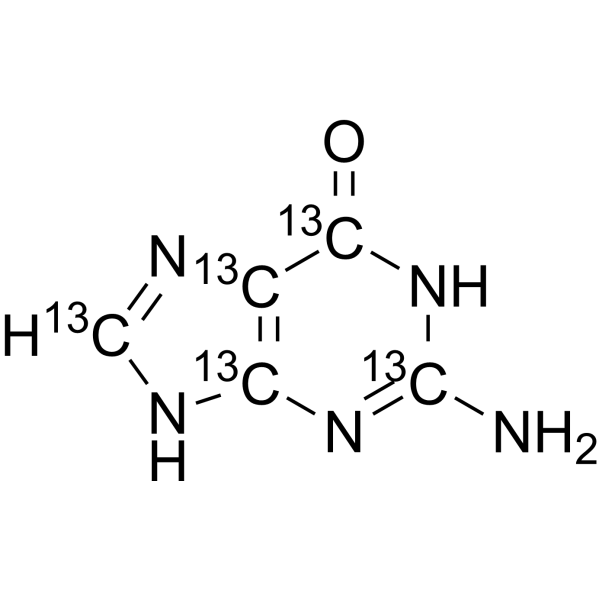 0 ImagesCat. No.: HY-Y1055S4Guanine-13C5 is 13C-labeled Guanine (HY-Y1055). Guanine is one of the fundamental components of nucleic acids (DNA and RNA). Guanine is a purine derivative, consisting of a fused pyrimidine-imidazole ring system with conjugated double bonds. Guanine has the potential to serve as a large-capacity N pool. Guanine has cytotoxic, antinociceptive and neuroprotective effects.
-
Niacin hydrochloride
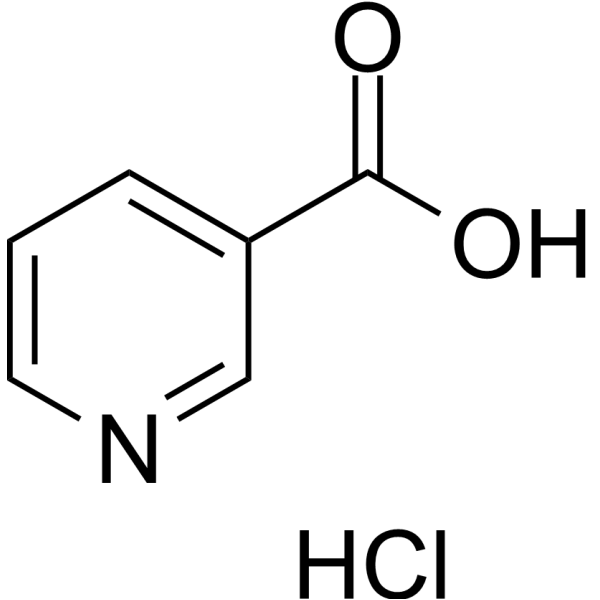 0 ImagesSynonyms: Nicotinic acid hydrochloride; Vitamin B3 hydrochlorideNiacin (Vitamin B3; Nicotinic acid) hydrochloride is an orally active B3 vitamin that is an essential nutrient for humans. Niacin hydrochloride plays a key role in energy metabolism, cell signaling cascades regulating gene expression and apoptosis. Niacin hydrochloride is also used in the study of cardiovascular diseases.
-
Biotin sodium
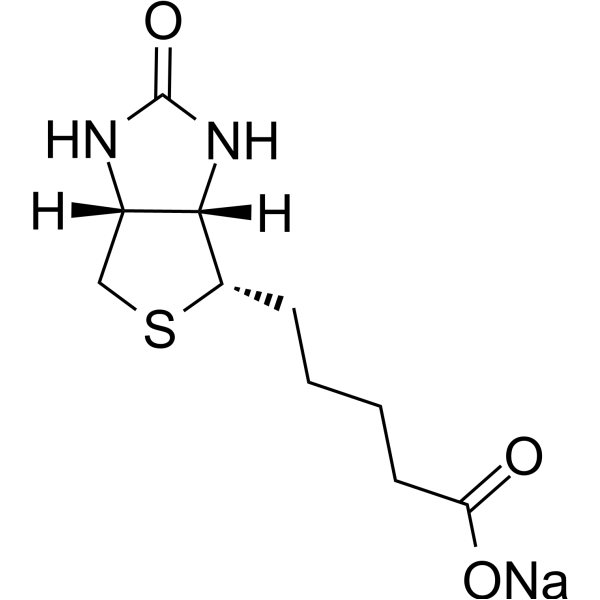 0 ImagesCat. No.: HY-B0511ACAS No.: 56085-82-6Synonyms: Vitamin B7 sodium; Vitamin H sodium; D-Biotin sodiumBiotin (Vitamin B7) sodium is a water-soluble B vitamin and serves as a coenzyme for five carboxylases in humans, involved in the synthesis of fatty acids, isoleucine, and valine, and in gluconeogenesis. Biotin sodium is necessary for cell growth, the production of fatty acids, and the metabolism of fats and amino acids.
-
DL-Glutamine-13C5,15N2,d10
 0 ImagesCat. No.: HY-B1346SCAS No.: 1217443-24-7Synonyms: (±)-Glutamine-13C5,15N2,d10; DL-Gl-13C5,15N2,d10DL-Glutamine-13C5,15N2,d10 ((±)-Glutamine-13C5,15N2,d10; DL-Gl-13C5,15N2,d10) is the 13C, 15N, d10-labeled DL-Glutamine (HY-B1346). DL-Glutamine ((±)-Glutamine; DL-Gl) is an amino acid metabolite. DL-Glutamine is a plasma metabolic biomarker associated with Treg/Th17 balance in an OVA-induced eosinophilic asthma mouse model. DL-glutamine positively correlates with muscle quality parameters such as muscle water-holding capacity and shear force, and negatively correlates with oxidative stress markers and apoptotic gene expression. DL-Glutamine is associated with periodontal pathogens and oral microbial communities in saliva/serum. DL-Glutamine can be used in research related to asthma, muscle quality, and periodontal disease.
-
4,12-Dimethoxy-6-(7,8-dihydroxy-7,8-dihydrostyryl)-2-pyrone
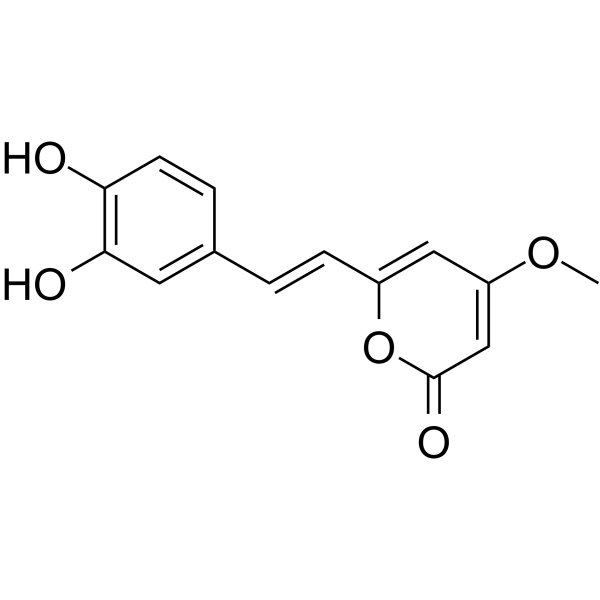 0 ImagesCat. No.: HY-N10475CAS No.: 149947-22-84,12-Dimethoxy-6-(7,8-dihydroxy-7,8-dihydrostyryl)-2-pyrone (compound 3) is a hydroxylated microbial metabolite of Yangonin.
-
Pulixin
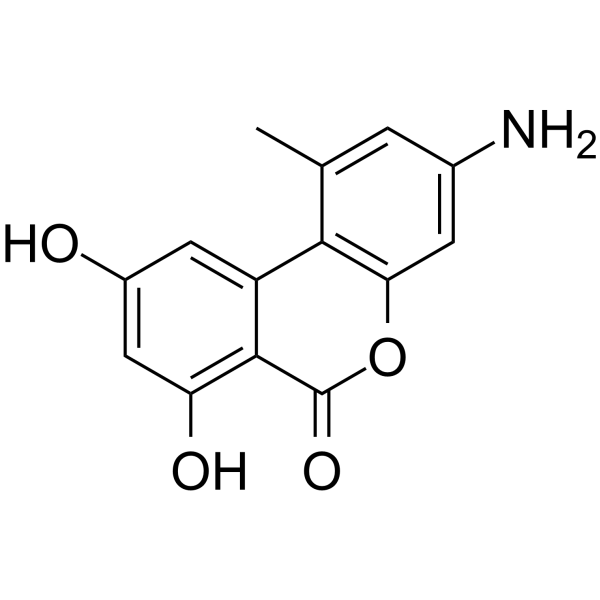 0 ImagesCat. No.: HY-N10197CAS No.: 2826264-81-5Pulixin prevents FREP1 from binding to P. falciparum-infected cell lysate. Pulixin blocks the transmission of the parasite to mosquitoes with an EC50 of 11 µM. Pulixin also inhibits the proliferation of asexual-stage P. falciparum with an EC50 of 47 nM.
-
Monaschromone
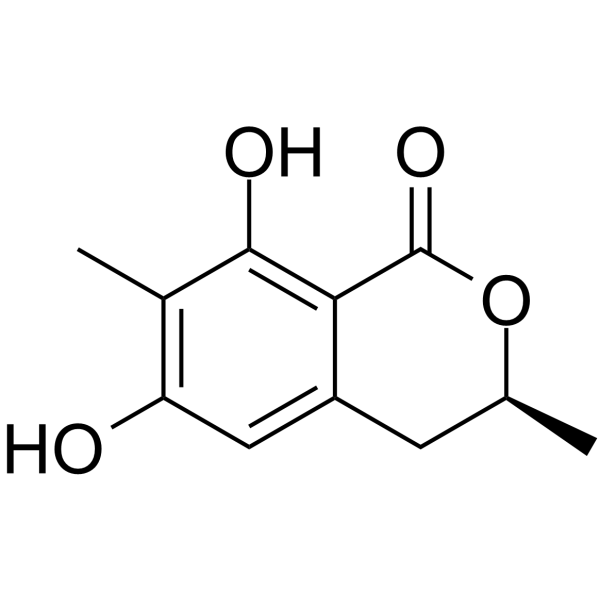 0 ImagesCat. No.: HY-N10293CAS No.: 1338576-70-7Monaschromone, a polyketide metabolite, significantly inhibits the growth of B. cinerea, A. solani, M. oryzae, and G. saubinettii, with the MIC values ranging from 6.25 to 12.5 μM.
-
4-Hydroxycinnamide
 0 ImagesCat. No.: HY-N11897CAS No.: 59576-98-64-Hydroxycinnamide is a new bacterial metabolite. 4-Hydroxycinnamide can be isolated from Streptomyces sp. PU-KB10-4.
-
Eremofortin A
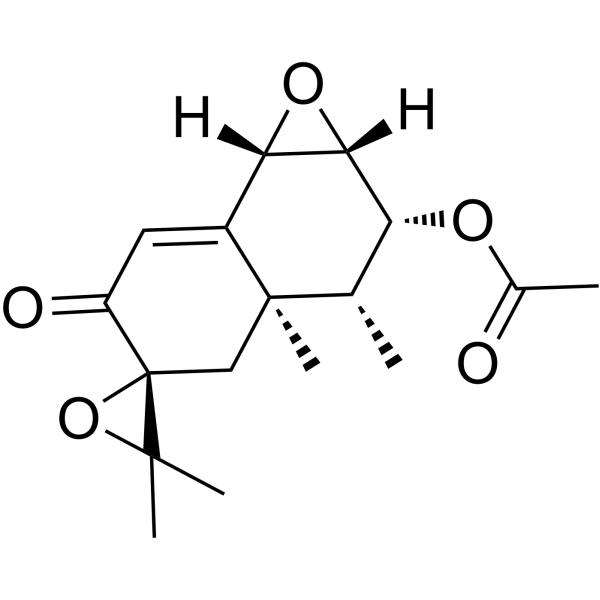 0 ImagesCat. No.: HY-126697CAS No.: 62445-06-1Eremofortin A is a metabolism that can be isolated from a culture of Penicillium roqueforti.
-
Acetoacetyl coenzyme A sodium
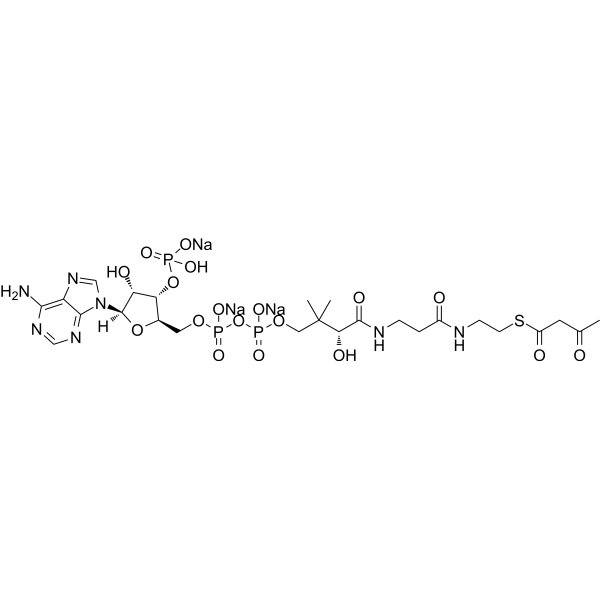 0 ImagesCat. No.: HY-141475CAS No.: 102029-52-7Acetoacetyl coenzyme A sodium is a central endogenous metabolite. The Km at pH 7.5 for Acetoacetyl coenzyme A sodium is 1.10 mM. Acetoacetyl coenzyme A sodium can be used for the synthesis of phosphotransbutyrylase (PTB) and poly-3-hydroxybutyrate (PHB).
-
Eucalyptacid A
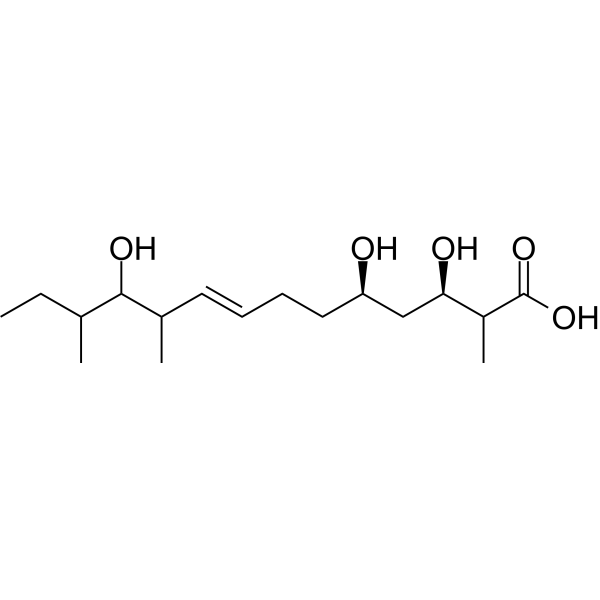 0 ImagesCat. No.: HY-N10288CAS No.: 2940889-52-9Eucalyptacid A, an antifungal metabolite, exhibits antifungal activities against Alternaria solani, with MIC values from 6.25 to 50 μM.
-
L-Azatyrosine
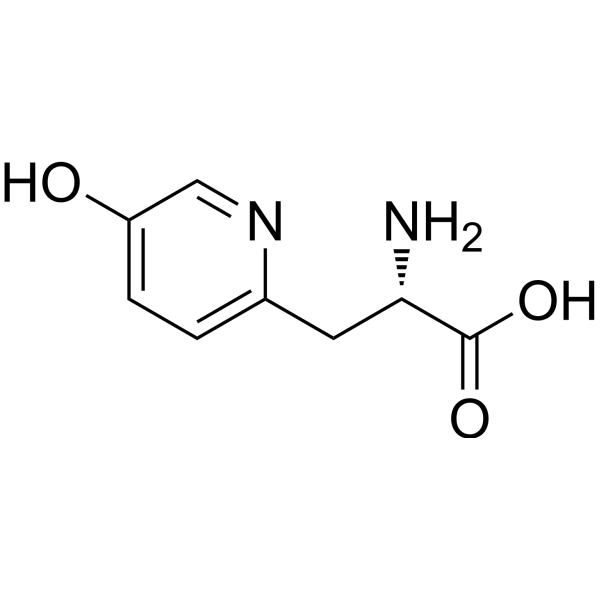 0 ImagesCat. No.: HY-W048303CAS No.: 58525-82-9L-Azatyrosine is an antitumor Antibiotic. L-Azatyrosine is present in Streptomyces chibanensis. L-Azatyrosine inhibits the growth of K-ras-transformed cells without affecting wild-type cells. L-Azatyrosine exhibits anticancer activity against prostate cancer. L-Azatyrosine can be used in studies related to prostate cancer.
-
Canadensolide
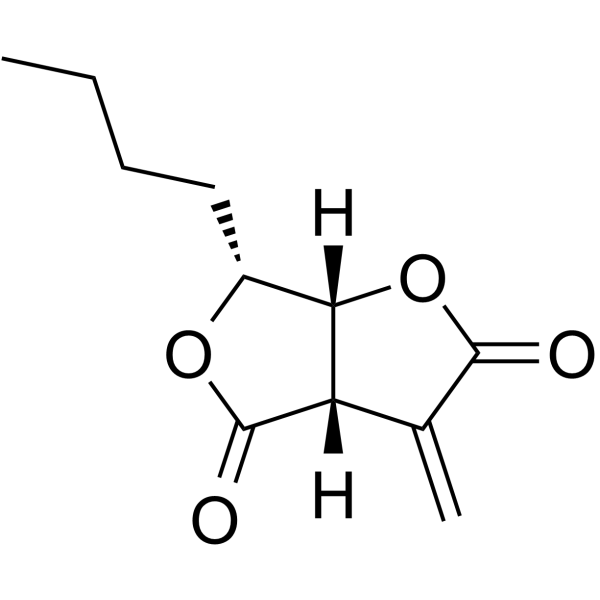 0 ImagesCat. No.: HY-N10215CAS No.: 20421-31-2Canadensolide is an antifungal metabolite of Penicillium canadense.
-
Guanine-13C5,15N5
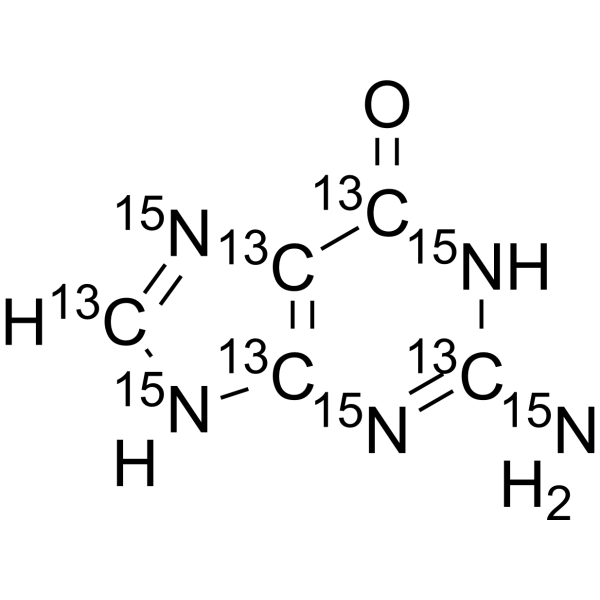 0 ImagesCat. No.: HY-Y1055S2Guanine-13C5,15N5 is 13C and 15N-labeled Guanine (HY-Y1055). Guanine is one of the fundamental components of nucleic acids (DNA and RNA). Guanine is a purine derivative, consisting of a fused pyrimidine-imidazole ring system with conjugated double bonds. Guanine has the potential to serve as a large-capacity N pool. Guanine has cytotoxic, antinociceptive and neuroprotective effects.
-
TPI-2
 0 ImagesCat. No.: HY-N19111CAS No.: 110675-11-1TPI-2 is a metabolite found in the fungus Exophiala sp. TPI-2 induces increased glucose uptake in insulin-sensitive differentiated skeletal muscle cells, with dose-dependent activity. TPI-2 can be used in diabetes-related research.
-
Fusarisetin A
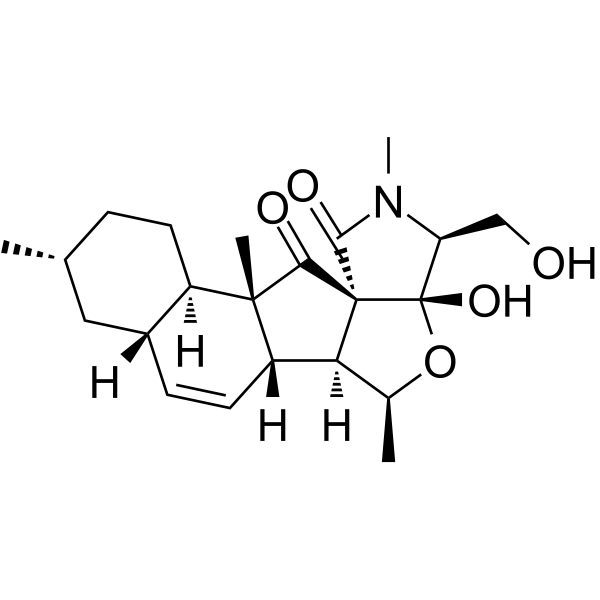 0 ImagesCat. No.: HY-125344CAS No.: 1300041-53-5Fusarisetin A, a pentacyclic fungal metabolite, is an acinar morphogenesis inhibitor.



