



PKC Activator
-
Xaliproden hydrochloride
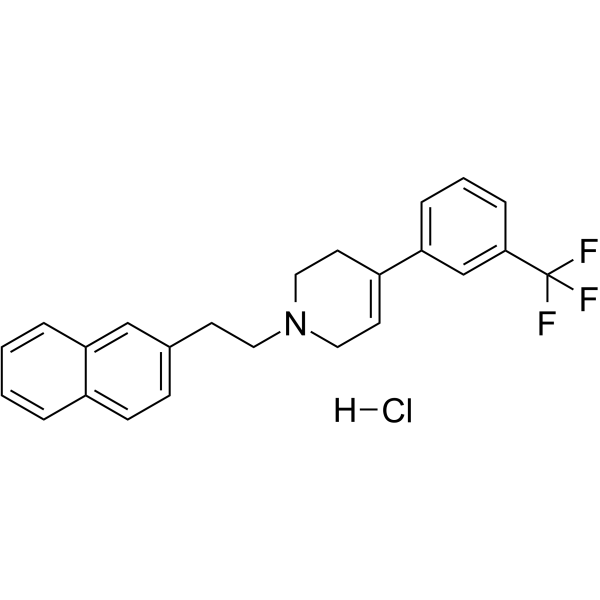 0 ImagesSynonyms: SR57746A; SR57746 hydrochloride
Xaliproden (SR57746) hydrochloride (SR57746A) is an orally active, highly selective 5-HT1A receptor agonist. Xaliproden hydrochloride activates pertussis toxin-sensitive G protein-coupled signaling cascades, as well as the PKC, ERK1/ERK2, Akt and p21 Ras/MEK-1 pathways. Xaliproden hydrochloride also downregulates the JNK/p66/c-Jun signaling pathway, induces phosphorylation of the shc adaptor protein, regulates extracellular dopamine and 5-HT levels, and induces [35S]GTPγS labeling in rat brain structures rich in 5-HT1A receptors. Xaliproden hydrochloride exerts neurotrophic, neuroprotective, renoprotective, anti-inflammatory, anti-apoptotic, anti-fibrotic and analgesic effects. Xaliproden hydrochloride also enhances NGF-induced neurite outgrowth, promotes motor neuron survival, attenuates renal tubular injury and inhibits chemotherapy-induced mechanical allodynia, without activating or altering NGF-induced TrkA receptor activation. Xaliproden hydrochloride can be used in the research of motor neuron disease, diabetic nephropathy, chemotherapy-induced peripheral neuropathy, amyotrophic lateral sclerosis, Alzheimer's disease, acute tonic nociceptive pain, inflammatory pain, depression and anxiety.
-
Decursinol angelate
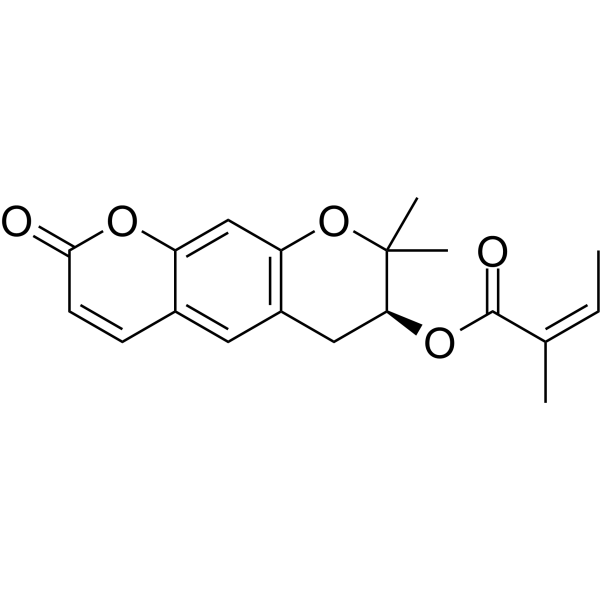 0 Images
Decursinol angelate acts as a PKC activator and GDH inhibitor, with an IC50 of 1.432 μM against human GDH. Decursinol angelate activates PKC, downregulates PKCα and PKCβII isoforms, and exerts cytotoxic activity against cancer cells. Decursinol angelate binds to GDH and inhibits its enzymatic activity. Decursinol angelate inhibits VEGF-induced autophosphorylation of VEGFR2, downstream p42/44 ERK and JNK-MAPK signaling pathways, as well as the angiogenesis process. Decursinol angelate is applicable to research related to cancer and leukemia.
-
Daphnoretin
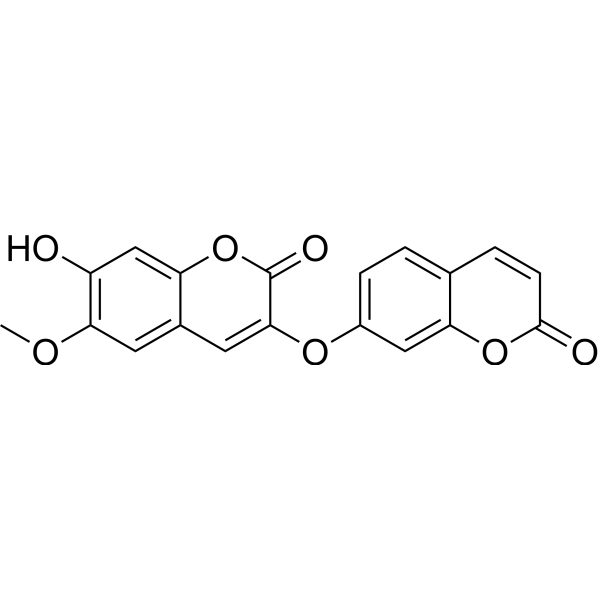 0 Images
Daphnoretin (Dephnoretin; Thymelol) is a protein kinase C (PKC) activator that inhibits the expression of hepatitis B virus (HBV) surface antigen (HBsAg) and exhibits antiviral activity. Daphnoretin exerts its antitumor effects by inhibiting the activation of the PI3K/AKT signaling pathway and triggers the mitochondrial apoptosis pathway. Daphnoretin alleviates chondrocyte apoptosis and inflammatory responses by inhibiting endoplasmic reticulum stress and activation of the NLRP3 inflammasome. Daphnoretin regulates the differentiation and maturation of dendritic cells, inhibits their immunostimulatory function by downregulating the phosphorylation level of JNK, and thus exerts a protective effect in skin graft rejection.
-
Spisulosine
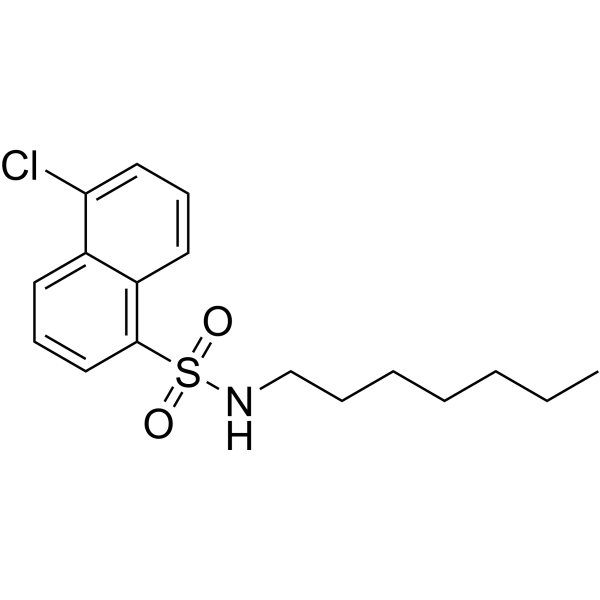
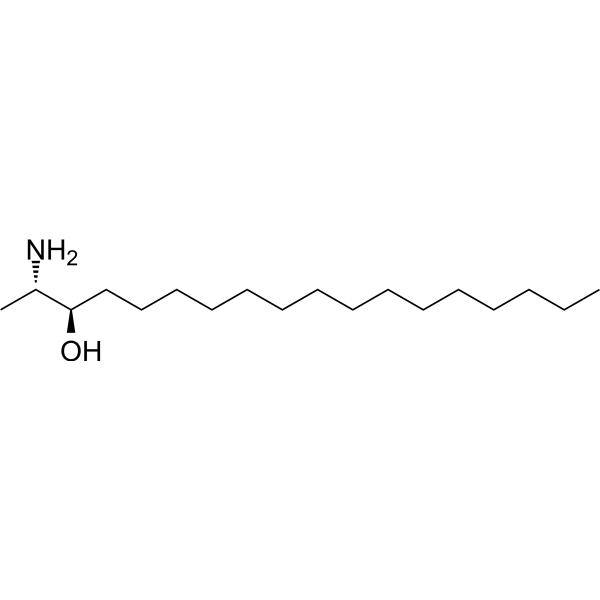 0 ImagesSynonyms: ES-285
-
C8-Ceramide
 0 ImagesSynonyms: N-Octanoyl-D-erythro-sphingosine
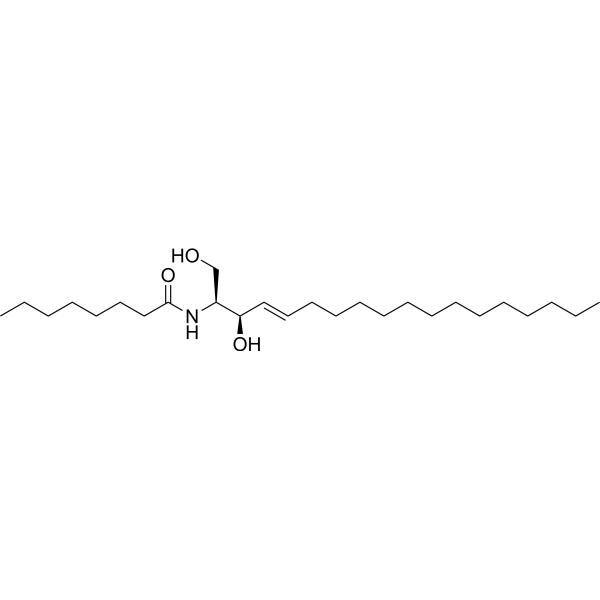
C8-Ceramide (N-Octanoyl-D-erythro-sphingosine) is a cell-permeable analog of naturally occurring ceramides. C8-Ceramide has anti-proliferation properties and acts as a potent chemotherapeutic agent. C8-Ceramide stimulates dendritic cells to promote T cell responses upon virus infections. C8-Ceramide induces slight activation of protein kinase (PKC) in vitro.
-
Cathepsin G
 0 ImagesCat. No.: HY-P3012CAS No.: 107200-92-0
Cathepsin G is a pH-dependent serine protease. Cathepsin G hydrolyzes diverse synthetic and protein substrates and remodels extracellular matrix. Cathepsin G exerts immunomodulatory effects via recruiting phagocytes, enhancing T cell motility, activating ERK1/2 and p38 MAPK signaling, and mediating PKCζ membrane translocation. Cathepsin G regulates inflammatory responses by cleaving inflammatory mediators. Cathepsin G participates in vascular regulation by converting angiotensin I to angiotensin II. Cathepsin G induces PAR4-dependent platelet activation, facilitates platelet-neutrophil aggregation, and mediates VITT-related NETosis, thrombus formation. Cathepsin G can be used for the research of immune thrombotic thrombocytopenia, cardiovascular disease, and select autoimmune and inflammatory diseases.
-
Sapintoxin D
 0 Images
Sapintoxin D is a fluorescent phorbol ester that can be used to study the activation of protein kinase C (PKC). Sapintoxin D is a calcium-dependent PKC activator.
-
1-Stearoyl-2-Arachidonoyl-d8-sn-Glycerol
 0 ImagesCat. No.: HY-131897SCAS No.: 2692624-31-8
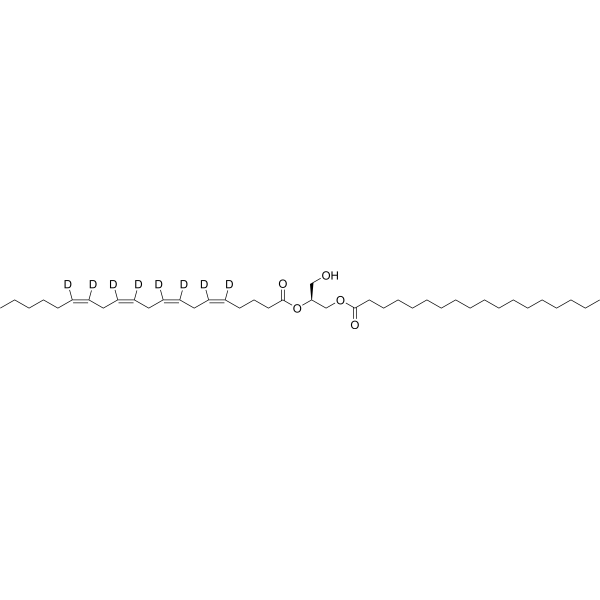
1-Stearoyl-2-Arachidonoyl-d8-sn-Glycerol is the deuterium labeled 1-Stearoyl-2-arachidonoyl-sn-glycerol. 1-Stearoyl-2-arachidonoyl-sn-glycerol is a diacylglycerol (DAG) containing polyunsaturated fatty acids. 1-Stearoyl-2-arachidonoyl-sn-glycerol can activate PKC. 1-Stearoyl-2-arachidonoyl-sn-glycerol also can augment nonselective cation channel (NSCC) activity.
-
1,2-Didecanoyl-Sn-glycerol
 0 ImagesCat. No.: HY-141574CAS No.: 60514-49-0
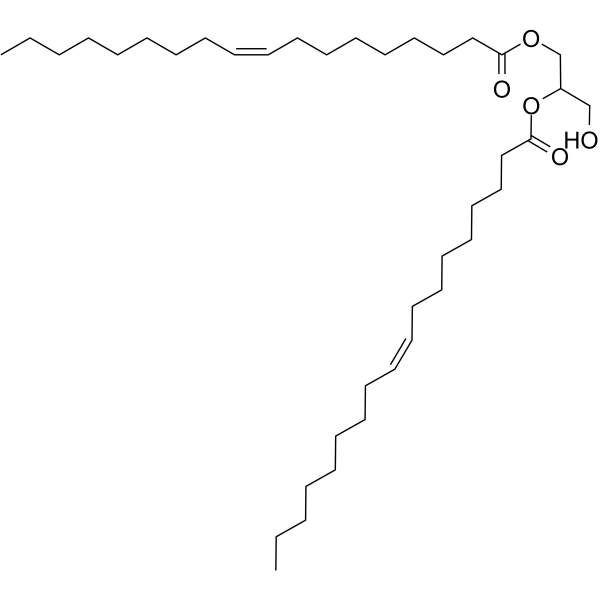
1,2-Didecanoyl-sn-glycerol is an analog of the PKC-activating second messenger DAG. Although the biological activities of 1,2-didecanoyl-sn-glycerol have not been well characterized, it is expected to behave similarly to 1,2-dioctanoyl-sn-glycerol.
-
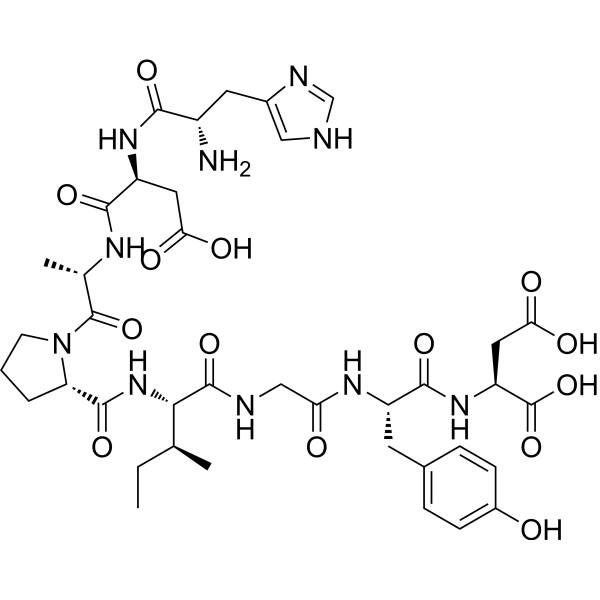
Kiss2 peptide acetate
 0 ImagesCat. No.: HY-P10256A
Kiss2 peptide acetate is the acetate form of Kiss2 pepride (HY-P10256). Kiss2 peptide acetate is a positive regulator of reproduction. Kiss2 peptide acetate binds with its cognate receptor Kiss2R (GPR54) in COS-7 cells, activates PKA and PKC signaling pathways through Gas and Gaq proteins, and thus enhances the activity of cAMP response element-dependent luciferase (CRE-luc) and serum response element-dependent luciferase (SRE-luc).
-
OSU-2S
 0 ImagesCat. No.: HY-117720CAS No.: 1351056-65-9
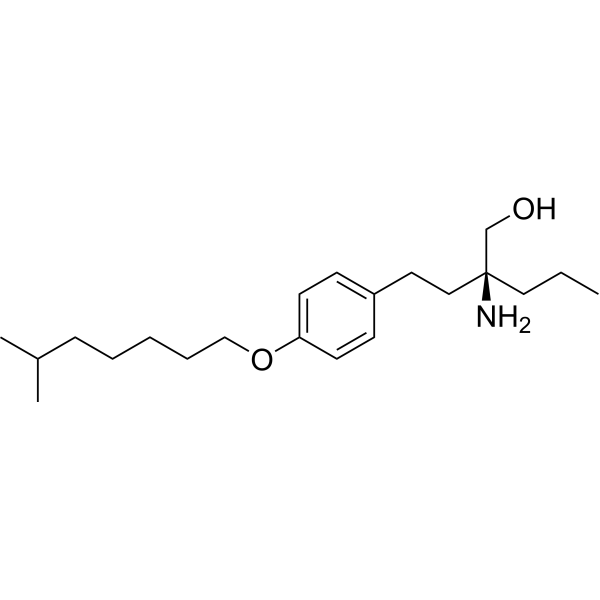
OSU-2S is a potent PKCδ activator. OSU-2S inhibits cell proliferation and migration. OSU-2S decreases the expression of p-ERK1/2, increases the expression of PKCδ (38 kDa) when combined with Sorafenib (HY-10201). OSU-2S induces Apoptosis. OSU-2S slao is a non-immunosuppressive analogue of FTY720. OSU-2S shows anticancer activity.
-
R 59-022 hydrochloride
 0 ImagesSynonyms: DKGI-I hydrochloride; Diacylglycerol kinase inhibitor I hydrochloride
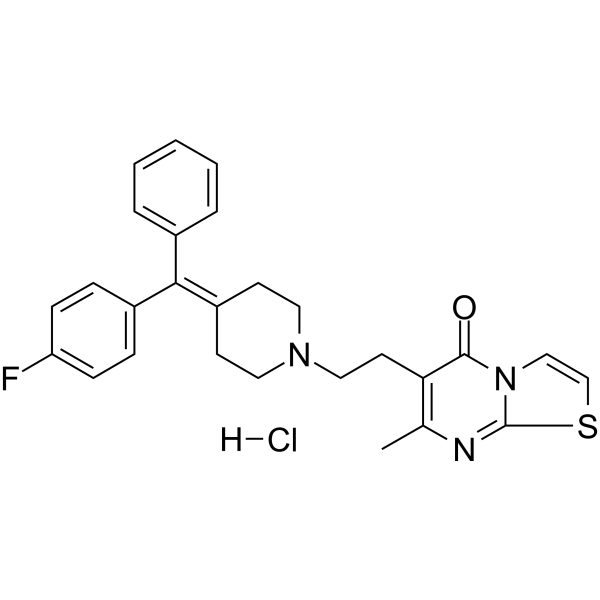
R 59-022 (DKGI-I) hydrochloride is a DGK inhibitor (IC50: 2.8 µM). R 59-022 hydrochloride inhibits the phosphorylation of OAG to OAPA. R 59-022 hydrochloride is a 5-HT Receptor antagonist, and activates protein kinase C (PKC). R 59-022 hydrochloride potentiates thrombin-induced diacylglycerol production in platelets and inhibits phosphatidic acid production in neutrophils.
-
18:0-22:6 DG
 0 ImagesSynonyms: 1-Stearoyl-2-docosahexaenoyl-sn-glycerol
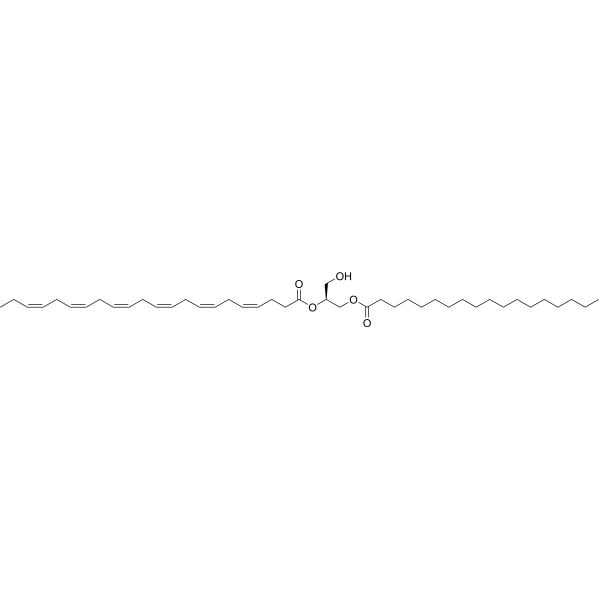
18:0-22:6 DG (1-Stearoyl-2-docosahexaenoyl-sn-glycerol) is a diacylglycerol (DG) that can interact with RasGRP (Ras guanine nucleotide-releasing protein) (Ki = 8.37 μM) and modulate the activation of MAP kinases (such as ERK1/ERK2), which play a crucial role in cellular signaling processes. 18:0-22:6 DG can also activate protein kinase C (PKC) isozyme. 18:0-22:6 DG can be used for research of cancer, immunology and metabolic disease.
-
Ingenol 3-monobenzoate
 0 ImagesCat. No.: HY-N13191CAS No.: 83036-64-0Synonyms: Ingenol 3-benzoate
Ingenol 3-monobenzoate (Ingenol 3-benzoate) is a disgust inducing agent. Ingenol 3-monobenzoate can bind to and activate PKC (Ki=0.14 nM), inhibit the gene expression of phosphoenolpyruvate carboxykinase, thereby inhibiting gluconeogenesis, and increasing blood cortisol levels, producing food aversion.
-
βGlcCer
 0 ImagesCat. No.: HY-152940CAS No.: 887907-50-8Synonyms: C24:1 β-glucosylceramide
βGlcCer is a glycosphingolipid. βGlcCer directly increases the development and PKCα and PKCδ activation in mouse bone marrow-derived DCs (BMDCs). β-GlcCer accumulating in Gaucher disease activates microglia through macrophage-inducible C-type lectin (Mincle) to induce phagocytosis of living neurons, which exacerbates Gaucher symptoms.



