



Sirtuin
Sirtuin (Sir2 proteins) are a class of proteins that possess either mono-ADP-ribosyltransferase, or deacylase activity, including deacetylase, desuccinylase, demalonylase, demyristoylase and depalmitoylase activity. Sirtuins regulate important biological pathways in bacteria, archaeaand eukaryotes. Sirtuins have been implicated in influencing a wide range of cellular processes like aging, transcription, apoptosis, inflammation and stress resistance, as well as energy efficiency and alertness during low-calorie situations. Sirtuins can also control circadian clocks and mitochondrial biogenesis.
Sirtuin Isoform Specific Products
All Product Categories
-
Sirtuin Inhibitors
(168)
View all products
-
Sirtuin Agonists
(11)
View all products
-
Sirtuin Activators
(101)
View all products
-
Sirtuin Modulators
(12)
View all products
-
Sirtuin Degraders
(3)
View all products
-
Sirtuin Control
(1)
View all products
-
Sirtuin Substrates
(4)
View all products
-
Sirtuin Ligand
(1)
View all products
-
Sirtuin Related Products (320)
Related Products (320)

-
Antibodies (9)
-
Sirtuin Isoform Comparison
-
Gamma-glutamylcysteine TFA (Standard)
 0 ImagesCat. No.: HY-113402ARCAS No.: 283159-88-6Synonyms: γ-Glu-Cys TFA (Standard)Gamma-glutamylcysteine (TFA) (Standard) is the analytical standard of Gamma-glutamylcysteine (TFA). This product is intended for research and analytical applications. Gamma-glutamylcysteine TFA (γ-Glu-Cys TFA) is an orally active, blood-brain barrier permeable dipeptide. Gamma-glutamylcysteine TFA activates AMPK, SIRT1, IL-4/STAT6, AC/cAMP/PI3K, IGF-1R/IRS1/PI3K, and Nrf2 signaling pathways; it inhibits NF-κB, JAK1/STAT1/3, MAPKs, cadmium-induced p38 MAPK, JNK, and PI3K/Akt signaling pathways. Gamma-glutamylcysteine TFA regulates macrophage polarization, modulates the trafficking of CD36 and GLUT4, induces glutathione synthesis, improves metabolic dysfunction, reduces lipid deposition, ameliorates glucose homeostasis, inhibits apoptosis (Apoptosis), stabilizes mitochondria, suppresses lipid peroxidation, iron accumulation and ferroptosis (Ferroptosis), reduces ds-HMGB1 levels, reverses mechanical hyperalgesia, and alleviates hepatic lipid droplet formation. Gamma-glutamylcysteine TFA is applicable to research related to inflammatory bowel disease, type 2 diabetes, cadmium-induced neurotoxicity, Alzheimer's disease, cerebral ischemia/reperfusion injury, neuropathy, and alcoholic liver disease.
-
Ginkgolide C (Standard)
 0 ImagesSynonyms: BN-52022 (Standard)Ginkgolide C (Standard) is the analytical standard of Ginkgolide C. This product is intended for research and analytical applications. Ginkgolide C is a flavone isolated from Ginkgo biloba leaves, possessing multiple biological functions, such as decreasing platelet aggregation and ameliorating Alzheimer disease.
-
SirReal2 (Standard)
 0 ImagesSirReal2 (Standard) is the analytical standard of SirReal2 (HY-100591). This product is intended for research and analytical applications. SirReal2 is a potent, isotype-selective Sirt2 inhibitor with an IC50 value of 140 nM and has very little effect on the activities of Sirt3-5. SirReal2 leads to tubulin hyperacetylation in HeLa cells and induces destabilization of the checkpoint protein BubR1. SirReal2 combined with VS-5584 (HY-16585) suppresses tumor growth and extends the survival rate of mice in tumor xenograft model. SirReal2 is is promising for research of cancer, inflammation and neurodegeneration.
-
SRT 1720 (Standard)
 0 ImagesSRT 1720 (Standard) is the analytical standard of SRT 1720. This product is intended for research and analytical applications. SRT 1720 is a selective activator of human SIRT1 with an EC1.5 of 0.16 μM, and shows less potent activities for SIRT2 and SIRT3 with EC1.5s of 37 μM and > 300 μM, respectively.
-
(+)-Magnoflorine
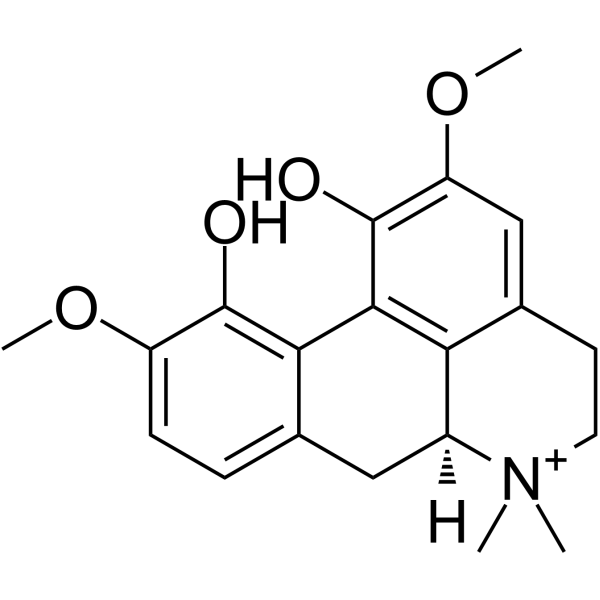 0 Images(+)-Magnoflorine (α-Magnoflorine) is an orally active aporphine alkaloid with multiple biological activities. (+)-Magnoflorine promotes Parkin/PINK1 -mediated mitochondrial autophagy, inhibits the activation of NLRP3/Caspase-1 pathway, regulates the intestinal microbiota, and exhibits significant anti-inflammatory and immunomodulatory activities. (+)-Magnoflorine inhibits JNK and TLR4/NF-κB signaling pathways, activates Sirt1/AMPK pathway, alleviates neuronal oxidative stress and apoptosis. Magnoflorine upregulates miR-410-3p, inhibits HMGB1/NF-κB pathway, and has anti-tumor activity. (+)-Magnoflorine also has significant antifungal activity.
-
Suramin sodium salt (Standard)
 0 ImagesSynonyms: Suramin hexasodium salt (Standard)Suramin (sodium salt) (Standard) is the analytical standard of Suramin (sodium salt). This product is intended for research and analytical applications. Suramin sodium salt (Suramin hexasodium salt) is a reversible and competitive protein-tyrosine phosphatases (PTPases) inhibitor. Suramin sodium salt is a potent inhibitor of sirtuins: SirT1 (IC50=297 nM), SirT2 (IC50=1.15 μM), and SirT5 (IC50=22 μM). Suramin sodium salt is a competitive inhibitor of reverse transcriptase (DNA topoisomerase II: IC50=5 μM). Suramin sodium salt is a potent SARS-CoV-2 RNA-dependent RNA polymerase (RdRp) inhibitor. Suramin sodium salt efficiently inhibits IP5K and is an antiparasitic, anti-neoplastic and anti-angiogenic agent.
-
BML-278
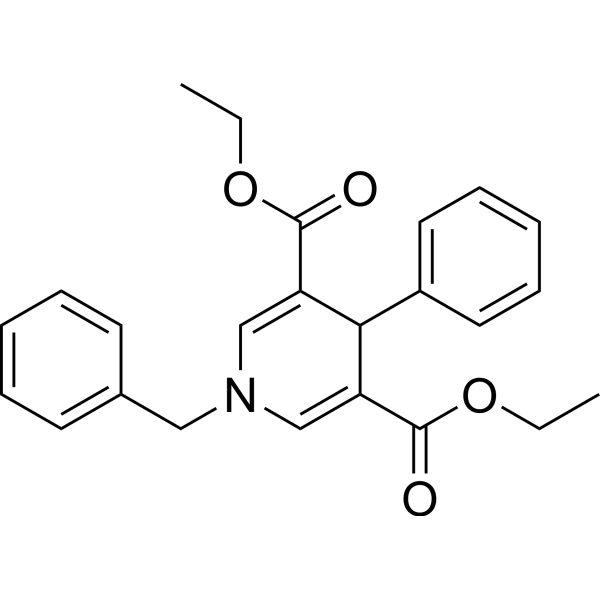 0 ImagesBML-278 is a SIRT1 activator (EC150: 1 μM). BML-278 increases H3K9 methylation and inhibits H3K9 acetylation in both the paternal and maternal pronucleus. BML-278 improves early embryonic development. BML-278 arrests the cell cycle at the G1/S phase, and reduces senescence in primary human mesenchymal cells. BML-278 reduces tubulin acetylation in U937 cells. BML-278 also increases mitochondrial density in murine C2C12 myoblasts.
-
CHIC35
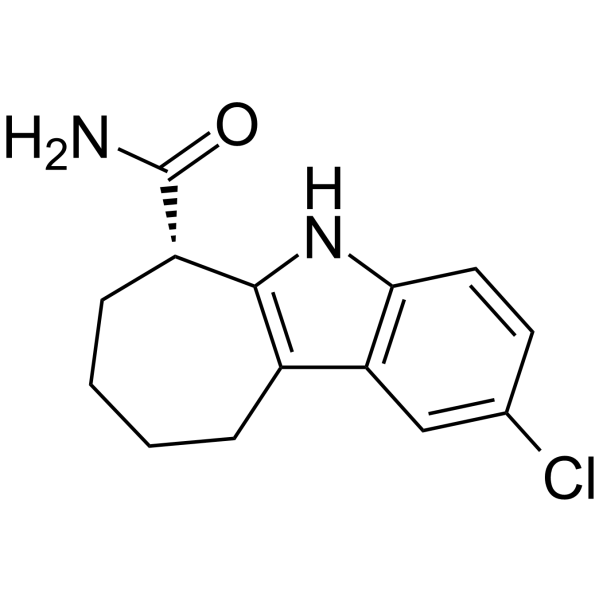 0 ImagesCat. No.: HY-111303CAS No.: 848193-72-6
-
Perindopril erbumine (Standard)
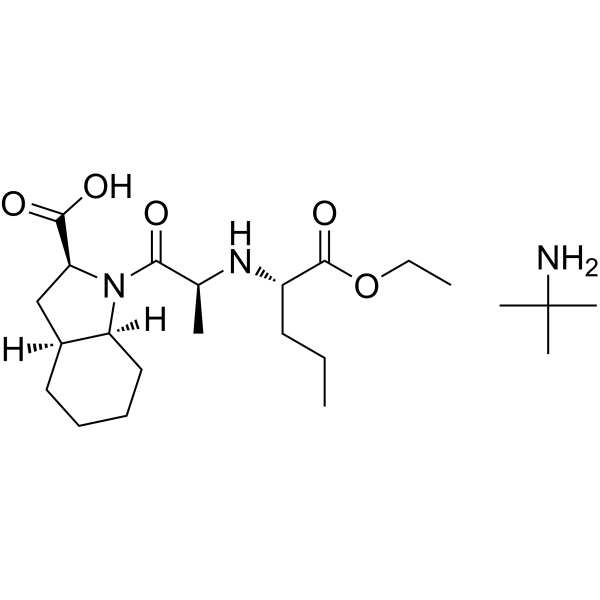 0 ImagesSynonyms: Perindopril (tert-butylamine salt) (Standard); S-9490 erbumine (Standard)Perindopril (erbumine) (Standard) is the analytical standard of Perindopril (erbumine). This product is intended for research and analytical applications. Perindopril erbumine is an angiotensin-converting enzyme inhibitor. Perindopril erbumine modulates NF-κB and STAT3 signaling and inhibits glial activation and neuroinflammation. Perindopril erbumine can be used for the research of Chronic Kidney Disease and high blood pressure.
-
Sirt1/2-IN-3
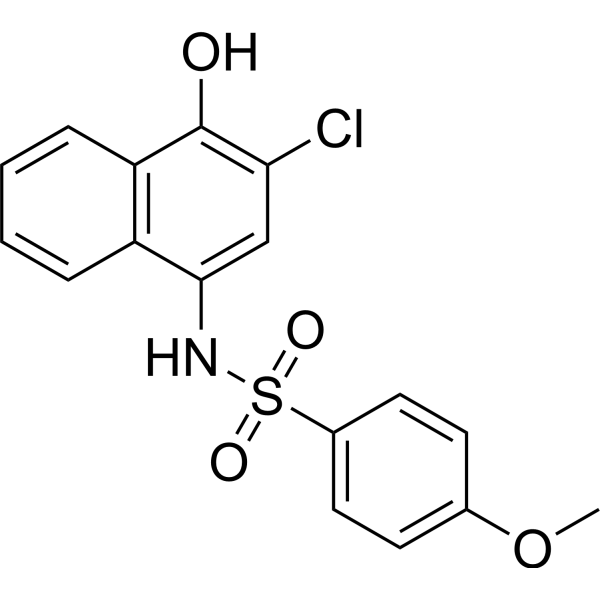 0 ImagesCat. No.: HY-155728CAS No.: 301313-42-8Sirt1/2-IN-3 (compound PS9) is a dual inhibitor of SIRT1/2 with IC50s of 1.4 μM (SIRT1) and 2.0 μM (SIRT2), respsectivley. Sirt1/2-IN-3 completely blocks p53 deacetylation, and increase of p53 and α-tubulin acetylation. Sirt1/2-IN-3 induces apoptosis and shows anti-proliferation activity against human leukemia cell lines.
-
SIRT-IN-7
 0 ImagesCat. No.: HY-172204CAS No.: 1620634-65-2
-
CL5D
 0 ImagesCat. No.: HY-169846CAS No.: 2488745-53-3CL5D is an activator of protein deacetylase SIRT6. CL5D can significantly enhance the deacetylation activity of SIRT6 and improve its catalytic efficiency. CL5D regulates SIRT6 activity by promoting conformational changes, especially dependent on the role of Arg-65 residue. CL5D can be used to study the activation mechanism of SIRT6 and its function in metabolism, DNA repair and aging.
-
F0911-7667
 0 ImagesCat. No.: HY-136479CAS No.: 361198-09-6F0911-7667 is a SIRT1 activator that induces autophagic cell death in U87MG and T98G cells by activating the AMPK-mTOR-ULK complex. CWR tripeptide was also identified as a SIRT1 activator that reduced p53 acetylation in IMR32 neuroblastoma cells and protected cells from cell death induced by Aβ fragments.
-
SIRT1/2/3-IN-2
 0 ImagesCat. No.: HY-114906CAS No.: 388086-13-3SIRT1/2/3-IN-2 (compound 9) is a potent SIRT inhibitor, with inhibition rates of 27%, 72%, and 71% targeting SIRT1, SIRT2, and SIRT3, respectively, at 200 μM. SIRT3 is a potential tumor suppressor or promoter, and its increased transcription may be associated with lymph node-positive breast cancer and oral squamous cell carcinoma.
-
Antiproliferative agent-17
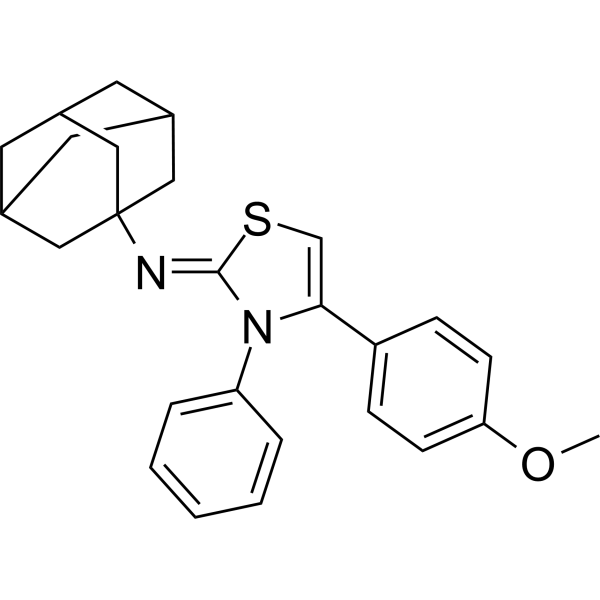 0 ImagesCat. No.: HY-152090CAS No.: 2882206-08-6Antiproliferative agent-17 is an antiproliferative agent. Antiproliferative agent-17 inhibits Gram-positive bacteria and has anticancer activity.
-
Sirt2-IN-5
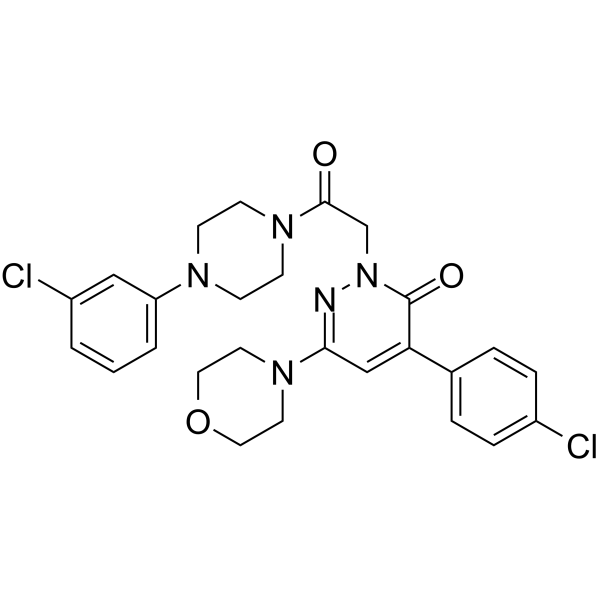 0 ImagesCat. No.: HY-115979CAS No.: 902456-47-7Sirt2-IN-5 is a potent SIRT2 inhibtor.
-
SPC-180002
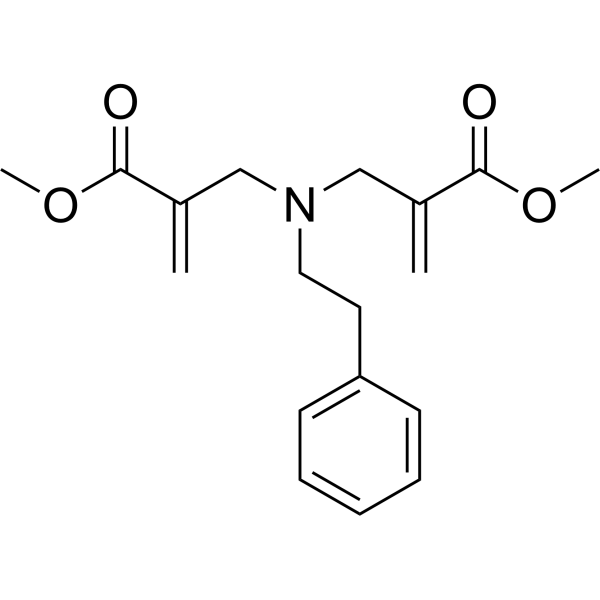 0 ImagesCat. No.: HY-155784CAS No.: 2170274-53-8SPC-180002 is a SIRT1/3 dual inhibitor, with IC50 values of 1.13 and 5.41 μM, respectively. SPC-180002 disturbs redox homeostasis via ROS generation, which leads to an increase in both p21 protein stability and mitochondrial dysfunction. SPC-180002 strongly inhibits cell cycle progression and cancer cell growth. SPC-180002 activates the Nrf2 signaling pathway.
-
NH4-6
 0 ImagesCat. No.: HY-182412CAS No.: 2375182-58-2NH4-6 is a SIRT2 inhibitor with an IC50 of 0.032 μM against SIRT2 and an IC50 of 3 μM against SIRT1. NH4-6 inhibits the deacetylase activity of SIRT1. As a cytotoxic agent, NH4-6 reduces cancer cell viability, suppresses anchorage-independent growth of cancer cells, induces acetylation of α-tubulin, and promotes acetylation of p53. NH4-6 can be used in the research of breast cancer.
-
SIRT2-IN-10
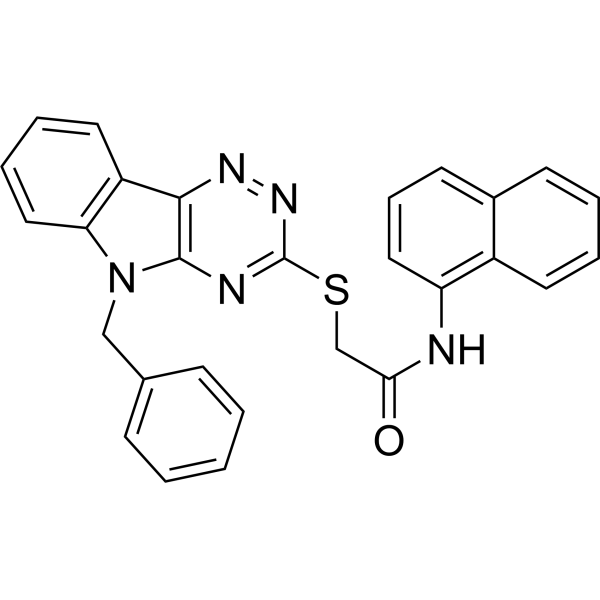 0 ImagesCat. No.: HY-151522CAS No.: 296793-09-4




