



TGF-beta/Smad Activator
- 1
- 2
-
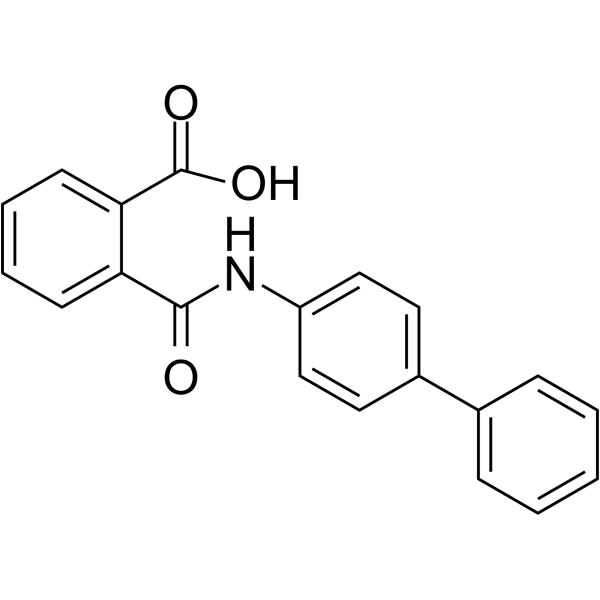
Kartogenin
 0 Images
Kartogenin (KGN) is an inducer of chondrogenic tissue formation (EC50: 100 nM). Kartogenin induces chondrogenesis by binding to fibrin A, disrupting its interaction with the transcription factor core binding factor beta subunit (CBFβ), and by modulating the CBFβ-RUNX1 transcriptional program. Kartogenin also promotes tendon-bone junction (TBJ) wound healing by stimulating collagen synthesis. Kartogenin is widely used in cell-free therapy in the field of regeneration for cartilage regeneration and protection, tendon-bone healing, wound healing and limb development. Kartogenin promotes cartilage repair, coordinates limb development, and is also used in osteoarthritis (OA) research.
-
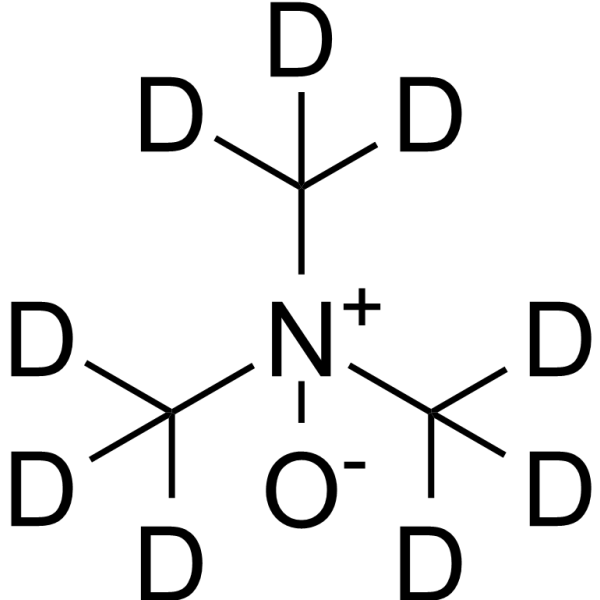
Trimethylamine N-oxide-d9
 0 Images
Trimethylamine N-oxide-d9 is the deuterium labeled Trimethylamine N-oxide. Trimethylamine N-oxide is a gut microbe-dependent metabolite of dietary choline and other trimethylamine-containing nutrients. Trimethylamine N-oxide induces inflammation by activating the ROS/NLRP3 inflammasome. Trimethylamine N-oxide also accelerates fibroblast-myofibroblast differentiation and induces cardiac fibrosis by activating the TGF-β/smad2 signaling pathway.
-
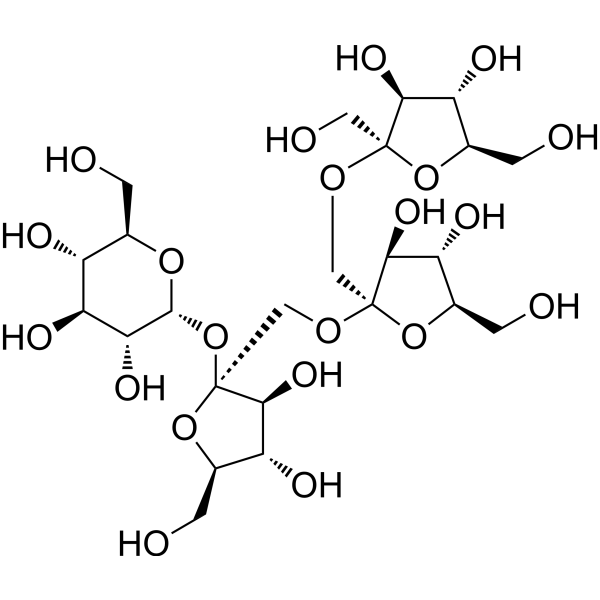
Nystose
 0 Images
Nystose is a tetrasaccharide with two fructose molecules linked via beta (1→2) bonds to the fructosyl moiety of sucrose. Nystose exhibits prebiotic, immunomodulatory, and metabolism regulating activities. Nystose promotes the bone mineralization by activating the Wnt/β-catenin signaling pathway.
-
2-Oleoylglycerol
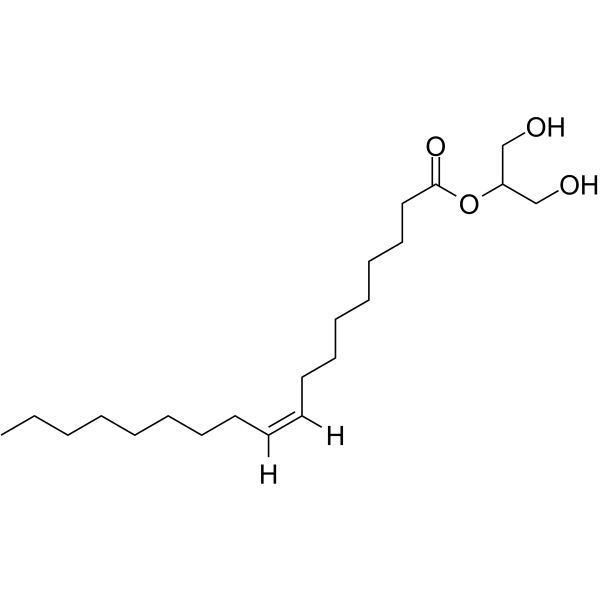 0 ImagesSynonyms: 2-OG
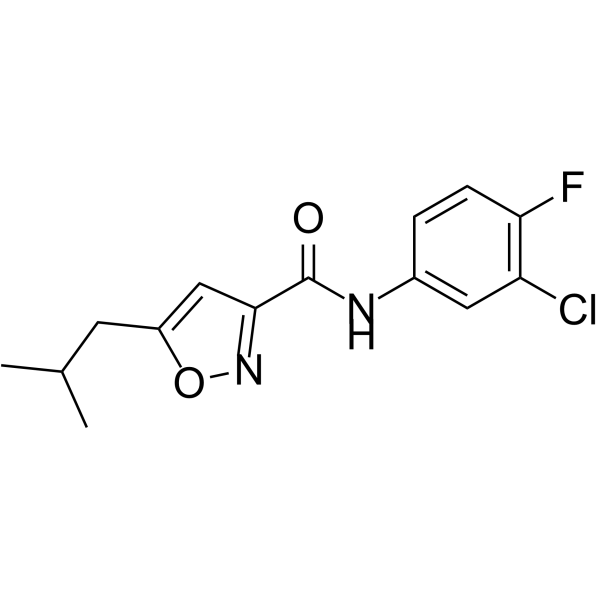
2-Oleoylglycerol (2-OG) is a lipid found in the diet. It is a GPR119 agonist, with an EC50 value of 2.5 μM in activating hGPR119 in transiently transfected COS-7 cells. 2-Oleoylglycerol enhances the inflammatory response of macrophages and promotes fibrosis by activating the GPR119/TAK1/NF-κB/TGF-β1 signaling pathway. It also stimulates glucagon-like peptide 1 (GLP-1) secretion in vivo. 2-Oleoylglycerol is expected to be used in the research of non-alcoholic steatohepatitis (NASH) .
-
Aristolactam I
 0 ImagesSynonyms: Aristololactam; Aristolactam
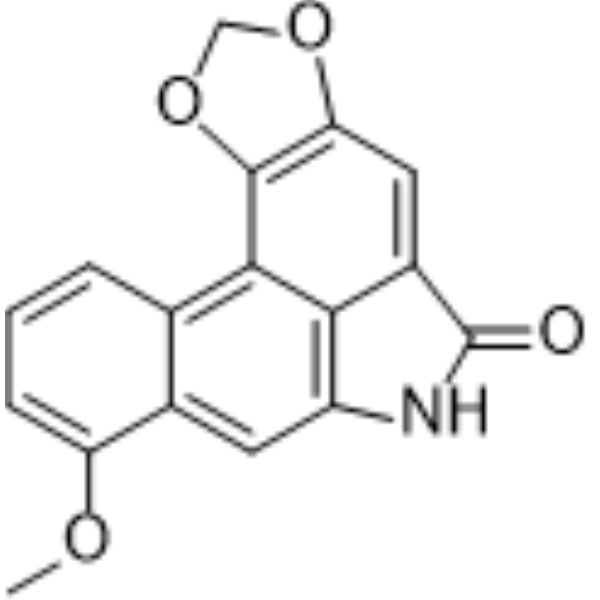
Aristolactam I is an AQP1 inhibitor and Aristolochic acid I metabolite. Aristolactam I can be isolated from Aristolochia plants. Aristolactam I downregulates Twist1 expression, increases E-cadherin expression, and activates the TGF-β/Smad signaling pathway. Aristolactam I has anticancer activity against breast cancer. Aristolactam I is nephrotoxic. Aristolactam I is mainly used in the study of breast cancer and kidney diseases such as renal interstitial fibrosis.
-
Perfluoroundecanoic acid
 0 Images
Perfluoroundecanoic acid is a perfluoroalkyl substance (PFAS). Perfluoroundecanoic acid is an orally active oxidative stress inducer. Perfluoroundecanoic acid promotes macrophage M2 polarization, activates Wnt/β-catenin signaling and enhances β-catenin nuclear accumulation. Perfluoroundecanoic acid -induced M2 phenotype macrophage accelerates tumor progression in vitro and in vivo. Perfluoroundecanoic acid induces DNA damage, reproductive and pathophysiological dysfunctions via oxidative stress in male Swiss mice. Perfluoroundecanoic acid inhibits Leydig cell development in pubertal male rats via inducing oxidative stress and autophagy. Perfluoroundecanoic acid accelerates insulitis development in a mouse model of type 1 diabetes. Perfluoroundecanoic acid can be used for the study of ovarian cancer, type 1 diabetes and inflammation.
-
Kartogenin sodium
 0 ImagesSynonyms: KGN sodium
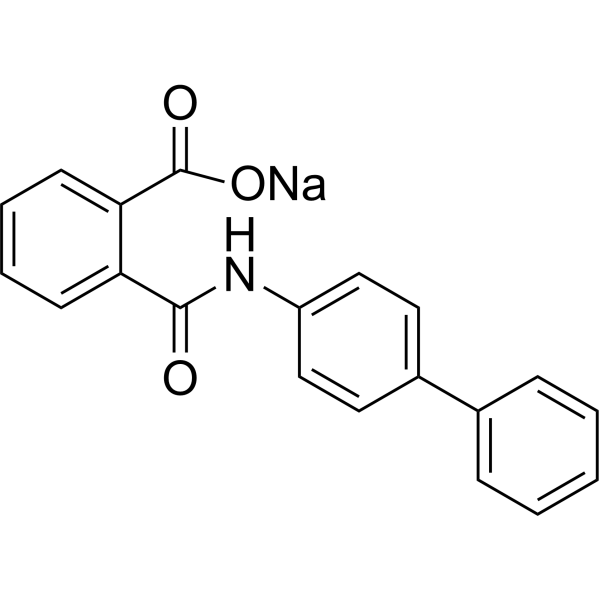
Kartogenin (KGN) sodium is an inducer of chondrogenic tissue formation (EC50: 100 nM). Kartogenin sodium induces chondrogenesis by binding to fibrin A, disrupting its interaction with the transcription factor core binding factor beta subunit (CBFβ), and by modulating the CBFβ-RUNX1 transcriptional program. Kartogenin sodium also promotes tendon-bone junction (TBJ) wound healing by stimulating collagen synthesis. Kartogenin sodium is widely used in cell-free therapy in the field of regeneration for cartilage regeneration and protection, tendon-bone healing, wound healing and limb development. Kartogenin sodium promotes cartilage repair, coordinates limb development, and is also used in osteoarthritis (OA) research.
-
(+)-Columbianetin
 0 Images
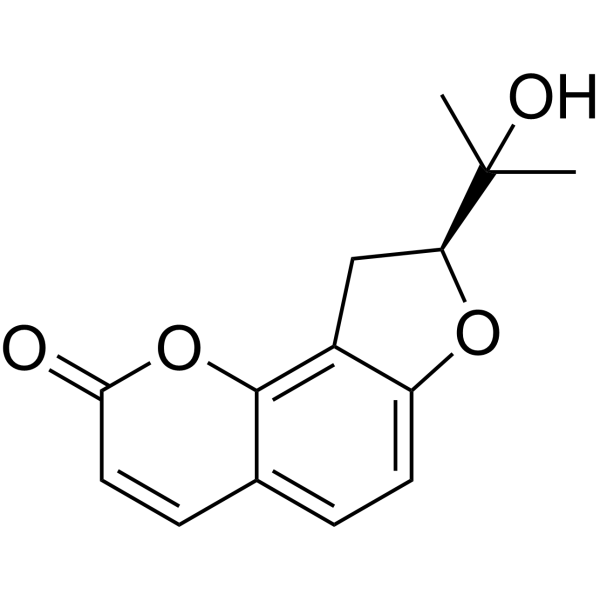
(+)-Columbianetin ((S)-Columbianetin) acts as an inhibitor of JNK/ERK. (+)-Columbianetin inhibits UVA-induced phosphorylation of JNK and ERK, reduces the production of MMP-1, reverses UVA-induced Collagen (HY-NP003) degradation, and alleviates UVA-mediated inhibition of Smad2/3 phosphorylation and translocation. (+)-Columbianetin regulates the AP-1 and ASK1-MAPK signaling pathways, inhibits the production of ROS and blocks sub-G1 cell cycle arrest. (+)-Columbianetin is applicable to research related to skin aging.
-
Myristoyl tetrapeptide-12 dihydrochloride
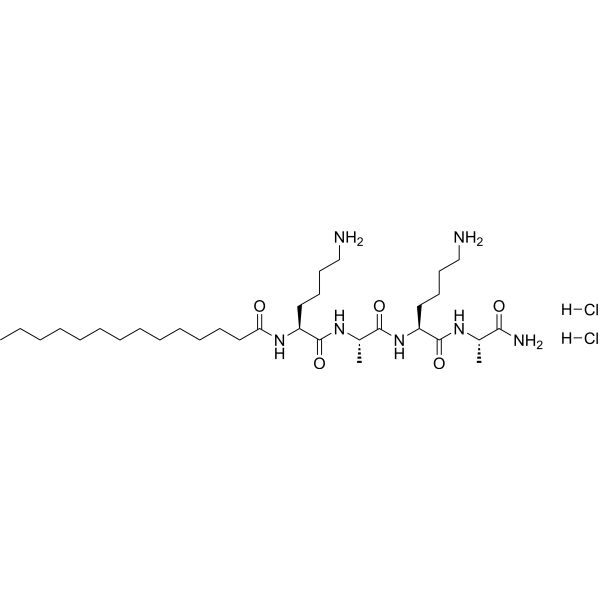 0 ImagesCat. No.: HY-W108953APurity: 99.88%
Myristoyl tetrapeptide-12 dihydrochloride is a peptide containing lysine and alanin. Myristoyl tetrapeptide-12 dihydrochloride is utilized as hair cair preparations agent in cosmetics industry.
-
CCT365623 hydrochloride
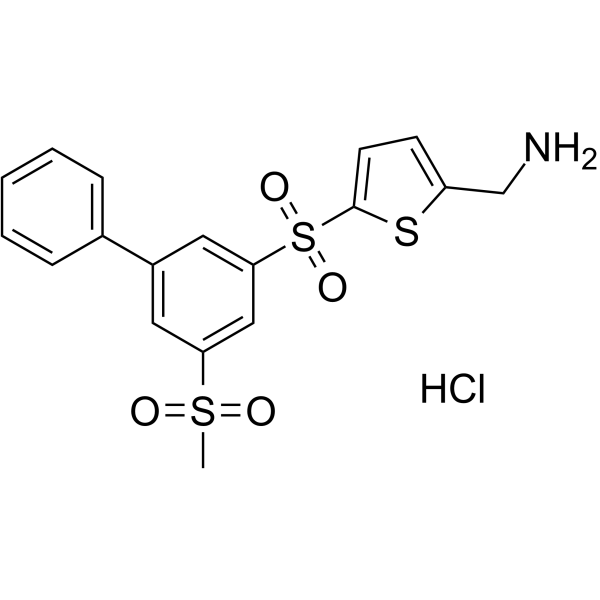 0 Images
CCT365623 hydrochloride is an orally active lysyl oxidase (LOX) inhibitor, with an IC50 of 0.89 μM. CCT365623 hydrochloride suppresses EGFR (pY1068) and AKT phosphorylation driven by EGF. CCT365623 hydrochloride is extremely well tolerated, and has good pharmacokinetic properties.
-
Nickel(II) oxide
 0 ImagesSynonyms: Nickel monoxide
Nickel(II) oxide (nickel monoxide) is a chemical warfare agent that can enter the body through the respiratory tract and other routes, distributing to organs such as the lungs and testes. The nanoparticle form of nickel(II) oxide (NiO NPs) exhibits antibacterial, anti-leishmanial, anti-diabetic, and anti-cancer activities. NiO NPs can be activated by ultraviolet and visible light, generating reactive oxygen species (ROS). Nickel(II) oxide induces oxidative stress by generating reactive oxygen species, activating the TGF-β1-mediated MAPK and PI3K/AKT pathways, disrupting the MMPs/TIMPs balance, and upregulating the expression of inflammatory factors (IL-1β, IL-6) and apoptosis-related molecules (Bax, caspase-3, p53), while inhibiting the activity of the anti-apoptotic molecule Bcl-2. Nickel(II) oxide induces cytotoxicity, promotes fibrosis, triggers inflammatory responses, and causes apoptosis. Nickel(II) oxide can be applied in research on the safety assessment of nanomaterials, such as in the context of pulmonary fibrosis and reproductive system toxicity.
-
Nystose (Standard)
 0 Images
Nystose (Standard) is the analytical standard of Nystose. This product is intended for research and analytical applications. Nystose is a tetrasaccharide with two fructose molecules linked via beta (1→2) bonds to the fructosyl moiety of sucrose. Nystose exhibits prebiotic, immunomodulatory, and metabolism regulating activities. Nystose promotes the bone mineralization by activating the Wnt/β-catenin signaling pathway.
-
Trimethylamine-N-oxide-13C3
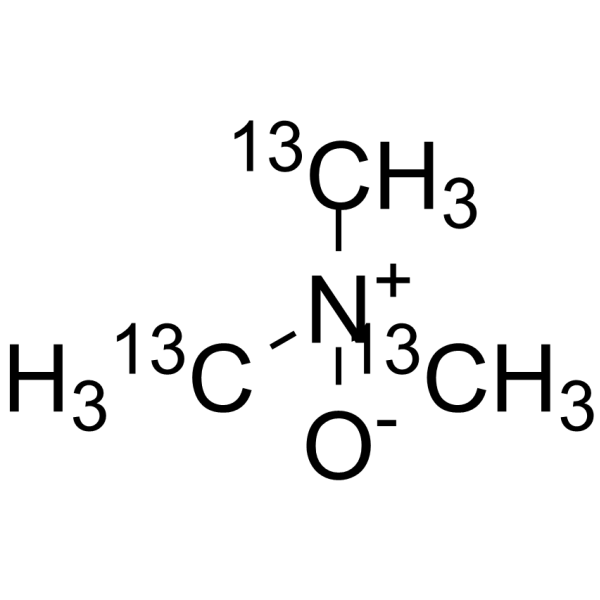 0 ImagesCat. No.: HY-116084S1CAS No.: 2413127-00-9
Trimethylamine-N-oxide-13C3 is the 13C-labeled Trimethylamine N-oxide. Trimethylamine N-oxide is a gut microbe-dependent metabolite of dietary choline and other trimethylamine-containing nutrients. Trimethylamine N-oxide induces inflammation by activating the ROS/NLRP3 inflammasome. Trimethylamine N-oxide also accelerates fibroblast-myofibroblast differentiation and induces cardiac fibrosis by activating the TGF-β/smad2 signaling pathway.
-
Myristoyl tetrapeptide-12
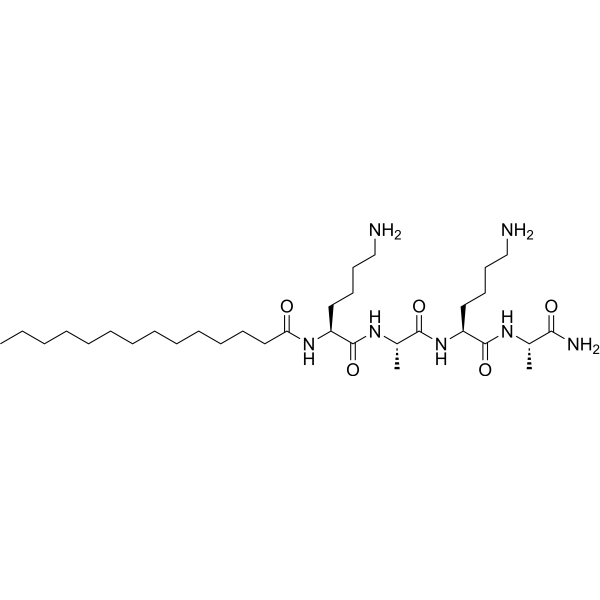 0 ImagesCat. No.: HY-W108953CAS No.: 959610-24-3
-
1-Oleoyl lysophosphatidic acid sodium (GMP)
 0 ImagesCat. No.: HY-107614GCAS No.: 325465-93-8Synonyms: 1-Oleoyl-sn-glycero-3-phosphate sodium (GMP); 1-Oleoyl-LPA sodium (GMP)
1-Oleoyl lysophosphatidic acid sodium (GMP) is the GMP-grade form of 1-Oleoyl lysophosphatidic acid sodium (HY-107614). GMP-grade small molecules serve as auxiliary reagents in cell therapy. 1-Oleoyl lysophosphatidic acid sodium is a bioactive lipid signaling molecule. 1-Oleoyl lysophosphatidic acid sodium inhibits lysoPLD-catalyzed hydrolysis of lysophosphatidylcholine and FS-3. 1-Oleoyl lysophosphatidic acid sodium activates LPA1 and LPA2, thereby triggering calcium mobilization, NFATc1 translocation, Rho/ROCK activation, Smad2/3 phosphorylation and c-Fos expression. 1-Oleoyl lysophosphatidic acid sodium induces anxiety-like, depression-like and hypoactivity phenotypes, regulates osteoclast cytoskeleton and viability, reduces osteoclast bone resorptive activity, and drives mesenchymal stem cell differentiation into myofibroblast-like cells. 1-Oleoyl lysophosphatidic acid sodium stimulates the secretion of transforming growth factor-β1 and stromal cell-derived factor-1. 1-Oleoyl lysophosphatidic acid sodium is applicable to research related to anxiety, depression and ovarian cancer.
-
Alantolactone (Standard)
 0 ImagesSynonyms: (+)-Alantolactone (Standard); Alant camphor (Standard); Inula camphor (Standard)
Alantolactone (Standard) is the analytical standard of Alantolactone. This product is intended for research and analytical applications. Alantolactone is a selective STAT3 inhibitor, with potent anticancer activity. Alantolactone induces apoptosis in cancer.
-
Anabolic agent-1
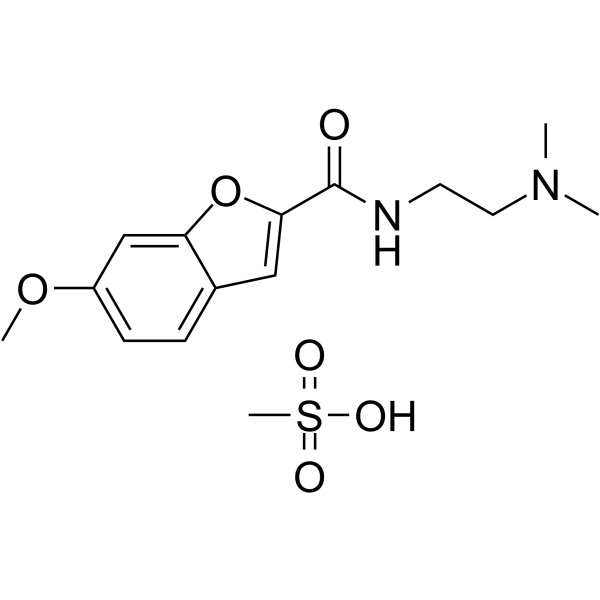 0 ImagesCat. No.: HY-146056CAS No.: 2439179-74-3
Compounds, as a new type of bone morphogenetic protein-2 up regulator, can not only correct the bone loss in patients, but also have a wide range of clinical applicability.
-
Trimethylamine N-oxide (Standard)
 0 Images
Trimethylamine N-oxide (Standard) is the analytical standard of Trimethylamine N-oxide. This product is intended for research and analytical applications. Trimethylamine N-oxide is a gut microbe-dependent metabolite of dietary choline and other trimethylamine-containing nutrients. Trimethylamine N-oxide induces inflammation by activating the ROS/NLRP3 inflammasome. Trimethylamine N-oxide also accelerates fibroblast-myofibroblast differentiation and induces cardiac fibrosis by activating the TGF-β/smad2 signaling pathway.
-
Trimethylamine N-oxide dihydrate (Standard)
 0 ImagesCat. No.: HY-108915RCAS No.: 62637-93-8
Trimethylamine N-oxide (dihydrate) (Standard) is the analytical standard of Trimethylamine N-oxide (dihydrate). This product is intended for research and analytical applications. Trimethylamine N-oxide dihydrate is a gut microbe-dependent metabolite of dietary choline and other trimethylamine-containing nutrients. Trimethylamine N-oxide dihydrate induces inflammation by activating the ROS/NLRP3 inflammasome. Trimethylamine N-oxide dihydrate also accelerates fibroblast-myofibroblast differentiation and induces cardiac fibrosis by activating the TGF-β/smad2 signaling pathway.
- 1
- 2



