



Amino Acid Derivatives
Amino Acid Derivatives are bioactive molecules formed through chemical modifications or metabolic transformations of amino acids. They are widely present in living organisms and play crucial roles in physiological, psychological, and athletic performance.
The functions of these derivatives primarily include enhancing energy supply, regulating neurotransmitters, promoting fat metabolism, and reducing muscle damage. For example, creatine can increase muscle strength, enhance ATP resynthesis, and improve short-duration high-intensity exercise performance; tyrosine, as a precursor of dopamine and norepinephrine, helps enhance cognitive function and improve mood, particularly in sleep deprivation conditions, exhibiting anti-fatigue effects; carnitine facilitates fatty acid oxidation in the heart and skeletal muscles, improving endurance performance; HMB (β-hydroxy-β-methylbutyrate) reduces muscle breakdown and promotes muscle mass gain; while taurine exhibits antioxidant and antihypertensive properties and reduces oxidative stress induced by exercise.
Metabolic abnormalities or improper supplementation of amino acid derivatives may be associated with various diseases. For instance, tyrosine metabolism disorders can disrupt neurotransmitter balance, potentially leading to depression or stress-related disorders; elevated ADMA (asymmetric dimethylarginine) levels can inhibit nitric oxide synthesis, increasing the risk of cardiovascular diseases; carnitine deficiency is linked to certain genetic muscle disorders, impairing fat metabolism and energy production. Additionally, HMB may help slow muscle loss under specific conditions, while taurine intake is associated with improved cardiovascular health. Although some of the effects of these derivatives remain debated, they hold significant potential applications in sports nutrition, neurological regulation, and metabolic health.
All Product Categories
-
Amino Acid Derivatives Related Products (1777)
Related Products (1777)

-
Fmoc-L-Lys(Dde)-OH
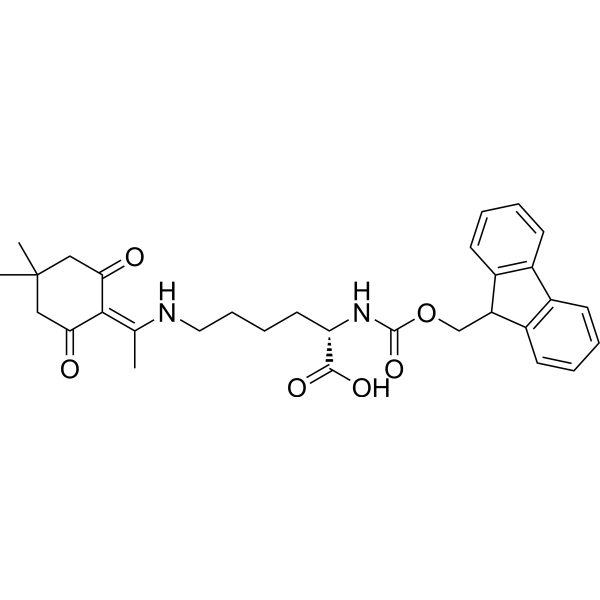 0 ImagesFmoc-L-Lys(Dde)-OH is a lysine derivative.
-
Fmoc-Met-OH
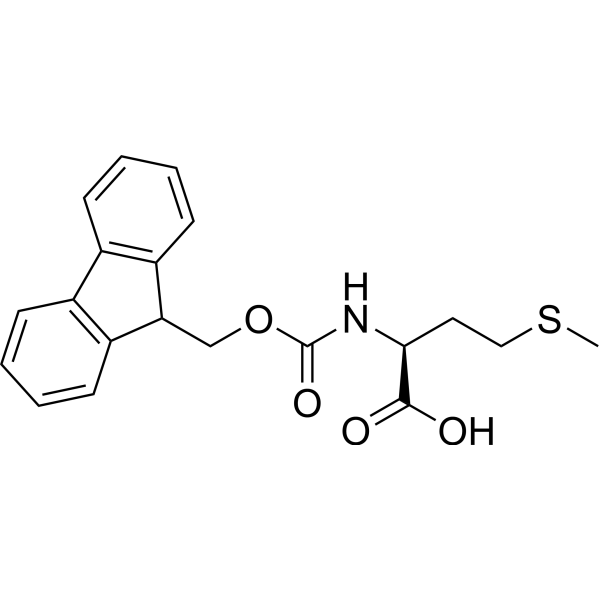 0 ImagesFmoc-Met-OH is a Methionine (HY-13694) derivative.
-
Fmoc-L-Norleucine
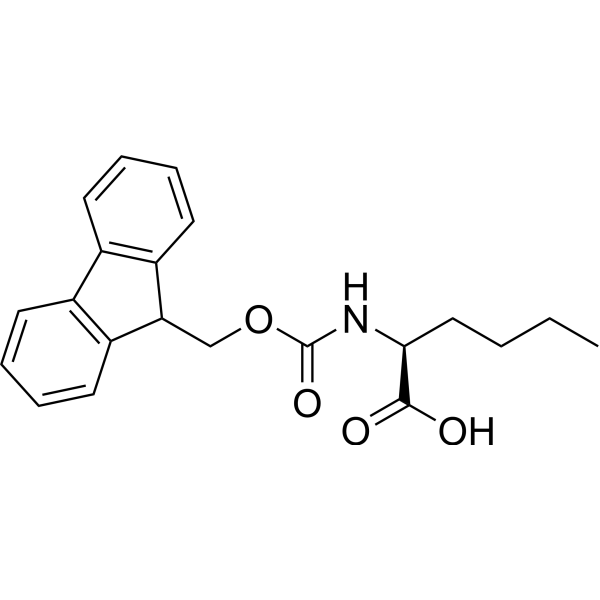 0 ImagesFmoc-L-Norleucine is a leucine derivative.
-
Fmoc-Bip(4,4')-OH
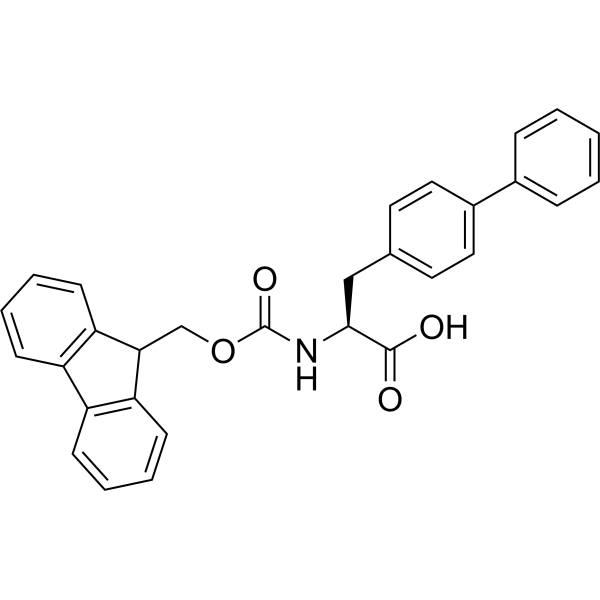 0 ImagesFmoc-Bip(4,4')-OH is an alanine derivative.
-
PSAR18-COOH
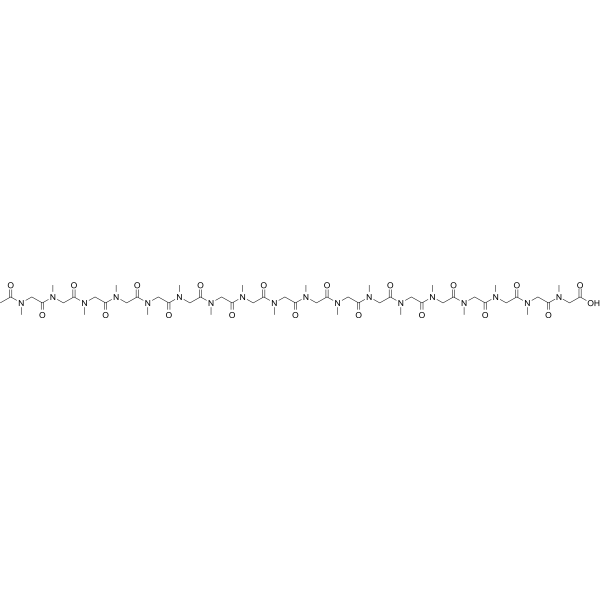 0 ImagesSynonyms: Ac-PSAR18-COOHPSAR18-COOH (Ac-PSAR18-COOH) is a polysarcosine PSAR derivative. PSAR is a biodegradable, non-immunogenic polymer that has been used in a variety of compounds or diagnostic delivery systems. PSAR18 can be used as a component of ADC linkers.
-
Fmoc-Lys(Alloc)-OH
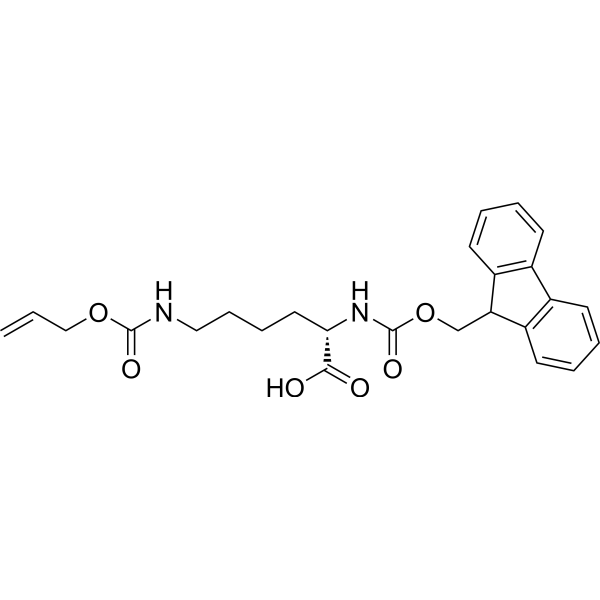 0 ImagesFmoc-Lys(Alloc)-OH is a lysine derivative.
-
Methyl (R)-2-((tert-butoxycarbonyl)amino)-3-iodopropanoate
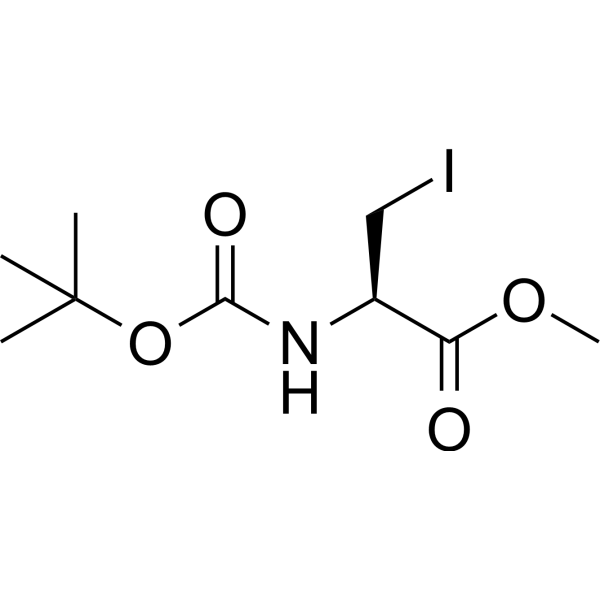 0 ImagesMethyl (R)-2-((tert-butoxycarbonyl)amino)-3-iodopropanoate is an alanine derivative.
-
Fmoc-L-Lys(ivDde)-OH
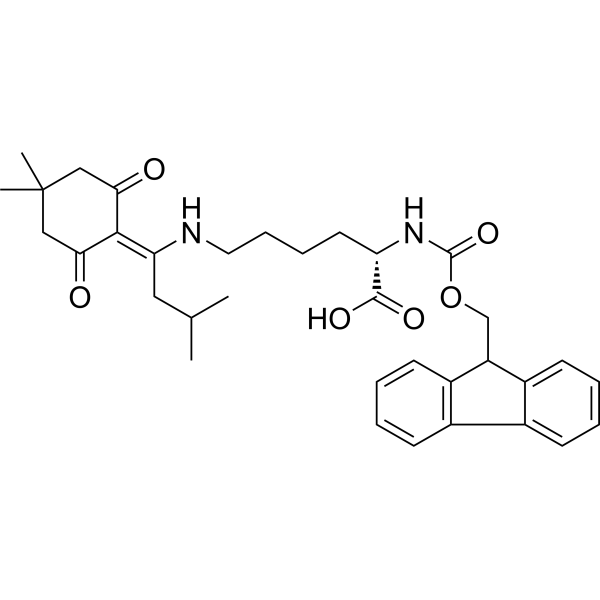 0 ImagesFmoc-L-Lys(ivDde)-OH is a lysine derivative.
-
N,N-Dimethylglycine
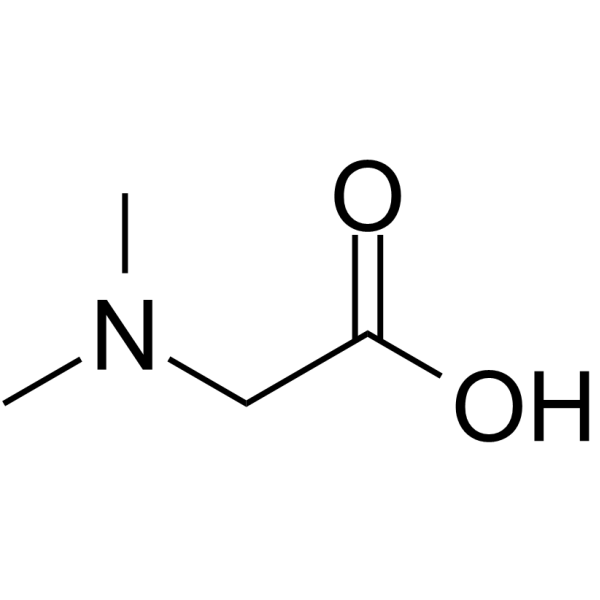 0 ImagesSynonyms: Dimethylglycine; DMG; N-MethylsarcosineN,N-Dimethylglycine (Dimethylglycine), a natural N-methylated glycine, is a nutrient supplement and acts as an NMDAR glycine site partial agonist. N,N-Dimethylglycine is a methyl donor that can improve immunity, act as an antioxidant to prevent oxidative stress, and scavenge excess free radicals. N,N-Dimethylglycine has antidepressant-like and surfactant effects.
-
Fmoc-Pen(Trt)-OH
 0 ImagesFmoc-Pen(Trt)-OH is an amino acid derivative with an Fmoc protecting group that can be used to synthesize the inhibitory cystine knot (ICK) peptide ProTx-II.
-
Boc-L-Ala-OH
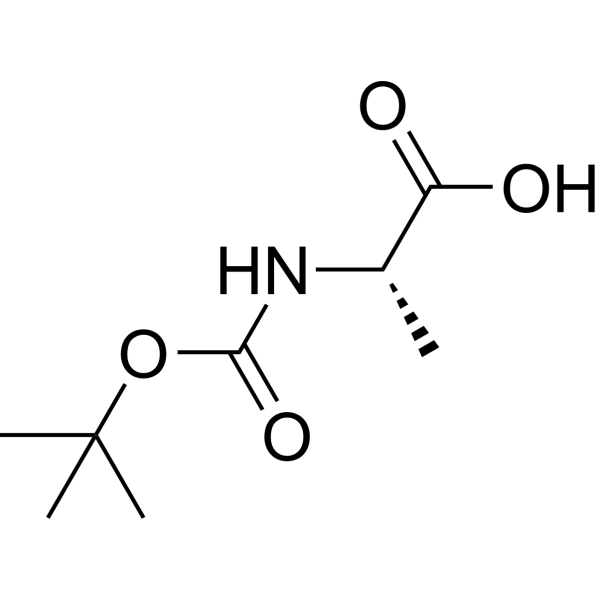 0 ImagesSynonyms: Boc-Ala-OHBoc-L-Ala-OH (Boc-Ala-OH) is a single N-protected amino acid ligand and a protected L-alanine derivative. Boc-L-Ala-OH promotes Pd (II)-catalyzed enantioselective C-H alkenylation and kinetic resolution. Boc-L-Ala-OH serves as a coupling reagent for the synthesis of liver-targeted glycogen phosphorylase inhibitors and P6A metabolites, and also acts as a negative control in synthesis studies of betulinic acid amino acid esters. Boc-L-Ala-OH is applicable to research on epidermoid squamous cell carcinoma.
-
Fmoc-Oic-OH
 0 ImagesFmoc-Oic-OH is an amino acid derivative with an Fmoc protecting group, which can be used to synthesize bioactive peptide mimetics, such as [desArg10]HOE 140, which has bradykinin B1 antagonist activity.
-
H-Gly-Sar-OH
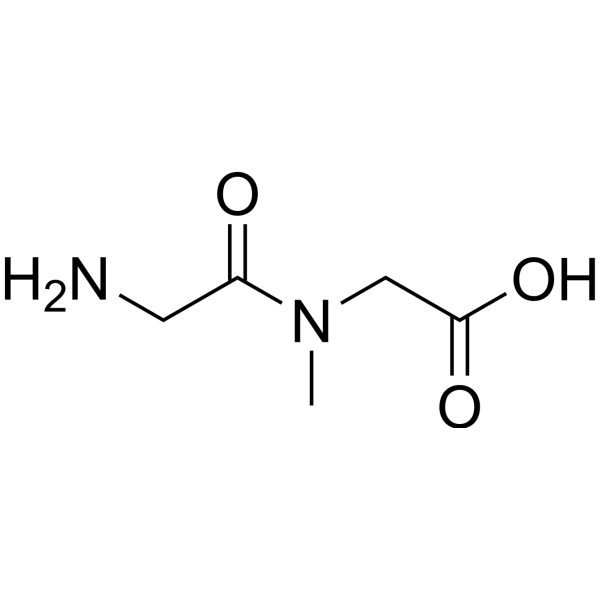 0 ImagesSynonyms: Glycylsarcosine; Gly-Sar
-
Fmoc-Trp(Me)-OH
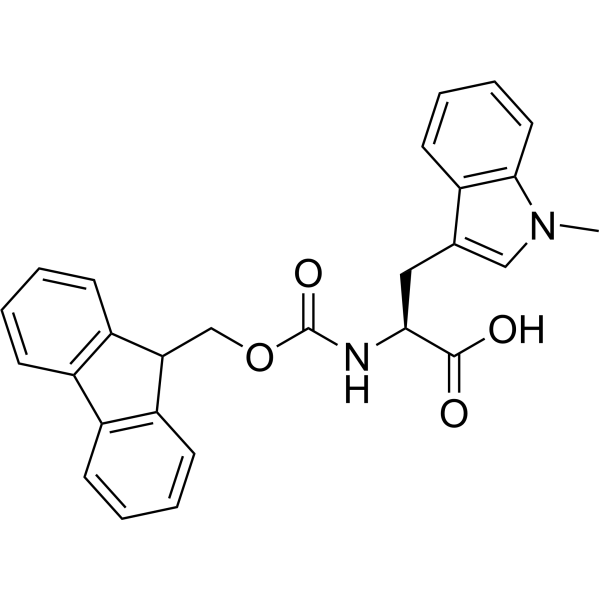 0 ImagesFmoc-Trp(Me)-OH is an amino acid derivative. Fmoc-Trp(Me)-OH is formed by introducing a methyl group onto the nitrogen atom (N-1 position) of the indole ring of tryptophan (Trp) and protecting the amino group with Fmoc (9-fluorenylmethyloxycarbonyl). Fmoc-Trp(Me)-OH can be used in the synthesis of proteins or peptides.
-
Boc-Lys(Fmoc)-OH
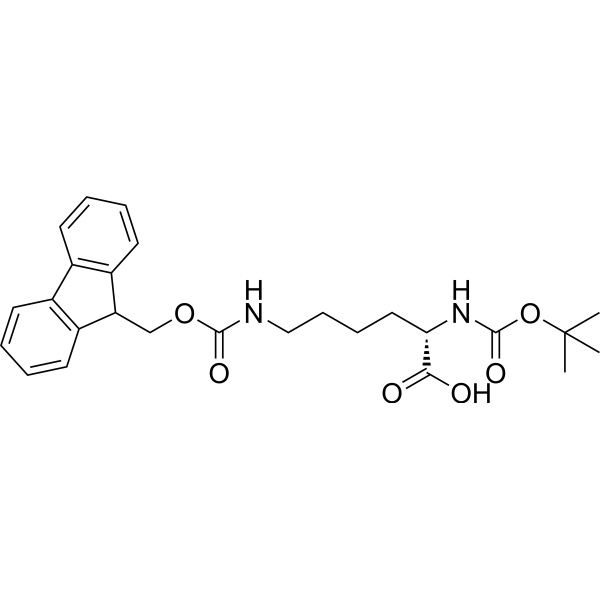 0 ImagesBoc-Lys(Fmoc)-OH is a lysine derivative.
-
L-Propargylglycine
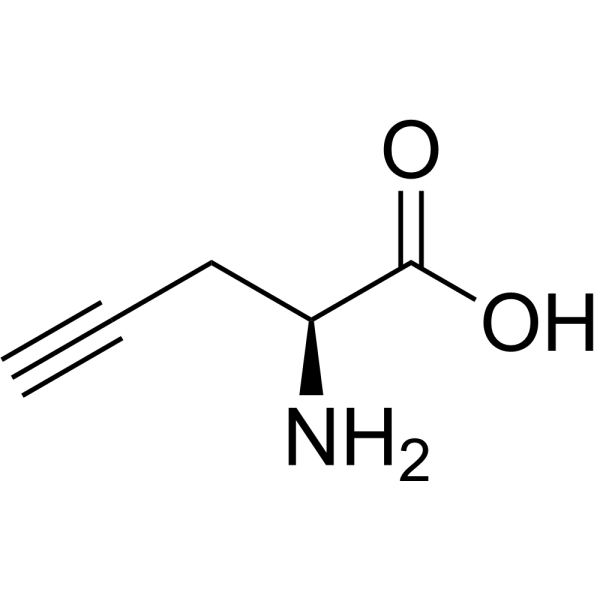 0 ImagesSynonyms: (S)-2-Aminopent-4-ynoic acid(S)-2-Aminopent-4-ynoic acid is a synthetic amino acid. (S)-2-Aminopent-4-ynoic acid can be used in synthesis of folate-conjugates and corresponding metal-chelate complexes. (S)-2-Aminopent-4-ynoic acid is a click chemistry reagent, it contains an Alkyne group and can undergo copper-catalyzed azide-alkyne cycloaddition (CuAAc) with molecules containing Azide groups.
-
Fmoc-Hyp(tBu)-OH
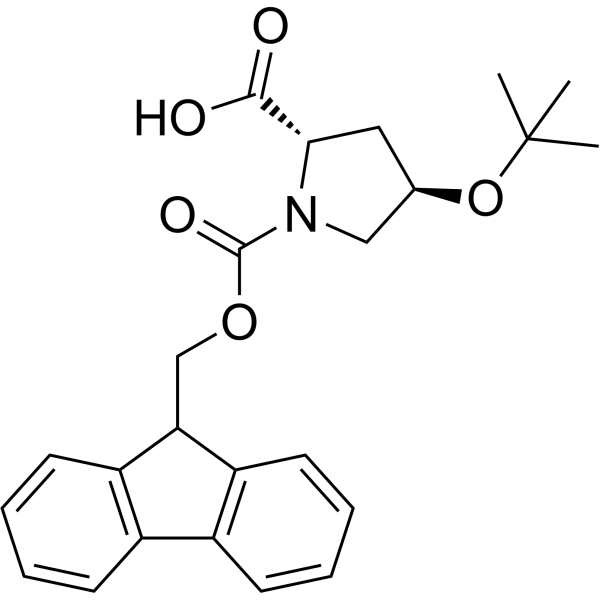 0 ImagesFmoc-Hyp(tBu)-OH is a proline derivative.
-
Fmoc-Dap(Boc)-OH
 0 ImagesFmoc-Dap (Boc)-OH is an amino acid derivative bearing the Fmoc protecting group. Fmoc-Dap (Boc)-OH supports Fmoc-based solid-phase peptide synthesis for the preparation of bicyclic tachykinin NK2 receptor antagonists.



