Drug Derivative
Drug derivative
Drug derivatives are derived from parent compounds. They replace or add atoms and groups through chemical reactions to optimize the various properties of the parent compound and reduce side effects. The application of drug derivatives provides a diverse compound library for drug research and development and accelerates the discovery of new drugs. For example, urea derivatives Glibenclamide can prolong the blood sugar-lowering effect of anti-diabetic drugs.
References:
- [1]. Vardanyan RS, et al. Fentanyl-related compounds and derivatives: current status and future prospects for pharmaceutical applications. Future Med Chem. 2014 Mar;6(4):385-412.x
- [2]. Ghosh AK, et al. Urea Derivatives in Modern Drug Discovery and Medicinal Chemistry. J Med Chem. 2020 Mar 26;63(6):2751-2788.x
All Product Categories
-
Drug Derivative Inhibitors
(12)
View all products
-
Drug Derivative Agonist
(1)
View all products
-
Drug Derivative Activator
(1)
View all products
-
Drug Derivative Chemical
(1)
View all products
-
Drug Derivative Inducer
(1)
View all products
-
Drug Derivative Controls
(38)
View all products
-
Drug Derivative Substrate
(1)
View all products
-
Drug Derivative Related Products (3976)
Related Products (3976)

-
DBCO-cyclo(RGDfK)
 0 ImagesDBCO-cyclo (RGDfK) is a clickable DBCO-modified cyclic RGD peptide, and also a DBCO derivative of cyclo (RGDfK) (HY-P0023). DBCO-cyclo (RGDfK) is synthesized via an amide coupling reaction between DBCO-NHS ester and cyclo (RGDfK). DBCO-cyclo (RGDfK) can react with azide groups through copper-free click chemistry (SPAAC) to immobilize RGD peptides onto biomaterials or hydrogels. The RGD sequence in DBCO-cyclo (RGDfK) is recognizable by cellular integrins and promotes cell adhesion. DBCO-cyclo (RGDfK) can be used in studies related to tissue engineering, 3D cell culture, and surface functionalization of biomaterials.
-
Methyl pentadecanoate
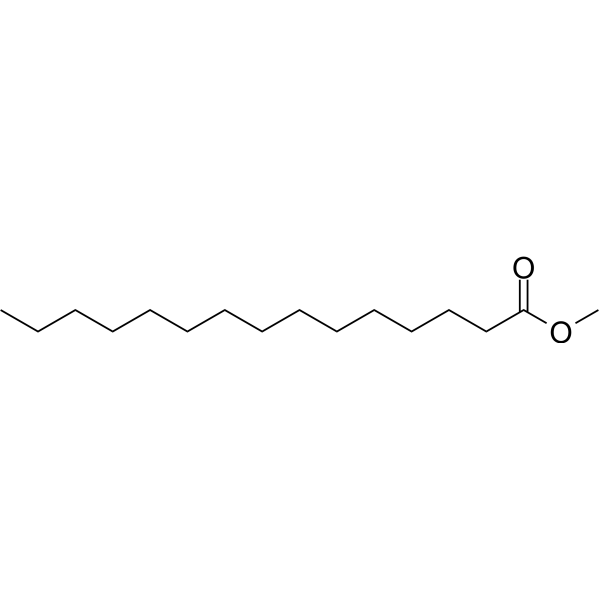 0 ImagesMethyl pentadecanoate is a fatty acid ester that can be isolated from extracts of L. wallichi. Methyl pentadecanoate is formed by the condensation of the carboxyl group of pentadecanoic acid with the hydroxyl group of methanol.
-
18-HEPE
 0 ImagesSynonyms: 18-Hydroxy-5(Z),8(Z),11(Z),14(Z),16(E)-eicosapentaenoic acid18-HEPE (18-Hydroxy-5(Z),8(Z),11(Z),14(Z),16(E)-eicosapentaenoic acid) is an ester product.
-
C16-Dihydroceramide
 0 ImagesSynonyms: N-Palmitoyl sphinganine; (2S,3R)-2-N-PalmitoyloctadecasphinganineC16-Dihydroceramide (N-Palmitoyl sphinganine) is an ester product.
-
24R-Calcipotriol
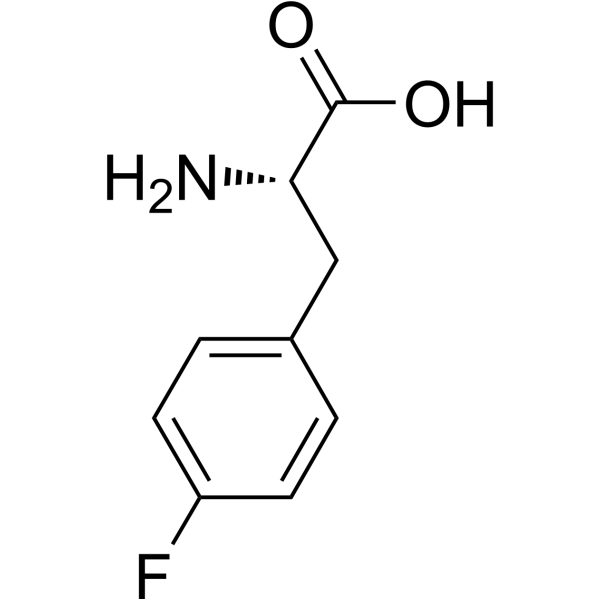
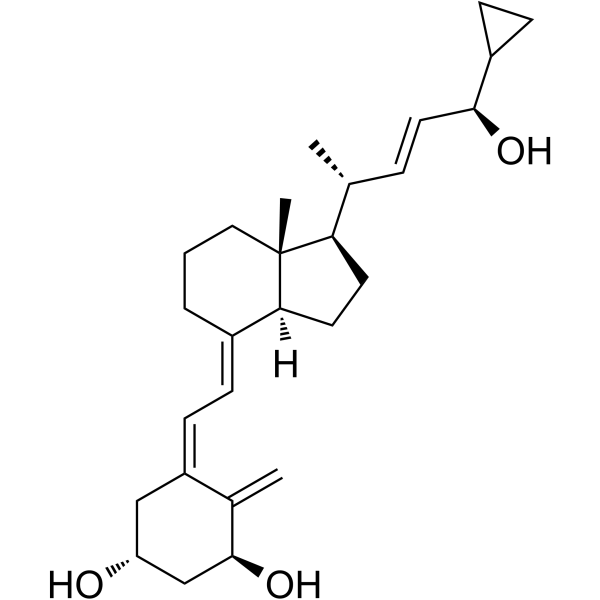 0 ImagesCat. No.: HY-15266CAS No.: 112827-99-3Synonyms: PRI 2202; Impurity D of Calcipotriol24R-Calcipotriol (PRI 2202; Impurity D of Calcipotriol), an isomer of Calcipotriol (HY-10001), is a synthetic vitamin D analog. 24R-Calcipotriol exhibits synergistic antiproliferative effects with low-dose cytostatics in in vitro. 24R-Calcipotriol produces tumor growth inhibition when combined with Cyclophosphamide (HY-17420) and Cisplatin (HY-17394) in mice models. 24R-Calcipotriol can increase serum calcium levels and reduce blood leukocyte counts. 24R-Calcipotriol can be used for the research of mammary cancer and Lewis lung cancer.
-
Idramantone
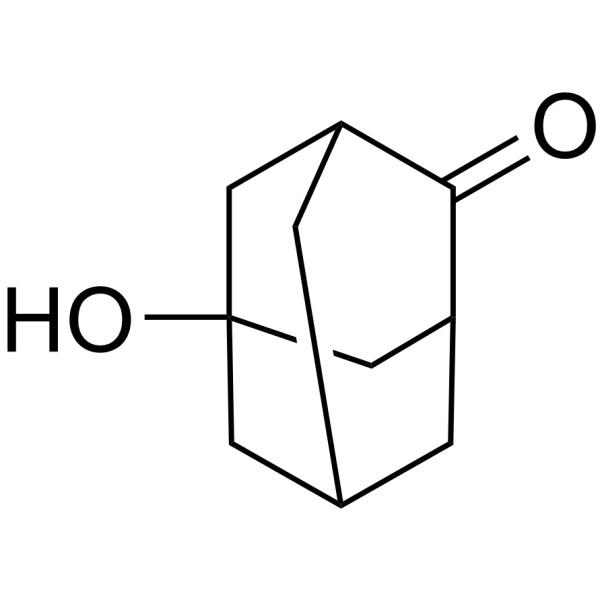 0 ImagesSynonyms: Kemantane; 5-Hydroxy-2-adamantanoneIdramantone (Kemantane, 5-Hydroxy-2-adamantanone) is an adamantane-based immunomodulator. Idramantone increases the activity of T helper cells by 1.5 to 2-fold, but exerts no significant effect on the functional activity, induction or accumulation of antigen-specific T suppressor cells. Idramantone serves as a key intermediate for the synthesis of various adamantane derivatives, and can be produced via the regioselective oxidation of 2-adamantanone catalyzed by P450cam monooxygenase, a process that relies on an NADH regeneration system to provide reducing equivalents. Idramantone can be used in studies related to immunomodulation.
-
Trierucin
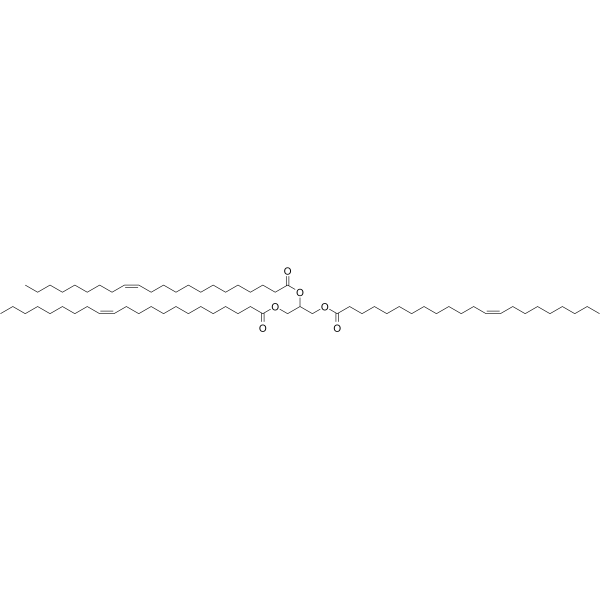 0 ImagesTrierucin (Trierucoylglycerol) is a triester formed by glycerol and erucic acid, which serves as an occlusive skin conditioning agent and non-aqueous thickener in cosmetics. Long-term feeding of Trierucin to rats induces chronic toxicities such as cardiac lipid deposition and fibrosis.
-
5-Methoxy-5-oxopentanoic acid
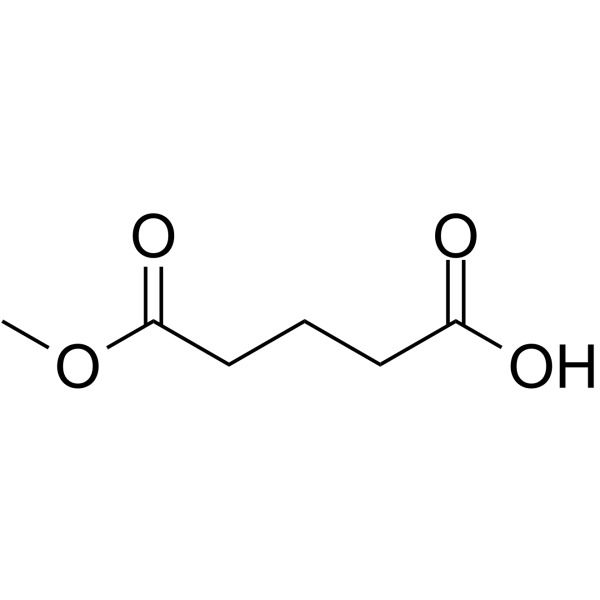 0 Images5-Methoxy-5-oxopentanoic acid is a natural metabolite in human urine. 5-Methoxy-5-oxopentanoic acid is a derivative of Glutaric acid (HY-W008820) and a chiral building block.
-
Avenanthramide D
 0 ImagesSynonyms: Dianthramide PAvenanthramide D is a phenolic acids found in the Avena sativa L.. Avenanthramide D is promising for research of inflammation.
-
Cyclo-(Pro-Gly)
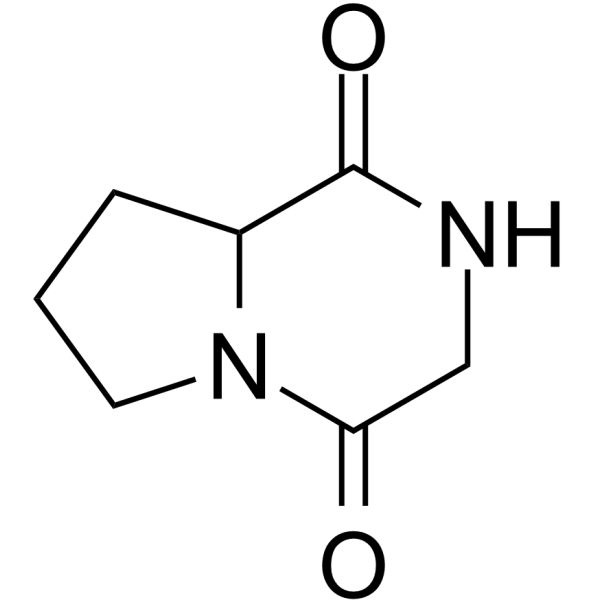 0 ImagesSynonyms: Pyrrolopiperazine-2,5-dioneCyclo-(Pro-Gly) (Pyrrolopiperazine-2,5-dione), an alkaloid isolated from green algae Ulva prolifera, possesses antialgal activity against the common harmful red tide microalgae. Cyclo-(Pro-Gly) (Pyrrolopiperazine-2,5-dione) possesses antiamnesic effects and neuroprotective actions.
-
(1R,2S)-Xeruborbactam disodium
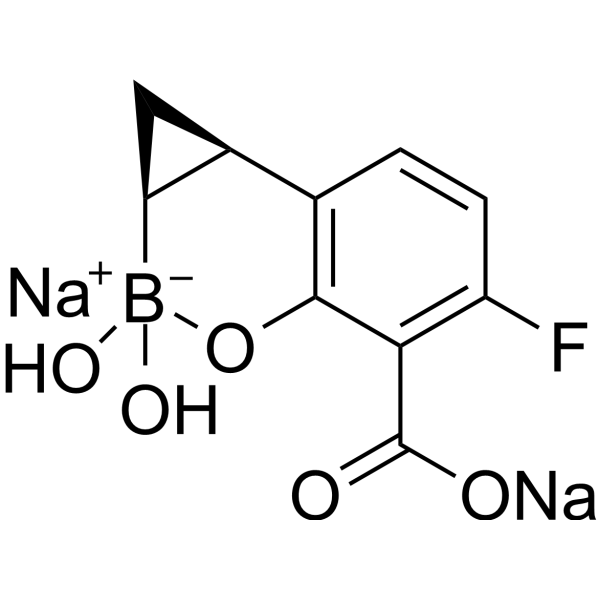 0 Images(1R,2S)-Xeruborbactam disodium is a boronic acid derivative.
-
Orsellinic acid
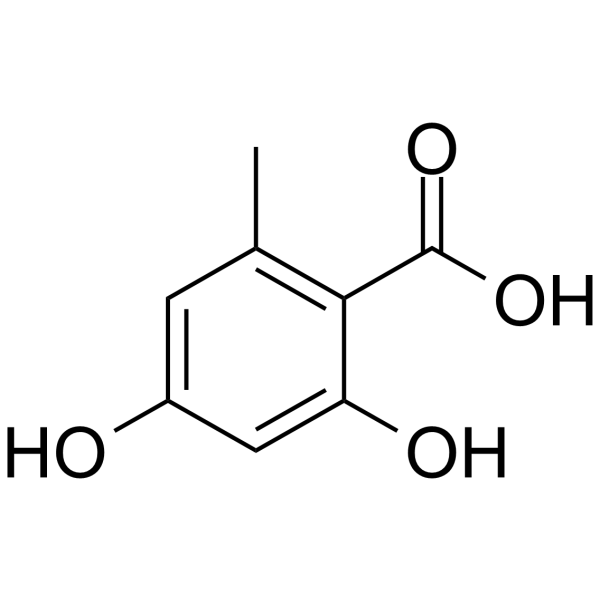 0 ImagesOrsellinic acid is a Benzoic acid (HY-N0216) derivative. Orsellinic acid can be isolated from Chaetomium globosum endophytic on Ephedra fasciculata (Mormon tea). Orsellinic acid blocks PAF-mediated Apoptosis, inhibits caspase-3/7 activation, and PARP cleavage. Orsellinic acid can be used in research of neurons and various tumors (non-small cell lung cancer, breast cancer, neuroblastoma, pancreatic cancer).

-
Inositol nicotinate
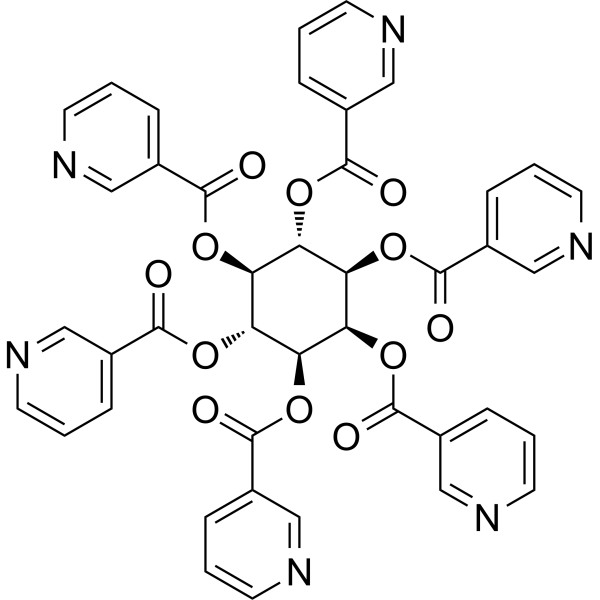 0 ImagesInositol nicotinate (Hexanicit) has vasodilating effects and can be used in research on peripheral arterial disease, showing efficacy when taken orally. Inositol nicotinate does not significantly improve triglyceride levels in mice induced by biphenyl esters.
-
L-Cyclohexylalanine
 0 ImagesL-Cyclohexylalanine is an amino acid derivative. L-Cyclohexylalanine modifies an atrial natriuretic peptide, regulates homeostasis of body fluid and blood pressure homeostasis and vasodilation activity.
-
(S)-2-((((9H-Fluoren-9-yl)methoxy)carbonyl)(methyl)amino)-4-oxo-4-(tritylamino)butanoic acid
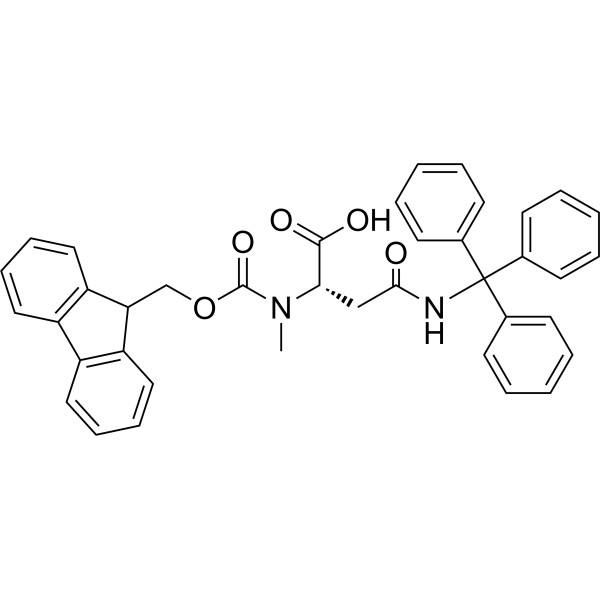 0 Images(S)-2-((((9H-Fluoren-9-yl)methoxy)carbonyl)(methyl)amino)-4-oxo-4-(tritylamino)butanoic acid is an asparagine derivative.