



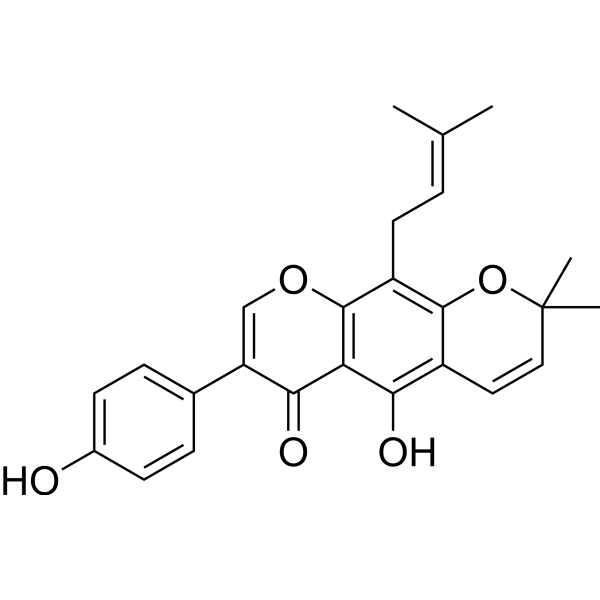
Warangalone
Based on 1 publication(s) in Google Scholar
Warangalone is an anti-malarial compound which can inhibit the growth of both strains of parasite 3D7 (chloroquine sensitive) and K1 (chloroquine resistant) with IC50s of 4.8 μg/mL and 3.7 μg/mL, respectively. Warangalone can also inhibit cyclic AMP-dependent protein kinase catalytic subunit (cAK) with an IC50 of 3.5 μM.
For research use only. We do not sell to patients.
- CAS No.: 4449-55-2
- Formula: C25H24O5
- Molecular Weight:404.46
-
Storage:Powder -20°C, 3 years , 4°C, 2 years ; In solvent -80°C, 2 years , -20°C, 1 year

To place orders, for customer services and technical support, please contact: MedChemExpress USA
Tel: 609-228-6898 E-mail: [email protected] [email protected]


-
 Biological Activity
-
Chemical Information
- Protocols
- Purity & Documentation
- References
-
 Help & FAQs


-
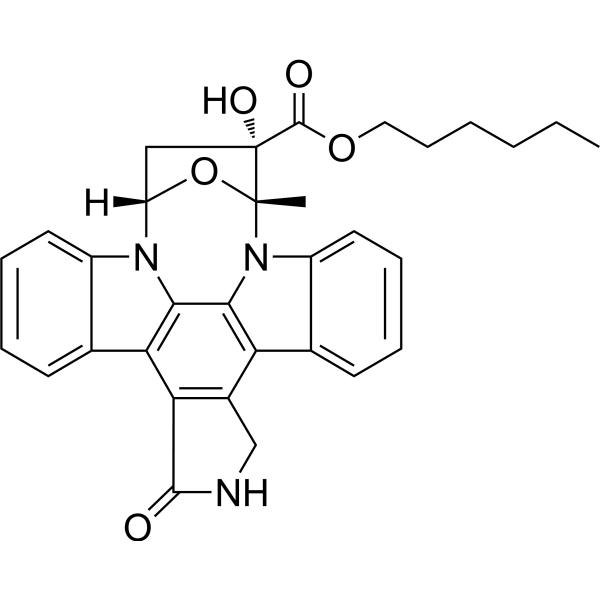
HY-N6789
KT5720PKA Inhibitor -
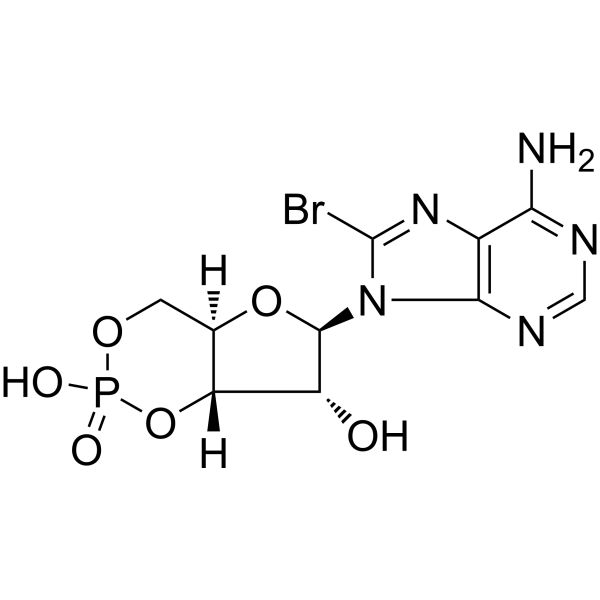
HY-12306A
8-Bromo-cAMPPKA Activator -
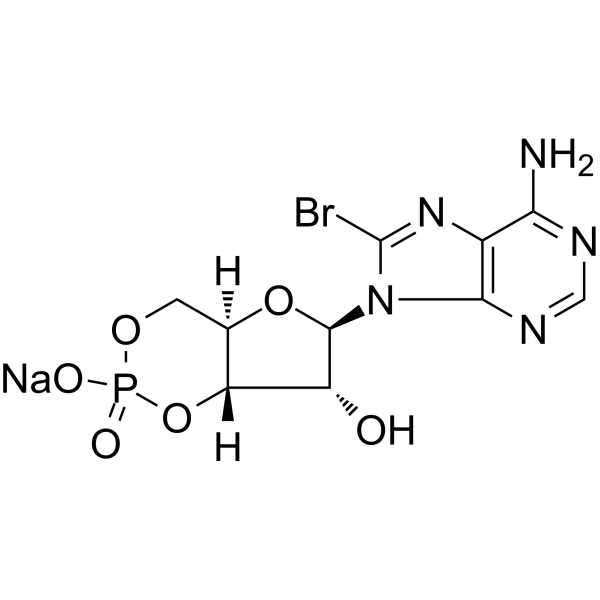
HY-12306
8-Bromo-cAMP sodium saltPKA Activator -
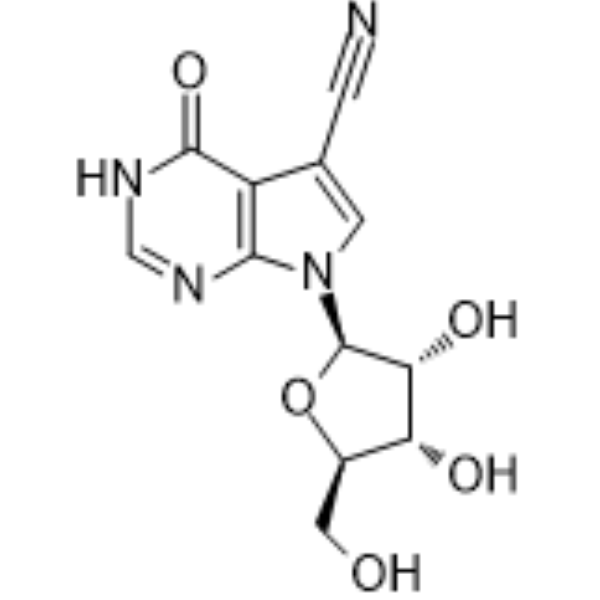
HY-111759
JaspamycinPKA Activator -
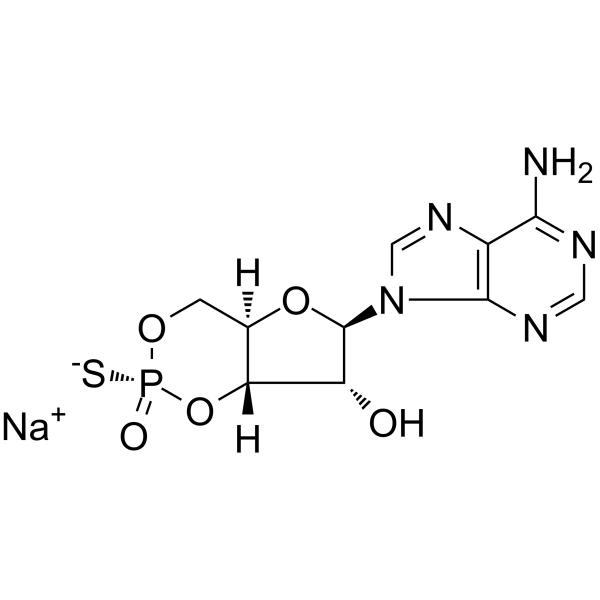
HY-100530D
Rp-cAMPS sodium saltPKA I/II Antagonist -
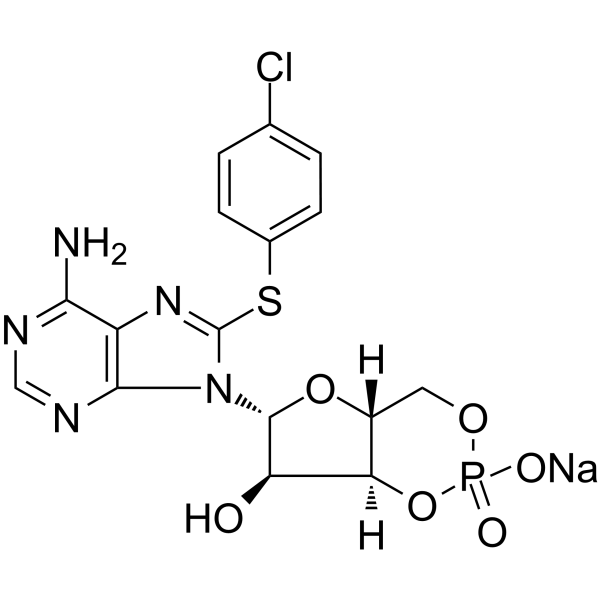
HY-111673
8-CPT-Cyclic AMP sodiumPKA Activator -
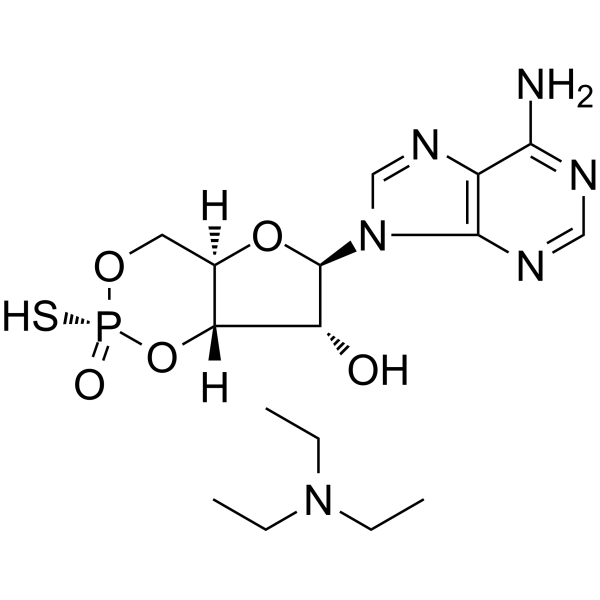
HY-100530
Rp-cAMPS triethylammonium saltPKA I/II Antagonist -
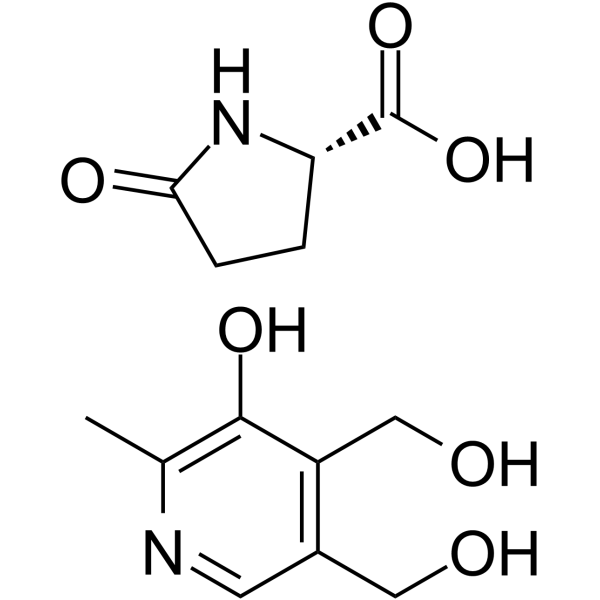
HY-B1898
MetadoxinePKA Inhibitor -
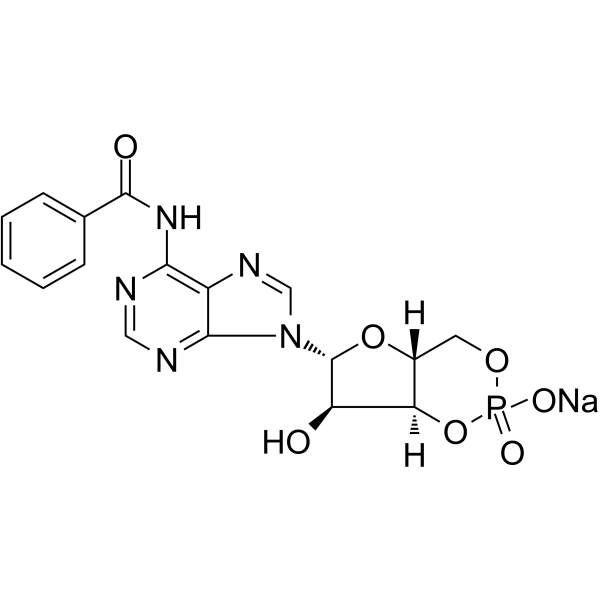
HY-103322
6-Bnz-cAMP sodium saltPKA Activator -
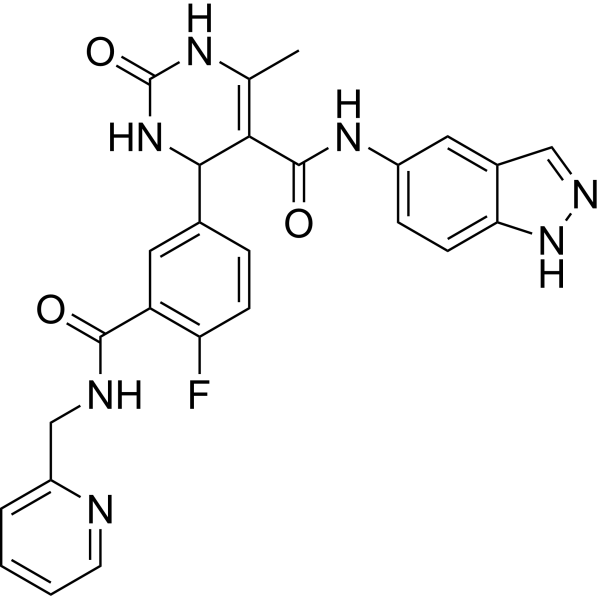
HY-18991
CCG215022GRK Inhibitor -
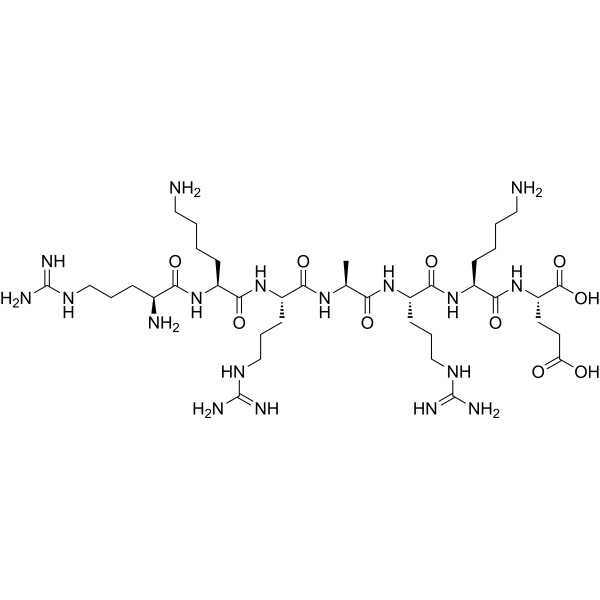
HY-P1292
PKG inhibitor peptidePKG Inhibitor -
HY-110218
CW 008CREB/PKA Agonist
Publications Citing Use of MedChemExpress (MCE) Warangalone
MoreAll Parasite Isoforms
More

Biological Activity
Description
IC50 & Target
|
Plasmodium |
Cellular Effect
|
Cell Line

|
Type | Value | Description | References |
|---|---|---|---|---|
| RAW264.7 | IC50 |
8.5 μM
Compound: 18
|
Inhibition of LPS-induced nitric oxide production in mouse RAW264.7 cells incubated for 24 hrs by Griess reagent based assay
Inhibition of LPS-induced nitric oxide production in mouse RAW264.7 cells incubated for 24 hrs by Griess reagent based assay
|
[PMID: 31403786] |
In Vitro
Warangalone is an anti-malarial compound which can inhibit the growth of both strains of parasite 3D7 (chloroquine sensitive) and K1 (chloroquine resistant) with IC50s of 4.8 μg/mL and 3.7 μg/mL, respectively[1]. Warangalone can also inhibit cyclic AMP-dependent protein kinase catalytic subunit (cAK) with an IC50 of 3.5 μM[2]. When HL-60 cells are exposed to Warangalone (30 μM) for 24 h, Warangalone induces a significant decrease (8%) in cell viability compare to controls. Warangalone also inhibits HL-60 cell growth within 24 h in a time-dependent fashion. A time-dependent increase in caspase-9 activity is observed in Warangalone-treated cells[3].
MedChemExpress (MCE) has not independently confirmed the accuracy of these methods. They are for reference only. Further protocols information, click here.


Chemical Information
-
CAS No. 4449-55-2
-
Appearance Solid
-
Molecular Weight 404.46
-
Formula C25H24O5
-
Color Light yellow to yellow
-
SMILES
O=C1C(C(O)=C(C=CC(C)(C)O2)C2=C3C/C=C(C)\C)=C3OC=C1C4=CC=C(O)C=C4
-
Synonyms
Scandenolone
-
Structure Classification
-
Initial Source
-
Shipping
Room temperature in continental US; may vary elsewhere.
-
Storage
Powder -20°C 3 years 4°C 2 years In solvent -80°C 2 years -20°C 1 year


Publications (1)
-
Journal Impact Factor
-
Most Recent

Protocols
-
Cell Cytotoxicity Assay
Cytotoxicity assays are usually based on the assessment of cell membrane damage, which can also be indirectly detected by measuring cell viability. Detection methods include MTT assay, CKK-8 assay, LDH assay and ATP assay, etc.


Purity & Documentation
-
Data Sheet (274 KB)
-
SDS (252 KB)
- English - EN (252 KB)
- Français - FR (252 KB)
- Deutsch - DE (252 KB)
- Norwegian - NO (252 KB)
- Español - ES (252 KB)
- Swedish - SV (252 KB)
- Italian - IT (252 KB)
- Korean - KR (252 KB)
- Portuguese - PT (252 KB)
-
Handling Instructions (2659 KB)
References
[2]. Wang BH, et al. Specific inhibition of cyclic AMP-dependent protein kinase by warangalone and robustic acid. Phytochemistry. 1997 Mar;44(5):787-96. [Content Brief]
[3]. Induction of apoptosis by isoflavonoids from the leaves of Millettia taiwaniana in human leukemia HL-60 cells. Planta Med. 2006 Apr;72(5):424-9. [Content Brief]

Calculators
Concentration (start) × Volume (start) = Concentration (final) × Volume (final)


Warangalone Related Classifications
HY-N1074 Related Classifications
 Powered by Bioz