



L-Tryptophan
Based on 19 publication(s) in Google Scholar
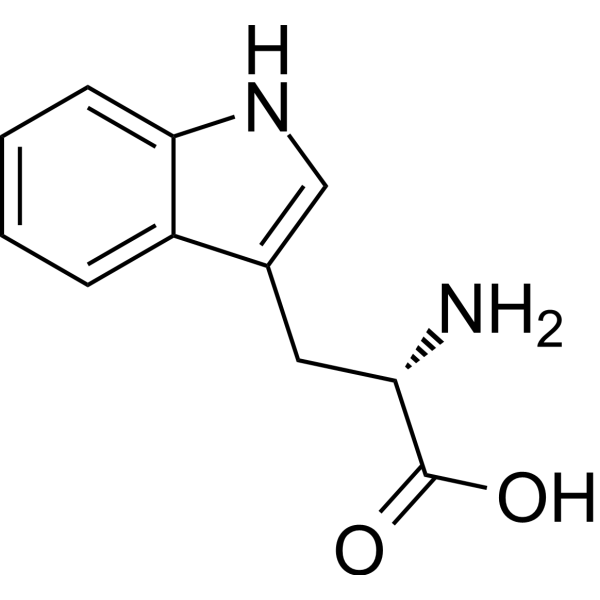
L-Tryptophan (Tryptophan) is an orally active and essential amino acid that is the precursor of serotonin, melatonin, and vitamin B3. L-Tryptophan can promote an increase in stemness and osteogenic ability of BMSCs in vitro and in vivo. L-Tryptophan inhibits cell proliferation and induced cell cycle arrest with high levels.
Nur für Forschungszwecke. Wir verkaufen nicht an Patienten.
- Reinheit : 99.99%
- CAS. Nr.: 73-22-3
- Formel: C11H12N2O2
- Molecular Weight:204.23
-
Speicherung:
4°C, protect from light, stored under nitrogen
* In solvent : -80°C, 6 months; -20°C, 1 month (protect from light, stored under nitrogen)

To place orders, for customer services and technical support, please contact: MedChemExpress USA
Tel: 609-228-6898 E-mail: [email protected] [email protected]


-
 Biologische Aktivität
-
Chemical Information
-
Lösungsmittel & Löslichkeit
- Protokoll
- Reinheit & Dokumentation
- Verweise
-
 Help & FAQs


-
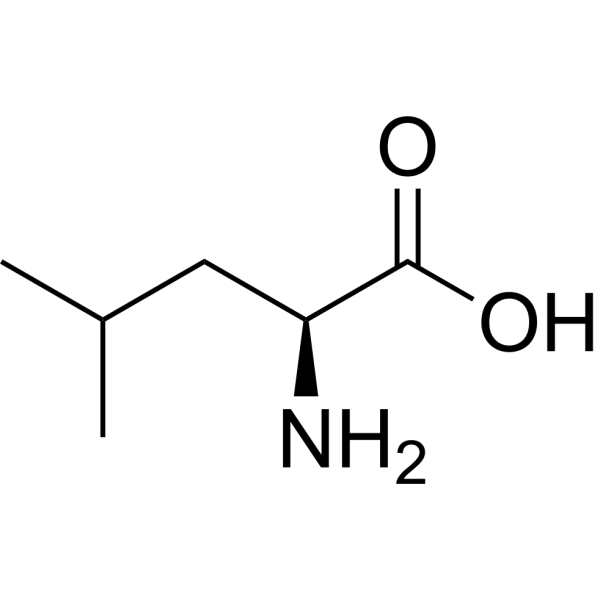
HY-N0486
L-LeucinemTOR activator -
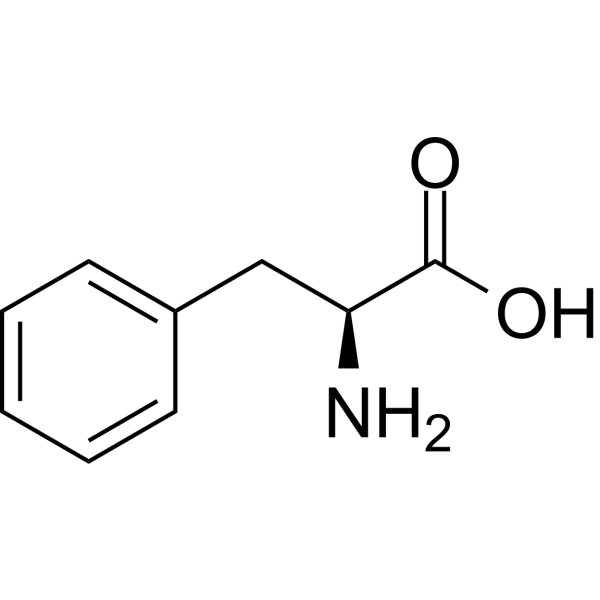
HY-N0215
L-PhenylalanineCalcium Channels Antagonist -
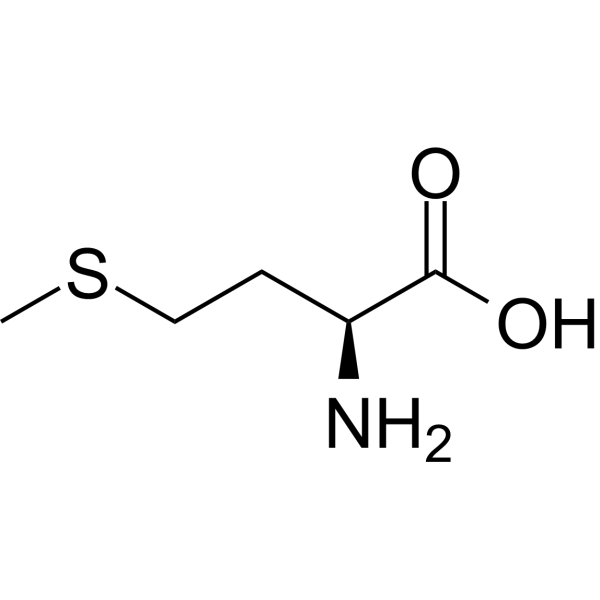
HY-N0326
L-MethionineEndogenous Metabolite -
HY-N0771
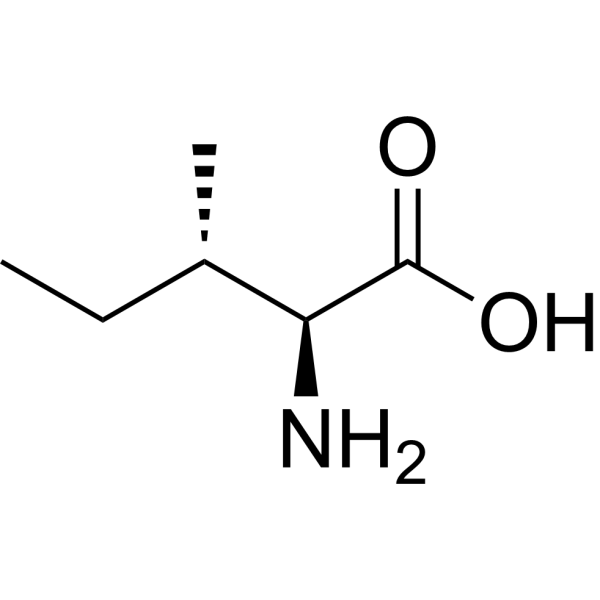
L-IsoleucineEndogenous Metabolite, L-enantiomer of Isoleucine -
HY-N0455
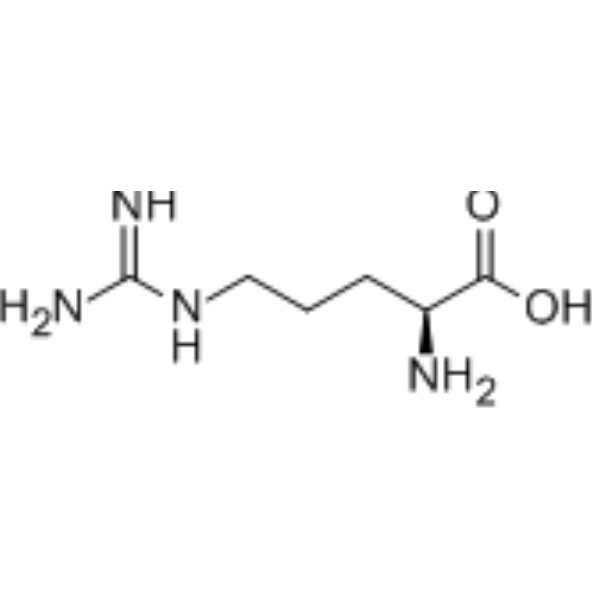
L-ArginineeNOS Substrate -
HY-N0390
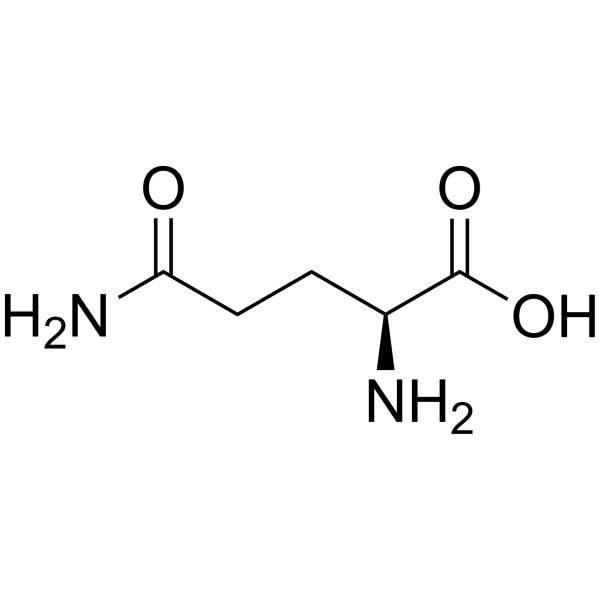
L-GlutamineEndogenous Metabolite -
HY-N0717
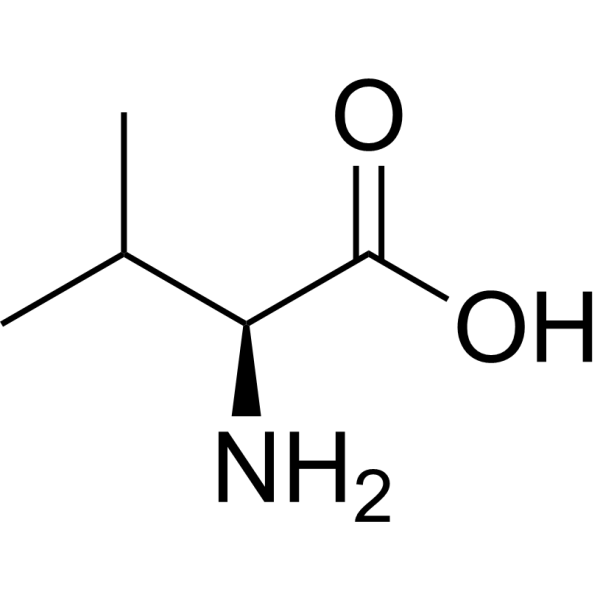
L-ValineNonlinear Semiorganic Material -
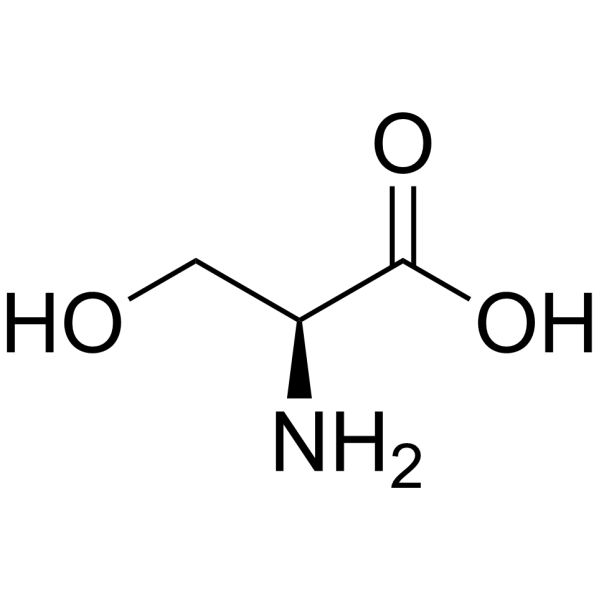
HY-N0650
L-SerineAmino Acid -
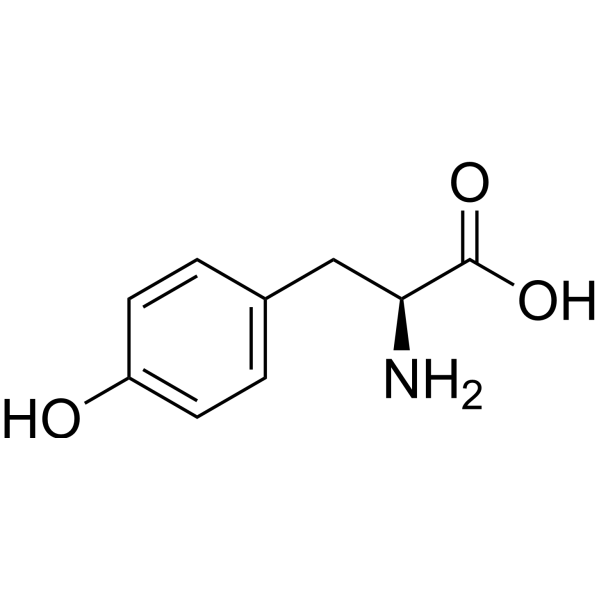
HY-N0473
L-TyrosineCitrate Synthase Inhibitor -
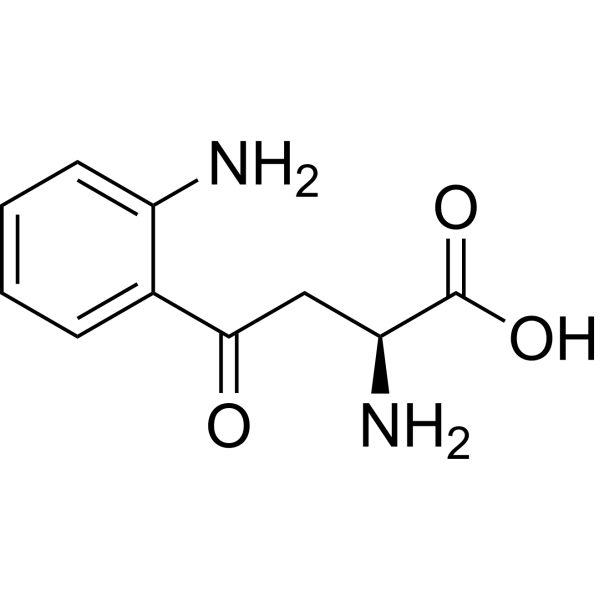
HY-104026
L-KynurenineAryl Hydrocarbon Receptor Agonist -
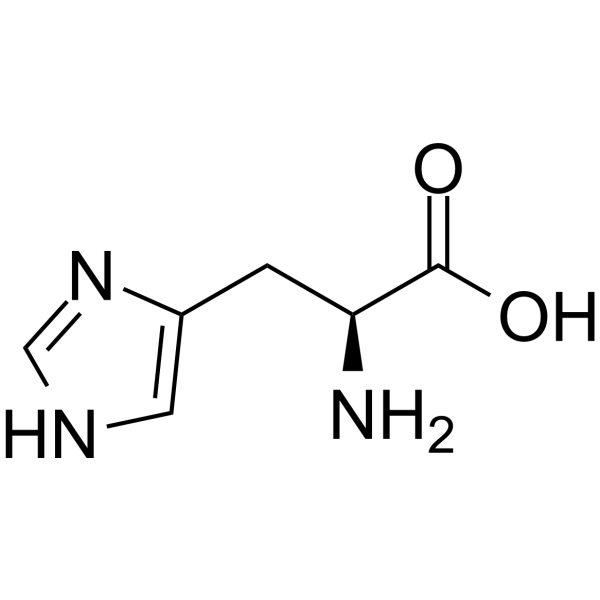
HY-N0832
L-HistidineEndogenous Metabolite -
HY-14608
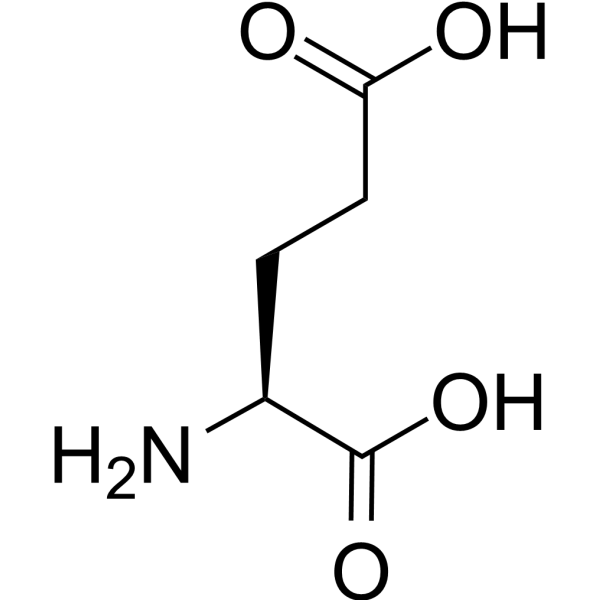
L-Glutamic acidGlutamate Receptors Agonist
Publications Citing Use of MedChemExpress (MCE) L-Tryptophan
More- Science. 2026 Mar 19;391(6791):eadu7686. [Abstract]
- Cell Metab. 2026 Apr 1:S1550-4131(26)00097-5. [Abstract]
- ACS Nano. 2020 Dec 22;14(12):17100-17113. [Abstract]
- Adv Sci (Weinh). 2026 Jul;13(39):e14830. [Abstract]
- Cell Rep Med. 2026 Jun 23:102882. [Abstract]
- Biomaterials. 2021 Aug:275:120970. [Abstract]
- NPJ Biofilms Microbiomes. 2024 Dec 19;10(1):154. [Abstract]
- J Cachexia Sarcopenia Muscle. 2026 Jun;17(3):e70295. [Abstract]
- Diabetes. 2024 Jun 1;73(6):926-940. [Abstract]
- Int J Biol Macromol. 2025 Jun:312:144084. [Abstract]
- Cell Prolif. 2025 Jun;58(6):e13816. [Abstract]
- Food Control. 2026 Jun 30;191:112417.
- J Funct Biomater. 2024 Dec 9;15(12):372. [Abstract]
- Molecules. 2025 Mar 9;30(6):1224. [Abstract]
- Obesity. 2023 May;31(5):1311-1325. [Abstract]
- Animals (Basel). 2026 Aug 22;16(17):2632.
- Amino Acids. 2024 Sep 18;56(1):56. [Abstract]
- Physiol Rep. 2025 Aug;13(16):e70465. [Abstract]
- Oncol Lett. 2024 Oct 24;29(1):26. [Abstract]
 Customer Validation & Images

-
Cell Proliferation/Viability Assay
-
WB
-
Cell Migration/Invasion Assay
-
Histological Imaging/Staining

-
IHC


Biologische Aktivität
Beschreibung
Cellular Effect
|
Cell Line

|
Type | Value | Description | References |
|---|---|---|---|---|
| HepG2 | IC50 |
17 mM
Compound: 13
|
Cytotoxicity against human HepG2 cells assessed as reduction in cell viability incubated for 24 hrs by MTT assay
Cytotoxicity against human HepG2 cells assessed as reduction in cell viability incubated for 24 hrs by MTT assay
|
[PMID: 30851693] |
In Vitro
L-Tryptophan (Tryptophan; 500, 1000 μM; 48 h) with high levels markedly suppresses pTr2 cell proliferation and increases the percentages of cells in the G1 phase of cell cycle[1].
L-Tryptophan (10 μM; for three weeks) enhances migration, colony formation and osteogenic differentiation of hBMSCs in vitro[2].
L-Tryptophan (10 μM; for three weeks) decreases mRNA levels of adipogenic markers PPARγ and LPL[2].
MedChemExpress (MCE) has not independently confirmed the accuracy of these methods. They are for reference only.
-
Cell Line:pTr2 cell
-
Concentration:500, 1000 μM
-
Incubation Time:48 h
-
Result:500 and 1000 μM groups had decreased cell viability by 7% and 22%, respectively, at 48 h posttreatment.
-
Cell Line:pTr2 cell
-
Concentration:500, 1000 μM
-
Incubation Time:48 h
-
Result:The percentage of pTr2 cells in the G1 phase increased from 65.70% (control) to 71.37% (500 mM) and 73.86% (1000 mM).
-
Cell Line:hBMSCs
-
Concentration:10 μM
-
Incubation Time:For three weeks
-
Result:Exhibited a higher ability for migration than the control group.
-
Cell Line:hBMSCs
-
Concentration:10 μM
-
Incubation Time:For three weeks
-
Result:Decreased mRNA levels of adipogenic markers PPARγ and LPL.
In Vivo
L-Tryptophan (50 mg/kg/day; Intraperitoneally; for consecutive three weeks) accelerates bone regeneration in mouse femur surgical defect[1].
MedChemExpress (MCE) has not independently confirmed the accuracy of these methods. They are for reference only.
-
Animal Model:Five-week-old C57BL/6 mice[2]
-
Dosage:10, 50 kg/mg
-
Administration:Intraperitoneally; daily; for consecutive three weeks
-
Result:The concentration of 50 mg/kg/day induced a significant increase in the number of SSEA-4 positive cells.
Increased the mRNA levels of Nanog and Oct-4 and the colony-forming ability of mBMSCs with 50 mg/kg/day.
- BrdU Incorporation Assay
- Somatic Cell Culture
- CFSE Dye Dilution Proliferation Assay
- Dye-dilution cell tracking and proliferation staining
- CCK-8/WST-8 Cell Proliferation Assay
- Protocol for Cell Cycle
- Cell Counting-Based Growth Curve Assay
- Colony Formation (Clonogenic) Assay
- Cell Viability Determination by MTT Colorimetric Assay
- EdU Incorporation Assay (Click Chemistry-Based DNA Synthesis Measurement)
- Ki-67 Immunostaining Proliferation Assay
- PCNA Immunodetection Proliferation Assay
- Flow cytometric DNA-content cell-cycle staining
- Protocol for Cell Counting and Cell Density Analysis
- MTT Cell Proliferation Assay
Clinical Trial
| NCT Number | Sponsor | Condition | Start Date |
Phase
|
|---|---|---|---|---|
| NCT01329991 | Plexxikon| | 2011-05 | PHASE1 |


Chemical Information
-
CAS. Nr. 73-22-3
-
Appearance Solid
-
Molecular Weight 204.23
-
Formel C11H12N2O2
-
Color White to off-white
-
SMILES
N[C@@H](CC1=CNC2=CC=CC=C12)C(O)=O
-
Synonyms
Tryptophan; Tryptophane
-
Structure Classification
-
Initial Source
-
Versand
Room temperature in continental US; may vary elsewhere.
-
Speicherung
4°C, protect from light, stored under nitrogen
* In solvent : -80°C, 6 months; -20°C, 1 month (protect from light, stored under nitrogen)


Publications (19)
-
Journal Impact Factor
-
Most Recent
-
Science
Commensal-driven serotonin production modulates in vivo delivery of synthetic and viral vectors. [Abstract]2026 Mar 19;391(6791):eadu7686. PMID: 41855345 -
Cell Metab
Gut microbial metabolism via hippocampal indole-AhR signaling regulates emotional symptoms. [Abstract]2026 Apr 1:S1550-4131(26)00097-5. PMID: 41928504 -
ACS Nano
2020 Dec 22;14(12):17100-17113. PMID: 33236625 -
Adv Sci (Weinh)
Gut Mycobiota-Associated Tryptophan Catabolites Protect Against Metabolic Dysfunction-Associated Steatotic Liver Disease. [Abstract]2026 Jul;13(39):e14830. PMID: 42052722 -
Cell Rep Med
Commensal Cutibacterium acnes-derived indolelactic acid safeguards skin barrier function through the aryl hydrocarbon receptor. [Abstract]2026 Jun 23:102882. PMID: 42335903 -
Biomaterials
2021 Aug:275:120970. PMID: 34146889 -
NPJ Biofilms Microbiomes
Roles of gut microbiome-associated metabolites in pulmonary fibrosis by integrated analysis. [Abstract]2024 Dec 19;10(1):154. PMID: 39702426
L-Tryptophan purchased from MedChemExpress. Usage Cited in: NPJ Biofilms Microbiomes. 2024 Dec 19;10(1):154. [Abstract]
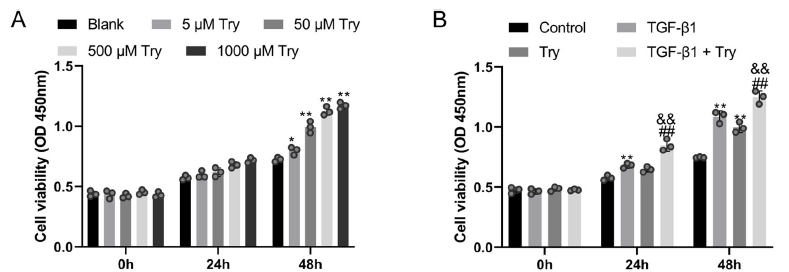
L-Tryptophan promots TGF-β1-induced EMT. A: MLE-12 cell line was subjected to 12 h pretreatment with L-Tryptophan (5, 50, 500, and 1000 μM), prior to 24 or 48 h treatment with 10 ng/mL TGF-β1 for EMT induction. The viability of MLE-12 cells was detected using CCK-8 assay; B: MLE-12 cells were pretreated with 50 μM L-Tryptophan for 12 h, prior to 48 h treatment with 10 ng/mL TGF-β1 and then examined for B cell viability by CCK-8 assay. N = 3, *p < 0.05, **p < 0.01, vs. Control group; #p < 0.05, ##p < 0.01, vs. the TGF-β1 group.
L-Tryptophan purchased from MedChemExpress. Usage Cited in: NPJ Biofilms Microbiomes. 2024 Dec 19;10(1):154. [Abstract]
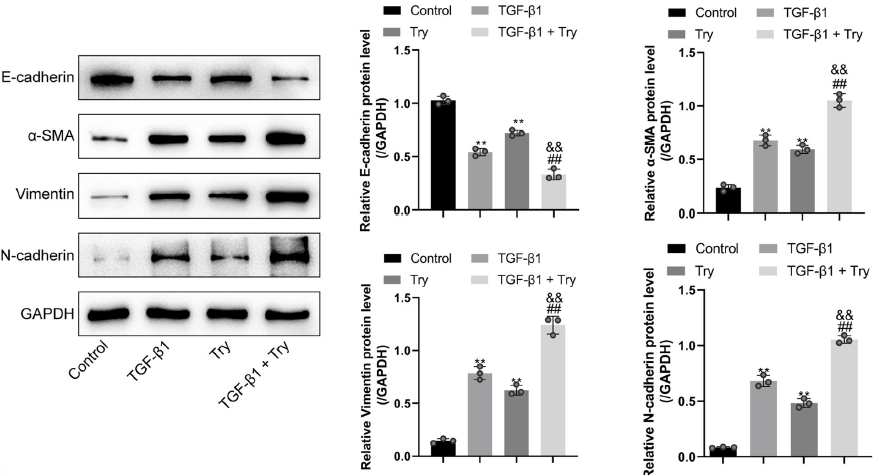
L-Tryptophan (50 μM, 12 h pretreatmen) promots TGF-β1-induced EMT. E-cadherin, α-SMA, Vimentin, and N-cadherin protein contents using Western blot. N = 3, *p < 0.05, **p < 0.01, vs. Control group; #p < 0.05, ##p < 0.01, vs. the TGF-β1 group.
L-Tryptophan purchased from MedChemExpress. Usage Cited in: NPJ Biofilms Microbiomes. 2024 Dec 19;10(1):154. [Abstract]
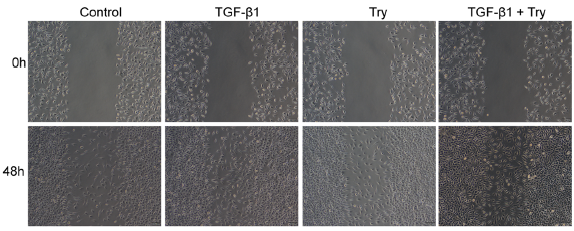
L-Tryptophan promots TGF-β1-induced fibroblast activation. WML2 cells were pretreated with 50 μM L-Tryptophan for 12 h, prior to 48 h treatment with 10 ng/mL TGF-β1 and then examined for the migratory ability using plate scratch assay. N = 3, *p < 0.05, **p < 0.01, vs. Control group; #p < 0.05, ##p < 0.01, vs. the TGF-β1 group.
L-Tryptophan purchased from MedChemExpress. Usage Cited in: NPJ Biofilms Microbiomes. 2024 Dec 19;10(1):154. [Abstract]
L-Tryptophan promots bleomycin (BLM)- and silica-induced pulmonary fibrosis (PF) in vivo. The PF mouse models were induced using BLM and silica, and then mice were treated with L-Tryptophan (50 mg/kg/day) on the second day for 4 weeks. The mice were randomly divided into five groups: Sham, BLM, Silica, BLM + Try, and Silica + Try groups. The pathological damages in mouse lung tissue samples were observed using HE staining.
L-Tryptophan purchased from MedChemExpress. Usage Cited in: NPJ Biofilms Microbiomes. 2024 Dec 19;10(1):154. [Abstract]
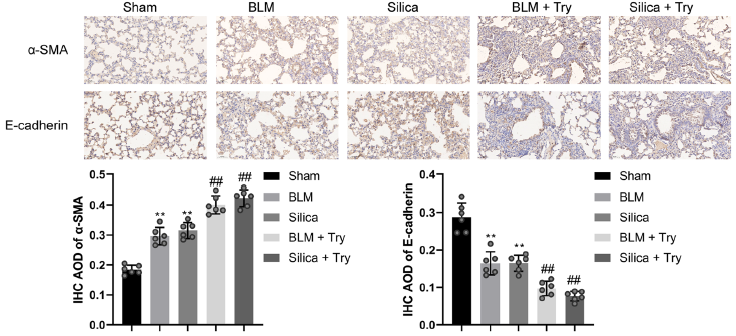
L-Tryptophan promots bleomycin (BLM)- and silica-induced pulmonary fibrosis (PF) in vivo. The PF mouse models were induced using BLM and silica, and then mice were treated with L-Tryptophan (50 mg/kg/day) on the second day for 4 weeks. Then, the mice were randomly divided into five groups: Sham, BLM, Silica, BLM + Try, and Silica + Try groups. α-SMA and E-cadherin levels within mouse pulmonary tissue samples were detected using IHC. n = 6. **p < 0.01, vs. the Sham mice, ##p < 0.01, vs. the BLM or Silica mice.
-
J Cachexia Sarcopenia Muscle
Cancer IDO1-Mediated Tryptophan-Kynurenine Metabolic Reprogramming to Drive Skeletal Muscle Atrophy and Cachexia Acceleration. [Abstract]2026 Jun;17(3):e70295. PMID: 42028912 -
Diabetes
Gut microbiota-tryptophan metabolism-GLP-1 axis participates in β-cell regeneration induced by dapagliflozin. [Abstract]2024 Jun 1;73(6):926-940. PMID: 38471012 -
Int J Biol Macromol
Alginate-gelatin hydrogel scaffolds for establishing physiological barriers on a gut-brain-axis microchip. [Abstract]2025 Jun:312:144084. PMID: 40350126 -
Cell Prolif
Tryptophan Metabolic Enzyme IL4I1 Inhibits Ferroptosis by Decreasing Ubiquitination of Nrf2 via I3P in Glioblastoma. [Abstract]2025 Jun;58(6):e13816. PMID: 40071723 -
-
J Funct Biomater
Improving the Anti-Tumor Effect of Indoleamine 2,3-Dioxygenase Inhibitor CY1-4 by CY1-4 Nano-Skeleton Drug Delivery System. [Abstract]2024 Dec 9;15(12):372. PMID: 39728172 -
Molecules
Seeking Correlation Among Porin Permeabilities and Minimum Inhibitory Concentrations Through Machine Learning: A Promising Route to the Essential Molecular Descriptors. [Abstract]2025 Mar 9;30(6):1224. PMID: 40142001 -
Obesity
Intestinal ACE2 regulates glucose metabolism in diet-induced obese mice through a novel gut-islet axis mediated by tryptophan. [Abstract]2023 May;31(5):1311-1325. PMID: 36998145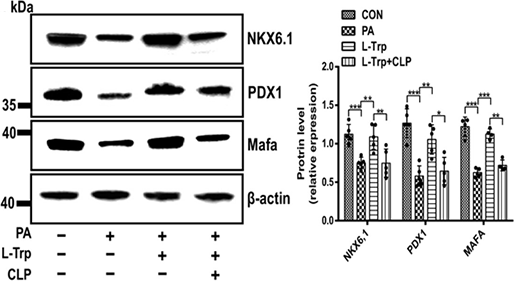
L-Tryptophan purchased from MedChemExpress. Usage Cited in: Obesity. 2023 May;31(5):1311-1325. [Abstract]
L-Trp (0.7 mM; 48 h) enhances the PA (palmitic acid) increased expression of PDX-1, NKX6.1, and MAFA in MIN6 cells. whereas CLP-3094 (CLP; 0.7 μM; 48 h) causes an opposing effect.
-
-
Amino Acids
Identification of amino acids metabolomic profiling in human plasma distinguishes lupus nephritis from systemic lupus erythematosus. [Abstract]2024 Sep 18;56(1):56. PMID: 39292313 -
Physiol Rep
Metabolic shifts in plasma amino acids and related metabolites in response to SGLT2 inhibition and hyperglycemia in type 1 diabetes. [Abstract]2025 Aug;13(16):e70465. PMID: 40842430 -
Oncol Lett
SLC7A5 regulates tryptophan uptake and PD‑L1 expression levels via the kynurenine pathway in ovarian cancer. [Abstract]2024 Oct 24;29(1):26. PMID: 39512508


Lösungsmittel & Löslichkeit
In Vitro:
DMSO : 7.69 mg/mL (37.65 mM; Need ultrasonic; Hygroscopic DMSO has a significant impact on the solubility of product, please use newly opened DMSO)
H2O : 5 mg/mL (24.48 mM; ultrasonic and warming and heat to 60°C)
Please refer to the solubility information to select the appropriate solvent. Once prepared, please aliquot and store the solution to prevent product inactivation from repeated freeze-thaw cycles.
Storage method and period of stock solution: -80°C, 6 months; -20°C, 1 month (protect from light, stored under nitrogen). When stored at -80°C, please use it within 6 months. When stored at -20°C, please use it within 1 month.
* Note: If you choose water as the stock solution, please dilute it to the working solution, then filter and sterilize it with a 0.22 μm filter before use.
Please refer to the solubility information to select the appropriate solvent. Once prepared, please aliquot and store the solution to prevent product inactivation from repeated freeze-thaw cycles.
Storage method and period of stock solution: -80°C, 6 months; -20°C, 1 month (protect from light, stored under nitrogen). When stored at -80°C, please use it within 6 months. When stored at -20°C, please use it within 1 month.
* Note: If you choose water as the stock solution, please dilute it to the working solution, then filter and sterilize it with a 0.22 μm filter before use.
Konzentration (Stammlösung) × Volumen (Stammlösung) = Konzentration (Ziellösung) × Volumen (Ziellösung)
In Vivo:
Select the appropriate dissolution method based on your experimental animal and administration route.
- For the following dissolution methods, please ensure to first prepare a clear stock solution using an In Vitro approach and then sequentially add co-solvents:
- To ensure reliable experimental results, the clarified stock solution can be appropriately stored based on storage conditions. As for the working solution for In Vivo experiments, it is recommended to prepare freshly and use it on the same day.
- The percentages shown for the solvents indicate their volumetric ratio in the final prepared solution. If precipitation or phase separation occurs during preparation, heat and/or sonication can be used to aid dissolution.
Add each solvent one by one: 10% DMSO 40% PEG300 5% Tween-80 45% Saline
Solubility: ≥ 0.77 mg/mL (3.77 mM); Clear solution
This protocol yields a clear solution of ≥ 0.77 mg/mL (saturation unknown).
Taking 1 mL working solution as an example, add 100 μL DMSO stock solution (7.7 mg/mL) to 400 μL PEG300, and mix evenly; then add 50 μL Tween-80 and mix evenly; then add 450 μL Saline to adjust the volume to 1 mL.
Preparation of Saline: Dissolve 0.9 g sodium chloride in ddH₂O and dilute to 100 mL to obtain a clear Saline solution.
Add each solvent one by one: 10% DMSO 90% (20% SBE-β-CD in Saline)
Solubility: ≥ 0.77 mg/mL (3.77 mM); Clear solution
This protocol yields a clear solution of ≥ 0.77 mg/mL (saturation unknown).
Taking 1 mL working solution as an example, add 100 μL DMSO stock solution (7.7 mg/mL) to 900 μL 20% SBE-β-CD in Saline, and mix evenly.
Preparation of 20% SBE-β-CD in Saline (4°C, storage for one week): 2 g SBE-β-CD powder is dissolved in 10 mL Saline, completely dissolve until clear.
For the following dissolution methods, please prepare the working solution directly:
It is recommended to prepare fresh solutions and use them promptly within a short period of time.
The percentages shown for the solvents indicate their volumetric ratio in the final prepared solution. If precipitation or phase separation occurs during preparation, heat and/or sonication can be used to aid dissolution.
Add each solvent one by one: PBS
Solubility: 6.25 mg/mL (30.60 mM); Clear solution; Need ultrasonic and warming and heat to 60°C
Add each solvent one by one: 50% PEG300 50% Saline
Solubility: 20 mg/mL (97.93 mM); Clear solution; Need ultrasonic and warming and heat to 45°C
In Vivo Dissolution Calculator
Please enter the basic information of animal experiments:
-
-
-
-
Recommended: Prepare an additional quantity of animals to account for potential losses during experiments.
Please enter your animal formula composition:
-
%DMSO +
Recommended: Keep the proportion of DMSO in working solution below 2% if your animal is weak.
-
%+
-
+%Tween-80 + +
-
%Saline +
The co-solvents required include: DMSO, . All of co-solvents are available by MedChemExpress (MCE). , Tween 80. All of co-solvents are available by MedChemExpress (MCE).
Working solution concentration: 0.22 mg/mL
Method for preparing stock solution: mg drug dissolved in μL DMSO. Stock solution concentration: mg/mL. * In solvent : -80°C, 6 months; -20°C, 1 month (protect from light, stored under nitrogen)
1. Take μL DMSO stock solution;
2. Add μL .
μL , mix evenly;
3. Then add μL Tween 80, mix evenly;
4. Then add μL
Please ensure that the stock solution in the first step is dissolved to a clear state, and add co-solvents in sequence. You can use ultrasonic heating (ultrasonic cleaner, recommended frequency 20-40 kHz), vortexing, etc. to assist dissolution.


Reinheit & Dokumentation
-
Data Sheet (283 KB)
-
SDS (254 KB)
- English - EN (254 KB)
- Français - FR (254 KB)
- Deutsch - DE (254 KB)
- Norwegian - NO (254 KB)
- Español - ES (254 KB)
- Swedish - SV (254 KB)
- Italian - IT (254 KB)
- Korean - KR (254 KB)
- Portuguese - PT (254 KB)
-
Handling Instructions (2659 KB)
Verweise
[1]. Kang Xu, et al. L-Tryptophan activates the aryl hydrocarbon receptor and induces cell cycle arrest in porcine trophectoderm cells. Theriogenology. 2021 Sep 1:171:137-146. [Content Brief]
[2]. Hai Thanh Pham, et al. Tryptophan and Kynurenine Enhances the Stemness and Osteogenic Differentiation of Bone Marrow-Derived Mesenchymal Stromal Cells In Vitro and In Vivo. Materials (Basel). 2021 Jan 4;14(1):208. [Content Brief]
[3]. Slominski A, et al. Conversion of L-tryptophan to serotonin and melatonin in human melanoma cells. FEBS Lett. 2002 Jan 30;511(1-3):102-6. [Content Brief]


Complete Stock Solution Preparation Table
Please refer to the solubility information to select the appropriate solvent. Once prepared, please aliquot and store the solution to prevent product inactivation from repeated freeze-thaw cycles.
Storage method and period of stock solution: -80°C, 6 months; -20°C, 1 month (protect from light, stored under nitrogen). When stored at -80°C, please use it within 6 months. When stored at -20°C, please use it within 1 month.
| Optional Solvent | Concentration Solvent Mass | 1 mg | 5 mg | 10 mg | 25 mg |
|---|---|---|---|---|---|
| H2O / DMSO | 1 mM | 4.8964 mL | 24.4822 mL | 48.9644 mL | 122.4110 mL |
| 5 mM | 0.9793 mL | 4.8964 mL | 9.7929 mL | 24.4822 mL | |
| 10 mM | 0.4896 mL | 2.4482 mL | 4.8964 mL | 12.2411 mL | |
| 15 mM | 0.3264 mL | 1.6321 mL | 3.2643 mL | 8.1607 mL | |
| 20 mM | 0.2448 mL | 1.2241 mL | 2.4482 mL | 6.1206 mL | |
| DMSO | 25 mM | 0.1959 mL | 0.9793 mL | 1.9586 mL | 4.8964 mL |
| 30 mM | 0.1632 mL | 0.8161 mL | 1.6321 mL | 4.0804 mL |
* Note: If you choose water as the stock solution, please dilute it to the working solution, then filter and sterilize it with a 0.22 μm filter before use.


L-Tryptophan Related Classifications
HY-N0623 Related Classifications
 Powered by Bioz